








Quick Listen:
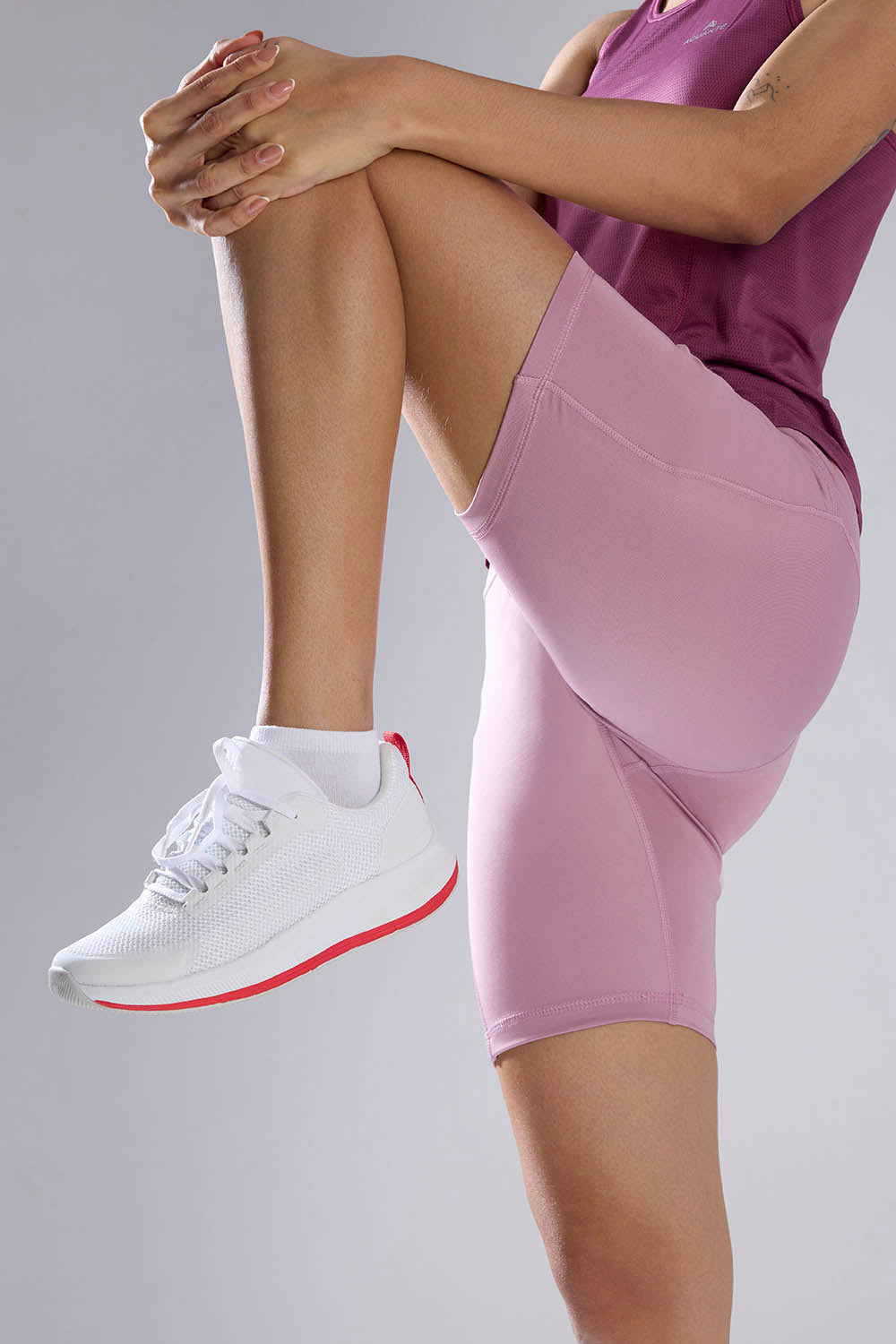
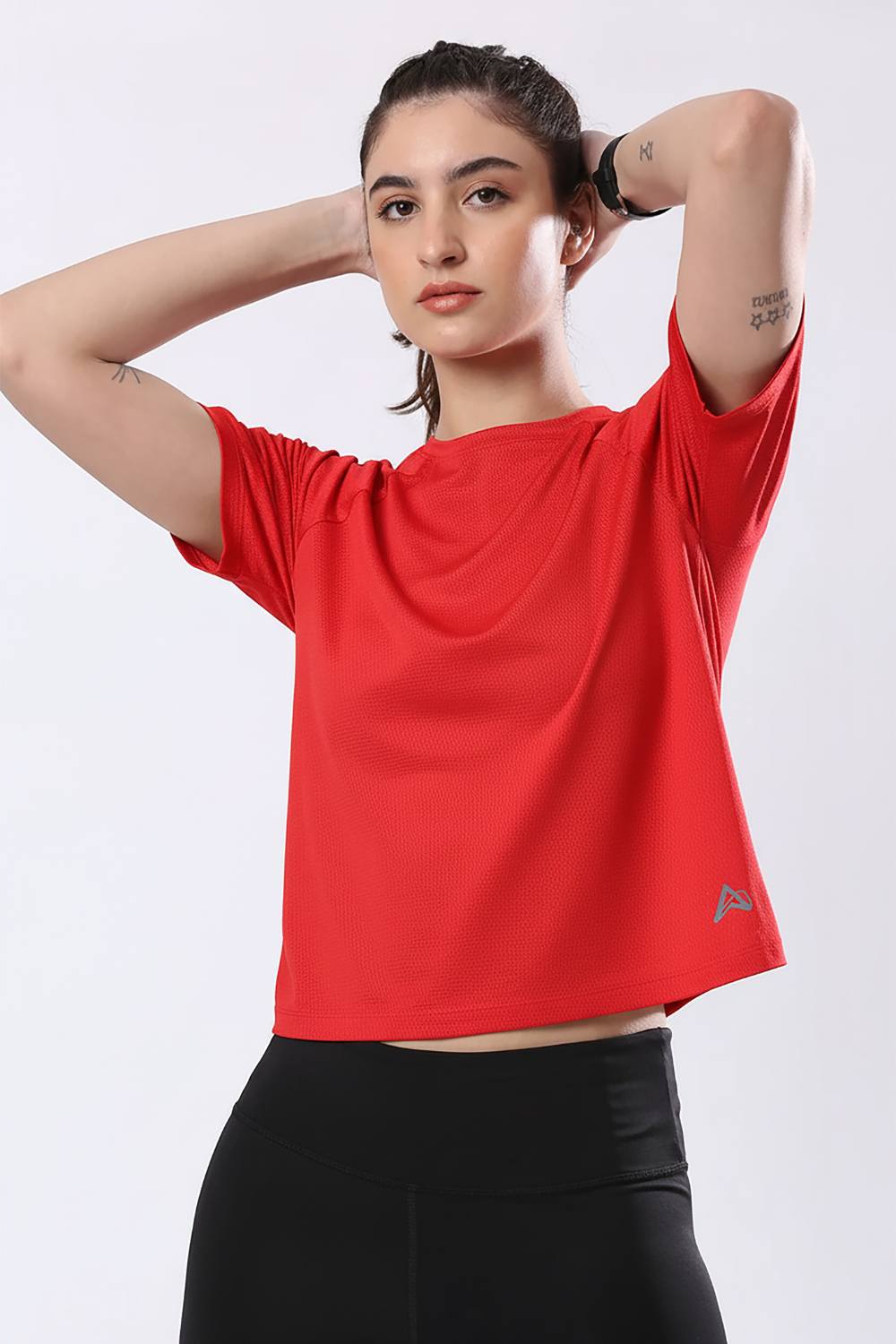
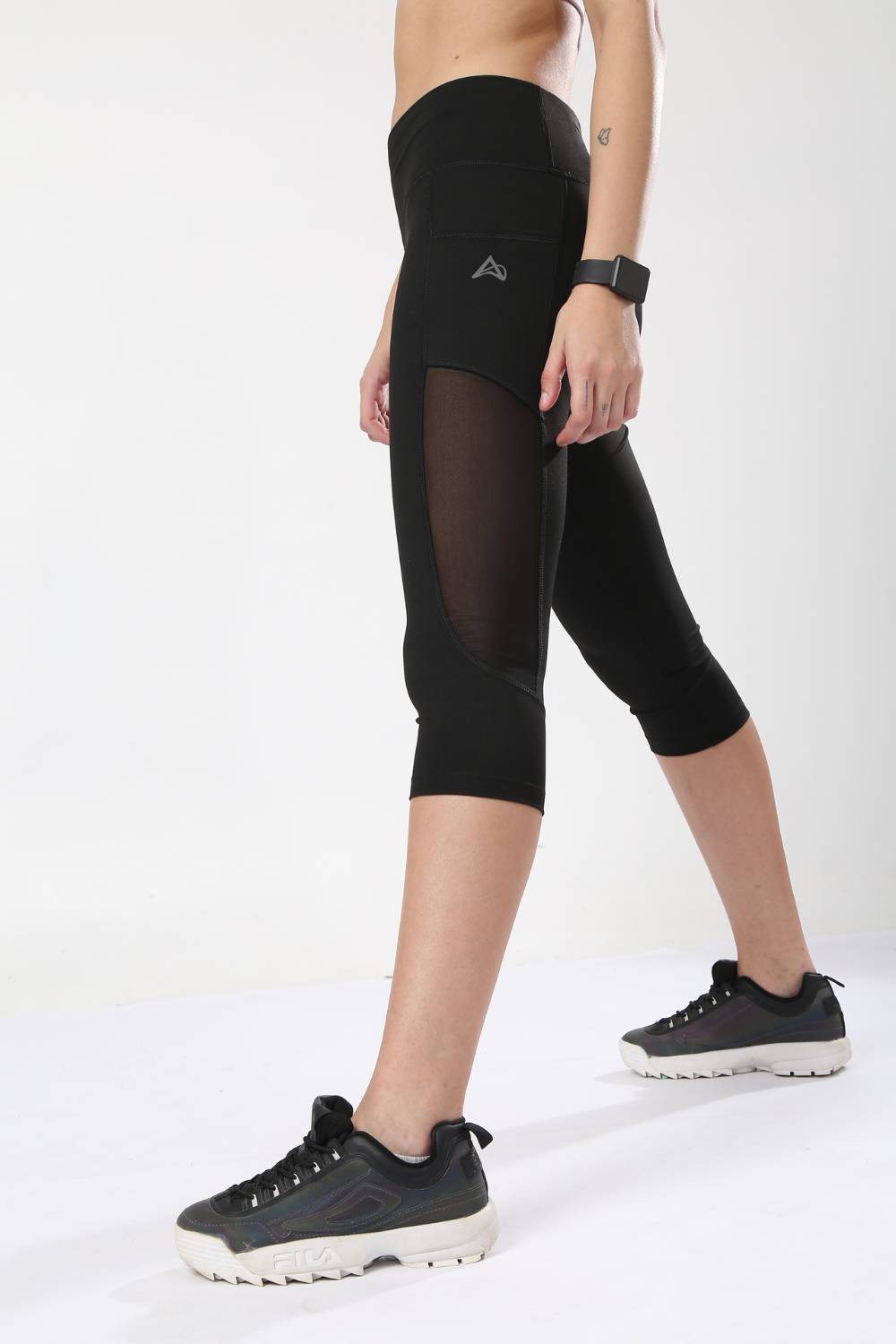
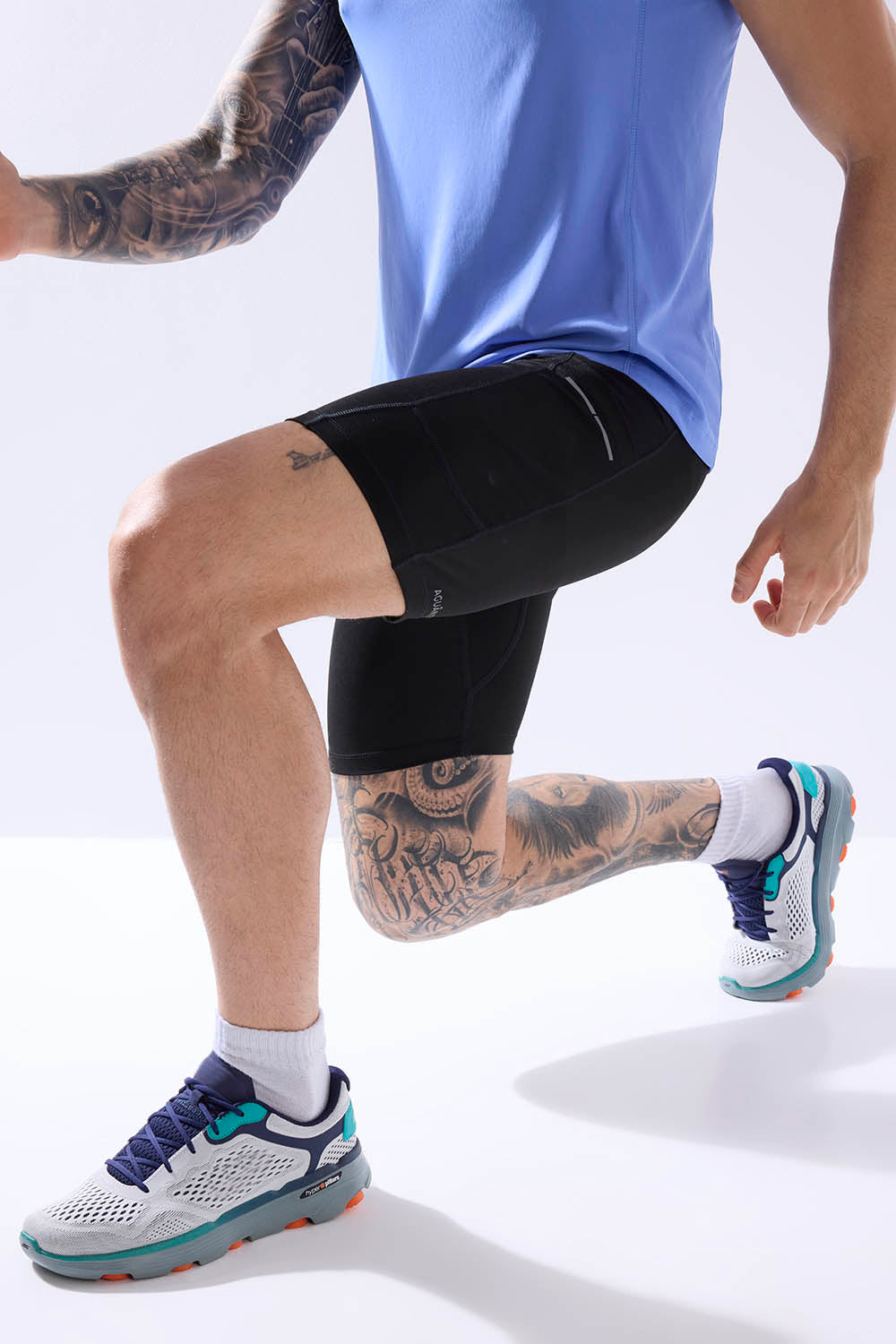
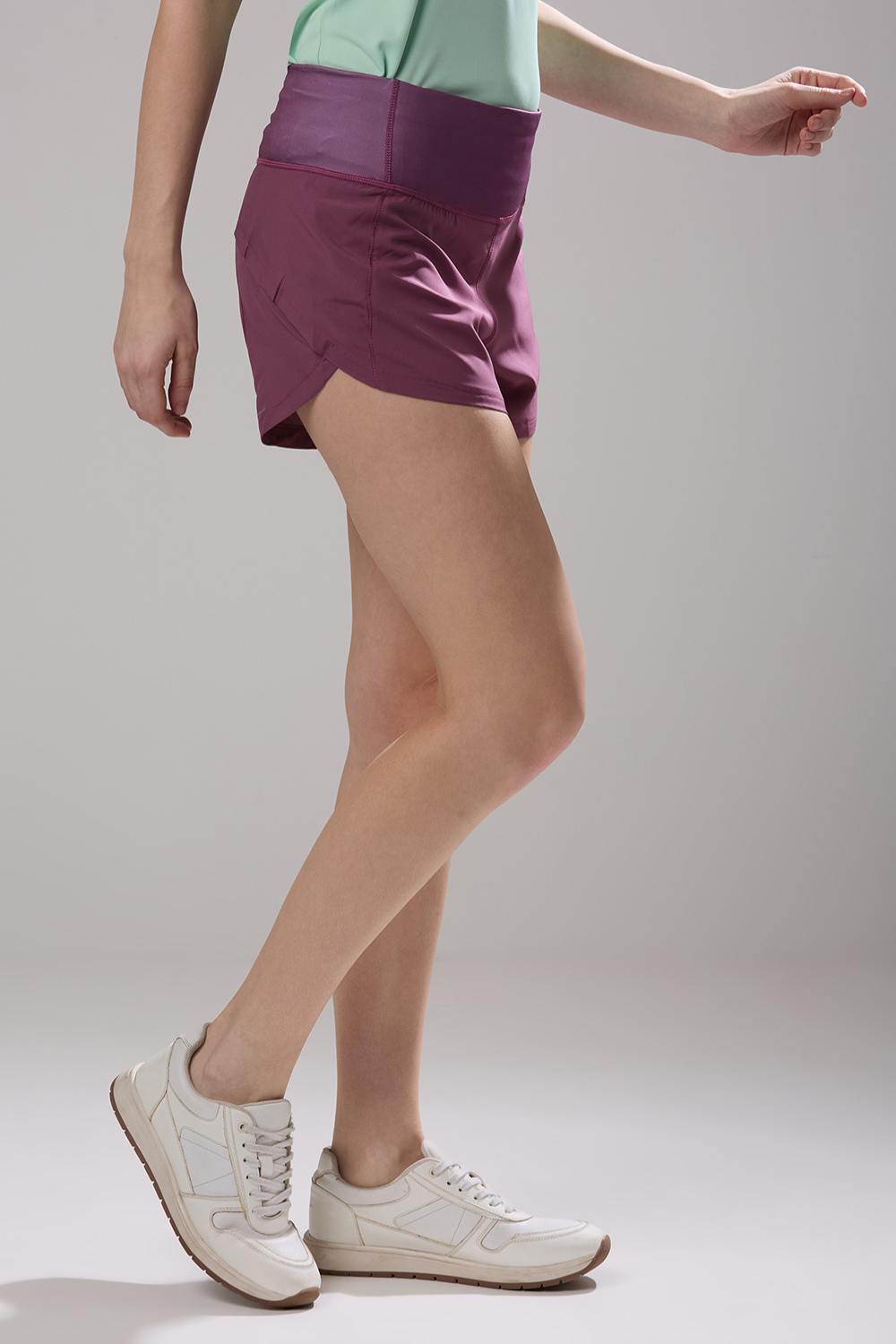
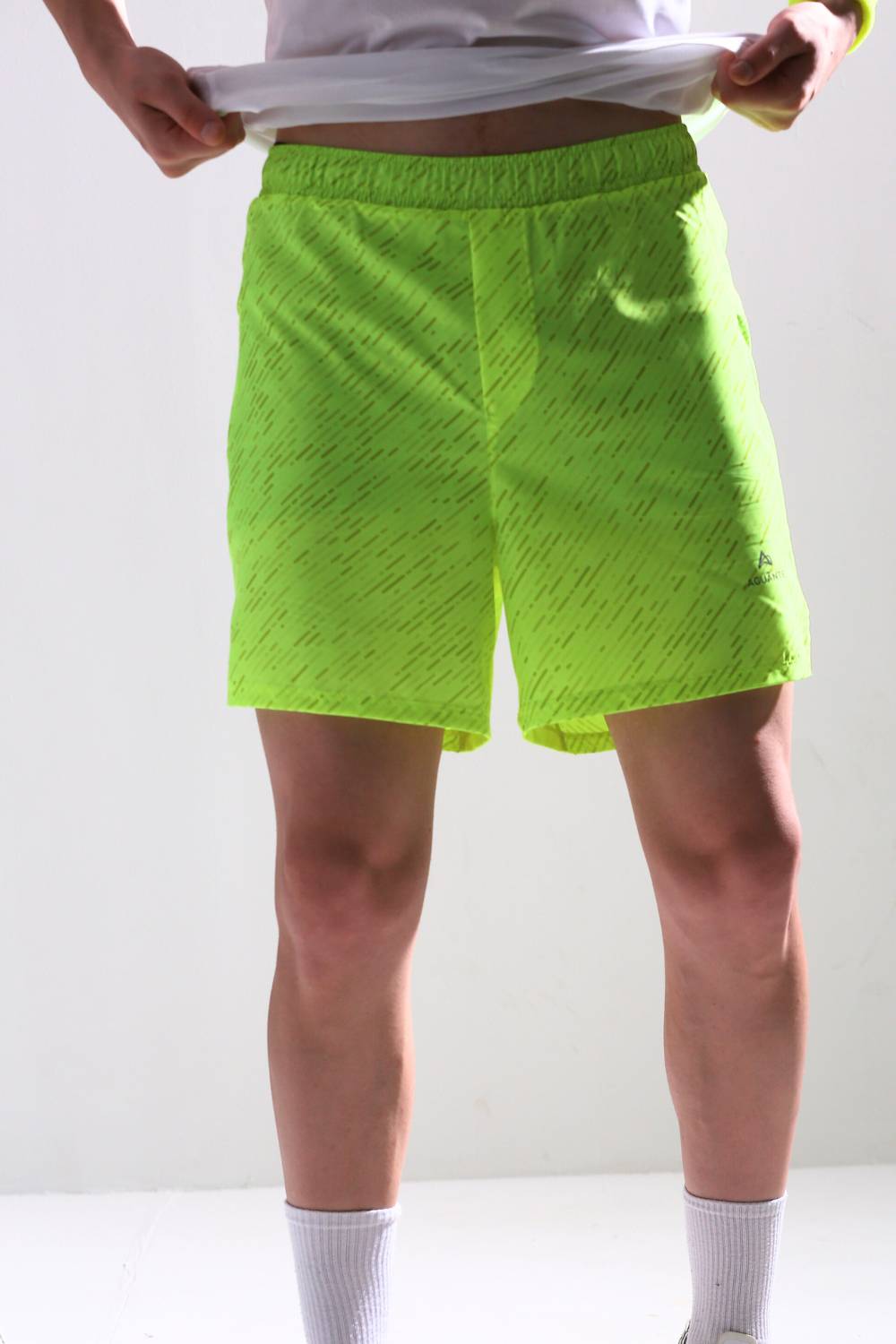
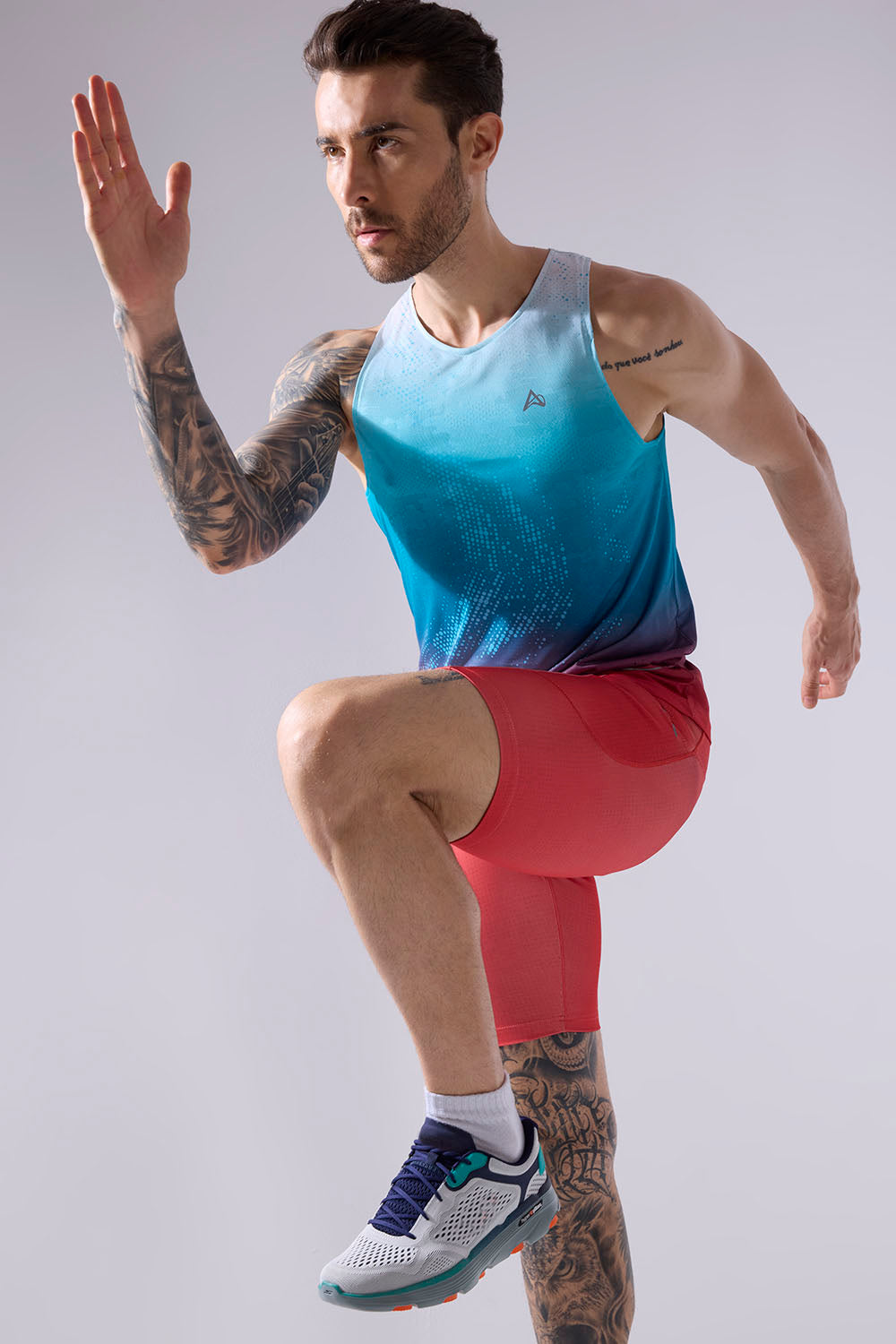
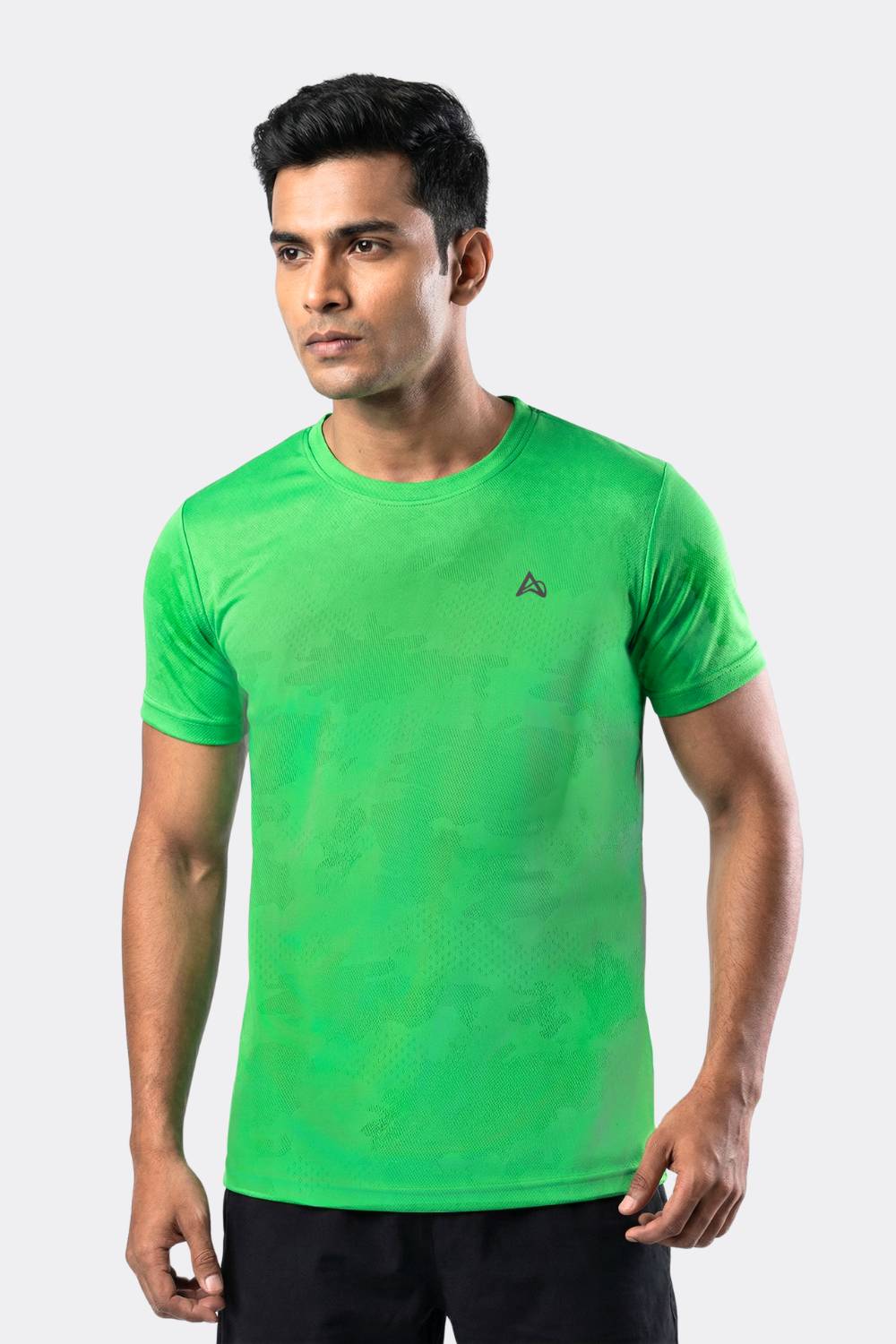
In the textile factories of Bangalore, where the clatter of sewing machines echoes the pulse of India's urban transformation, a profound shift is taking shape. Workers craft performance-driven sportswear moisture-wicking tees and flexible leggings that embody more than just athletic functionality. These garments represent a growing commitment to ethical manufacturing, where fair labor, sustainable materials, and transparent supply chains are reshaping India's sportswear industry. From Mumbai's marathon-packed streets to Surat's textile powerhouses, this movement is driven by urban consumers who demand brands that reflect their values. Manufacturers, from Delhi to Ahmedabad, are responding, weaving ethics into the fabric of an industry poised for global impact.
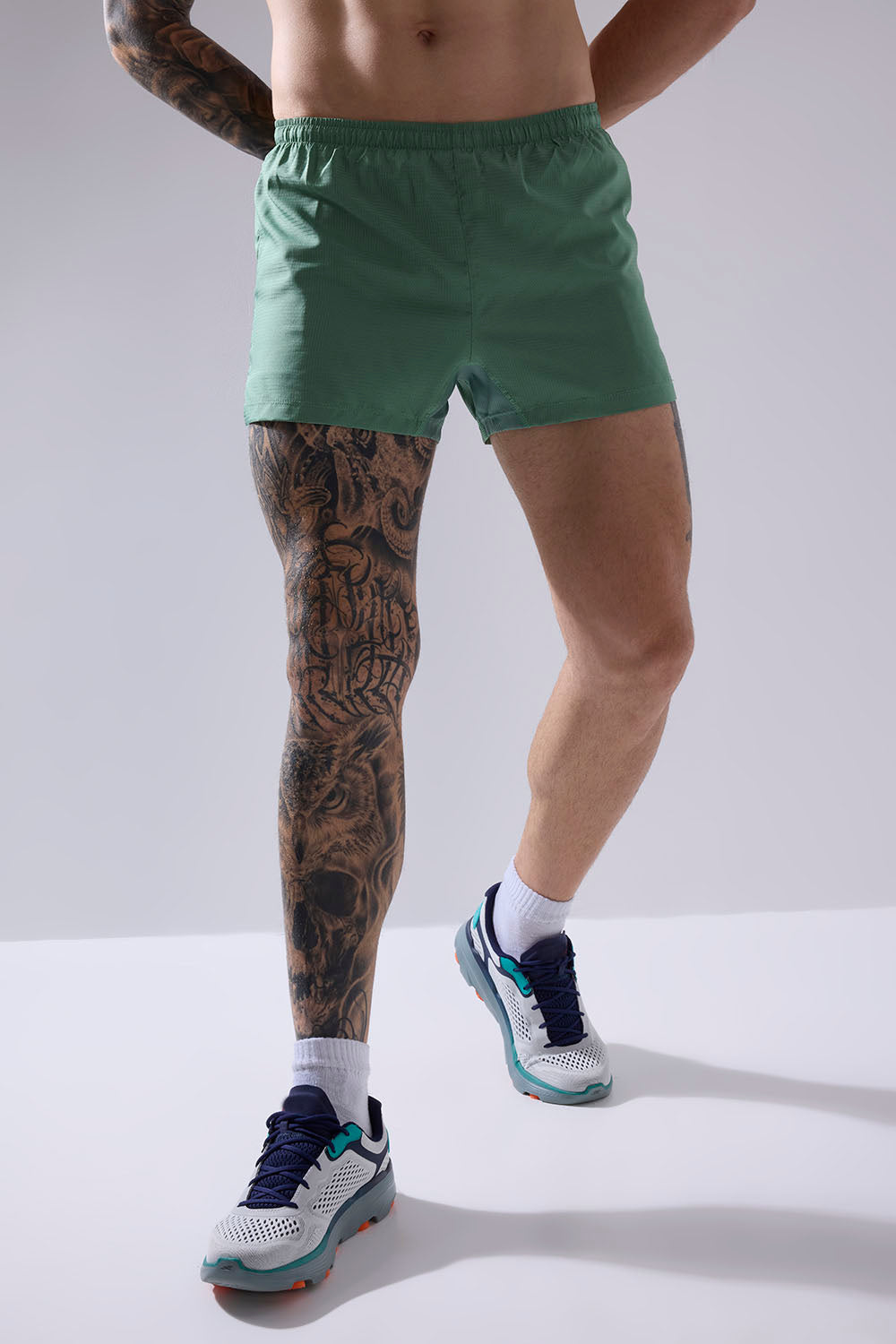
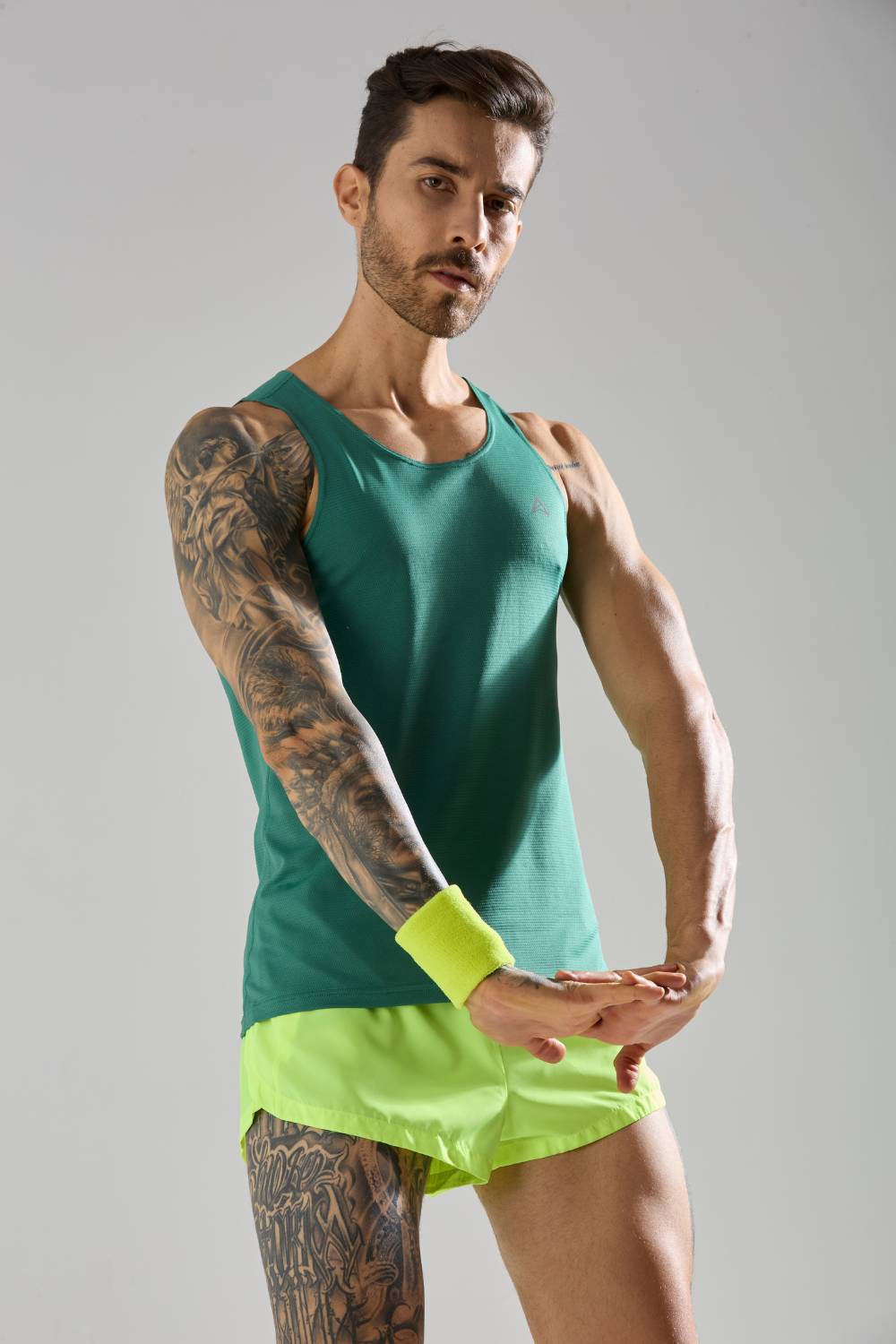
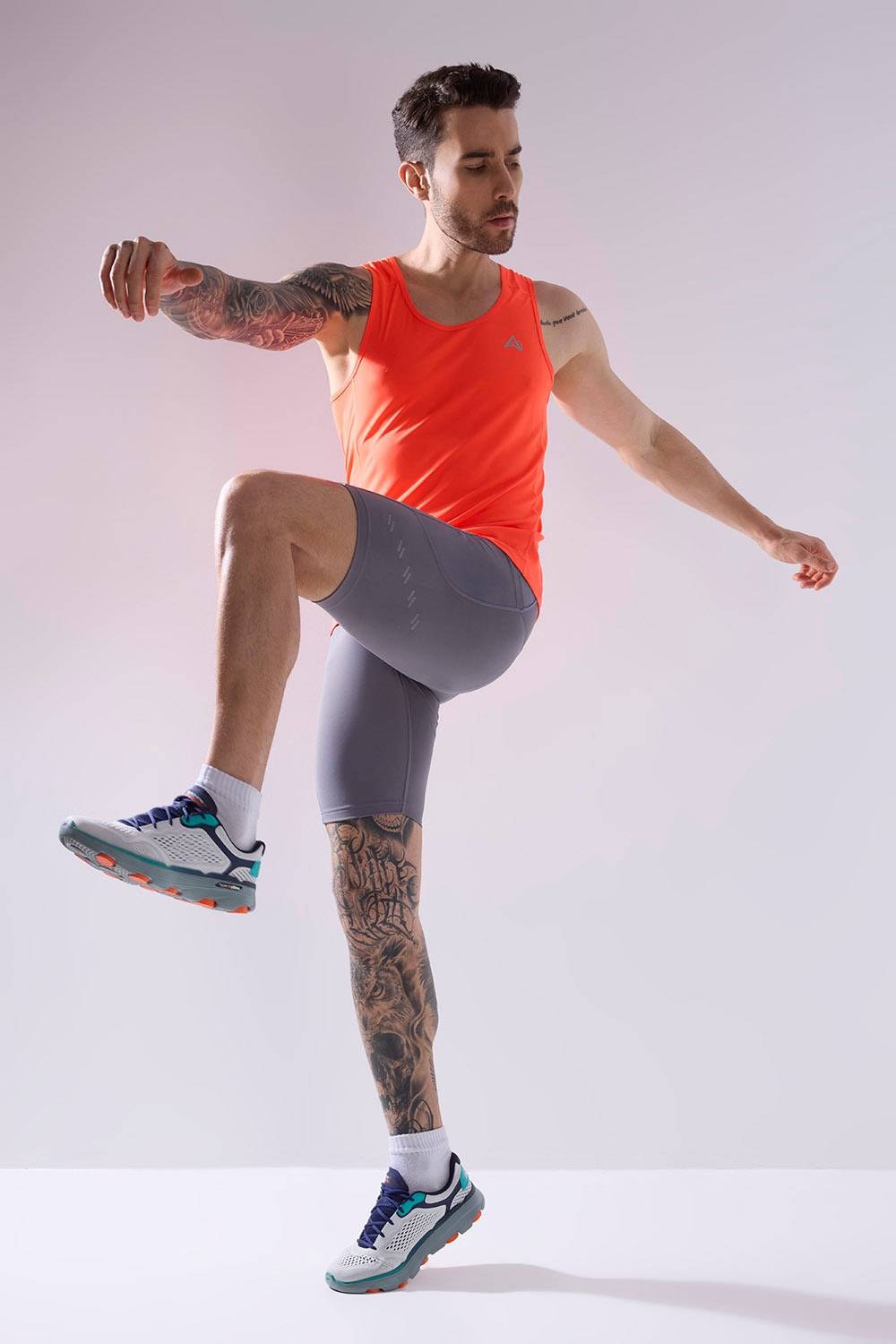
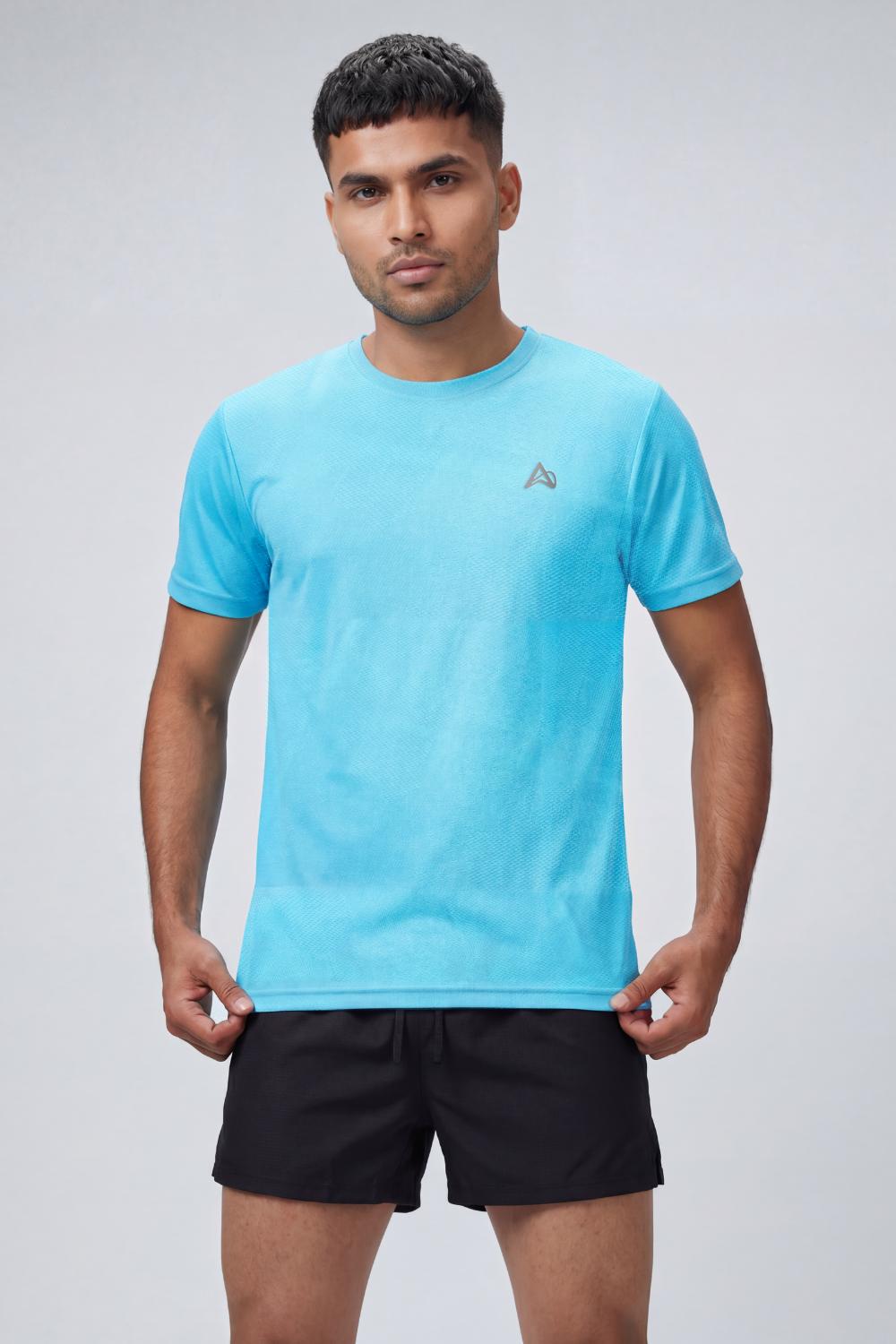
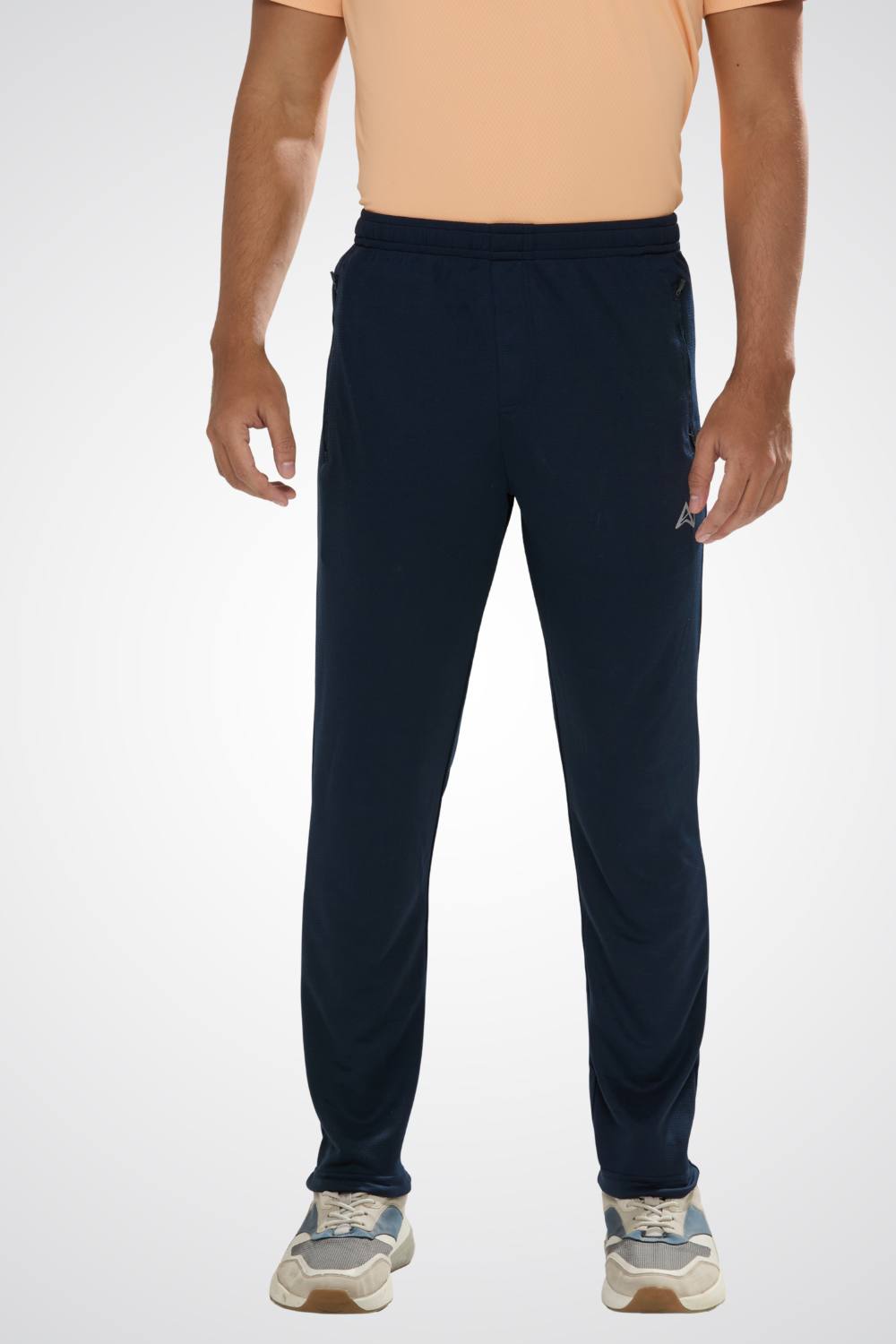
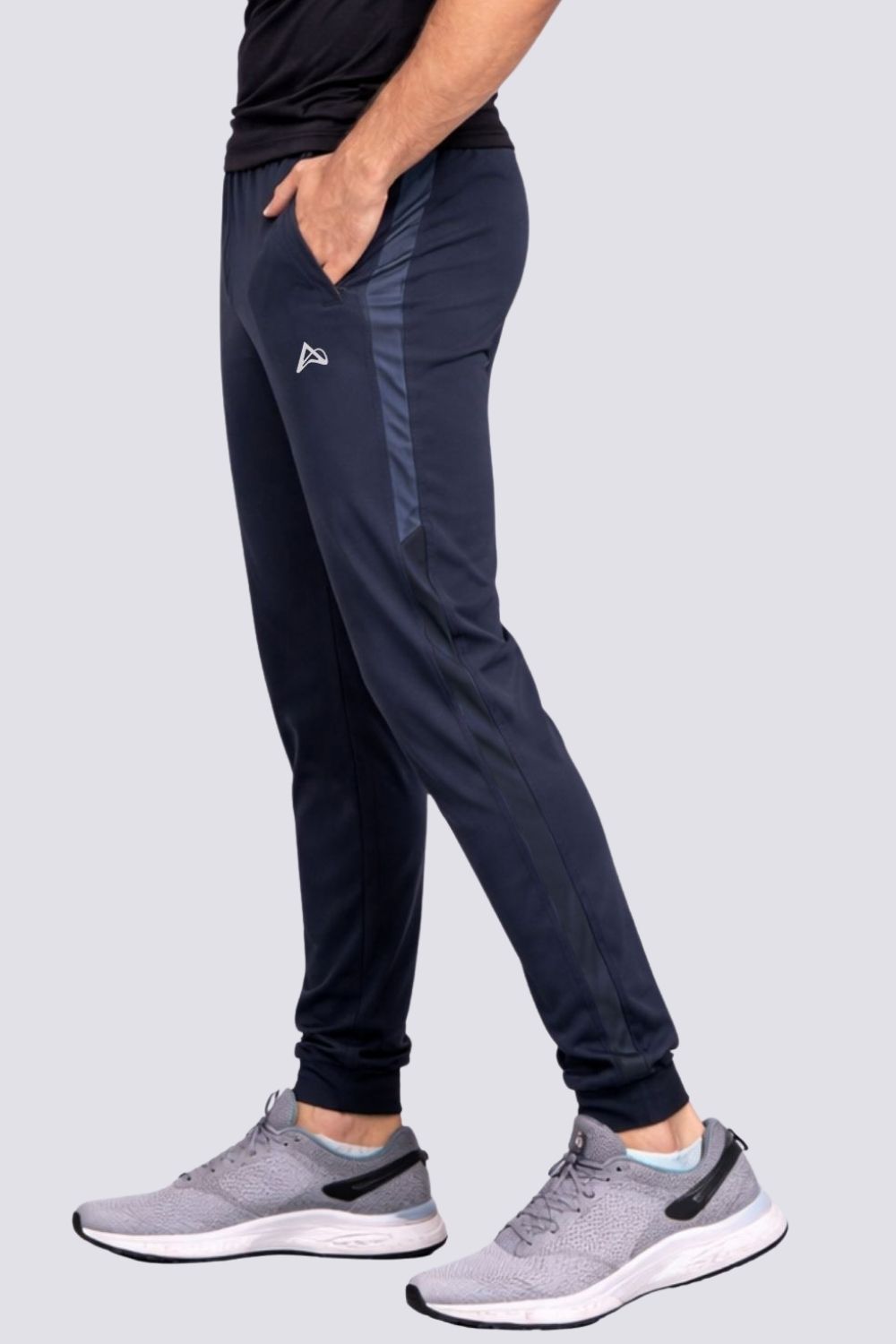
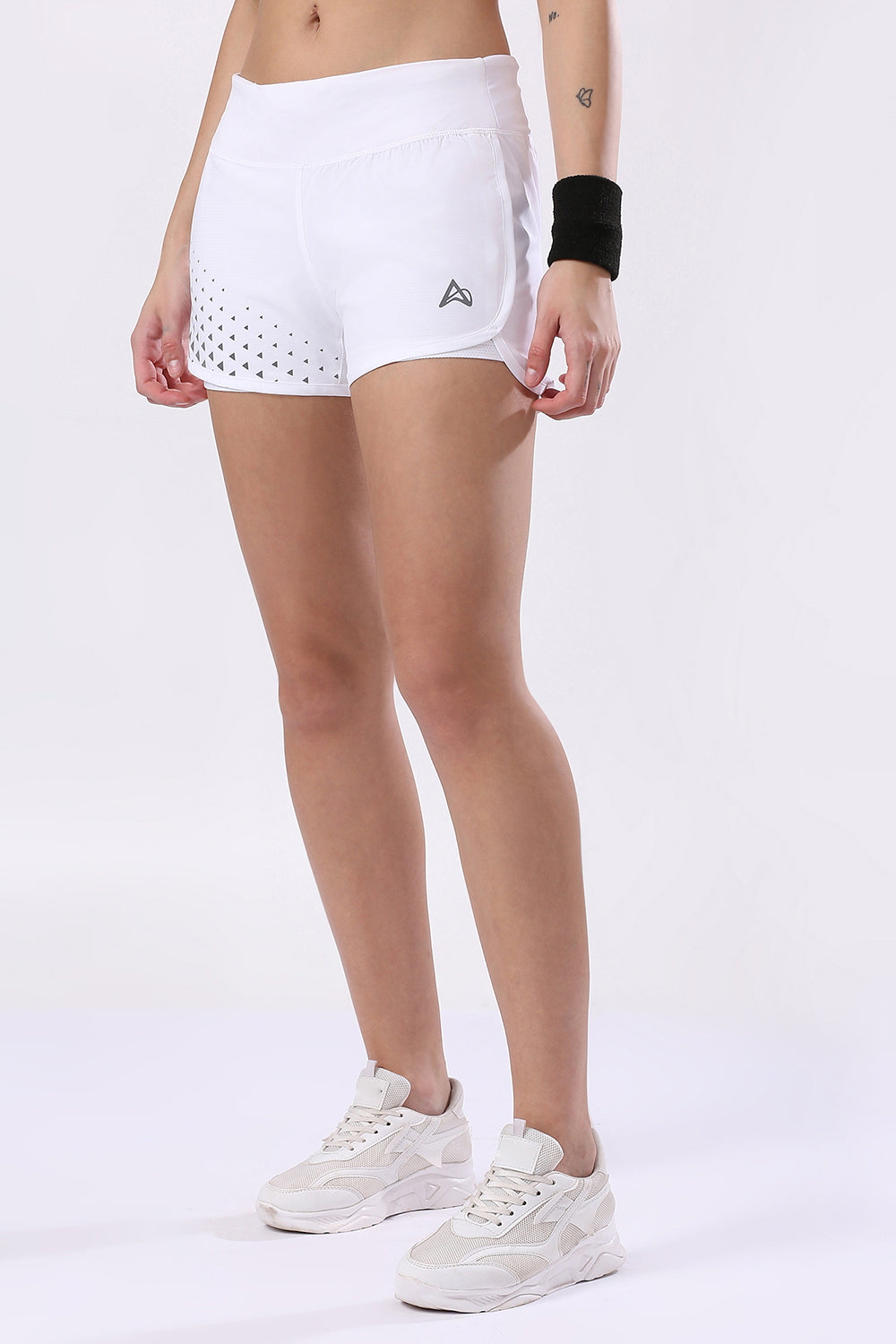
Tired of gear that slows you down? Chafing, soggy fabrics, and missing pockets kill your run's momentum. At Aguante, we're runners who get it. Our high-performance activewear features moisture-wicking fabrics, ergonomic designs, and smart storage to keep you focused. Shop Now!
Rising Demand Fuels Ethical Shifts
India's sportswear market is surging, propelled by a fitness boom in cities like Bangalore, Hyderabad, and Mumbai. According to a Deep Market Insights report, the market reached USD 10.15 billion in 2024 and is expected to climb to USD 17.52 billion by 2033, with a steady CAGR of 6.23%. Apparel, particularly athleisure, leads this growth, as urban consumers seek stylish, high-performance clothing. Beyond aesthetics, these buyers especially runners and fitness enthusiasts in metropolitan hubs are prioritizing brands that champion fair wages and eco-friendly materials, as highlighted in a recent analysis on transparency in India's activewear.
This consumer shift is transforming production centers. Bangalore, home to approximately 1,200 garment factories serving global brands, grapples with an informal sector where labor practices can be opaque. A Reuters investigation notes that small enterprises in Delhi often face criticism for exploitative conditions. Yet, in cities like Mumbai and Hyderabad, where gym memberships and marathon events are soaring, brands showcasing supply-chain transparency through tools like digital dashboards or sustainability certifications are gaining a competitive edge. This trend underscores a broader truth: ethics are becoming as critical as performance in India's sportswear market.
Manufacturing Hubs: Innovation and Accountability
India's sportswear production is concentrated in strategic clusters: Maharashtra's Mumbai, Navi Mumbai, and Pune account for 38% of output, while Delhi and Gurugram in the North contribute 26%, according to a government report. These regions are not just manufacturing giants; they're incubators for ethical innovation. In Maharashtra, factories are adopting circular economy principles, focusing on waste reduction and resource efficiency, as detailed in a CEE India assessment. Gujarat's textile hubs, Surat and Ahmedabad, face similar pressures to embrace circularity, though limited recycling infrastructure remains a challenge.
In Bangalore and Hyderabad, ethical manufacturing is taking root with a focus on sustainable materials. Factories are increasingly using recycled polyester for moisture-wicking fabrics, catering to urban consumers who value environmental responsibility alongside performance. In contrast, Delhi and Gurugram are prioritizing labor transparency. The Reuters report reveals that Delhi's garment workers often endure poor conditions, but brands sourcing from this region are under growing pressure to ensure fair wages and safe workplaces. For manufacturers, ethical practices are no longer optional they're a prerequisite for competing in a market where values drive purchasing decisions.
The numbers tell a compelling story. The activewear market in India, valued at USD 15,107.3 million in 2024, is projected to reach USD 29,972.9 million by 2030, growing at a robust CAGR of 12.2%. Women's sportswear leads this expansion, reflecting the rising participation of female consumers in fitness activities across urban centers. This growth amplifies the need for ethical manufacturing, as brands seek to align with the values of their core demographic.
Obstacles to Ethical Progress
Despite its promise, ethical manufacturing faces significant hurdles. India's apparel sector, particularly in Bangalore's vast factory network, remains largely informal, complicating efforts to map supply chains. Traceability verifying the origin of materials like cotton or polyester is a persistent challenge, especially for synthetic performance fabrics. A TIJER research paper notes that organic fibers are scarce and costly, hindering the shift to sustainable alternatives in sportswear production.
Cost pressures add another layer of complexity. In emerging fitness markets like Surat and Ahmedabad, where consumers are price-sensitive, persuading buyers to invest in eco-friendly apparel is challenging, as discussed in an Aguante article on sustainable activewear. Infrastructure gaps further impede progress. The CEE India report highlights that textile circularity such as fabric recycling or water conservation is in its infancy, with clusters in Gujarat and Maharashtra struggling due to inadequate waste-management systems. Manufacturers must navigate these constraints while meeting the demands of a market that increasingly values ethics over cost.
Moreover, the sports apparel market, valued at USD 705.85 million in 2024 and projected to reach USD 1,592.58 million by 2030 with a CAGR of 14.52%, per TechSci Research, is driven by rising health awareness and urbanization. Yet, the reliance on informal labor and synthetic materials complicates the adoption of ethical practices, requiring innovative solutions to bridge the gap between ambition and reality.
Opportunities for Growth and Resilience
Amid these challenges lie substantial opportunities. Urban consumers in Bangalore, Mumbai, and Delhi are not merely purchasing sportswear; they're endorsing brands that align with their principles. Manufacturers in nearby hubs like Hyderabad, Pune, and Ahmedabad can seize this moment by integrating ethical practices into their operations. Circular strategies, such as recycling textile waste or optimizing energy use, offer cost savings, particularly in Maharashtra and Gujarat, where resource efficiency is a priority, according to the CEE India assessment.
Ethical manufacturing also bolsters supply-chain resilience. In Delhi and Gurugram, where regulatory oversight is tightening, factories that uphold fair labor standards are better positioned to secure lucrative contracts with global brands. Western India's clusters Mumbai, Navi Mumbai, Pune, Surat, and Ahmedabad benefit from strategic advantages: proximity to ports, a skilled workforce, and a reputation for innovation. By prioritizing ethics, these hubs can establish themselves as premium suppliers in a global market that increasingly rewards sustainability.
Digital transformation is another game-changer. As noted in a Fibre2Fashion article, Indian apparel SMEs are leveraging B2B platforms to connect with international retailers, enhancing supply-chain visibility. This digitization, supported by government initiatives, enables manufacturers in Pune or Surat to showcase their ethical credentials, attracting partners who value transparency and sustainability.
Charting the Future of India's Sportswear Industry
As India's sportswear market races toward USD 17.52 billion by 2033, its manufacturing clusters Bangalore, Surat, Delhi, and beyond stand at a pivotal juncture. Ethical manufacturing is no longer a niche pursuit; it's a strategic imperative, driven by urban consumers who demand accountability in their running gear. From Gujarat's circular economy initiatives to Delhi's push for labor transparency, India's textile hubs are demonstrating that ethics and efficiency can coexist.
For manufacturers, the path forward is clear: collaborate with regional supply chains, invest in sustainable materials like recycled polyester, and engage fitness enthusiasts in cities like Mumbai and Hyderabad through ethical branding. These steps not only meet consumer expectations but also position India as a leader in the global sportswear market. In an industry where every thread tells a story, those who prioritize fair labor, transparency, and sustainability will not only shape India's sportswear landscape but also set a benchmark for the world. The finish line is in sight, and India's manufacturers are poised to lead the pack.
Frequently Asked Questions
Why are consumers choosing ethically made sportswear in India?
Consumers are increasingly choosing ethically made sportswear in India due to growing awareness of environmental and labor issues. The blog notes that shoppers prefer brands that use sustainable fabrics and ensure fair treatment of workers, aligning with global trends. This shift supports India's sportswear industry by meeting the demand for transparency and ethical production.
What is ethical manufacturing in India's sportswear industry?
Ethical manufacturing in India's sportswear industry involves producing athletic wear using sustainable materials, ensuring fair wages, and maintaining safe working conditions for laborers. The blog highlights how brands adopt eco-friendly practices like using organic cotton and recycled polyester to meet global standards. This approach not only improves worker welfare but also appeals to environmentally conscious consumers.
How does ethical manufacturing benefit India's sportswear market?
Ethical manufacturing boosts India's sportswear market by enhancing brand reputation and attracting international buyers who prioritize sustainability. According to the blog, fair labor practices and eco-conscious production help Indian manufacturers compete globally, driving export growth. It also fosters consumer trust, encouraging demand for ethically produced sportswear.
Disclaimer: The above helpful resources content contains personal opinions and experiences. The information provided is for general knowledge and does not constitute professional advice.
You may also be interested in: Sustainable Activewear Gains Ground in India
Tired of gear that slows you down? Chafing, soggy fabrics, and missing pockets kill your run's momentum. At Aguante, we're runners who get it. Our high-performance activewear features moisture-wicking fabrics, ergonomic designs, and smart storage to keep you focused. Shop Now!
Powered by flareAI.co