







Quick Listen:
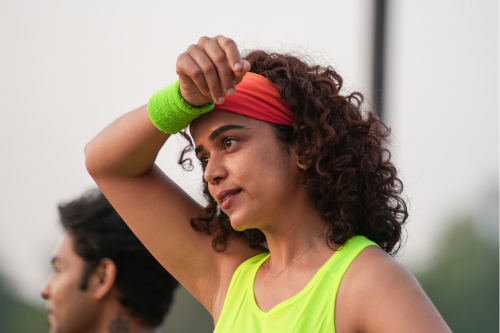
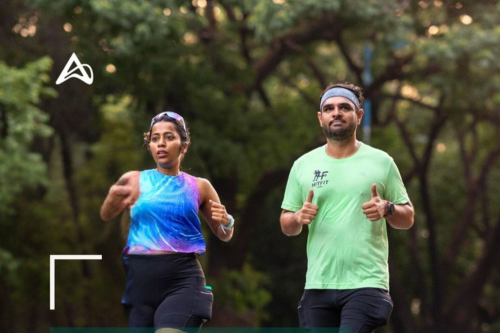
In the early morning mist of Bangalore's Cubbon Park, runners glide through winding trails, their lightweight gear shimmering under the first rays of sunlight. In Delhi's Lodhi Gardens, triathletes dart past historic monuments, their high-performance apparel slicing through the dense, humid air. From Mumbai's bustling promenades to Hyderabad's rain-slicked streets, India's urban centers Pune, Gurugram, Surat, Ahmedabad, and Navi Mumbai are witnessing an unprecedented boom in endurance sports. At the heart of this revolution lies a critical innovation: lightweight technical fabrics engineered to deliver unmatched comfort, durability, and adaptability to India's diverse and demanding climates.
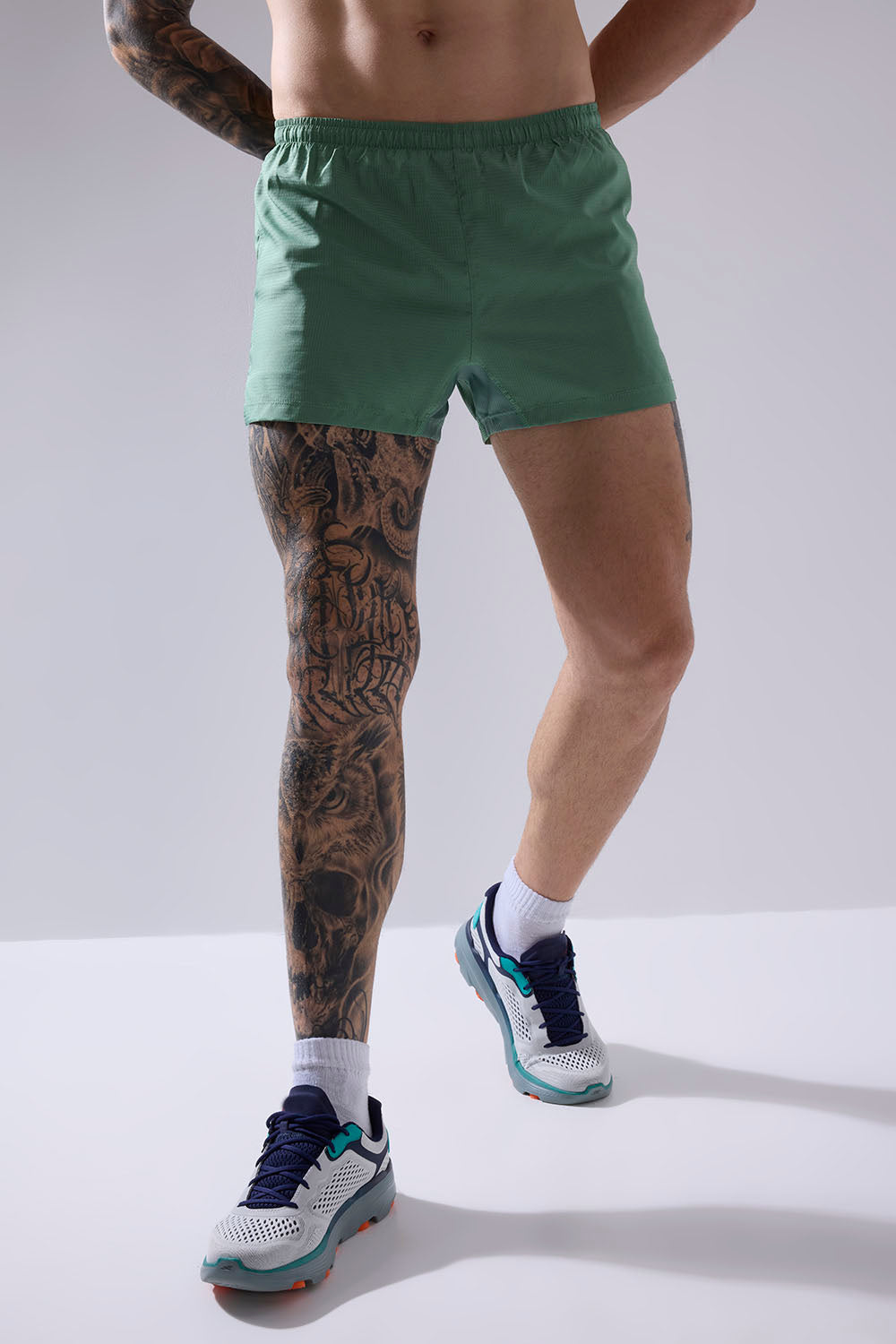
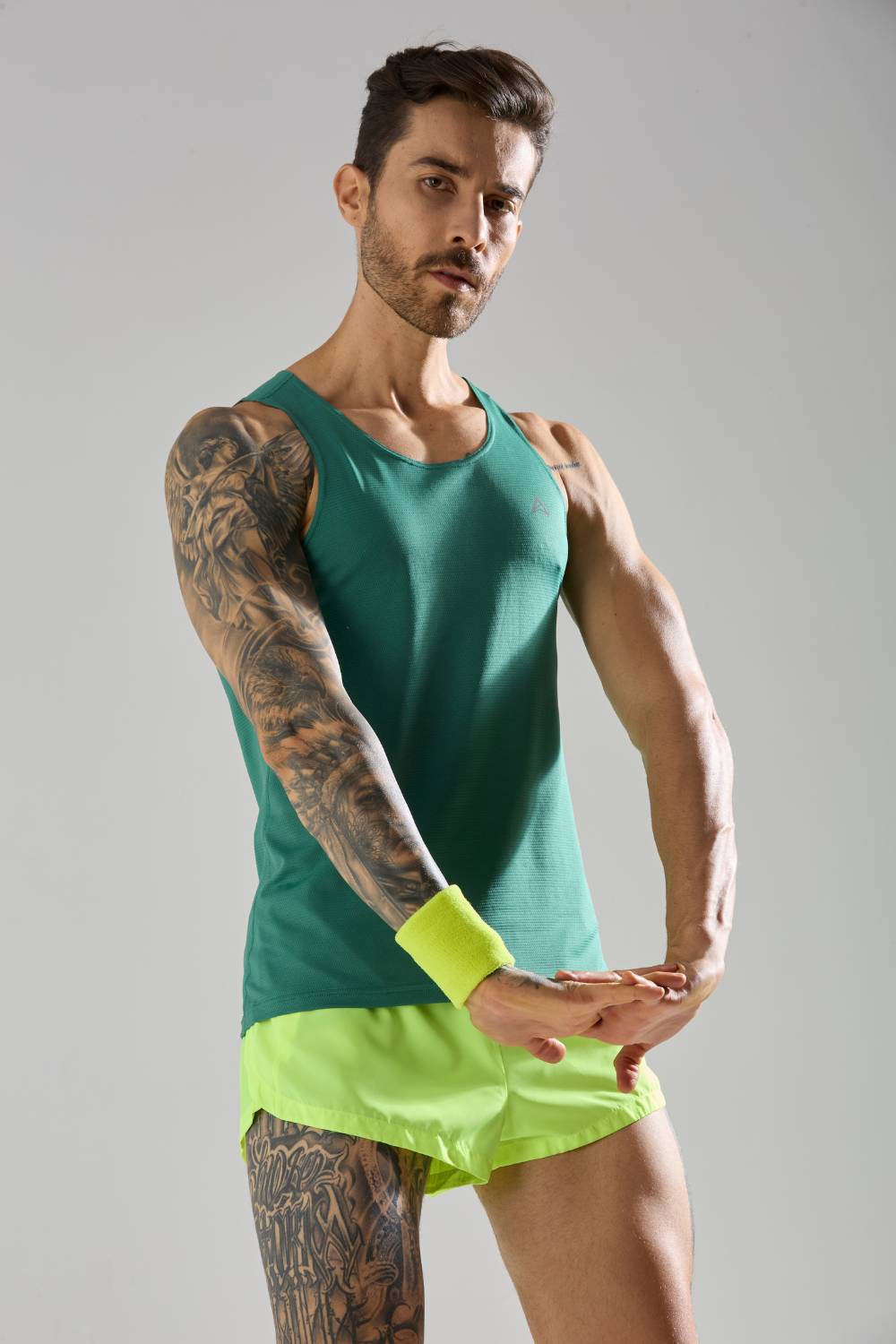
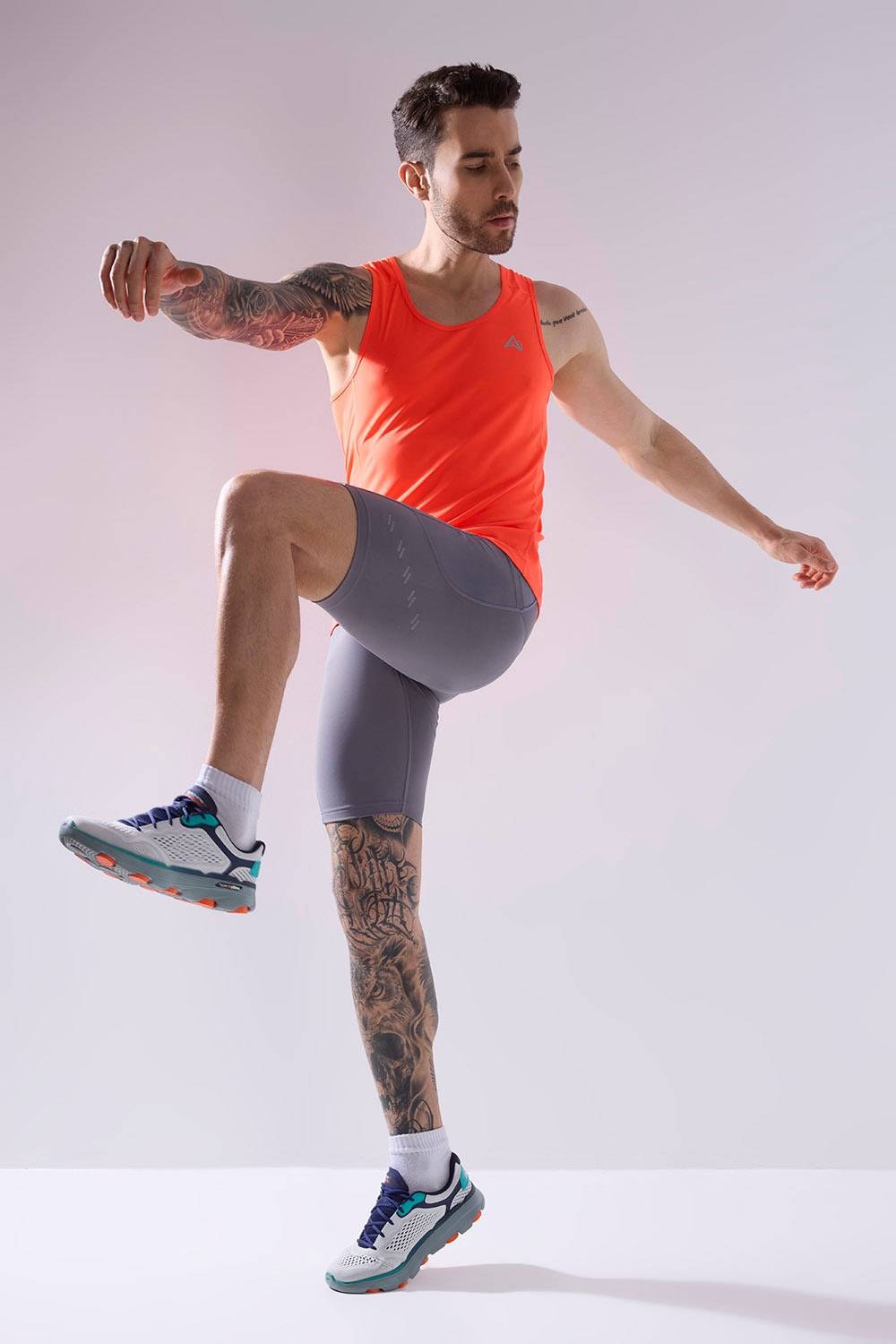
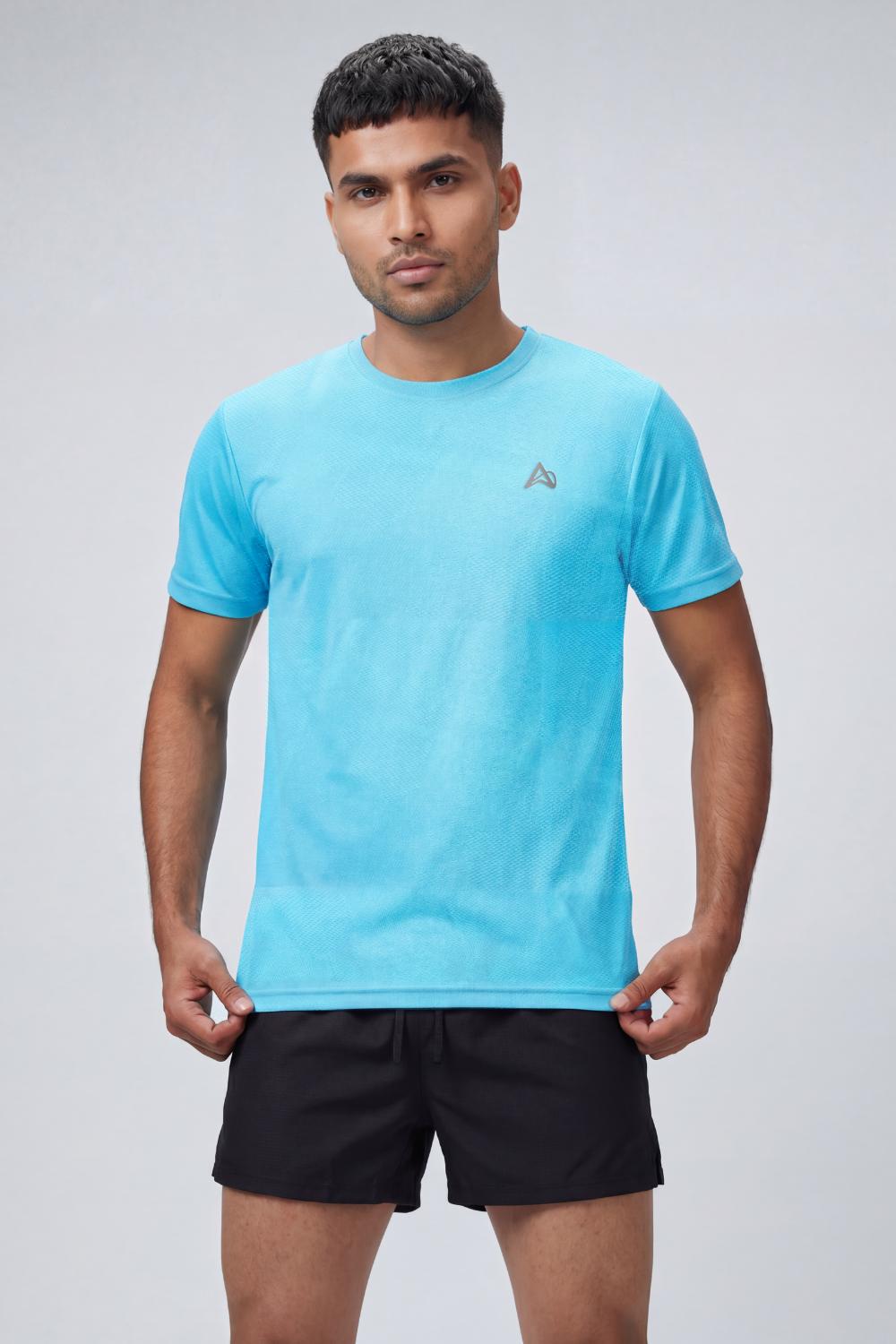
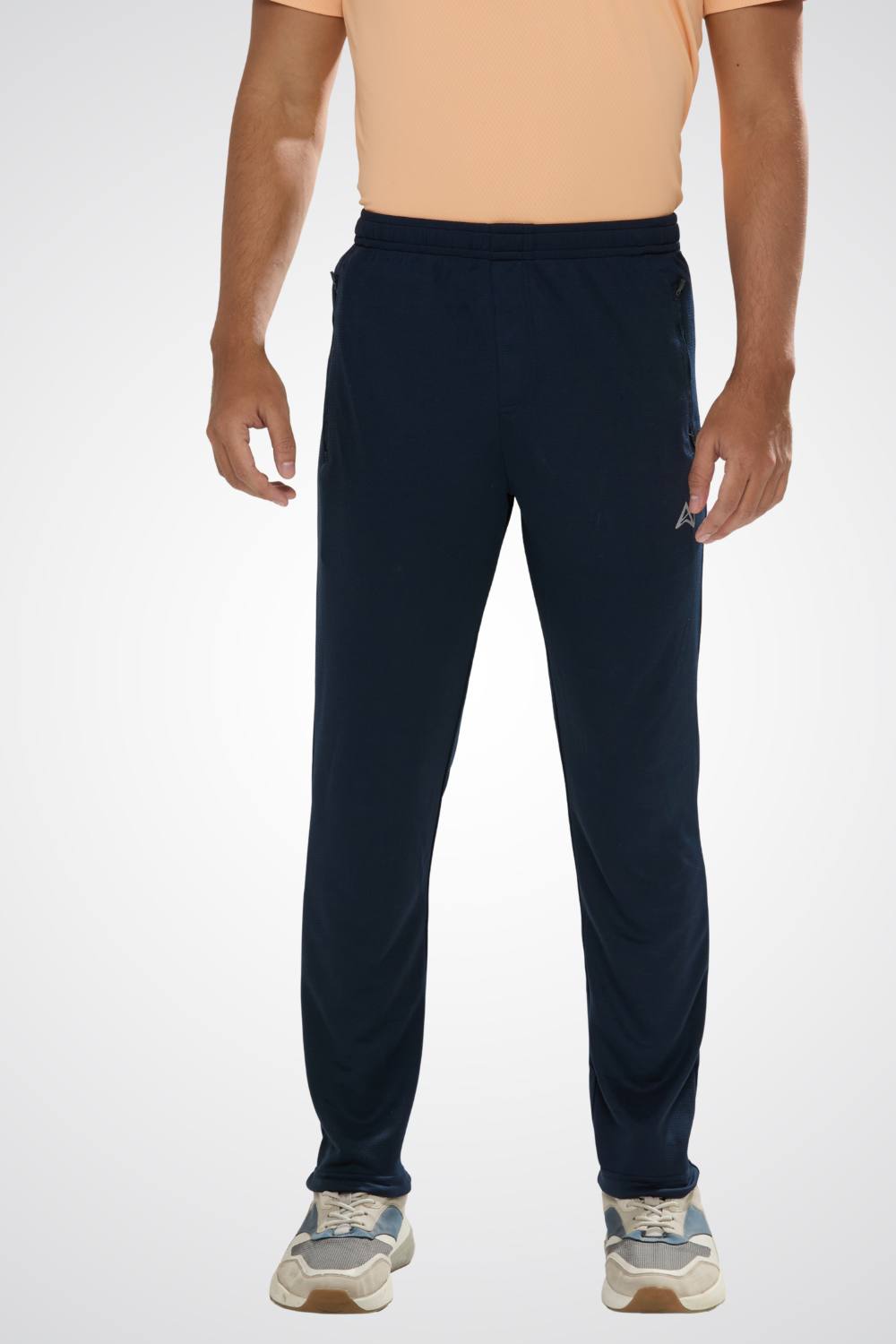
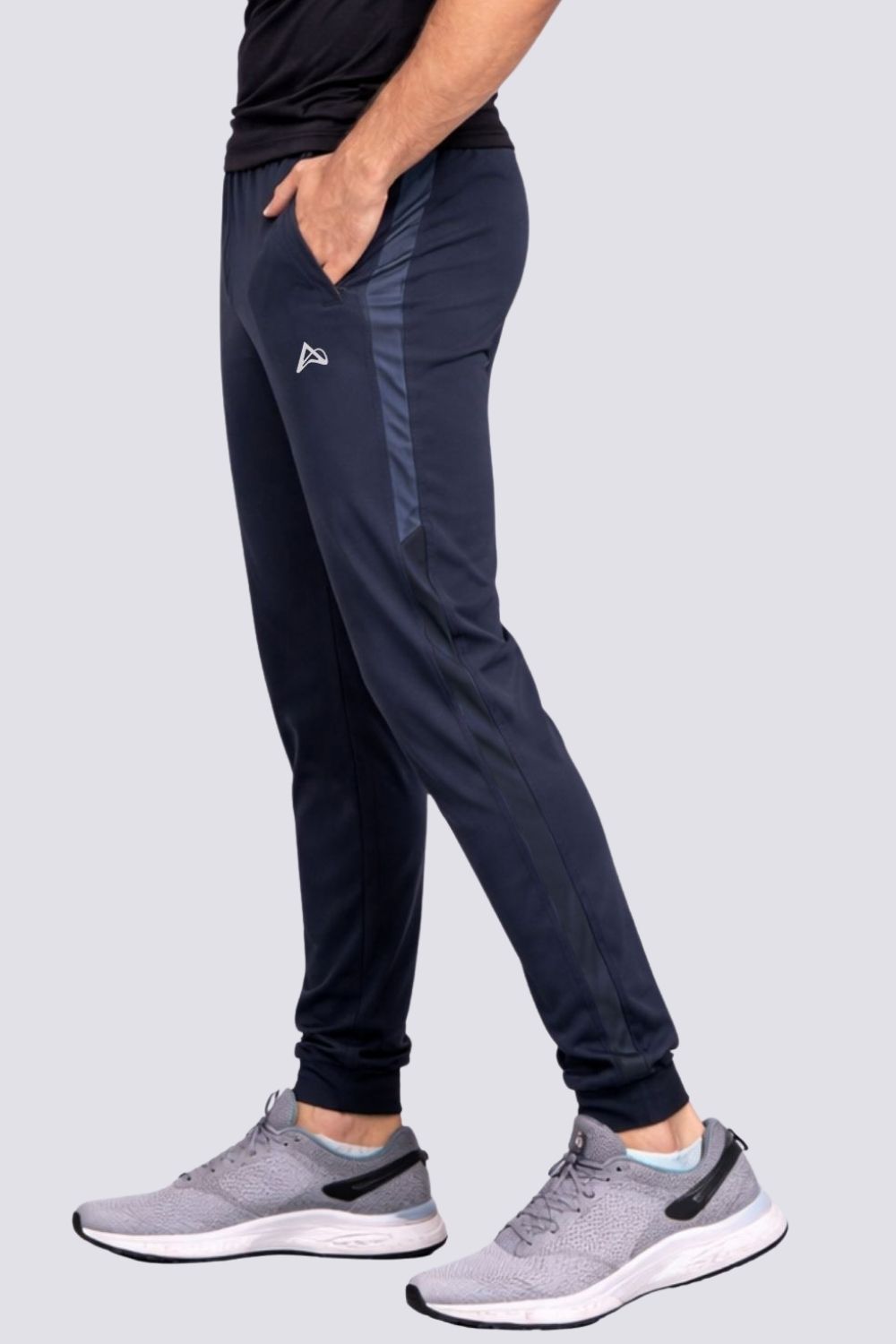
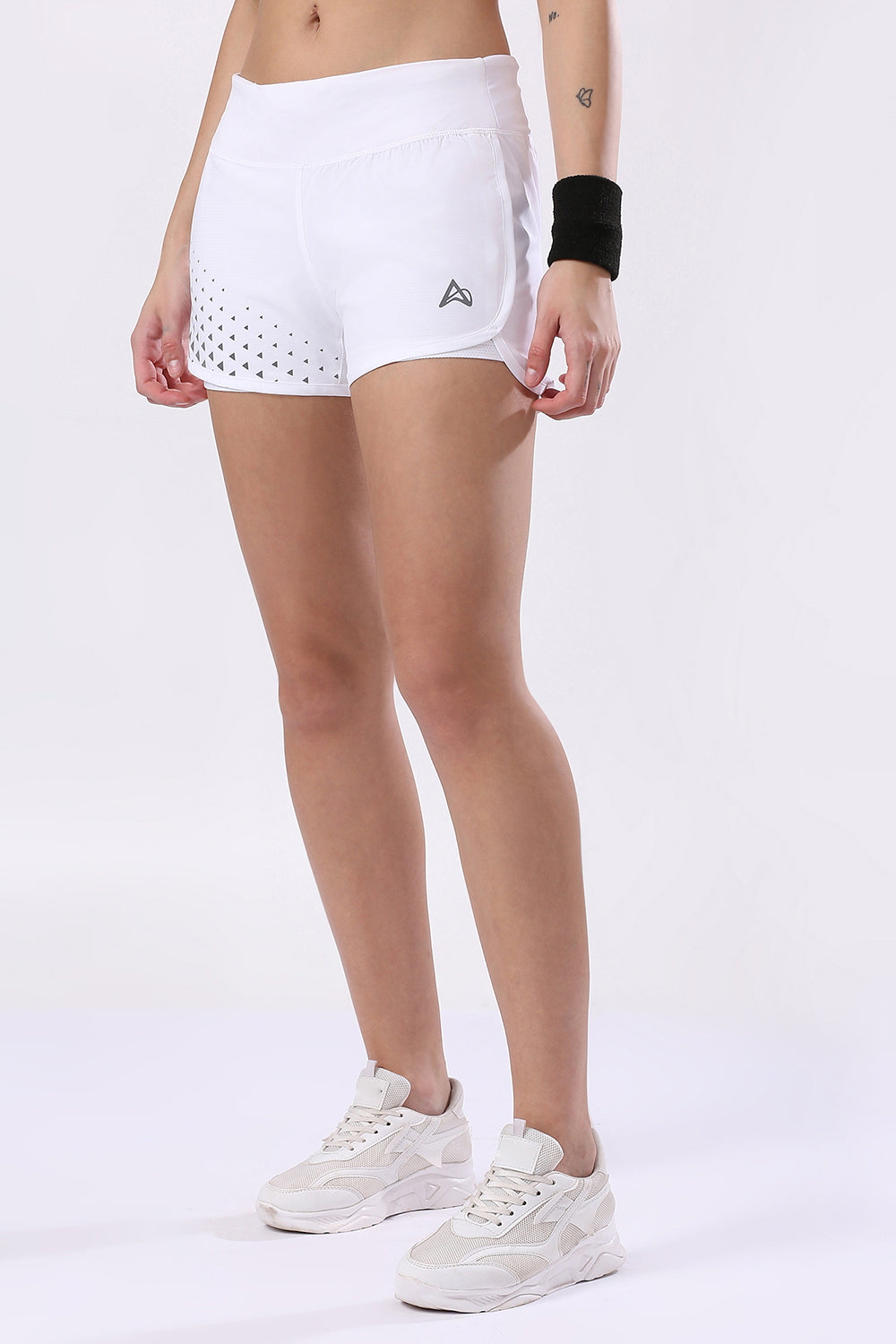
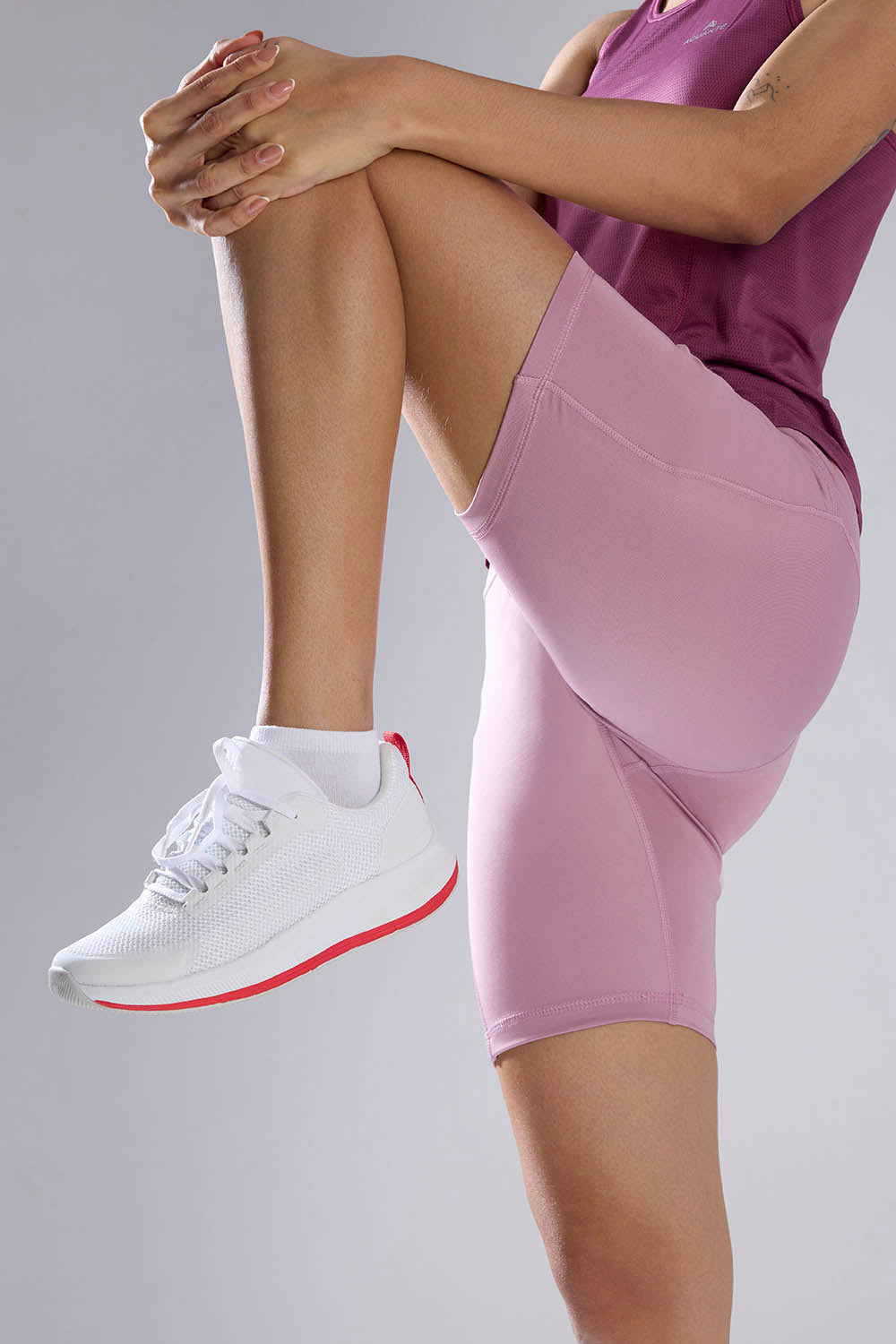
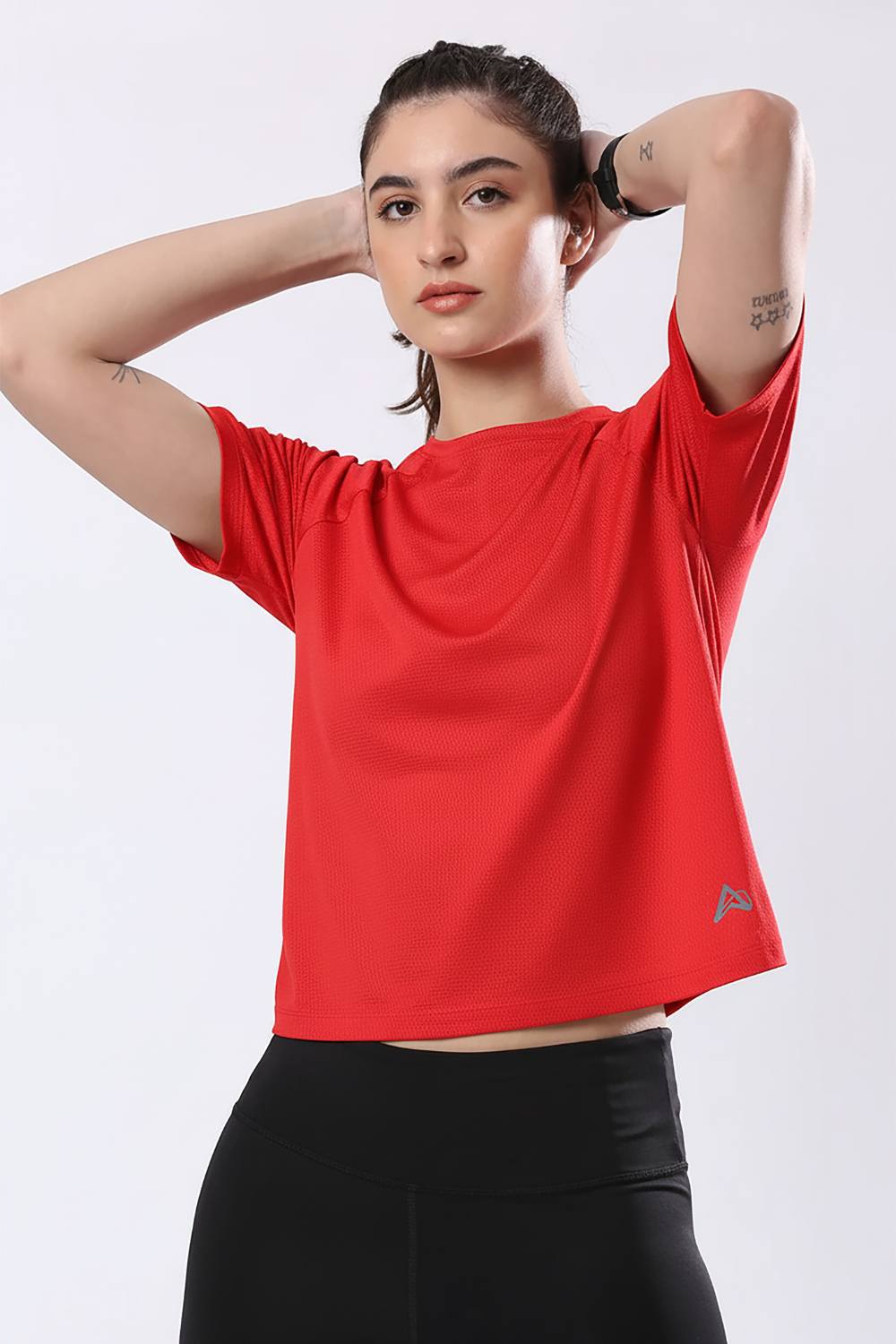
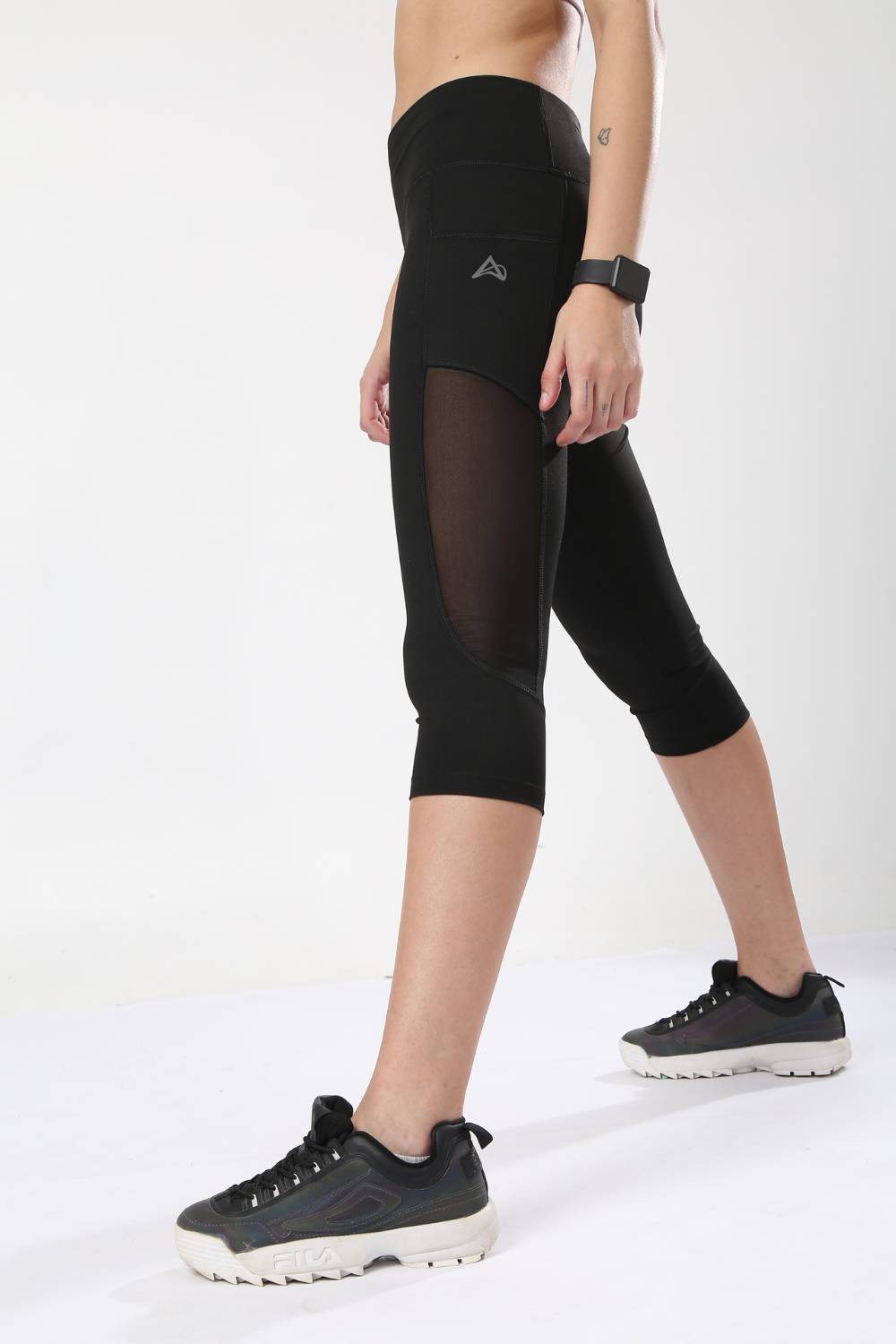
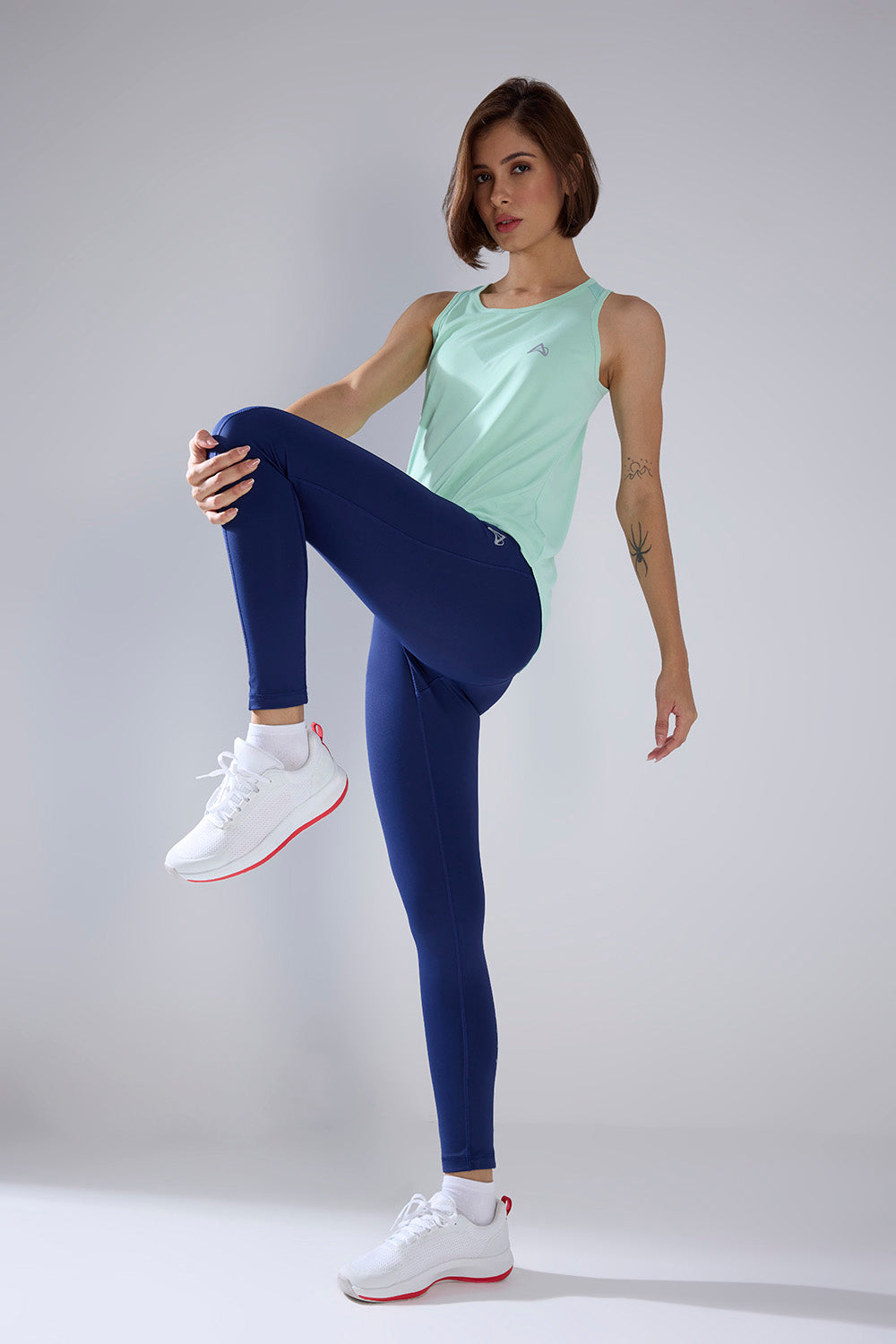
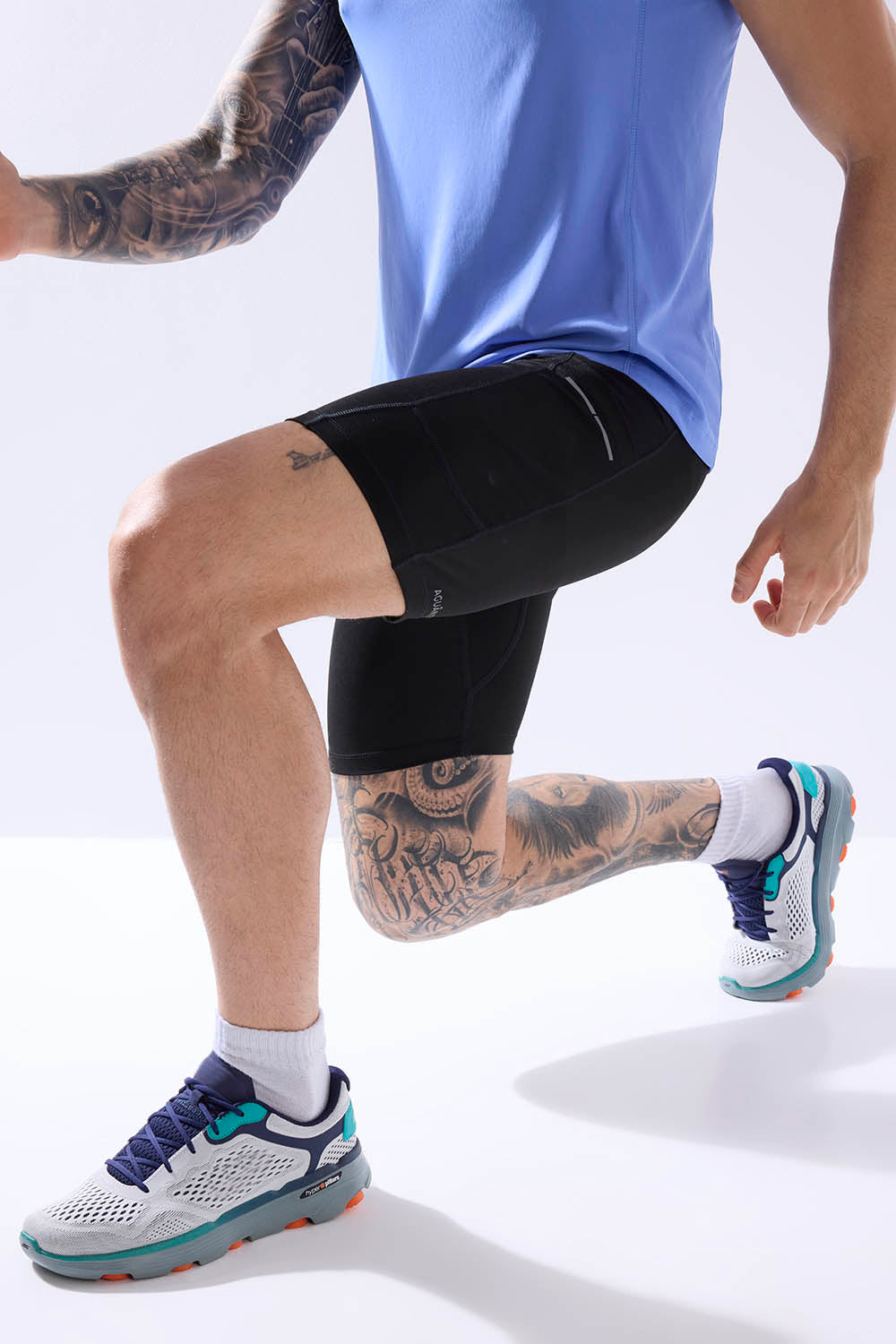
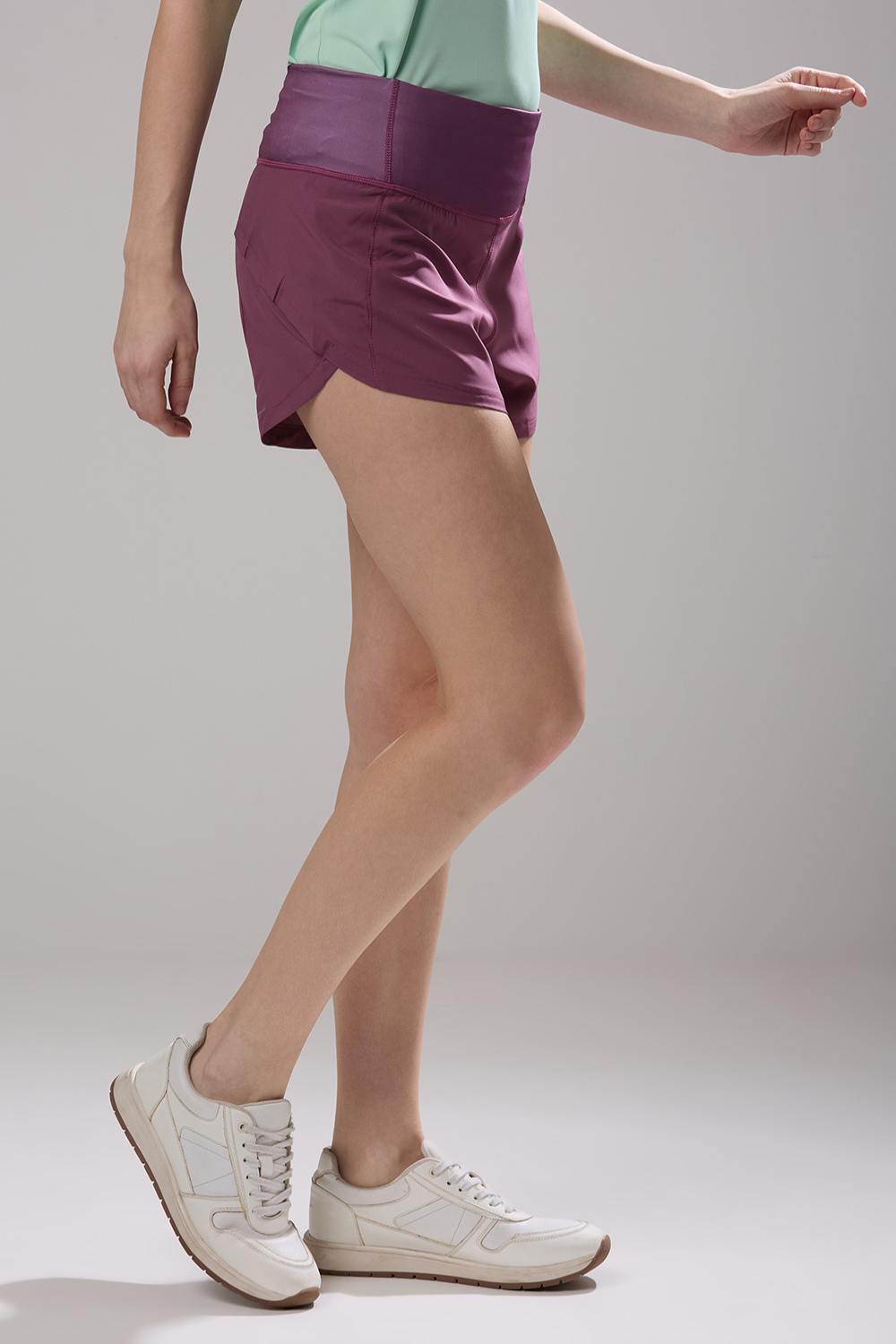
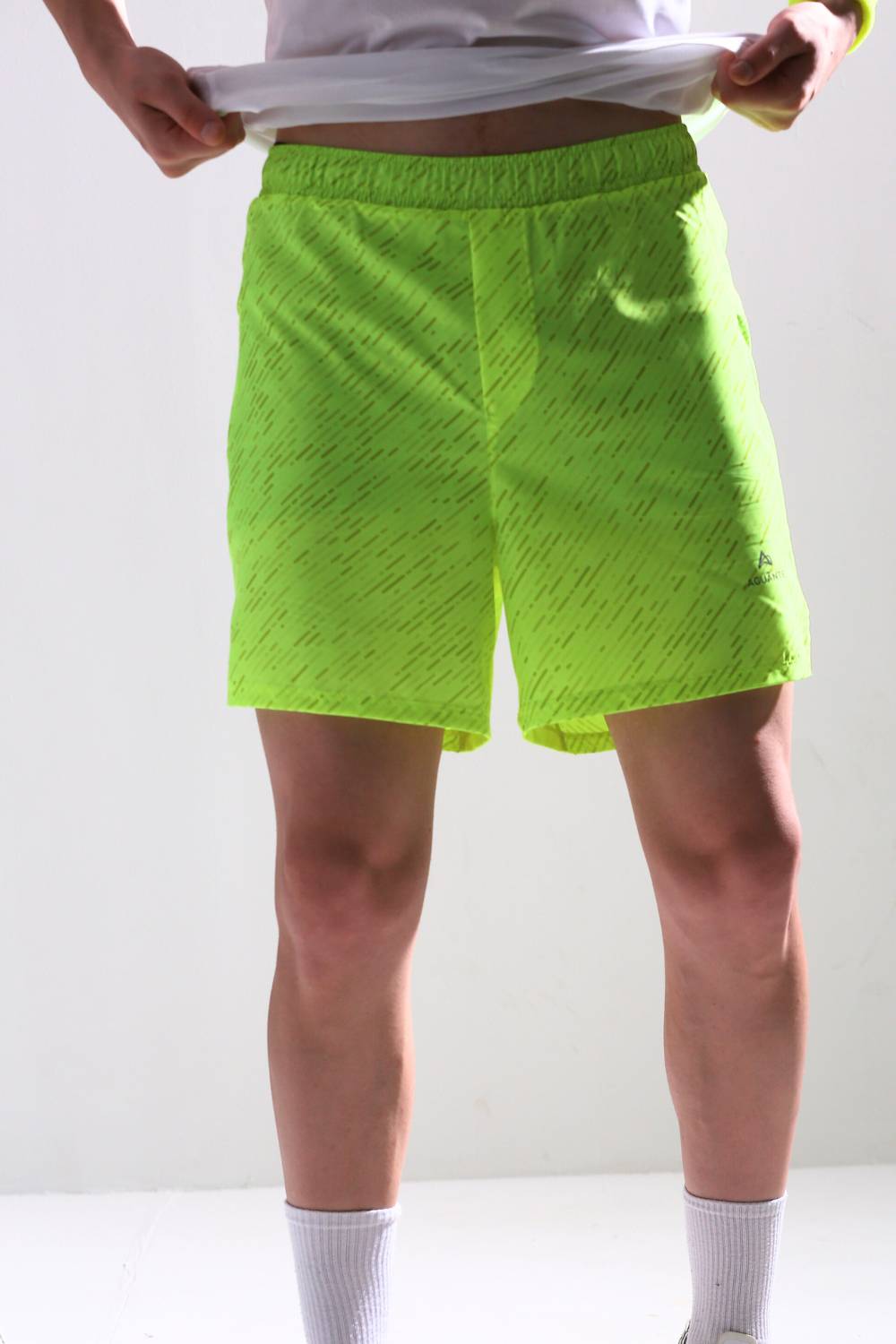
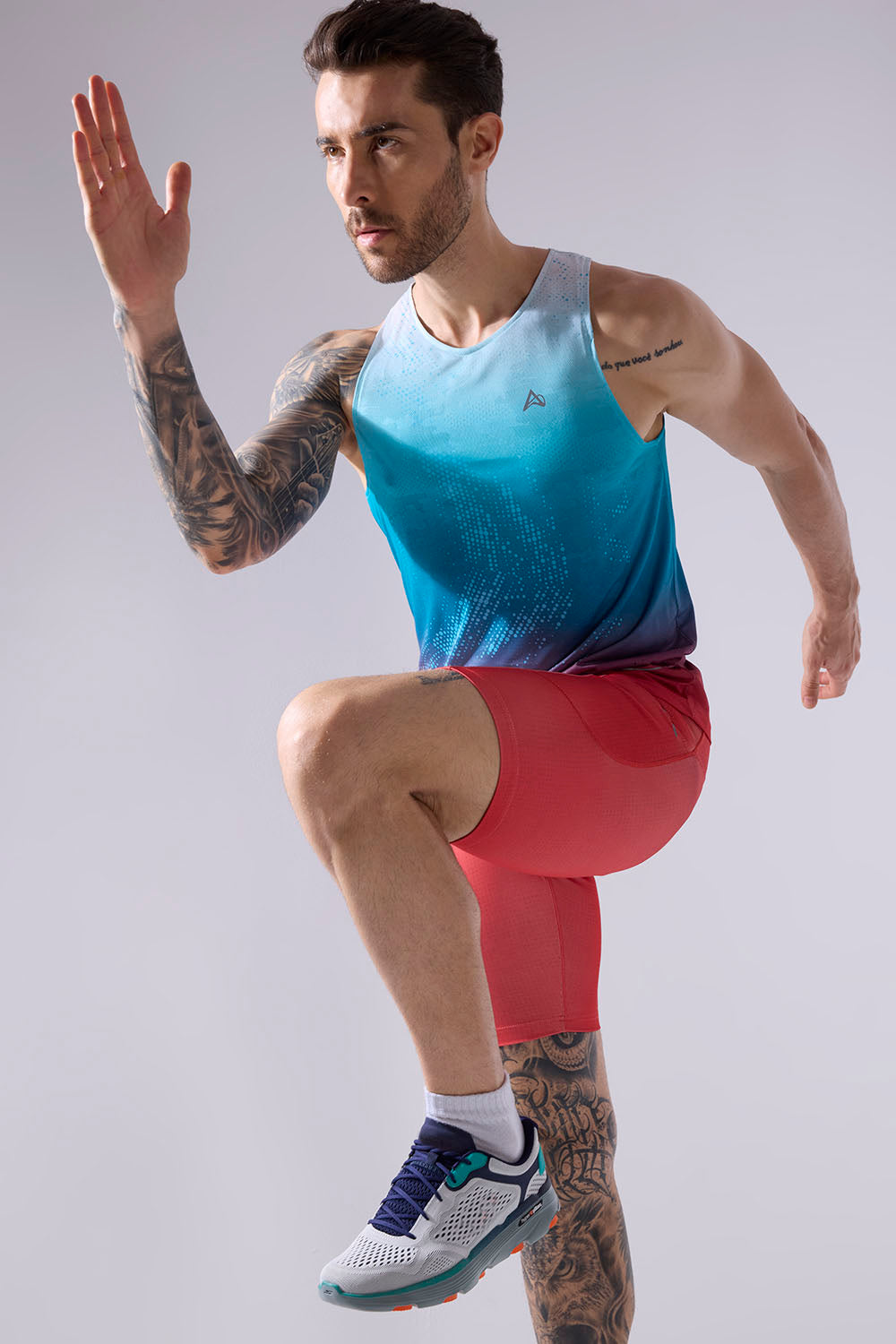
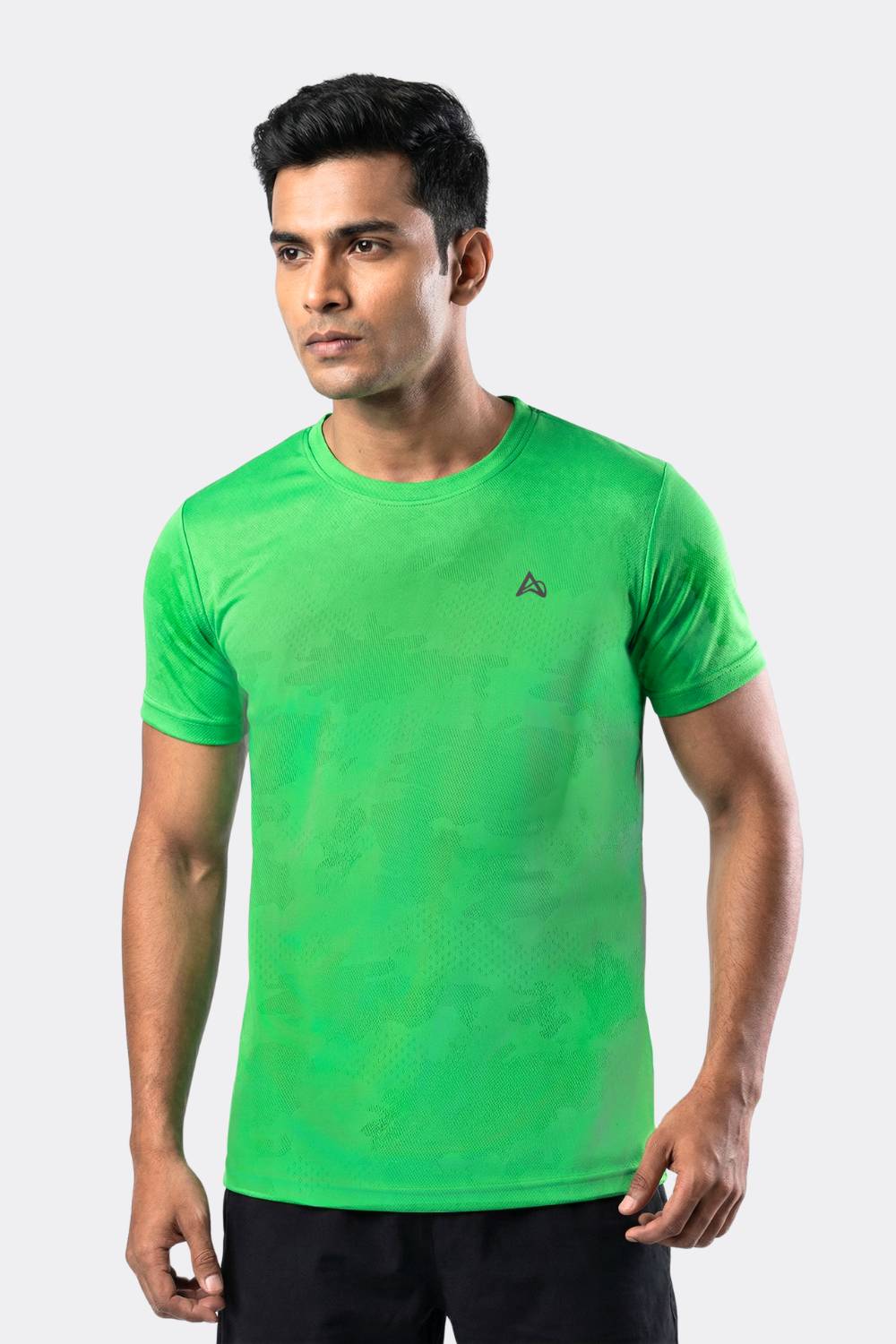
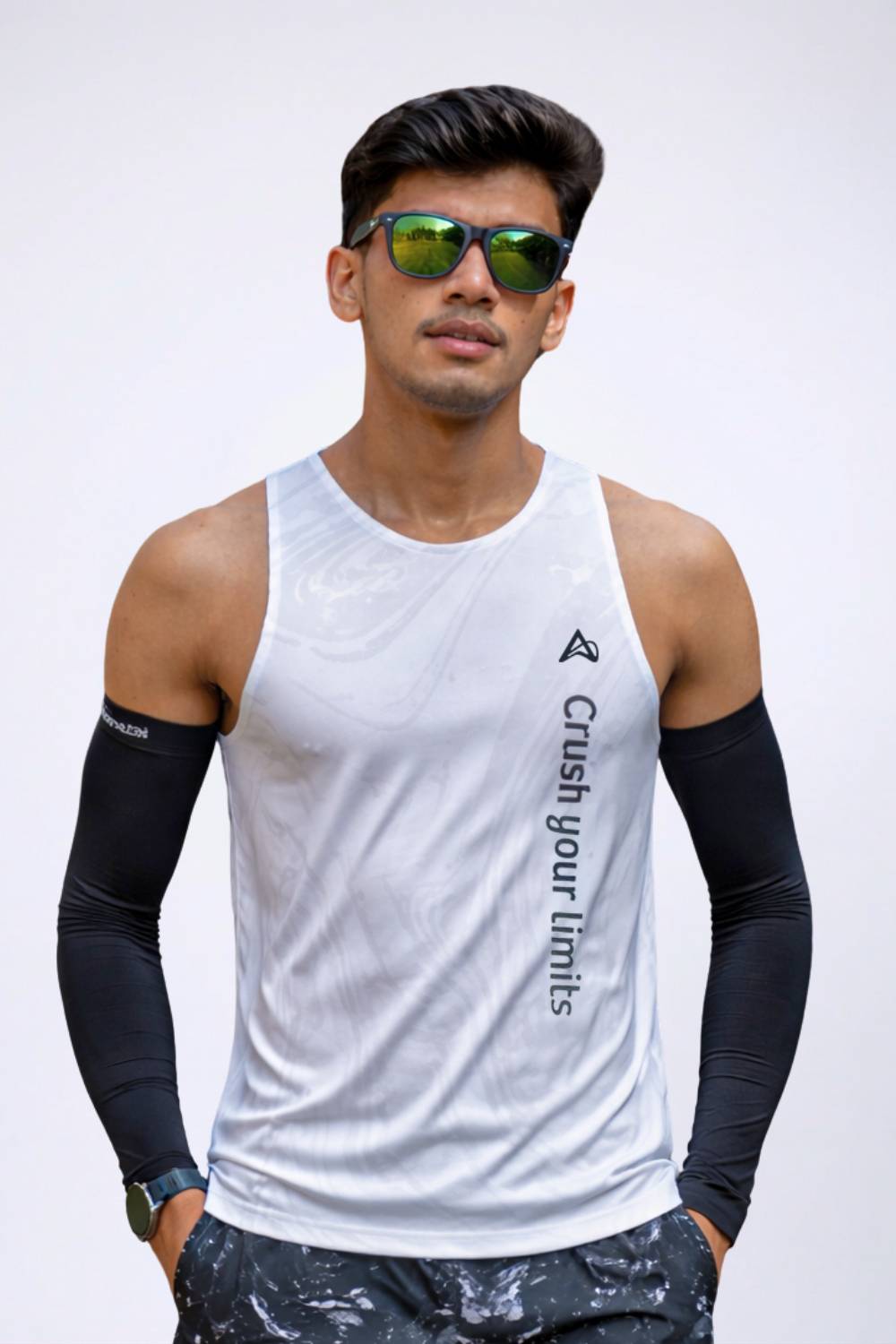
Tired of gear that slows you down? Chafing, soggy fabrics, and missing pockets kill your run's momentum. At Aguante, we're runners who get it. Our high-performance activewear features moisture-wicking fabrics, ergonomic designs, and smart storage to keep you focused. Shop Now!
The Rise of Performance Fabrics
Endurance sports marathons, cycling, triathlons have transcended their status as elite pursuits to become a cultural phenomenon across India's metropolitan hubs. Events like the Tata Steel Bangalore Marathon and the Delhi Half Marathon draw thousands of participants, from corporate professionals to seasoned athletes. Yet, as participation surges, so does the need for apparel that can withstand the rigors of long-distance running, high-intensity cycling, and multisport challenges. Lightweight fabrics, including moisture-wicking polyester blends, ultralight nylon, and advanced breathable mesh, have emerged as game-changers, enabling athletes to perform at their peak.
A comprehensive market analysis reveals that India's sports fabric market was valued at USD 1.66 billion in 2024 and is forecasted to grow to USD 3.47 billion by 2033, achieving a robust compound annual growth rate (CAGR) of 7.87% from 2025 to 2033. This growth is propelled by increasing health awareness, widespread participation in fitness activities such as running and yoga, and a rising demand for high-performance materials offering features like UV protection, antimicrobial properties, and superior moisture management. In cities like Mumbai and Ahmedabad, where summer temperatures soar above 35°C, these fabrics are indispensable for preventing heat stress and enhancing endurance.
Climate-Specific Solutions
India's climatic diversity profoundly influences athlete's apparel choices. In Mumbai and Pune, where oppressive humidity dominates, runners favor ultralight polyester blends that dry rapidly and minimize discomfort from chafing. In Bangalore and Hyderabad, monsoon seasons demand breathable mesh fabrics with water-repellent properties to keep athletes dry during sudden downpours. In contrast, Delhi and Gurugram's chilly winter mornings require fabrics that provide insulation without sacrificing breathability, ensuring comfort during early-morning training sessions.
According to a detailed industry report, India's performance fabric market generated USD 5,569.1 million in revenue in 2024 and is projected to reach USD 8,425.5 million by 2033, with a CAGR of 4.8% from 2025 to 2033. Polyester remains the dominant material, prized for its versatility and cost-effectiveness, while aramid a high-strength, heat-resistant fiber is the fastest-growing segment, particularly among elite athletes in Surat and Ahmedabad, where technical apparel doubles as a symbol of prestige. A Pune-based running coach emphasizes, “Performance fabrics aren't just about speed; they're about maintaining focus and comfort in extreme conditions.”
India's Textile Industry Steps Up
India's textile sector, a powerhouse valued at USD 222.08 billion in 2024, is rising to meet this demand with remarkable agility. A recent market study projects this industry to expand to USD 646.96 billion by 2033, driven by a CAGR of 11.98% from 2025 to 2033. Key factors include the growing popularity of smart textiles, government initiatives to support weavers, and an increasing emphasis on sustainable materials. Textile hubs like Tirupur and Surat are producing performance-grade fabrics that rival global standards, while startups in Mumbai and Hyderabad are launching brands tailored to India's unique climatic challenges offering features like reflective strips for Delhi's low-visibility runs and enhanced ventilation for Ahmedabad's scorching heat.
Global market dynamics are further bolstering India's position. Political instability in countries like Bangladesh has prompted international retailers to turn to India as a reliable sourcing hub, a trend that has spurred government plans to increase financial support for the textile industry. This shift not only strengthens local production but also positions India as a key player in the global performance fabric market, which, per a global industry forecast, is expected to grow from USD 74.36 billion in 2025 to USD 97.26 billion by 2032, with a CAGR of 3.9%.
Athletes Embrace the Change
From elite competitors to weekend enthusiasts, Indian athletes are embracing lightweight fabrics with enthusiasm. At the Delhi Half Marathon, top runners showcase gear from homegrown brands designed for India's climates, featuring moisture-wicking properties and ergonomic fits. Bangalore's cycling clubs report a surge in members adopting lightweight nylon jerseys, which reduce aerodynamic drag and enhance heat dissipation. In Gurugram, corporate runners are swapping cotton tees for technical apparel, inspired by social media campaigns and local running communities.
The global textile fabrics market, valued at USD 498 billion in 2021 and projected to reach USD 942.8 billion by 2031 with a CAGR of 6.7%, underscores the universal appeal of these innovations, according to a global market analysis. The rise of sustainable and smart textiles, capable of health monitoring and temperature regulation, aligns with India's urban consumer's preferences. E-commerce has further democratized access, bringing brands like Adidas, Puma, and Indian labels to athletes in Navi Mumbai and Surat, amplifying the adoption of performance fabrics.
Hurdles to Overcome
Despite their promise, lightweight fabrics face challenges in India's complex landscape. In Bangalore's monsoon-drenched streets, even advanced moisture-wicking gear can falter under relentless rain. In price-sensitive markets like Surat and Ahmedabad, the high cost of technical apparel often two to three times that of cotton deters casual athletes. Durability remains a concern, as frequent washing and intense use can degrade fabric performance, frustrating runners in Pune's training groups.
Lack of awareness is another barrier. Many amateur cyclists in Hyderabad or runners in Navi Mumbai cling to cotton, unaware of the performance benefits of technical fabrics. “It's about education,” notes a Mumbai-based sports scientist. “Athletes need to understand that these fabrics are tools for better performance, not just aesthetic upgrades.” Addressing these challenges requires targeted campaigns to highlight the long-term value of investing in quality gear.
Seizing the Opportunity
The opportunities for growth are vast. Brands can leverage e-commerce to target city-specific audiences, emphasizing moisture management for Mumbai's humidity, durability for Delhi's rugged trails, or cooling features for Ahmedabad's heat. Sports academies in Bangalore and Gurugram are already partnering with brands to host workshops on gear selection, fostering greater awareness. Sustainability is a powerful draw, particularly among Mumbai and Delhi's millennials, who favor eco-friendly fabrics like recycled polyester a trend that aligns with global demand for sustainable textiles.
Collaborations with local athletes and running clubs can further drive adoption. Brands that innovate with hybrid fabrics combining lightness, durability, and climate-specific features stand to capture premium market segments. The projected growth of India's sports fabric market to USD 3.47 billion by 2033 signals a lucrative future for those who invest in research, development, and localized marketing.
A New Era for Endurance
As dawn breaks over Mumbai's Marine Drive, marathoners charge toward the finish line, their lightweight gear moving seamlessly with their strides. In Delhi, a cyclist navigates the morning mist, her breathable jersey warding off the chill. From Surat's textile looms to Hyderabad's training tracks, lightweight fabrics are redefining India's endurance sports landscape.
Industry experts forecast continued momentum, with India's sports fabric market poised to more than double by 2033. The roadmap is clear: brands must prioritize innovation, educate consumers, and design for India's unique climates. For athletes lacing up in Pune or stretching in Navi Mumbai, the message resonates: the right fabric isn't just about comfort it's about pushing limits and crossing finish lines with strength and confidence.
Frequently Asked Questions
Which lightweight fabrics are best for running in India's climate?
For India's hot and humid climate, fabrics like Dri-FIT polyester, nylon-spandex blends, and bamboo-based materials are ideal for runners. These fabrics, as mentioned in the blog, wick sweat efficiently, offer UV protection, and ensure ventilation during intense workouts. Athletes can find such gear from global brands or emerging Indian labels, tailored for comfort in monsoon and summer conditions.
What are the benefits of lightweight fabrics for endurance athletes in India?
Lightweight fabrics, such as moisture-wicking polyester blends and advanced synthetics, offer superior breathability and comfort for endurance athletes in India's humid climate. These materials dry quickly, reduce chafing, and enhance mobility during long-distance running or cycling. The blog highlights how brands like Decathlon and Indian startups are making these fabrics accessible, catering to the growing demand among marathon runners and triathletes.
How are lightweight fabrics impacting the growth of endurance sports in India?
Lightweight fabrics are fueling the rise of endurance sports in India by providing affordable, high-performance gear suited to diverse weather conditions. The blog notes that these fabrics empower amateur athletes, from urban marathoners to rural ultra-runners, by improving comfort and performance. Local brands are innovating with cost-effective designs, making endurance sports more inclusive and appealing to a wider audience.
Disclaimer: The above helpful resources content contains personal opinions and experiences. The information provided is for general knowledge and does not constitute professional advice.
You may also be interested in: Running Apparel Suited for Indias Warm Climate
Tired of gear that slows you down? Chafing, soggy fabrics, and missing pockets kill your run's momentum. At Aguante, we're runners who get it. Our high-performance activewear features moisture-wicking fabrics, ergonomic designs, and smart storage to keep you focused. Shop Now!
Powered by flareAI.co