











Quick Listen:
The urban running scene in India's major cities is buzzing like never before. From the humid trails of Bangalore to the dusty roads of Delhi and the coastal stretches of Mumbai, more people are lacing up every weekend not just for fitness, but as part of a growing community that values performance, endurance, and increasingly, responsibility toward the planet. Amid this surge, one factor has quietly moved from the sidelines to center stage: sustainability in activewear materials.
Runners in these hubs Bangalore, Hyderabad, Mumbai, Pune, Navi Mumbai, Delhi, Gurugram, Surat, and Ahmedabad are no longer content with gear that simply looks good. They're demanding fabrics that handle India's punishing heat, relentless humidity, and uneven terrain while minimizing environmental harm. Sustainability isn't a trendy add-on anymore; it's becoming intertwined with what makes apparel truly perform under real-world Indian conditions.
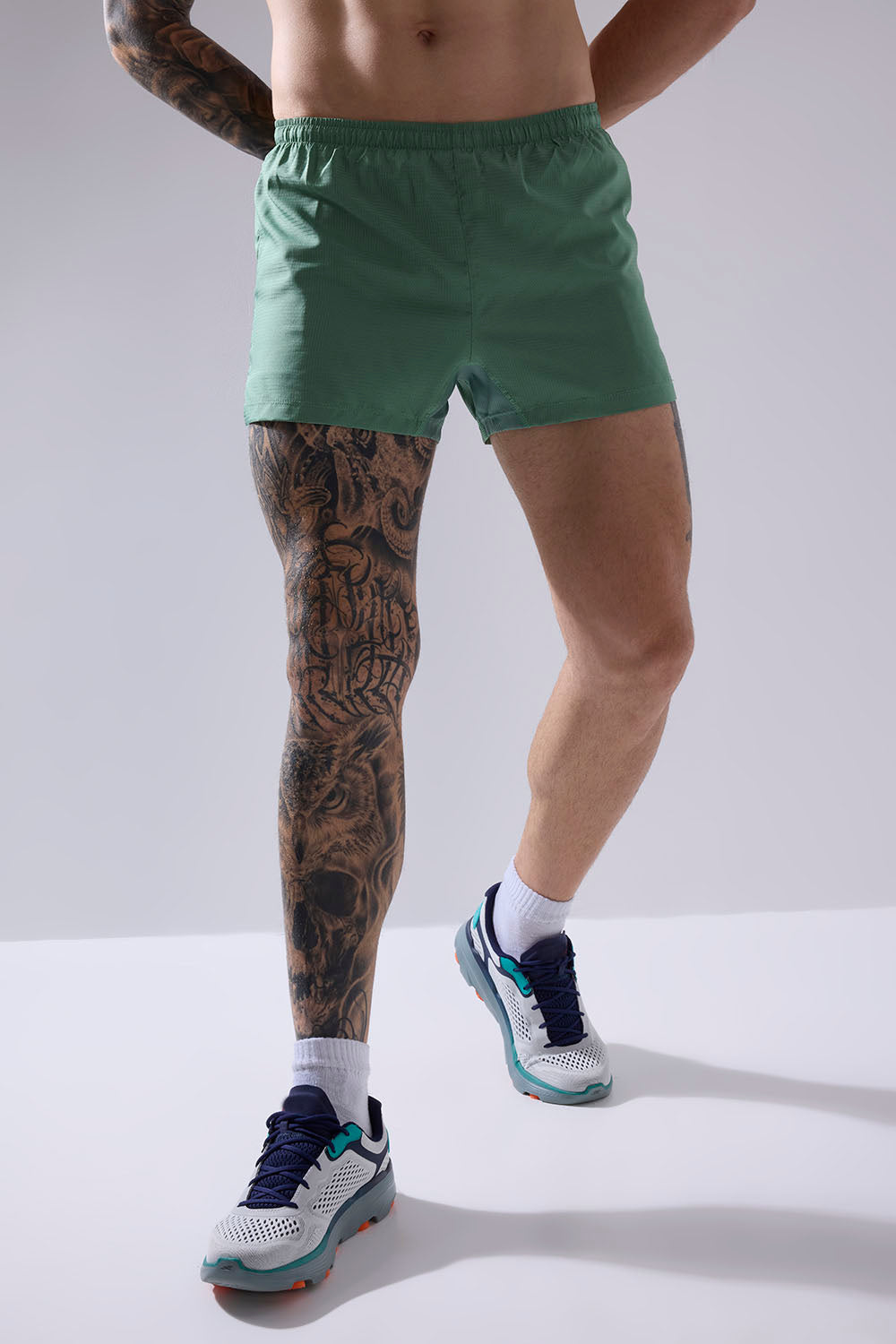
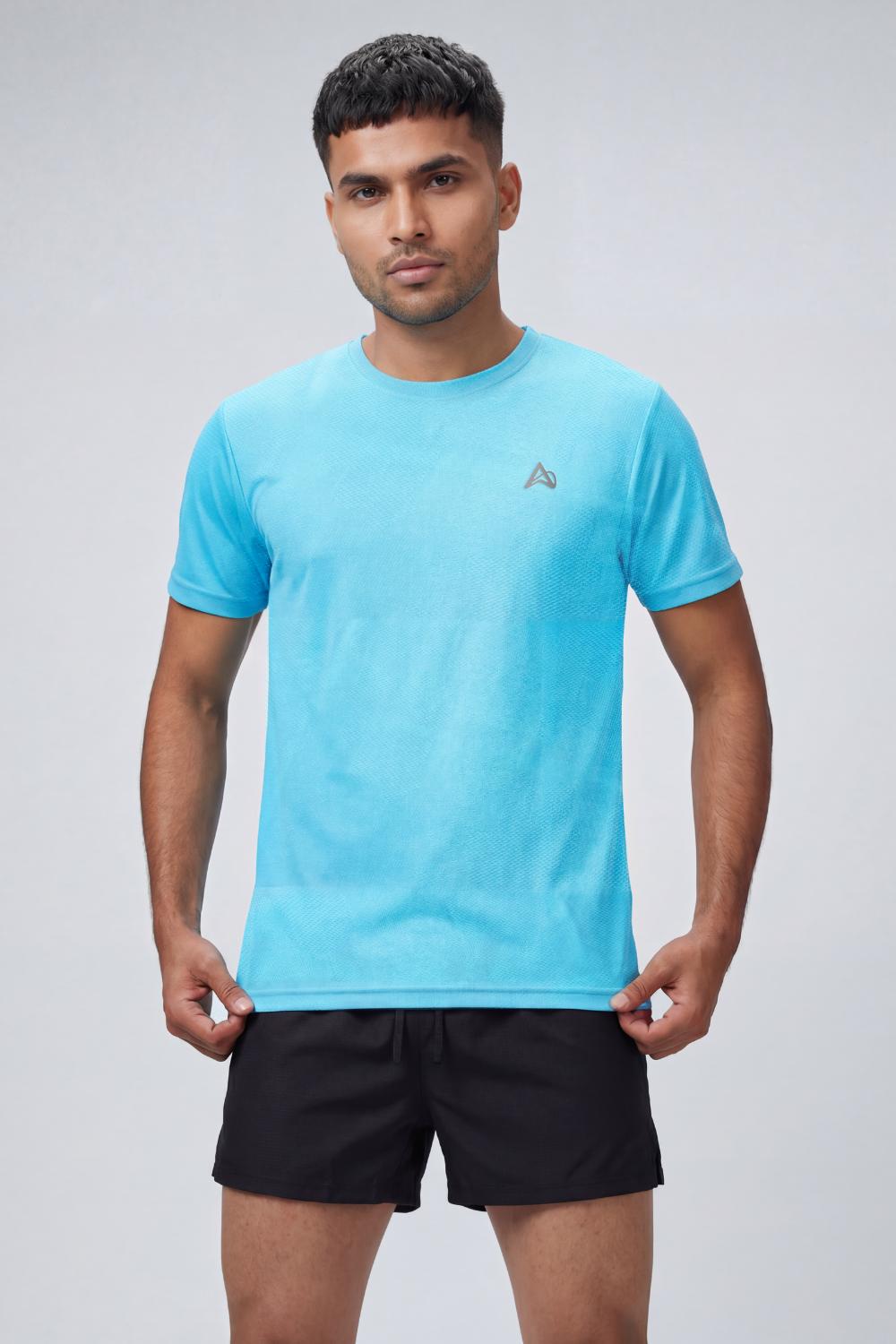
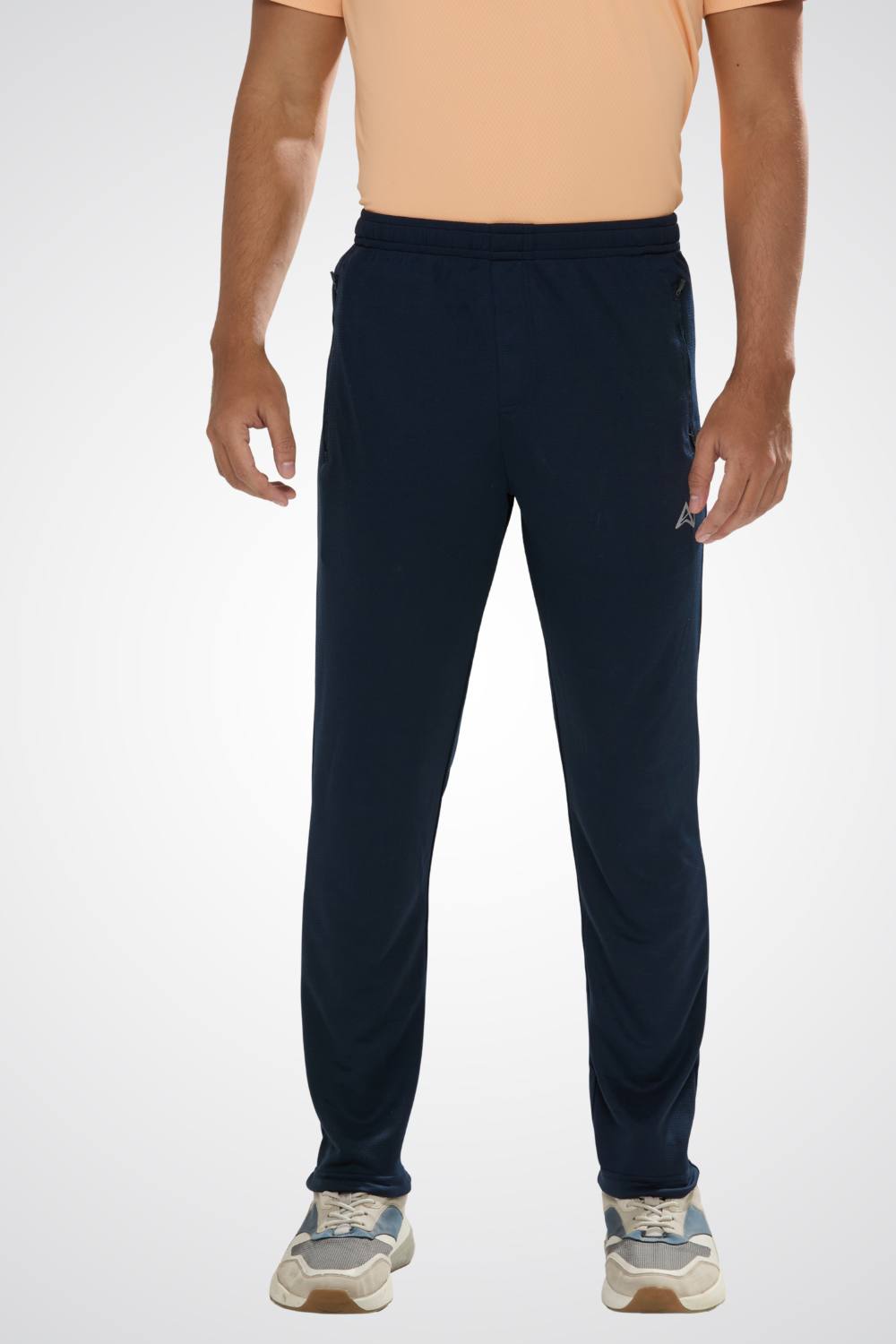
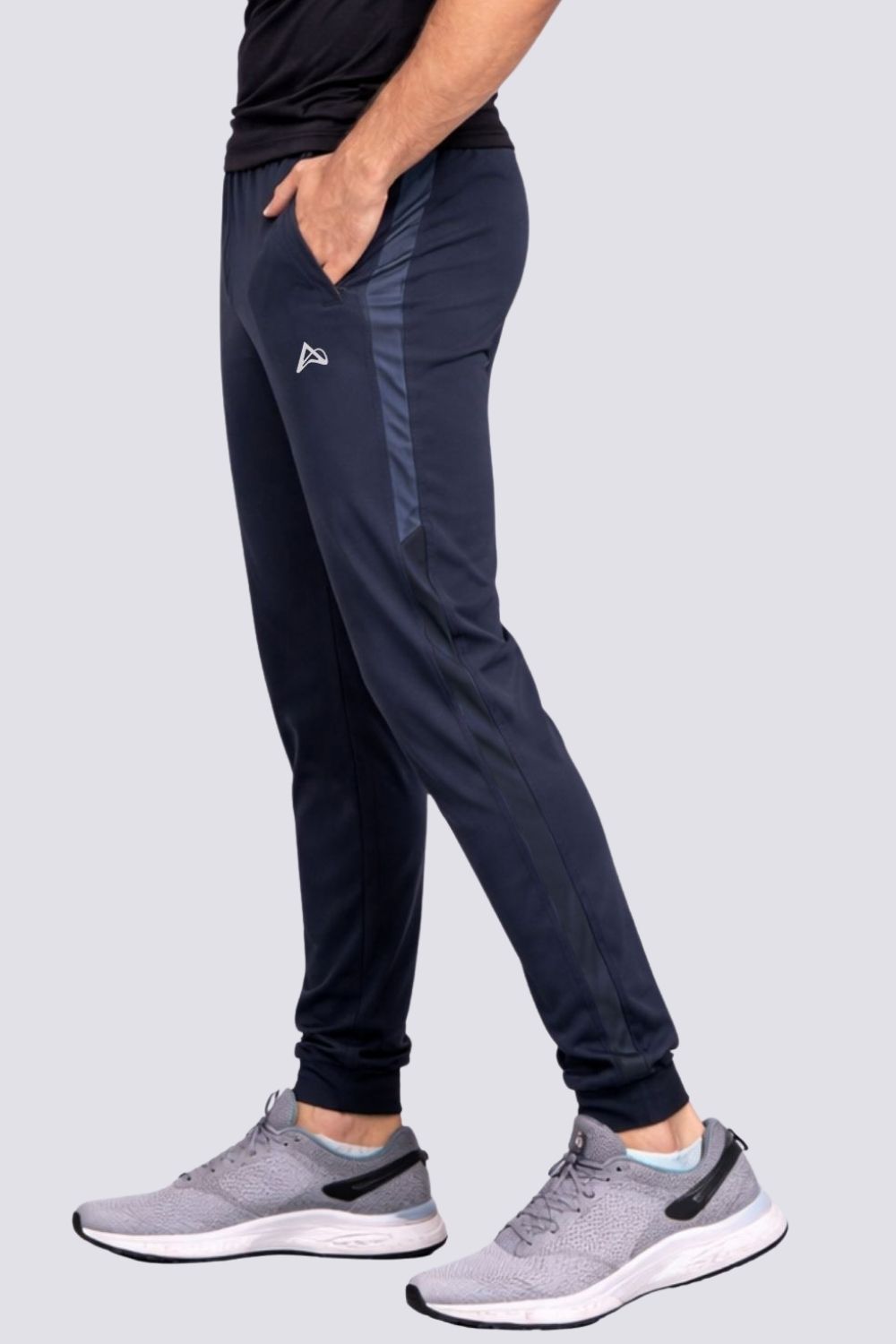
Tired of gear that slows you down? Chafing, soggy fabrics, and missing pockets kill your run's momentum. At Aguante, we're runners who get it. Our high-performance activewear features moisture-wicking fabrics, ergonomic designs, and smart storage to keep you focused. Shop Now!
Why Sustainability Is Gaining Ground Among Urban Runners
India's urban fitness boom is unmistakable. Health awareness is rising, marathons draw thousands, and running groups flourish in every major metro. Yet the environment throws constant challenges: oppressive heat, high humidity, unpredictable monsoons, and rough pavements. Gear must perform under these conditions or it quickly becomes a distraction.
At the same time, runners are more attuned to broader impacts textile waste clogging landfills, microplastics entering waterways, and the carbon footprint of imported apparel. Sustainability now factors into what makes a piece of kit "good": it has to breathe, wick sweat, resist chafe, and last, all while doing less harm.
Global trends reinforce this local shift. Industry reports indicate the running apparel market reached USD 90.44 billion in 2025 and is projected to climb to USD 131.89 billion by 2030, advancing at a 7.84% CAGR. This growth is attributed to increasing health awareness, advancements in material innovation, and the integration of performance and lifestyle apparel. Another analysis values the global running apparel market at USD 21.8 billion in 2024, projected to grow from USD 23.4 billion in 2025 to USD 32.7 billion by 2030 at a 6.9% CAGR, fueled by recreational running and smart textiles. Asia-Pacific stands out as the fastest-growing region, driven by urban fitness adoption and government sports initiatives.
Climate-Adapted Fabrics Leading the Charge
Breathability and Quick-Dry in Humid Cities
In Bangalore and Mumbai, where humidity can make every kilometer feel heavier, recycled polyesters with advanced wicking properties are winning favor. These materials pull moisture away rapidly and dry fast, keeping runners cooler and less prone to irritation during extended training sessions.
The focus on breathable, quick-dry fabrics directly addresses the unique demands of India's tropical climate zones, where sweat management can determine whether a run feels energizing or exhausting.
Anti-Odor and Heat Management in Hotter Regions
Delhi, Gurugram, Ahmedabad, and Surat demand materials that combat odor buildup and manage intense temperatures. Innovations in anti-microbial treatments and heat-dissipating weaves address these needs directly, ensuring comfort even in peak summer conditions.
Local athletes report that such fabrics reduce post-run discomfort and allow longer sessions without the distraction of clinging sweat or lingering smells.
The Push Toward Circular and Ethical Production
Surat's textile ecosystem, a historic synthetic fabric giant, is pivoting toward recycled yarns and waste reduction. These developments supply sustainable inputs to brands nationwide, shortening supply chains and lowering environmental impact.
Startups in Pune and Hyderabad experiment with closed-loop systems, while Gurugram retailers trial take-back programs. Such initiatives signal a maturing market where ethics and performance converge, giving runners confidence that their gear supports both personal goals and planetary health.
How Communities and Real Use Cases Drive Adoption
Bangalore running clubs seek breathable, sustainable options for year-round training. Mumbai marathoners prefer lightweight recycled fabrics that reduce fatigue over long distances. Delhi-NCR studios promote verified eco-brands in wellness routines.
These grassroots preferences matter. When gear performs reliably secure pockets that stay put, seams that don't chafe, reflective details for safety runners spread the word. Linking eco-credentials to those practical wins builds loyalty faster than marketing alone, especially when fabrics are engineered for Indian bodies, roads, and weather.
Challenges That Remain in the Sustainable Shift
Cost perceptions linger: sustainable materials can carry a premium, challenging budget-conscious runners who balance performance needs with everyday expenses. Transparency issues persist in complex supply chains, complicating trust in "recycled" claims.
Performance trade-offs occasionally surface some eco-fabrics falter in extreme humidity or heat. The answer lies in localized engineering: materials tested and refined for India's specific conditions rather than generic imports, ensuring breathability, anti-chafing comfort, and durability that match real runner experiences.
Opportunities for Brands That Get It Right
Brands succeed by framing sustainability as performance enhancement. Comfort, durability, and thoughtful details anti-chafe linings, bounce-free storage matter most to runners. When these align with eco-materials, trust follows naturally.
Urban growth fuels potential: expanding marathons, corporate programs, and digital fitness networks in key cities create fertile ground. In a saturated direct-to-consumer field, genuine climate-specific design and fair pricing stand out. The related U.S. running shoes market is valued at USD 7.5 billion in 2024 and projected to reach USD 10.82 billion by 2030 at a 6.3% CAGR, underscoring parallel demand for thoughtful, high-performance gear worldwide.
Partnering with domestic textile innovators reduces footprints and supports local economies creating gear that's functional, fairly priced, and forward-thinking for India's diverse running communities.
The Road Ahead: From Nice-to-Have to Must-Have
Sustainability is transitioning to baseline expectation in India's activewear space. Consumers demand proof of performance under real conditions, of durability over seasons, of ethical choices that hold up to scrutiny.
The next wave belongs to locally engineered sustainable performance gear: high-performance pieces built for Indian bodies, roads, and weather, priced honestly, and transparent in origin. Brands that master this blend will lead as urban running continues its remarkable rise across Bangalore, Hyderabad, Mumbai, Pune, Navi Mumbai, Delhi, Gurugram, Surat, and Ahmedabad.
For the runners pounding pavements from Surat to Bangalore, the ideal isn't just gear that helps them go farther it's gear that lets them run with a clearer conscience. That's the finish line worth chasing, one sustainable stride at a time.
Frequently Asked Questions
What sustainable fabrics are best for running in India's hot and humid climate?
Recycled polyesters with advanced moisture-wicking properties are among the top choices for Indian runners, particularly in humid cities like Bangalore and Mumbai. These fabrics pull sweat away quickly, dry fast, and keep runners cooler during extended training sessions. For hotter, drier regions like Delhi, Ahmedabad, and Surat, fabrics with anti-microbial treatments and heat-dissipating weaves offer added comfort by managing odor and intense temperatures.
Why is sustainable activewear becoming more popular among urban runners in India?
India's urban fitness boom driven by growing marathon culture, corporate wellness programs, and running communities across major metros has made runners more conscious of both performance and environmental impact. Concerns like textile waste, microplastics in waterways, and the carbon footprint of imported apparel are pushing consumers to seek gear that performs well *and* does less harm. Sustainability is no longer a bonus feature; it's increasingly a baseline expectation for quality activewear.
Are sustainable running clothes as durable and high-performing as traditional activewear?
When engineered specifically for local conditions, sustainable running apparel can match or exceed the performance of conventional gear. The key is localized design fabrics tested for India's specific heat, humidity, and terrain rather than generic imports. Brands that combine eco-materials with practical features like anti-chafe linings, secure pockets, and reflective details are earning strong loyalty from Indian runners by proving that ethical choices and high performance can go hand in hand.
Disclaimer: The above helpful resources content contains personal opinions and experiences. The information provided is for general knowledge and does not constitute professional advice.
You may also be interested in: Running Gear for Beginners: Key Features to Consider - Aguante
Tired of gear that slows you down? Chafing, soggy fabrics, and missing pockets kill your run's momentum. At Aguante, we're runners who get it. Our high-performance activewear features moisture-wicking fabrics, ergonomic designs, and smart storage to keep you focused. Shop Now!
Powered by flareAI.co