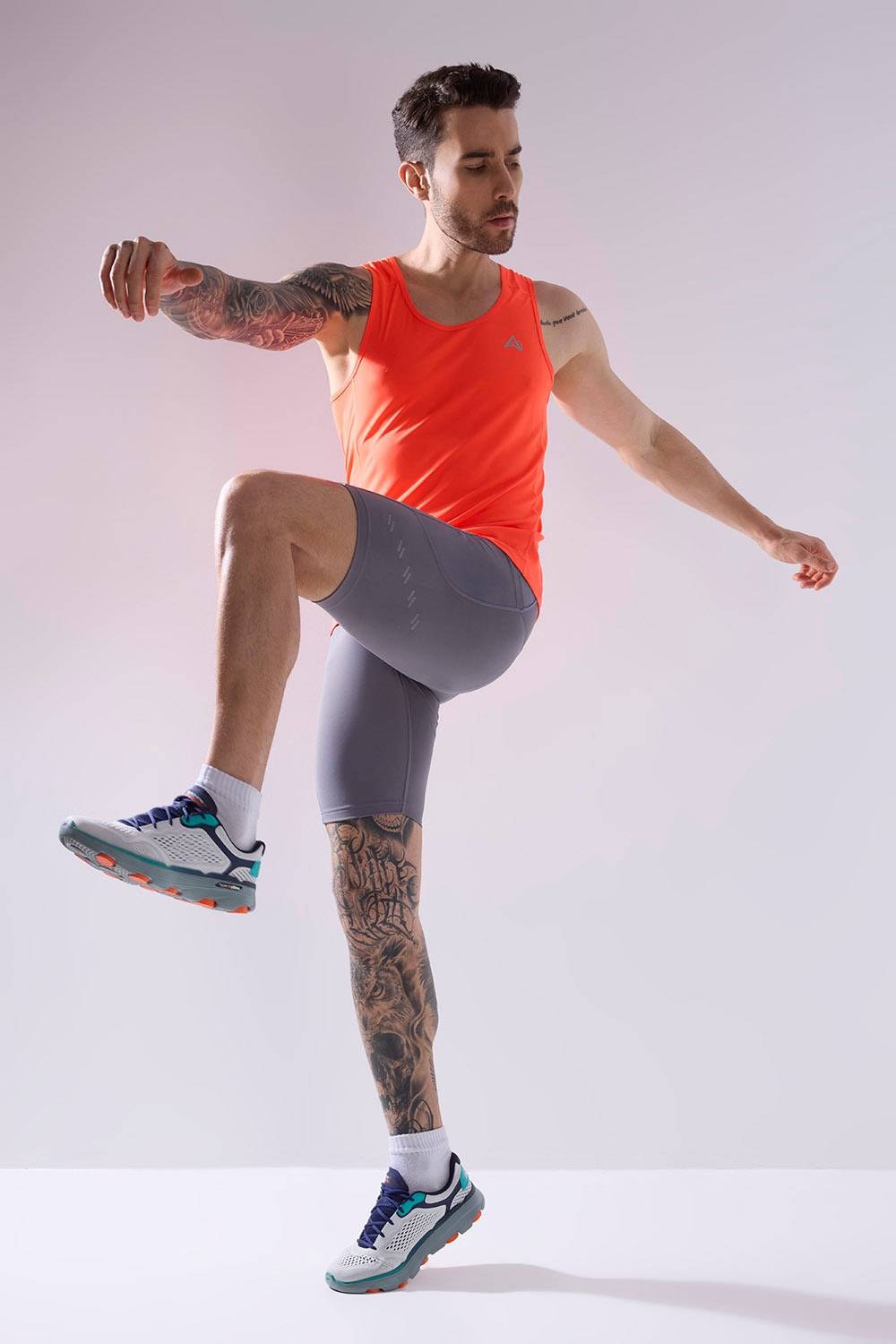
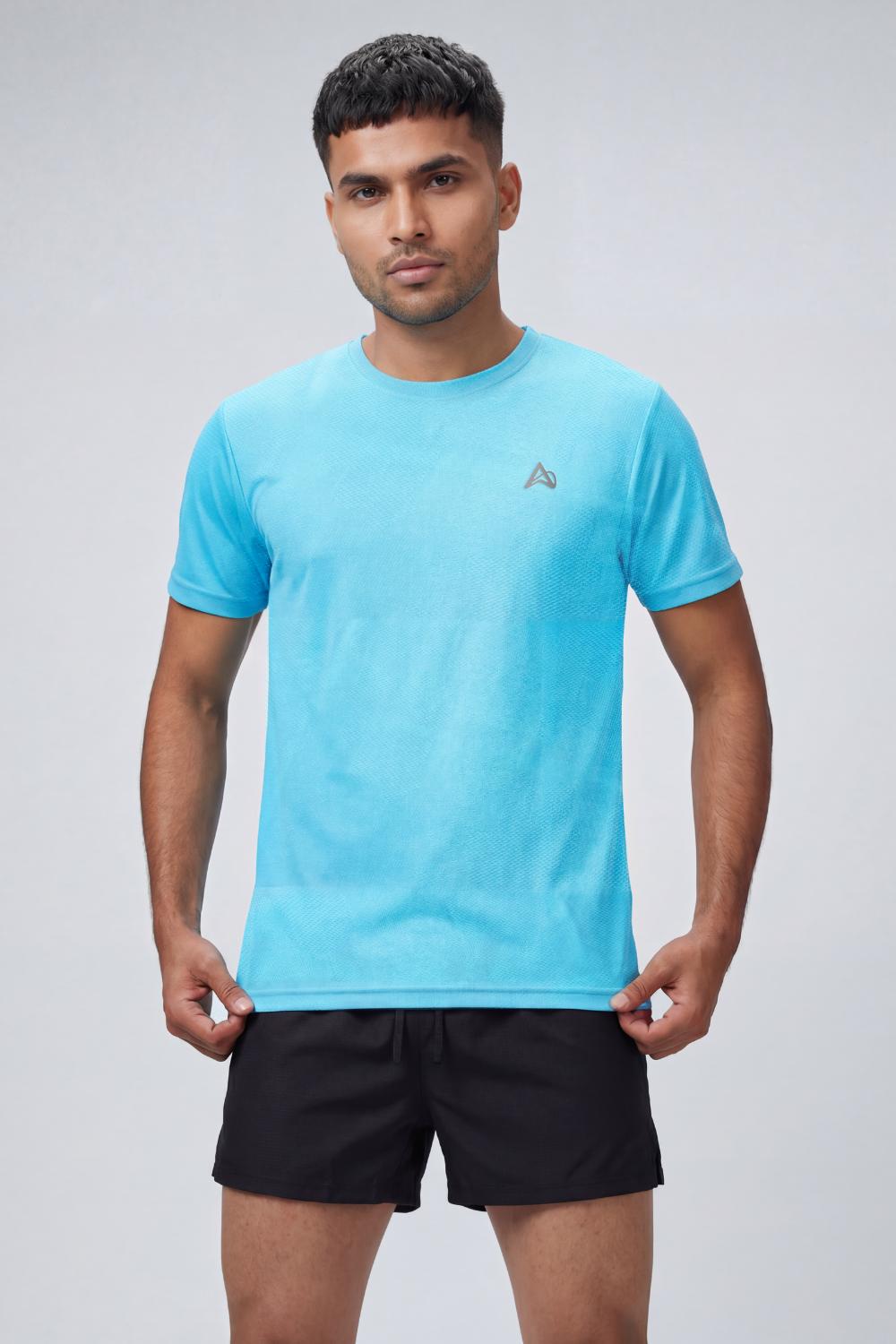
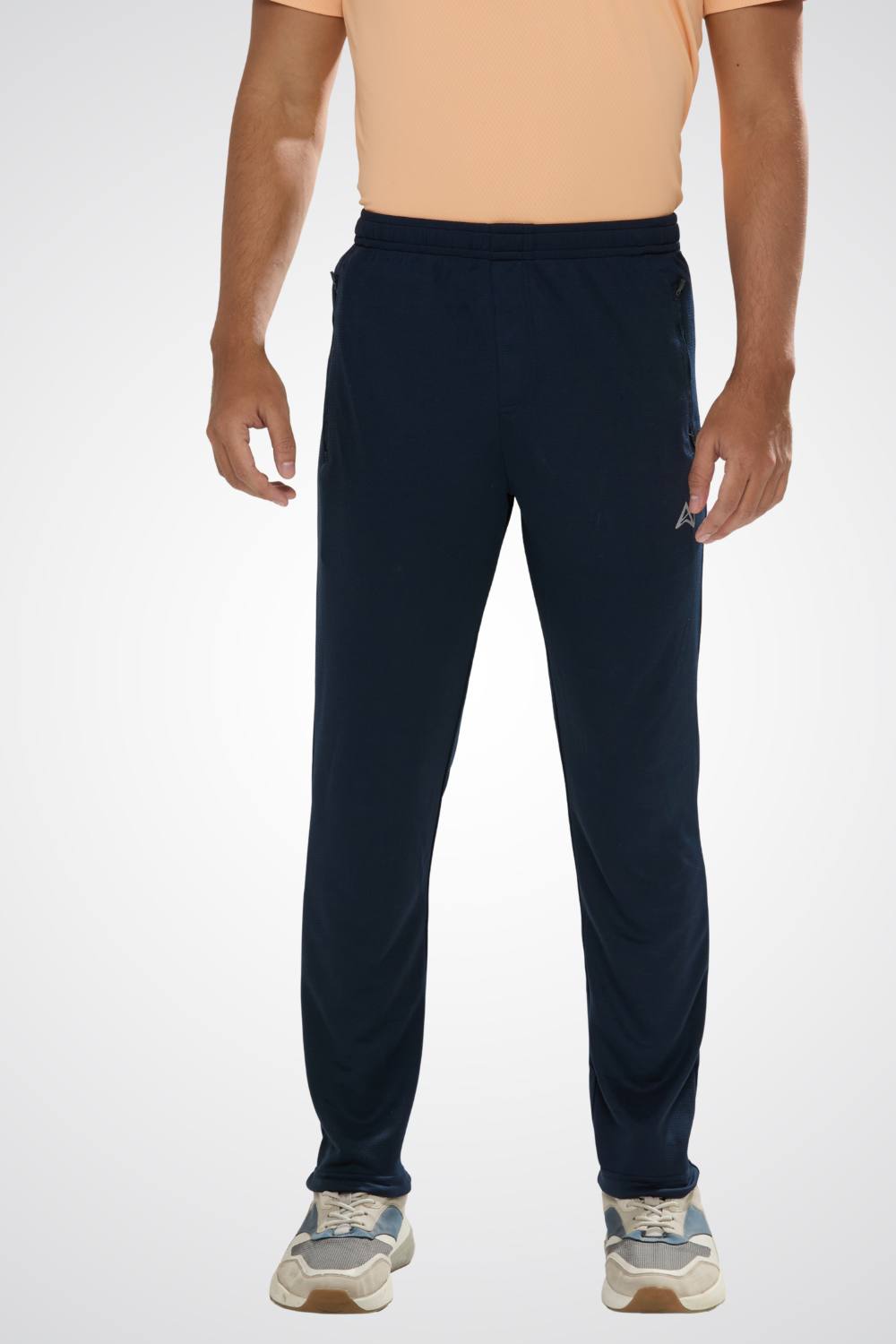
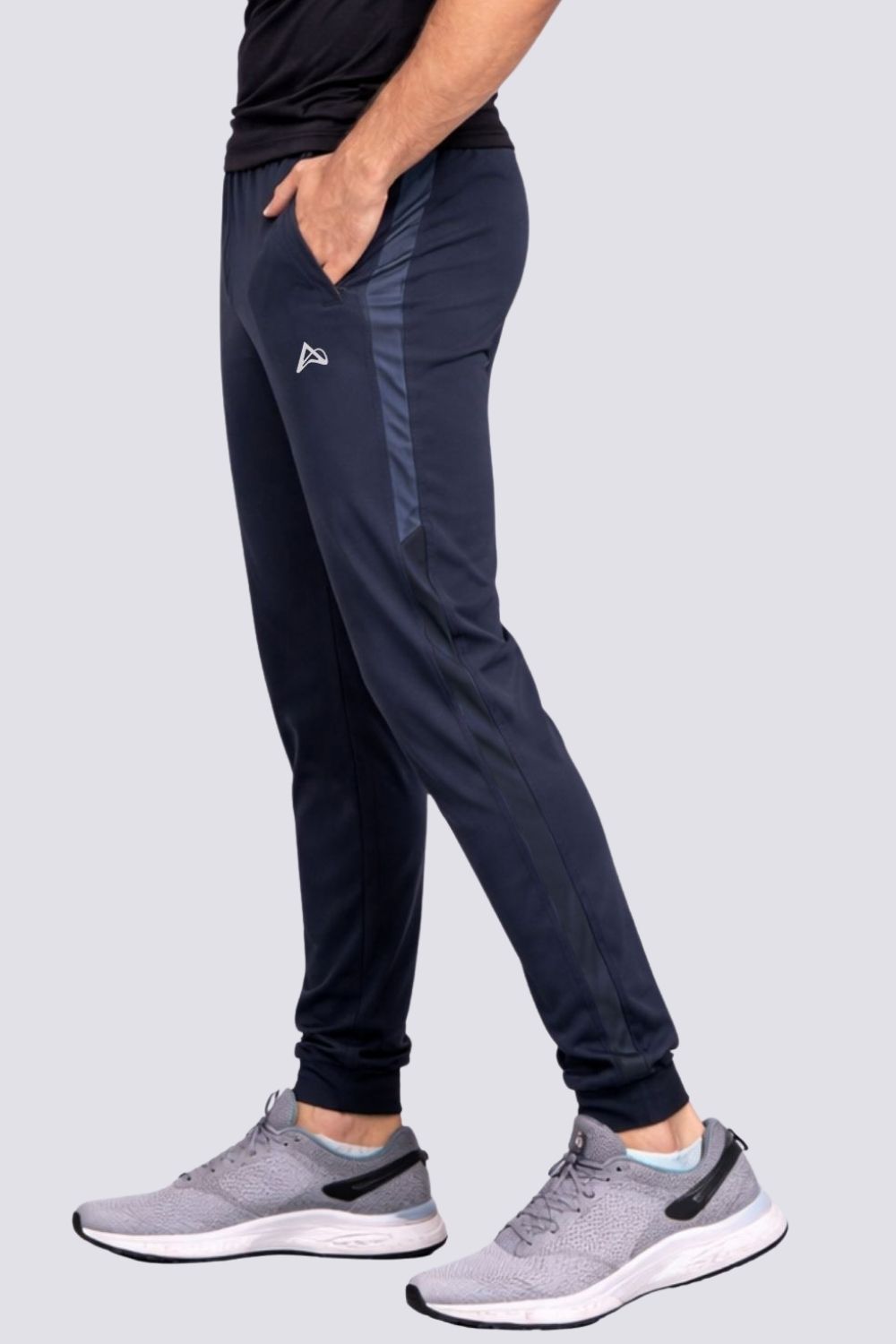

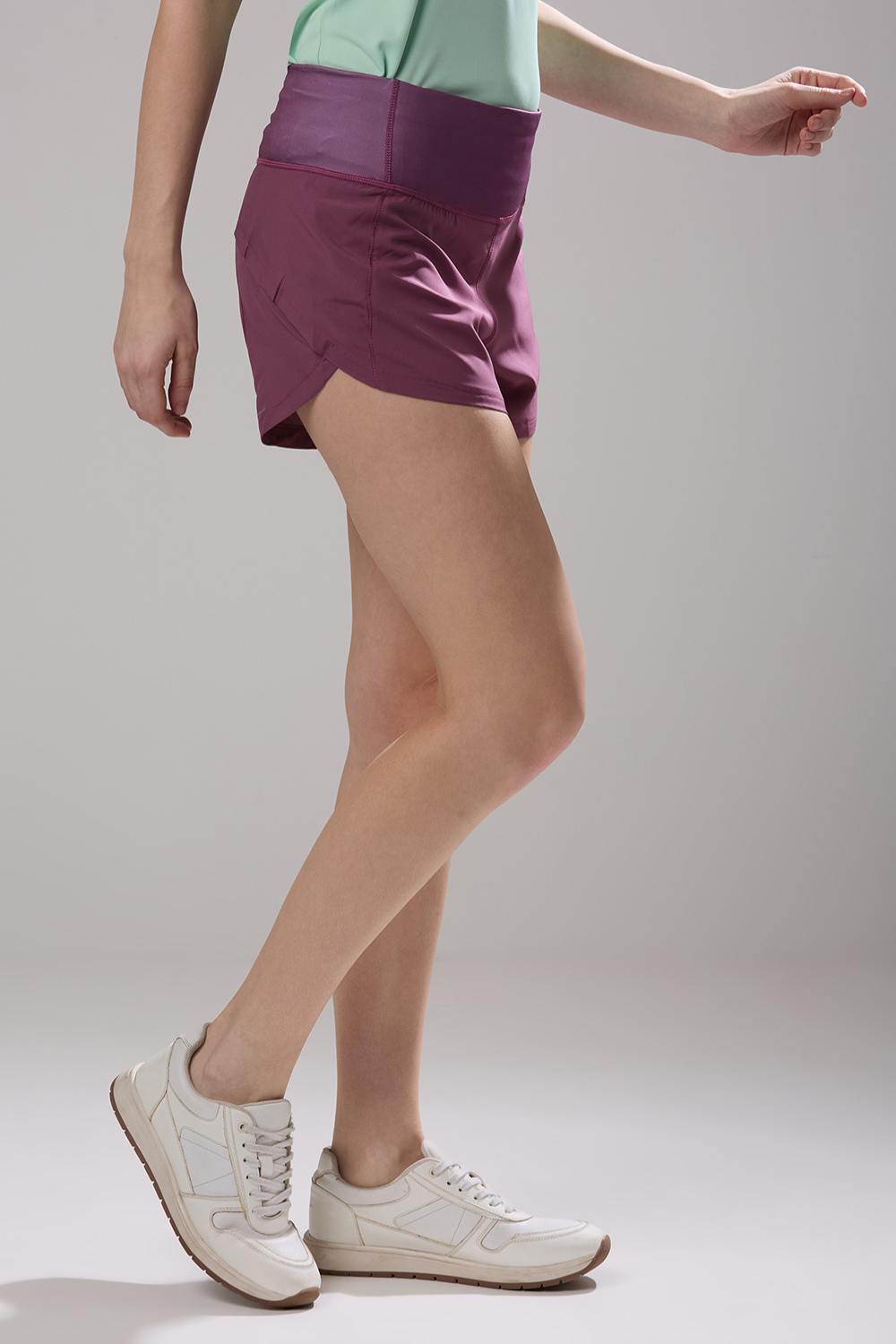
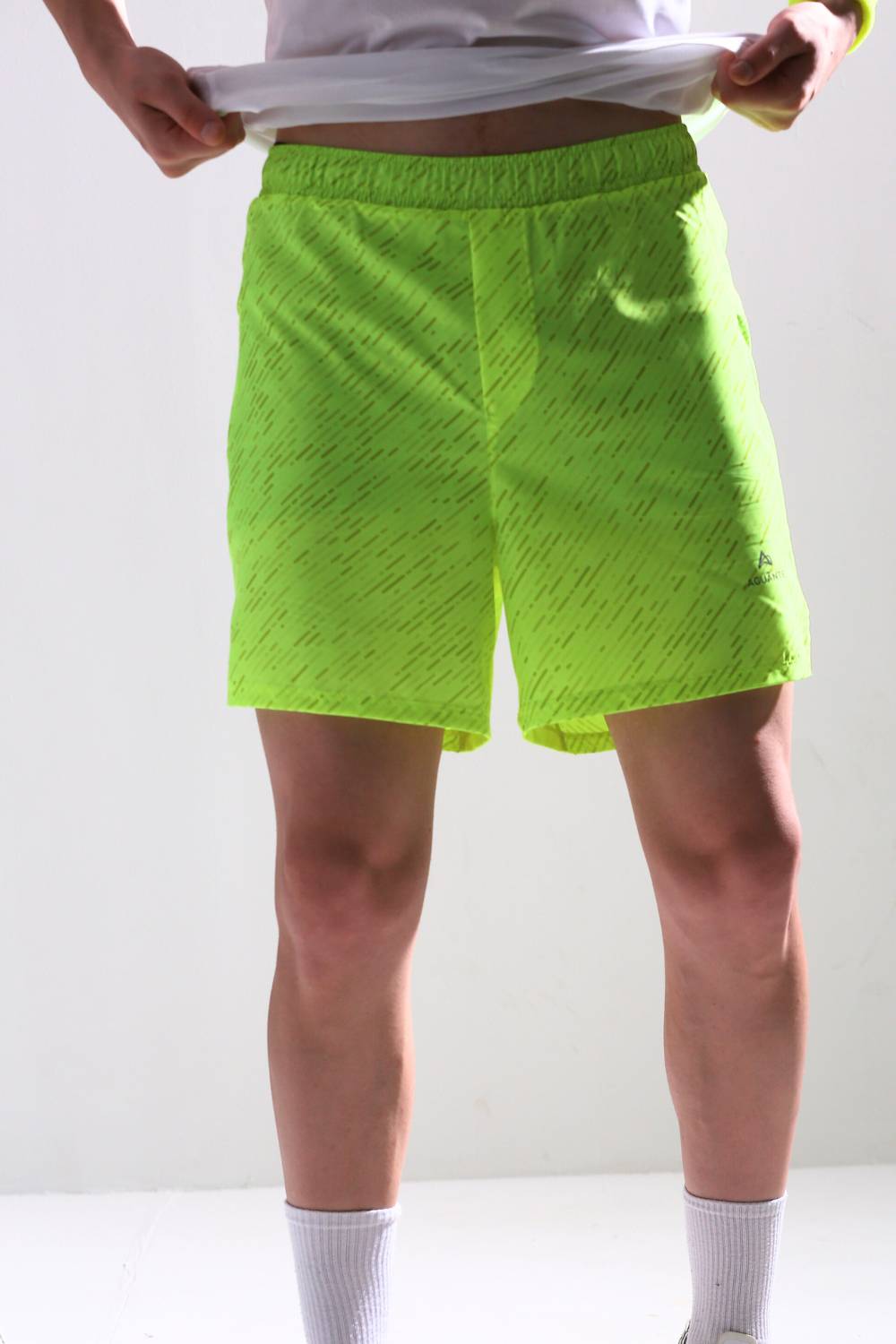
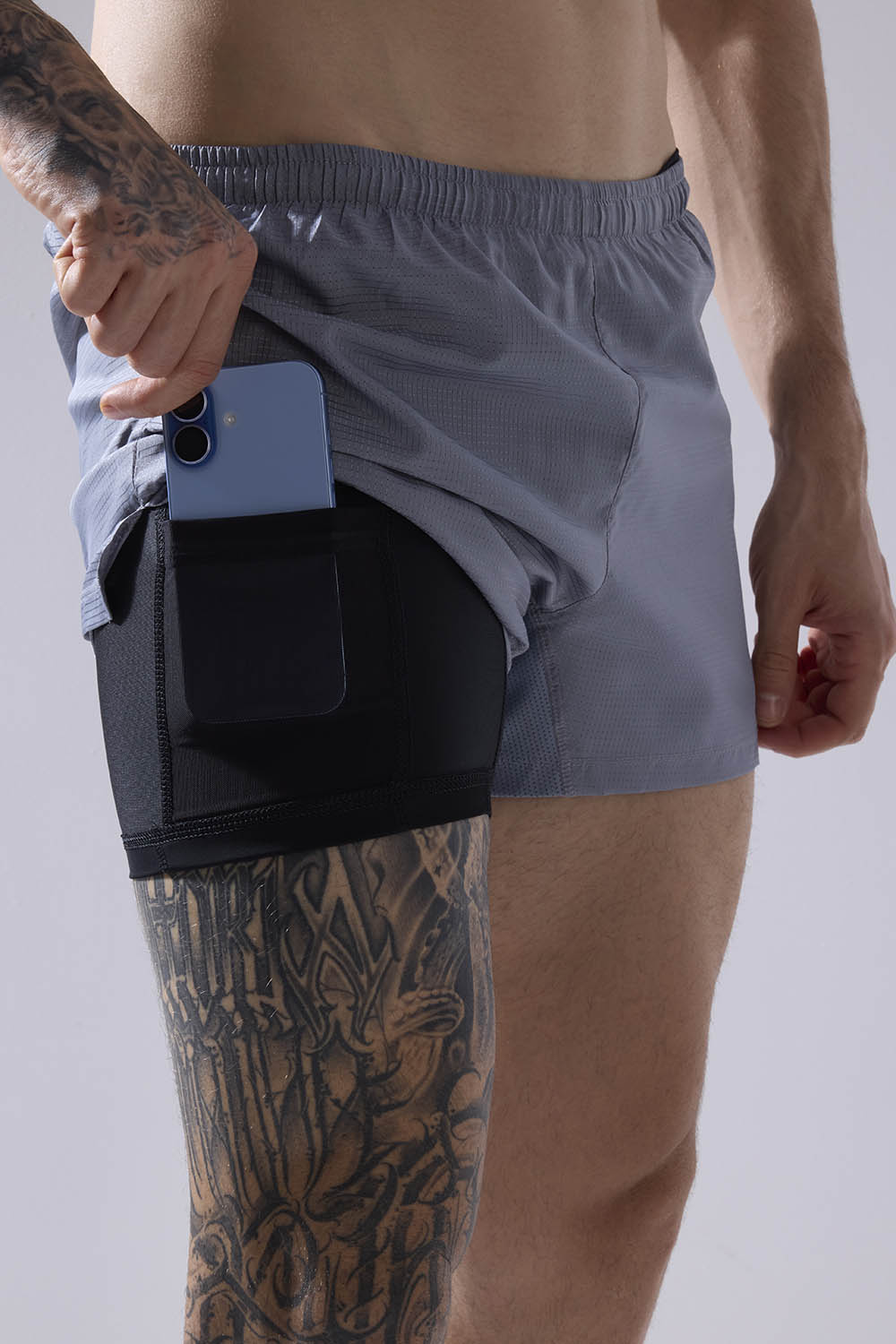

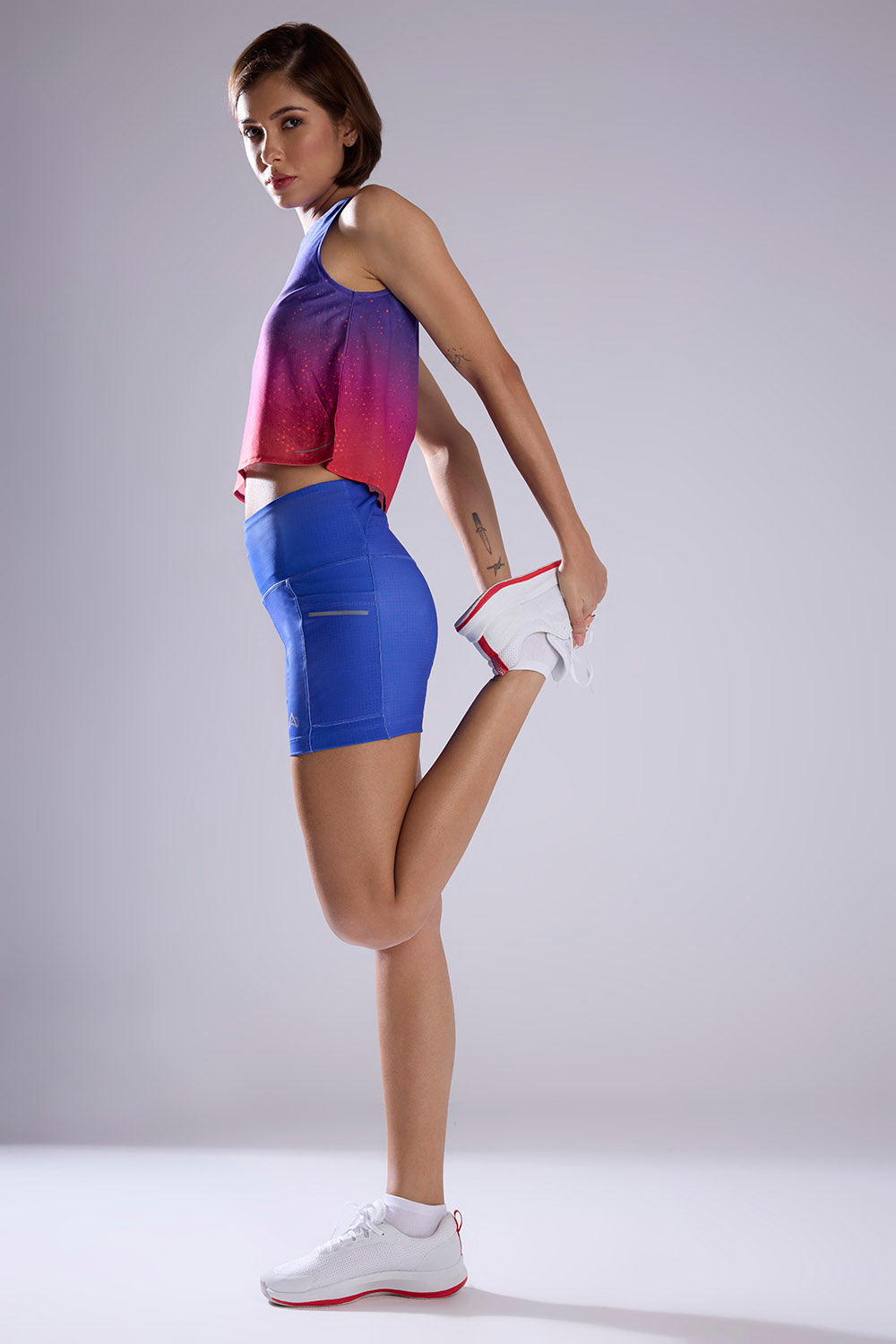
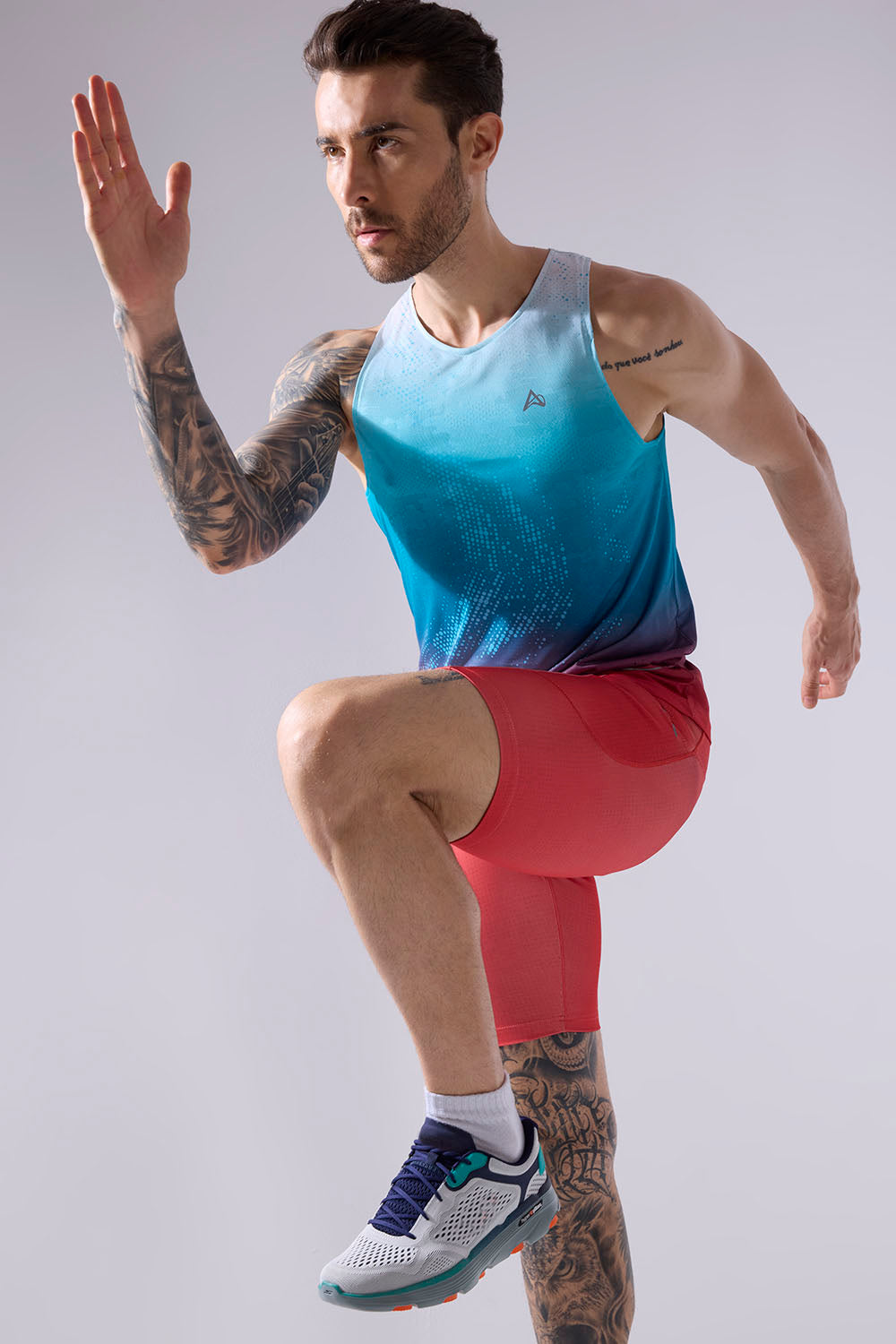

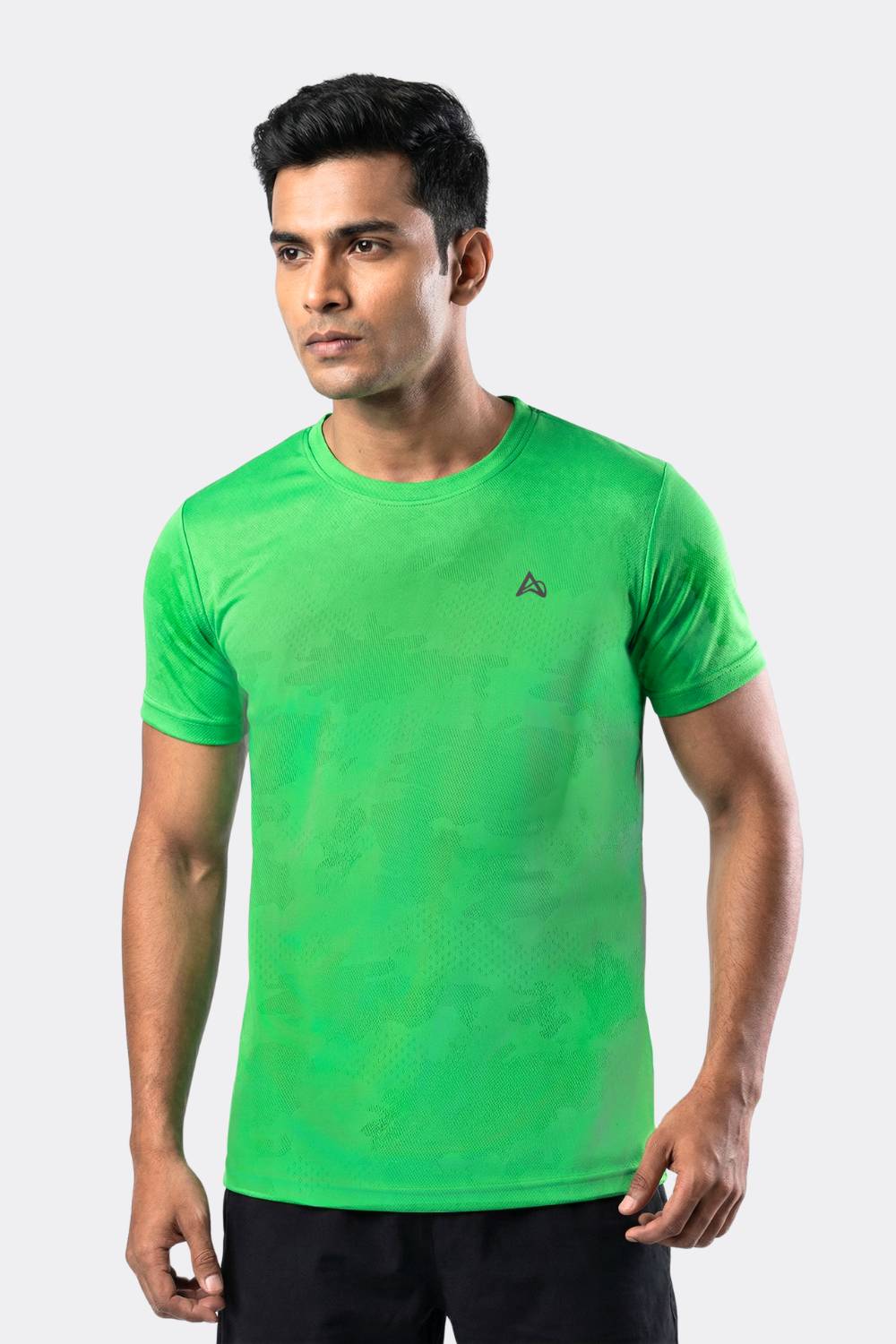
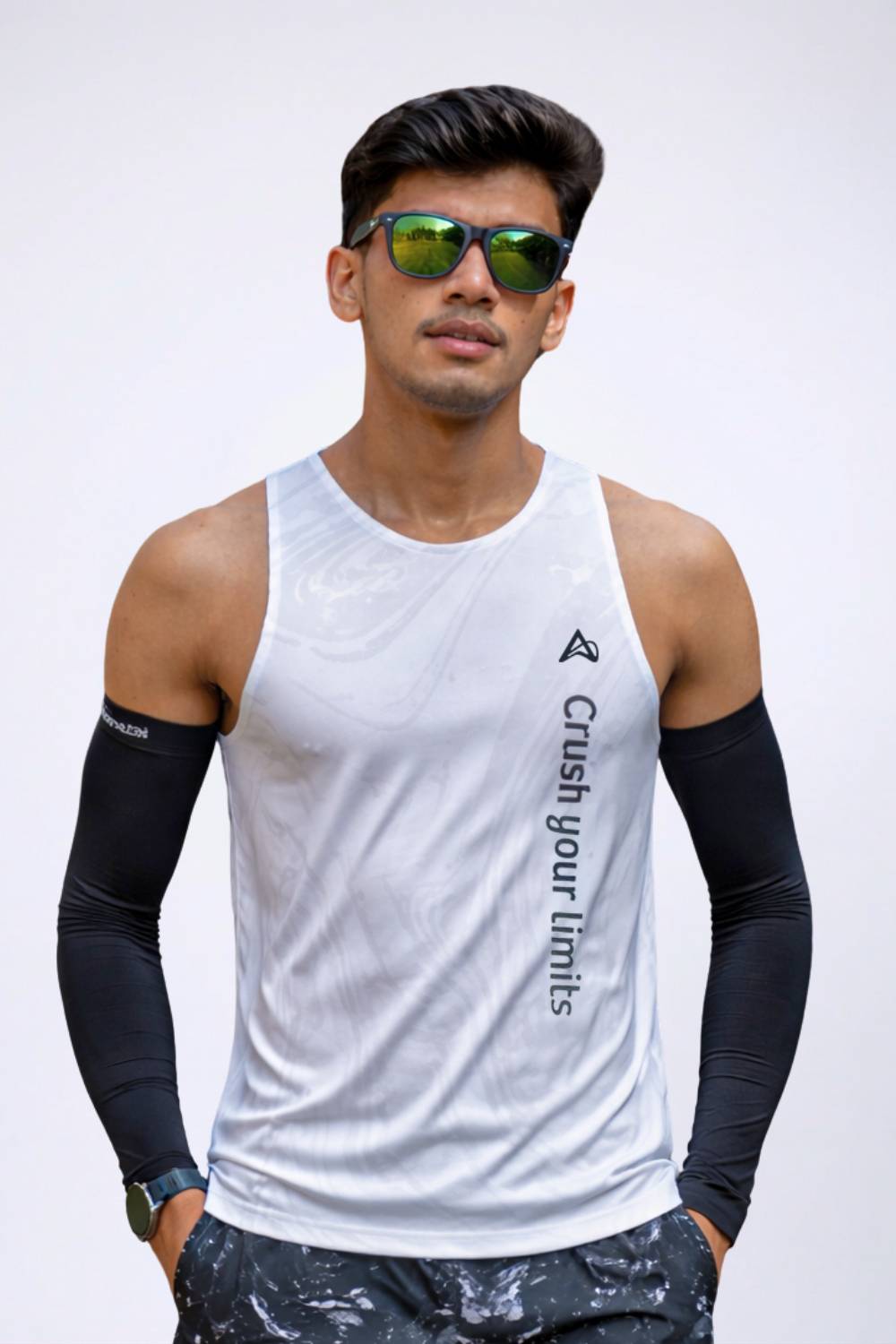

In the bustling streets of Bangalore, where the air hangs heavy with moisture even before dawn breaks, dedicated runners lace up their shoes and head out. They pursue personal bests while confronting one of the toughest environments for endurance activity. Community Insights: How Indian Runners Select Apparel explores how athletes across India's tropical cities adapt their gear to stay comfortable, dry, and fully focused on performance.
Tired of gear that slows you down? Chafing, soggy fabrics, and missing pockets kill your run's momentum. At Aguante, we're runners who get it. Our high-performance activewear features moisture-wicking fabrics, ergonomic designs, and smart storage to keep you focused. Shop Now!
Understanding the Unique Climate Challenge for Indian Runners
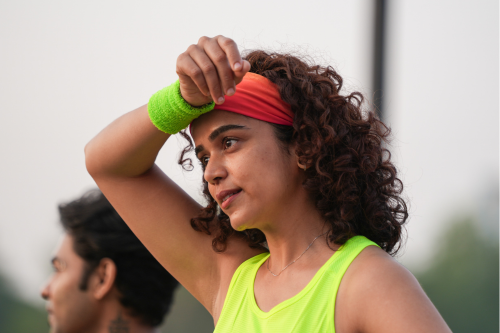
From Mumbai's humid coastal breezes to Hyderabad's sticky mornings and Delhi's intense summers, runners across India face conditions that push both body and equipment to the limit. High humidity slows sweat evaporation, transforming a refreshing workout into a constant battle against overheating, chafing, and discomfort. Standard gear designed for drier climates often falls short in these environments.
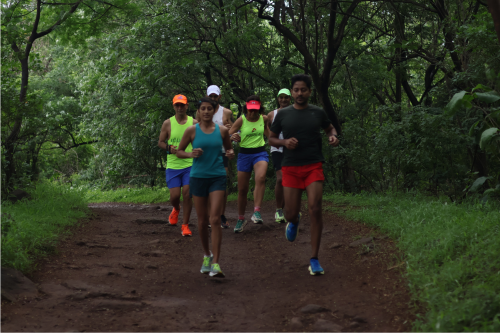
The expanding community of runners in major cities such as Bangalore, Hyderabad, Mumbai, and Pune has created real-world testing grounds. Early morning loops in parks and along bustling corridors have evolved into social and wellness rituals. Yet only those who master climate-appropriate choices sustain consistent training. The right apparel makes the critical difference between abbreviated sessions and steady, rewarding mileage.
Emerging Trends in Running Apparel Choices
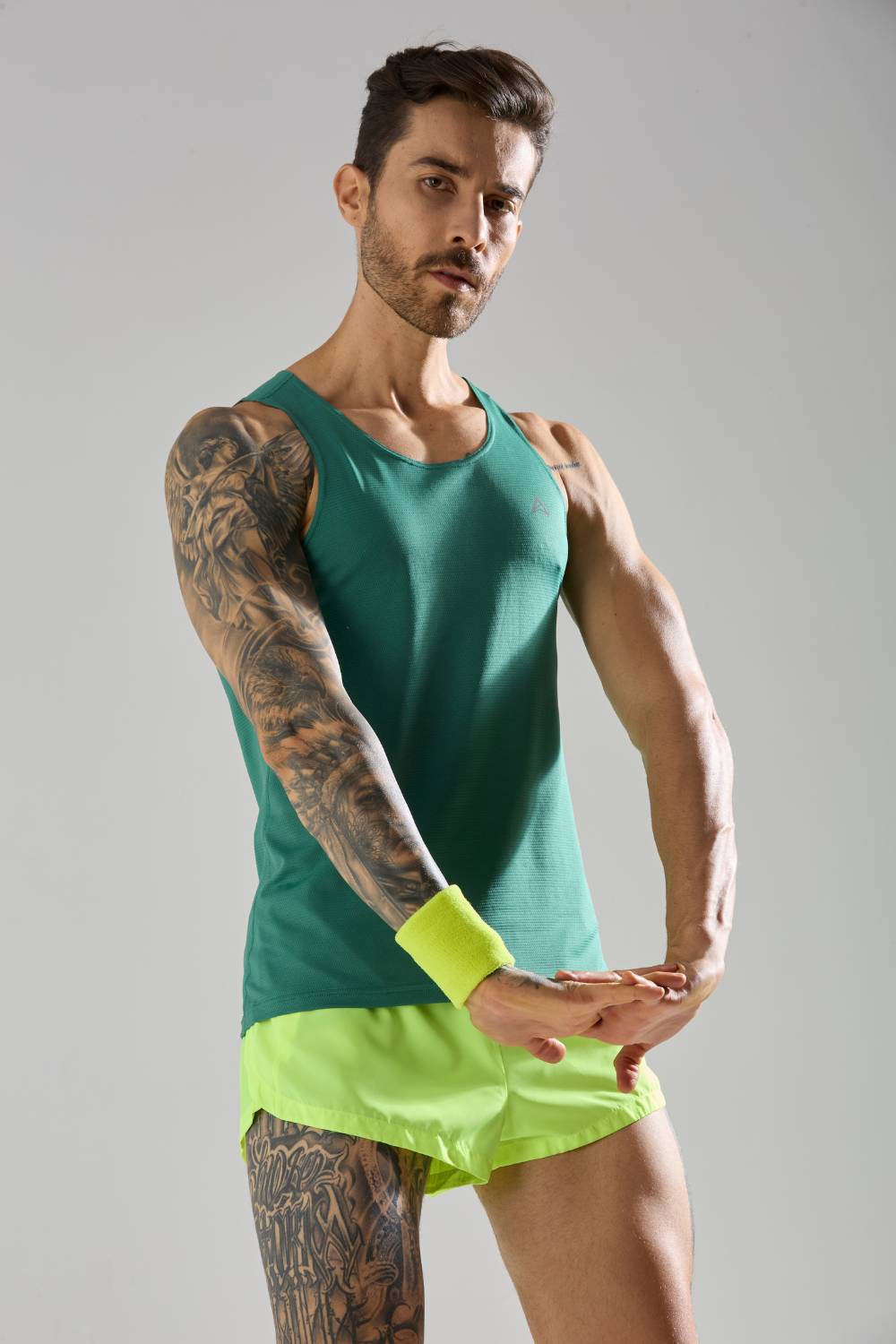
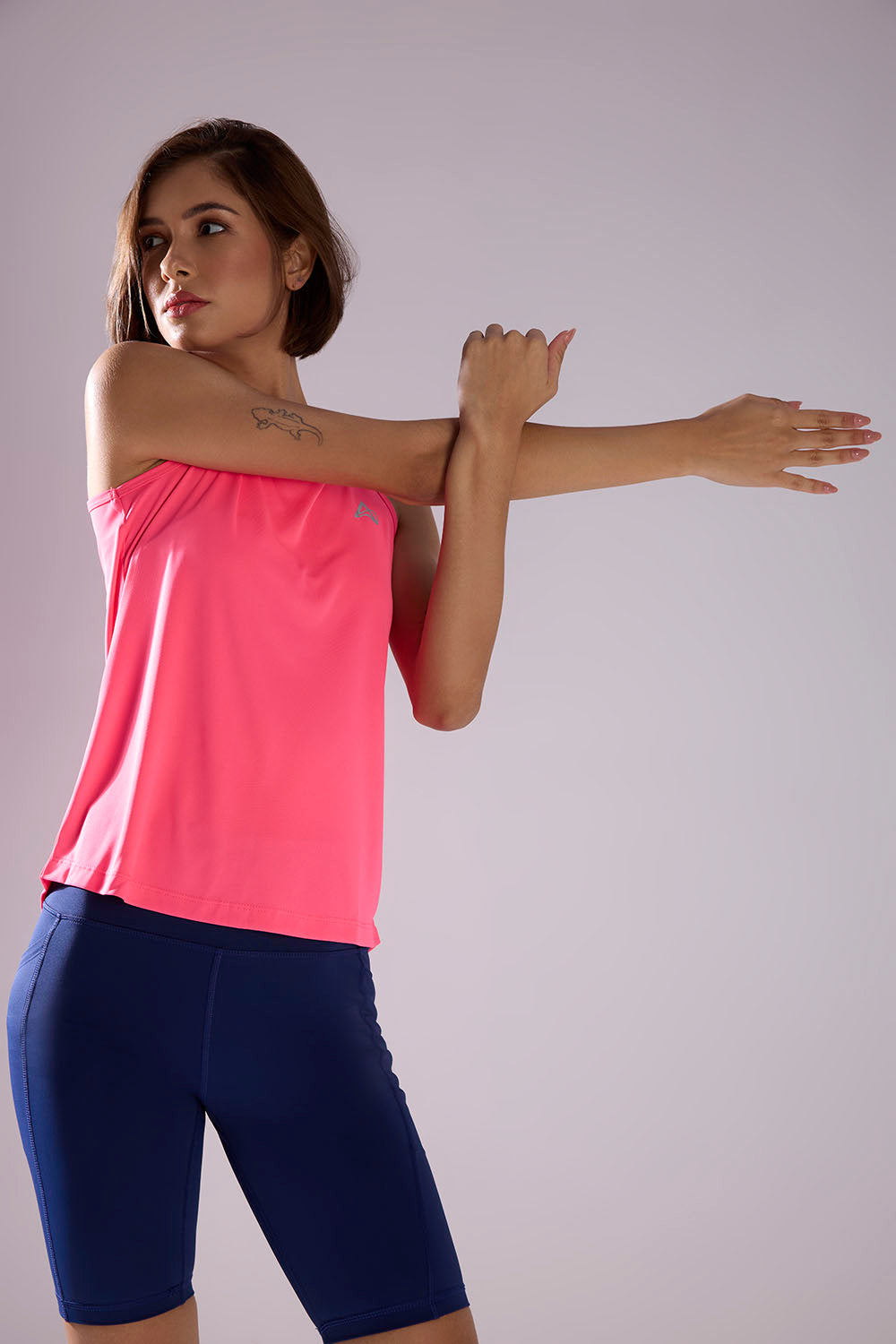
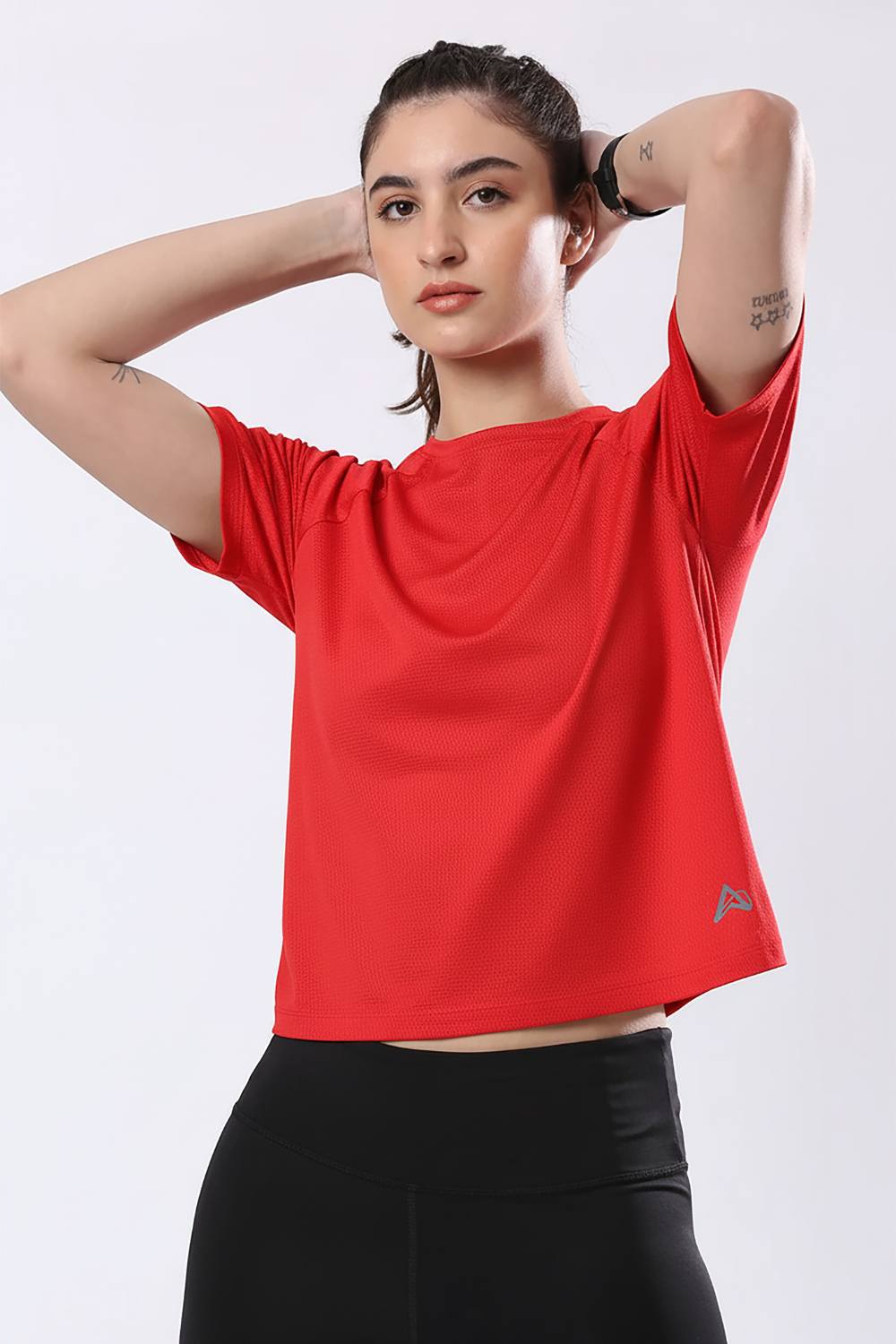
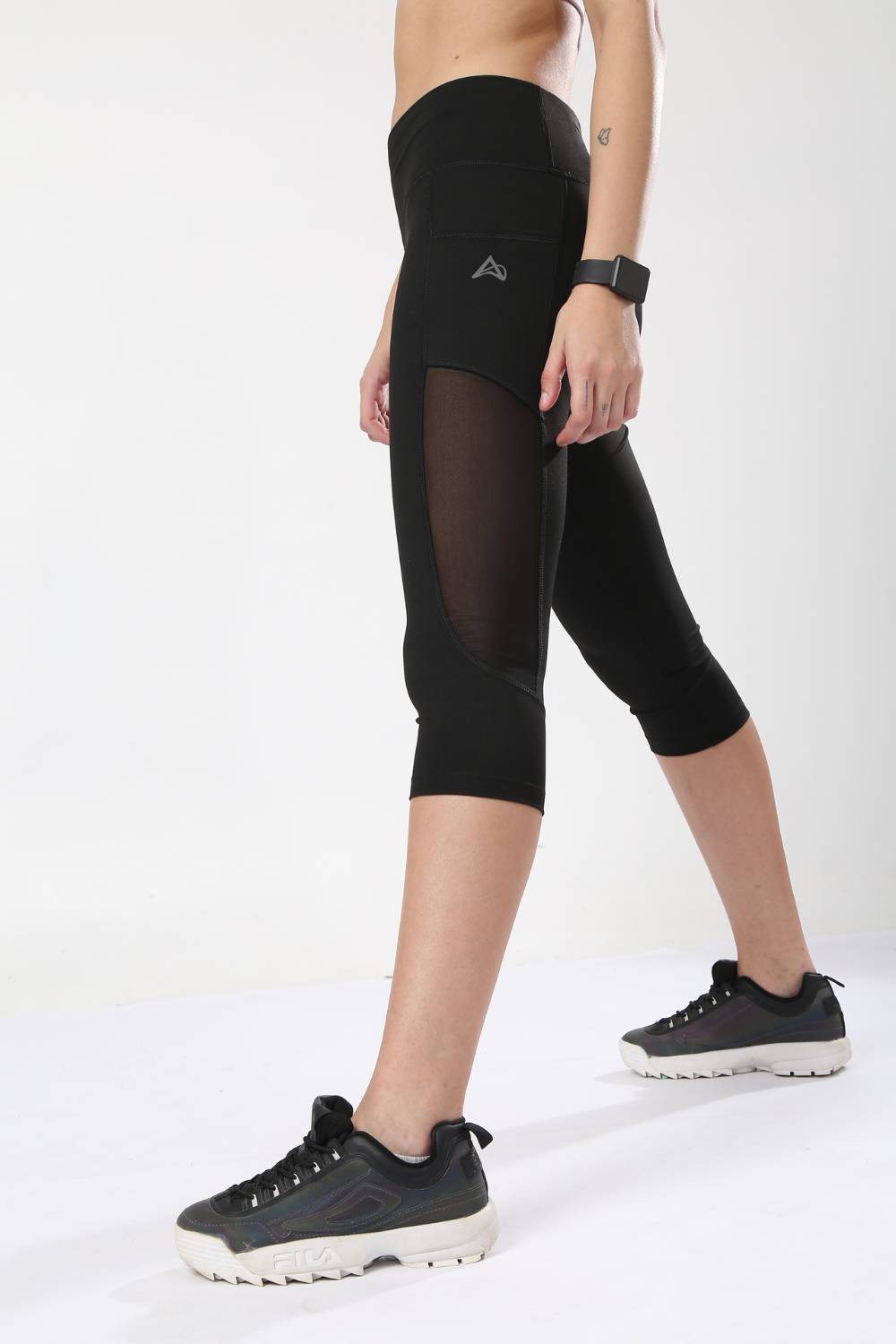
Indian runners increasingly seek performance fabrics engineered specifically for moisture management . In humid hubs like Bangalore and Pune, breathable mesh panels paired with lightweight, quick-drying materials have become essential. These innovations actively pull sweat away from the skin, promote airflow, and help regulate body temperature even as humidity rises.
Sustainability considerations also shape decisions, particularly among younger runners in Mumbai and Delhi. Eco-friendly options that deliver strong performance while minimizing environmental impact resonate with athletes mindful of both their running footprint and the planet. Meanwhile, local brands gain traction in cities like Ahmedabad and Surat by offering climate-tuned designs that combine functionality, style, and accessibility.
Performance Meets Everyday Practicality
Runners look beyond marketing specifications. They demand gear that withstands repeated laundering, heavy perspiration, and sudden monsoon showers without losing shape or effectiveness. This pragmatic approach favors durable, lightweight pieces that move seamlessly from morning training to daily routines.
Real-World Examples from Indian Cities
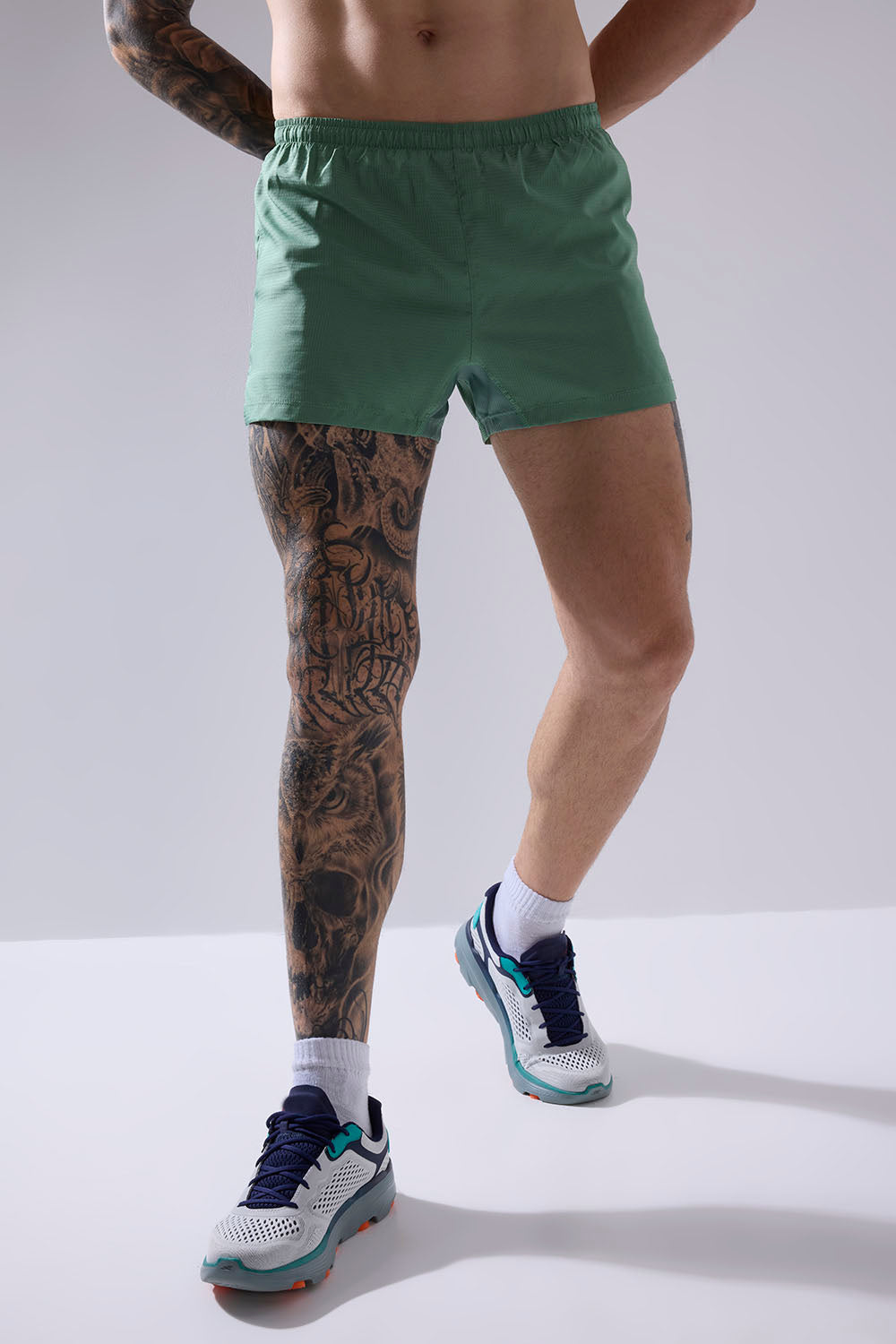
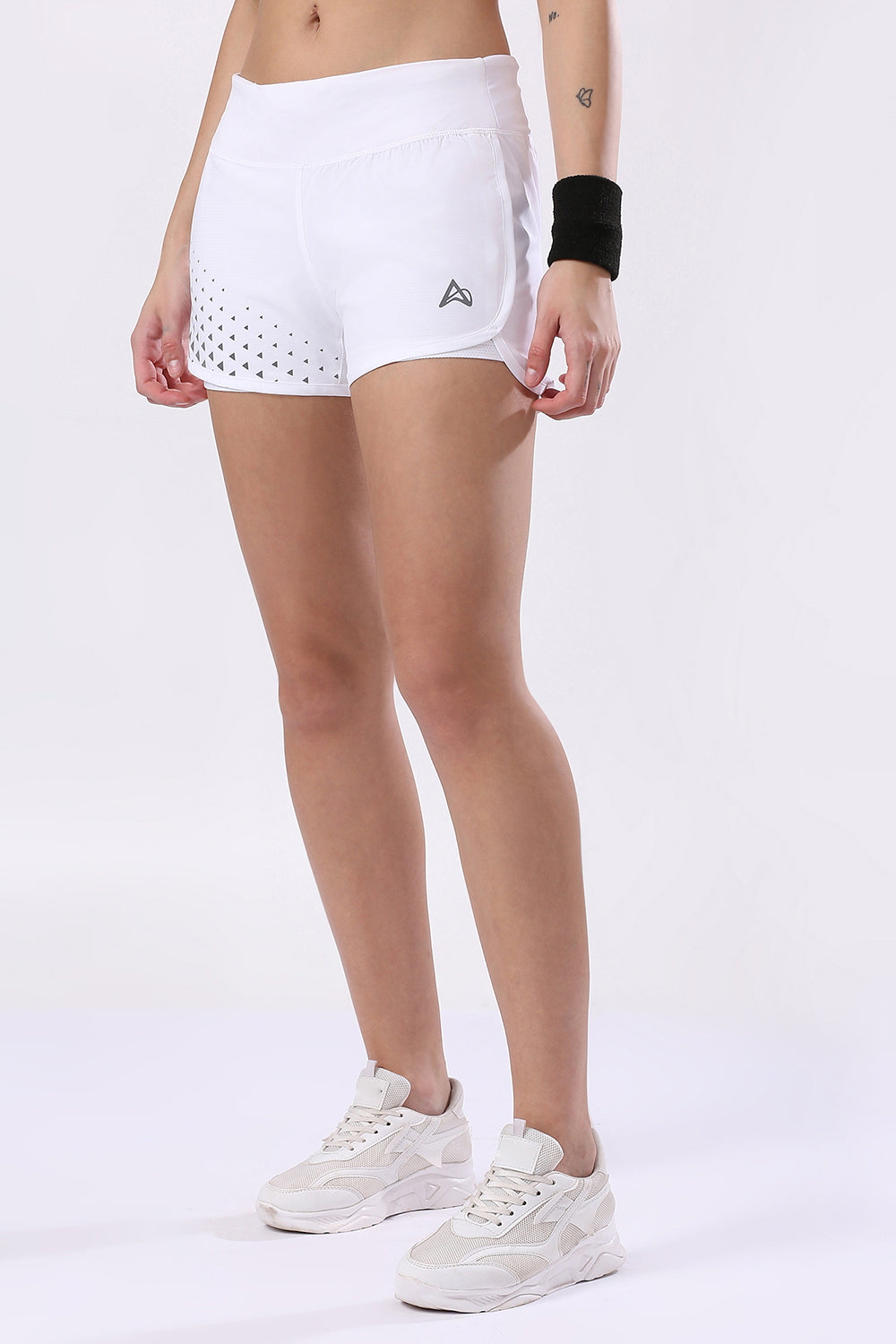
Bangalore's vibrant running scene showcases a clear preference for ultra-light mesh tops and shorts that maximize ventilation during humid early sessions. Tech professionals, who often squeeze runs into busy schedules, value fabrics that dry rapidly and prevent that unpleasant clammy sensation on the commute.
In Hyderabad, many runners opt for apparel featuring built-in UV protection. This addresses both persistent humidity and strong sunlight, especially during evening outings when temperatures remain elevated. The synergy of moisture-wicking technology and sun defense has become a practical standard for consistent training on the Deccan plateau.
Mumbai's coastal athletes contend with salt-laden air in addition to humidity. They favor sweat-resistant, resilient fabrics that perform reliably near the Arabian Sea. Proper selection noticeably reduces skin irritation caused by trapped moisture and saline residue after runs.
Pune runners appreciate versatile garments capable of handling daily temperature fluctuations. Dual-purpose apparel that provides cooling in peak heat while offering light warmth during cooler evenings supports year-round training consistency.
Key Challenges Runners Face in Humid Conditions
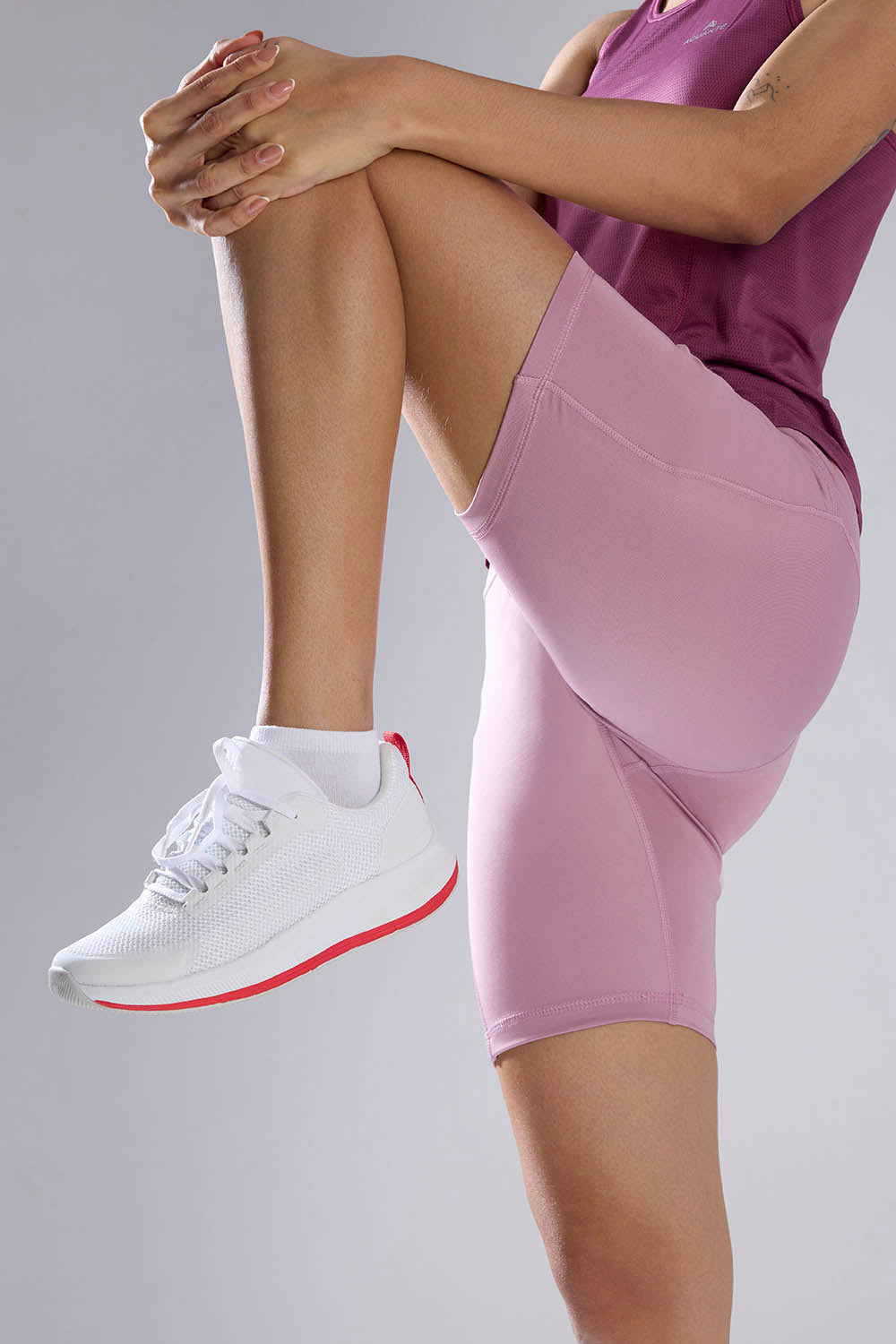
Chafing ranks among the top frustrations, particularly for long-distance enthusiasts in Delhi and Gurugram. When humidity hinders evaporation, friction intensifies. Experienced athletes now prioritize seamless designs and strategic flatlock stitching in high-movement zones to minimize irritation.
Fabric durability also tests runners in persistently moist areas such as Navi Mumbai and Ahmedabad. Prolonged exposure to humidity accelerates wear on lesser materials. Savvy runners inspect their gear regularly and choose quality pieces engineered for these demanding conditions rather than temporary bargains.
Availability of truly specialized apparel remains uneven. While options expand in larger cities, locating precisely suited items locally can still require effort, leading many to rely on community recommendations and careful online research.
How the Running Community Shares Valuable Knowledge
Running groups and digital communities serve as vital hubs for practical insights. Athletes trade experiences on which brands best handle Mumbai monsoons or which lightweight layers excel in Bangalore's variable mornings. This peer-validated information frequently outweighs polished advertising claims.
Local events and club gatherings function as informal testing laboratories. Participants discuss sock performance, anti-microbial effectiveness in base layers, and other real-world details. These exchanges influence both individual choices and, increasingly, how attentive brands refine their offerings.
Opportunities for Innovation in Running Apparel
The growing participation in running opens clear pathways for brands to create more localized solutions. Advanced fabrics tailored to India's varied humid microclimates could better serve athletes in cities like Surat and Hyderabad. Promising features include enhanced anti-odor capabilities, improved salt resistance, and optimized ventilation systems.
As running gains popularity in Delhi, Mumbai, and other centers, both global and homegrown brands can strengthen their relevance. Retailers who deeply understand local conditions and thoughtfully curate selections build lasting customer loyalty. Partnerships with gyms, clubs, and events provide powerful channels to engage committed runners.
Business Impacts and Strategic Considerations
Brands that truly listen to Indian runners adapt their design priorities. They move beyond generic performance messaging toward targeted solutions for specific environmental hurdles . Companies investing in climate-appropriate innovation connect more meaningfully with fitness-conscious consumers who value practical results.
The broader sports and fitness goods sector benefits from this momentum. Runners contribute visibly to demand for thoughtful, functional apparel. Long-term success favors those who blend technical excellence with genuine cultural insight into how people train and live across India's diverse regions.
Driven by rising health awareness, increasing participation in fitness activities, and growing urbanization, the sector continues to evolve. Consumers show strong preference for moisture-wicking, stretchable, and stylish apparel suitable for both exercise and casual wear. Government initiatives promoting sports and expanding infrastructure further support this shift toward active lifestyles.
Looking Ahead for Runners in Humid Climates
As awareness of climate-specific requirements spreads, runners can anticipate more refined options. Future developments likely include intelligent fabrics that dynamically manage moisture, seamless integration of UV protection and antimicrobial properties, and designs attuned to India's distinctive mix of heat, humidity, and urban running realities.
For apparel brands, the path forward is evident: deep local understanding outperforms one-size-fits-all strategies. Runners will keep exchanging insights, encouraging the industry to deliver genuinely effective solutions for challenging humid environments.
Whether preparing for a first 5K along Mumbai's sea link or building endurance for a Bangalore marathon, appropriate apparel turns difficult conditions into manageable ones. By drawing on collective community wisdom and selecting climate-tuned gear, India's runners do more than cope with humidity they thrive within it.
This shared knowledge across cities offers practical lessons for anyone committed to regular training in tropical settings. Comfort, reliable performance, and lasting durability transform occasional efforts into sustainable habits that support long-term health and enjoyment.
Frequently Asked Questions
What type of running apparel works best for humid conditions in Indian cities like Bangalore and Mumbai?
Runners in humid Indian cities do best with ultra-light mesh tops, moisture-wicking fabrics, and quick-drying shorts that actively pull sweat away from the skin and promote airflow. Seamless designs with flatlock stitching in high-movement zones are especially important to minimize chafing, which worsens when humidity slows sweat evaporation. Coastal runners in Mumbai should also look for salt-resistant fabrics that hold up against saline residue after runs.
How do Indian runners choose running gear that handles both humidity and UV exposure?
Many runners in cities like Hyderabad opt for apparel that combines moisture-wicking technology with built-in UV protection, since evening runs often coincide with strong sunlight and persistently high temperatures. This dual-function approach has become a practical standard on the Deccan plateau, where both sun intensity and humidity are ongoing concerns. Looking for fabrics that address both factors simultaneously eliminates the need to layer or compromise on comfort.
How can runners find reliable advice on the best running clothes for India's tropical climate?
Local running groups, club gatherings, and online communities are among the most trusted sources for climate-specific gear recommendations across Indian cities. Peer-validated insights such as which brands hold up during Mumbai's monsoon season or which lightweight layers suit Bangalore's variable mornings often prove more useful than marketing claims. Attending local running events is another practical way to hear firsthand accounts about sock performance, anti-microbial base layers, and fabric durability in humid conditions.
Disclaimer: The above helpful resources content contains personal opinions and experiences. The information provided is for general knowledge and does not constitute professional advice.
You may also be interested in: How Indian Runners Benefit From Moisture-Wicking Tops - Aguante
Tired of gear that slows you down? Chafing, soggy fabrics, and missing pockets kill your run's momentum. At Aguante, we're runners who get it. Our high-performance activewear features moisture-wicking fabrics, ergonomic designs, and smart storage to keep you focused. Shop Now!
Powered by flareAI.co