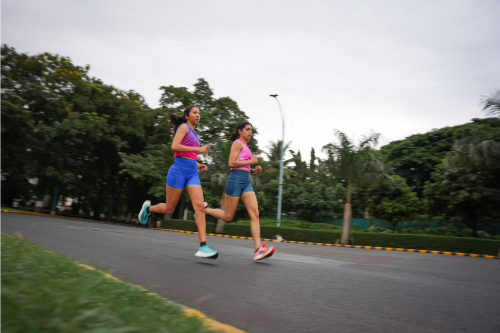
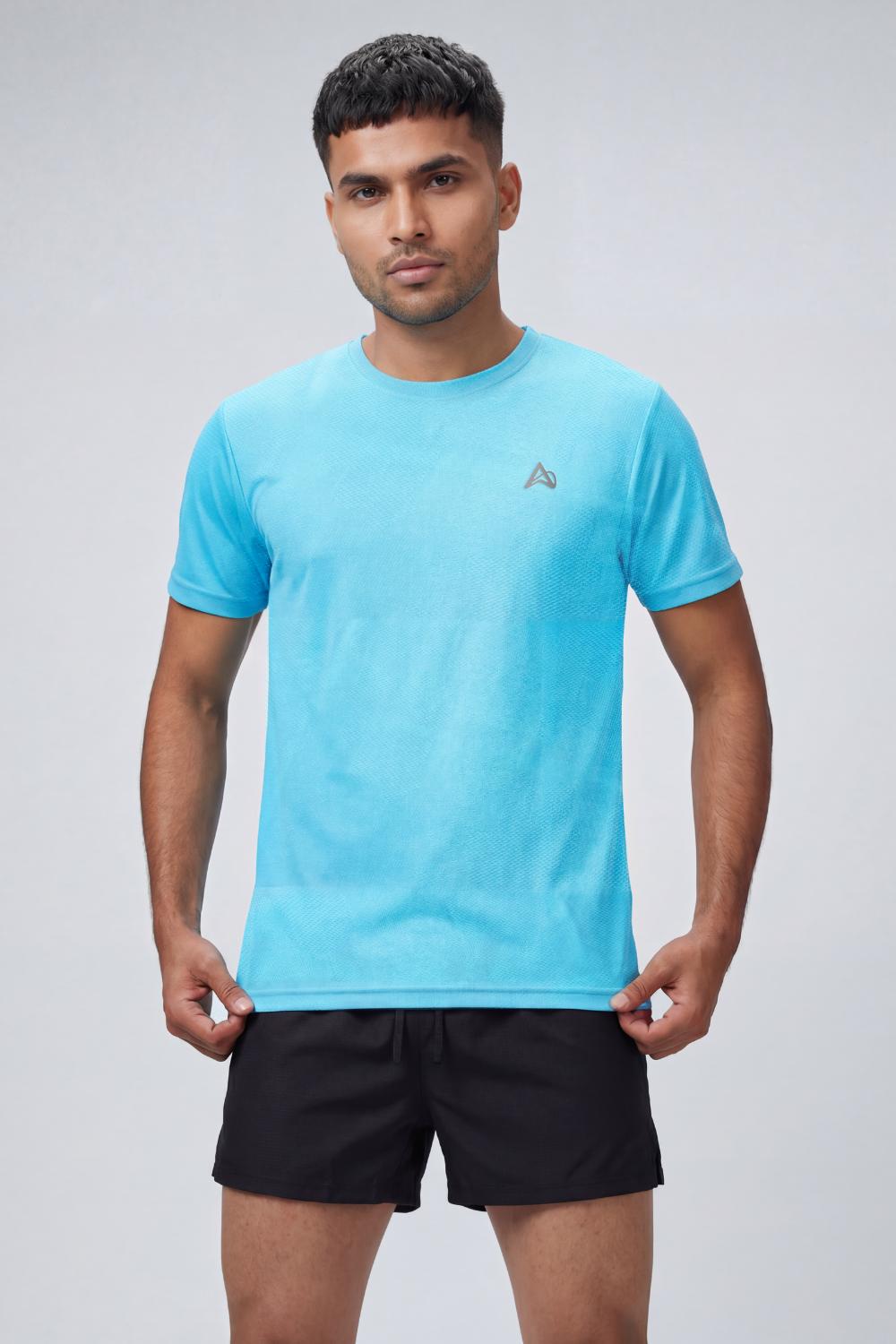
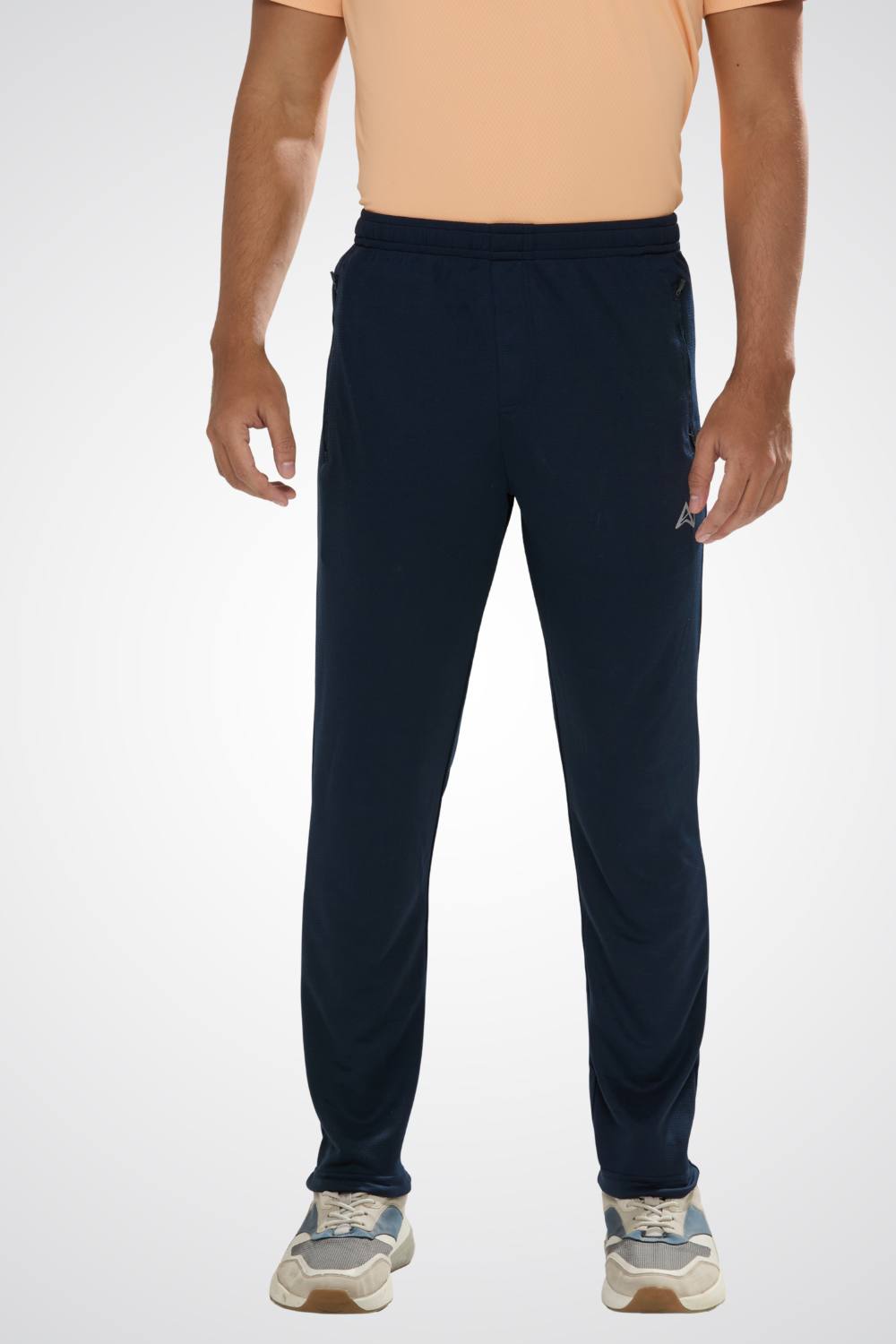
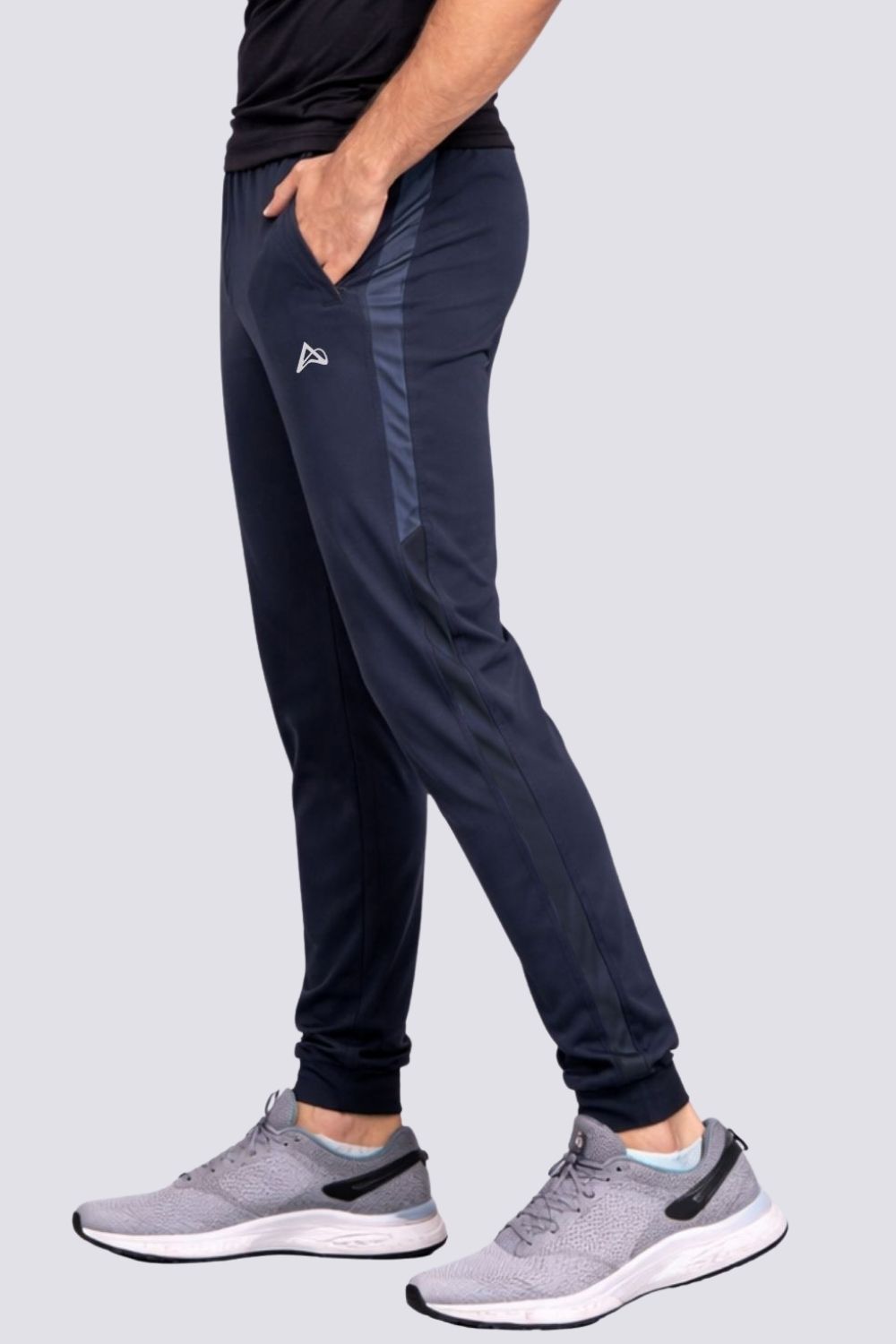
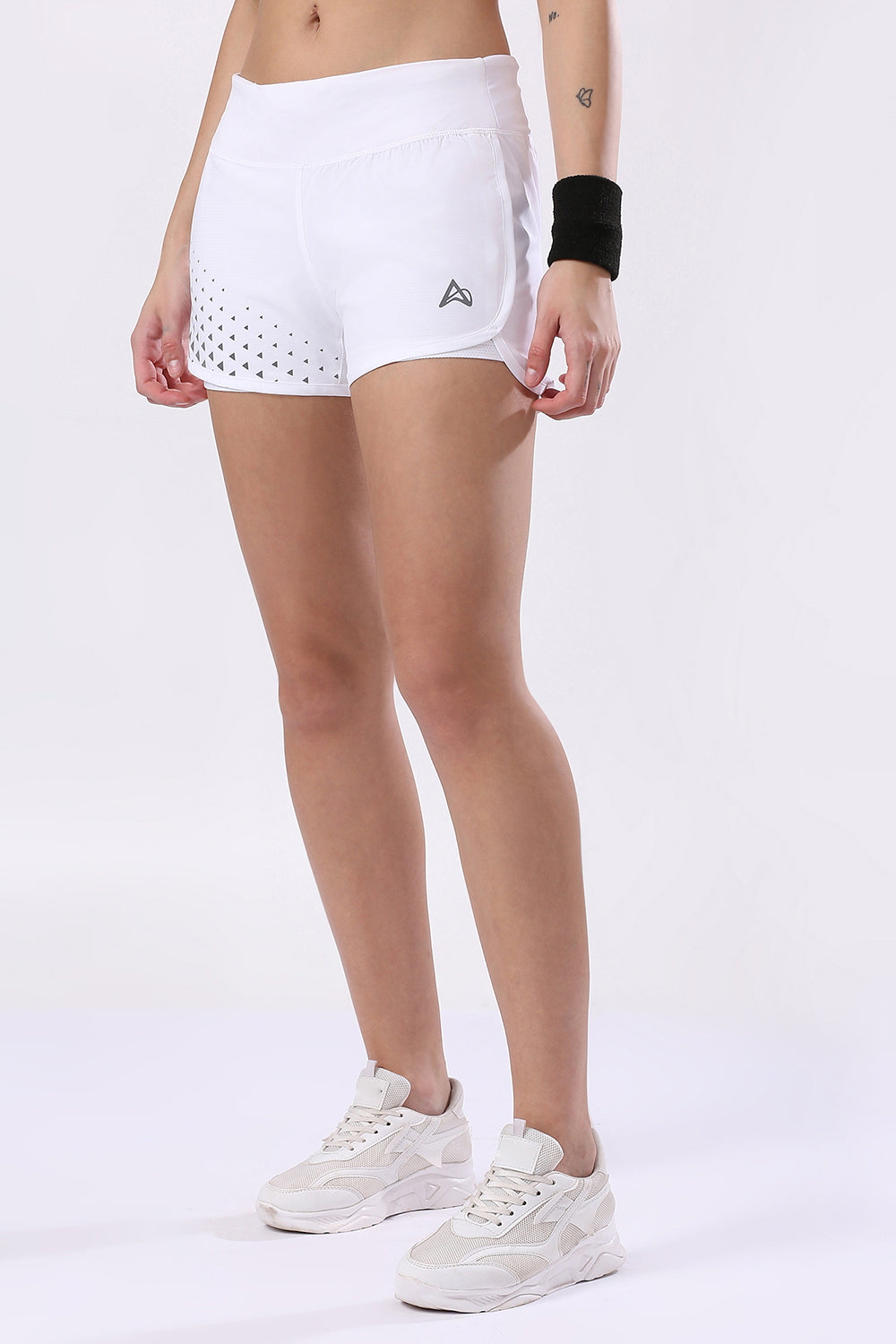
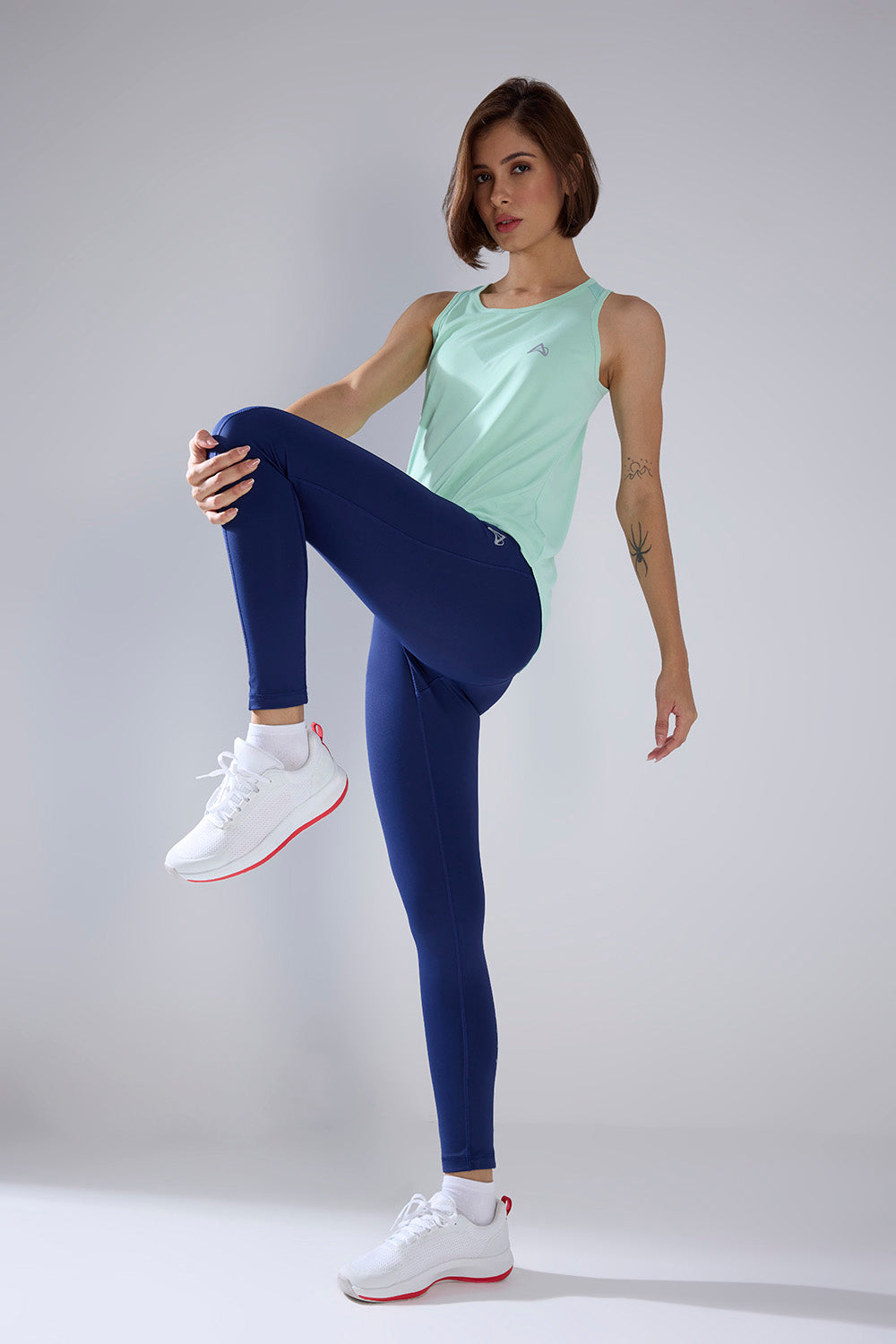

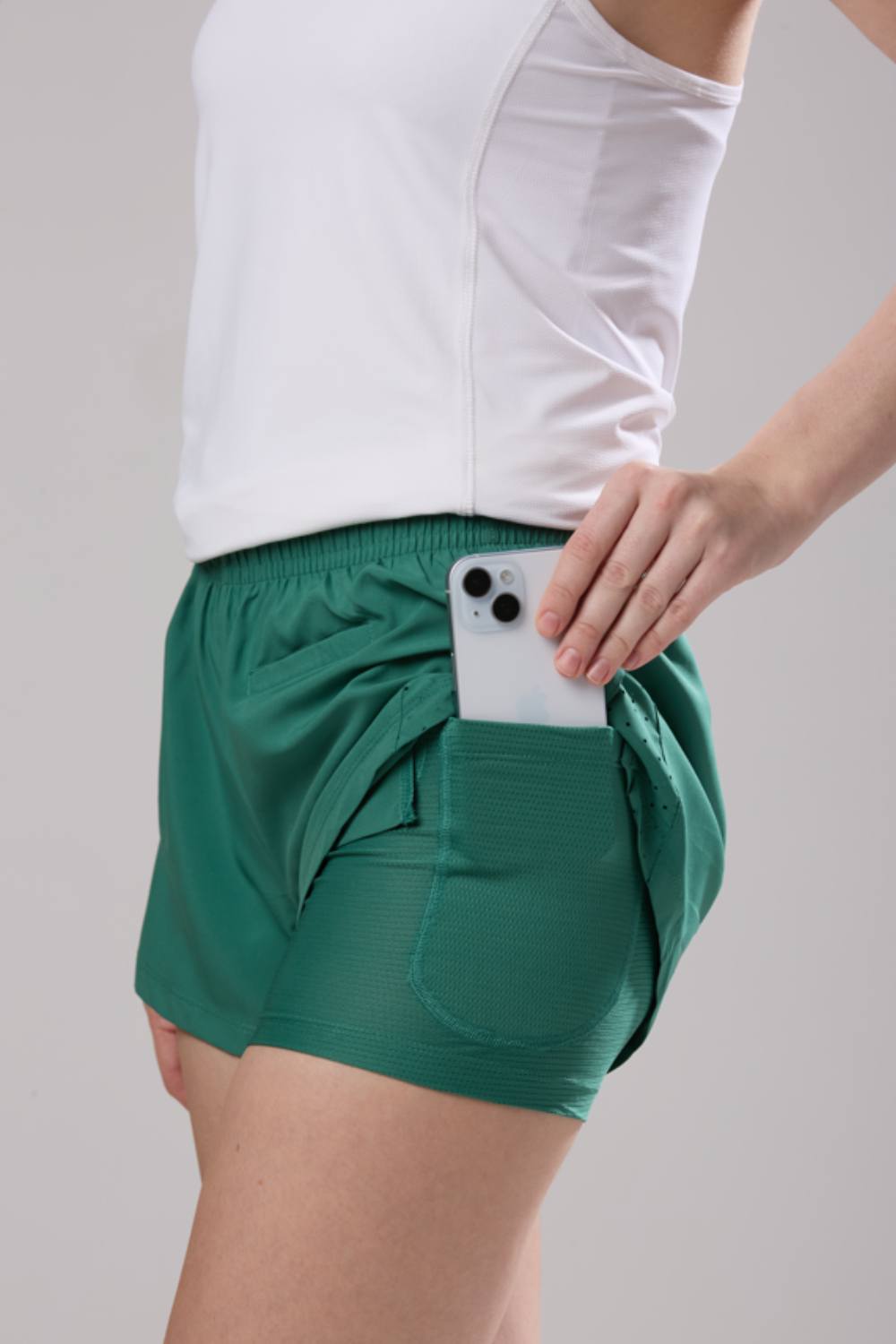
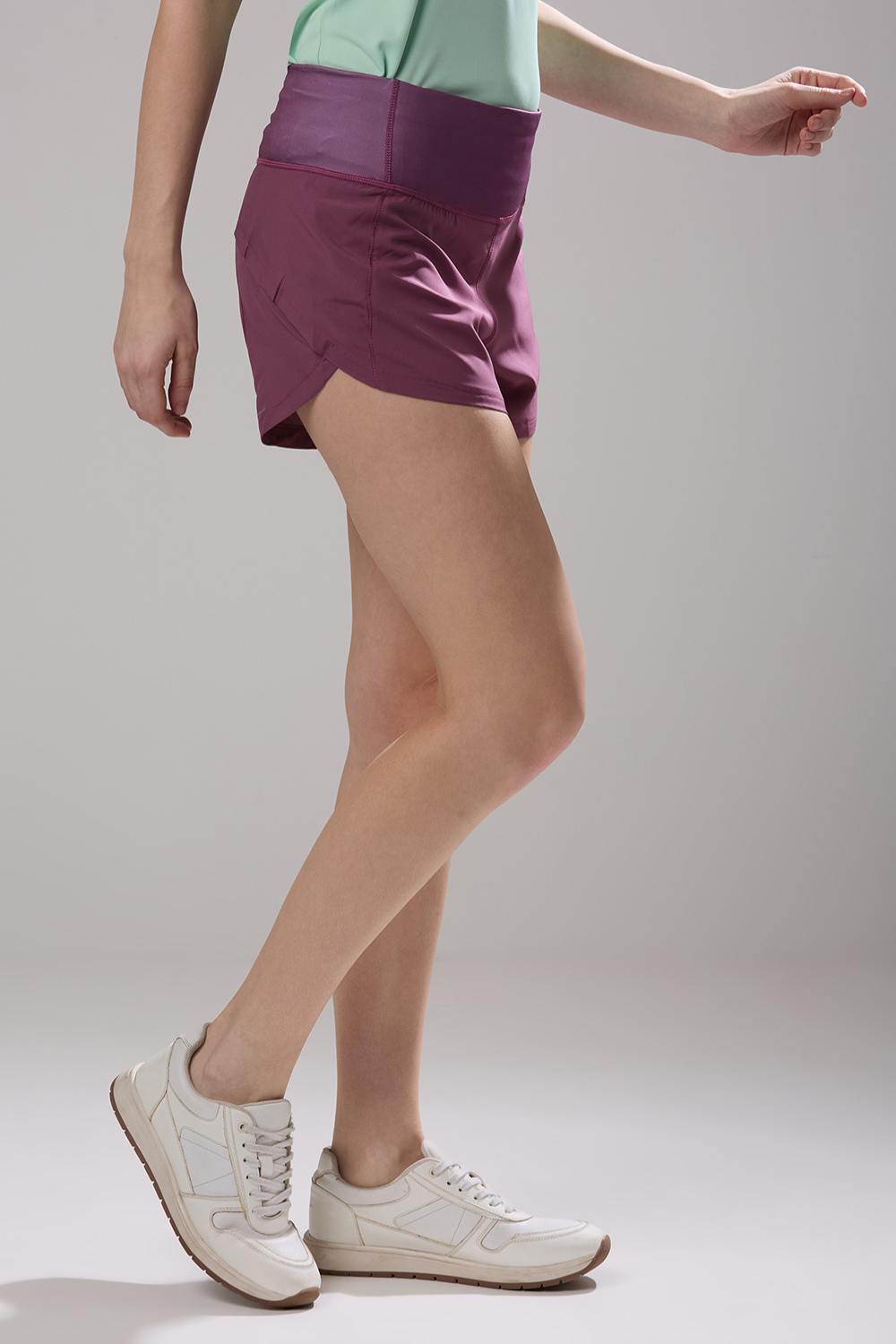
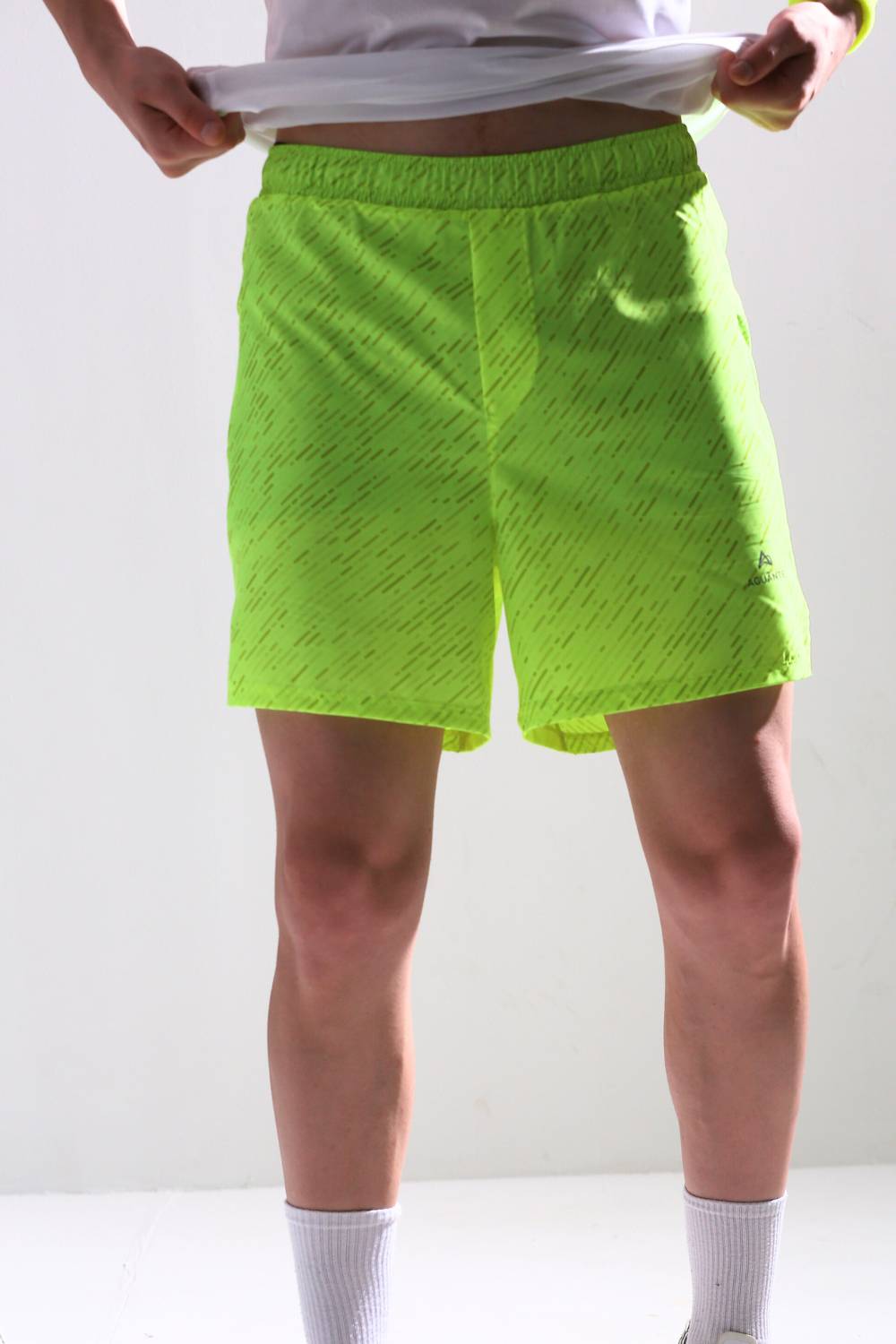
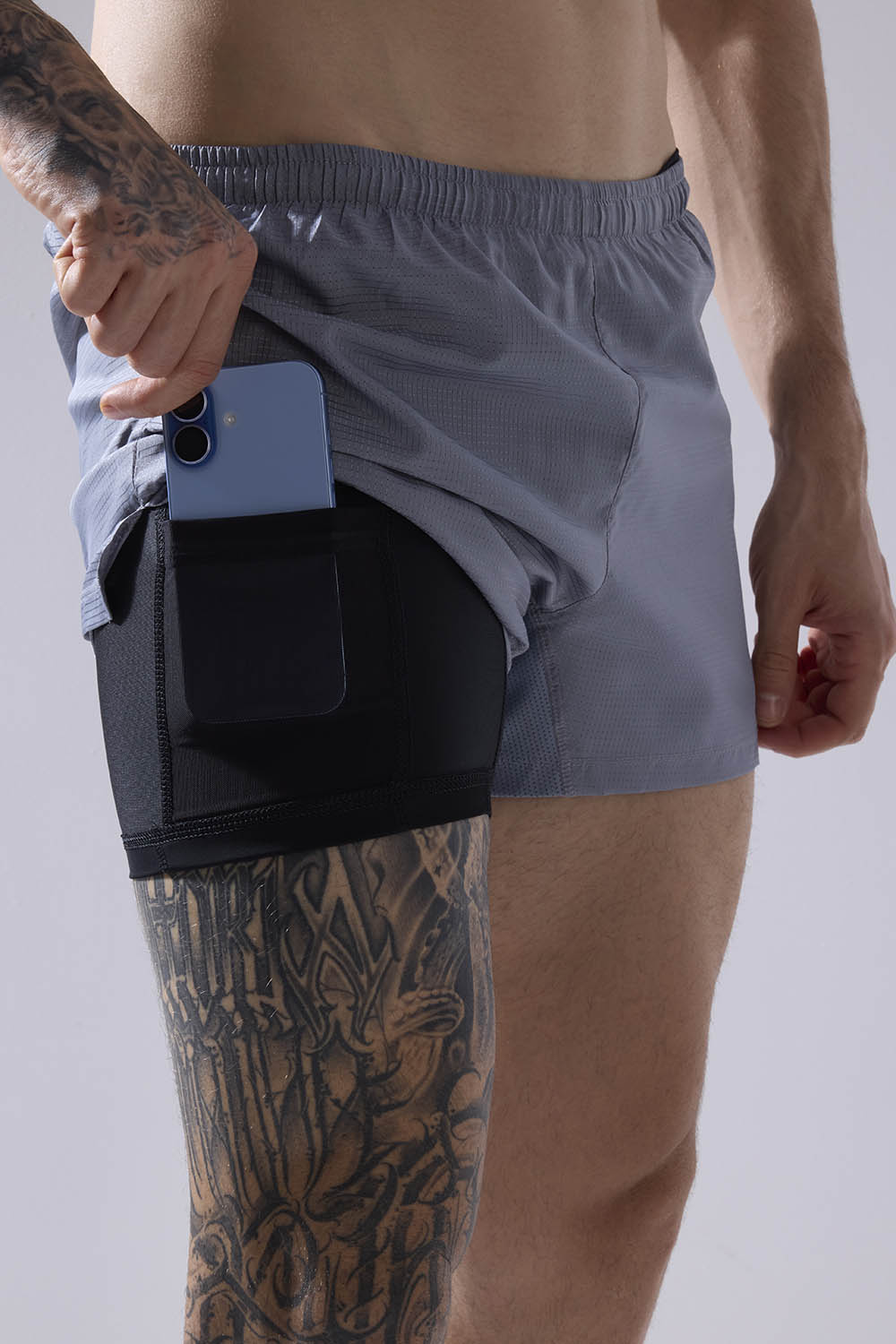

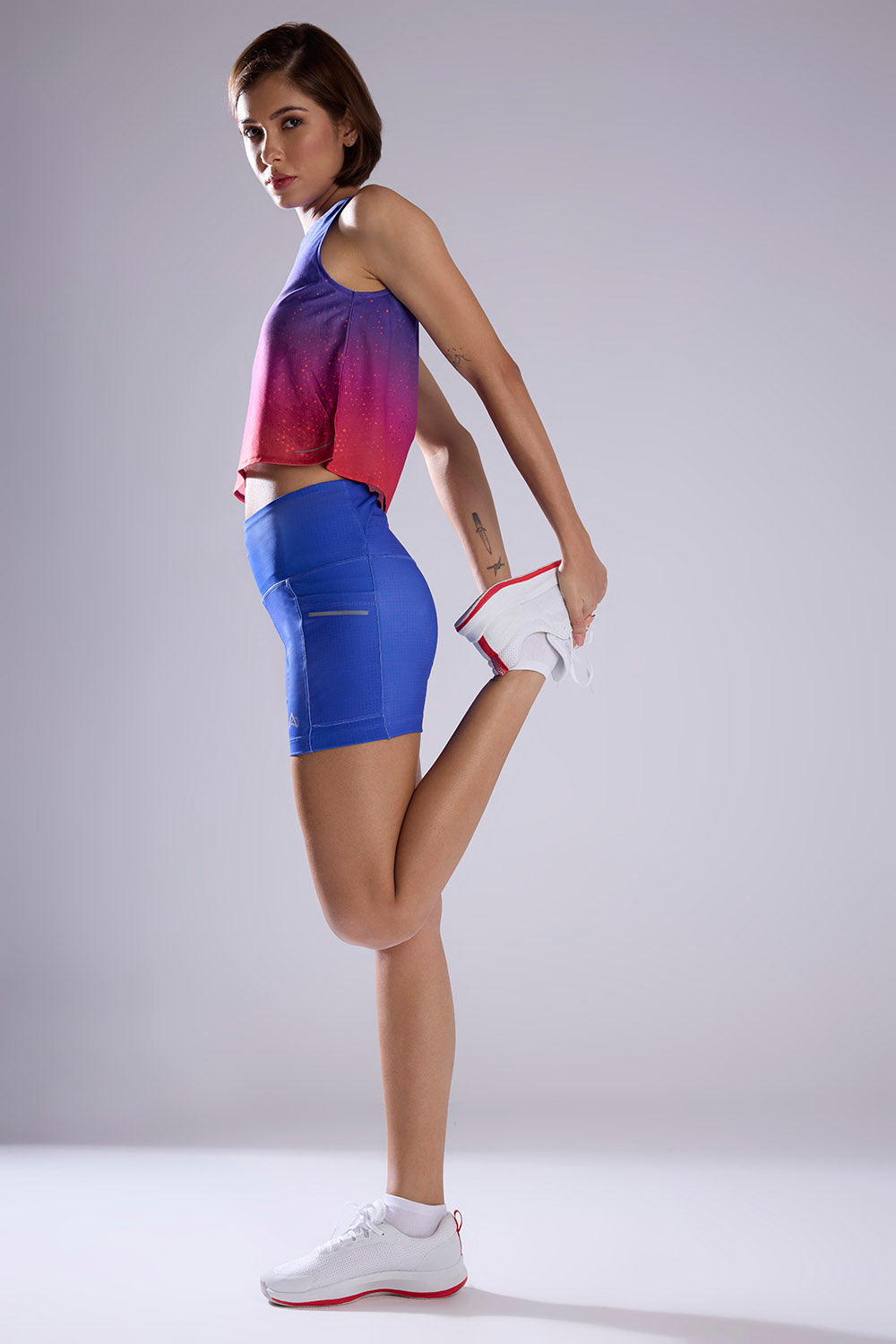
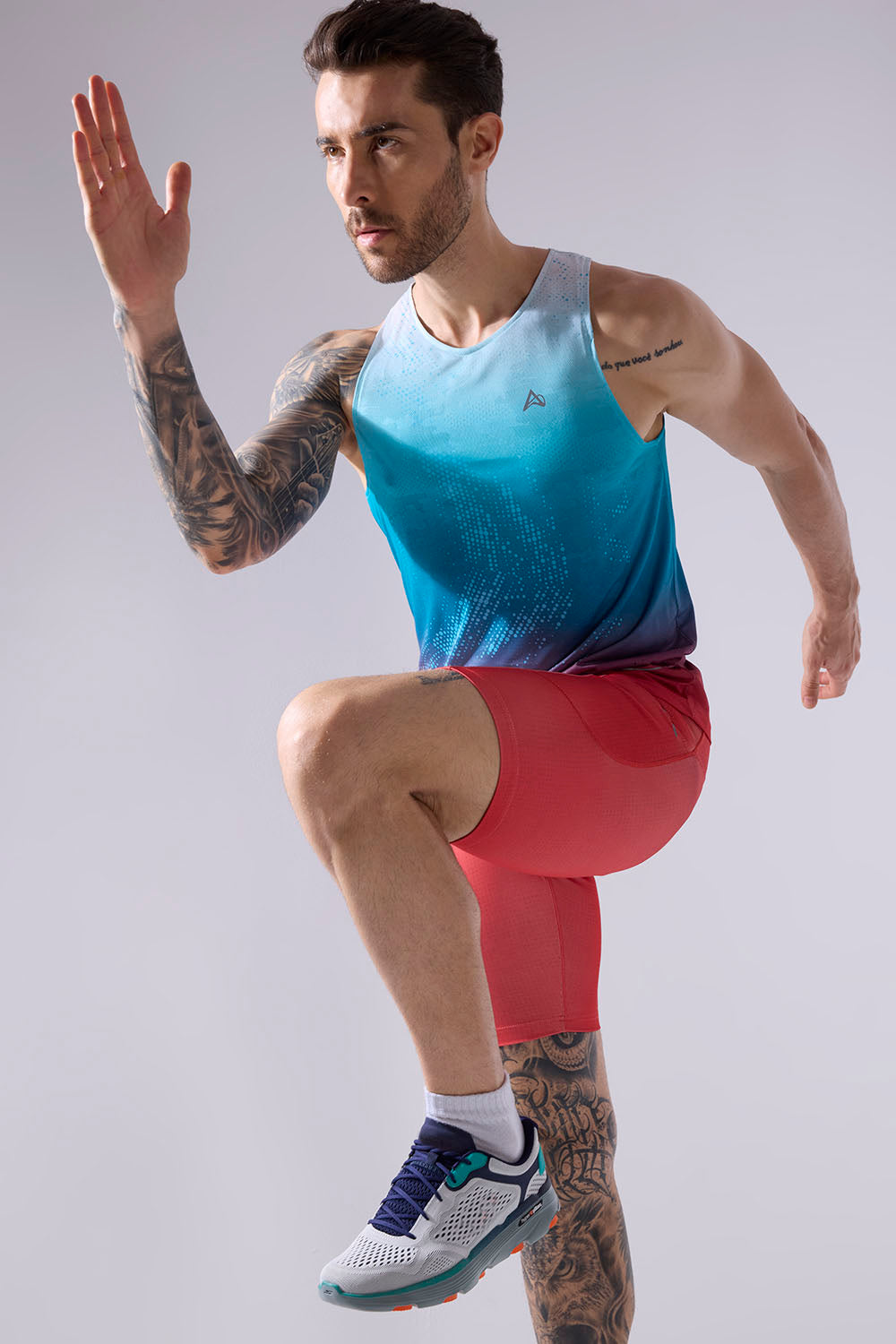

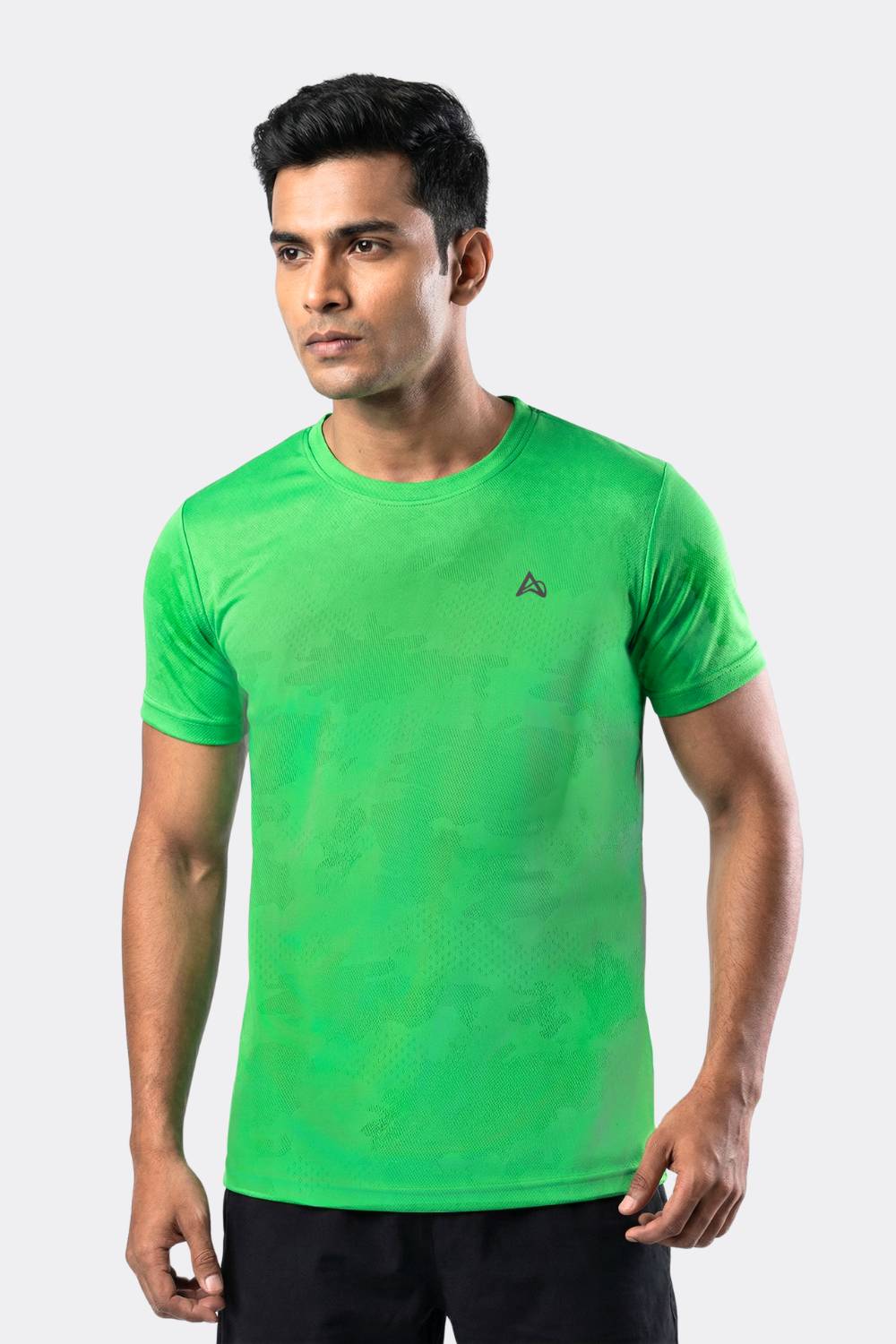
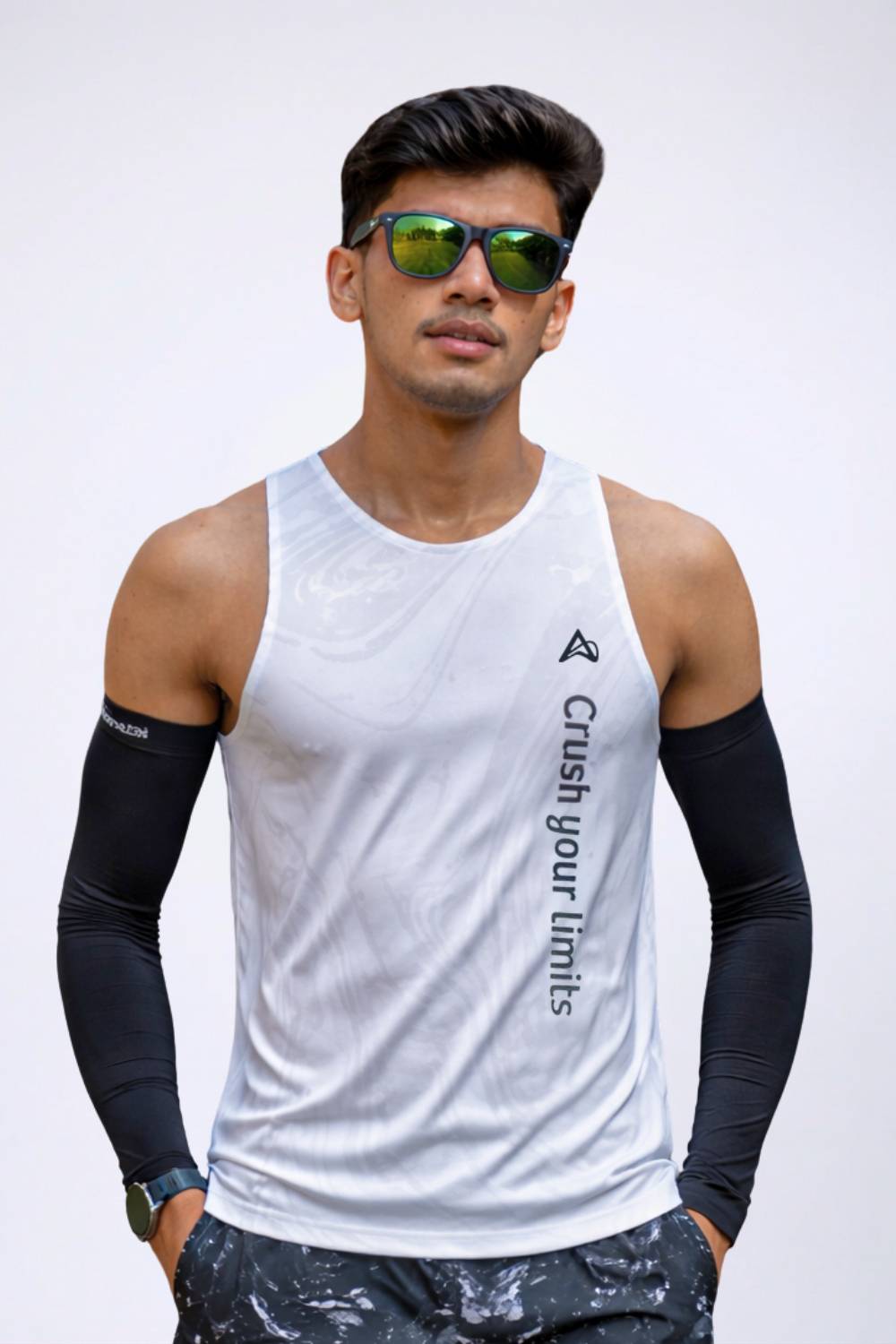

As runners pound the pavement in cities across the United States, Canada, and Europe, many are discovering a simple yet powerful ally in their quest for better performance: breathable fabrics that help reduce muscle fatigue during runs. What once seemed like a minor detail in gear selection has emerged as a key factor in how far and how comfortably athletes can push themselves, turning ordinary training sessions into more effective and enjoyable experiences.
Tired of gear that slows you down? Chafing, soggy fabrics, and missing pockets kill your run's momentum. At Aguante, we're runners who get it. Our high-performance activewear features moisture-wicking fabrics, ergonomic designs, and smart storage to keep you focused. Shop Now!
Understanding Muscle Fatigue and Why Your Clothing Matters
Muscle fatigue during runs goes well beyond the miles accumulated or the pace maintained. It arises from heat buildup, moisture accumulation, and restricted movement that force the body to expend extra energy. When sweat lingers in heavy fabrics and body temperature climbs, muscles tire faster, efficiency drops, and recovery stretches longer than necessary.
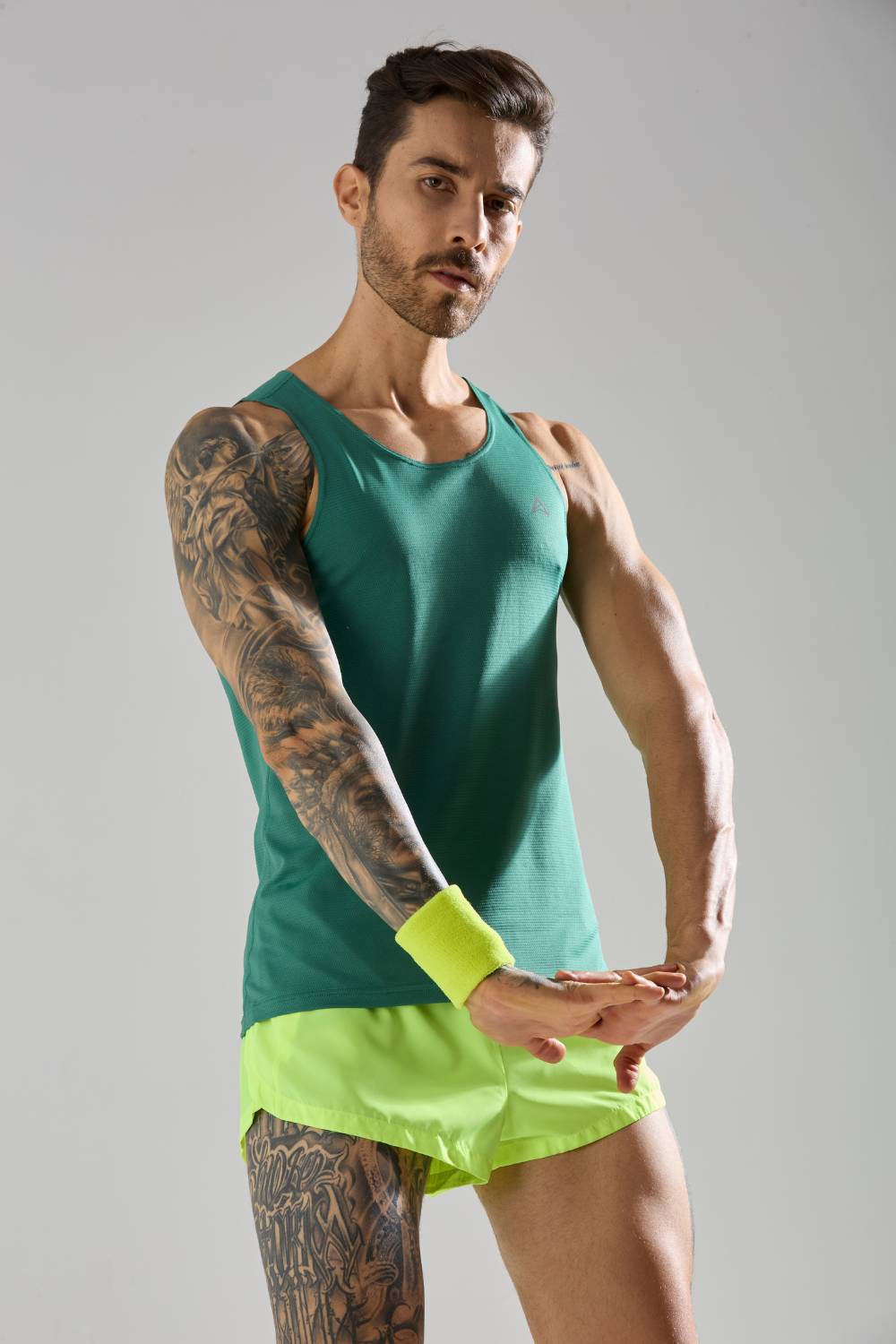
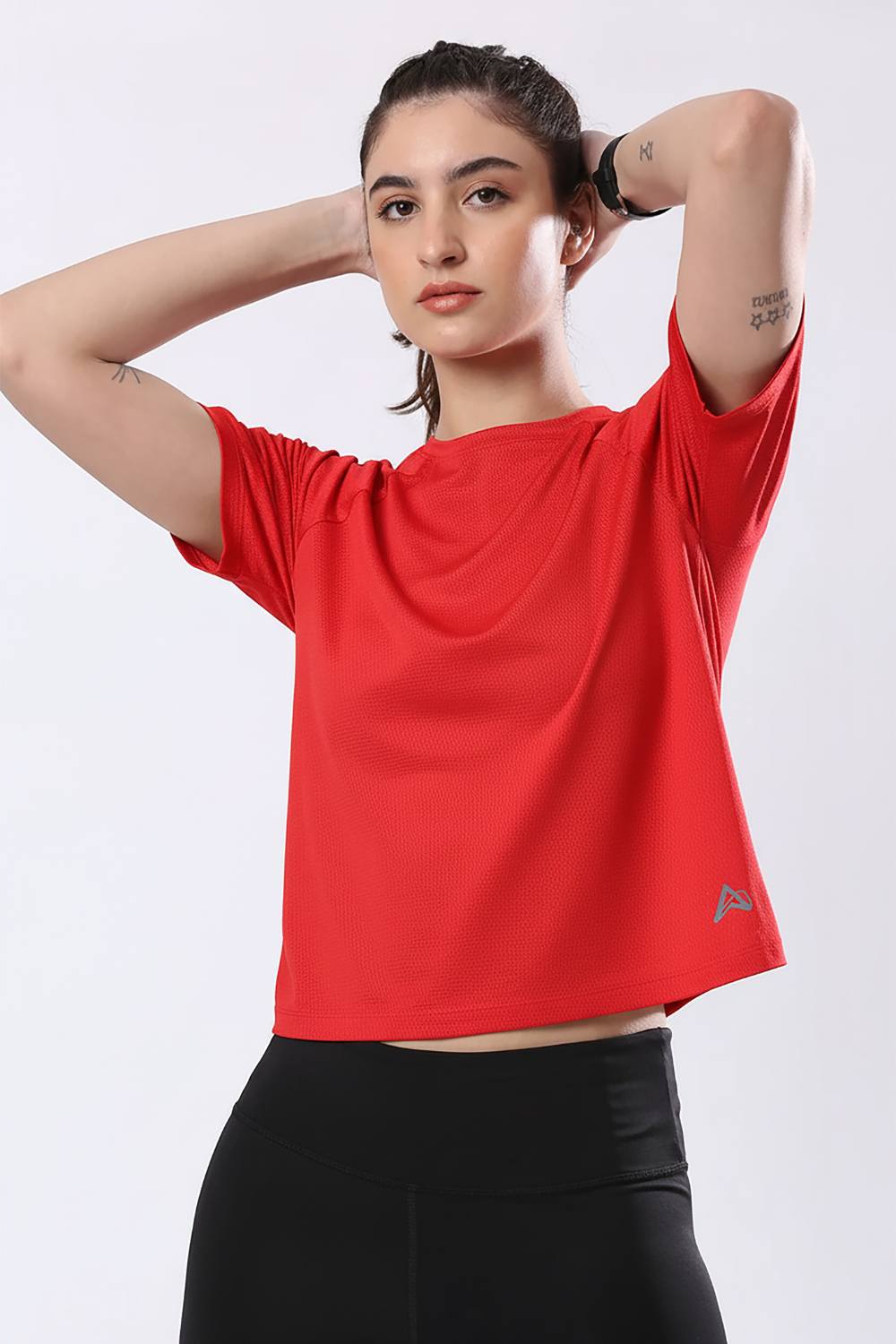
Advanced breathable fabrics tackle these challenges head-on through sophisticated textile engineering. These materials actively wick moisture away from the skin, encourage constant airflow, and assist in regulating core temperature. Runners often notice they feel fresher for longer, experiencing less perceived effort even on demanding routes through urban trails or park loops.
The Science Behind Breathable Performance Wear
Today's running apparel incorporates innovations such as moisture-wicking fibers, seamless construction, and fabrics equipped with built-in temperature regulation. These technologies deliver more than superior comfort they actively support physiological performance by reducing the energy the body must devote to cooling itself during sustained effort.
Consider humid summer runs through Central Park in New York, along the Thames in London, or crisp morning jogs in Vancouver. The difference is immediate and tangible. Breathable materials eliminate that heavy, clinging sensation that transforms an enjoyable outing into an exhausting battle against your own clothing. Runners stay focused on rhythm and form rather than discomfort.
Emerging Trends Shaping Runner's Apparel
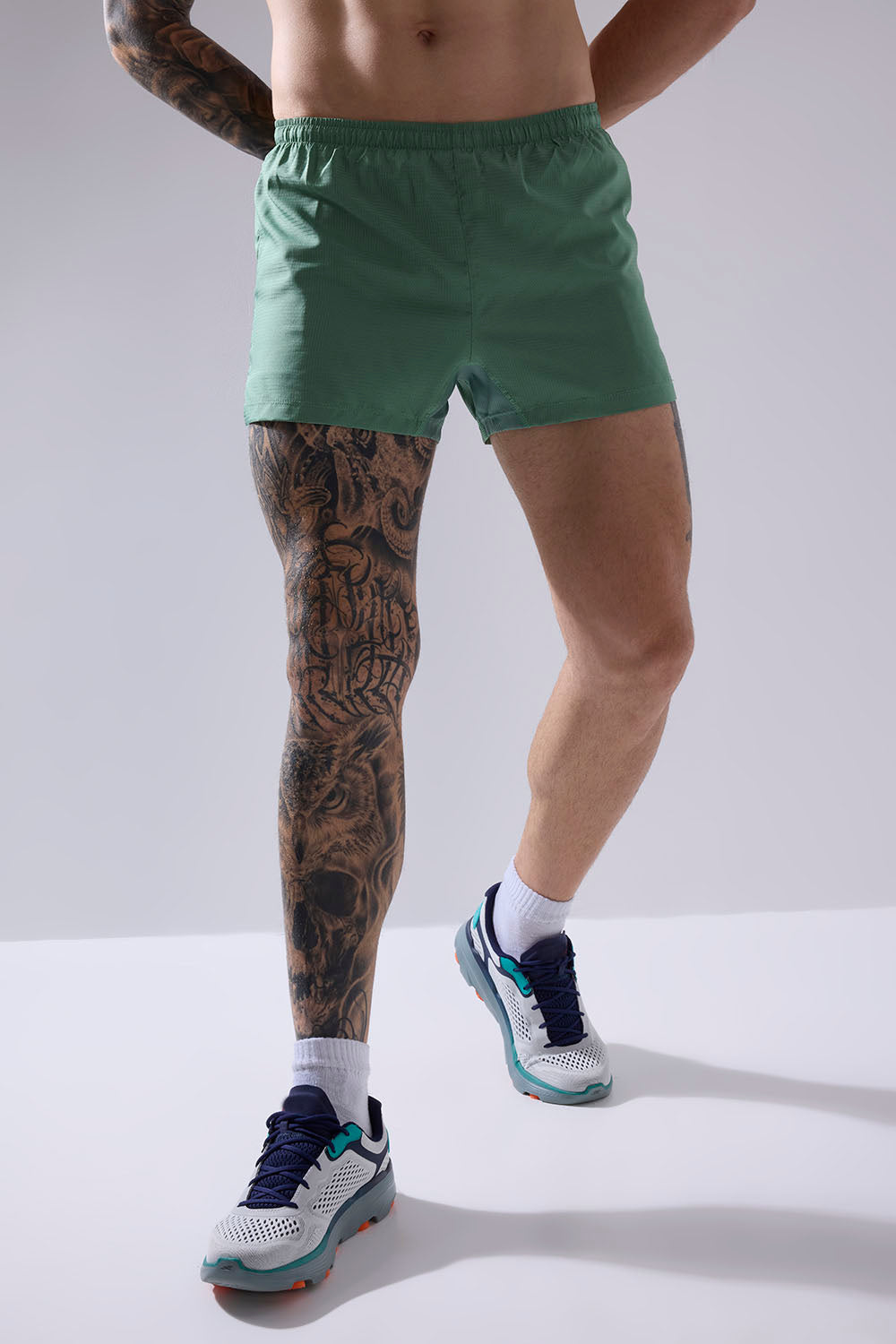
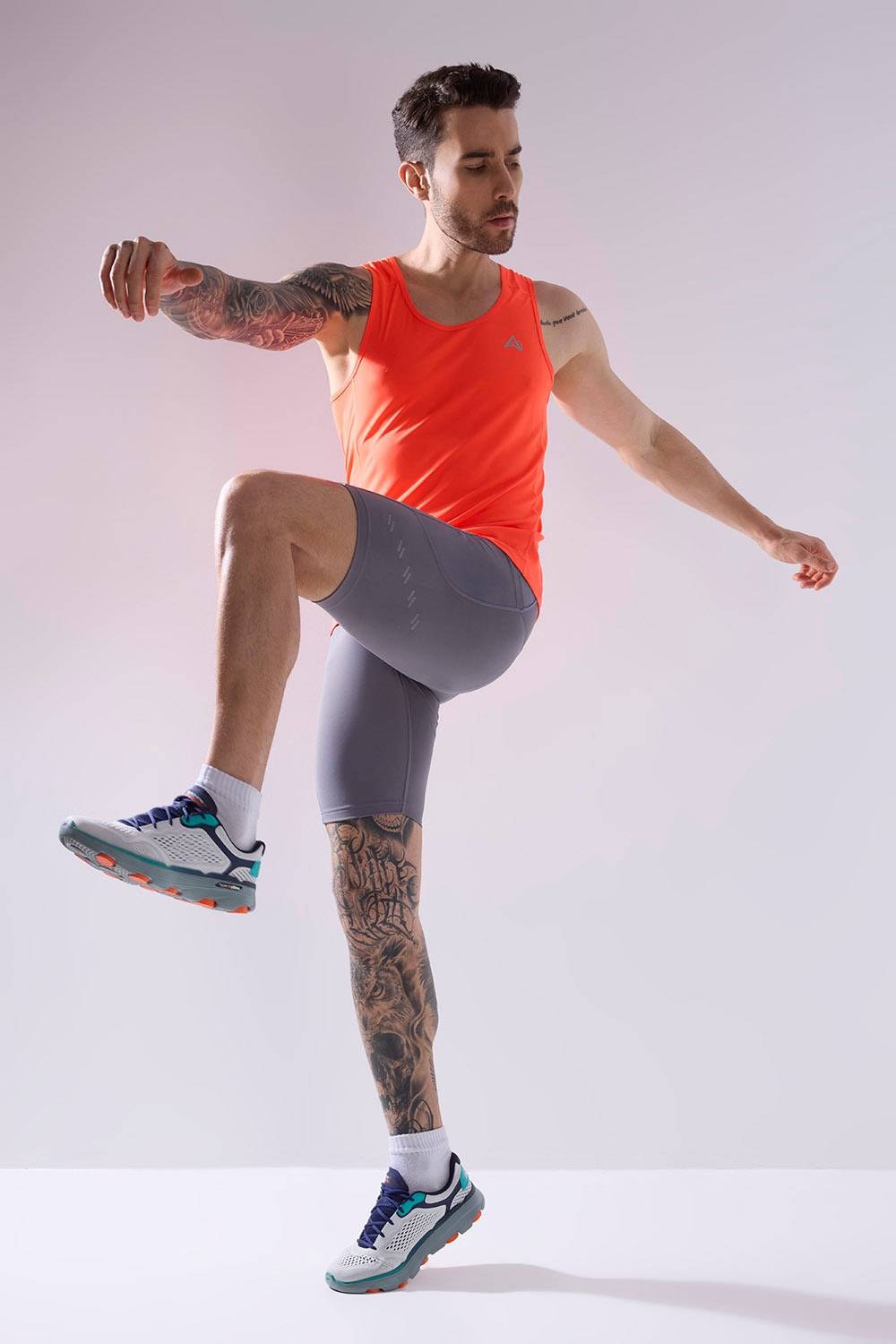
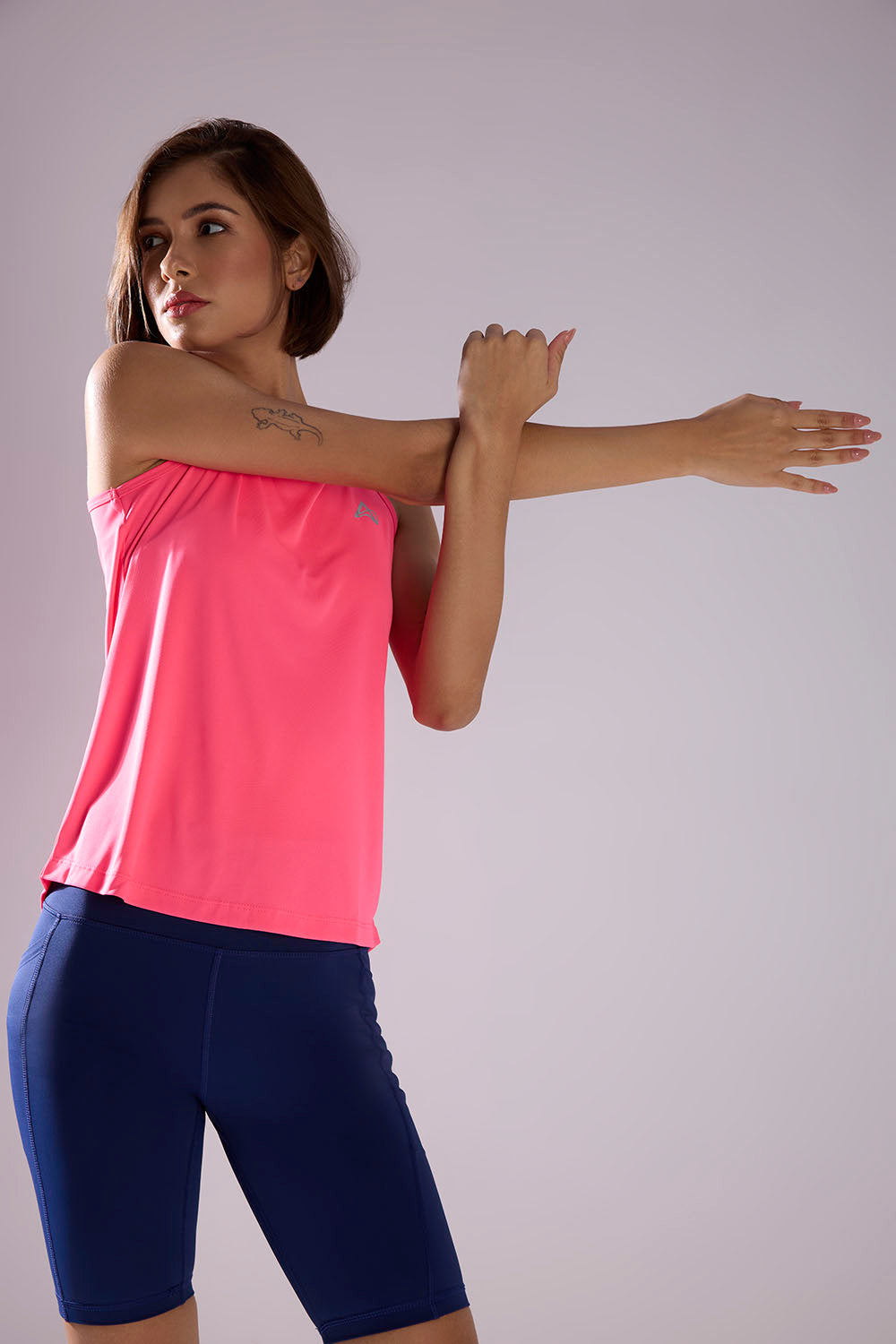
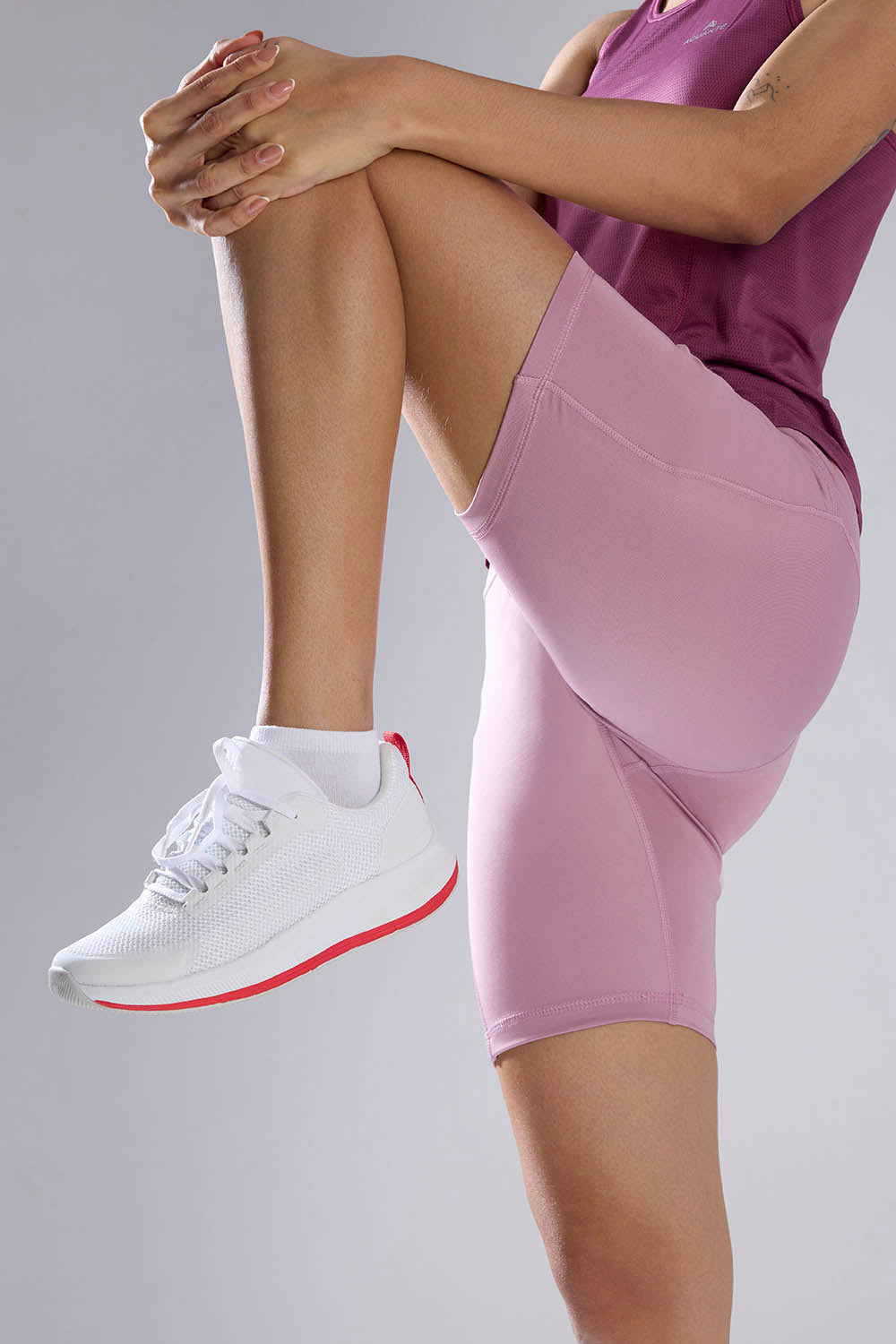
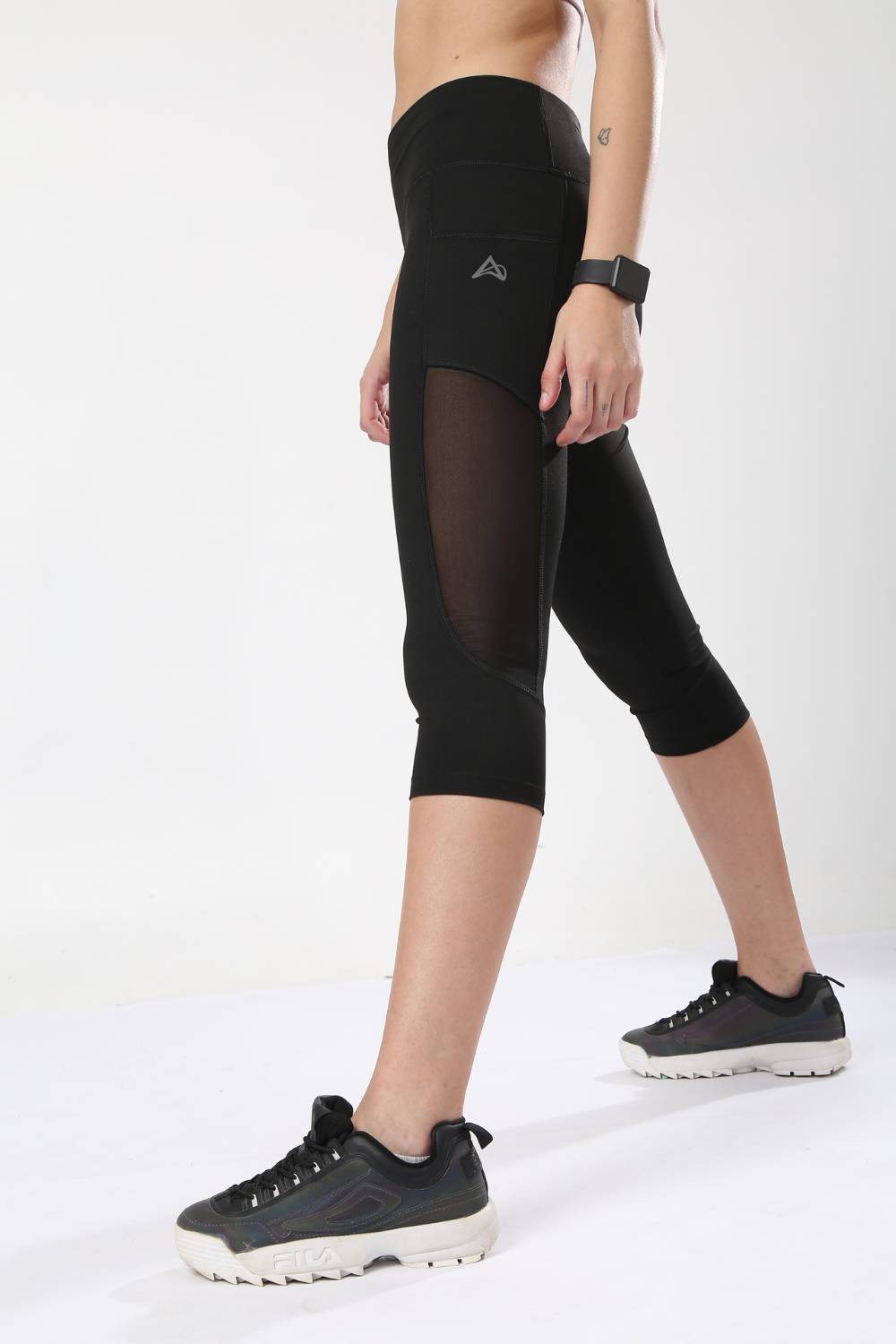
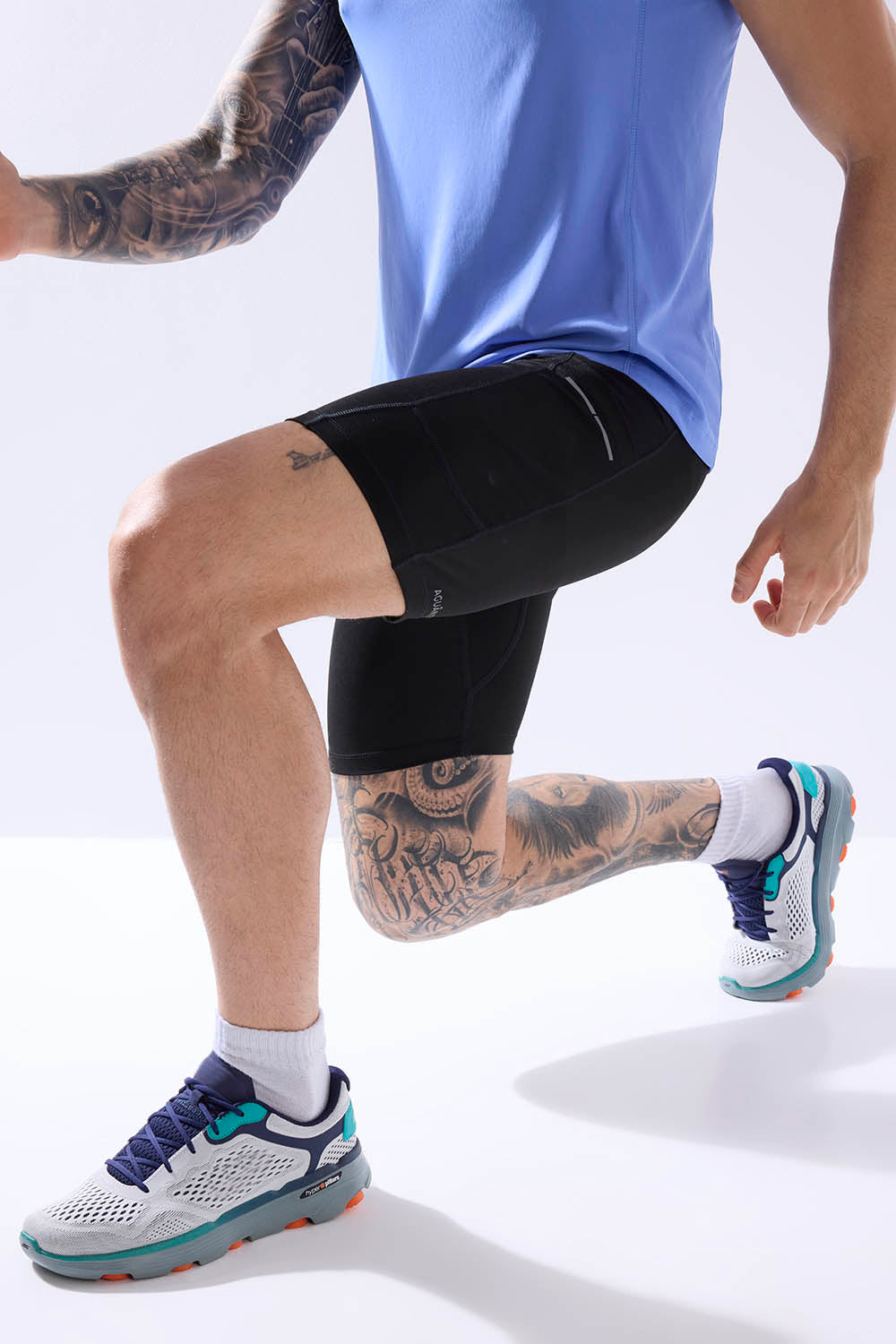
Performance wear evolves steadily as brands listen closely to the real needs of dedicated runners. Lightweight jackets featuring strategic ventilation panels, compression shorts that deliver support without trapping heat, and base layers designed for all-day comfort reflect a clear emphasis on functional excellence that genuinely enhances the running experience.
Recent advancements bring fabrics with antimicrobial properties that remain fresher over longer distances, along with materials that incorporate subtle fitness tracking capabilities. This progression mirrors a larger movement: athletes across North America and Europe now demand gear that matches their commitment, whether preparing for community 5K events or tackling ultra-distance challenges in varied terrains.
Real-World Impact: Stories from the Pavement
In New York City, marathon trainees rely on high-quality breathable tops during humid summer sessions along the Hudson River. These fabrics maintain more consistent body temperature, helping athletes preserve proper form through the later miles where fatigue typically undermines performance.
London runners, navigating the city's changeable microclimates from shaded parks to exposed river paths, report noticeably improved comfort on longer efforts. Many participants in the London Marathon series highlight how advanced moisture-wicking gear has reduced post-run soreness and accelerated recovery.
Further west in San Francisco and Seattle, where routes frequently include hills and shifting weather patterns, breathable layers have become indispensable. Runners describe superior temperature management through morning fog and afternoon sunshine, resulting in more consistent training cycles and fewer disruptions caused by discomfort or overheating.
Overcoming Common Challenges with Smart Fabric Choices
Not every breathable fabric performs identically across all environments. In humid regions common to the southern United States or coastal areas of Europe, prioritizing pieces with superior ventilation proves essential. Durability also enters the equation quality gear must endure repeated washing and intense use while retaining its technical advantages.
While premium options represent an investment, many runners discover the returns through steadier training consistency and lowered risk of issues stemming from overheating. Sustainability has gained prominence too, with manufacturers exploring responsible production approaches for these high-performance textiles, addressing environmental considerations important to conscious athletes.
Business and Innovation in Performance Apparel
Running gear continues to attract strong interest from athletes seeking specialized clothing for athletic performance. Brands are responding with thoughtful advancements featuring moisture-wicking shirts, compression shorts, lightweight jackets, and performance footwear. Recent innovations include advanced fabric technologies with antimicrobial properties and built-in temperature regulation systems. Some pieces now integrate fitness tracking tools to help runners monitor their efforts more effectively. Breathable materials and seamless construction have notably improved comfort during extended activity, making running apparel more functional, durable, comfortable, and supportive for runners of every level.
Local manufacturers and emerging startups contribute fresh perspectives, tailoring solutions to the specific climate demands faced by runners in different regions. This ongoing cycle of innovation ultimately benefits everyone from casual participants maintaining fitness to competitive athletes chasing new personal records by increasing access to truly effective breathable gear.
Practical Tips for Choosing and Using Breathable Running Gear
- Match fabric to conditions: Select lighter, highly ventilated options for warmer weather and versatile layered systems for unpredictable climates common across Canada and Europe.
- Prioritize fit and construction: Look for seamless designs and strategic compression that enhance muscle support while preserving full airflow and freedom of movement.
- Test during regular training: Introduce new gear gradually rather than saving it for important events. Learn how different fabrics behave on your typical local routes and conditions.
- Build a complete system: Ensure base layers, shorts, jackets, and accessories work together for optimal moisture management and temperature control across varying distances and intensities.
- Consider care and longevity: Follow manufacturer guidelines to maintain the technical properties that make these fabrics effective run after run.
Addressing Common Questions About Breathable Fabrics
Many runners wonder whether these advanced materials truly make a measurable difference. Experience and physiological principles suggest they do, particularly by reducing the thermal stress that accelerates fatigue. Another frequent question concerns value: while initial costs may appear higher, the improvements in training quality and recovery often justify the investment for those serious about their running journey.
Questions about sustainability also arise regularly. Forward-thinking brands increasingly balance performance demands with more responsible manufacturing, offering athletes ways to pursue personal goals while aligning with broader environmental values.
Looking Ahead: The Future of Running Comfort
As running culture flourishes in communities throughout the United States, Canada, and Europe, breathable fabric technology will keep progressing. Expect even more intelligent materials capable of adapting dynamically to individual physiology and changing environmental conditions.
The core insight remains powerful: what you wear substantially shapes how you run. By selecting apparel engineered with superior breathability, runners secure a practical advantage against muscle fatigue. They stay cooler, drier, and more comfortable mile after mile benefits that directly enhance performance while deepening enjoyment of the sport.
Whether chasing a new personal best in upcoming races or simply embracing an active lifestyle, attention to fabric choices ranks among the smartest decisions a runner can make. The right gear doesn't merely support your efforts; it helps restore and sustain the pure pleasure of movement that first drew so many to the sport. In an era of increasingly sophisticated training tools, sometimes the most impactful upgrades begin with what sits closest to the skin.
Frequently Asked Questions
How do breathable fabrics help reduce muscle fatigue during running?
Breathable fabrics reduce muscle fatigue by actively wicking moisture away from the skin, promoting constant airflow, and helping regulate core body temperature during runs. When heat and sweat build up in heavy, non-breathable materials, your body is forced to expend extra energy on cooling itself energy that would otherwise fuel your muscles. By minimizing thermal stress, advanced performance fabrics help you feel fresher for longer and maintain better form through the later, more demanding miles of a run.
What features should I look for in breathable running apparel to improve performance?
Look for moisture-wicking fibers, seamless construction, and strategic ventilation panels that maximize airflow without sacrificing support. Compression shorts and base layers designed to regulate temperature are particularly effective for longer distances. Bonus features like antimicrobial properties which keep gear fresher over extended runs and integrated fitness tracking capabilities represent the latest advancements in high-performance running wear.
Is investing in breathable, high-performance running gear worth the cost?
For runners serious about their training, quality breathable gear is generally worth the investment. The improvements in comfort, temperature management, and post-run recovery can lead to more consistent training cycles and a reduced risk of performance breakdowns caused by overheating. Many runners also find long-term value in the durability of technical fabrics, which retain their moisture-wicking and ventilation properties through repeated washing and heavy use making them a cost-effective choice over time.
Disclaimer: The above helpful resources content contains personal opinions and experiences. The information provided is for general knowledge and does not constitute professional advice.
You may also be interested in: How Indian Runners Benefit From Moisture-Wicking Tops - Aguante
Tired of gear that slows you down? Chafing, soggy fabrics, and missing pockets kill your run's momentum. At Aguante, we're runners who get it. Our high-performance activewear features moisture-wicking fabrics, ergonomic designs, and smart storage to keep you focused. Shop Now!
Powered by flareAI.co