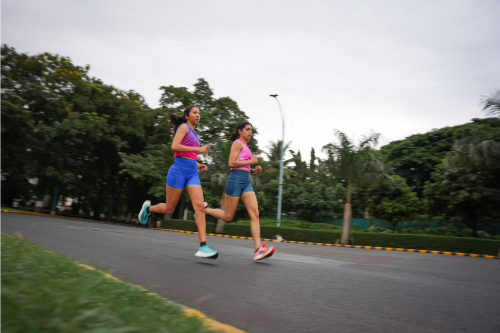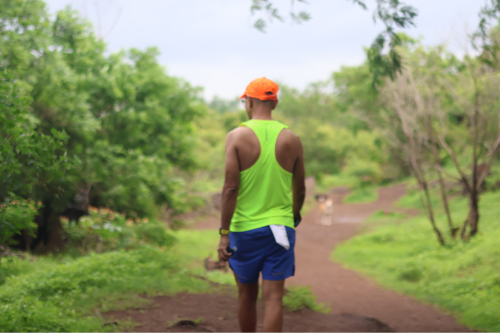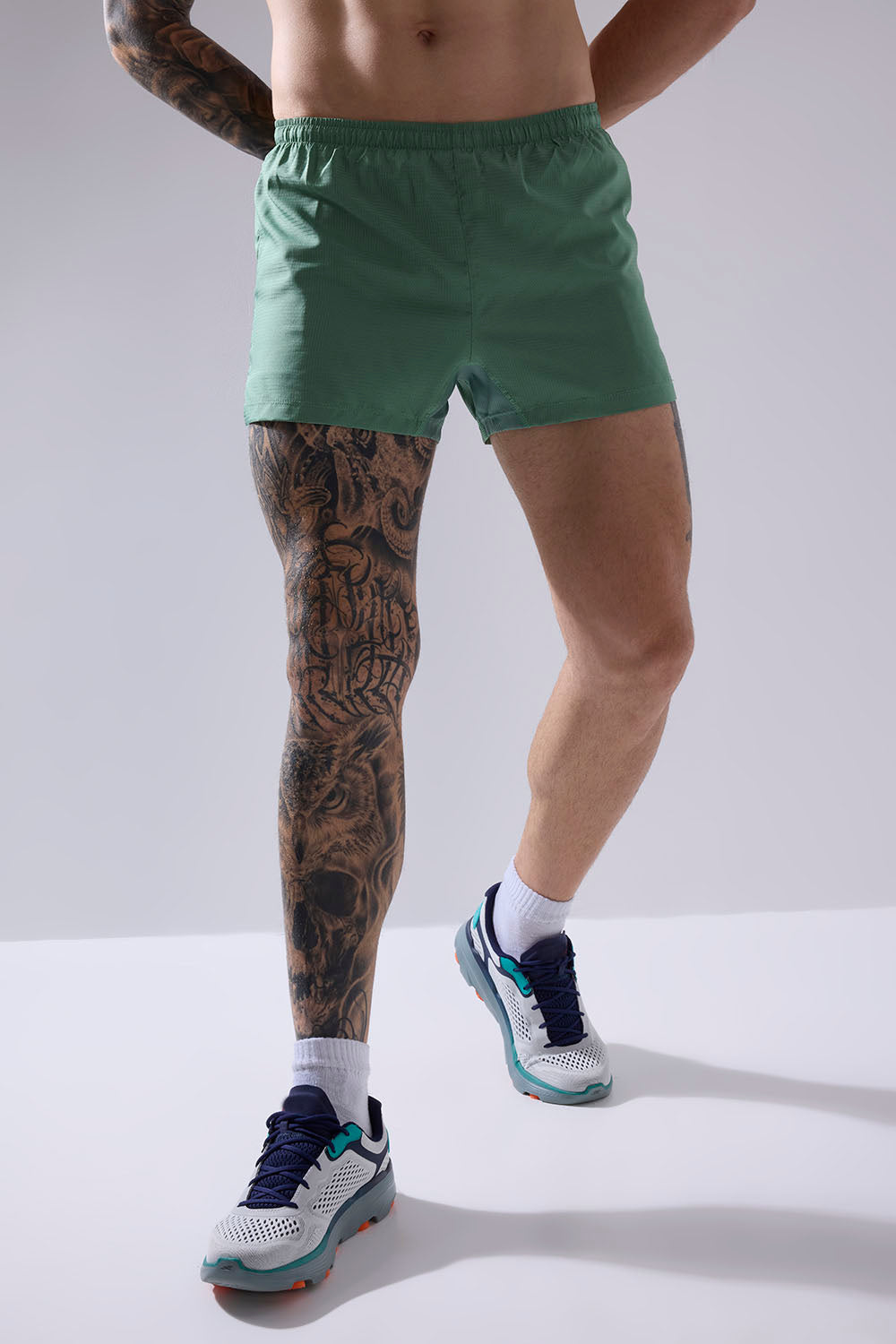
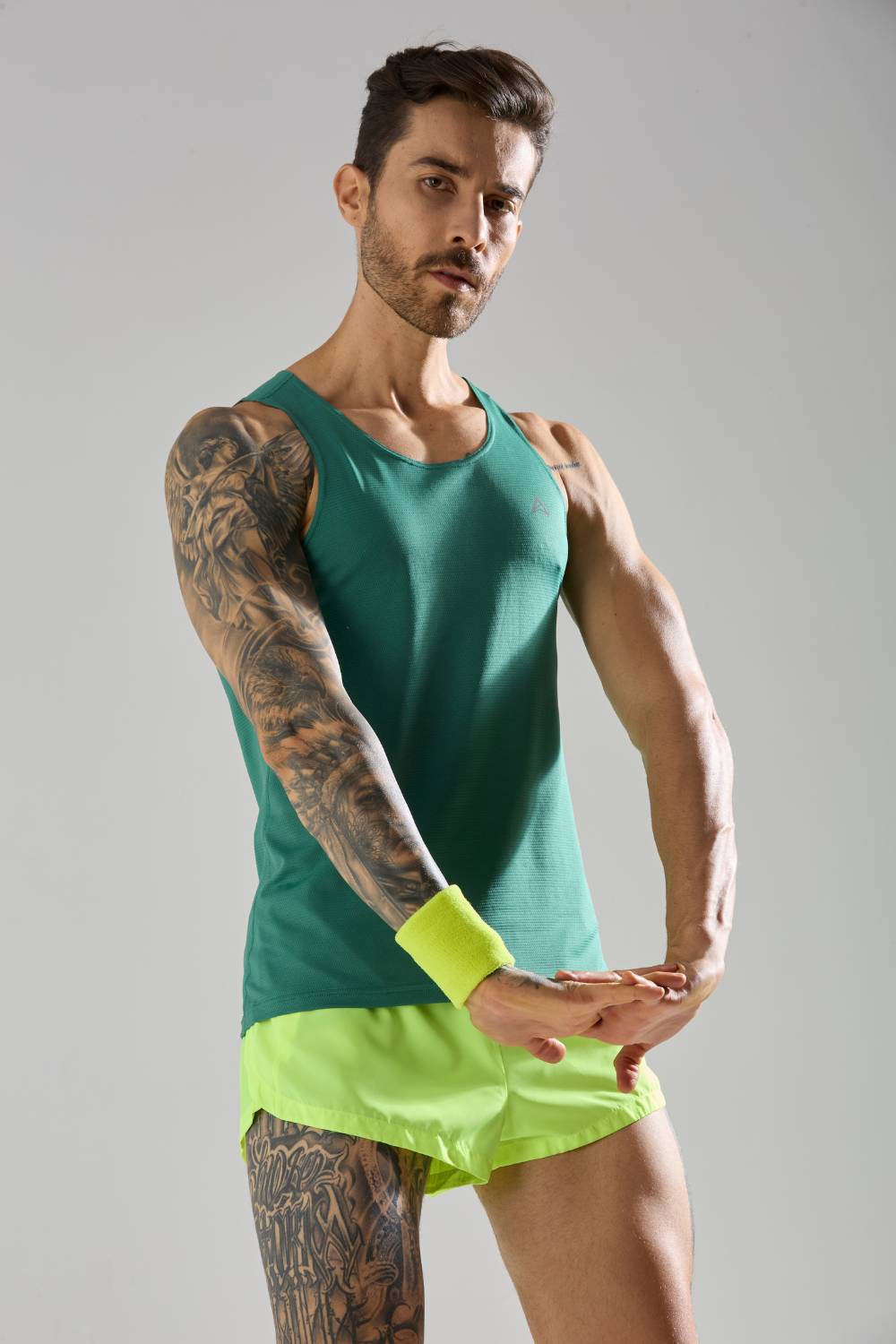
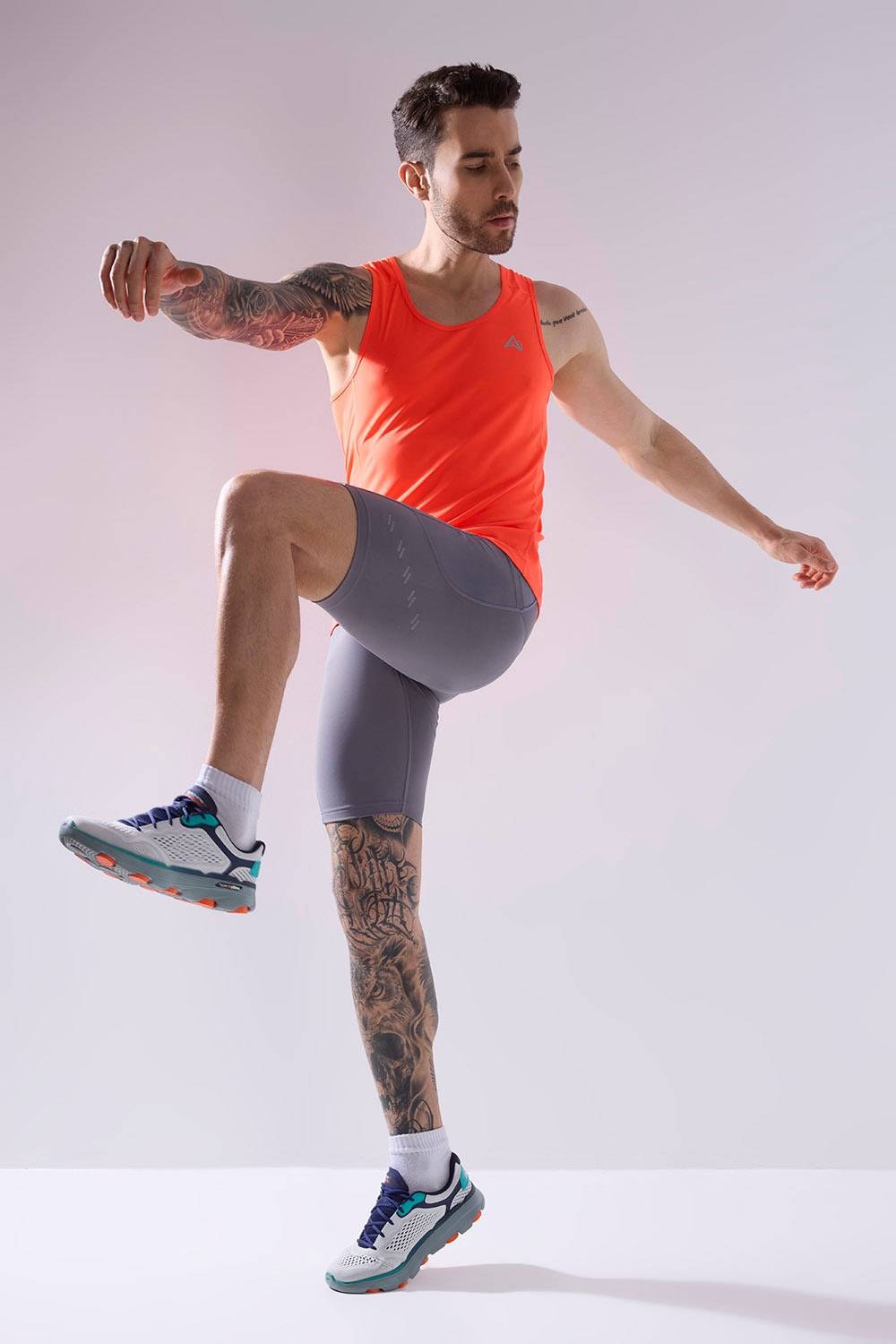
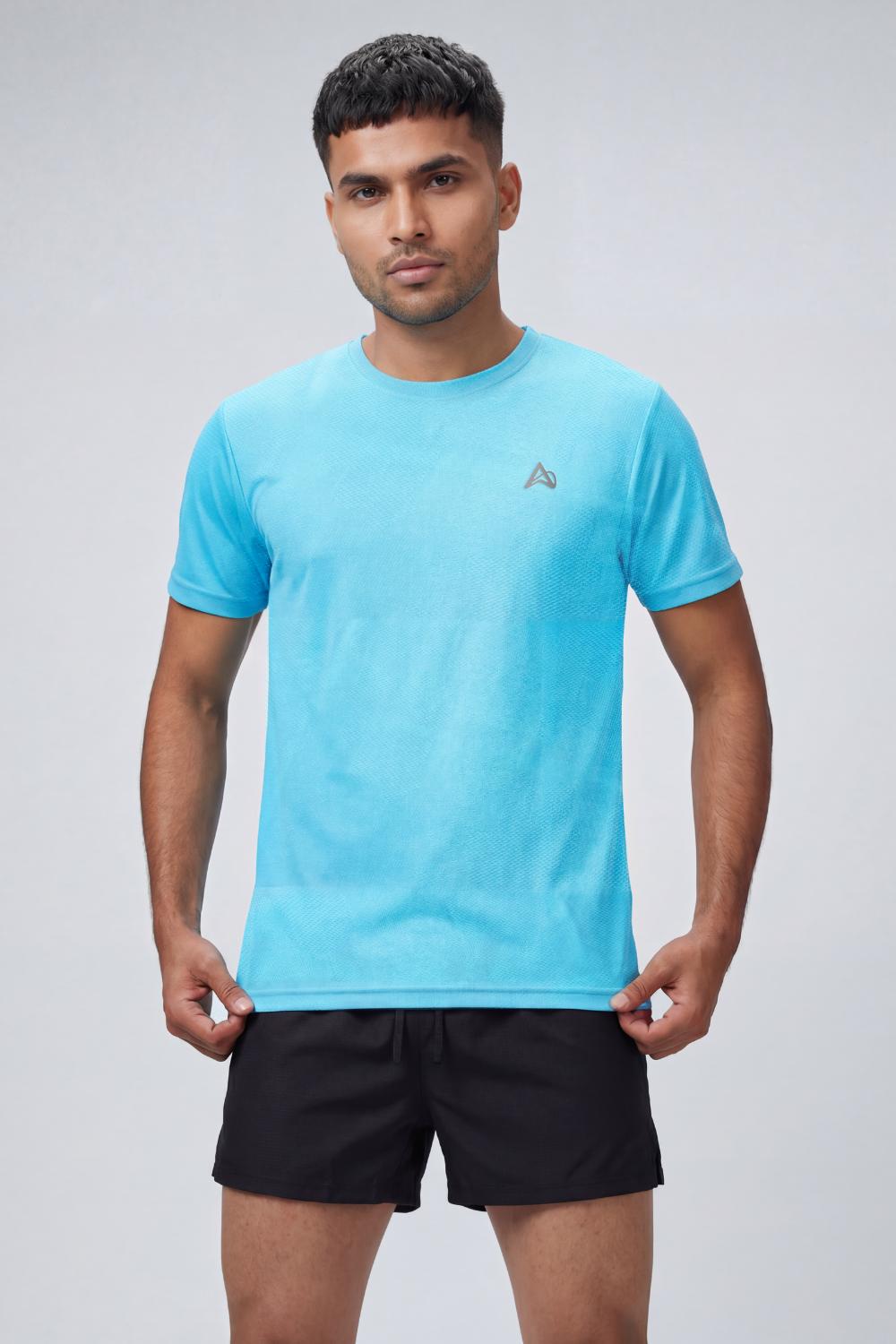
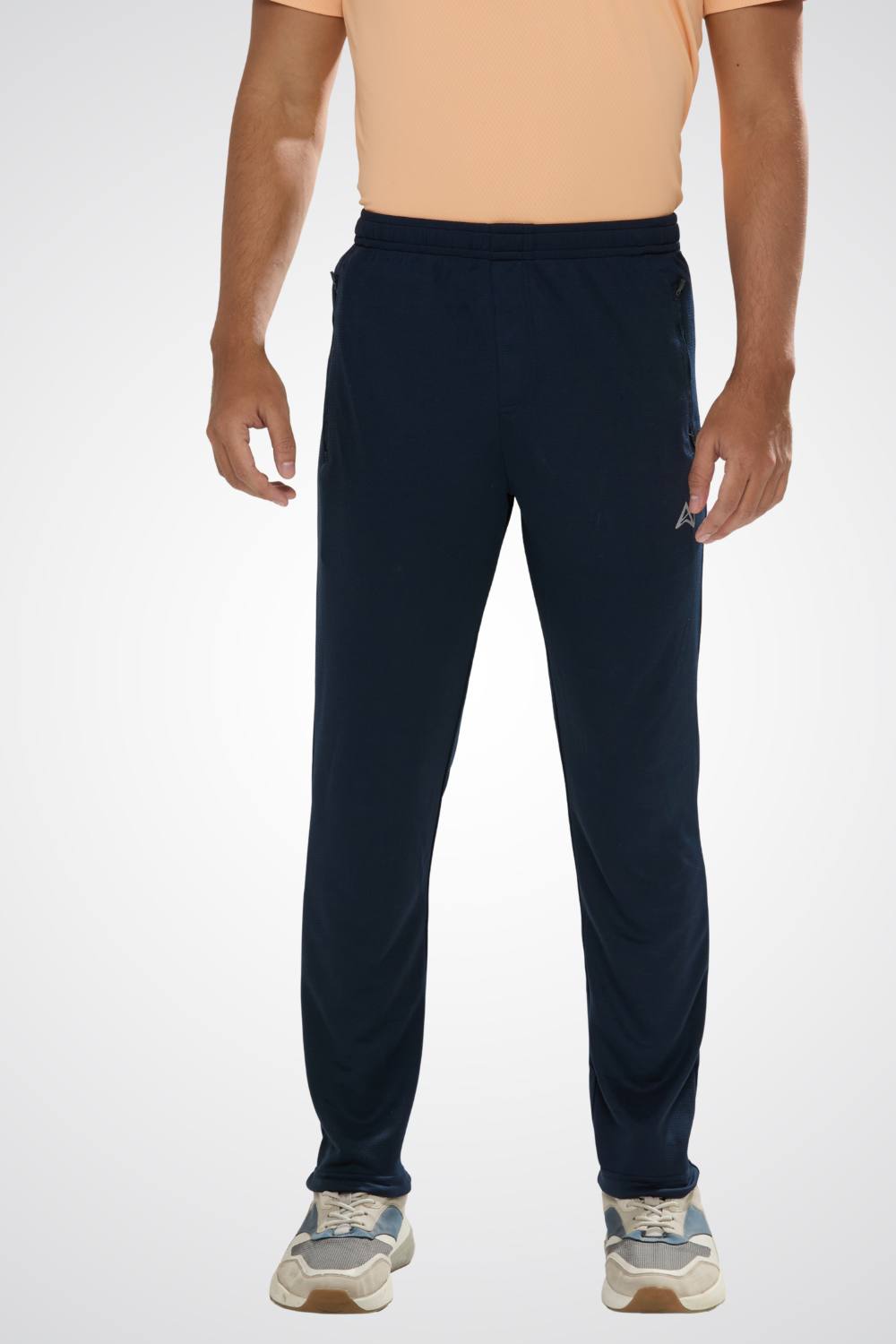
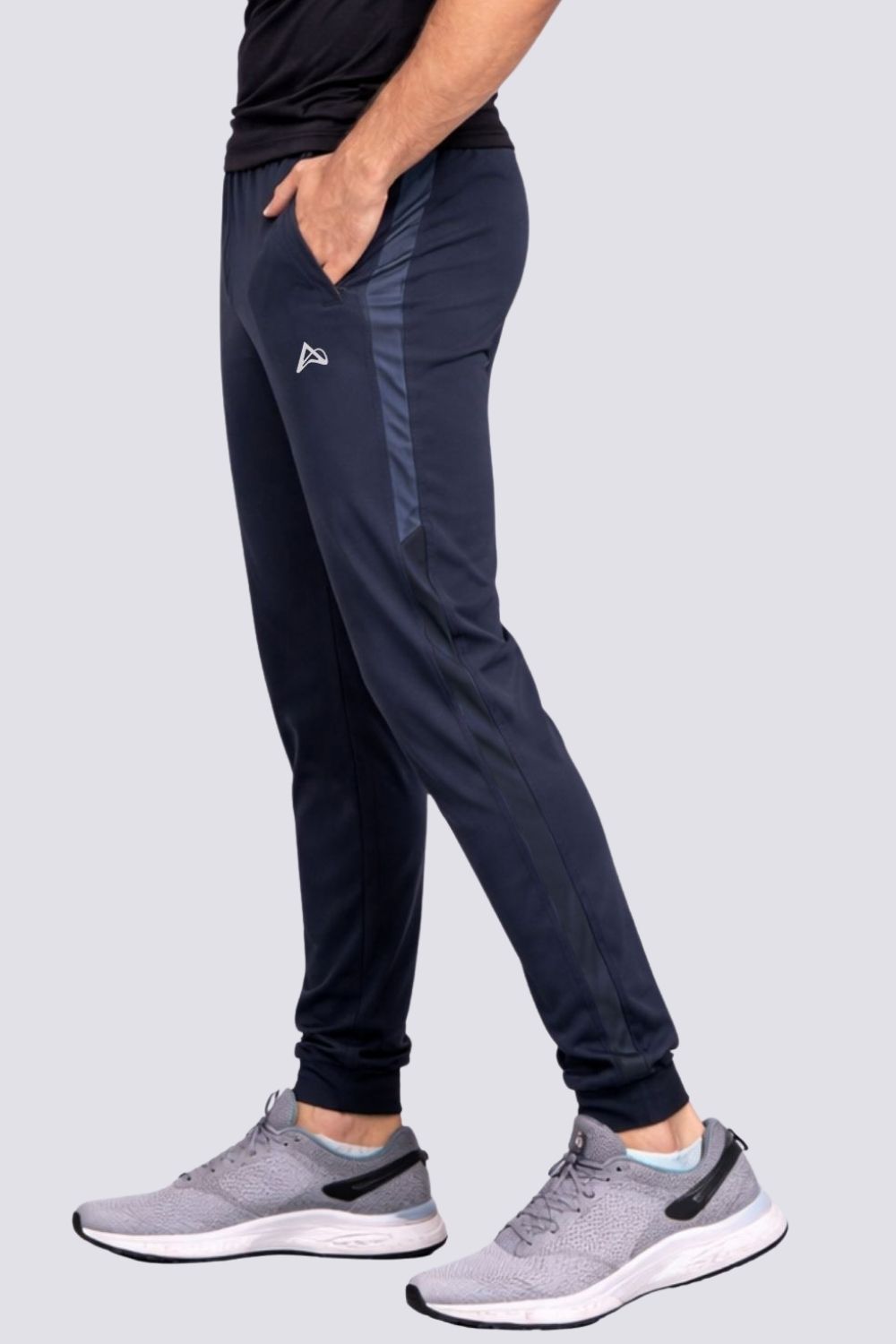
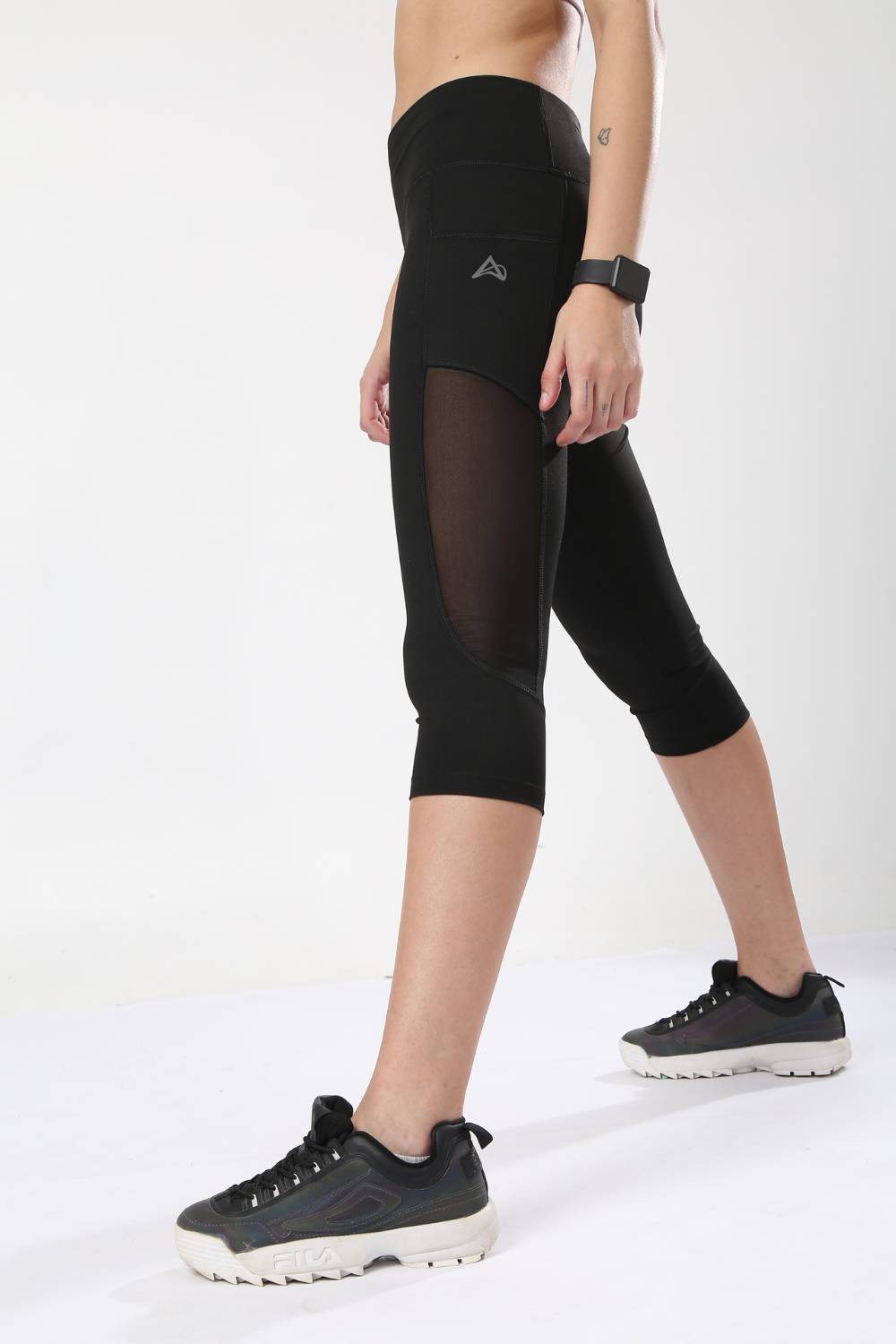
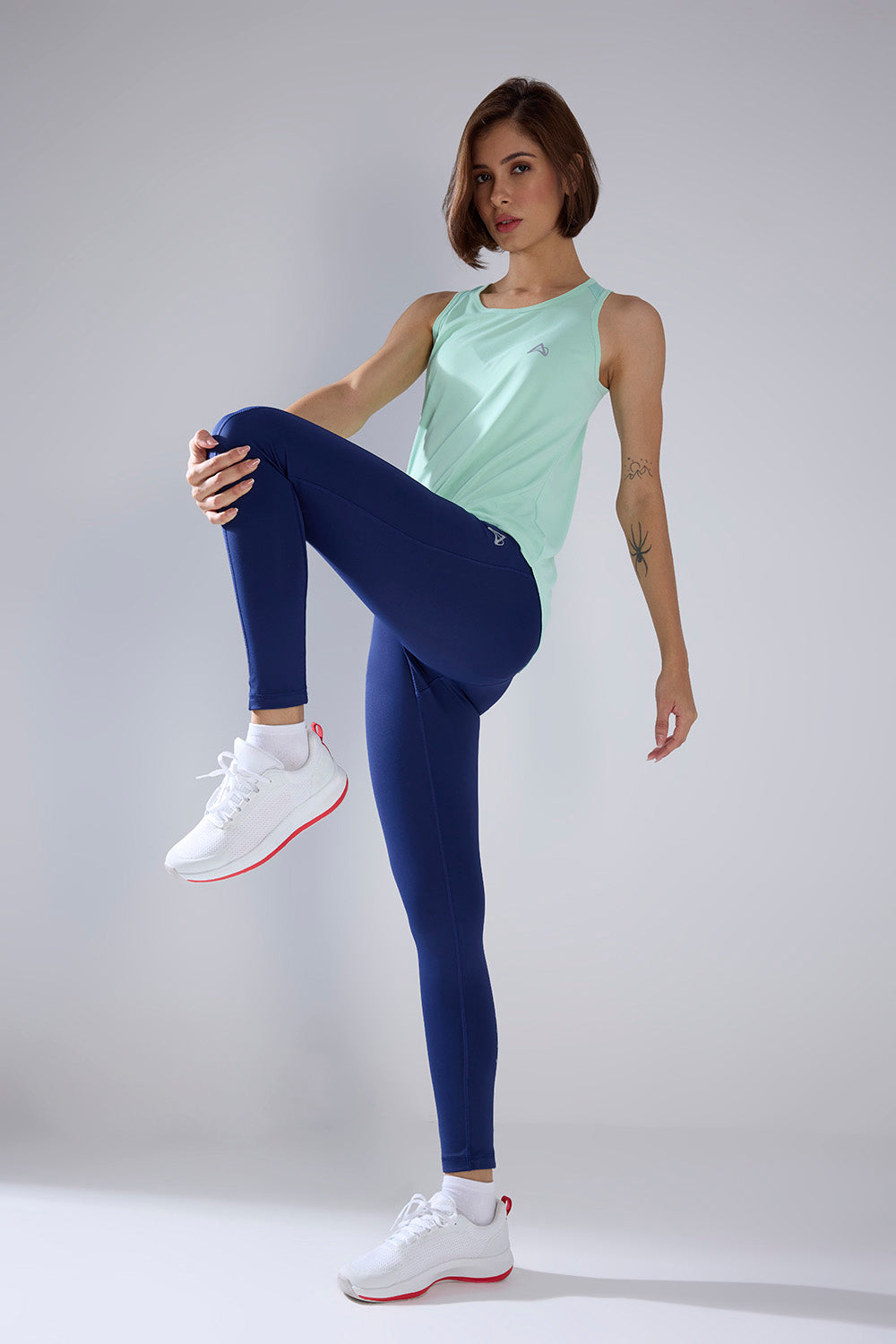

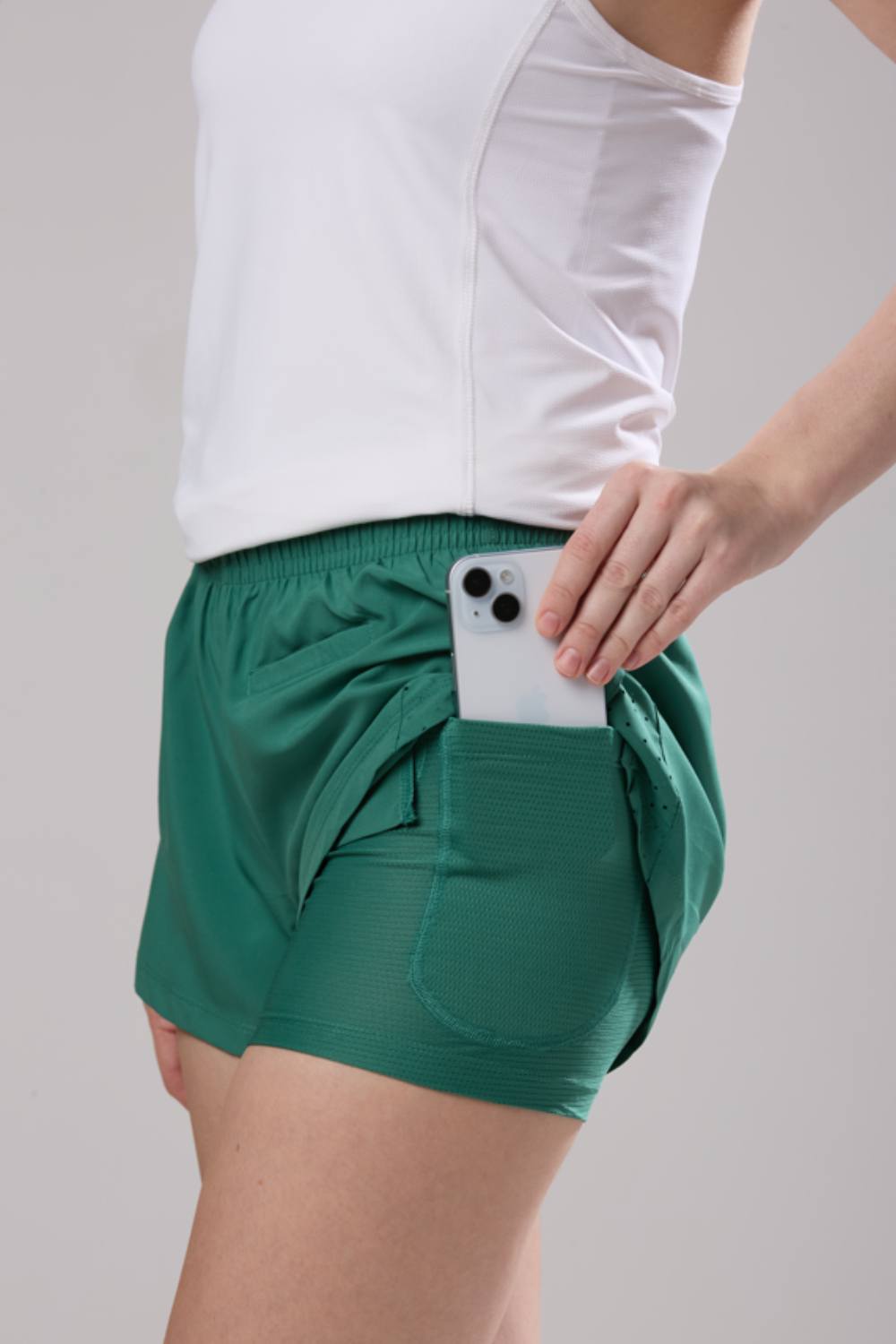
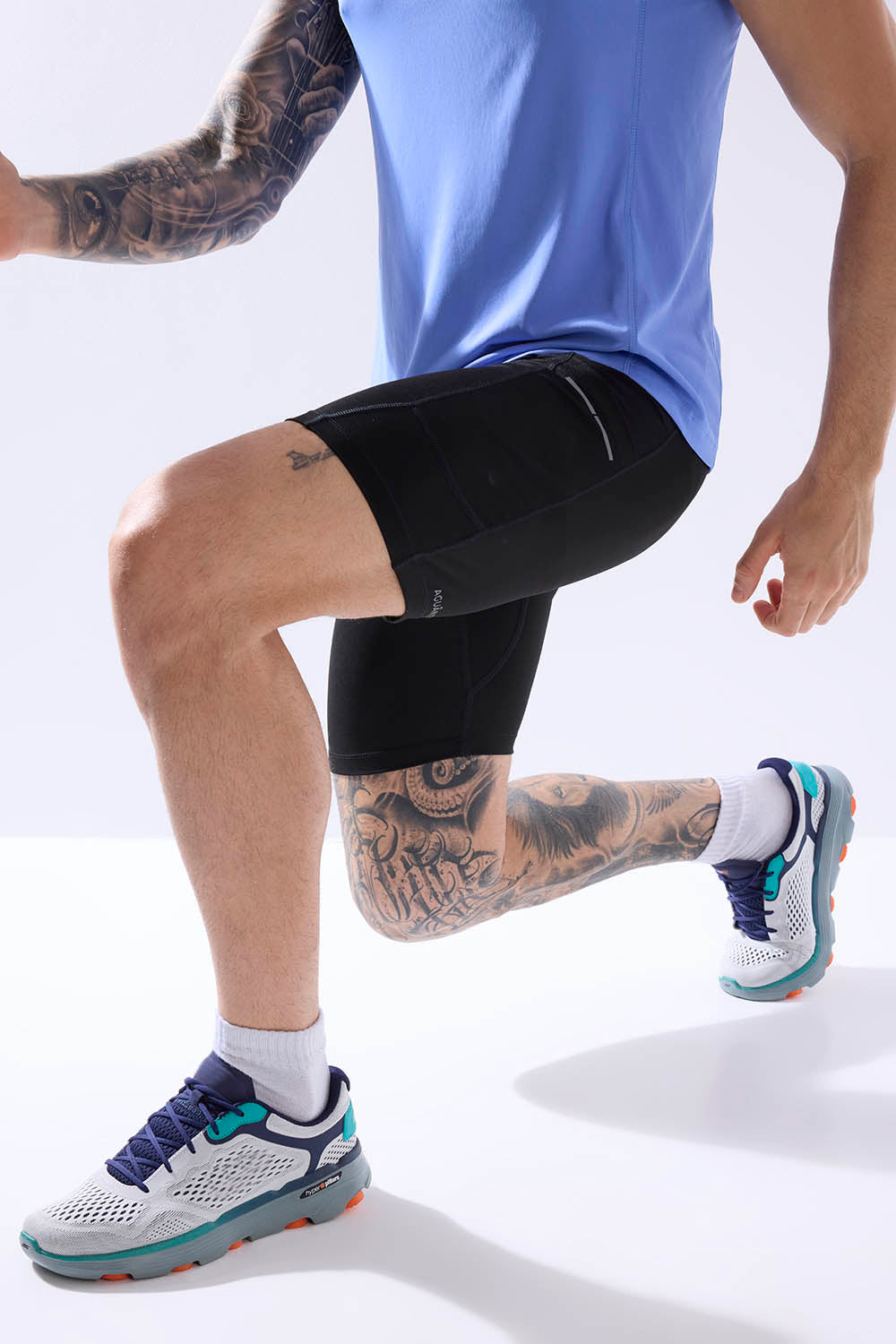
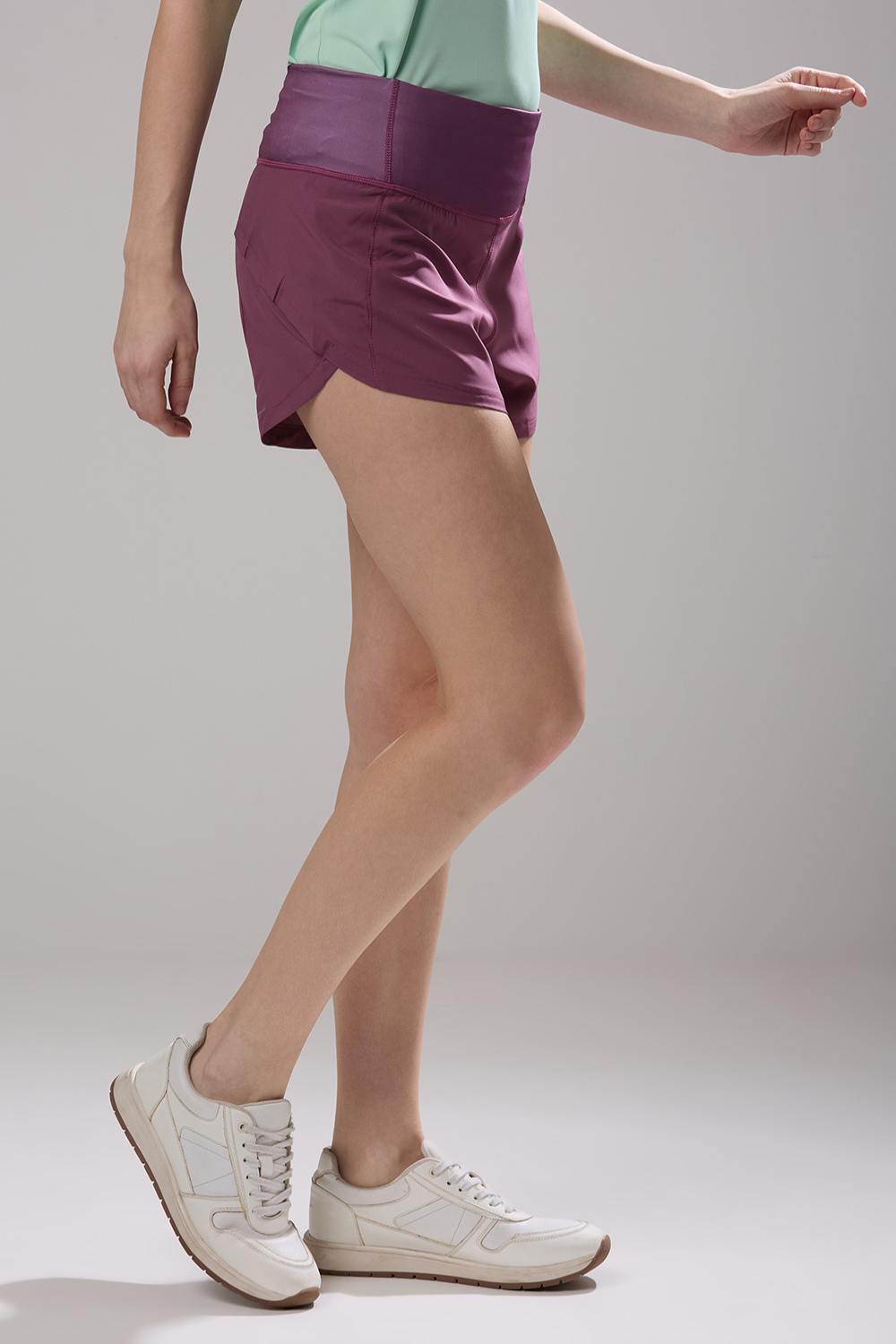
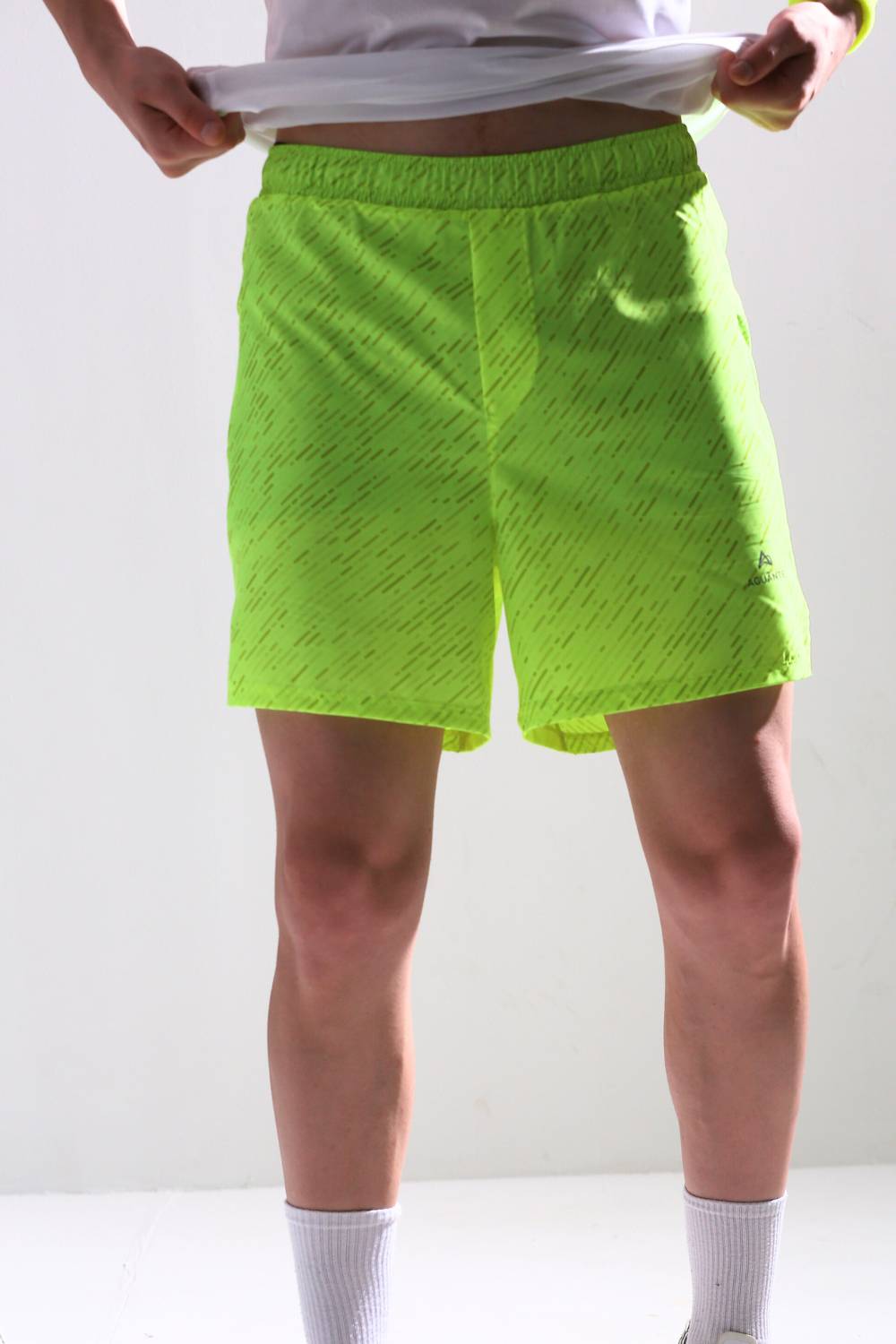
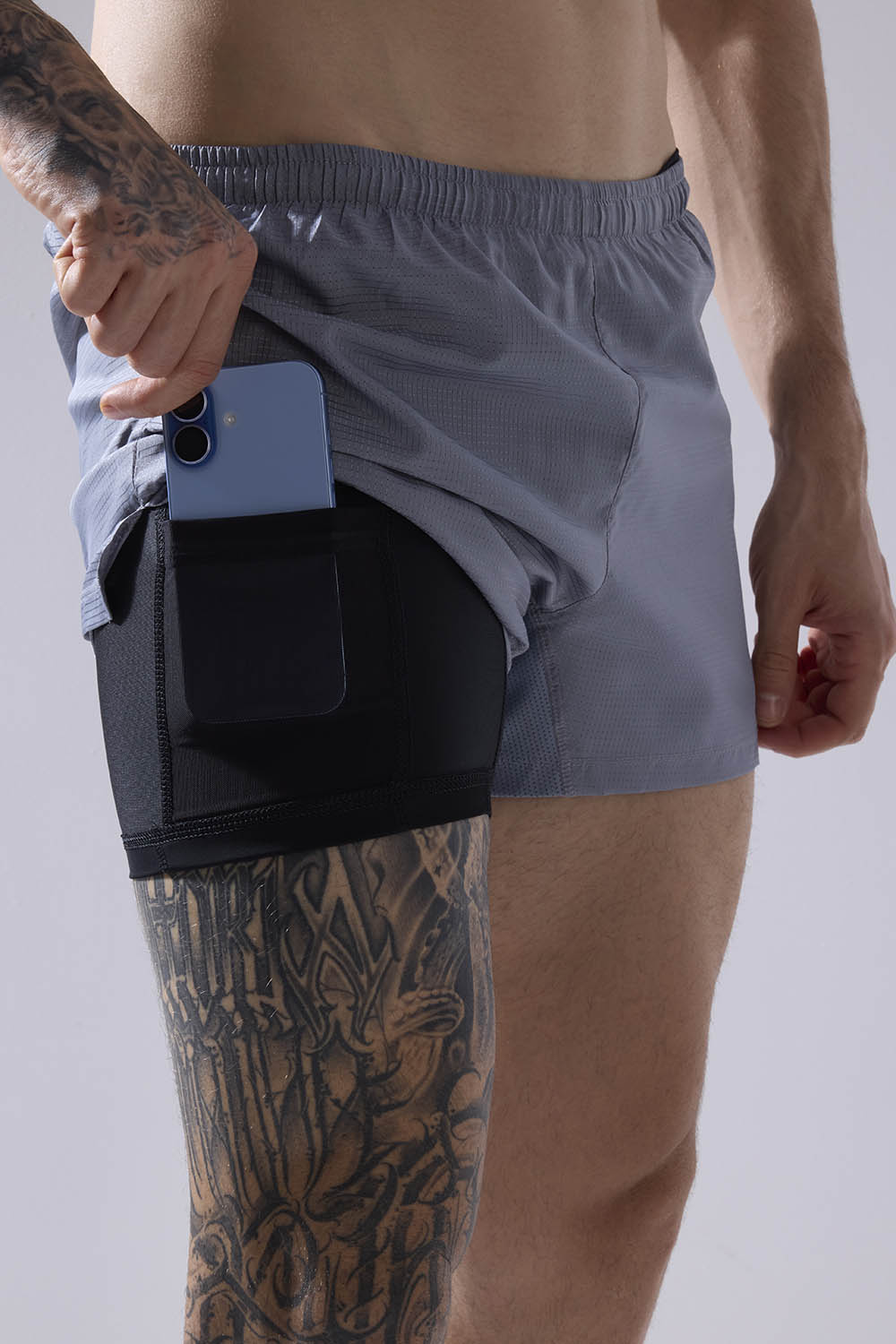

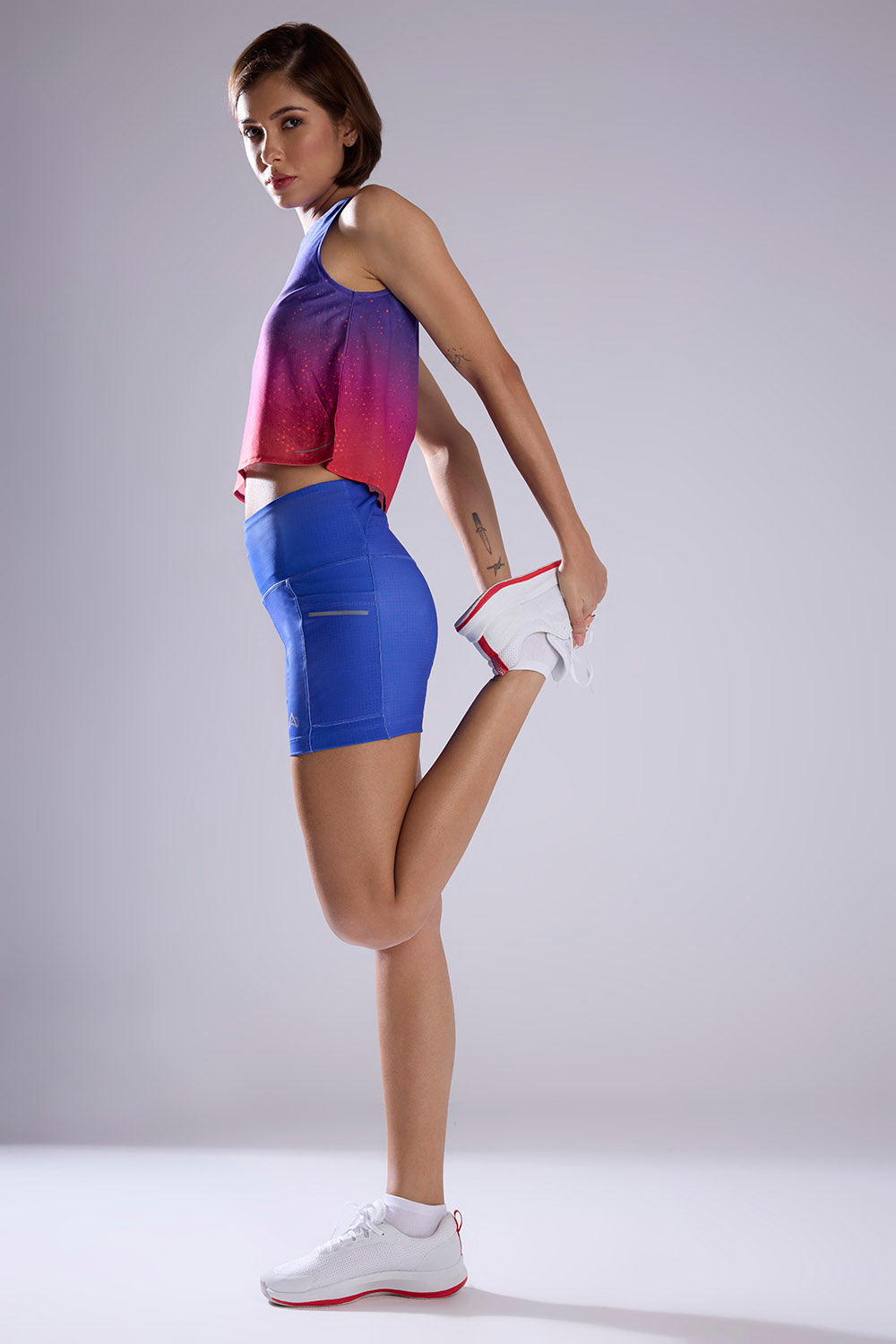
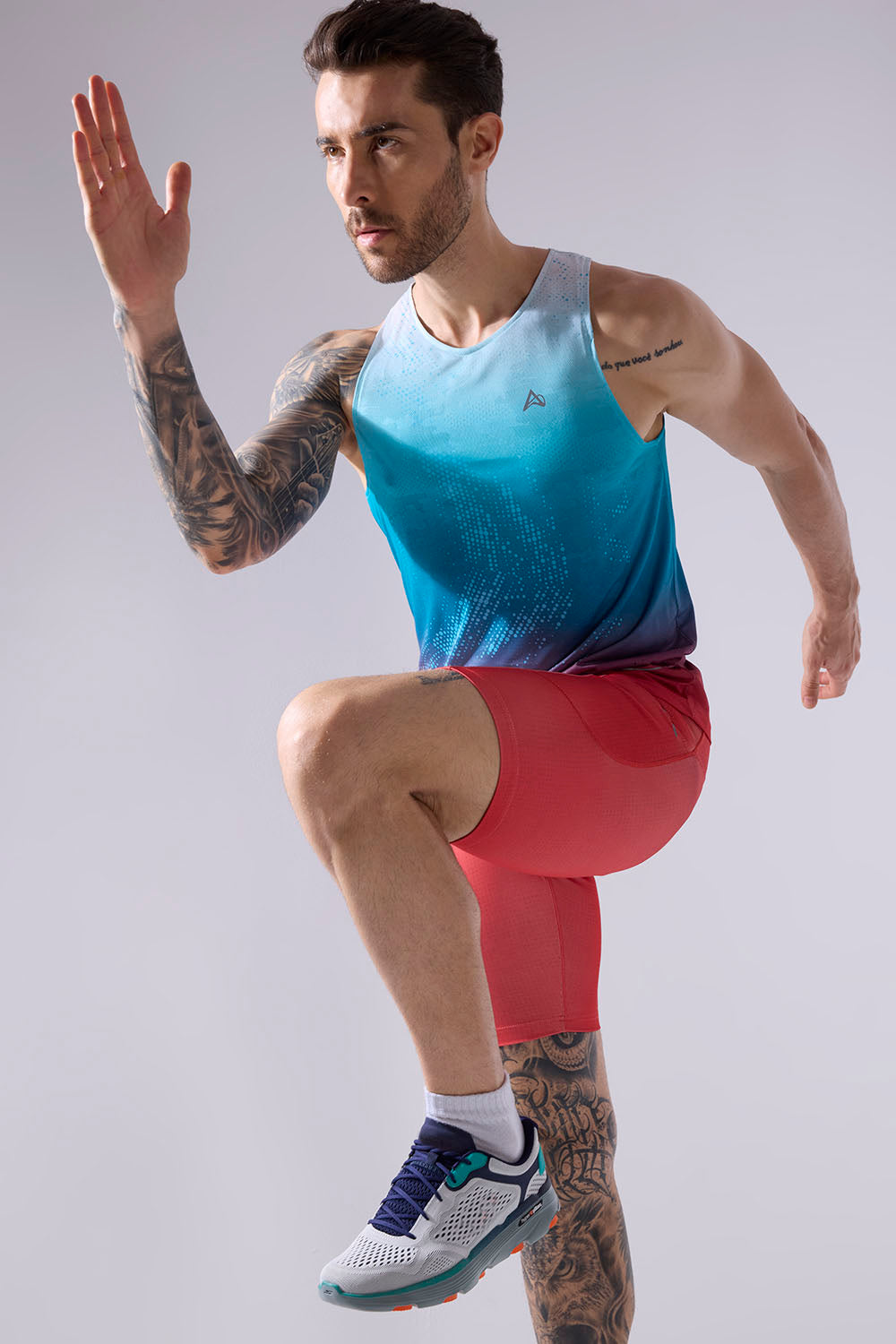

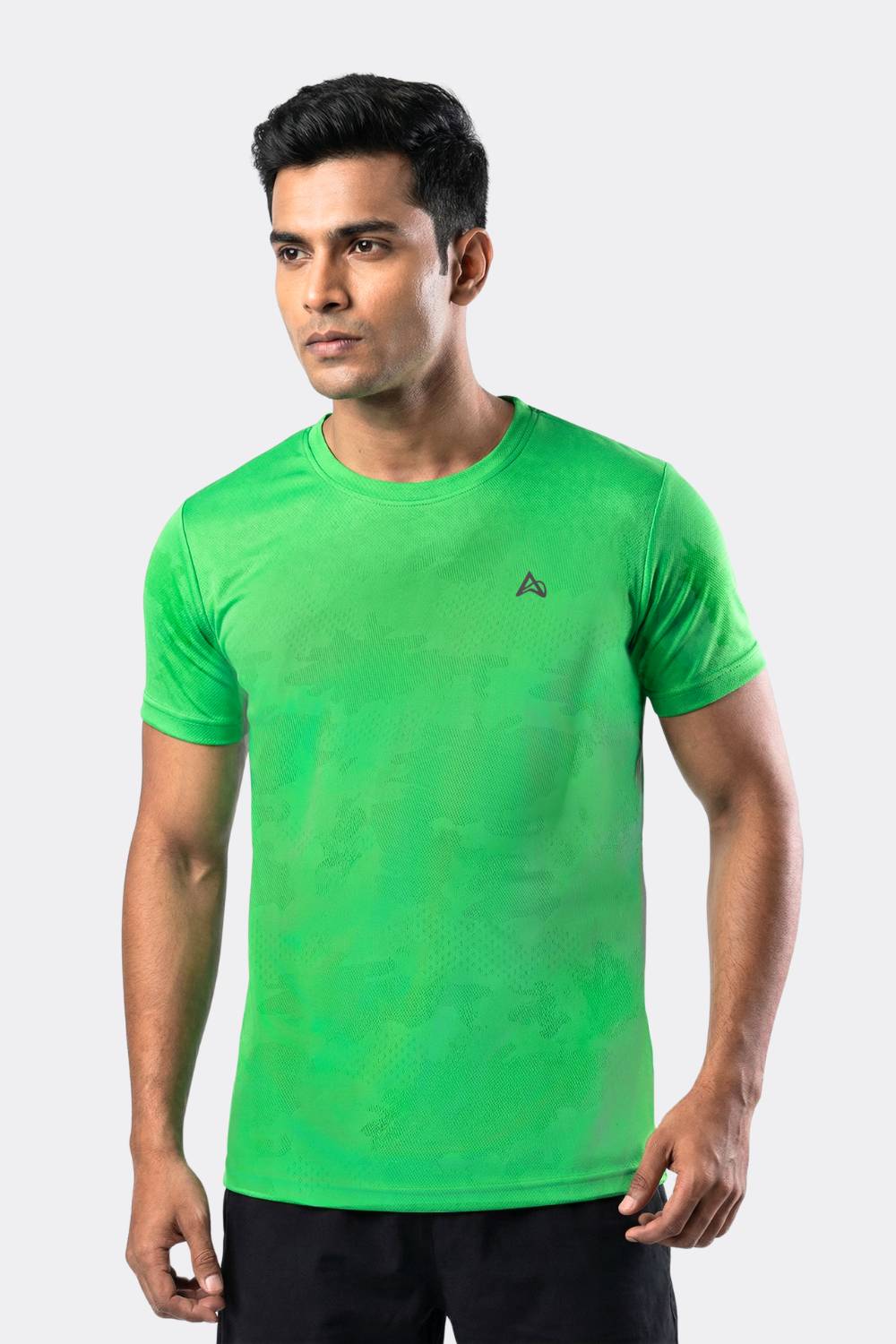
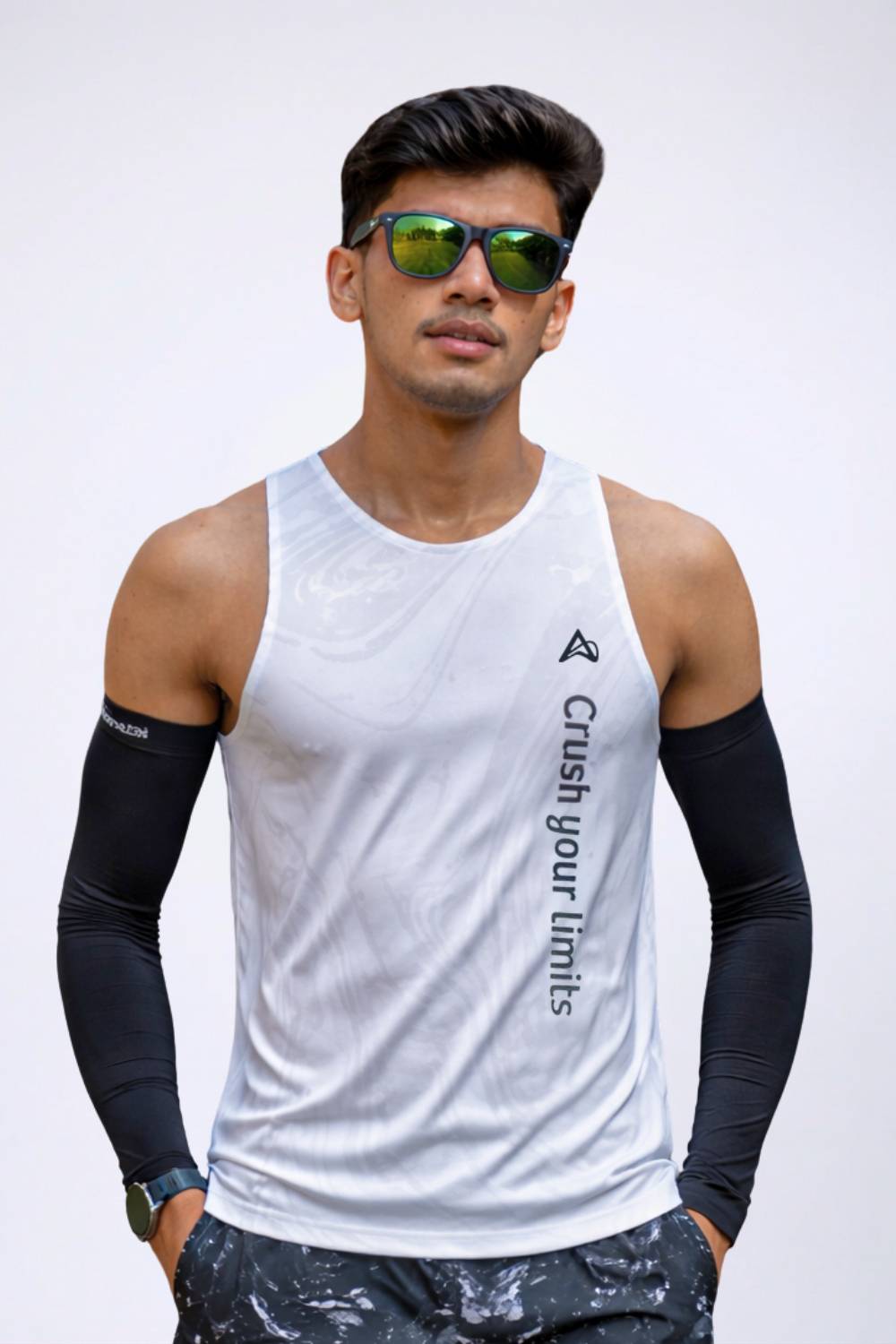

In the bustling streets of India's major cities, where runners navigate humid mornings in Mumbai, dusty trails in Delhi, and unpredictable showers in Bangalore, one factor increasingly determines how long their gear lasts: runner-centric design . This approach goes far beyond choosing the right pair of shorts or a moisture-wicking tee it's about clothing engineered from the ground up to withstand real urban running life while delivering comfort and performance run after run.
Tired of gear that slows you down? Chafing, soggy fabrics, and missing pockets kill your run's momentum. At Aguante, we're runners who get it. Our high-performance activewear features moisture-wicking fabrics, ergonomic designs, and smart storage to keep you focused. Shop Now!
Why Runner-Centric Design Matters in Indian Cities
Runner-centric design puts the needs of everyday athletes first. It focuses on garments built for durability, with strategic reinforcement in high-wear areas and fabrics that handle sweat, friction, and frequent washing without losing their integrity. In cities like Bangalore, Hyderabad, Mumbai, Pune, Navi Mumbai, Delhi, Gurugram, Surat, and Ahmedabad, this philosophy resonates with both casual joggers squeezing in miles before the workday and dedicated runners training for marathons.
Urban runners face distinctive stresses: polluted air, high humidity, crowded sidewalks, and the practical reality that most gear serves double or triple duty for training, commuting, errands, and weekend activities. The growing preference for sustainable, long-lasting apparel reflects a deeper consumer desire to invest wisely and reduce waste, extending the usable life of each piece while preserving its performance qualities.
Emerging Trends Shaping Performance Apparel
Fabric innovation stands at the forefront of progress. Moisture-wicking technologies and anti-odor treatments have become particularly valuable in the sticky, high-humidity climates of Mumbai and Hyderabad. Breathable yet robust materials help runners in Delhi and Gurugram stay comfortable through intense summer heat without compromising on strength.
Indian startups based in Bangalore and Pune are exploring smart integrations such as sweat-monitoring capabilities and reinforced stitching engineered to resist abrasion from urban roads and daily use. In Ahmedabad and Surat, eco-conscious production methods are gaining momentum as consumers seek brands that balance environmental responsibility with functional excellence.
These developments move well beyond superficial features. They directly tackle the everyday frustrations runners encounter: seams that chafe and fail after repeated washes, colors that fade from pollution exposure, and fabrics that lose their stretch and shape too quickly.
Real-World Applications Across Urban Running Communities
In Mumbai and Navi Mumbai, local running clubs have adopted apparel with reinforced seams specifically designed to endure frequent washing and constant wear. Participants often note extended usability, which lets them concentrate on building endurance rather than frequently replacing kit.
University sports programs in Bangalore actively evaluate longevity-focused running gear with student-athletes who subject equipment to rigorous, repeated demands. This close collaboration between young runners and designers creates a valuable feedback loop that drives meaningful, condition-specific improvements.
Corporate wellness programs in Delhi and Gurugram increasingly recommend durable apparel for employees who incorporate running into their commute. Extending the lifespan of gear helps maintain consistent training habits while delivering practical cost benefits to participants.
Brands operating in Ahmedabad and Pune have introduced product trials that demonstrate real performance under typical city conditions potholed roads, sudden monsoon downpours, and heavy traffic pollution. Such hands-on testing builds trust and empowers runners to select gear that truly meets their needs.
Key Challenges in Achieving Clothing Longevity
Significant hurdles persist despite encouraging advances. High pollution levels in Delhi and Gurugram can accelerate fabric degradation and discoloration, challenging even thoughtfully engineered pieces. Quality consistency remains an issue among smaller manufacturers in Surat and Navi Mumbai, sometimes resulting in variability that disappoints end users.
Affordability continues to require careful balance. Consumers in Hyderabad and Ahmedabad seek advanced materials yet require options that align with everyday budgets. There is also the risk of over-engineering producing items so heavily reinforced that they sacrifice the comfort and flexibility essential for fluid movement during longer runs in Mumbai and Pune.
Opportunities for Brands Serving Urban Runners
Urban consumers demonstrate increasing readiness to invest in durable, high-performance apparel when they recognize genuine long-term value. Establishing localized research and development centers in innovation hubs like Bangalore, Pune, and Hyderabad could yield climate-adapted solutions tailored to India's diverse regional conditions.
Extended replacement cycles help cultivate stronger customer loyalty and enable brands to differentiate themselves in competitive markets such as Delhi and Mumbai. Collaborative efforts between Indian universities and apparel manufacturers present exciting possibilities for rigorous, locally relevant performance testing and innovation.
Insights from India's Sports Apparel Landscape
The sector reflects strong underlying momentum. Consumers are prioritizing moisture-wicking, stretchable, and stylish apparel suitable for both exercise and casual wear. International and domestic brands continue expanding their presence, supported by e-commerce platforms and evolving fashion preferences. Government initiatives promoting sports, combined with rising disposable incomes and greater participation in fitness activities, further encourage demand for performance-oriented clothing.
Key players increasingly focus on blending functionality, fashion, and fitness to serve a diverse, health-conscious audience. Sportswear encompasses comfortable garments for athletic activities including tracksuits, T-shirts, shorts, and more made from flexible fabrics like cotton-polyester blends, nylon-spandex, and polyester-spandex combinations that adapt to varying intensities and conditions.
Practical Guidance for Selecting Durable Running Gear
Smart choices begin by looking past marketing hype. Focus on reinforced zones in high-abrasion areas, high-quality seam construction, and fabrics engineered for repeated washing cycles. Always consider your specific city environment, as humidity, heat, and pollution each demand different technical properties.
- Seam strength: Flatlock or reinforced stitching minimizes chafing and prevents separation over extended use.
- Fabric resilience: Blends with strong stretch recovery and UV protection help maintain shape, color, and performance longer.
- Design simplicity: Fewer unnecessary elements frequently result in superior overall durability.
- Care compatibility: Pieces that tolerate regular machine washing without special handling better suit real-world lifestyles.
Testing gear during actual runs in local conditions provides the most reliable indication of long-term satisfaction.
Looking Ahead: The Future of Thoughtful Runner-Centric Design
Runner-centric design offers substantial strategic value across India's urban markets. It advances sustainability objectives, heightens consumer satisfaction, and improves efficiency for both runners and brands. Demand for performance apparel adapted to regional climates and city-specific challenges shows every sign of continuing its upward trajectory.
Forward-thinking brands will draw on insights gathered from active runners in Delhi, Bangalore, Hyderabad, and other major centers to guide future design decisions. Indian research institutions possess significant potential to pioneer studies examining fabric longevity and performance across varied urban environments, positioning the country as a leader in practical sportswear innovation.
At its best, quality running clothing performs reliably not only on the first outing but across hundreds of kilometers and countless washes. When design genuinely centers the runner's experience, longevity emerges as a natural result rather than a hoped-for bonus. For athletes who take their training seriously and value conscious consumption, this evolution represents a meaningful advancement.
Expert Takeaways for Runners and Industry Professionals
The strongest approaches merge technical precision with a nuanced understanding of local running culture and urban realities. Whether developing new product lines or curating a personal wardrobe, prioritizing real-world durability delivers benefits in performance consistency, reduced replacement costs, and positive environmental impact. Runners logging miles across India's diverse cities today are actively shaping the standards for thoughtful, long-lasting sportswear tomorrow.
Frequently Asked Questions
What is runner-centric design and why does it matter for running apparel longevity?
Runner-centric design is an approach to sportswear engineering that prioritizes the real-world needs of everyday athletes focusing on strategic reinforcement in high-wear areas, durable fabrics, and construction that holds up through frequent washing and intense use. It matters because urban runners, especially in demanding environments like Indian cities, subject their gear to heat, humidity, pollution, and multi-purpose use that accelerates wear. By building garments around how runners actually train and live, this design philosophy extends clothing lifespan while maintaining comfort and performance.
How does runner-centric design address the unique challenges faced by urban runners in India?
Indian city runners contend with a distinct mix of stressors high humidity in Mumbai, heavy pollution in Delhi, and unpredictable monsoon conditions across Bangalore and Pune all of which can rapidly degrade standard running apparel. Runner-centric design counters these challenges through moisture-wicking fabrics, anti-odor treatments, UV-protective blends, and reinforced seam construction engineered to resist abrasion on potholed urban roads. Brands and startups across cities like Hyderabad and Ahmedabad are also incorporating eco-conscious production methods to deliver gear that balances environmental responsibility with functional durability.
What should I look for when choosing durable, long-lasting running gear?
When selecting running apparel built to last, prioritize flatlock or reinforced stitching to minimize chafing and seam failure, and look for fabric blends such as nylon-spandex or polyester-spandex that offer strong stretch recovery and UV protection. Opt for designs with fewer unnecessary features, as simpler construction often translates to better overall durability. Also ensure the gear is machine-wash compatible without special handling requirements, and whenever possible, test it under your actual local running conditions for the most reliable read on long-term performance.
Disclaimer: The above helpful resources content contains personal opinions and experiences. The information provided is for general knowledge and does not constitute professional advice.
You may also be interested in: 5 Features That Every Runner Wants in Their Activewear - Aguante
Tired of gear that slows you down? Chafing, soggy fabrics, and missing pockets kill your run's momentum. At Aguante, we're runners who get it. Our high-performance activewear features moisture-wicking fabrics, ergonomic designs, and smart storage to keep you focused. Shop Now!
Powered by flareAI.co