



Quick Listen:
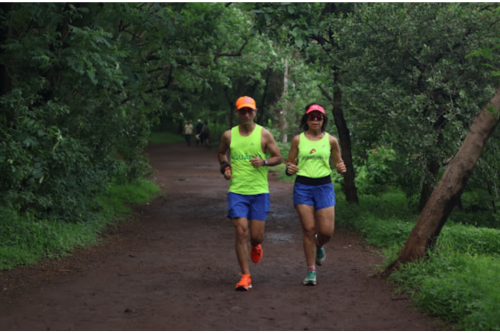
Long distance runs test more than just endurance they demand gear that moves with your body through miles of varied terrain, weather shifts, and fatigue that hits after mile 15. For runners across major Indian cities, where humidity, heat waves, and crowded urban routes are everyday realities, the difference between a satisfying finish and a grueling battle comes down to thoughtful preparation. This guide breaks down practical strategies for staying comfortable during long distance runs, drawing on expert-tested principles to help you train smarter and race stronger without discomfort derailing your goals.
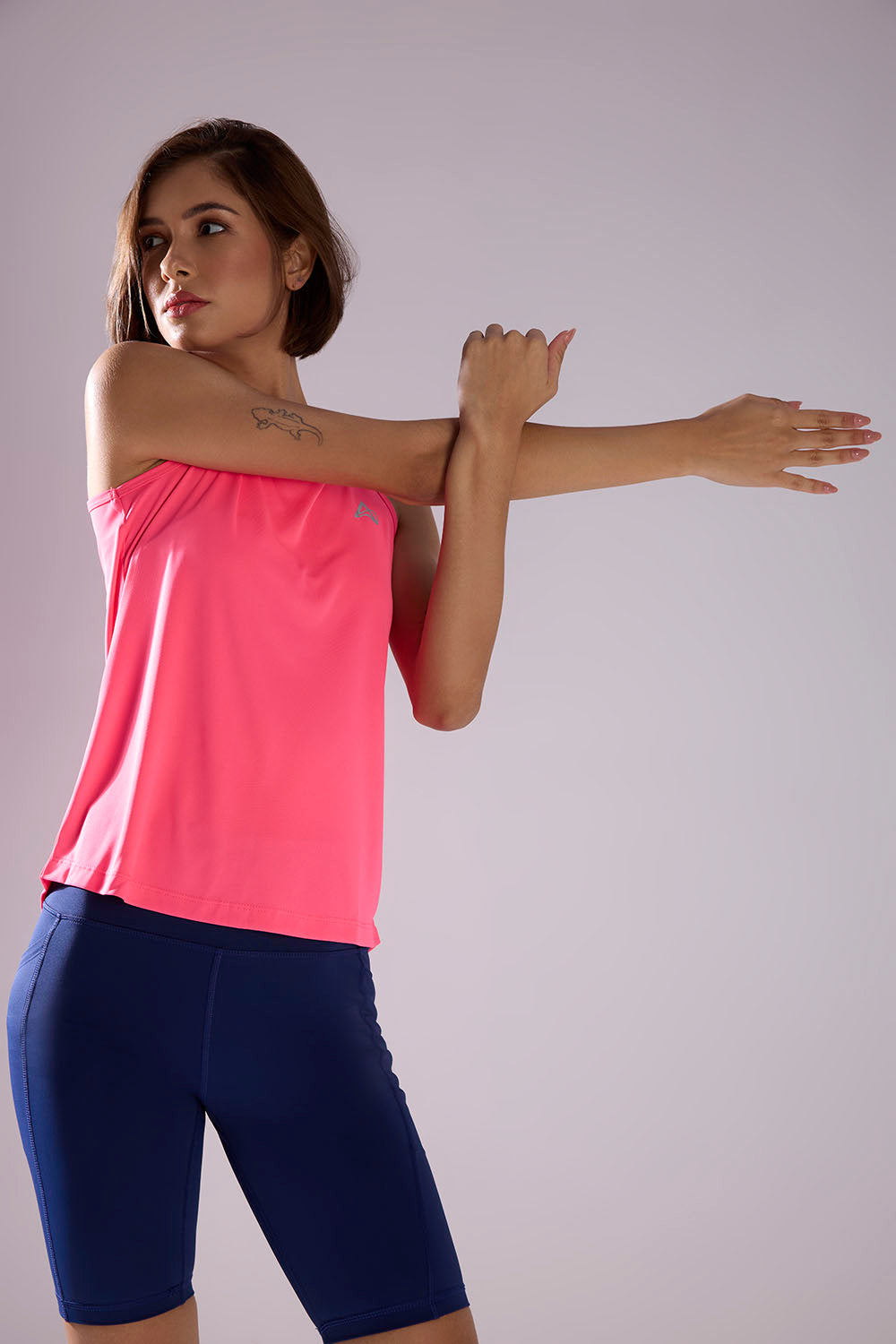
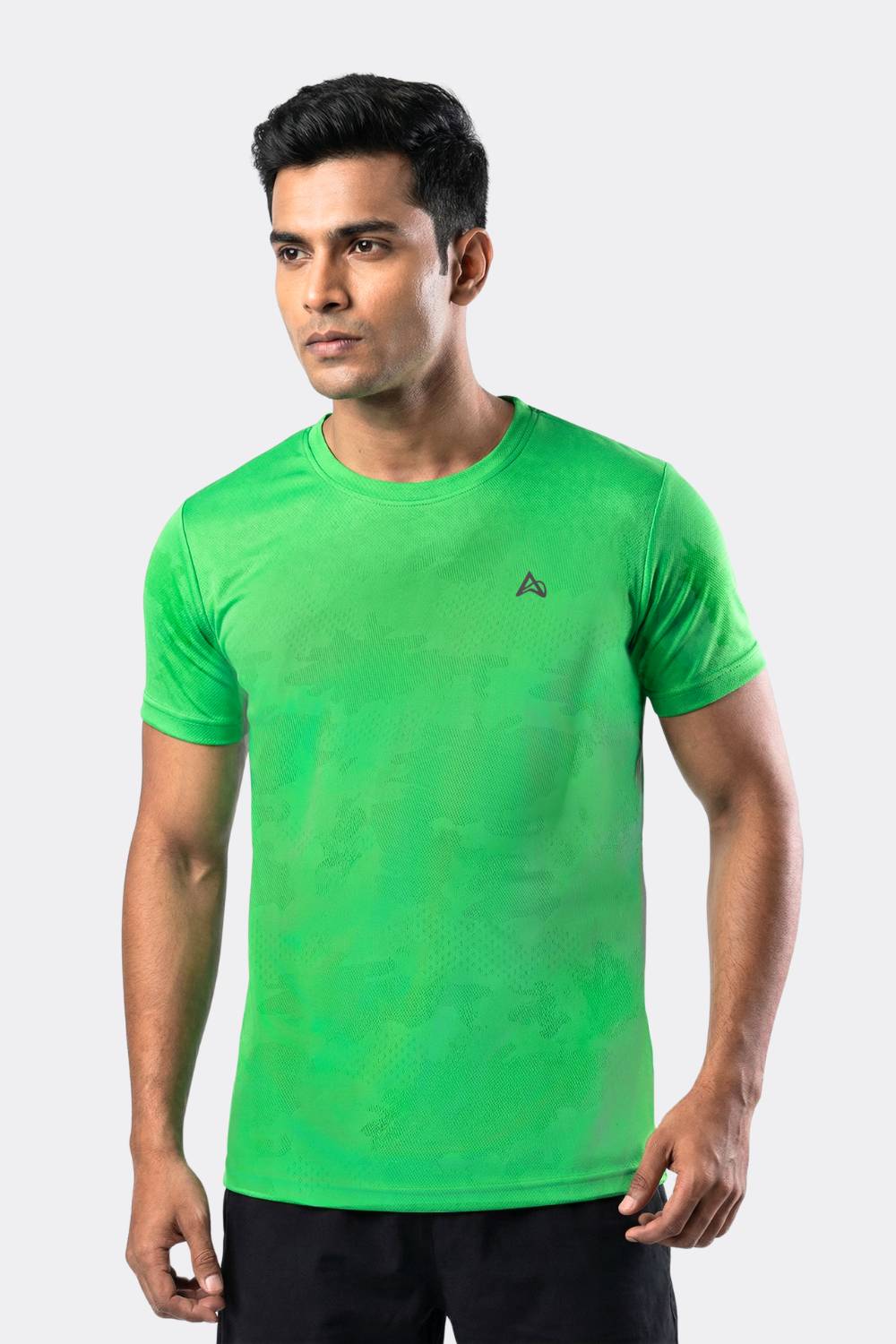
Tired of gear that slows you down? Chafing, soggy fabrics, and missing pockets kill your run's momentum. At Aguante, we're runners who get it. Our high-performance activewear features moisture-wicking fabrics, ergonomic designs, and smart storage to keep you focused. Shop Now!
Selecting the Right Footwear for Extended Comfort
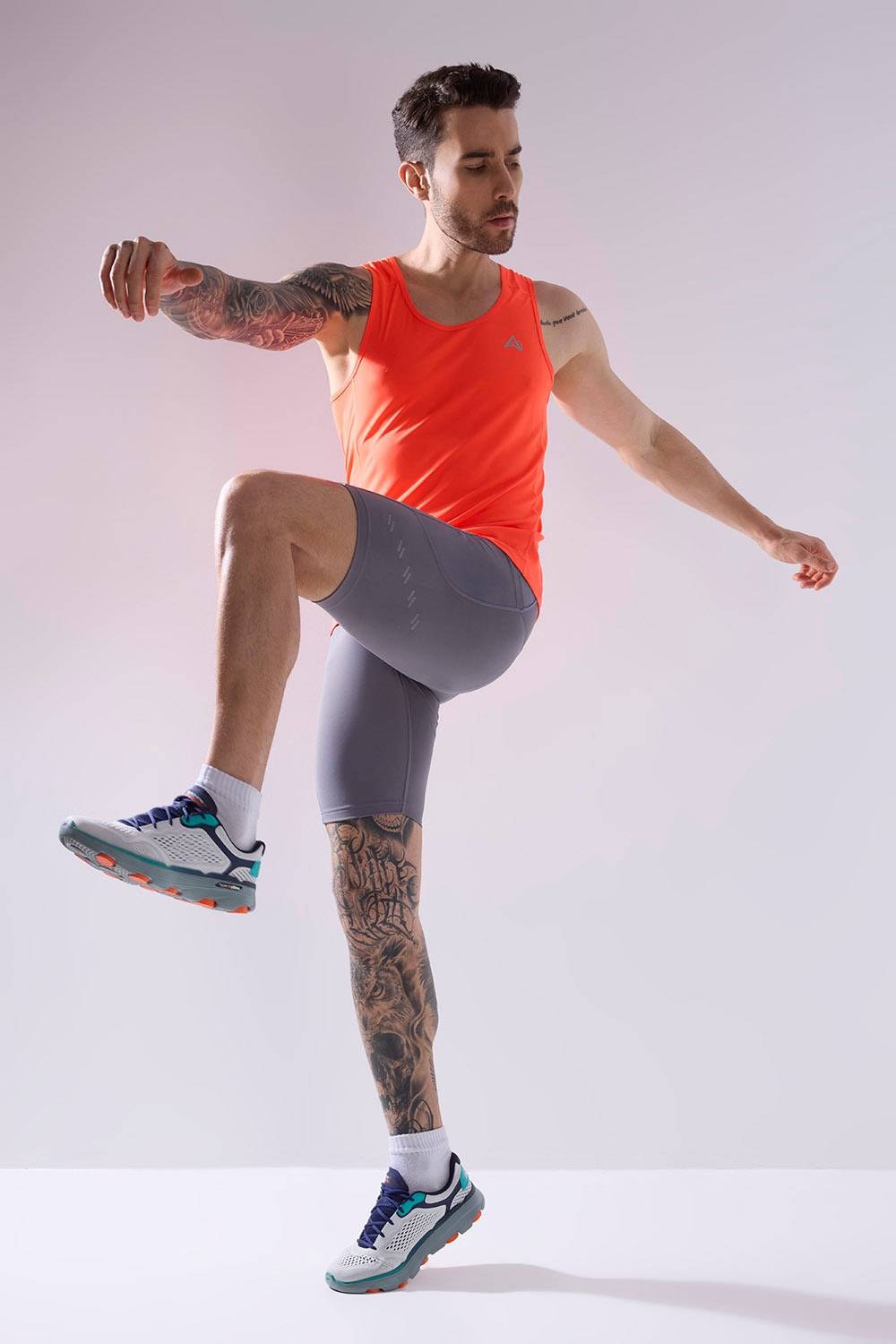
Your shoes serve as the foundation of any long run, and poor choices can lead to blisters, hot spots, and early fatigue that ruins an otherwise enjoyable session. The key is finding footwear that supports your natural foot strike, accommodates foot swelling during activity, and delivers consistent cushioning without unnecessary weight. Many runners discover that comfort rules above all when they test multiple styles and prioritize pairs that feel secure from the first step, allowing their body to move efficiently for miles on end.
This approach prevents the kind of strain that builds up over time, especially on longer routes where every detail counts for staying comfortable through the miles. Experts emphasize trying on shoes in a controlled setting and then verifying the fit during an actual run, as what feels good on the shelf often translates to better performance when your feet expand and your stride lengthens. For those building toward longer challenges, investing in versatile trainers with ample toe room and responsive midsoles helps maintain forward momentum without unnecessary drag or pressure points. Ultimately, the right shoes become an invisible partner that lets you focus on the run itself, turning potential discomfort into steady progress and a more satisfying experience each time you lace up.
The latest experiential marketing trends emphasize interactive and immersive experiences. Brands are now focusing on marathon running essentials to engage audiences, providing detailed strategies for creating memorable activations and boosting brand loyalty. The approach includes leveraging technology, interactivity, and multi-sensory engagement to elevate attendee experiences beyond traditional events.
Mastering Layered Clothing for Weather-resilient Runs
Long distance runs in Indian cities rarely offer the same conditions race after race. A cool morning start in Bengaluru can turn into a sweltering midday effort in Mumbai, while summer heat in Ahmedabad demands different preparation than the milder evenings in Pune. Layered clothing addresses this variability by allowing you to adjust as temperature and humidity shift, keeping you cool when you need it most and warm during cooler segments.
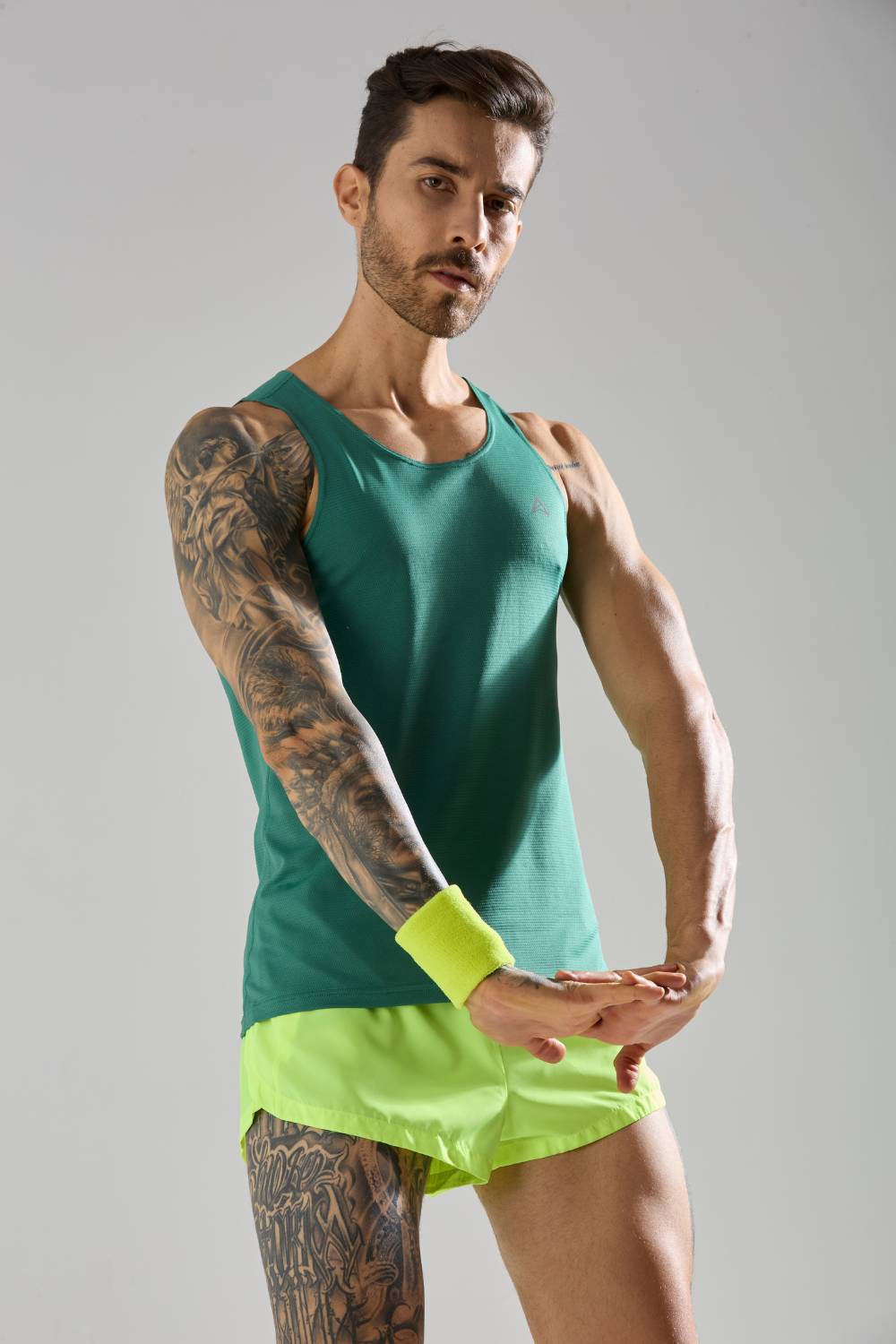
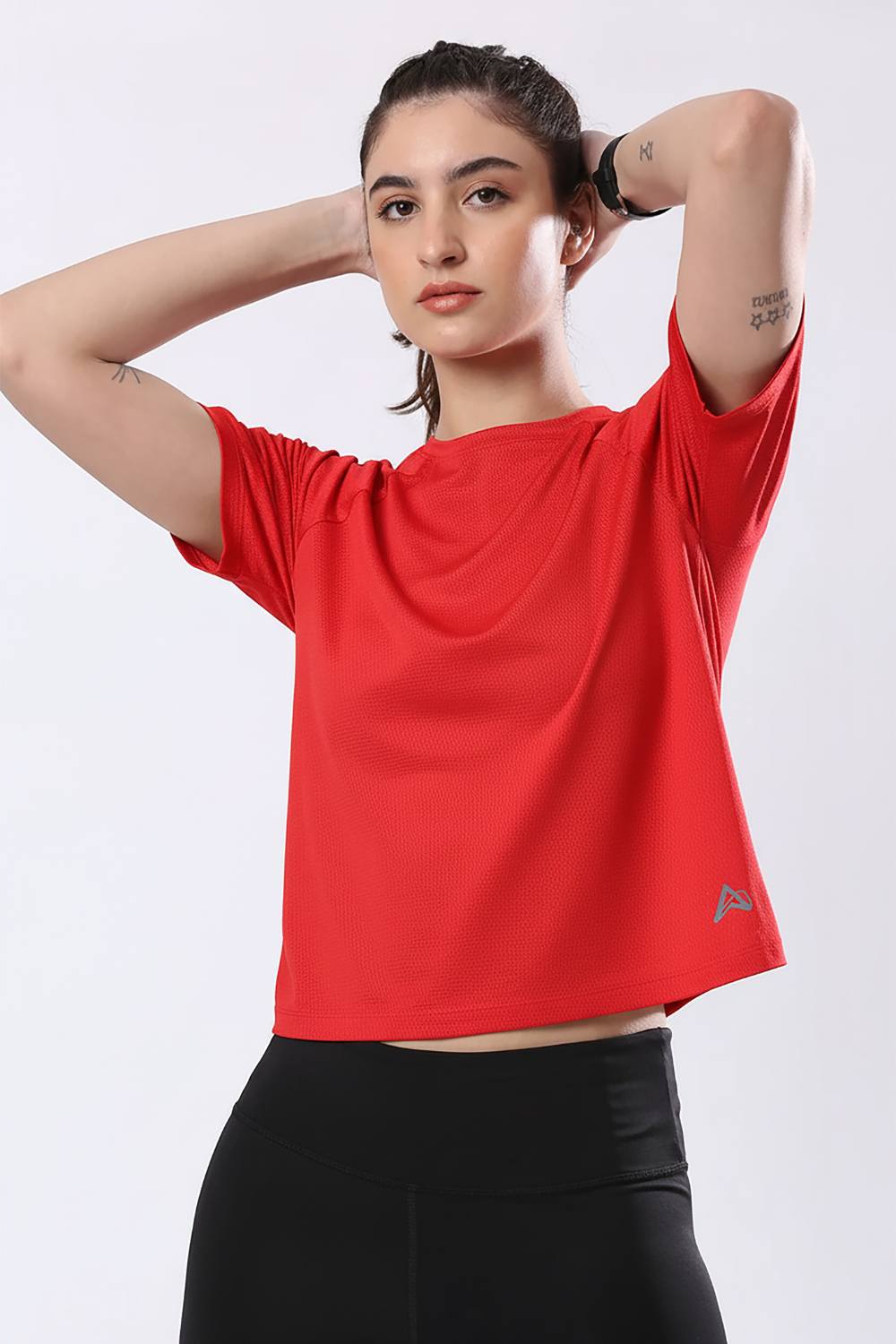
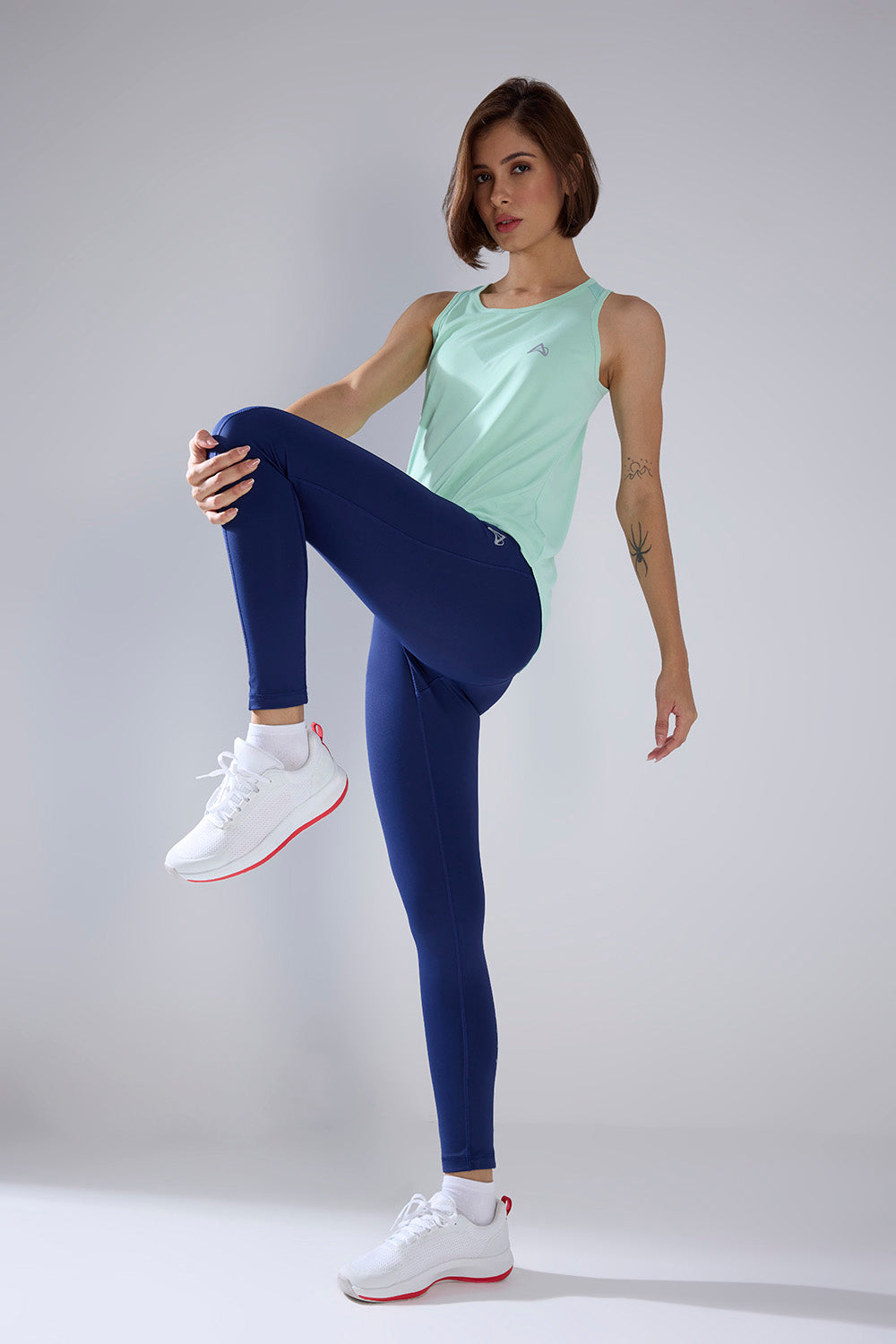
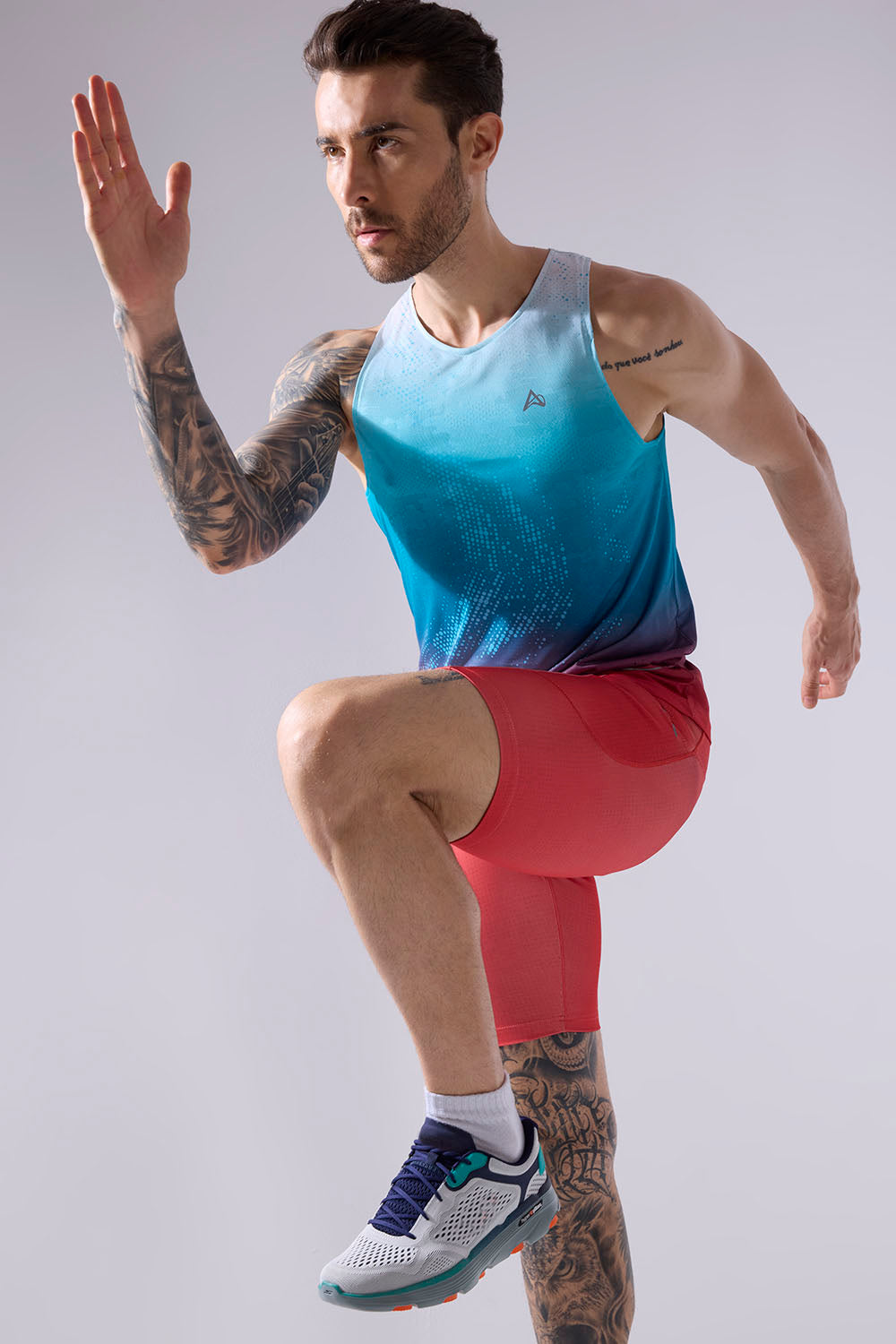
Start with moisture-wicking base layers made from synthetic or merino blends that pull sweat away from your skin. Next, add a breathable shell or windbreaker that sheds rain or light wind without trapping heat. Mid-layers in lightweight fleece or softshell fabric provide insulation during cooler starts or early-morning runs without adding bulk that could chafe later. Choose pieces with flat seams and minimal stitching to reduce irritation along high-friction areas like underarms and torso.
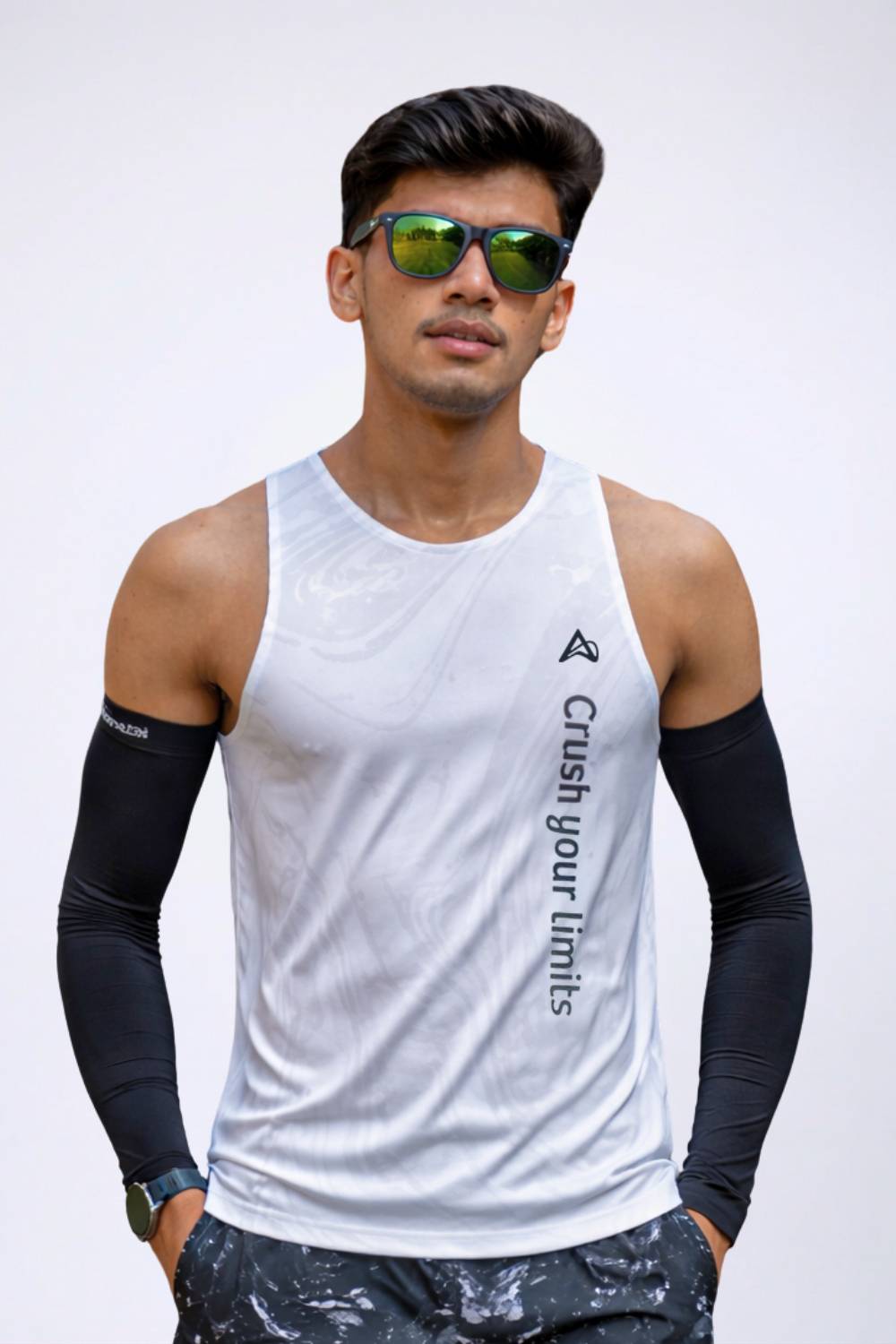
Pack a light packable vest or arm sleeves for unexpected chill or sun protection. This modular approach means you never feel overdressed or underprepared, helping you maintain a steady pace regardless of how the day unfolds. Runners who treat clothing as a flexible system report fewer interruptions from temperature-related fatigue or overheating, letting them push through longer efforts with greater focus.
Preventing Chafing: Essential Gear for Long-run Comfort
Chafing becomes a major issue on anything beyond a quick 5K, especially during half-marathons or full marathons where skin rubs against clothing for extended periods. The good news is that targeted solutions can make a dramatic difference without compromising performance.
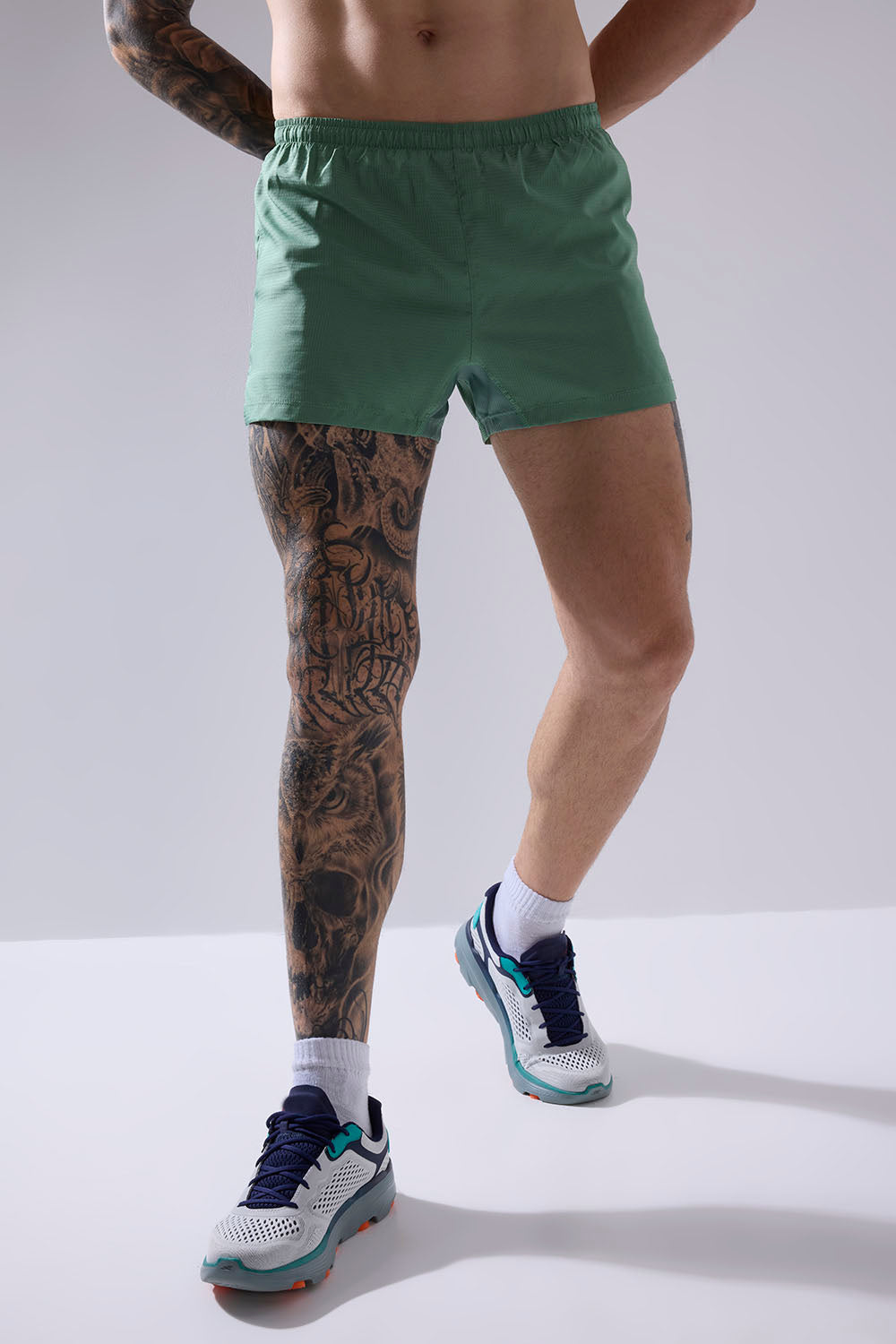
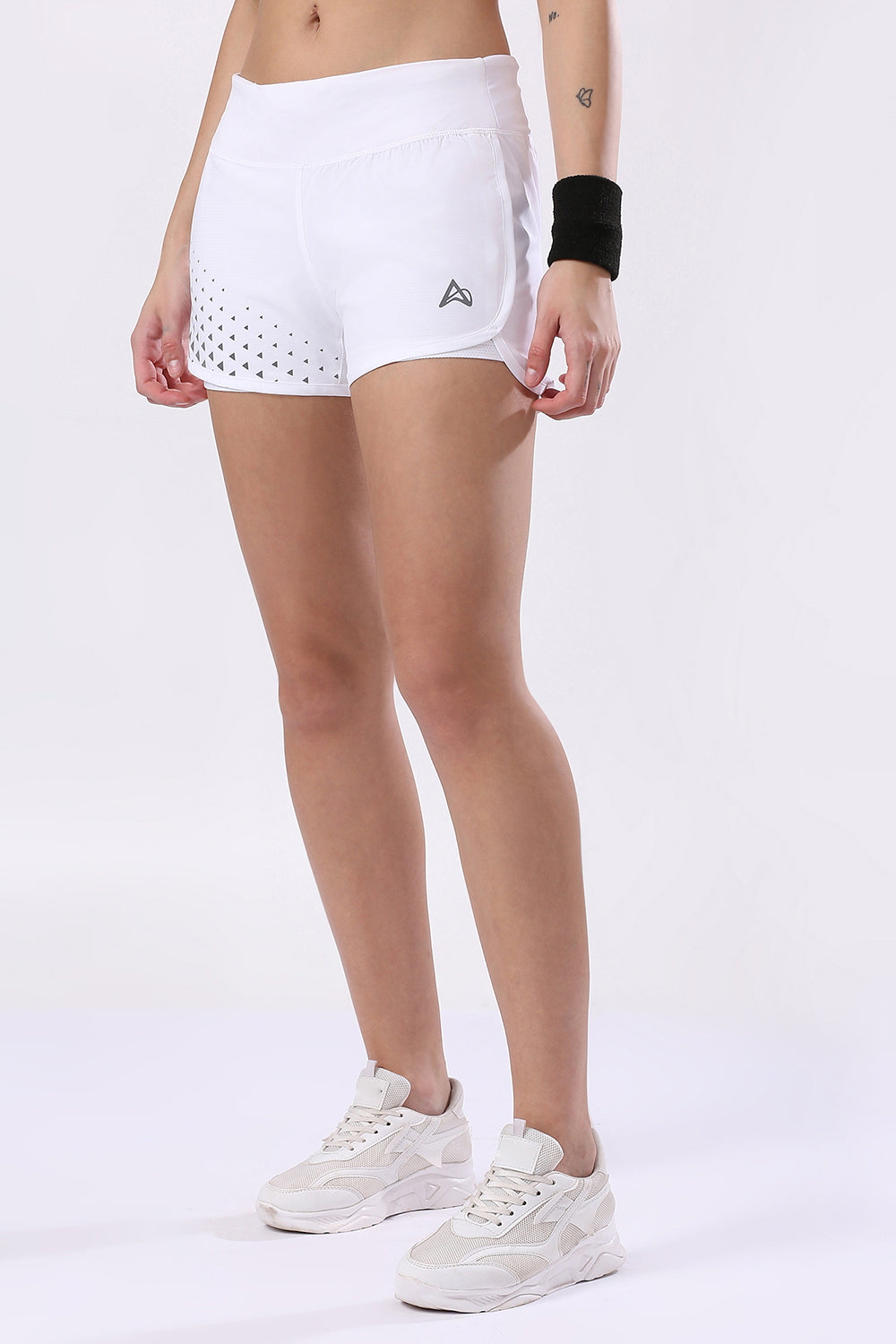
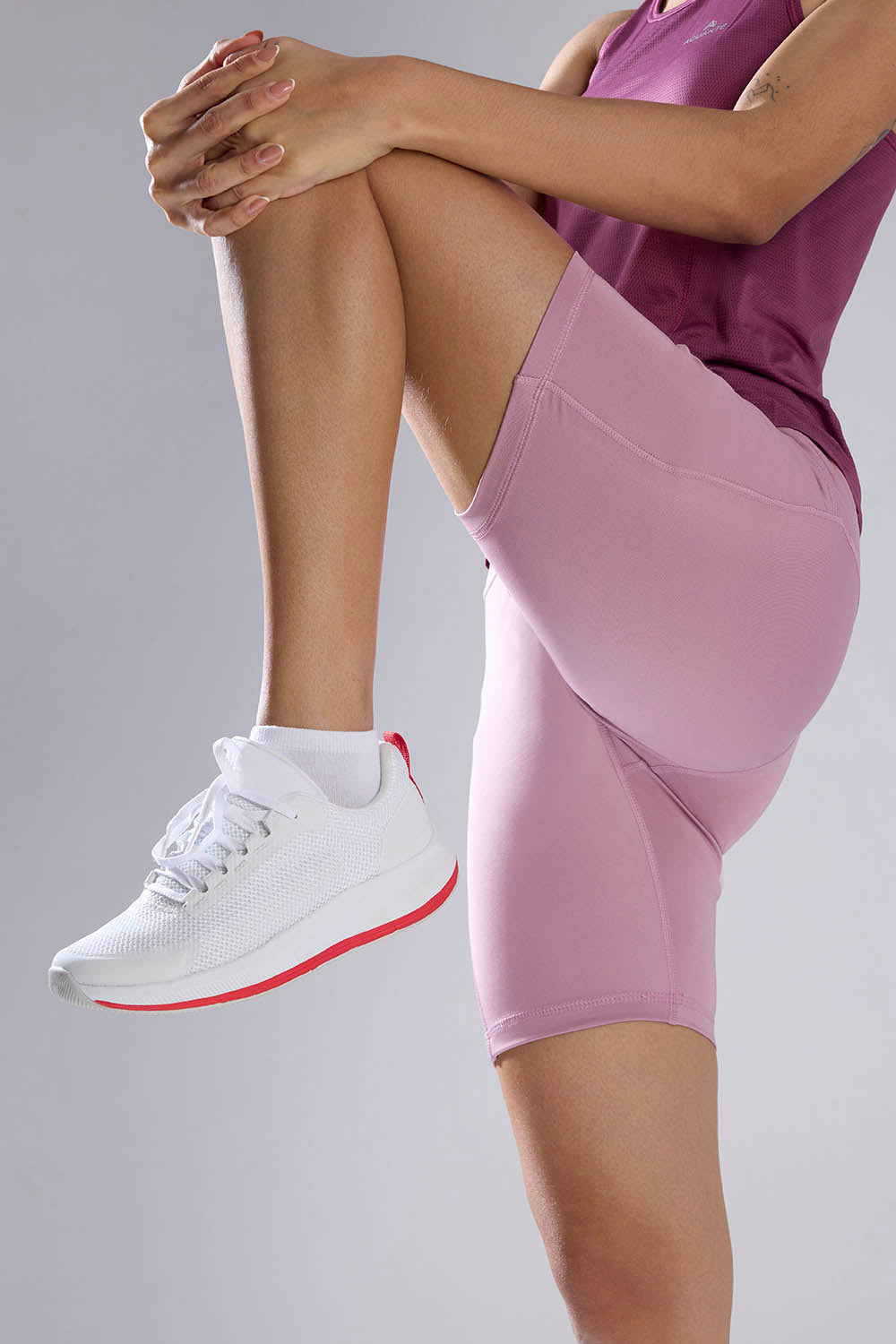
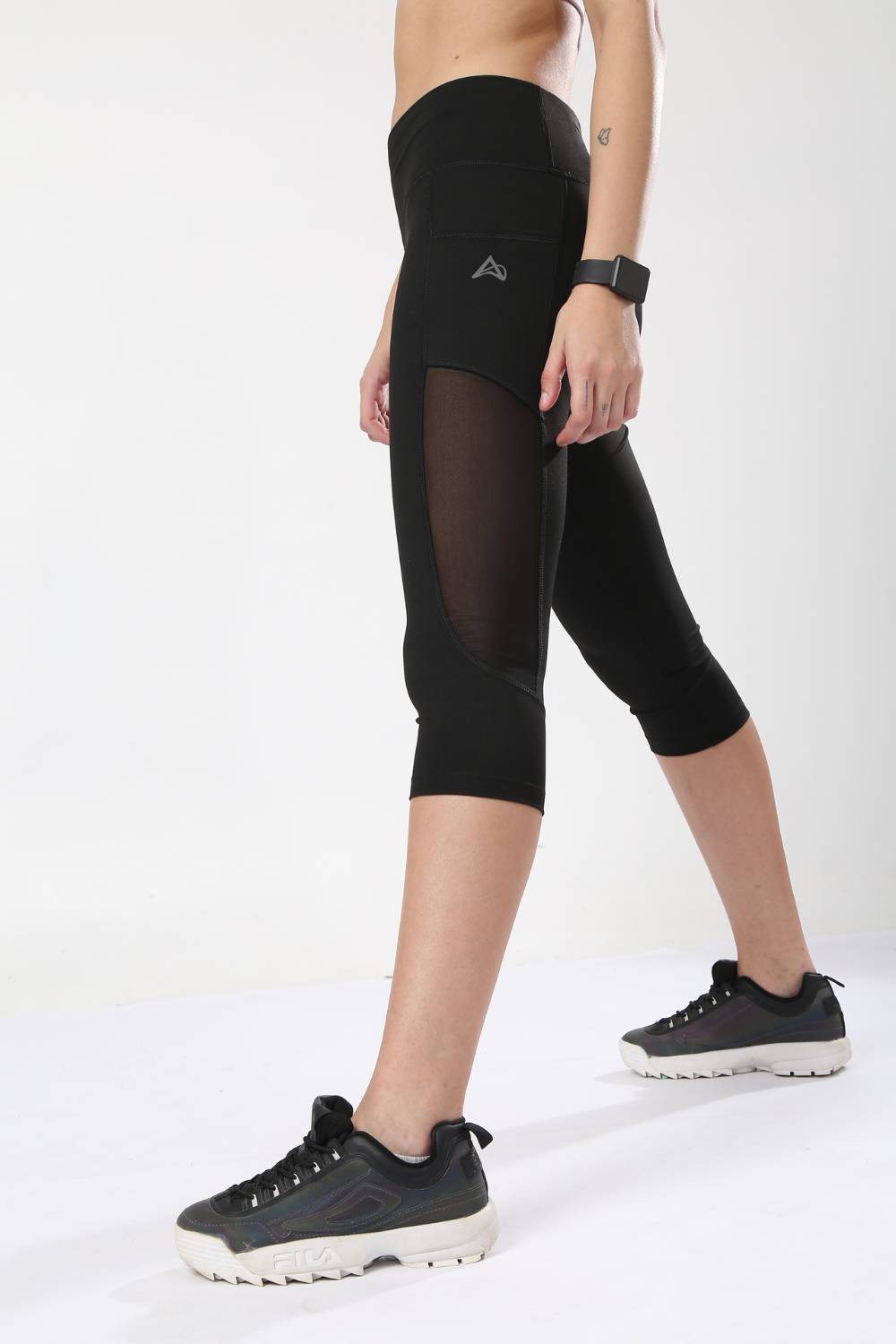
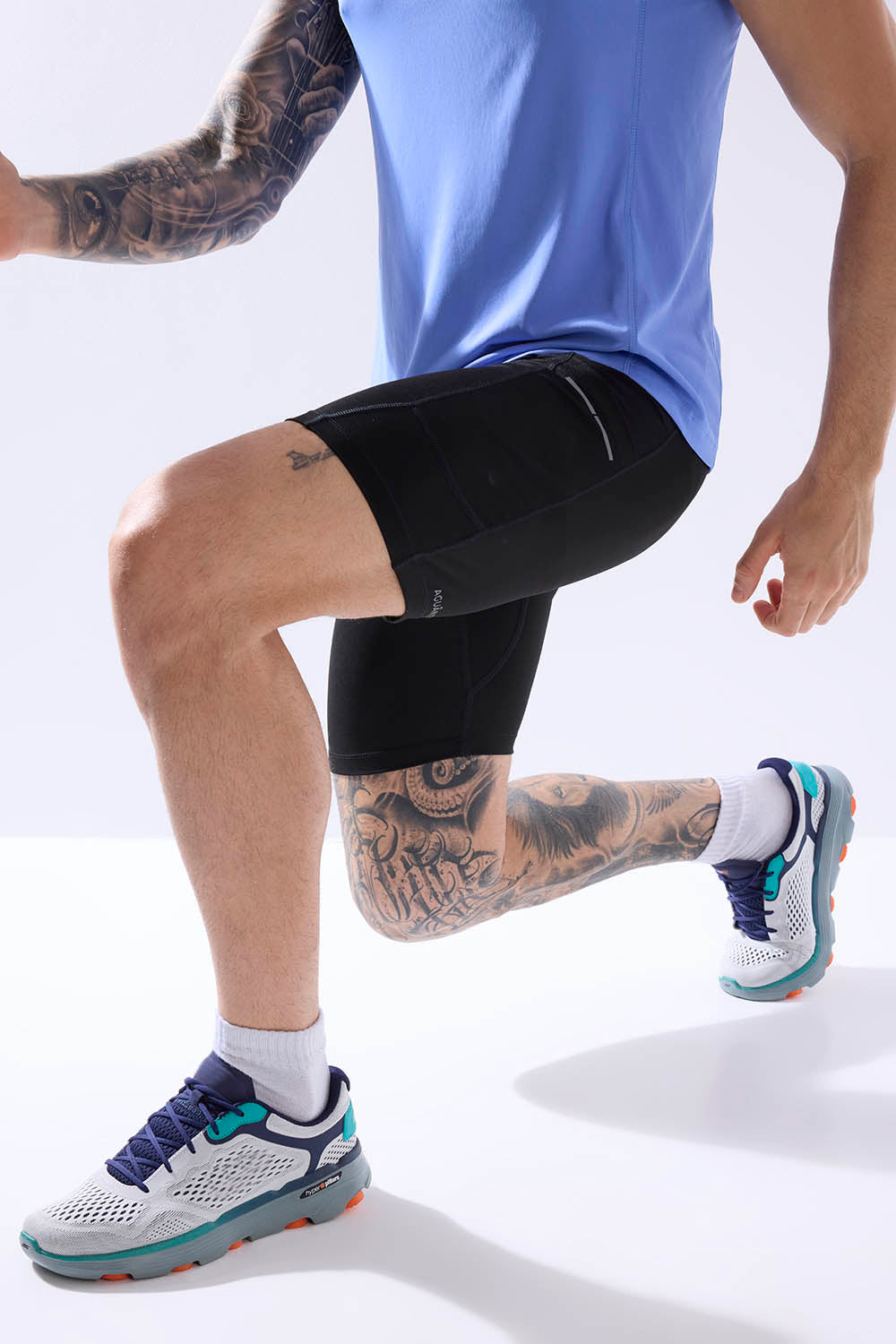
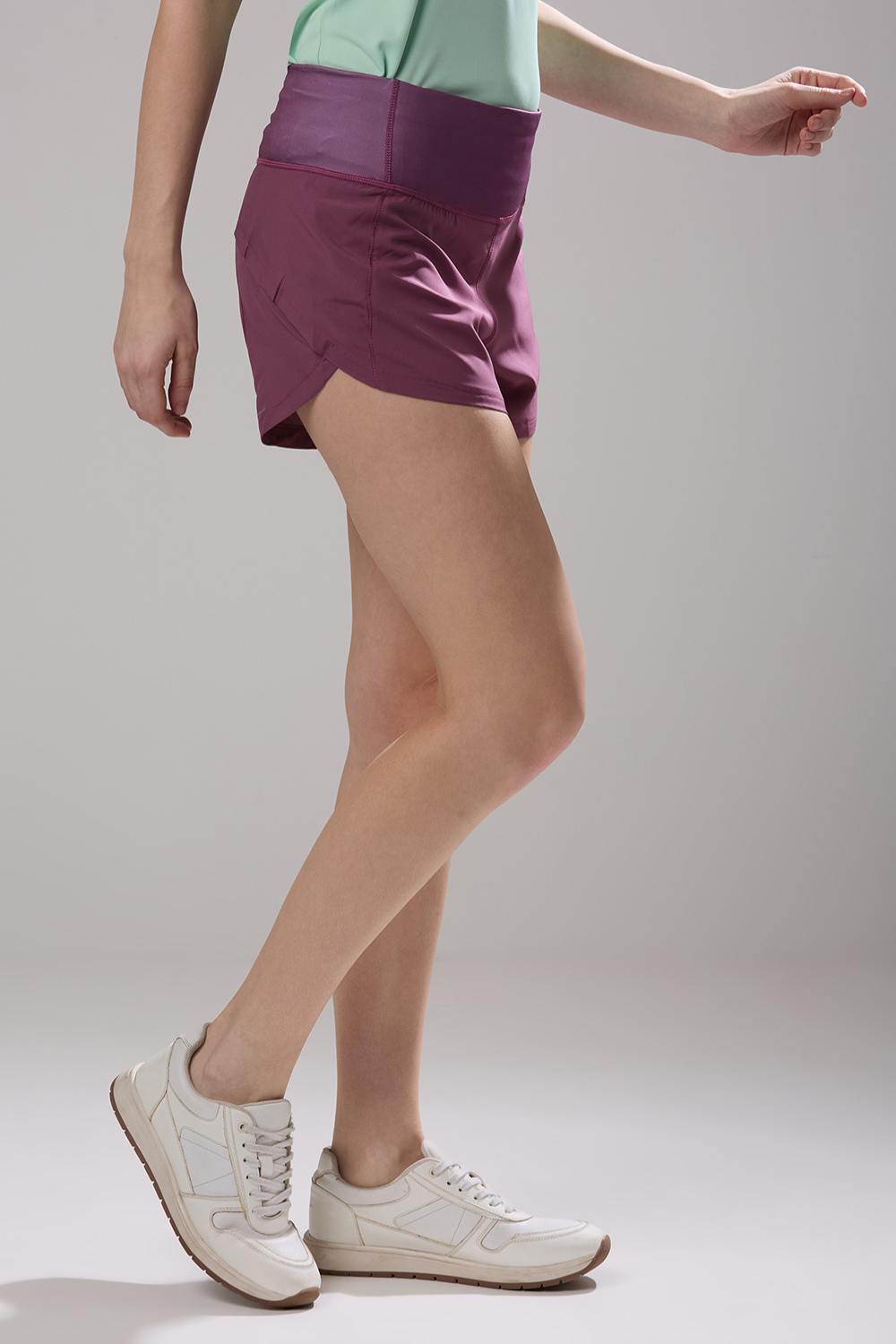
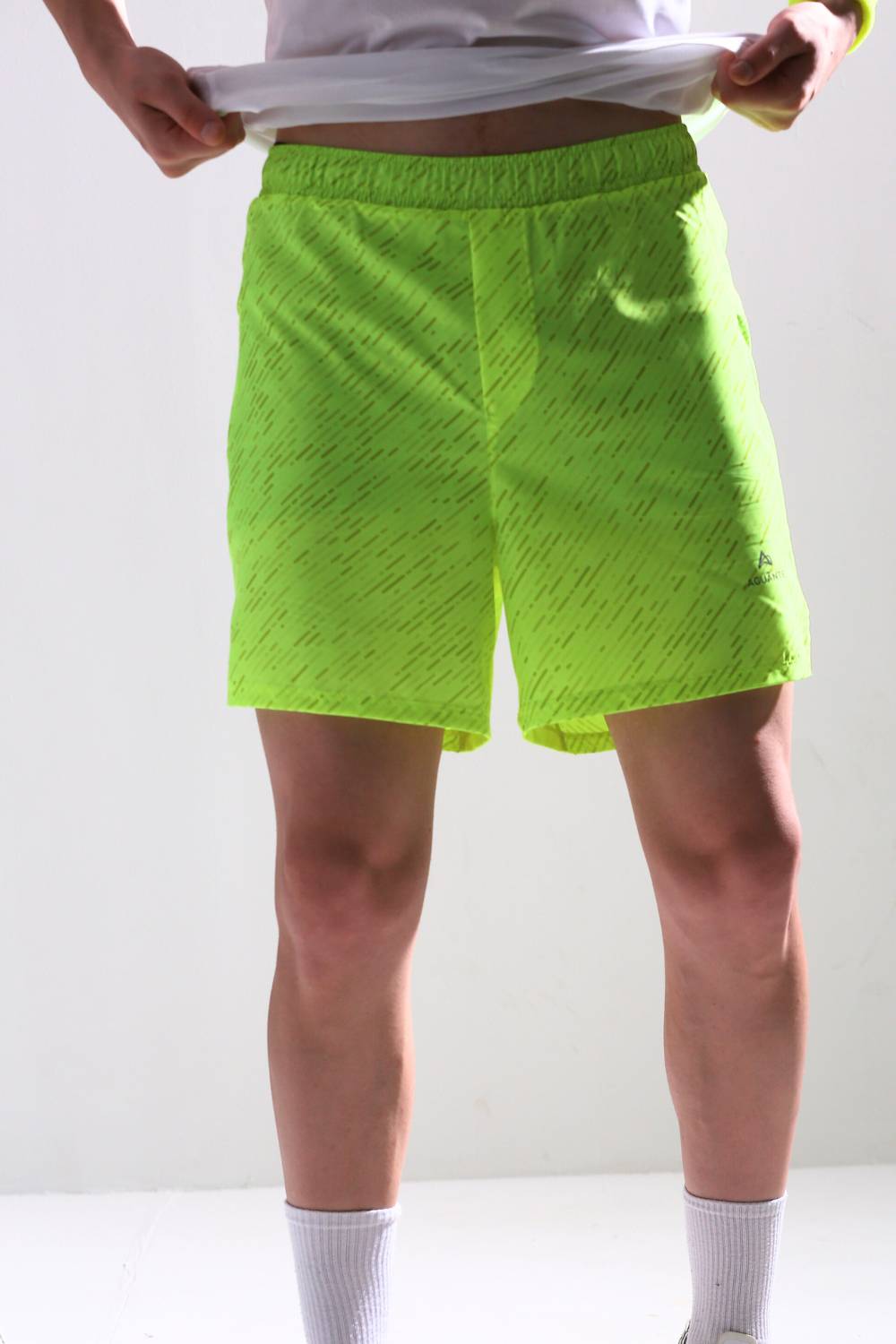
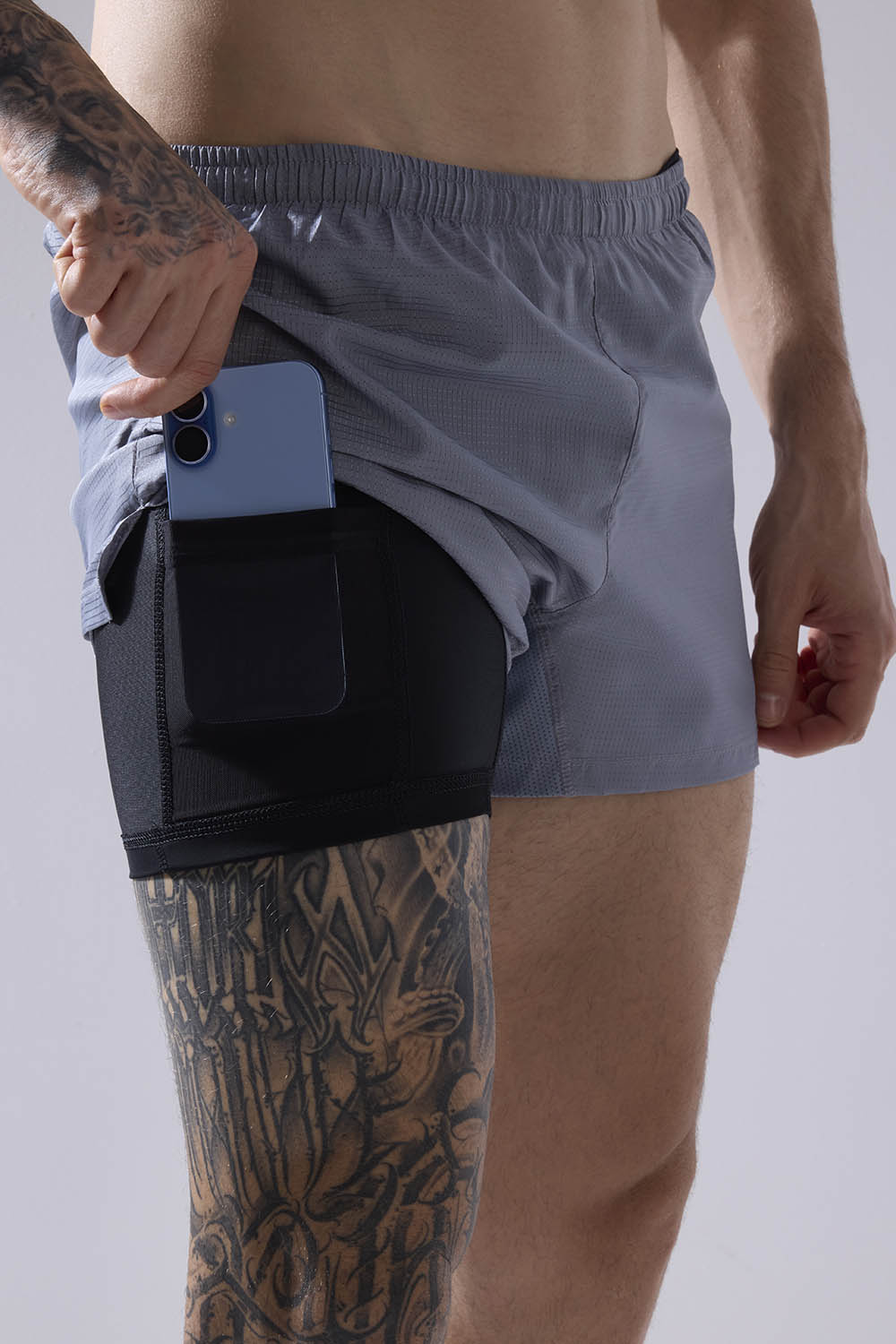
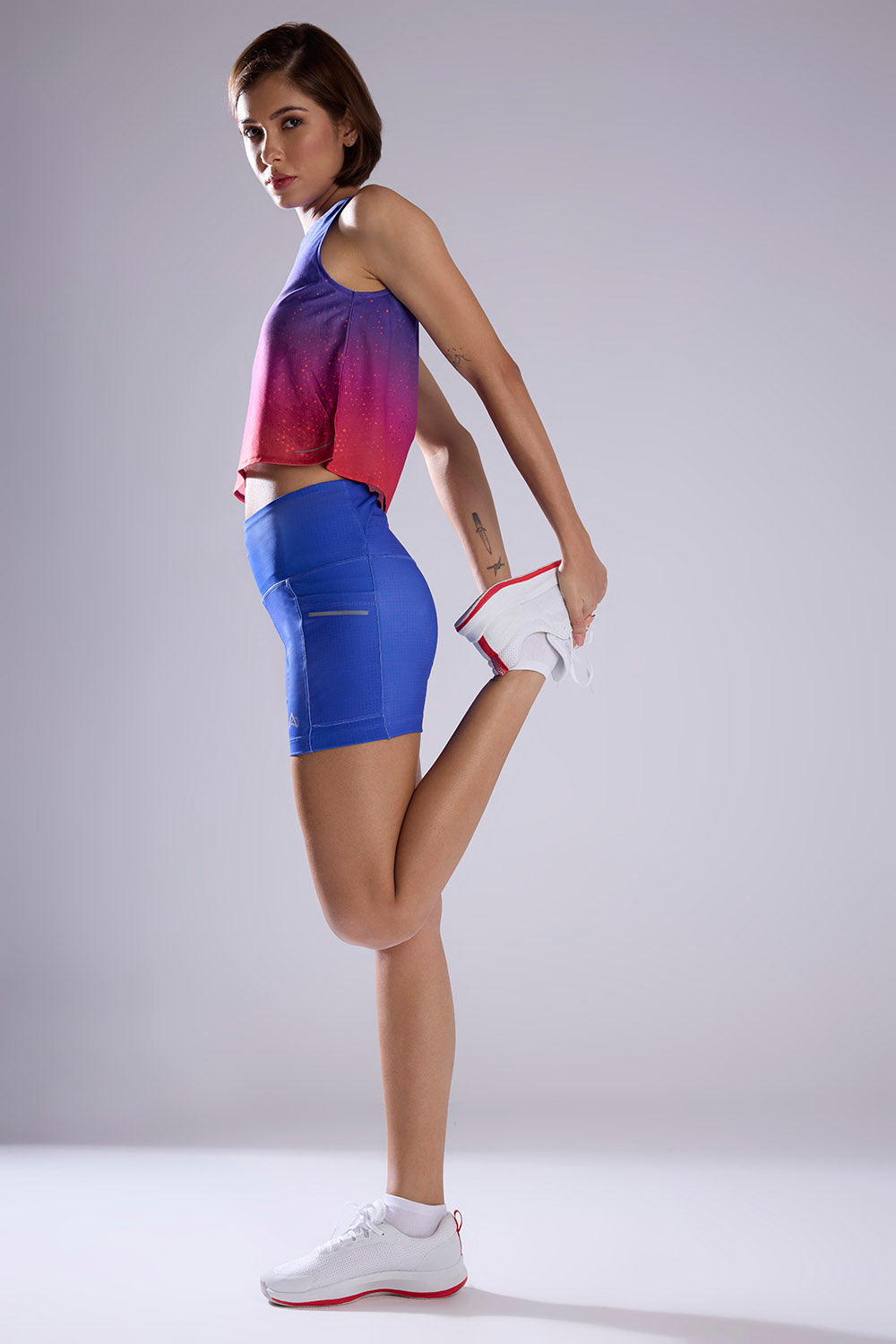
Opt for anti-chafing running shorts with internal compression liners or smooth gussets that eliminate seam irritation. Women's styles often benefit from flatlock seams and built-in brief liners, while men's options shine with contoured designs that reduce thigh-to-short contact. For races, consider race-day underwear with moisture-wicking fabrics and minimal or no seams pairs engineered specifically for long efforts stay dry and comfortable even after 20+ miles.
Apply anti-chafe balms or tapes to high-risk zones like the inner thighs, nipples, or armpits before you head out. Reapply as needed during the run, but keep products in your pocket for quick touch-ups. The result is skin that stays intact, allowing you to concentrate on rhythm and recovery instead of discomfort. Many experienced runners describe this as the difference between finishing strong and slowing dramatically in the final stages.
Optimizing Hydration Strategies for Sustained Effort
Dehydration sneaks up quickly on long distance runs, especially in India's climate where fluid loss can exceed 1% of body weight within an hour. The goal is steady intake that prevents thirst and fatigue without stomach overload. Start with a consistent pre-run hydration routine drink 400–500 ml of water 2–3 hours before heading out and top up during the first 10–15 minutes of the run.
During the event, use a handheld bottle or race belt to sip 150–200 ml every 15–20 minutes. If you're racing in humid conditions, consider electrolyte drinks or tablets to replace sodium and potassium losses. Carry two sources: one for steady sipping and one for longer efforts if you prefer to carry a backpack. Test your tolerance on shorter training runs first so you know exactly what works on race day.
Include a small snack like a banana or gel at the 60–90 minute mark to maintain energy without weighing you down. Runners who plan hydration like a race strategy rather than an afterthought complete longer distances with clearer minds and fewer early stops. The payoff is obvious: consistent fuel and fluid support translates directly to fewer breakdowns and stronger finishes.
Building a Complete Running Kit List
Long distance runs require more than shoes and a shirt. A thoughtful kit list keeps everything you need in one place, reducing the temptation to improvise and increasing your chances of a smooth effort. Beyond footwear and layers, include a lightweight race belt or handheld hydration pack for fluids, gels, and a spare phone in a waterproof case. Add reflective armbands or vest for early-morning runs in less lit urban areas.
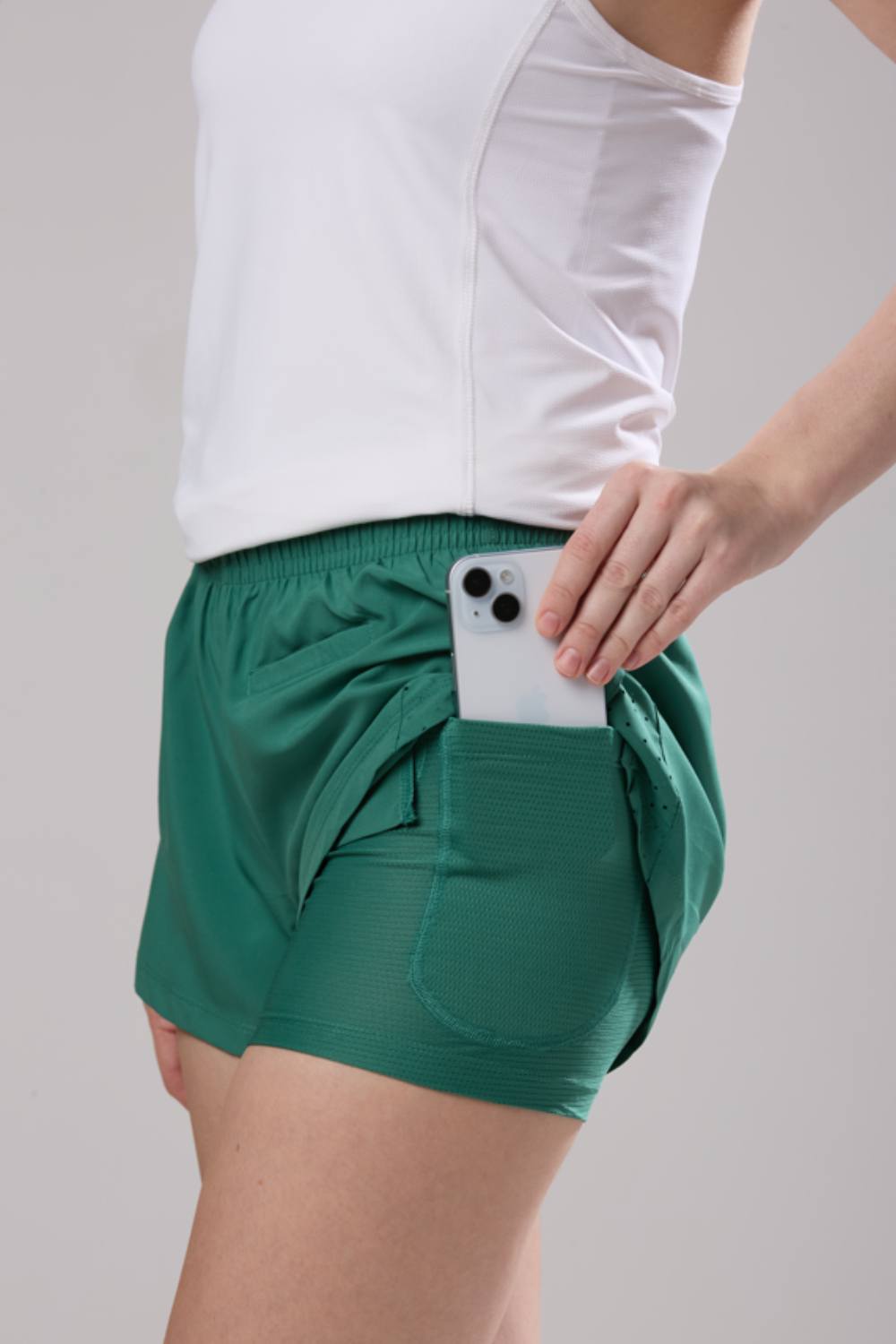
Don't overlook a light collapsible umbrella for sudden showers or a thin sun hat to shield your face and neck. Many runners also carry a small first-aid pouch with plasters, antiseptic wipes, and blister care items just in case. The most comfortable runners treat their kit as an extension of their body everything fits snugly, weighs minimally, and is easy to access without fumbling.
Organize items by zone: fluids and snacks in one pocket, reflective gear in another. This system ensures you're never caught off guard, even on a 30K training long or a 21K race. The result is a seamless experience where gear supports rather than distracts from the run itself.
Training for Fatigue Resistance and Pace Management
True long-run comfort comes from building the mental and physical capacity to handle fatigue gracefully. Include one dedicated long run per week that gradually extends from 60 to 90 minutes or more, focusing on steady pacing rather than speed. On these sessions, practice sipping fluids at fixed intervals and taking short walk breaks only when you need them most runners find they can push through without stopping.
Strengthen your core and glutes through targeted workouts to support good posture and efficient movement. Incorporate mobility drills to keep hips and ankles flexible, reducing tightness that often sets in after mile 15. Track how your body responds to different efforts so you can adjust pace on race day knowing your sustainable speed prevents the crash that comes from going too hard too soon.
Many runners credit the mental shift of treating long runs as training for race-day comfort rather than speed. They arrive at the start line already conditioned to handle the fatigue, which translates into stronger finishes and fewer moments of doubt. The combination of physical prep and mindset creates runners who finish longer distances feeling strong, not just surviving.
The Right Gear Makes All the Difference
Staying comfortable during long-distance runs comes down to preparation, smart choices, and the right mindset. When you invest time in trying on shoes, layering clothing for changing conditions, preventing chafing, and planning hydration like a race strategy, you give yourself the best possible chance to finish strong. The gear becomes an extension of your capability rather than a source of worry, letting you focus on the miles ahead.
Whether you're training for a half-marathon in Hyderabad or a full marathon in Delhi, these principles scale to any distance and any climate. The runners who thrive are those who treat comfort as a daily practice, not a race-day afterthought. Lace up, layer up, and head out knowing your kit is ready, because the miles ahead will be so much more enjoyable when everything works together.
Frequently Asked Questions
What is the best hydration strategy for long distance runs?
An effective hydration strategy involves drinking water consistently before and during your run to prevent dehydration and fatigue. Many runners benefit from sipping 150–200 ml of fluid every 15–20 minutes while also using electrolytes in hot or humid conditions. Practicing this routine during training helps ensure your stomach tolerates it well on race day.
How do you choose the right running shoes for long distance comfort?
Choosing the right running shoes for long distance runs starts with ensuring proper fit, cushioning, and support for your natural foot strike. Look for shoes with enough toe room to accommodate foot swelling during longer efforts. It's also important to test them during actual runs rather than relying only on how they feel in-store.
What are the best ways to prevent chafing during long distance running?
Preventing chafing during long runs involves wearing moisture-wicking, seam-free, or compression-based running apparel that reduces friction. Applying anti-chafing balms or protective products to high-risk areas like thighs, underarms, and nipples can significantly reduce irritation. Choosing gear specifically designed for endurance running helps keep skin dry and comfortable over longer distances.
Disclaimer: The above helpful resources content contains personal opinions and experiences. The information provided is for general knowledge and does not constitute professional advice.
You may also be interested in: Breathable Singlets Support Long-distance Training - Aguante
Tired of gear that slows you down? Chafing, soggy fabrics, and missing pockets kill your run's momentum. At Aguante, we're runners who get it. Our high-performance activewear features moisture-wicking fabrics, ergonomic designs, and smart storage to keep you focused. Shop Now!
Powered by flareAI.co