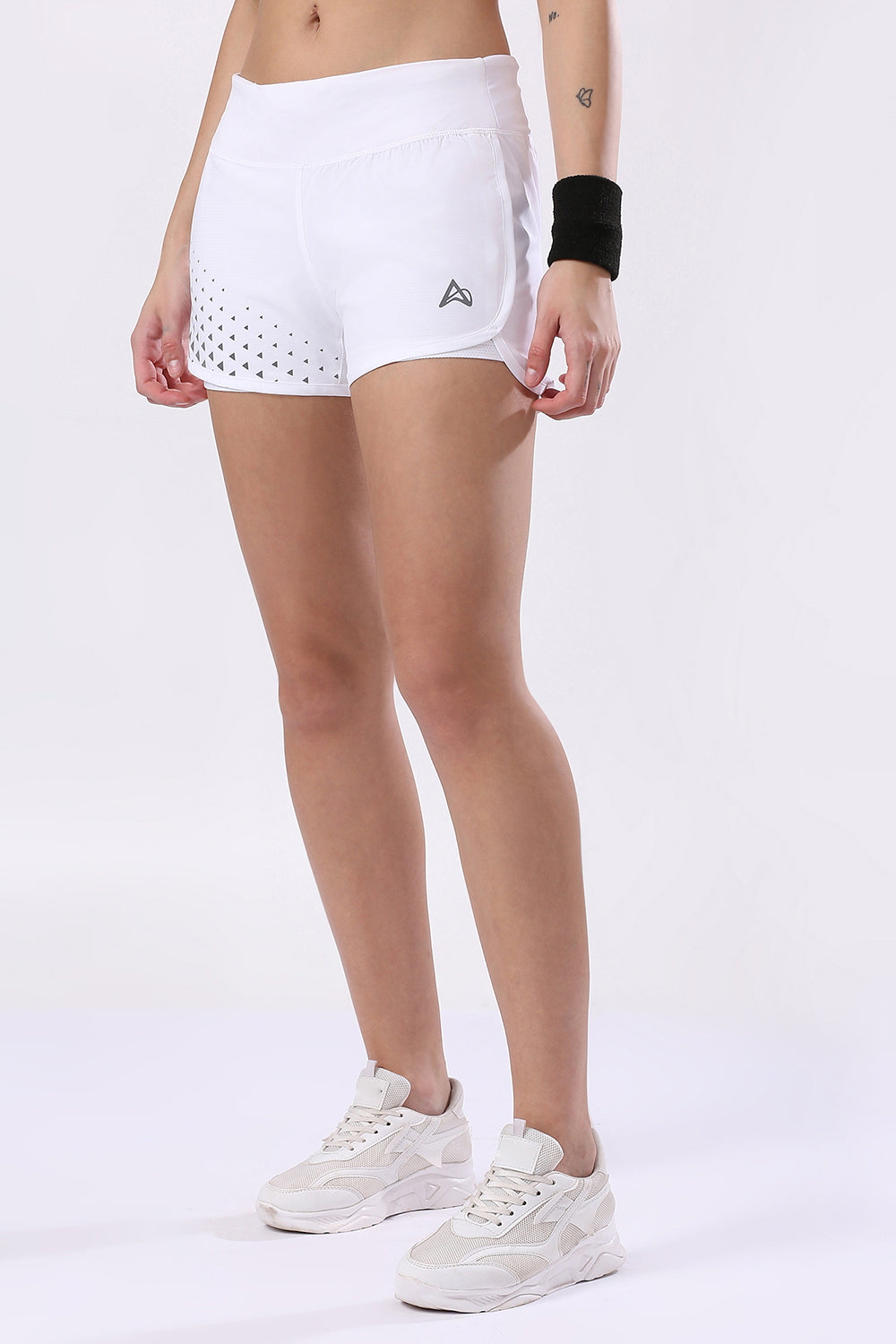
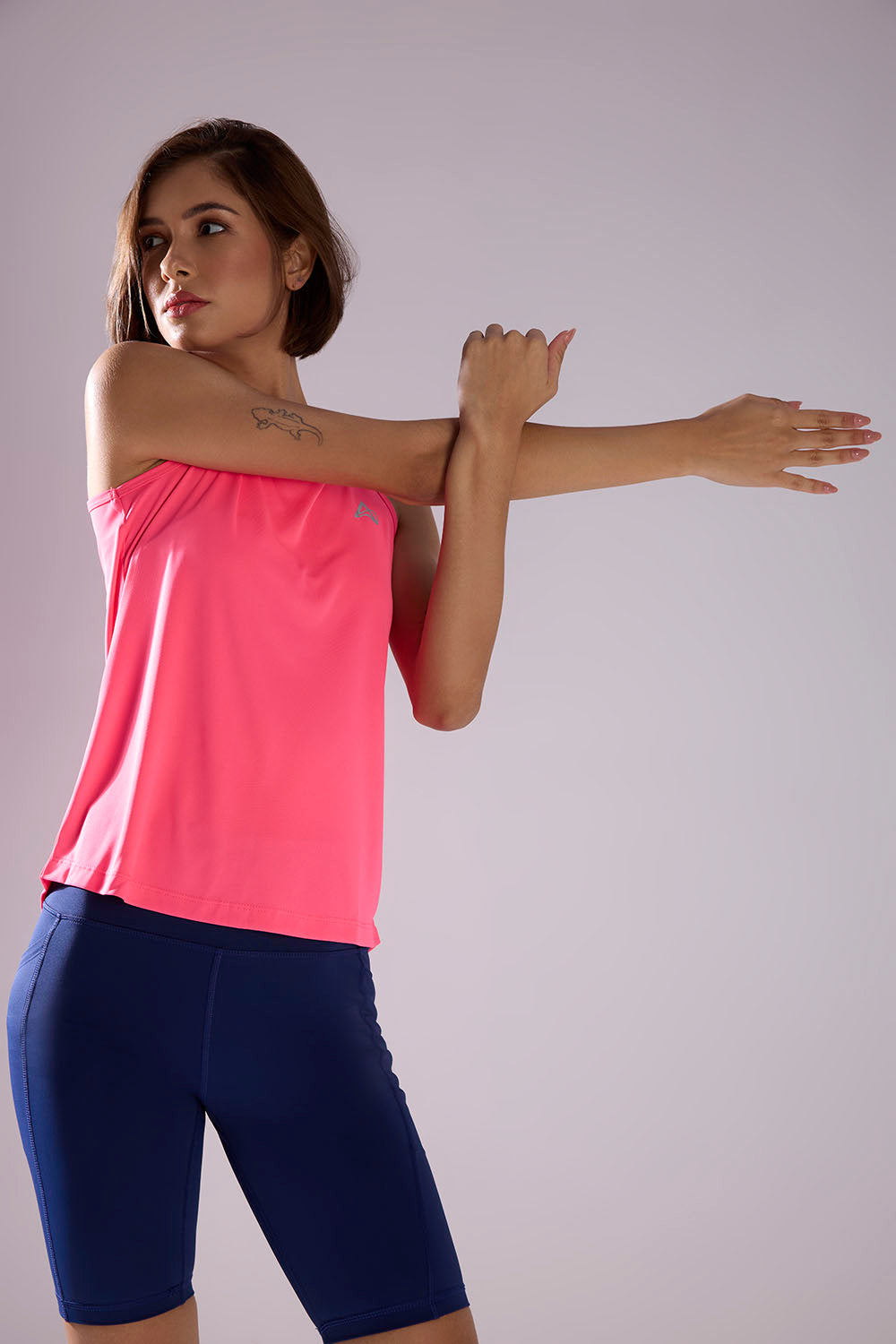
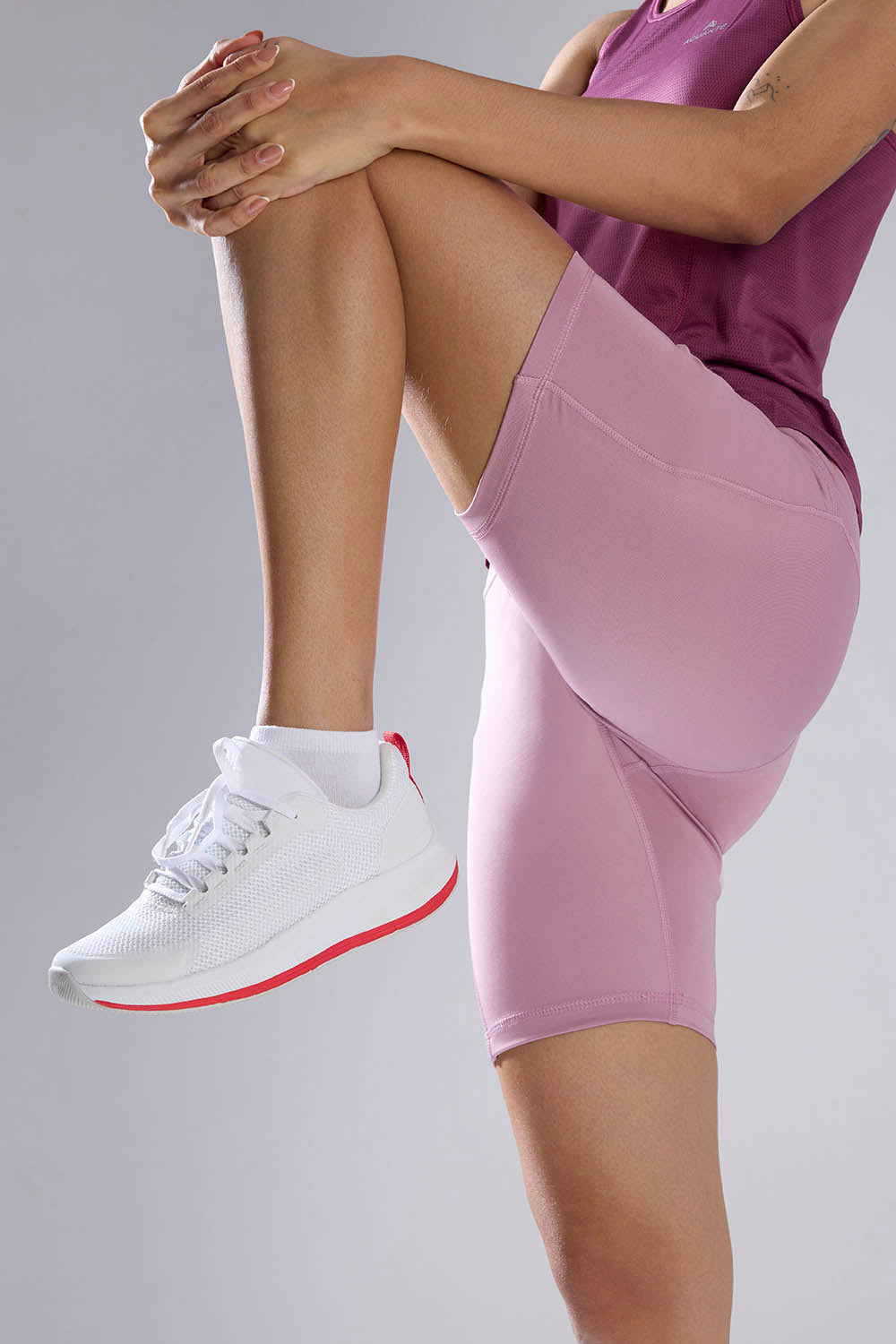
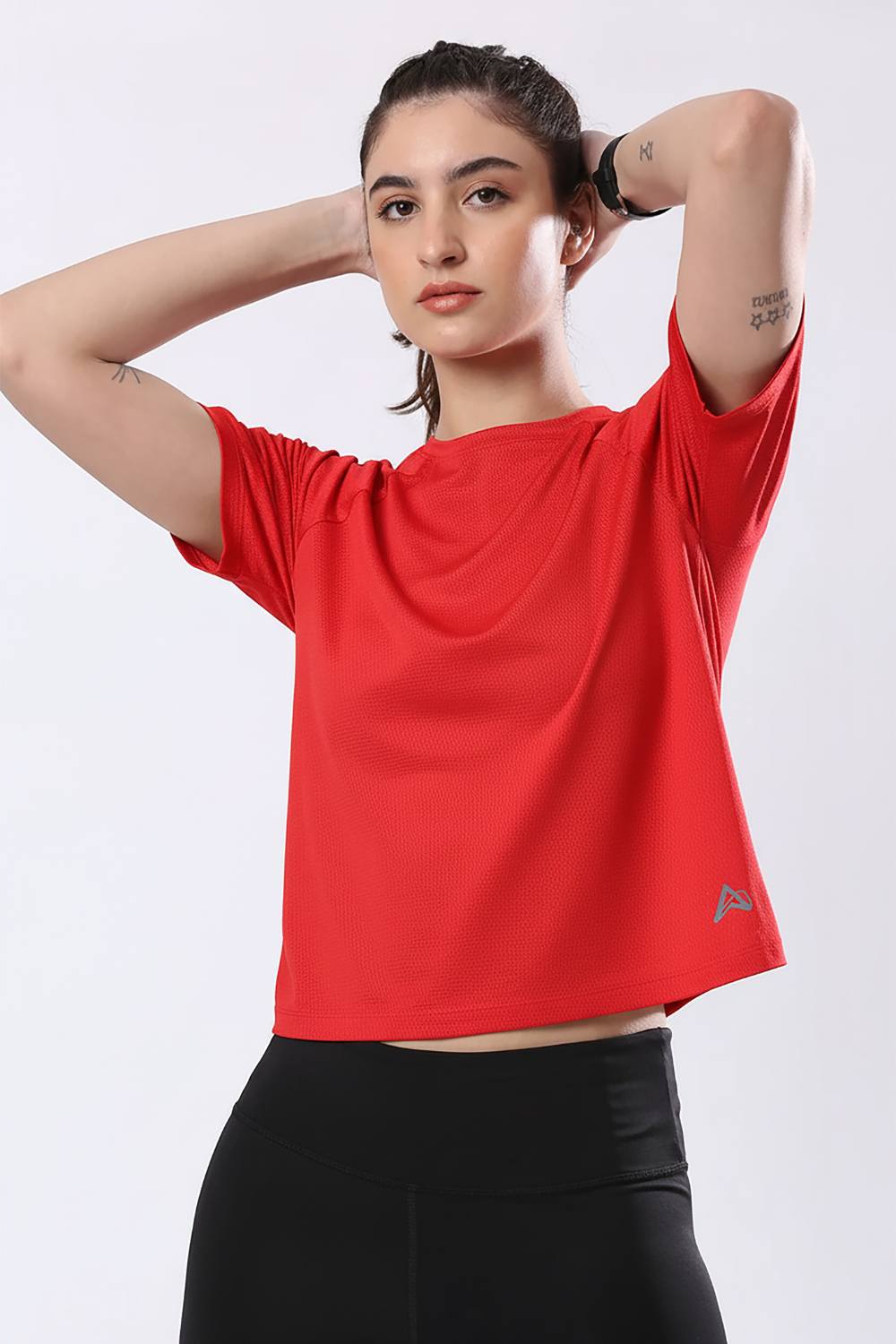


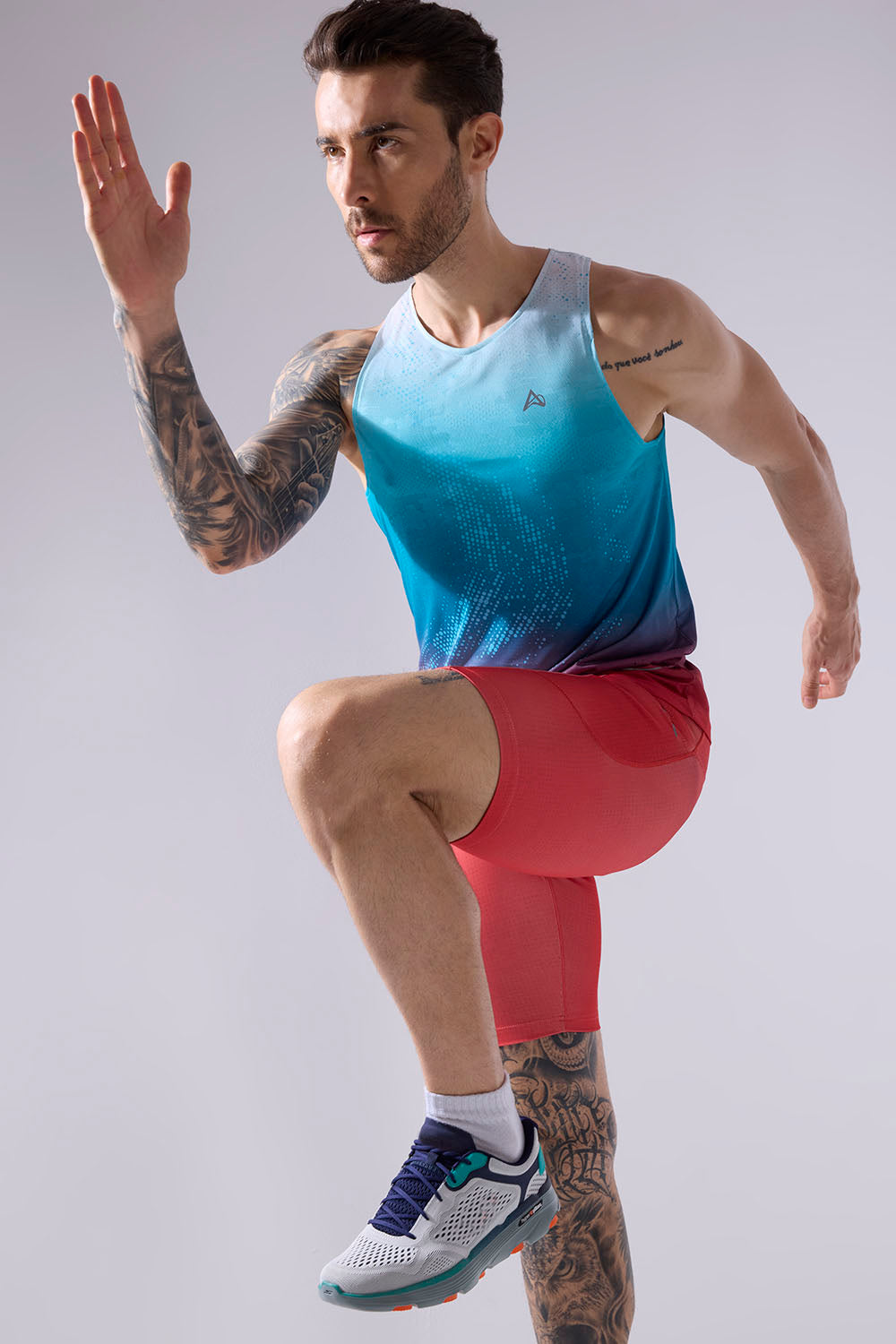

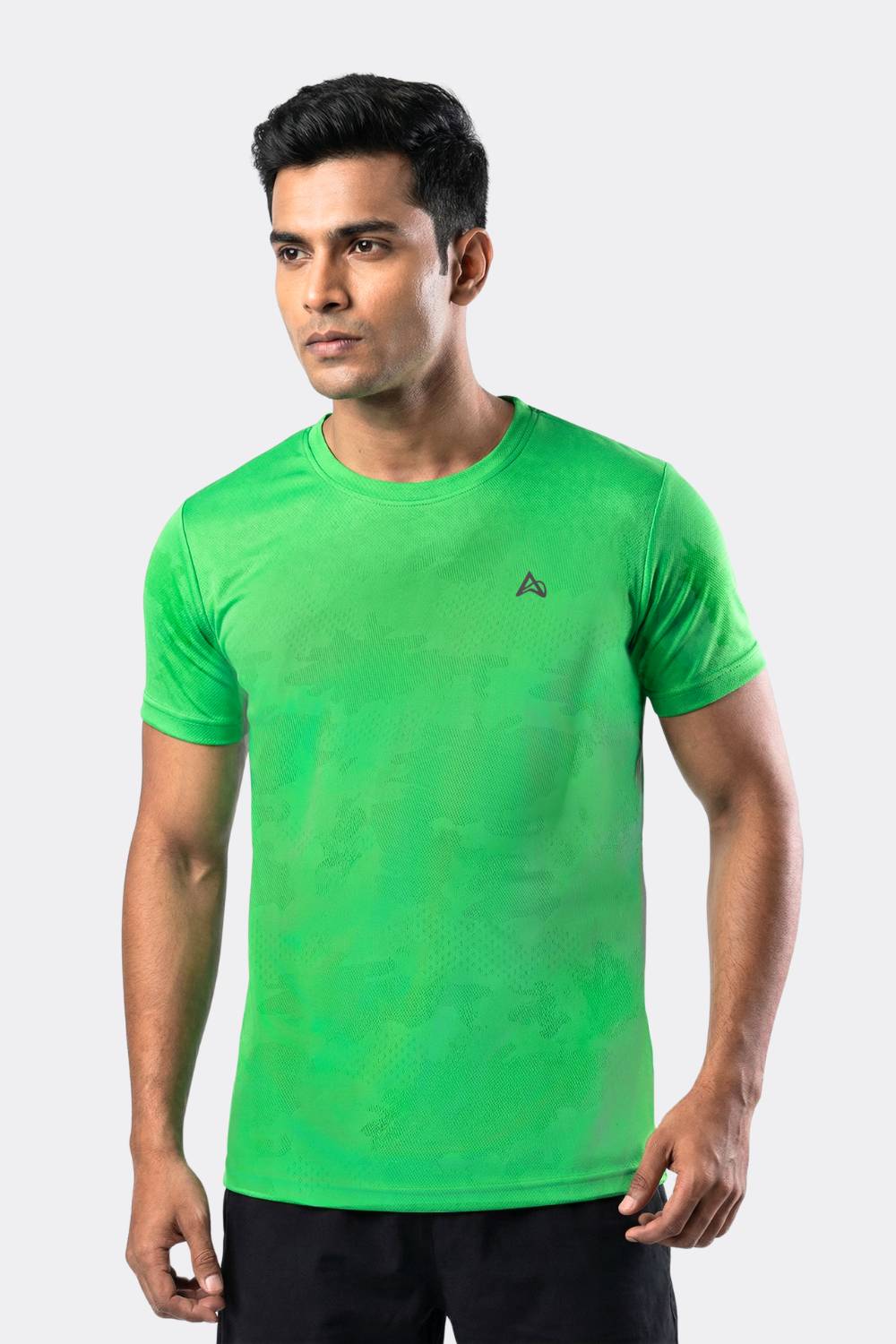
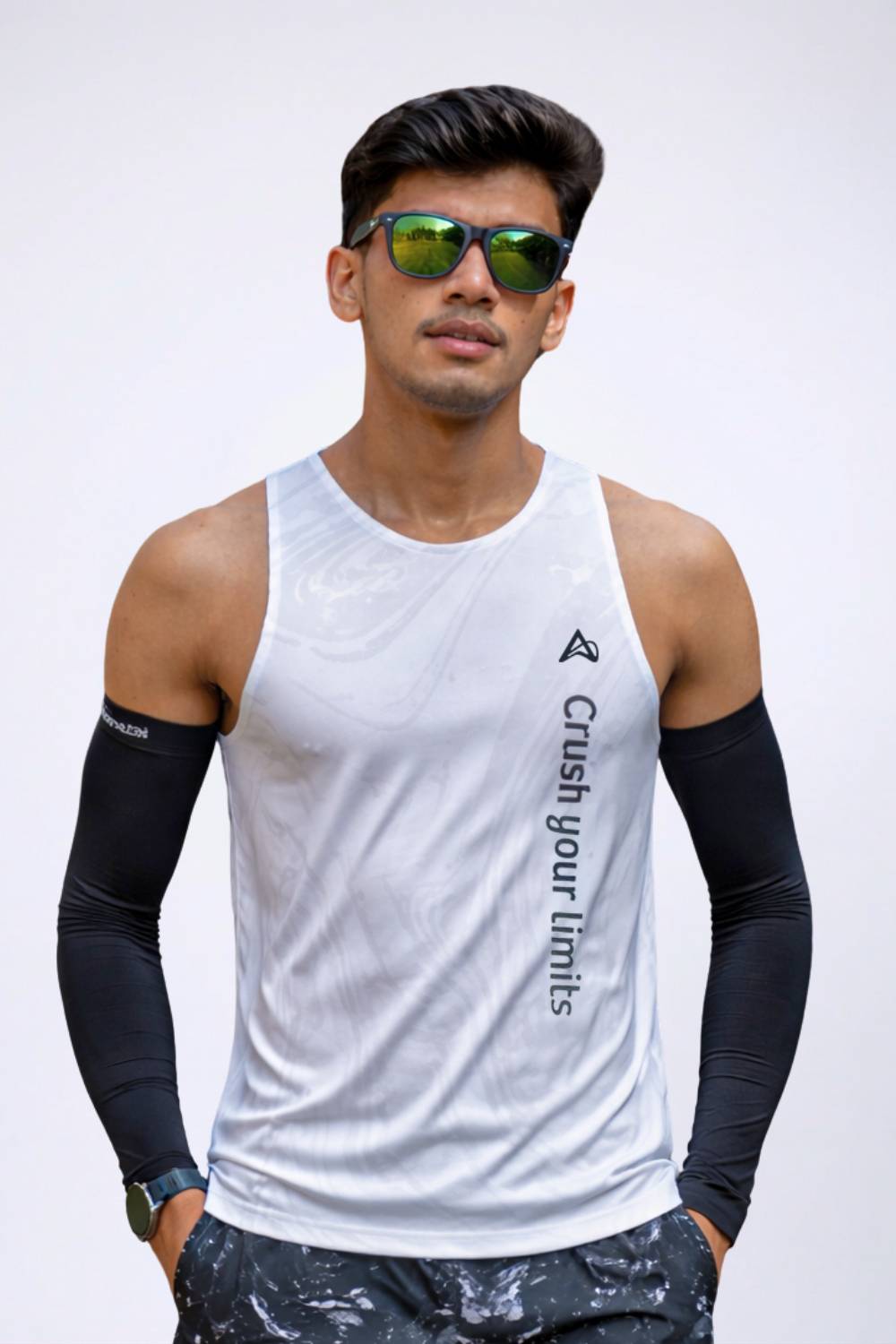

In the oppressive grip of humidity that defines summers from Miami to Mumbai, athletes and everyday movers push their limits, only to find sweat-soaked clothes sabotaging their efforts. Enter breathable apparel, touted as a game-changer for performance in steamy environments. Recent research and market trends reveal a nuanced picture: while innovative fabrics offer tangible benefits in micro-comfort, their broader impact on endurance remains limited against relentless heat stress. Yet, with the global apparel sector expanding rapidly, these technologies are poised to evolve, helping millions navigate a warming world.
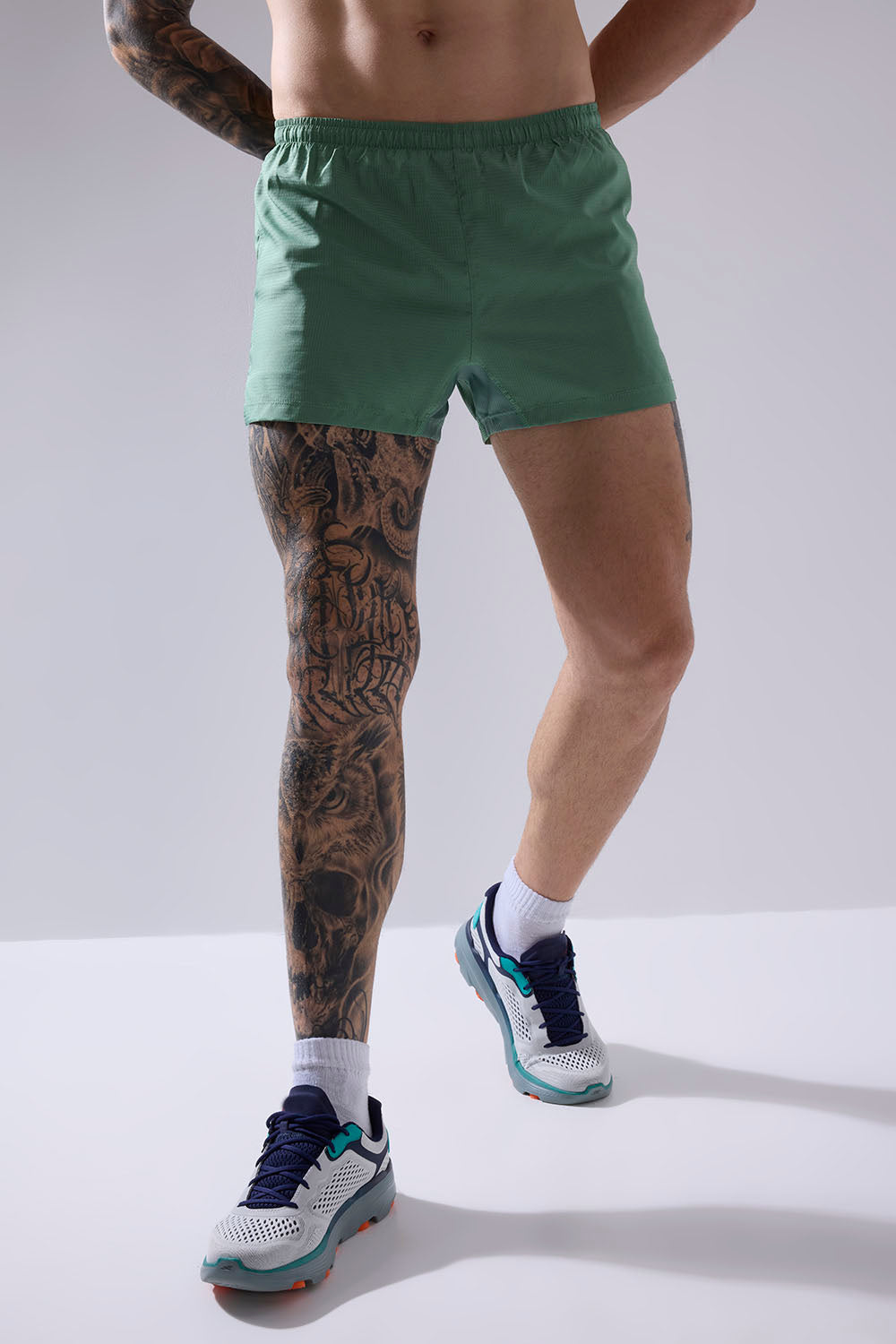
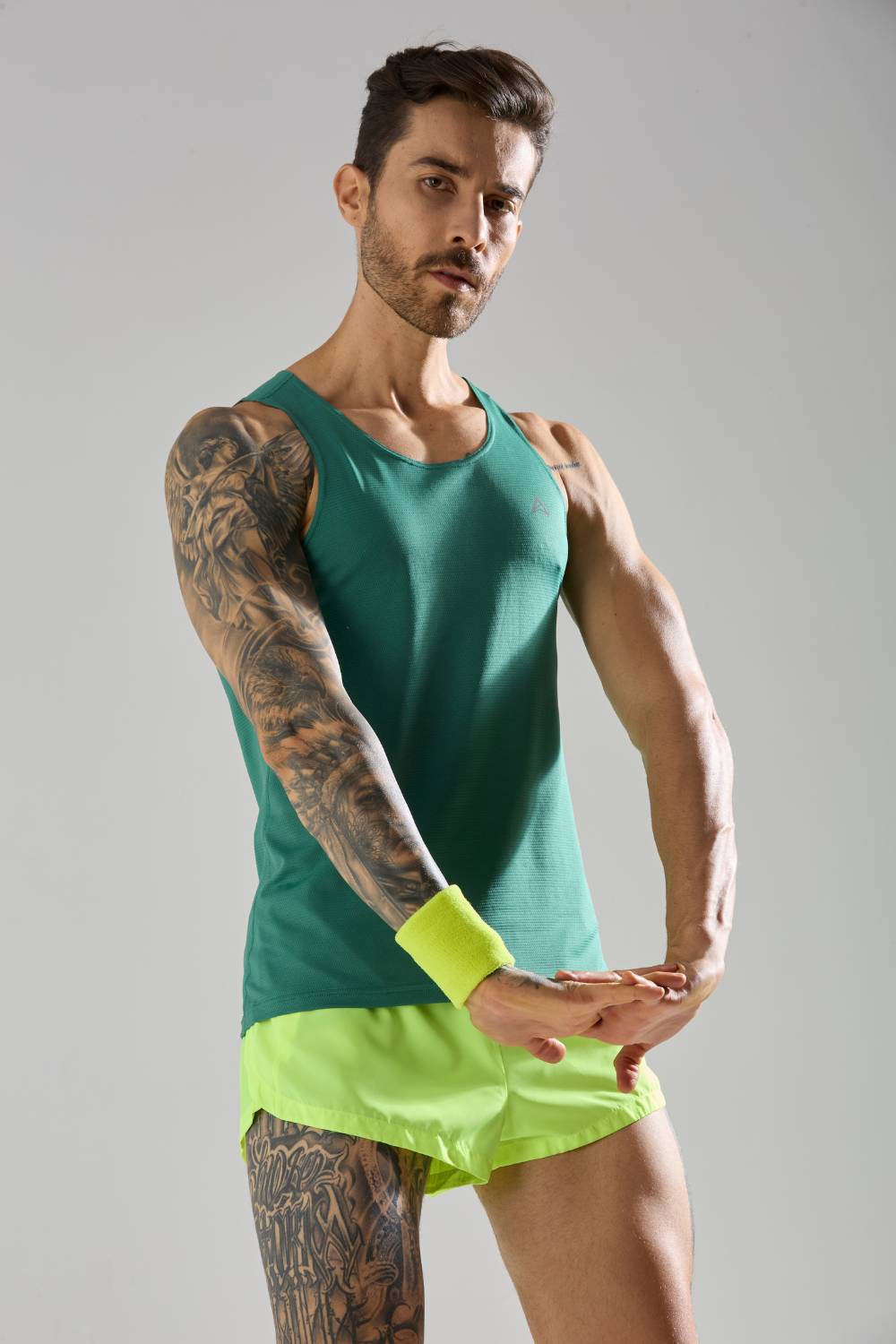
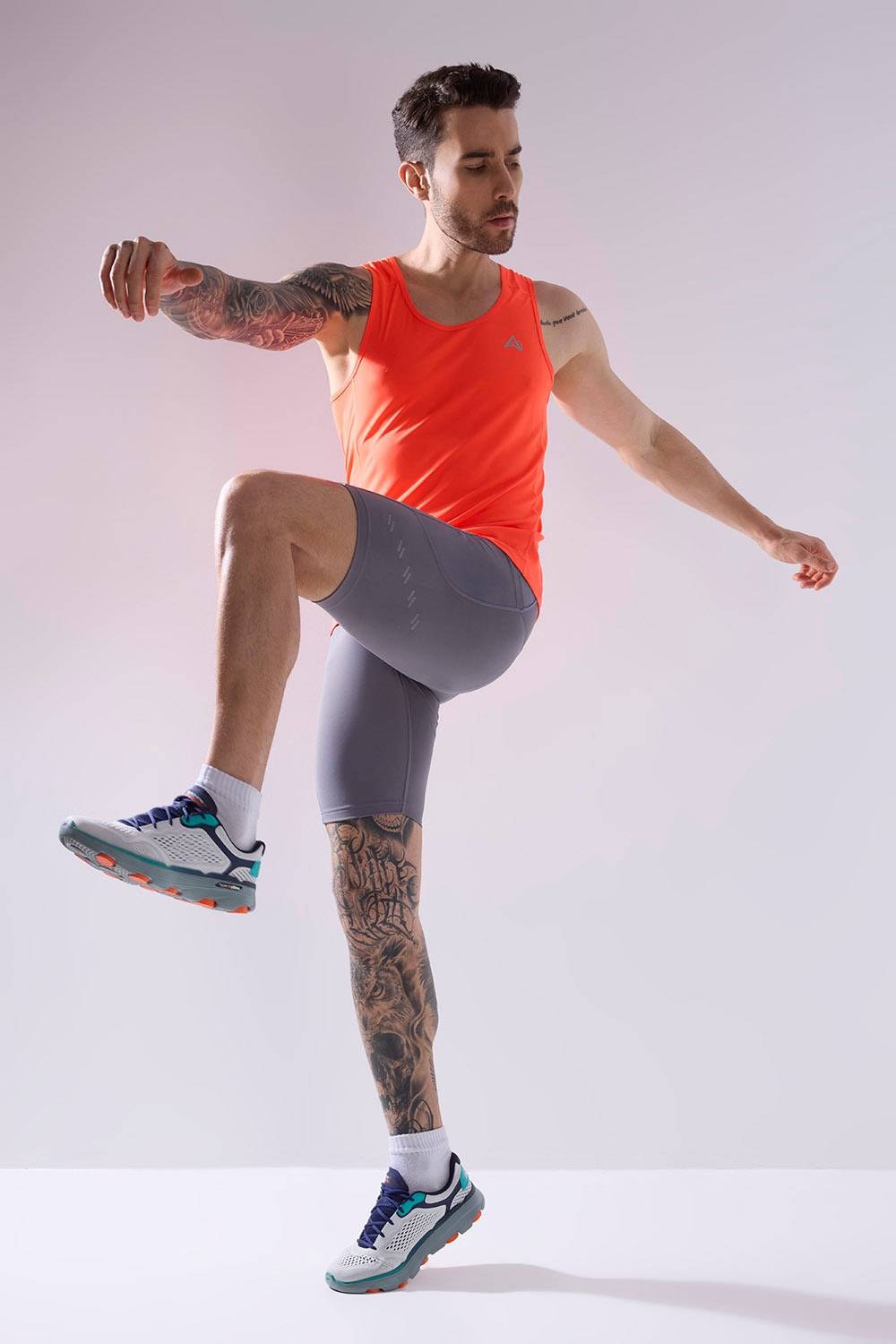
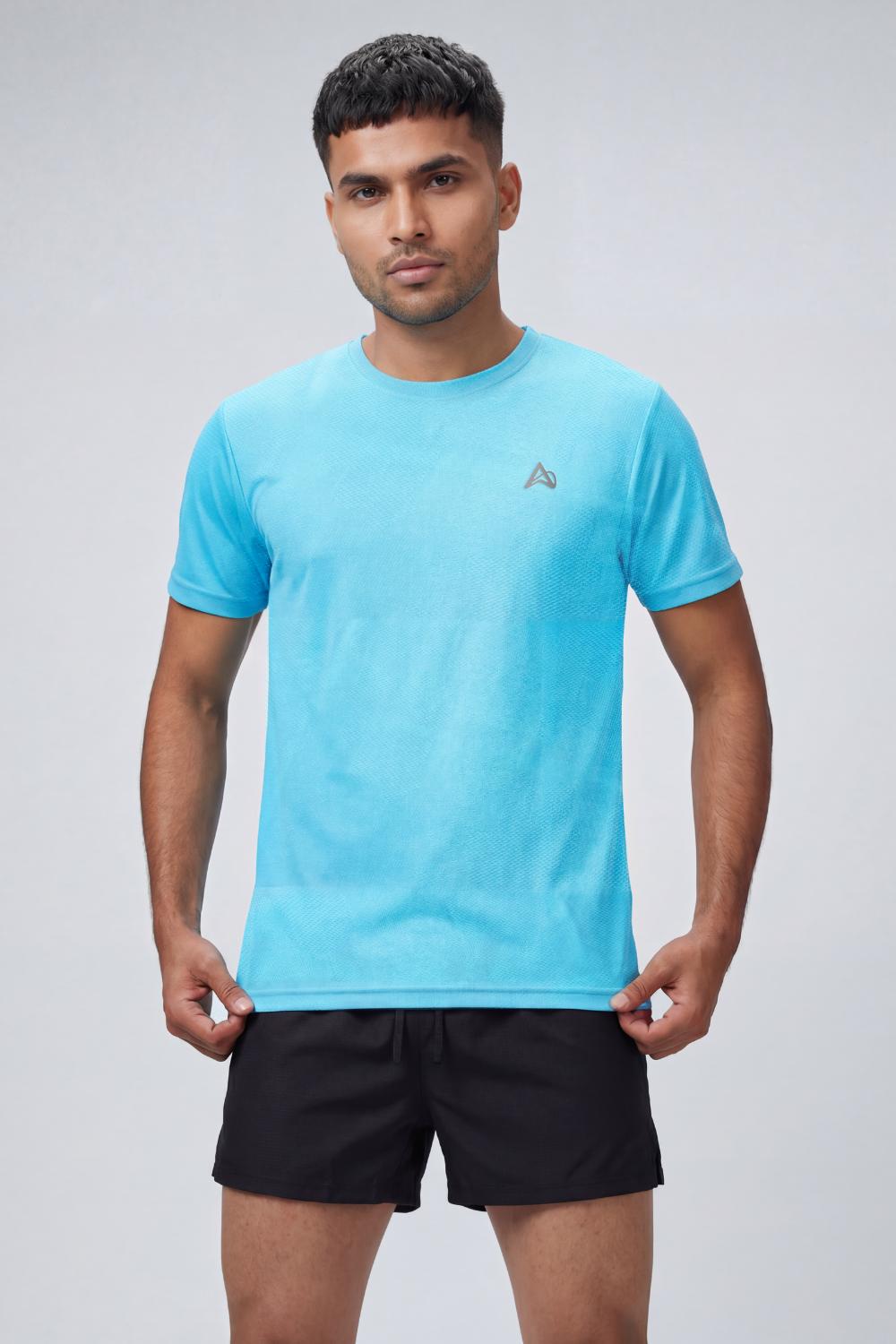
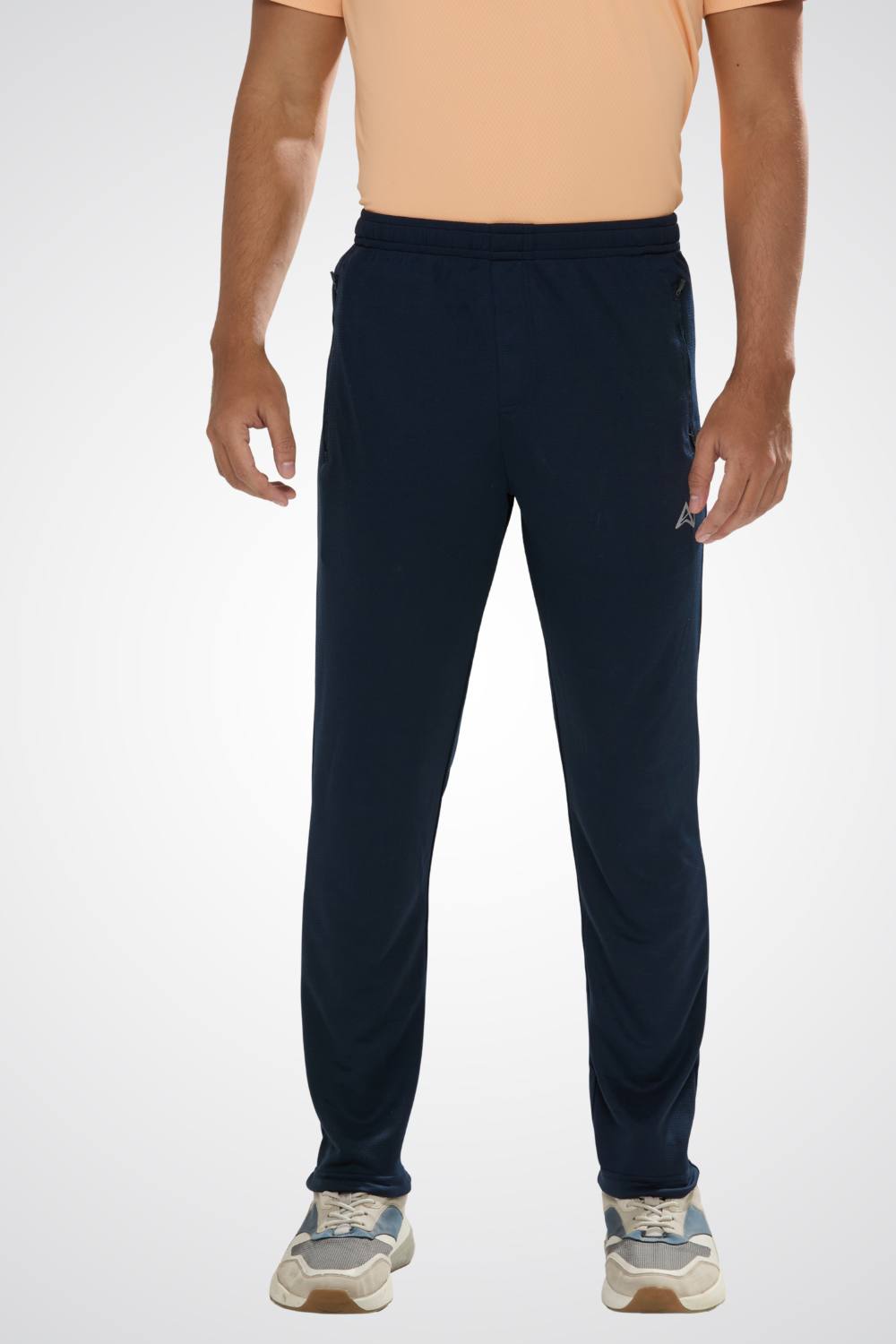
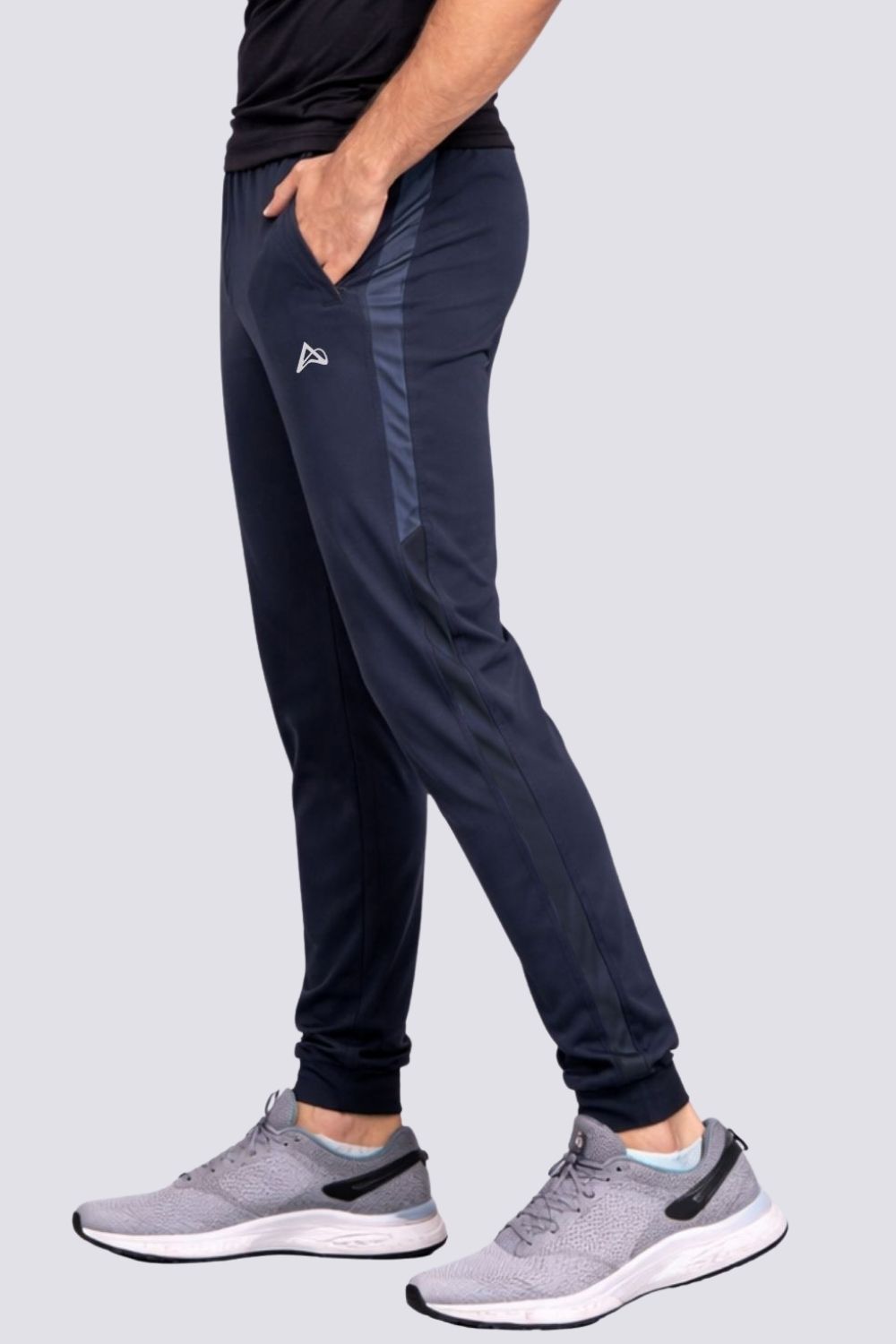
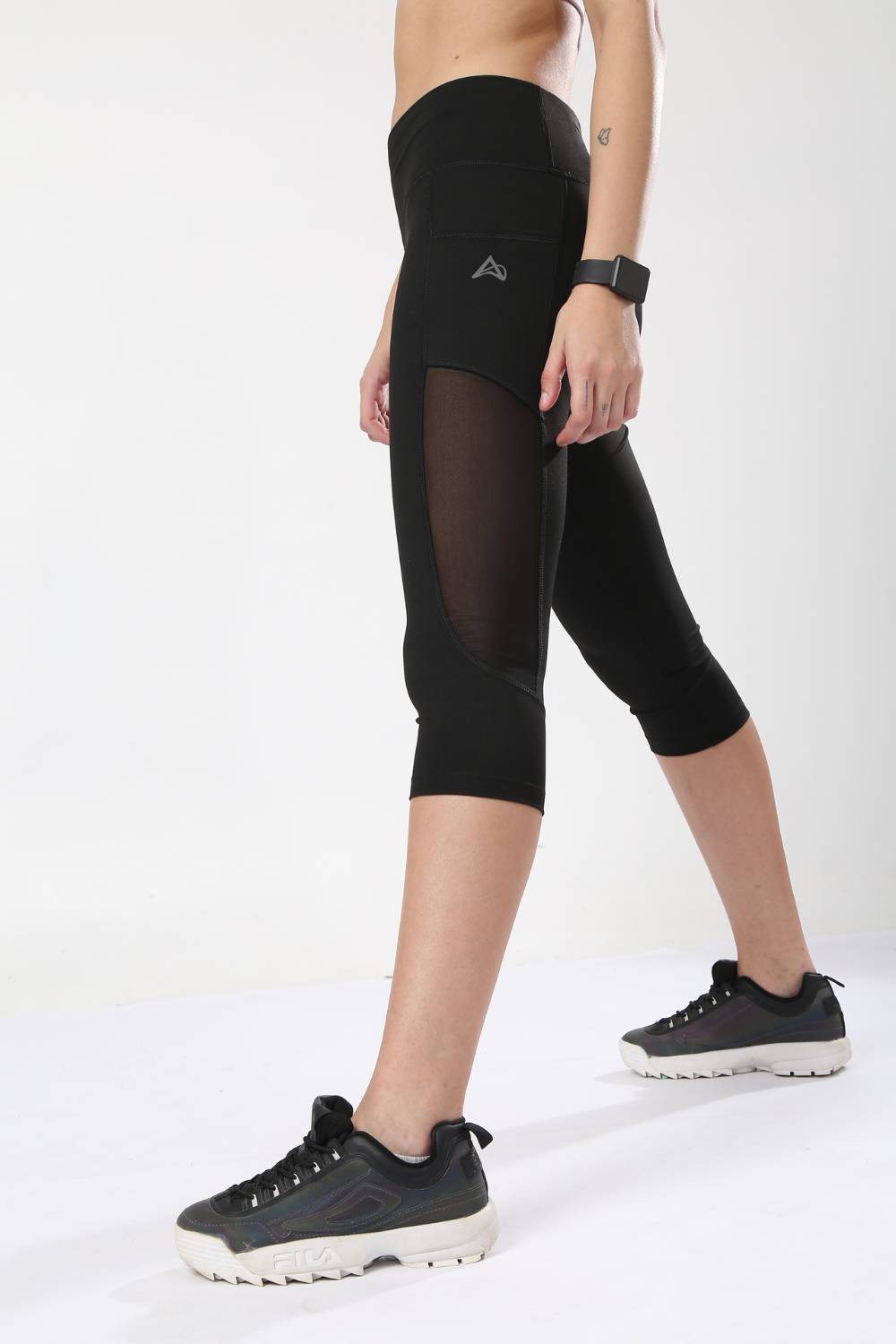
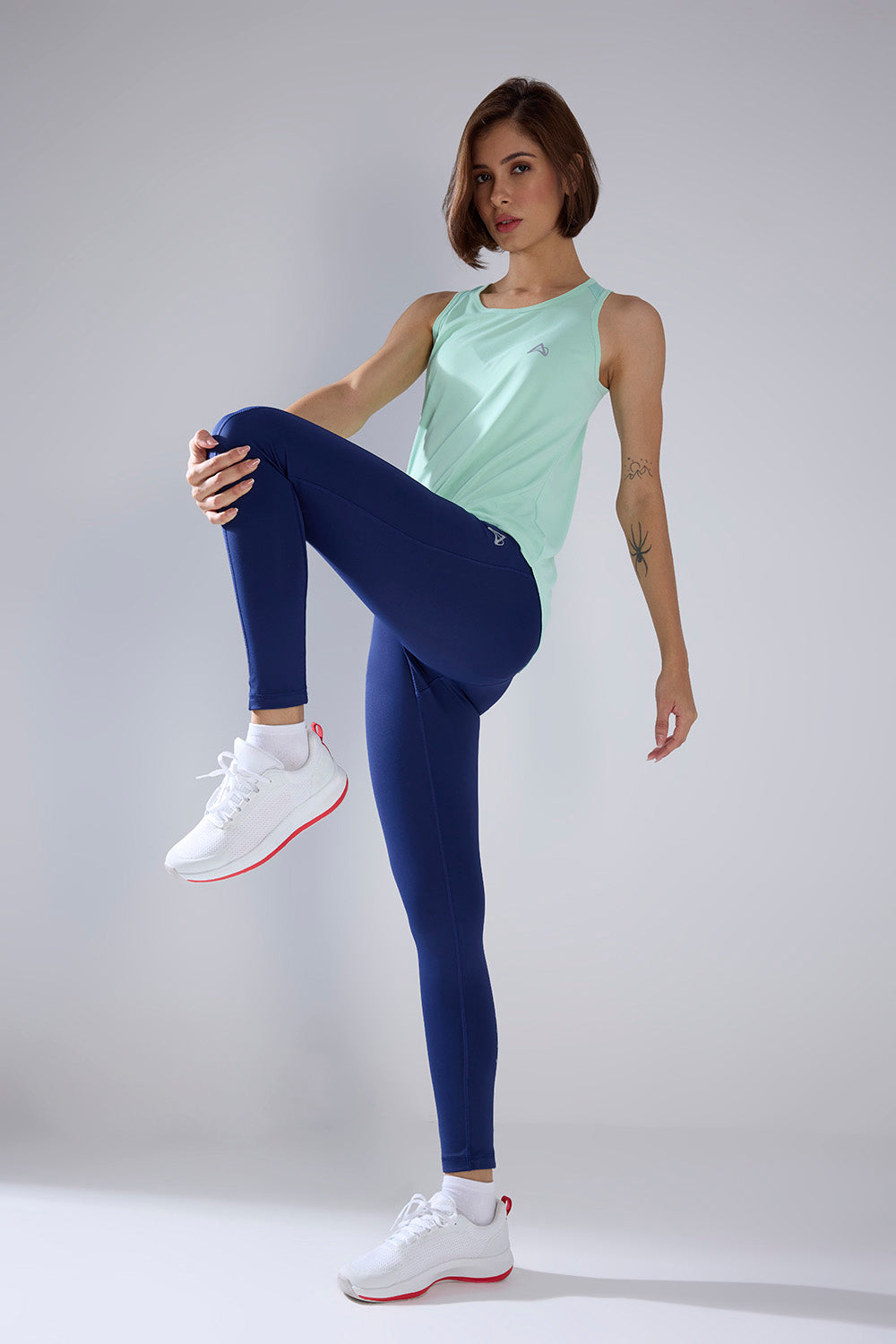
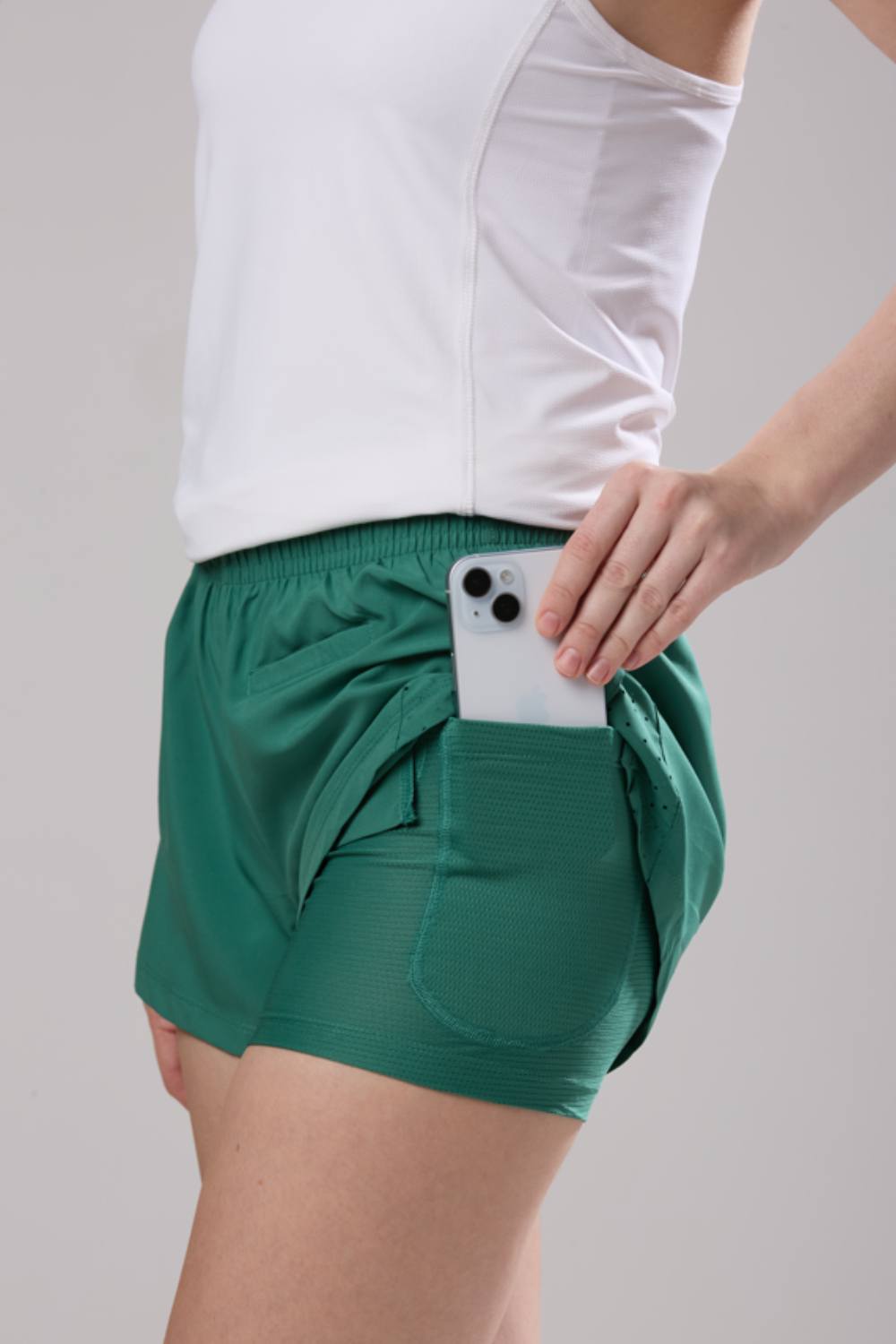
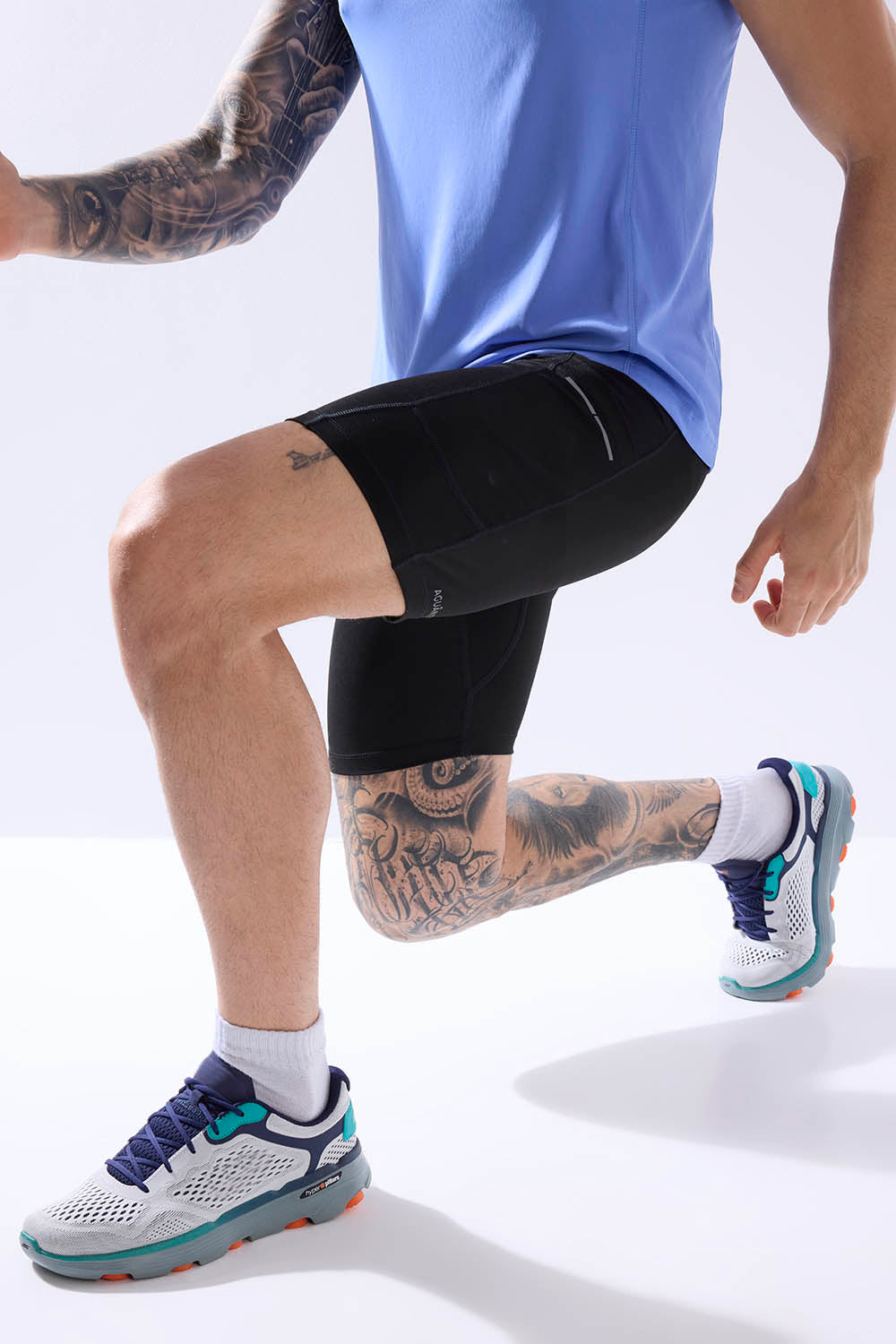
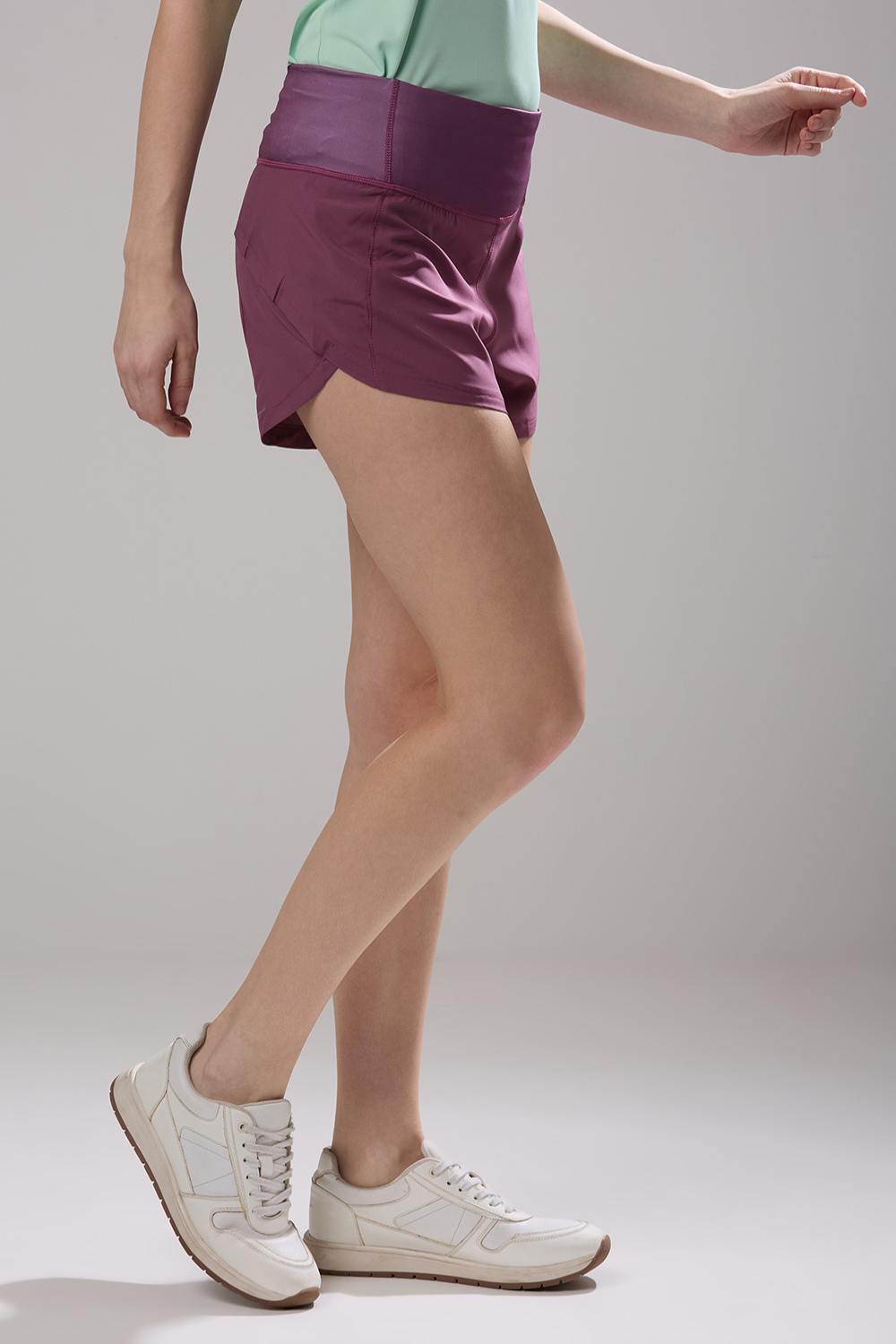
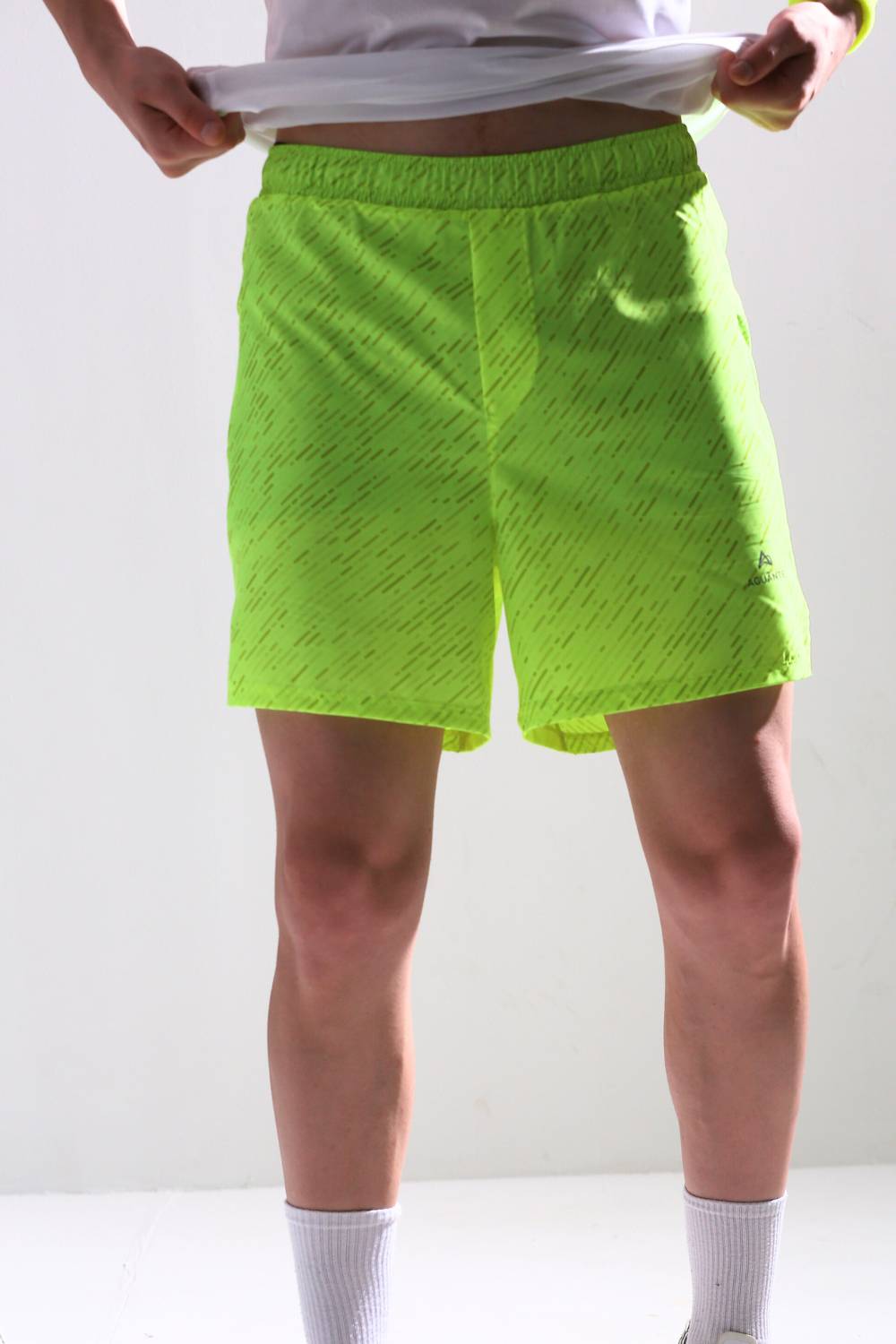
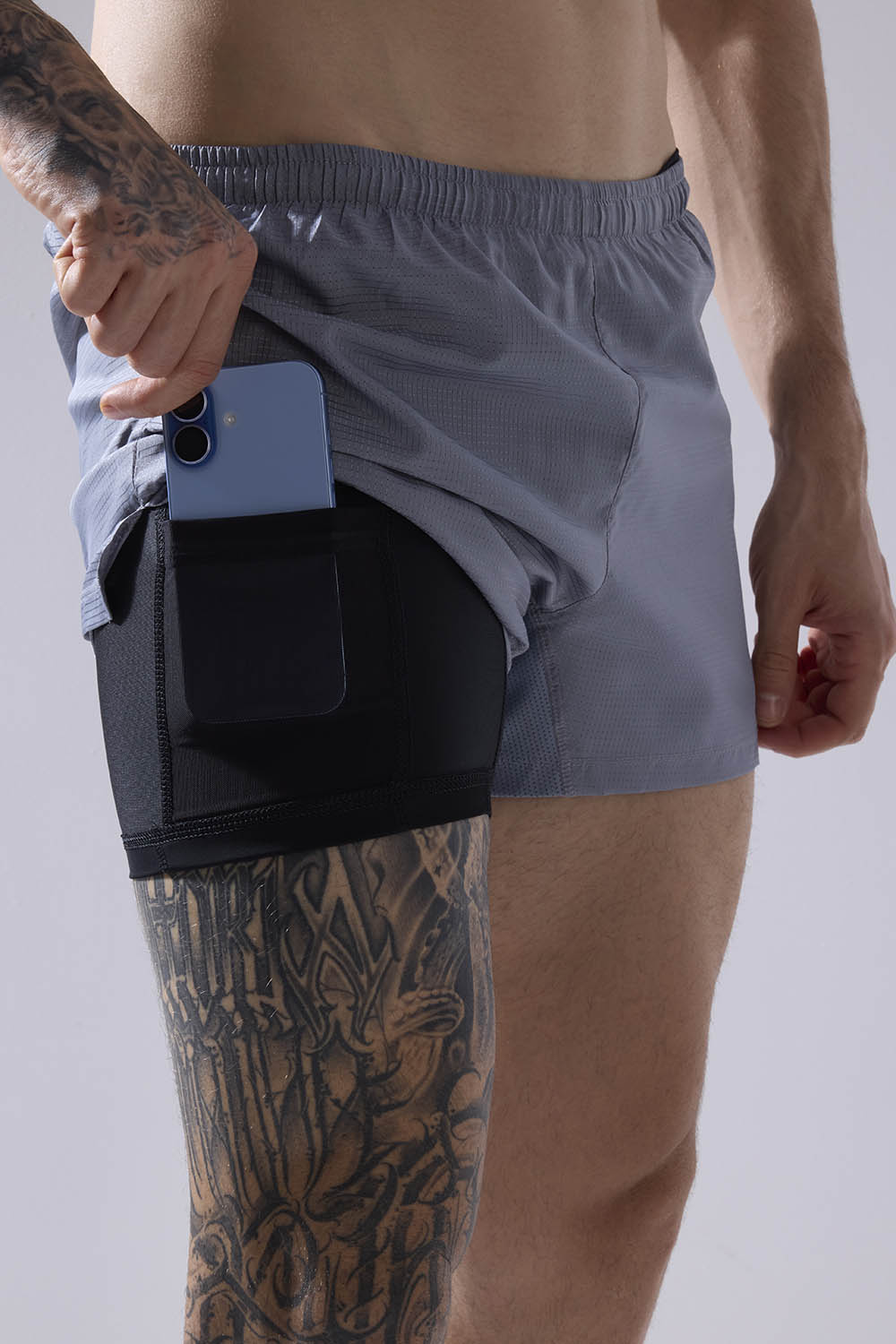
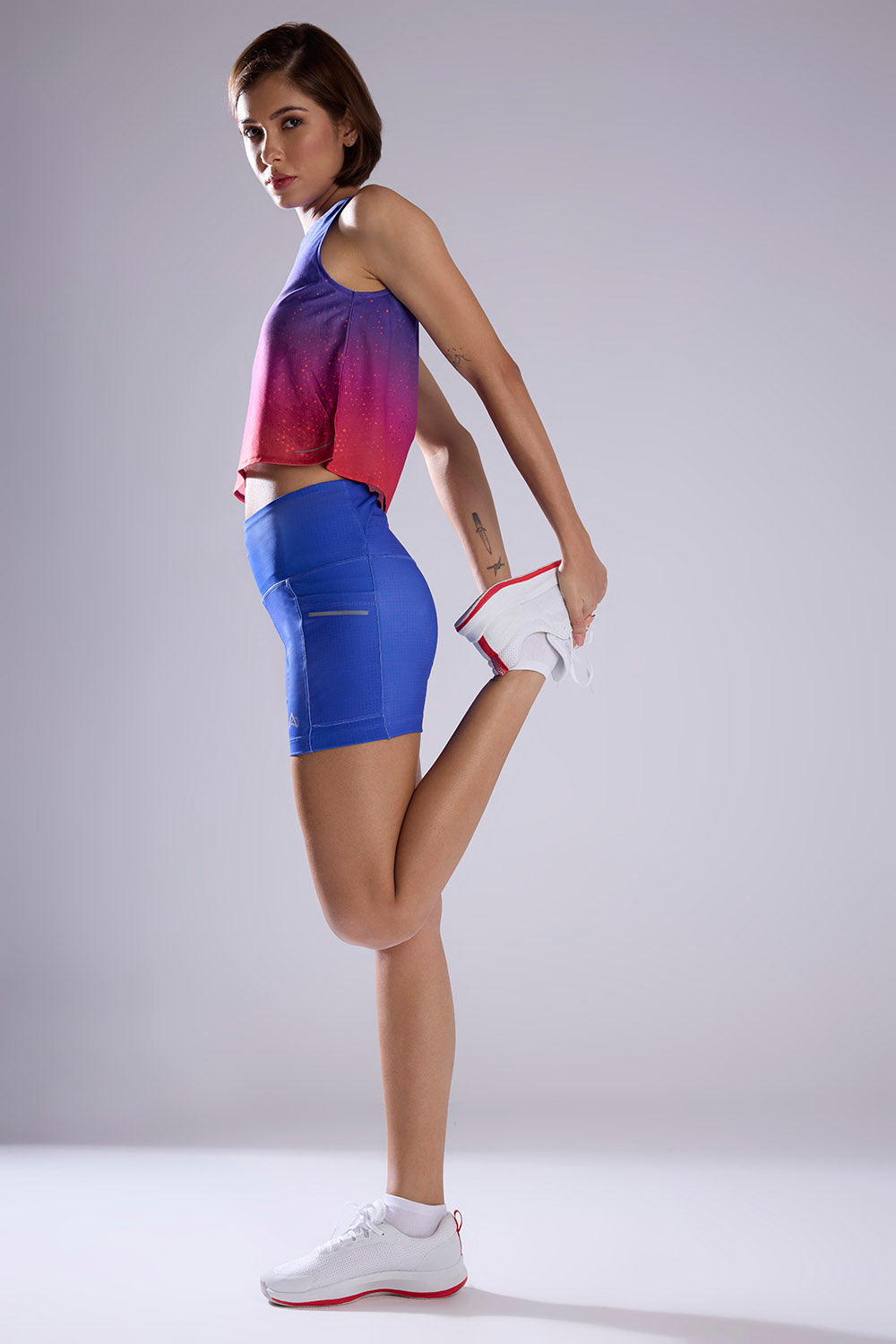
Tired of gear that slows you down? Chafing, soggy fabrics, and missing pockets kill your run's momentum. At Aguante, we're runners who get it. Our high-performance activewear features moisture-wicking fabrics, ergonomic designs, and smart storage to keep you focused. Shop Now!
Unpacking Breathability: How Fabrics Combat Humidity's Physiological Toll
Humidity doesn't just make you uncomfortable it disrupts the body's cooling mechanism. When air is saturated, sweat evaporates slowly, trapping heat and elevating risks like heat exhaustion. Breathable clothing aims to intervene by promoting airflow and moisture evaporation directly at the skin level, potentially preserving performance longer.
Consider a controlled experiment involving 11 experienced male distance runners tackling hot outdoor runs. Over two days, each participant completed back-to-back 30-minute jogging sessions, maintaining heart rates between 120 and 130 beats per minute. Using a single-blind, randomized crossover approach, they started in a standard polyester T-shirt (labeled CON) before switching to either another CON or the innovative Dry Aeroflow (DAF) fabric, specifically crafted to boost ventilation when saturated with perspiration.
To mitigate variables from unpredictable weather, scientists first verified consistency across initial sessions on both days, finding no notable differences in key metrics. The results? The DAF shirt notably bettered the immediate clothing environment and slightly reduced skin temperatures in targeted areas. However, these improvements proved modest, failing to influence overall bodily regulation such as internal core temperature or total sweat output during the activity in scorching conditions.
High external temperatures continue to drive up core body heat (T_co), intensifying physical strain, diminishing output, and raising heatstroke dangers, the study emphasized. This highlights a critical insight for humid regions: apparel innovations can refine local comfort but often fall short against dominant environmental forces. For sources on this research, explore the detailed findings in the thermoregulatory responses study.
In practice, this means runners in tropical climates might feel less clammy mid-stride, but they shouldn't expect miracles on endurance. The trial's design real-world outdoor settings rather than labs adds credibility, accounting for wind, sun, and humidity fluctuations that indoor tests often ignore. Such marginal gains could still matter for prolonged activities, like marathons in Southeast Asia or trail runs in Central America, where every degree of cooling counts toward delaying fatigue.
Beyond athletics, construction workers or commuters in high-humidity zones face similar battles. Breathable gear could reduce skin irritation from trapped moisture, fostering better focus and safety. But experts caution: without addressing hydration and acclimatization, fabrics alone won't suffice. This balance underscores why understanding thermoregulation is key external heat overrides even advanced materials, demanding holistic strategies.
Market Dynamics: Fueling Innovation in Comfort-Driven Apparel
The push for better breathable tech isn't happening in a vacuum; it's propelled by a surging industry. Projections indicate the worldwide apparel sector will expand from USD 1.40 trillion in 2025 to USD 1.64 trillion by 2030, advancing at a compound annual growth rate of 3.16% over that span.
Key catalysts include rebounding consumer spending on non-essentials, accelerated online retail integration, and a growing demand for easy-wear items that prioritize ease amid economic pressures. In mature economies, rising costs erode buying power, yet comfort remains a priority, especially post-global disruptions.
Regionally, Asia Pacific holds the throne as the biggest player, while South America leads in expansion pace. A medium level of market consolidation sees competitors vying evenly, no single entity dominating. Younger generations shape preferences, seeking labels that merge trendy aesthetics with verifiable eco-conscious methods.
This ecosystem directly supports breathable advancements, as brands invest in moisture-managing fabrics to capture sustainability-minded buyers. For in-depth market analysis, review the comprehensive apparel market report. Climate shifts exacerbate humidity challenges, amplifying demand for such gear in vulnerable areas.
Digital channels have transformed access virtual fittings and e-commerce boom, allowing consumers to scout performance claims from home. Despite inflationary headwinds in affluent markets, the sector's resilience stems from these shifts, with functional apparel like sweat-enhancing shirts gaining traction. In South America's rapid growth, urban humidity drives adoption, turning necessities into market opportunities.
Major brands, though not ranked here, innovate relentlessly, blending polyester alternatives with bio-based materials. This not only meets comfort needs but aligns with global sustainability pushes, where Gen Z's influence can't be overstated they demand proof of environmental integrity alongside practicality.
Translating Science to Real-World Application: Benefits and Limitations
So, what does this mean for the average person sweating it out in humid locales? The runner study clarifies: enhanced ventilation in damp conditions refines the shirt's internal atmosphere and modestly cools surface skin, but doesn't overhaul systemic responses during intense efforts.
In sweltering setups, core heat climbs regardless, heightening strain and performance dips. Heatstroke threats loom larger, making the findings a sobering reality check. Still, those small edges less localized warmth could translate to reduced chafing or sustained motivation in daily routines, from cycling commutes in Bangkok to hiking in the Amazon basin.
Layer this with market insights: as discretionary budgets recover and digital platforms proliferate, comfort-focused lines thrive. Inflation may curb splurges in developed areas, but emerging markets like South America accelerate, embracing tech that tackles local climates head-on.
For athletes, combining breathable wear with training tweaks yields better results. The study's crossover methodology ensured robustness, isolating fabric effects amid outdoor chaos. Casual users benefit too think office workers in humid offices, where drier attire boosts productivity without altering core metrics dramatically.
Sustainability ties in seamlessly; younger demographics favor brands proving green credentials, fueling the 3.16% CAGR. Asia Pacific's dominance reflects dense populations in muggy zones, where such innovations hit home. Overall, while not revolutionary, breathable apparel adds a credible tool to humidity's arsenal, backed by verified data showing targeted improvements.
Future Horizons: Apparel Evolution Amid Rising Temperatures
Looking ahead, breathable technologies represent more than a niche they're a frontline response to climate-amplified humidity. The research affirms subtle microclimate enhancements and skin cooling from advanced shirts, yet stresses their boundaries in overriding heat stress that spikes core temperatures, strains physiology, and invites health risks during exertion.
With the apparel market barreling toward USD 1.64 trillion by 2030, expect accelerated R&D. Drivers like e-commerce growth, comfort prioritization, and eco-demands from youth will spur smarter fabrics, perhaps integrating sensors or adaptive fibers. South America's swift uptake signals where humidity-hardy gear will flourish first.
For now, informed adoption is key: select breathable options for that edge in local comfort, but pair with essentials like shade-seeking and fluid intake. In a heating planet, these insights empower resilience honoring science's limits while leveraging market-fueled progress. Ultimately, thriving in humid heat blends innovation, awareness, and respect for the body's signals, transforming sweaty struggles into strategic victories.
Frequently Asked Questions
Does breathable clothing actually improve athletic performance in humid weather?
Breathable fabrics like moisture-wicking polyester provide modest local benefits reducing skin temperature slightly and creating a more comfortable microclimate against your skin. However, research shows these improvements don't significantly impact overall thermoregulation, core body temperature, or total sweat output during intense exercise in hot, humid conditions. While you may feel less clammy, the garments alone won't dramatically boost endurance when external heat remains the dominant factor.
What's driving the growth of breathable and moisture-wicking apparel in the global market?
The global apparel market is projected to grow from $1.40 trillion in 2025 to $1.64 trillion by 2030, fueled by recovering consumer spending, booming e-commerce, and demand for comfort-focused clothing. Younger generations, particularly Gen Z, are seeking brands that combine functional performance features with verified sustainability credentials. Asia Pacific leads as the largest regional market, while South America shows the fastest expansion, driven by urban populations in high-humidity climates seeking practical solutions.
Who benefits most from wearing breathable fabric in humid environments?
Beyond athletes, anyone regularly exposed to humid conditions can benefit including construction workers, outdoor commuters, and office workers in poorly ventilated spaces. Breathable apparel reduces skin irritation from trapped moisture, minimizes chafing, and improves overall comfort during prolonged activities like marathons in Southeast Asia or daily commutes in tropical cities. However, experts emphasize that breathable clothing works best when combined with proper hydration, acclimatization strategies, and heat management practices rather than relying on fabric technology alone.
Disclaimer: The above helpful resources content contains personal opinions and experiences. The information provided is for general knowledge and does not constitute professional advice.
You may also be interested in: Running Apparel Designed for Indias Hot and Humid Climate
Tired of gear that slows you down? Chafing, soggy fabrics, and missing pockets kill your run's momentum. At Aguante, we're runners who get it. Our high-performance activewear features moisture-wicking fabrics, ergonomic designs, and smart storage to keep you focused. Shop Now!
Powered by flareAI.co