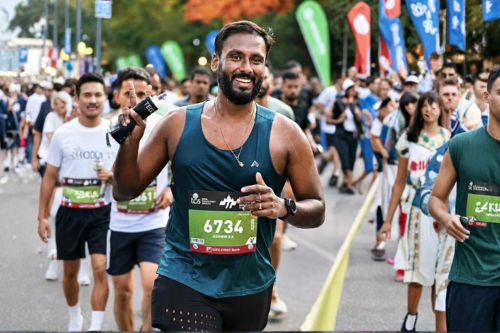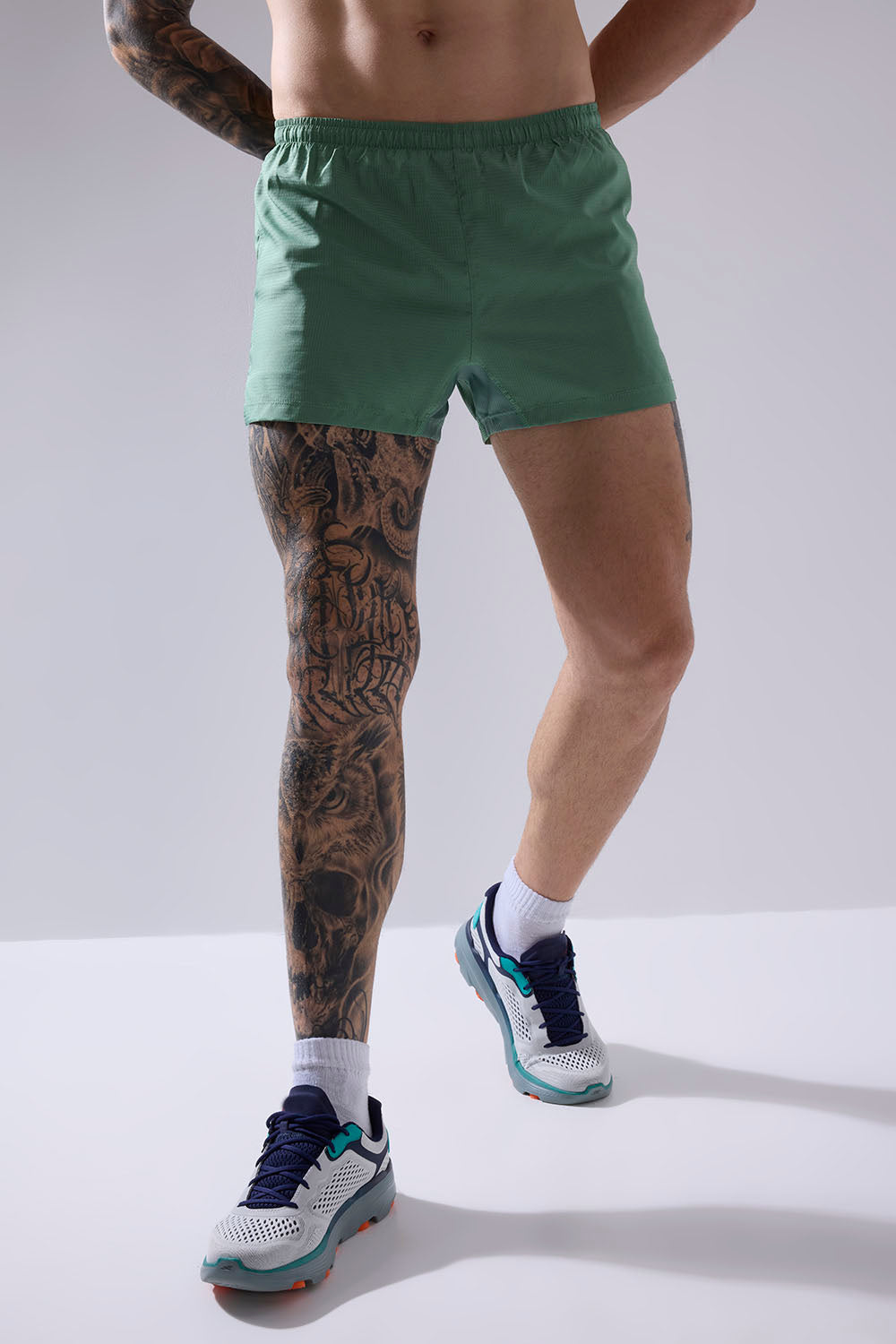
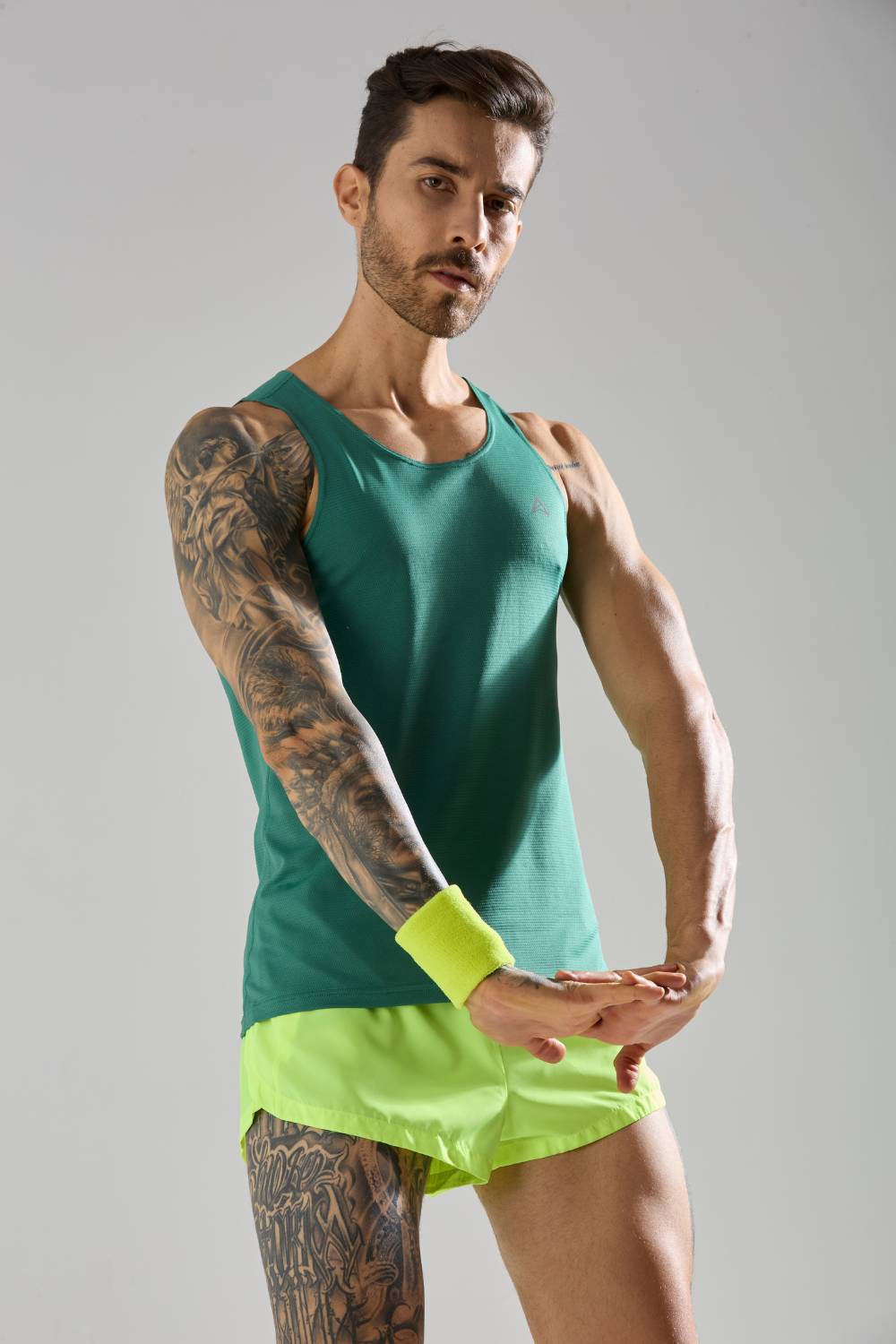
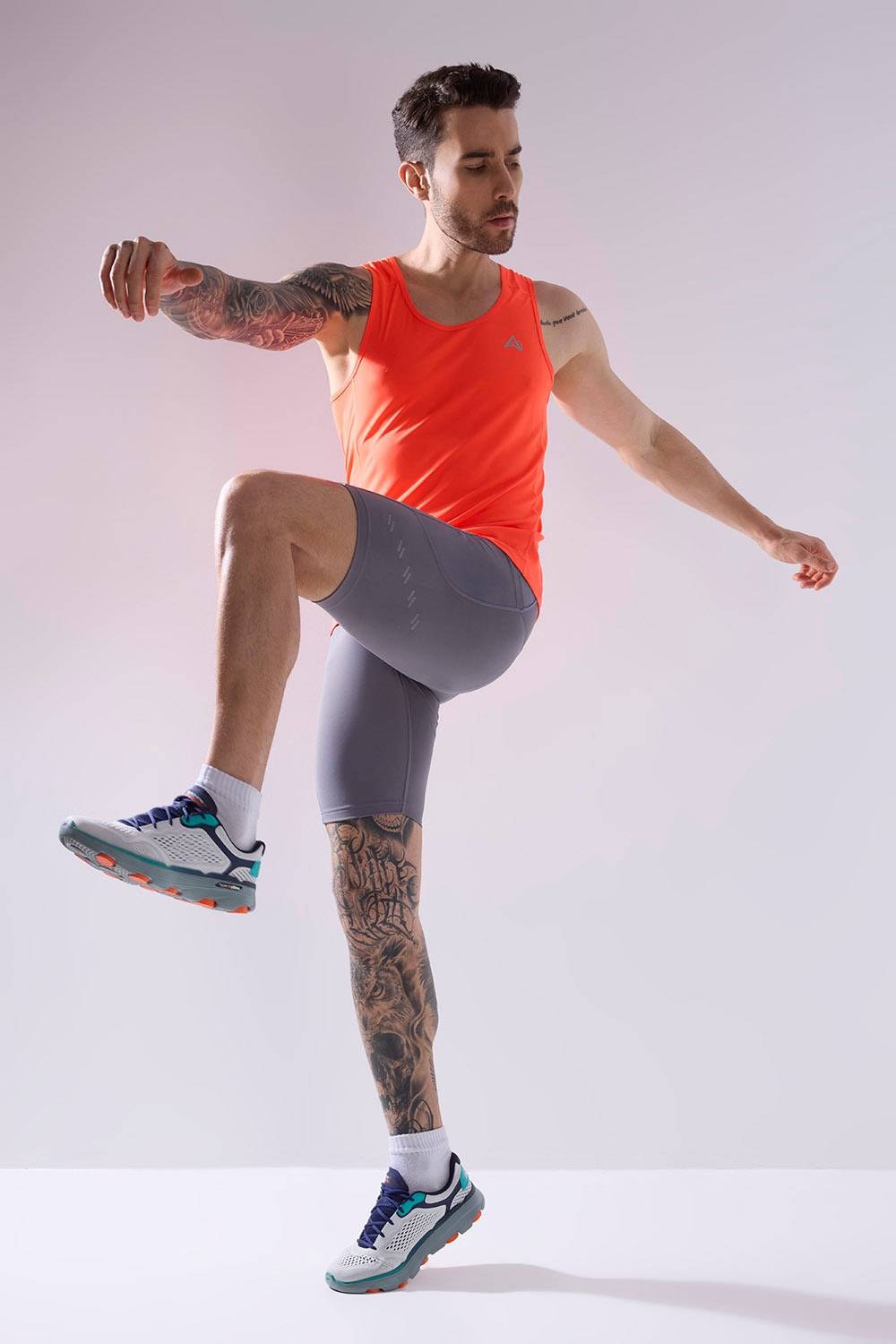
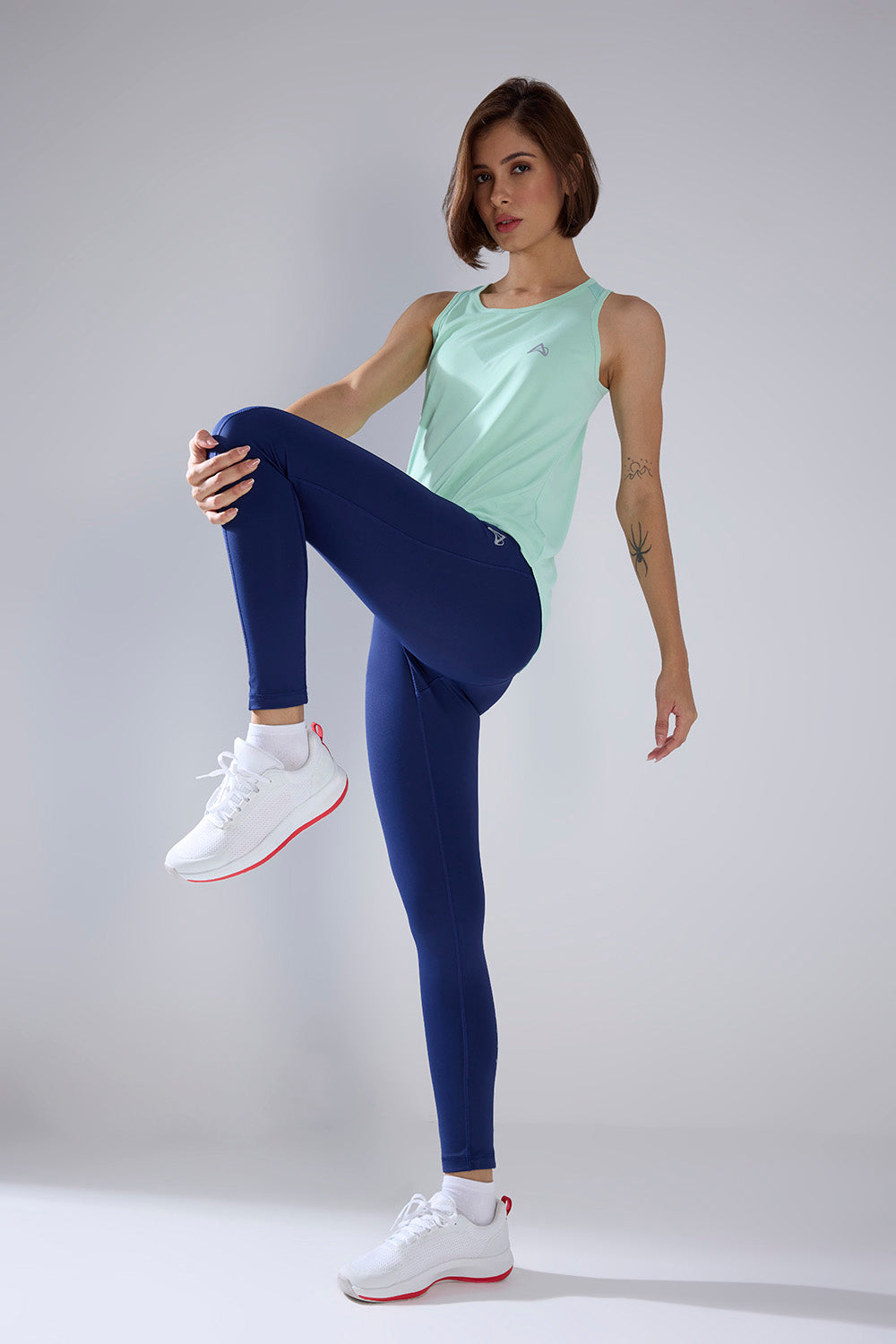

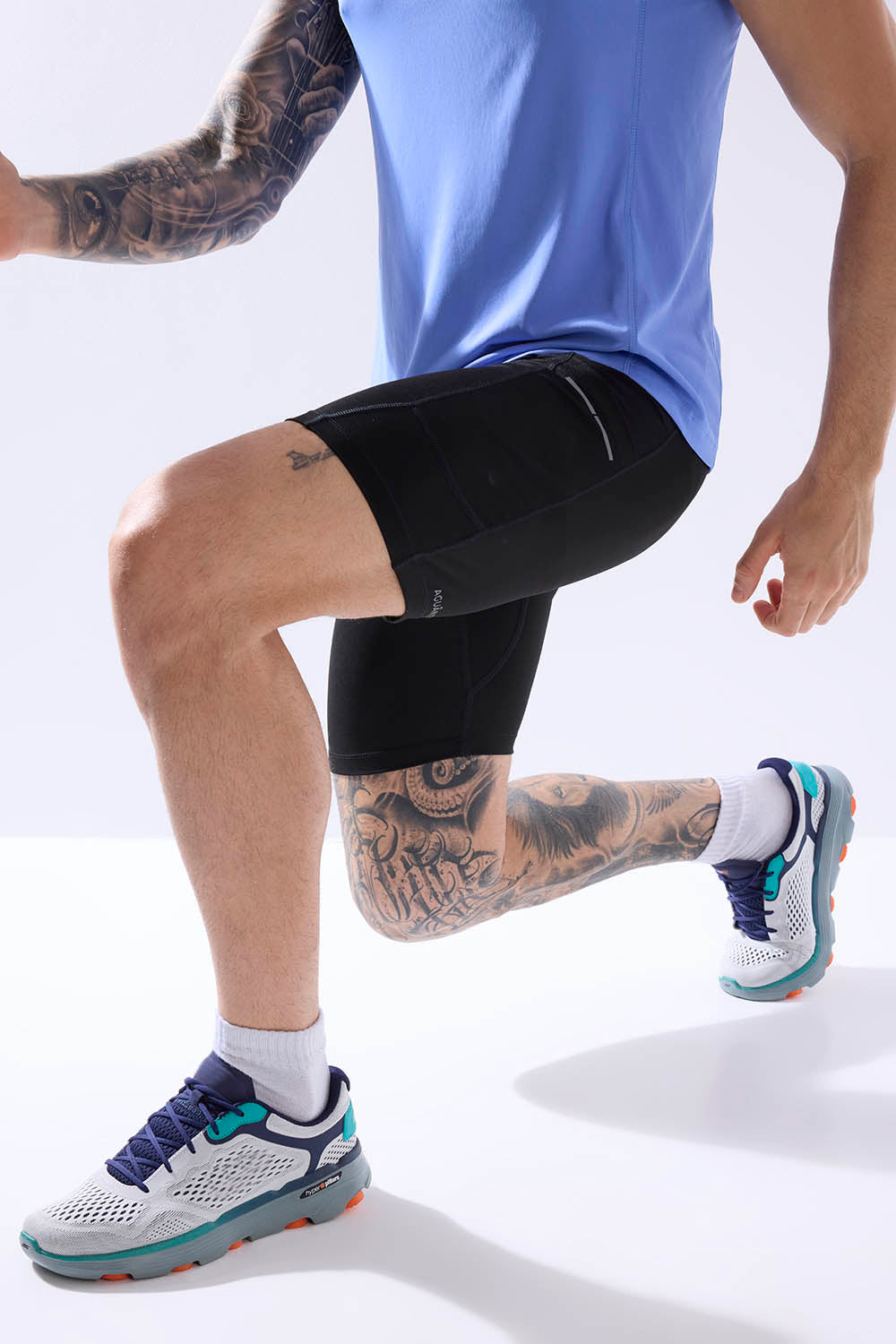
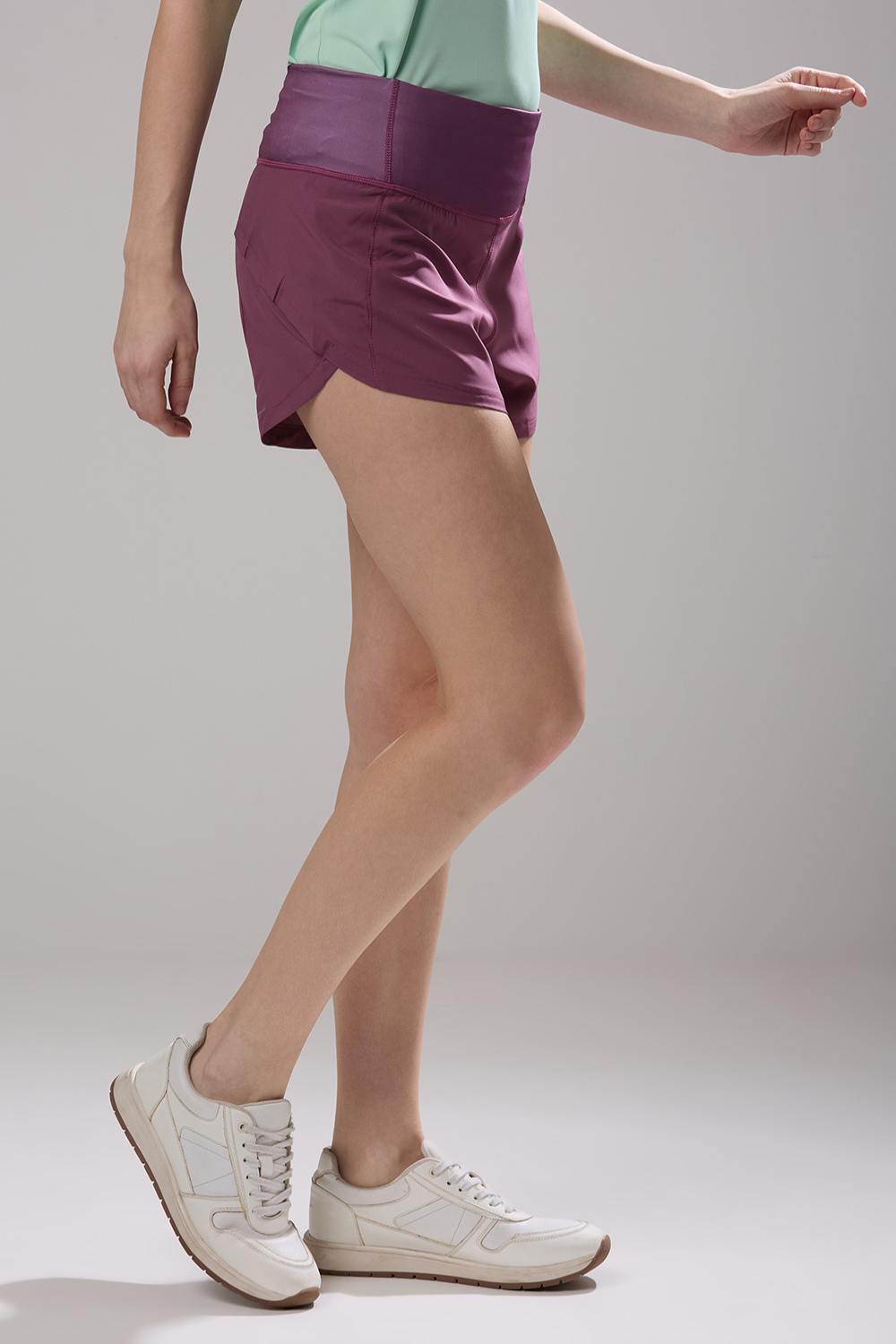




Envision pulling on leggings crafted from reclaimed ocean plastics before a morning jog, experiencing not only ease of movement but a profound sense of purpose. In an era where fitness apps track sporadic efforts and resolutions dissolve swiftly, consider how your attire might serve as a steadfast ally in building enduring routines. Sustainable activewear bridges fashion, ethics, and wellness, cultivating commitments that endure far beyond initial enthusiasm.
The intersection of physical activity and ecological responsibility arrives at a pivotal moment. Heightened ecological consciousness prompts individuals to evaluate their wardrobes with the rigor applied to training regimens. At its essence, sustainable apparel integrates ecological, societal, and financial considerations via green manufacturing techniques, alongside renewable, reclaimable, or decomposable resources. Such practices diminish reliance on finite assets, lessen adverse ecological effects, and advance equitable practices. Within the realm of performance wear, this manifests as versatile athleisure suited for intense exercises and casual wear, fabricated sans harmful substances from items like biological cotton or repurposed polymers.
Data underscores this transformation convincingly. The worldwide athleisure sector reached USD 358.07 billion in 2023, anticipated to expand to USD 662.56 billion by 2030, advancing at a CAGR of 9.3% from 2024 to 2030. Enthusiasm among youth for athletics and outdoor pursuits propels this demand. North America commanded 40.81% of revenues in 2023, with the U.S. holding 89.3% regionally. Shirts and t-shirts claimed 38.51% product share, mass categories 66.12%. The eco-focused athleisure segment, valued at USD 90.62 billion in 2022, is forecasted to hit USD 134.67 billion by 2031 at a 4.5% CAGR over 2023–2031, bolstered by online retail growth and workplace health programs. Another projection sees it at USD 176.05 billion by 2030, surging at 12.5% CAGR from 2025, fueled by millennial preferences for safe, green activewear.
This relevance to sustained fitness lies in psychological alignment. Wearing items that echo personal principles environmentally sound and morally grounded generates cascading benefits. Research indicates 67% of buyers prioritize sustainable materials in athletic apparel, elevating such options to everyday norms. Notably, 57% are willing to mend gear for prolonged utility, reflecting a dedication to durability akin to consistent training. Far from transient fads, this builds foundational practices where attire bolsters determination.
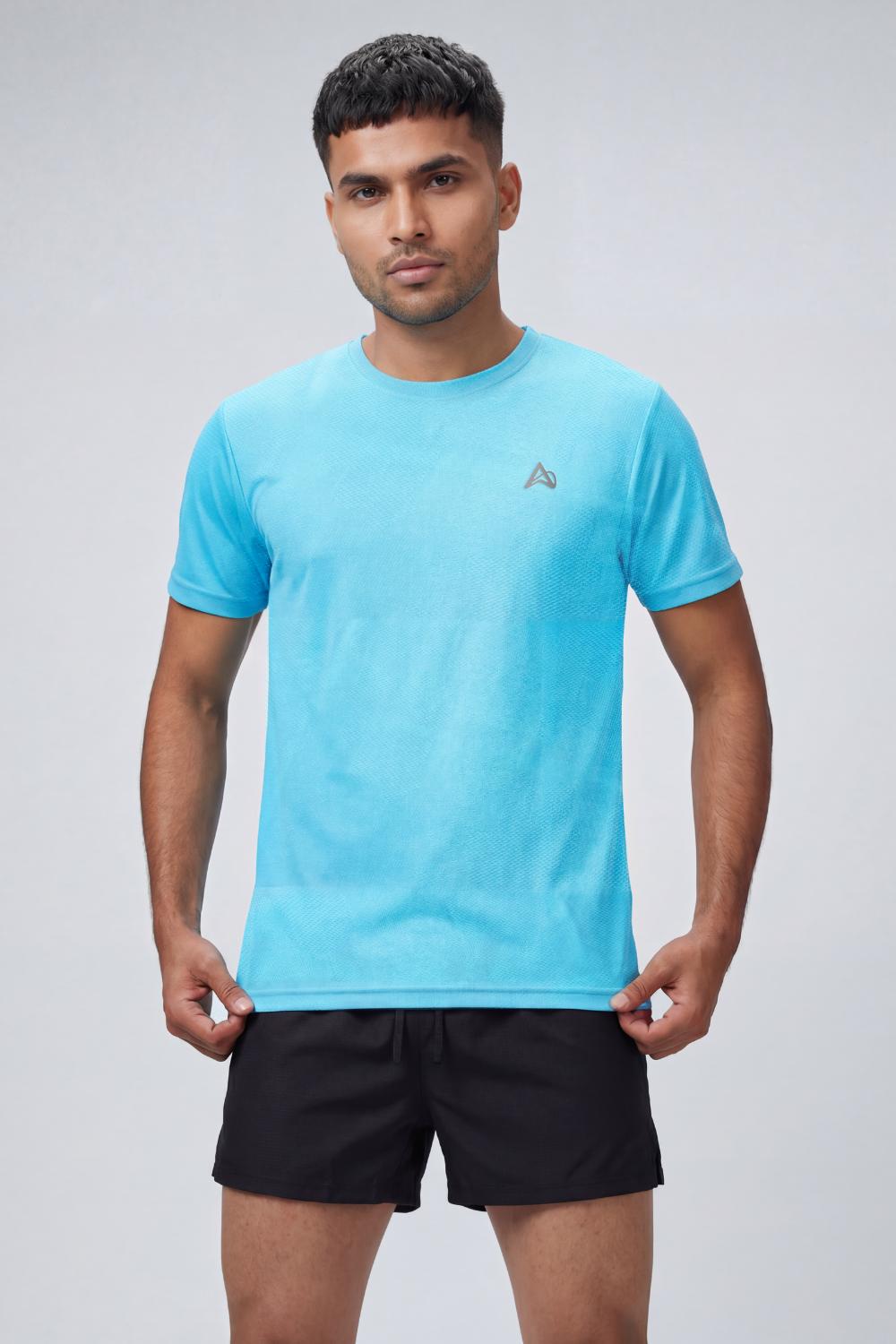
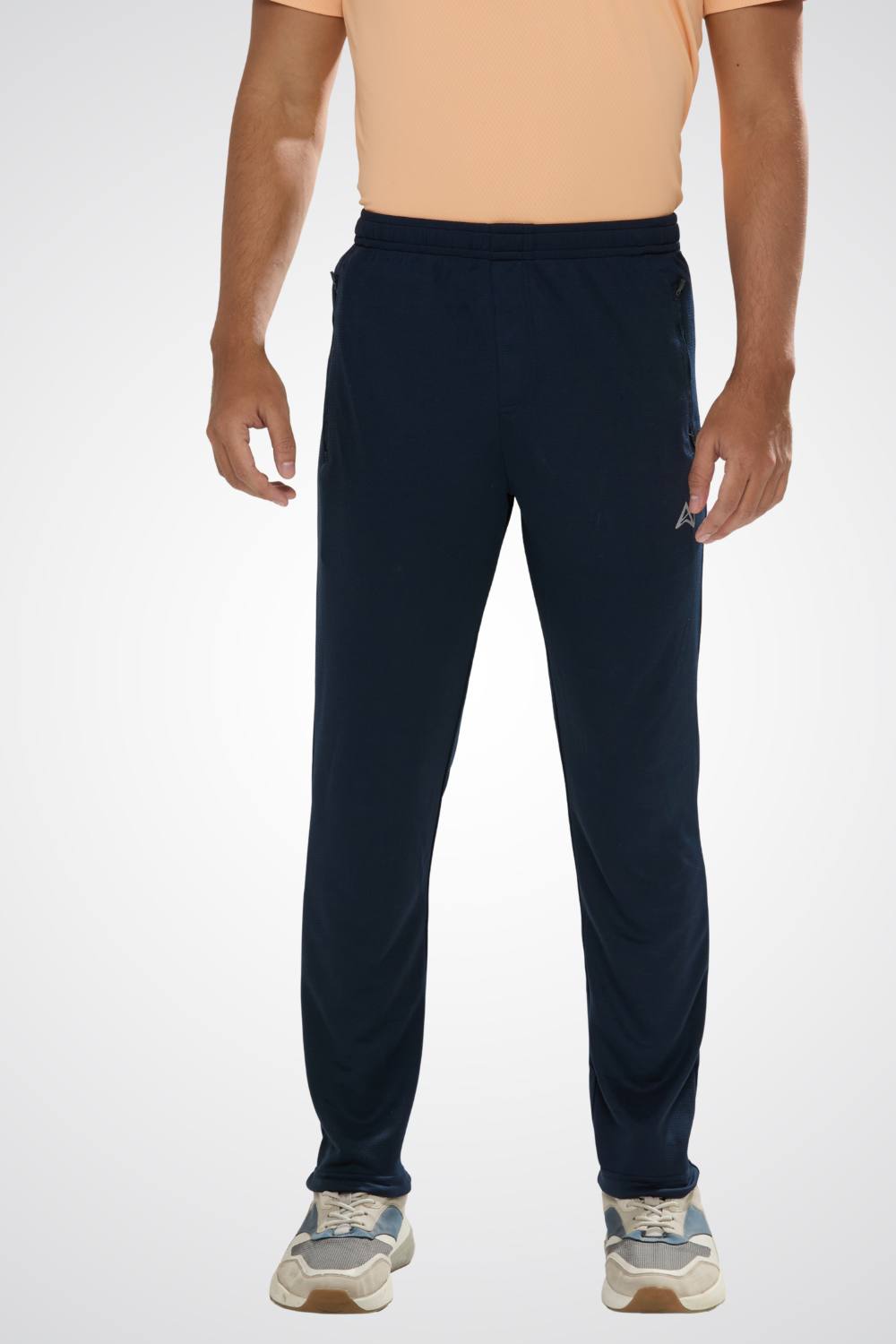
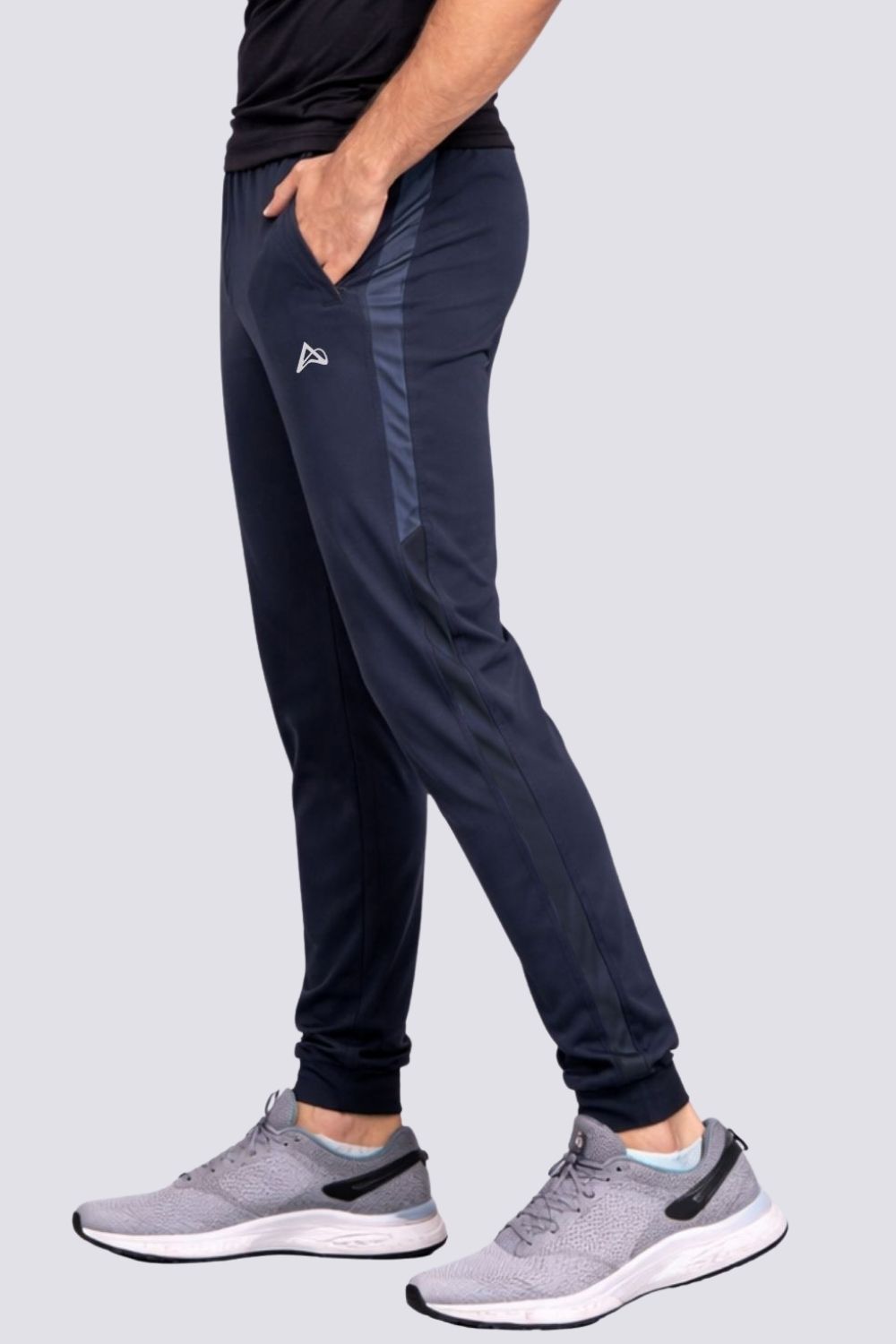
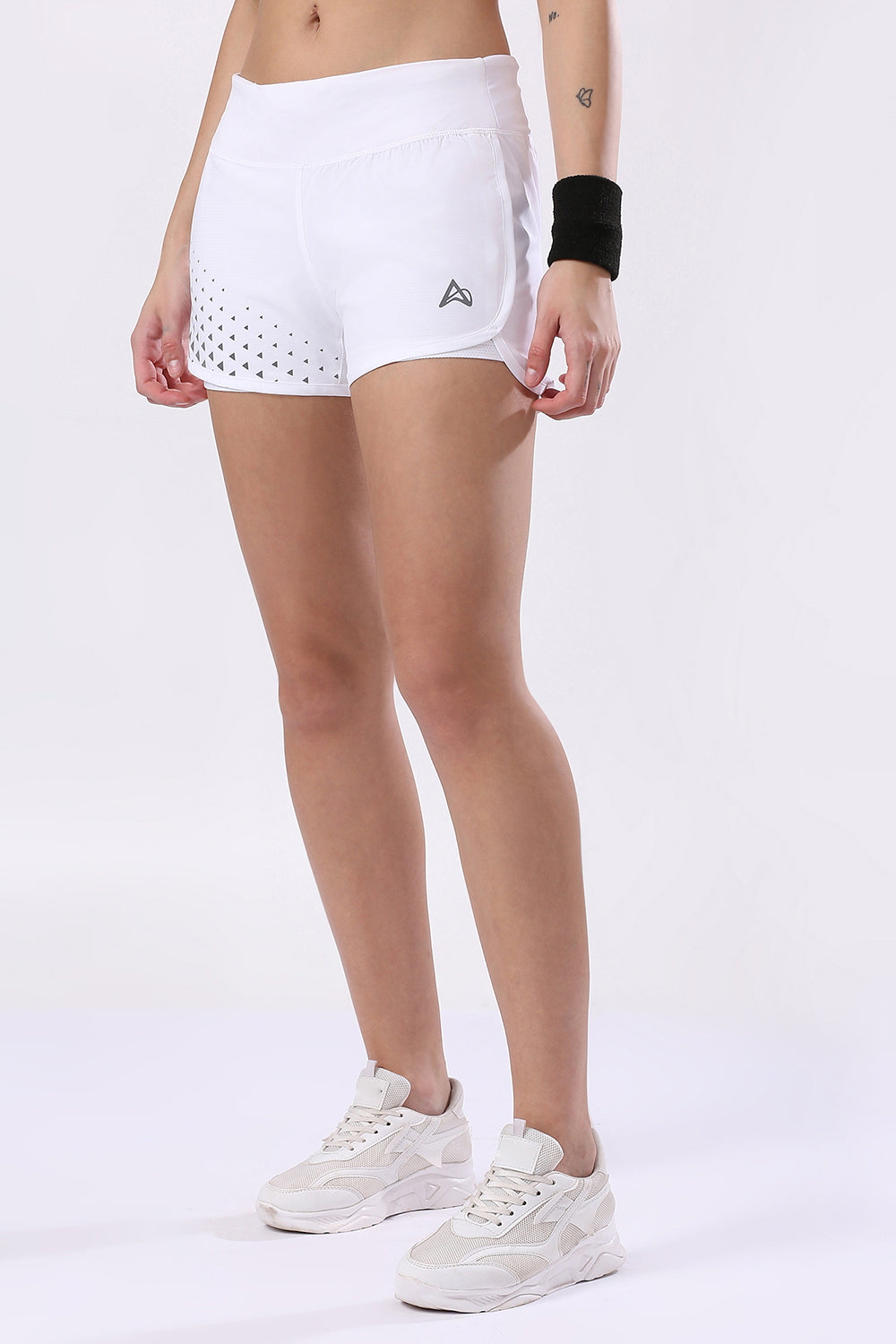
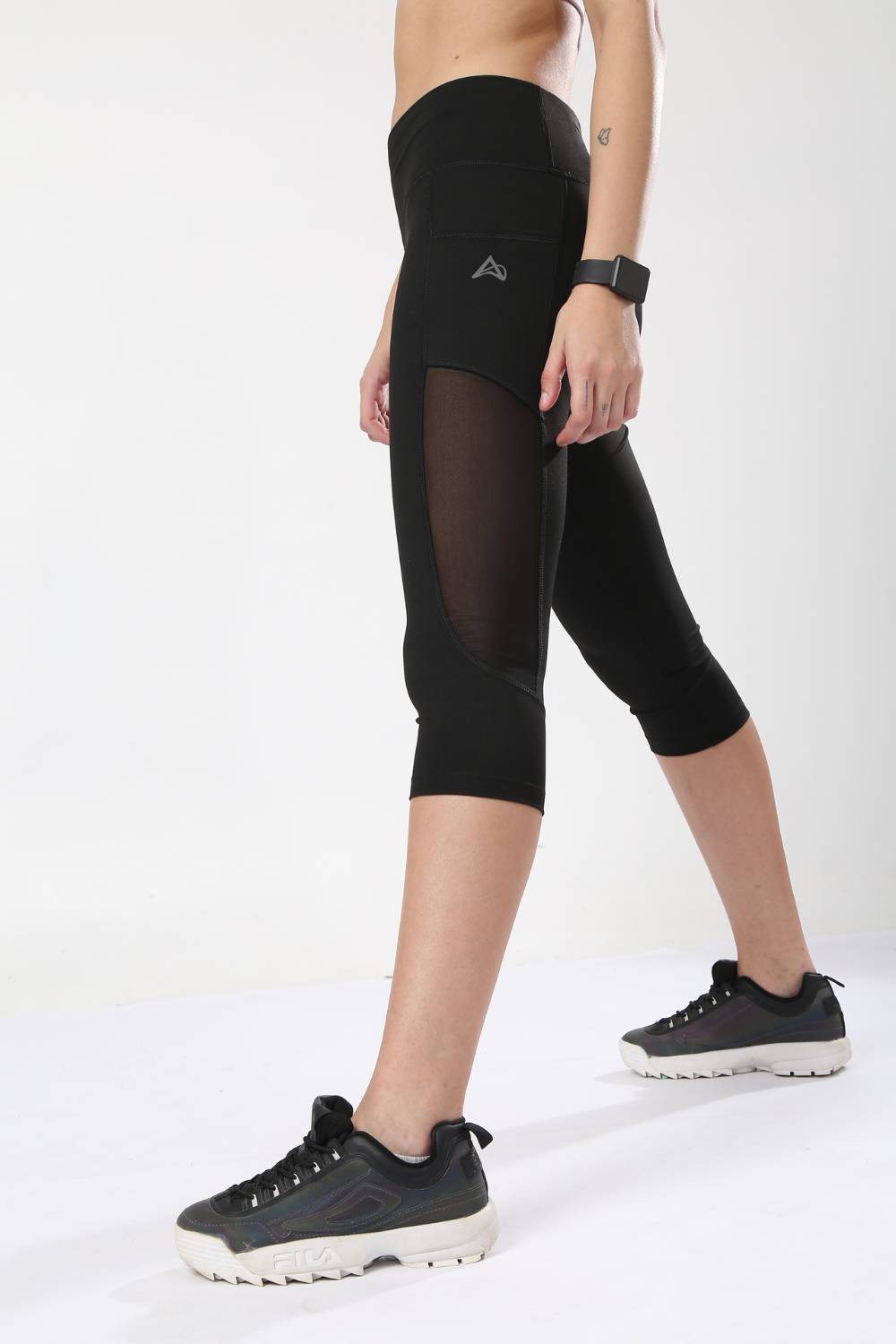
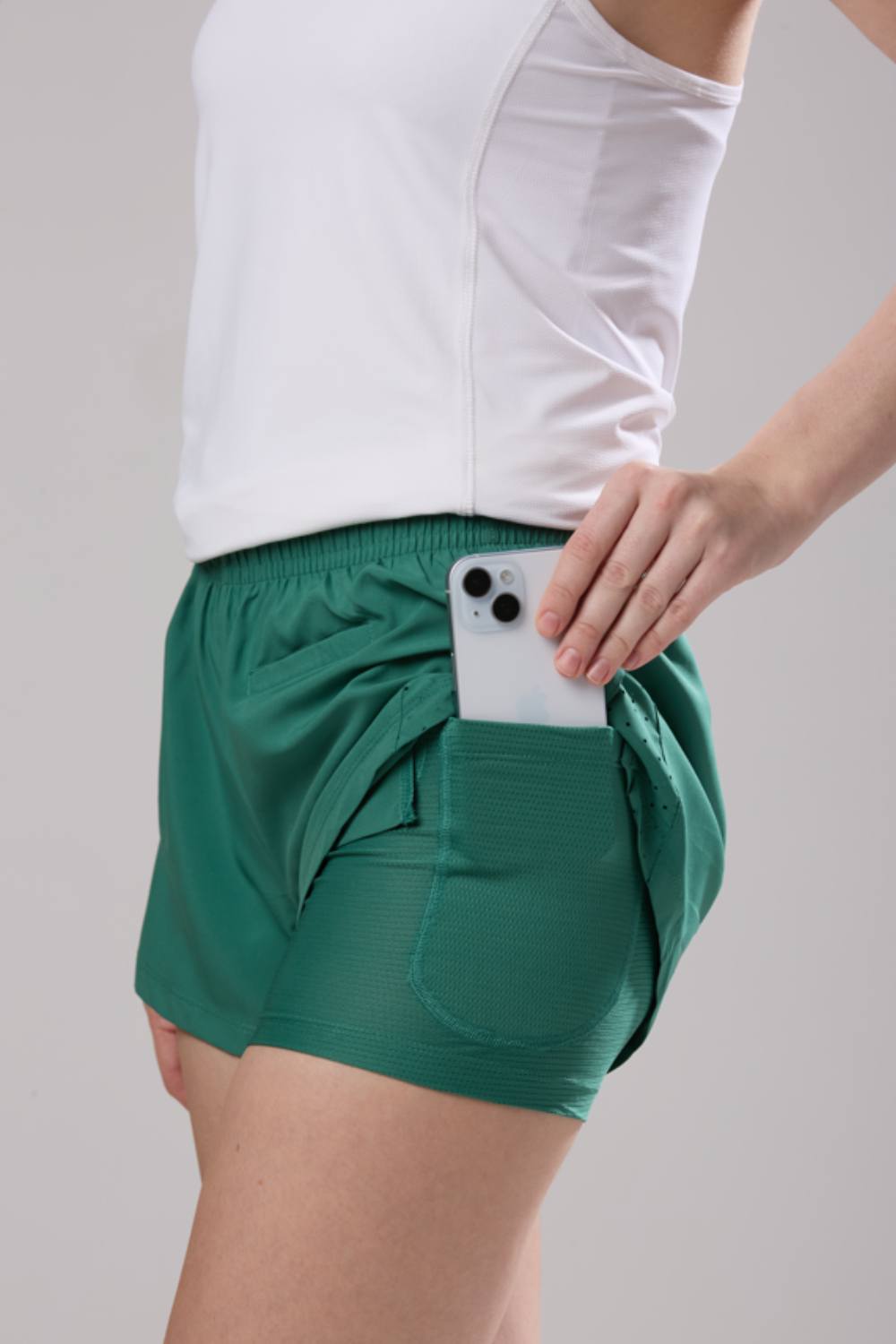
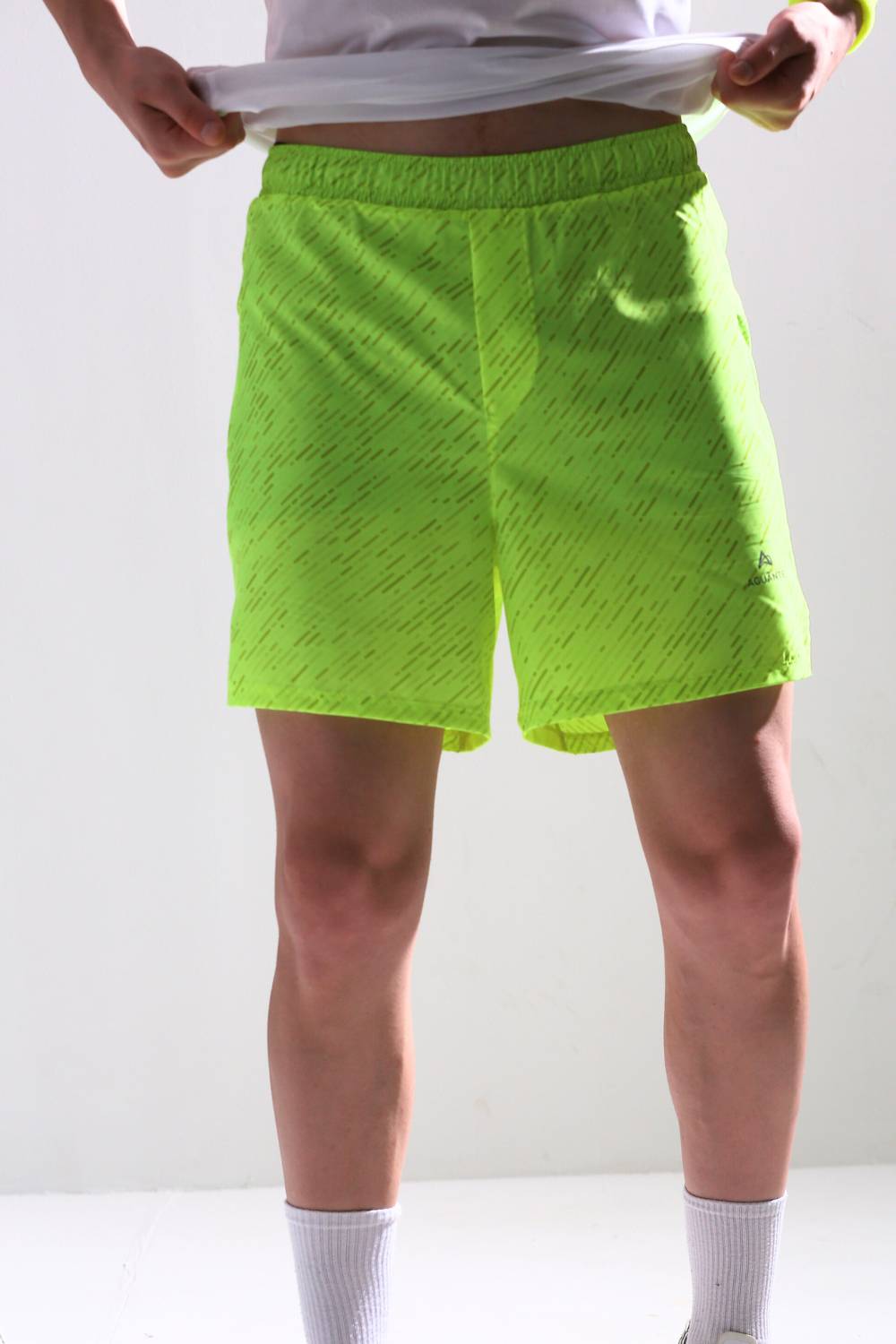
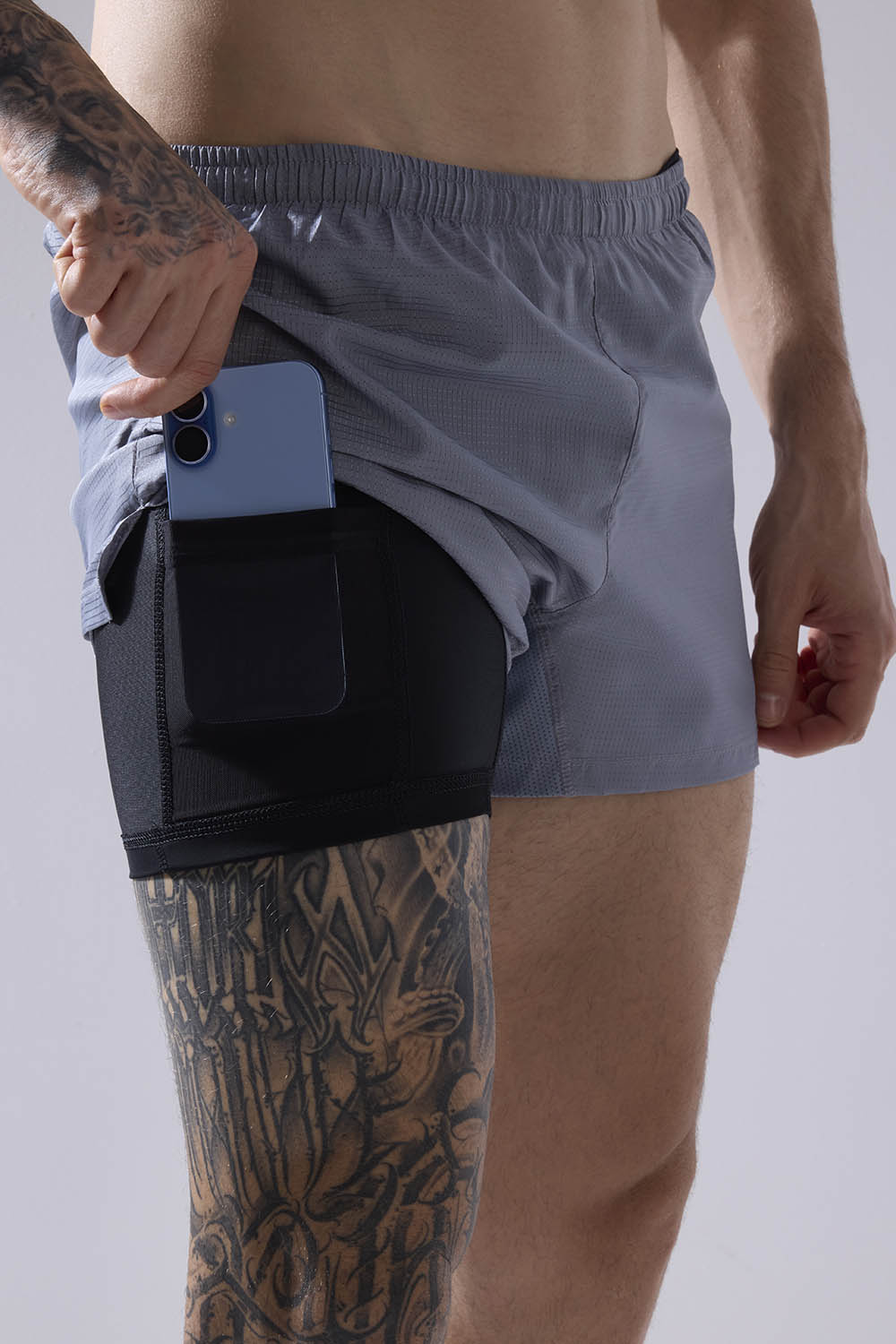
Tired of gear that slows you down? Chafing, soggy fabrics, and missing pockets kill your run's momentum. At Aguante, we're runners who get it. Our high-performance activewear features moisture-wicking fabrics, ergonomic designs, and smart storage to keep you focused. Shop Now!
Psychological Advantages of Value-Aligned Apparel
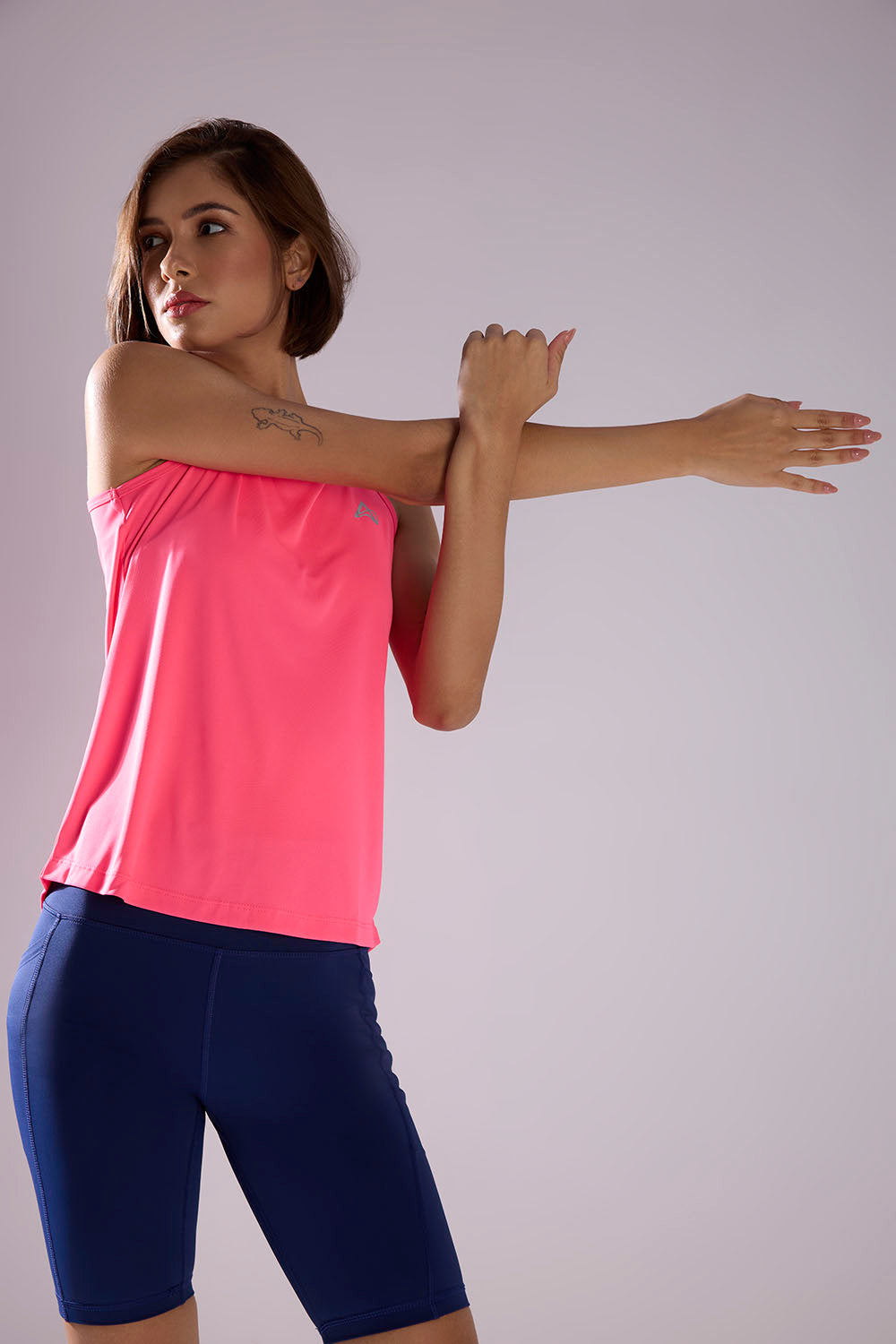
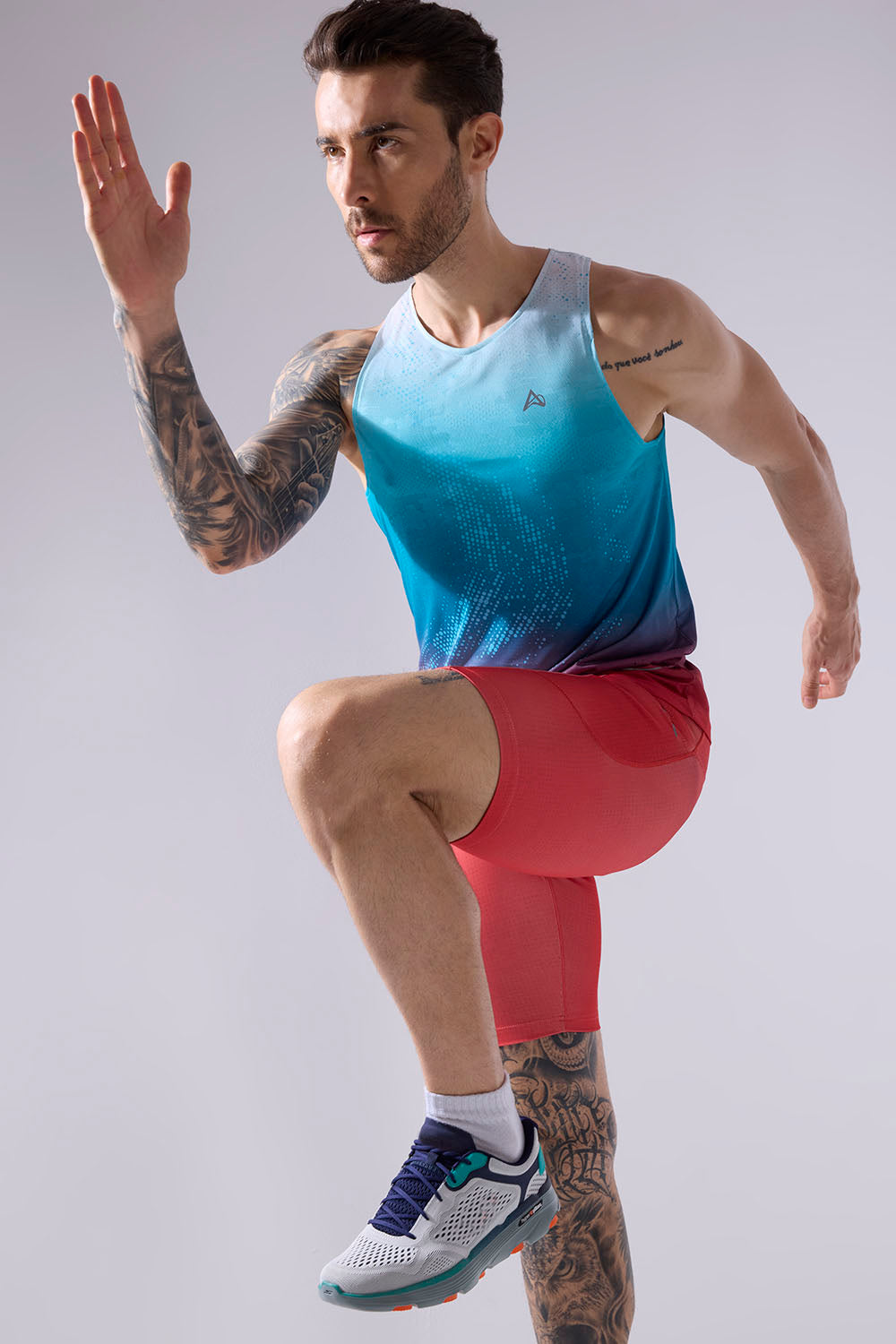
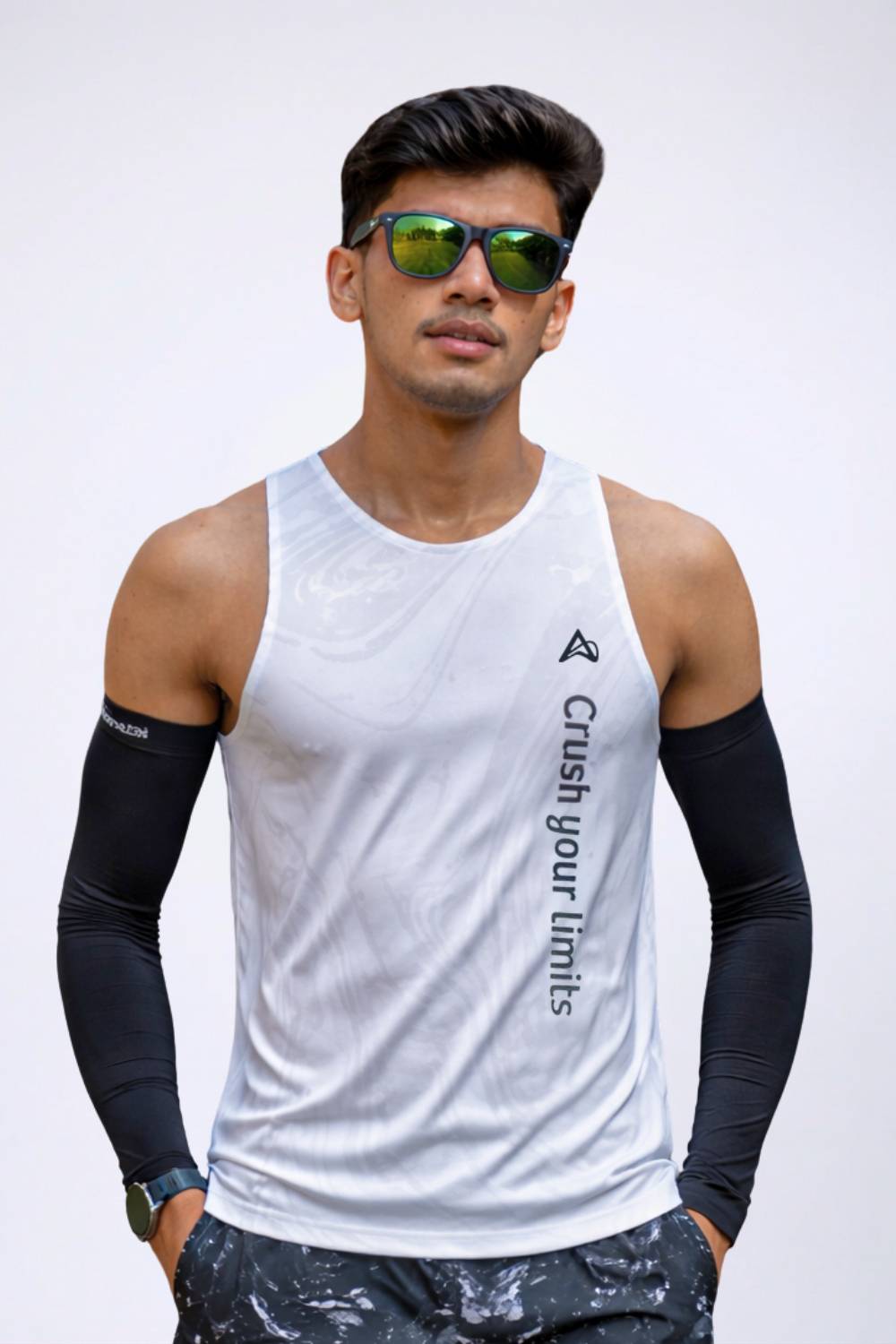
Donning a tank top from minimal-impact fabrics triggers an understated yet powerful change. This category leverages the broader wellness surge, intensified by eco-concerns and influential endorsements. Younger demographics and professionals seek assortment, creativity, and versatility for endeavors like yoga, biking, jogging, climbing, snowboarding, skiing, or boating. Constructed for resilience with superior materials, these items tolerate frequent wear, nurturing regularity.
Initial purchasers frequently strive to embody sustainability receptiveness, crafting a persona that spurs ongoing engagement. Psychologically, gear affirming "I'm contributing positively" heightens the stakes of inaction. Companies innovate accordingly, employing organic, repurposed, decomposable, and gentle textiles to deliver elite performance that safeguards ecosystems and communities. Past expansion stems from athleisure's popularity, health trends, awareness, endorsements, and evolving tastes, yet sustainability accelerates it, converting casual participants into devoted ones.
On a larger scale, buyer inclinations have shifted decisively to transparent, eco-sportswear. This harmony eliminates remorse from pursuits, blending ease with ethics. Both premium (for opulent appeal) and mass (for broad reach) variants serve varied groups, broadening access to this motivational force. Historic drivers include the athleisure boom and preference changes, but eco-fabrics now anchor long-term adherence.
Evidence from industry analyses reinforces this. Sustainable athleisure comprises natural, renewable, recycled, biodegradable, and low-impact fabrics, ensuring top-tier activewear that shields wearers and the environment. Trade dynamics and tariffs influence projections, but core growth persists strongly.
Tangible Benefits Reinforcing Daily Commitment
Surpassing emotional uplift, concrete attributes cement allegiance. Eco-materials emphasize suppleness and endurance, perfect for diverse activities like running or sailing. Free from dangerous compounds, they minimize skin issues that interrupt progress. The repair inclination 57% invested in fixes mirrors effort in fitness tracking, extending item lifespan and encouraging sustained use.
Workplace wellness efforts magnify impact, incorporating these options to enhance participation. Digital commerce facilitates informed choices, allowing scrutiny of origins remotely. Outcomes include evolving collections that support fitness evolutions. In developing regions, rising environmental awareness drives demand for low-impact designs, spurring industry introspection and innovations from inception.
In mature markets like North America, sustainability layers depth. Rep11ed synthetics transform into lasting pieces, favoring maintenance over cycles of disposal. This loop informs habits: persistence in exercise mirrors gear's longevity. Production advances prioritize social duty, guiding enterprises and buyers toward viable paths. No longer marginal, sustainability directs inevitable progress, with calls for minimal ecological harm reshaping global markets.
Manufacturing refinements stand central, responding to strengthened consumer vigilance on product impacts. This holistic view minimizes footprints, aligning apparel with enduring health goals.
Integrating Eco-Principles into Ongoing Wellness
In essence, this apparel recasts exercise as an integral, enduring element of life. Expanding sectors, sparked by young outdoor zeal, present vast potential. With 67% pursuing such fabrics, depth of interest is undeniable, pushing ethical production.
Frequently Asked Questions
How does sustainable activewear help build long-term fitness habits?
Sustainable activewear creates psychological alignment by allowing you to wear clothing that reflects your personal values around environmental responsibility and ethics. Research shows that 67% of consumers prioritize sustainable materials in athletic apparel, and this value-driven choice generates a motivational effect where your gear reinforces your commitment to fitness. When you wear eco-friendly activewear, it creates a mindset of "I'm contributing positively," which increases the psychological cost of skipping workouts and helps convert casual exercisers into consistent, devoted participants.
What materials are used in sustainable athleisure and why are they better for fitness?
Sustainable athleisure uses natural, renewable, recycled, biodegradable, and low-impact fabrics such as organic cotton and repurposed ocean plastics. These eco-friendly materials emphasize flexibility and durability while being free from harmful chemicals that can cause skin irritation and disrupt your exercise routine. The superior construction and resilience of these fabrics mean they withstand frequent washing and wear, supporting regularity in your fitness practice with 57% of consumers willing to repair sustainable gear to extend its lifespan rather than replacing it.
How big is the sustainable activewear market and why is it growing?
The sustainable athleisure market was valued at $90.62 billion in 2022 and is projected to reach between $134.67 billion and $176.05 billion by 2030-2031, growing at rates of 4.5% to 12.5% annually. This growth is driven by millennials and younger demographics seeking eco-conscious activewear, increased environmental awareness, workplace wellness programs, and the convenience of online shopping that allows consumers to research product origins. The broader athleisure market reached $358.07 billion in 2023 and is expected to hit $662.56 billion by 2030, with sustainability becoming a core driver of long-term consumer loyalty rather than a passing trend.
Disclaimer: The above helpful resources content contains personal opinions and experiences. The information provided is for general knowledge and does not constitute professional advice.
You may also be interested in: The Environmental Impact of Running Apparel and What Aguante Is
Tired of gear that slows you down? Chafing, soggy fabrics, and missing pockets kill your run's momentum. At Aguante, we're runners who get it. Our high-performance activewear features moisture-wicking fabrics, ergonomic designs, and smart storage to keep you focused. Shop Now!
Powered by flareAI.co