



Quick Listen:
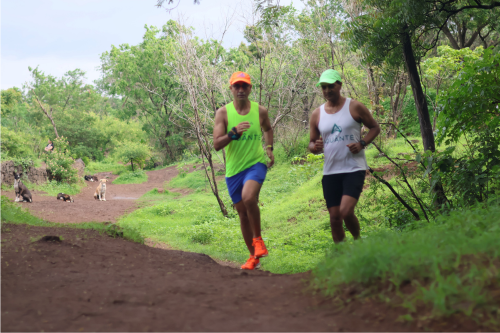
In the pre-dawn hours, runners gather across India's bustling metros. Bangalore's Cubbon Park fills with steady footfalls, Mumbai's Marine Drive promenade hums with determined strides against thick coastal air, and Delhi's wide avenues see groups navigating winter chill or summer blaze. Pune, Hyderabad, Surat, Ahmedabad, Gurugram, and Navi Mumbai each add their signature challenges dusty trails, broken footpaths, relentless humidity, or searing dry heat. Across these cities, one complaint echoes consistently: gear engineered for distant climates frequently underperforms on Indian roads.
Running participation has surged dramatically in recent years, propelled by greater health awareness, the rise of local marathons, and the simple pleasure of movement in urban spaces. Yet this boom has exposed a clear limitation. Generic activewear often created with temperate Western weather patterns in mind struggles when confronted with India's extreme climatic variation and unforgiving urban terrain. Forward-thinking brands now recognize that meaningful performance requires designs shaped by local realities rather than imported assumptions. The movement toward climate-responsive, India-specific running apparel is gaining momentum, fundamentally altering product development, material choices, and pricing approaches.
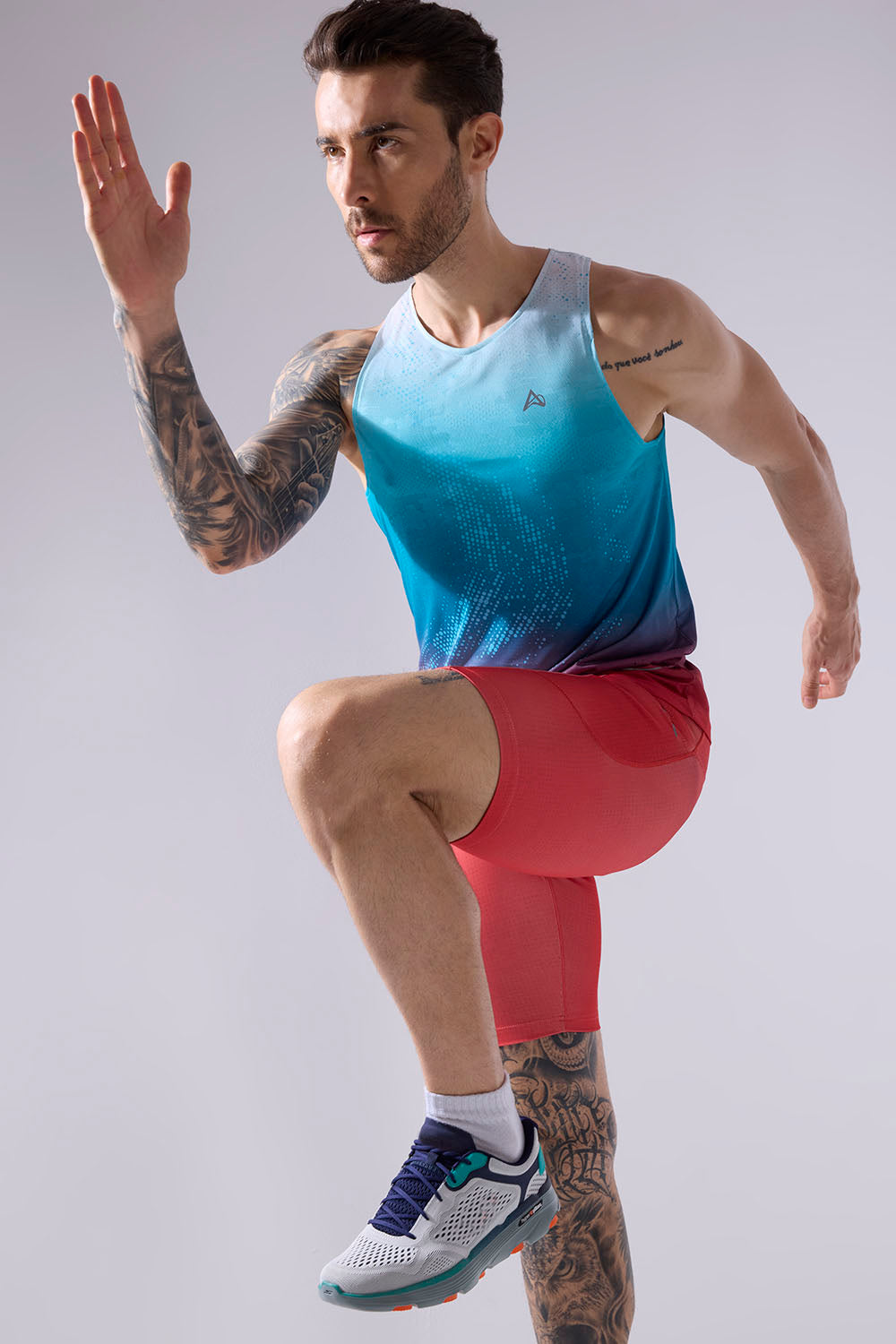
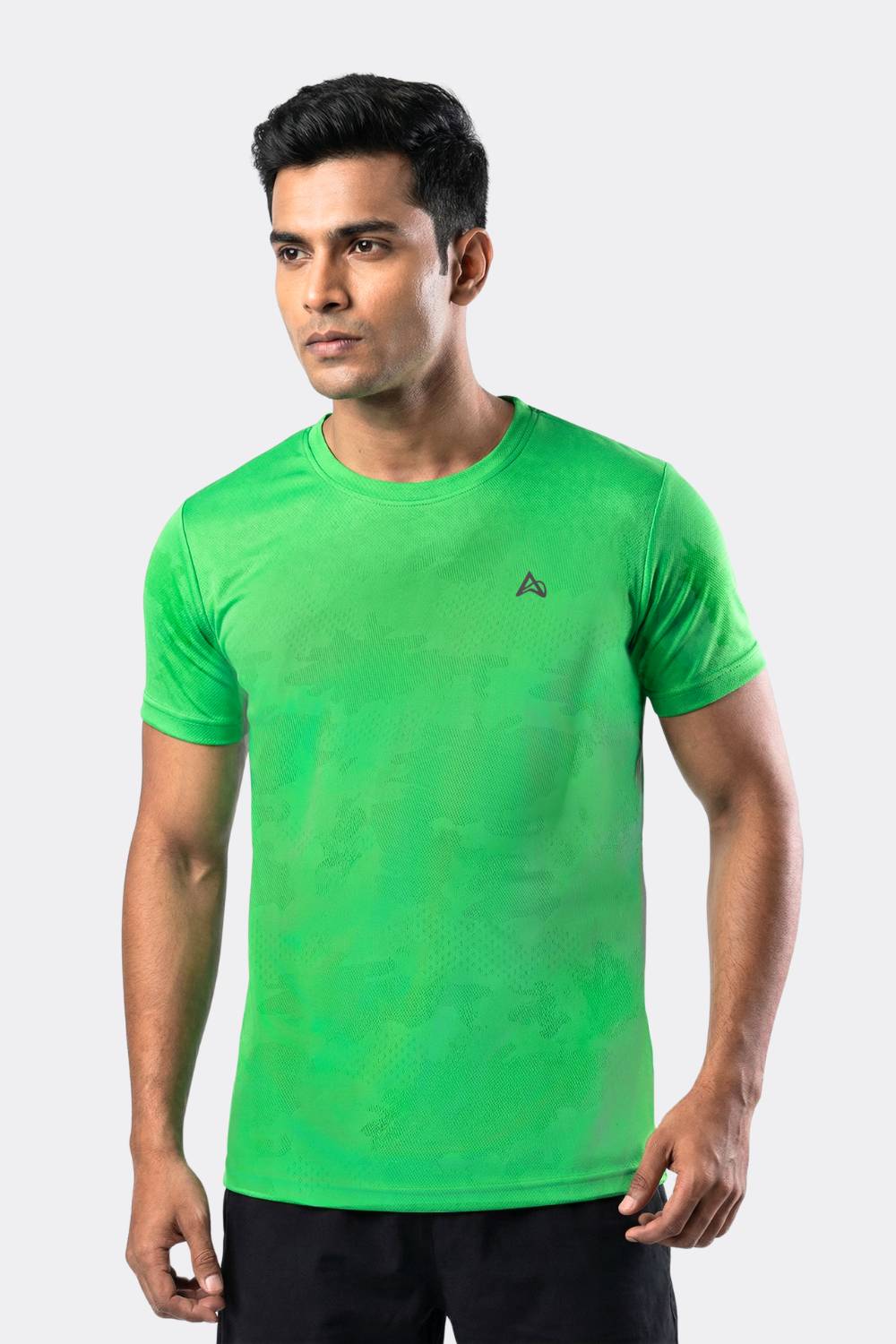
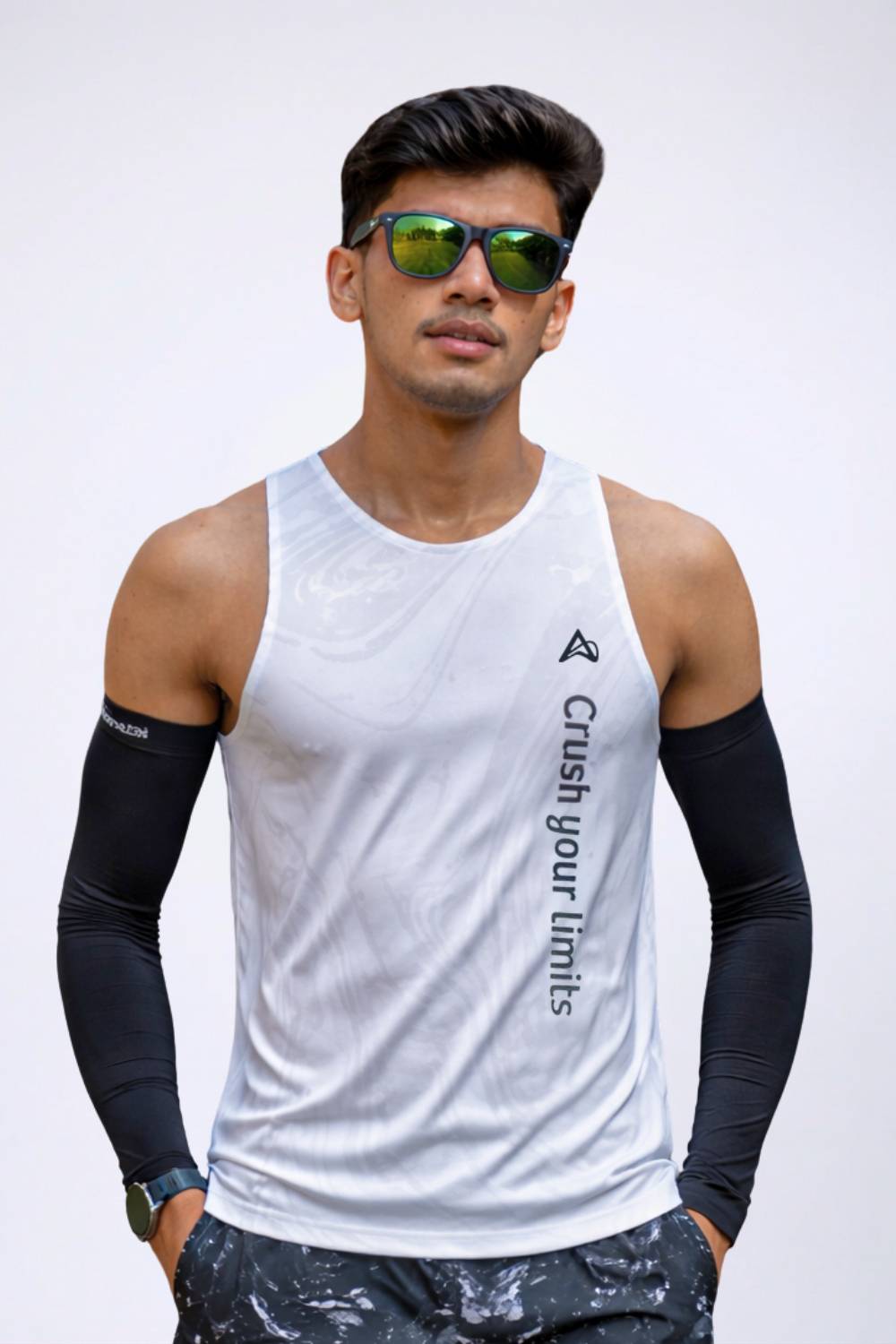
Tired of gear that slows you down? Chafing, soggy fabrics, and missing pockets kill your run's momentum. At Aguante, we're runners who get it. Our high-performance activewear features moisture-wicking fabrics, ergonomic designs, and smart storage to keep you focused. Shop Now!
India's Micro-Climates Demand Tailored Solutions
From one Indian city to the next, runners face dramatically different conditions. Coastal hubs such as Mumbai and Navi Mumbai envelop athletes in persistent high humidity, where sweat lingers and chafing becomes almost inevitable. Northern cities like Delhi and Gurugram alternate between punishing summer temperatures and polluted winter mornings that deposit fine particles on clothing. Bangalore and Pune deliver comparatively moderate weather yet expose runners to intense UV radiation during extended sessions. In western cities including Hyderabad, Surat, and Ahmedabad, hard concrete surfaces combine with dust and dry heat to accelerate fabric wear.
These environmental differences are not minor inconveniences they directly influence comfort, safety, and enjoyment. Conventional activewear can quickly feel heavy, cling uncomfortably, or fail to protect against local elements. The outcome is predictable: reduced motivation, faster gear degradation, and unnecessary distractions during runs that already demand focus amid traffic, uneven pavement, and weather extremes.
This widespread experience has triggered a significant shift. Progressive brands are replacing off-the-shelf global templates with garments developed through direct observation of Indian running conditions enhanced breathability for humid zones, dust-resistant surfaces, anatomically considered fits, and functional details validated by runners on actual city routes.
Mastering Heat and Humidity Through Advanced Fabric Engineering
Humidity transforms running into an entirely different challenge. In Mumbai, salt-laden moisture prevents normal evaporation, leaving fabrics sodden and triggering irritation within the first few kilometers. Leading manufacturers now emphasize ultra-lightweight constructions, generous ventilation mapping derived from coastal heat data, and high-performance moisture-wicking synthetics rigorously tested in precisely these steamy settings.
Drier, hotter regions present contrasting demands. In Ahmedabad and Surat, fabrics must facilitate rapid drying while avoiding residue buildup during intense evaporation. Bangalore runners increasingly value meaningful UV protection for bright morning and midday efforts. Across India's running community, lighter fabric weights consistently outperform heavier alternatives designed for cooler climates proving that local conditions dictate material specifications more accurately than distant design studios ever could.
Urban Infrastructure Shapes Essential Functional Features
City surfaces tell their own story. Uneven sidewalks in Hyderabad and Pune require reinforced stitching and abrasion-resistant panels to withstand constant friction. Dust prevalent in many northern and western metros calls for materials engineered to limit particulate adhesion and maintain freshness over long distances. Heavy traffic corridors in Delhi NCR make high-visibility reflective elements non-negotiable for safer early-morning and evening training.
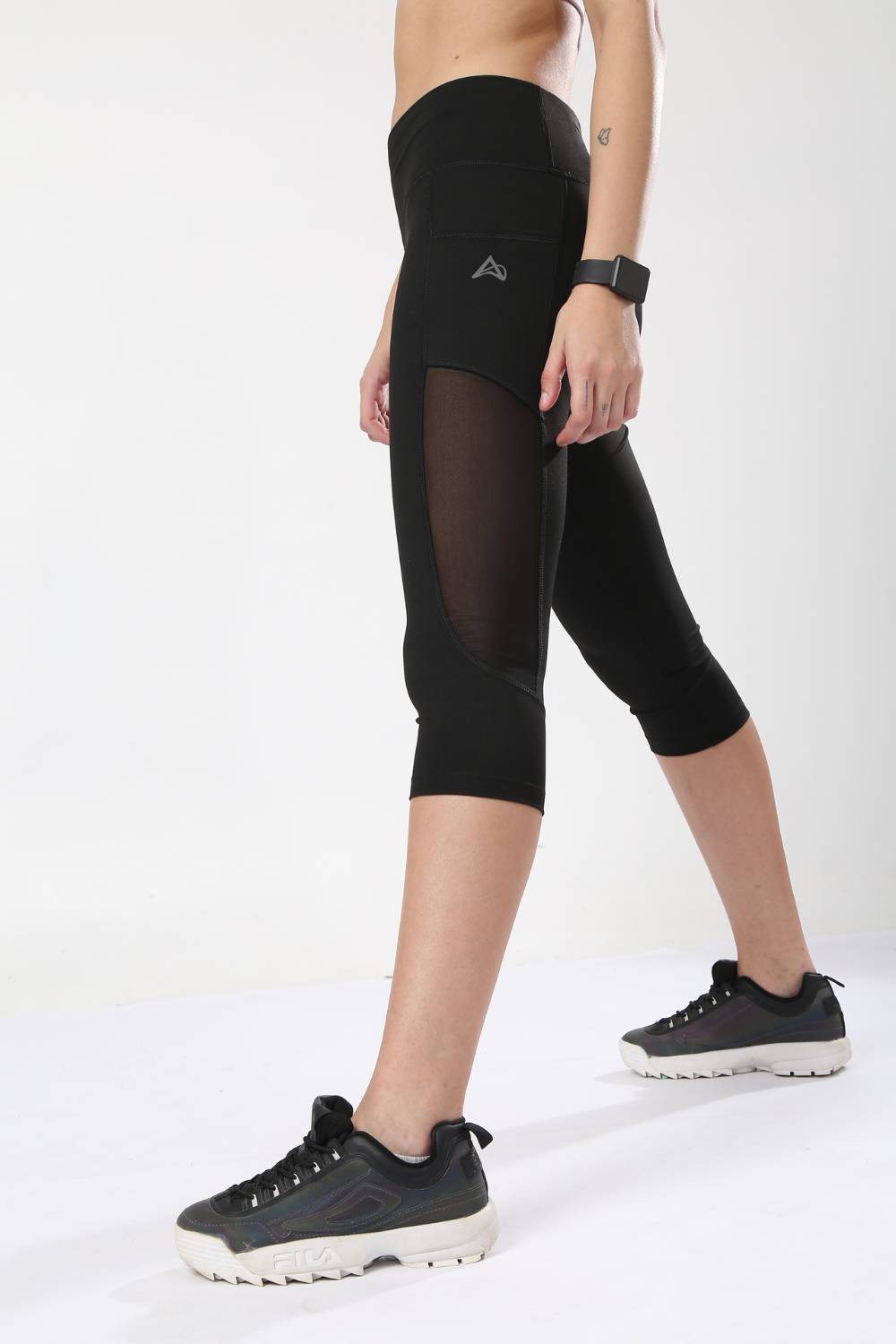
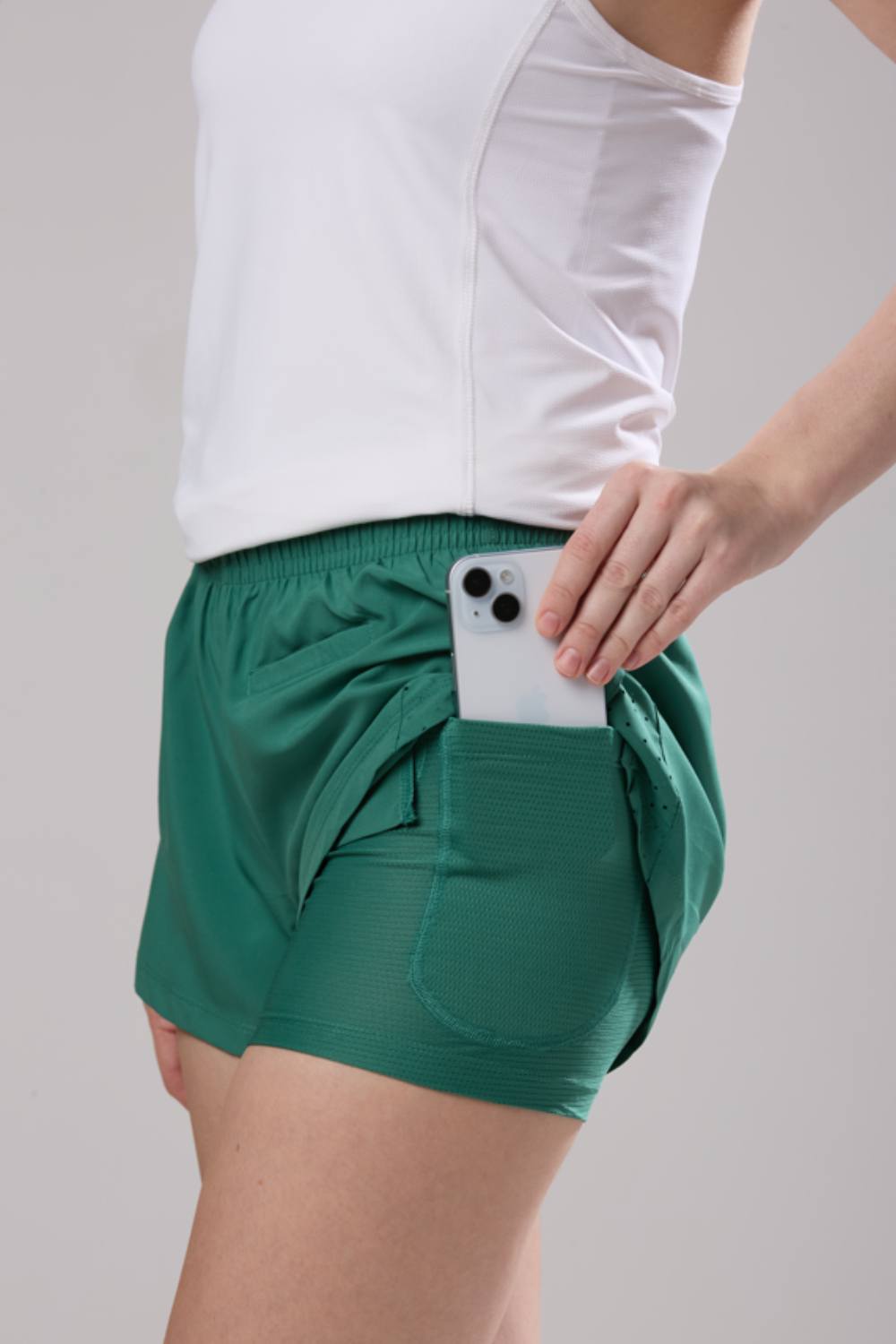
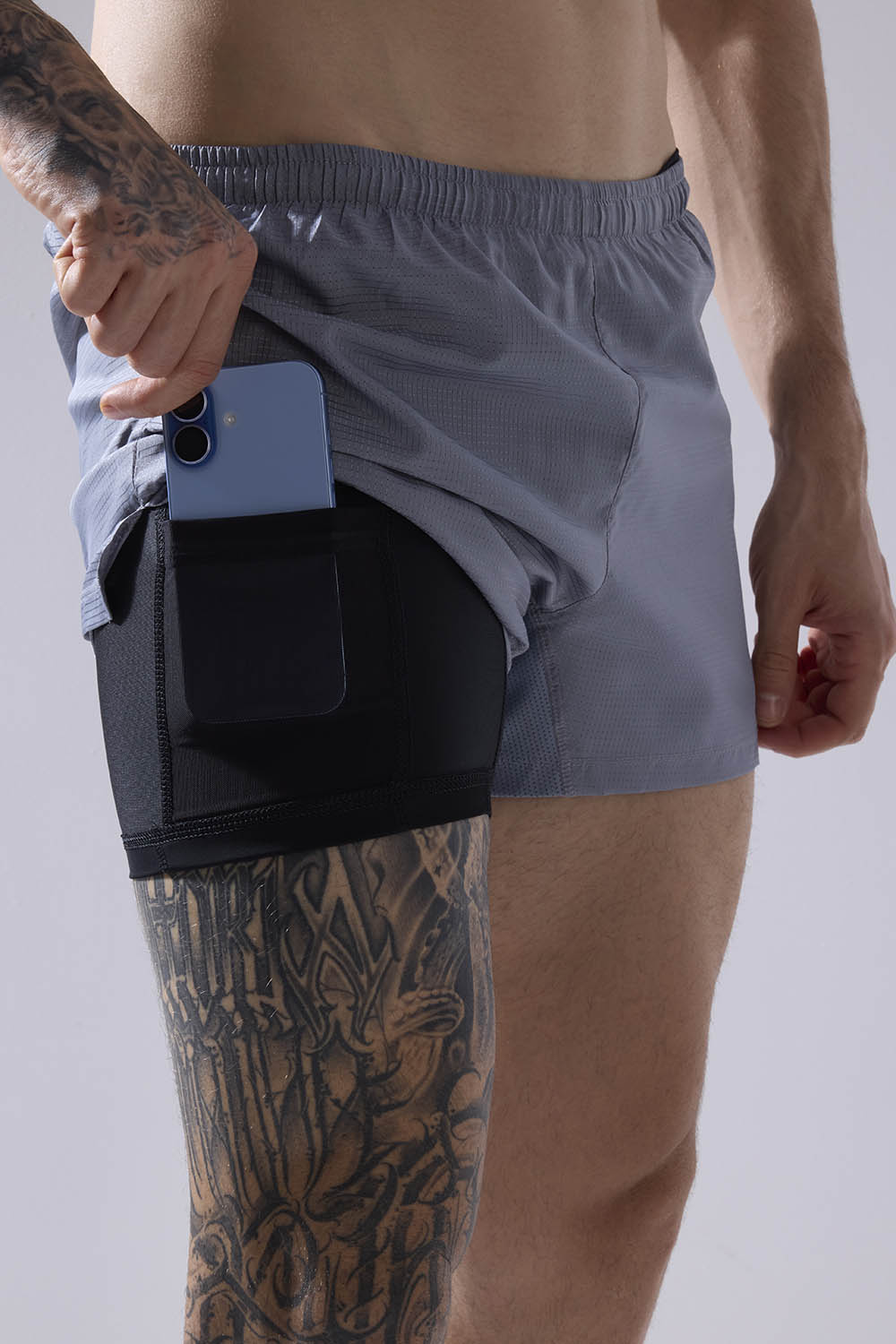
Small but critical details separate adequate gear from exceptional gear: pockets that remain secure through miles of movement, inner linings that genuinely prevent chafing during extended efforts, moisture systems that deliver lasting dryness rather than temporary relief. These features become essential when every run involves navigating chaotic streets, dodging obstacles, and managing India's distinctive environmental pressures.
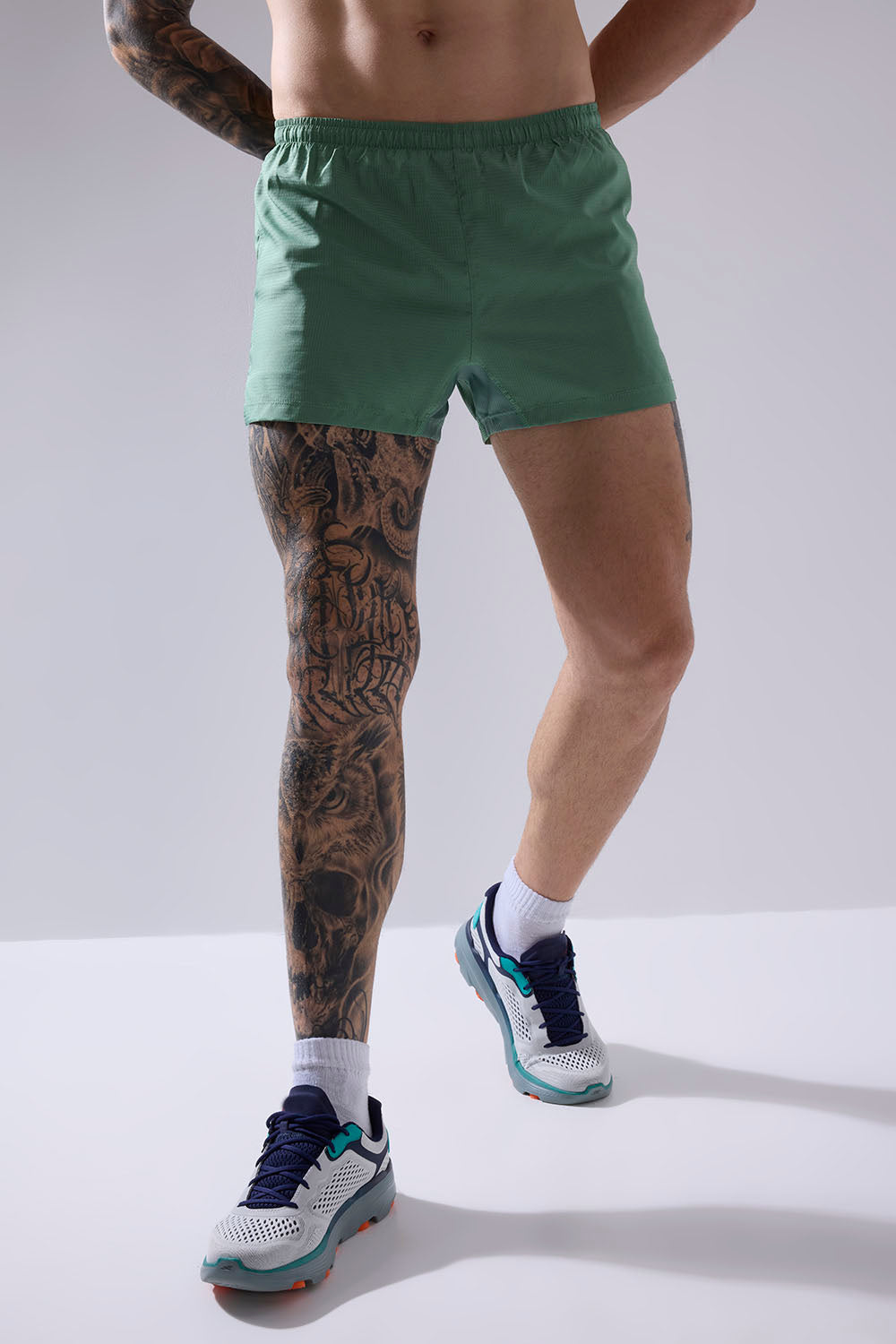
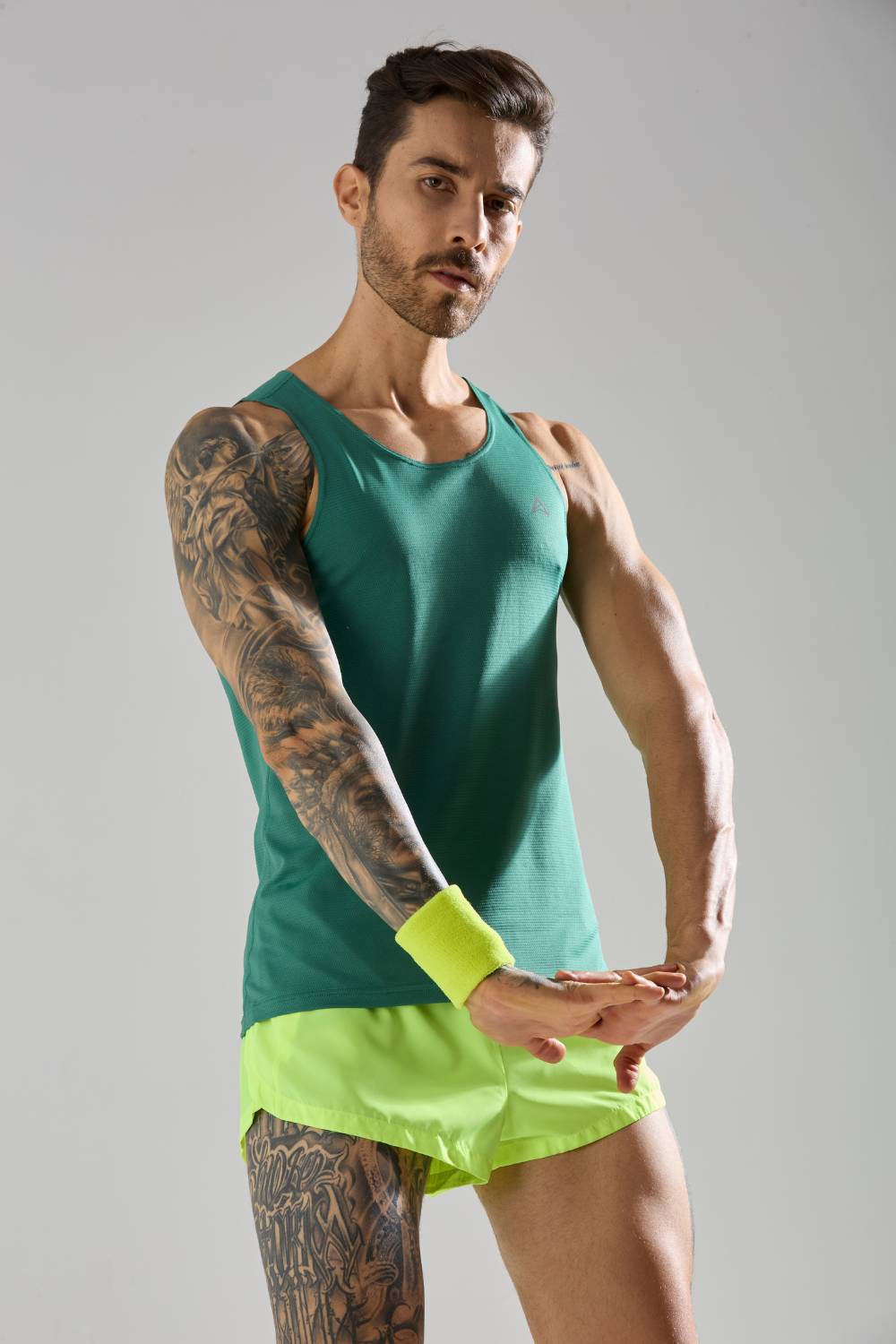
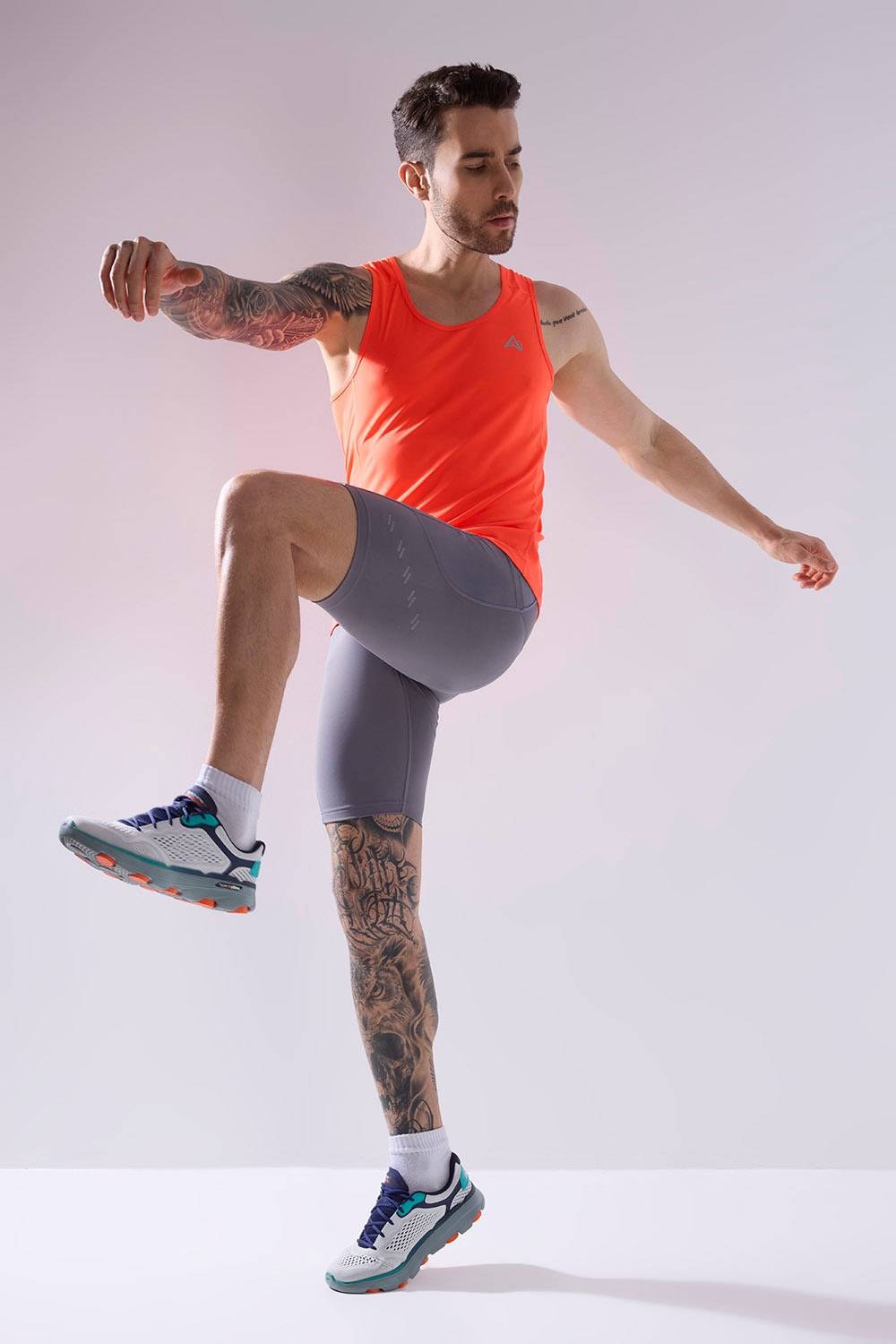
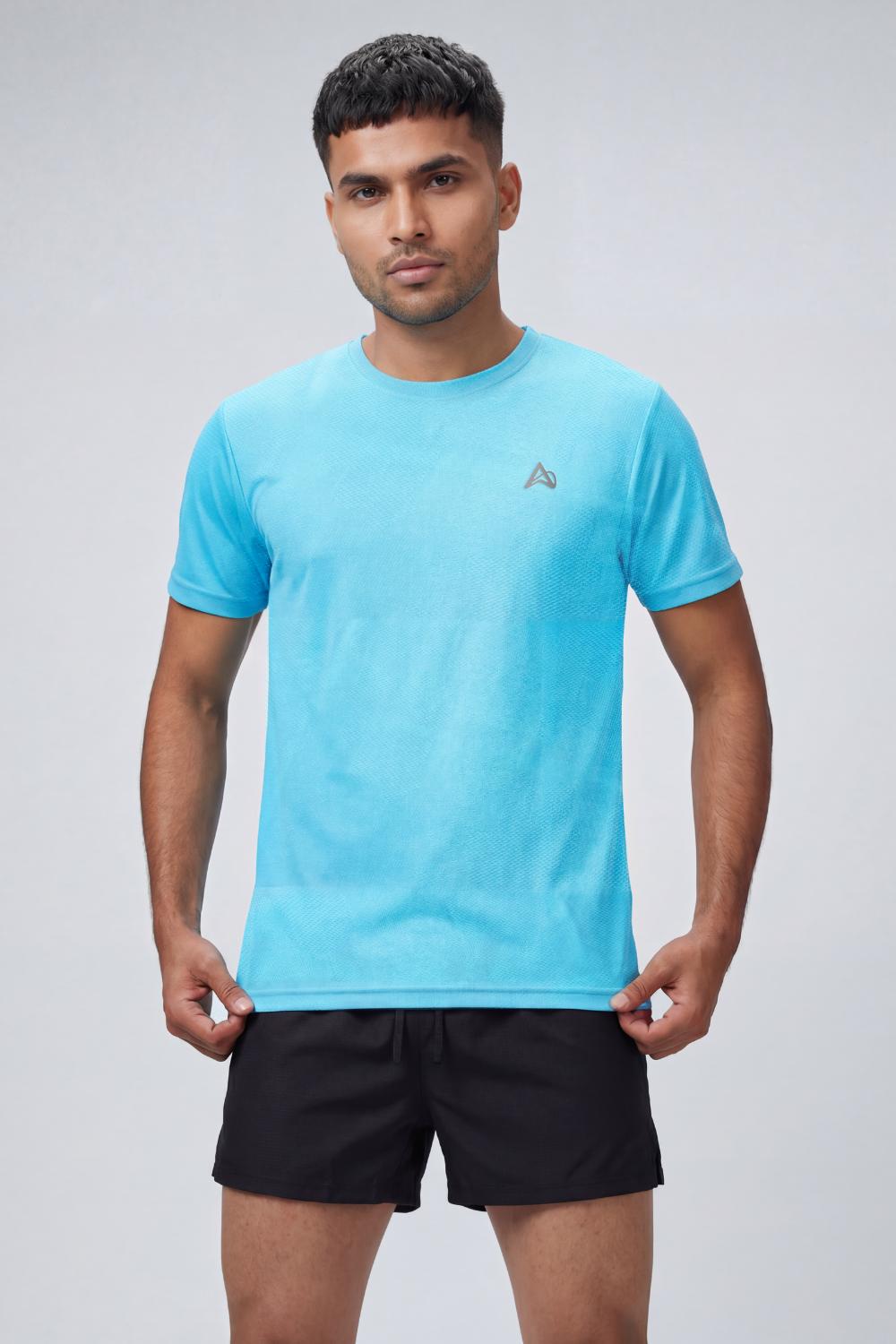
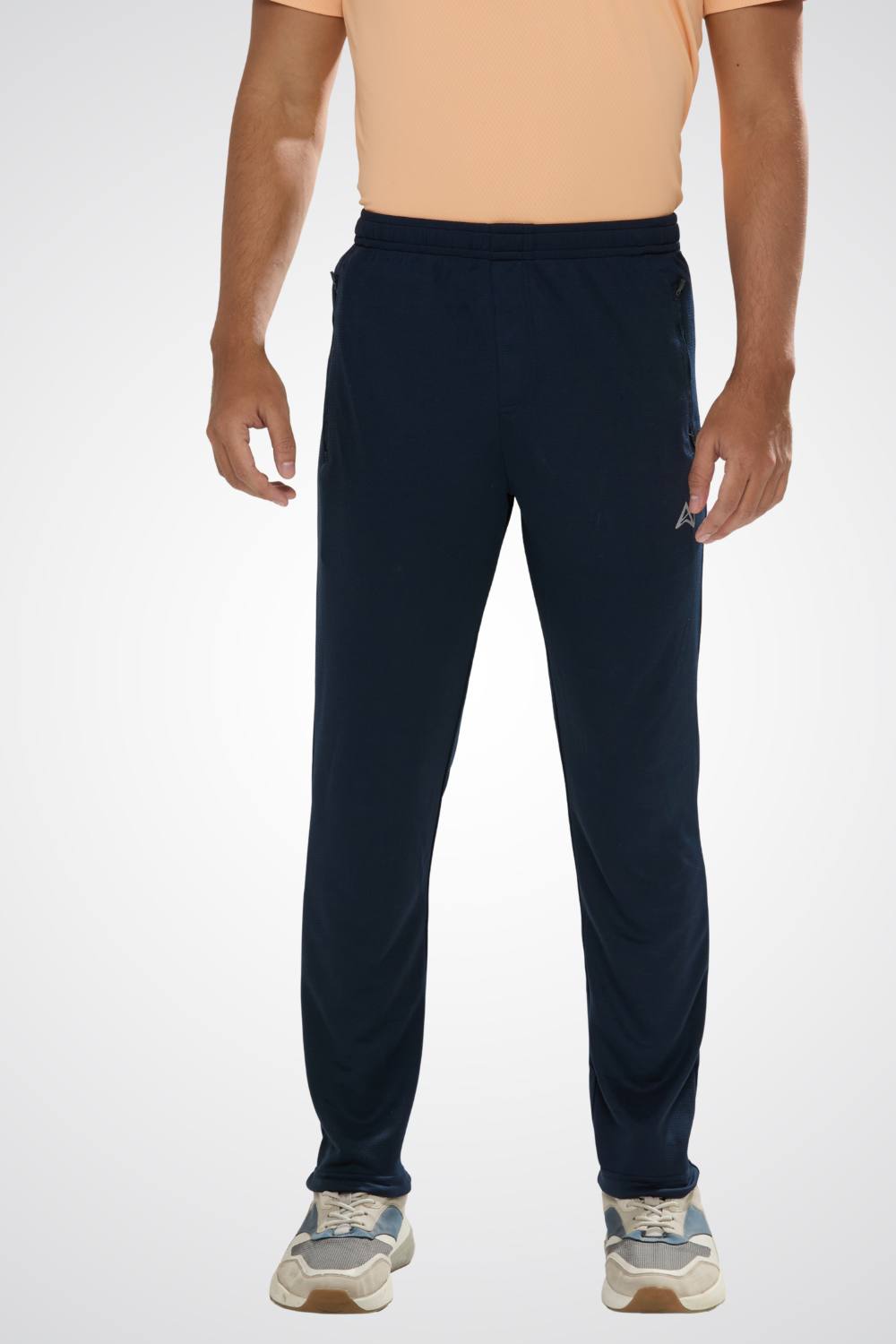
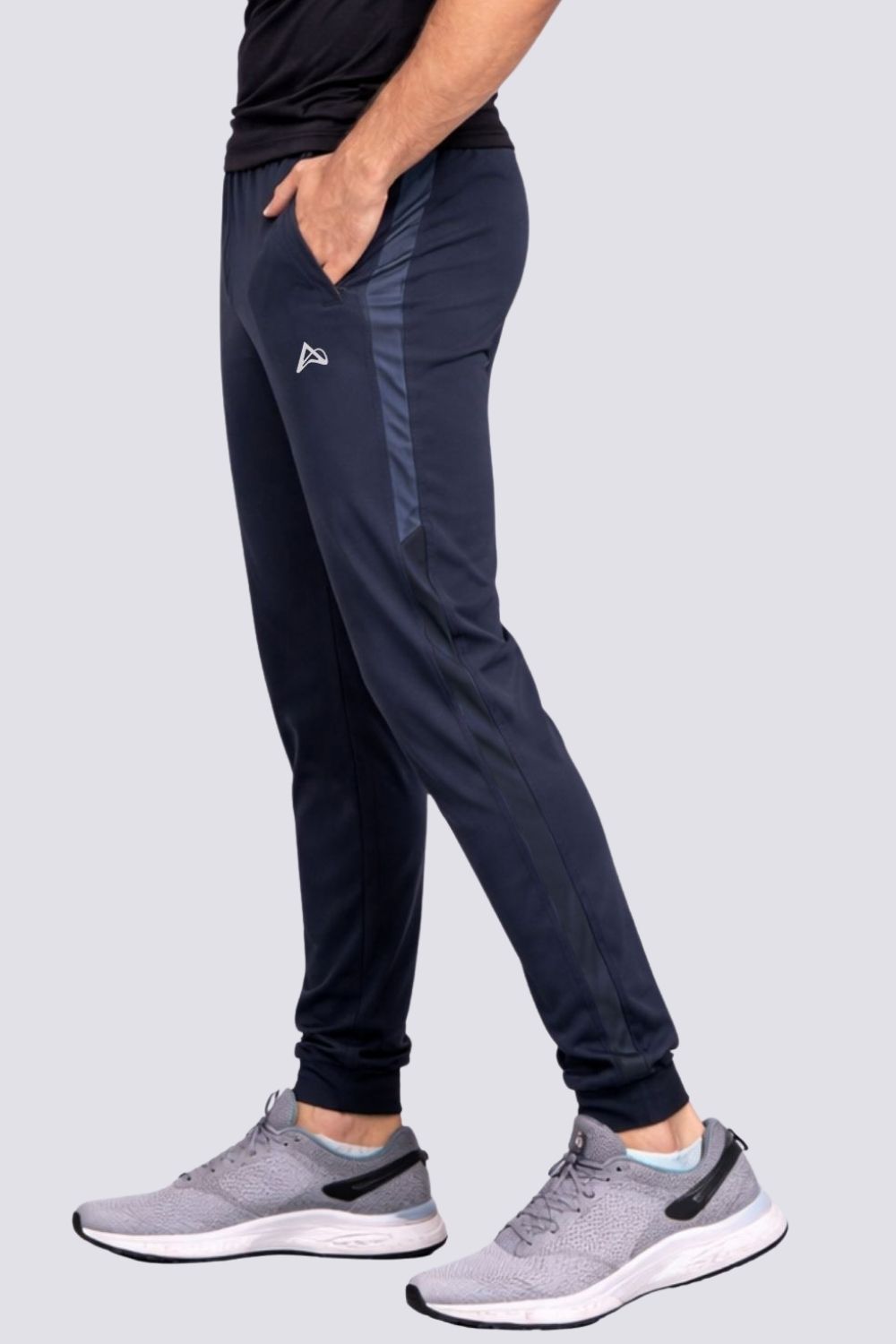
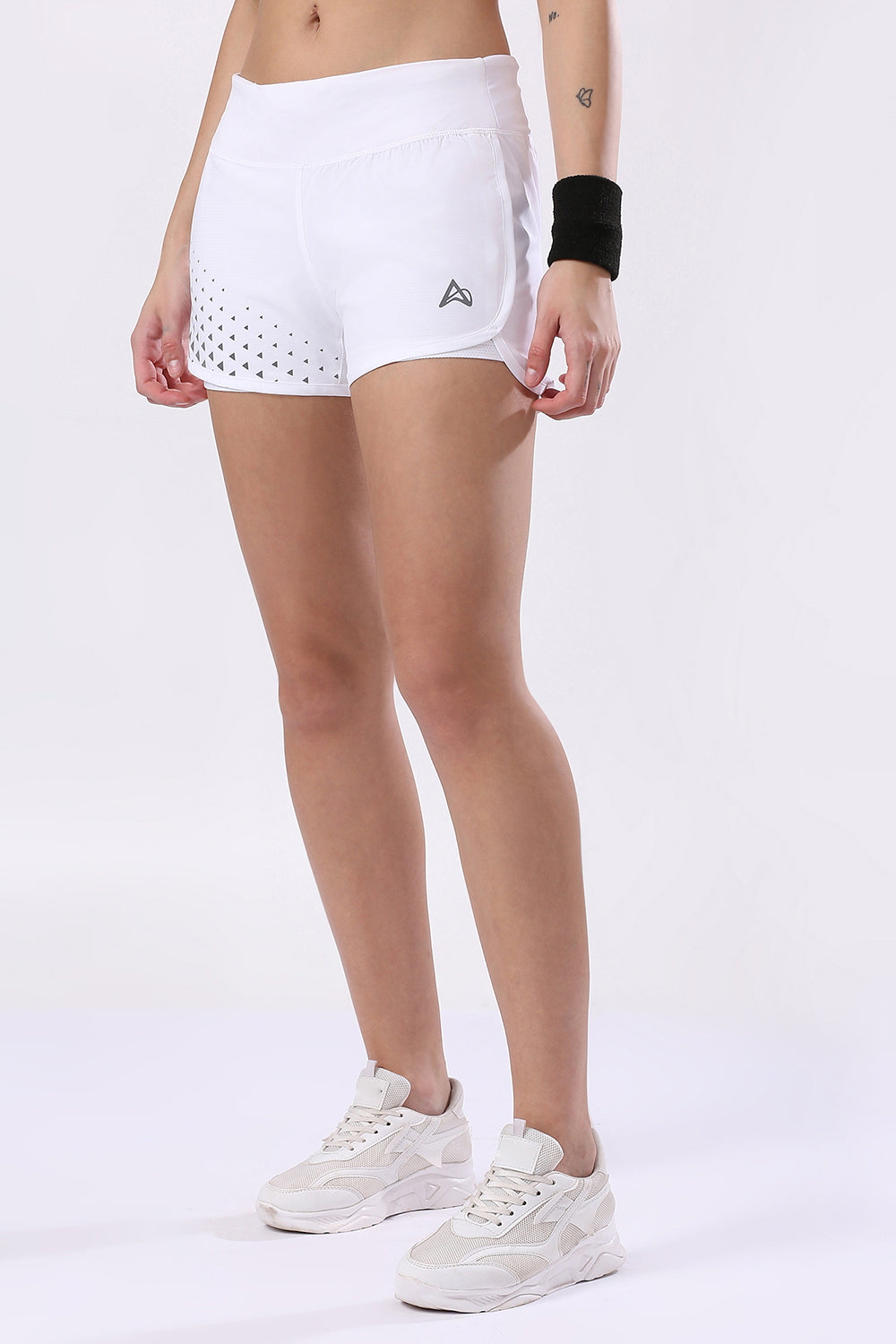
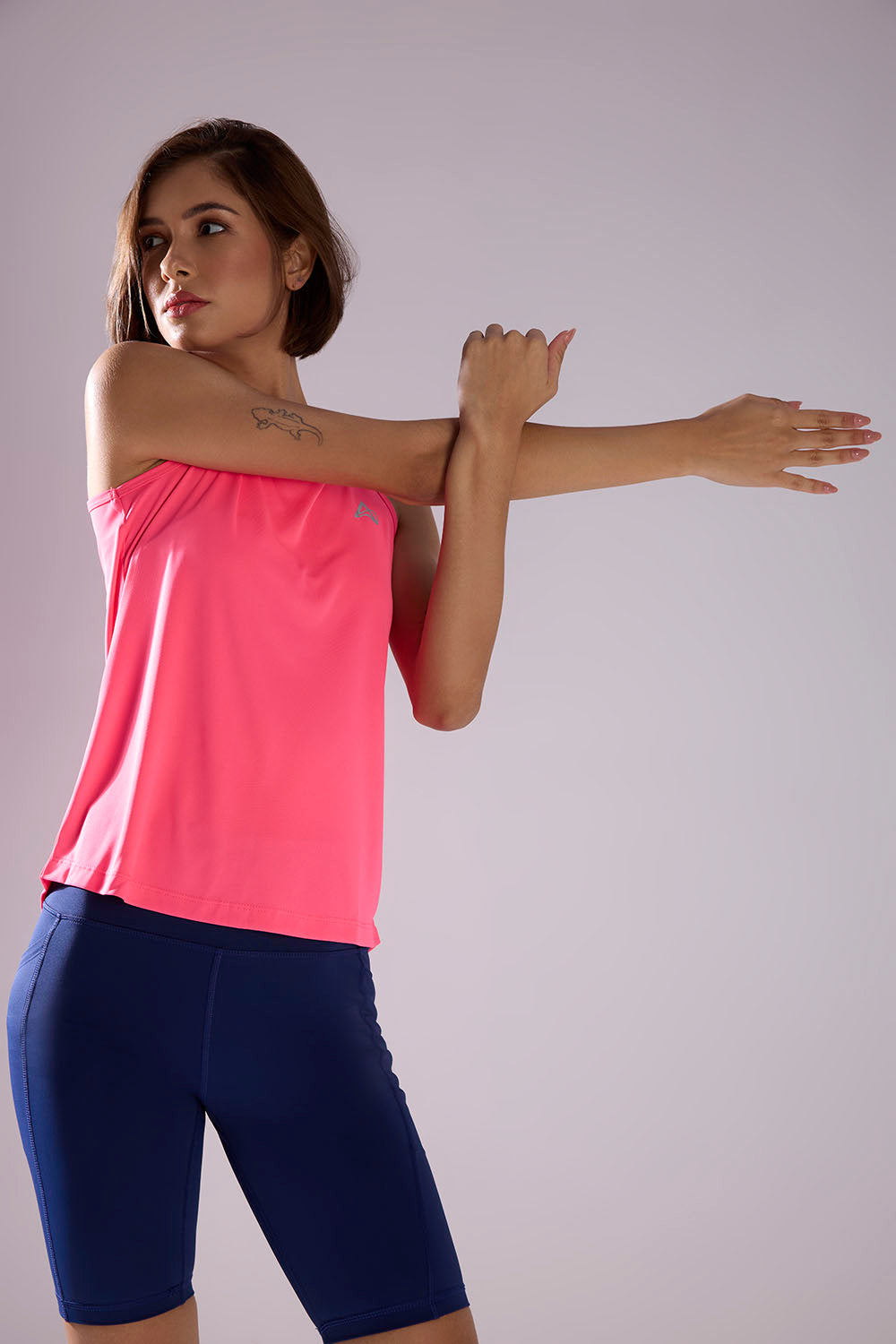
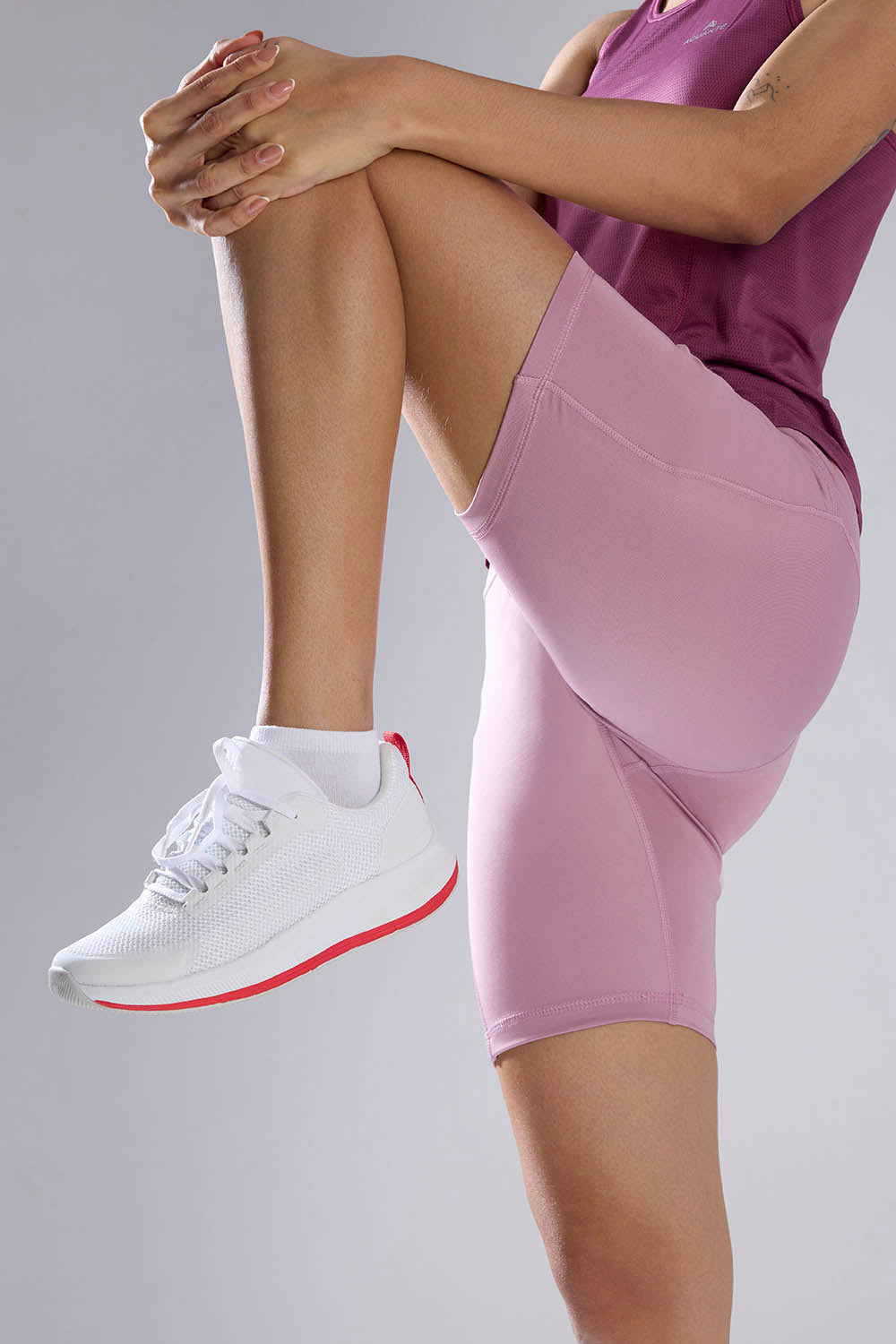
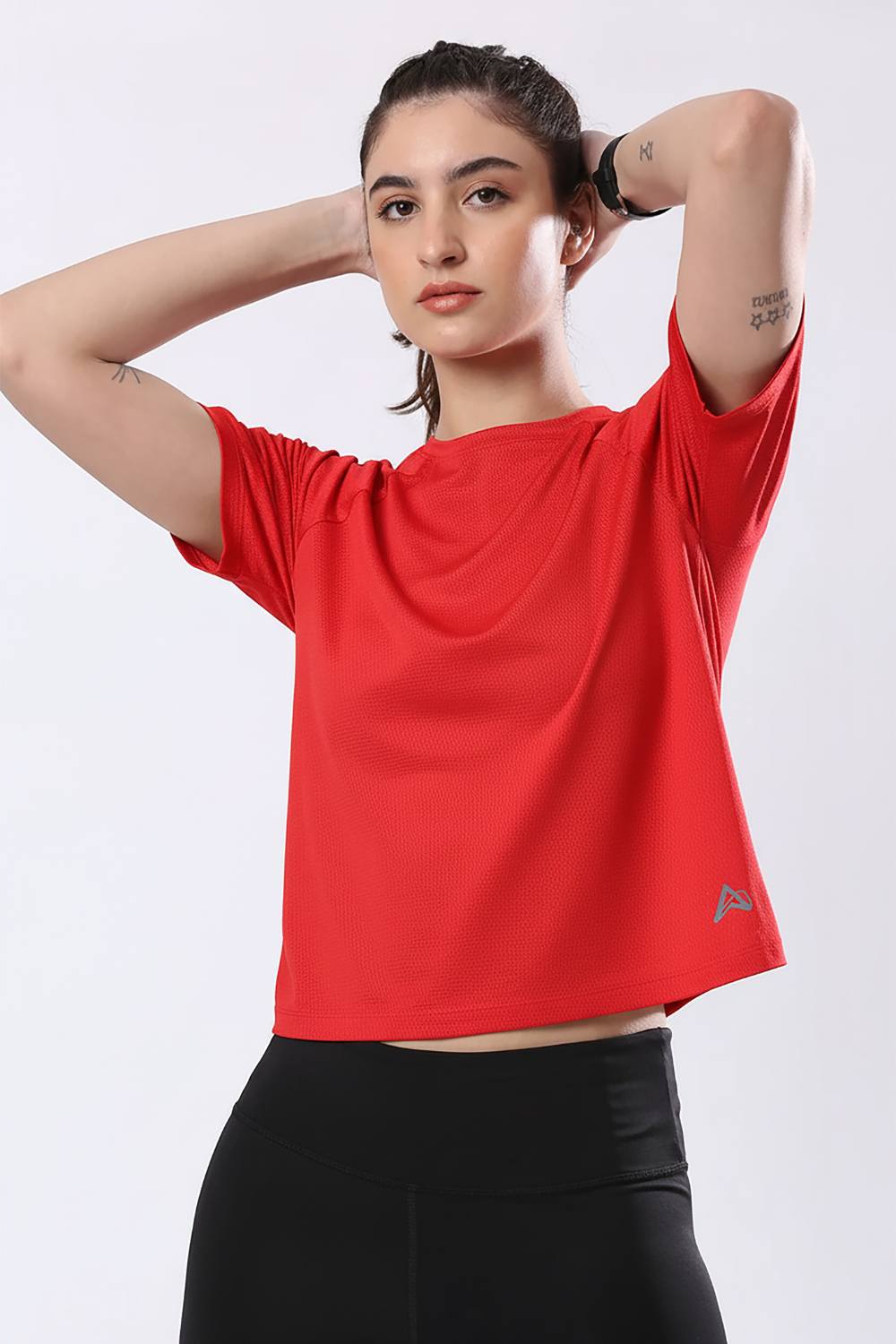
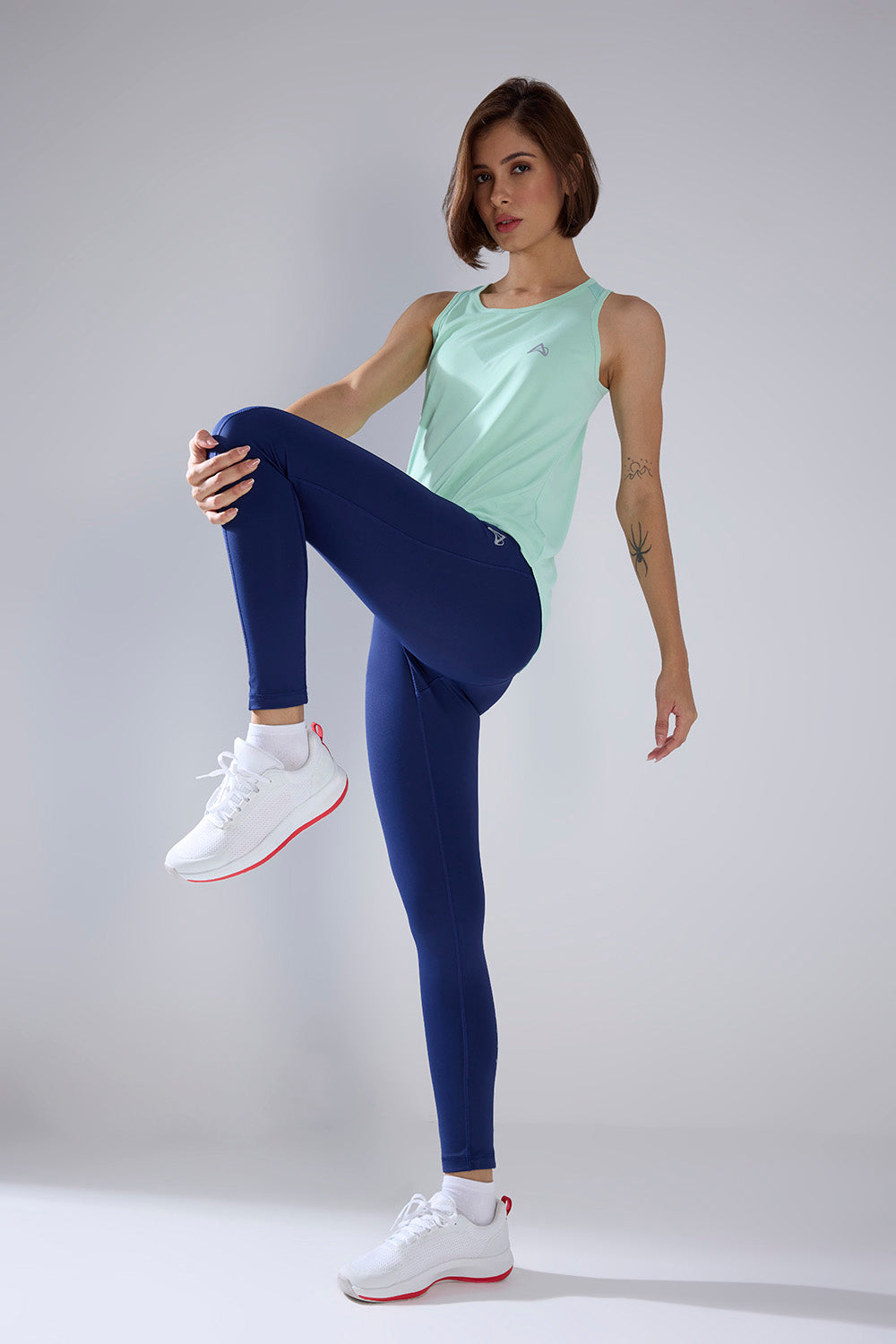
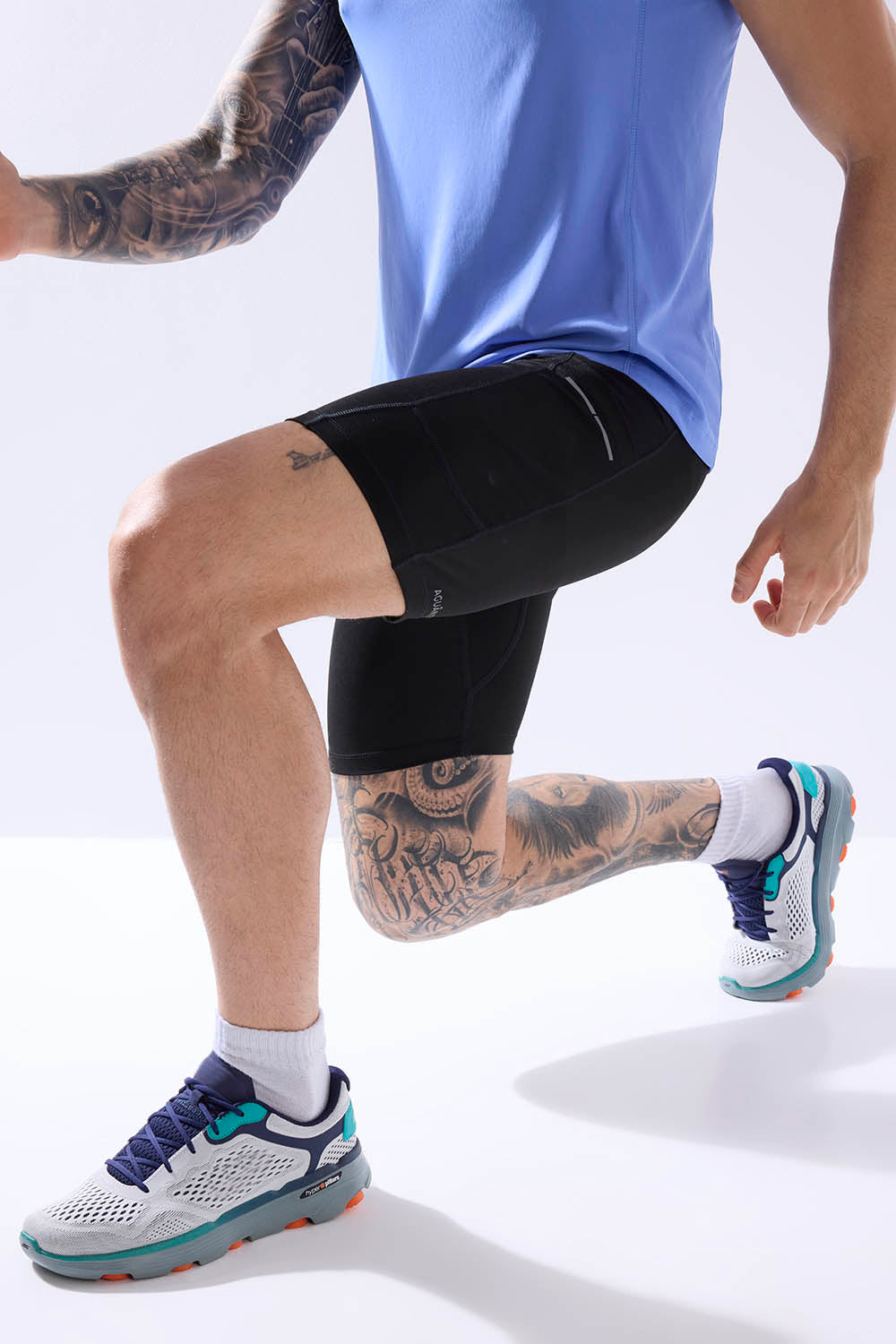
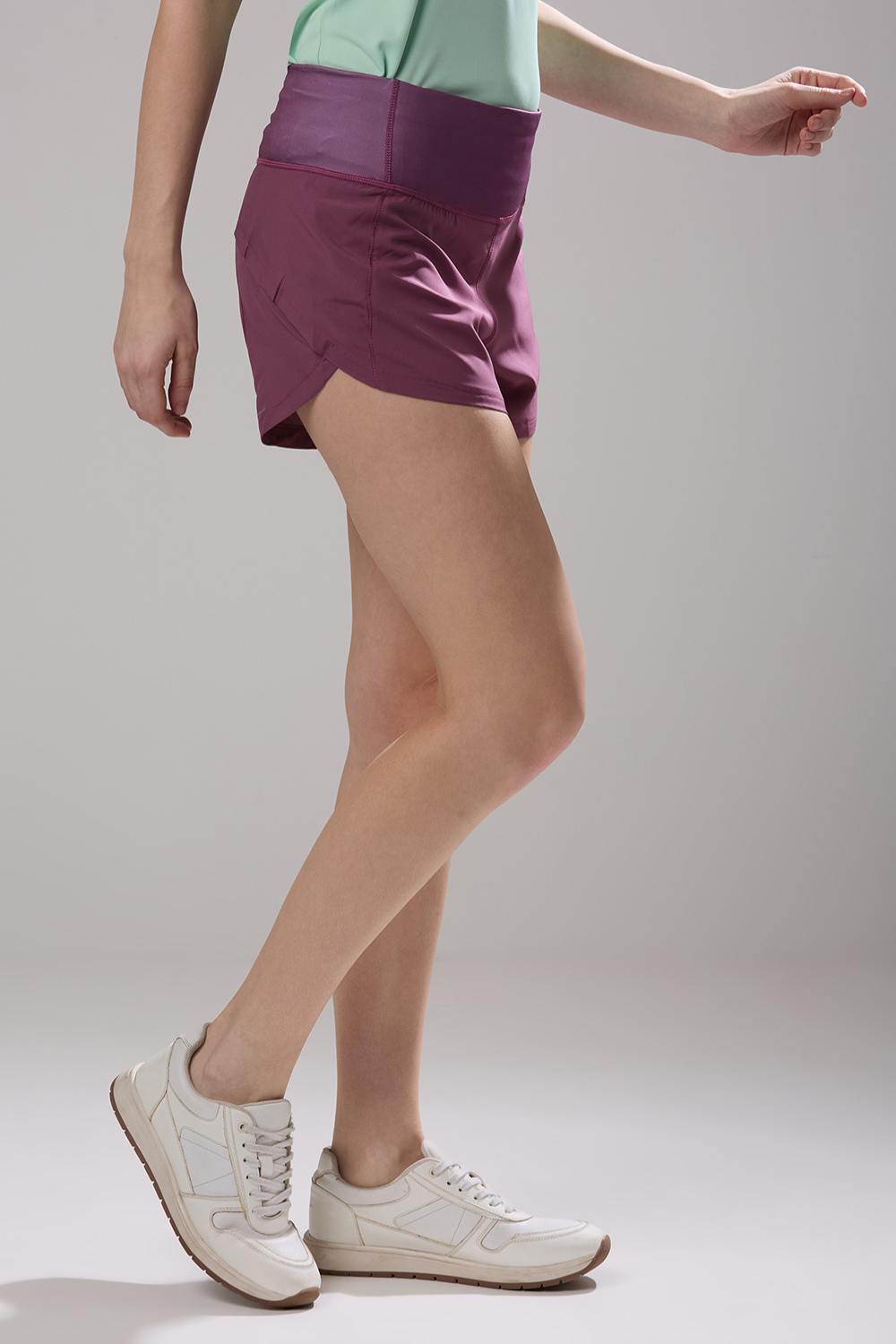
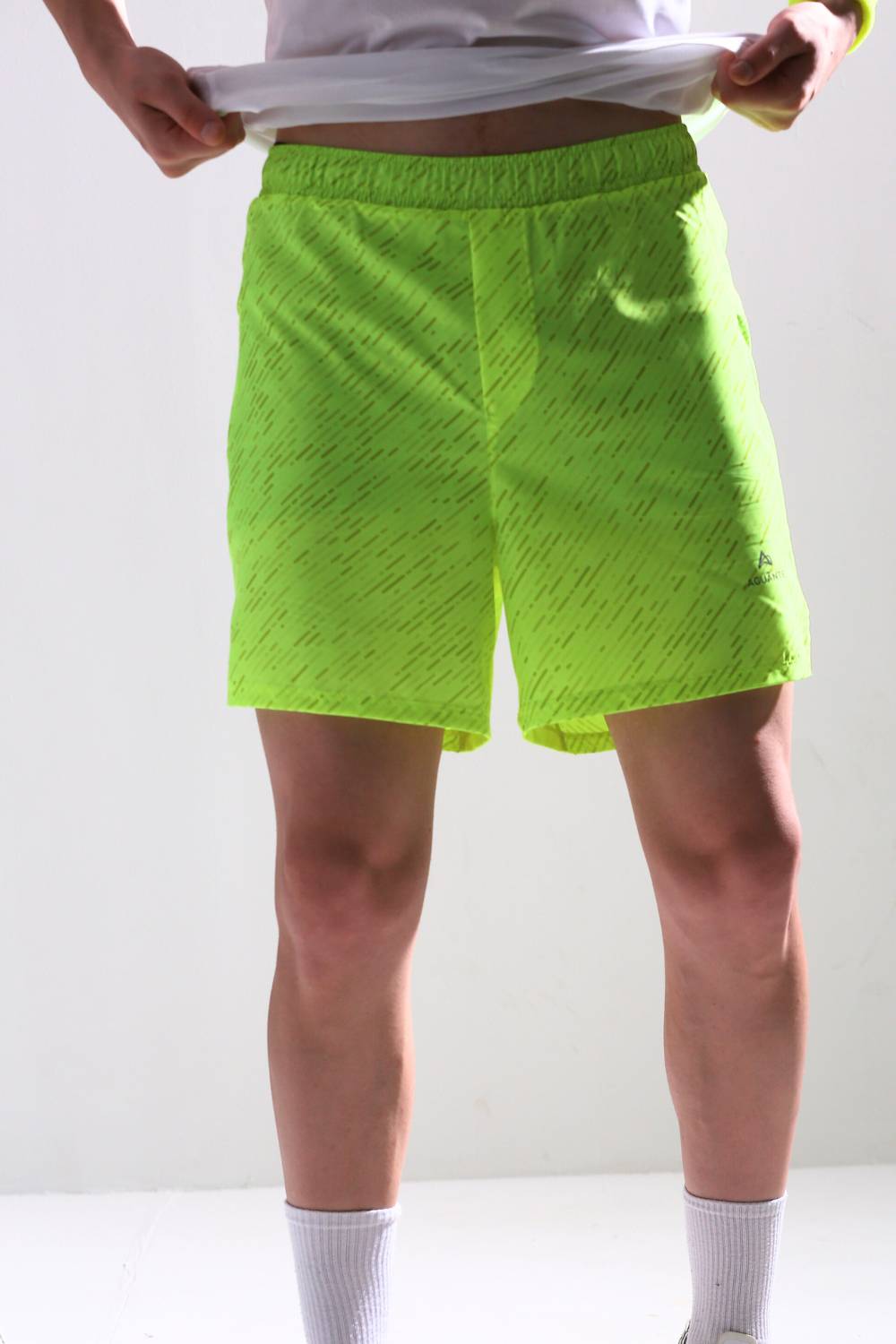
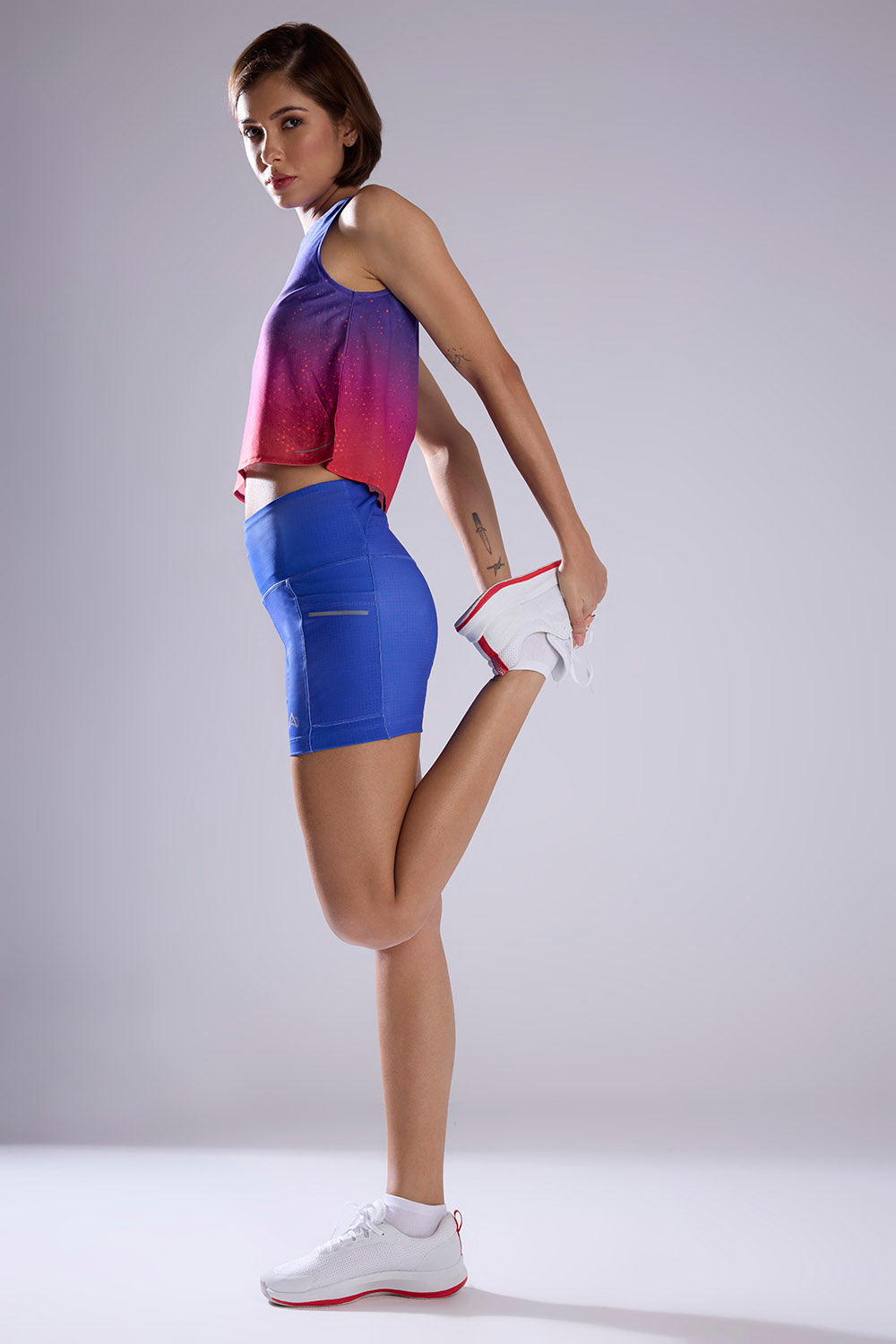
One brand has built its entire proposition around precisely these priorities. Aguante engineers every garment explicitly for Indian running realities addressing heat, humidity, and unpredictable urban surfaces with purpose. The outcome is superior comfort, exceptional breathability, and reliable performance. The brand focuses intensely on what matters most to runners: non-bouncing pockets, proven anti-chafing construction, advanced moisture-wicking materials, thoughtful reflective detailing, and anatomically refined fits developed through extensive testing with local athletes. Runners stay comfortable, carry essentials securely, and concentrate fully on their effort rather than battling their clothing.
While international names frequently design overseas and charge premium prices, Aguante delivers serious performance gear tailored to Indian physiology, roads, and climate at transparent, fair pricing. This combination of local understanding and world-class manufacturing standards sets a compelling standard.
Voices from the Running Community
Mumbai runners frequently describe apparel breakdowns caused by sustained humidity and salt exposure, driving adoption of quick-drying and odor-controlling textiles. Delhi-based research has connected prolonged sweat retention with increased particulate adhesion, encouraging development of specialized anti-odor fibers suited to polluted environments. Growing early-morning running cultures in Gurugram and Pune have accelerated demand for effective reflective treatments trends that align closely with rising participation in organized races and safer nighttime training.
These observations are far from isolated. They form part of a larger conversation unfolding across Instagram, Facebook, and YouTube communities in cities like Bangalore, Hyderabad, Mumbai, Pune, Delhi, and beyond spaces where runners exchange honest feedback, share route photos, and highlight gear that genuinely performs under local conditions.
Strategic Advantages of Genuine Localization
Creating climate-specific products introduces real complexity sourcing specialized textiles, managing segmented inventories, conducting targeted testing all of which increase operational demands. Yet the commercial returns are substantial: stronger customer retention, enthusiastic word-of-mouth advocacy, and significantly higher engagement within active social-media running circles.
In particularly price-conscious markets such as Surat and Ahmedabad, global brands sometimes struggle to defend elevated pricing when their products lack clear local relevance. Brands that successfully deliver climate-appropriate design, accurate fit, and equitable value capture meaningful loyalty in these competitive regions.
India's Role in the Future of Performance Sportswear
Market indicators remain strongly positive. According to verified industry analysis from IMARC Group, the global running gear market was valued at USD 44.18 billion in 2024 and is projected to reach USD 69.86 billion by 2033, growing at a compound annual rate of 5.18% between 2025 and 2033. Rising health consciousness continues to drive participation, with increasing numbers of people embracing running and jogging to support overall fitness and address lifestyle-related conditions.
Within India, growth appears even more dynamic, fueled by rapid urbanization, expanding disposable incomes, marathon participation surges, and widespread e-commerce access. The coming years will likely bring greater product segmentation ultra-lightweight options optimized for humid coastal regions, UV-protective garments for high-sun interiors, specialized anti-dust finishes for arid urban zones. Localized testing facilities in major metros, often in partnership with university textile programs and city-based running collectives, are poised to become standard practice.
India's extraordinary climatic and geographic diversity makes it an unparalleled laboratory for performance innovation. Solutions proven effective here genuinely adaptive, runner-centric design hold potential to influence climate-intelligent sportswear development worldwide.
Ultimately, localization has moved far beyond marketing language. It now stands at the core of serious product engineering. Brands that truly hear and respond to the realities of running in Mumbai, Delhi, Bangalore, Hyderabad, Pune, and other Indian cities will not merely participate in the country's running renaissance they will help shape its most exciting chapters ahead. Today's runners deserve equipment designed with their specific challenges in mind. In these diverse and demanding conditions, nothing less will do.
Frequently Asked Questions
Why do Indian runners need climate-specific running gear instead of standard international brands?
India's diverse micro-climates from Mumbai's high coastal humidity to Delhi's polluted winters and Ahmedabad's dry desert heat create running conditions that generic, Western-designed activewear simply isn't built for. Standard international gear often feels heavy, clings uncomfortably, or fails to protect against local environmental factors like UV radiation, dust, and salt-laden air. Running apparel engineered specifically for Indian conditions addresses breathability, moisture management, and fabric durability in ways that imported designs typically overlook.
What features should Indian runners look for in performance running apparel?
Indian runners should prioritize ultra-lightweight, moisture-wicking fabrics that handle rapid sweat evaporation in both humid and dry heat conditions. Key functional details include anti-chafing inner linings, secure non-bouncing pockets, abrasion-resistant panels for uneven urban surfaces, and reflective detailing for safe early-morning or evening runs in high-traffic corridors. UV protection is also increasingly important for runners in cities like Bangalore and Pune who log miles during peak sunlight hours.
How big is the running gear market in India, and why is localization becoming a competitive advantage?
The global running gear market was valued at USD 44.18 billion in 2024 and is projected to reach USD 69.86 billion by 2033, with India among the fastest-growing segments driven by urbanization, rising disposable incomes, and surging marathon participation. Localization is proving to be a strong differentiator brands that tailor their designs to Indian physiology, terrain, and climate earn stronger customer loyalty and word-of-mouth advocacy, especially in price-sensitive markets where international brands struggle to justify premium pricing without clear local relevance.
Disclaimer: The above helpful resources content contains personal opinions and experiences. The information provided is for general knowledge and does not constitute professional advice.
You may also be interested in: How Runner Feedback Drives Indian Activewear Innovation - Aguante
Tired of gear that slows you down? Chafing, soggy fabrics, and missing pockets kill your run's momentum. At Aguante, we're runners who get it. Our high-performance activewear features moisture-wicking fabrics, ergonomic designs, and smart storage to keep you focused. Shop Now!
Powered by flareAI.co