









Quick Listen:
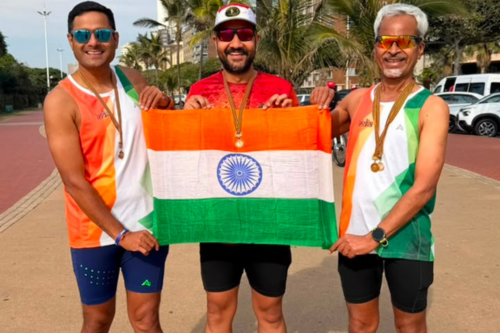
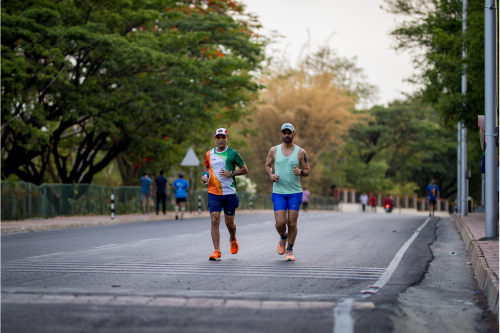
In cities across India from the tech-savvy streets of Bangalore and Hyderabad to the coastal vibrancy of Mumbai and Surat , the ambitious pace of Delhi , Gurugram , Pune , Navi Mumbai , and Ahmedabad running has transformed into a powerful cultural movement. Weekend groups gather before sunrise, corporate teams hit the pavement after work, and marathon fields swell with first-timers and seasoned athletes alike. India now hosts well over 1,500 running events each year, drawing millions of participants and contributing to a vibrant running economy estimated at around $450 million annually. The Tata Mumbai Marathon , Asia's largest mass-participation sporting event, saw a record-breaking 69,000+ runners confirm for its 2026 edition, with over 65,000 on-ground participants alone.
Yet behind every strong finish lies a quiet battle against India's diverse and demanding climate. Thick coastal humidity in Mumbai and Surat, blistering dry heat exceeding 40°C in Delhi and Ahmedabad, heavy pollution in the NCR, and the uneven, mixed terrain of Bangalore and Pune test both body and gear. Standard activewear often fails under these conditions, leading to chafing, overheating, and premature fatigue. Advances in fabric technology are changing that equation, enabling runners to train longer, recover more effectively, and perform with greater confidence on roads shaped by local realities.
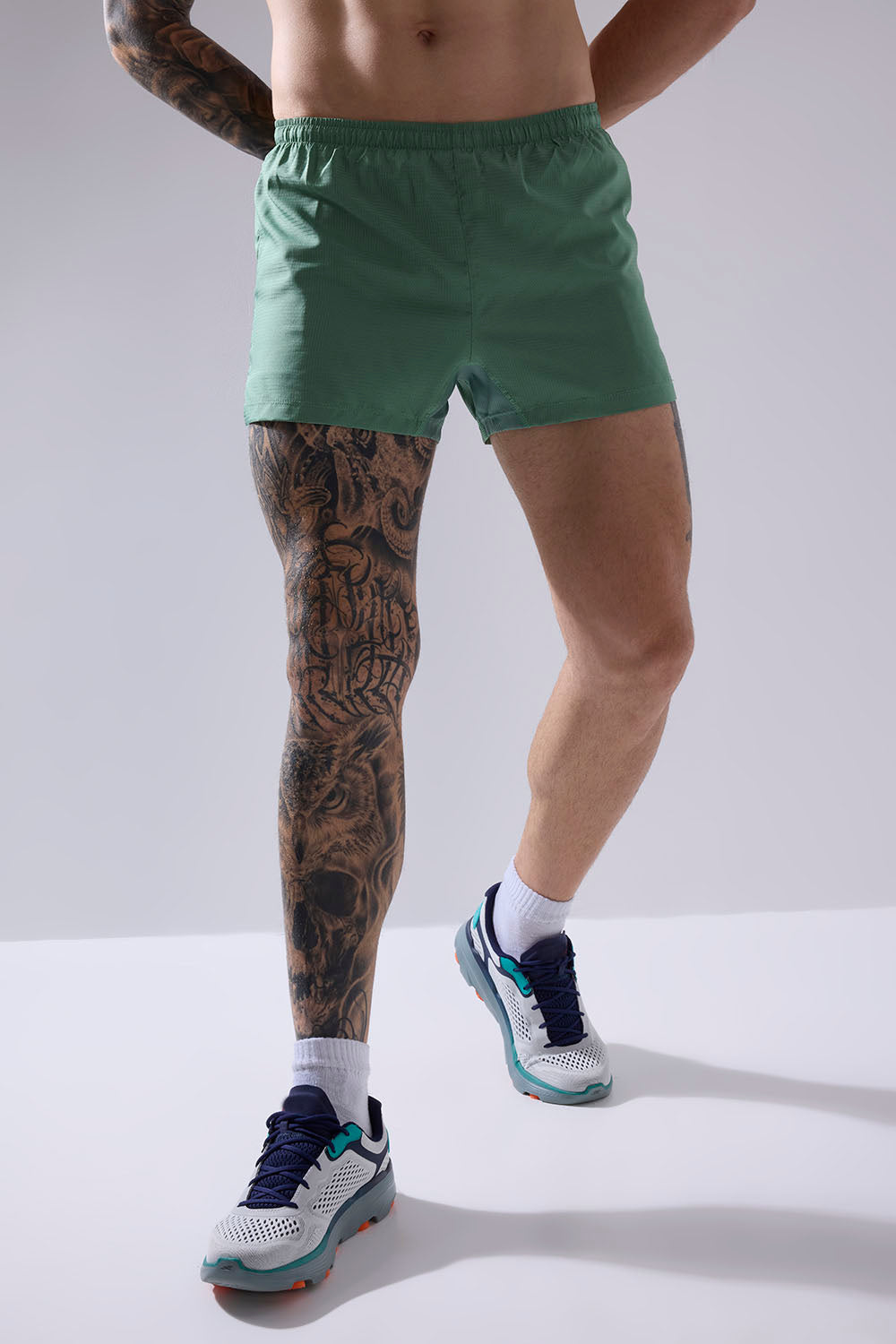
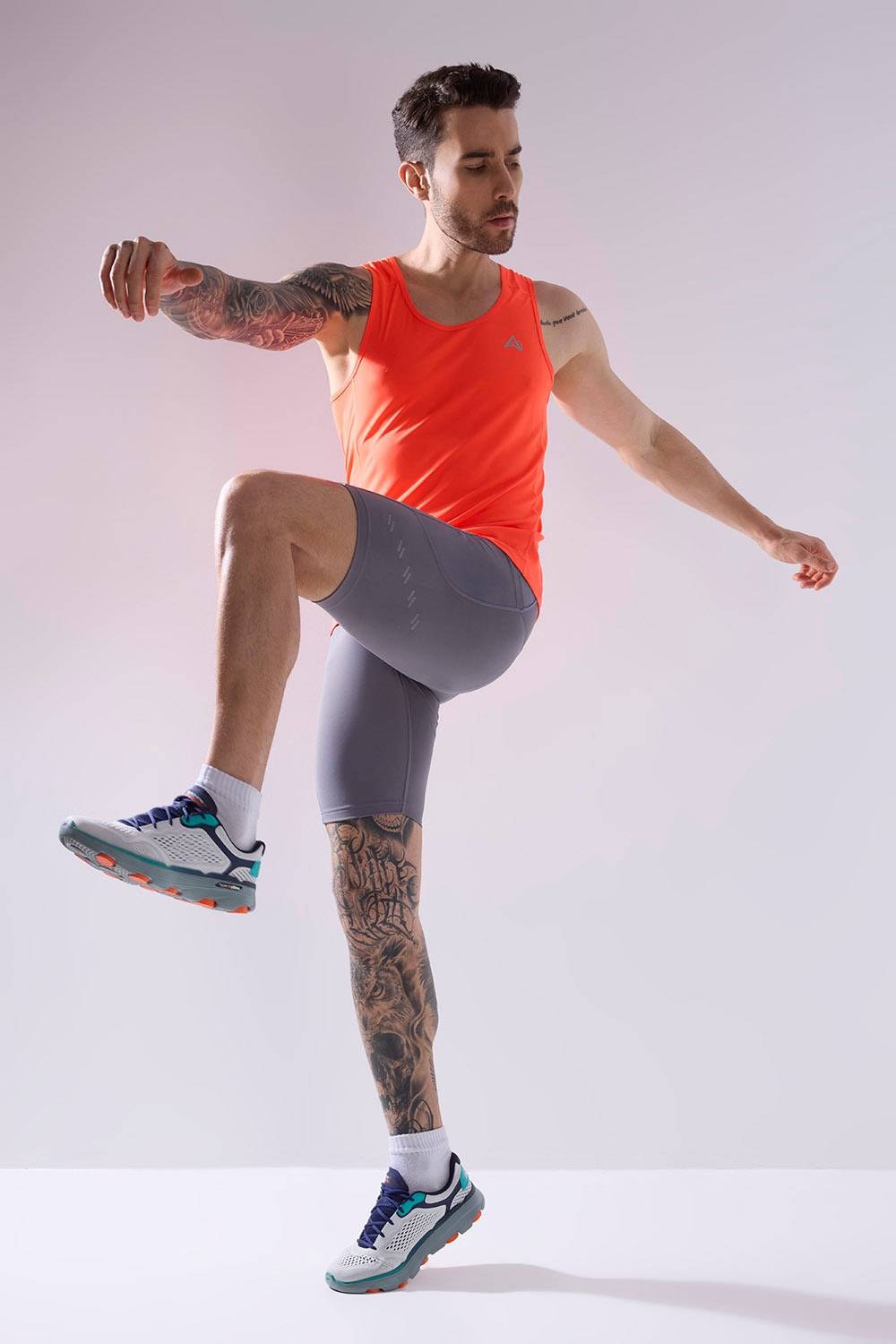
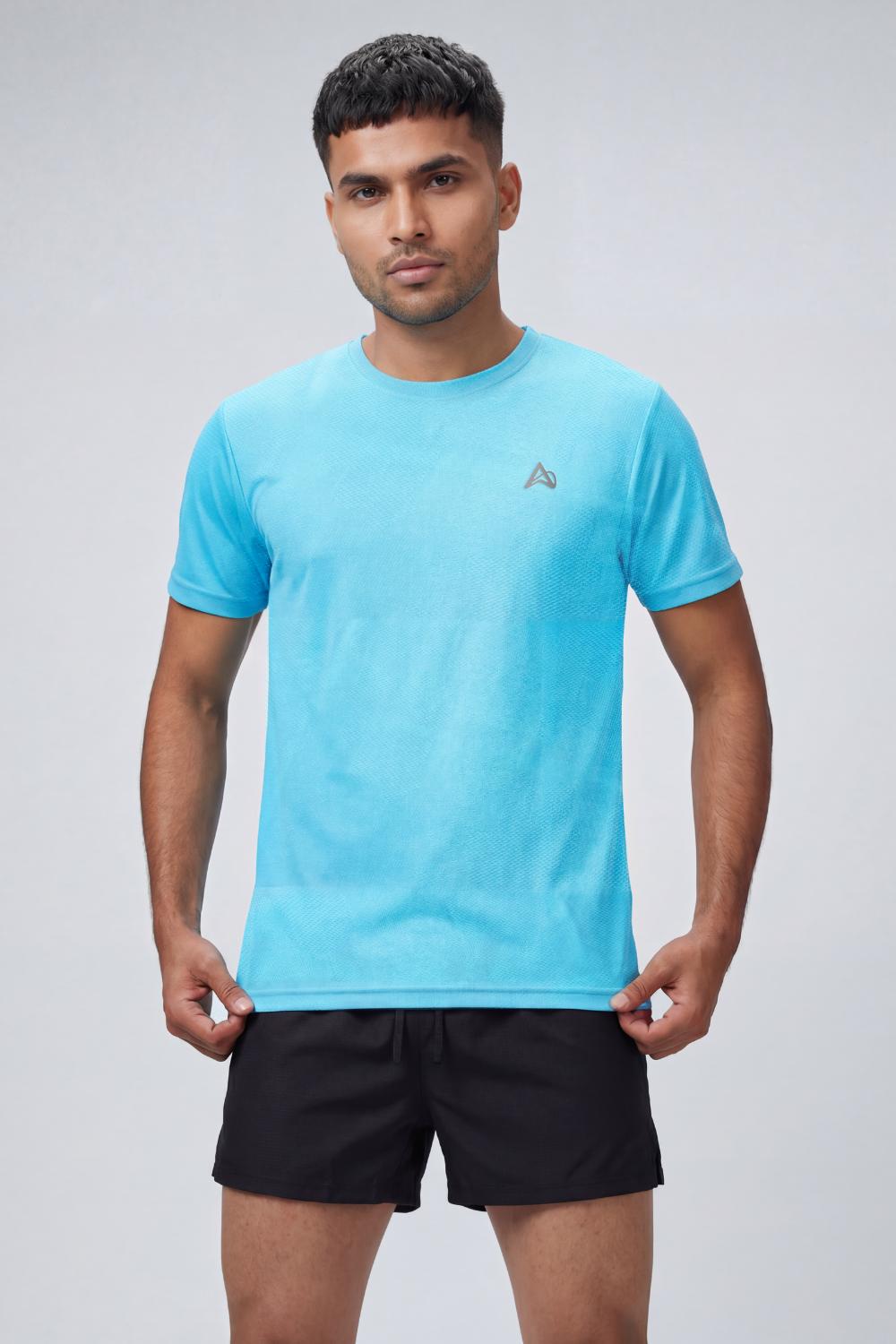
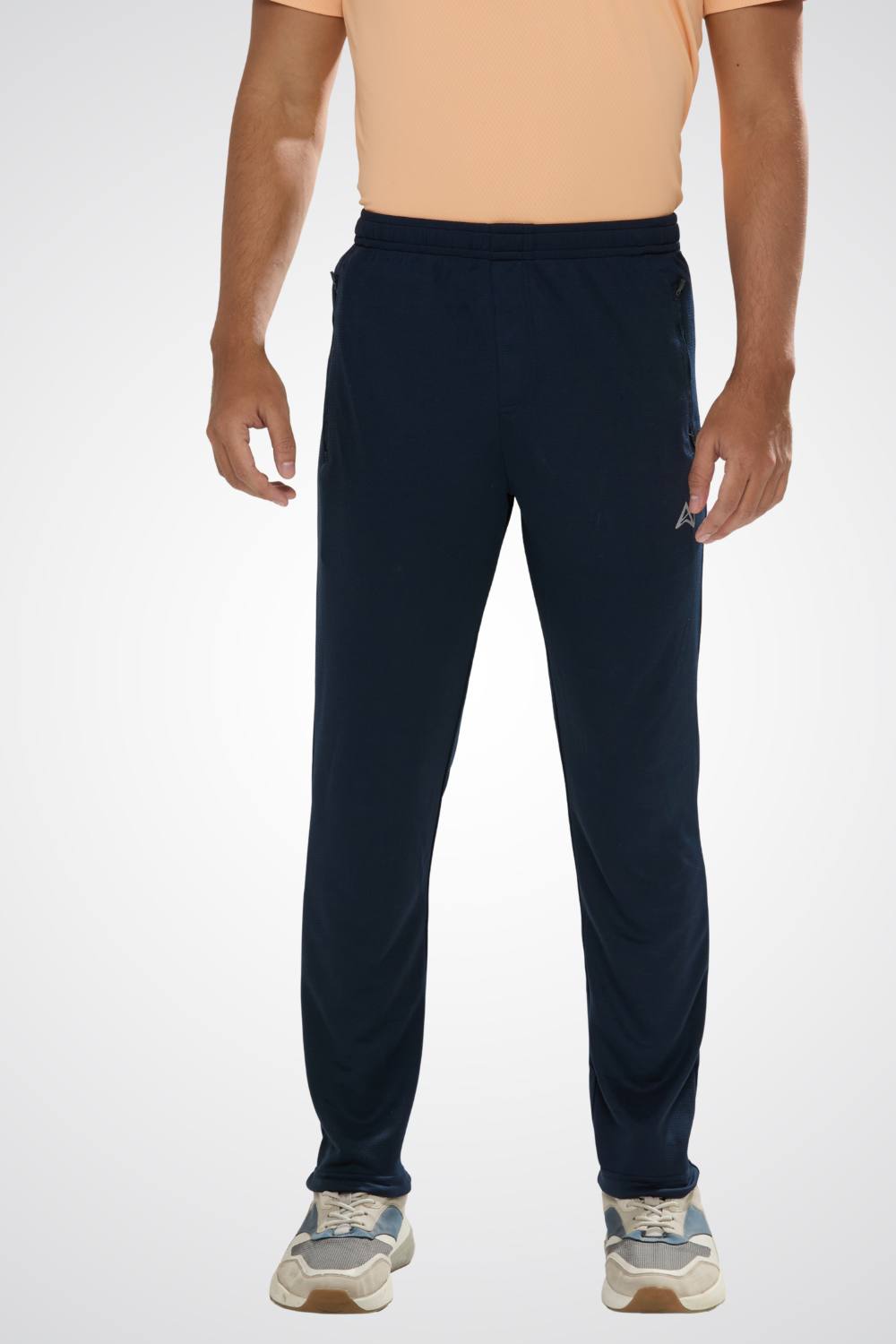
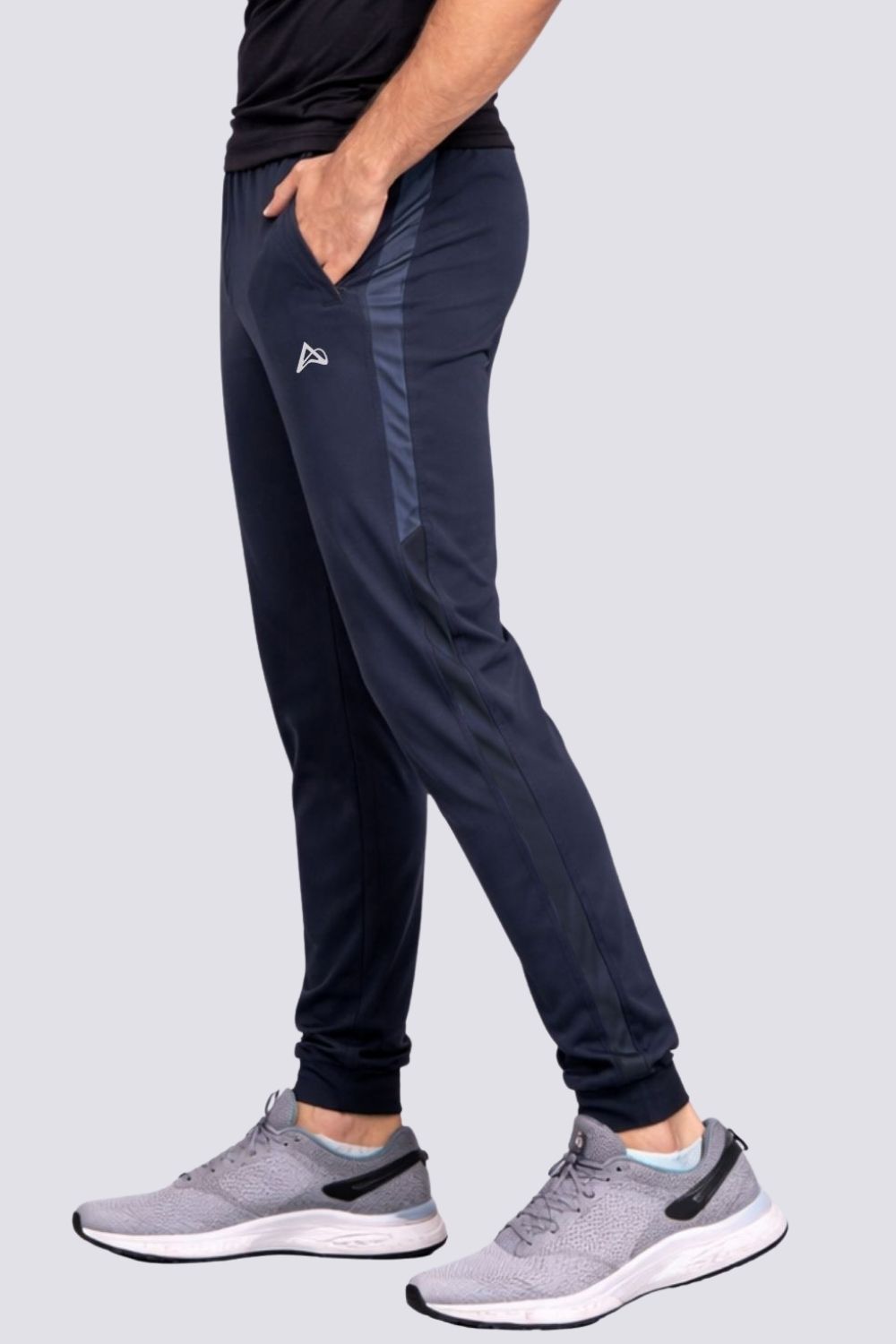
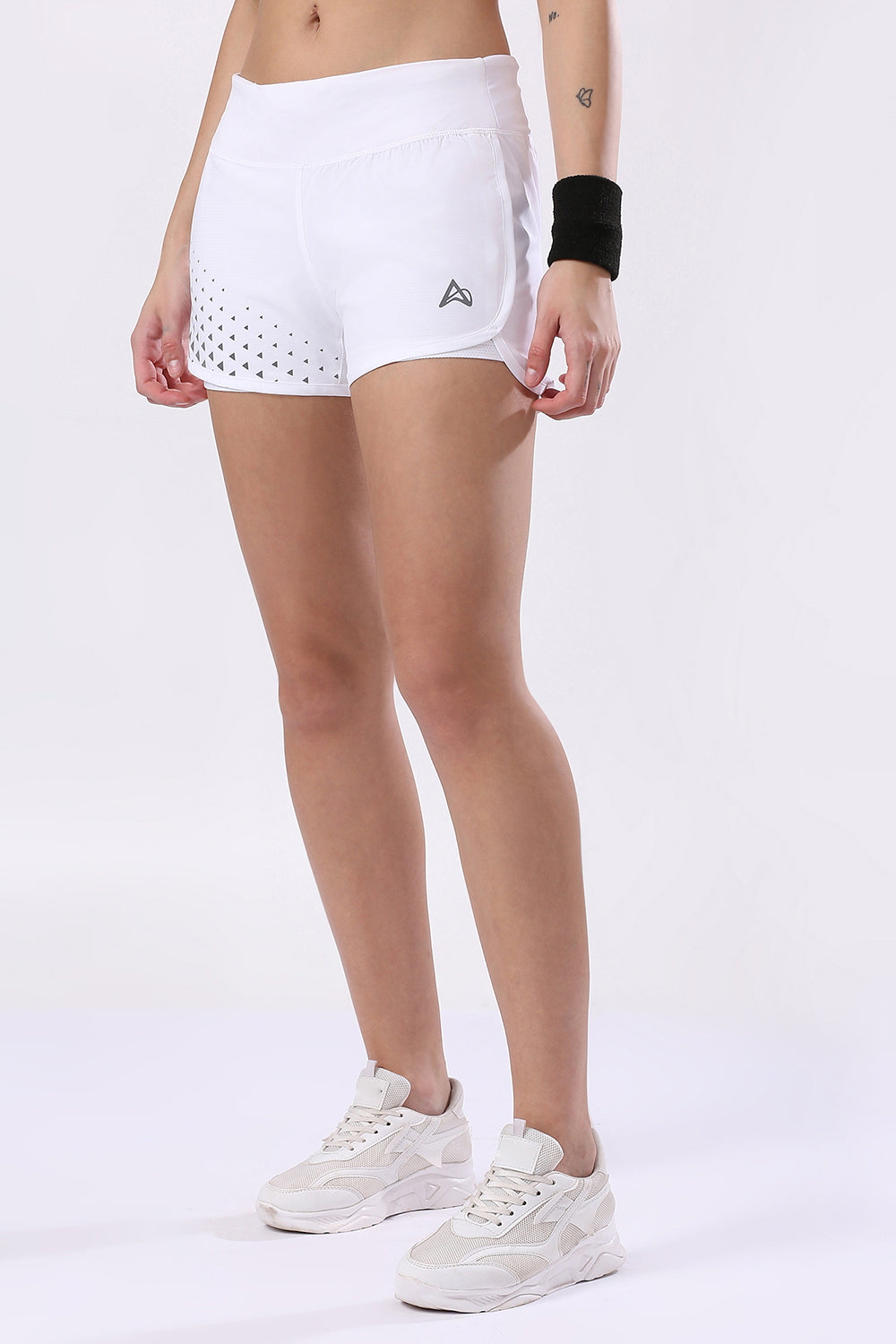
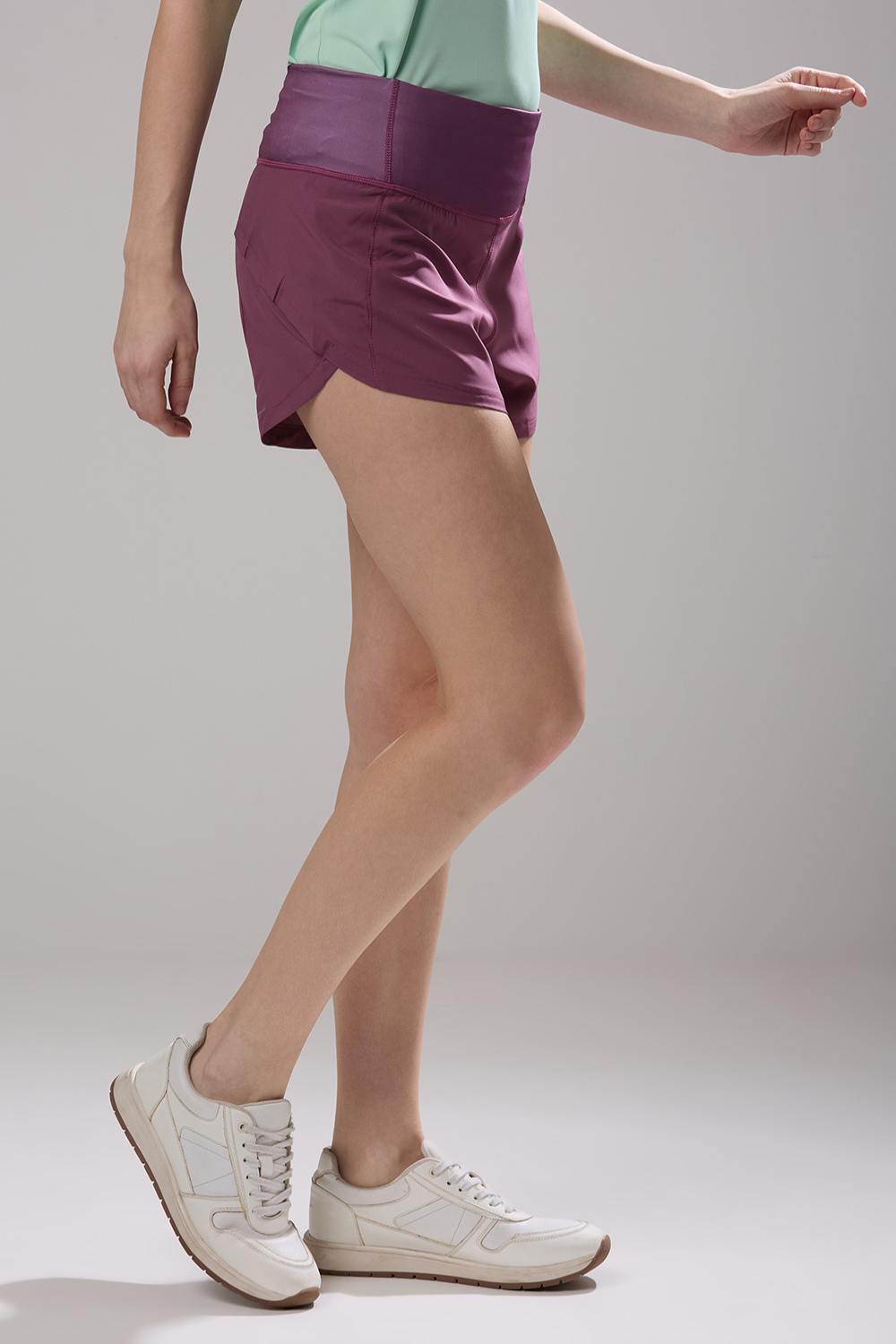
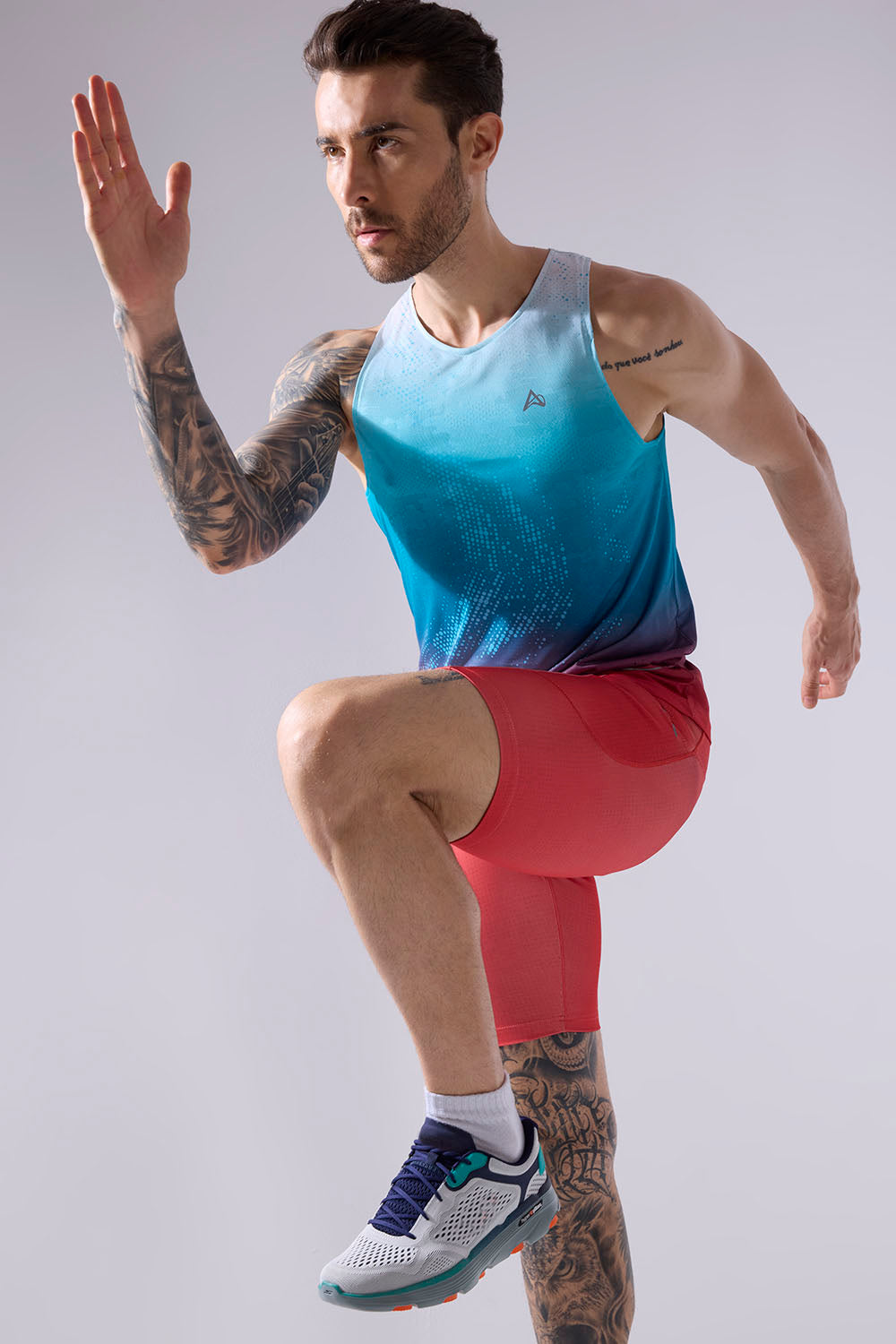
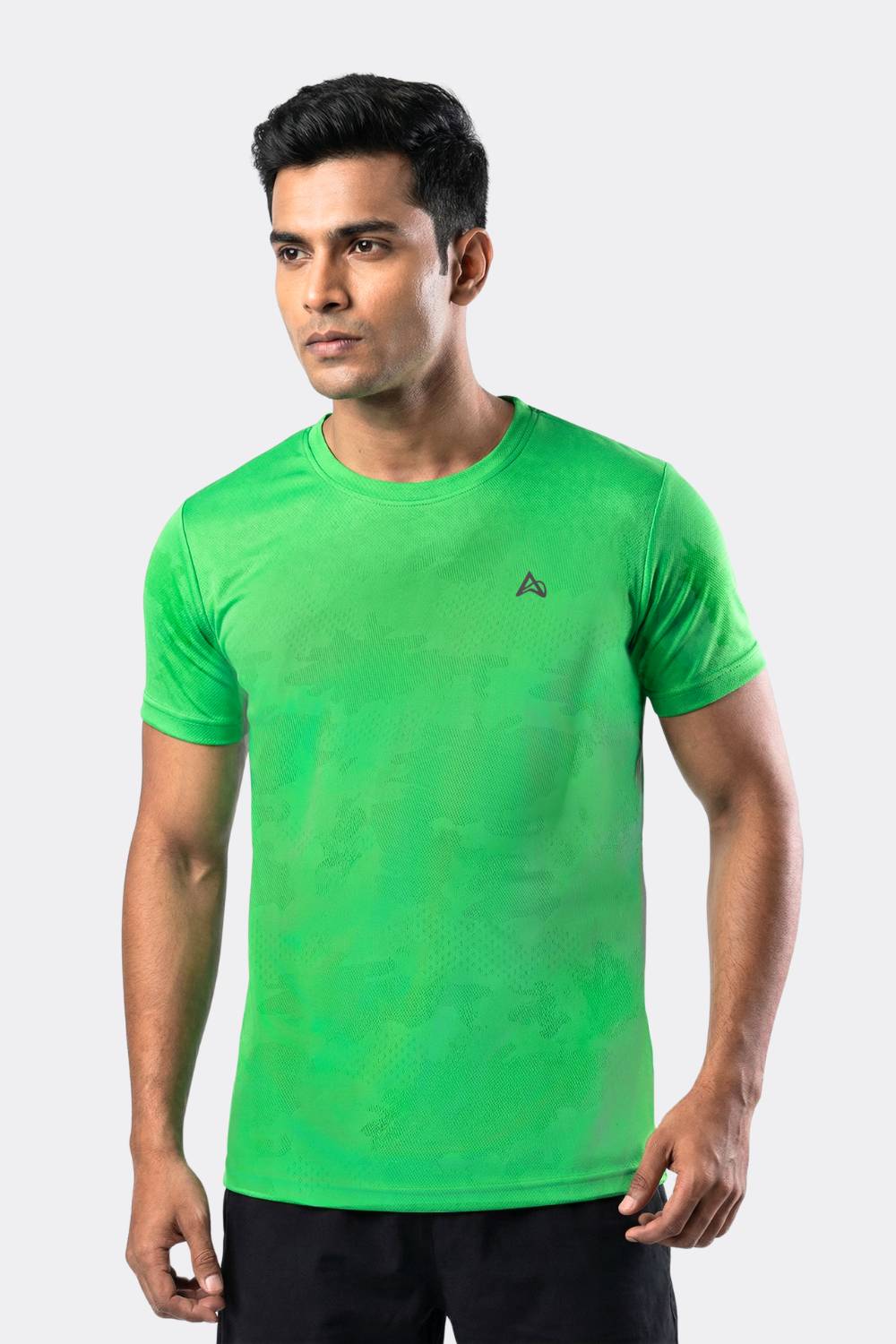
Tired of gear that slows you down? Chafing, soggy fabrics, and missing pockets kill your run's momentum. At Aguante, we're runners who get it. Our high-performance activewear features moisture-wicking fabrics, ergonomic designs, and smart storage to keep you focused. Shop Now!
Why Fabric Innovation Now Defines Endurance for Indian Runners
The surge in running participation across these key urban centers is unmistakable. Tech hubs fuel early-morning and evening groups in Bangalore and Hyderabad, while coastal energy and northern drive propel massive turnouts in Mumbai and Delhi NCR. Half-marathons, community runs, and corporate wellness programs have proliferated, turning running into an accessible, social pursuit. Climate, however, remains the toughest opponent: Mumbai's saturated air makes every kilometer feel heavier, Delhi's summer scorch drains reserves quickly, and Gurugram's polluted stretches demand extra respiratory and skin protection.
These environmental factors directly influence performance metrics. Inadequate moisture control breeds irritation and blisters; trapped heat accelerates dehydration and energy loss; poor fit disrupts rhythm over long distances. Purpose-built fabrics counter these issues by actively managing sweat, regulating temperature, reducing friction, and enhancing safety. As recreational and competitive running continues its rapid expansion driven by accessible events, social communities, and growing health awareness the call for gear engineered for India's specific conditions grows louder.
Heat-Adaptive and Moisture-Managing Fabrics Gaining Ground
Research and development clusters in Bangalore and Delhi are producing textiles optimized for tropical endurance. Advanced micro-poly blends and engineered mesh constructions emphasize rapid sweat evaporation, drawing moisture outward to stabilize core temperature during humid sessions in Mumbai or Surat. These go far beyond conventional wicking: capillary structures and accelerated drying keep skin drier across multi-hour efforts.
In the drier, hotter northern cities of Delhi and Ahmedabad, priorities shift toward ultra-lightweight, highly breathable constructions that maximize airflow while preserving structural integrity. Runners consistently note reduced perceived effort and delayed fatigue when fabrics actively dissipate heat instead of retaining it against the body.
Anti-Chafing Design and Sustained Long-Run Comfort
Friction remains one of the most common reasons runners abandon sessions early. Insights from Pune's sports science initiatives and Delhi NCR running communities have shaped innovations such as seamless construction, targeted low-friction panels, and anatomically informed tailoring. Specialized inner linings reduce irritation, while carefully positioned seams prevent pressure points during extended mileage vital for half-marathon training in Gurugram or trail-inspired runs through Bangalore's varied surfaces.
Local runner feedback loops are central to refinement. Community testing ensures essentials like gel pockets remain bounce-free, silhouettes respect Indian body proportions, and ventilation placement matches real-world sweat mapping in both humid coastal and arid continental environments.
Visibility and Safety Features for Urban Night Training
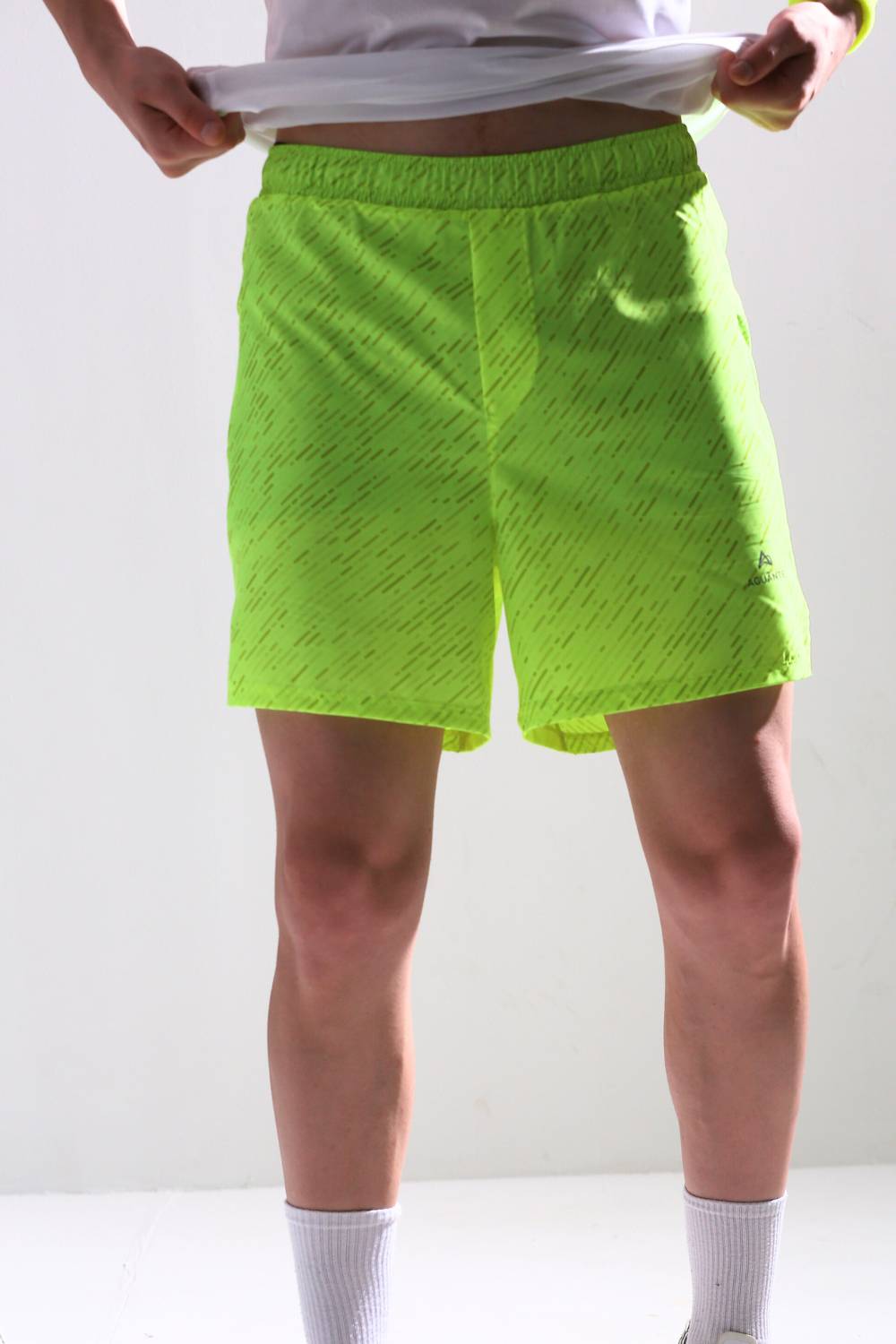
To escape daytime heat and pollution, large numbers of Indian runners choose pre-dawn or post-sunset hours. In densely trafficked zones of Mumbai and Delhi, visibility is non-negotiable. Textile manufacturing strengths in Gujarat particularly Surat and Ahmedabad support the integration of reflective fibers and high-visibility elements woven seamlessly into garments. These features reflect vehicle headlights effectively without compromising weight or flexibility, offering reassurance on dimly lit or high-traffic routes.
How Indian Cities Are Actively Shaping Fabric Development
Innovation frequently begins in Bangalore's startup and research ecosystem, where technology intersects with textile experimentation, before scaling via established manufacturing bases in Surat and Ahmedabad. Mumbai and Pune marathon collectives continually inform decisions on pocket functionality, ventilation density, and humidity-specific fit. Delhi NCR runners push durability limits under combined heat, pollution, and traffic stress.
Forward-thinking brands now develop region-tailored collections: ultra-breathable constructions for Mumbai and Surat's moisture-heavy air, heat-resilient options for Delhi and Ahmedabad's intense dry conditions, and adaptable all-season pieces suited to Bangalore and Pune's milder yet variable climate. This localized approach combining India-specific design with rigorous quality benchmarks delivers genuine performance advantages at accessible price points compared to imported alternatives.
Barriers Slowing Broader Adoption of Advanced Textiles
Progress notwithstanding, several obstacles persist. High-performance fabrics can still carry a premium perception in cost-conscious markets like Ahmedabad and Surat. Emerging runners in smaller communities frequently gravitate toward well-known international logos, under-valuing material engineering. India's vast climatic variation from coastal saturation to inland aridity and elevated mildness makes universal solutions impractical.
Knowledge gaps also remain. Many participants prioritize brand familiarity over fabric science. Targeted education via Instagram running profiles, Facebook communities, and YouTube training channels can close this divide, demonstrating how thoughtful material choices translate into tangible improvements in comfort, endurance, and enjoyment.
Emerging Opportunities for Brands and the Running Community
The trajectory points toward increasingly specialized product lines optimized for regional stressors and validated through extensive local testing and feedback. With amateur participation continuing to climb half-marathons filling fast in Bangalore and Mumbai, corporate running groups expanding in Gurugram and Hyderabad demand rises for reliable, fairly priced gear that prioritizes function.
Brands committing to India-centric research and development secure meaningful competitive advantages over generic global imports. They provide runs free of distraction: secure storage that stays put, proven anti-chafe safeguards, exceptional breathability tailored to local weather, and built-in reflective safety all validated by everyday Indian runners on the very roads they use.
The Evolving Landscape of Endurance Apparel in India
Fabric technology has shifted from optional comfort enhancement to a decisive performance factor. The coming years promise greater integration of temperature-adaptive smart textiles, biomechanically driven fit systems, and urban-specific pollution-resistant treatments. Brands that design deliberately for India's diverse climates, body types, and running environments rather than modifying international standards will lead the next wave of growth.
For athletes moving through Bangalore, Hyderabad, Mumbai, Pune, Navi Mumbai, Delhi, Gurugram, Surat, and Ahmedabad, superior gear does far more than ease discomfort. It extends training windows, accelerates recovery, enhances safety, and ultimately empowers runners to push farther against challenging conditions. In a nation where endurance is forged in heat, humidity, and urban grit, fabric innovation stands as the subtle yet powerful ally helping participants go the distance.
Frequently Asked Questions
What fabric technologies are best for running in India's hot and humid climate?
For India's diverse climate conditions, advanced micro-poly blends and engineered mesh constructions are among the most effective options. These fabrics use capillary structures to rapidly draw sweat away from the skin and accelerate drying, helping stabilize core temperature during long runs in humid coastal cities like Mumbai and Surat. In hotter, drier cities like Delhi and Ahmedabad, ultra-lightweight and highly breathable constructions that maximize airflow are preferred, with runners reporting reduced perceived effort and delayed fatigue as a result.
How does running apparel help prevent chafing during long-distance runs?
Chafing is one of the most common reasons runners cut their sessions short, and purpose-built running fabrics directly address this through seamless construction, targeted low-friction panels, and anatomically informed tailoring. Specialized inner linings reduce skin irritation, while strategically positioned seams eliminate pressure points during extended mileage critical for half-marathon training or trail runs on uneven surfaces. These design choices are refined through real runner feedback from communities across cities like Pune, Gurugram, and Bangalore, ensuring fit and comfort hold up across multi-hour efforts.
Why is reflective running gear important for Indian runners, and how is it made?
A large number of Indian runners train before dawn or after sunset to avoid peak daytime heat and pollution, making visibility in high-traffic urban zones a genuine safety concern. Reflective fibers and high-visibility elements are now woven seamlessly into modern running garments, leveraging India's strong textile manufacturing base particularly in Surat and Ahmedabad to integrate these features without adding weight or restricting movement. This built-in reflectivity ensures runners remain clearly visible to vehicles on dimly lit or congested routes in cities like Mumbai and Delhi.
Disclaimer: The above helpful resources content contains personal opinions and experiences. The information provided is for general knowledge and does not constitute professional advice.
You may also be interested in: How Indian Runners Benefit From Moisture-Wicking Tops - Aguante
Tired of gear that slows you down? Chafing, soggy fabrics, and missing pockets kill your run's momentum. At Aguante, we're runners who get it. Our high-performance activewear features moisture-wicking fabrics, ergonomic designs, and smart storage to keep you focused. Shop Now!
Powered by flareAI.co