




Quick Listen:
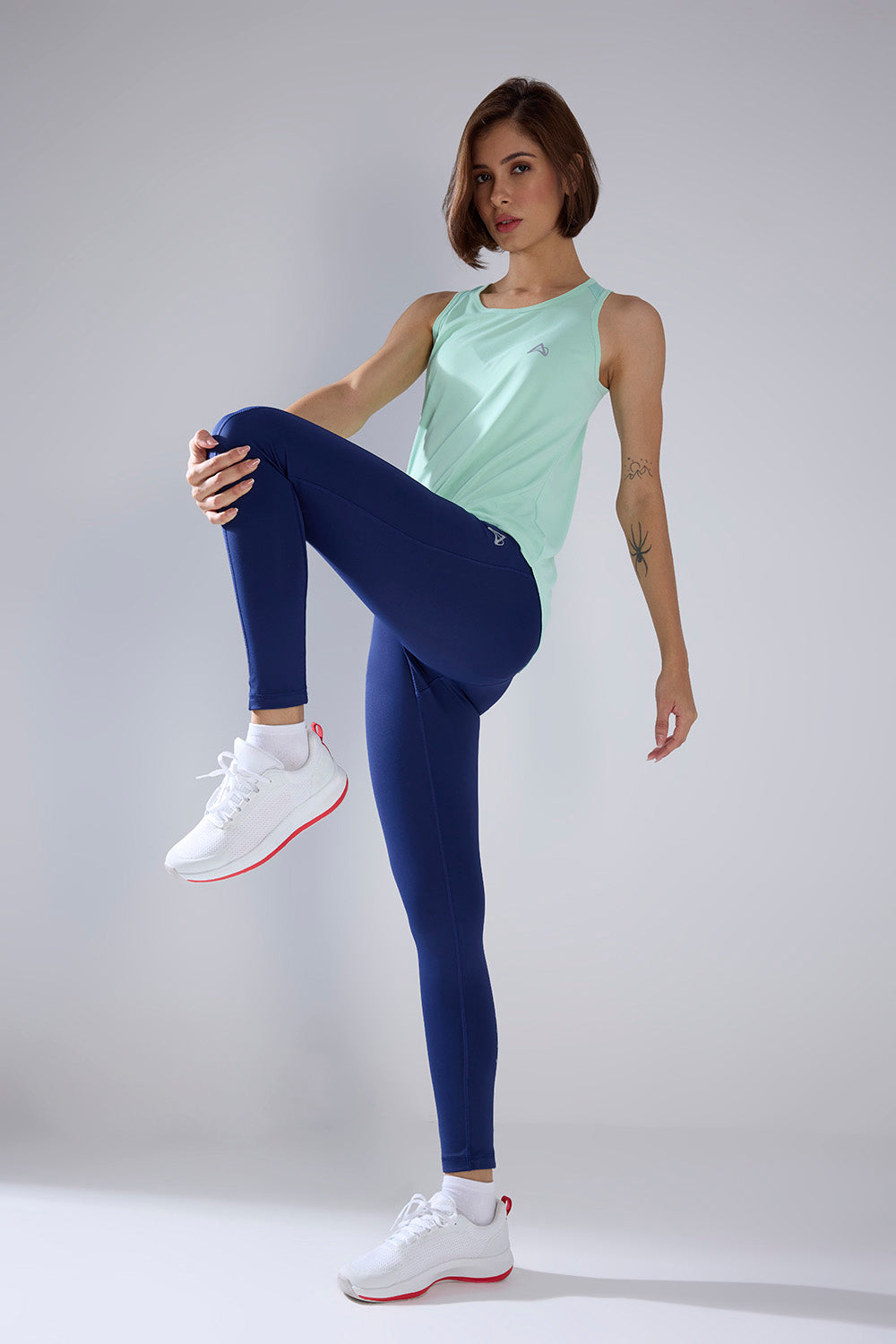
In India's rapidly expanding running culture, e-commerce platforms have emerged as the quiet force reshaping access to high-performance apparel. From the humid coastal stretches of Navi Mumbai and Surat to the traffic-choked mornings of Delhi , Mumbai , and Bangalore , runners now routinely discover gear engineered specifically for Indian conditions without ever stepping inside a conventional sports store. Digital marketplaces have dismantled long-standing geographic and inventory barriers, delivering breathable, thoughtfully designed running wear directly to doorsteps across the country's key fitness hubs.
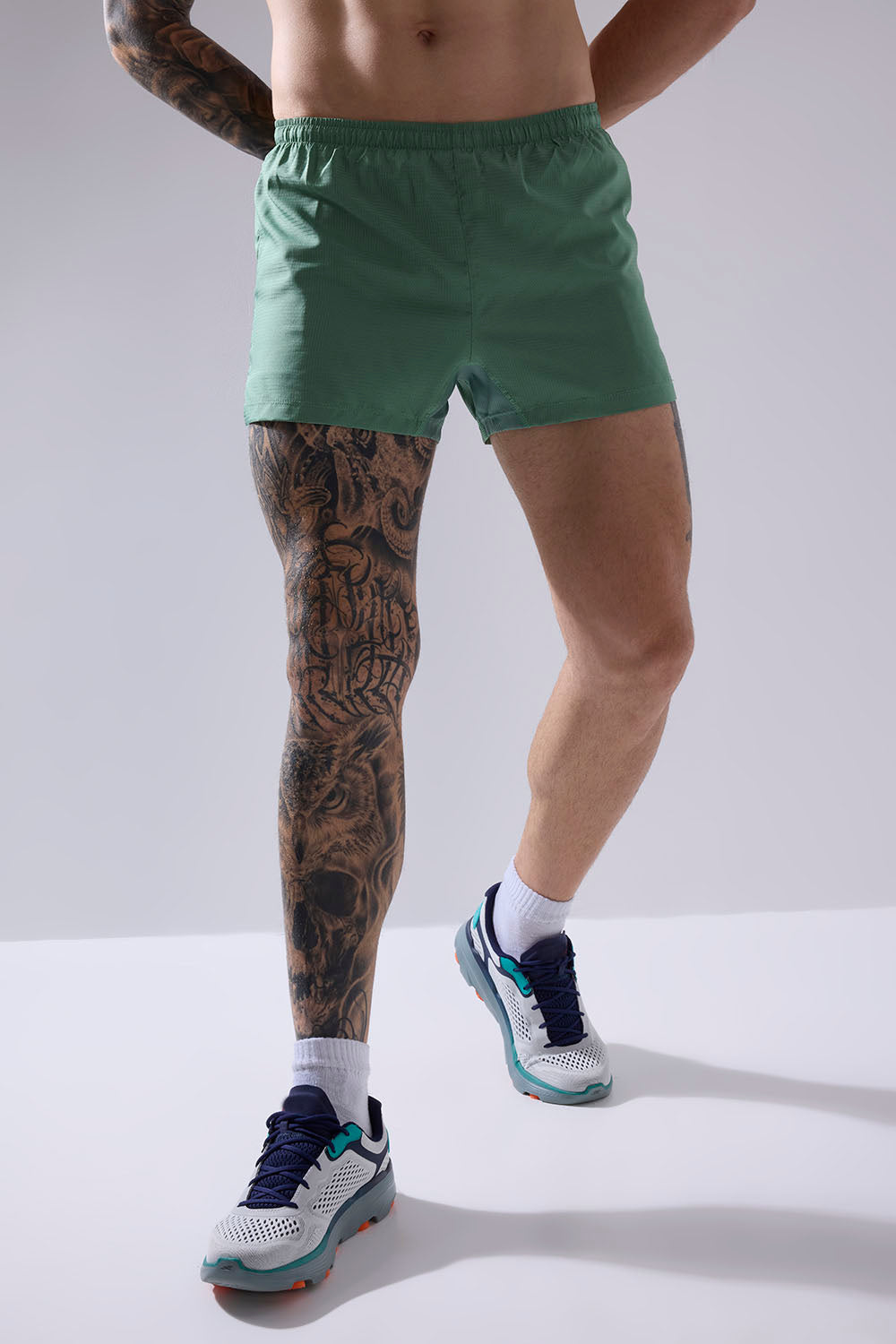
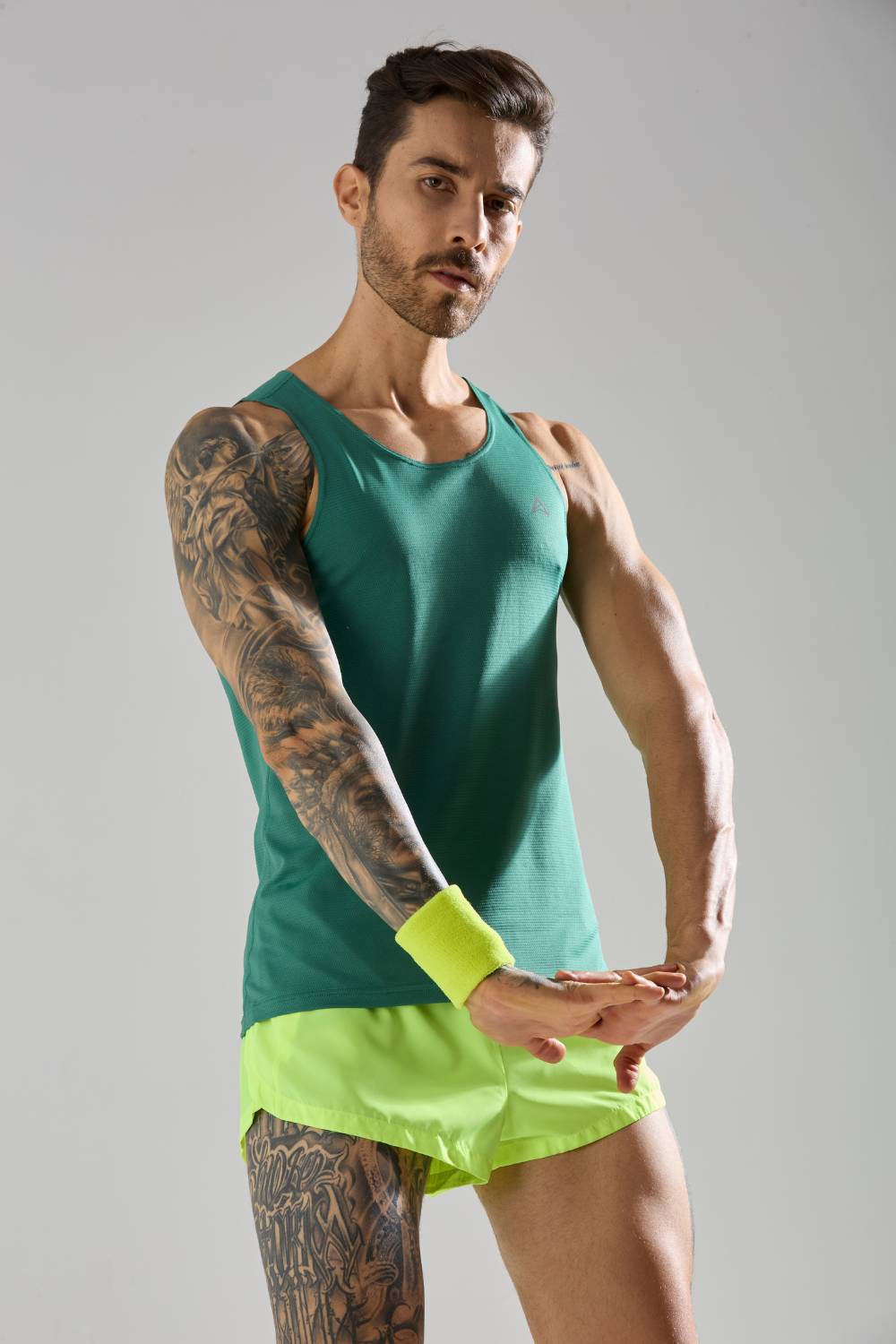
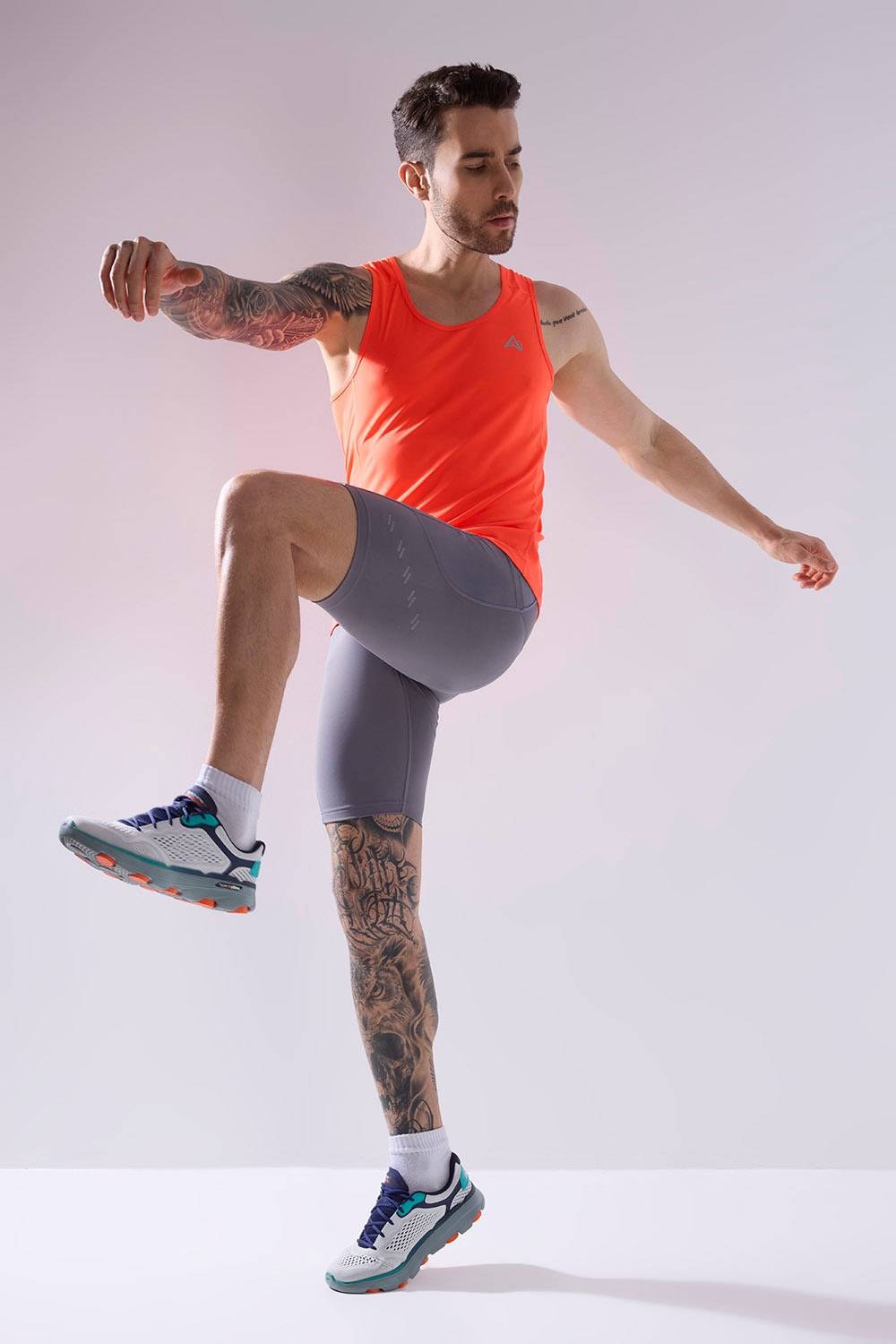
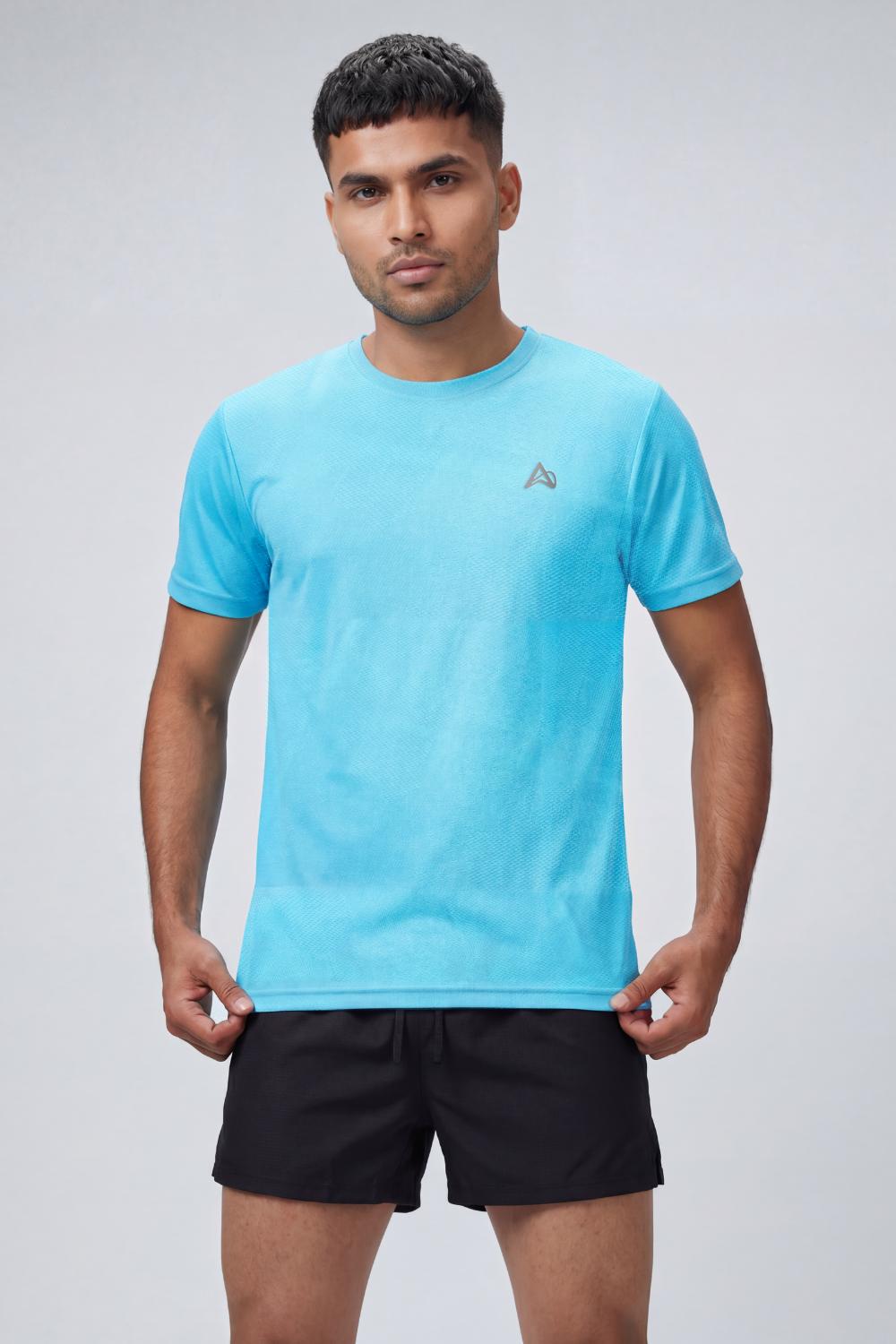
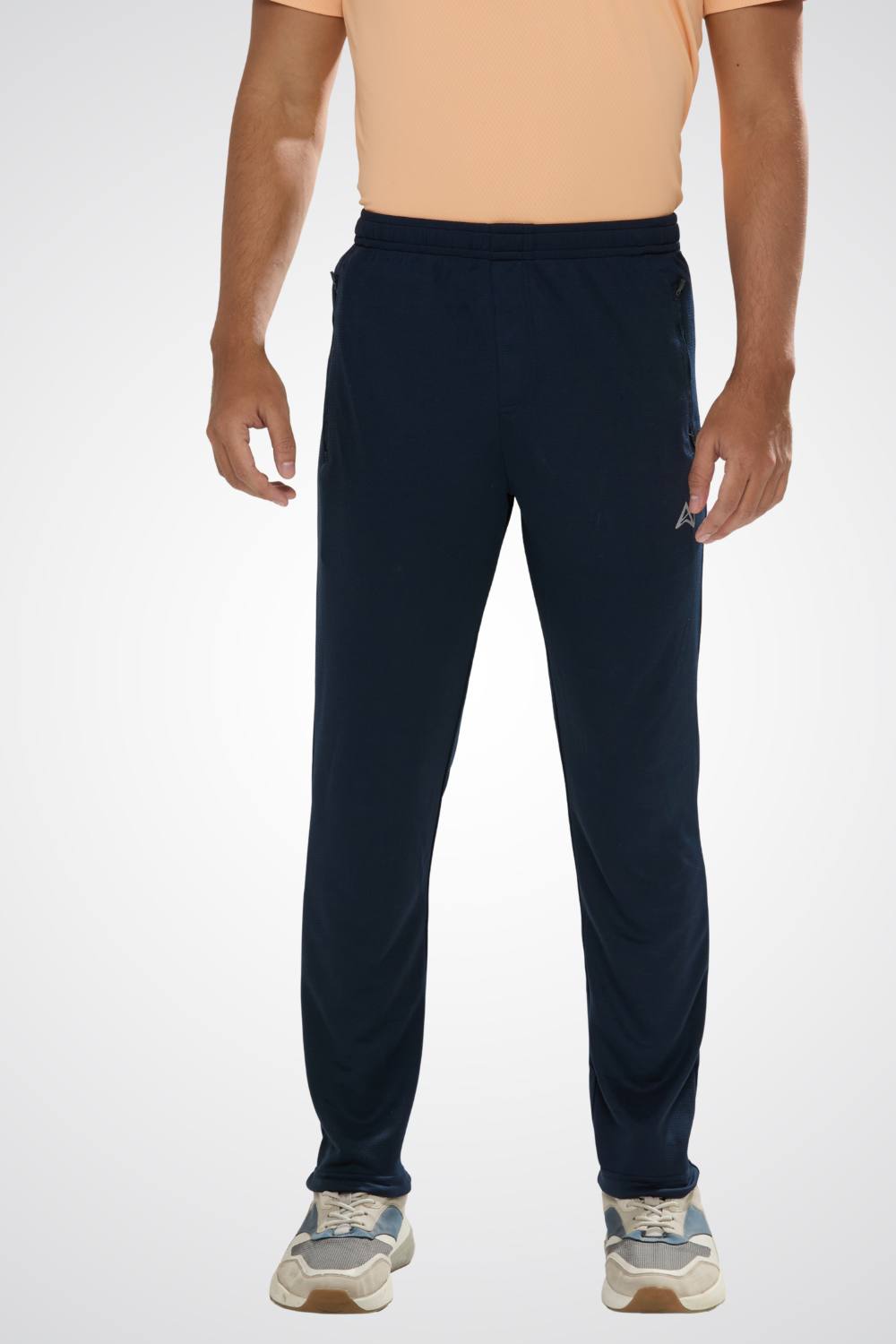
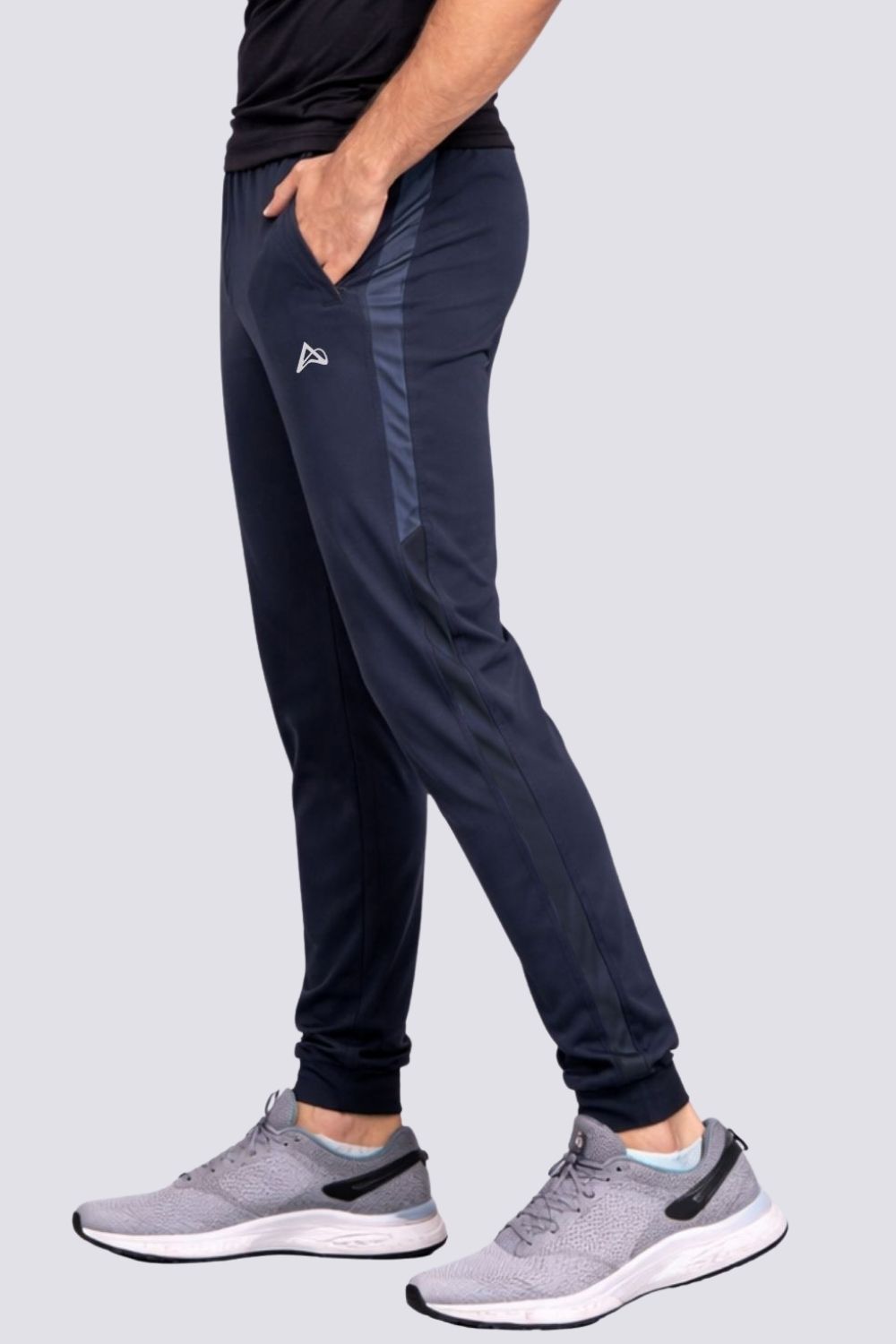
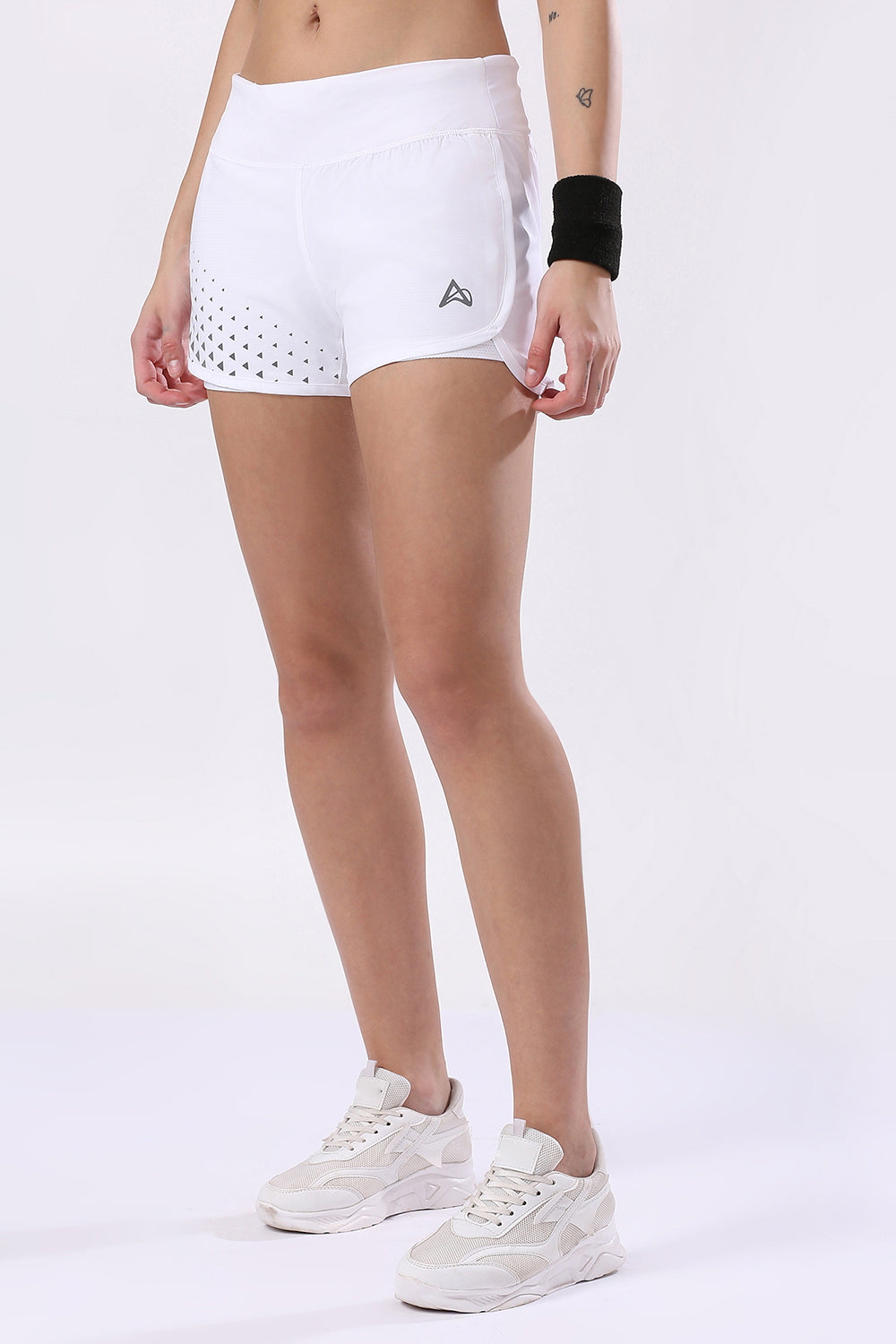
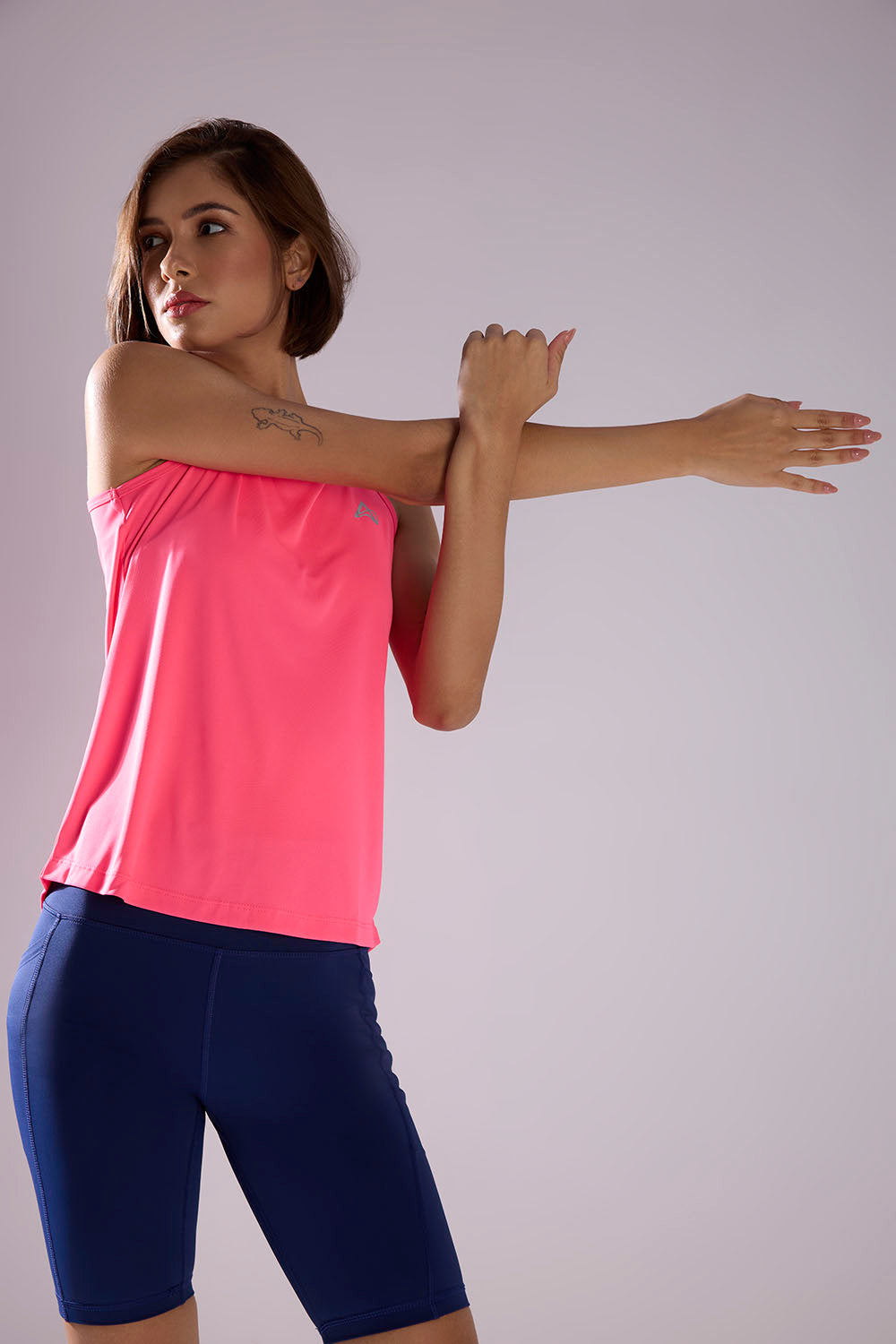
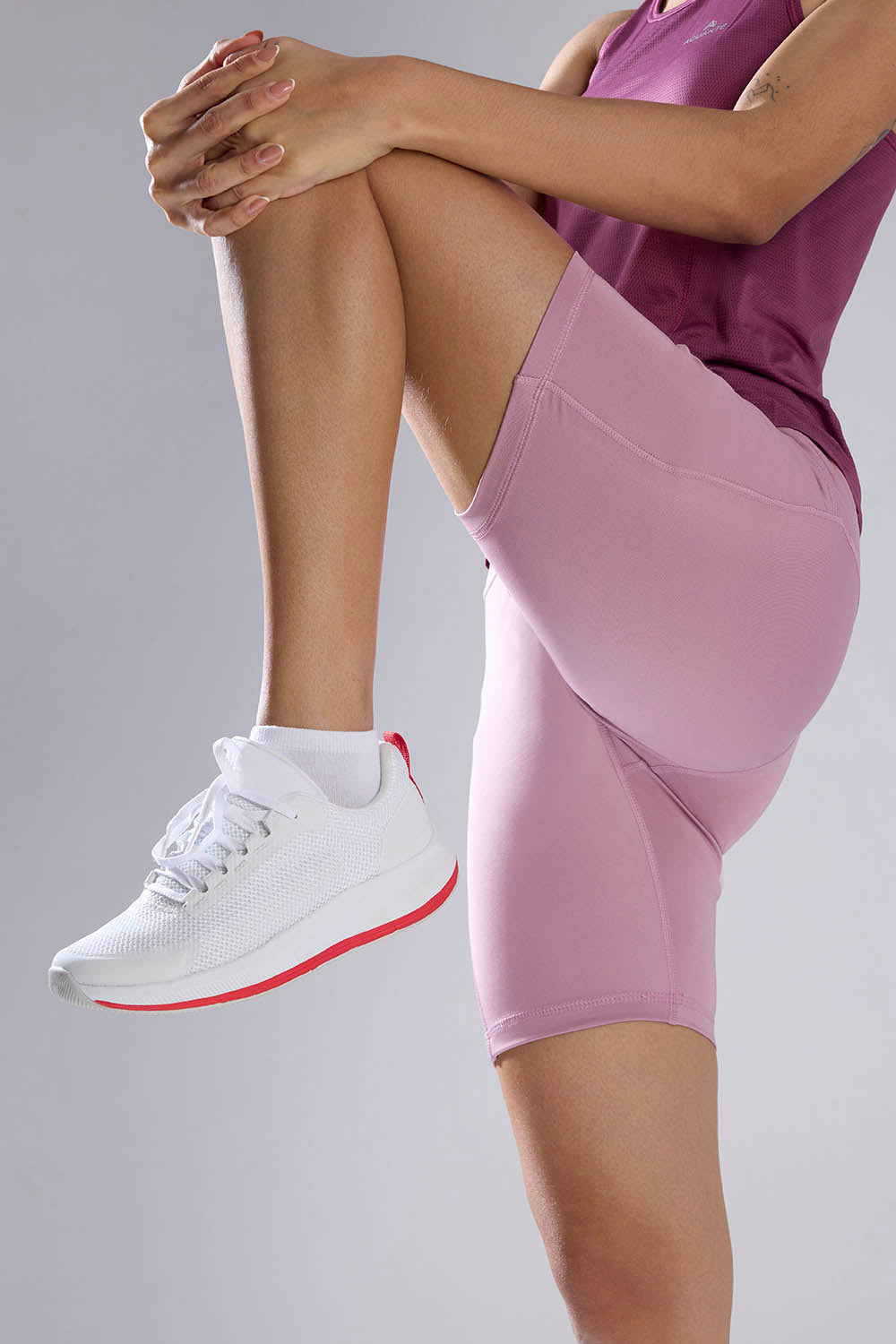
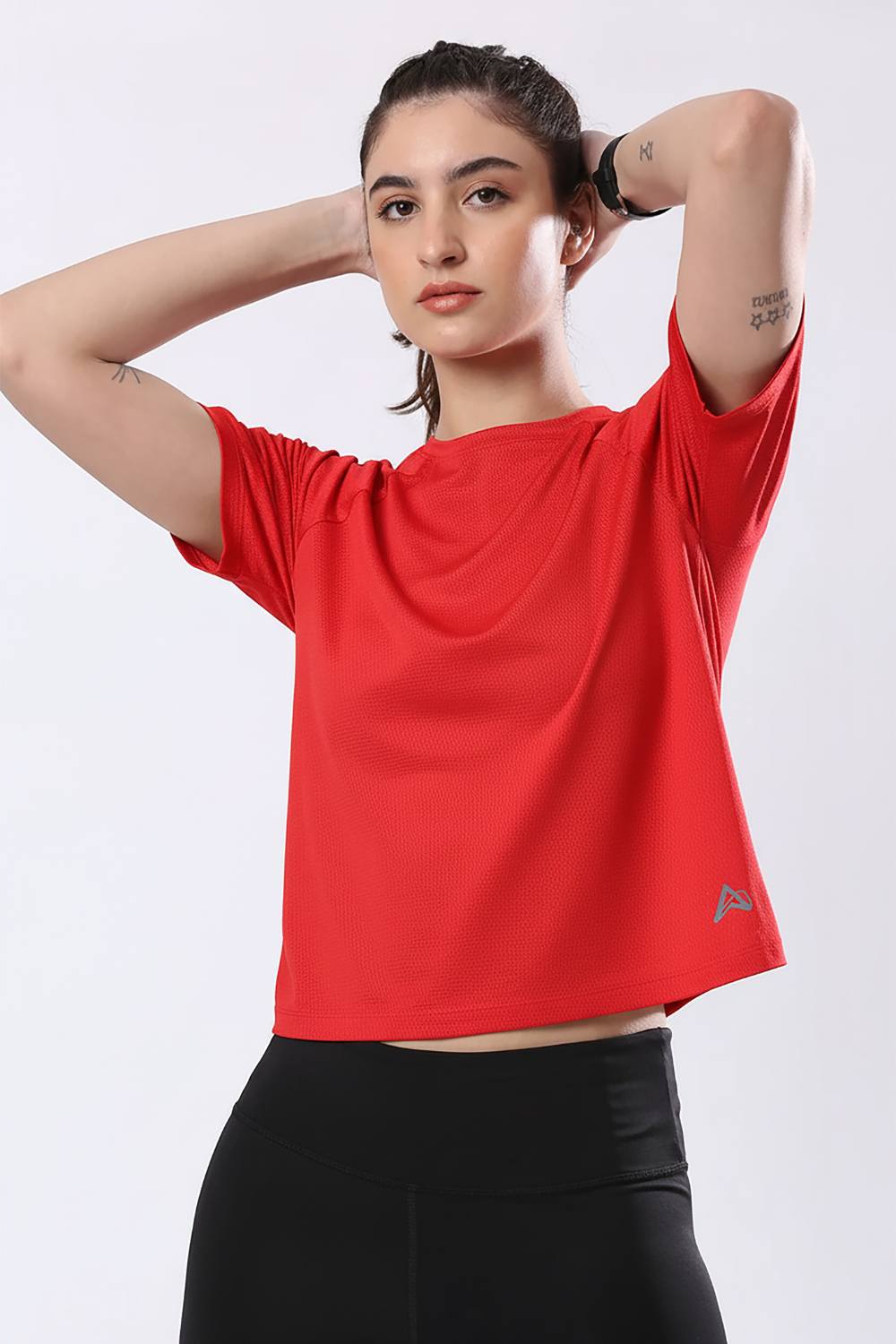
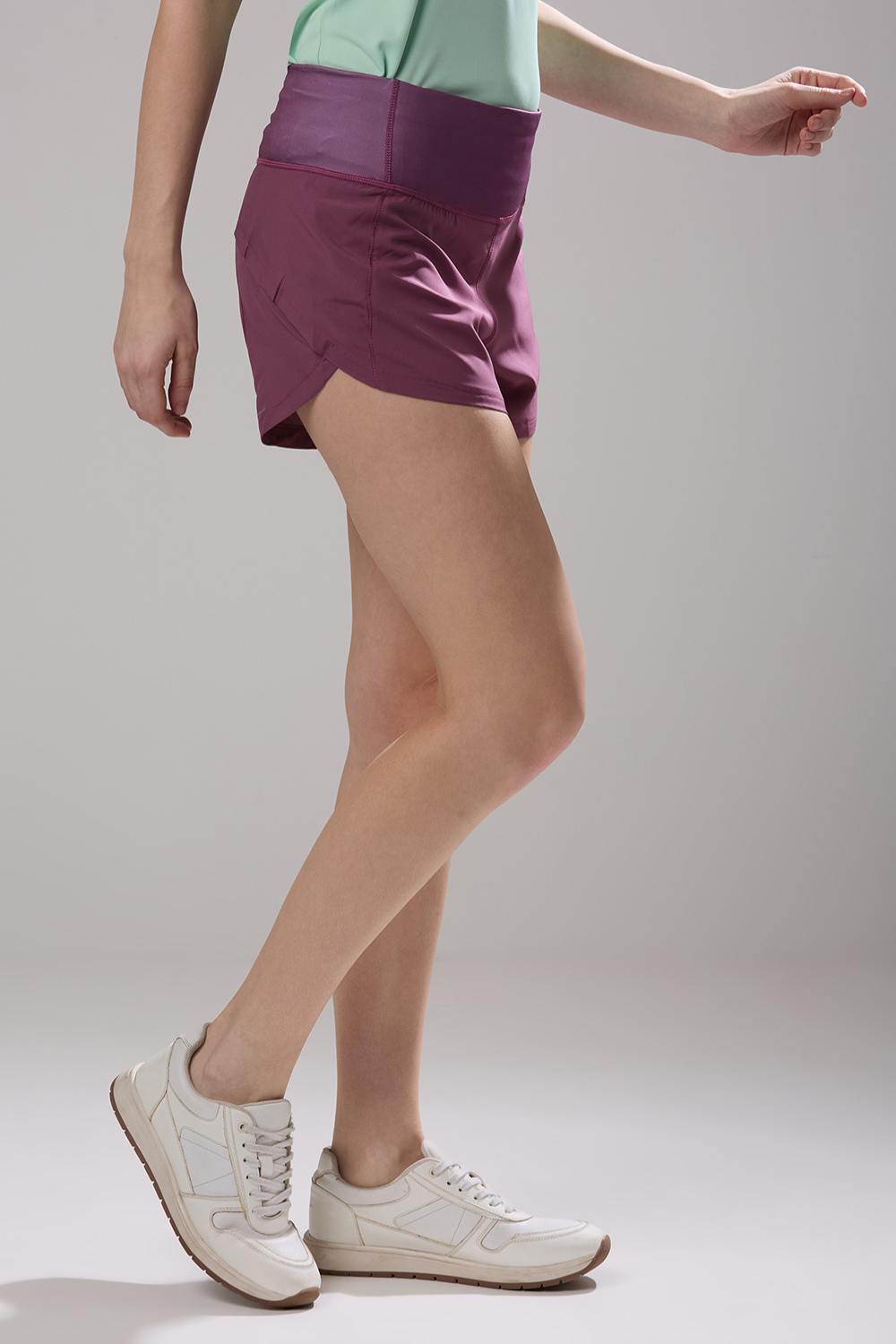
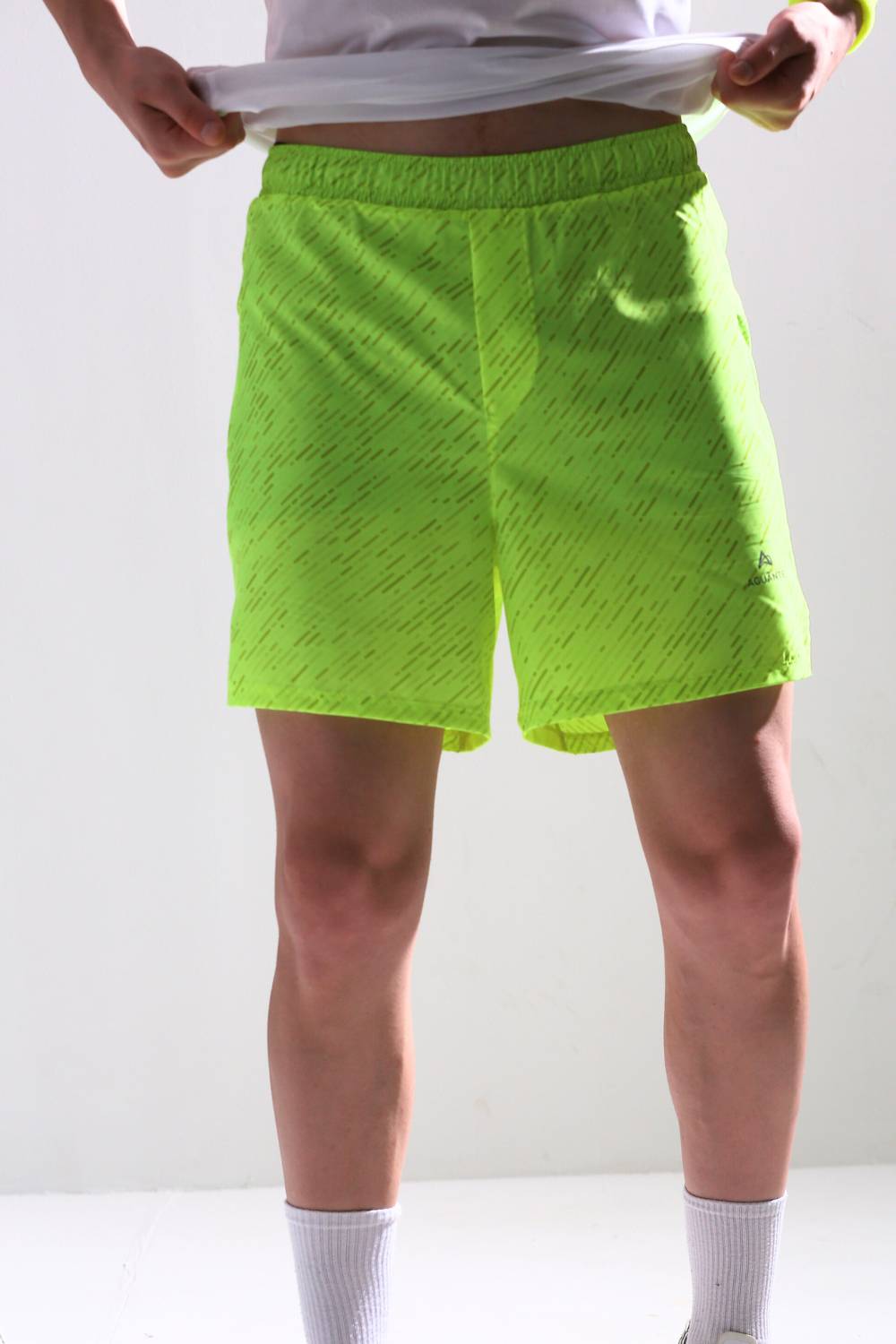
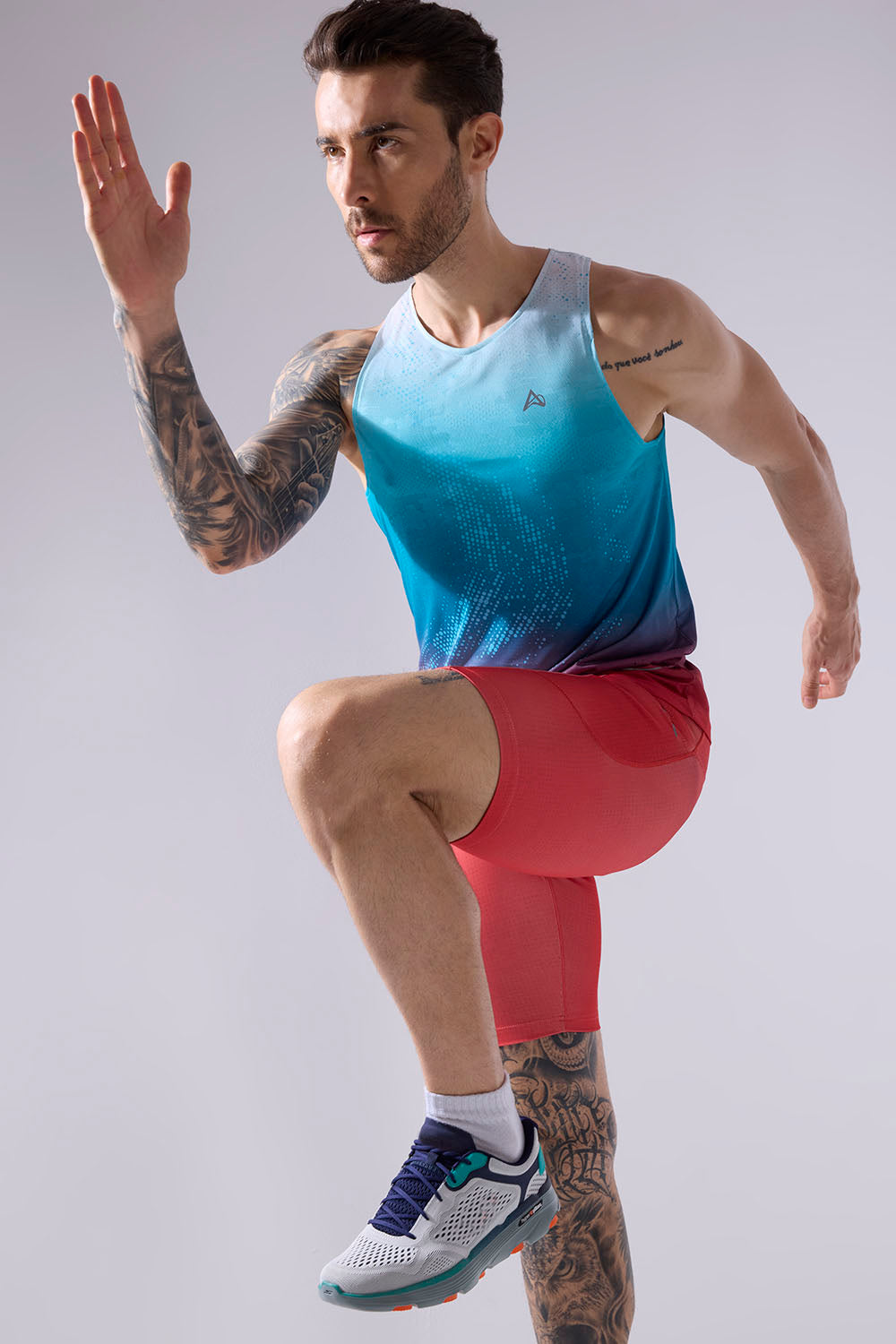
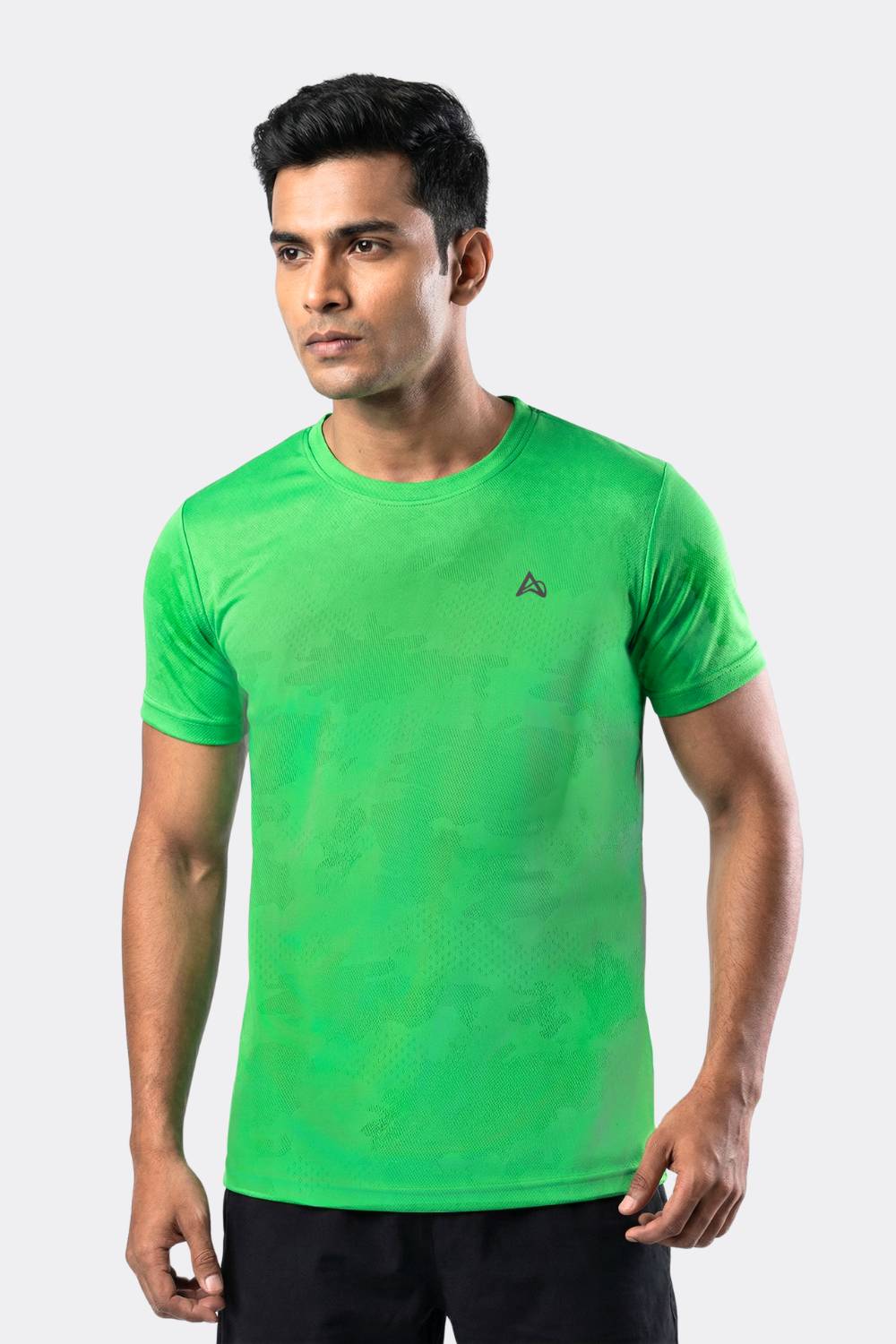
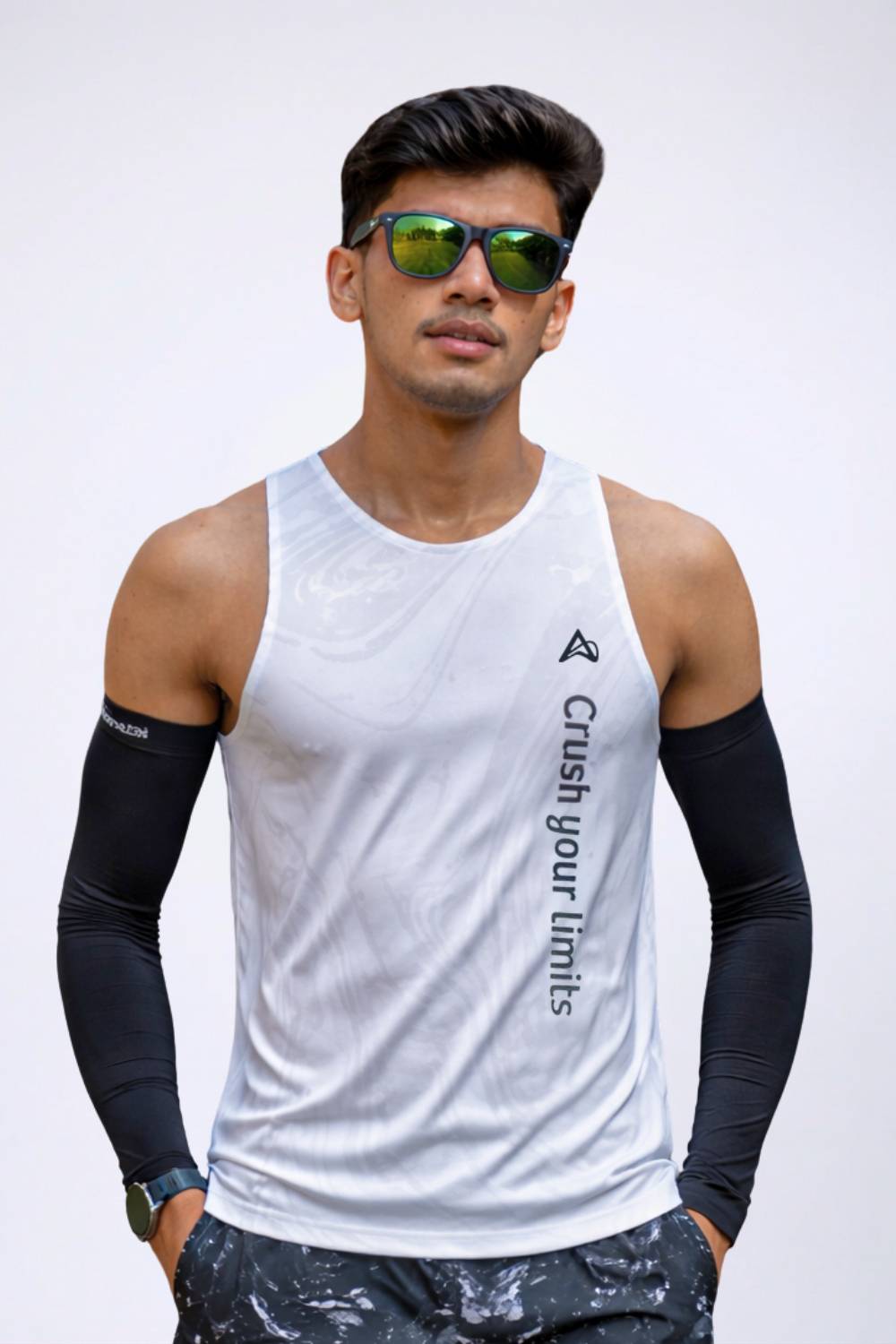
Tired of gear that slows you down? Chafing, soggy fabrics, and missing pockets kill your run's momentum. At Aguante, we're runners who get it. Our high-performance activewear features moisture-wicking fabrics, ergonomic designs, and smart storage to keep you focused. Shop Now!
Why Digital Retail Is Reshaping Access to Specialized Running Gear
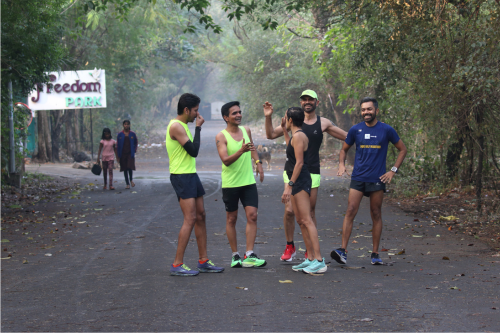
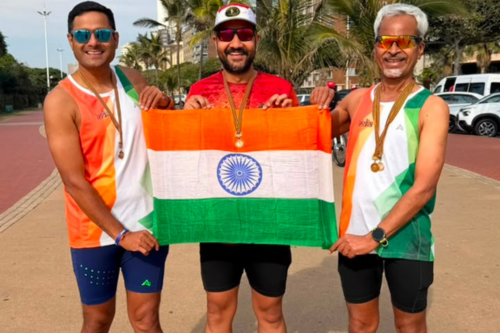
Recreational and competitive running has surged across India's major cities since the pandemic. Group runs at dawn in Hyderabad's parks, weekend half-marathons in Pune, corporate fitness challenges in Gurugram, and large-scale city marathons in Mumbai and Delhi have turned running into one of the most visible expressions of urban wellness. Thousands now run regularly, creating sustained demand for clothing that can actually survive and enhance Indian running conditions.
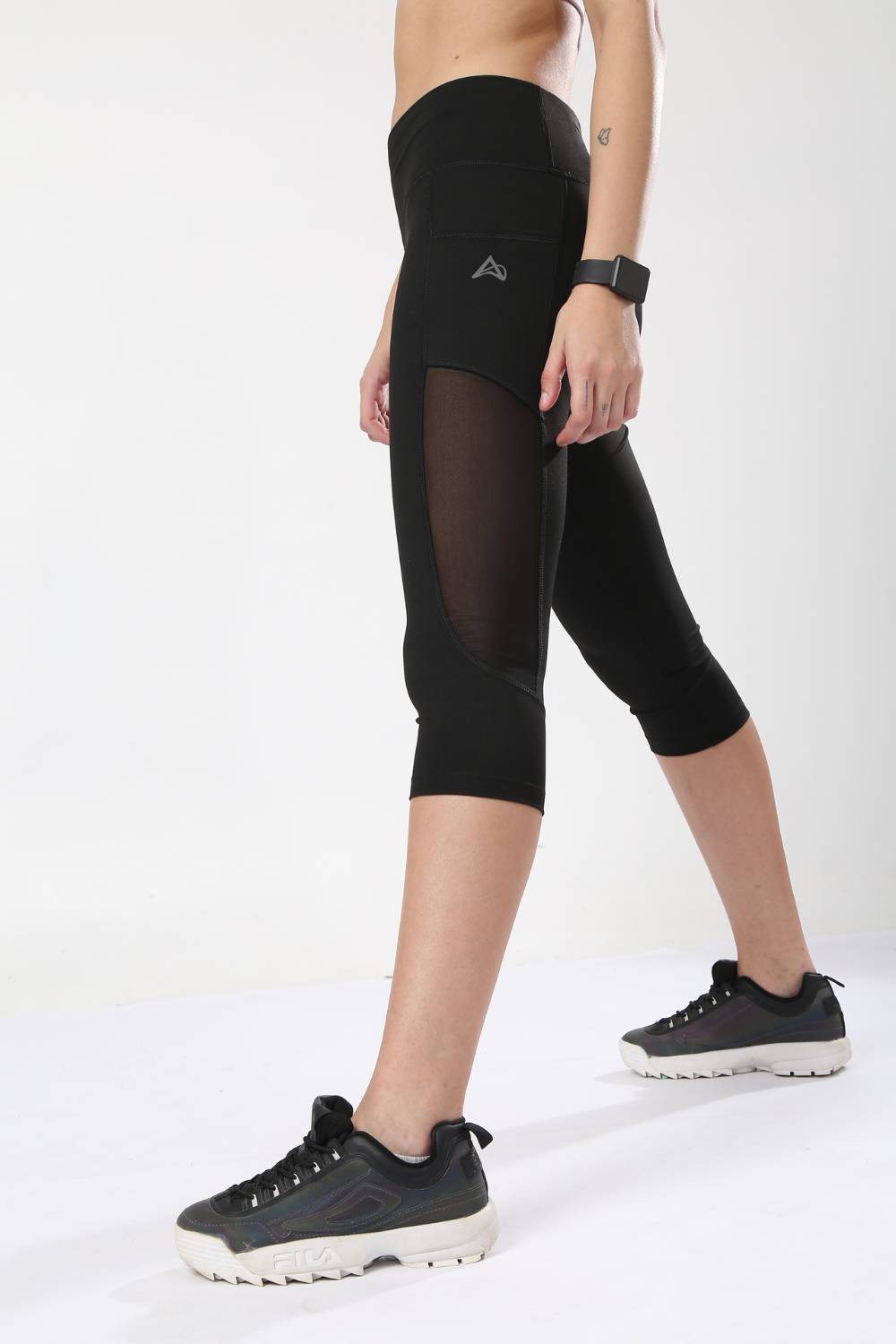
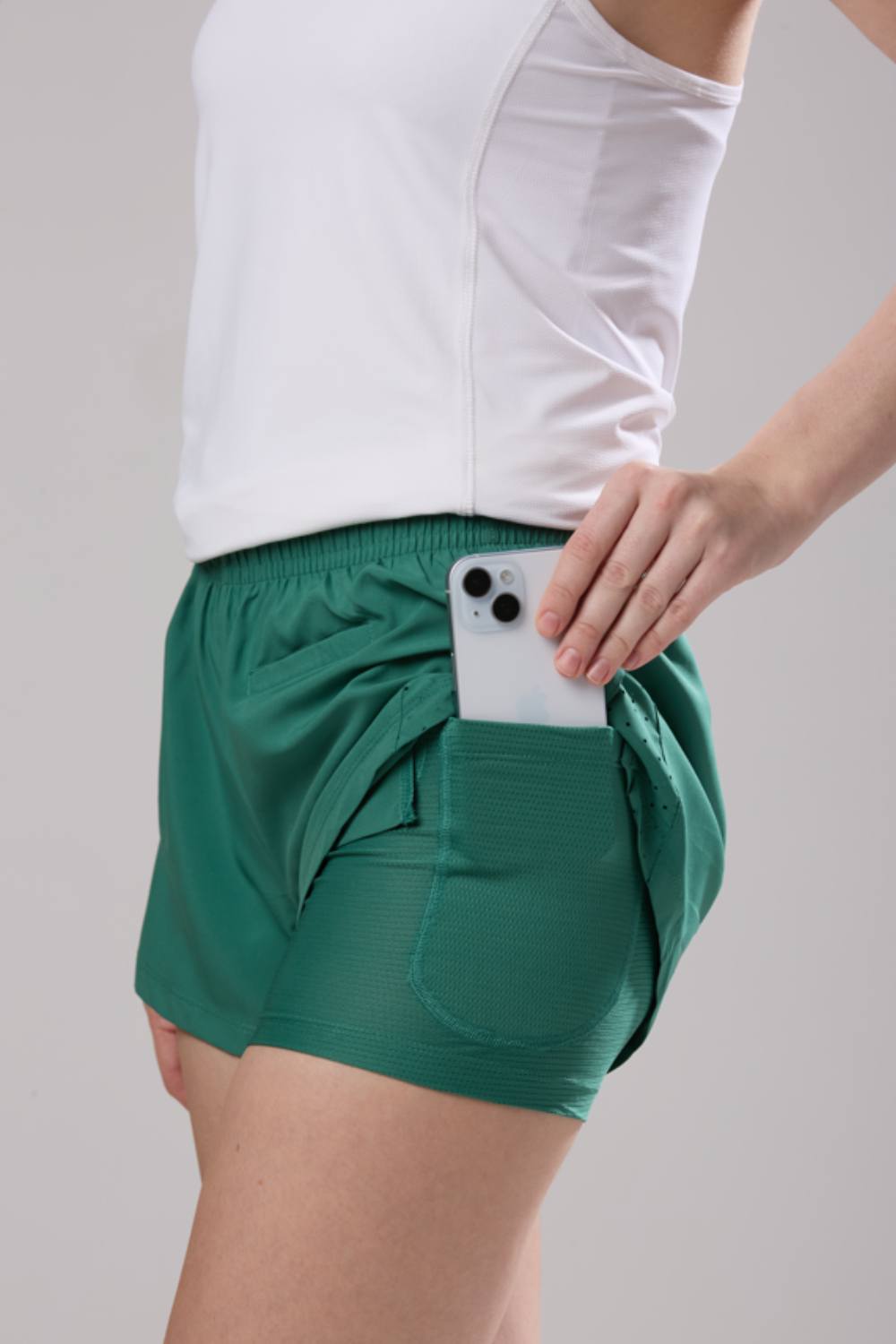
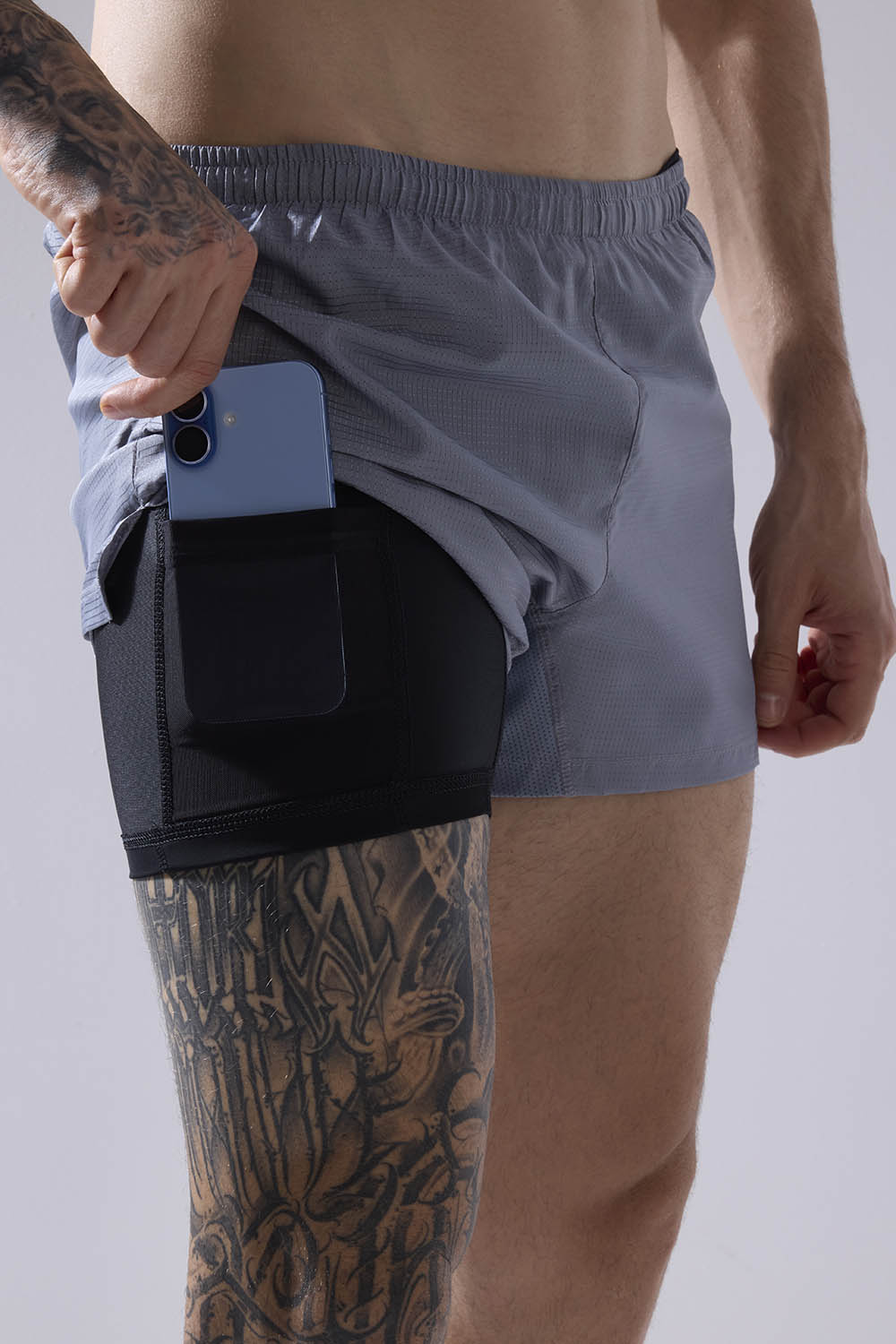
The requirements are precise and unforgiving: fabrics that move sweat away from the skin in 90%+ humidity, flatlock seams that prevent hours of chafing, zipped pockets that secure keys and nutrition without bouncing, reflective elements visible in pre-dawn or post-sunset traffic, and cuts that accommodate Indian body proportions. Brick-and-mortar retail has historically struggled to meet these needs at scale shelves carry mostly international brands with foreign sizing, premium pricing, and limited technical variety.
E-commerce has rewritten the equation. Runners in Tier-2 cities like Surat and Ahmedabad now browse the same curated selections as those in Bangalore or Delhi NCR. Same-day or next-day delivery in most metros, generous return windows, customer reviews, size charts with detailed measurements, and creator content have collectively lowered the friction of buying performance running apparel online.
Key Trends Driving E-Commerce Growth in Running Apparel
Regional Running Scenes Fuel Consistent Demand
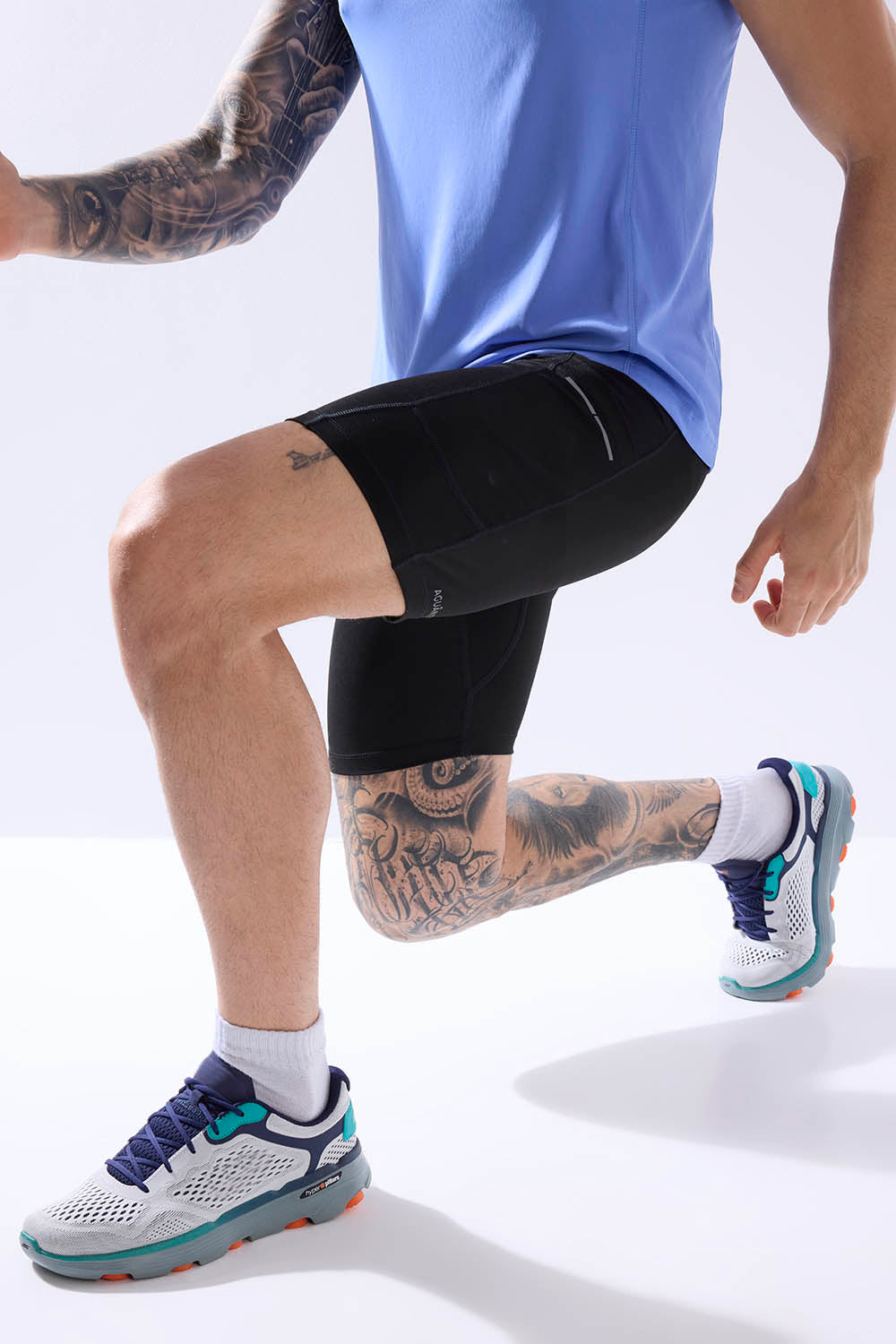
Local running communities and organized events have become powerful demand engines. Pune and Gurugram host weekly timed runs and growing festival calendars, while Hyderabad and Bangalore boast some of the country's largest participant numbers. Apparel priorities follow: moisture management for coastal humidity, ventilation and quick-dry properties for inland pollution, non-restrictive movement for uneven footpaths and frequent direction changes.
Logistics infrastructure has evolved in parallel. Major platforms now operate regional fulfilment centres across South, West, and North India, cutting delivery times dramatically and raising expectations runners routinely plan mid-week orders so new gear arrives before Saturday long runs.
Social Media & Marketplaces as Product Discovery Platforms
Instagram, YouTube, and Facebook have become de facto showrooms. Everyday runners, local coaches, and marathon finishers share long-form reviews, side-by-side comparisons, sweat tests in monsoon conditions, and real-pace footage. Before major events Mumbai Marathon, Bangalore 10K, TCS World 10K view counts and save rates on technical-gear content spike noticeably.
These organic endorsements carry more weight than traditional advertising. When a credible voice demonstrates how a pair of shorts stays secure over 21 km or how a singlet avoids clinging during a 32 °C session, purchase intent rises quickly.
Climate-Tailored Search Behavior
Search patterns reveal clear geographic preferences. Coastal and high-humidity cities show elevated queries for “quick-dry running singlet,” “anti-chafe shorts India,” and “breathable running tights humidity.” Pollution-conscious runners in northern metros lean toward “ventilated running jacket Delhi” or “pollution-resistant running gear.” Algorithms now reliably surface locally relevant options, shortening the path from problem awareness to product trial.
Market Signals and Brand Momentum
Smaller, specialist brands focused on Indian running realities are gaining meaningful traction. They prioritize features runners repeatedly mention in reviews: bounce-free pocket placement, tagless interiors, Indian anthropometric grading, fair pricing, and obsessive attention to seam construction. This stands in contrast to many global players whose designs originate in far cooler, drier climates.
Enhanced last-mile delivery has removed one of the final objections. In Bangalore, Mumbai, Delhi NCR, and increasingly Hyderabad and Pune, runners can order on Tuesday, test during a Wednesday tempo session, and initiate a return by Friday if the fit or feel is off dramatically reducing perceived risk.
While the broader high-visibility clothing market in India a parallel safety-focused category grew to USD 107.2 million in 2024 and is forecast to reach USD 173.0 million by 2030 at a CAGR of 8.4% (2025–2030), the running-specific apparel segment rides an even stronger underlying wave. Industry estimates place the Indian running gear market at approximately USD 2.4 billion in 2024, with projections approaching USD 4.8 billion by 2033, growing at roughly 7.7% annually. E-commerce continues to be the primary channel accelerating this expansion.
Persistent Challenges in Online Technical Apparel Purchase
Fit uncertainty remains the single biggest hurdle. Technical garments demand a closer match than lifestyle wear; even small deviations in rise, inseam, or shoulder width can ruin a long run. Return rates for performance running apparel therefore stay meaningfully higher than for casual categories.
Marketplace advertising skews heavily toward international giants with deeper media budgets, making organic discovery harder for homegrown specialists. Many runners still default to globally recognized logos unless educated about the performance trade-offs.
Sizing standards present another layer of complexity. Charts imported from Western markets frequently misalign with average Indian proportions particularly in the hip-to-waist ratio, thigh circumference, and upper-body length leaving buyers to rely on guesswork or overly cautious size-ups.
Strategic Opportunities for Forward-Looking Brands
Brands that engineer explicitly for Indian heat, monsoon humidity, urban pollution, and road conditions hold a measurable edge. Runners who experience the difference less chafing, cooler core temperature, distraction-free movement become vocal advocates.
Content-led commerce is proving especially powerful. Detailed buying guides, “what to wear in Mumbai monsoon” articles, YouTube long-run tests, and Instagram Reels explaining pocket placement convert browsers at scale. Platforms increasingly reward this blend of education and shopping.
Hyper-localized messaging amplifies results. A coastal runner responds to promises of superior wicking and fast drying; a Delhi or Gurugram runner values anti-pollution ventilation and reflective safety detailing. Collaborations with regional coaches, Strava-based clubs, and credible local influencers continue to build the highest levels of trust.
Looking Ahead: The Next Phase of Growth
E-commerce is firmly established as the dominant discovery and purchase channel for serious running gear in India. As more runners move from casual jogging to structured training and racing, demand for apparel that removes variables rather than introduces them will only intensify.
The brands likely to capture disproportionate share are those that combine genuine local insight, obsessive material and construction detail, transparent value positioning, and skillful storytelling across social and marketplace ecosystems. Specialized running apparel is no longer a narrow category; it is steadily becoming an expected part of the urban fitness wardrobe in cities from Ahmedabad to Bangalore. The infrastructure is in place, the communities are growing, and the road ahead both literal and commercial looks exceptionally promising.
Frequently Asked Questions
Why is e-commerce better than physical stores for buying running apparel in India?
E-commerce platforms have broken down geographic and inventory barriers that traditional retail couldn't overcome especially for runners in Tier-2 cities like Surat and Ahmedabad who previously had limited access to specialized gear. Online marketplaces offer curated selections, detailed size charts, customer reviews, and fast delivery, making it easier to find technical running wear designed for Indian conditions such as high humidity, urban pollution, and Indian body proportions. Generous return windows and same-day delivery in metros have effectively eliminated the risk of buying performance apparel without trying it first.
What features should Indian runners look for when buying running apparel online?
Indian runners should prioritize moisture-wicking fabrics that handle 90%+ humidity, flatlock seams to prevent chafing on long runs, and secure zipped pockets for keys and nutrition. Reflective detailing is essential for pre-dawn or post-sunset safety on busy urban roads, while cuts sized for Indian body proportions particularly hip-to-waist ratio and thigh circumference help avoid the fit issues common with international sizing charts. Brands engineering specifically for Indian heat, monsoon conditions, and road terrain tend to outperform global labels designed for cooler, drier climates.
How big is the running apparel market in India, and what's driving its e-commerce growth?
The Indian running gear market was valued at approximately USD 2.4 billion in 2024 and is projected to nearly double to USD 4.8 billion by 2033, growing at around 7.7% annually. This growth is fueled by the surge in organized running events from Mumbai and Delhi marathons to weekly timed runs in Pune and Gurugram alongside an increasingly active urban fitness culture post-pandemic. E-commerce is the primary accelerator, driven by social media discovery on Instagram and YouTube, climate-specific search behavior, and an expanding logistics network with regional fulfilment centres across India.
Disclaimer: The above helpful resources content contains personal opinions and experiences. The information provided is for general knowledge and does not constitute professional advice.
You may also be interested in: Exploring the Rising Demand for Specialized Running Gear in India
Tired of gear that slows you down? Chafing, soggy fabrics, and missing pockets kill your run's momentum. At Aguante, we're runners who get it. Our high-performance activewear features moisture-wicking fabrics, ergonomic designs, and smart storage to keep you focused. Shop Now!
Powered by flareAI.co