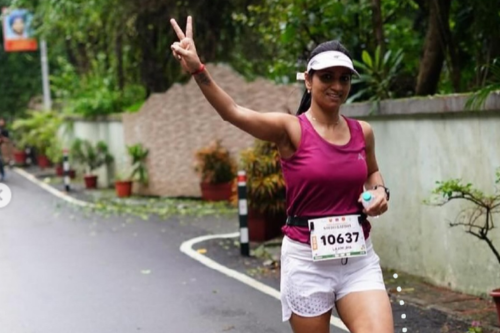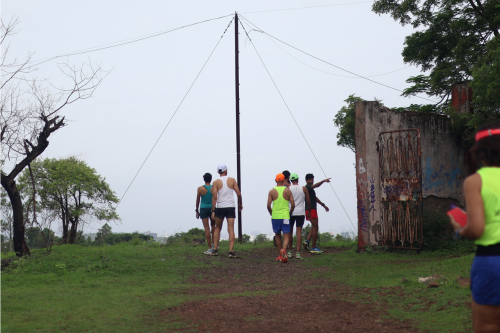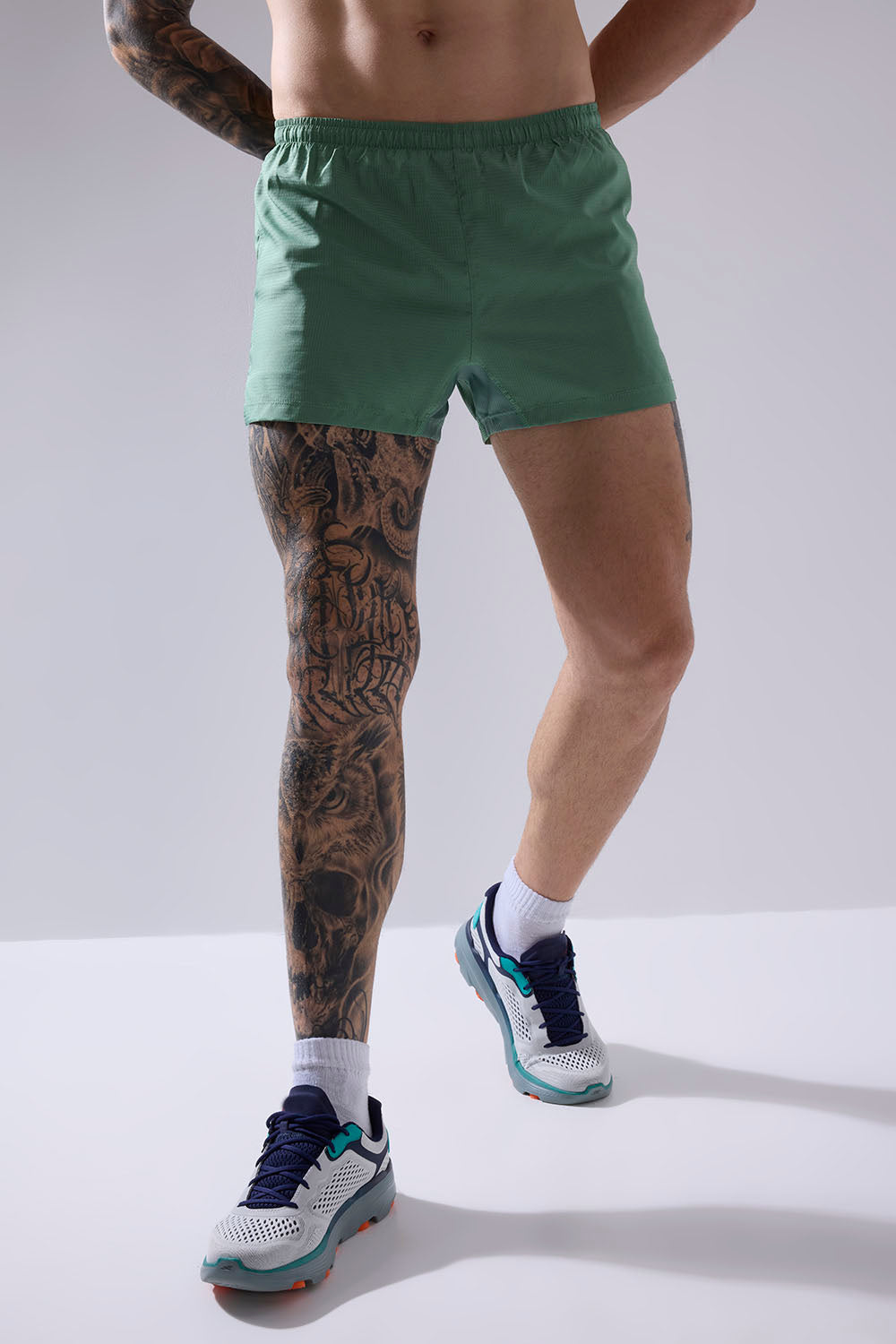
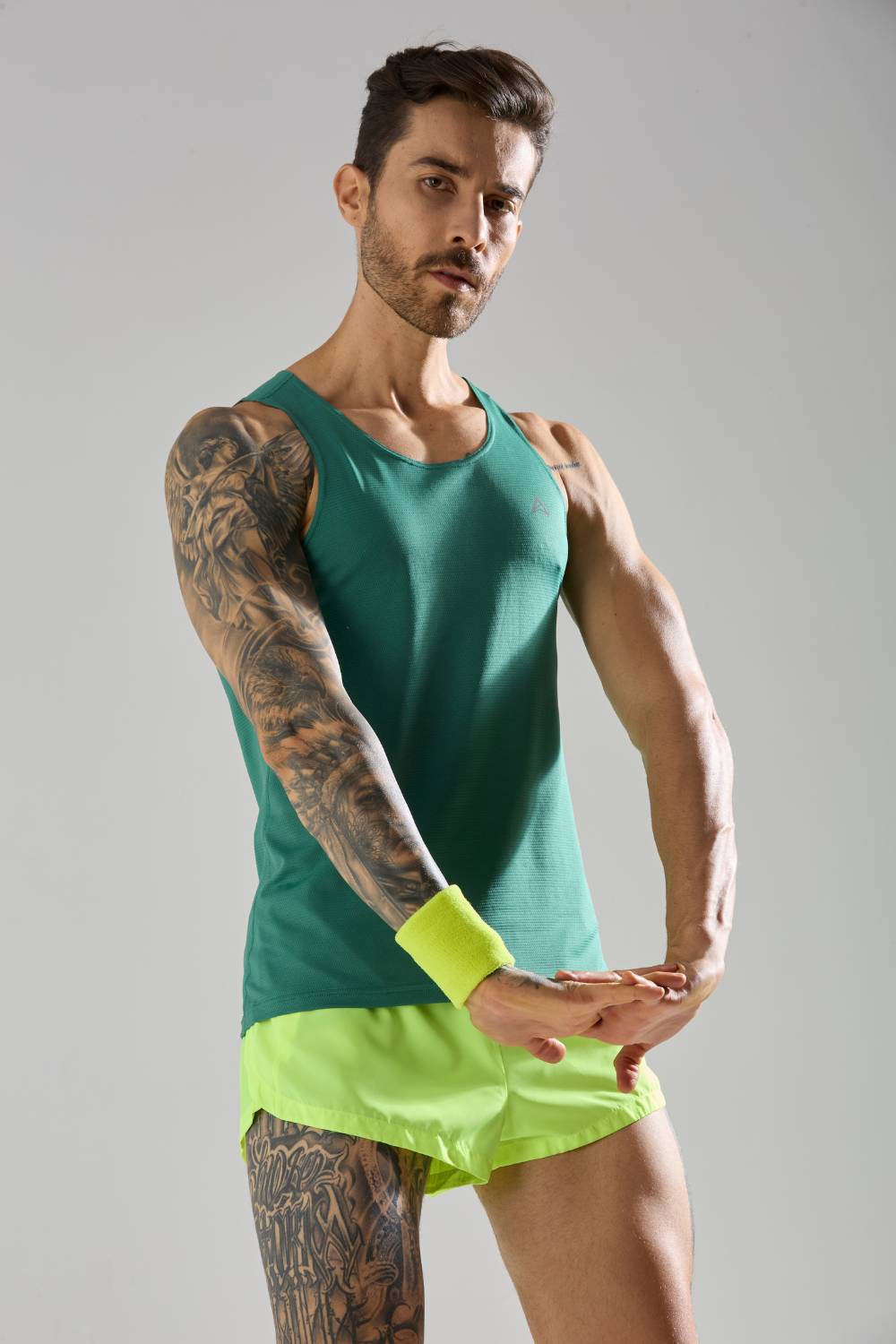
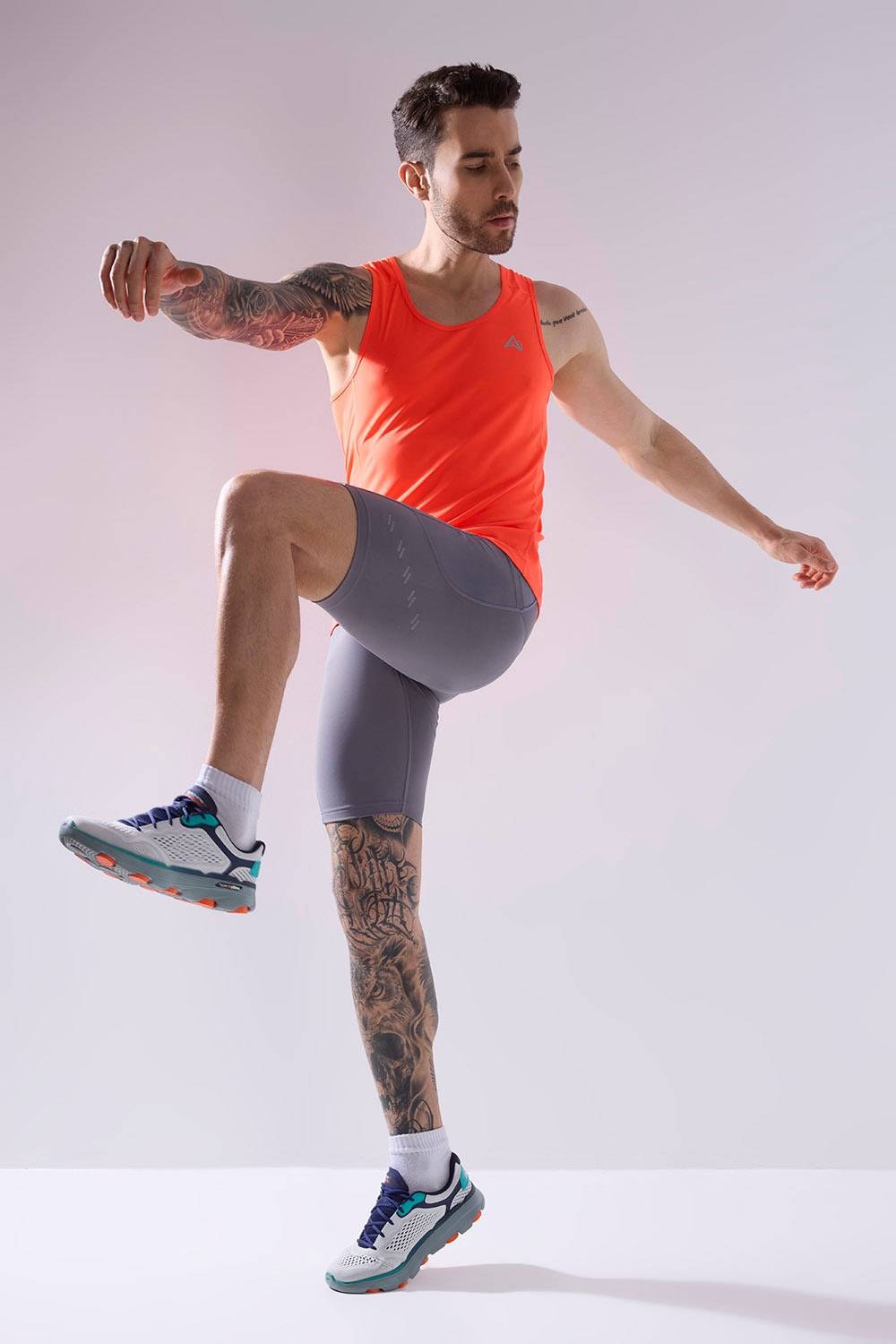
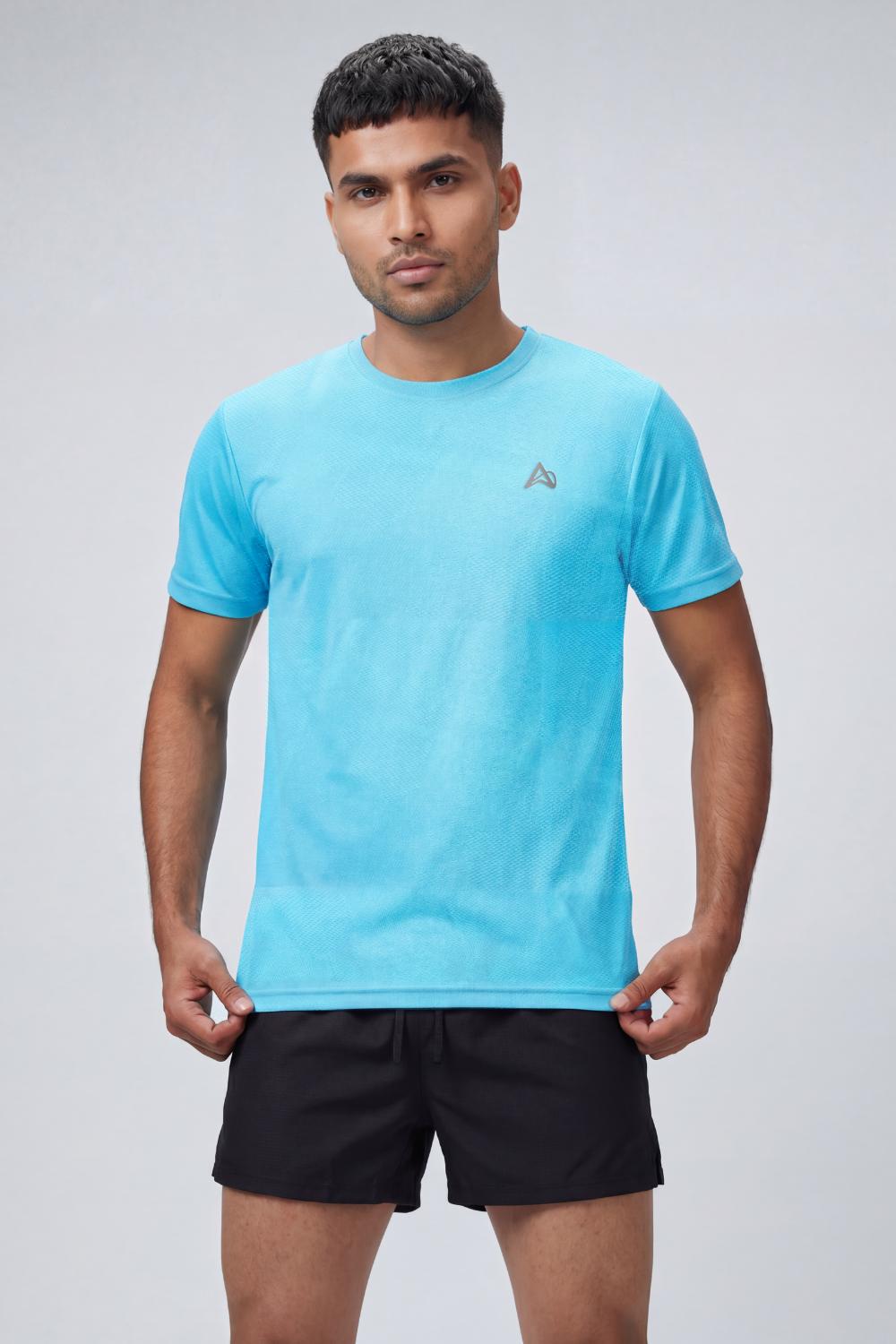
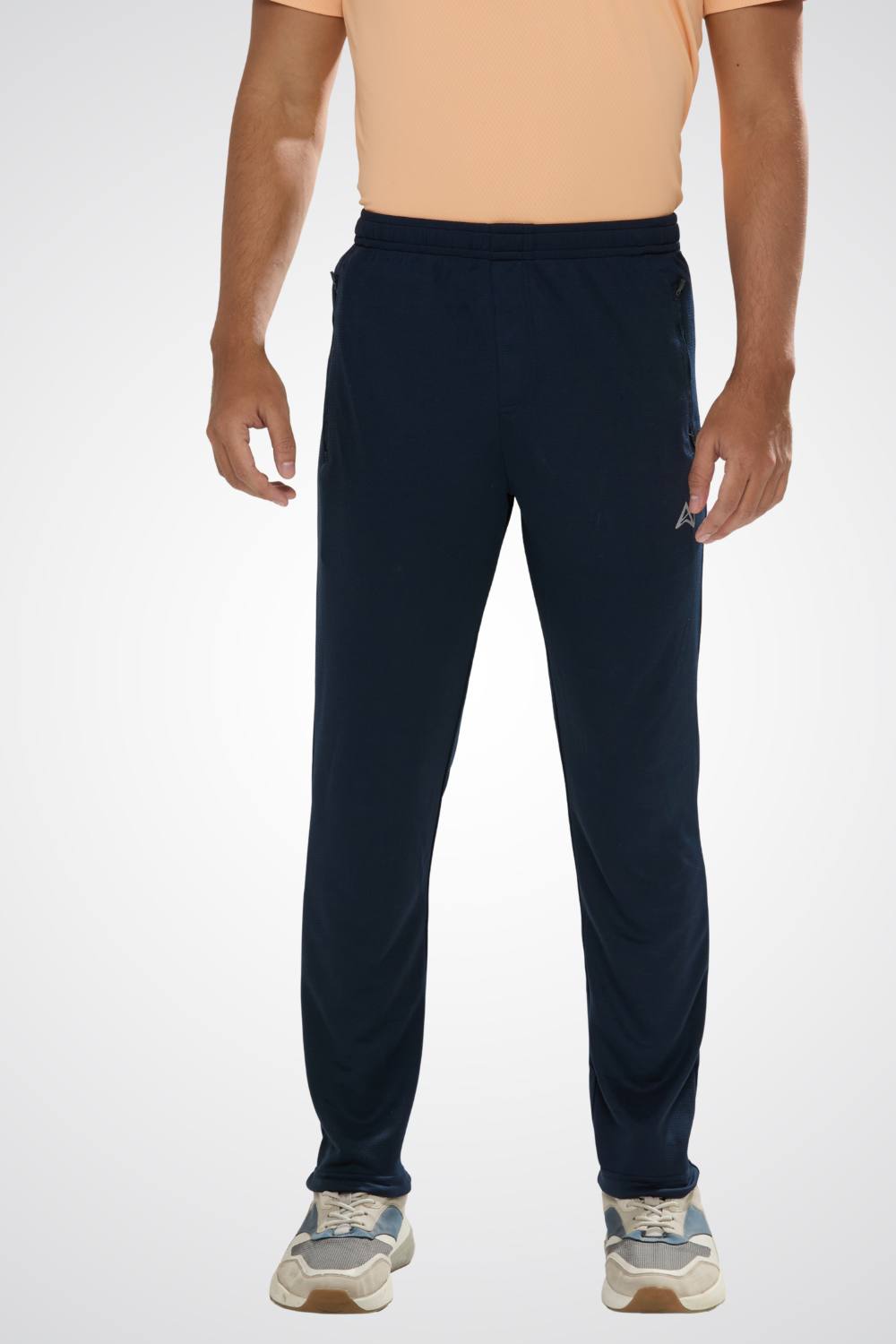
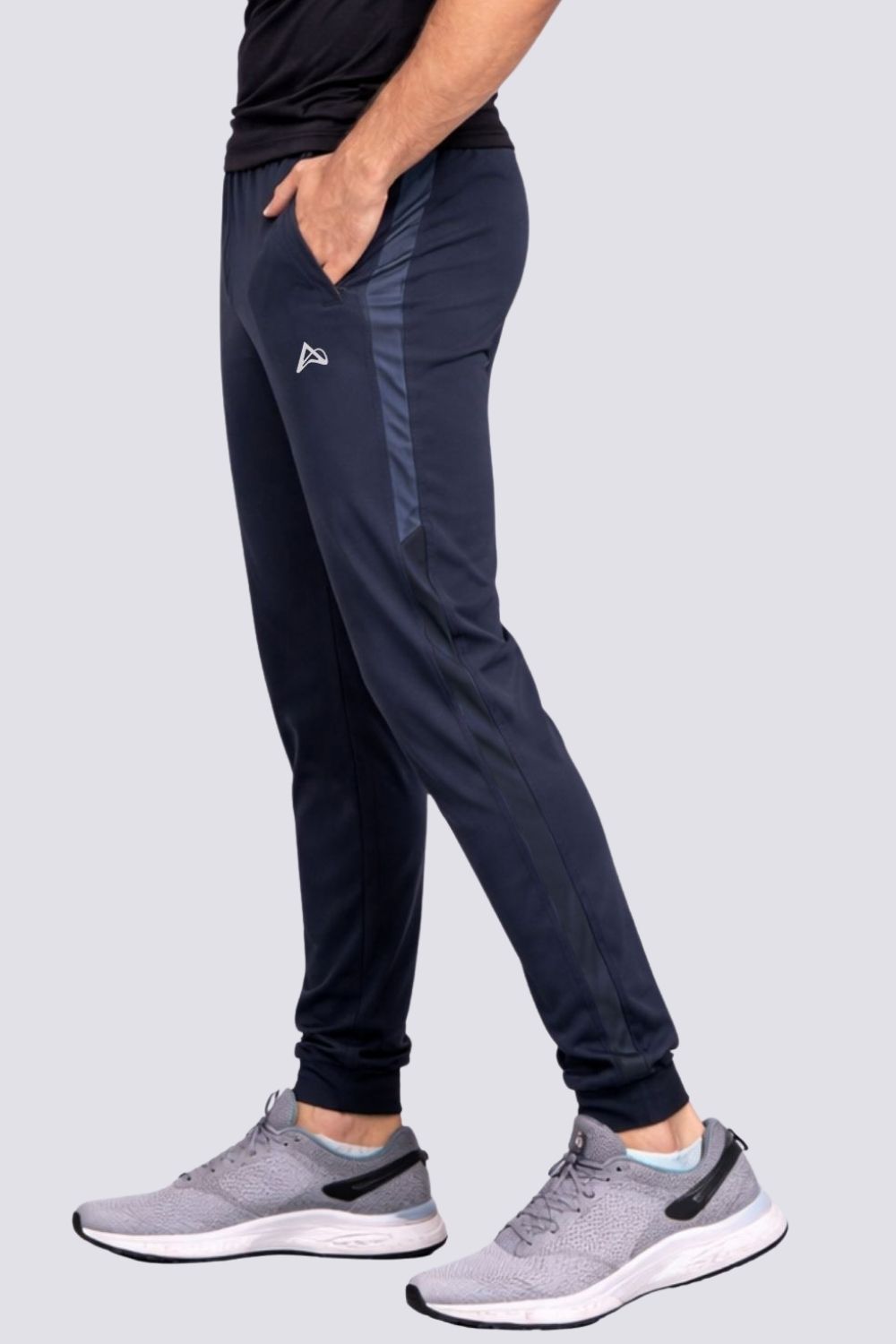
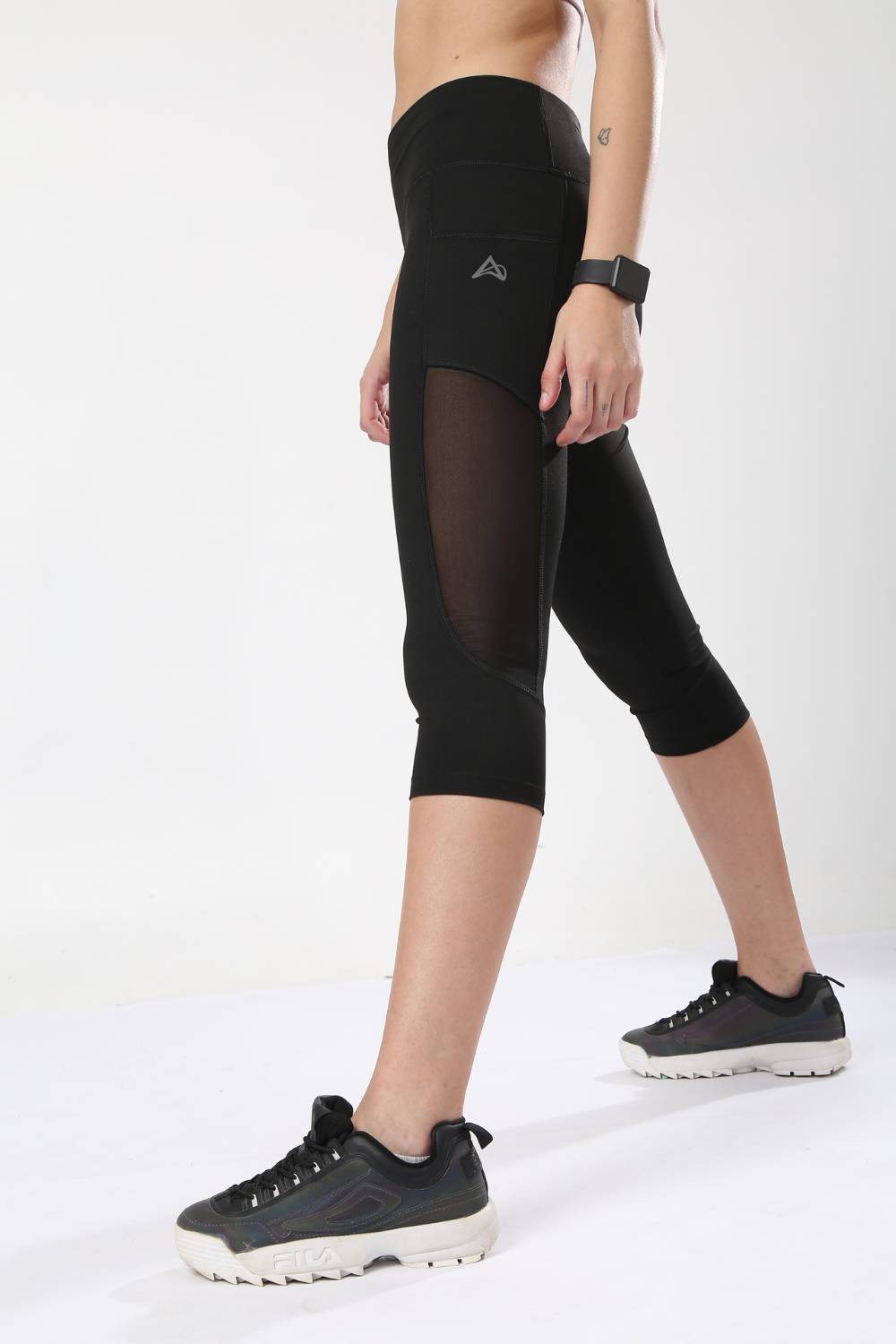
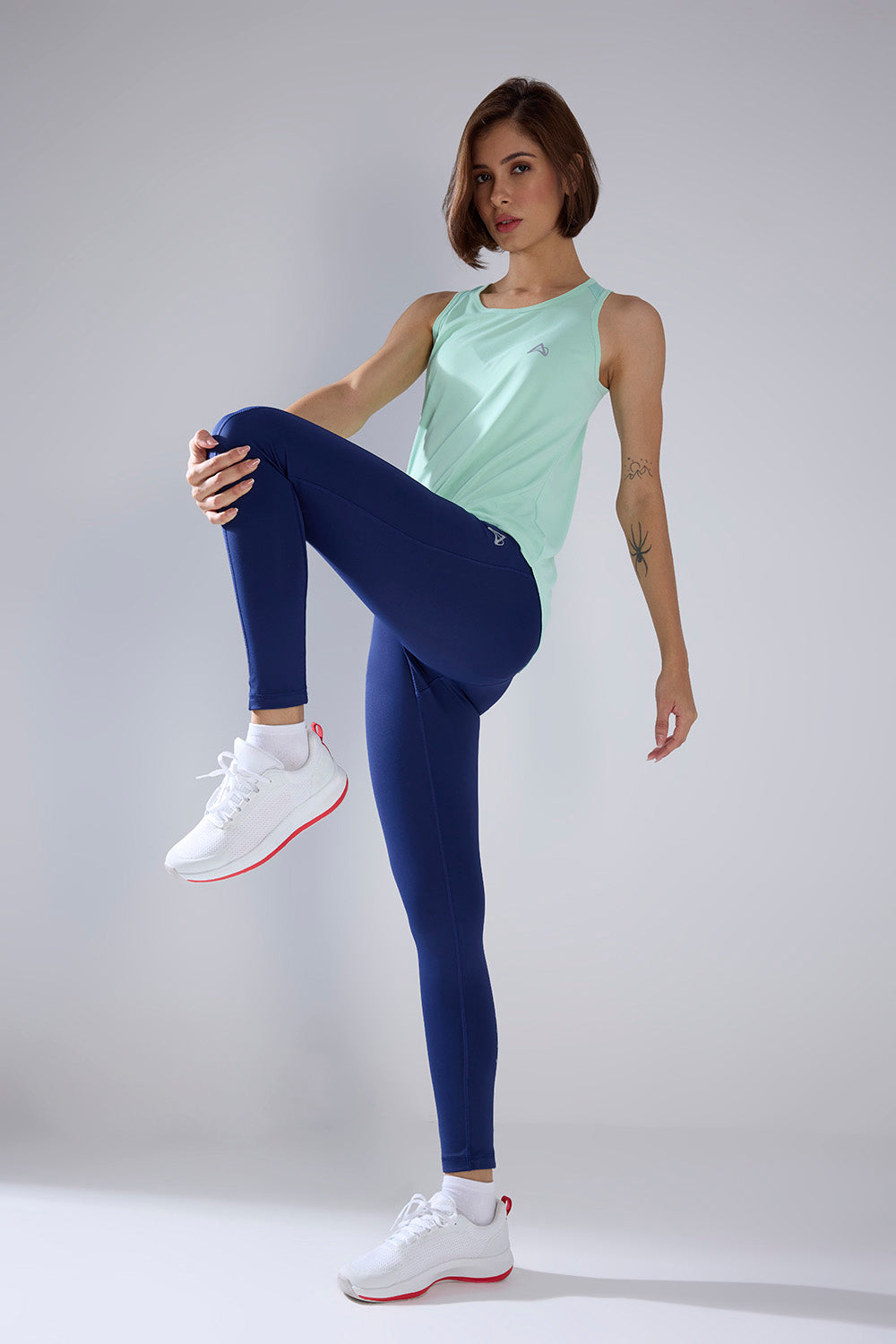

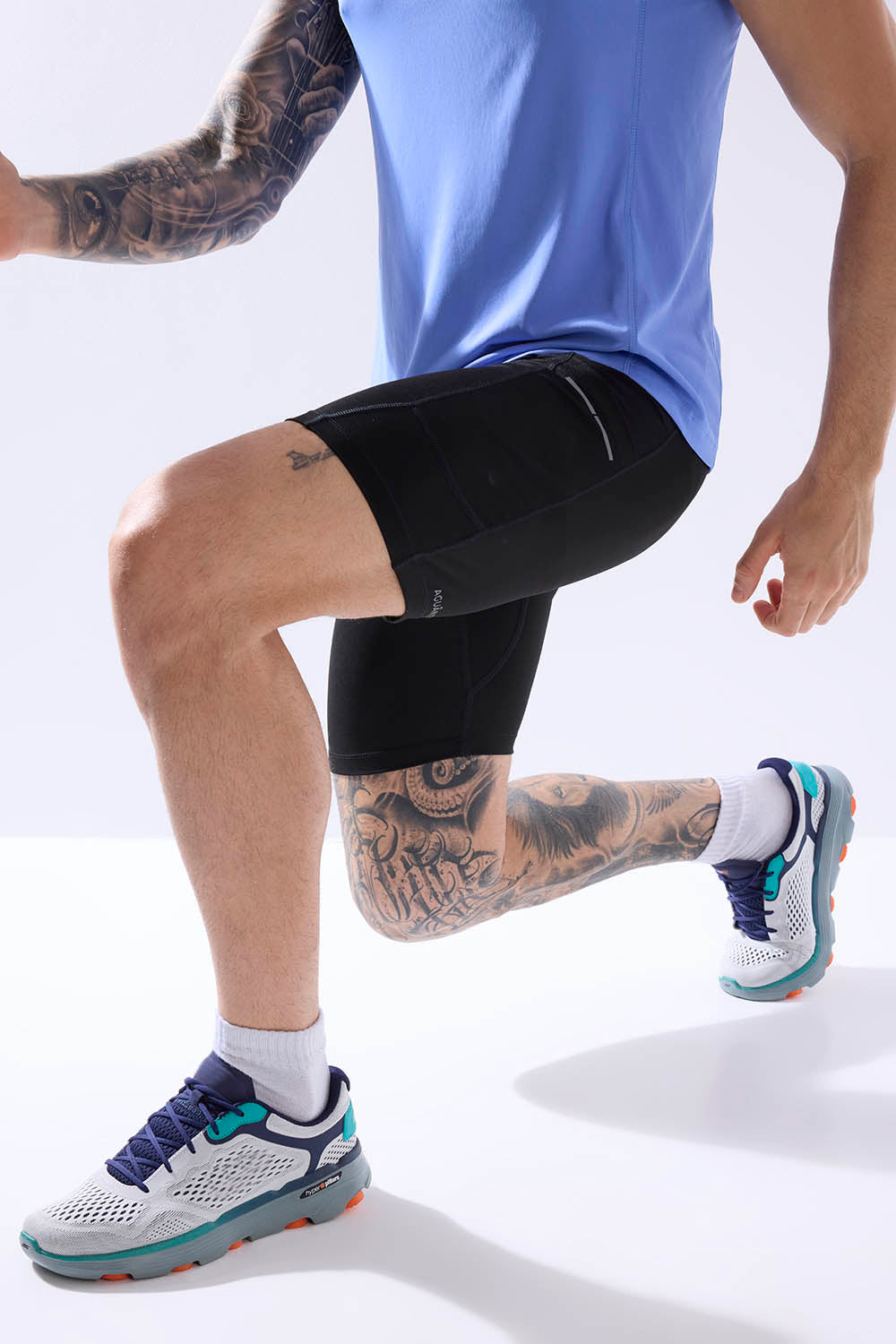
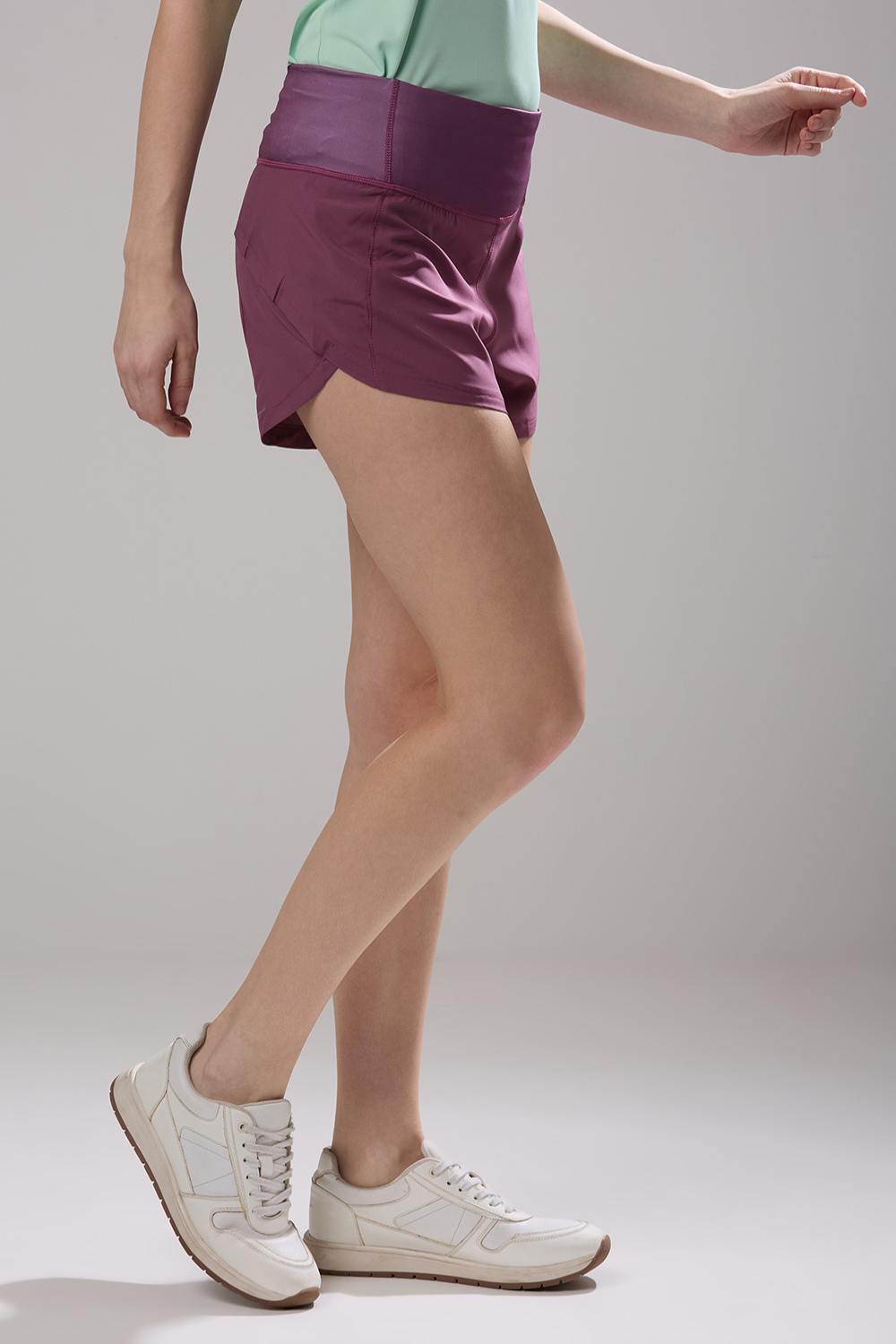
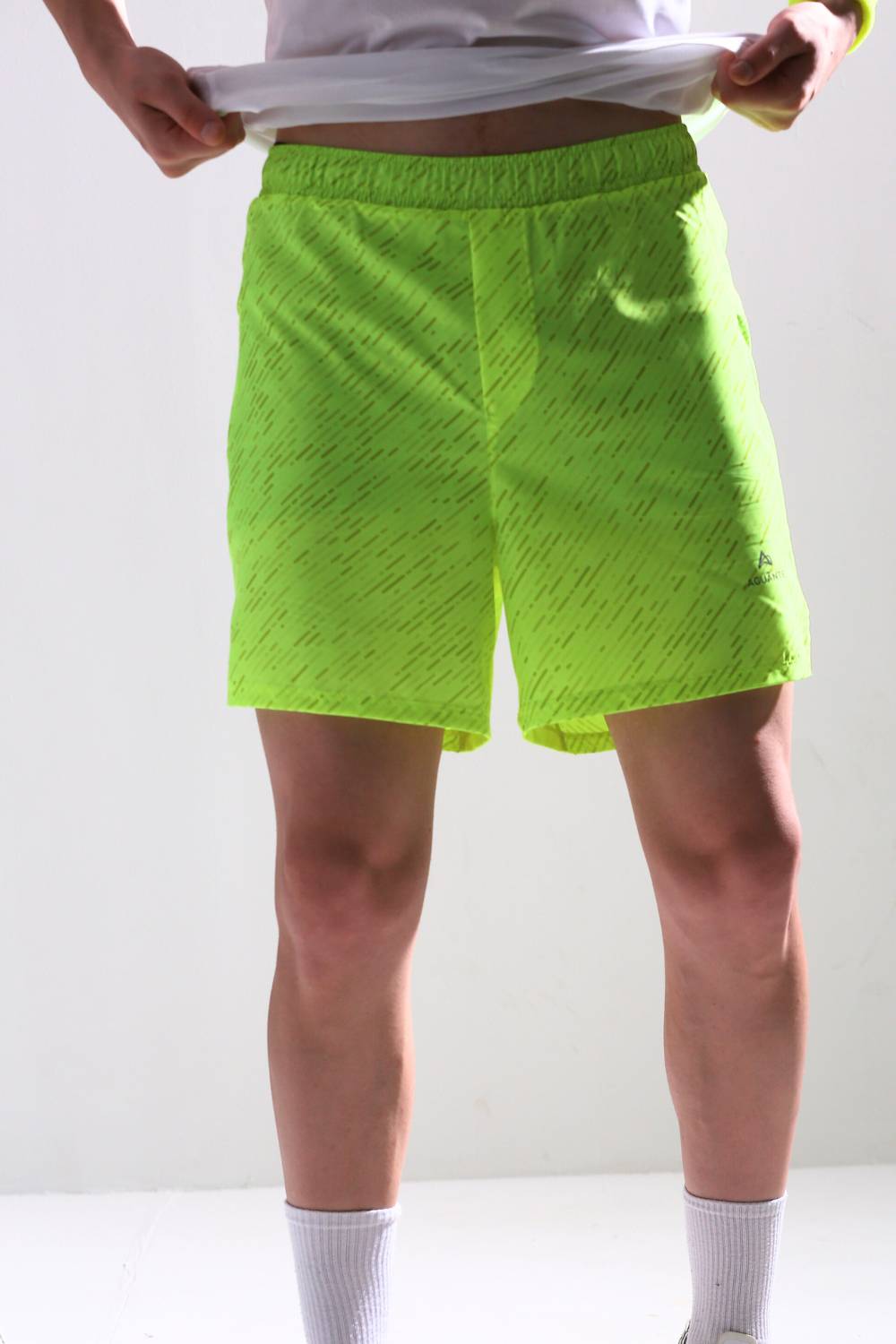
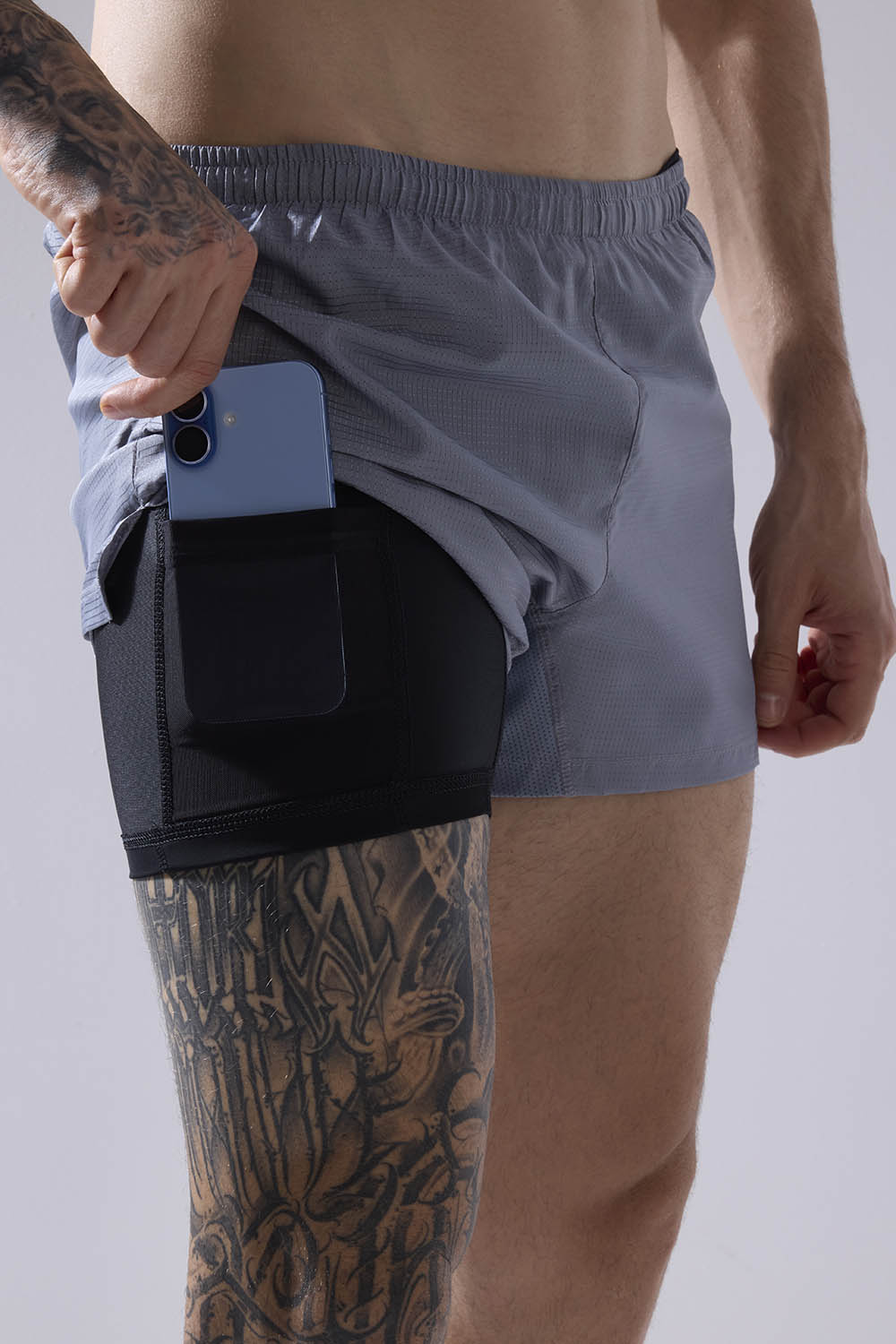

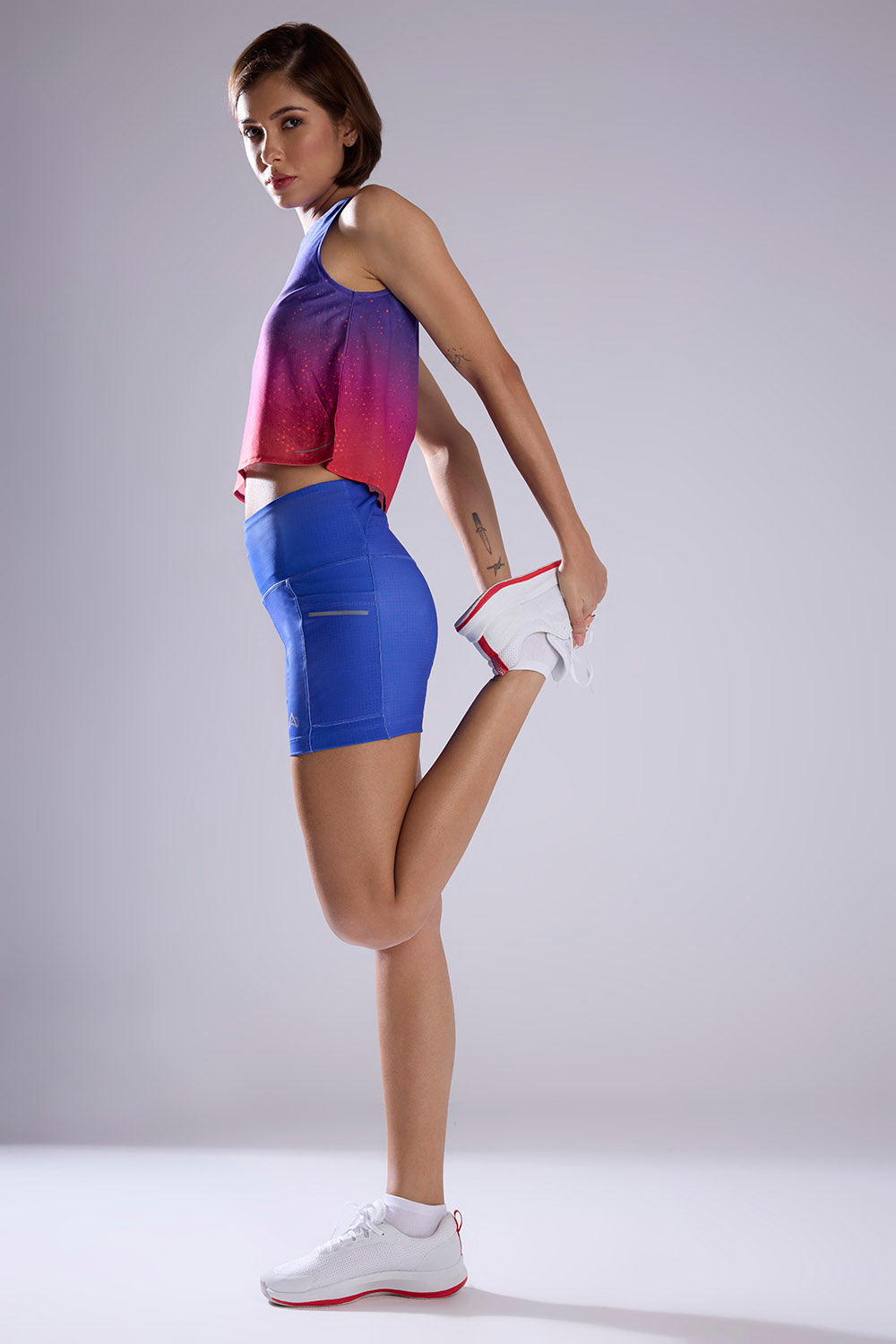
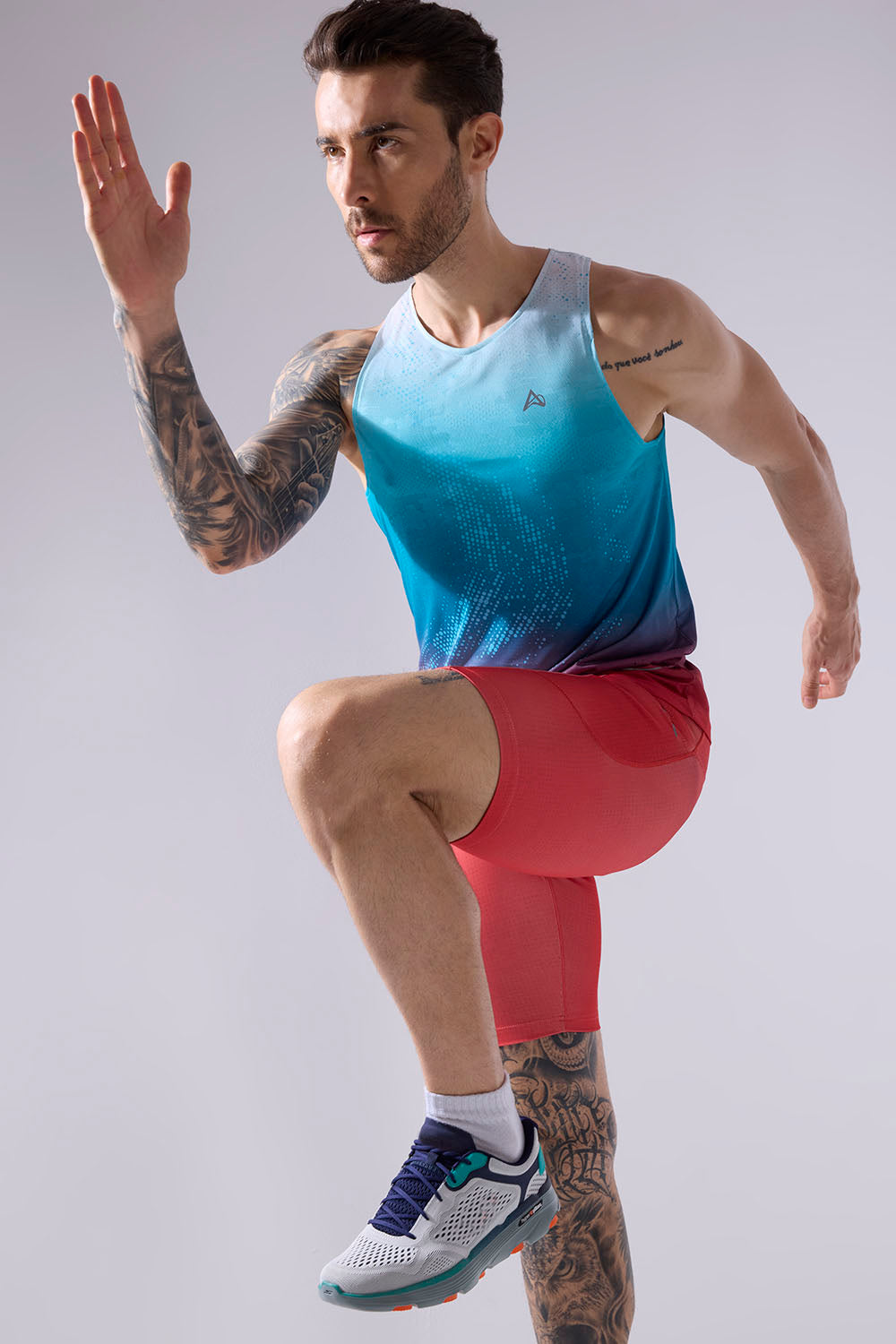

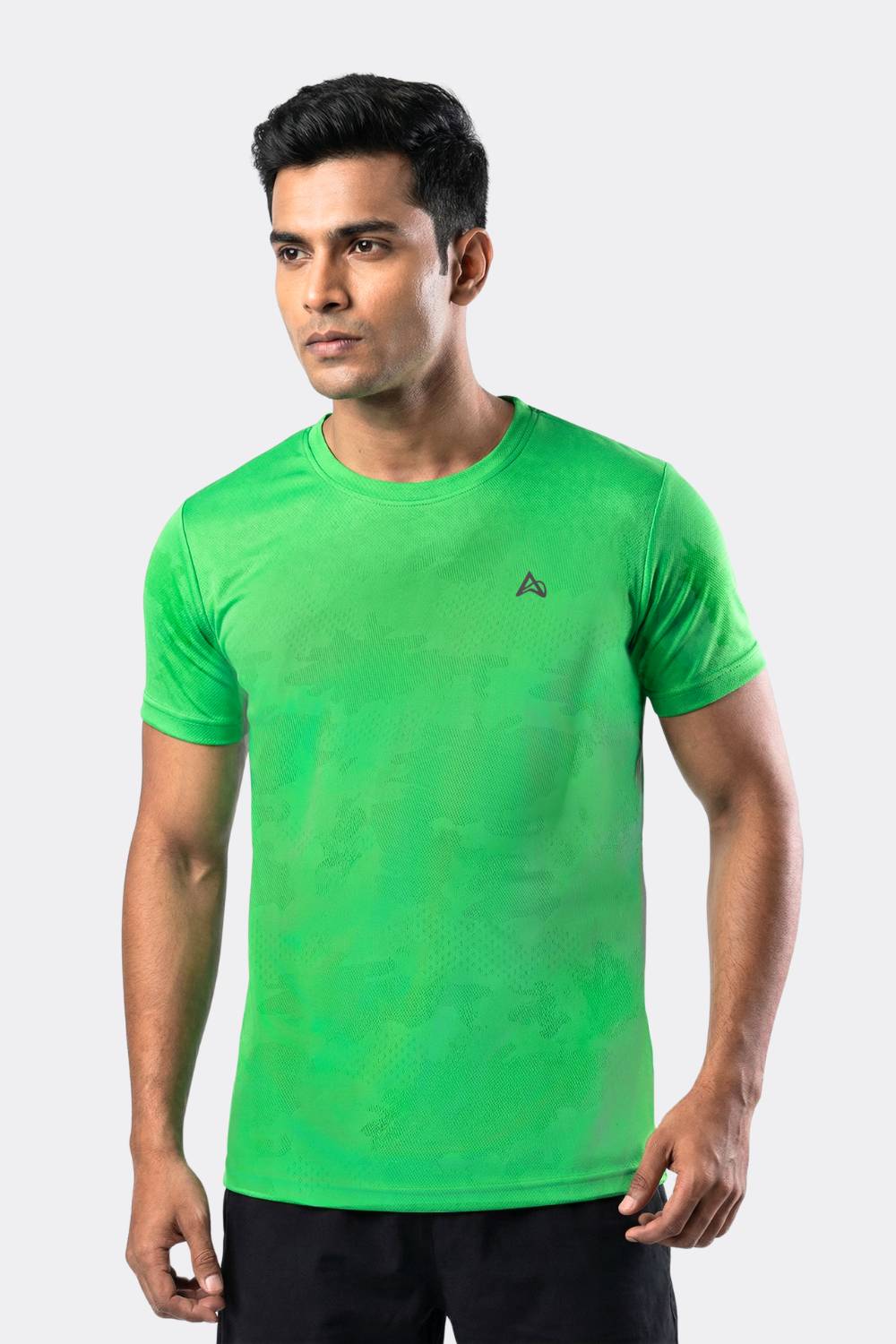
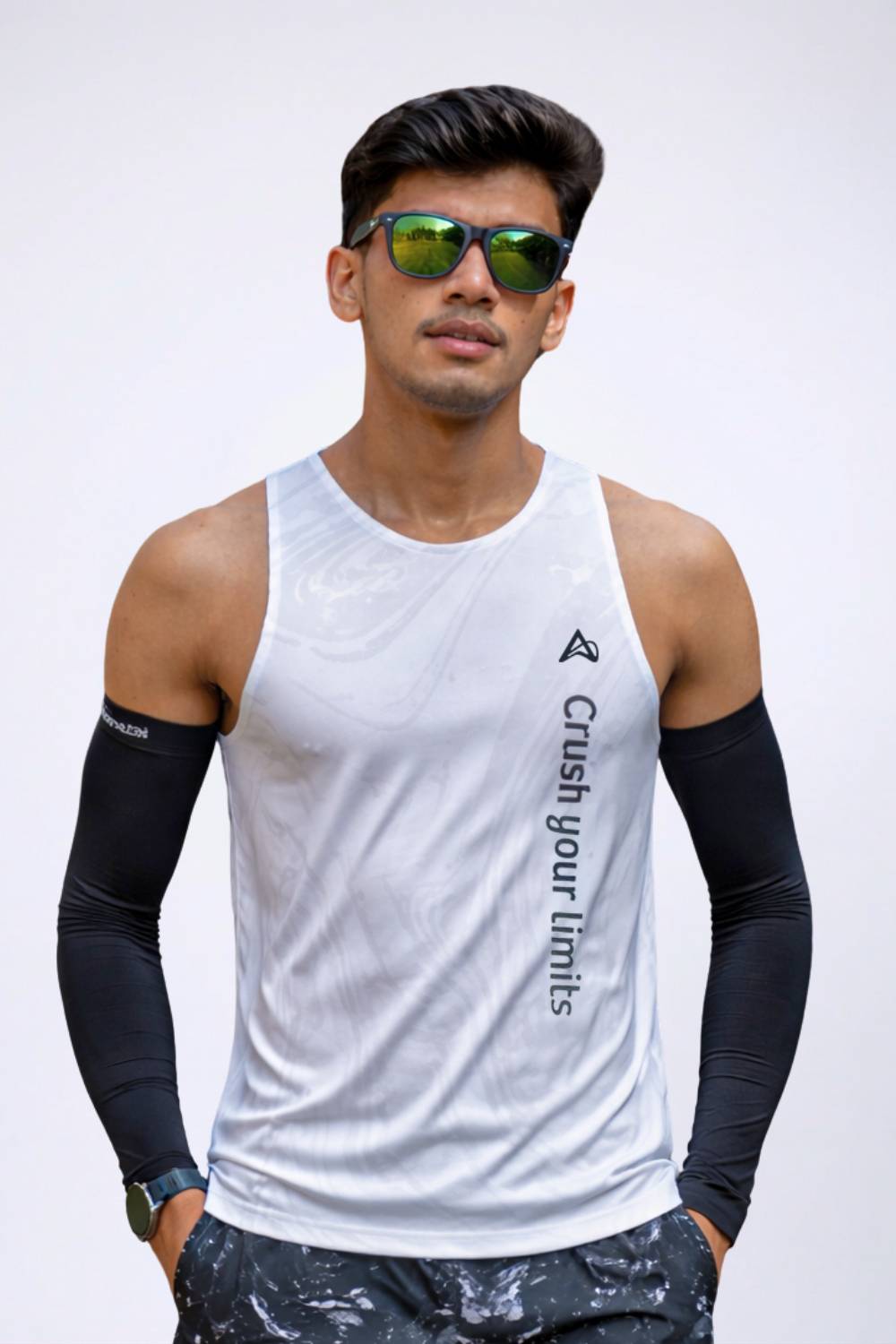

In the vibrant lanes of Mumbai or the serene paths of Bangalore, runners constantly grapple with nature's whims. From the blistering heat of Ahmedabad to the drenching rains of Pune, India's varied weather calls for more than sheer willpower it demands adaptable equipment. This is precisely why versatile running apparel plays a crucial role, enabling athletes to maintain comfort and peak performance amid shifting landscapes and climates.
Tired of gear that slows you down? Chafing, soggy fabrics, and missing pockets kill your run's momentum. At Aguante, we're runners who get it. Our high-performance activewear features moisture-wicking fabrics, ergonomic designs, and smart storage to keep you focused. Shop Now!
The Growing Need for Flexible Running Attire in India
India's running scene is thriving, driven by heightened awareness of health and the rise of city-based fitness movements. In places like Delhi and Hyderabad, where large-scale marathons and community jogs are routine, clothing that can withstand harsh weather is indispensable. As noted in a report from Grand View Research, the worldwide activewear industry was valued at around USD 407 billion last year, with expectations of substantial expansion in the coming years due to the popularity of contemporary gym and casual wear. In the Asia Pacific region, which includes India, this translates to a booming demand for gear that prioritizes functionality over fashion alone.
Similarly, the market for specialized fabrics is on an upward trajectory, estimated at USD 81 billion recently, propelled by increasing interest in sportswear amid global fitness booms. People are seeking clothes with features like sweat control, air circulation, sun shielding, and elasticity essentials for tackling the intense heat and moisture common in Indian urban centers. This shift isn't just about numbers; it's about real improvements in daily training, where runners in Gurugram and Navi Mumbai endure summers topping 35°C alongside stifling humidity, leading to reduced speed and quicker exhaustion without suitable outfits.
Flexible clothing with elements such as non-irritating interiors and visibility enhancers solves these problems, facilitating smooth shifts from arid cold spells in Surat to wet periods in Mumbai. Imagine lacing up for a dawn run without worrying about chafing or visibility that's the practical edge versatile gear provides, turning potential obstacles into seamless experiences.
The global activewear market size was estimated at USD 406.83 billion in 2024 and is projected to reach USD 677.26 billion by 2030, growing at a CAGR of 9.0% from 2025 to 2030. The growth is attributed to the rising inclination toward modern clothing in the gym and for everyday activities. North America activewear market accounted for a revenue share of 38.46% in 2024.
Current Innovations in Running Wear Suited to Indian Weather
The world of activewear is advancing swiftly, with developments finely tuned to India's distinctive environmental challenges. Bangalore's temperate vibe, with winter temps between 14 and 28°C, draws runners to airy, light strata that keep things cool without excess weight. In contrast, Hyderabad's scorching, parched environment reaching 36°C with minimal moisture fuels the call for materials that block harmful rays, backed by findings from the Indian Meteorological Department.
Advances in Material Science
Certain high-performance materials, like advanced synthetics, deliver the flexibility and humidity handling vital for Pune's soggy rainy seasons. Companies are honing in on regional demands, such as handy compartments for items during Delhi's misty chills (10 to 28°C) or germ-resistant textiles for Ahmedabad's dry scorchers (up to 37°C). These aren't mere gimmicks; they stem from runner feedback, ensuring gear that fits Indian physiques and withstands local paths.
The athleisure wave merges utility with aesthetics, attracting busy professionals in Gurugram who balance exercise with work. Industry observations point to a move toward eco-friendly, multi-purpose items that excel in Surat's seaside dampness (averaging 36% humidity) while staying budget-friendly. This evolution means runners can invest in pieces that last through seasons, reducing the need for constant replacements and promoting sustainable habits.
To illustrate, consider how breathable meshes prevent overheating in Hyderabad's relentless sun, or how quick-dry tech keeps you going through unexpected showers in Bangalore. These trends reflect a broader commitment to innovation that resonates with everyday athletes, making high-quality performance accessible without the premium price tags often seen in international brands.
The global performance fabric market size was estimated at USD 80.70 billion in 2024 and is projected to reach USD 114.66 billion by 2033, growing at a CAGR of 4.1% from 2025 to 2033, driven by the growing demand for sportswear and active wear, fueled by rising health consciousness and fitness trends across developed and developing economies.
Practical Instances from Runners Across India
In Mumbai, where humidity soars to 85% during endurance events like the city's famed marathon, participants battle severe dehydration threats. Research from the Indian Institute of Technology reveals that elevated wet-bulb readings factoring in both warmth and moisture can extend race times by several minutes. Here, adaptable clothing with efficient moisture evacuation has proven game-changing, minimizing skin irritation in nearby Navi Mumbai's comparable settings.
Bangalore's light drizzles can enhance a jog, but without permeable fabrics, they quickly turn uncomfortable. Community feedback from Hyderabad highlights improved stamina in arid heat when using modular outfits that adjust to daily fluctuations from cooler evenings to midday peaks. Delhi's air quality dips dramatically (often exceeding AQI 400), amplifying the chill of winters dropping to 10°C, where luminous, insulating yet ventilated tops become lifesavers for predawn safety.
- In Pune, where monsoon moisture climbs to 66%, slippery conditions are common; integrated non-slip features in apparel help avert accidents, keeping runners on track.
- Surat's shore-side warmth and Ahmedabad's dusty breezes (with humidity as low as 24%) necessitate windproof layers that manage rapid perspiration loss, preserving energy levels.
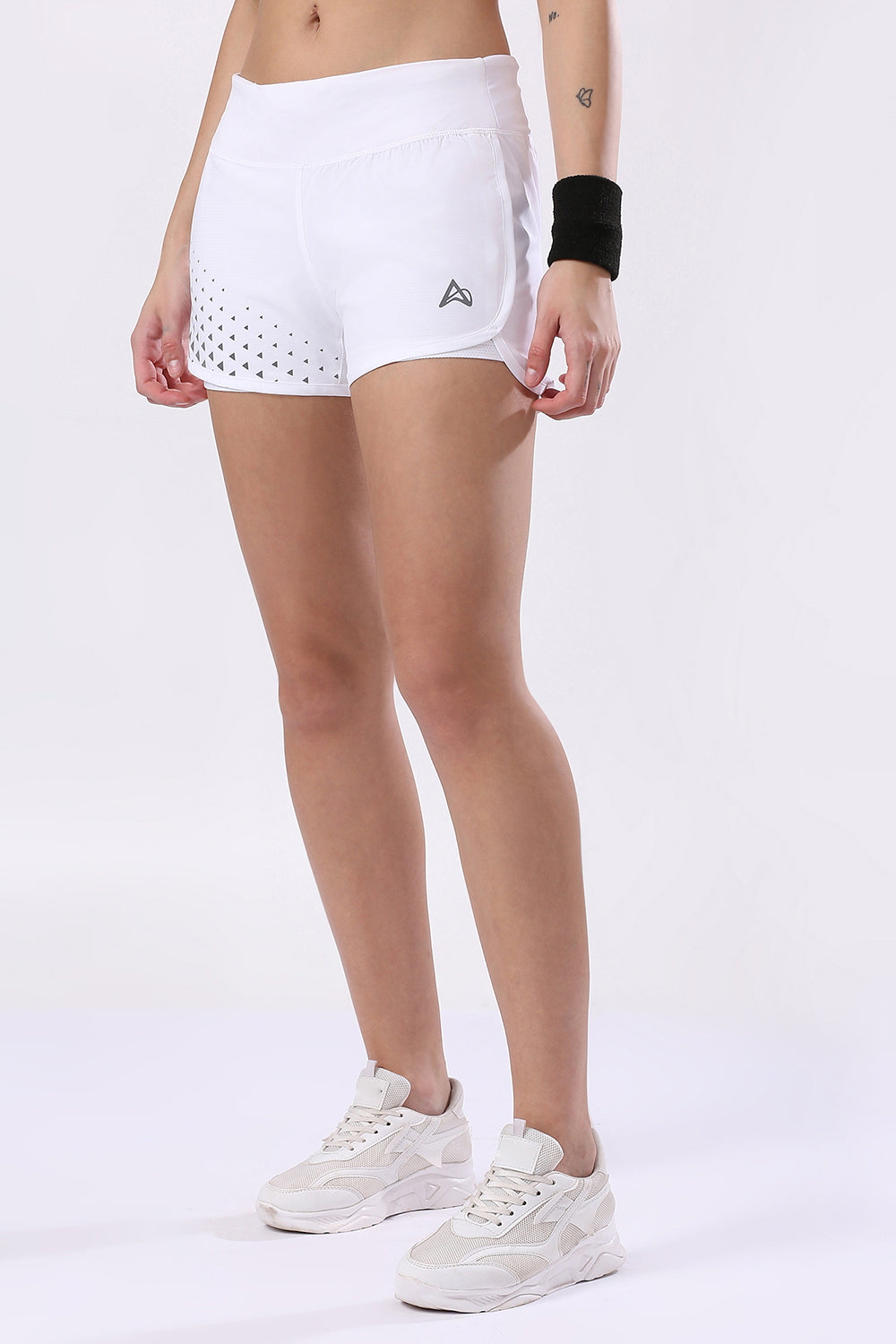
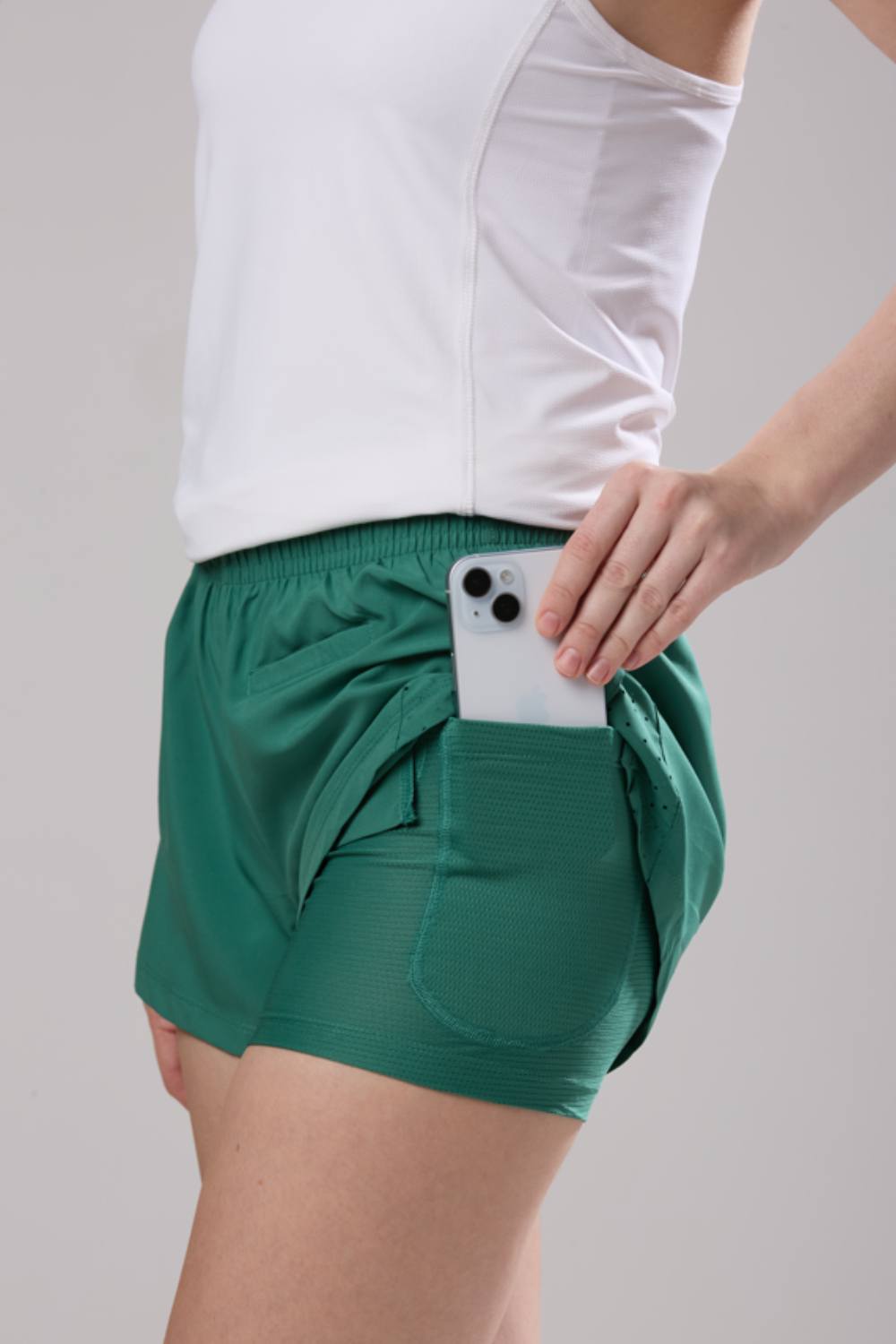
- Gurugram runners share stories of how versatile shorts with secure storage transform chaotic urban sprints into focused sessions, free from distractions.
These anecdotes aren't isolated; they underscore how tailored apparel turns environmental hurdles into opportunities for consistent training, fostering a dedicated running culture in these dynamic cities.
Major Obstacles and Drawbacks for Enthusiastic Runners
Intense warmth and dampness stand as primary barriers. Mumbai and Navi Mumbai's 35°C paired with 85% humidity ramps up heart stress, according to health ministry documents. The stark contrasts in Delhi and Gurugram sweltering highs of 38°C versus frigid lows of 8°C heighten dangers of overheating or freezing without responsive garments.
Northern urban pollution, like Delhi's frequent AQI surges beyond 350, worsens respiratory strains during outings, impacting endurance. Academic work from Jawaharlal Nehru University stresses how erratic climates in Pune and Hyderabad trigger fluid loss, while precipitation in Bangalore interrupts regular schedules, demanding gear that adapts on the fly.
Dangers in Harsh Environments
Surat's humid coastal vibes (36%) and Ahmedabad's parched air (24%) accelerate sweat vanishing, risking salt imbalances that sap strength. Broader issues encompass scarce premium equipment in emerging areas, fake goods flooding markets, and logistical hiccups, as outlined in sector reviews. Overcoming these requires informed choices, prioritizing durable, locally attuned options that mitigate risks without breaking the bank.
Furthermore, without proper fit testing, even advanced fabrics can fail, leading to discomfort or injury. Runners must consider body types shaped by Indian lifestyles, ensuring apparel that moves with them, not against.
Prospects and Economic Effects in Activewear
India's activewear boom presents abundant avenues for growth. The Asia Pacific's leading position in market share empowers domestic labels to leverage the appetite for multi-functional clothing. Sectors like safety gear see rapid adoption of features such as irritation-free linings, enhancing output in Gurugram's professional circuits.
The financial ripple is profound: penetrating secondary hubs like Surat and Pune promises massive revenue boosts, inspired by industry analyses. Eco-conscious materials and personalization waves drive cost savings, curbing excess while aligning with Mumbai's environmentally aware community.
- Firms emphasizing designs for Indian nuances tackling Hyderabad's stickiness or Delhi's frost reap benefits from fair costs and homegrown ingenuity.
- The female category, holding a strong market portion, opens doors for adaptable styles suited to Bangalore's year-round routes, empowering more women to join the fray.
- Overall, this fosters job creation in manufacturing and retail, bolstering local economies while promoting healthier lifestyles nationwide.
By focusing on these, businesses not only profit but contribute to a fitter, more resilient society, where running transcends sport to become a daily ritual.
Insights from Specialists and Horizons Ahead
Authorities at the IMD stress readiness for escalating climate shifts, positioning adaptable wear as a safety cornerstone. Projections suggest the sector could expand dramatically by decade's end, spurred by embeds like intelligent textiles that track warmth in Ahmedabad.
Advice abounds: Opt for sweat-pulling outfits against Mumbai's mugginess, stackable ensembles for Delhi's swings, and airy choices for Pune's downpours. As India's jogging ethos flourishes, adopting such gear guarantees not mere endurance, but excellence in every stride.
Looking forward, integrations with wearables could revolutionize training, offering real-time adjustments to weather data. This blend of tech and textile promises a future where runners conquer conditions effortlessly, pushing personal limits further than ever.
Frequently Asked Questions
What features should I look for in running apparel for India's hot and humid weather?
For India's hot and humid conditions especially in cities like Mumbai (humidity up to 85%) and Hyderabad (temperatures reaching 36°C) look for running apparel with moisture-wicking fabrics, breathable mesh panels, UV protection, and quick-dry technology. Antimicrobial textiles are also beneficial for drier, hotter climates like Ahmedabad, while non-chafing interiors help prevent skin irritation during long runs in high-humidity environments.
How does versatile running clothing improve performance across different Indian cities?
India's cities present wildly different weather challenges from Delhi's AQI spikes and 8°C winters to Pune's 66% monsoon humidity making one-size-fits-all gear impractical. Versatile running apparel with layering options, windproof materials, and reflective visibility features helps runners adapt safely and efficiently across these varied conditions. Studies referenced from IIT research also indicate that adaptive moisture management can reduce race times extended by high wet-bulb temperatures, directly boosting performance.
Is investing in high-quality, weather-adaptive running gear worth it for everyday runners in India?
Yes weather-adaptive running apparel is a practical long-term investment, not just a premium upgrade. Multi-functional pieces designed for India's climate extremes last across seasons, reducing the need for frequent replacements and supporting sustainable habits. Beyond durability, the right gear minimizes health risks like heat stress, dehydration, and respiratory strain from pollution, turning challenging urban environments in cities like Gurugram or Bangalore into manageable, even enjoyable, training conditions.
Disclaimer: The above helpful resources content contains personal opinions and experiences. The information provided is for general knowledge and does not constitute professional advice.
You may also be interested in: The Importance of Moisture-Wicking Fabric for Runners: Why It Matters
Tired of gear that slows you down? Chafing, soggy fabrics, and missing pockets kill your run's momentum. At Aguante, we're runners who get it. Our high-performance activewear features moisture-wicking fabrics, ergonomic designs, and smart storage to keep you focused. Shop Now!
Powered by flareAI.co