
















Quick Listen:
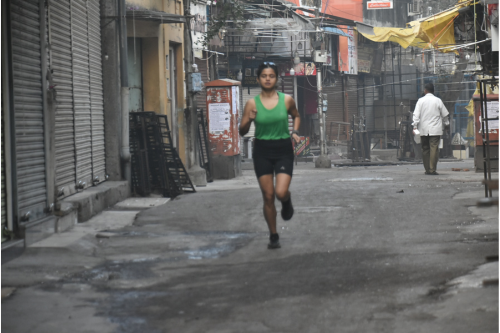
Imagine the first light breaking over Bangalore's iconic Cubbon Park, where the rhythmic pounding of runner's feet on misty paths signals more than just another workout. Today, many of those athletes wear apparel that performs at peak levels while consciously reducing its toll on the environment. In India's rapidly expanding fitness culture, sustainability has evolved from a marginal consideration into a core requirement for modern activewear brands.
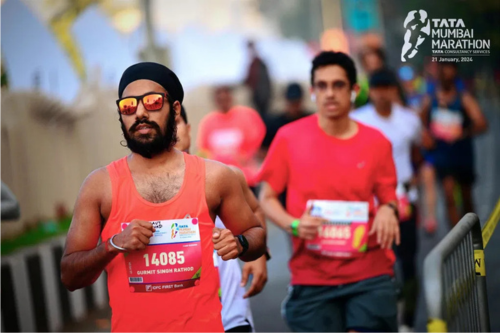
Across bustling cities from the humid marathons of Mumbai and the yoga studios of Delhi to the trail networks around Pune Indian consumers increasingly seek performance gear that matches their commitment to personal health with a parallel dedication to planetary well-being. This shift reflects broader global patterns, yet it carries distinct urgency in India, where urban growth, rising disposable incomes, and heightened environmental awareness converge to redefine the activewear landscape.
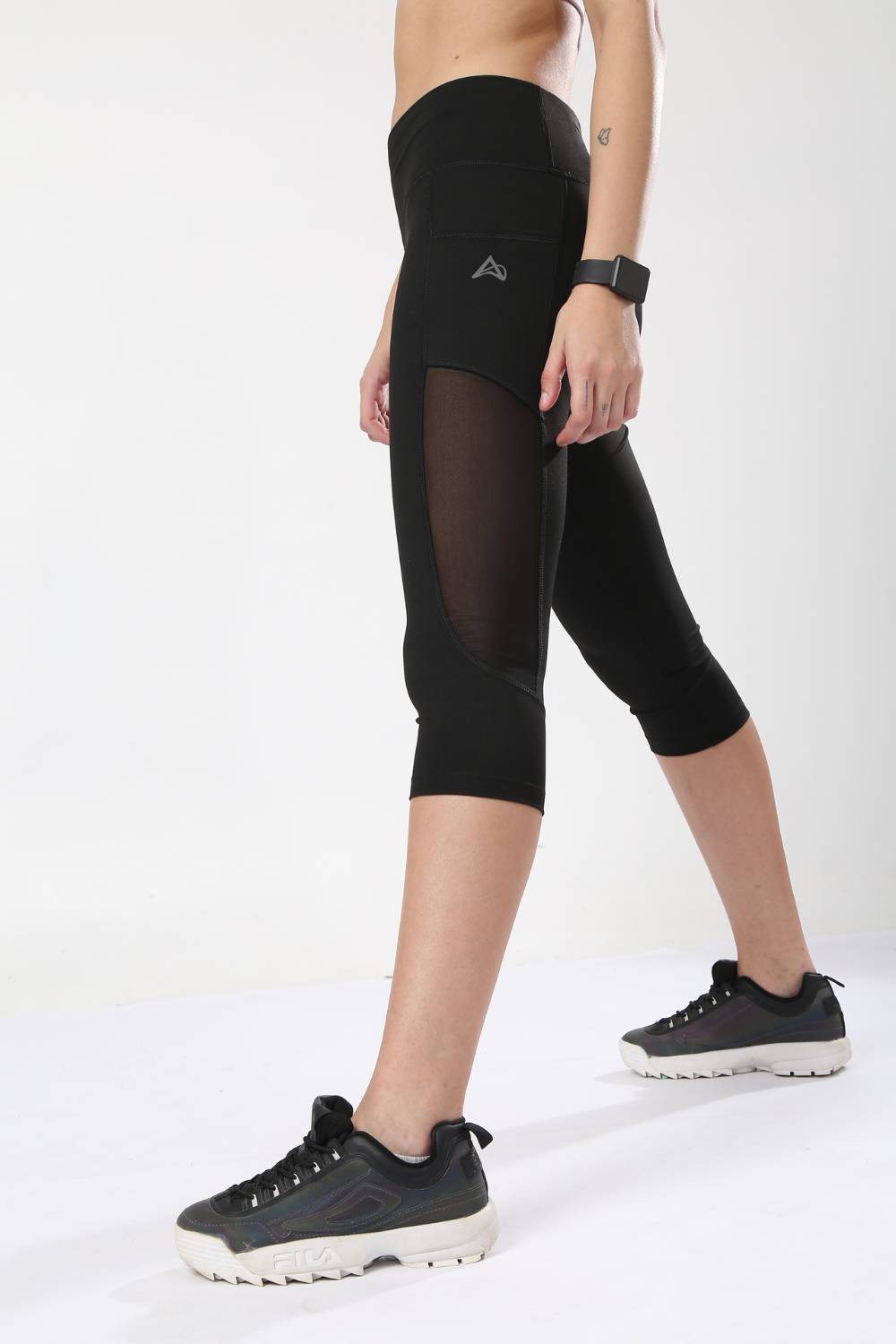
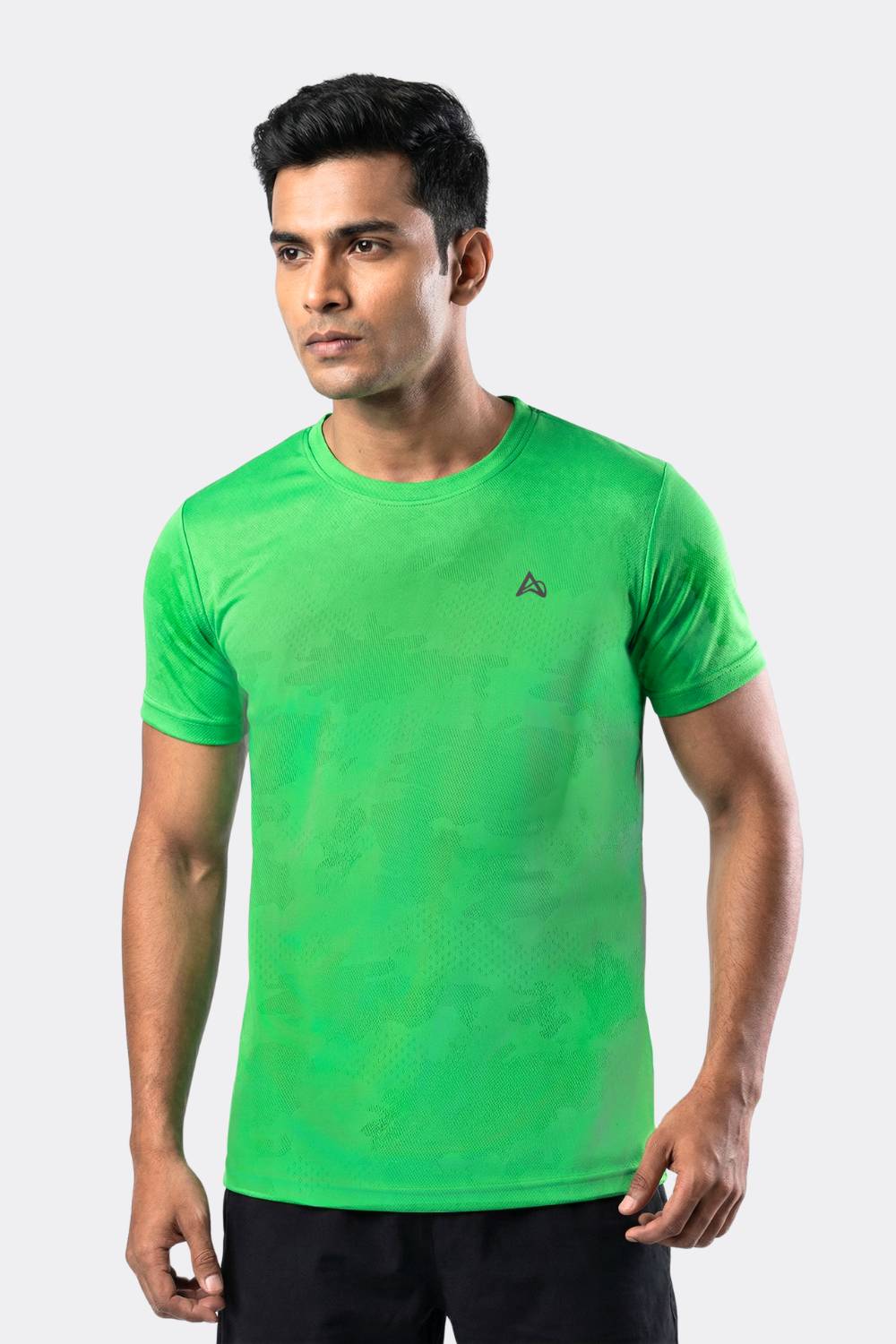
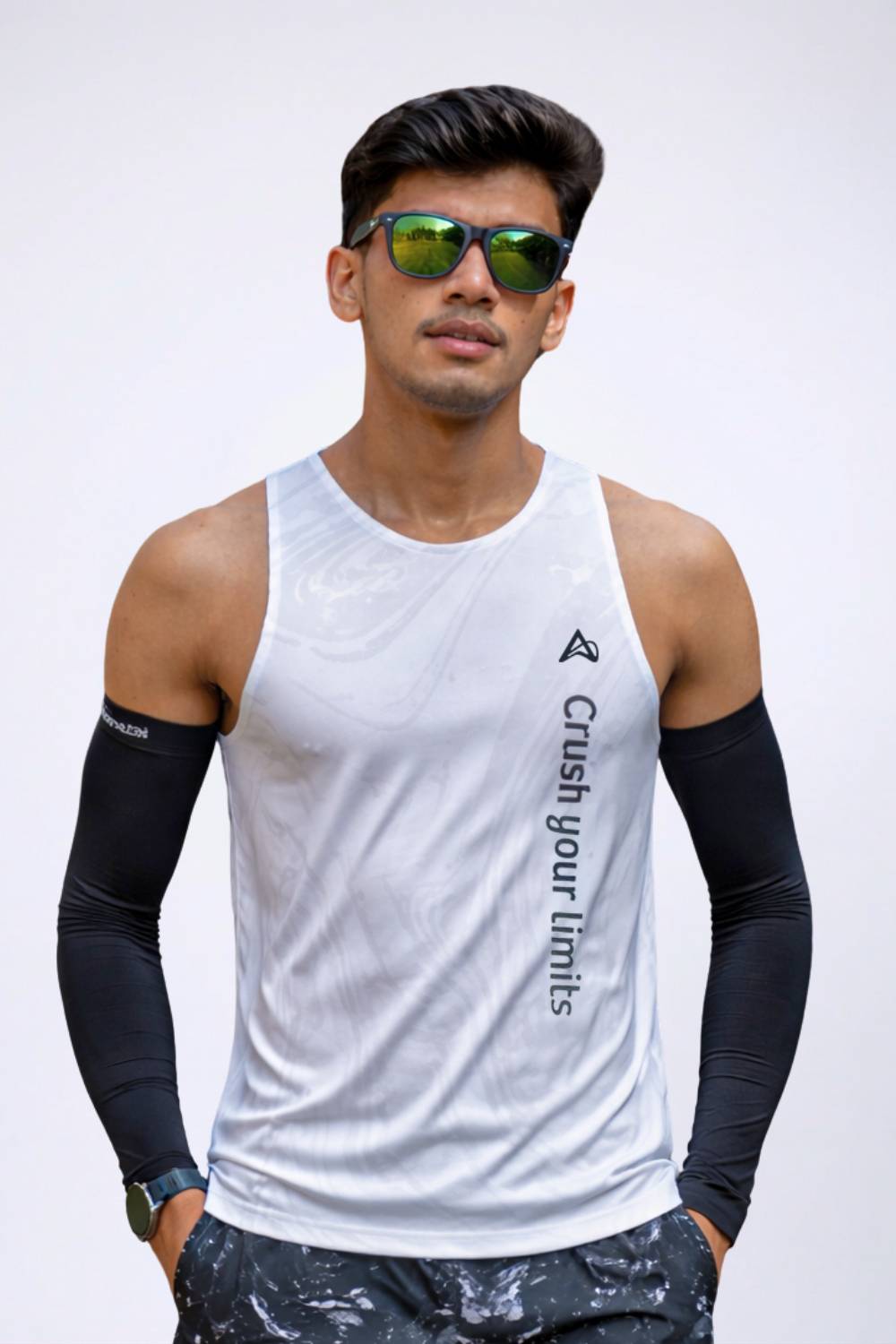
Tired of gear that slows you down? Chafing, soggy fabrics, and missing pockets kill your run's momentum. At Aguante, we're runners who get it. Our high-performance activewear features moisture-wicking fabrics, ergonomic designs, and smart storage to keep you focused. Shop Now!
Why Sustainability is Key to Modern Activewear Brands: A Shift Toward Eco-Friendly Practices in India's Fitness Apparel Market
Exploring how sustainable materials, ethical manufacturing, and eco-conscious innovations are shaping the future of performance clothing in India's vibrant activewear sector.
The Surge of Eco-Friendly Materials and Manufacturing
The transition to sustainable fabrics has gained remarkable momentum. Brands now favor recycled polyester, organic cotton, and plant-based alternatives over conventional synthetics, delivering equivalent strength and longevity while significantly cutting down on waste and resource depletion. In humid regions like Hyderabad and Mumbai, designers craft breathable, quick-drying pieces using low-impact dyes and rigorous certifications such as GOTS and Oeko-Tex, ensuring garments suit India's intense climates without environmental compromise.
Production methods have advanced in parallel. Water-saving techniques, energy-efficient processes, and waste-minimizing strategies are taking root in innovation hubs like Pune and Hyderabad. These improvements produce durable equipment capable of handling scorching summers, monsoon downpours, and rugged outdoor trails alike.
Consumer demand propels this evolution. In metros such as Delhi, Gurugram, and Navi Mumbai, younger demographics particularly millennials and Gen Z prioritize eco-conscious performance wear. Retail data from major urban outlets in Delhi and Gurugram revealed a 25% rise in sustainable activewear sales during 2025, spurred by corporate wellness initiatives and growing ecological consciousness.
Indian Brands Leading with Purpose
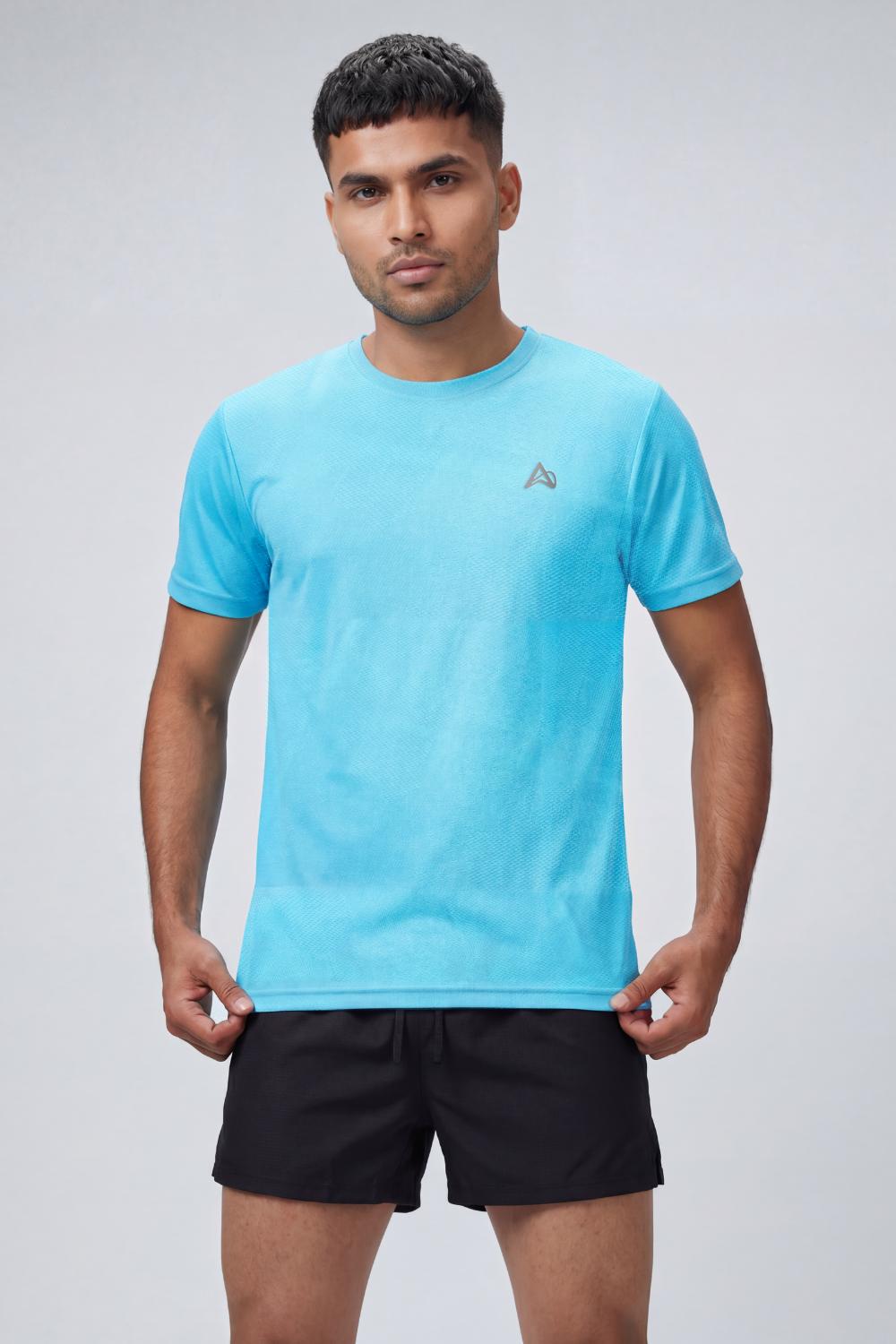
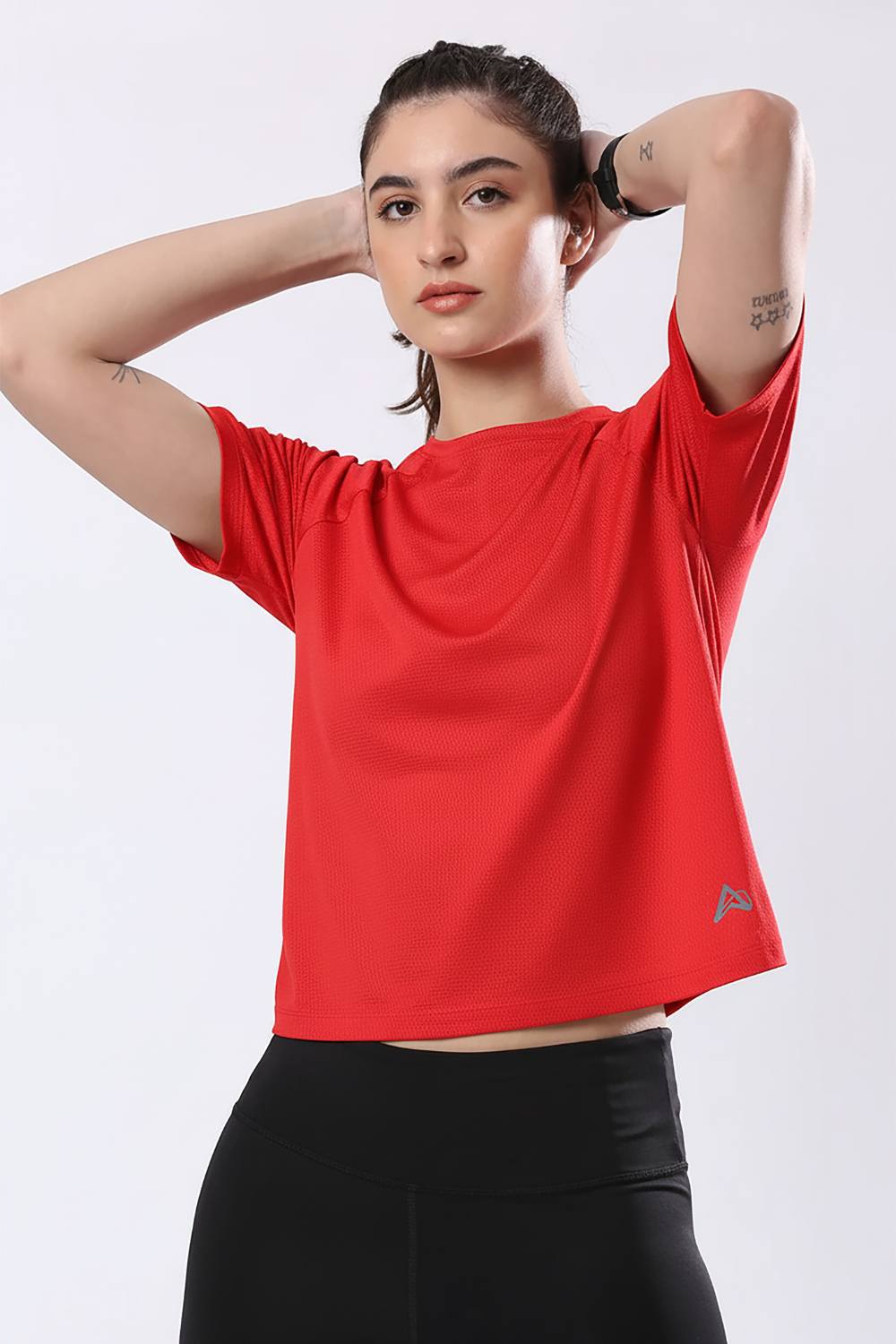
Domestic labels are at the forefront. Consider Aguante, founded in 2018 by passionate runners, which integrates recycled fabrics and low-impact manufacturing to produce versatile, high-performance clothing designed for India's varied landscapes from the structured paths of Gurugram to the coastal trails of Navi Mumbai and the vibrant streets of Ahmedabad. By emphasizing transparency and demonstrating how sustainable options rival traditional materials in durability and comfort, Aguante has built credibility among discerning fitness enthusiasts.
Partnerships with eco-focused retailers in cities like Surat and Ahmedabad expand reach, while endorsements from local athletes and influencers on social media transform individual workouts into broader advocacy. These initiatives succeed because they solve practical challenges: superior ventilation for Mumbai's humidity, reinforced construction for Pune's uneven terrain, and thoughtful features like integrated pockets that enhance focus during runs all achieved with a reduced ecological impact.
Navigating the Real Obstacles
Progress comes with difficulties. Eco-materials frequently command higher initial costs, compelling brands in price-sensitive markets like Bangalore and Pune to strike a delicate balance between superior quality and reasonable pricing. Shoppers expect elite functionality without premium markups, creating ongoing tension.
Supply chain intricacies compound the issue. India's infrastructure for local, ethical sourcing of sustainable textiles remains underdeveloped, often forcing reliance on international suppliers that bring logistical delays and variability issues especially pronounced in production centers such as Ahmedabad and Surat.
Consumer awareness plays a pivotal role. While many recognize the advantages of durable, planet-friendly investments, others require clear explanations of benefits: how recycled polyester maintains performance over time, or how responsible methods minimize harm without sacrificing quality.
Strategic Advantages and Long-Term Gains
The benefits outweigh the barriers. Brands cultivating loyalty among values-aligned customers enjoy strong, repeat patronage in hubs like Mumbai and Delhi, where word-of-mouth and community engagement accelerate organic expansion.
Operational efficiencies accumulate: lower resource consumption, minimized waste, and optimized processes generate meaningful cost reductions for progressive companies in Pune and Gurugram. These practices position Indian labels favorably for global expansion, as international buyers increasingly seek ethical, high-performance options.
Market dynamics reinforce this trajectory. Globally, the activewear sector demonstrates robust expansion, yet India's segment stands out with particular strength. According to recent analysis, the India activewear market generated revenue of USD 15,107.3 million in 2024 and is projected to reach USD 29,972.9 million by 2030, advancing at a CAGR of 12.2% from 2025 onward. This growth aligns closely with rising health consciousness, wellness trends, and the integration of sustainability as a competitive differentiator.
On the sustainable side, the global sustainable athleisure market closely related continues to expand, reflecting parallel consumer priorities worldwide.
Looking Ahead: A Sustainable Stride Forward
In India's dynamic activewear arena, sustainability has become indispensable a fundamental expectation rather than an add-on. Tier-1 cities including Bangalore, Mumbai, and Delhi continue to pioneer this transformation, rewarding brands that commit to verifiable sourcing, responsible production, and authentic innovation.
Obstacles around cost, supply reliability, and education endure, but the incentives are compelling: deepened customer allegiance, enhanced efficiencies, and genuine contributions to environmental health. For the dawn runners tying their laces in Cubbon Park and countless others across the country, each step in thoughtfully designed gear transcends routine exercise. It represents active participation in a profound, collective shift one that harmonizes peak performance with purposeful responsibility.
Frequently Asked Questions
What are sustainable materials used in modern activewear?
Sustainable activewear primarily uses recycled polyester, organic cotton, and plant-based alternatives that offer the same strength and durability as conventional synthetics while significantly reducing waste and resource depletion. These eco-friendly fabrics are designed with low-impact dyes and certifications like GOTS and Oeko-Tex, ensuring they perform well in India's intense climates from humid regions like Mumbai and Hyderabad to outdoor trails across the country without compromising environmental responsibility.
Why are Indian consumers choosing sustainable activewear over traditional options?
Indian consumers, particularly millennials and Gen Z in metros like Delhi, Mumbai, Bangalore, and Gurugram, increasingly prioritize eco-conscious performance wear that aligns their commitment to personal health with planetary well-being. Retail data shows a 25% rise in sustainable activewear sales during 2024, driven by growing environmental awareness, corporate wellness initiatives, and the desire for high-quality gear that performs exceptionally while reducing ecological impact. This shift reflects a fundamental change where sustainability has evolved from a marginal consideration to a core requirement in India's rapidly expanding fitness culture.
What challenges do sustainable activewear brands face in India?
Sustainable activewear brands in India face three primary challenges: higher initial costs of eco-materials that require balancing quality with affordability in price-sensitive markets like Bangalore and Pune; underdeveloped local infrastructure for ethical sourcing of sustainable textiles, often forcing reliance on international suppliers with logistical delays; and the need for consumer education to clearly communicate how recycled polyester maintains performance over time and how responsible manufacturing minimizes environmental harm without sacrificing quality. Despite these obstacles, the long-term benefits including customer loyalty, operational efficiencies, and market positioning make sustainability increasingly indispensable for modern activewear brands.
Disclaimer: The above helpful resources content contains personal opinions and experiences. The information provided is for general knowledge and does not constitute professional advice.
You may also be interested in: Local Manufacturing Strengthens India's Sportswear Ecosystem
Tired of gear that slows you down? Chafing, soggy fabrics, and missing pockets kill your run's momentum. At Aguante, we're runners who get it. Our high-performance activewear features moisture-wicking fabrics, ergonomic designs, and smart storage to keep you focused. Shop Now!
Powered by flareAI.co