



Quick Listen:
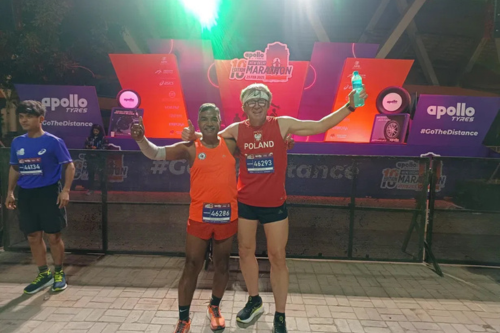
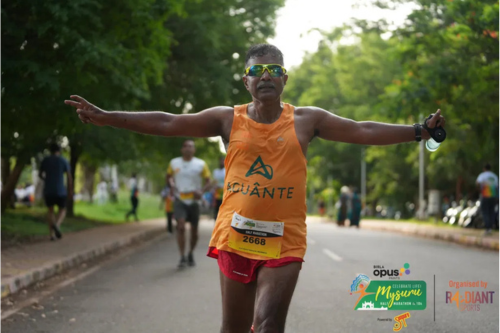
Imagine the first light of dawn breaking over Mumbai's iconic Marine Drive, where tens of thousands of runners converge for the annual Tata Mumbai Marathon, their footsteps echoing against the waves. Amid this wave of determination, it's the specialized apparel moisture-wicking shirts and cushioned shorts that sustains their pace, turning grueling miles into achievable triumphs. This vivid tableau illustrates a broader transformation in India's activewear sector, where clothing evolves from mere attire to essential tools for endurance in cities pulsing with fitness fervor.
In the dynamic realm of activewear and performance apparel, with a sharp emphasis on running and fitness clothing, the spotlight is increasingly on how innovative garments boost stamina and aid recovery. Tailored fabrics that tackle Mumbai's relentless humidity or Bangalore's foggy paths are propelling the industry forward. Globally, the sports apparel market, pegged at USD 266.74 billion in 2026, is anticipated to climb to USD 375.77 billion by 2030, expanding at a 7.09% CAGR. This surge highlights the critical role for designers and retailers: apparel serves as a performance enhancer, empowering athletes to extend their boundaries in routine jogs or high-stakes competitions across India's urban landscapes.
The activewear landscape in India, particularly in vibrant centers like Delhi and Pune, is undergoing a significant evolution. Fitness enthusiasts are moving beyond simple basics, seeking apparel that merges cutting-edge science with aesthetic appeal. This piece explores the ways proper gear cultivates endurance, spotlighting trends in locales such as Hyderabad and Ahmedabad, where health consciousness is fueling a robust fitness culture.
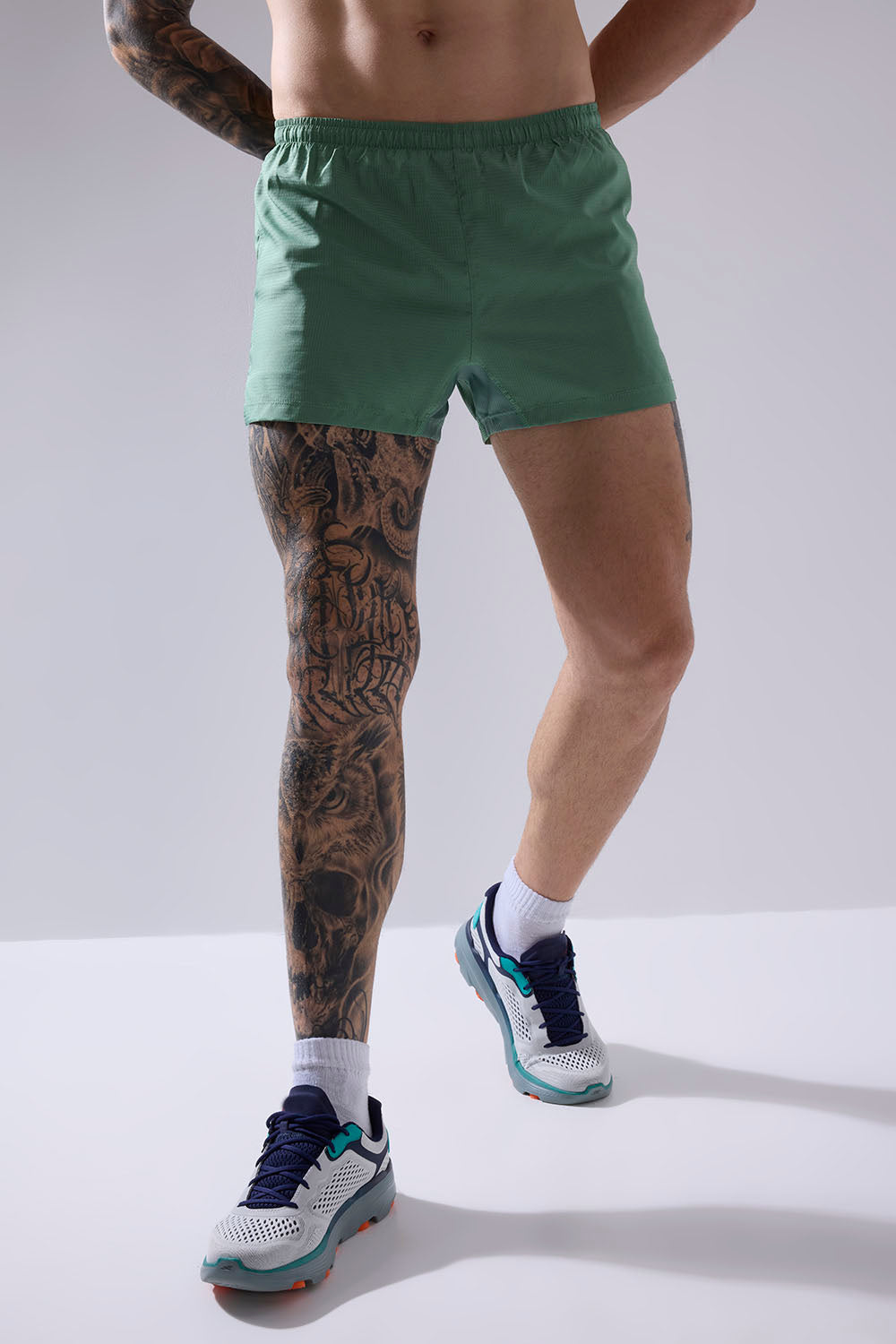
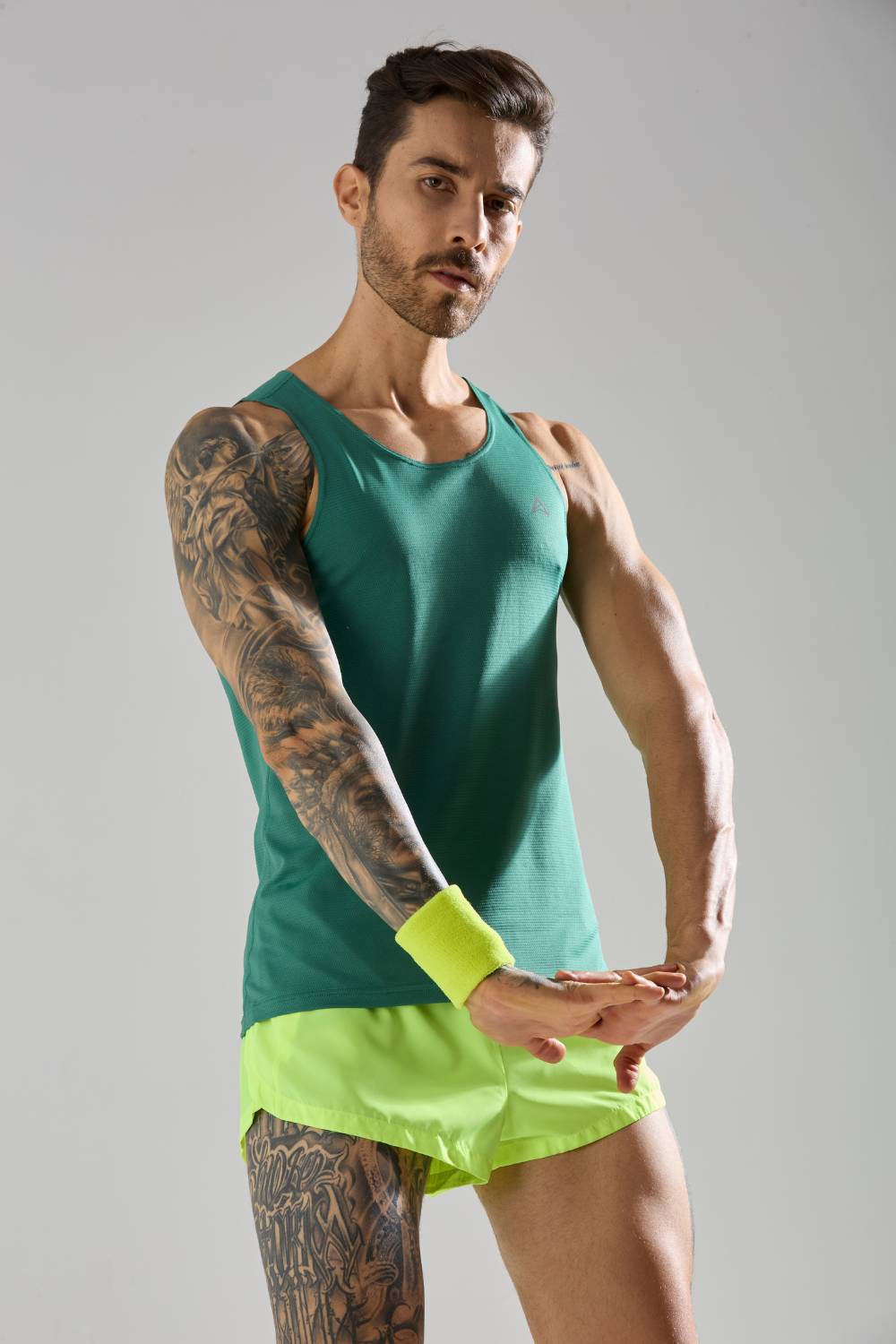
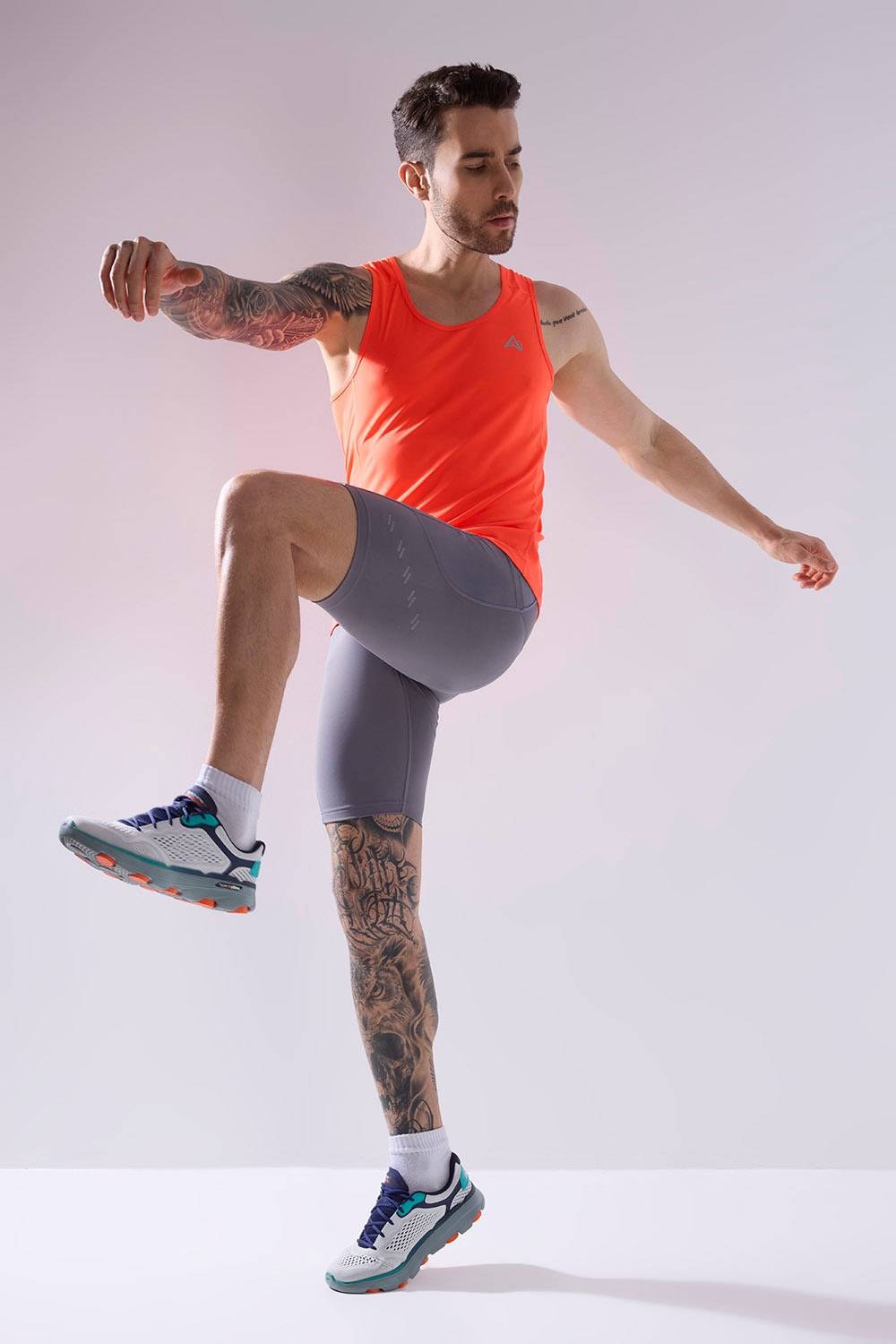
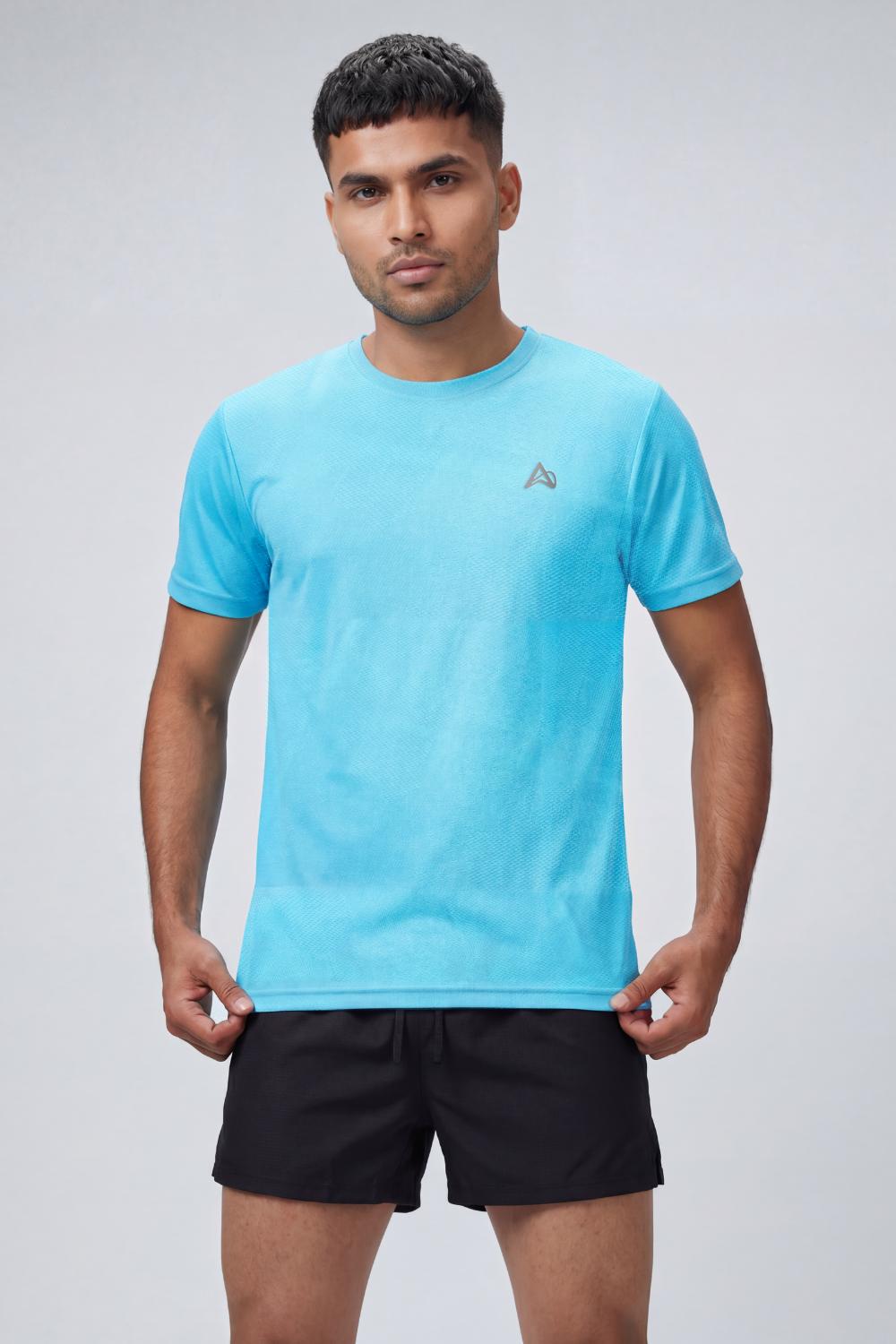
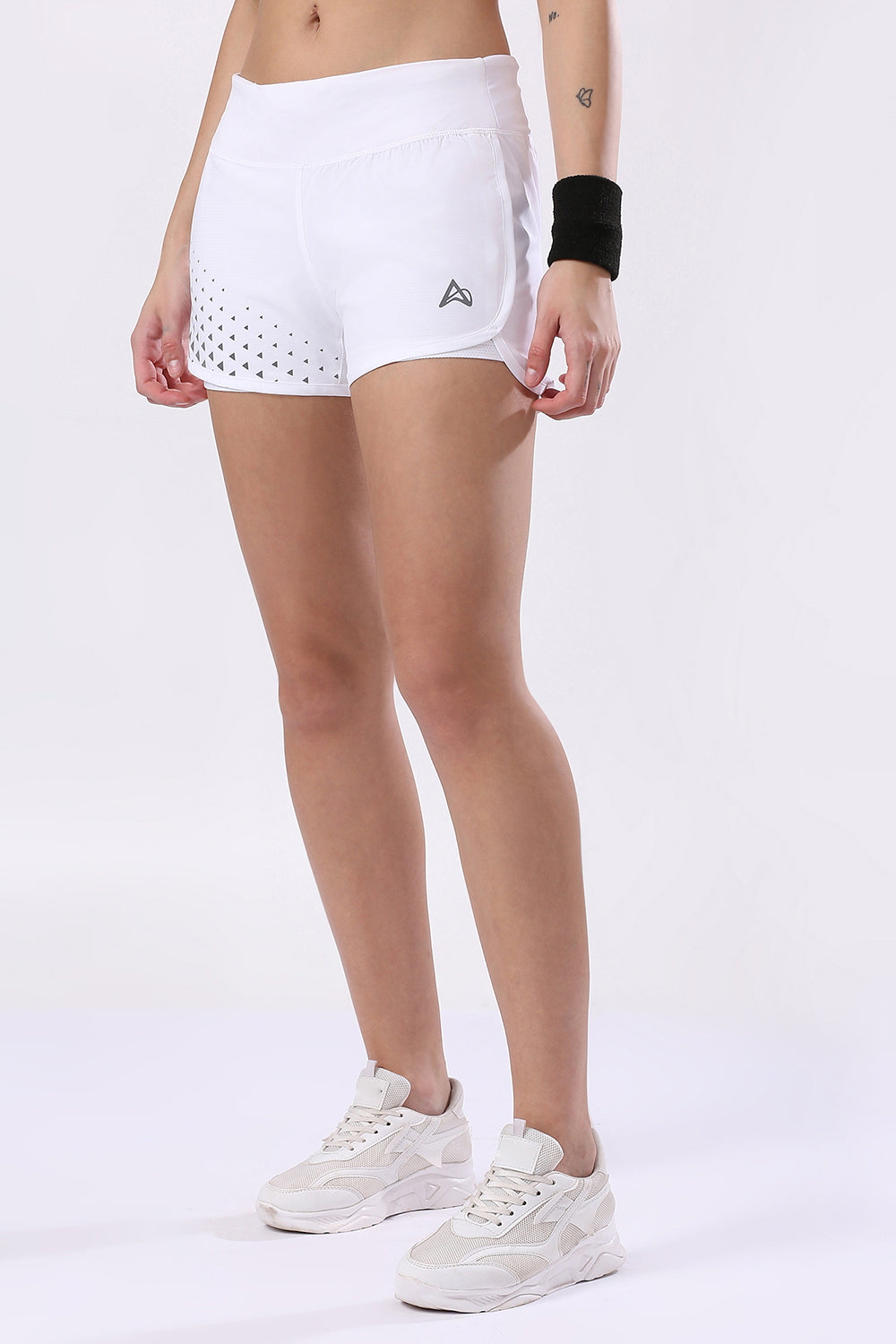
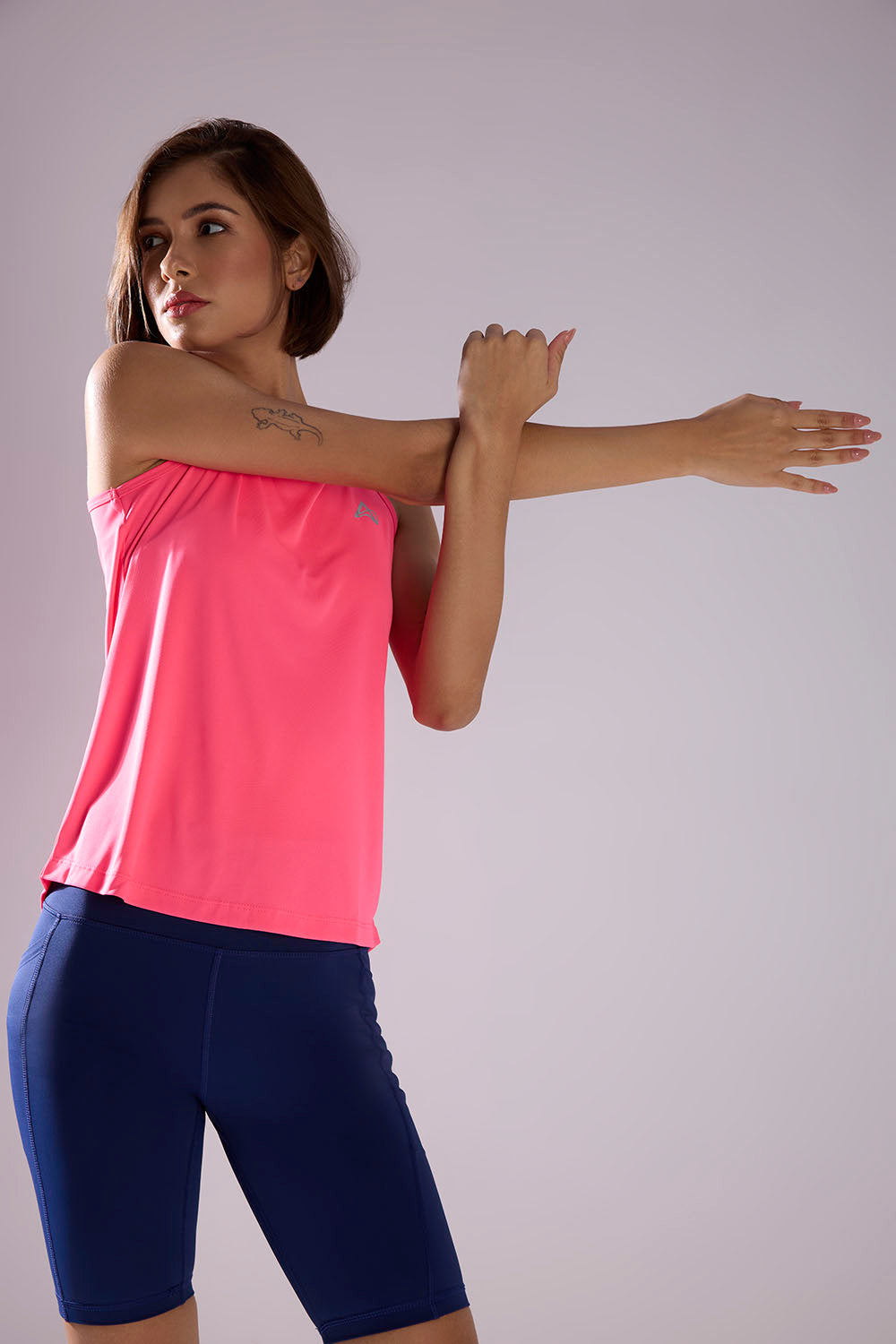
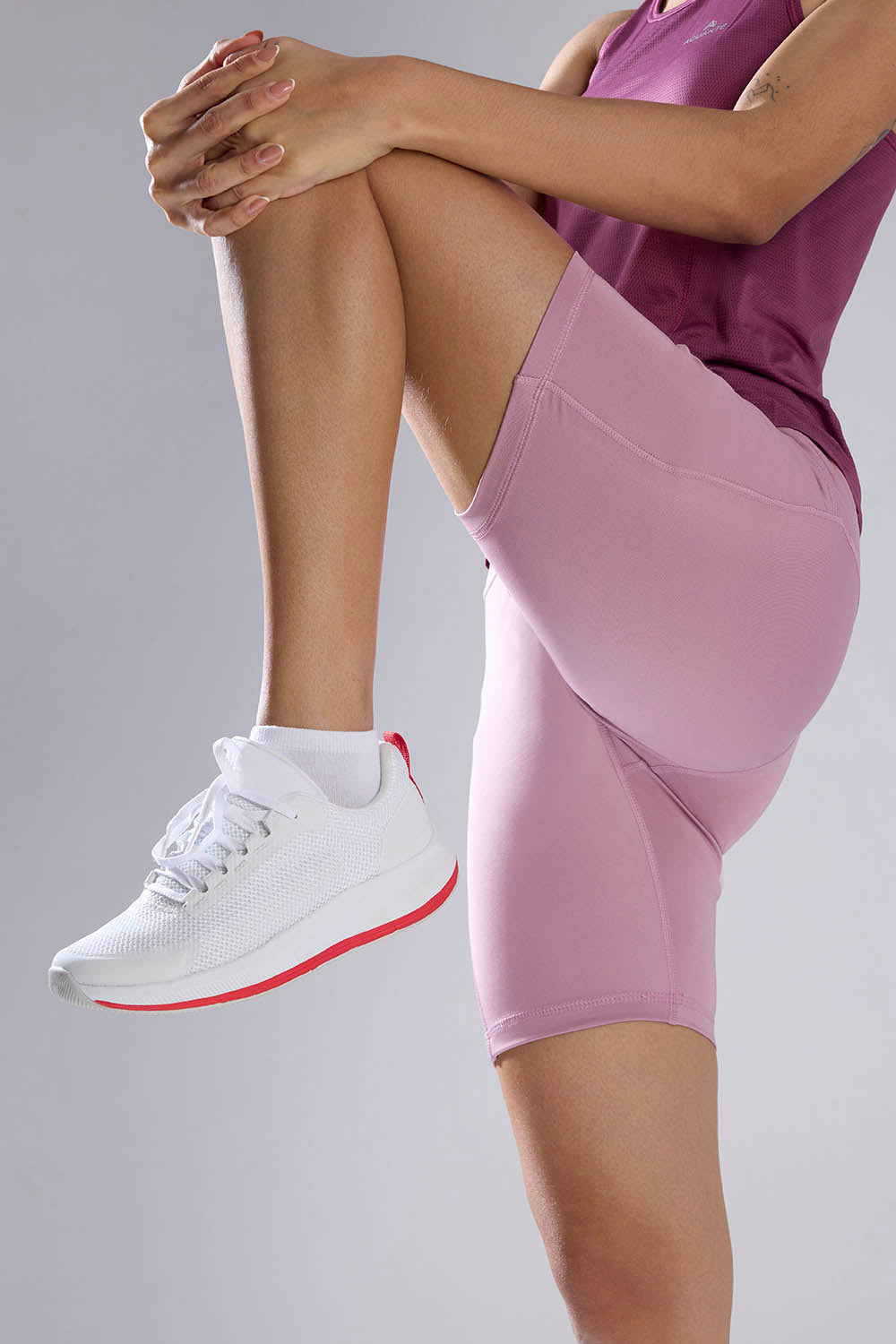
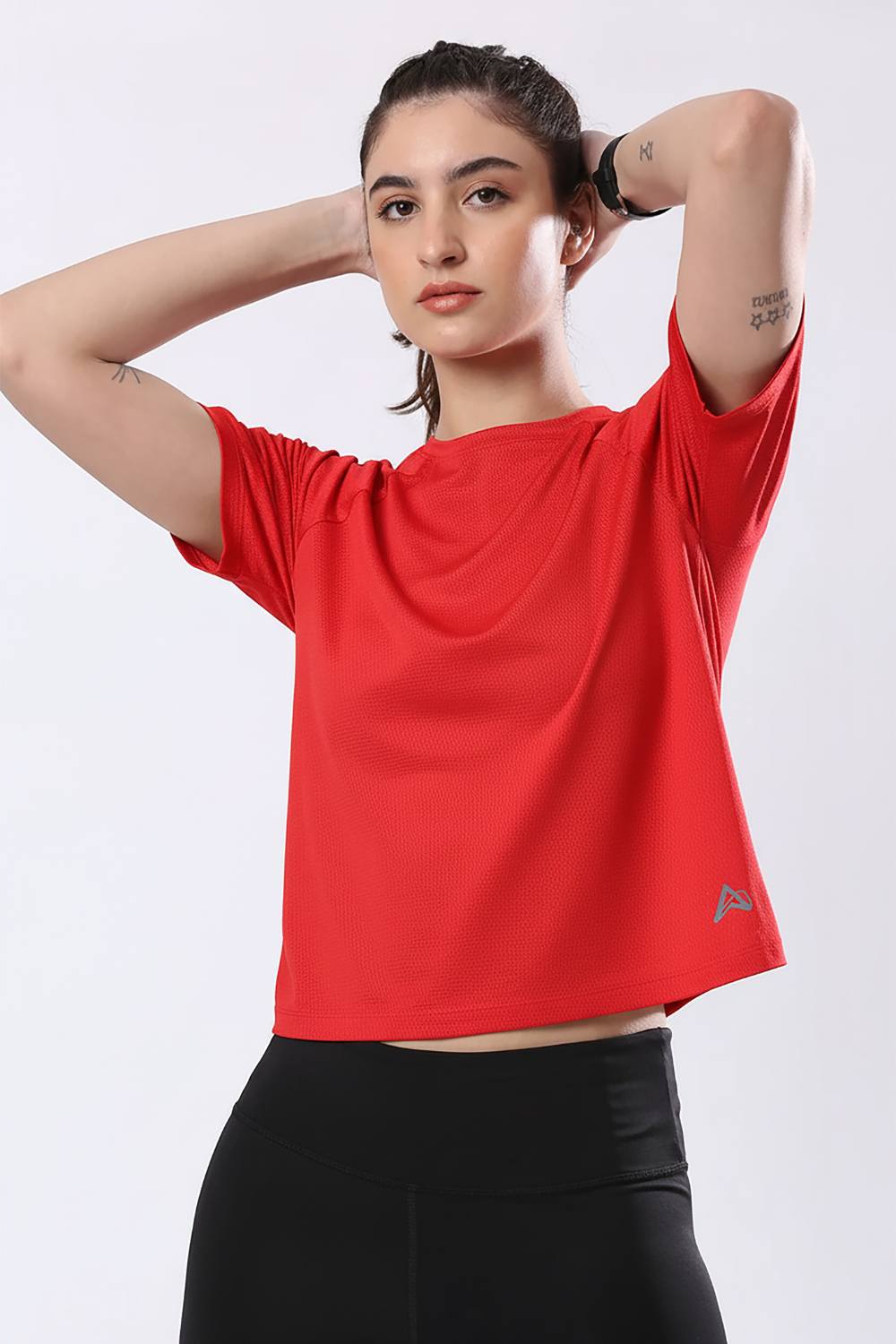
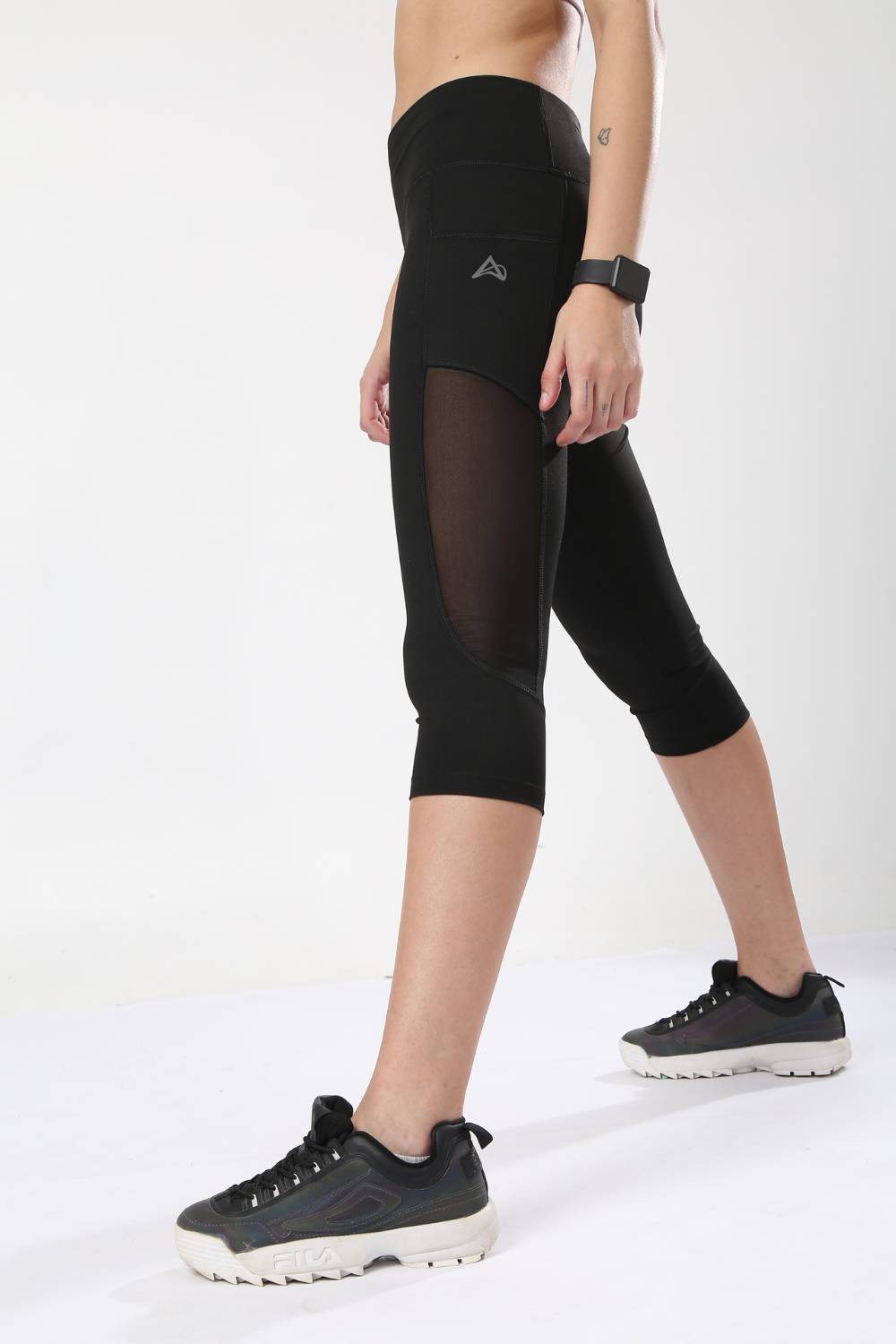
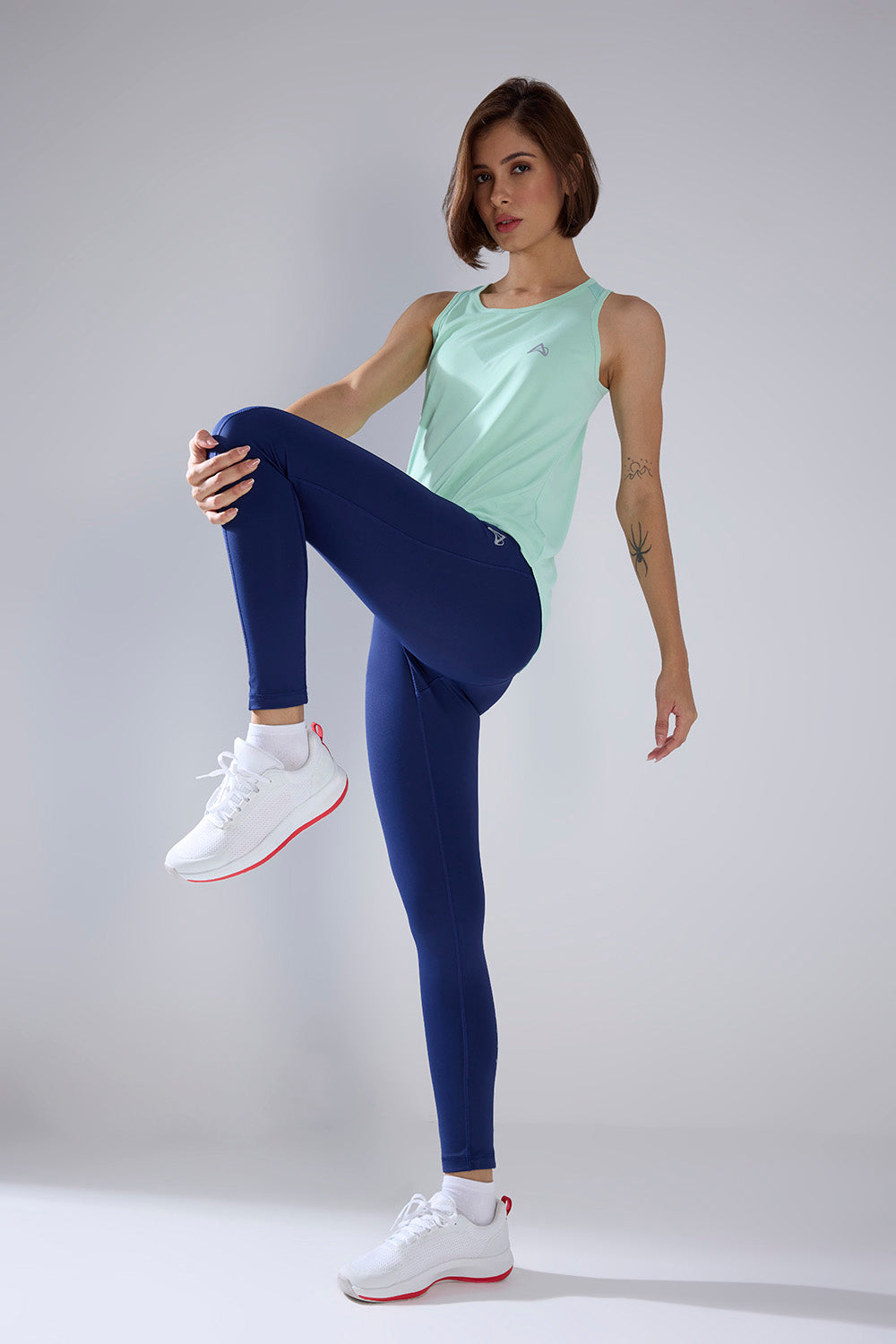
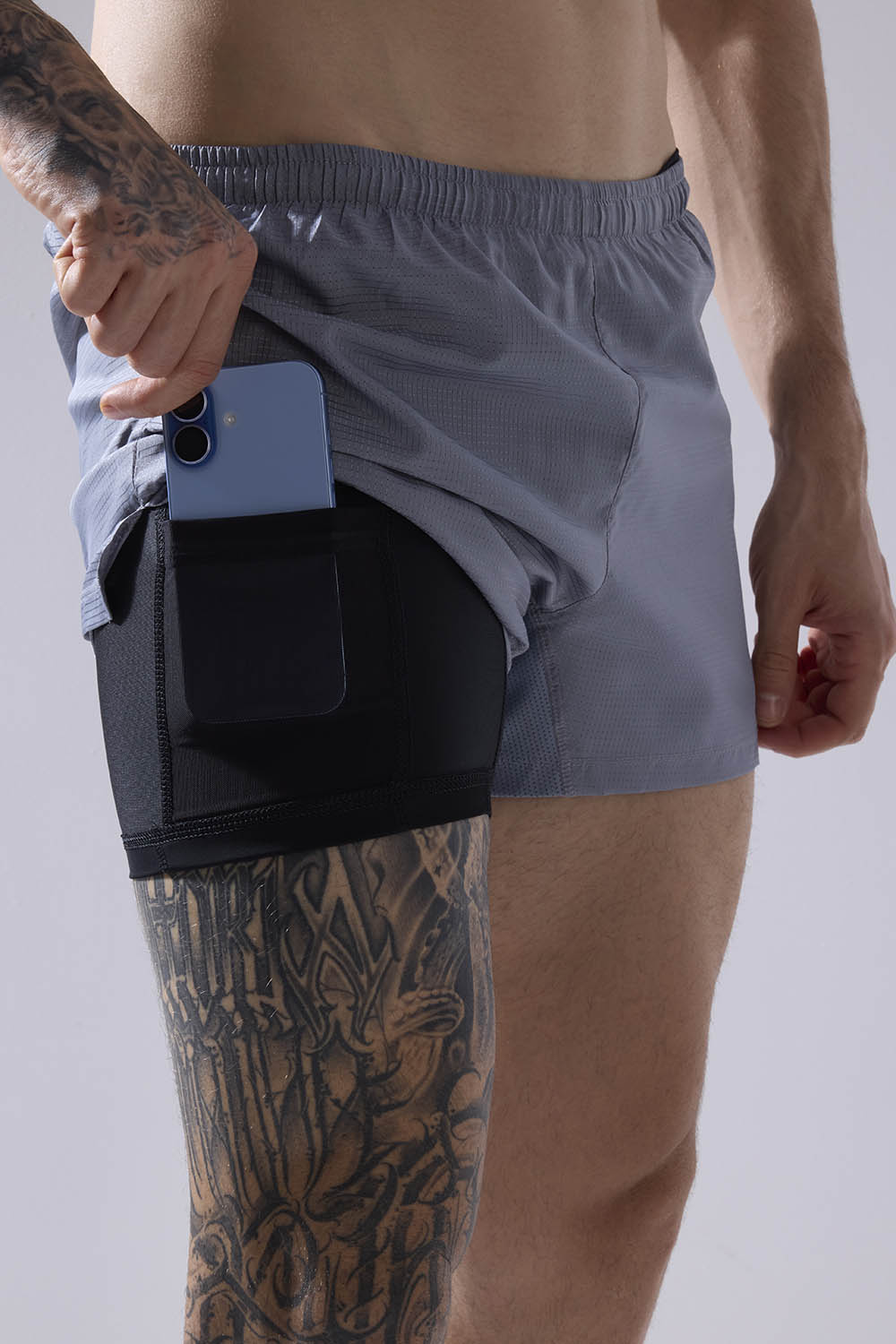
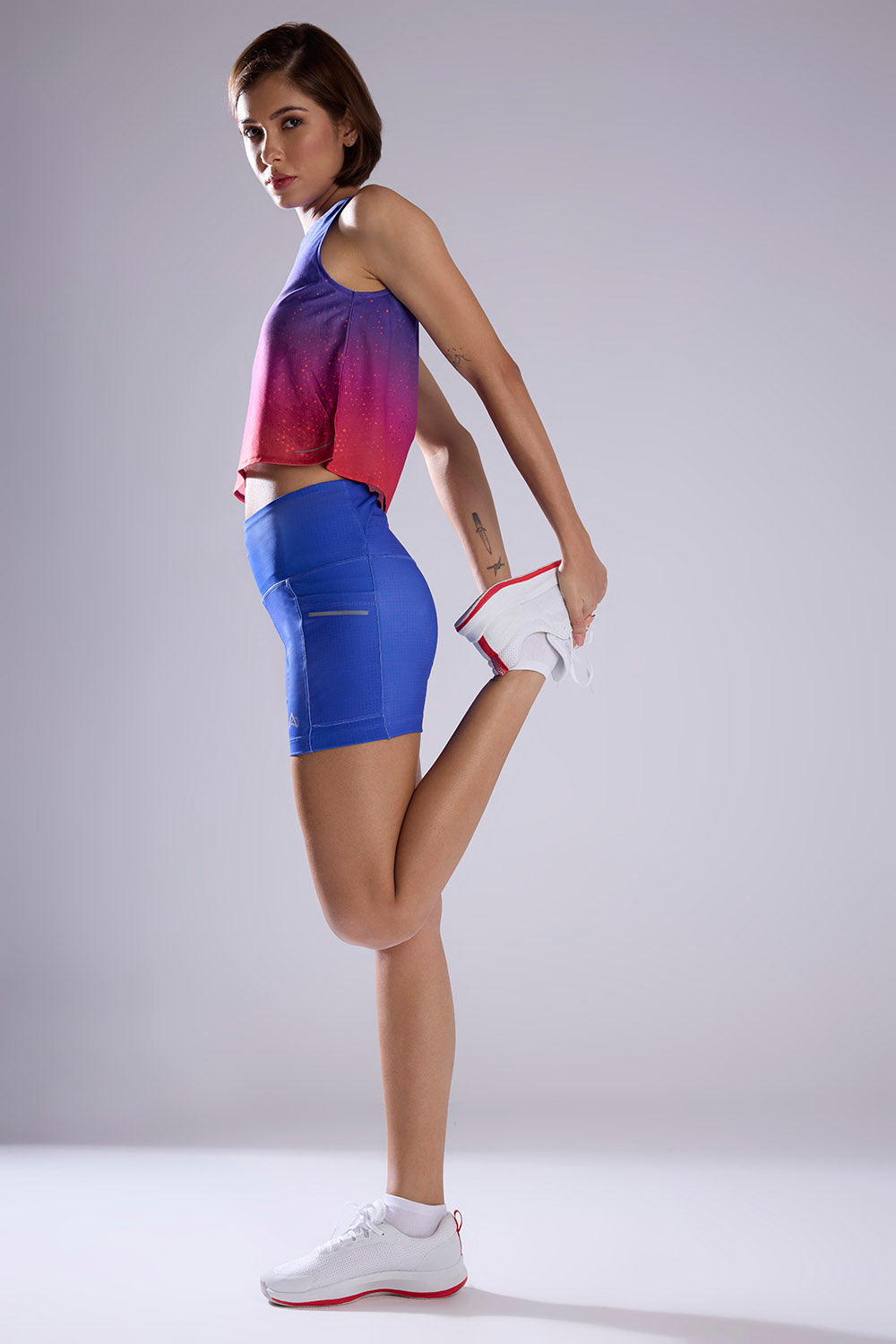
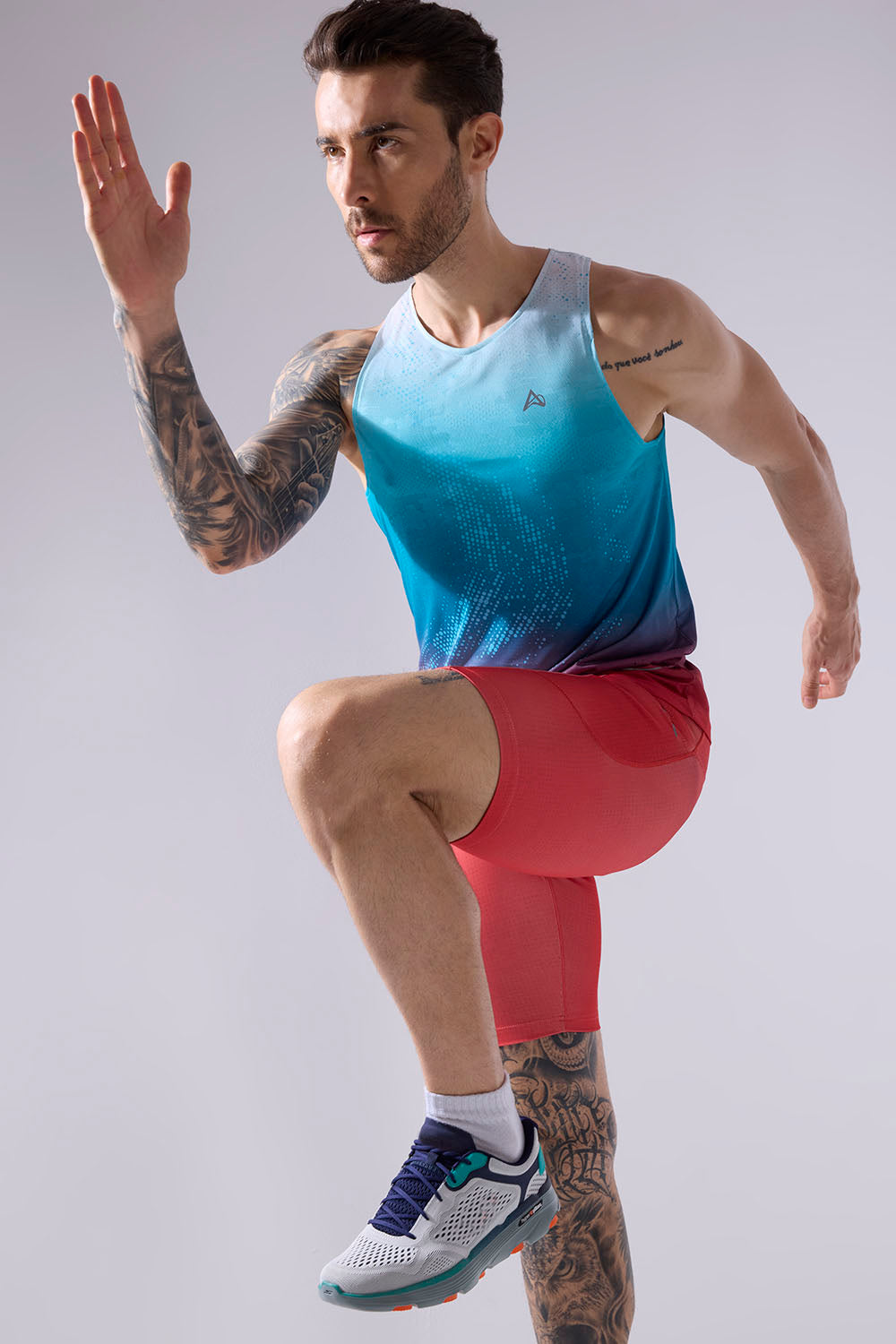
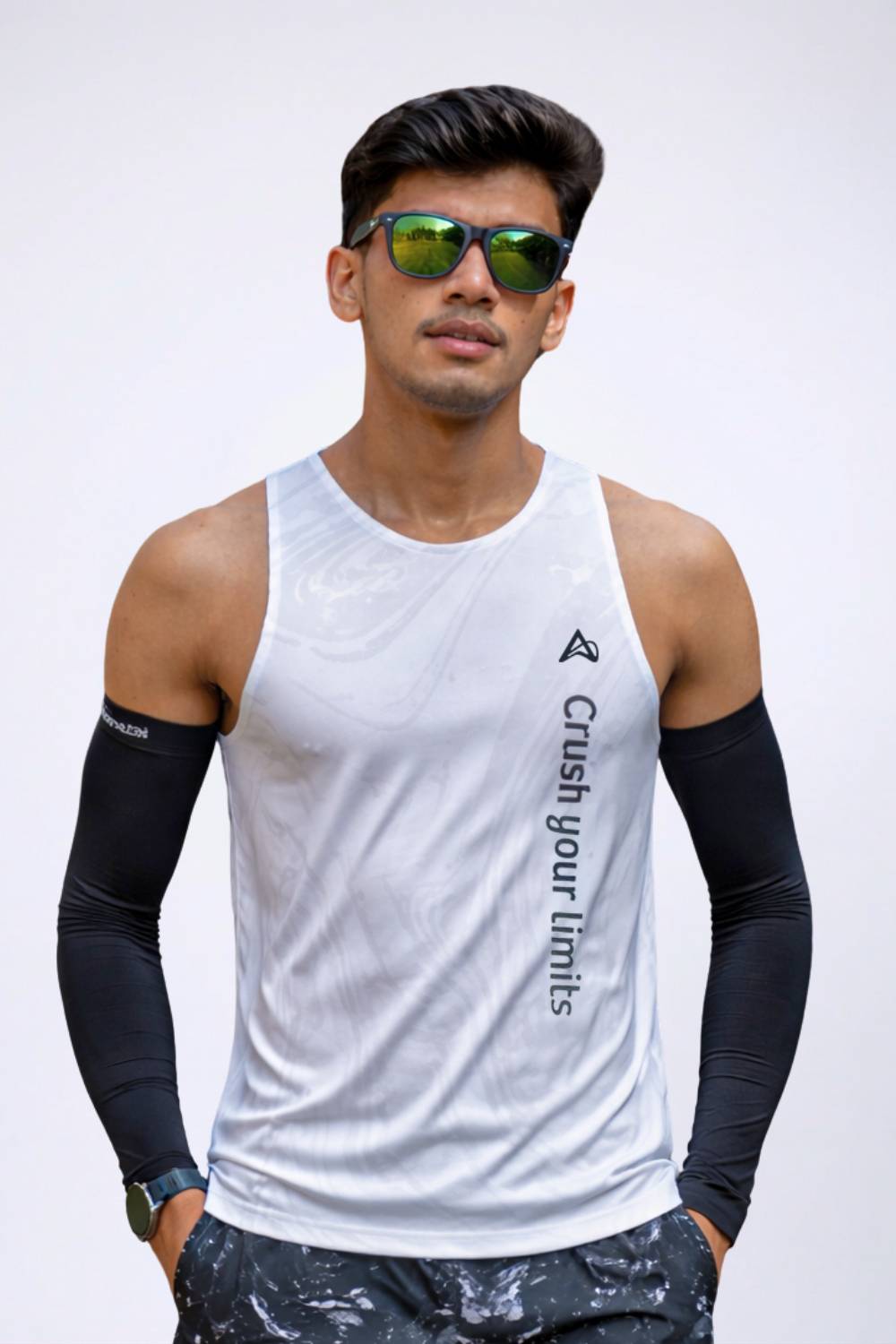
Tired of gear that slows you down? Chafing, soggy fabrics, and missing pockets kill your run's momentum. At Aguante, we're runners who get it. Our high-performance activewear features moisture-wicking fabrics, ergonomic designs, and smart storage to keep you focused. Shop Now!
Emerging Trends and Recent Developments
Stroll through Bangalore's lush Cubbon Park at sunrise, and you'll spot joggers in feather-light, environmentally conscious outfits that benefit both their workouts and the earth. Sustainable activewear stands out as a dominant trend reshaping India's fitness domain. Manufacturers are ramping up the use of recycled polyester and organic cotton to meet the eco-demands of city dwellers. This aligns with a worldwide push, where the activewear market, valued at USD 320.91 billion in 2024, is forecasted to reach USD 605.89 billion by 2032 at an 8.34% CAGR, driven by health-aware populations across all ages integrating sports into daily routines.
Athleisure, seamlessly fusing exercise attire with casual fashion, has permeated everyday life. In Mumbai, professionals pair high-performance shorts with formal jackets for seamless transitions from gym to boardroom, reflecting the adaptability required in modern careers. Publications like Harper's Bazaar note activewear as the "new uniform" for India's innovative workforce, with adaptations to regional conditions such as airy materials for Surat's steamy environments or sun-shielding layers for Ahmedabad's open trails. Technological advancements, including intelligent fabrics that track vital signs or adapt to heat, are proliferating in innovation hubs like Pune and Gurugram.
Insights from leading analysts reinforce this trajectory. In Delhi, where a majority of city adults participate in physical pursuits, there's a strong inclination toward hybrid styles that weave Indian motifs into women's fitness wear. Runners in Hyderabad, navigating rugged landscapes, prefer designs with friction-reducing elements. These shifts are amplified by the e-commerce explosion, projected to hit USD 200 billion in 2026, democratizing access to premium equipment even during Navi Mumbai's evening workouts. Meanwhile, the global sports apparel market stood at USD 230.6 billion in 2022 and is slated to grow to USD 410.8 billion by 2032 at a 6% CAGR, encompassing specialized items like jerseys and leggings crafted from breathable, sweat-managing fabrics to optimize comfort and movement.
Real-World Examples, Applications, and Case Studies
Consider the Airtel Delhi Half Marathon, where multitudes gear up in attire fine-tuned for the city's chaotic avenues. Runners attest that sweat-evaporating tops and secure grips markedly improve endurance, enabling consistent speeds sans irritation. In 2026, such gatherings exemplify apparel's tangible benefits: participants in eco-shorts from indigenous labels cover greater distances with minimal friction, forging a direct connection between clothing and athletic achievements.
Hyderabad's Marathon attracted an unprecedented 28,000 entrants, many equipped with climate-appropriate outfits featuring visibility-enhancing details for early-morning safety. Pune-based companies stress grassroots evaluations, testing products on serene roads prior to launch. For instance, Bengaluru's Cava Athleisure introduces adaptive fabrics that flex and rebound, perfect for yoga in Gurugram or strolls in Surat. Their budget-friendly, weather-specific collections have surged in popularity across secondary urban areas like Pune and Indore.
In Mumbai, labels such as Bird Eye and Life & Jam deliver multifunctional items for activities like padel or Pilates, integrating into routines from coastal sprints to professional shifts. The Adani Ahmedabad Marathon in 2026 hosted over 24,000 athletes commemorating military heroes, many in decomposable materials that resonate with the locale's expanding wellness mindset. These instances underscore apparel's pivotal role in marathons, training sessions, and leisurely exercise amid Navi Mumbai's verdant areas.
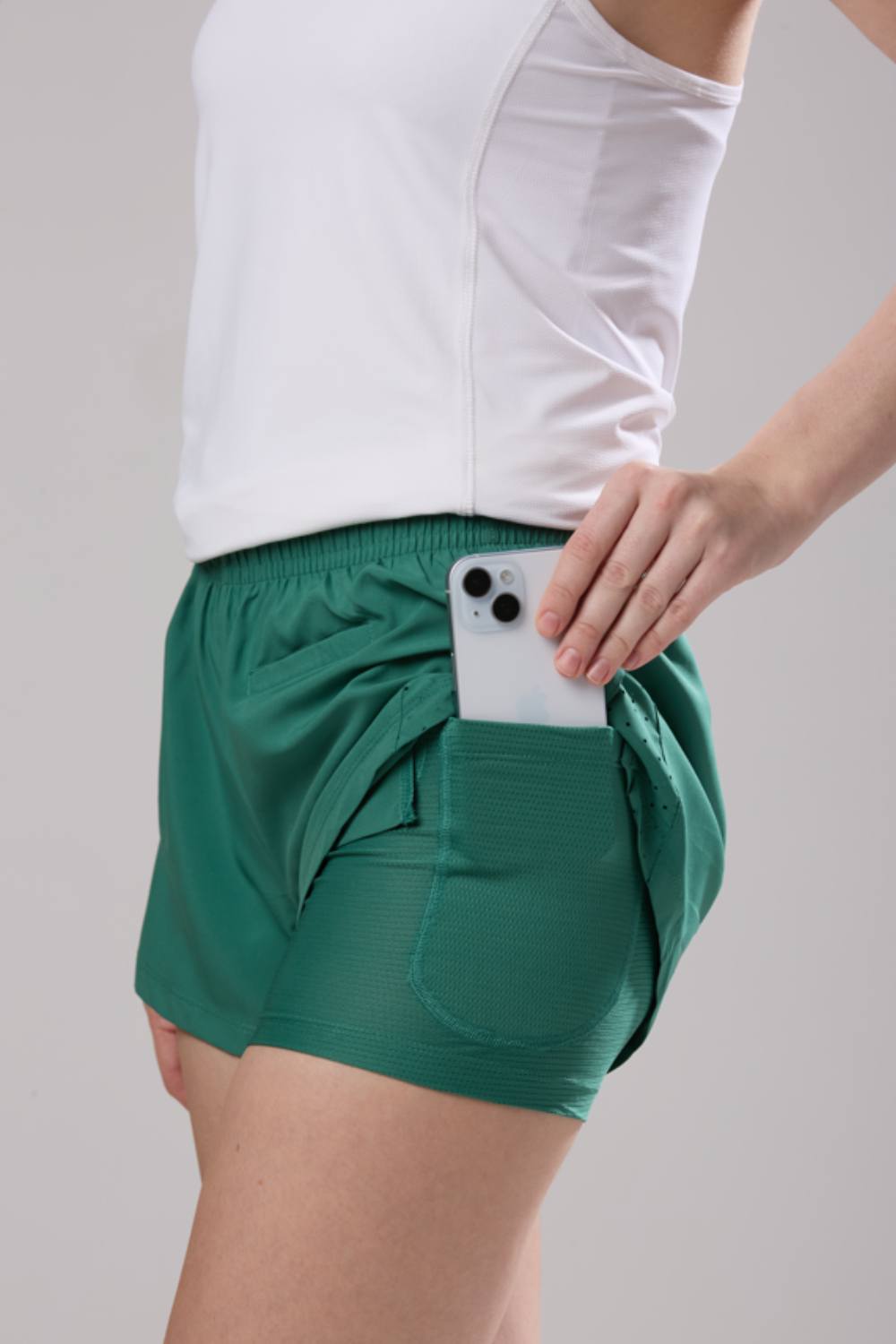
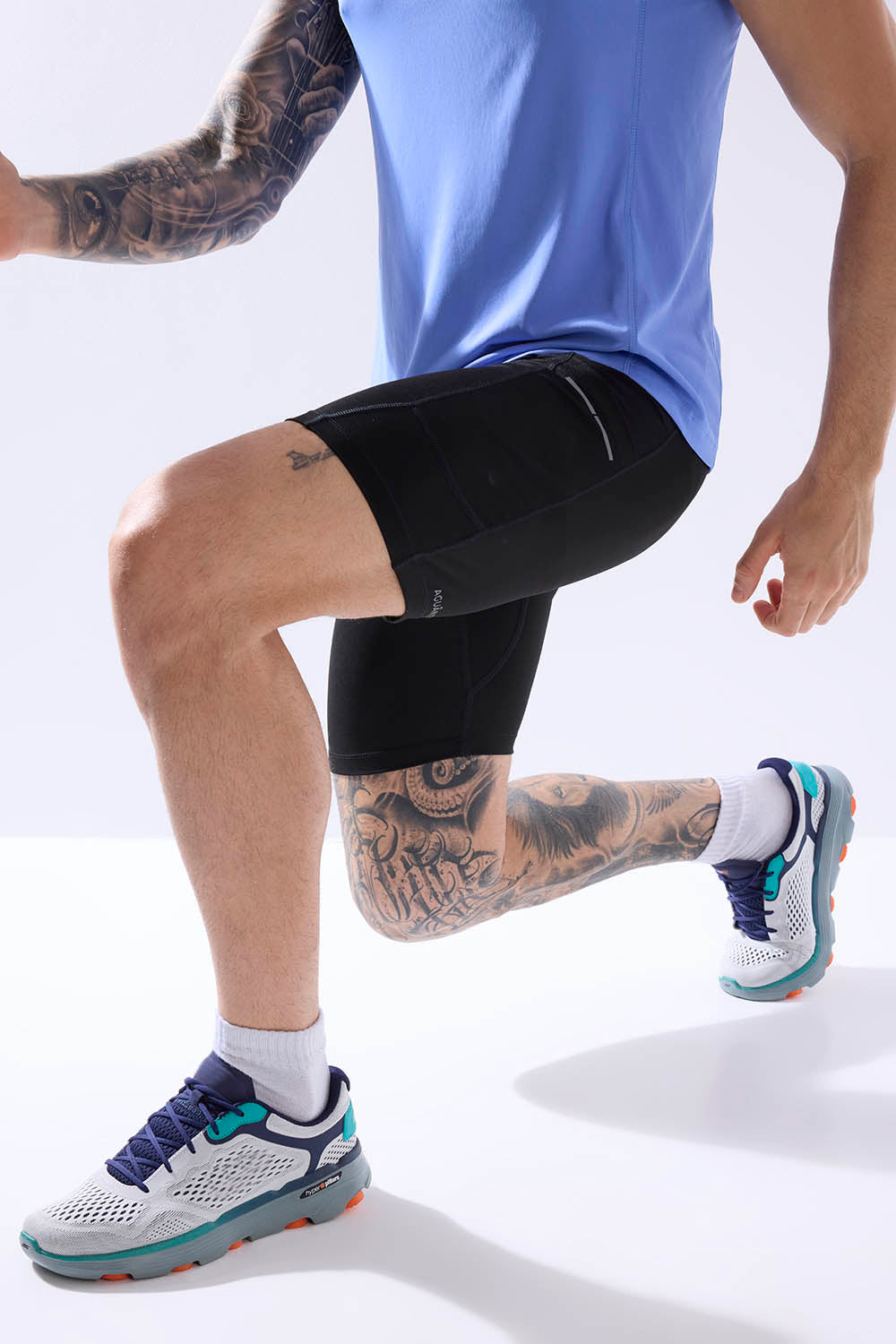
A notable use case emerges in women's fitness attire, featuring practical compartments and smooth seams that encourage greater involvement in events spanning Delhi and Bangalore. Data from TechSci indicates this category propels market expansion, with Gurugram's running groups embracing green equipment for collective outings. On a broader scale, the compression sportswear market is valued at USD 4.27 billion in 2024, expected to ascend to USD 6.64 billion by 2031 at a 12.2% CAGR, with studies showing it enhances performance by 2% and cuts fatigue by 10-15%, popular among 32% of casual fitness fans for workouts, yoga, and runs.
Key Challenges, Limitations, or Risks
Nevertheless, enhancing endurance via apparel encounters obstacles. In cost-conscious regions like Surat and Ahmedabad, prone to economic variability, the premium pricing of green materials creates accessibility issues. High-end sustainable textiles often price out budding athletes in these zones.
Logistical intricacies in supply chains heighten vulnerabilities procuring degradable fibers while upholding ethical practices proves challenging in moist manufacturing hubs like Mumbai. Gaps in buyer knowledge lead many in Hyderabad to favor aesthetics over functional attributes, risking diminished endurance benefits. Oversight challenges for eco-claims add layers of complexity for Delhi-based enterprises.
Constraints involve equipment's versatility across India's varied climates: solutions effective on Pune's rolling terrains may underperform in Bangalore's dampness. Hazards such as material breakdown in severe moisture could erode confidence, as observed in initial eco-ranges. Addressing these demands ingenuity, yet they expose the industry's maturation struggles during swift scaling.
Opportunities, Efficiencies, or Business Impacts
Conversely, these impediments spawn prospects. The projected escalation of India's activewear sector unlocks avenues for streamlined domestic production, diminishing reliance on imports and slashing expenses for vendors in Pune and Mumbai. The e-commerce surge, forecasted to attain USD 325 billion by 2030, empowers brands to connect with athletes in outlying sections of Navi Mumbai or Gurugram via precise marketing.
Commercial repercussions are substantial: tailoring by demographics or pursuits, such as gadget-embedded clothing for Bangalore's youthful execs, elevates revenues. Collaborations with opinion leaders, influencing 60% of buyers, magnify visibility in digitally active metropolises like Delhi. Eco-initiatives bolster corporate image, exemplified by lifetime repair schemes cultivating devotion in Ahmedabad's exercise circles.
Productivity arises from analytics-informed creations leveraging input from Hyderabad's race participants to hone anti-friction innovations, optimizing manufacturing and minimizing discards. For industry leaders, this yields superior profits and dominance in an arena boasting over 15,000 fresh fitness centers lately. The broader outcome? A fitter society, with endurance-focused clothing sustaining long-term physical involvement throughout India's metropolitan fabric. Globally, the performance apparel market is set to rise from USD 44.7 billion in 2026 to USD 72.1 billion by 2035 at a 4.9% CAGR, spurred by fitness trends, tech advancements, and sustainable options, with topwear and sportswear leading segments.
Further, the running apparel market is poised to grow at a 5.1% CAGR from 2024 to 2033, from USD 16,012.1 million to USD 25,053.7 million, encompassing moisture-wicking tees, shorts, and accessories for runners from hobbyists to pros, with Asia-Pacific as the swiftest expanding region.
The New Era of Indian Activewear
Mumbai Marathon, blending stamina with ingenuity, it becomes evident that apt apparel transcends material it's a driver of progress. Authorities from entities like IMARC and TechSci foresee an era where eco-smart, efficacy-oriented equipment standardizes, positioning India's market at the forefront of Asia's momentum. For activewear professionals, the counsel is straightforward: commit to regional customizations, leverage online platforms, and emphasize green practices to harness this momentum. Be it crafting for Bangalore's paths or Delhi's boulevards, fortifying endurance commences with our garments. Within this unfolding story, detailed in Building Better Endurance with the Right Apparel, the amalgamation of technology, environmental mindfulness, and functionality heralds a healthier future for India's endurance seekers.
Frequently Asked Questions
How does the right activewear improve running endurance?
Performance activewear enhances endurance through moisture-wicking fabrics that keep you dry, ergonomic designs that reduce friction and chafing, and compression technology that can improve performance by 2% while reducing fatigue by 10-15%. Features like breathable materials adapted to India's varied climates from Mumbai's humidity to Bangalore's fog help maintain optimal body temperature, allowing runners to sustain their pace for longer distances without discomfort.
What are the key features to look for in endurance running apparel in 2026?
Modern endurance running gear should include moisture-wicking fabrics to manage sweat, anti-chafe seams to prevent irritation during long runs, practical pockets for secure storage, and climate-appropriate materials suited to your region's conditions. Sustainable options made from recycled polyester or organic cotton are increasingly popular, while smart fabrics with compression technology can enhance blood flow and reduce muscle fatigue, making them ideal for both marathon training and casual fitness activities.
Why is sustainable activewear becoming important for Indian runners?
Sustainable activewear addresses both environmental concerns and performance needs, using eco-friendly materials like recycled polyester and organic cotton that are breathable and durable. With India's activewear market growing rapidly and eco-consciousness rising among urban fitness enthusiasts in cities like Delhi, Pune, and Bangalore, biodegradable and ethically produced gear aligns with athlete's values while delivering the technical benefits needed for endurance activities. This trend is part of a global shift, with the sustainable activewear segment driving significant market growth through 2030.
Disclaimer: The above helpful resources content contains personal opinions and experiences. The information provided is for general knowledge and does not constitute professional advice.
You may also be interested in: Why Indian Athletes Prefer Lightweight Running T-Shirts
Tired of gear that slows you down? Chafing, soggy fabrics, and missing pockets kill your run's momentum. At Aguante, we're runners who get it. Our high-performance activewear features moisture-wicking fabrics, ergonomic designs, and smart storage to keep you focused. Shop Now!
Powered by flareAI.co