



Quick Listen:
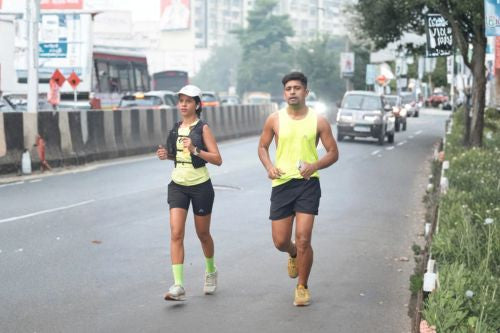
The relentless heat of a Delhi summer dawn or the thick, salty humidity rolling off Mumbai's coastline can transform a promising run into an exercise in endurance against one's own clothing. For countless Indian runners, the battle isn't just against distance or pace it's against gear that wasn't built for these conditions. Generic activewear, often styled in distant design studios, frequently fails here: it clings when it should wick, chafes where it should glide, and distracts when focus is everything.
Yet the global momentum behind specialized running and performance clothing is undeniable. According to industry analysis, the running apparel market was valued at USD 90.44 billion in 2025 and is projected to grow to USD 137.98 billion by 2031, expanding at a CAGR of 7.28% during 2026–2031. This surge stems from heightened health consciousness, breakthroughs in fabric technology, the blending of performance with everyday athleisure wear, and greater participation across demographics particularly women, whose involvement continues to reshape demand for thoughtful, gender-specific designs. In emerging markets like India, where urbanization accelerates and disposable incomes rise, the call for functional, locally attuned gear grows louder still.
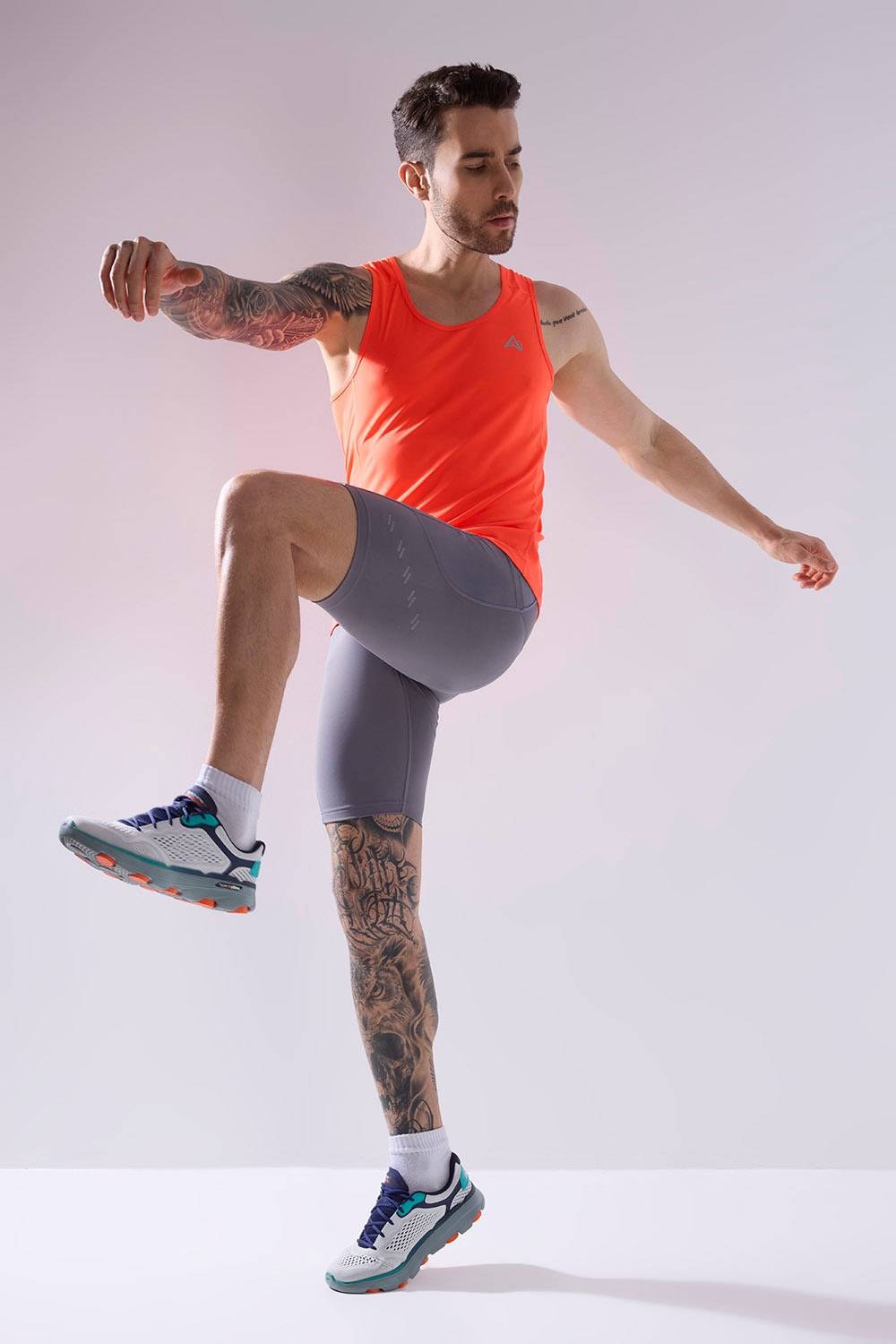
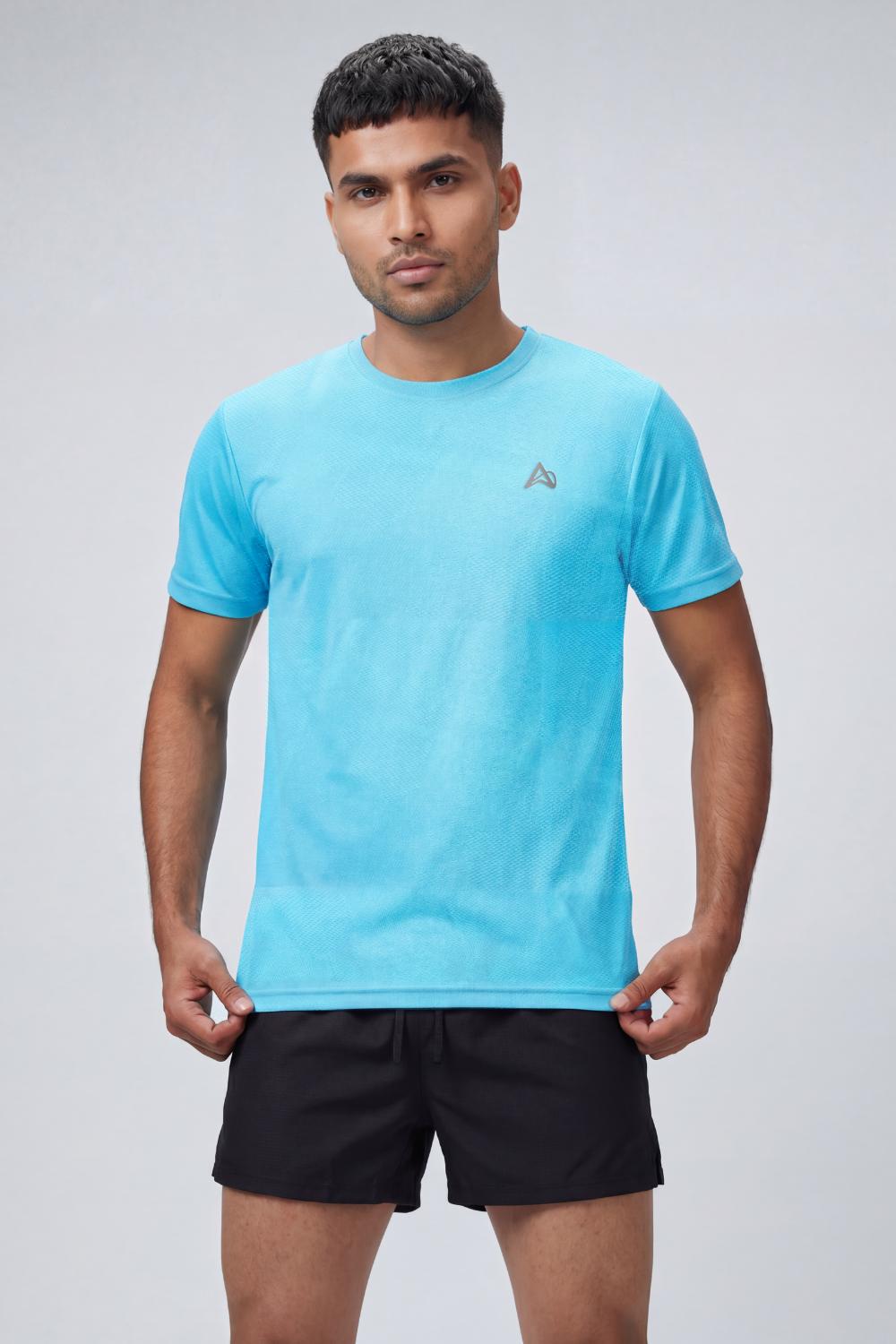
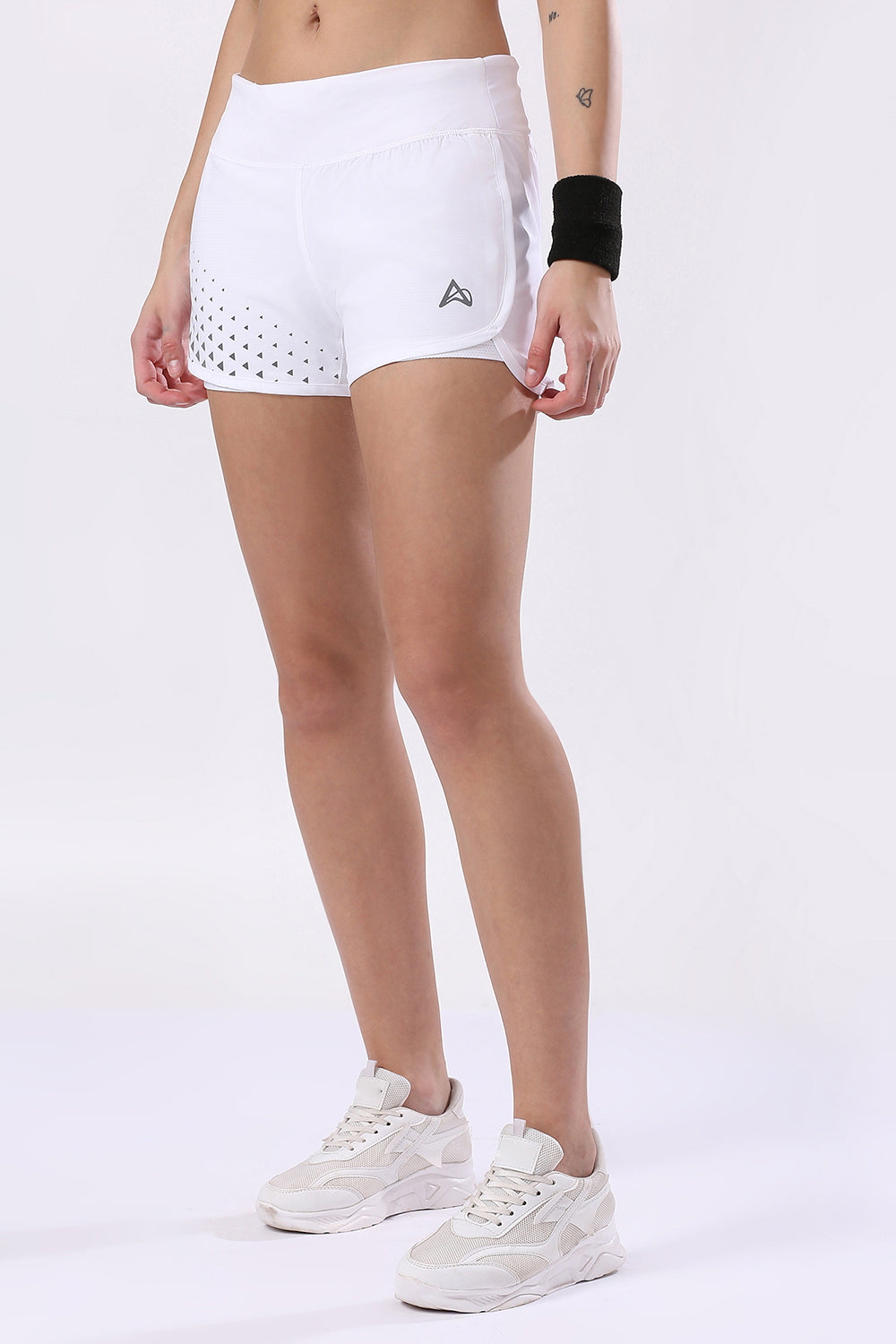
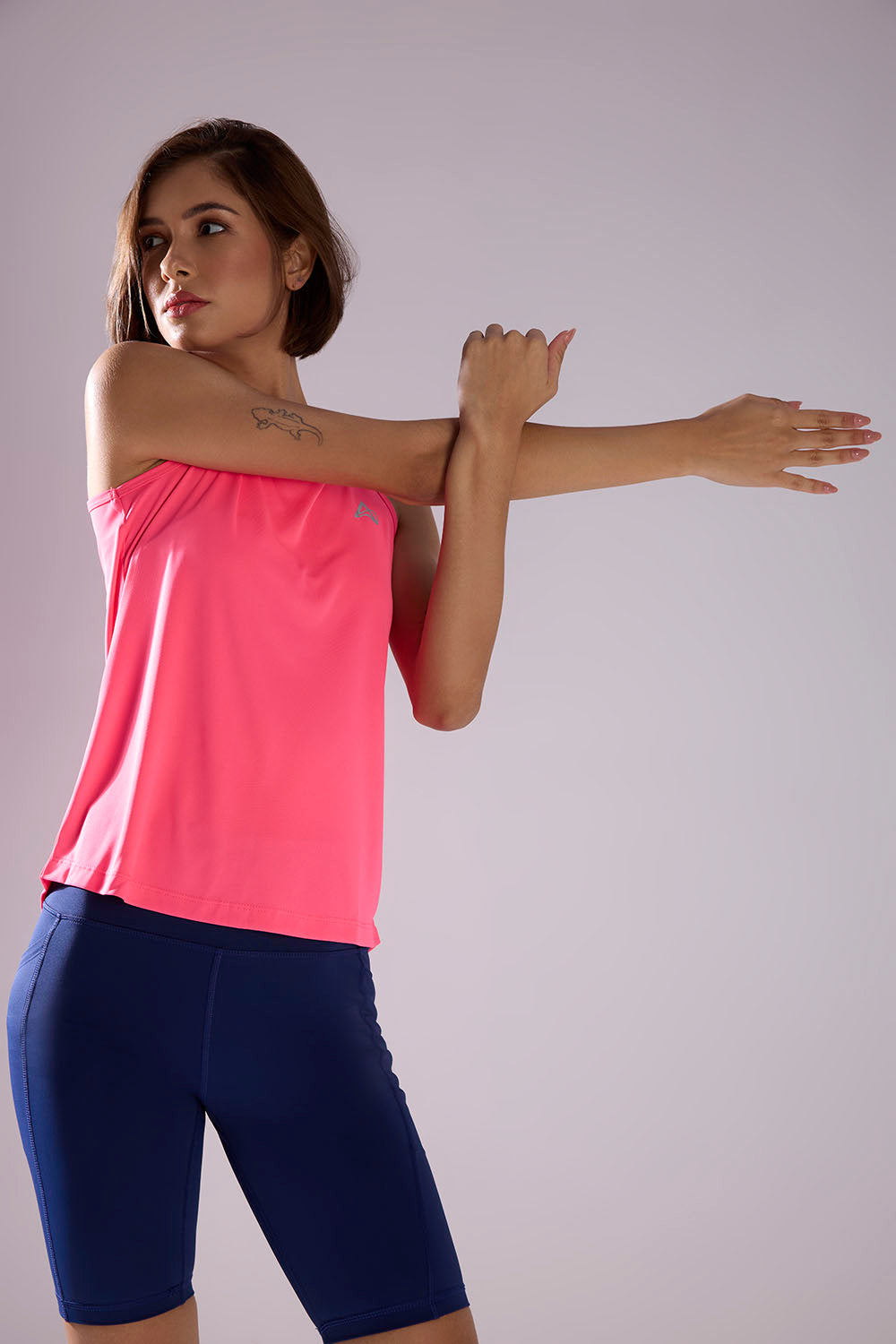
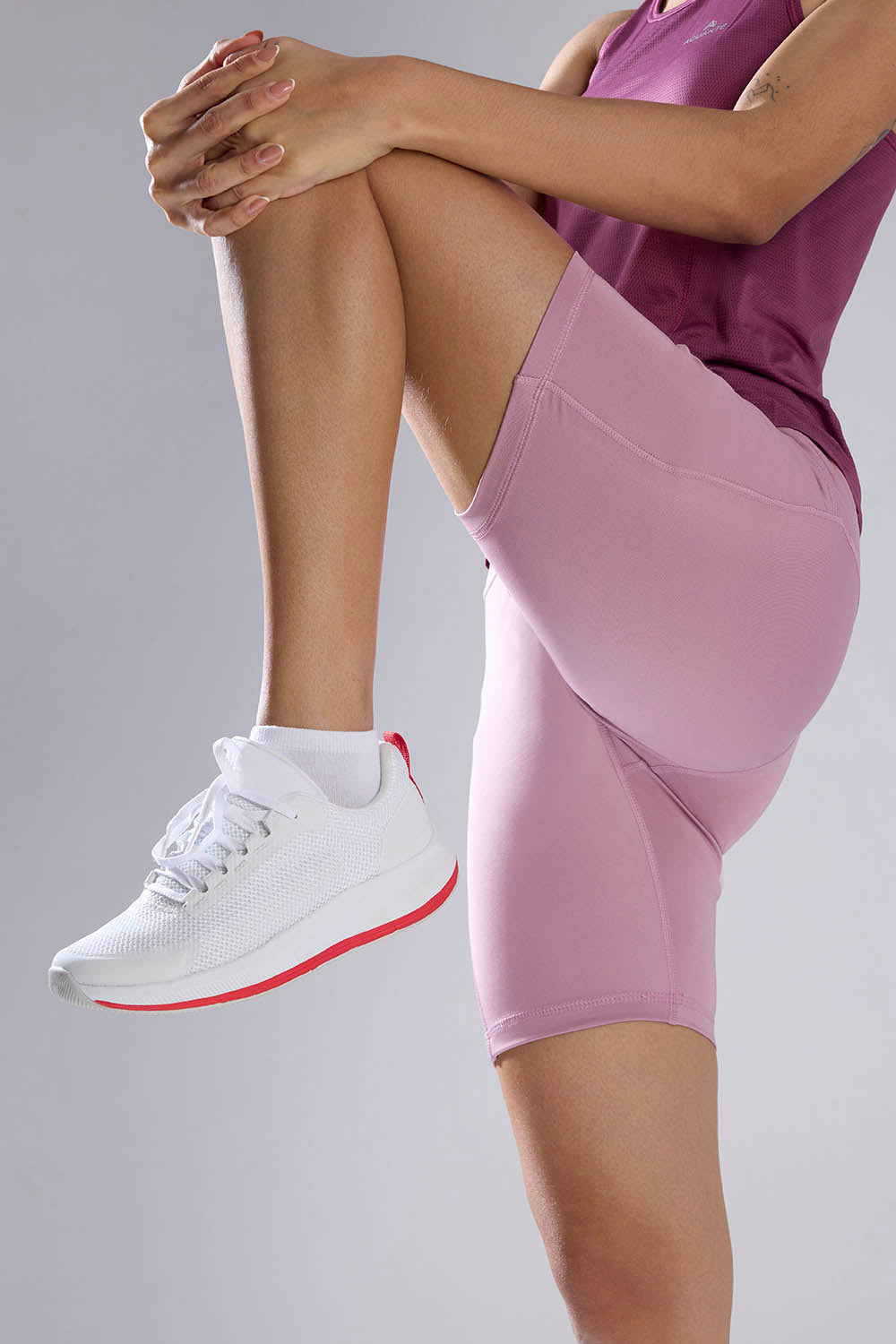
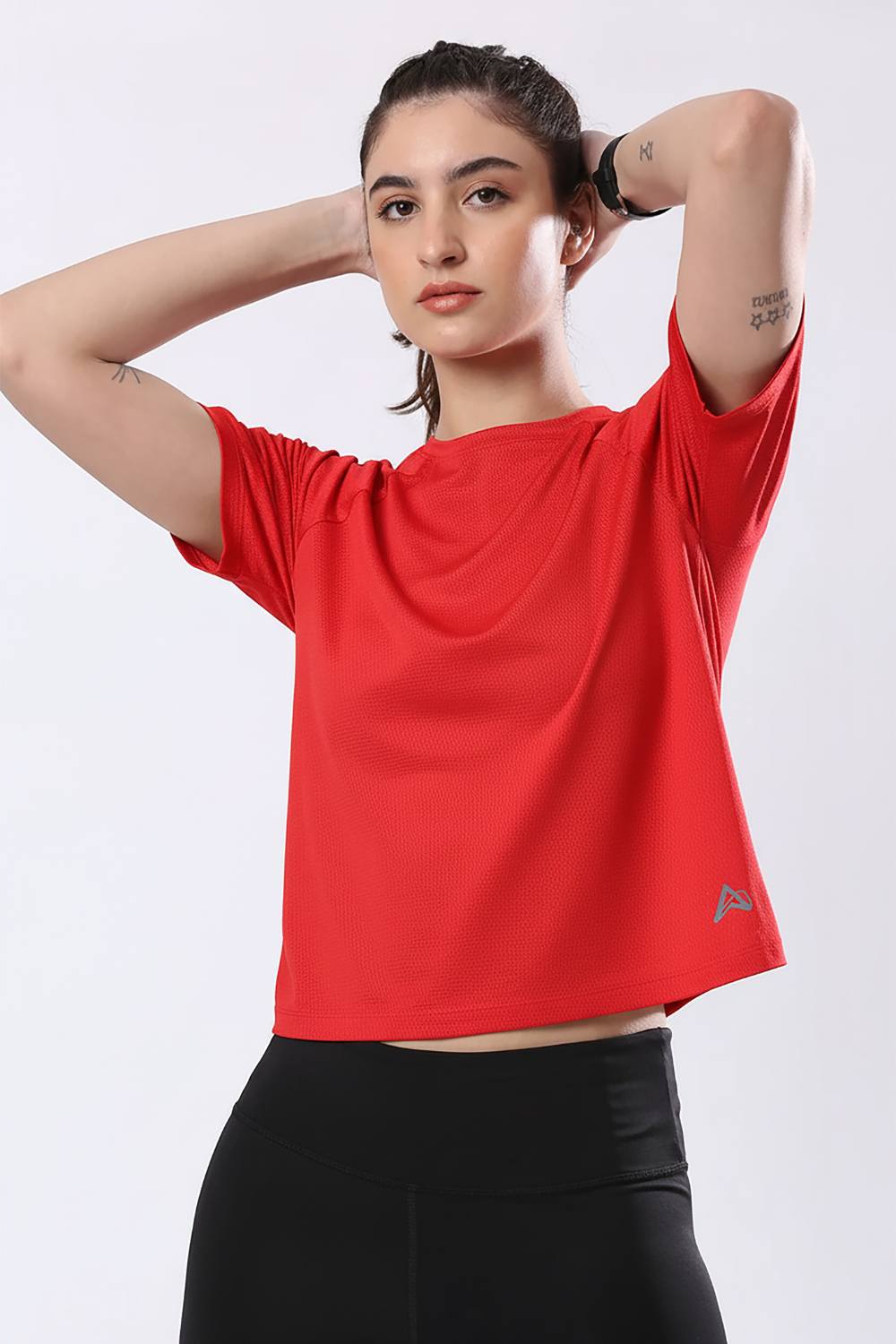
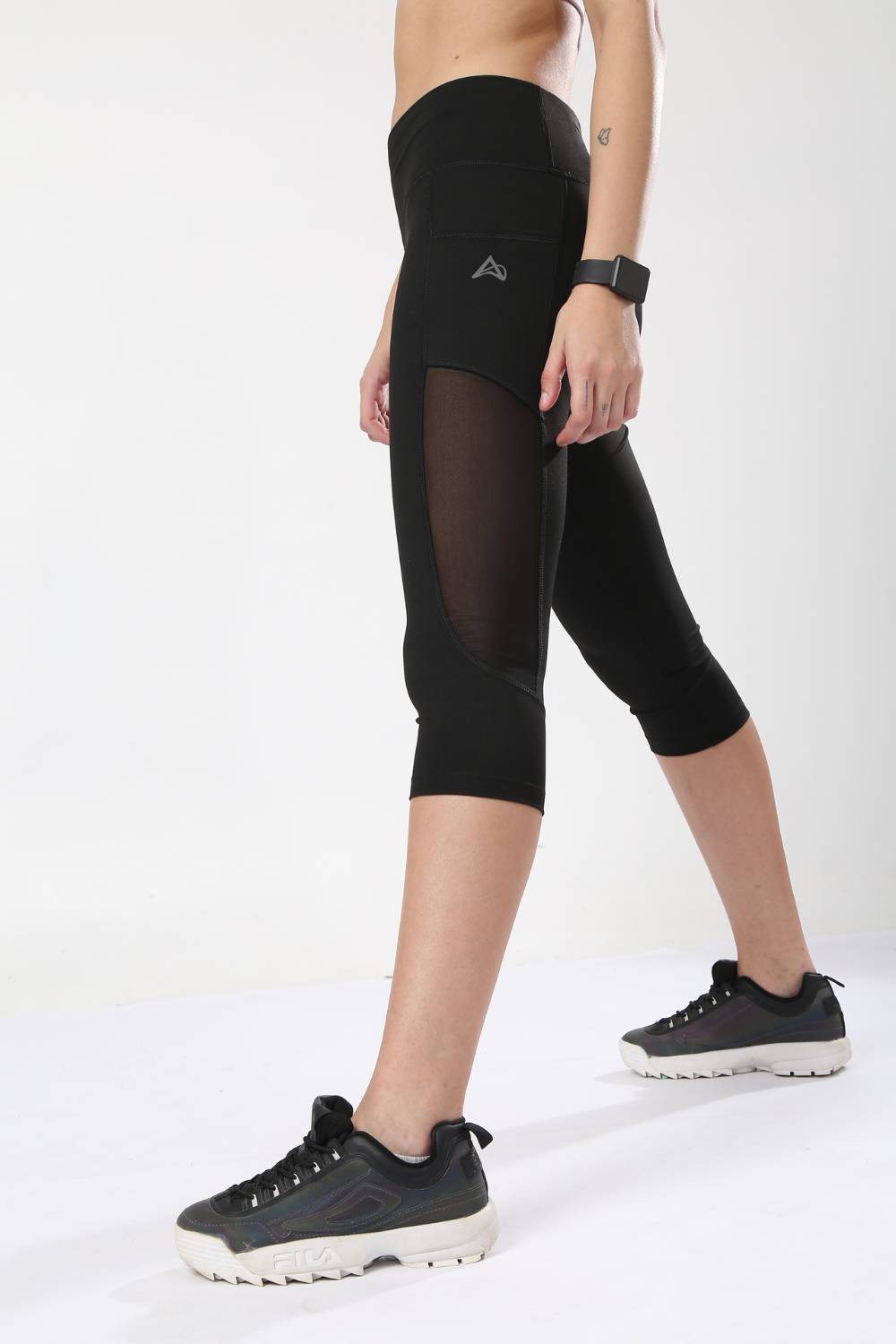
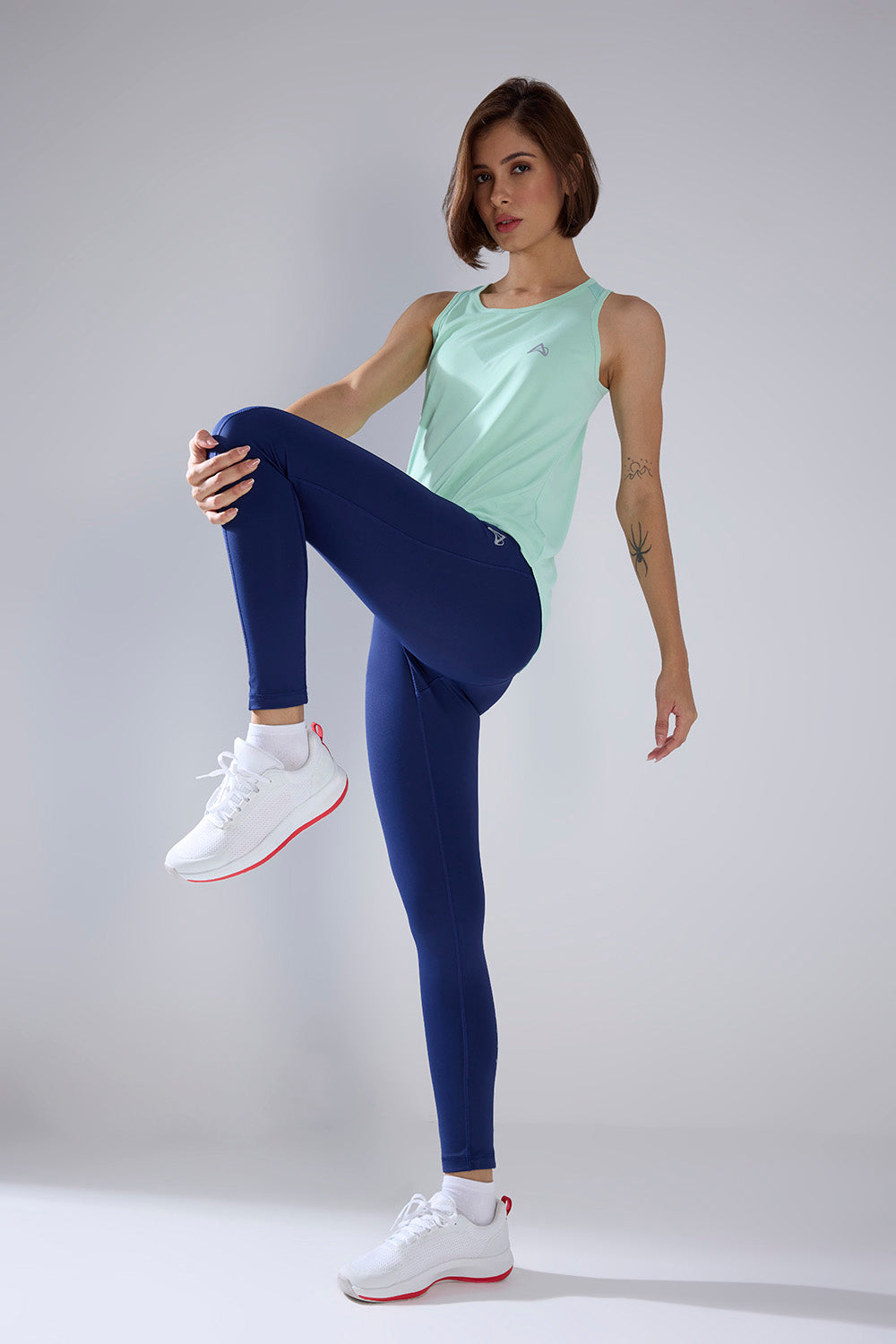
Tired of gear that slows you down? Chafing, soggy fabrics, and missing pockets kill your run's momentum. At Aguante, we're runners who get it. Our high-performance activewear features moisture-wicking fabrics, ergonomic designs, and smart storage to keep you focused. Shop Now!
The Shortcomings of One-Size-Fits-All International Designs
Many leading global brands household names such as Nike, Puma, and Under Armour excel in marketing and broad appeal, but their universal approach often misses the mark for Indian realities. Designs conceived for temperate climates struggle against our punishing mix of soaring temperatures, oppressive humidity, urban pollution, and varied surfaces: cracked pavements, dusty trails, sudden monsoon downpours.
The science of running fabrics reveals why this matters. Moisture-wicking and breathable materials are essential; they actively pull sweat away from the skin, allowing it to evaporate on the surface rather than saturate the garment and cause friction. Polyester stands out for being durable, lightweight, quick-drying, and effective at repelling UV rays while staying breathable. Nylon offers excellent sweat-wicking, breathability, and stretch. Spandex delivers superior flexibility and shape retention. Alternatives like bamboo bring eco-friendliness and natural anti-bacterial properties, while merino wool excels in temperature regulation and odor resistance.
Cotton, by contrast, is the runner's nemesis. It soaks up moisture, holds it close, dries painfully slowly, and leaves you feeling heavy, clammy, and prone to blisters and irritation. The right technical choices aren't luxuries they're necessities that determine whether a long run ends in triumph or premature defeat.
Local Innovation That Actually Listens
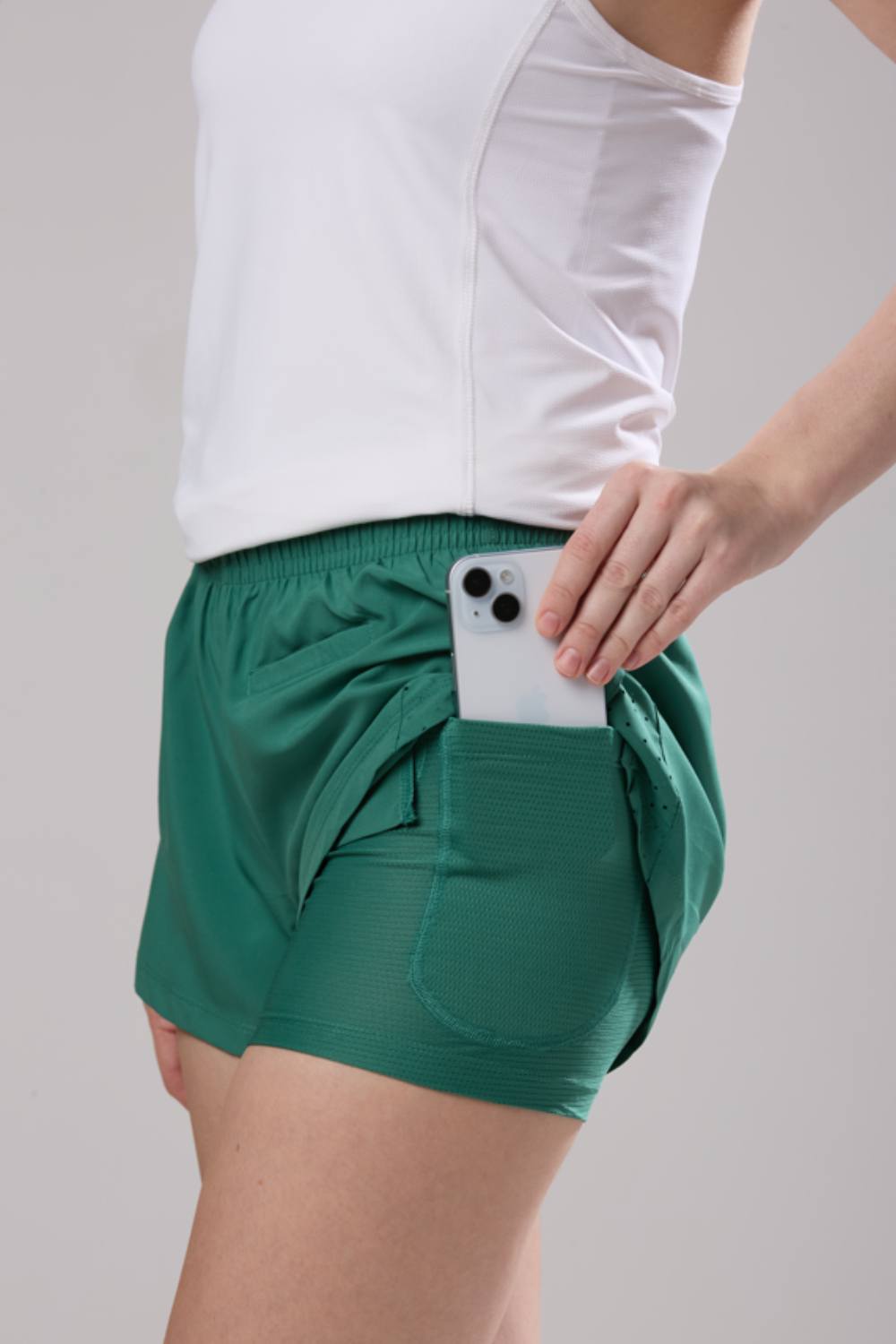
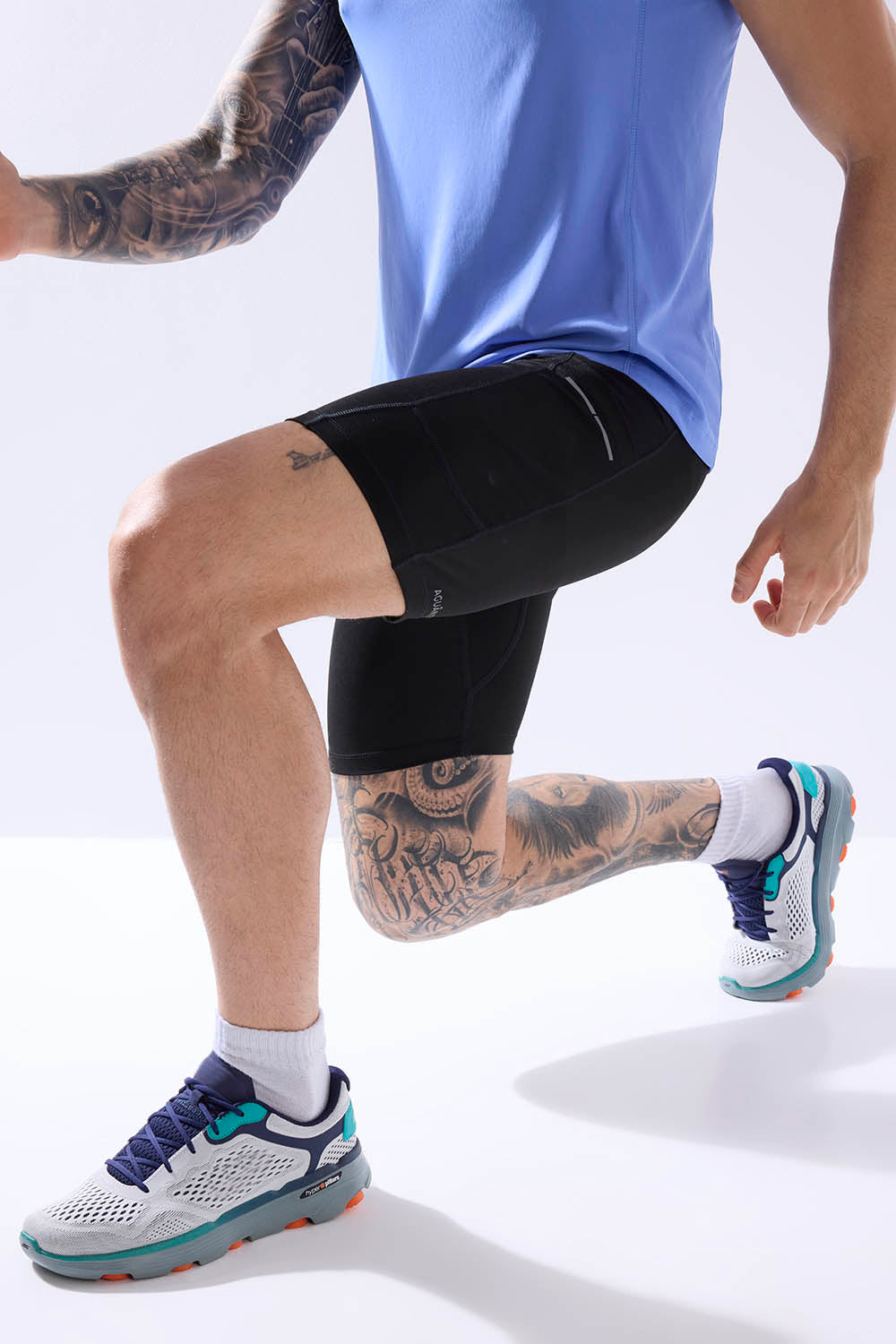
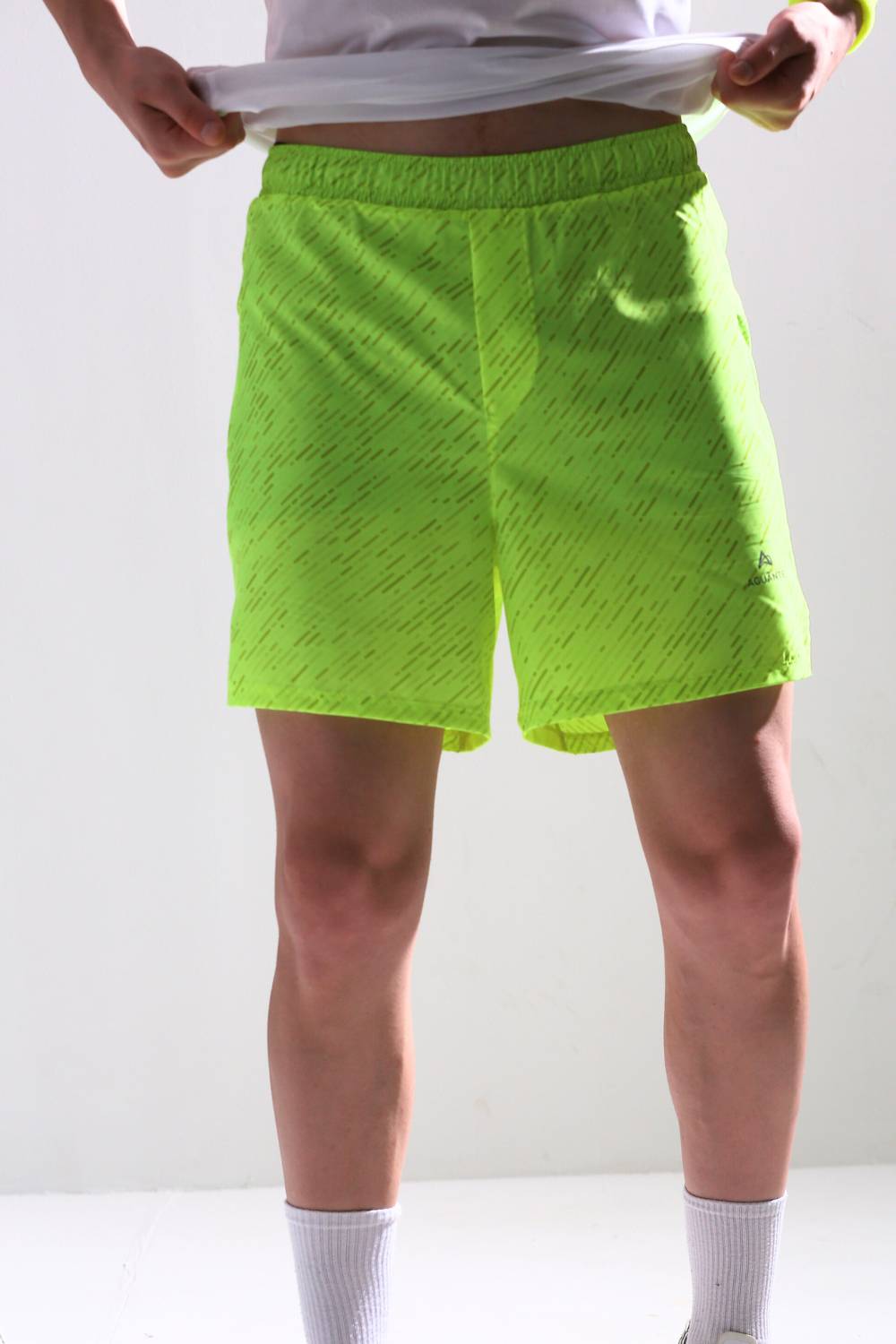
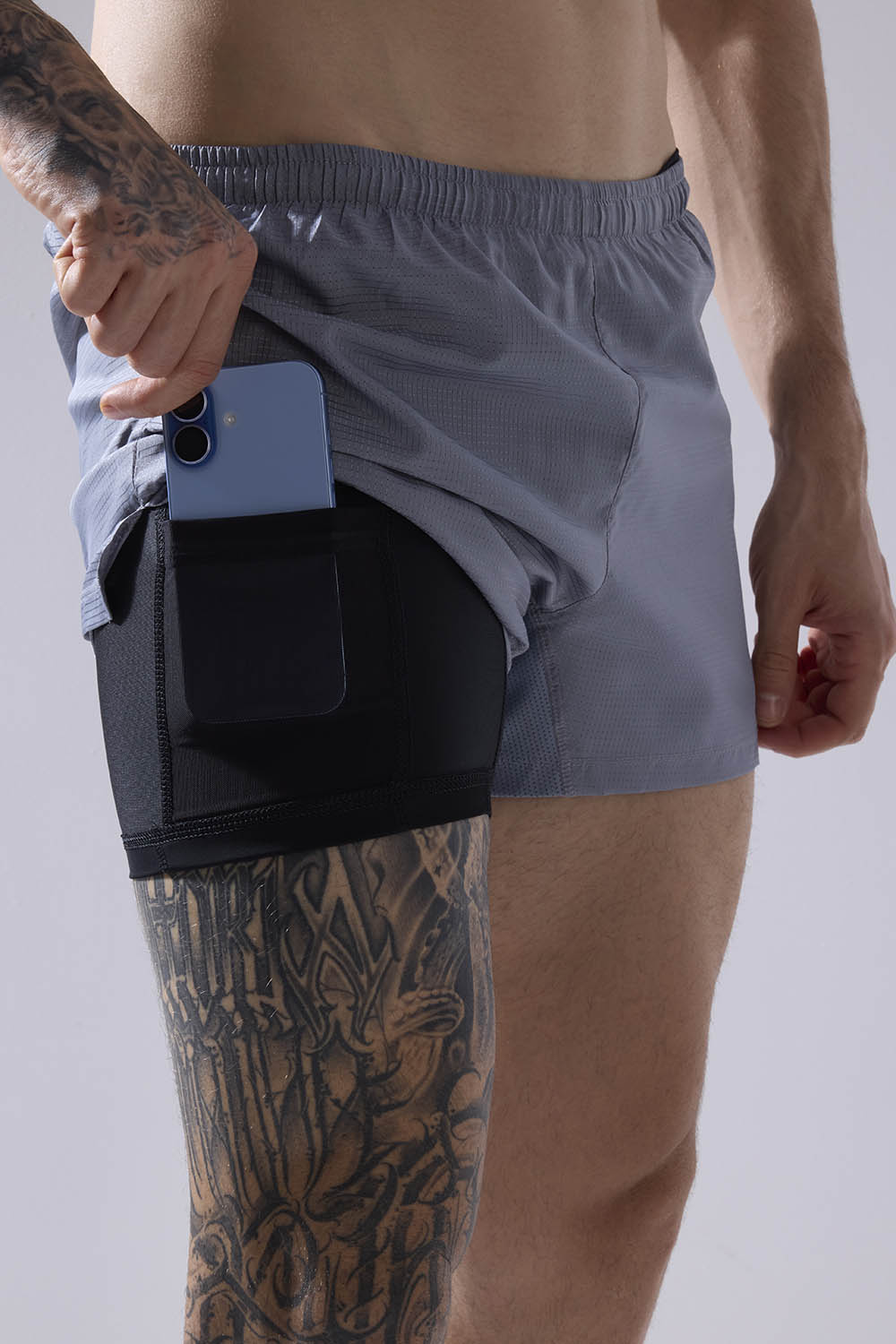
The brands gaining real traction in India are those that design with intention. Performance apparel crafted explicitly for our intense heat, high humidity, and unpredictable terrain delivers superior comfort, superior breathability, and lasting durability. Thoughtful details elevate the experience: secure, non-bouncing pockets for gels and phones during tempo runs, anti-chafing inner linings that prevent raw spots after hours on the move, reflective accents for visibility during predawn or post-sunset sessions, and anatomically tuned fits refined through extensive testing by actual Indian runners.
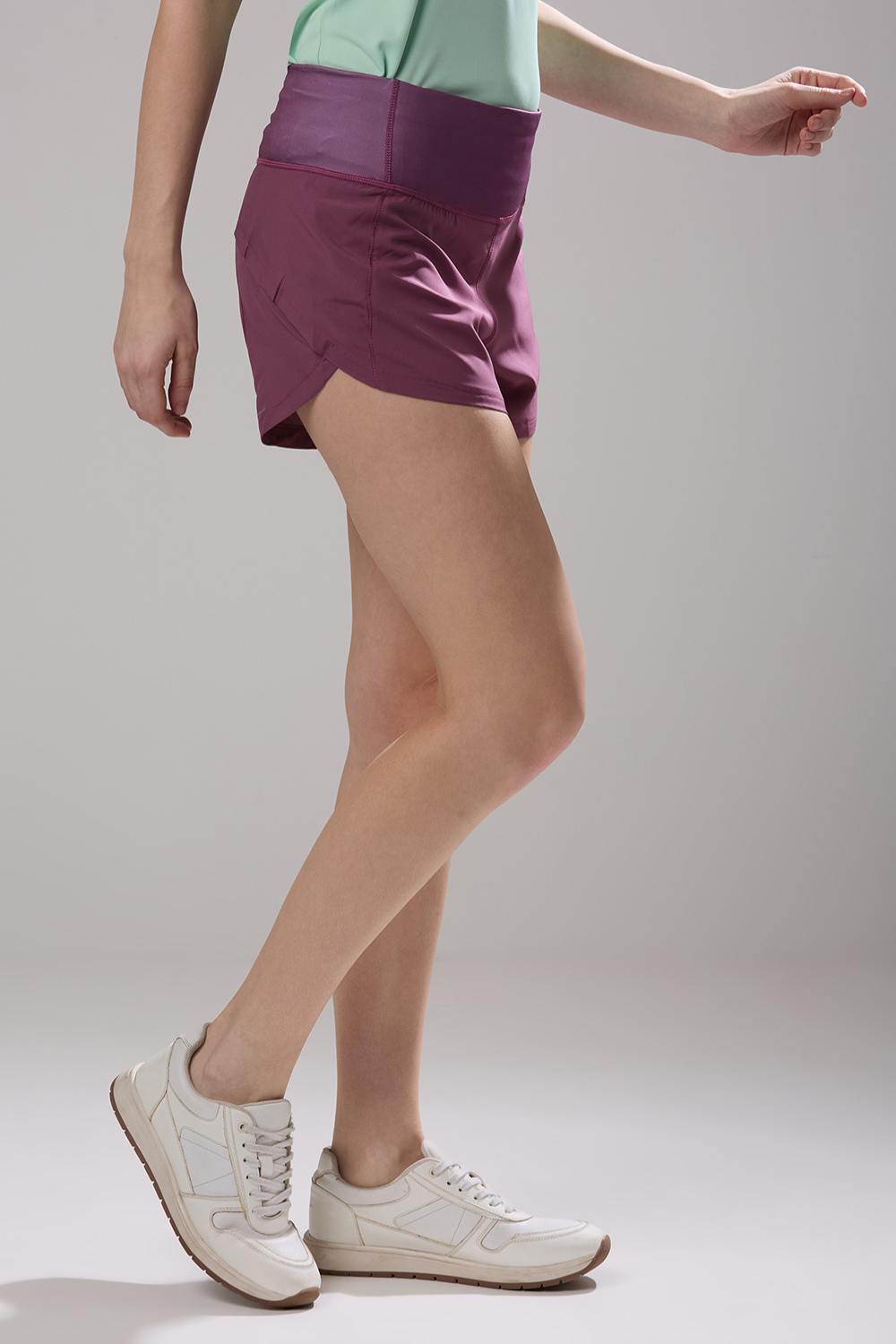
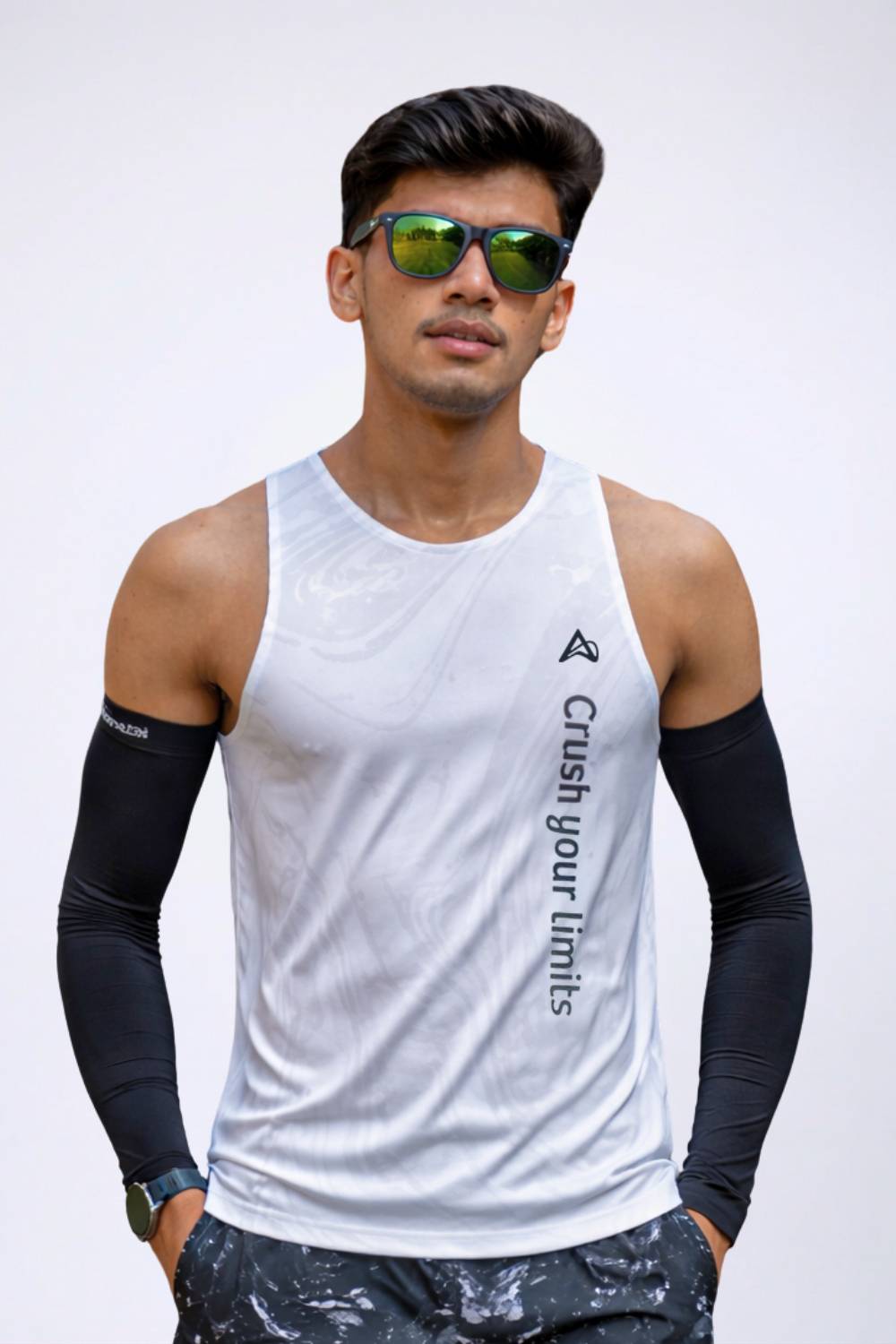
One compelling example of this approach is Aguante, a brand founded by runners who lived the same frustrations. Their collections prioritize ultra-lightweight, sweat-wicking fabrics, ergonomic construction, and practical features tailored to Indian bodies, roads, and weather patterns. Unlike many imported options burdened by premium pricing and overseas design priorities, Aguante focuses on delivering genuine high-performance quality at accessible, honest prices proof that local insight combined with global standards can redefine what's possible.
Recent testimonials from the community reinforce this edge. Runners in Pune, Hyderabad, Bengaluru, and beyond highlight how Aguante's gear withstands humid long runs without clinging, supports faster efforts without distraction, and endures the daily grind of training. These aren't polished advertisements; they are organic endorsements from coaches, enthusiasts, and everyday athletes who finally found equipment that works as hard as they do.
Market Forces and the Human Impact
The broader trends confirm this moment. The global activewear market, estimated at USD 406.83 billion in 2024, is on track to reach USD 677.26 billion by 2030, growing at a 9.0% CAGR from 2025 onward, with Asia-Pacific emerging as the fastest-expanding region thanks to rising fitness participation and urban lifestyles. Women, who held nearly 48% of the market share in recent data, continue to propel innovation toward inclusive, high-function designs.
Meanwhile, the wider performance apparel category is expected to expand from USD 44.7 billion in 2025 to USD 72.1 billion by 2035, advancing at a steady 4.9% CAGR. Drivers include growing fitness awareness, the athleisure boom, and ongoing advancements in sustainable, high-tech fabrics.
For individual runners, the benefits of performance-first apparel extend far beyond comfort. Properly engineered fits and materials dramatically reduce injury risks chafing disappears, blisters become rare, and targeted compression or support aids muscle recovery. Distractions vanish, allowing deeper focus and longer, more consistent training blocks. In a country where running communities are multiplying from metropolitan marathons to grassroots trail groups this kind of gear empowers more people to stay in the sport for years.
Toward a Future Where Performance Comes First
India's running culture is maturing rapidly, blending urban energy with rural determination. The market is primed for growth, and runners themselves are vocal about what they need: apparel that respects their environment, respects their bodies, and respects their goals.
Brands that continue to prioritize style over substance will lose ground. Those that invest in purpose-driven design listening closely to local athletes, iterating relentlessly, and delivering real-world results will lead. The statistics paint a clear picture of opportunity; the stories from the roads and trails prove the difference it makes.
When running apparel is finally engineered with performance at its core, every stride feels lighter, every kilometer more achievable, and every finish line a little closer. For Indian runners, that future isn't distant it's already taking shape, one thoughtful garment at a time.
Frequently Asked Questions
Why is cotton bad for running apparel?
Cotton is considered the runner's nemesis because it absorbs and retains moisture rather than wicking it away from the skin. It dries slowly, leaving you feeling heavy and clammy, which increases the risk of blisters, chafing, and skin irritation during long runs. Technical fabrics like polyester, nylon, and spandex are superior alternatives as they actively pull sweat away from the body and allow for quick evaporation.
What makes performance running apparel better for Indian weather conditions?
Performance running apparel designed for Indian conditions addresses the unique challenges of extreme heat, high humidity, pollution, and varied terrain that generic international brands often overlook. These garments use moisture-wicking, breathable fabrics with features like anti-chafing linings, secure pockets, and UV protection that are specifically engineered to handle India's intense climate. Local brands that design with actual Indian runners in mind deliver superior comfort and durability compared to one-size-fits-all global designs.
How much is the running apparel market expected to grow?
The global running apparel market was valued at USD 90.44 billion in 2025 and is projected to reach USD 137.98 billion by 2031, growing at a CAGR of 7.28%. This growth is driven by increased health consciousness, advances in fabric technology, the rise of athleisure wear, and greater participation across demographics particularly in emerging markets like India where urbanization and disposable incomes are rising rapidly.
Disclaimer: The above helpful resources content contains personal opinions and experiences. The information provided is for general knowledge and does not constitute professional advice.
You may also be interested in: Reflective Shorts Improve Visibility for Early Morning Runs
Tired of gear that slows you down? Chafing, soggy fabrics, and missing pockets kill your run's momentum. At Aguante, we're runners who get it. Our high-performance activewear features moisture-wicking fabrics, ergonomic designs, and smart storage to keep you focused. Shop Now!
Powered by flareAI.co