








Quick Listen:
The sustainable activewear market has moved far beyond a passing fad. In 2026, it stands as a powerful force reshaping how people in India and around the world approach fitness apparel combining high performance with genuine environmental responsibility. As runners hit humid city streets at dawn and gym enthusiasts power through evening sessions in bustling parks, the call for gear that delivers without harming the planet grows louder every day.
The numbers paint a compelling picture. According to Grand View Research, the global sustainable athleisure market reached USD 88.75 billion in 2024 and is on track to climb to USD 176.05 billion by 2030, advancing at a strong CAGR of 12.5% from 2026 onward. This surge reflects deeper consumer awareness of issues like textile waste, excessive water consumption, and chemical pollution in traditional fashion. Asia Pacific emerges as the fastest-growing region during this period, propelled by rapid urbanization, rising disposable incomes, and a youthful population embracing health, wellness, and ethical living. India, in particular, rides this wave as fitness culture explodes across urban centers.
The broader activewear landscape reinforces this momentum. Grand View Research estimates the global activewear market at USD 406.83 billion in 2024, with projections to reach USD 677.26 billion by 2030 at a CAGR of 9.0% from 2026 to 2030. While North America holds the largest share at 38.46% in 2024, Asia Pacific leads in growth speed, clocking a projected 10.9% CAGR over the same timeframe. Sustainability now ranks as a core expectation rather than an optional feature. Shoppers insist on transparency, recycled fabrics, and responsible manufacturing prompting brands to innovate with materials like recycled polyester from plastic bottles, organic cotton, hemp, bamboo, Tencel, and biodegradable alternatives that preserve essential qualities: superior moisture-wicking, breathability, and long-lasting durability suited to intense, real-world activity.
In India, this transformation hits close to home. Fitness consciousness surges in key hubs like Bangalore, Hyderabad, Mumbai, Pune, and other growing cities, where athletes confront relentless heat, high humidity, air pollution, and unpredictable terrain. Athleisure seamlessly bridges workouts and daily routines, yet the eco-conscious angle gains traction fast. Urban millennials and Gen Z increasingly select brands that mirror their values, preferring homegrown labels attuned to local realities over distant international giants.
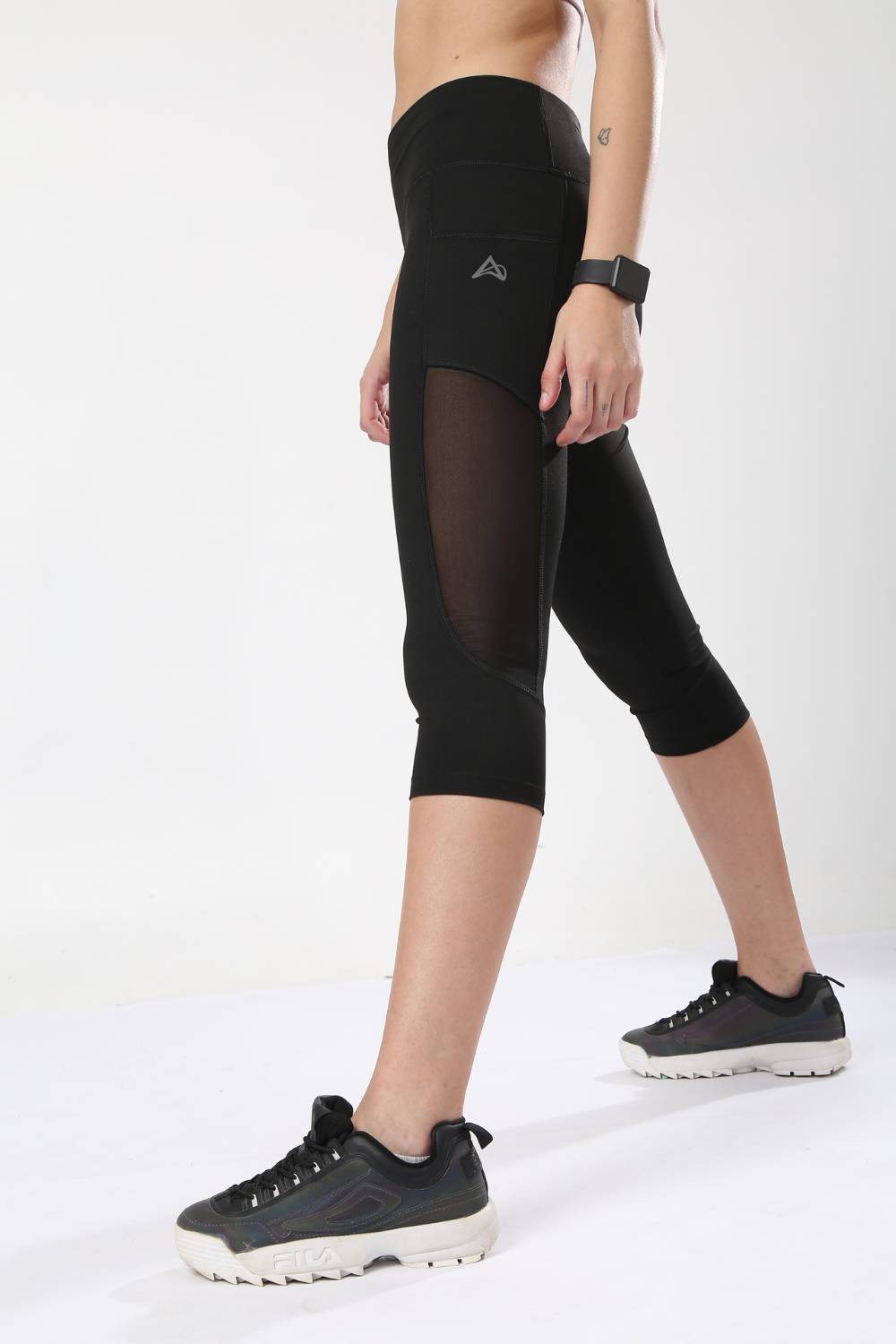
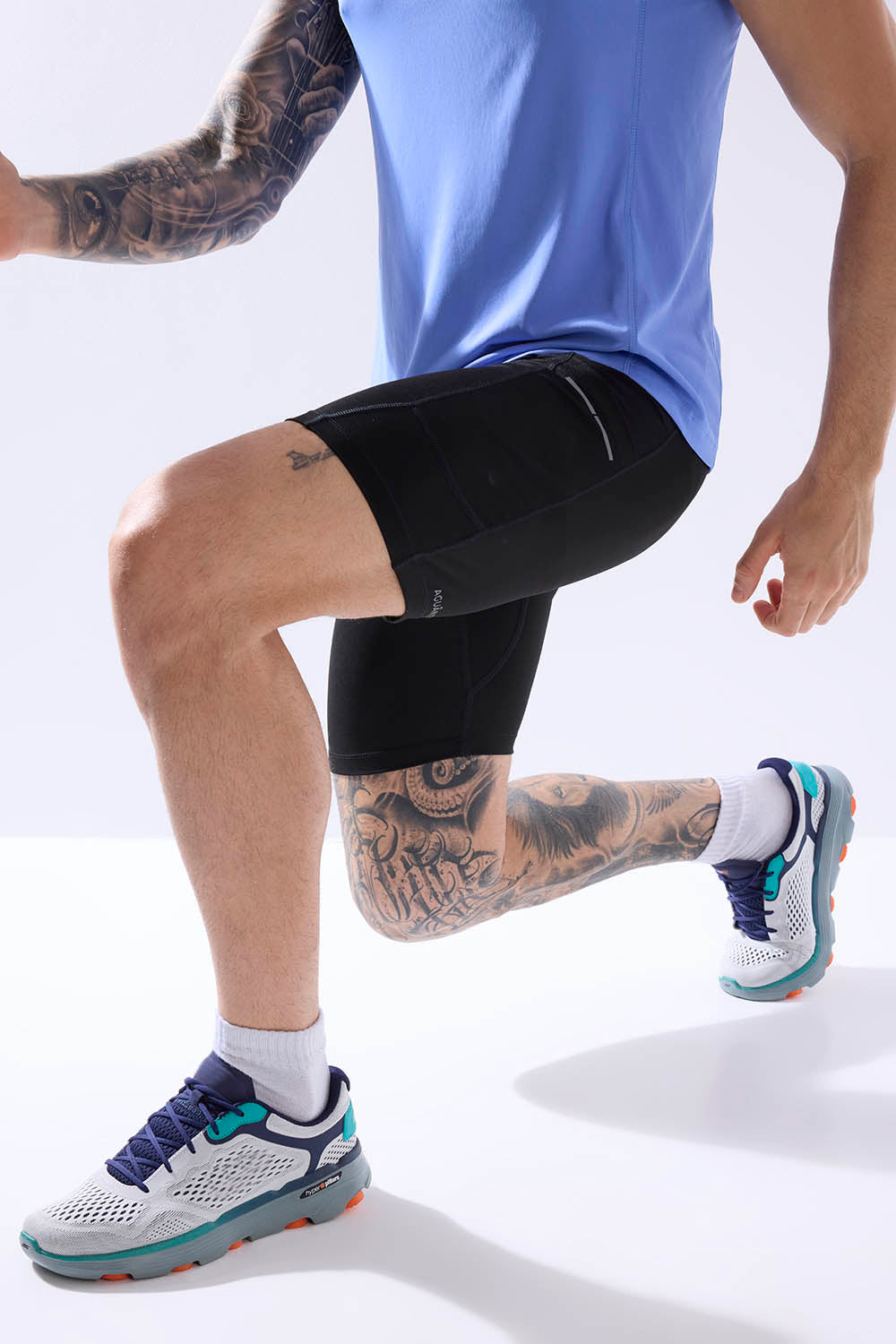
Tired of gear that slows you down? Chafing, soggy fabrics, and missing pockets kill your run's momentum. At Aguante, we're runners who get it. Our high-performance activewear features moisture-wicking fabrics, ergonomic designs, and smart storage to keep you focused. Shop Now!
Emerging Trends Defining Sustainable Activewear in 2026
At the core of this shift lie advanced eco-friendly materials. Organic cotton, recycled polyester, hemp, bamboo, Tencel, and biodegradable spandex lead collections, frequently backed by certifications such as the Global Recycled Standard or OEKO-TEX. These options perform reliably keeping wearers dry through intense sweat sessions, fighting odors, and enduring repeated washes while dramatically cutting environmental harm.
Technology pushes boundaries further. Companies integrate natural anti-bacterial finishes and enhanced moisture management derived from recycled inputs, yielding functional, future-ready apparel. Consumer habits evolve in tandem: Indian buyers scrutinize supply chains more closely, gravitating toward durable pieces over fast fashion cycles.
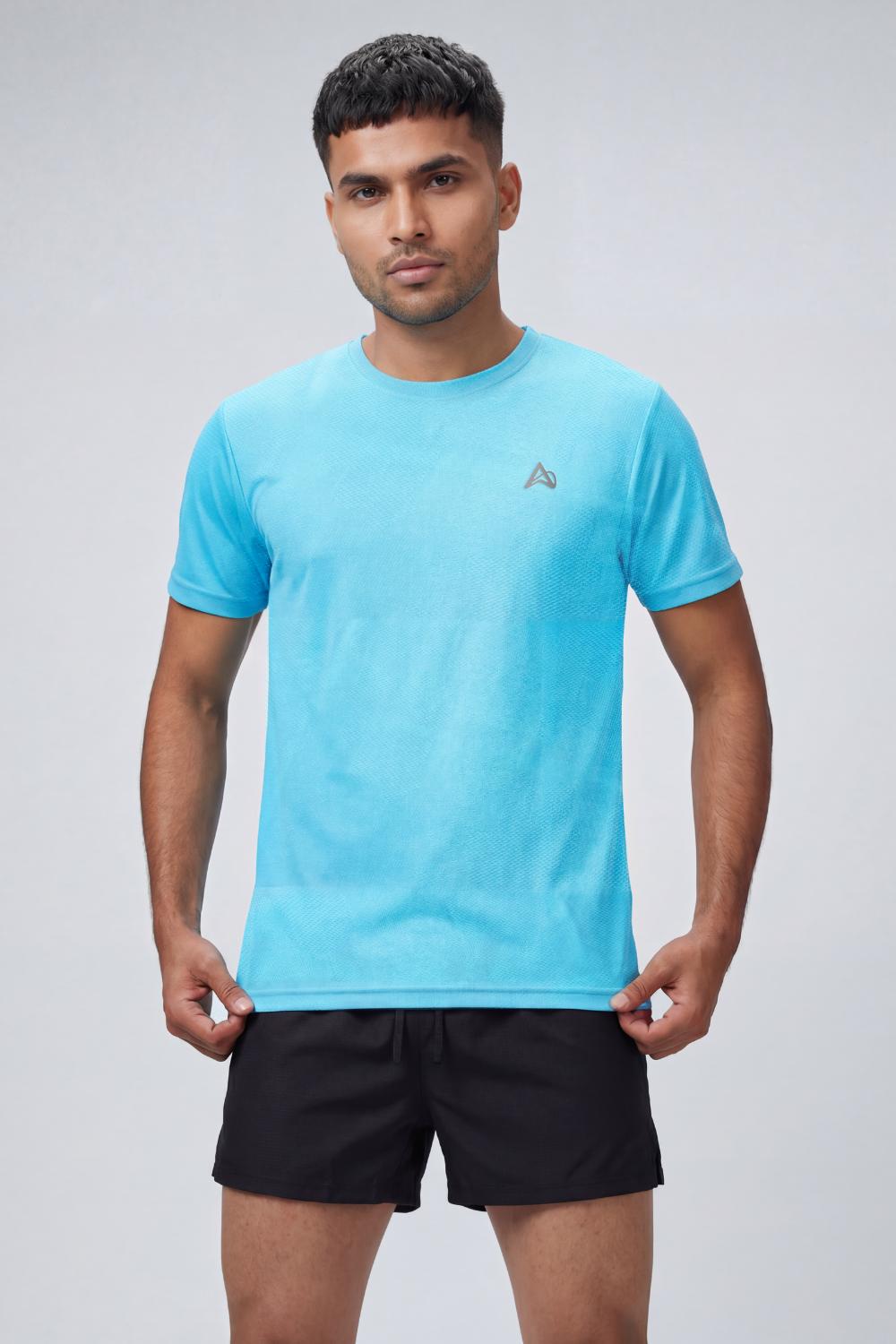
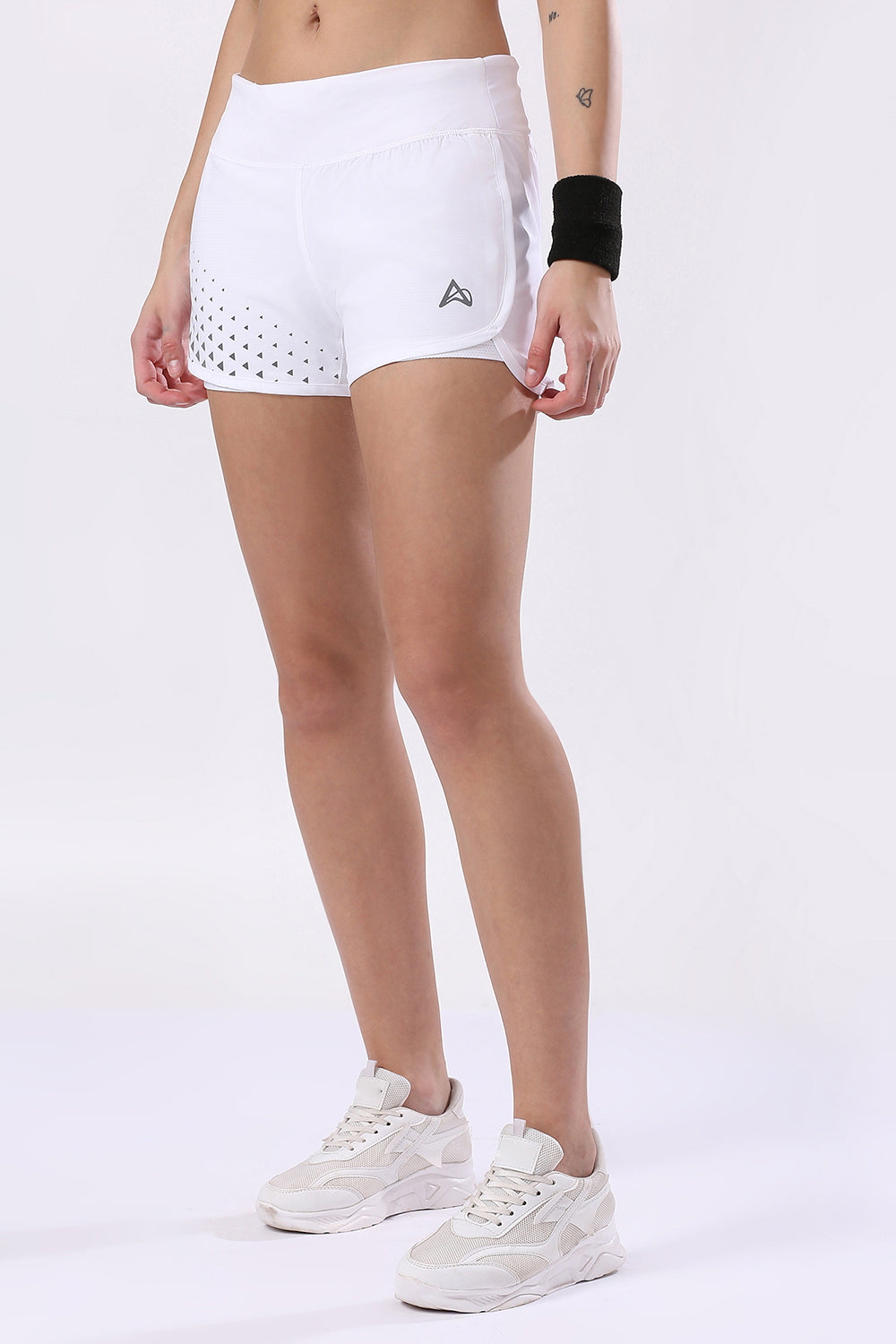
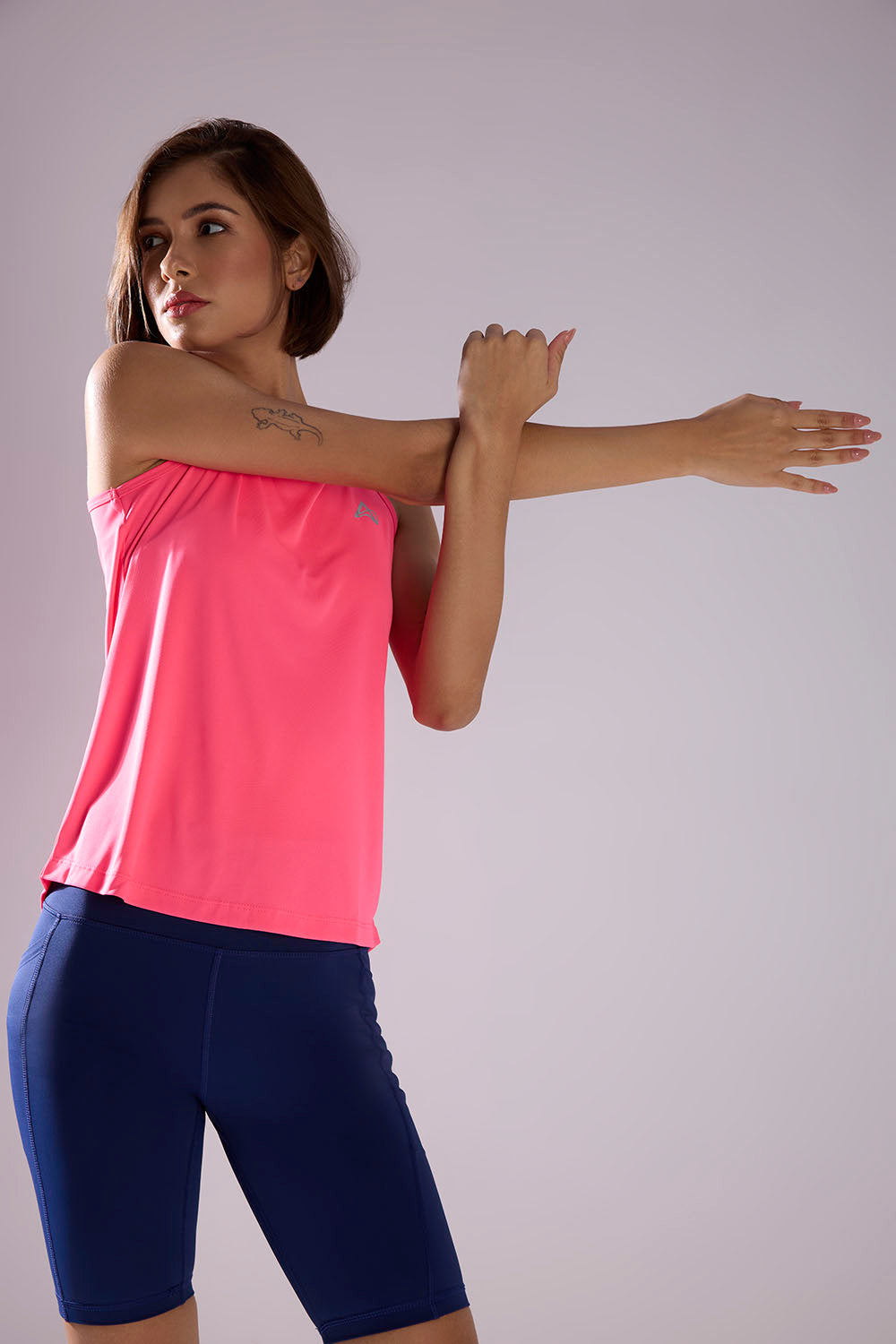
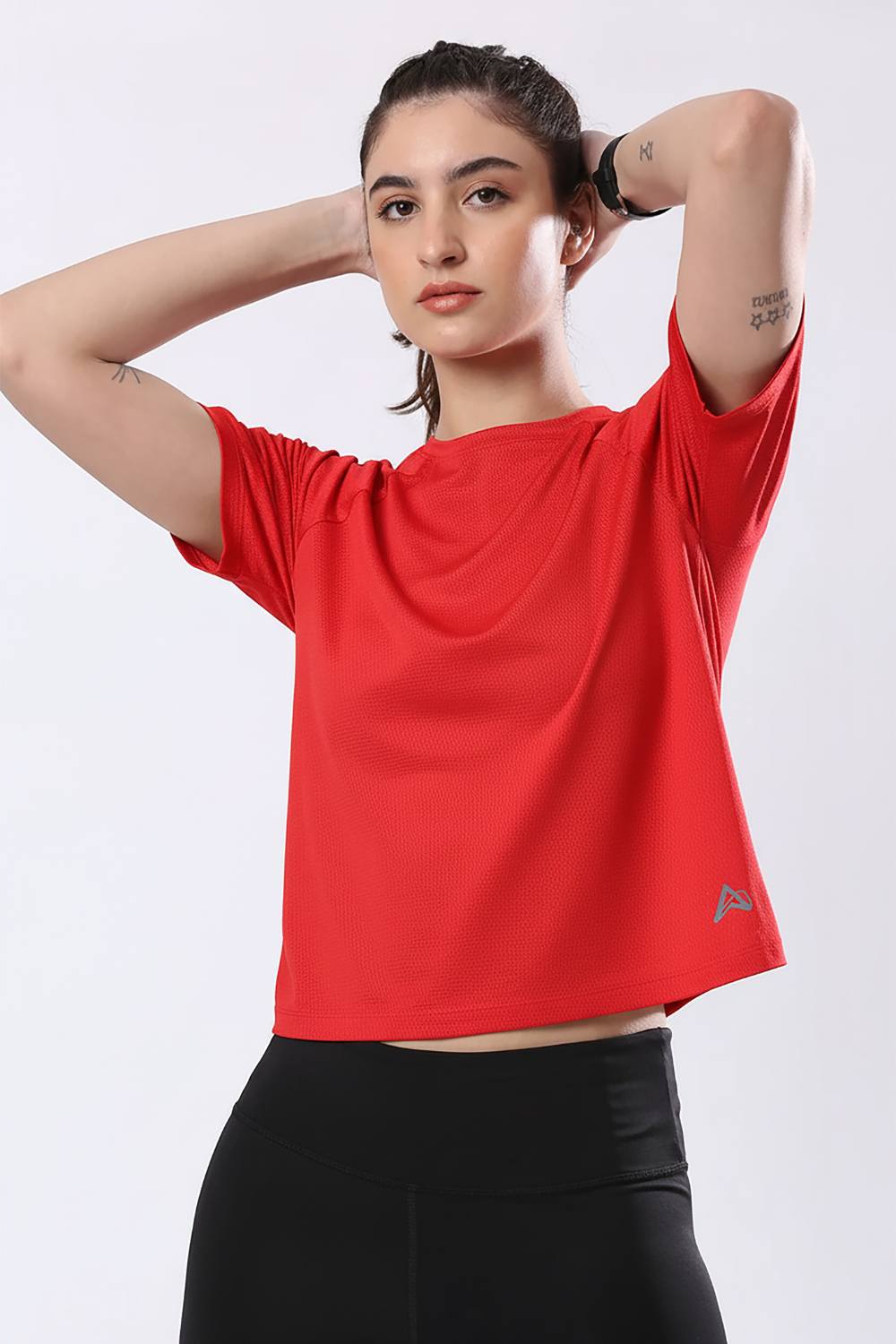
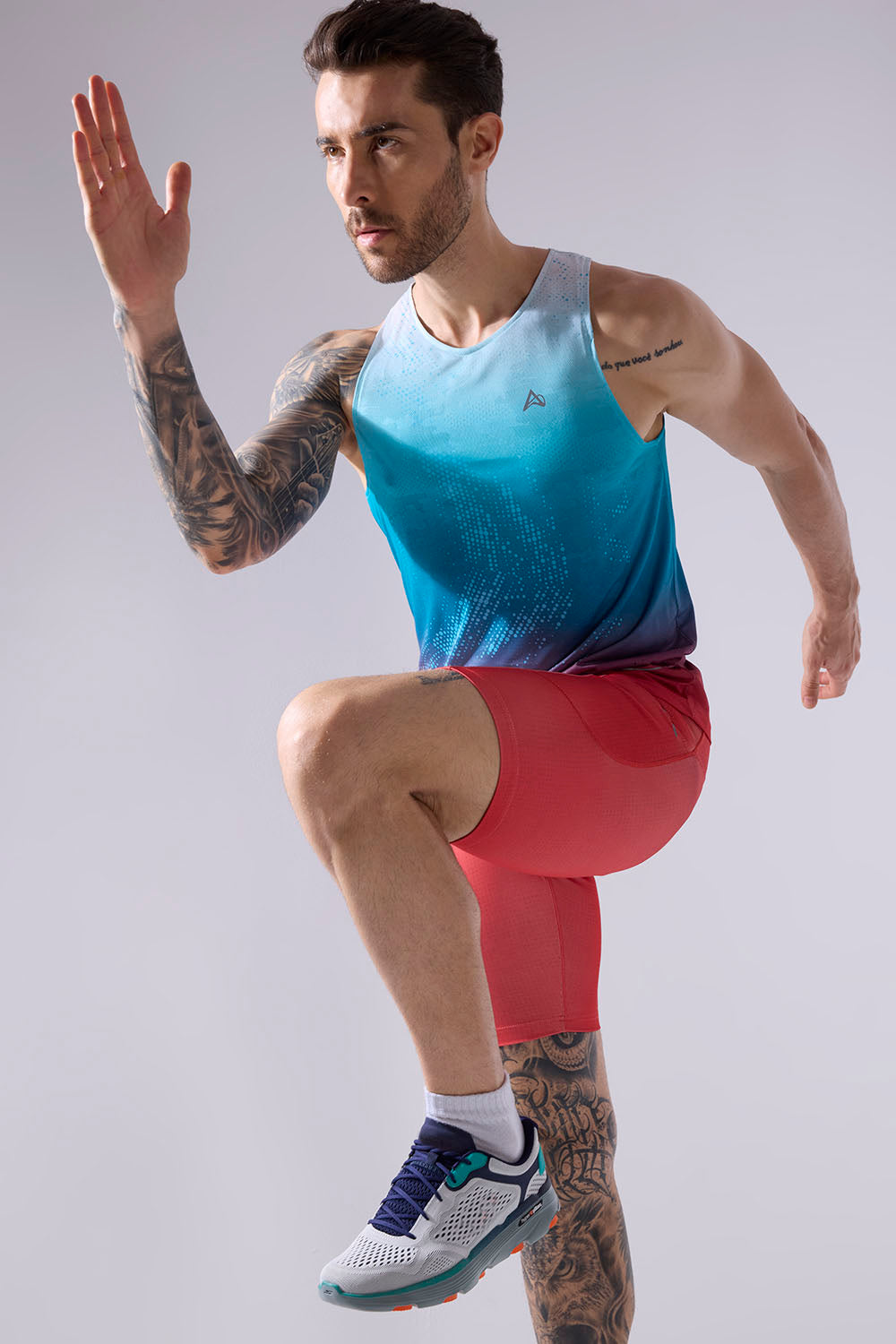
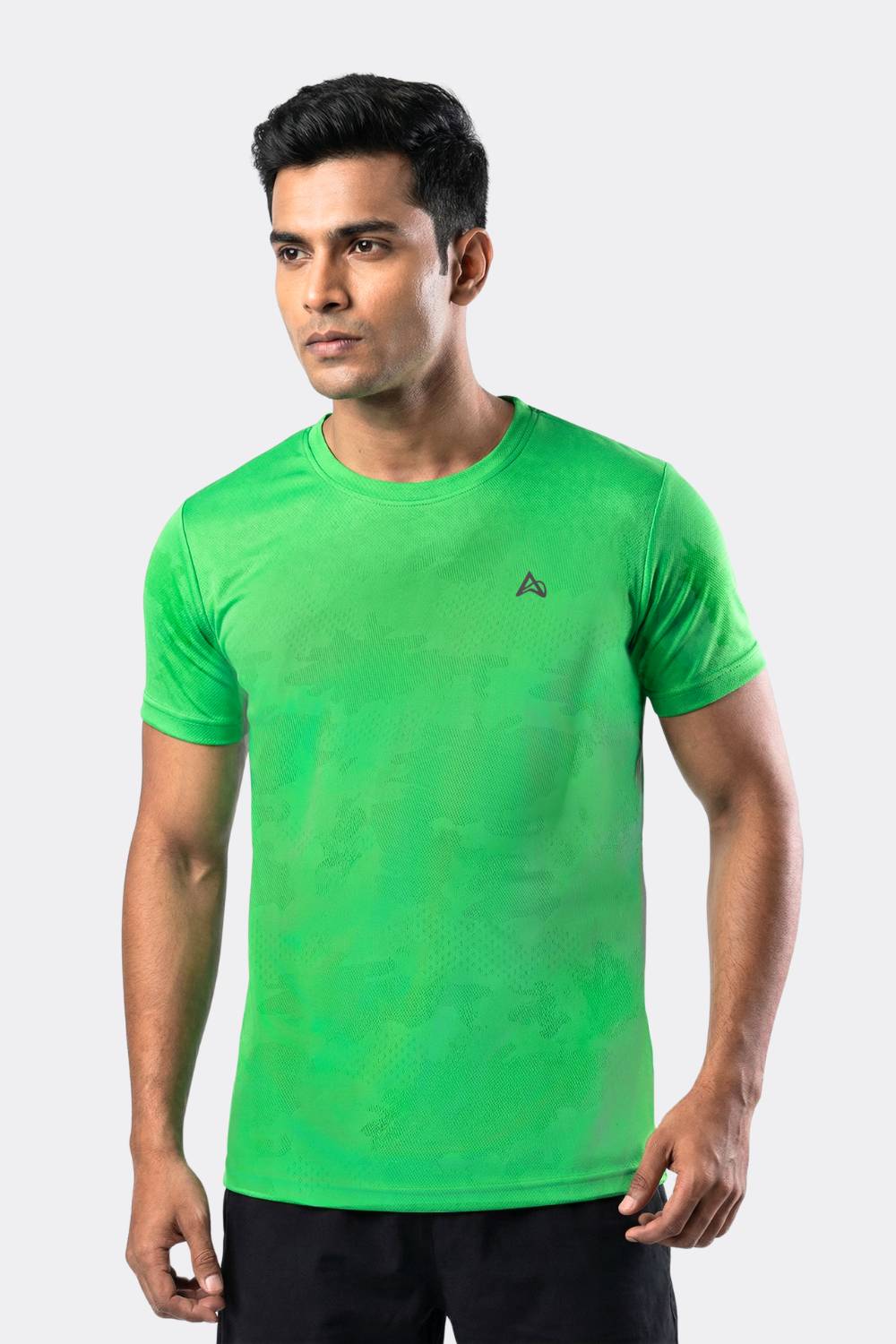
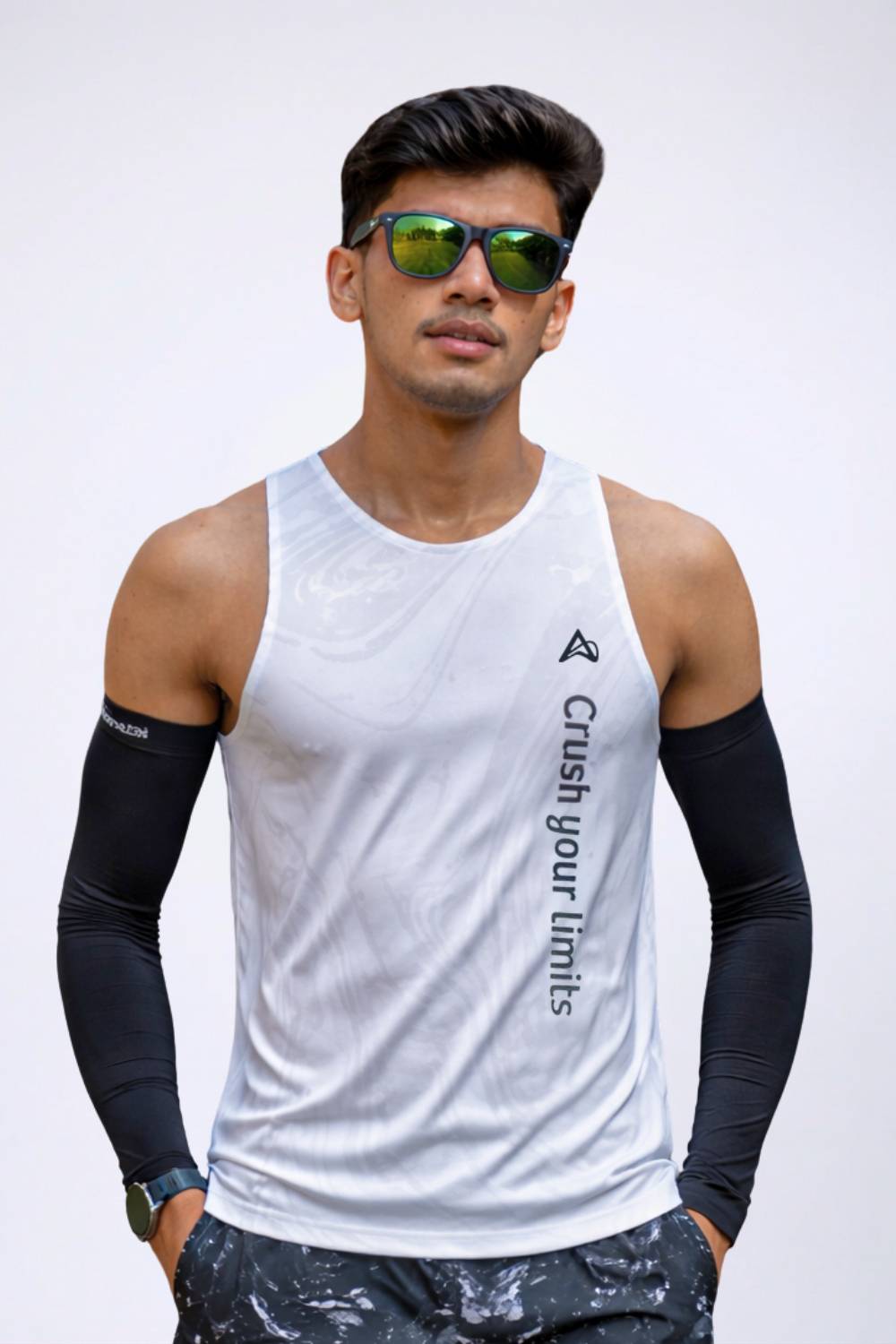
Homegrown brands rise to meet this demand. Aguante, based in Pune, designs gear exclusively for Indian runners, tackling humid marathons and rugged trails with thoughtful details secure, non-bouncing pockets, anti-chafing inner linings, reflective elements for safety, and fits refined through real-runner testing. In contrast to many global players that design overseas and charge premium rates, Aguante champions accessible pricing alongside local innovation: performance apparel crafted for Indian physiques, roads, and climates. Their forward-looking pledge to shift to 100% recycled fabrics by 2030, paired with in-house ethical production, underscores a serious commitment to sustainability.
Influencers and coaches fuel visibility across platforms like Instagram, Facebook, and YouTube. Prominent voices, including Barefoot Coach Shanth Koushik who shares barefoot running insights and fosters community alongside Rajesh Parida, Runholic Dev, Fit Kaur, and Coach Amit Kumar, demonstrate how thoughtful, sustainable gear elevates everyday training. Their support emphasizes apparel that removes distractions, letting athletes concentrate fully on the effort.
Real-World Impact: Performance Meets Responsibility
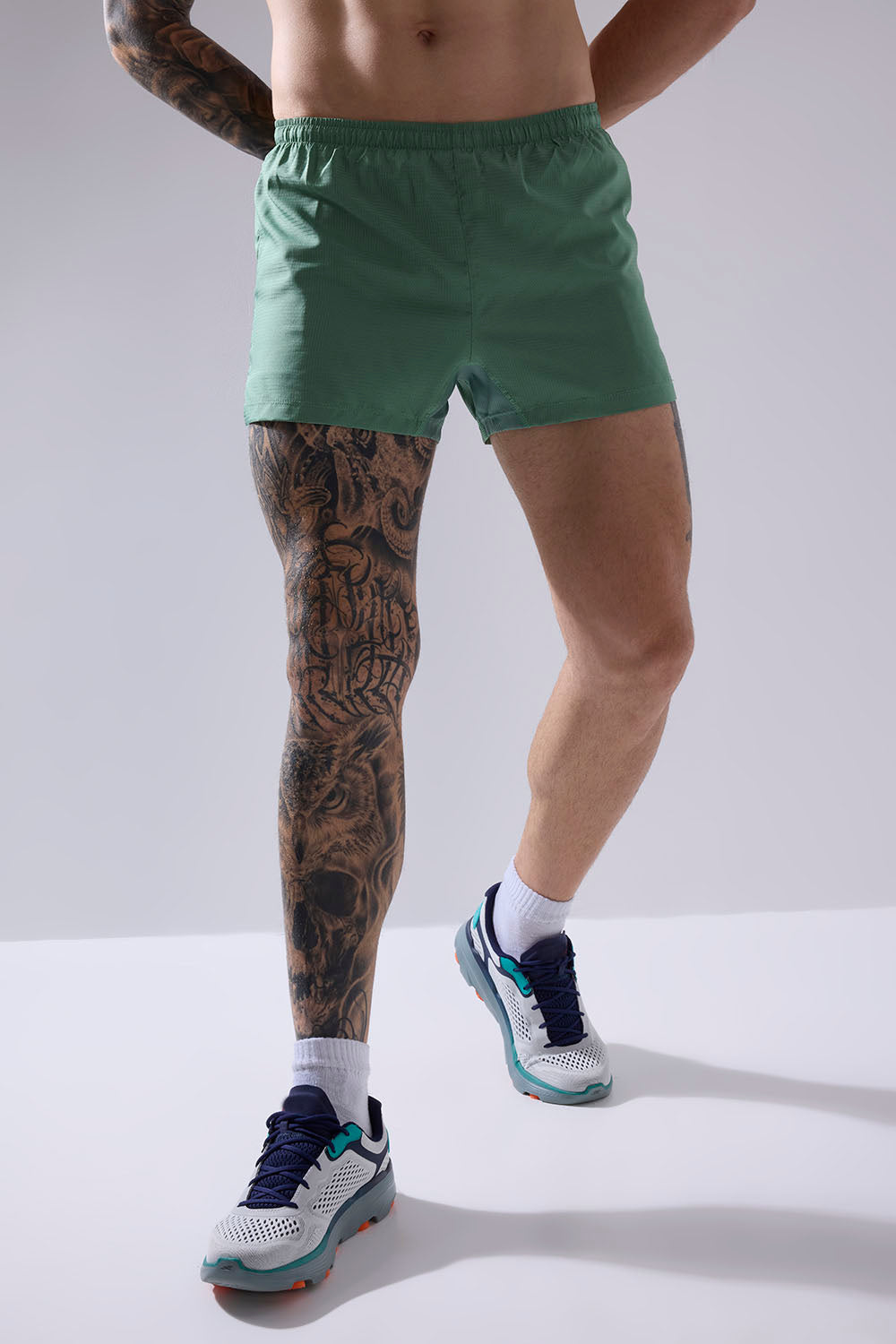
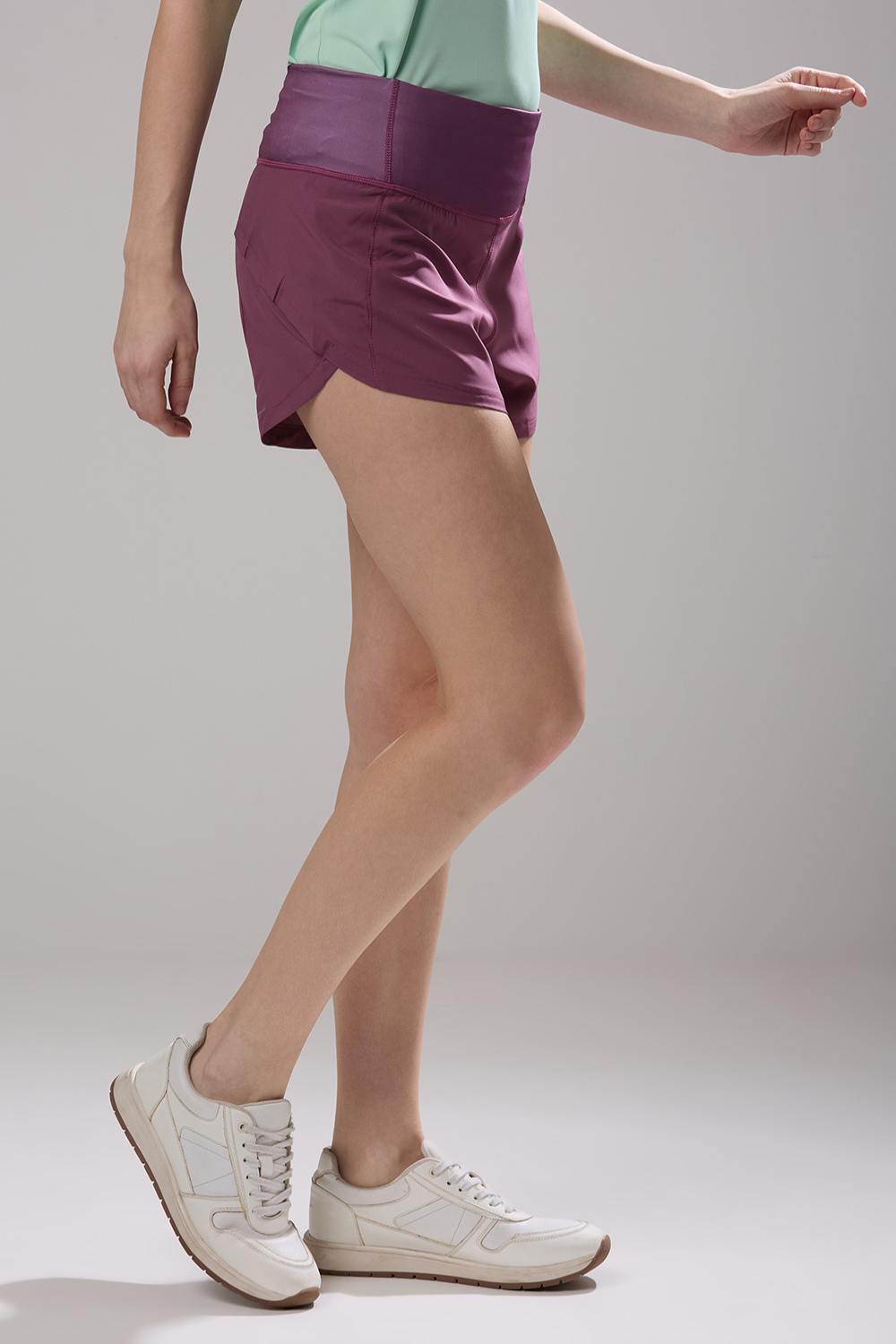
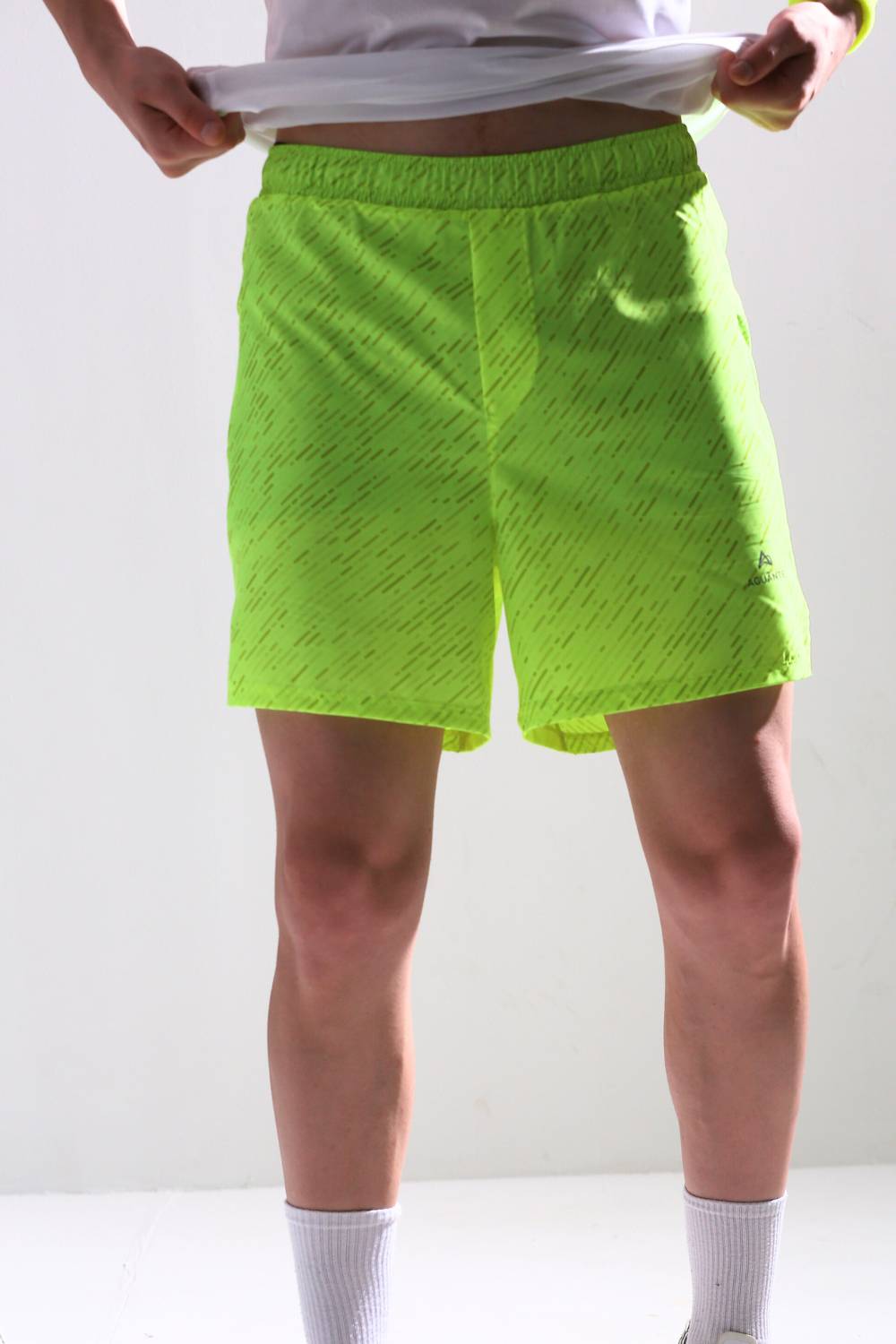
Sustainable design no longer requires trade-offs. Recycled fabrics match or surpass conventional options in breathability, sweat management, and toughness. In high-demand areas like Mumbai and Pune, brands roll out specialized lines: ultra-lightweight shorts that evacuate moisture instantly, tees engineered to remain fresh over long efforts. Runners embrace this blend equipment built to handle extended distances and tough weather, while aligning with ethical priorities.
Challenges That Remain
Expansion brings obstacles. Eco-materials frequently involve elevated production expenses, squeezing margins for local makers facing competition from low-cost global imports. Scaling sustainable sourcing proves complex, with supply bottlenecks sometimes slowing rollout.
Awareness continues to build. While many recognize sustainability's importance, hesitation lingers around higher price points or uncertainty about actual advantages. Ongoing education matters highlighting how long-lasting, low-impact items minimize waste over time and deliver better overall value.
Brands such as Aguante address these barriers directly, offering premium quality at fair prices and showing that responsibility can remain within reach.
Opportunities Driving India's Sustainable Future
The upside looks enormous. India's mounting emphasis on health, fitness, and ecological accountability sets the stage for rapid expansion in sustainable activewear. Local innovators hold a clear advantage by tailoring solutions to specific challenges effective heat regulation, terrain durability while cultivating loyalty through openness and community engagement.
Corporate social responsibility strengthens bonds further. Brands that integrate sustainability into their stories create lasting connections, transforming buyers into dedicated supporters.
As the sector advances, continued innovation will refine the equilibrium between minimal environmental impact and maximum athletic performance.
In 2026, sustainable activewear cements itself as the definitive direction for fitness apparel in India. For those pursuing new milestones amid crowded avenues or serene paths, the ideal equipment empowers both personal achievement and planetary care. With homegrown ingenuity at the forefront, the road forward appears not only more sustainable, but swifter, more comfortable, and full of promise.
Frequently Asked Questions
What is driving the growth of the sustainable activewear market in 2026?
The sustainable activewear market is experiencing robust growth driven by increased consumer awareness of environmental issues like textile waste and chemical pollution, combined with rising demand for eco-friendly materials such as recycled polyester, organic cotton, and bamboo. The global sustainable athleisure market is projected to reach USD 176.05 billion by 2030, with Asia Pacific, particularly India, emerging as the fastest-growing region due to rapid urbanization, rising disposable incomes, and a youthful population embracing fitness and ethical living.
What eco-friendly materials are used in sustainable activewear in 2026?
Sustainable activewear brands in 2026 utilize advanced eco-friendly materials including organic cotton, recycled polyester made from plastic bottles, hemp, bamboo, Tencel, and biodegradable spandex. These materials are often backed by certifications like Global Recycled Standard or OEKO-TEX and deliver superior performance features such as moisture-wicking, breathability, anti-bacterial properties, and durability, while dramatically reducing environmental impact compared to conventional fabrics.
How is India's sustainable activewear market different from global markets?
India's sustainable activewear market is distinguished by homegrown brands like Aguante that design specifically for Indian runners, addressing unique challenges such as humid conditions, high temperatures, air pollution, and varied terrain. These local innovators offer performance gear tailored to Indian physiques and climates at accessible price points, while urban millennials and Gen Z consumers increasingly prefer brands that reflect their values of sustainability and ethical production over international giants.
Disclaimer: The above helpful resources content contains personal opinions and experiences. The information provided is for general knowledge and does not constitute professional advice.
You may also be interested in: Sustainable Activewear Gains Ground in India
Tired of gear that slows you down? Chafing, soggy fabrics, and missing pockets kill your run's momentum. At Aguante, we're runners who get it. Our high-performance activewear features moisture-wicking fabrics, ergonomic designs, and smart storage to keep you focused. Shop Now!
Powered by flareAI.co