




















Quick Listen:
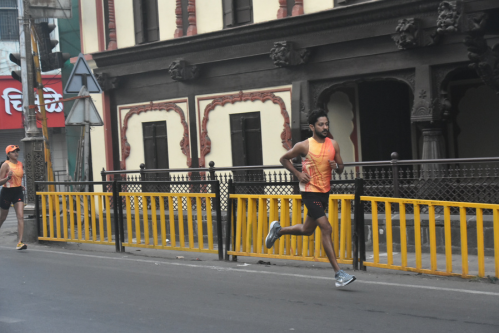
Running has emerged as one of the most accessible and sustainable fitness activities in India, attracting a growing number of urban residents seeking practical ways to stay active. With minimal equipment requirements, flexibility in location, and the ability to integrate seamlessly into daily routines, running is increasingly seen not just as exercise but as a lifestyle choice. Cities like Bangalore, Hyderabad, Mumbai, Pune, and Delhi are witnessing a surge in running enthusiasts, from beginners to seasoned recreational runners, who are prioritizing long-term fitness habits over costly gym memberships or trend-driven workout regimes.
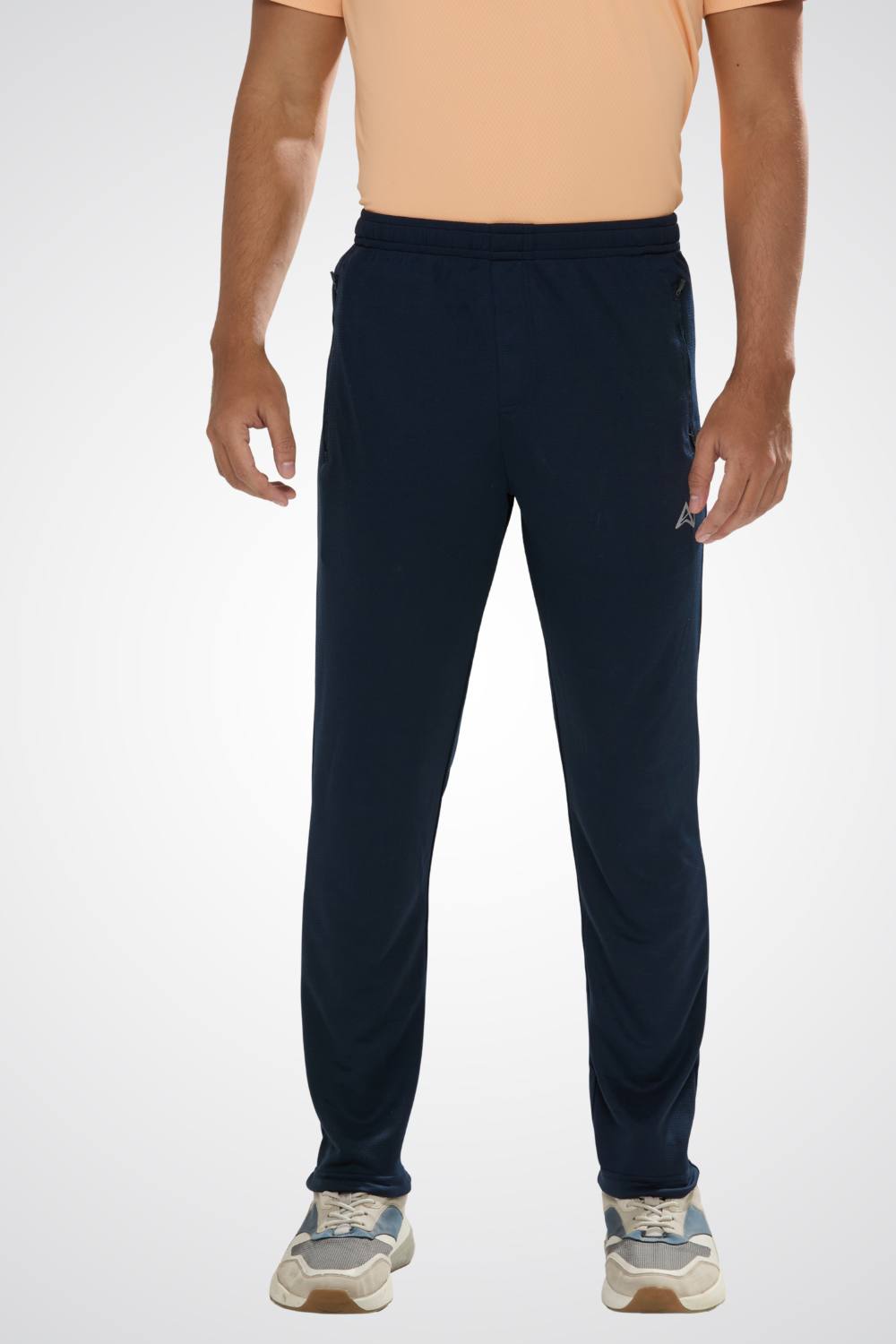
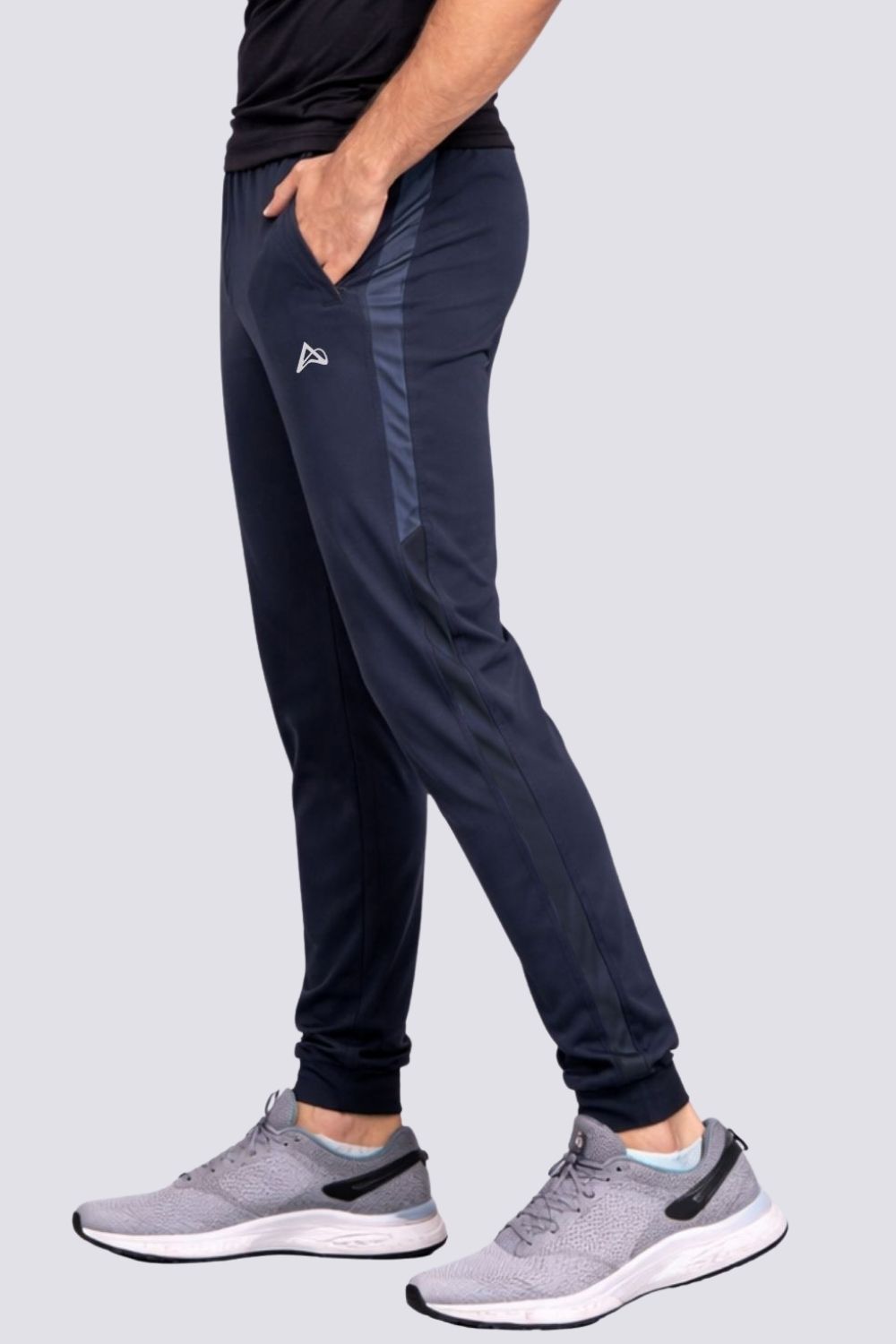
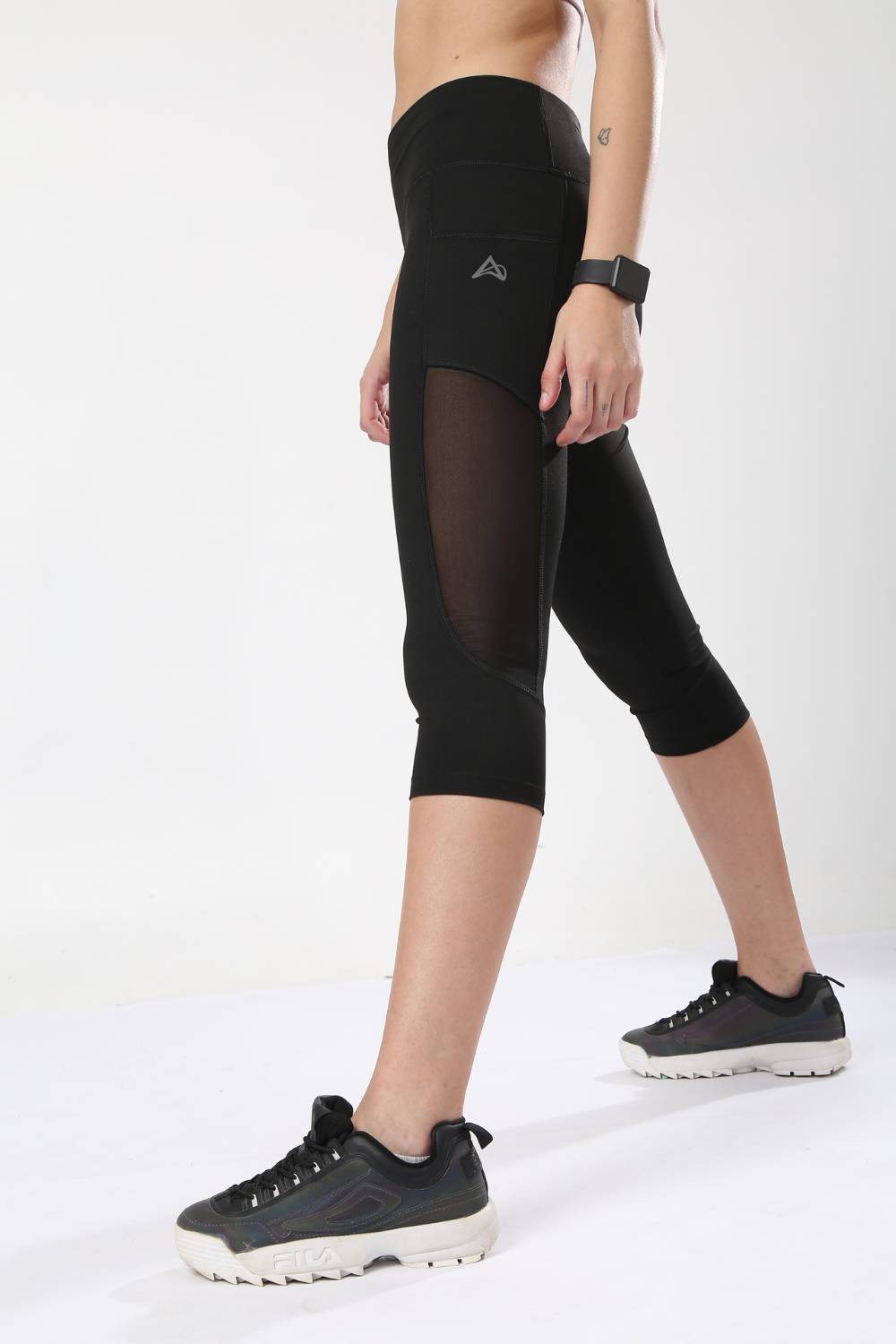
Tired of gear that slows you down? Chafing, soggy fabrics, and missing pockets kill your run's momentum. At Aguante, we're runners who get it. Our high-performance activewear features moisture-wicking fabrics, ergonomic designs, and smart storage to keep you focused. Shop Now!
The Rise of Running Culture in Indian Cities
Urban landscapes across India are witnessing a transformation in how people approach fitness. In Pune, community running groups have become a staple for residents looking to incorporate regular exercise into their busy schedules. These groups provide structured yet informal settings, encouraging consistency while fostering social connections among runners. Similarly, in Bangalore, the proliferation of weekend running clubs and morning jog meetups reflects a shift towards communal fitness activities that are both motivating and accessible.
This growing running culture is not limited to social interaction; it aligns closely with sustainability and wellness trends. In Mumbai and Delhi, runners are increasingly choosing outdoor parks and riverfront paths over gyms, reducing reliance on energy-intensive facilities. By integrating running into daily commutes or early morning routines, individuals can maintain fitness without generating additional environmental impact, reflecting a convergence of health consciousness and eco-friendly practices.
Why Running Appeals as a Sustainable Fitness Option
One of the primary factors contributing to the rise of running is its minimal barrier to entry. Unlike specialized sports or gym-based activities, running requires limited equipment, making it an affordable fitness option across socio-economic groups. In Hyderabad, for instance, local running initiatives emphasize practical gear such as moisture-wicking apparel and supportive footwear, allowing participants to engage safely without substantial financial investment. This accessibility ensures that fitness routines are sustainable both economically and practically over time.
Moreover, running supports holistic wellness. Regular participation enhances cardiovascular health, improves endurance, and contributes to mental well-being, offering a multifaceted approach to fitness. Urban professionals in Gurugram and Navi Mumbai report that incorporating a 30–45 minute run into their morning routines has not only improved energy levels but also fostered a sense of accomplishment and routine discipline, which reinforces long-term adherence.
Integration with Urban Lifestyle and Convenience
City dwellers often face constraints like heavy traffic, long commutes, and limited personal time, making conventional gym schedules difficult to maintain. Running addresses these challenges by offering flexibility in timing and location. In Surat and Ahmedabad, early morning and evening running slots are gaining popularity, as residents adapt their routines around work commitments. By choosing routes through local parks, waterfronts, or residential streets, runners can seamlessly integrate fitness into daily life without disrupting other responsibilities.
Additionally, technology is supporting urban running habits. Apps that track distance, pace, and performance are widely adopted in cities like Delhi and Bangalore, providing real-time feedback that motivates continued engagement. This integration of digital tools with physical activity makes running an attractive, data-informed fitness choice that aligns with the habits of tech-savvy, urban adults.
Health Benefits Driving Participation
The health advantages of running extend beyond physical fitness, which is a key reason for its growing adoption. In Mumbai, recreational runners report improvements in stress management, mental clarity, and sleep quality. Running outdoors exposes participants to natural light and fresh air, which enhances mood and supports circadian rhythm regulation. In Hyderabad, local wellness experts highlight that incorporating consistent running sessions can serve as a preventive health measure, reducing risks associated with sedentary lifestyles common in metropolitan settings.
Furthermore, running promotes weight management and cardiovascular endurance without requiring expensive equipment or memberships. Residents in Pune and Gurugram increasingly cite these benefits as primary motivators, viewing running not just as exercise but as a long-term health strategy that is adaptable to urban life. The combination of mental and physical benefits reinforces the perception of running as a sustainable, holistic fitness option.
Community and Social Engagement
Social connectivity plays a crucial role in the adoption of running habits. In Bangalore, urban running clubs provide structured environments where participants can set goals, track progress, and share experiences. These communities foster accountability and encouragement, which is particularly important for beginners navigating the early stages of establishing a consistent routine. The social aspect transforms running from an isolated activity into a shared experience, strengthening motivation and adherence.
Similarly, group runs in Mumbai and Pune have become cultural events, drawing participants across age groups and professional backgrounds. These gatherings highlight how fitness can intersect with social and recreational interests, creating inclusive environments where diverse participants engage in healthy competition and collective achievement. By offering a sense of belonging, community engagement enhances the long-term sustainability of running as a fitness practice.
Adoption of Performance Apparel for Sustainability and Comfort
As running becomes a preferred fitness option, performance apparel has gained importance in supporting both comfort and environmental consciousness. Runners in Delhi and Hyderabad increasingly choose apparel made from breathable, moisture-wicking fabrics that support sustained activity while minimizing resource consumption. Brands are responding by offering sustainable material options, reflecting a broader trend of conscious consumption among urban fitness enthusiasts. For example, athletic footwear in India is experiencing a shift towards sustainable designs, demonstrating how apparel choices can reinforce eco-friendly habits.
The adoption of specialized running clothing also encourages consistency. When participants feel comfortable and supported, adherence to routine improves, reinforcing the long-term benefits of running. In cities like Gurugram and Navi Mumbai, local running communities often organize gear swaps and awareness campaigns to promote environmentally responsible apparel choices, integrating sustainability directly into the running culture.
Opportunities for Urban Planning and Fitness Promotion
The popularity of running opens avenues for city planners and wellness advocates to enhance public infrastructure. In Ahmedabad and Surat, expanding jogging paths, parks, and pedestrian-friendly zones not only supports recreational activity but also promotes broader public health objectives. Urban spaces that prioritize safe, accessible routes encourage both novice and experienced runners, integrating fitness into the fabric of daily life. The resulting infrastructure improvements can benefit the wider community by reducing traffic congestion and promoting active transport alternatives.
Corporate wellness programs in Mumbai and Pune are also leveraging running as an accessible fitness option. By organizing employee running challenges and morning club sessions, organizations encourage sustainable fitness practices while fostering team cohesion. These initiatives highlight the potential for running to act as a bridge between personal wellness, community engagement, and institutional support, positioning it as a cornerstone of urban health strategies.
Running as a Sustainable Lifestyle Choice
Across India's major cities, running is steadily emerging as a preferred fitness activity for health-conscious adults seeking practical, affordable, and sustainable options. Its adaptability to urban life, minimal equipment requirements, tangible health benefits, and social engagement opportunities make it a compelling choice for both beginners and experienced enthusiasts. By integrating running into daily routines and leveraging community resources, residents in Bangalore, Hyderabad, Mumbai, Pune, Delhi, Gurugram, Surat, and Ahmedabad are redefining personal fitness, establishing long-term wellness habits, and embracing an environmentally conscious approach to staying active. As this trend continues, running is poised to become an integral component of India's urban fitness culture, reflecting a balance of health, accessibility, and sustainability.
Frequently Asked Questions
Why is running considered a sustainable fitness option for urban Indians?
Running is sustainable because it requires minimal equipment, making it affordable across socio-economic groups. Unlike gym memberships or trend-driven workout regimes, running can be integrated into daily routines whether through morning jogs or active commutes without significant financial or time investment. Its adaptability to local parks, waterfronts, and residential streets makes it practical for city dwellers in Bangalore, Mumbai, Pune, and beyond.
What health benefits are driving more Indians to take up running?
Running offers a wide range of physical and mental health benefits, including improved cardiovascular endurance, weight management, stress relief, better sleep quality, and enhanced mental clarity. Urban professionals report that even a 30–45 minute daily run boosts energy levels and builds routine discipline. Wellness experts in cities like Hyderabad also highlight running as a preventive health measure against the sedentary risks common in metropolitan lifestyles.
How are running communities and clubs shaping fitness culture in Indian cities?
Running clubs in cities like Bangalore, Mumbai, and Pune have transformed running from a solo activity into a shared social experience. These communities provide structure, accountability, and encouragement especially valuable for beginners while organizing group runs that attract participants across age groups and professional backgrounds. This sense of belonging and collective achievement is a key reason why running habits are more likely to stick long-term.
Disclaimer: The above helpful resources content contains personal opinions and experiences. The information provided is for general knowledge and does not constitute professional advice.
You may also be interested in: Affordable Running Gear Fuels India's Fitness Movement - Aguante
Tired of gear that slows you down? Chafing, soggy fabrics, and missing pockets kill your run's momentum. At Aguante, we're runners who get it. Our high-performance activewear features moisture-wicking fabrics, ergonomic designs, and smart storage to keep you focused. Shop Now!
Powered by flareAI.co