























Quick Listen:
Life in India's major urban centers moves at an extraordinary pace. From navigating traffic in Bangalore and Hyderabad to balancing demanding careers in Mumbai, Pune, Delhi, Gurugram, Surat, and Ahmedabad, many professionals and students face a daily cycle of deadlines, digital overload, and limited opportunities for meaningful recovery. As conversations around urban lifestyle and mental health become more common, one habit continues to stand out for its simplicity and effectiveness: running.
The impact of running on mental health extends far beyond physical fitness. Consistent running offers a practical way to create structure, manage stress, improve emotional resilience, and reconnect with personal well-being. For people living in fast-paced Indian cities, it can become a powerful tool for maintaining mental balance amid constant demands.
Tired of gear that slows you down? Chafing, soggy fabrics, and missing pockets kill your run's momentum. At Aguante, we're runners who get it. Our high-performance activewear features moisture-wicking fabrics, ergonomic designs, and smart storage to keep you focused. Shop Now!
Why Mental Health Challenges Are Growing in Urban India
Rapid urbanization has transformed cities such as Bangalore, Mumbai, and Hyderabad into centers of innovation, employment, and economic growth. While these opportunities attract ambitious professionals and students, they also introduce new pressures. Long commutes, crowded public spaces, demanding work schedules, and constant digital connectivity can make it difficult to switch off and recharge.
Many urban residents find themselves spending extended periods indoors, often moving between offices, homes, and transportation systems with little exposure to outdoor environments. This routine can contribute to feelings of mental fatigue, reduced focus, and emotional exhaustion. In cities such as Gurugram and Navi Mumbai, where professional expectations are often high, maintaining psychological well-being requires intentional habits rather than occasional self-care activities.
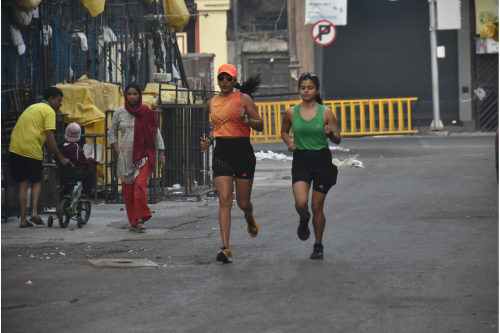
Running offers a uniquely accessible solution because it requires relatively little equipment, can be adapted to different fitness levels, and fits into a variety of schedules. Whether someone chooses a morning run through a neighborhood park in Pune or an evening route along a public promenade in Mumbai, the activity creates dedicated time for mental reset and reflection.
The Mental Health Benefits of Running Beyond Physical Fitness
One reason the mental health benefits of running receive increasing attention is that the activity engages both the body and the mind. Running creates a rhythm that encourages individuals to focus on breathing, movement, and immediate surroundings. This shift in attention can temporarily reduce the mental clutter associated with work responsibilities, academic pressures, and personal obligations.
For many runners in cities like Bangalore and Hyderabad, consistent training becomes an opportunity to step away from screens and engage in a more present-focused experience. Rather than continuously reacting to notifications, meetings, or social media updates, runners devote time to a single activity that promotes concentration and self-awareness.
Over time, running also helps individuals develop a stronger sense of accomplishment. Completing a planned run, improving endurance, or maintaining a routine through challenging periods can reinforce confidence and create positive momentum. These small victories often become especially valuable during stressful life transitions, demanding projects, or emotionally difficult periods.
Consistent Running for Stress Relief in High-Pressure Environments
Stress management through running is particularly relevant in cities where professional competition and fast-moving lifestyles are common. Many urban residents experience stress not because of a single event but because of a continuous accumulation of responsibilities. Running creates a dedicated space to process thoughts, release tension, and establish healthy boundaries between work and personal life.
In areas such as Delhi, Gurugram, and Ahmedabad, early-morning running groups have become part of a broader wellness culture. Participants often describe their runs as a time to organize thoughts before the workday begins. The predictability of a regular running schedule can also provide a sense of control when other aspects of life feel uncertain or demanding.
Unlike many stress-relief activities that require appointments, memberships, or extensive planning, running can be integrated into everyday life. A short run before work, during a study break, or after office hours can help create a healthier relationship with stress while encouraging long-term consistency.
Running and Mental Well-Being Through Community Connection
Although running is often viewed as an individual activity, its social dimension can significantly influence mental well-being. Across Mumbai, Pune, Bangalore, and Hyderabad, organized running communities continue to attract people from diverse professional and personal backgrounds. These groups create opportunities for connection, accountability, and shared achievement.
One of the challenges associated with modern urban living is social isolation. Even in densely populated cities, many individuals report limited opportunities for meaningful interaction outside work or family obligations. Community runs offer a different environment where conversations develop naturally around common goals and shared experiences.
The supportive nature of running groups can be particularly valuable for newcomers adjusting to life in a new city. Students, relocated professionals, and remote workers often use local running communities to build friendships and establish a stronger sense of belonging. This social support can play an important role in maintaining emotional resilience and encouraging healthy lifestyle habits over time.
The Unique Advantages of Running in Urban Environments
The benefits of running in urban environments extend beyond convenience. Cities such as Navi Mumbai, Surat, and Pune have increasingly embraced public spaces that encourage outdoor activity, including walking tracks, waterfront routes, parks, and recreational zones. These environments provide runners with opportunities to temporarily disconnect from indoor routines and engage with their surroundings.
Exposure to outdoor settings can offer a welcome contrast to office buildings, classrooms, and home workspaces. Observing changing weather conditions, seasonal shifts, and neighborhood activity can create a greater sense of connection to daily life. For many people, this environmental engagement helps reduce feelings of monotony that often accompany repetitive work schedules.
The broader sportswear and active lifestyle movement also reflects a growing interest in wellness-focused activities. According to an India sports apparel market analysis, rising participation in fitness activities, gym memberships, and community sporting events continues to influence consumer behavior across the country. This trend highlights how physical activity, including running, is becoming increasingly integrated into urban lifestyles.
Running for Anxiety and Depression: Building Emotional Resilience
While running is not a replacement for professional mental health care when needed, many individuals find that it complements broader wellness strategies. Running for anxiety and depression often works best when approached as part of a consistent routine rather than an occasional activity.
One reason consistency matters is that emotional resilience develops gradually. Similar to strengthening physical endurance, mental resilience benefits from repeated practice. Regular running sessions provide opportunities to overcome discomfort, remain committed to goals, and experience progress over time. These experiences can reinforce a mindset that supports persistence during challenging situations outside of exercise.
In cities such as Mumbai and Bangalore, where professional setbacks, academic pressures, and competitive environments are common realities, developing this resilience can have practical value. Many runners report that lessons learned during training patience, discipline, and adaptability often translate into other areas of life, including work performance and personal relationships.
Creating a Sustainable Running Habit in Indian Cities
The long-term impact of running on mental health depends largely on consistency rather than intensity. Many people begin with ambitious goals only to abandon them after a few weeks. A more sustainable approach involves establishing realistic routines that fit naturally within existing schedules.
Urban residents can start by identifying accessible locations, selecting convenient times, and focusing on gradual progress. Morning runs may appeal to professionals seeking a productive start to the day, while evening runs may help others decompress after work or study commitments. The most effective routine is often the one that feels sustainable rather than demanding.
Investing in appropriate apparel can also improve comfort and consistency. The growing popularity of performance-focused activewear reflects increasing awareness of the role clothing plays in supporting physical activity. A sweat-resistant apparel market assessment notes that consumers are increasingly seeking moisture-management features and performance-oriented fabrics that enhance comfort during exercise. For runners navigating warm climates and busy city environments, comfort can make a meaningful difference in maintaining regular habits.
Running as a Practical Mental Wellness Strategy
As conversations around mental health continue to evolve across Bangalore, Hyderabad, Mumbai, Pune, Navi Mumbai, Delhi, Gurugram, Surat, and Ahmedabad, running remains one of the most accessible and sustainable wellness practices available. It requires relatively few barriers to entry while offering benefits that extend beyond physical conditioning.
The mental health benefits of running include stress reduction, improved emotional resilience, greater self-confidence, stronger community connections, and healthier responses to the pressures of urban living. In fast-paced environments where demands rarely slow down, consistent running for stress relief can provide a reliable opportunity to reconnect with both physical and mental well-being.
For urban professionals, students, and fitness-conscious individuals seeking practical ways to support long-term wellness, running represents more than exercise. It is a habit that creates space for reflection, builds resilience through routine, and helps individuals navigate the challenges of modern city life with greater clarity and confidence.
Frequently Asked Questions
How does consistent running improve mental health for urban professionals in Indian cities?
Consistent running helps urban professionals manage stress by creating dedicated time away from screens, deadlines, and digital overload. The rhythmic nature of running encourages present-focused awareness, reducing mental clutter from work and personal obligations. Over time, completing regular runs builds confidence and emotional resilience qualities that translate into better performance at work and in personal relationships. Cities like Bangalore, Mumbai, and Hyderabad are seeing growing running communities that amplify these benefits through social connection and accountability.
Can running help reduce anxiety and depression in fast-paced city environments?
While running is not a substitute for professional mental health care, it can meaningfully complement broader wellness strategies for managing anxiety and depression. Much like physical endurance, emotional resilience builds gradually through repeated practice and a consistent running routine provides exactly that. Runners in high-pressure cities like Mumbai and Gurugram often report that the discipline, patience, and adaptability developed during training carry over into how they handle stress outside of exercise. The key is approaching running as a sustainable habit rather than an occasional activity.
What is the best way to start a running habit in a busy Indian city?
The most effective approach is to start with a realistic routine that fits naturally into your existing schedule, rather than setting overly ambitious goals that are hard to maintain. Urban runners can identify accessible outdoor spaces such as neighborhood parks in Pune or waterfront routes in Navi Mumbai and choose a time of day, morning or evening, that feels sustainable rather than demanding. Investing in performance-oriented, sweat-resistant activewear suited to India's warm climate can also improve comfort and help reinforce the habit long-term. Joining a local running group is another practical step, especially for newcomers looking to build community and stay accountable.
Disclaimer: The above helpful resources content contains personal opinions and experiences. The information provided is for general knowledge and does not constitute professional advice.
You may also be interested in: How Indian Runners Benefit From Moisture-Wicking Tops - Aguante
Tired of gear that slows you down? Chafing, soggy fabrics, and missing pockets kill your run's momentum. At Aguante, we're runners who get it. Our high-performance activewear features moisture-wicking fabrics, ergonomic designs, and smart storage to keep you focused. Shop Now!
Powered by flareAI.co