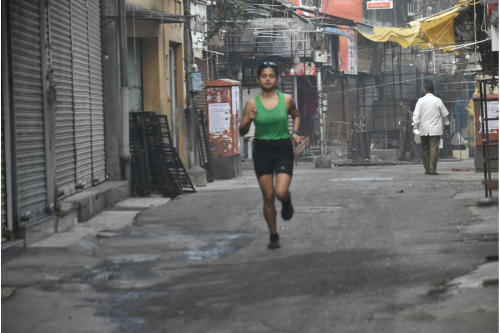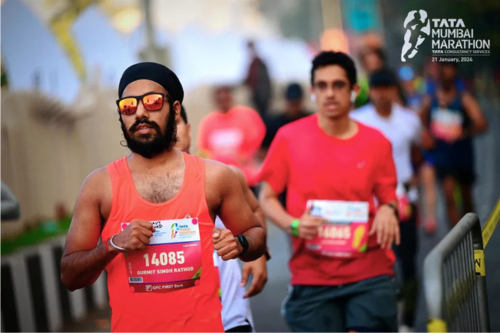





In the pre-dawn haze of Mumbai, the air hums with anticipation as thousands of runners gather, their sneakers striking the pavement in a steady cadence. From seasoned marathoners to first-timers, the 60,000-strong crowd at the Tata Mumbai Marathon 2025 is a testament to India's thriving fitness culture. What stands out isn't just the sheer number of participants but their attire: vibrant, locally crafted activewear is increasingly replacing the once-ubiquitous imported brands like Nike and Adidas. This shift signals a deeper transformation in how Indian runners choose their gear, driven by a desire for performance, affordability, and a connection to homegrown innovation.
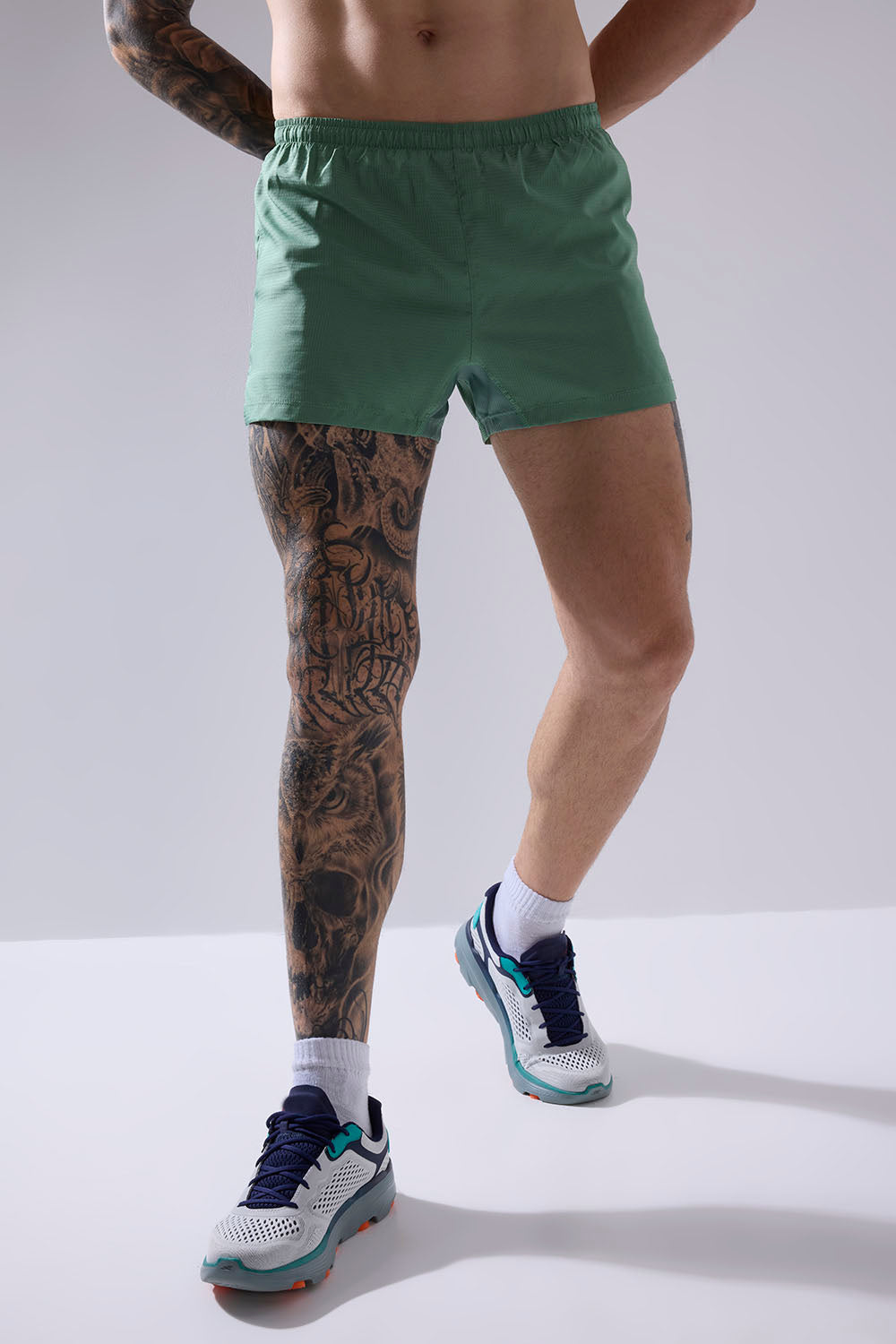
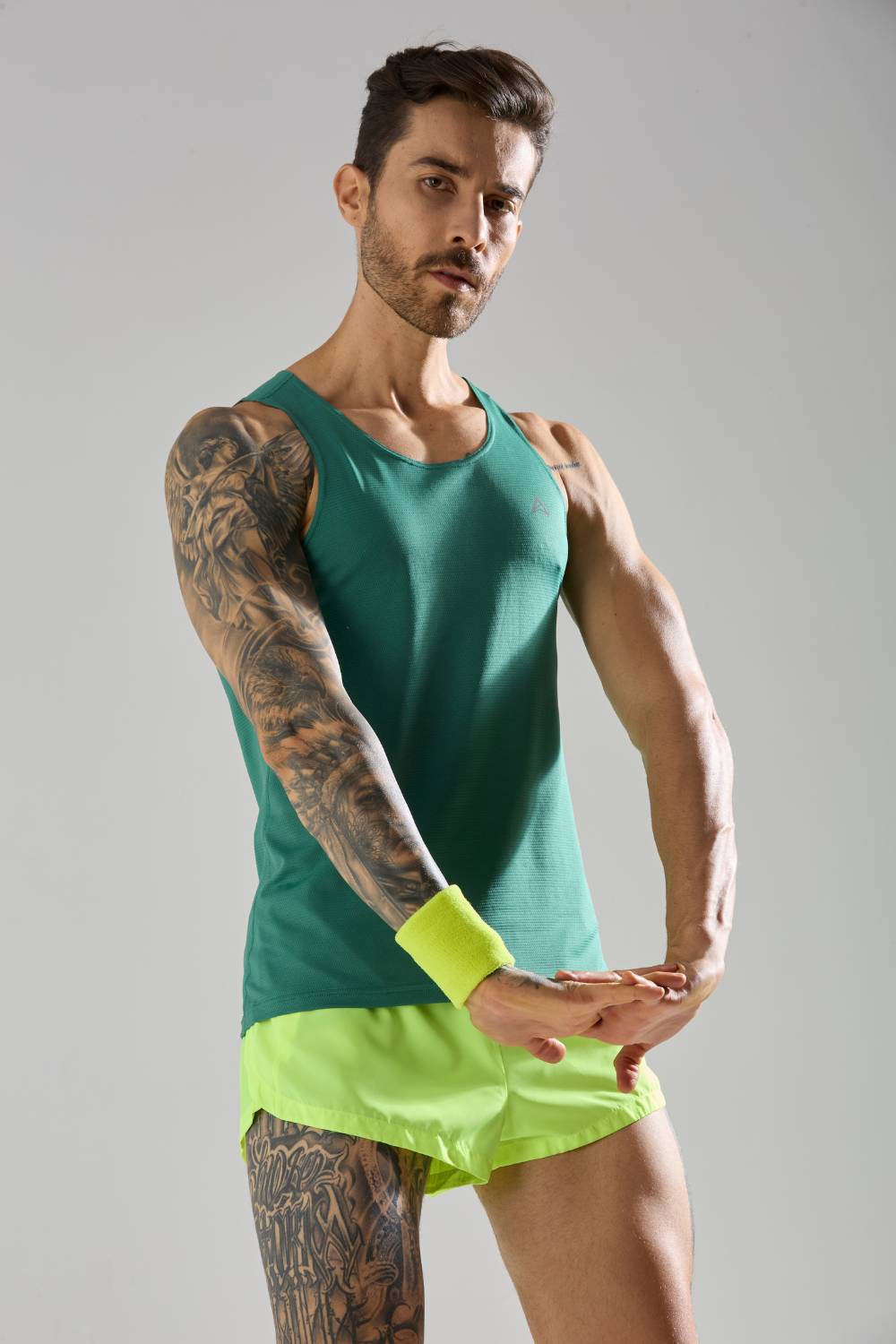
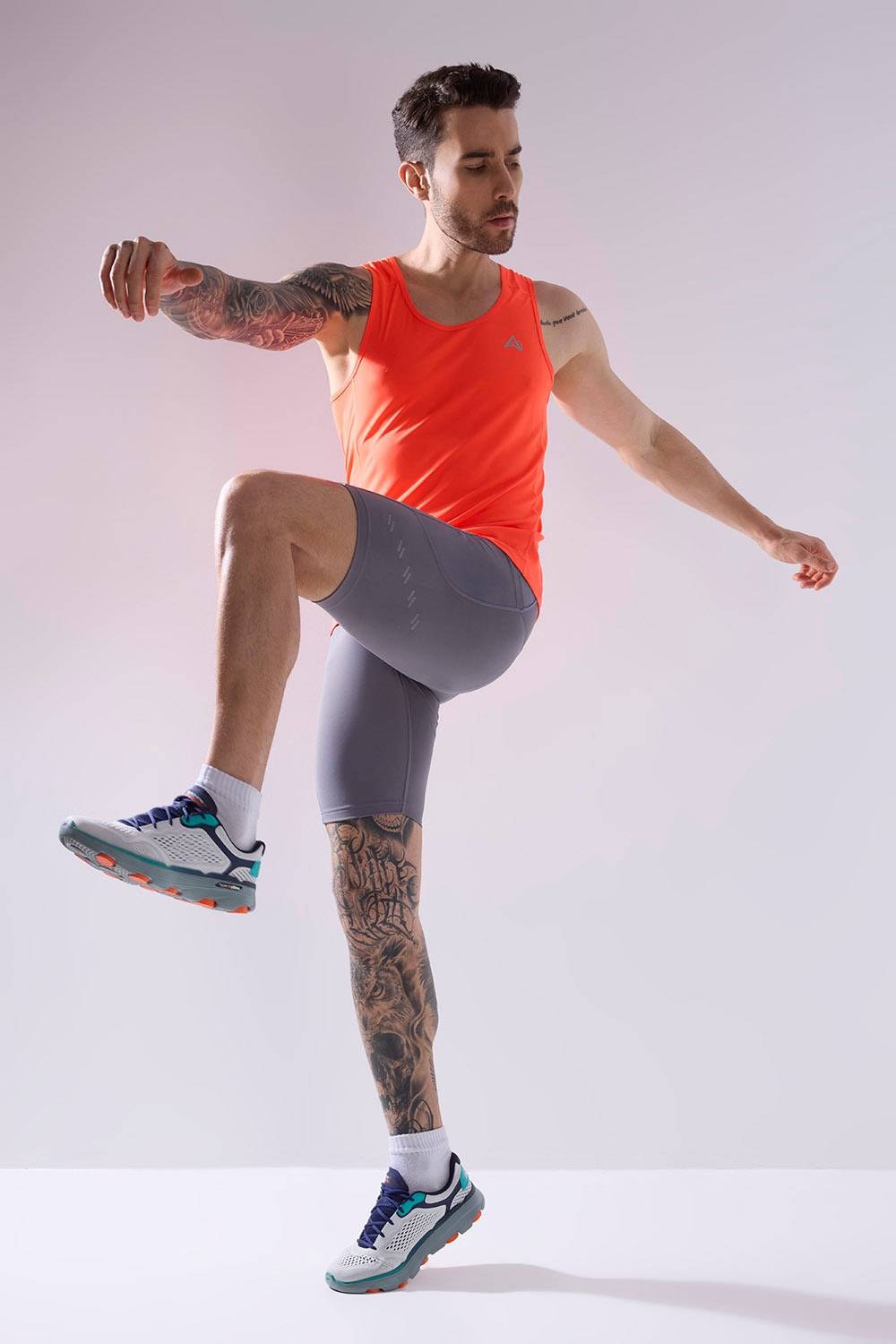
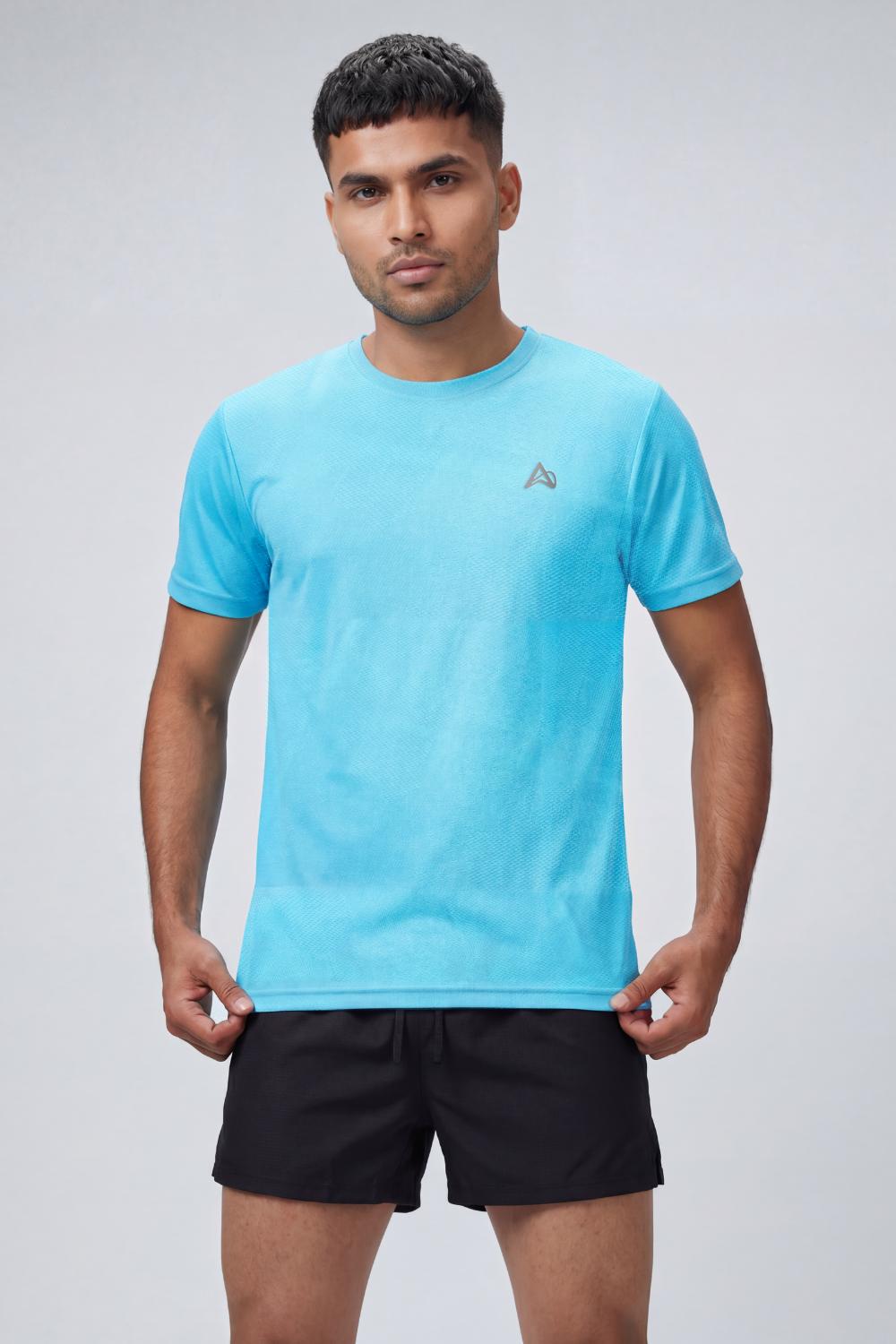
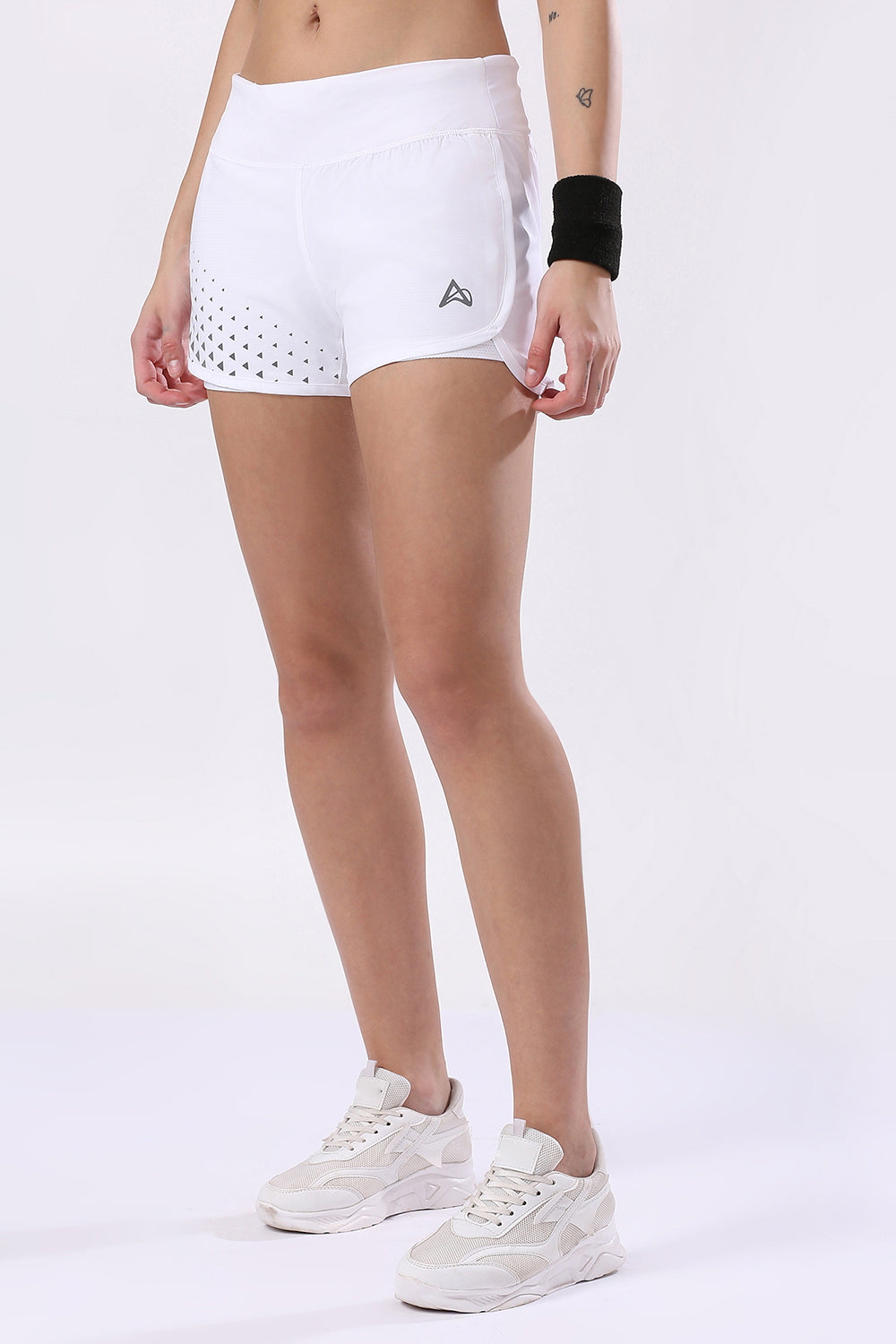
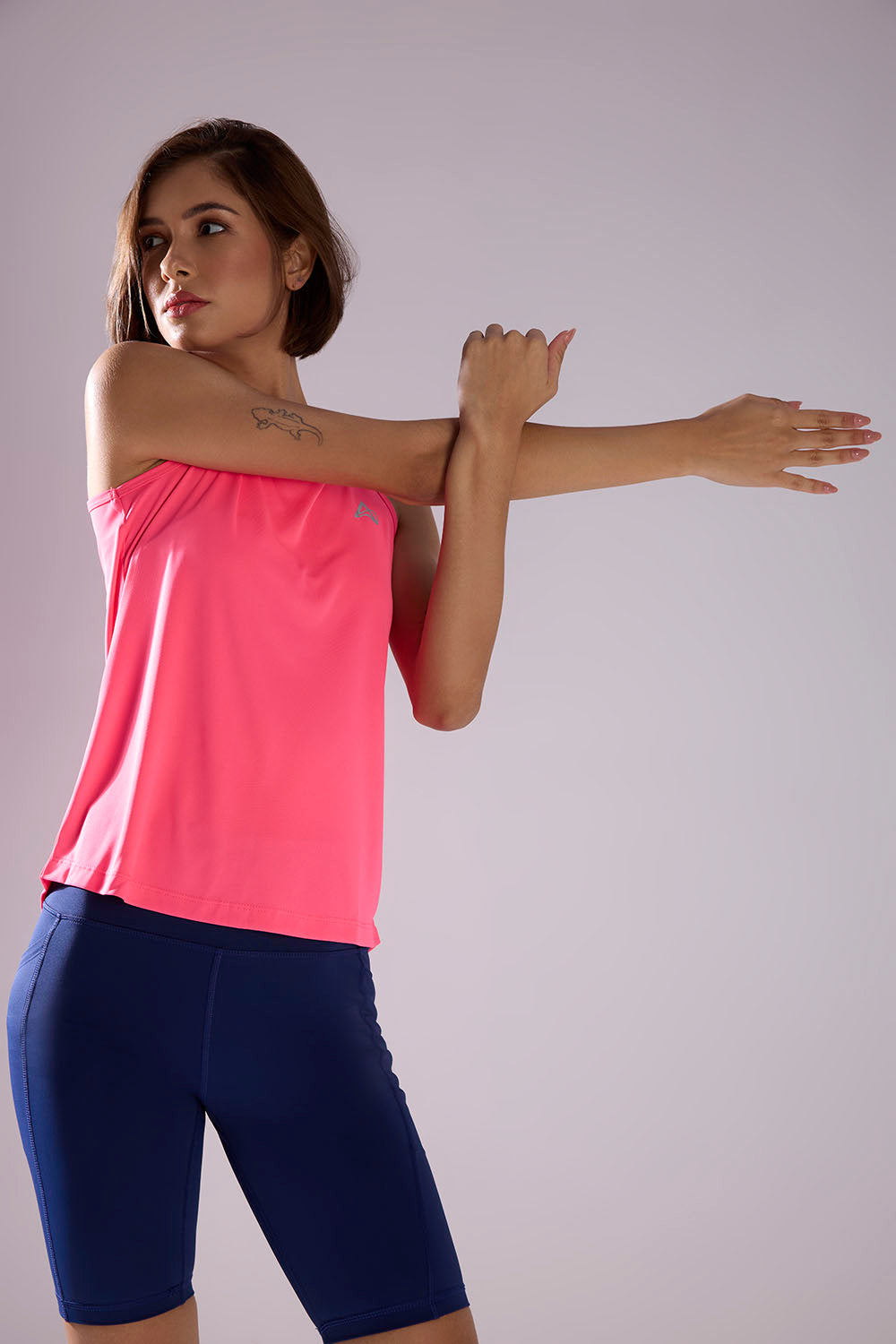
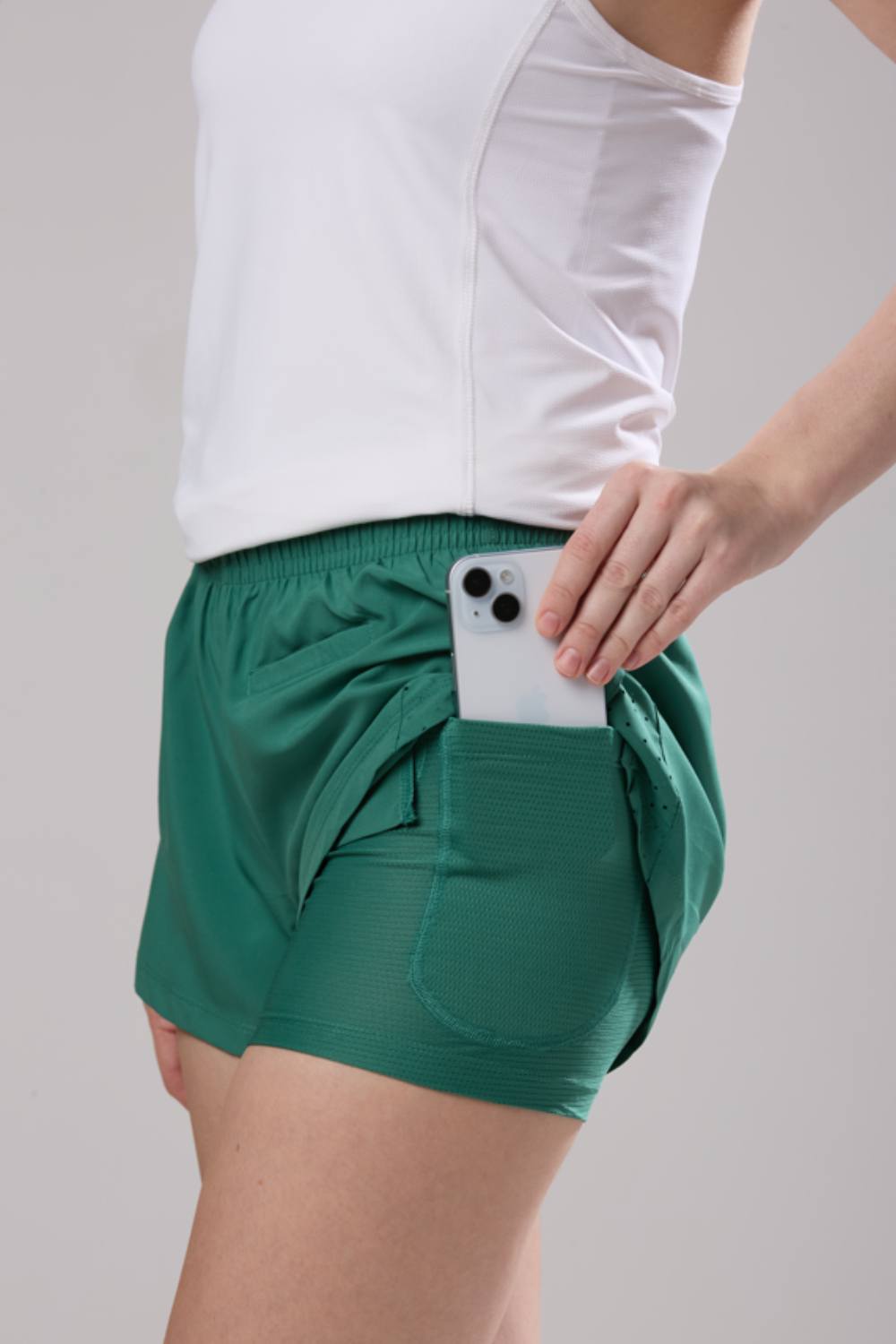
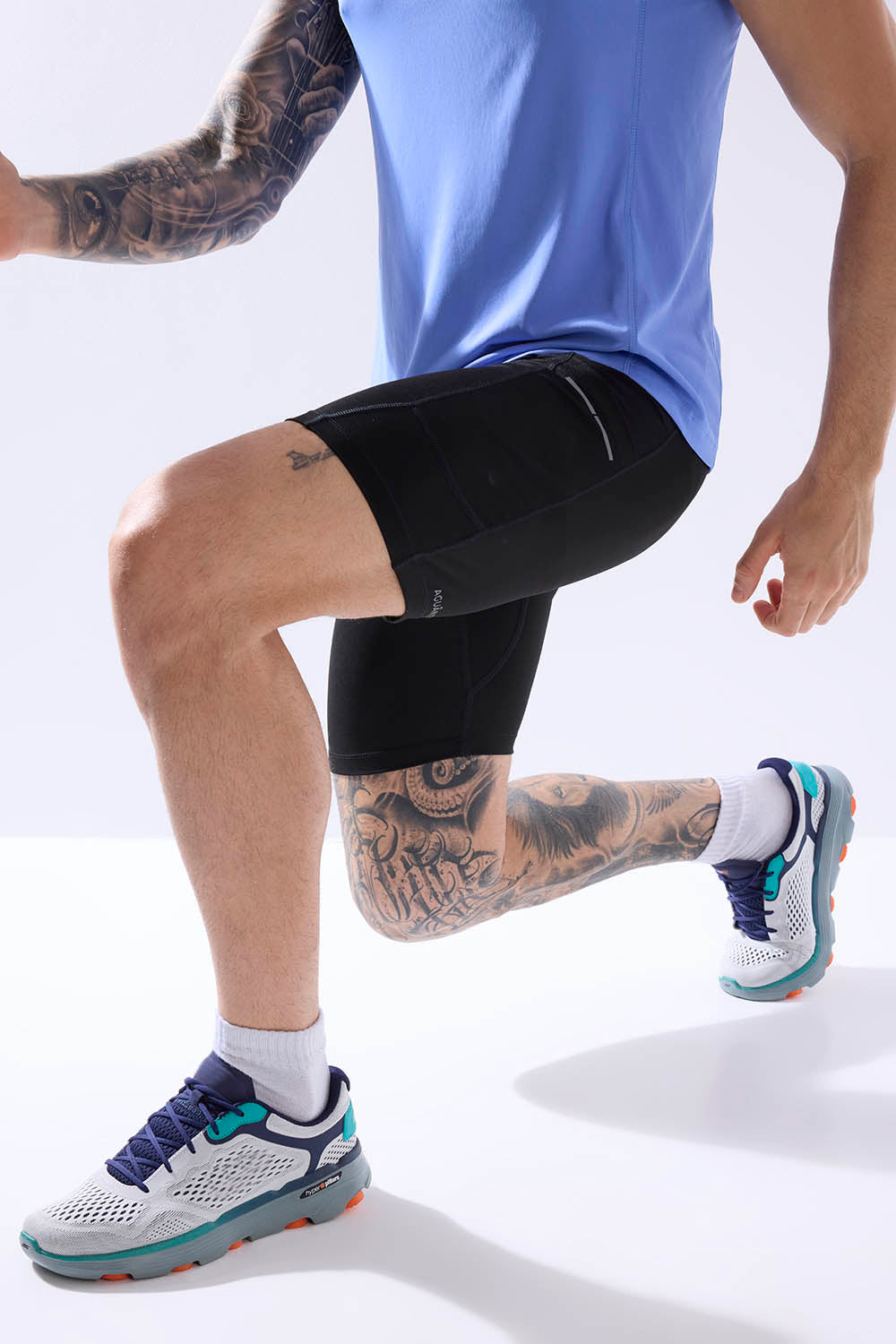
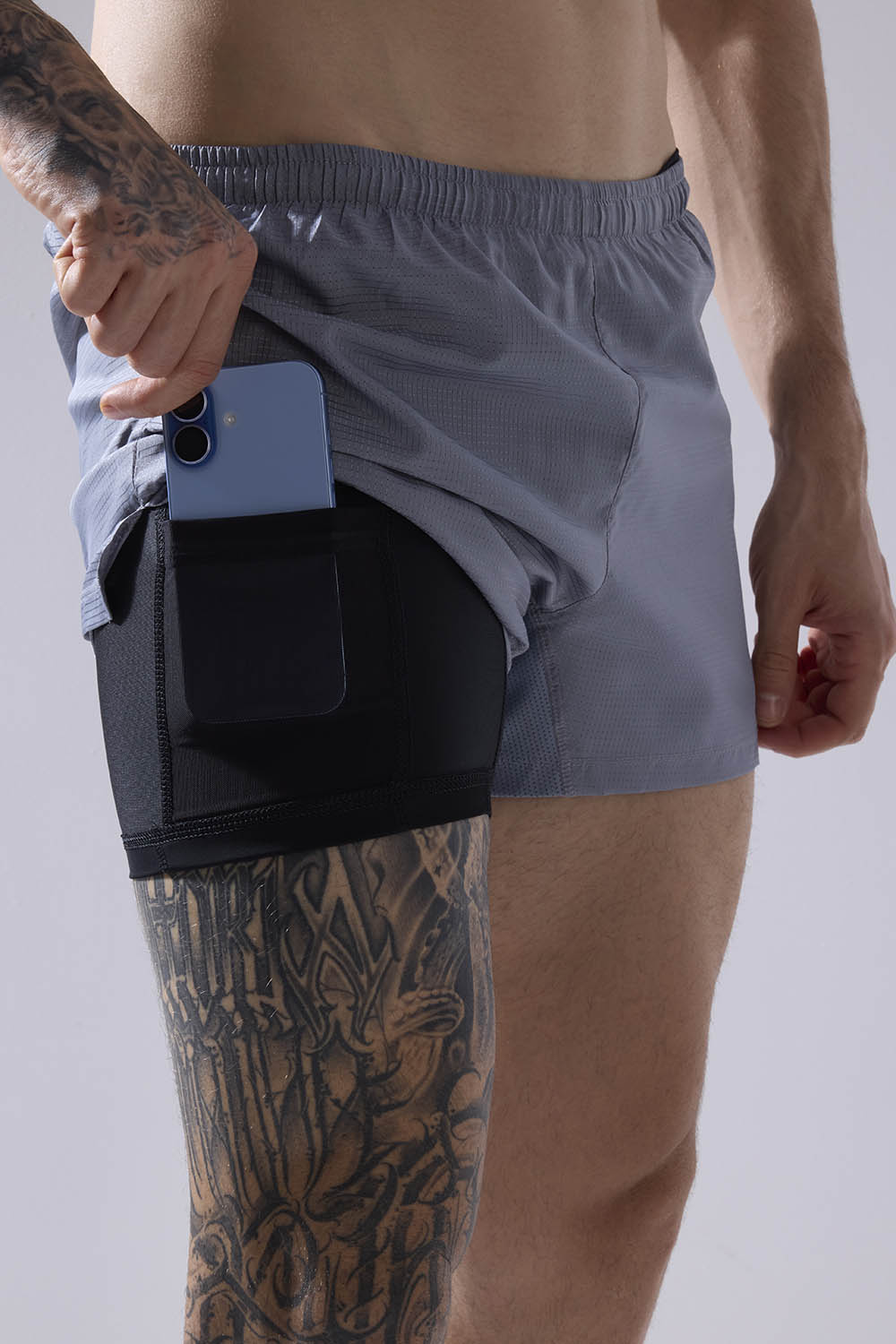
Tired of gear that slows you down? Chafing, soggy fabrics, and missing pockets kill your run's momentum. At Aguante, we're runners who get it. Our high-performance activewear features moisture-wicking fabrics, ergonomic designs, and smart storage to keep you focused. Shop Now!
Homegrown Activewear Gains Traction
India's running scene is on fire. From the sun-soaked beaches of Goa to the sacred lanes of Ayodhya, running events are drawing unprecedented crowds, fueled by a 2.6 million-strong community of runners. The sportswear market in India, valued at $10.2 million in 2024, is set to climb to $16.6 million by 2033, with a compound annual growth rate of 5.1%. This growth is propelled by a surge in fitness enthusiasm, rising disposable incomes, and a growing appetite for activewear that balances style with functionality. Indian brands are stepping up, designing gear tailored to local climates and preferences, challenging the dominance of international giants.
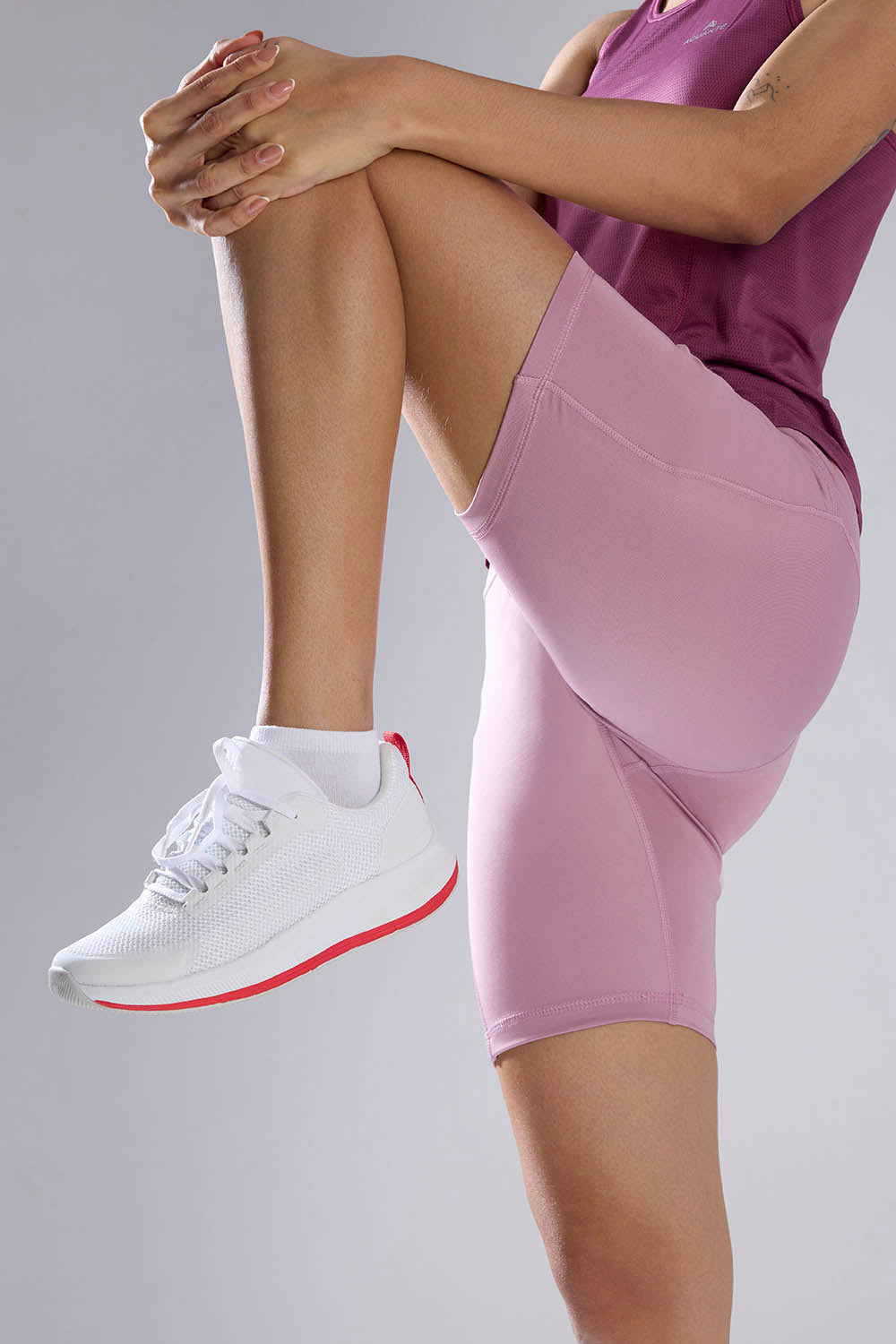
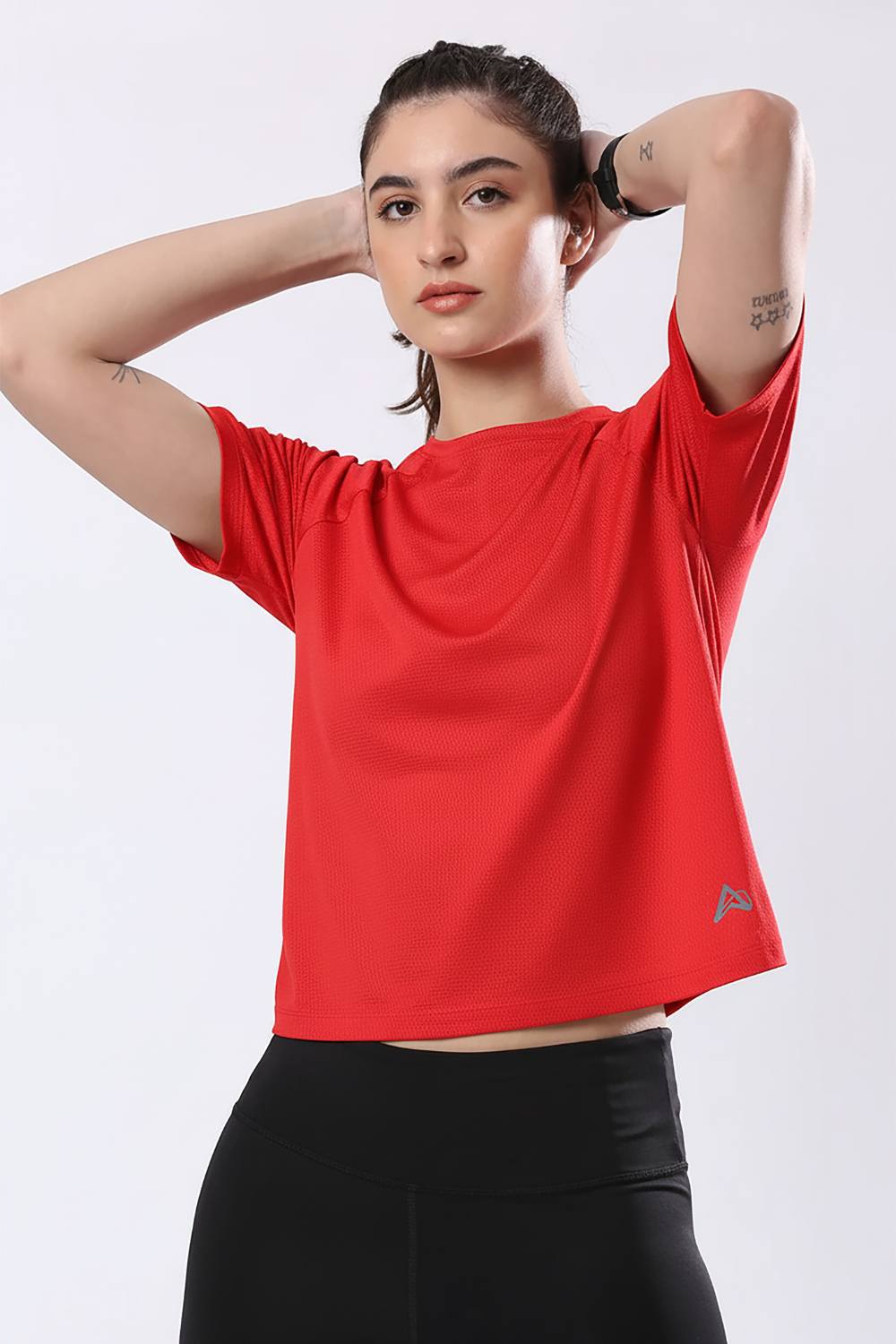
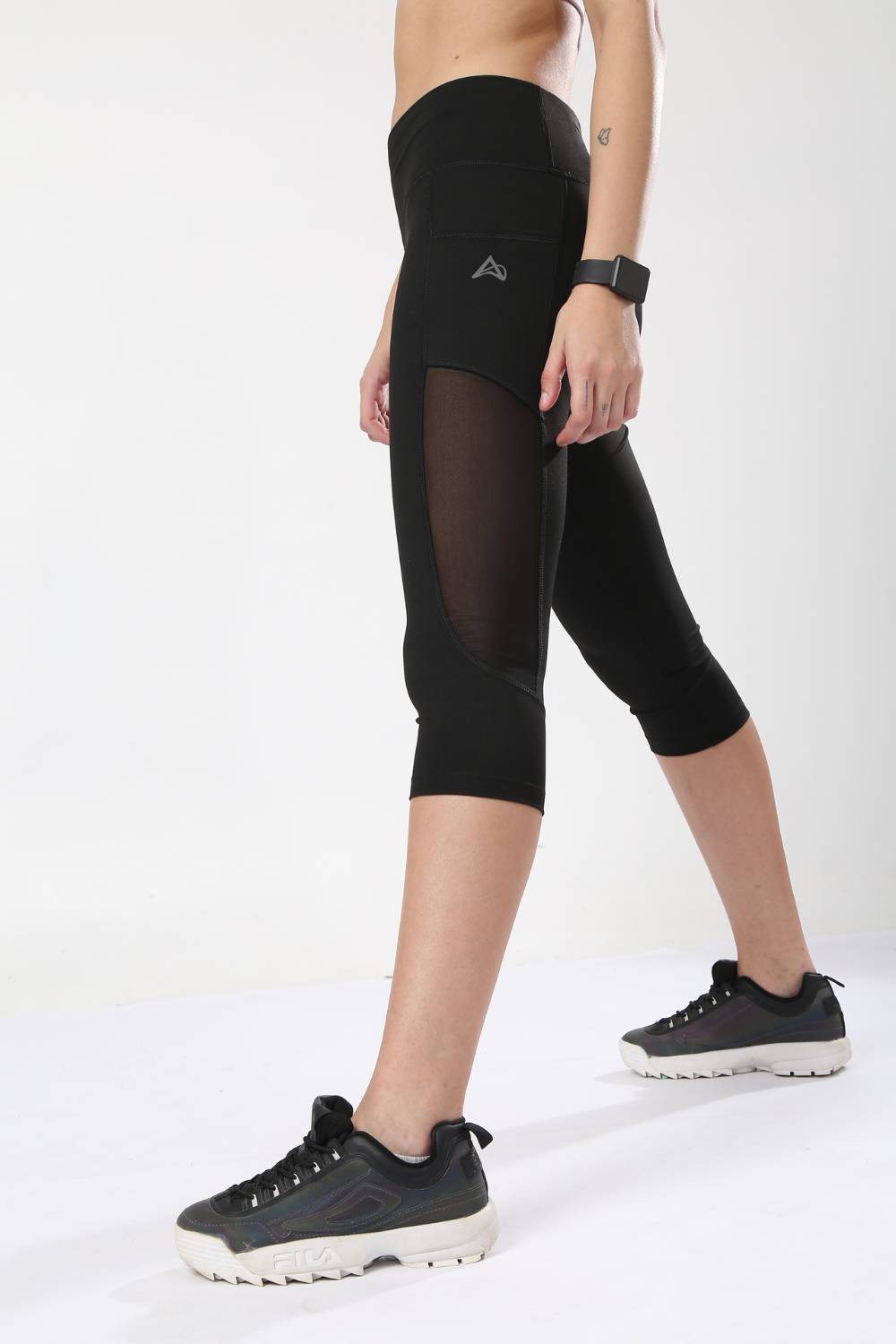
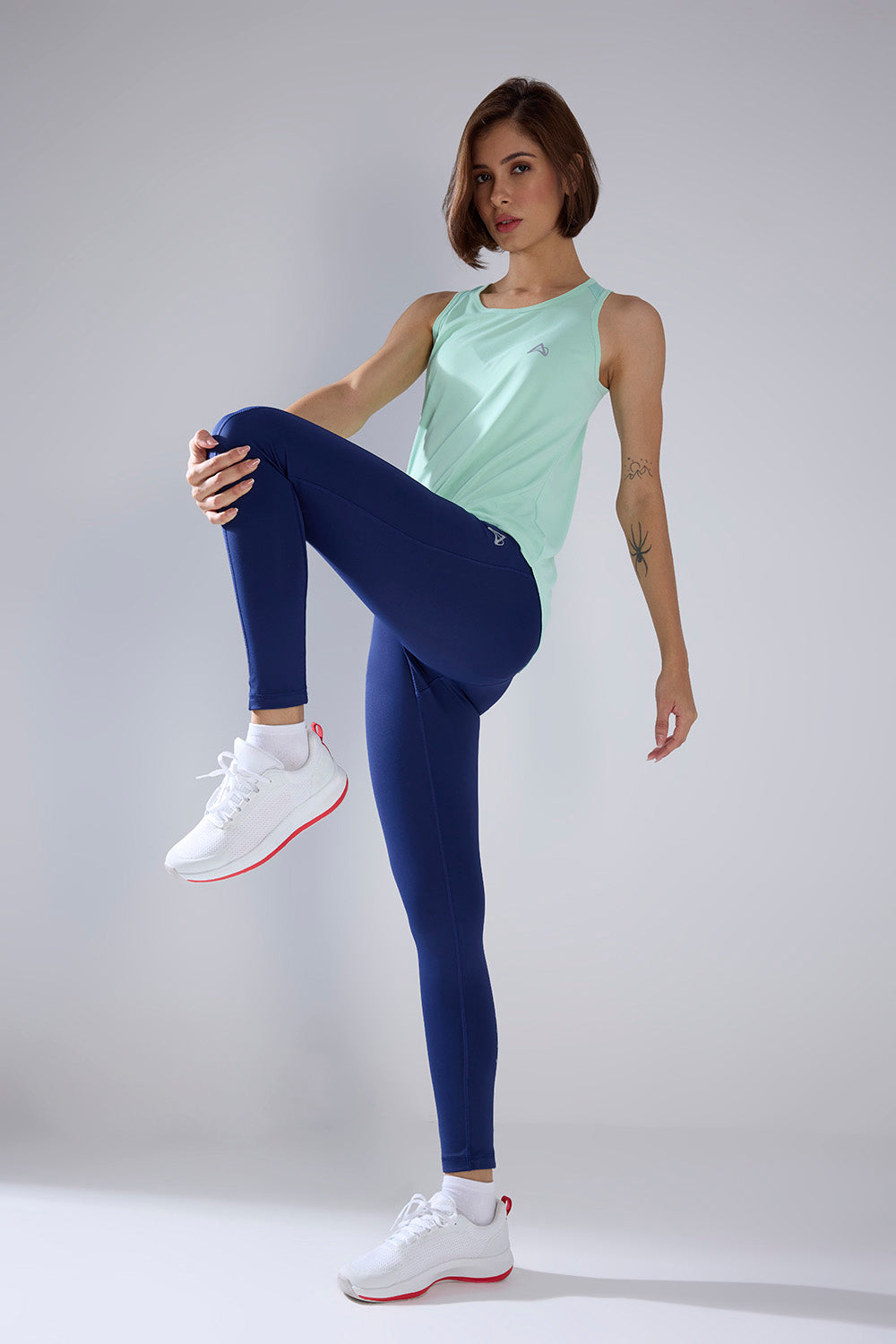
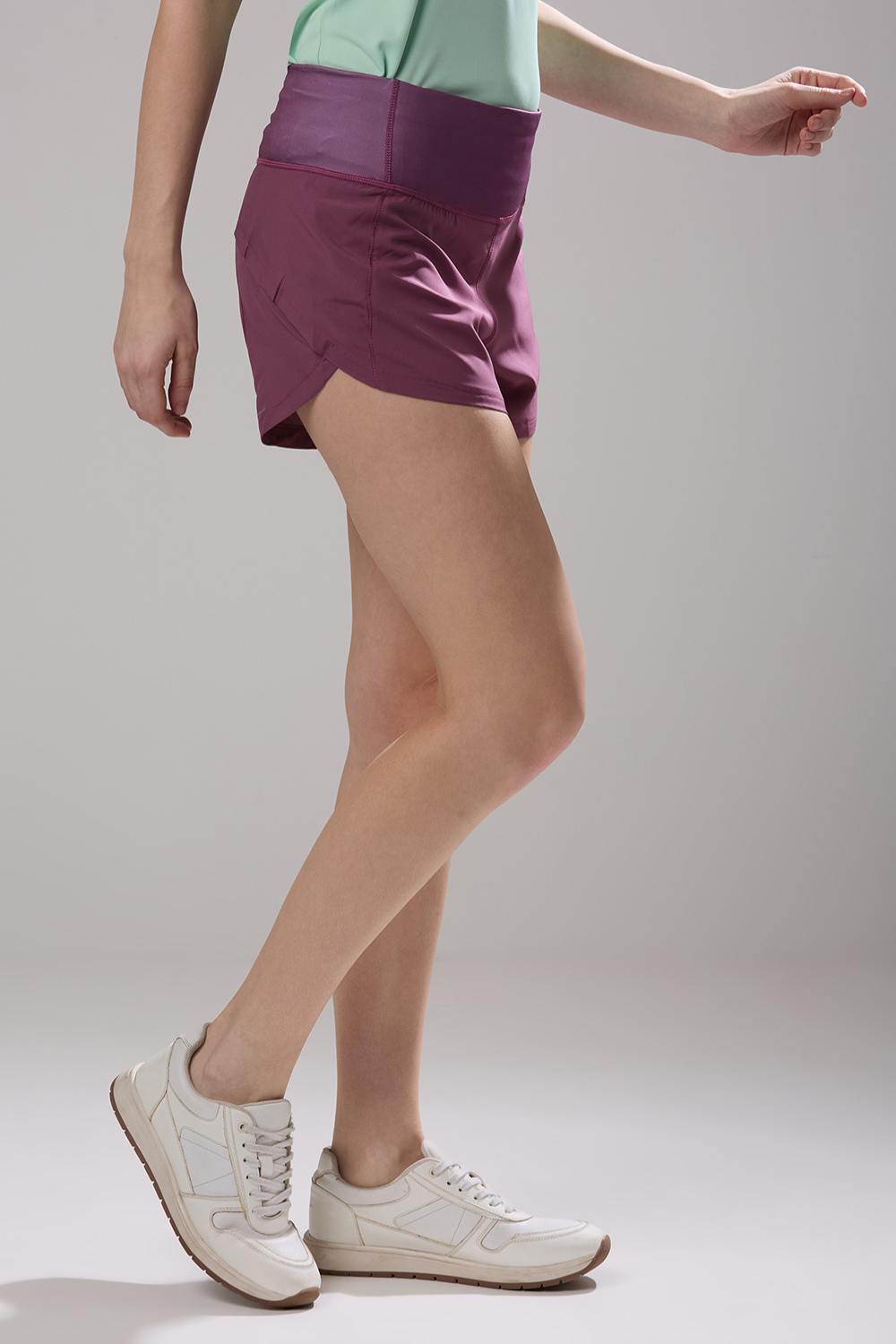
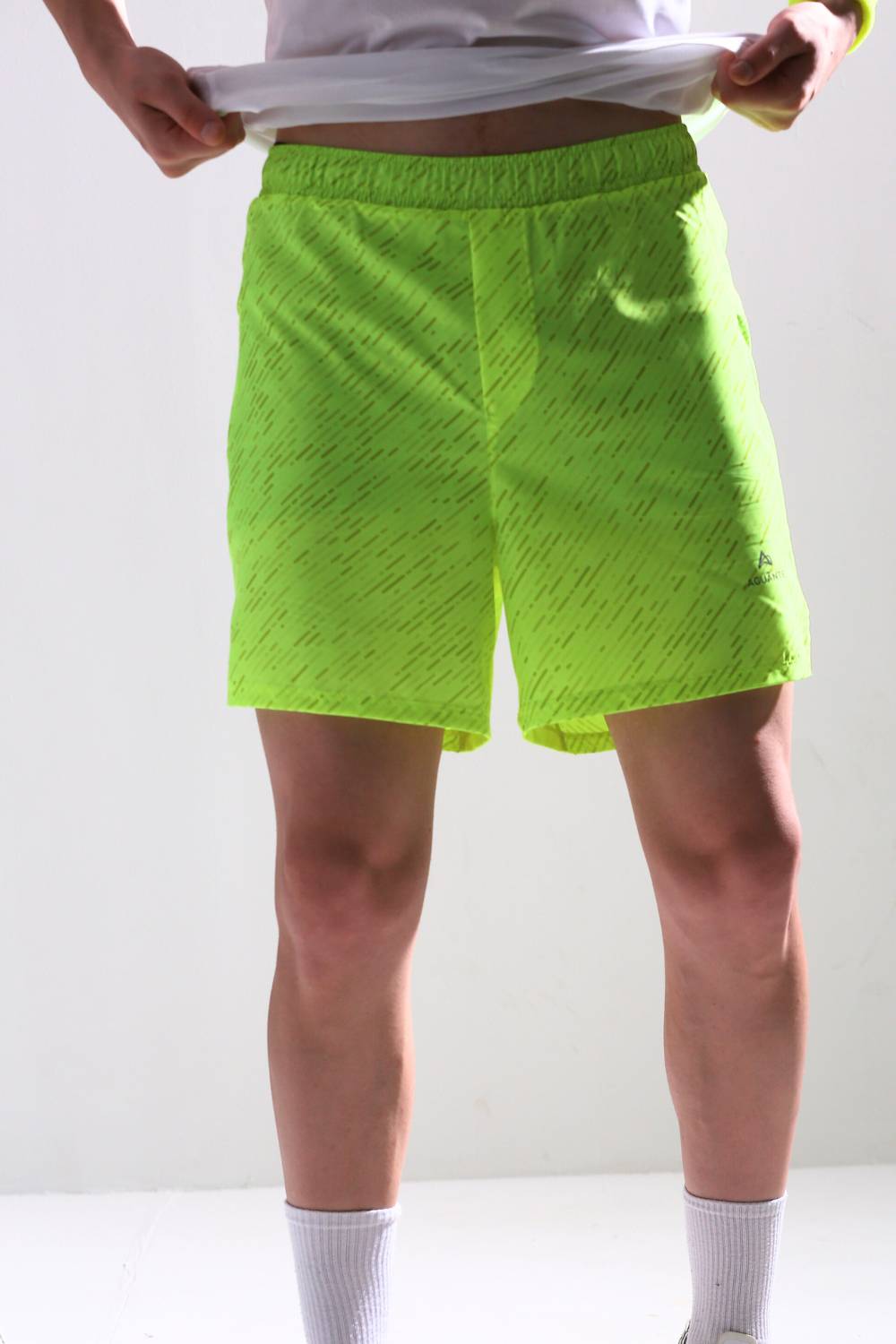
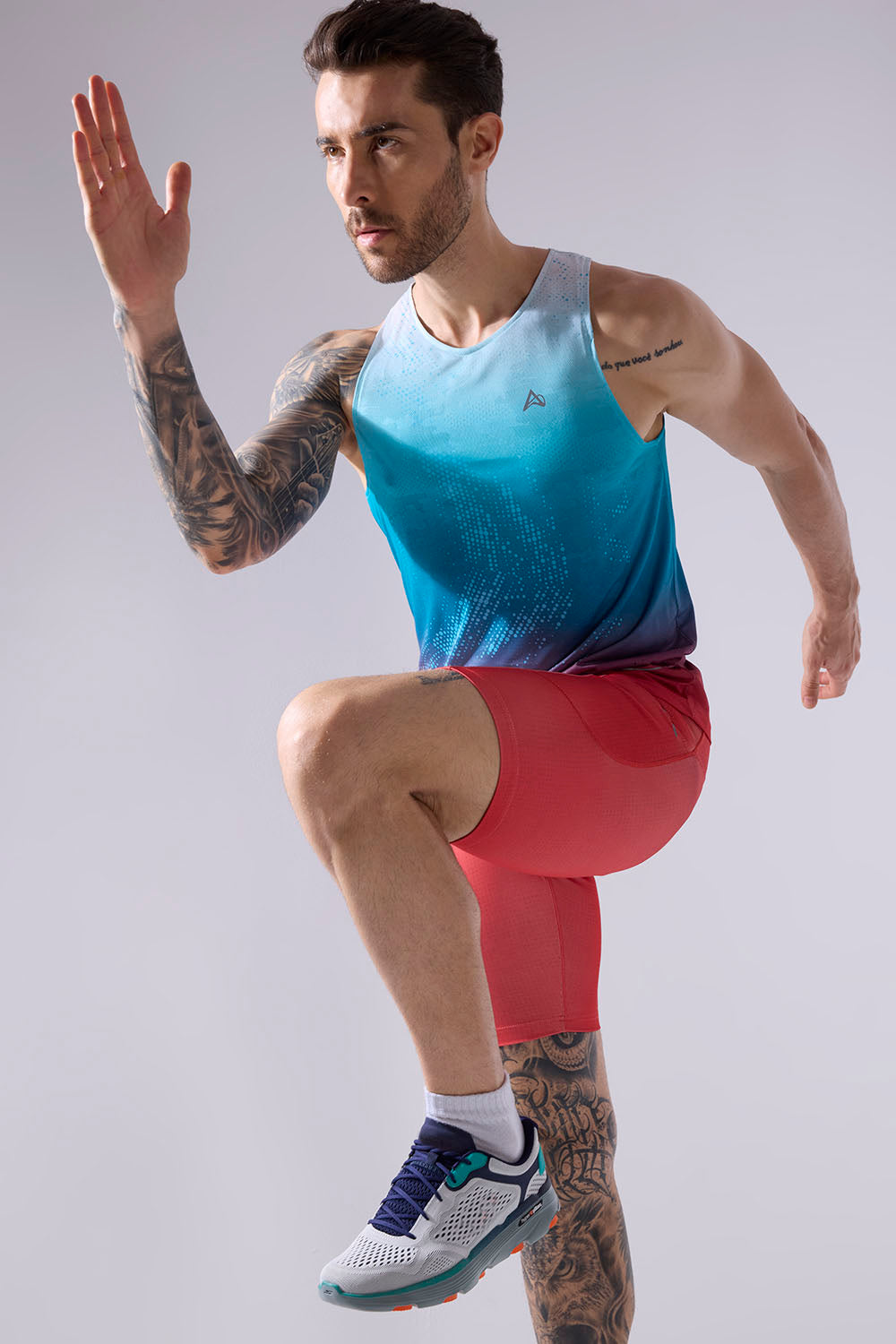
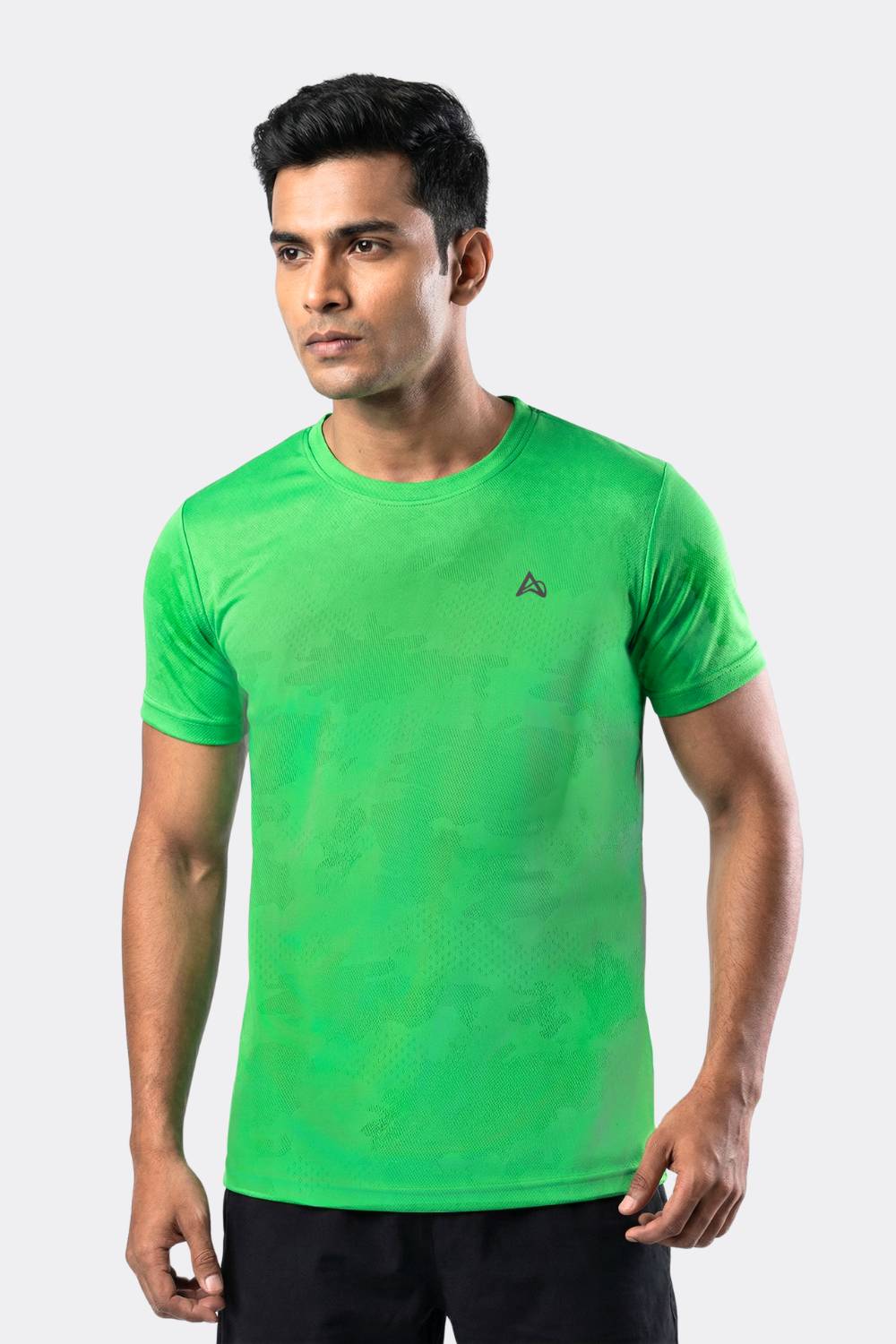
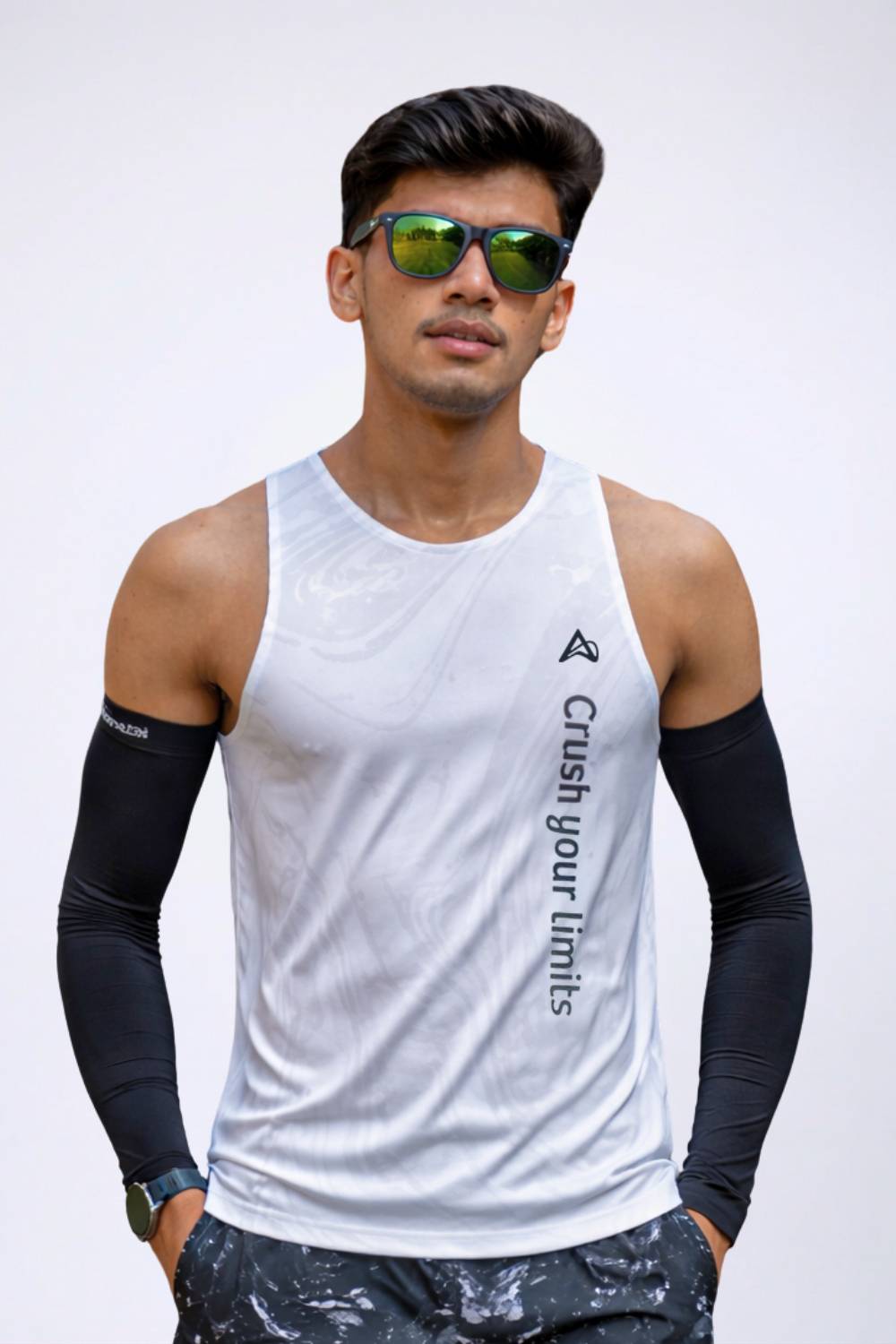
In Bangalore, the TCS World 10K Bengaluru 2025 saw 40,000 runners take to the streets, many sporting outfits from local brands like Aguante. These brands prioritize breathable, climate-specific fabrics that withstand Mumbai's humidity or Delhi's dry heat, offering a fit and feel that imported gear often lacks. For runners in metropolitan hubs like Mumbai, Delhi, and Bangalore, choosing local isn't just practical it's a point of pride, a way to support businesses that understand their needs.
A Market Fueled by Innovation
The data paints a vivid picture. The Indian sports apparel market, worth $705.85 million in 2024, is projected to reach $1,592.58 million by 2030, driven by a robust 14.52% growth rate. Urbanization, a boom in gym memberships, and the proliferation of running events are key drivers. Consumers are flocking to moisture-wicking, flexible apparel that transitions seamlessly from workouts to casual outings, reflecting the athleisure trend's grip on Indian fashion.
Aguante, a Bangalore-based brand, exemplifies this shift. By focusing on fabrics that combat India's diverse climates, Aguante has won over runners who value performance without the hefty price tag of imports. Surveys from fitness hotspots like Mumbai and Gurugram reveal that 60% of runners now opt for Indian brands, citing better fit and affordability. This marks a significant departure from the era when foreign logos were the default choice for serious athletes.
Sustainability is another factor tipping the scales. Eco-conscious runners, particularly younger ones, are drawn to brands that emphasize ethical production. In cities like Pune and Bangalore, manufacturers are adopting recycled materials and sustainable practices, aligning with global environmental trends while keeping costs accessible. This blend of innovation and responsibility is reshaping consumer preferences, making local brands not just a practical choice but a principled one.
Navigating a Competitive Landscape
Despite the momentum, local brands face formidable challenges. Scaling production to meet rising demand is no small feat, with supply chain bottlenecks and high costs posing persistent hurdles. The sports apparel market in India, valued at approximately $706 million, remains overshadowed by global giants with decades of logistical expertise. For every success story like Aguante, there's a Nike or Under Armour poised to defend their market share with deep resources and brand loyalty.
Perception is another obstacle. Some Indian consumers still view imported gear as synonymous with quality, a lingering bias from years of market dominance by foreign brands. In Delhi's running communities, debates simmer over whether local apparel can match the durability of pricier imports. To counter this, brands like Aguante are leaning on rigorous testing, transparent customer feedback, and endorsements from local athletes, gradually building trust and credibility.
Market saturation looms as a further risk. With t-shirts and tops leading as the fastest-growing segment generating $253 million in 2022 and expected to reach $399.5 million by 2030, according to Grand View Research the influx of new players could dilute the market. To stand out, brands must innovate relentlessly, offering unique designs, climate-adaptive materials, and competitive pricing to capture the attention of discerning runners.
Seizing Economic Opportunities
Yet, the potential rewards are vast. The rise of local activewear is a lifeline for India's textile industry, which supports millions of livelihoods. Investments in cutting-edge technologies, such as advanced weaving for sweat-wicking fabrics, could revolutionize the sector while keeping production costs manageable. By choosing homegrown brands, runners in cities like Kolkata and Chennai are indirectly fueling job creation and strengthening domestic supply chains, reducing India's reliance on imported goods.
E-commerce is proving to be a game-changer. Platforms like Amazon India and Flipkart are amplifying the reach of local brands, connecting them with runners in both major cities and smaller markets like Lucknow or Coimbatore. This digital infrastructure allows brands to bypass traditional retail constraints, offering a direct line to consumers and leveling the playing field against international competitors. For a runner in a tier-2 city, ordering Aguante's latest collection is now as easy as a few clicks.
The economic ripple effects are profound. As the sportswear market grows, it's not just about clothing but about fostering a self-reliant ecosystem. Government initiatives promoting sports, coupled with rising disposable incomes, are creating fertile ground for local brands to thrive. The result is a market that's not only meeting consumer demand but also driving broader economic progress.
A New Era for Indian Runners
As dusk falls over running events in Shimla's rugged hills or Kolkata's storied streets, the sight of runners in locally made gear carries a deeper significance. It's a symbol of India's evolving identity confident, innovative, and unapologetically itself. The activewear market is no longer content to follow global trends; it's forging a distinct path, rooted in a nuanced understanding of what Indian runners need. Industry analysts predict a bright future, with brands that prioritize sustainability and technology poised to dominate.
For the 2.6 million runners lacing up across India, the choice is increasingly clear: homegrown activewear offers not just performance but a sense of ownership in a movement. It's about supporting brands that reflect local values while delivering world-class quality. The next time you prepare for a run, whether along Mumbai's bustling promenade or Bangalore's tree-lined trails, consider reaching for gear crafted in India. It's more than apparel it's a stake in a future where Indian runners, and the brands they wear, lead the pack.
Frequently Asked Questions
Why are Indian runners choosing local activewear brands over Nike and Adidas?
Indian runners are increasingly opting for homegrown activewear brands because they offer climate-specific fabrics designed for India's diverse weather conditions, better affordability, and superior fit tailored to local body types. Surveys show that 60% of runners in cities like Mumbai and Gurugram now prefer Indian brands, citing performance benefits and the appeal of supporting local businesses that understand their unique needs.
How fast is India's sportswear and activewear market growing?
India's sportswear market is experiencing remarkable growth, valued at $10.2 million in 2024 and projected to reach $16.6 million by 2033 with a 5.1% annual growth rate. The sports apparel segment specifically is even more dynamic, valued at $705.85 million in 2024 and expected to surge to $1,592.58 million by 2030, driven by rising fitness enthusiasm, urbanization, and the popularity of running events across the country.
What makes Indian activewear brands like Aguante competitive with international brands?
Indian brands like Aguante compete effectively by focusing on innovation in climate-adaptive fabrics that handle India's humidity and heat, offering more affordable pricing without compromising quality, and embracing sustainability through eco-friendly materials and ethical production. They leverage e-commerce platforms like Amazon India and Flipkart to reach runners nationwide, while building trust through rigorous testing, transparent customer feedback, and endorsements from local athletes.
Disclaimer: The above helpful resources content contains personal opinions and experiences. The information provided is for general knowledge and does not constitute professional advice.
You may also be interested in: How Indian Runners Benefit From Moisture-Wicking Tops
Tired of gear that slows you down? Chafing, soggy fabrics, and missing pockets kill your run's momentum. At Aguante, we're runners who get it. Our high-performance activewear features moisture-wicking fabrics, ergonomic designs, and smart storage to keep you focused. Shop Now!
Powered by flareAI.co