



Quick Listen:
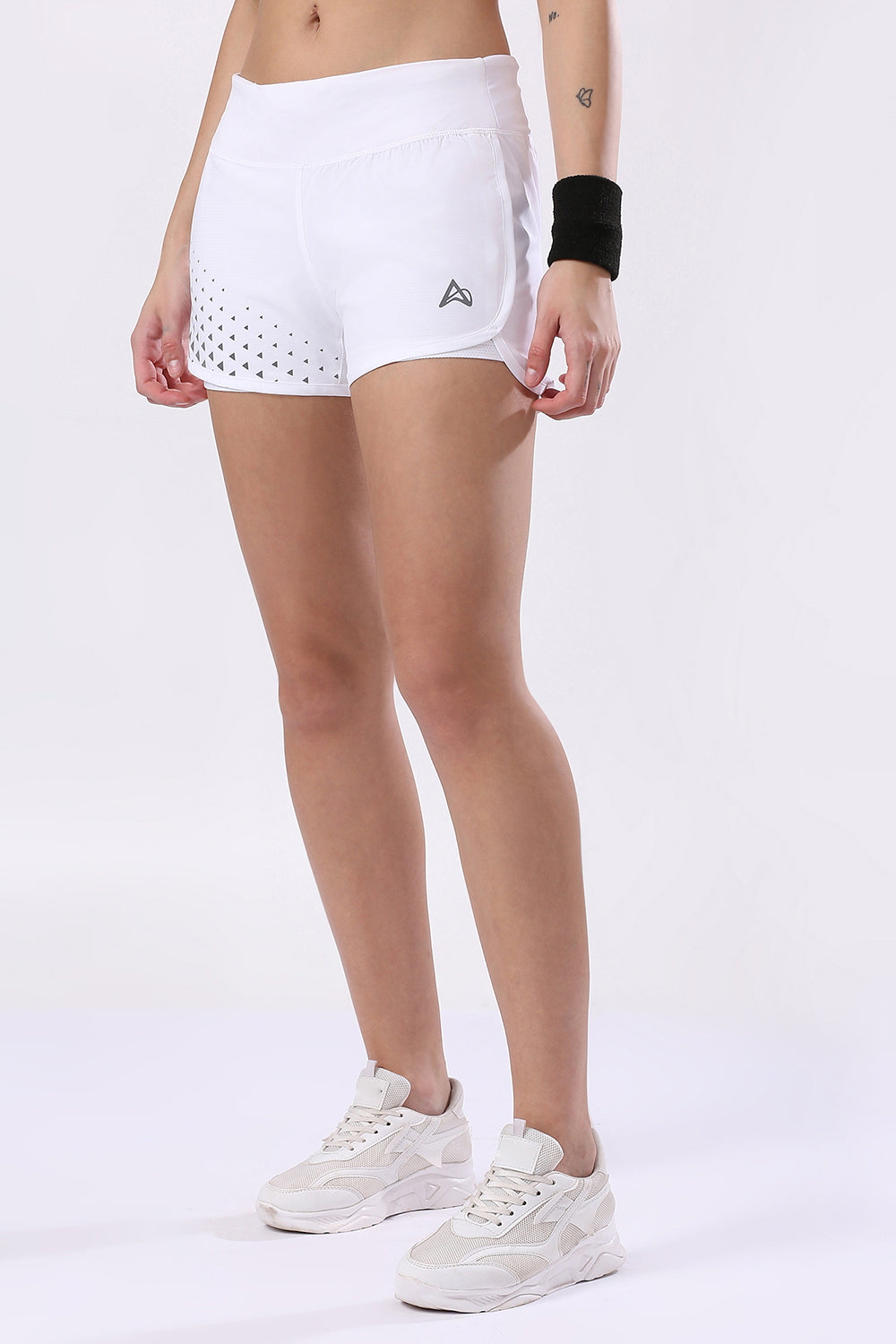
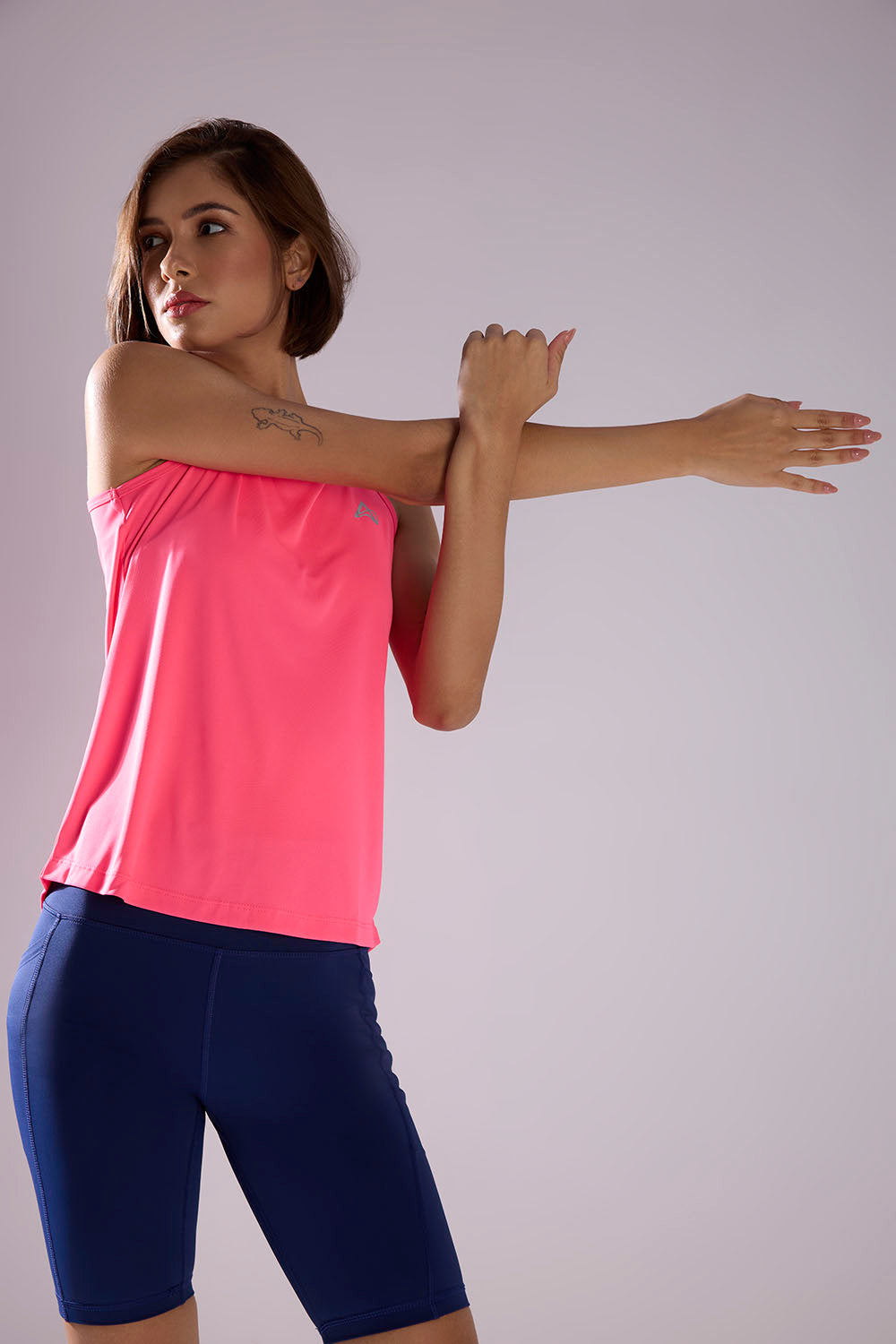
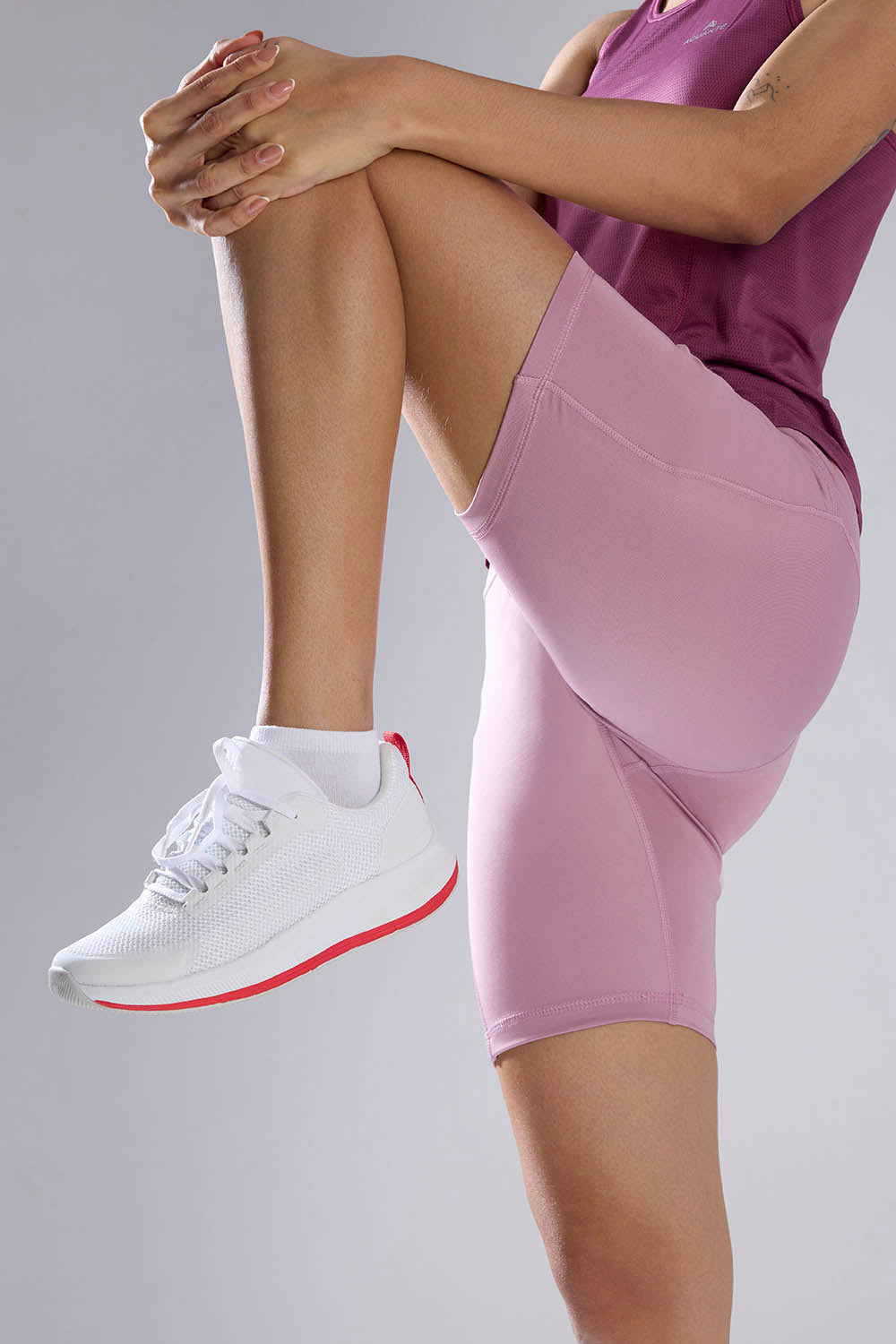
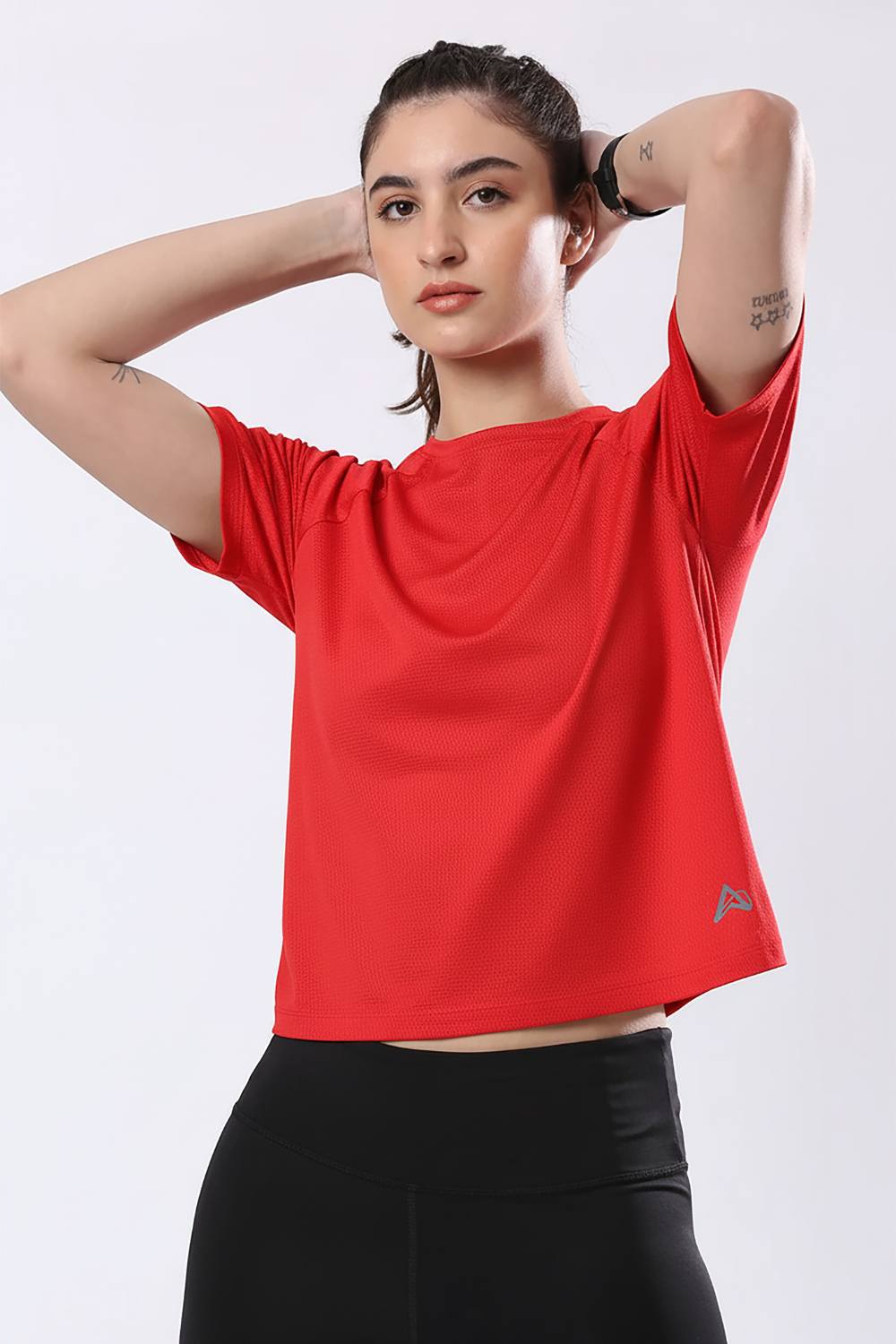
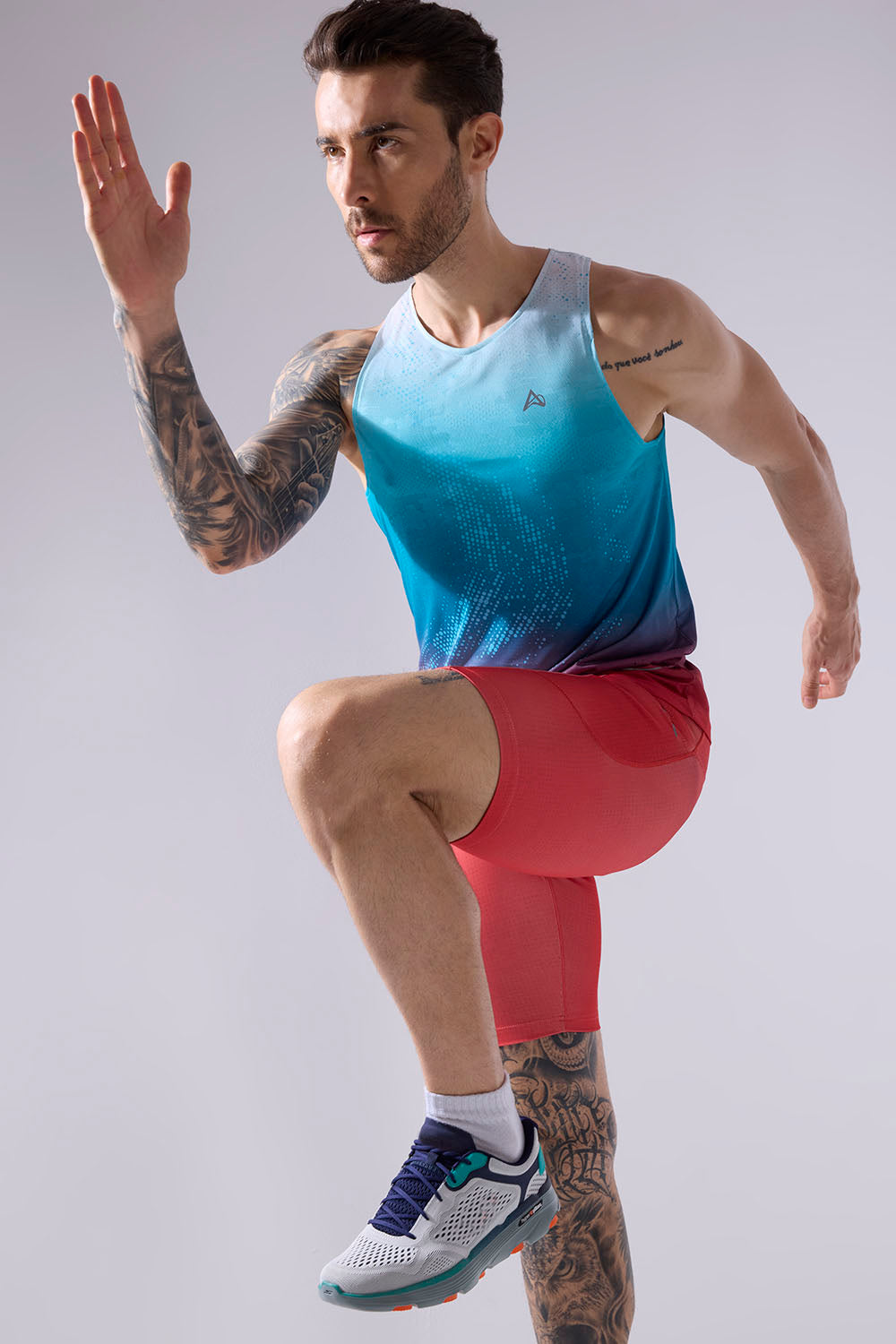
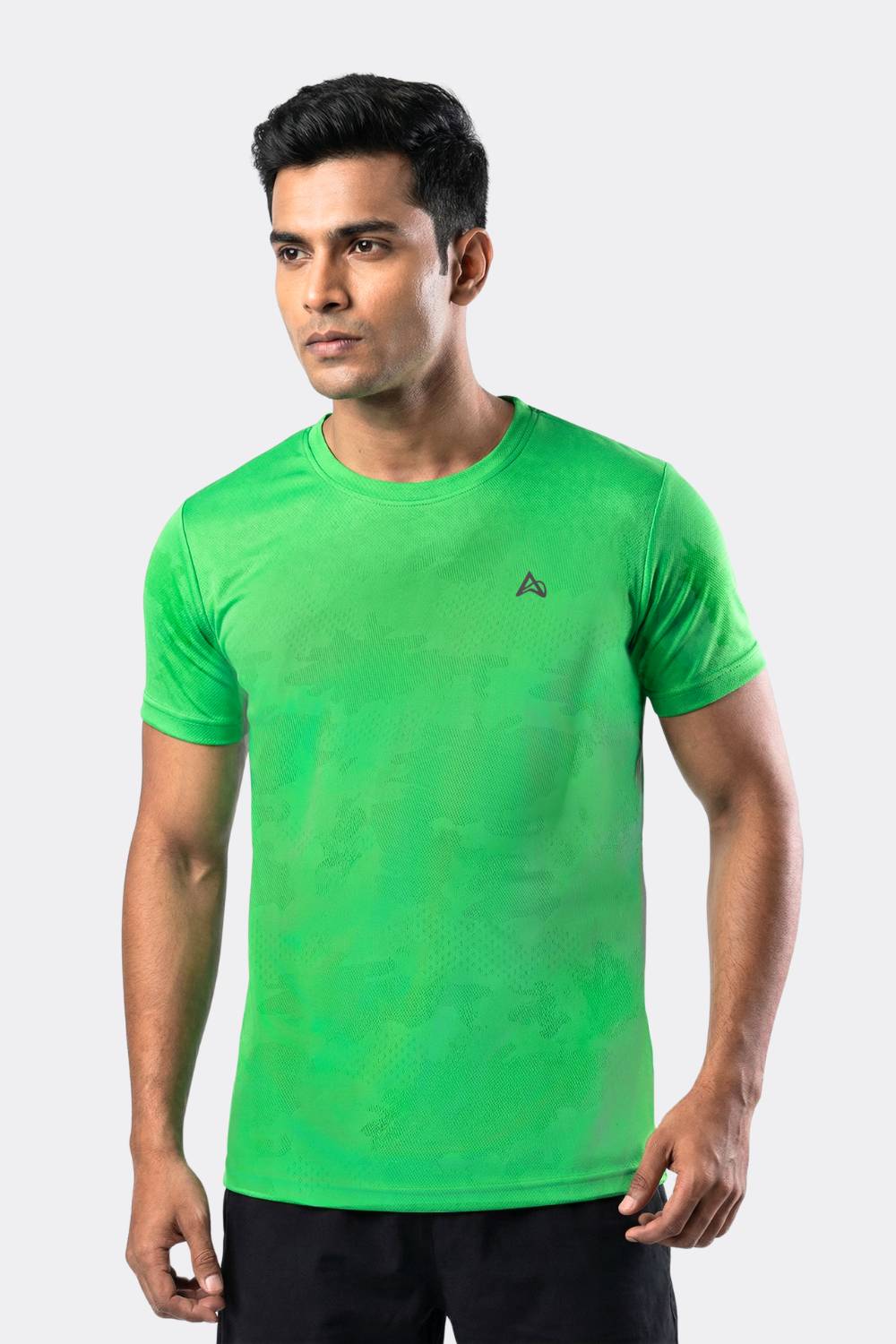
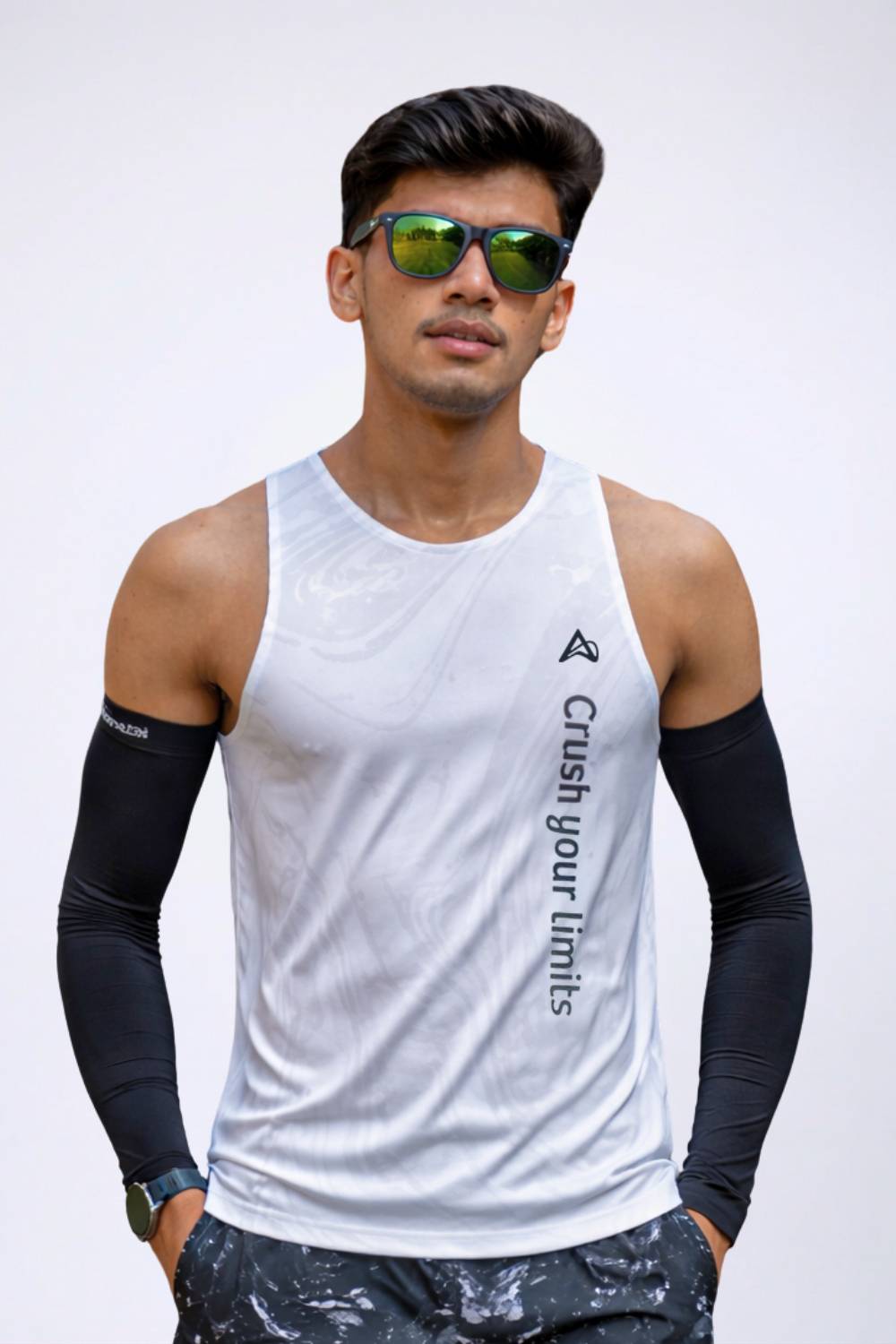
The streets of Bangalore come alive before dawn with joggers clad in breathable, high-performance leggings and tops that wick away the morning humidity. In Mumbai, gym enthusiasts navigate crowded streets in versatile hoodies that shift effortlessly from workout to casual outings. Hyderabad and Pune pulse with packed fitness studios, where activewear has evolved beyond mere exercise gear into an essential element of modern Indian life. A profound transformation is underway across the country: Indian brands are not just participating in the activewear arena they are spearheading a value-driven segment that masterfully balances affordability, quality, and contemporary style.
This momentum underscores why Indian brands are asserting leadership in the value-driven activewear market. With rising health awareness and the athleisure phenomenon erasing boundaries between gym sessions and daily routines, homegrown labels provide functional, stylish pieces at accessible price points. These offerings resonate deeply with a diverse consumer base, spanning urban professionals in metros to aspirational buyers in tier-2 and tier-3 cities.
Recent industry insights highlight the broader apparel landscape fueling this growth. The global apparel market is projected to expand from USD 1.40 trillion in 2025 to USD 1.64 trillion by 2030, advancing at a CAGR of 3.16%, as reported by Mordor Intelligence. This recovery in discretionary spending, coupled with digital adoption and a preference for comfort-oriented clothing, creates fertile ground for India's activewear niche. Younger consumers, in particular, gravitate toward brands that merge fashionable designs with verifiable sustainability practices, amplifying demand for thoughtful, value-focused products.
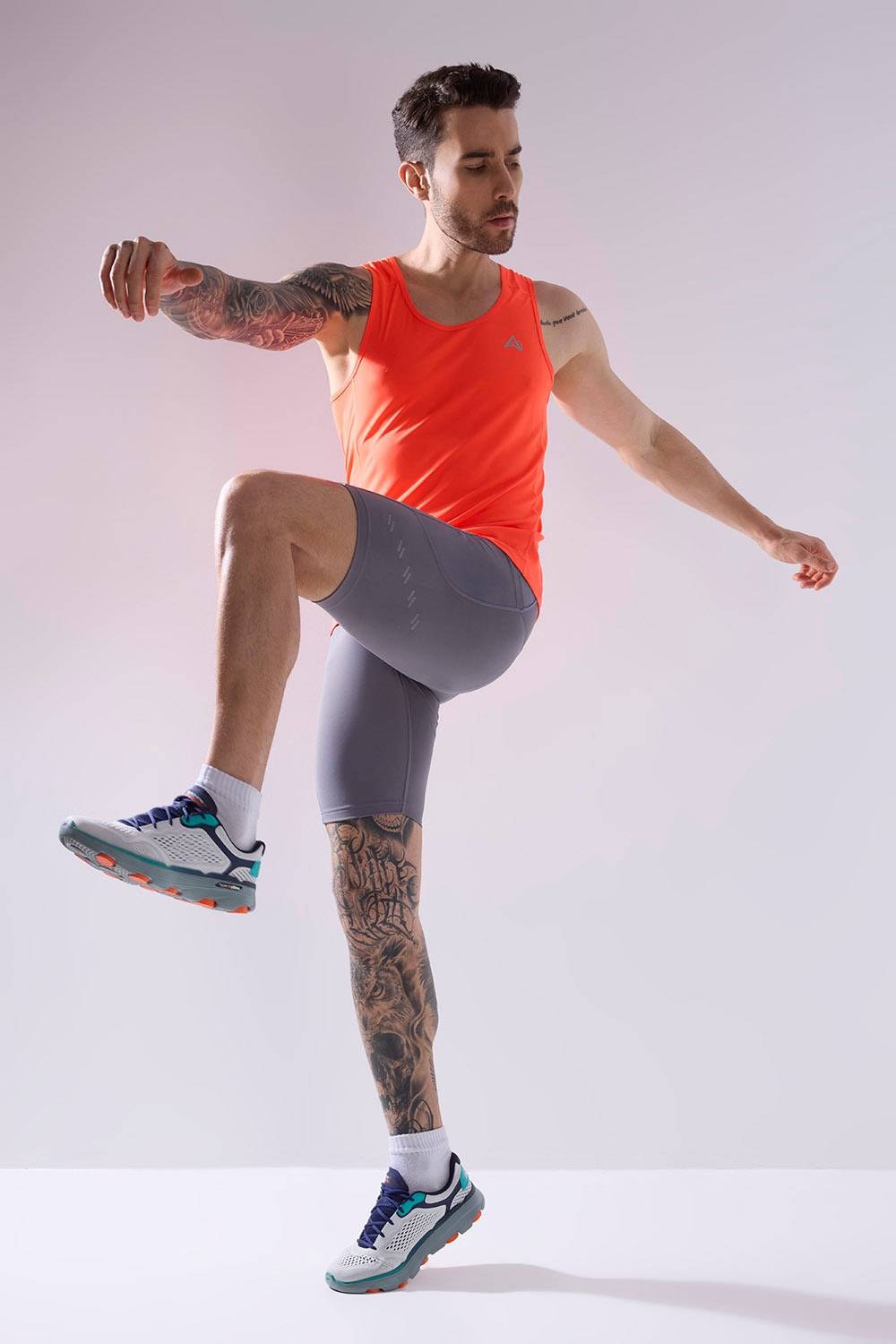
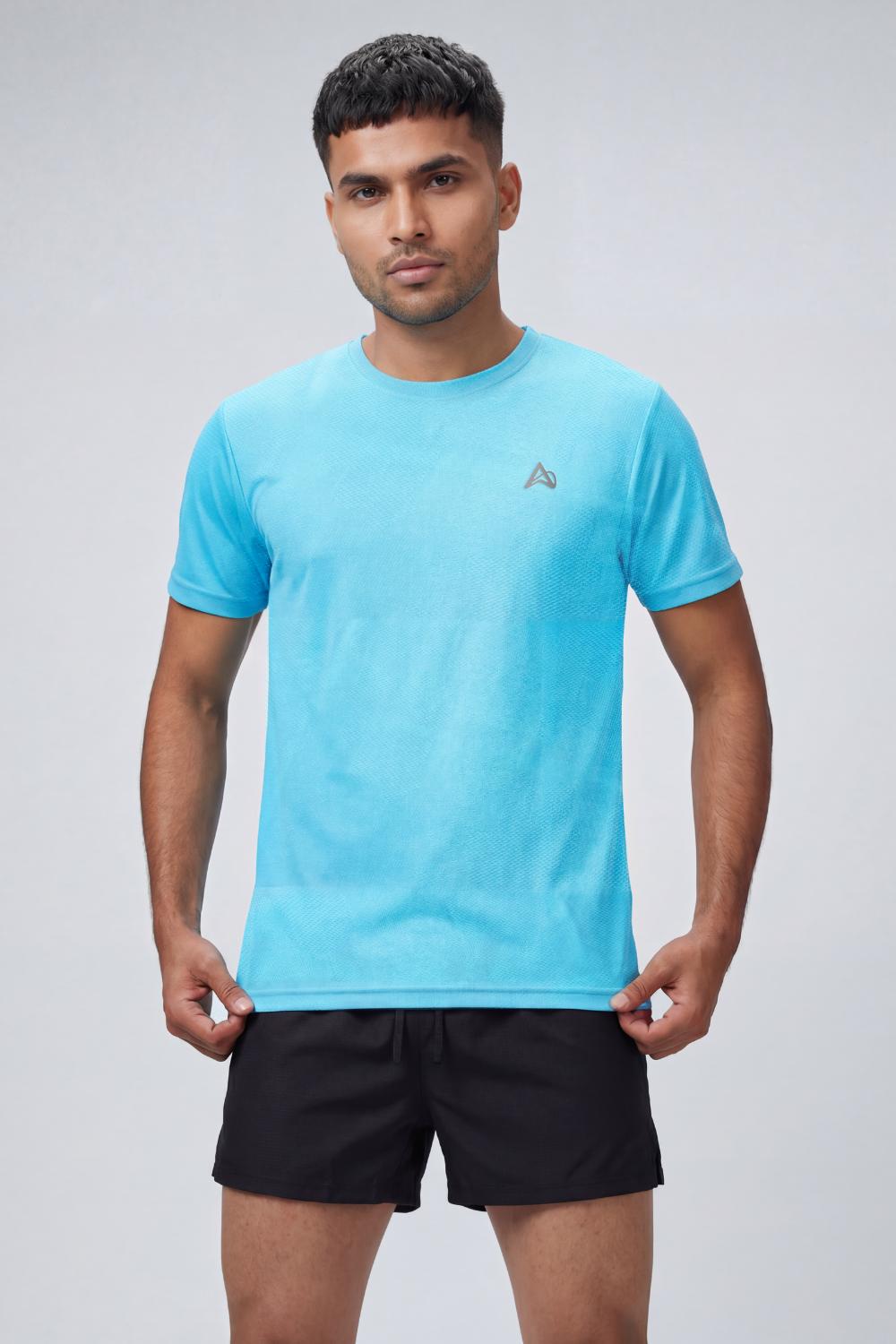
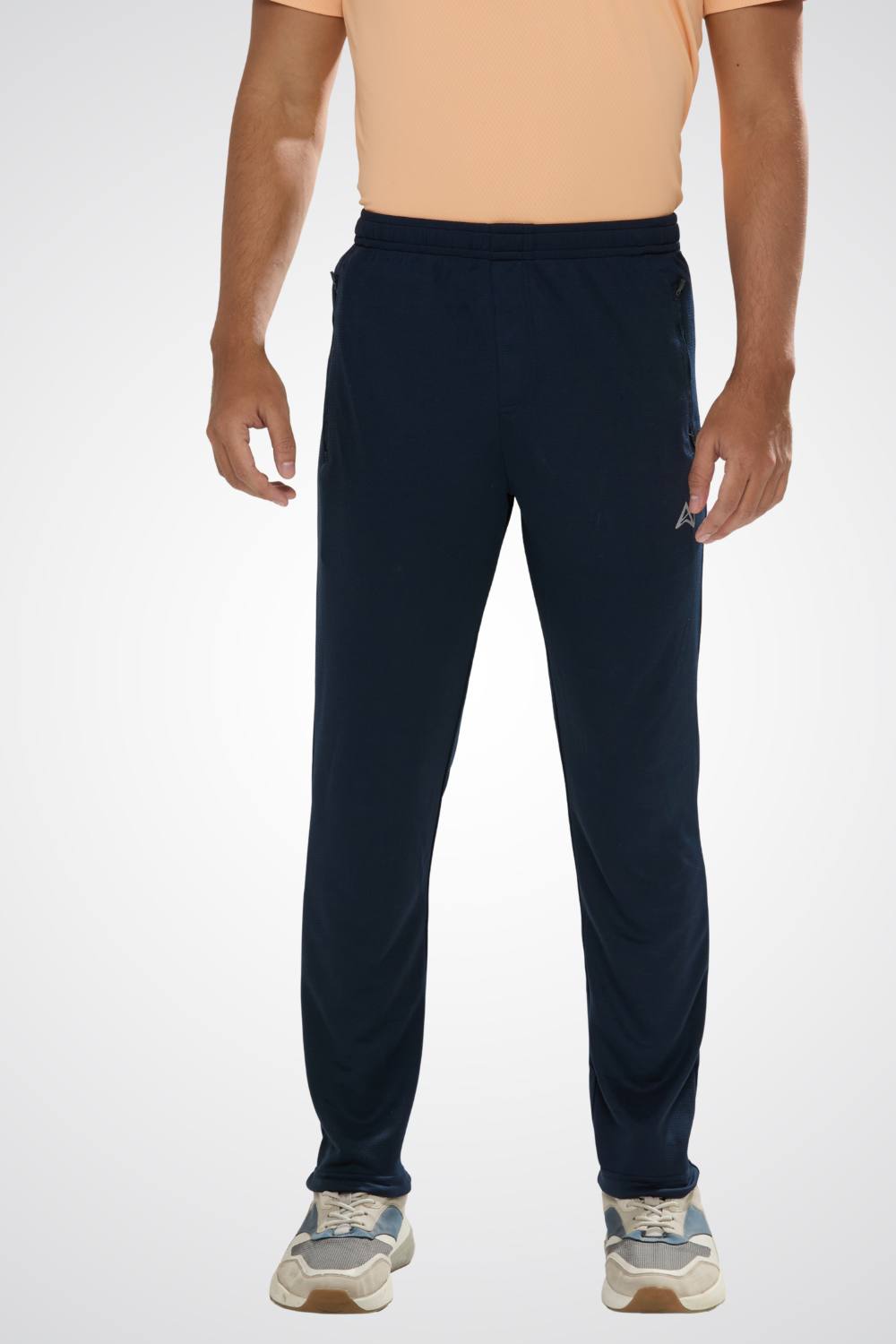
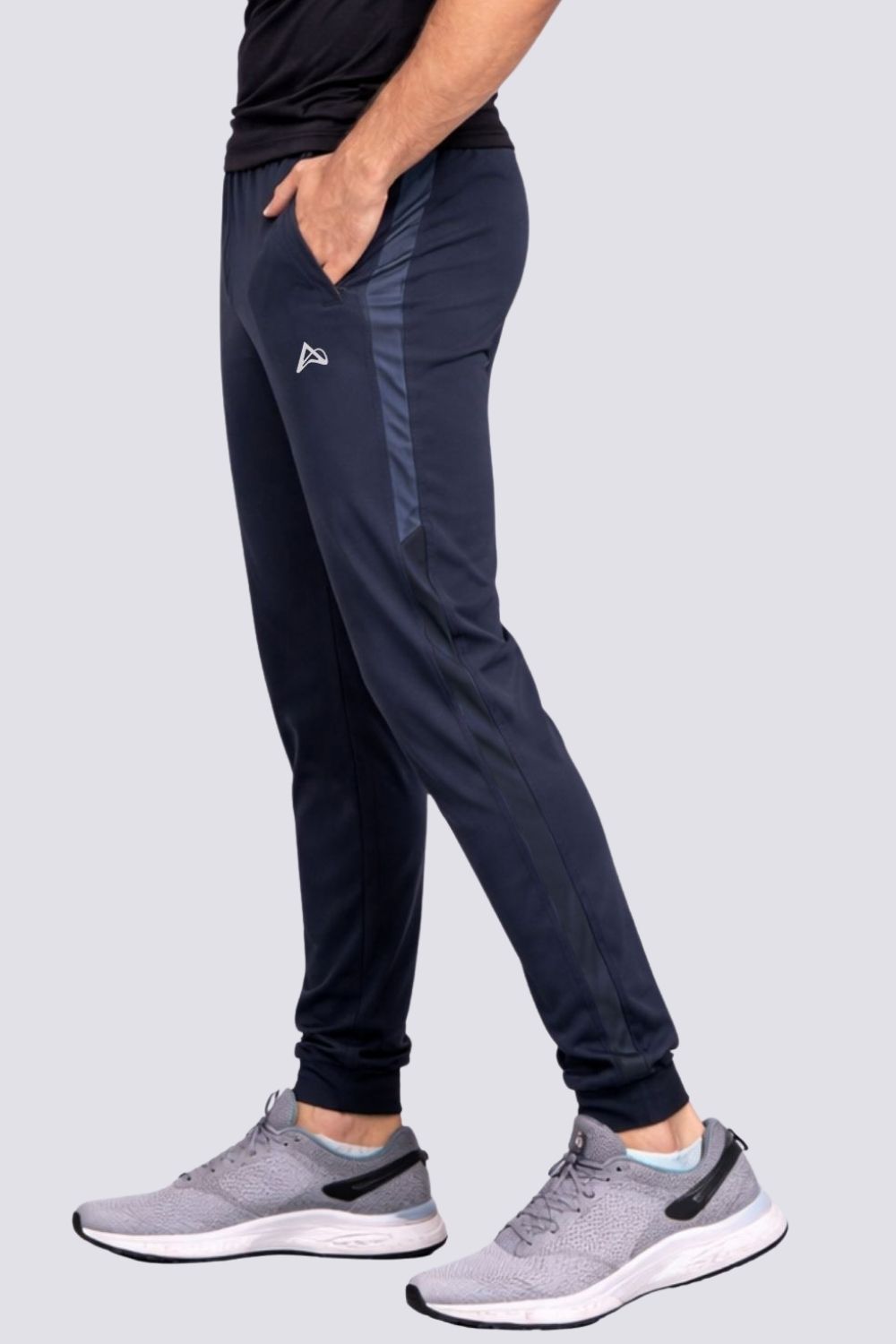
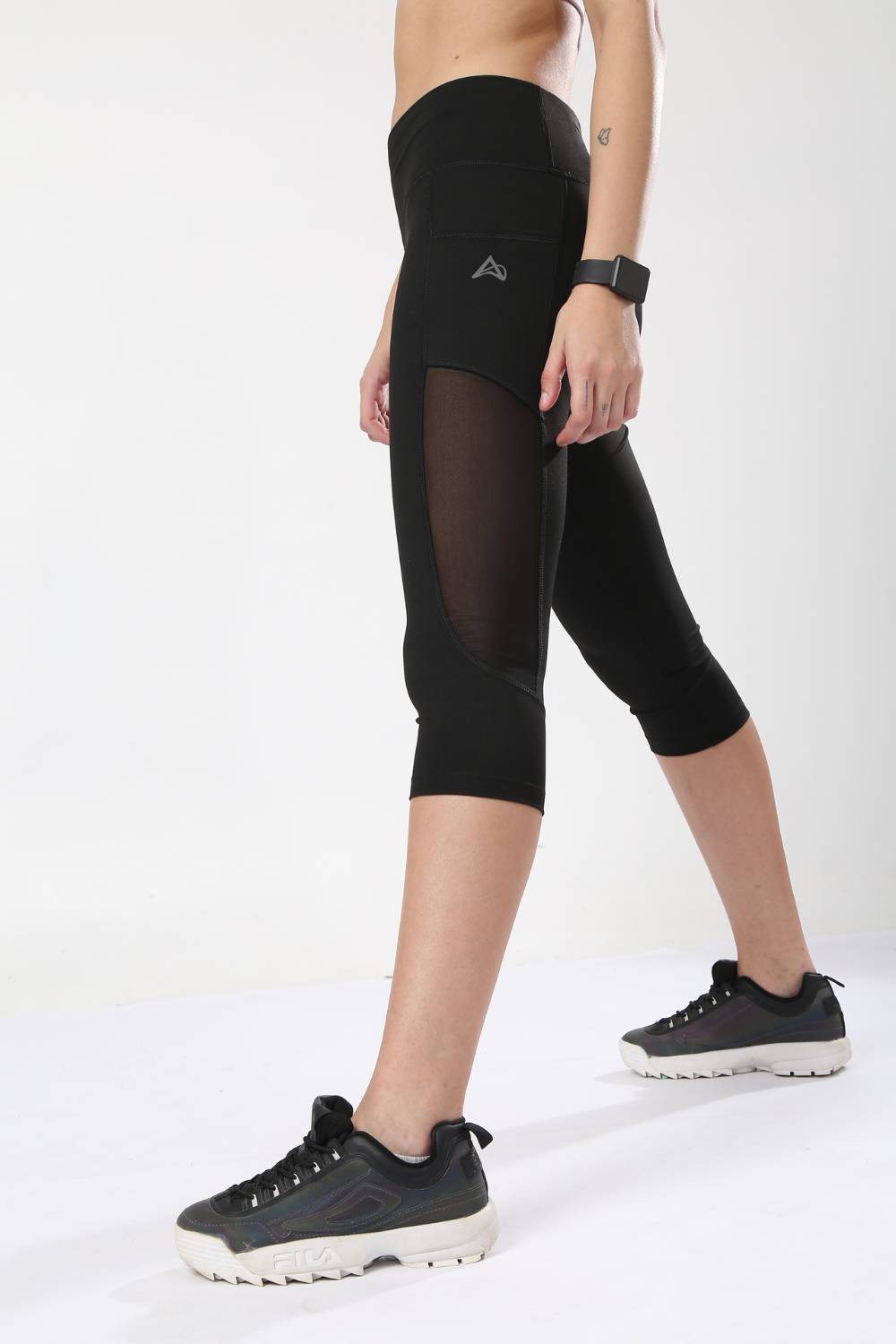
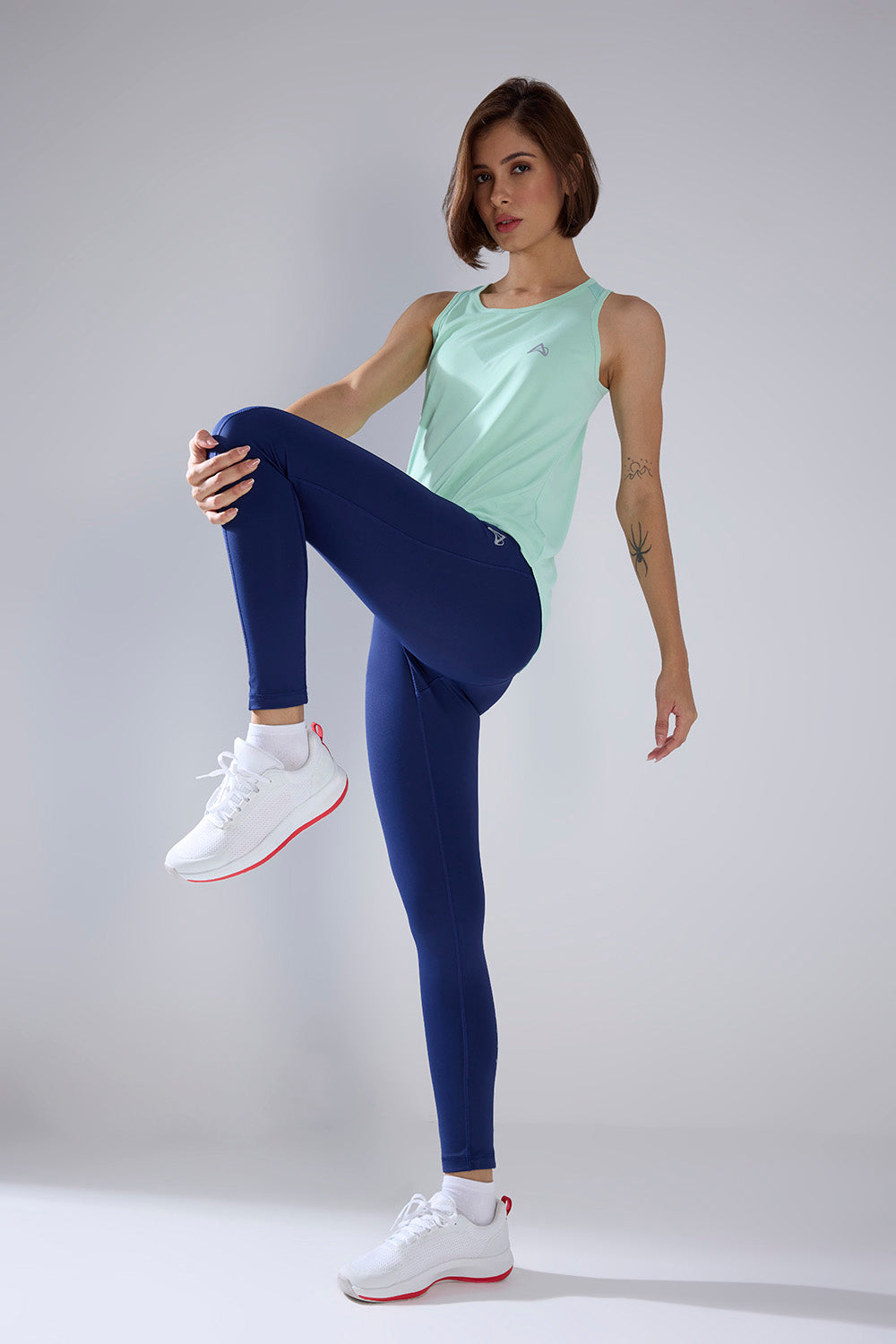
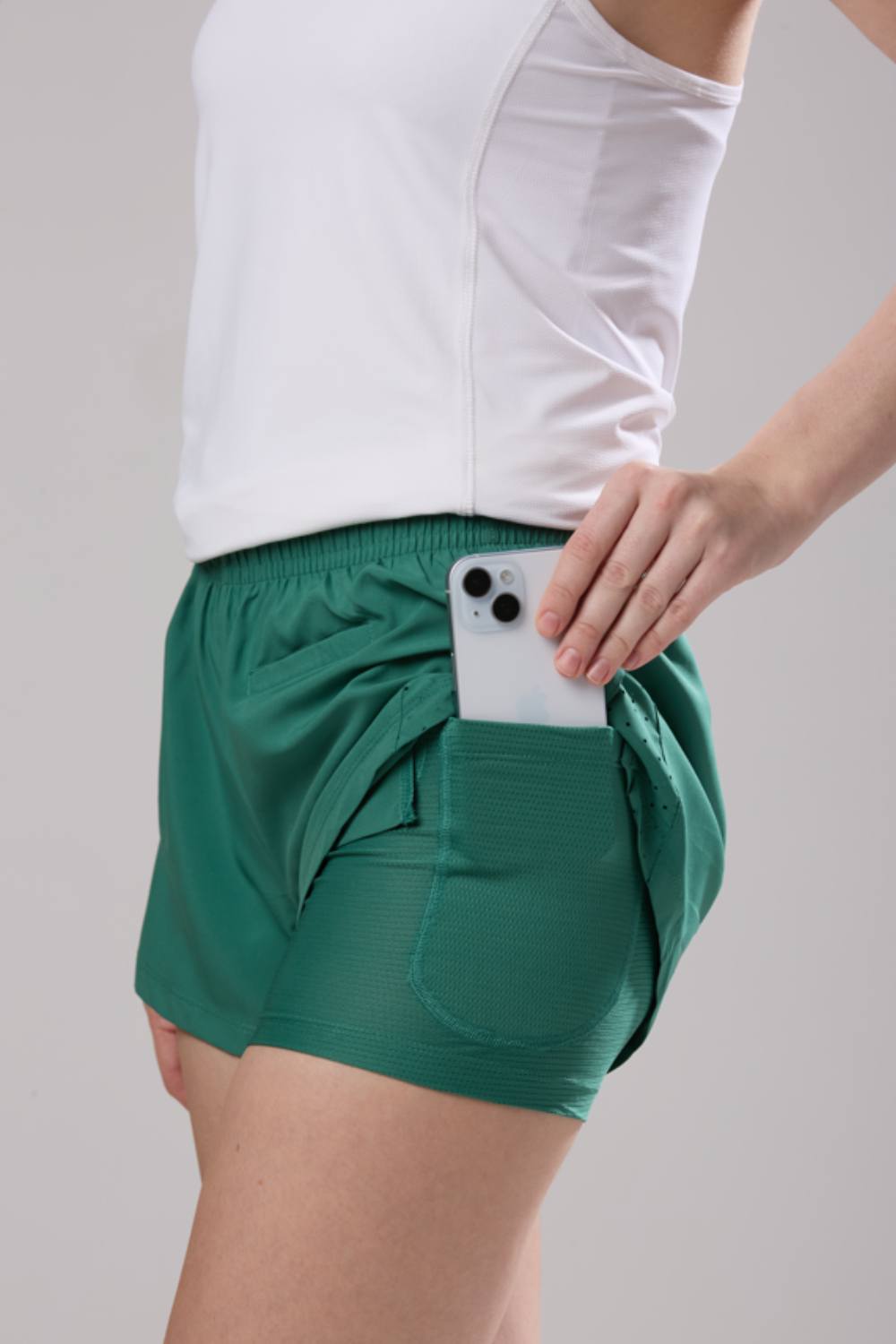
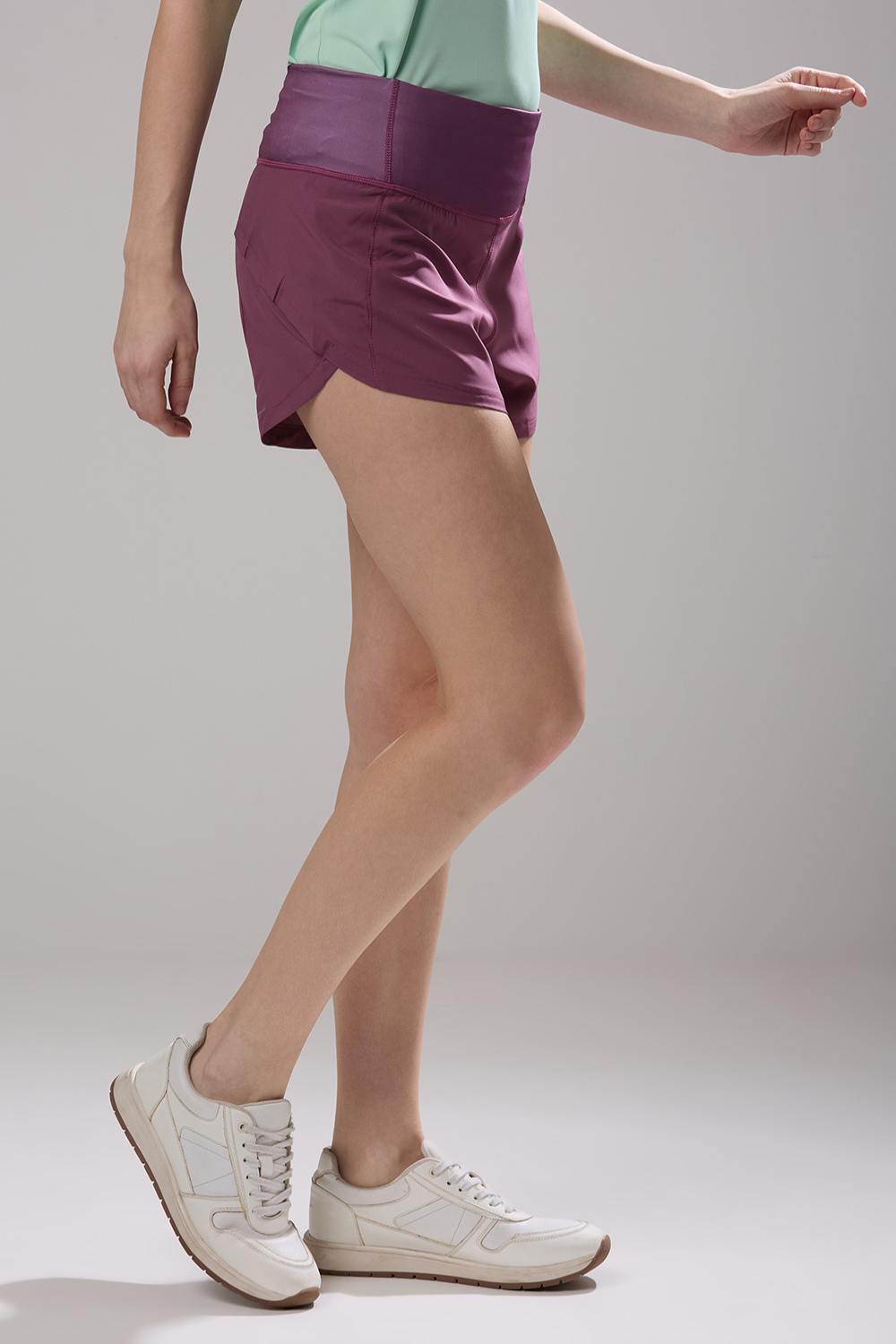
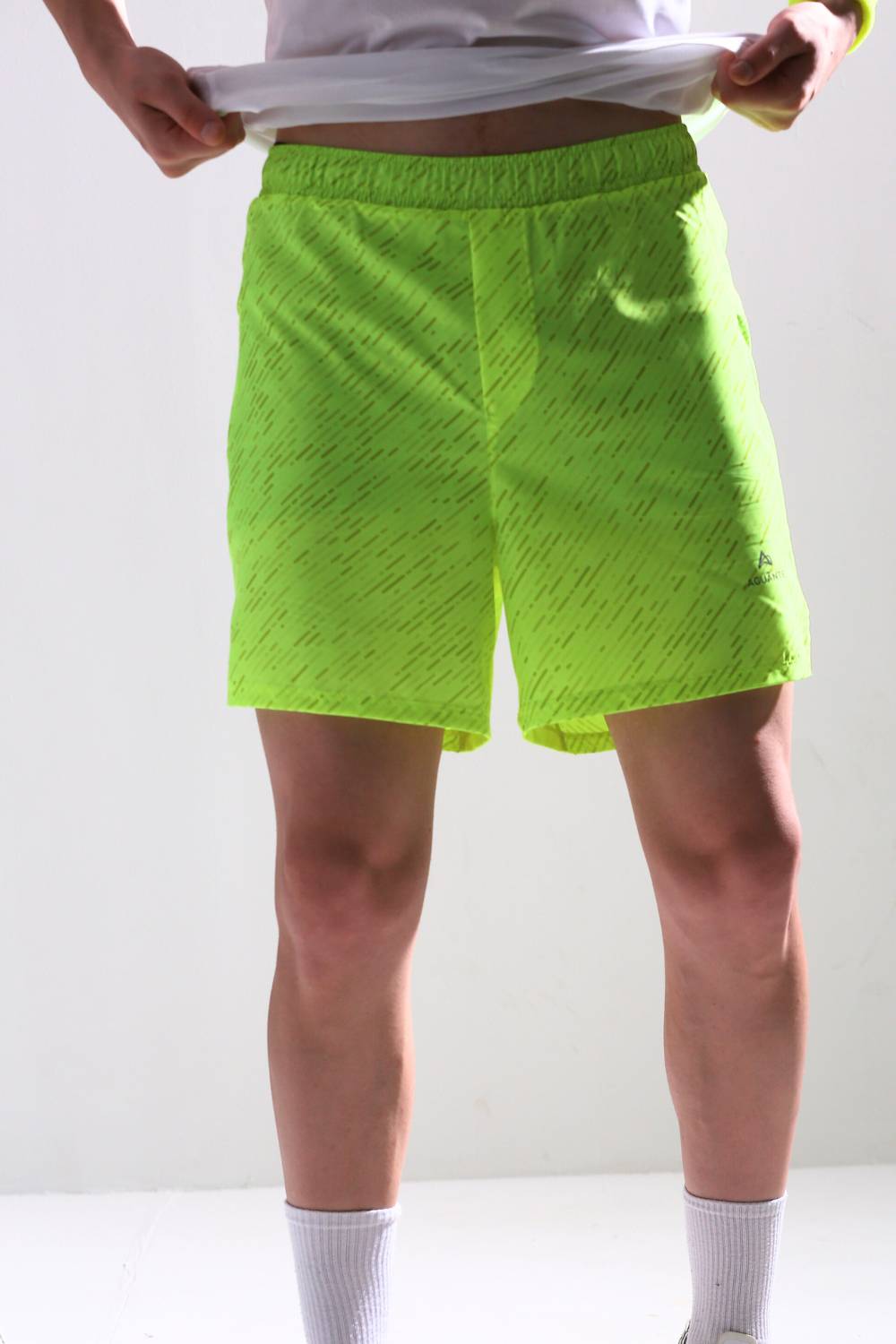
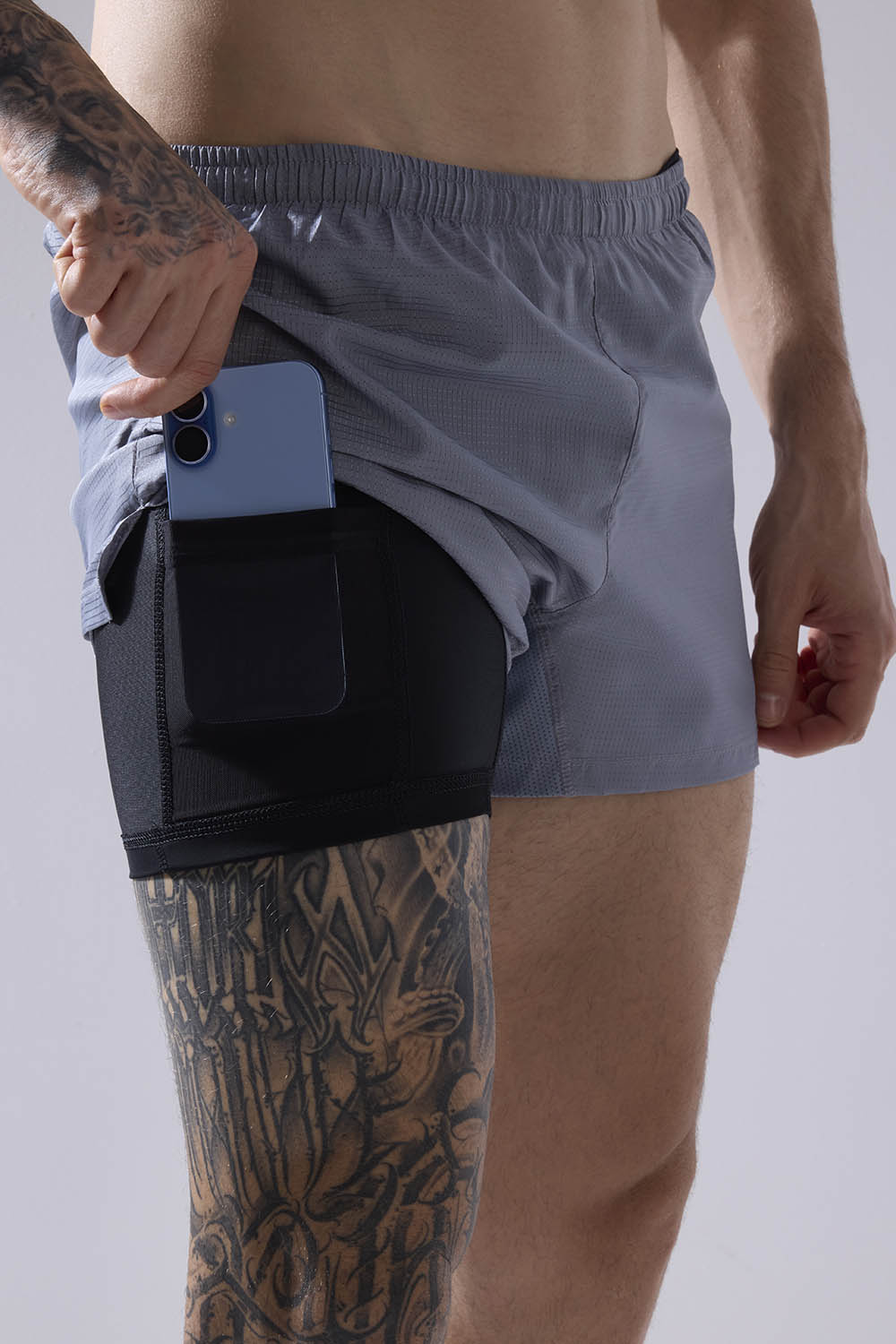
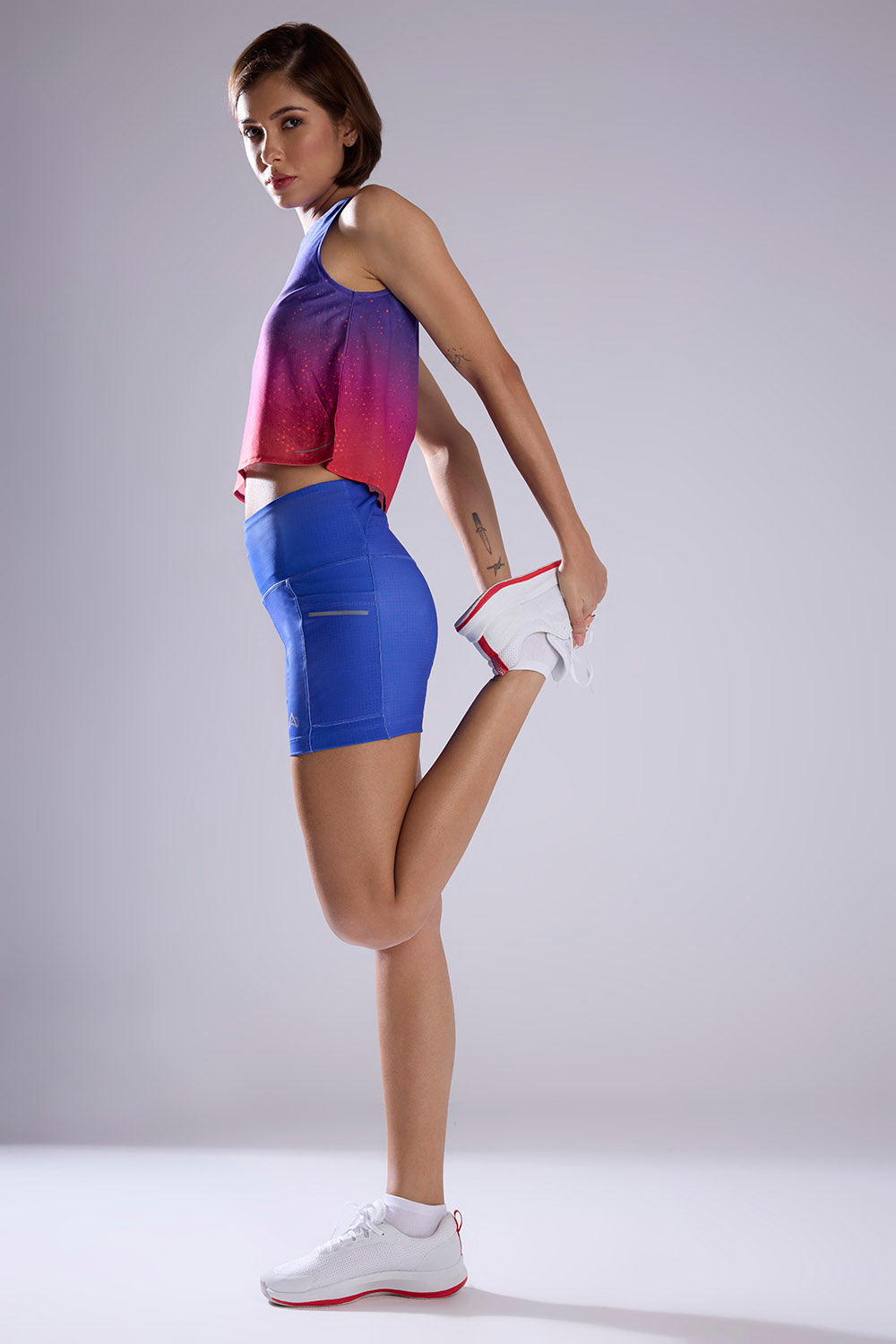
Tired of gear that slows you down? Chafing, soggy fabrics, and missing pockets kill your run's momentum. At Aguante, we're runners who get it. Our high-performance activewear features moisture-wicking fabrics, ergonomic designs, and smart storage to keep you focused. Shop Now!
Emerging Trends Driving Dominance
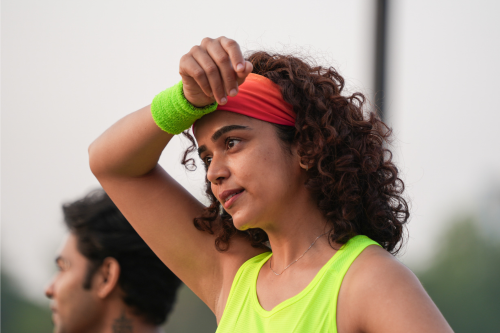
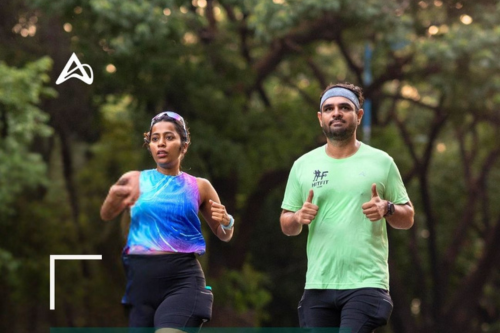
Fitness participation has surged dramatically in India. Major urban hubs Bangalore, Hyderabad, Mumbai, and Pune now serve as epicenters for gyms, running groups, yoga sessions, and wellness initiatives. Consumers no longer view exercise as occasional; they integrate it into daily routines, seeking clothing that supports versatility and endurance. Indian brands excel here by engineering practical features: advanced moisture-wicking textiles tailored to humid conditions, reinforced seams built for frequent use, and adaptable silhouettes that move seamlessly from intense training to casual errands.
Sustainability has also taken root. Forward-thinking local manufacturers integrate recycled polyester, organic cotton, and low-impact dyes, addressing growing eco-awareness. In style-savvy areas like Delhi and Gurugram, this fusion of ethical production and aesthetic appeal resonates strongly, allowing brands to differentiate through purpose-driven innovation.
The core advantage lies in uncompromising value. International powerhouses such as Nike and Adidas deliver top-tier performance, yet their pricing often alienates large segments of India's price-sensitive population. Domestic alternatives match or exceed in comfort, fit, inclusive sizing, and localized adaptations such as breathable constructions for tropical climates at significantly lower costs. This strategic positioning captures loyalty among consumers who prioritize smart, long-lasting investments.
Ground-Level Successes and Strategic Wins
Homegrown brands demonstrate tangible impact across regions. Bangalore-based labels emphasize cutting-edge, humidity-resistant fabrics ideal for rigorous sessions in steamy weather. Pune-origin lines cater to runners and cyclists with performance-oriented designs that honor the city's vibrant outdoor ethos. In Mumbai and Hyderabad, strategic alliances with fitness influencers, local gyms, and wellness communities foster authentic engagement and rapid community growth.
These achievements extend beyond isolated cases. Collaborations with digital creators and wellness platforms expand visibility, while region-specific customization such as enhanced ventilation for diverse Indian climates makes products feel intuitively designed rather than adapted from foreign templates. By addressing real consumer pain points, Indian brands steadily erode market share from imports.
Confronting Persistent Hurdles
Progress comes with obstacles. In tier-2 and tier-3 cities like Surat and Ahmedabad, acute price sensitivity demands relentless cost management without compromising durability or appeal a delicate equilibrium that challenges operations.
Global competitors maintain dominance in premium tiers through aggressive advertising and brand prestige. Indian players counter by leveraging agile trend responsiveness, culturally attuned aesthetics, and designs celebrating Indian physiques and preferences.
Supply chain complexities endure, particularly for sustainable sourcing. Infrastructure gaps in certain regions complicate consistent access to eco-friendly materials while preserving competitive pricing. Overcoming these requires ingenuity and investment in domestic capabilities.
Capitalizing on Expansive Opportunities
The potential remains vast. E-commerce platforms have democratized distribution, enabling brands from Bangalore or Pune to connect directly with nationwide audiences and scale swiftly. The athleisure wave further propels demand, transforming activewear into wardrobe staples in fashion-conscious centers like Gurugram and Delhi.
Supportive policies, including Make in India, strengthen local production by curbing import reliance, lowering costs, and accelerating turnaround times. These advantages position domestic brands to outpace globals in a market where value reigns supreme. As digital penetration deepens and fitness becomes embedded in culture, Indian labels stand primed to claim greater territory.
India's value-driven activewear narrative continues to evolve, yet its trajectory points decisively upward. Through targeted innovation, disciplined pricing, and profound consumer insight, homegrown brands are forging ahead. Over the coming decade, these labels may not only command the domestic landscape but also redefine global perceptions of accessible, high-purpose activewear. Today, the true beneficiaries remain everyday Indians slipping into reliable, well-crafted gear, stepping out with assurance, and investing wisely in their active lives.
Frequently Asked Questions
Why are Indian activewear brands becoming more popular than international brands like Nike and Adidas?
Indian activewear brands are gaining popularity because they offer comparable quality, comfort, and performance at significantly lower prices than international brands. They also provide localized features tailored to Indian conditions, such as humidity-resistant fabrics for tropical climates, inclusive sizing for Indian body types, and designs that seamlessly transition from workouts to casual wear. This value-driven approach resonates with India's price-sensitive yet quality-conscious consumers across metro cities and tier-2, tier-3 towns.
What are the key trends driving growth in India's activewear market?
Three major trends are fueling India's activewear boom: the surge in fitness participation with gyms, yoga, and running groups becoming part of daily routines in cities like Bangalore, Mumbai, and Pune; the athleisure movement that blurs the line between workout gear and everyday fashion; and growing demand for sustainable activewear made from recycled polyester, organic cotton, and eco-friendly dyes. These trends are supported by the broader global apparel market expansion, projected to grow from USD 1.40 trillion in 2025 to USD 1.64 trillion by 2030.
How do Indian activewear brands maintain affordability without compromising on quality?
Indian brands leverage domestic manufacturing capabilities strengthened by initiatives like Make in India, which reduces import dependency and lowers production costs. They focus on smart design innovations such as advanced moisture-wicking fabrics, reinforced seams for durability, and region-specific customizations while maintaining competitive pricing. By using e-commerce platforms for direct-to-consumer sales and forming strategic partnerships with local fitness communities and influencers, these brands minimize overhead costs and pass savings to customers.
Disclaimer: The above helpful resources content contains personal opinions and experiences. The information provided is for general knowledge and does not constitute professional advice.
You may also be interested in: Why Indian Brands Are Leading in Value-Driven Activewear - Aguante
Tired of gear that slows you down? Chafing, soggy fabrics, and missing pockets kill your run's momentum. At Aguante, we're runners who get it. Our high-performance activewear features moisture-wicking fabrics, ergonomic designs, and smart storage to keep you focused. Shop Now!
Powered by flareAI.co