



Quick Listen:
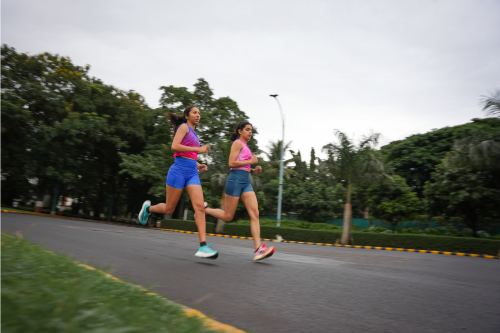
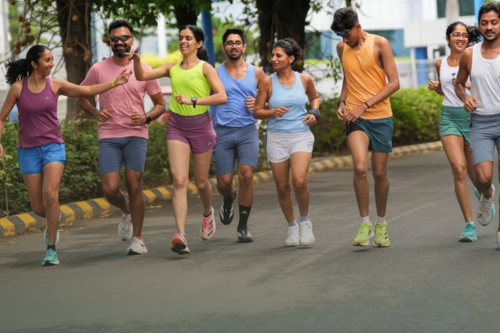
When summer temperatures climb relentlessly in India's bustling urban centers, stepping out for a run often feels more like an act of endurance than exercise. In cities such as Bangalore, Hyderabad, Mumbai, Pune, Navi Mumbai, Delhi, Gurugram, Surat, and Ahmedabad, ordinary running clothes quickly become heavy, clinging layers of sweat. Chafing appears, focus fades, and many runners abandon sessions far sooner than planned. Yet across these same cities a quiet but powerful change is taking place: runners are turning to breathable, performance-oriented gear specifically designed to cope with extreme heat and humidity. Far from a minor convenience, this category of apparel is quietly reshaping how people in urban India maintain consistent training year-round.
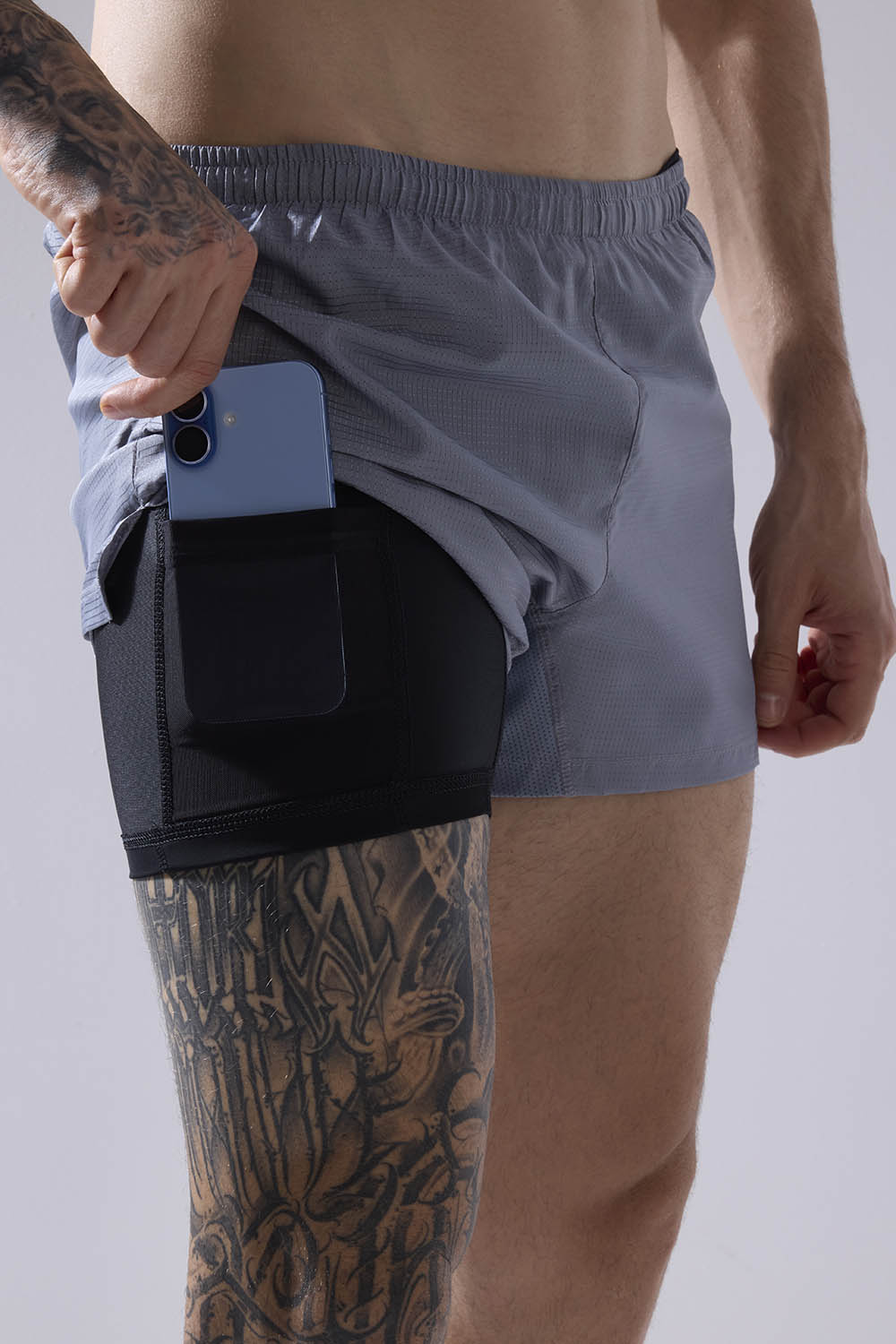
Tired of gear that slows you down? Chafing, soggy fabrics, and missing pockets kill your run's momentum. At Aguante, we're runners who get it. Our high-performance activewear features moisture-wicking fabrics, ergonomic designs, and smart storage to keep you focused. Shop Now!
The Harsh Reality of Running in Indian Heat
Urban India delivers some of the planet's most demanding summer conditions for outdoor exercise. Delhi and Gurugram routinely see daytime highs in the mid-to-high 30s Celsius, frequently crossing into the low 40s during heatwaves, with humidity making the “feels-like” temperature even more punishing. Coastal hubs such as Mumbai and Surat combine high temperatures with near-constant moisture, turning every kilometer into a steamy challenge. Inland centers like Hyderabad, Pune, and Ahmedabad experience intense dry heat amplified by concrete landscapes and scarce shade, while even comparatively temperate Bangalore now regularly records stretches warm enough to disrupt comfortable running.
These environmental realities impose measurable physiological costs: elevated core temperature, accelerated dehydration, diminished pace, and perhaps most damaging reduced motivation to train consistently. Official climate assessments and municipal reports from Delhi, Mumbai, and Bangalore confirm that extreme-heat days are becoming more frequent and more severe, directly affecting public health and physical-activity patterns in these densely populated regions.
Why Breathable Fabrics Make a Decisive Difference
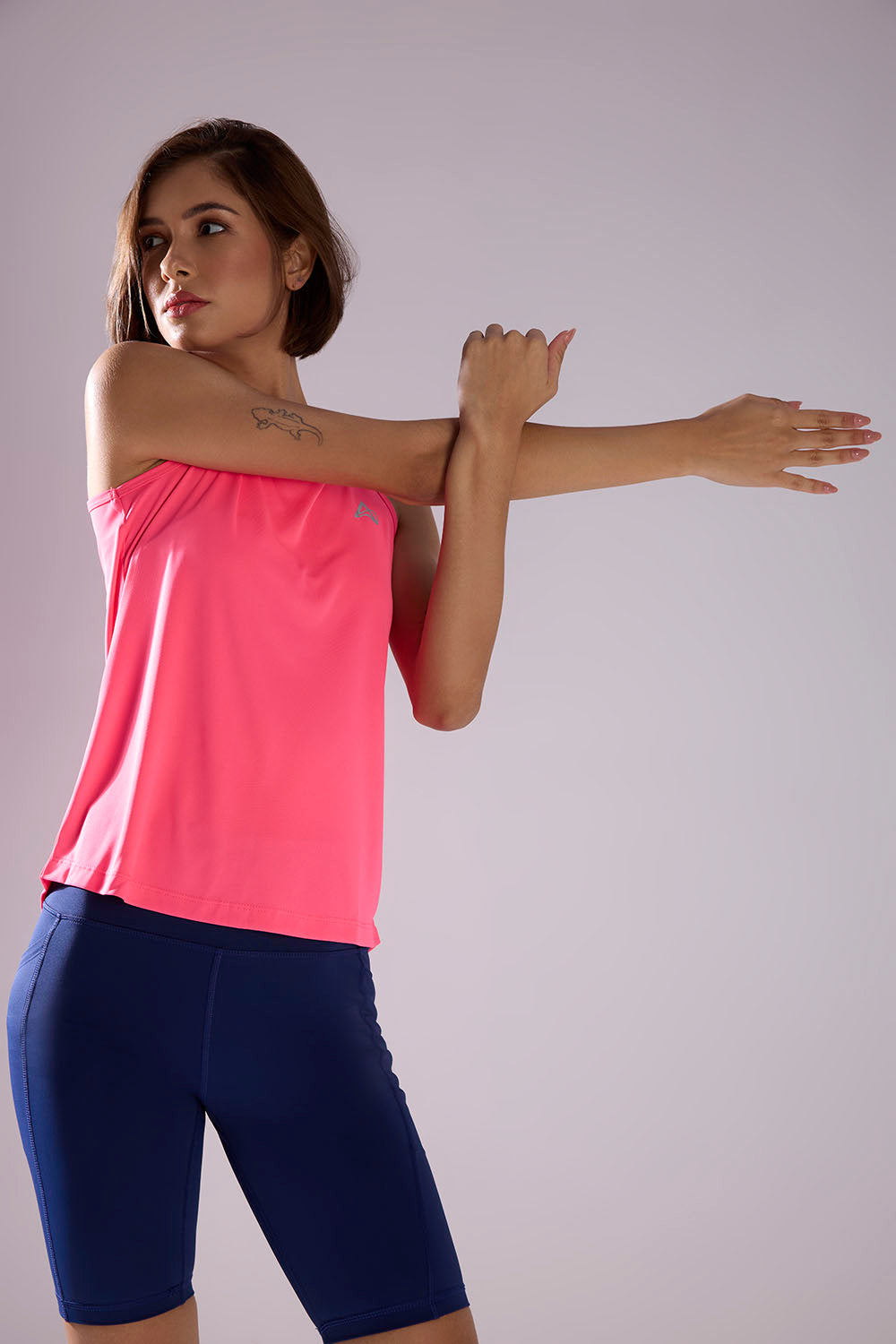
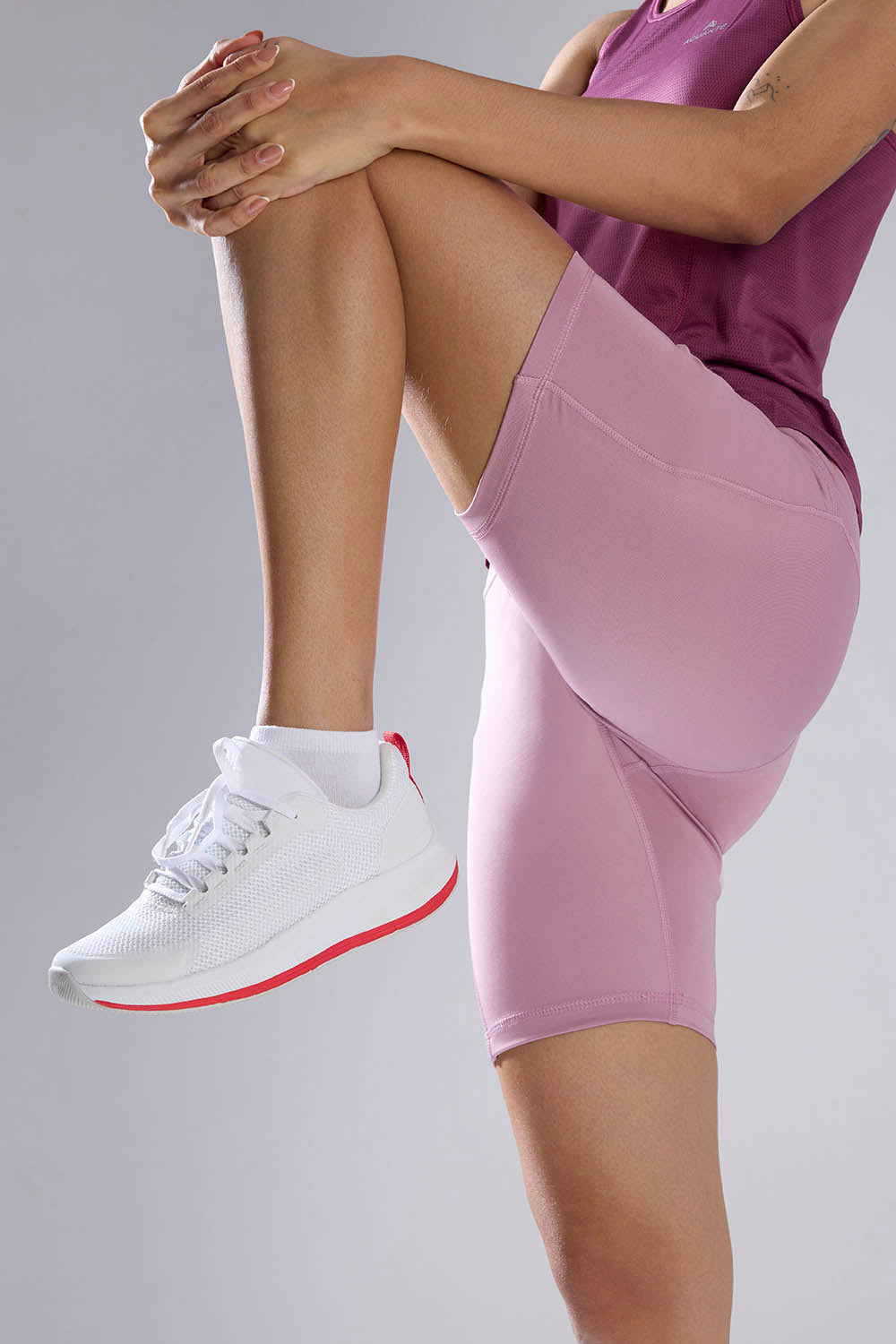
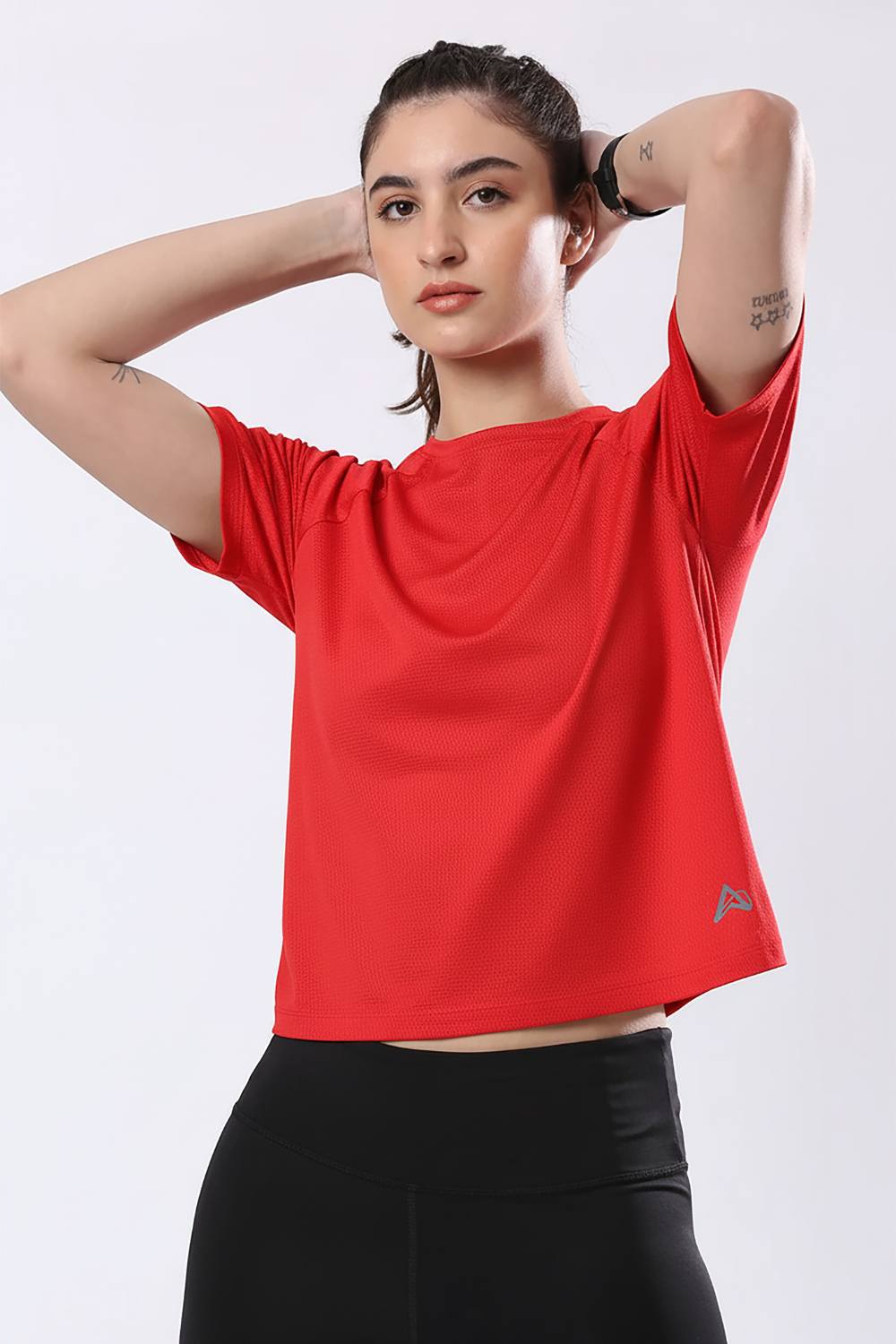
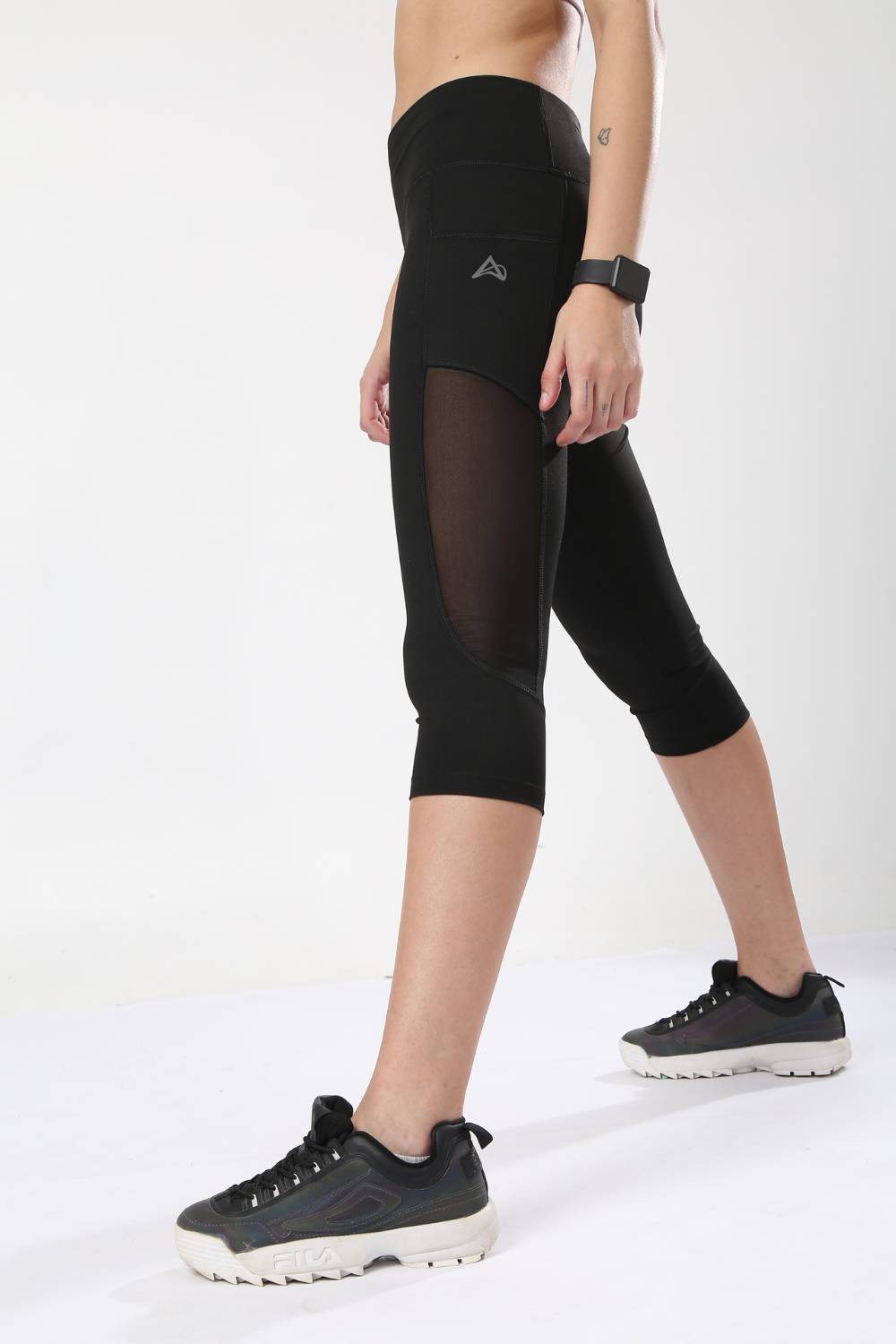
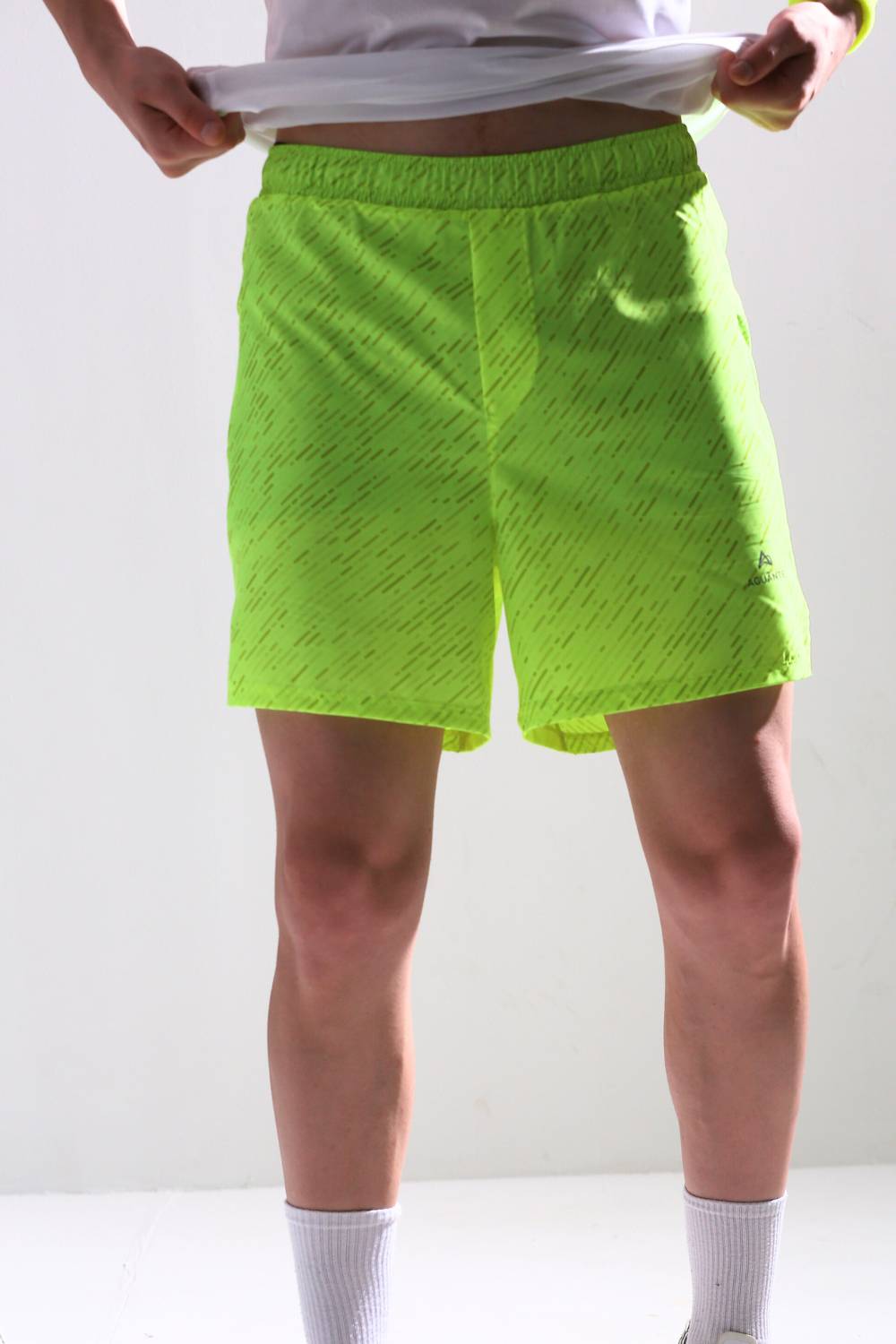
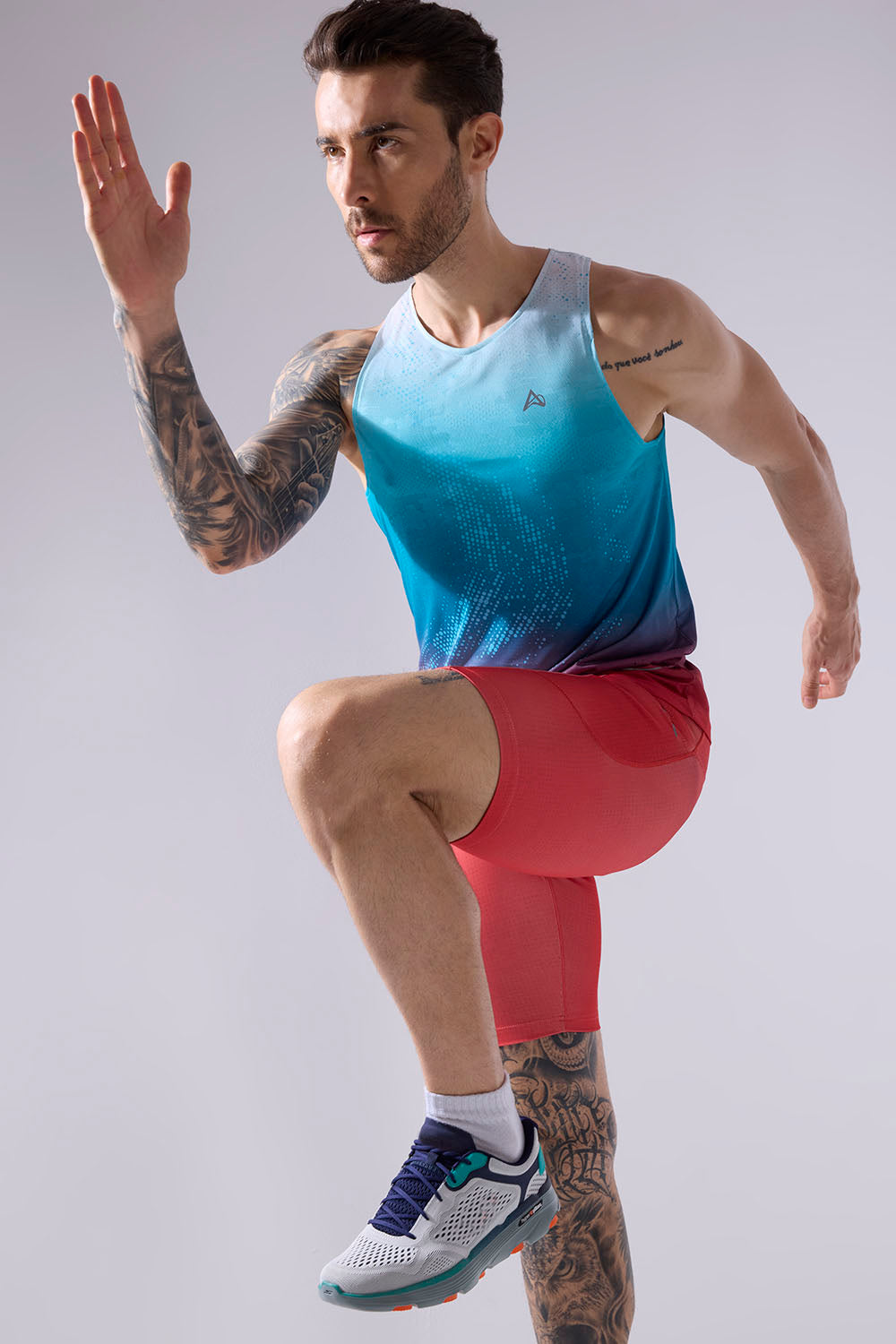
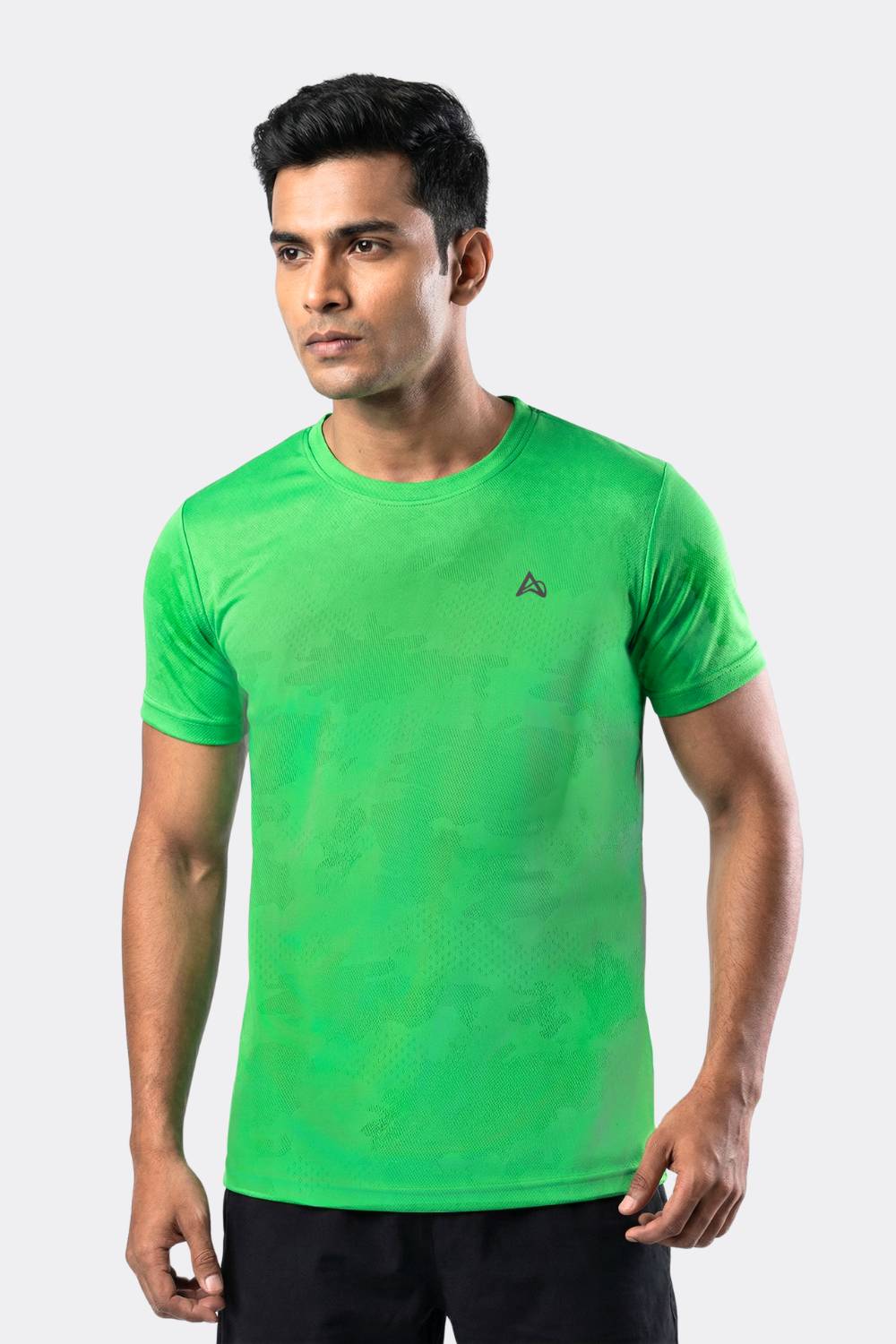
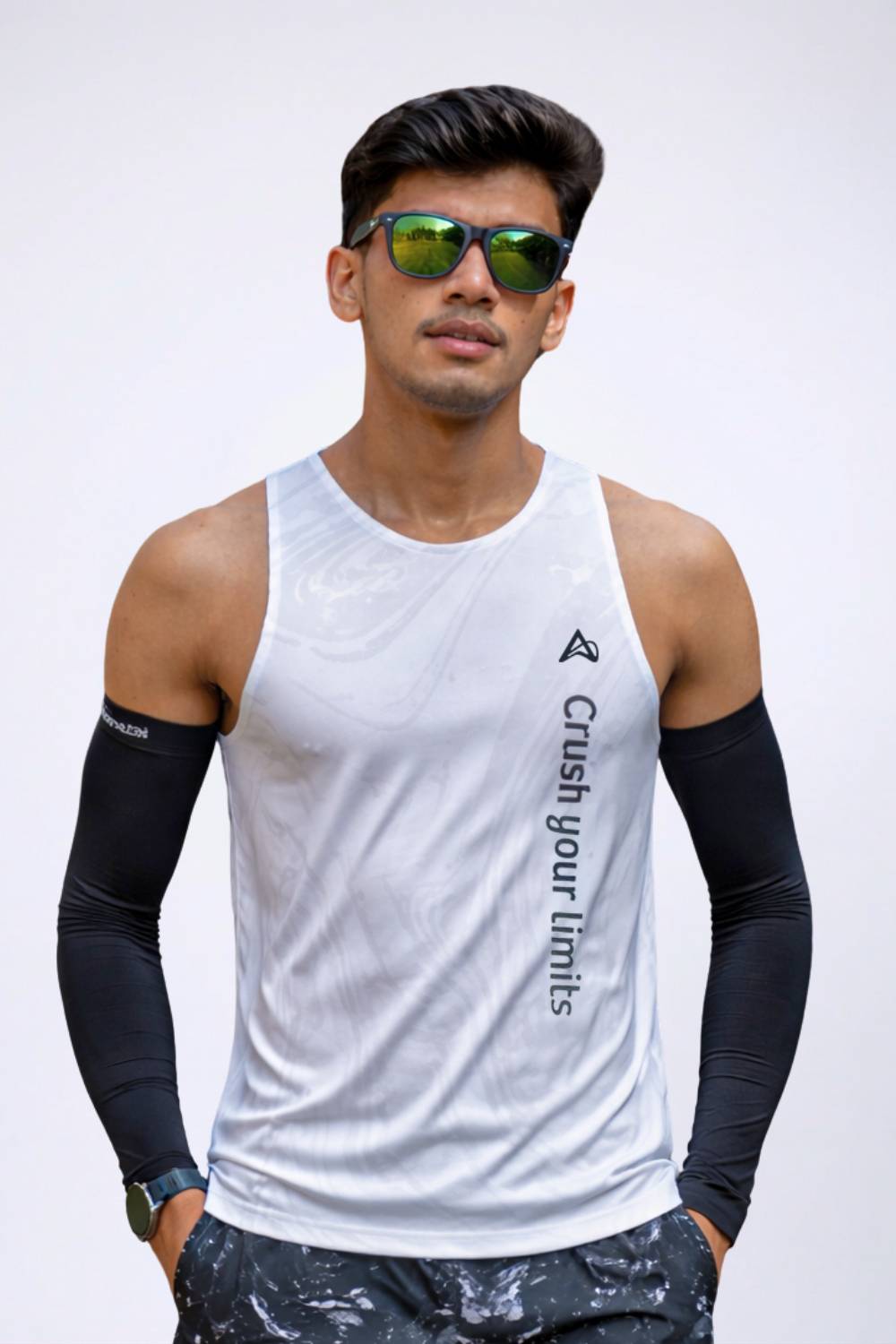
Modern breathable running gear relies on three core design principles: moisture-wicking synthetics or engineered blends, strategic mesh ventilation panels, and deliberately lightweight construction. Cotton absorbs sweat and holds it against the skin, creating a clammy barrier that impedes cooling. In contrast, performance fabrics actively transport moisture to the outer surface where it evaporates more efficiently, helping regulate body temperature. Mesh inserts placed along the back, underarms, chest sides, and sometimes even the shoulders create channels for airflow exactly where heat and perspiration accumulate most rapidly.
- Core-temperature control: Effective evaporation keeps runners cooler longer, especially valuable during extended efforts in Delhi's afternoon heat or Hyderabad's muggy evenings.
- Minimized chafing: Faster-drying surfaces dramatically reduce friction in high-humidity environments such as coastal Mumbai and Surat.
- Sustained mental focus: When clothing no longer feels like a sodden second skin, runners stay mentally engaged and often extend session duration without conscious effort.
In topographically varied cities like Pune and Bangalore, where climbs already elevate exertion, the reduced thermal load from proper apparel frequently translates into noticeably steadier pacing and quicker recovery between intervals.
Evidence from India's Growing Running Scene
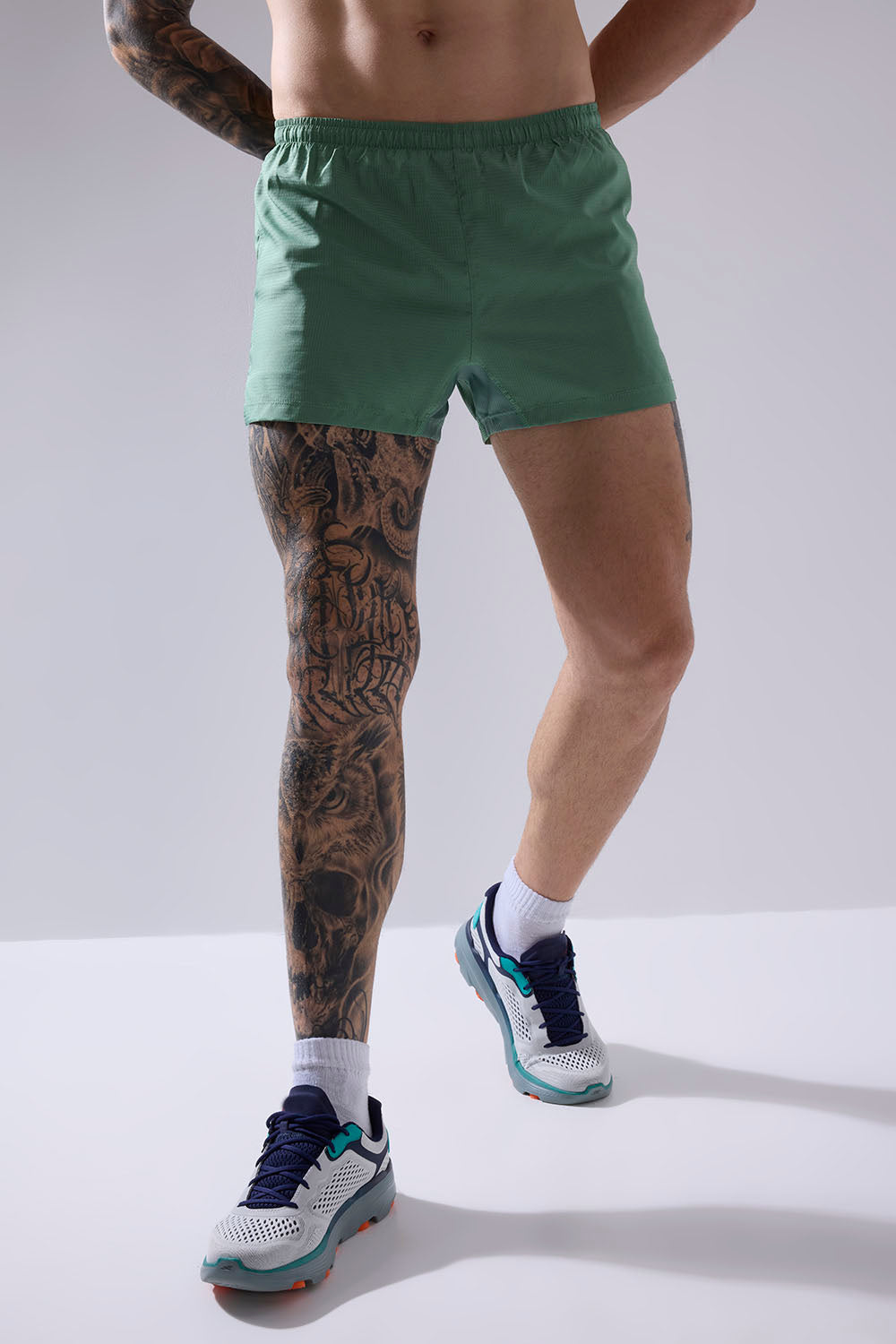
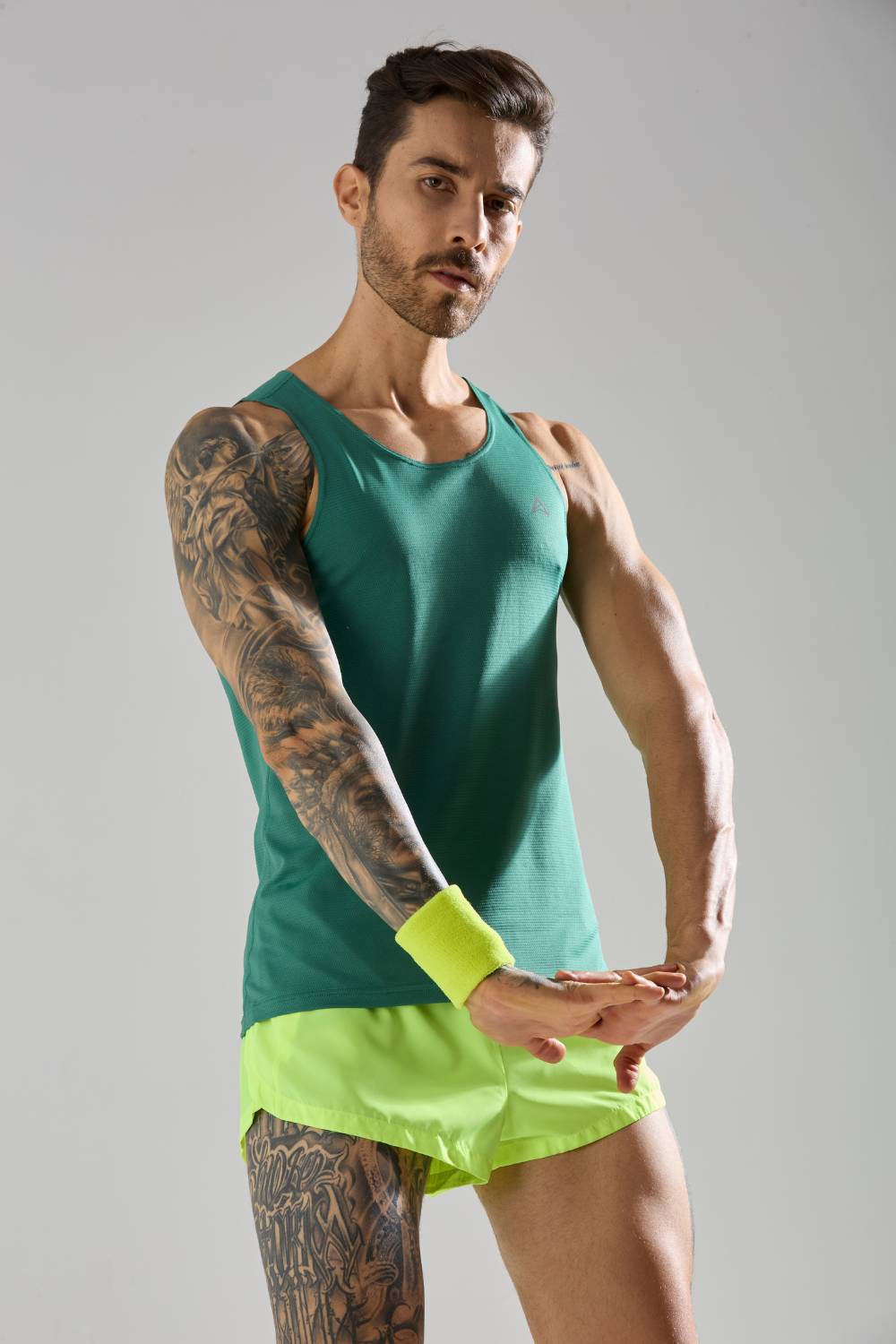
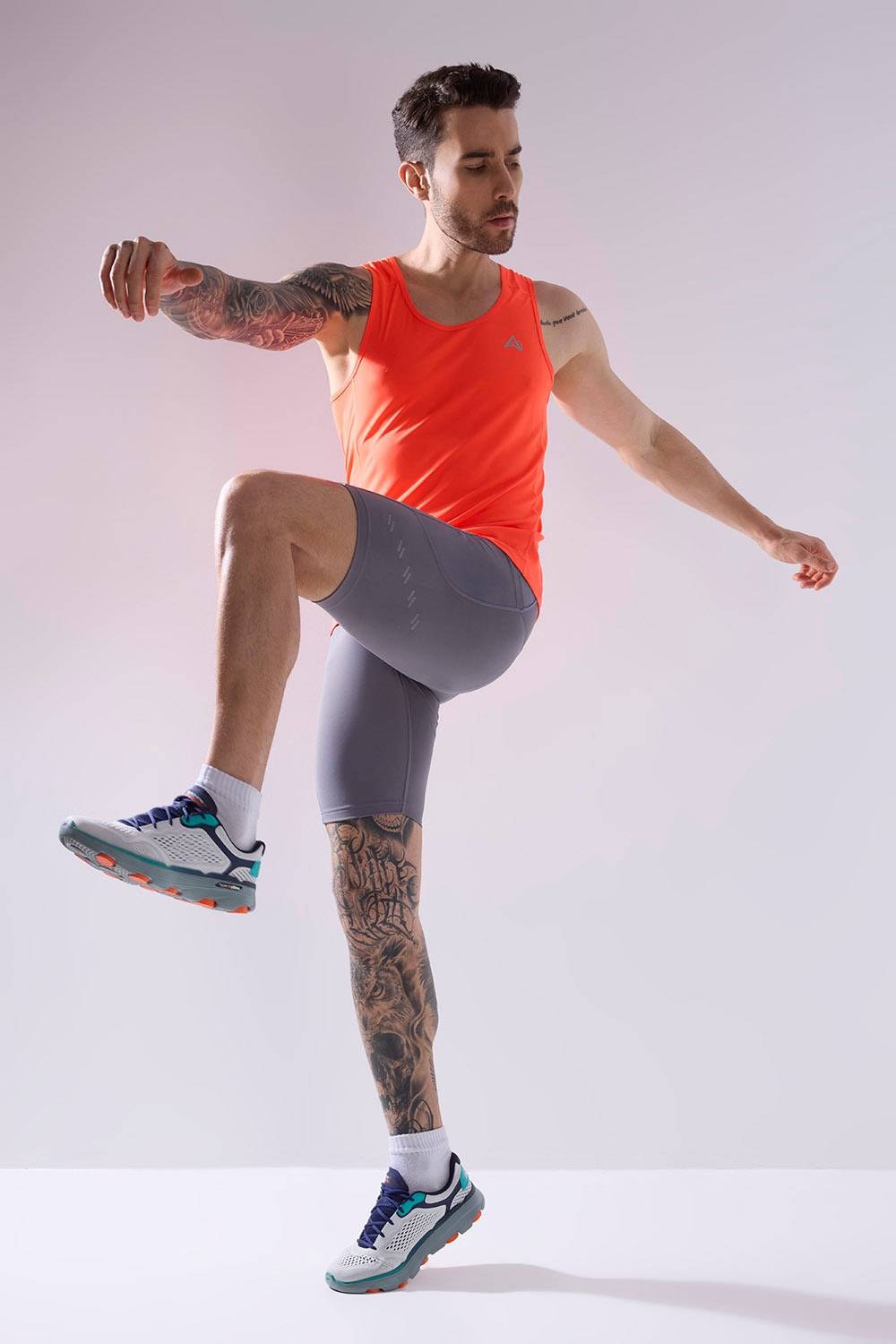
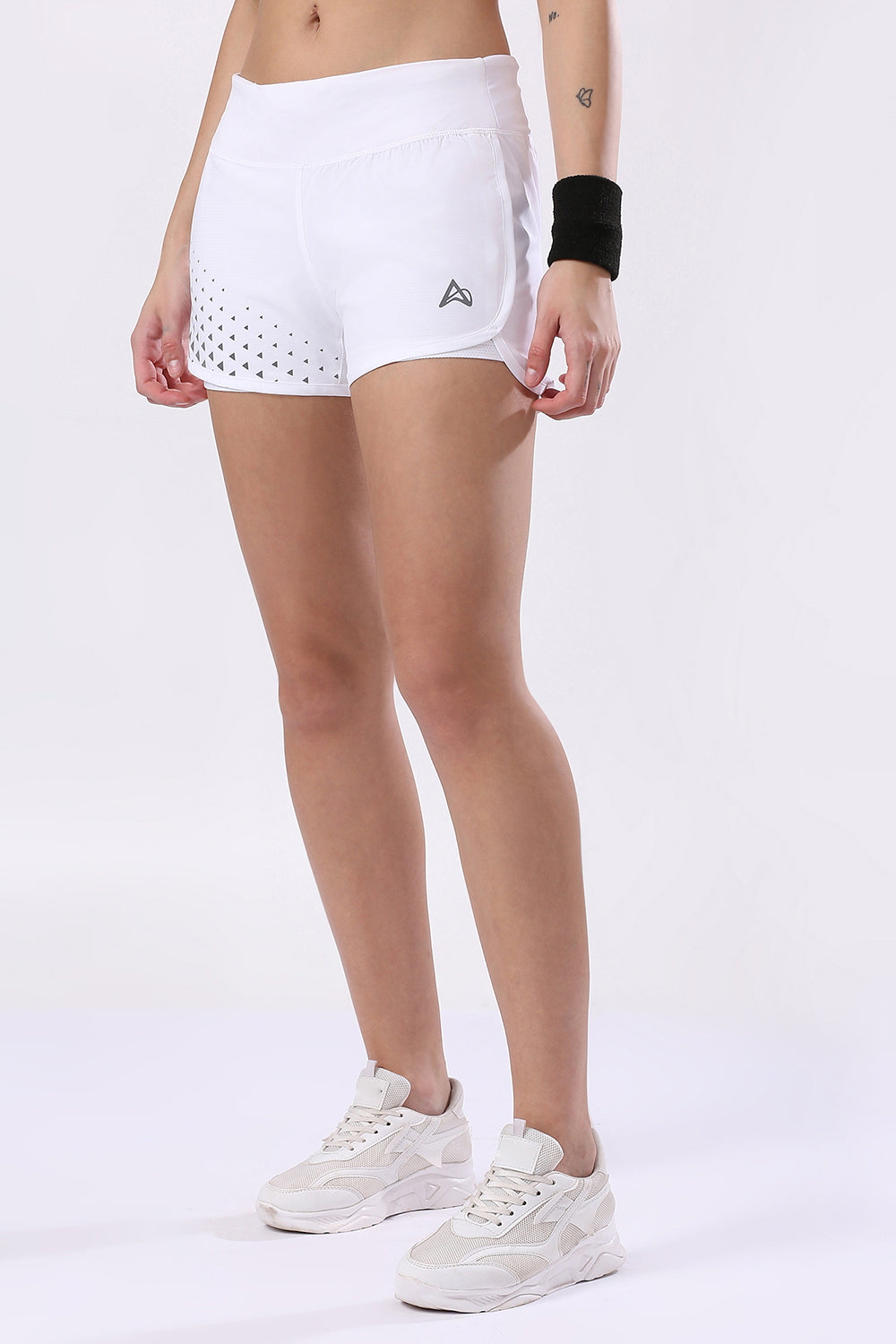
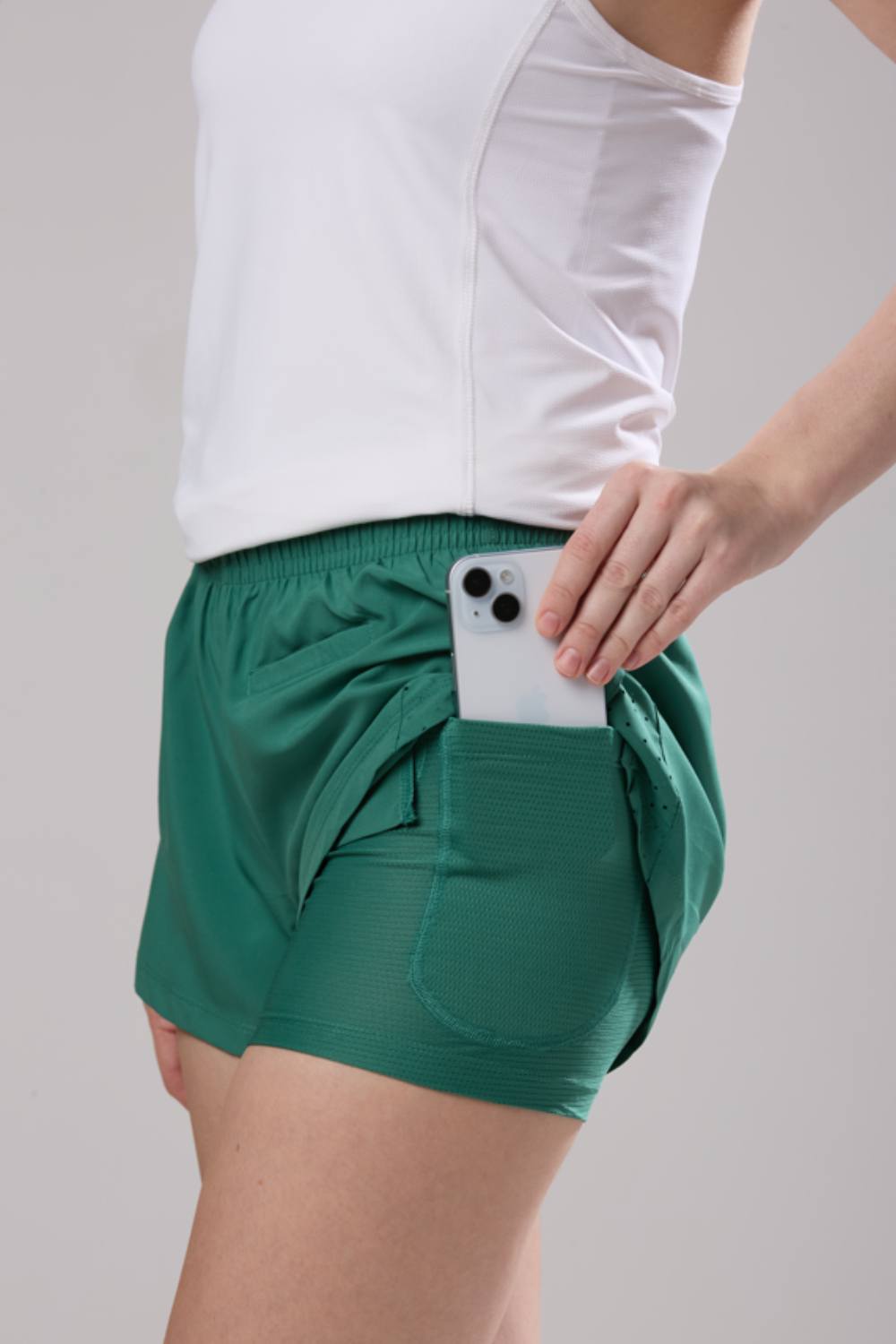
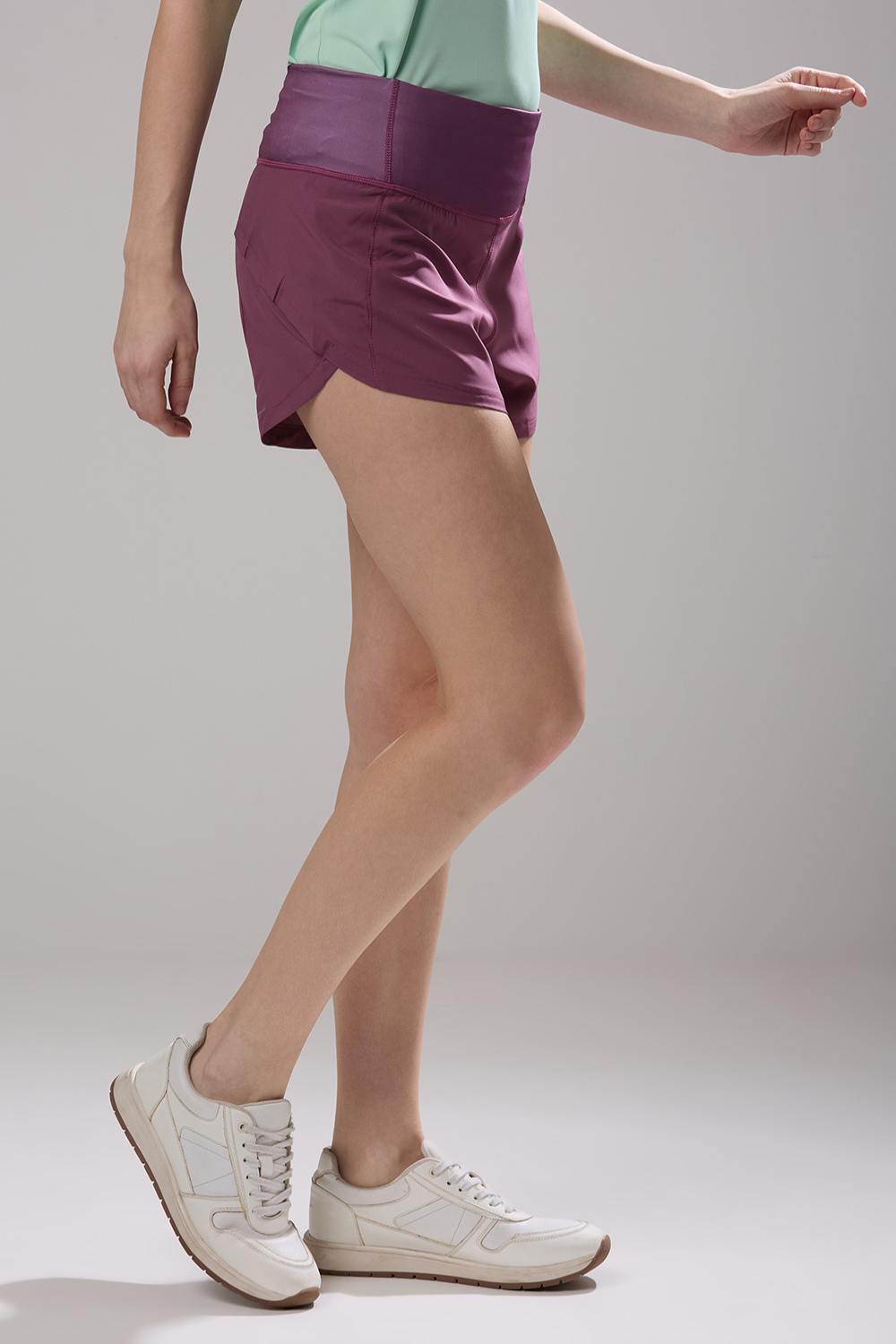
The practical impact is visible in running groups and race fields across the targeted cities. Mumbai-based runners who train along humid seafront promenades report staying drier and more comfortable in moisture-management singlets and split shorts. Coaches in Hyderabad observe that athletes wearing ventilated kits maintain form and confidence through July's stifling 10K and half-marathon events. In Delhi and Gurugram, lightweight, highly perforated tops allow committed runners to log meaningful mileage even during prolonged heatwaves. Hill enthusiasts in Pune and Bangalore praise the airflow that prevents the classic “soaked-back” feeling on long ascents.
Both international performance brands and emerging Indian labels now routinely offer collections tuned to subcontinental climates, incorporating features that address local heat-humidity profiles. Participation data from major city marathons show steady increases in summer registrations, suggesting that better apparel is helping more people stay in the sport rather than dropping out during the hottest months.
The global apparel market size is projected to grow from USD 1.40 trillion in 2025 to USD 1.64 trillion by 2030, at a CAGR of 3.16%. The market growth is driven by the recovery in discretionary spending, increased digital adoption, and consumer preference for comfort-oriented clothing, despite inflation affecting purchasing power in developed markets. The younger demographic influences market dynamics by preferring brands that integrate fashionable designs with proven sustainability practices.
Shifting Priorities in Performance Sportswear
Younger Indian consumers increasingly seek activewear that marries technical performance with responsible production methods. Recycled polyester yarns, plant-based treatments, and transparent supply chains appear more frequently in mid-to-premium running lines, reflecting broader demand for garments that perform well while aligning with personal values.
Important Limitations Runners Should Understand
Breathable gear delivers clear advantages, yet it is not a universal fix. Premium pieces often carry higher price tags that place them beyond reach for many casual or beginner runners in cities like Ahmedabad and Surat. Incorrect sizing undermines wicking and ventilation, while exaggerated marketing claims sometimes outpace actual performance in saturated humidity. Ultraviolet protection remains inconsistent across products, a meaningful consideration under intense sun in Delhi, Pune, or Hyderabad. Finally, no shirt or short can replace sensible habits early-morning or evening runs, frequent hydration, and listening to warning signals from the body.
Real Opportunities for Runners and Brands Alike
For dedicated athletes the benefits compound over months: more consistent mileage, improved race readiness, greater overall enjoyment, and reduced risk of heat-related interruptions. At the industry level, India's activewear segment continues to attract investment because urban fitness participation remains on an upward trajectory. Brands that invest in rigorous field testing under genuine Indian summer conditions rather than laboratory simulations alone gain measurable loyalty, particularly in high-density running markets such as Bangalore, Mumbai, and Delhi.
Final Thoughts: Gear Up and Keep Going
As heatwaves lengthen and intensify across India's major cities, breathable running apparel has moved from optional upgrade to near-essential equipment for anyone intent on sustained outdoor training. Whether carving out early kilometers along Hyderabad's Tank Bund, climbing Pune's undulating roads, or pushing through Delhi's furnace-like afternoons, the correct combination of fabric, cut, and ventilation can transform an exhausting obligation into a sustainable, even joyful, routine. Seek pieces with generous mesh zones and proven moisture transport, trial them gradually, and pair them with intelligent scheduling. In the end the finest running gear does far more than wick sweat away it quietly removes one of the biggest obstacles standing between you and the next kilometer.
Frequently Asked Questions
Why is breathable running gear important for hot and humid weather in India?
Breathable running gear uses moisture-wicking fabrics and mesh ventilation panels to actively move sweat away from the skin and encourage faster evaporation, helping regulate body temperature. In cities like Mumbai, Delhi, and Hyderabad — where heat and humidity combine to make outdoor running especially grueling — this can mean the difference between finishing a run and cutting it short. Unlike cotton, which absorbs and holds moisture, performance fabrics keep you drier, reduce chafing, and help maintain mental focus throughout your session.
What features should I look for in breathable running gear for hot weather?
The three core features to prioritize are moisture-wicking synthetic or blended fabrics, strategic mesh ventilation panels (placed along the back, underarms, and chest), and lightweight construction. These work together to control core temperature, minimize chafing from wet fabric, and reduce the overall thermal load on your body. Also consider UV protection consistency and proper sizing, as ill-fitting gear can undermine wicking and airflow performance.
Can breathable running apparel help me train more consistently during Indian summers?
Yes — proper breathable gear reduces the physiological and psychological barriers that cause runners to skip sessions during peak heat months. Runners across cities like Pune, Bangalore, and Gurugram report steadier pacing, longer session durations, and faster recovery when wearing ventilated, moisture-managing kits. That said, gear works best alongside smart habits like scheduling runs in the early morning or evening and staying well-hydrated.
Disclaimer: The above helpful resources content contains personal opinions and experiences. The information provided is for general knowledge and does not constitute professional advice.
You may also be interested in: Breathable Running Gear Tailored for Indian Humidity - Aguante
Tired of gear that slows you down? Chafing, soggy fabrics, and missing pockets kill your run's momentum. At Aguante, we're runners who get it. Our high-performance activewear features moisture-wicking fabrics, ergonomic designs, and smart storage to keep you focused. Shop Now!
Powered by flareAI.co