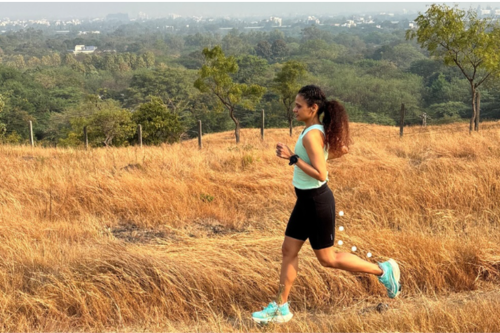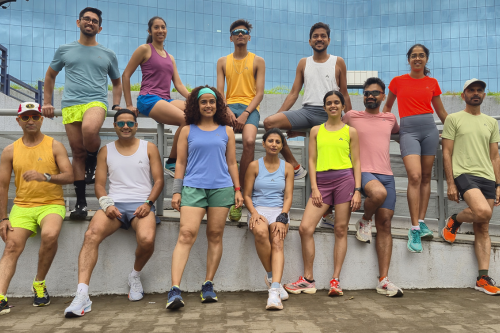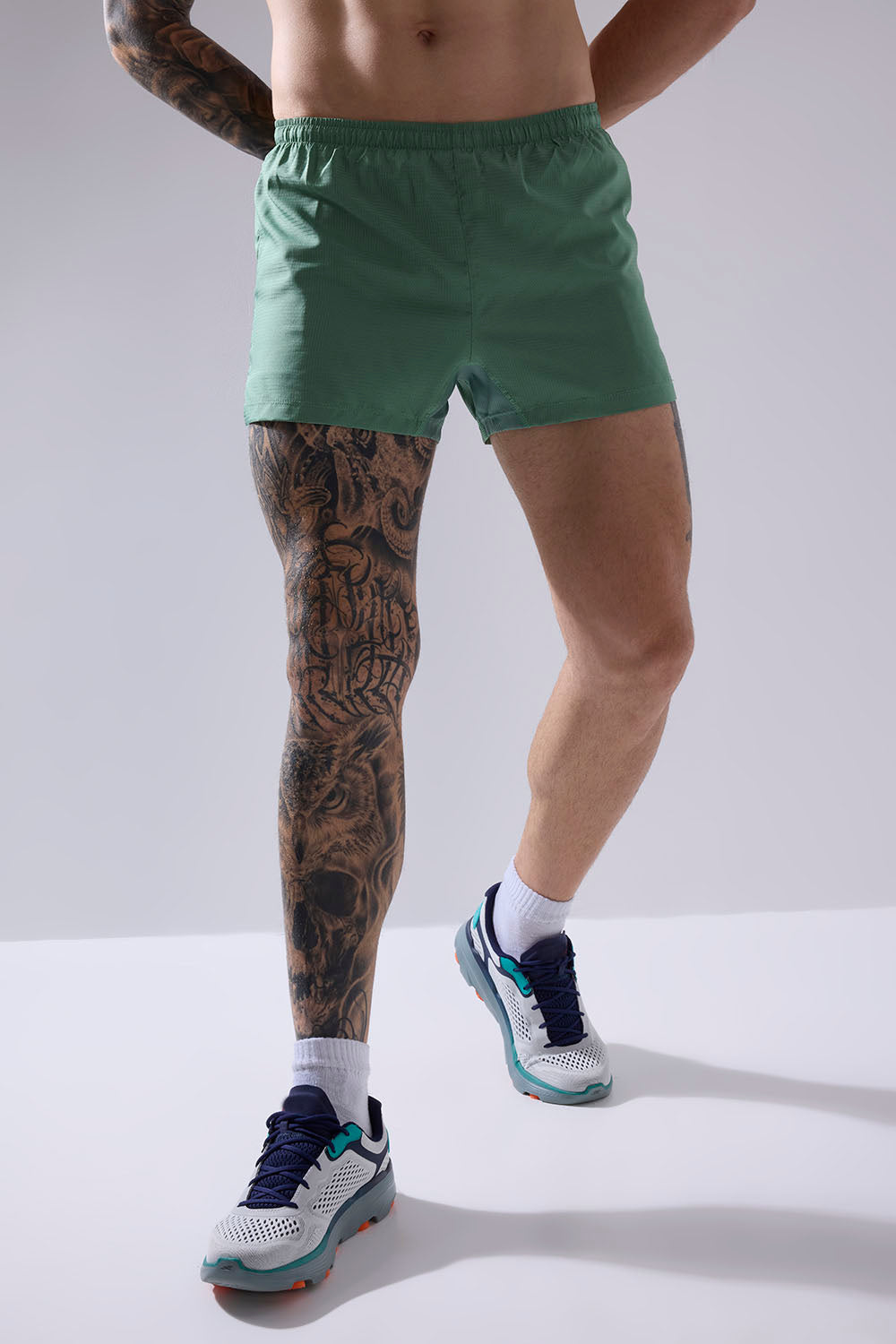
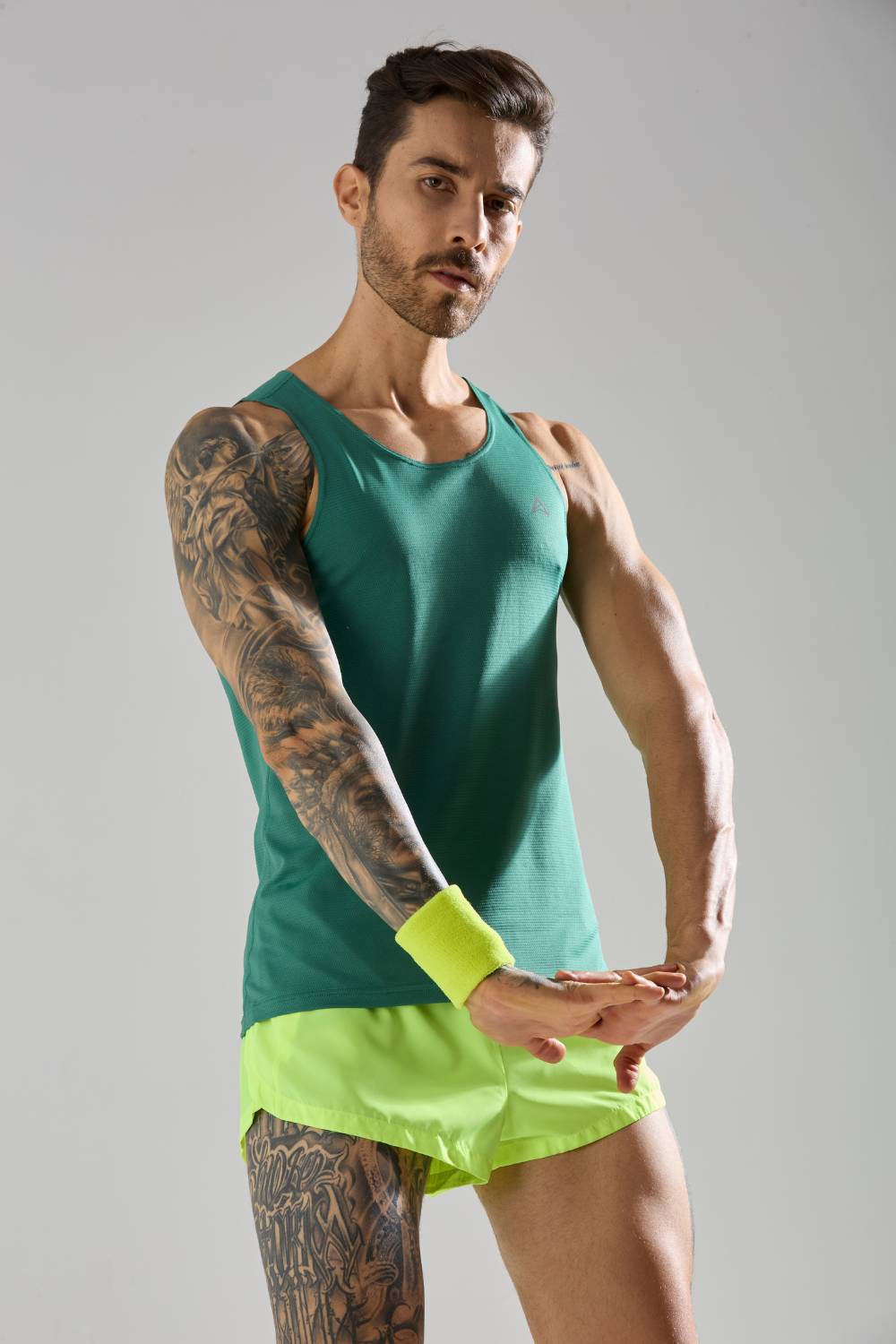
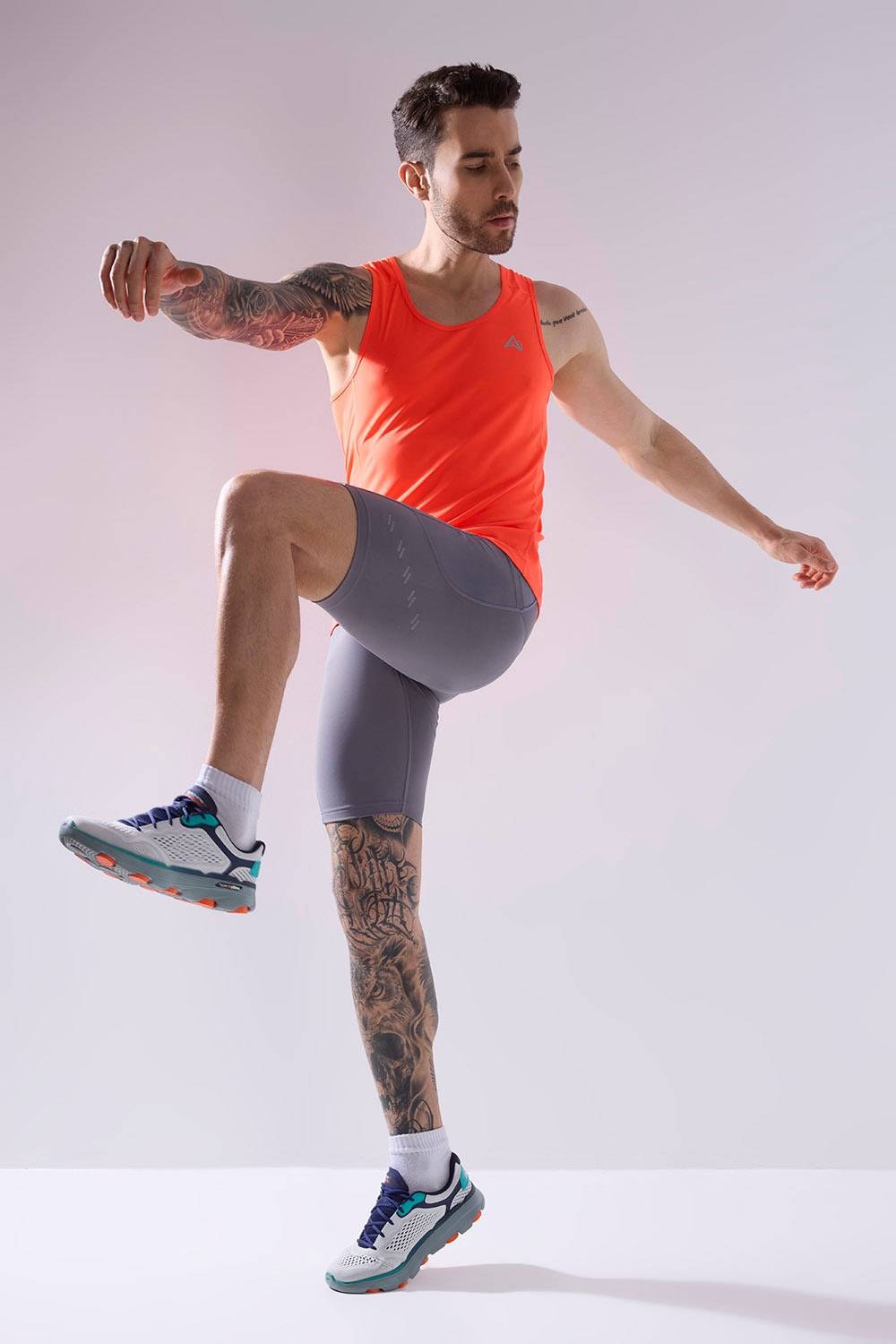
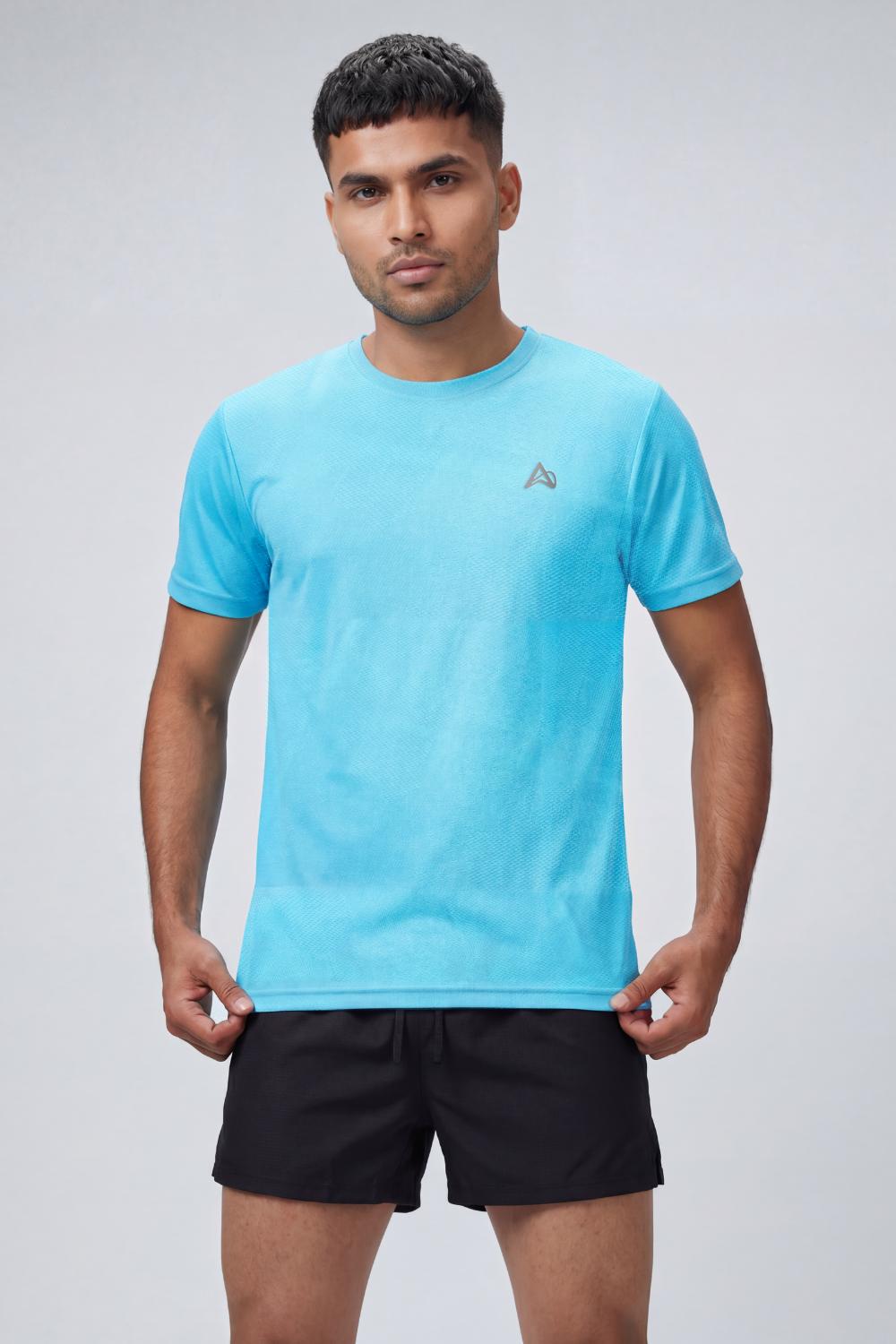
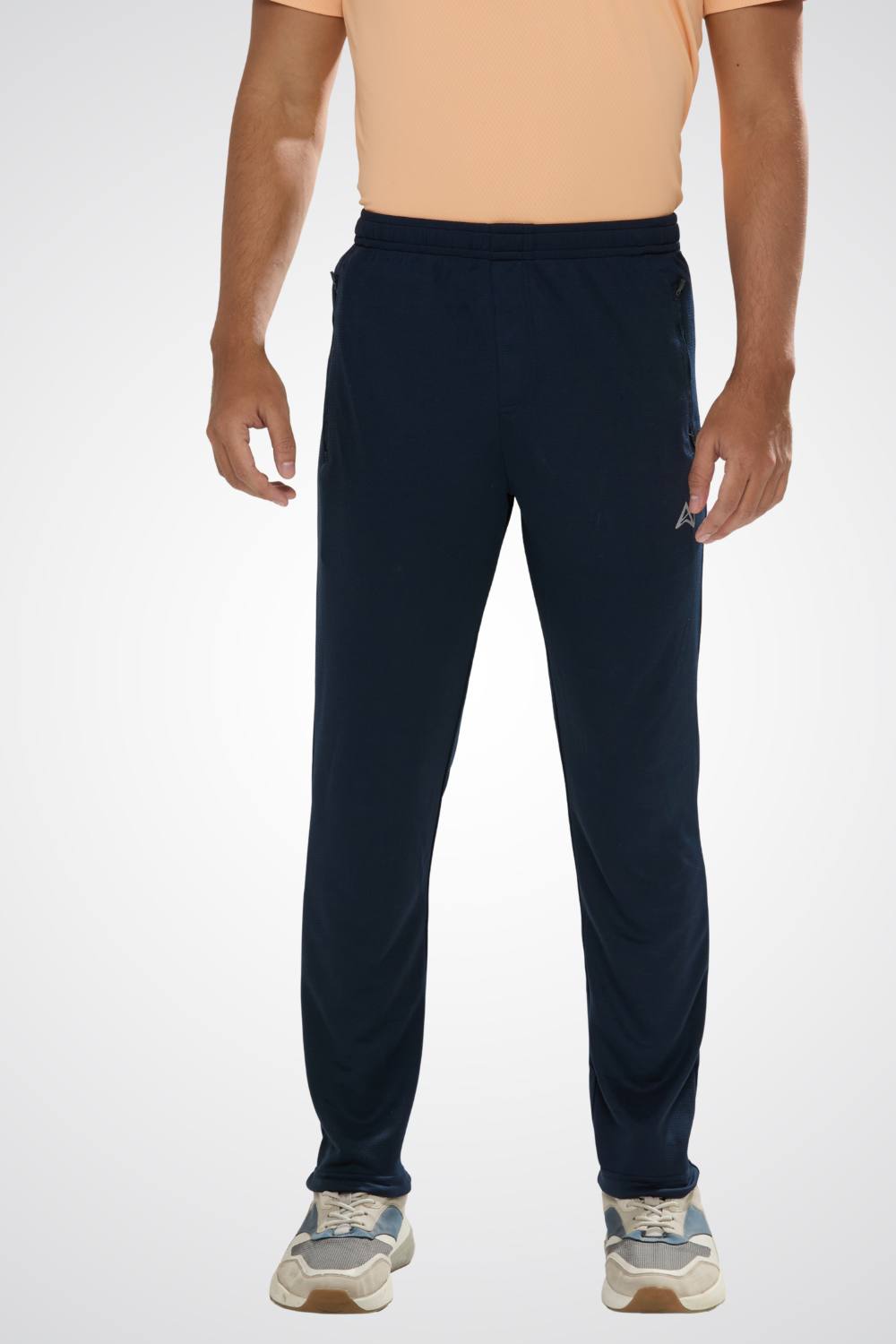
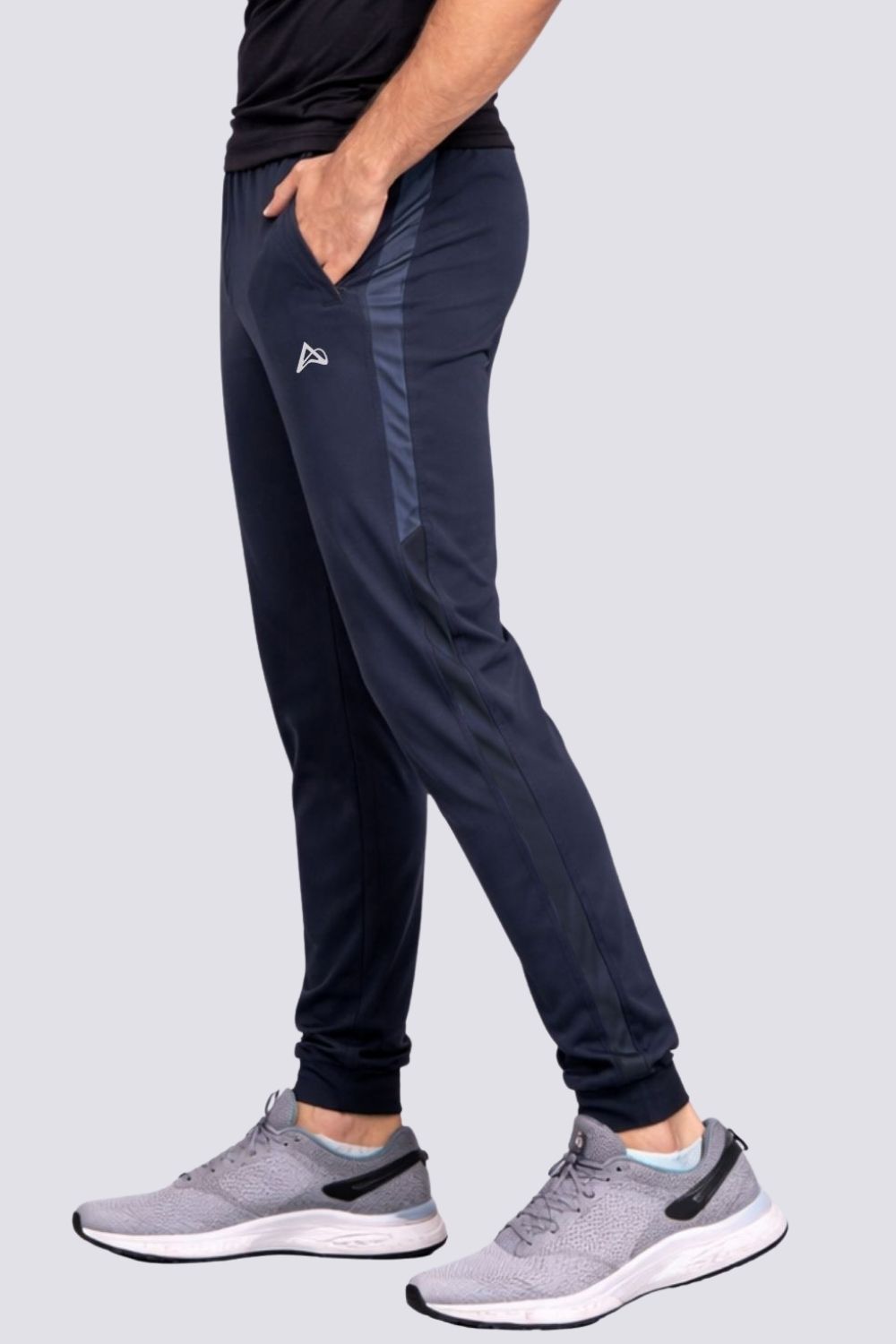
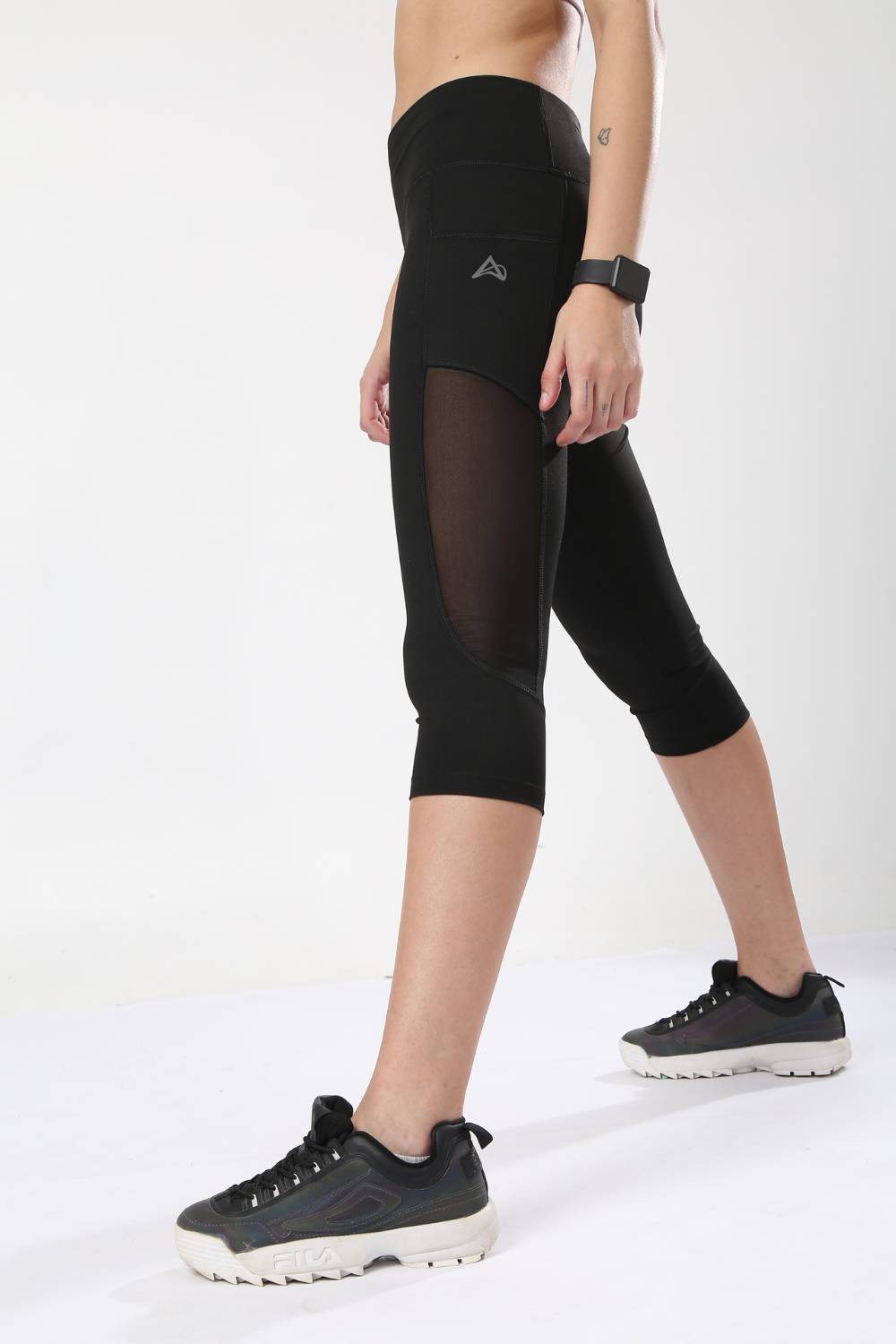
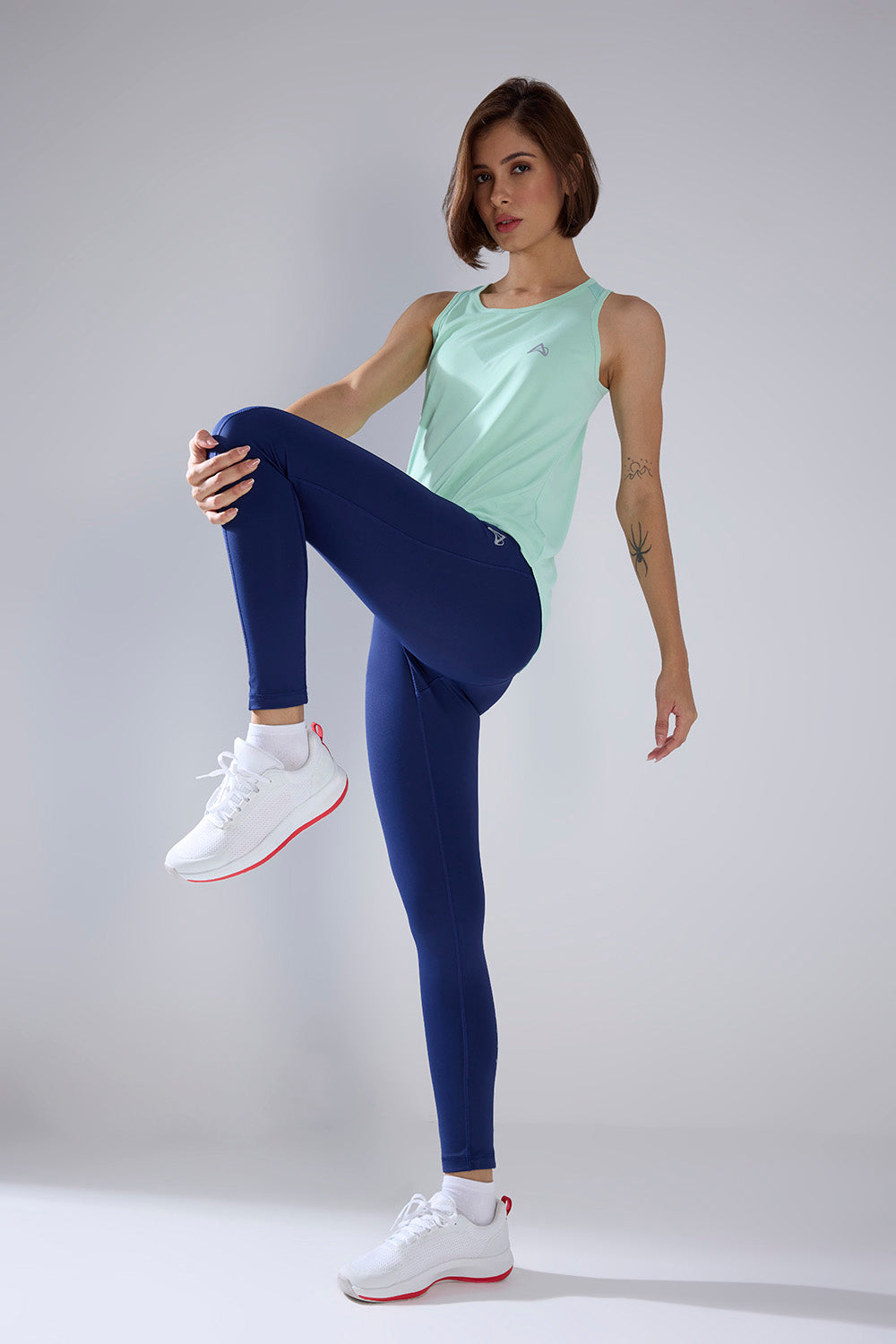

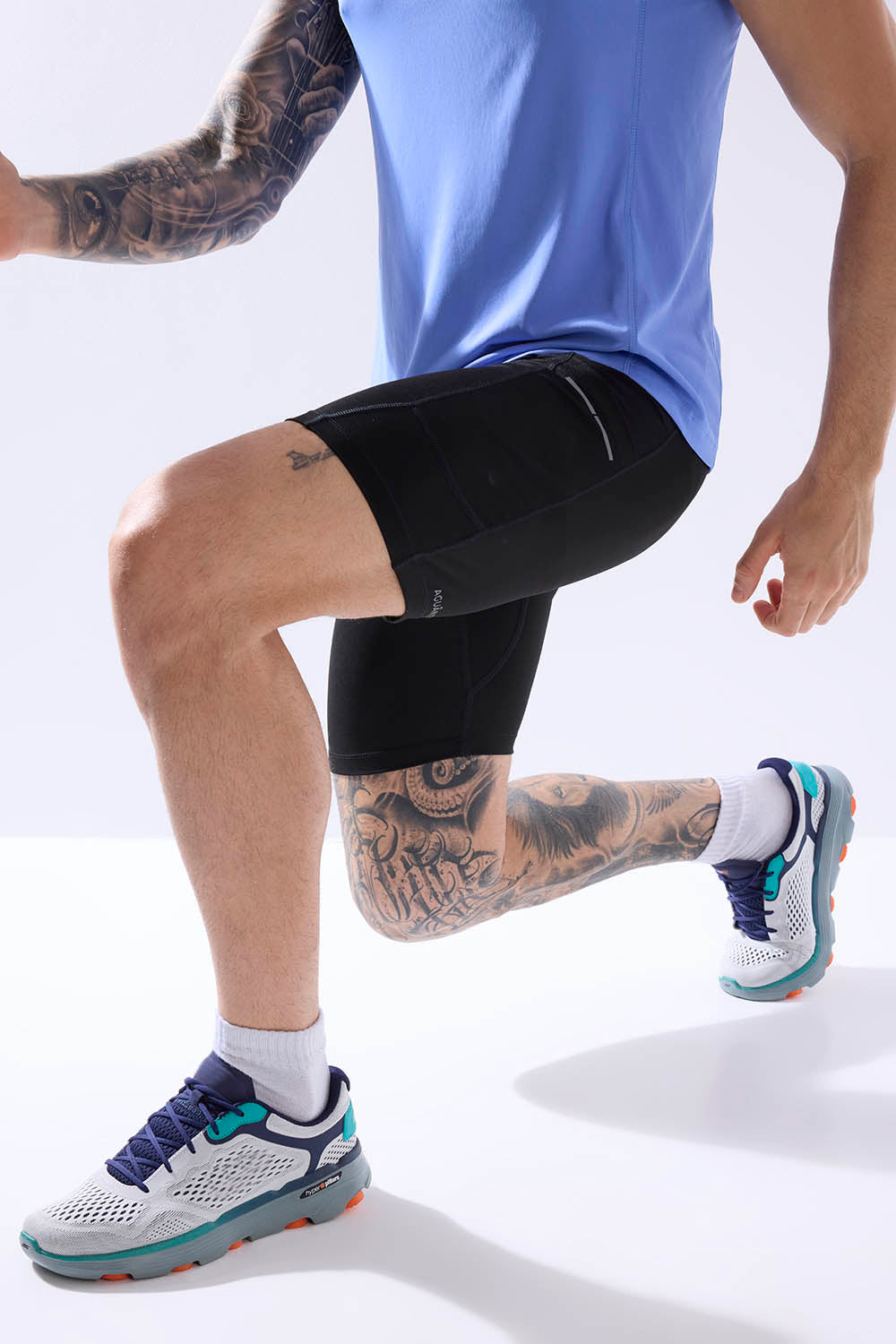
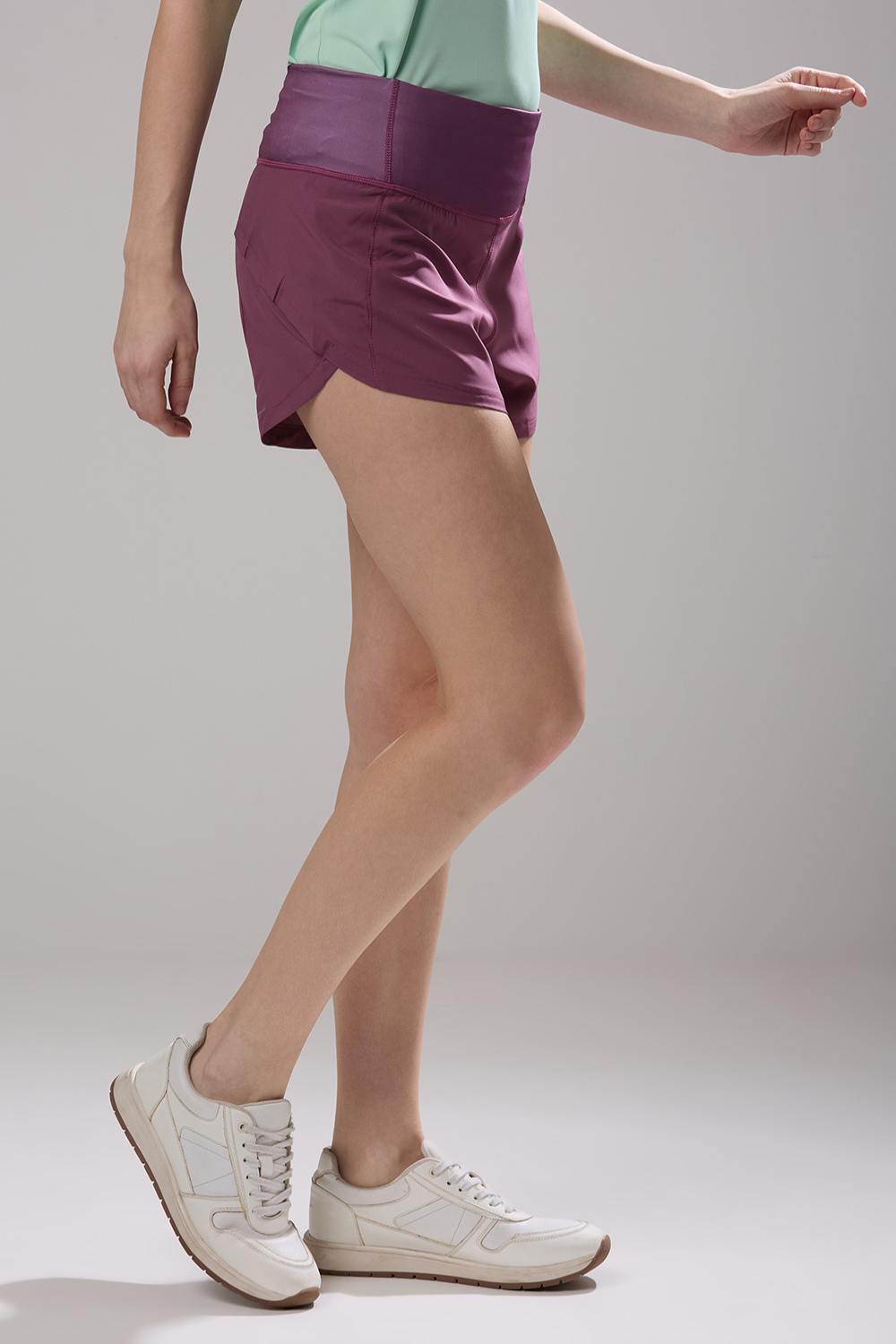
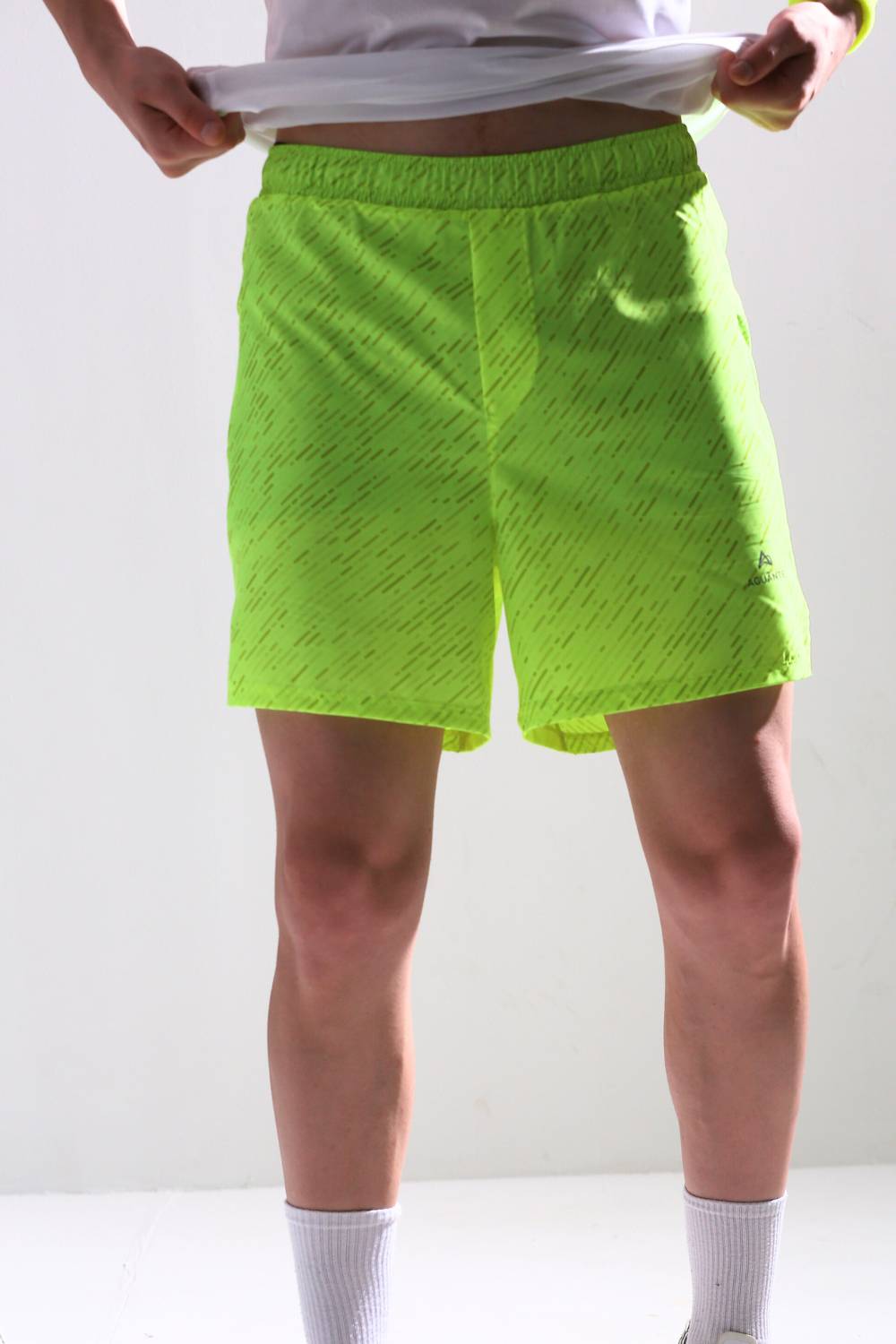

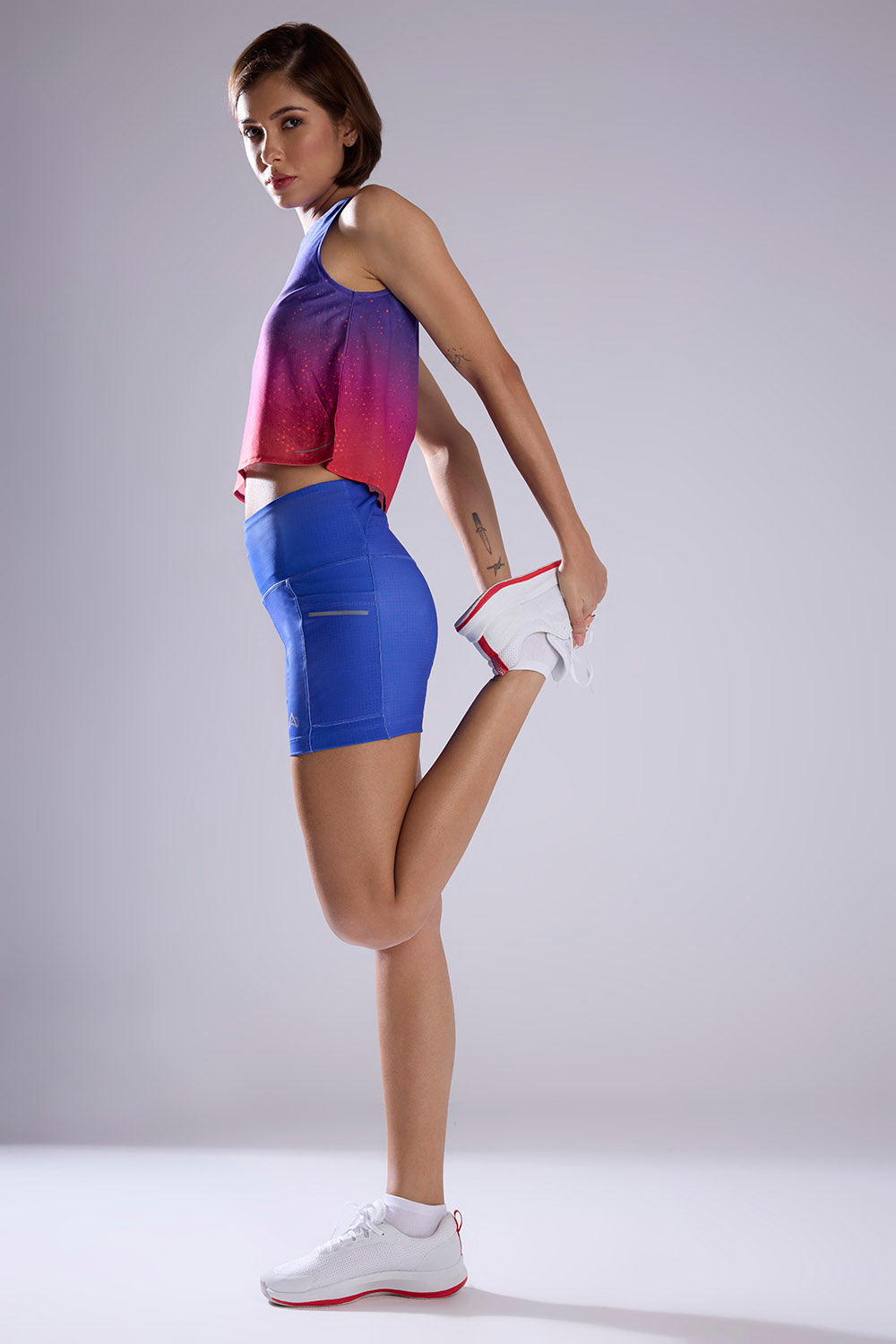
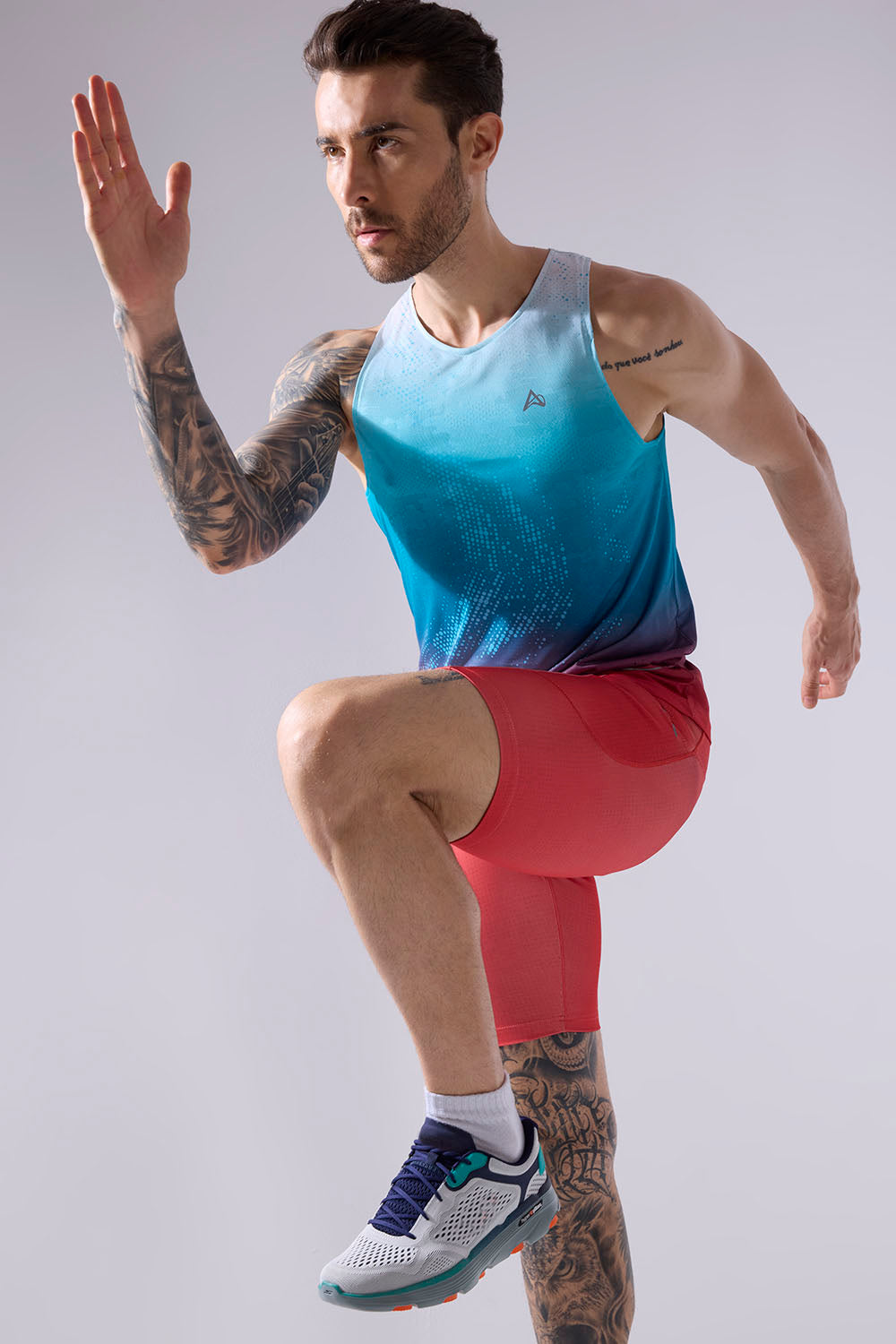

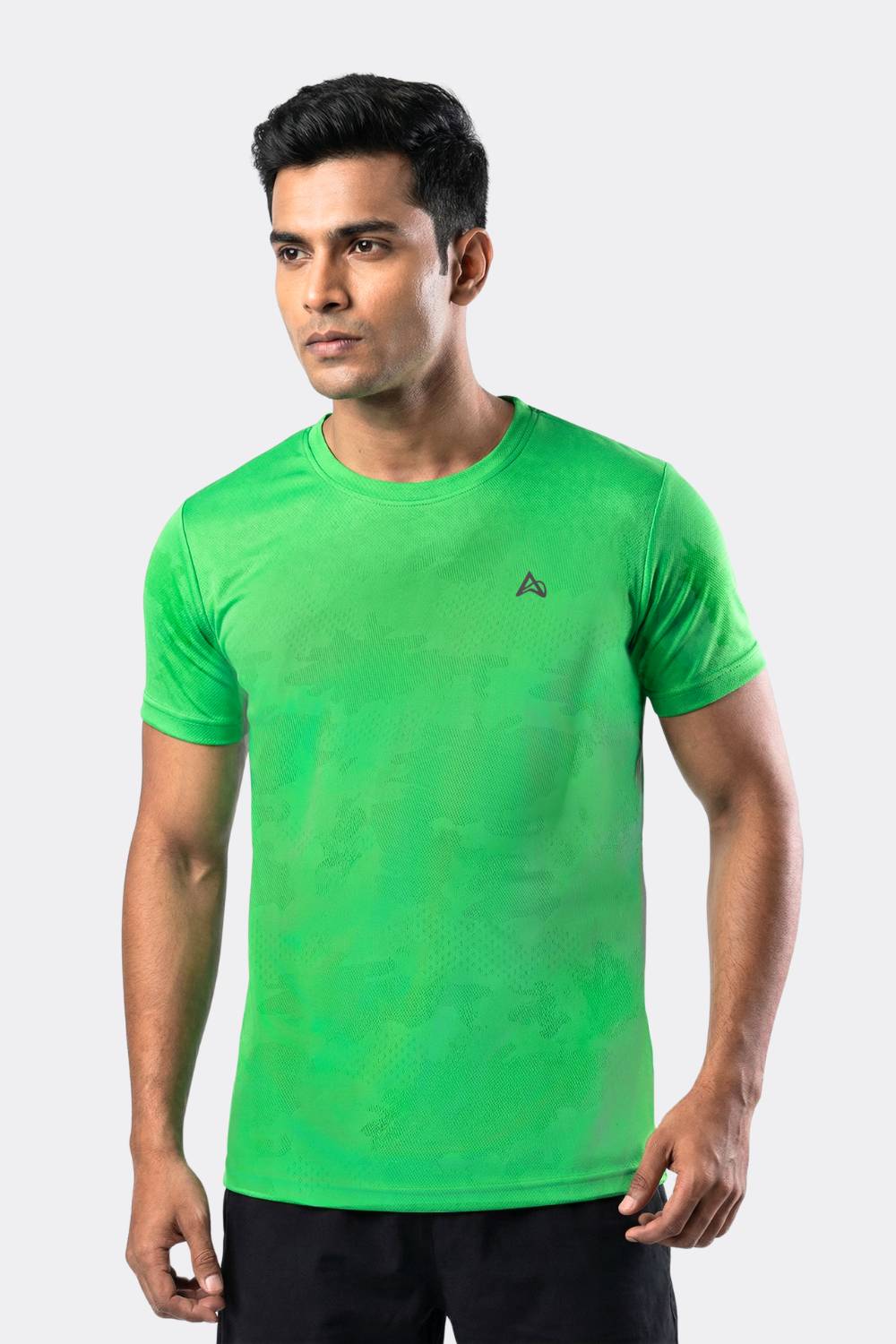
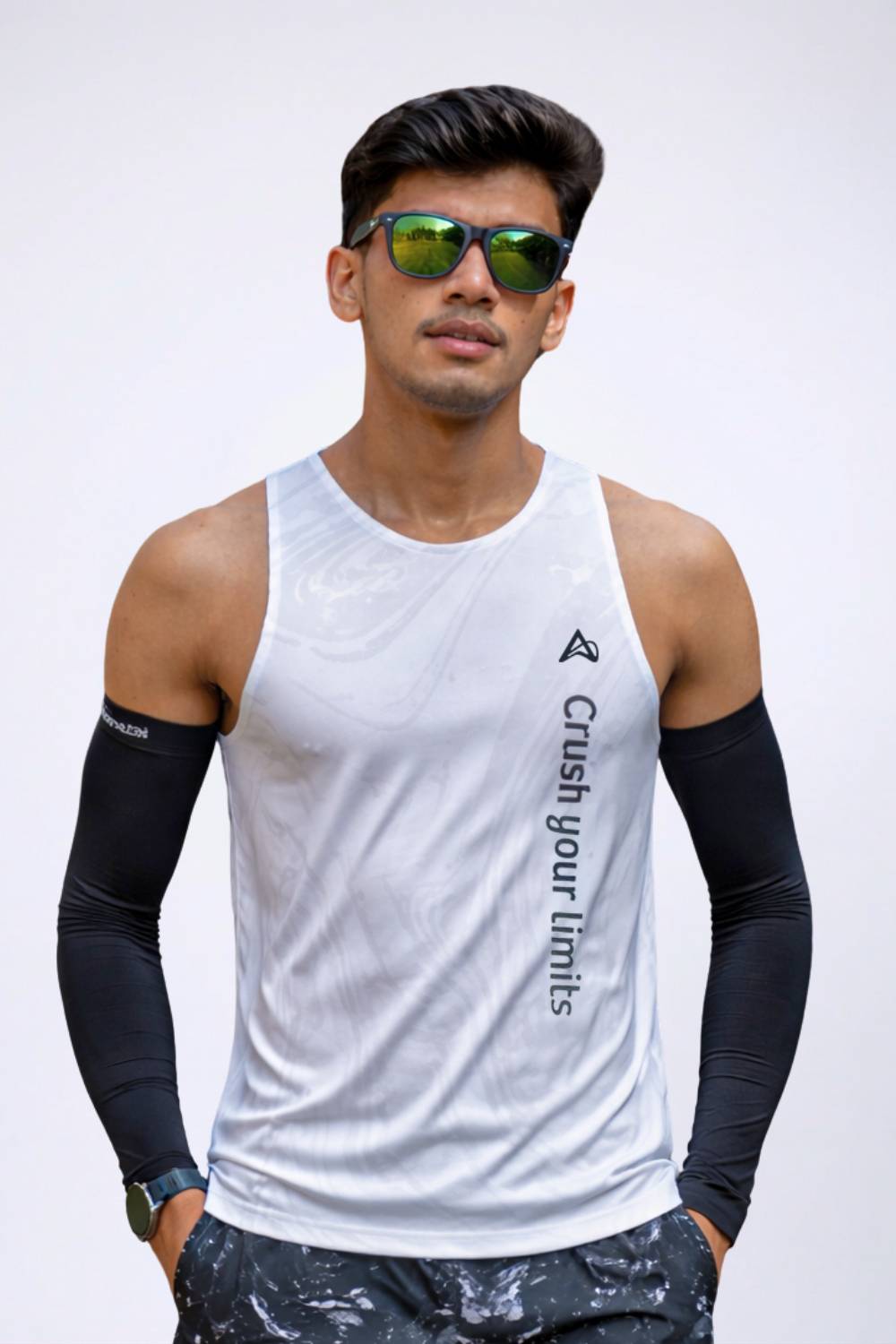

The urban streets of Bangalore come alive before dawn with the rhythmic patter of sneakers on asphalt. In Mumbai, runners weave through humid pre-monsoon air along Marine Drive. Delhi and Gurugram see packs heading out under hazy winter skies, while Pune, Hyderabad, Navi Mumbai, Surat, and Ahmedabad add their own energetic pulses to India's rapidly growing running scene. What connects these cities is no longer just the shared effort it's a noticeable shift toward running apparel that truly fits every body showing up to train, race, or simply move.
As morning loops, weekend half-marathons, and casual evening jogs become part of urban life across India, demand for gender-inclusive running gear has moved from niche conversation to mainstream expectation. Urban runners are no longer satisfied with sizing systems imported unchanged from Western markets. They want clothing that respects India's diverse physiques, punishing heat, monsoon humidity, and unpredictable road surfaces. Local brands that understand these realities are gaining serious traction.
Tired of gear that slows you down? Chafing, soggy fabrics, and missing pockets kill your run's momentum. At Aguante, we're runners who get it. Our high-performance activewear features moisture-wicking fabrics, ergonomic designs, and smart storage to keep you focused. Shop Now!
The Urban Running Surge Reshaping Indian Cities
India's running culture has matured dramatically in the past decade. Health awareness, the search for stress relief in crowded metros, and the simple pleasure of community have turned running into a legitimate lifestyle choice. Major city marathons now regularly attract tens of thousands of participants, while smaller local races and weekly group runs multiply the momentum in every tier-1 and emerging tier-2 hub.
Women's participation has grown especially fast. What was once a small minority has become a substantial and visible presence. In several flagship events, women now routinely account for roughly a quarter of finishers, with some cities reporting even steeper climbs in female entries over recent years. Many running collectives now show near-balanced gender ratios at regular sessions an unmistakable sign that fitness is increasingly viewed as universal rather than segmented by gender.
This broadening participation naturally creates pressure for better equipment. Conventional activewear frequently disappoints Indian runners: fabrics that turn sticky in 35 °C humidity, seams that irritate over long efforts, pockets that bounce painfully on uneven footpaths. Brands like Aguante were built to solve exactly these everyday frustrations, designing from the ground up for Indian heat, terrain, and bodies instead of merely relabeling overseas cuts.
The India sportswear market size reached USD 10.2 Million in 2024. The market is projected to reach USD 16.6 Million by 2033, exhibiting a growth rate(CAGR) of 5.1% during 2025-2033. The market growth is majorly driven by the growing fitness culture, increasing adoption of active lifestyles, rising disposable income levels of the consumers, and an enhanced focus on functionality and style in sportswear.
What Gender-Inclusive Running Gear Really Means
Gender-inclusive design is not about forcing everyone into a single generic shape. It is deliberate engineering that respects a wide spectrum of proportions, stride mechanics, and comfort priorities without defaulting to rigid male/female binaries.
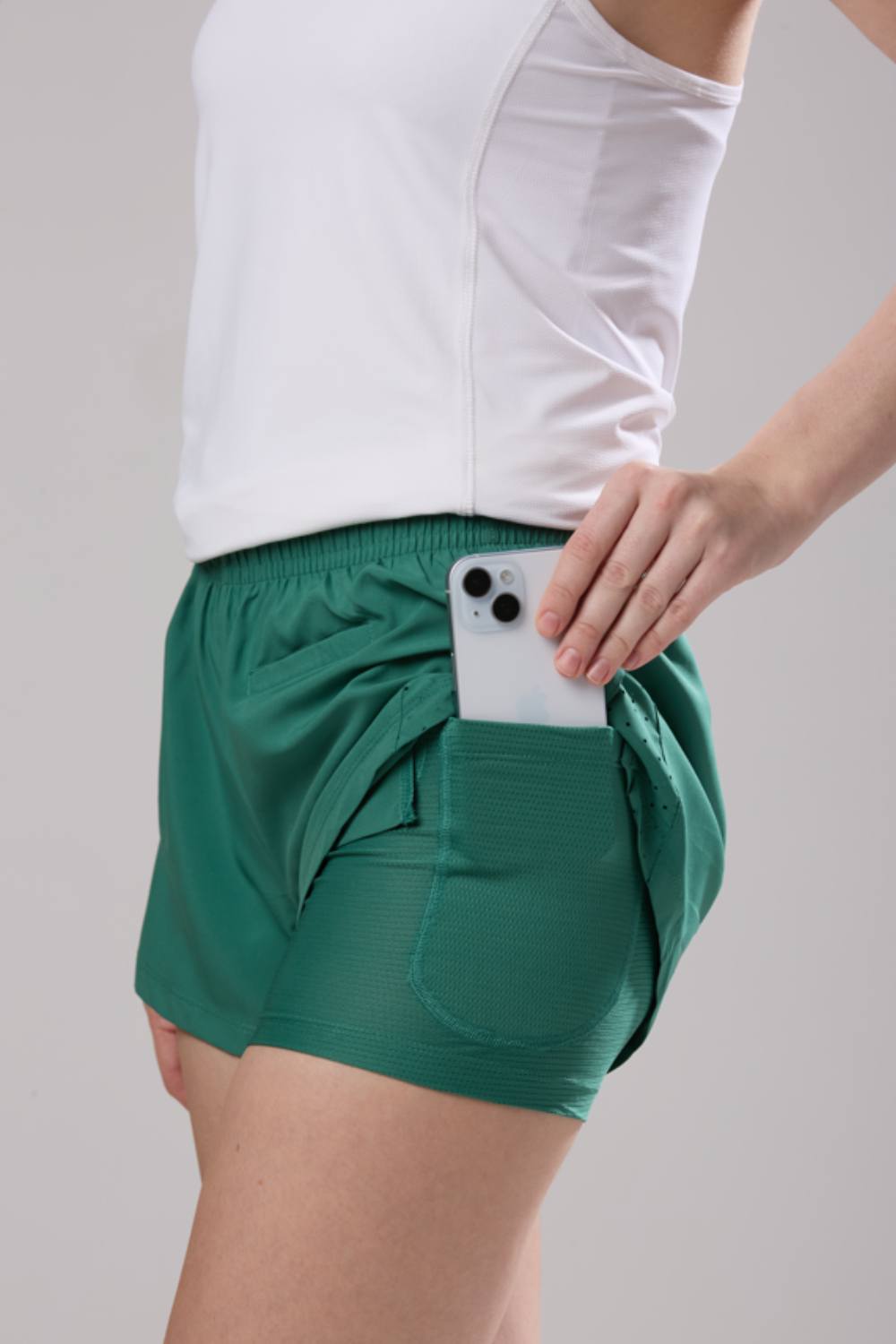
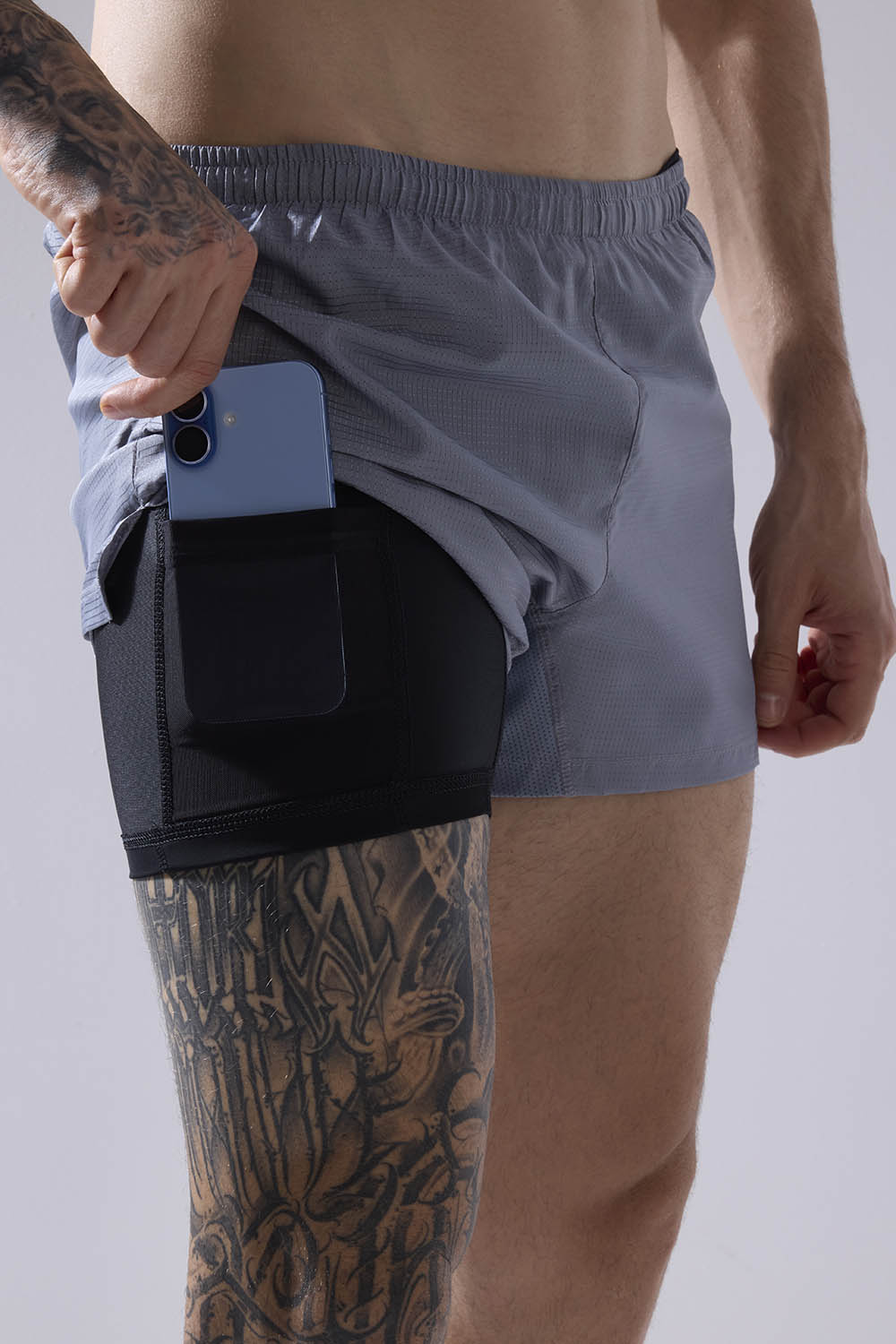
In Bangalore hill sessions and Pune trail runs, runners appreciate shorts that stay anchored through dynamic movement and singlets that wick sweat aggressively without creeping upward. Evening runners in Hyderabad and Ahmedabad rely on thoughtful reflective detailing to stay visible in low-light conditions. Secure, non-bouncing pockets keep phones and gels stable across bumpy urban routes small refinements that compound into dramatically better experiences.
The broader market context supports this evolution. Industry observers note strong growth in running-specific apparel and accessories, driven by rising health consciousness, the boom in recreational running, the spread of marathons and fun runs, and easier access through online channels. The India running gear market has already established itself as one of the faster-growing segments within sportswear, reflecting genuine behavioral change rather than temporary fashion.
How Local Brands Are Closing the Performance Gap
Forward-thinking Indian labels distinguish themselves by fixating on the details real runners notice most:
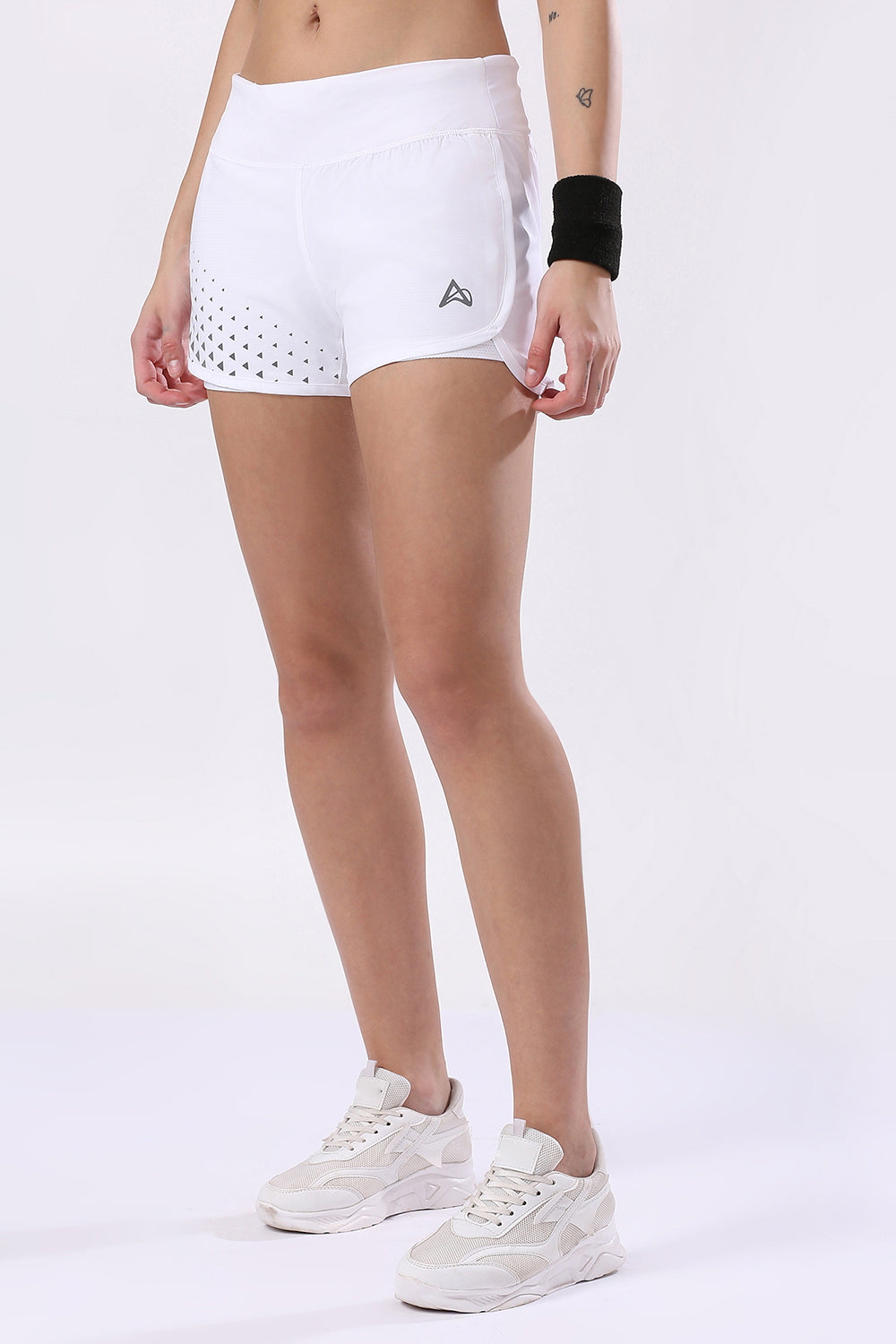
- Advanced moisture-wicking fabrics engineered specifically for prolonged exposure to high heat and humidity
- Anti-chafing inner linings that maintain comfort kilometre after kilometre
- Strategic reflective elements that enhance safety during dawn and dusk urban runs
- Thoughtfully placed, bounce-resistant pockets that carry essentials without disrupting rhythm
- Fits rigorously tested on Indian runners and Indian roads, not just in climate-controlled labs abroad
While international names often command premium pricing for designs conceived far from Indian summers, homegrown players deliver comparable (and frequently superior) performance at prices that respect local purchasing power. The result is gear that feels purpose-built rather than adapted.
Social platforms have become powerful amplifiers. Influencers and everyday runners on Instagram, Facebook, and YouTube from accounts such as @barefoot_coach_shanth_koushik in Bangalore to creators active in Hyderabad and Navi Mumbai consistently demonstrate how properly fitted, locally attuned apparel transforms long runs, tempo sessions, and group outings alike.
Barriers That Remain and How They're Being Addressed
Progress is rarely linear. In Mumbai and Surat, loyalty to well-known global brands remains strong; many runners hesitate to experiment even when local alternatives outperform in real conditions. India still lacks a unified, widely accepted sizing framework for truly inclusive fits, which means responsible brands must invest heavily in user testing and iterative refinement.
Imported gender-neutral collections frequently miss critical local nuances: lightweight fabrics that turn clammy during monsoon months, cuts optimised for temperate climates rather than 30 °C+ averages, minimal consideration for the abrasiveness of Indian pavements. Domestic designers counter these shortcomings by emphasising breathability, long-term durability, and construction details that survive real-world Indian running environments.
Opportunities for Brands and the Running Community
High-growth centres such as Bangalore, Delhi, and Gurugram offer clear first-mover advantages for brands that combine serious performance, genuine inclusivity, and accessible pricing. Runners increasingly reward companies that listen closely and deliver tangible improvements over imported status symbols.
Social media continues to be the dominant discovery and trust-building channel Instagram stories capturing sunrise runs through city landmarks, Facebook communities coordinating weekend long runs, YouTube reviews dissecting pocket placement and fabric behaviour. When clothing fits well and performs reliably in local conditions, runners stay engaged; when it doesn't, they quietly disappear from group chats and start lines.
Value perception matters deeply. Rising disposable incomes coexist with enduring price sensitivity, so brands that pair honest pricing with uncompromising quality tend to build lasting loyalty.
Inclusivity Is Becoming the Baseline Expectation
Gender-inclusive running gear has moved beyond trend status it now represents a logical, inevitable progression of India's urban fitness culture. Social openness, performance requirements, and lifestyle integration converge most visibly in the cities where running doubles as exercise, therapy, social ritual, and quiet celebration.
The brands that will define the next chapter are those that continue to prioritise Indian realities, invest in serious product development, and treat inclusivity as core engineering rather than an optional marketing checkbox. Running clubs, event organisers, and everyday participants all play a role in normalising apparel that welcomes every body because the moment gear stops being a distraction, the run itself becomes purer and more joyful.
Ultimately, the finest runs are rarely remembered for splits or medals. They are remembered for how free the body felt: no chafing, no constant readjusting, no overheating, no mental inventory of wardrobe failures. That feeling of effortless movement is precisely what thoughtful, locally rooted, inclusive running gear exists to protect and the movement behind it is only gathering speed.
Frequently Asked Questions
What is gender-inclusive running gear and why is it important for Indian runners?
Gender-inclusive running gear is apparel engineered to fit a wide spectrum of body proportions and comfort needs without defaulting to rigid male/female sizing binaries. For Indian runners, it's especially important because conventional activewear often designed for Western markets frequently fails in India's extreme heat, monsoon humidity, and uneven urban terrain. Inclusive gear addresses real performance gaps like sticky fabrics, poor pocket placement, and ill-fitting cuts that distract from the run itself.
Why are local Indian running apparel brands outperforming international ones?
Local Indian brands design specifically for Indian conditions prolonged heat above 35°C, monsoon humidity, and abrasive city pavements rather than relabeling overseas cuts. They invest in user testing on actual Indian runners and roads, offering features like aggressive moisture-wicking fabrics, anti-chafing linings, and bounce-resistant pockets at prices that respect local purchasing power. This ground-up approach frequently delivers superior real-world performance compared to premium international labels conceived in temperate climates.
How has women's participation in Indian running events influenced the demand for inclusive running apparel?
Women's participation in Indian running has grown dramatically, with women now accounting for roughly a quarter of finishers in several major city marathons and the numbers keep climbing. This surge has created strong demand for gear that genuinely fits diverse female physiques rather than offering scaled-down versions of men's designs. As running collectives across cities like Bangalore, Mumbai, and Pune approach near-balanced gender ratios, brands that prioritize inclusive sizing and performance-first design are earning lasting loyalty from this fast-growing segment.
Disclaimer: The above helpful resources content contains personal opinions and experiences. The information provided is for general knowledge and does not constitute professional advice.
You may also be interested in: Running Community Embraces Local Brands in India - Aguante
Tired of gear that slows you down? Chafing, soggy fabrics, and missing pockets kill your run's momentum. At Aguante, we're runners who get it. Our high-performance activewear features moisture-wicking fabrics, ergonomic designs, and smart storage to keep you focused. Shop Now!
Powered by flareAI.co