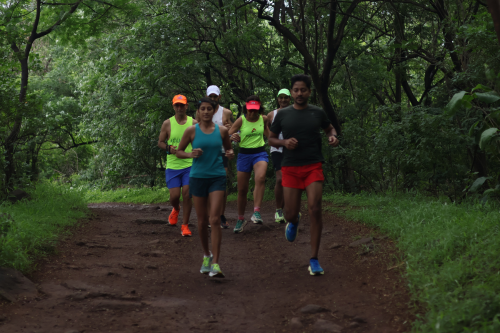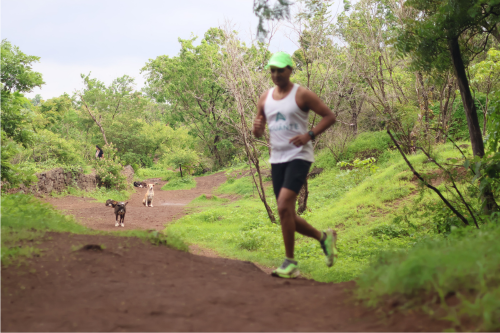
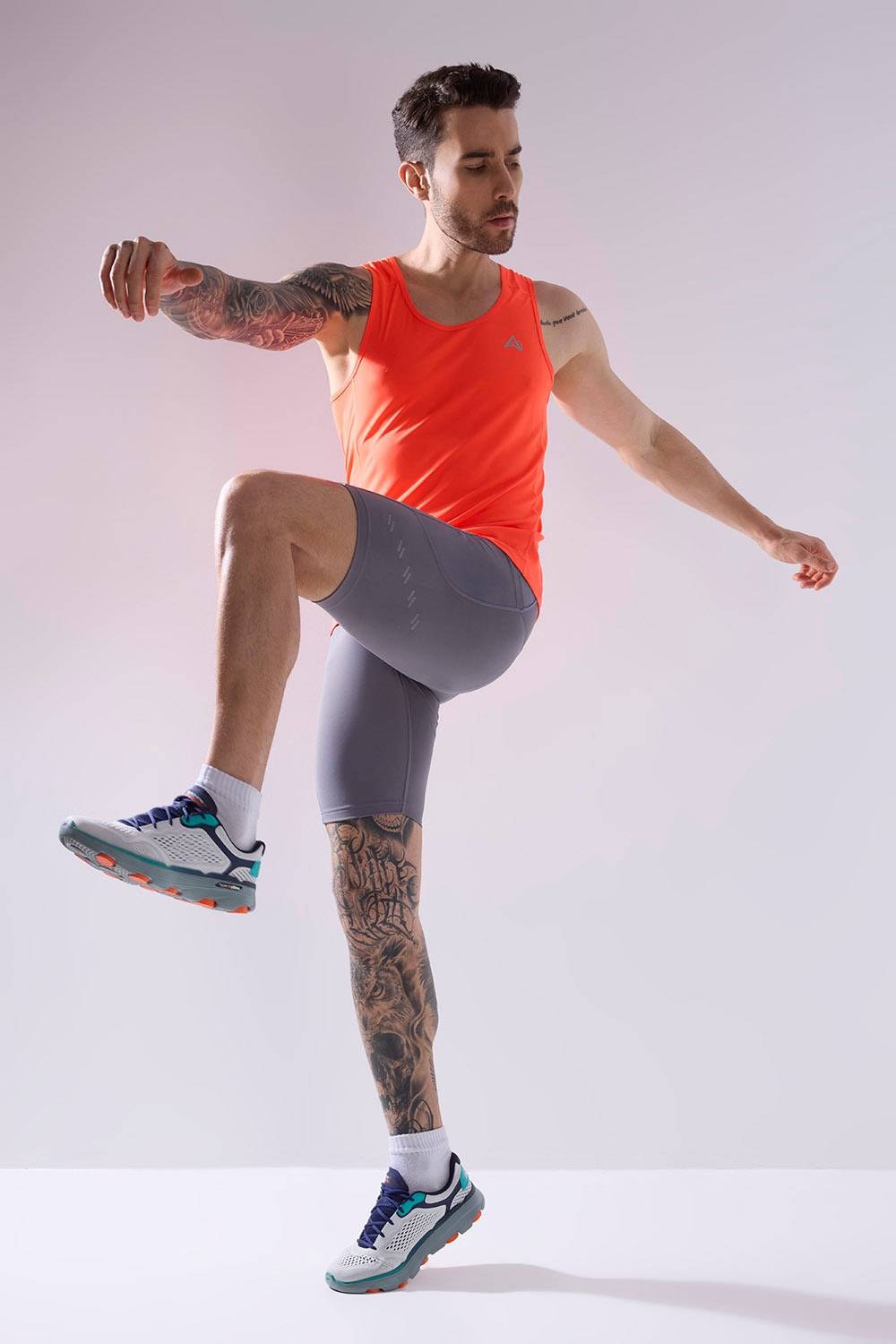
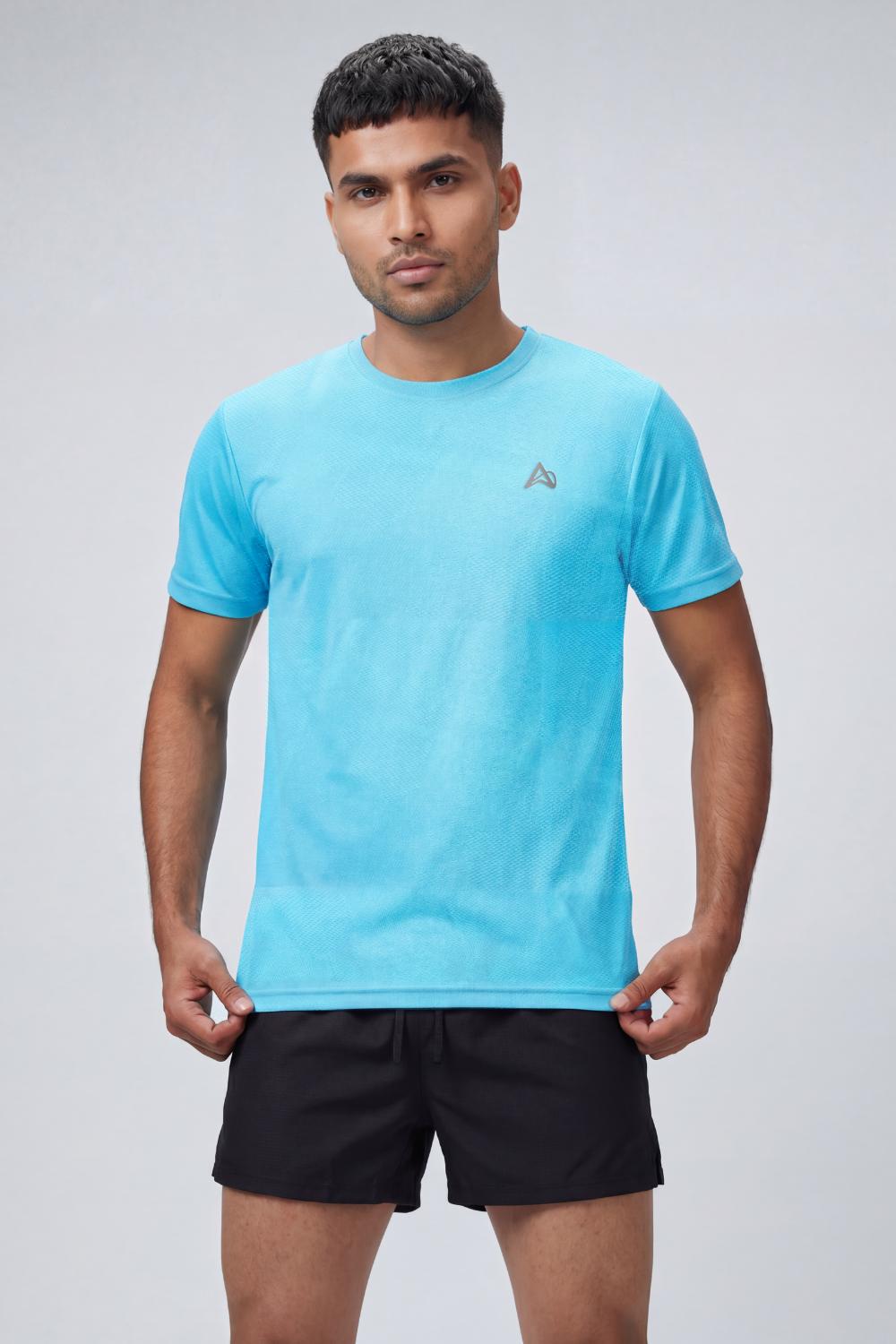
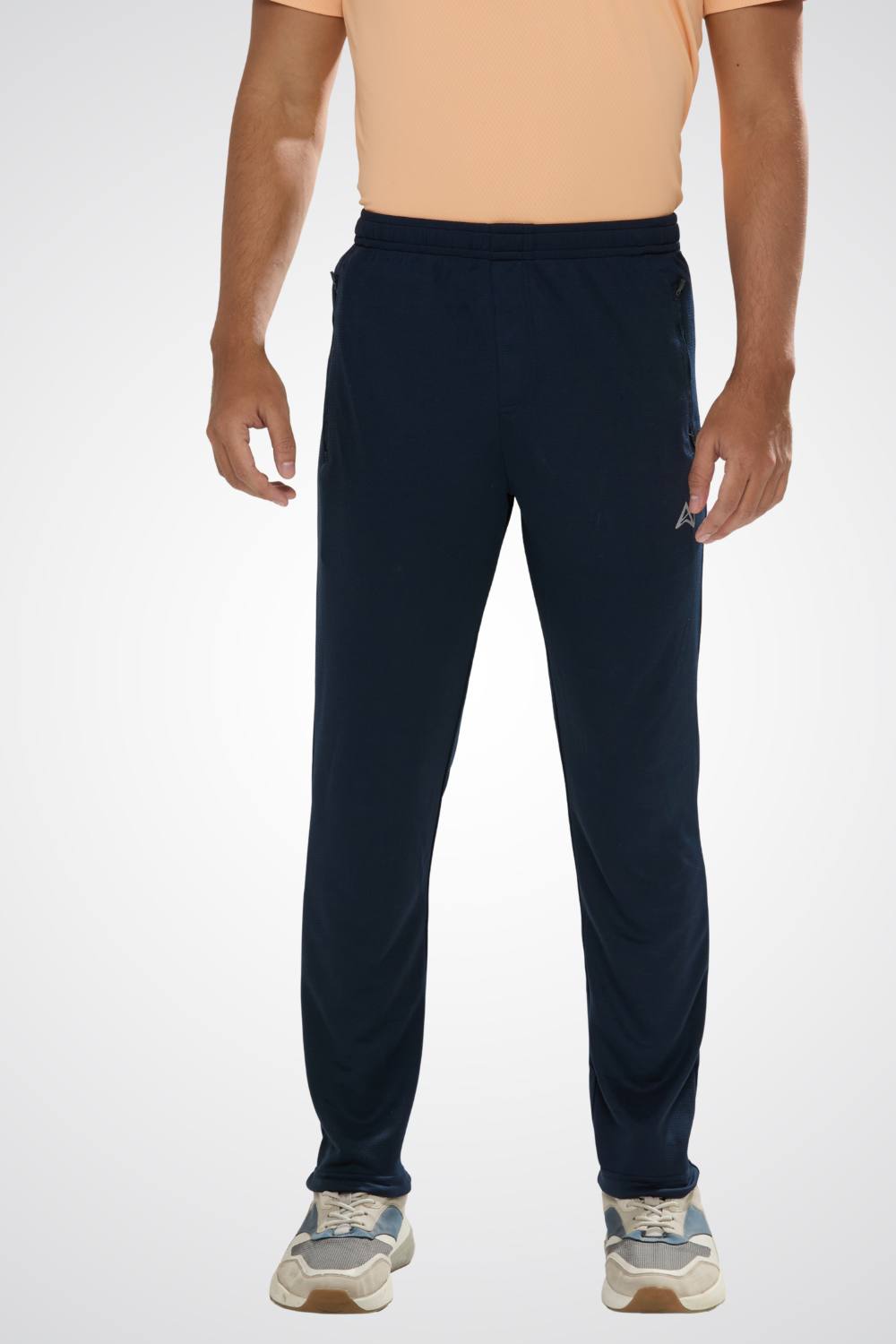
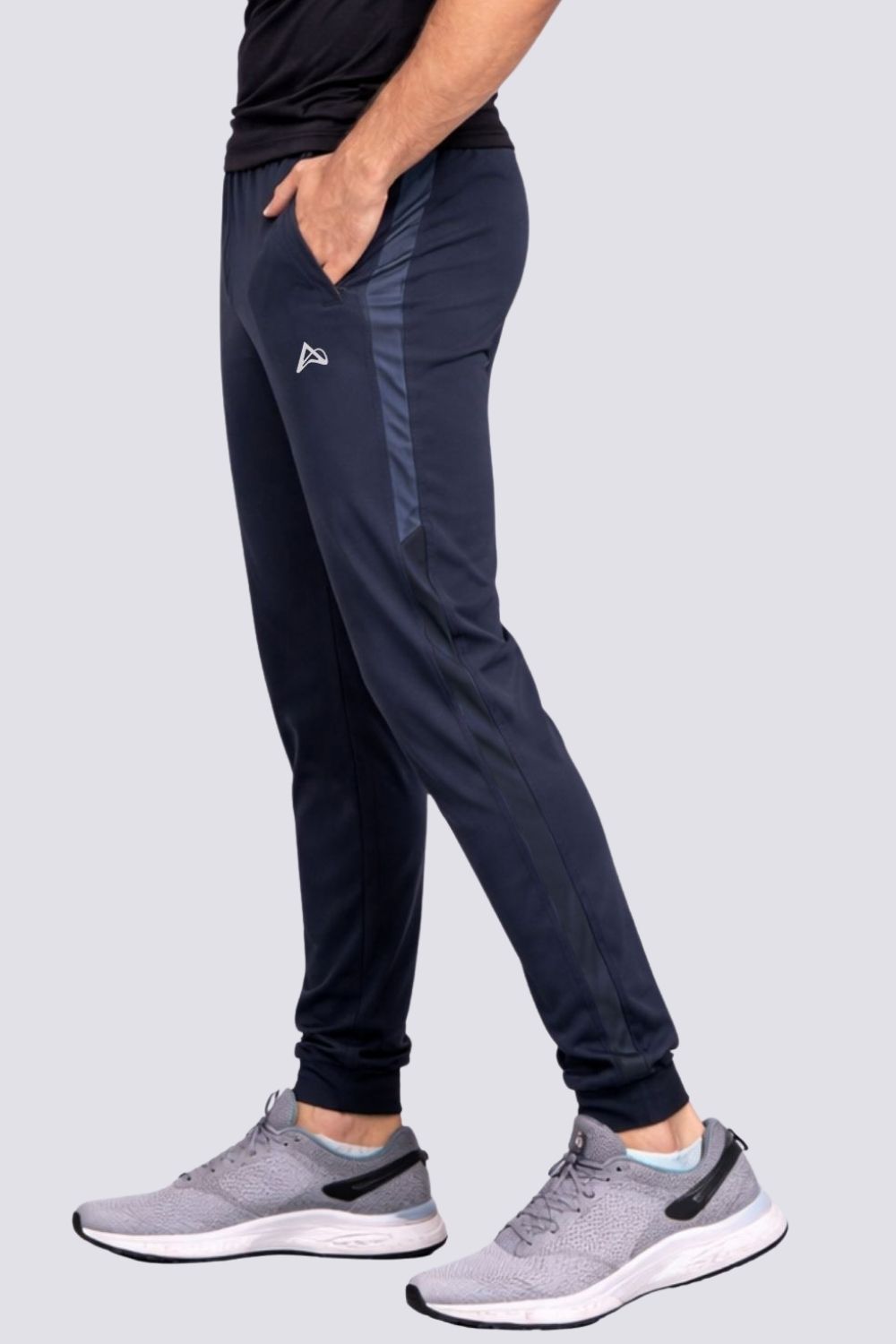


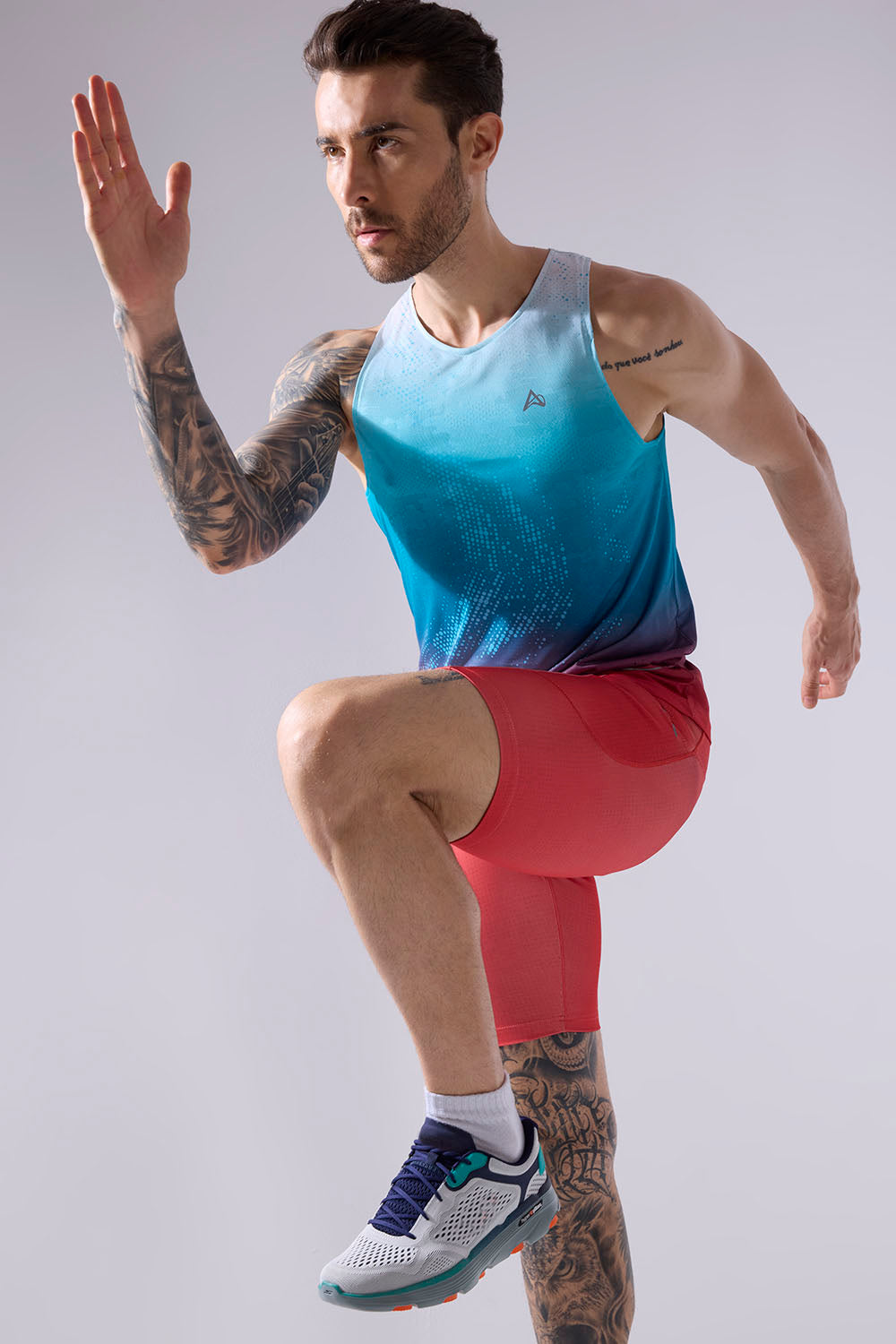

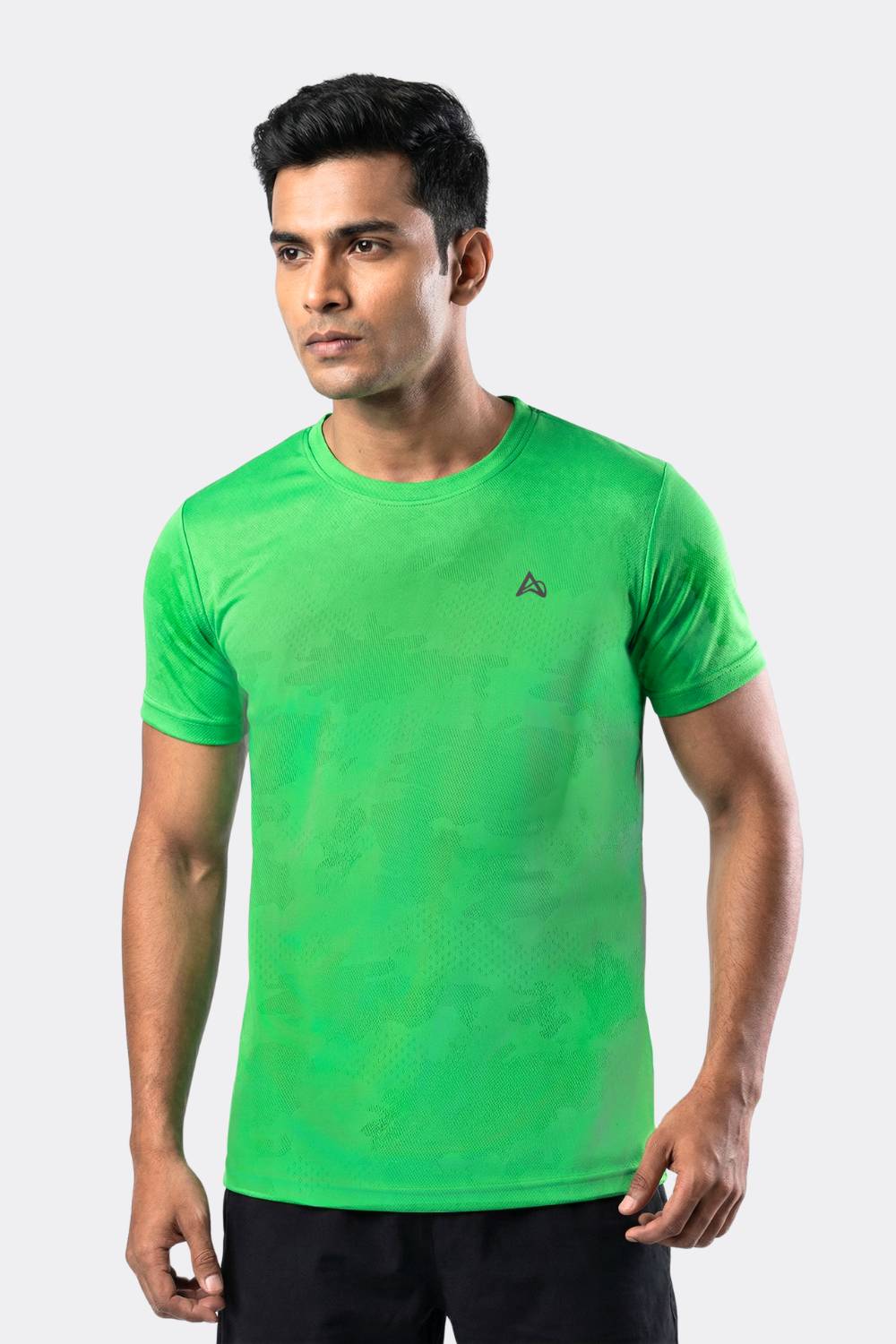
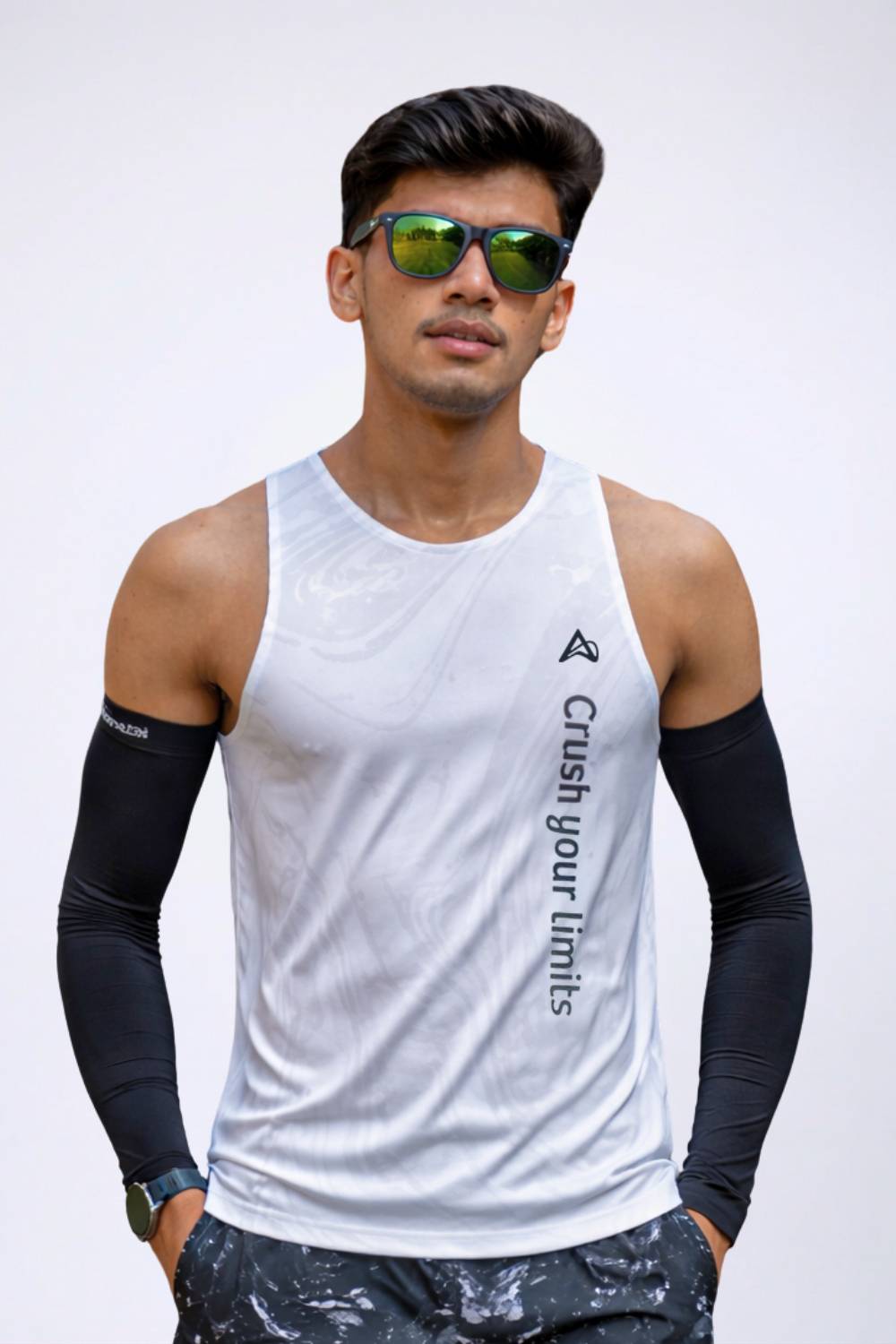

Picture a runner weaving through Mumbai's bustling streets, where the air feels thick and heavy, clinging to every breath. It's not merely the sun beating down it's the humidity that turns a routine jog into a grueling test of endurance. This reality unfolds across India's cities, from Delhi's hazy mornings to Bangalore's misty trails. Yet, a strategic shift in running attire can redefine the game. Breathable gear emerges as a crucial ally, enhancing stamina, warding off injuries, and elevating the joy of movement. With India's fitness wave surging, grasping the importance of breathability stands as a game-changer for runners nationwide.
Tired of gear that slows you down? Chafing, soggy fabrics, and missing pockets kill your run's momentum. At Aguante, we're runners who get it. Our high-performance activewear features moisture-wicking fabrics, ergonomic designs, and smart storage to keep you focused. Shop Now!
The Mechanics of Breathability in Challenging Climates
Breathable materials facilitate airflow and swift moisture escape, maintaining cooler body temperatures amid intense activity. In hubs like Mumbai and Delhi, where humidity levels often surpass 80%, cotton clings to sweat, fostering unease and potential overheating. Insights from regional studies underscore how elevated moisture in the air hampers evaporation, elevating core heat and heightening risks of exhaustion.
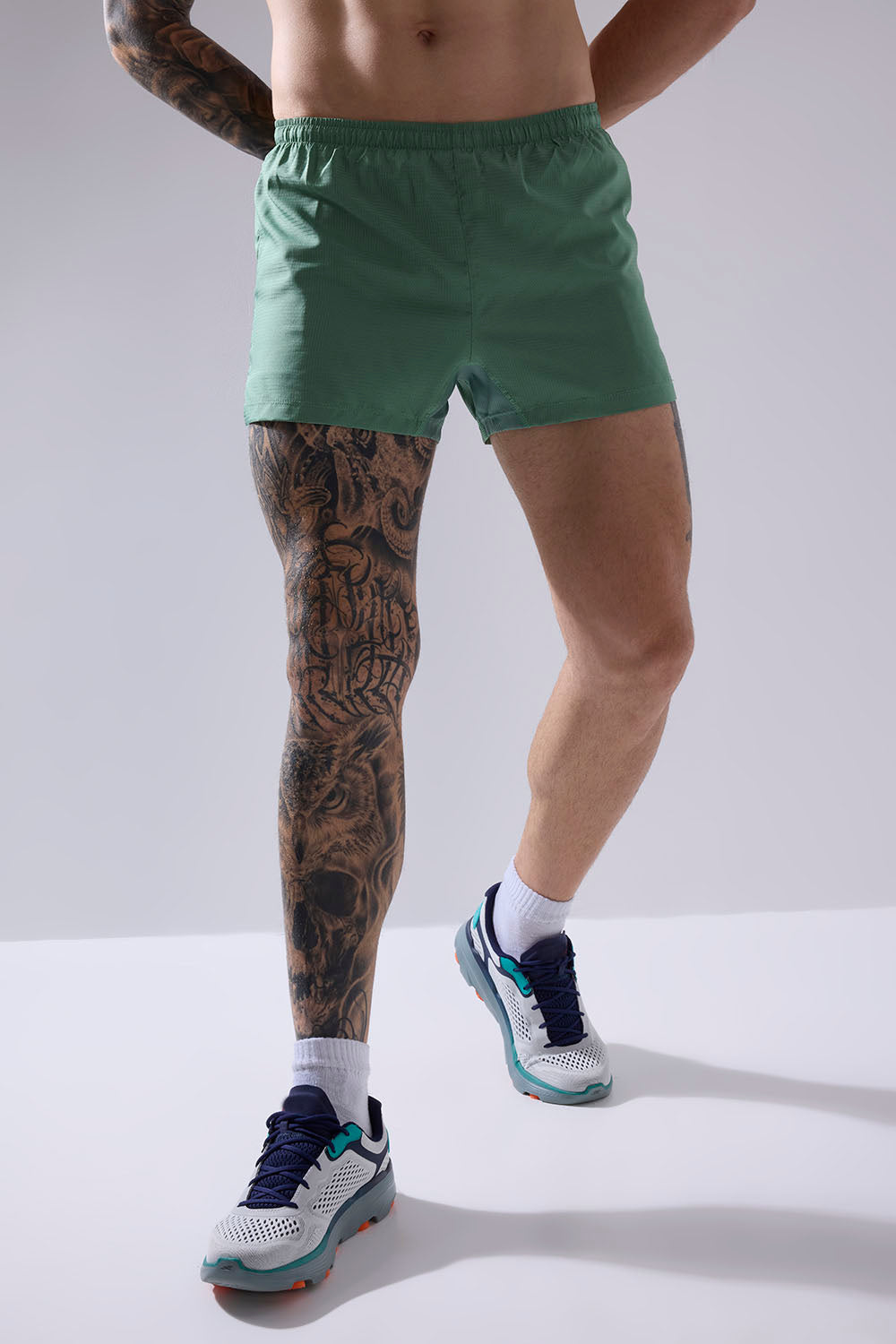
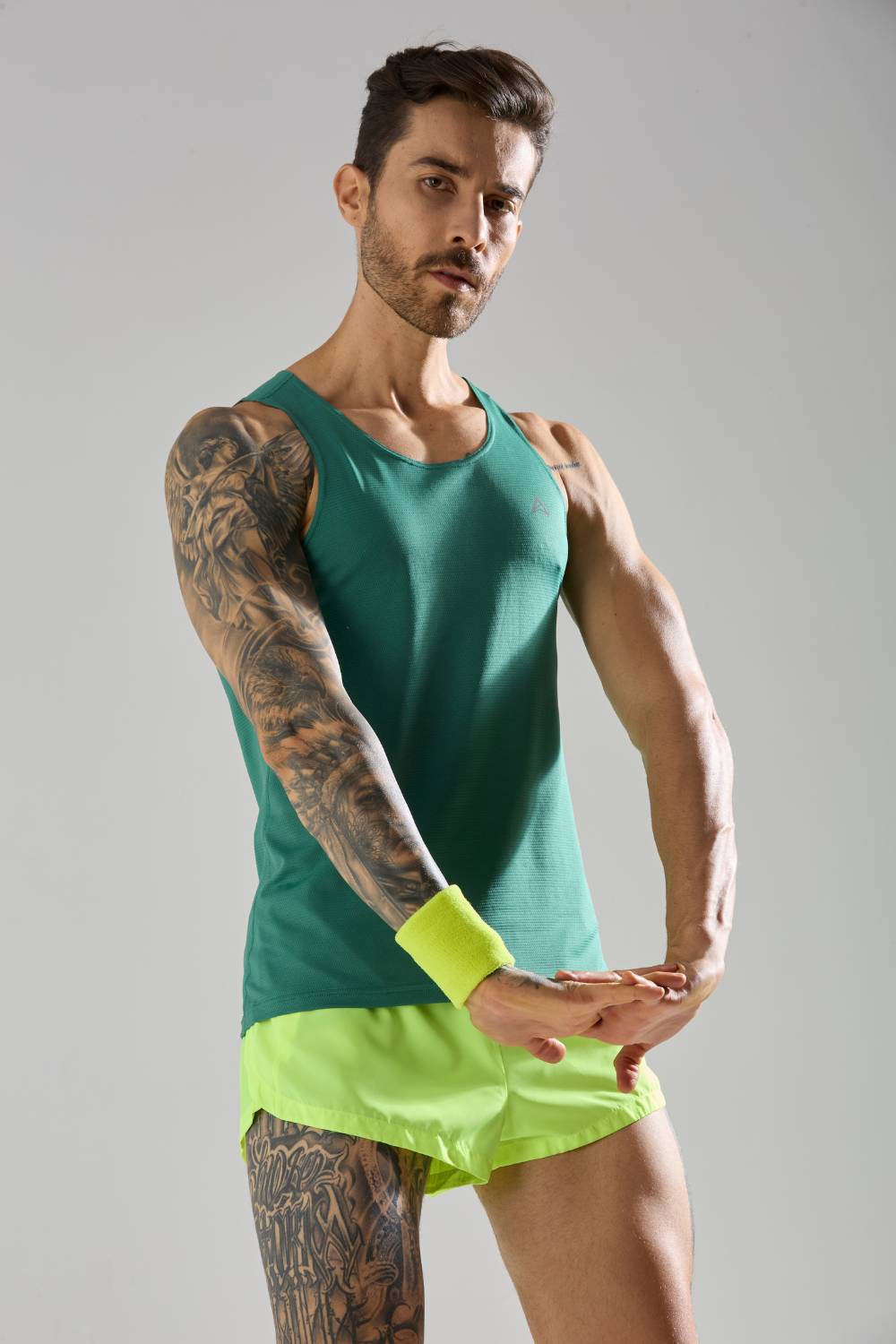
Conversely, advanced fabrics such as quick-dry polyester or ventilated mesh in singlets and tops draw perspiration outward, aiding cooling. This process curbs bacterial proliferation, cutting down on smells and irritations. In Hyderabad's fluctuating conditions, athletes note enhanced agility and concentration with such apparel, extending their sessions sans the burden of sodden clothes.
Shifting Dynamics in India's Fitness Apparel Landscape
India's activewear sector is on an upward trajectory, with projections indicating steady expansion through the decade. This momentum shines in urban centers like Bangalore, Mumbai, and Pune, where wellness pursuits flourish. Local labels innovate with designs attuned to regional needs, integrating seamless linings and visibility aids for city jogs. The burgeoning e-commerce landscape, valued at USD 136.43 billion this year and poised to more than double by 2030, democratizes access to these advancements.
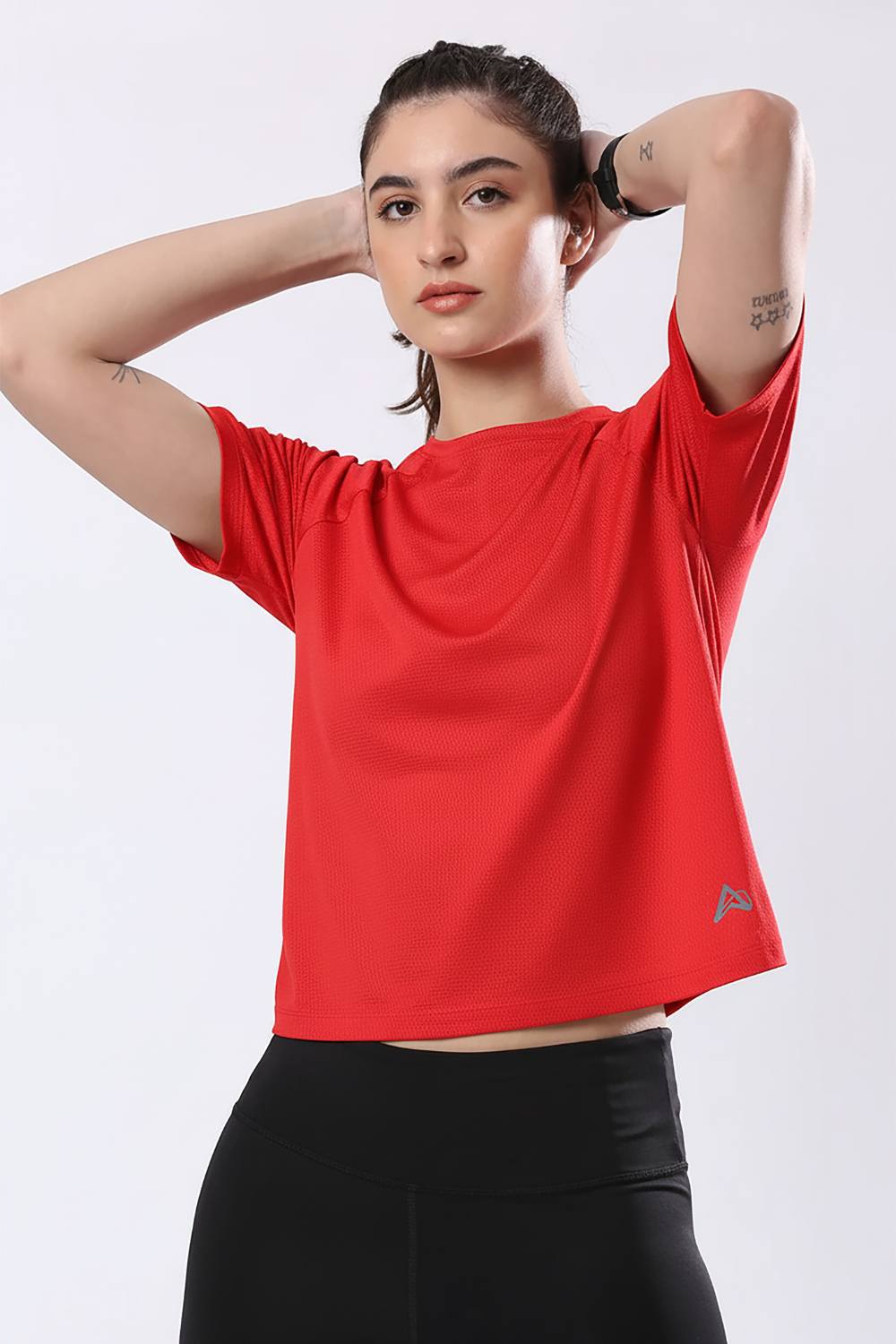
Athleisure seamlessly merges into everyday routines, with versatile tees serving dual purposes. In textile strongholds like Ahmedabad and Surat, artisans pioneer eco-conscious, airy textiles from upcycled sources. Initiatives under Khelo India bolster quality athletic wear, fostering homegrown production amid national fitness drives. These evolutions cater to India's varied weather patterns from Gurugram's arid warmth to Navi Mumbai's seaside dampness.
Eco-Driven Advances Leading the Charge
Sustainable breathable alternatives are rising in popularity. Blends of bamboo or natural cottons deliver innate airflow while lessening ecological footprints. Pune's running circles champion outfits resilient to downpours, preserving ventilation without compromise.
Insights from Runners Across India
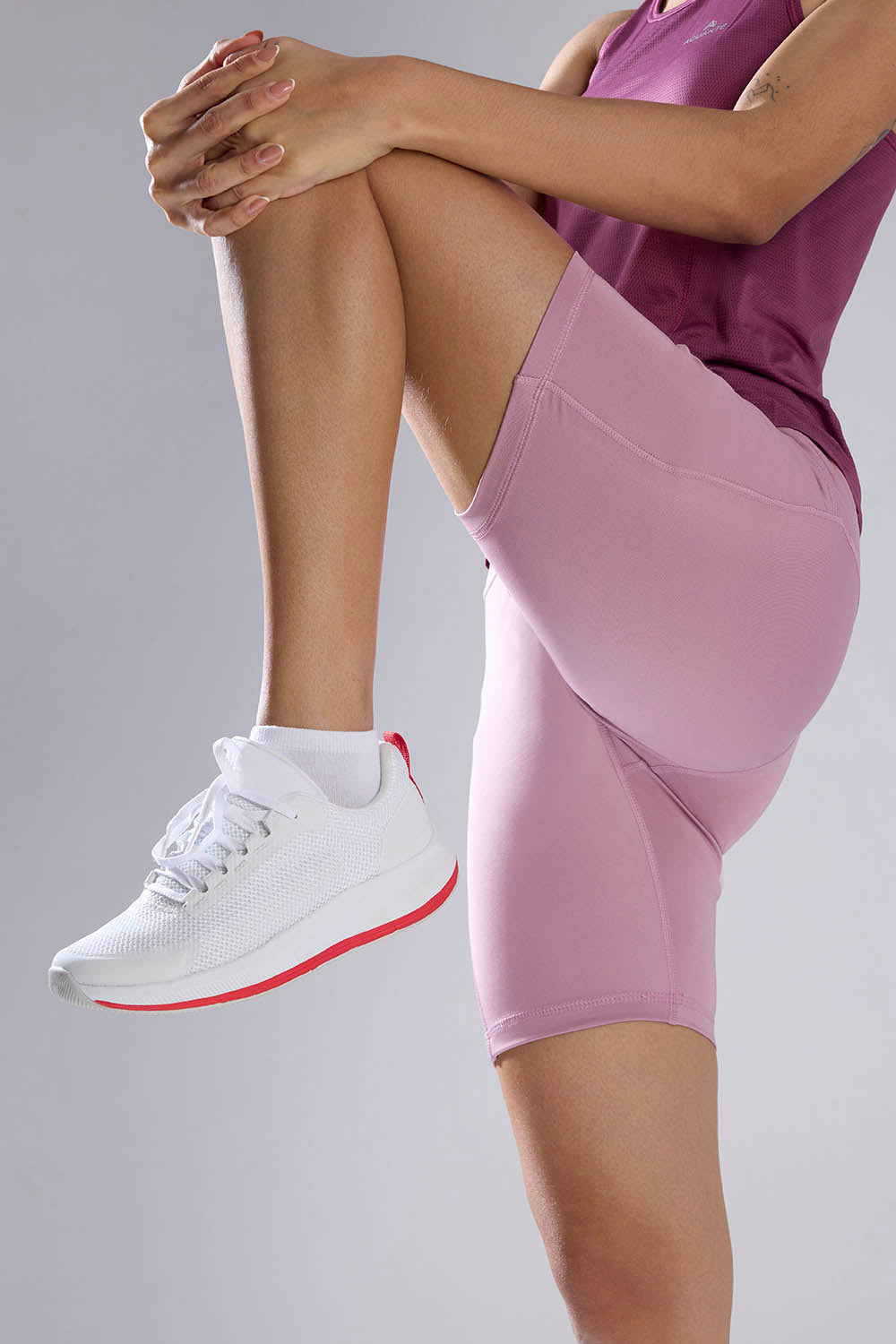
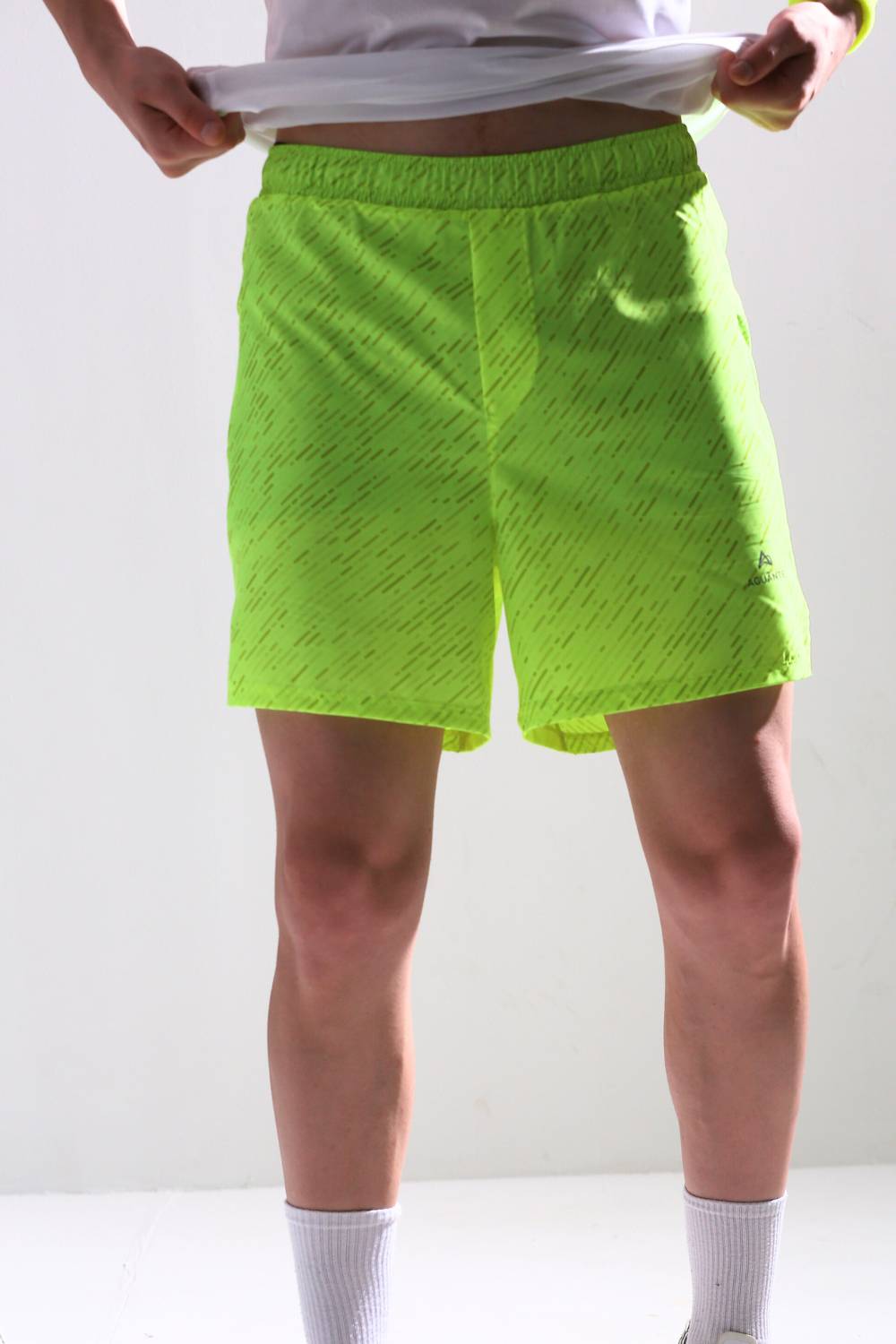
Reflect on the Wipro Bangalore Marathon last year, where despite moderate temps, humidity spiked to 94% midway. Aid stations reported elevated cases among those in non-ventilated outfits, with fatigue and spasms linked to poor heat management. Participants in wick-away shorts and tights sustained better rhythms and fluid balance.
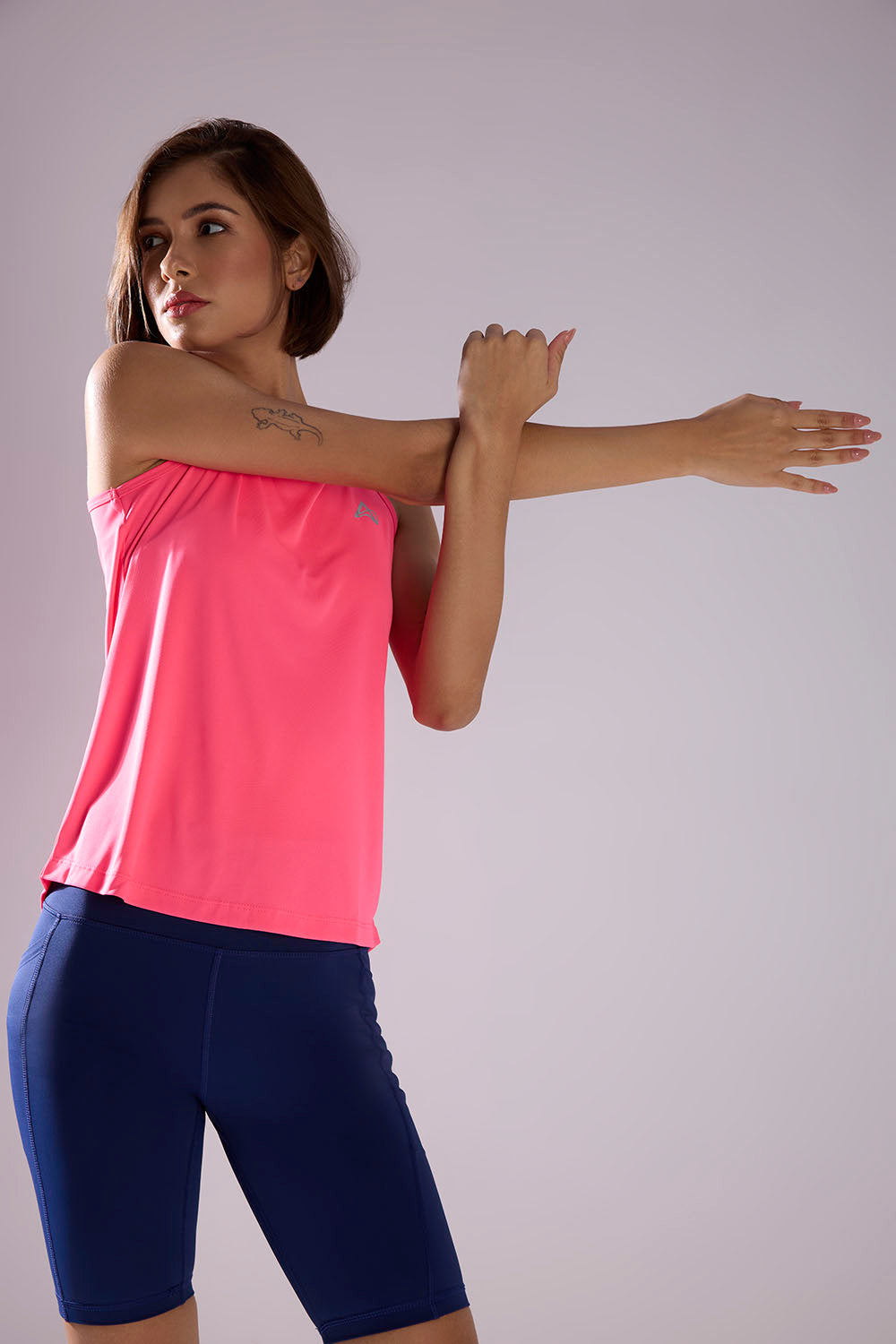
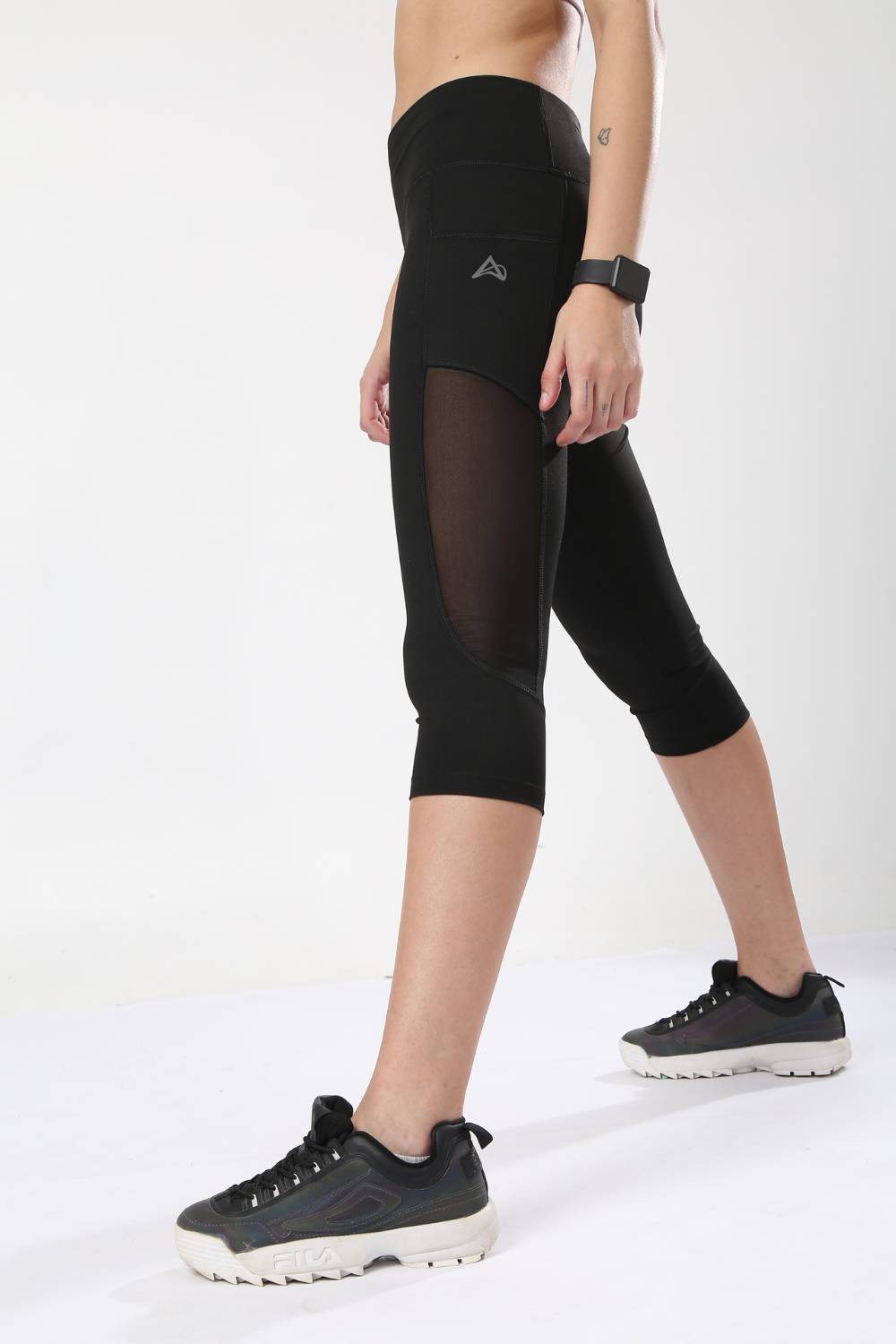
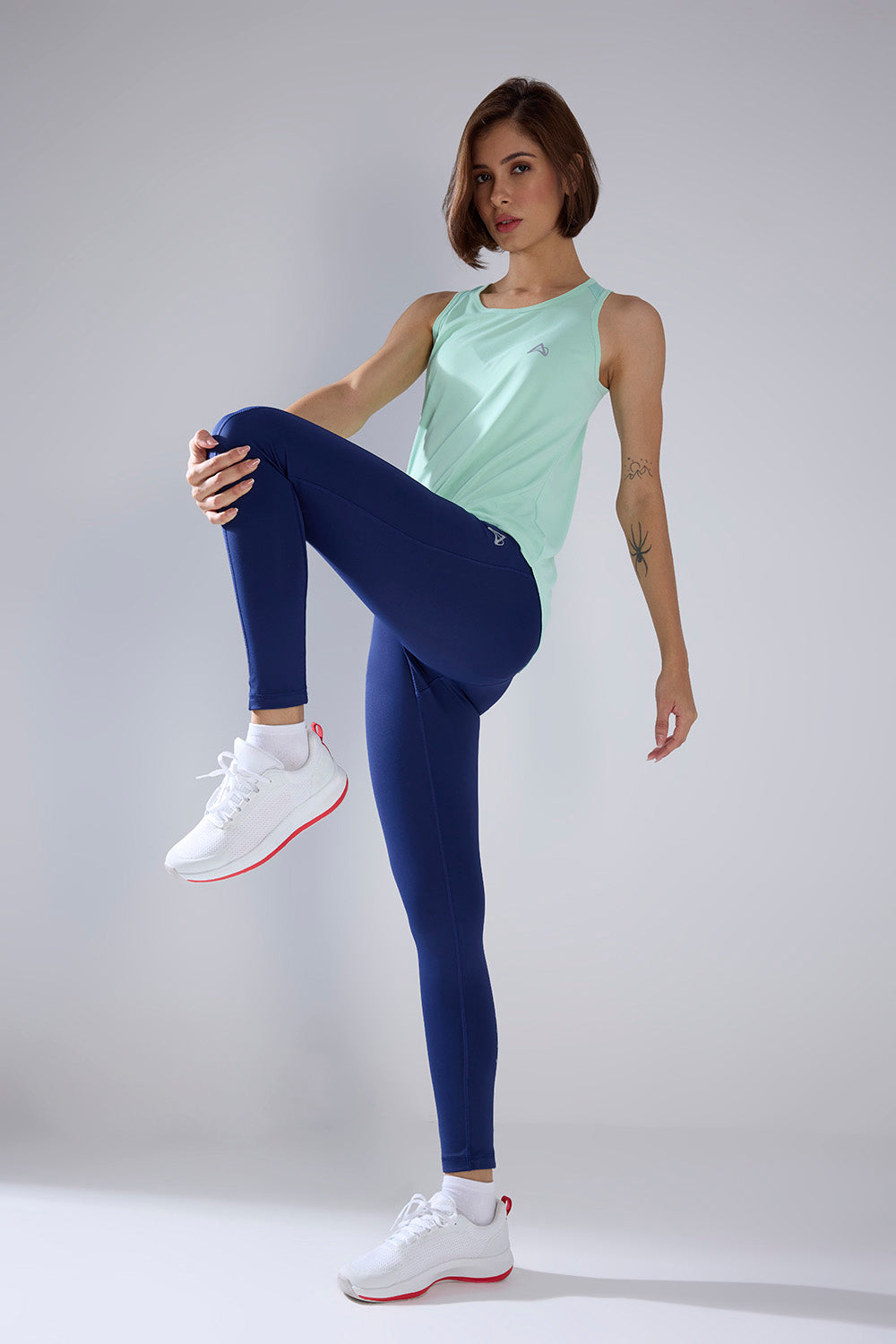
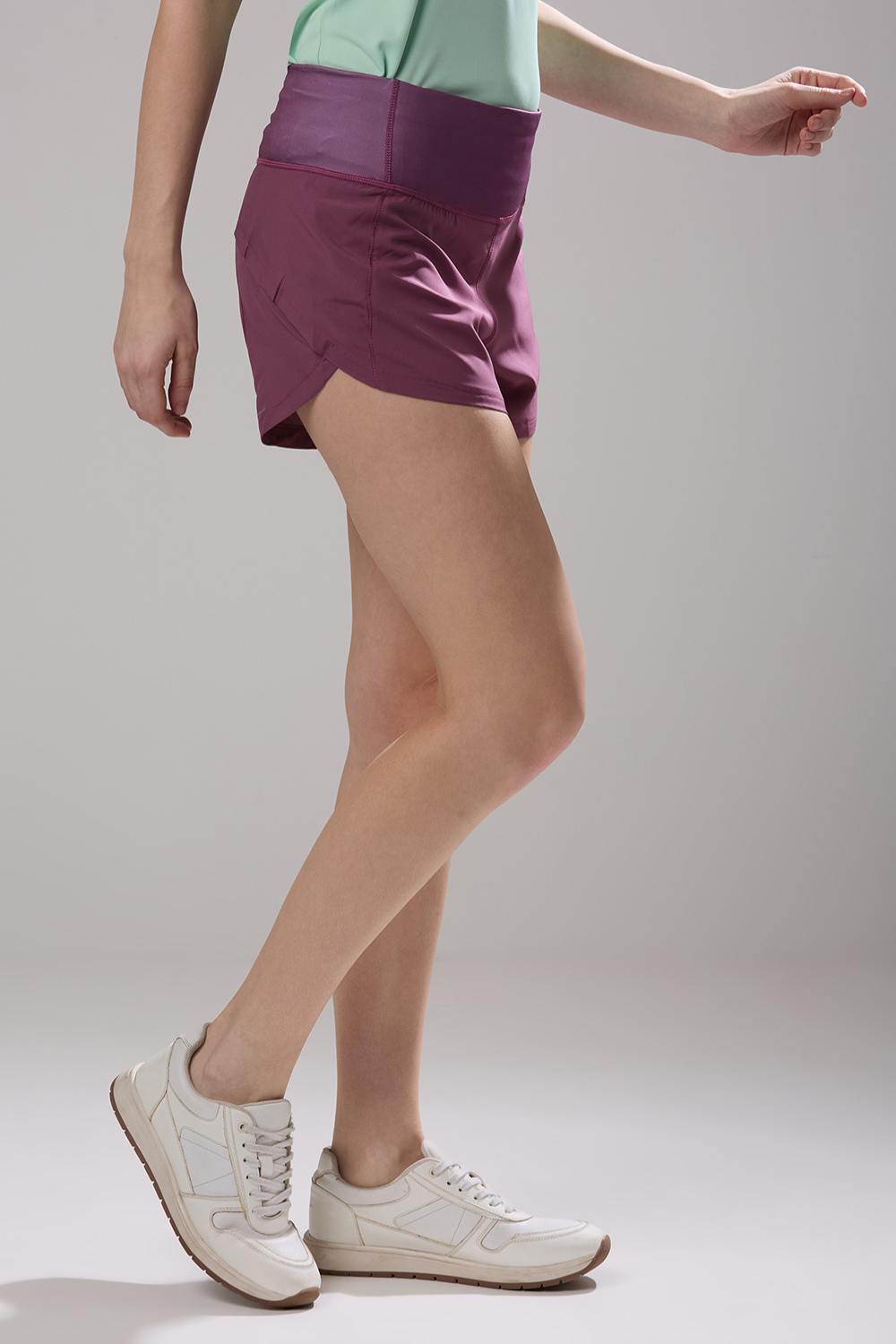
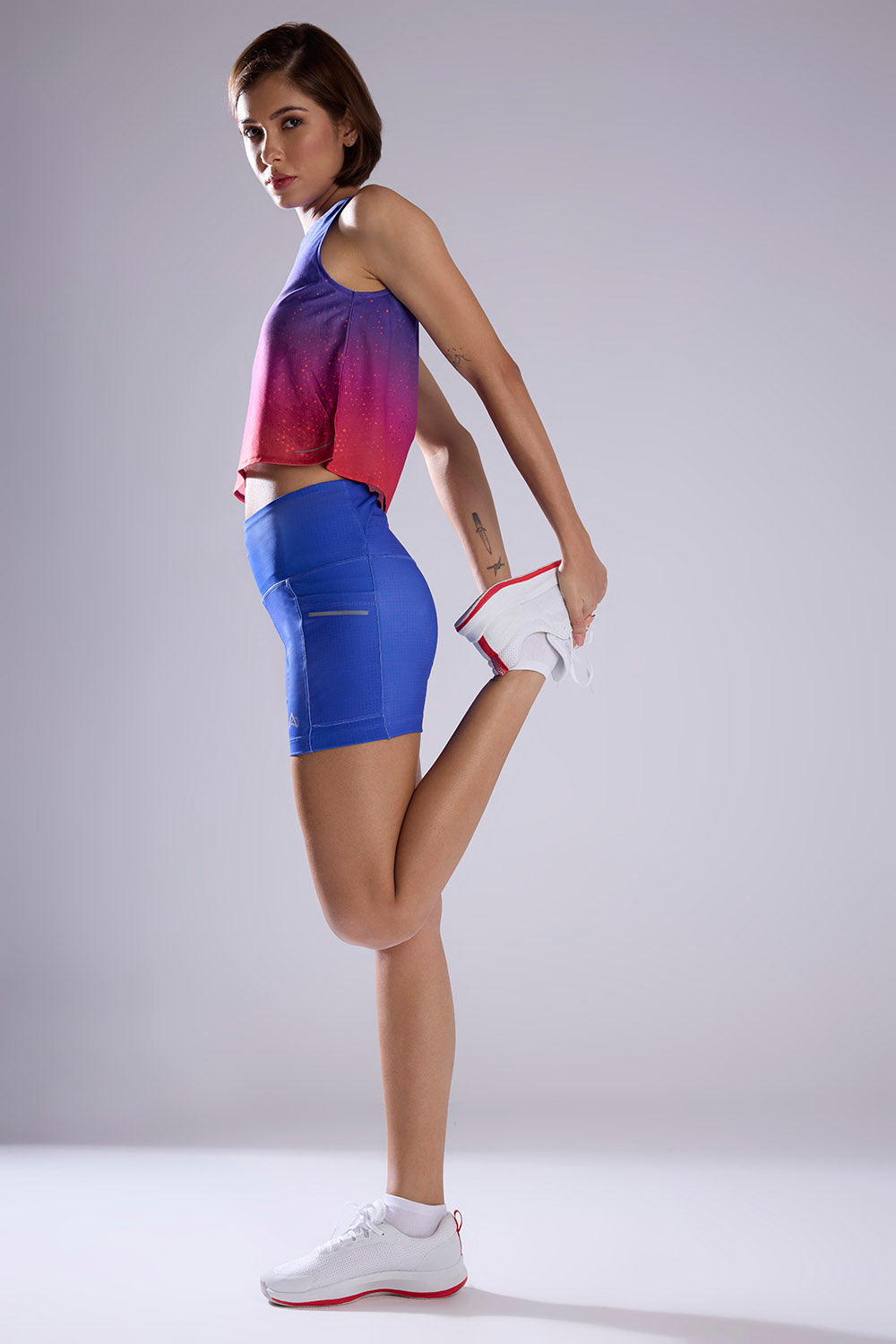
In Mumbai, summers bring a heat index averaging around 34°C, amplifying strain. Coastal collectives observe that airy tops for women avert excess warmth, enabling extended outings. Likewise, in Delhi and Gurugram, amid climbing temps and moisture, ergonomic ventilated designs lessen friction in longer races.
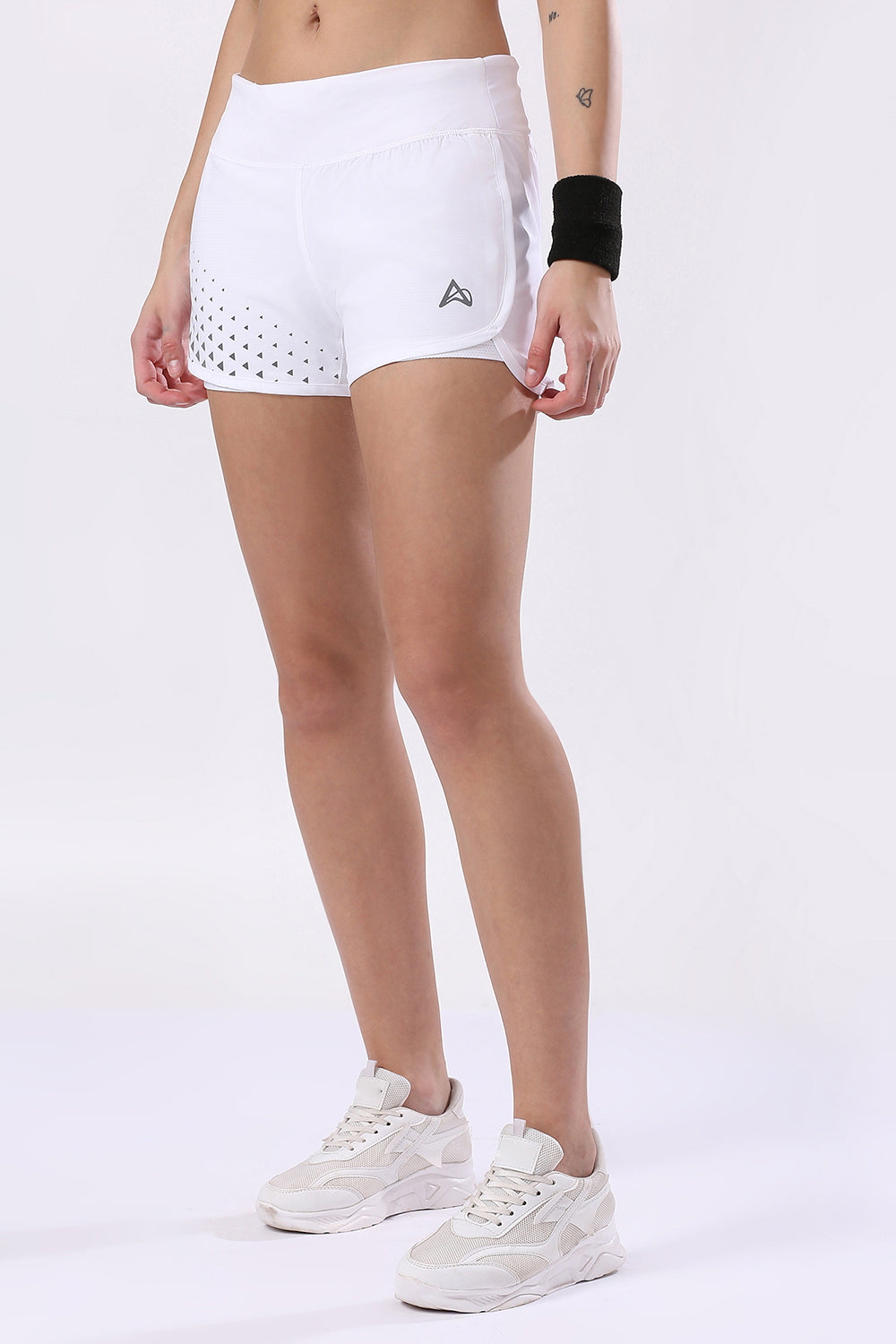
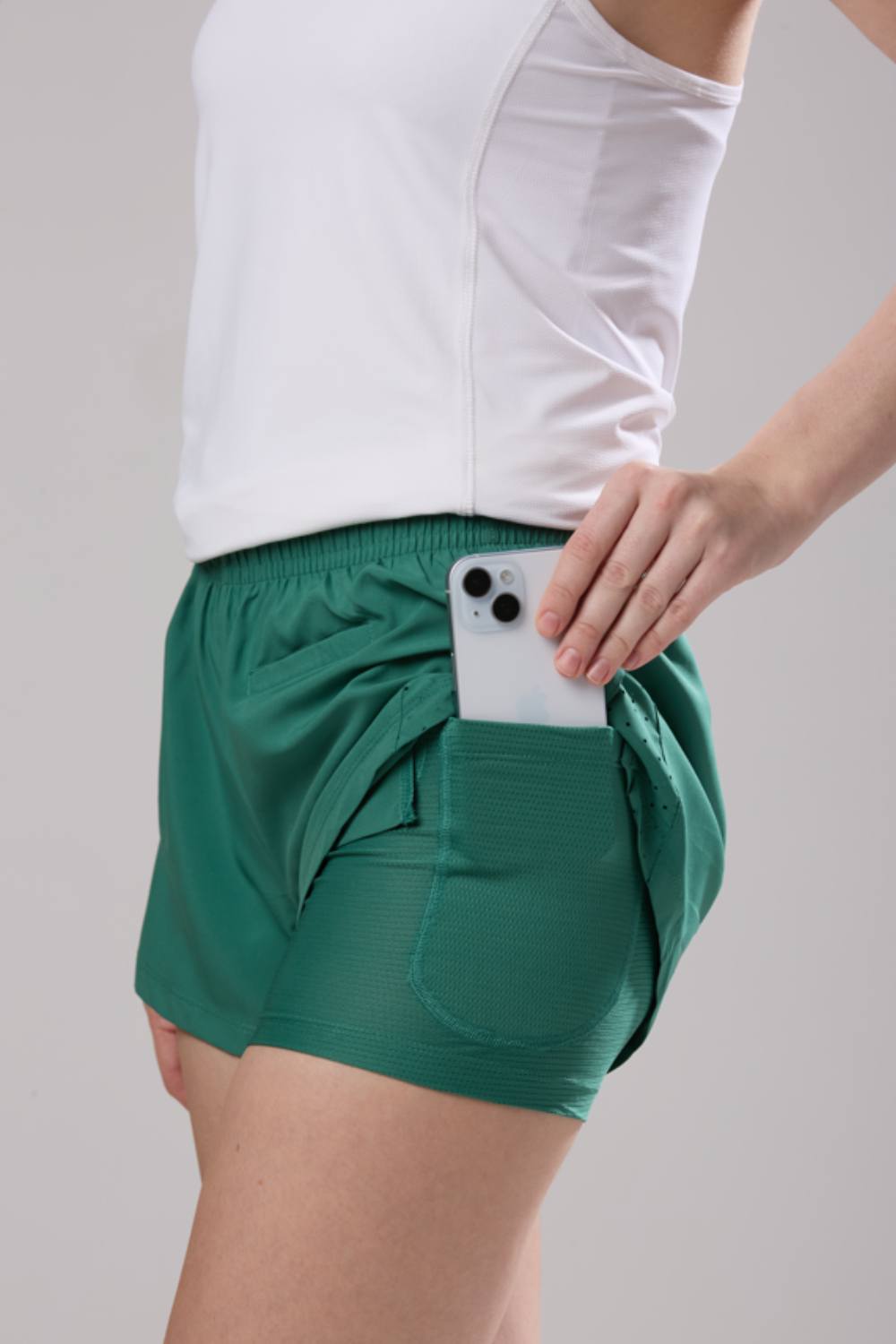
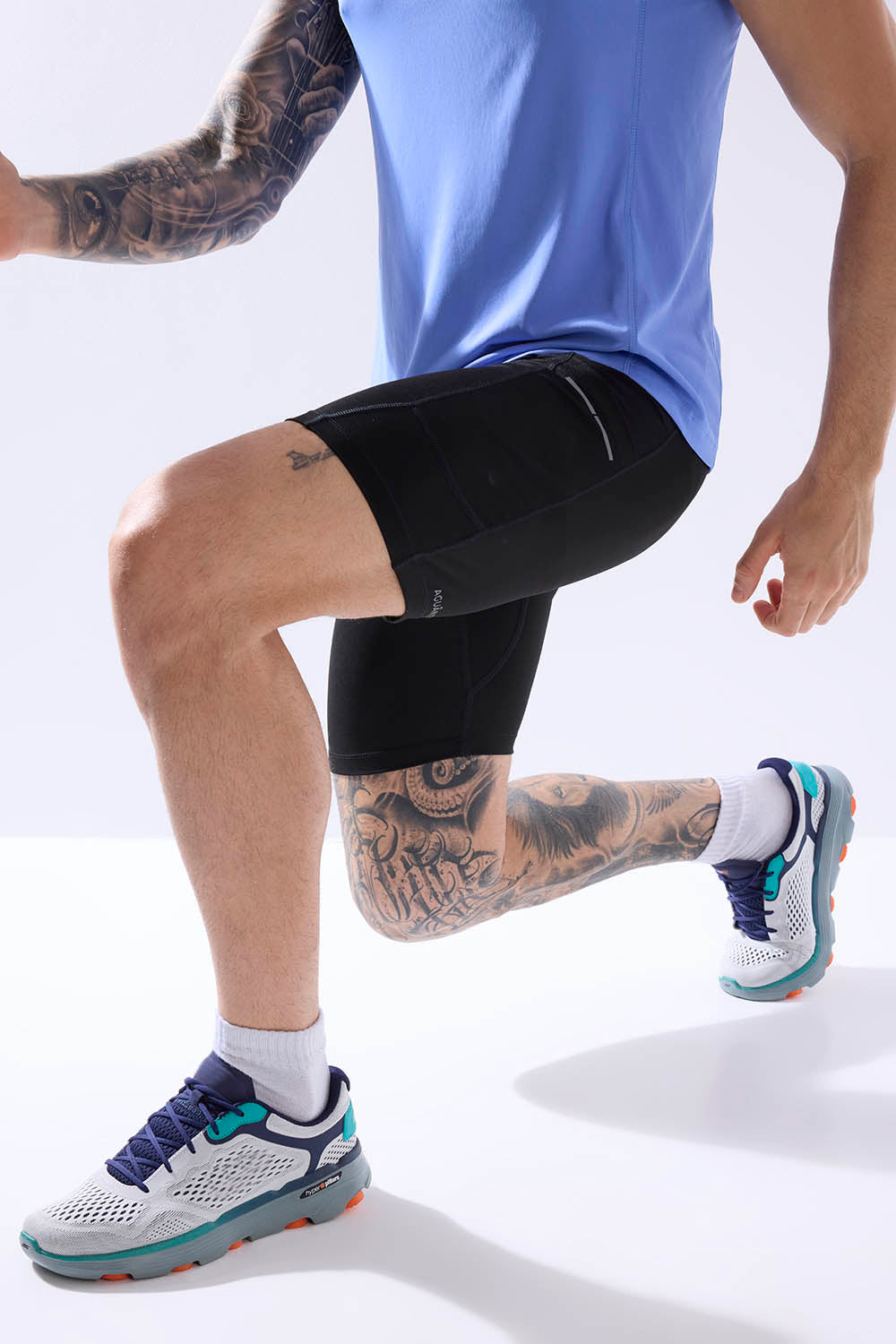
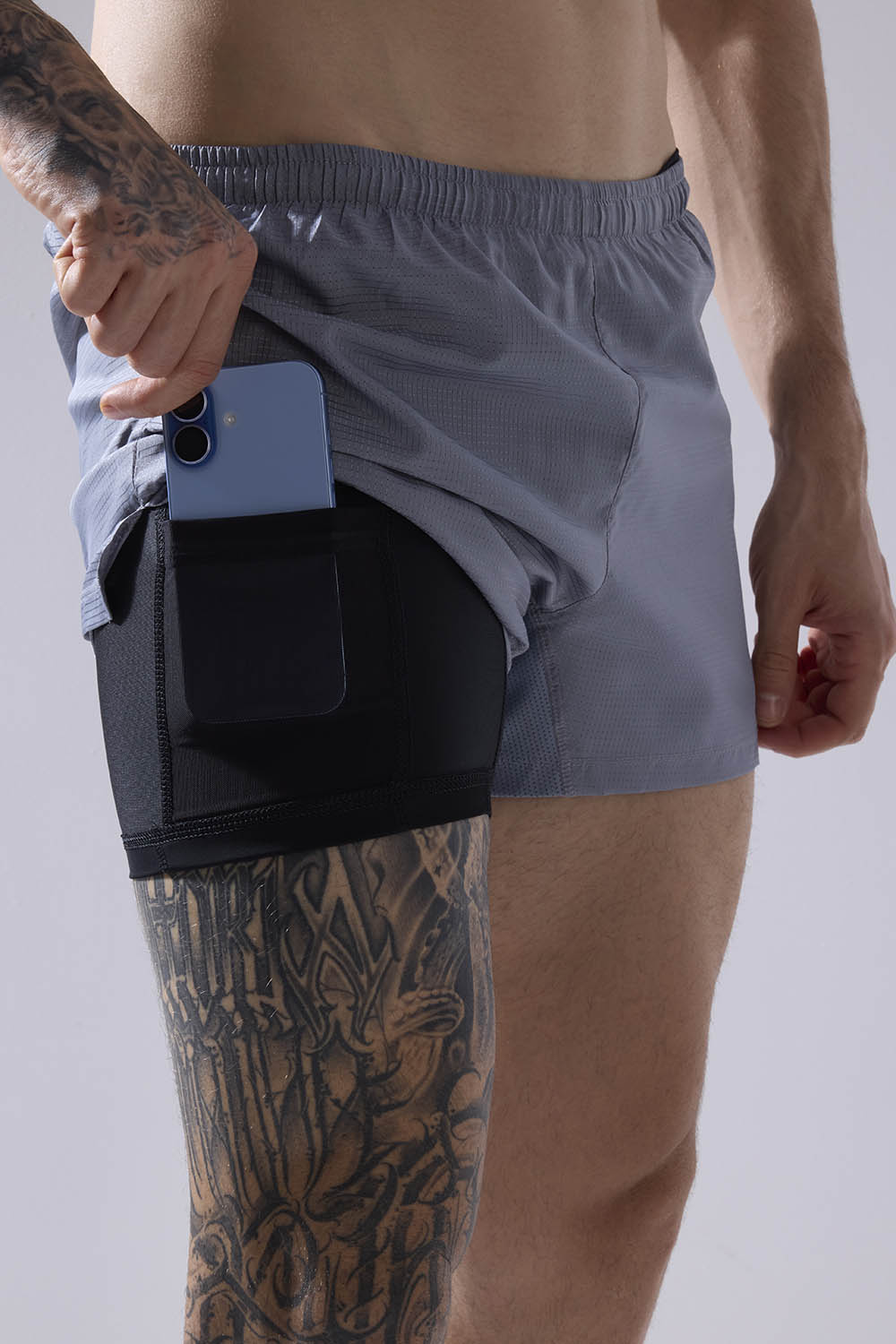
A Pune initiative tested apparel in muggy settings, revealing stable pockets in shorts maintained gear without added heft. Ahmedabad forums echo benefits of men's singlets in arid heat, efficiently shedding warmth. These narratives highlight how specialized clothing bolsters resilience against India's diverse landscapes.
Navigating Hurdles and Constraints
Benefits notwithstanding, obstacles linger. Coastal humidity in Mumbai and Navi Mumbai can thwart even superior textiles during monsoons, yielding slight unease. In Surat's drier climes, particulate buildup may obstruct vents, diminishing efficacy gradually.
Cost barriers hinder novices in emerging markets like Hyderabad. Fit diversity falls short for varied physiques, risking discomfort. Synthetics pose irritation risks if neglected in care. Delhi's urban haze complicates matters, demanding gear that juggles airflow with pollutant shielding.
Addressing City-Specific Running Obstacles
In Pune and Bangalore, patchy pathways necessitate cushioned integrations, yet airflow remains paramount. Layering for visibility must not impede circulation.
Prospects and Economic Ripples
Focus on ventilated apparel unlocks avenues for indigenous creativity. E-commerce expansion enables brands to serve distant enthusiasts with budget-friendly choices. In Mumbai and Delhi, platforms like Myntra and Amazon witness activewear sales booms fueled by metropolitan health trends.
Entities like Aguante, tailored for India's rigors, embody this ethos. Their lineup boasting reliable storage, chafe-resistant builds, and sweat-evaporating cloths meets genuine demands affordably. This indigenous emphasis heightens productivity, curbing foreign reliance and spawning employment in fabric centers like Surat and Ahmedabad. Social initiatives thrive, as firms sponsor group runs in Hyderabad and Pune, cultivating devotion and sector growth.
Specialist Perspectives and Horizons Ahead
Analyses from Mumbai and Pune via heat index trends reveal escalating thermal pressures, urging adaptive strategies for active lifestyles. Forward-thinking, sensor-infused textiles could track perspiration, reshaping regimens in Bangalore's innovation hubs.
Guidance for enthusiasts: Opt for high-permeability options, validate in native settings, and upkeep diligently. Each step in Gurugram's office greens or Navi Mumbai's shorelines benefits from ventilated wear, sharpening focus on the journey over distress.
Drawing from explorations akin to breathable running gear's priority, adopting these progresses fortifies India's expanding running fraternity against environmental trials.
Frequently Asked Questions
Why is breathable running gear important for running in India's humid climate?
India's cities especially Mumbai, Delhi, and Hyderabad regularly see humidity levels exceeding 80%, making heat management critical for runners. Breathable fabrics like quick-dry polyester and ventilated mesh wick sweat away from the body, enabling faster evaporation and helping maintain a cooler core temperature. Without proper ventilation, sweat-soaked clothing can lead to overheating, fatigue, muscle spasms, and increased risk of heat exhaustion. Choosing the right breathable running gear can significantly extend your run duration and improve overall performance.
What fabrics are best for breathable running clothes in hot and humid conditions?
For hot and humid running conditions, synthetic fabrics like quick-dry polyester and ventilated mesh are top choices as they draw moisture outward and dry rapidly, preventing the discomfort of clinging, wet fabric. Eco-conscious alternatives like bamboo blends and natural cotton mixes also offer good airflow while reducing environmental impact. Avoid regular cotton, which absorbs and retains sweat, trapping heat against the skin. For monsoon-heavy regions like Pune or Navi Mumbai, look for gear specifically designed to maintain ventilation even when wet.
How does breathable activewear help prevent running injuries and chafing?
Breathable running gear reduces moisture buildup against the skin, which is a leading cause of chafing, rashes, and bacterial skin irritation during long runs. Fabrics that wick sweat away keep the skin drier, minimizing friction especially in ergonomic, ventilated designs built for longer races in cities like Delhi and Gurugram. Chafe-resistant construction combined with sweat-evaporating materials, as seen in brands like Aguante designed for Indian conditions, further lowers injury risk. Proper moisture management through breathable apparel ultimately supports better endurance and a more comfortable, injury-free running experience.
Disclaimer: The above helpful resources content contains personal opinions and experiences. The information provided is for general knowledge and does not constitute professional advice.
You may also be interested in: Breathable Fabrics Help Urban Runners Beat the Heat - Aguante
Tired of gear that slows you down? Chafing, soggy fabrics, and missing pockets kill your run's momentum. At Aguante, we're runners who get it. Our high-performance activewear features moisture-wicking fabrics, ergonomic designs, and smart storage to keep you focused. Shop Now!
Powered by flareAI.co