



Quick Listen:
Why does one runner feel comfortable after a long training session while another struggles with sweat, irritation, or heavy clothing? The difference is often not the distance covered or the effort invested. It can begin with something much closer to the skin: fabric choice. Running apparel is designed to work with the body during movement, and the materials used in a garment influence comfort, moisture control, breathability, and how well a runner can stay focused on the run itself.
For runners choosing what to wear, fabric is more than a label on a product tag. A garment's construction, weight, airflow, and moisture behaviour all contribute to the overall experience. Understanding these factors helps runners make better decisions when selecting training clothes, race-day gear, or everyday performance apparel.
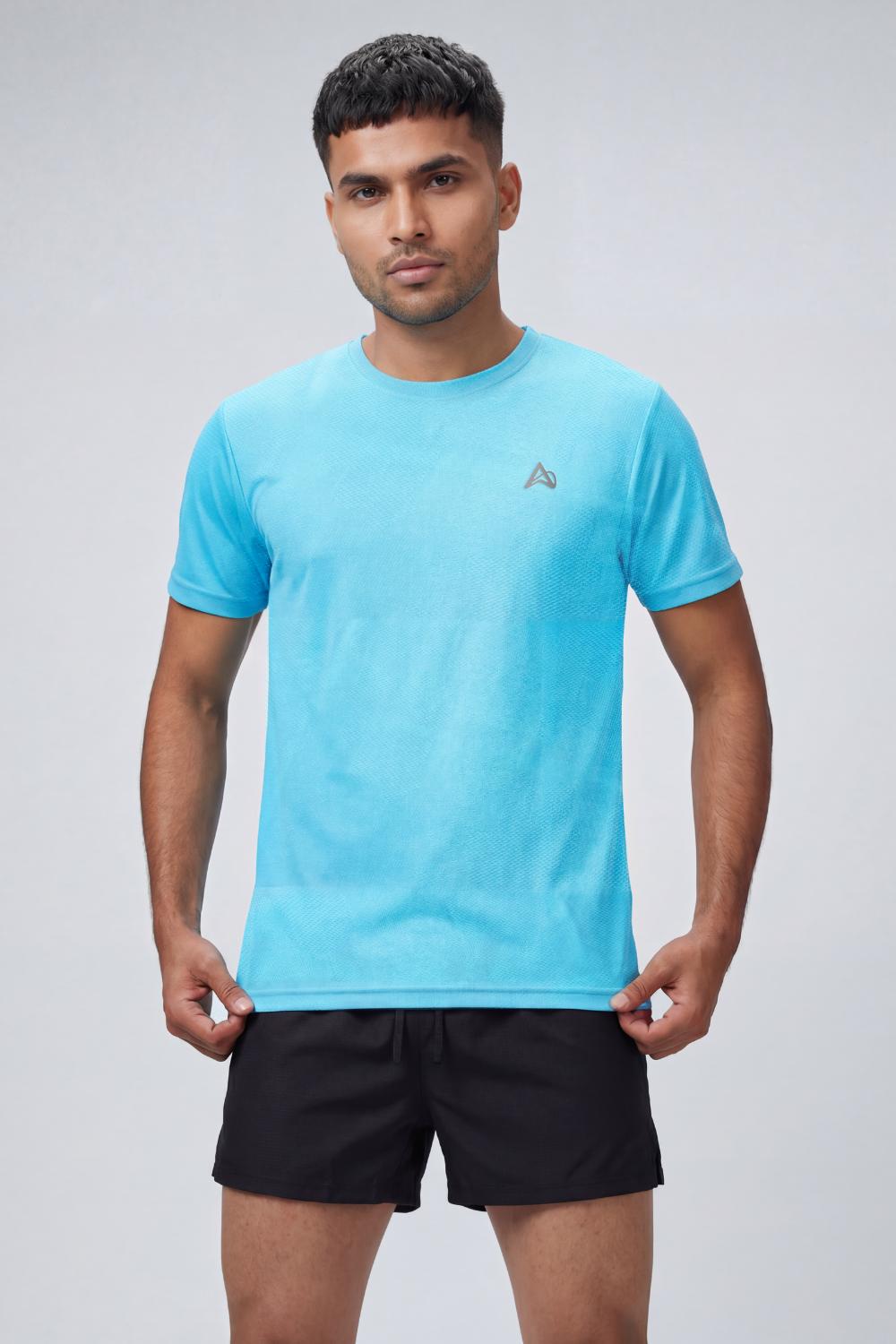
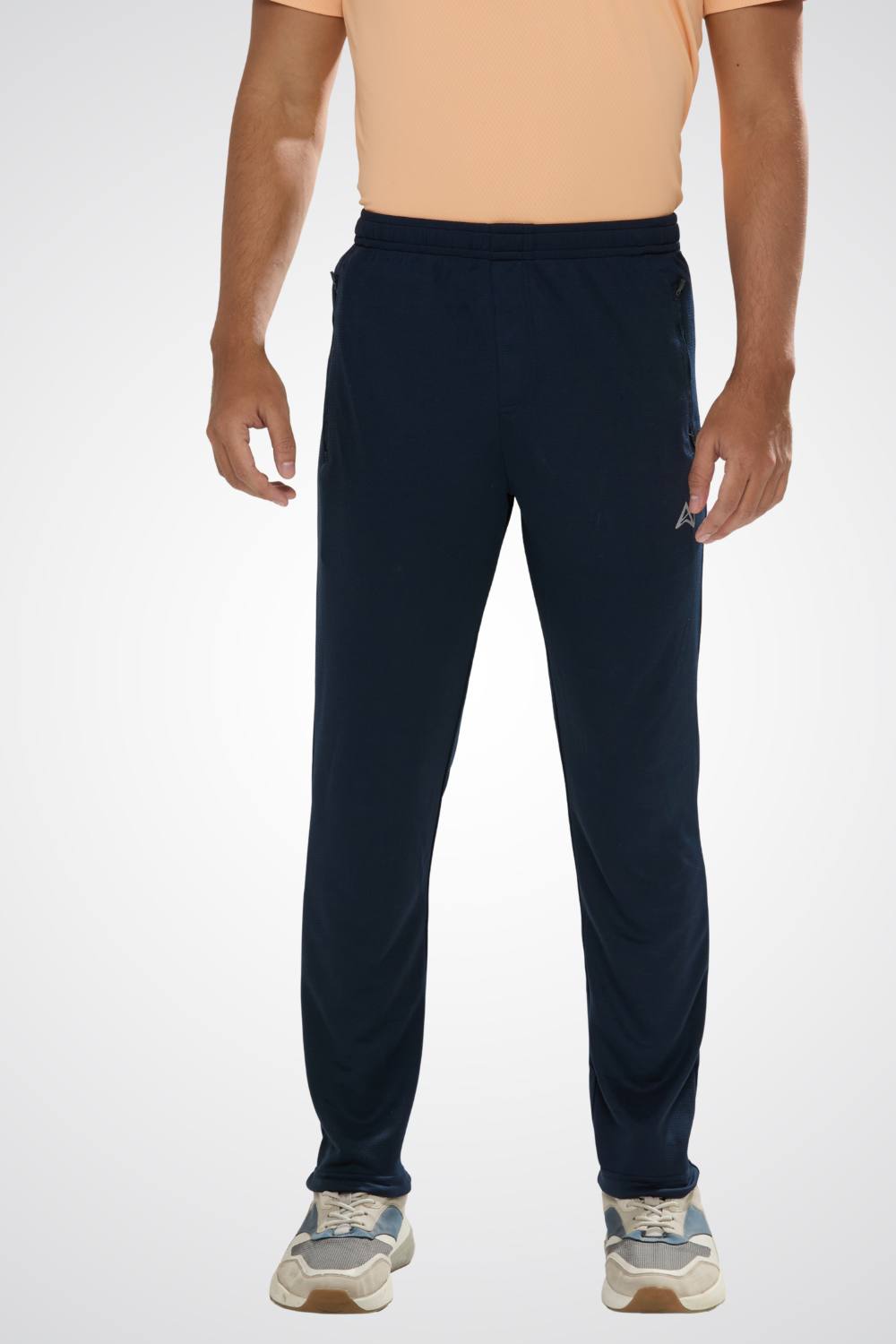
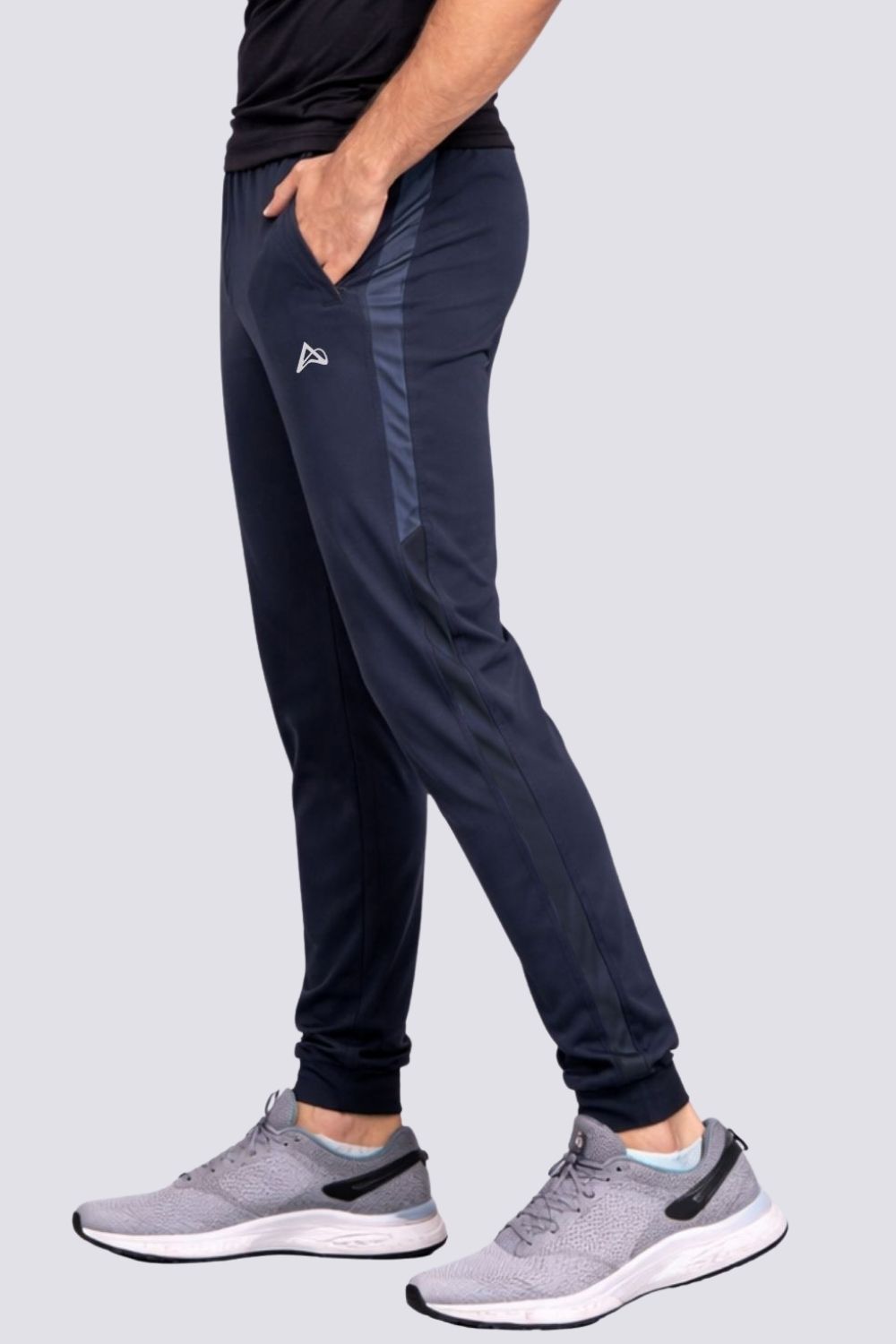
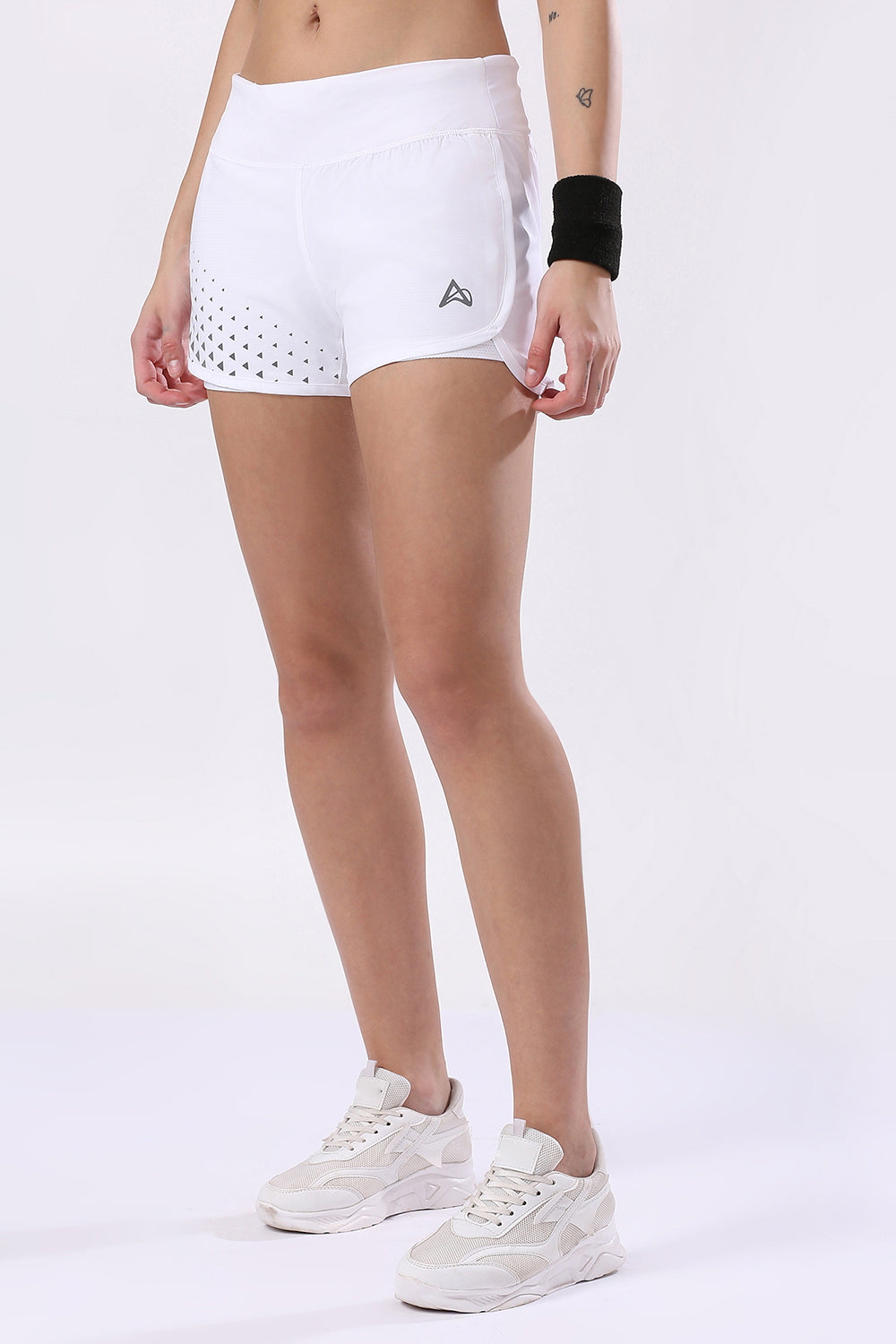
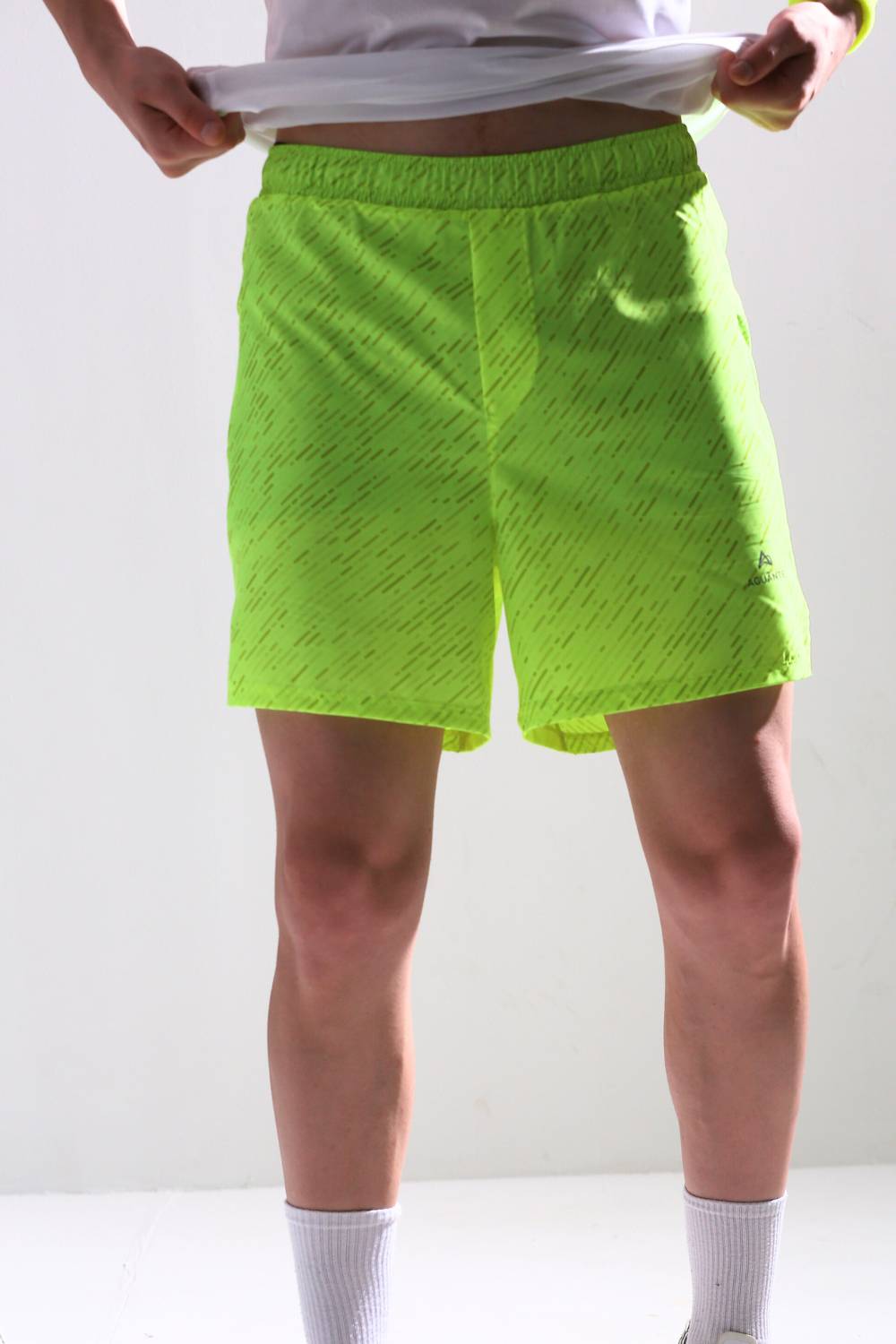
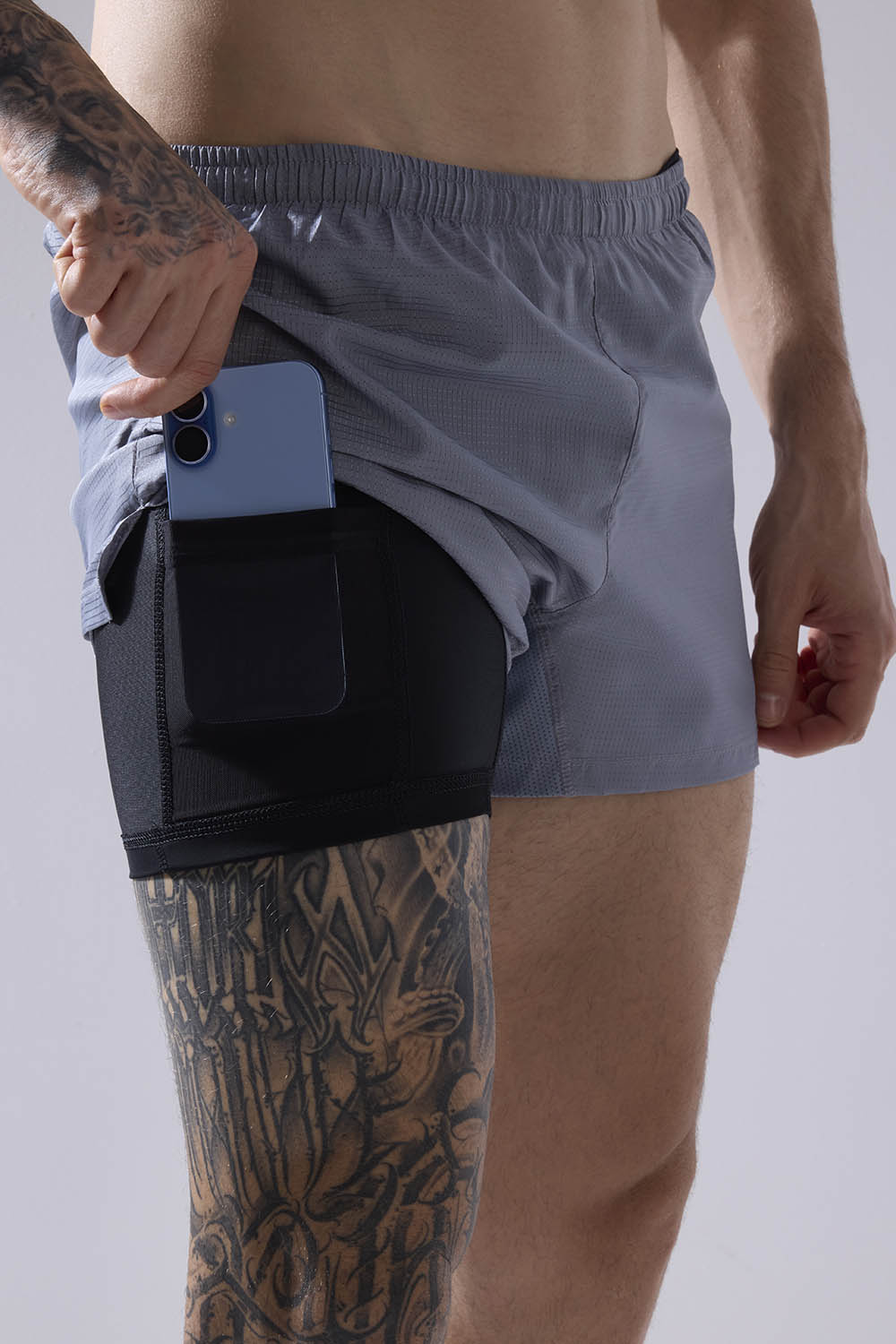
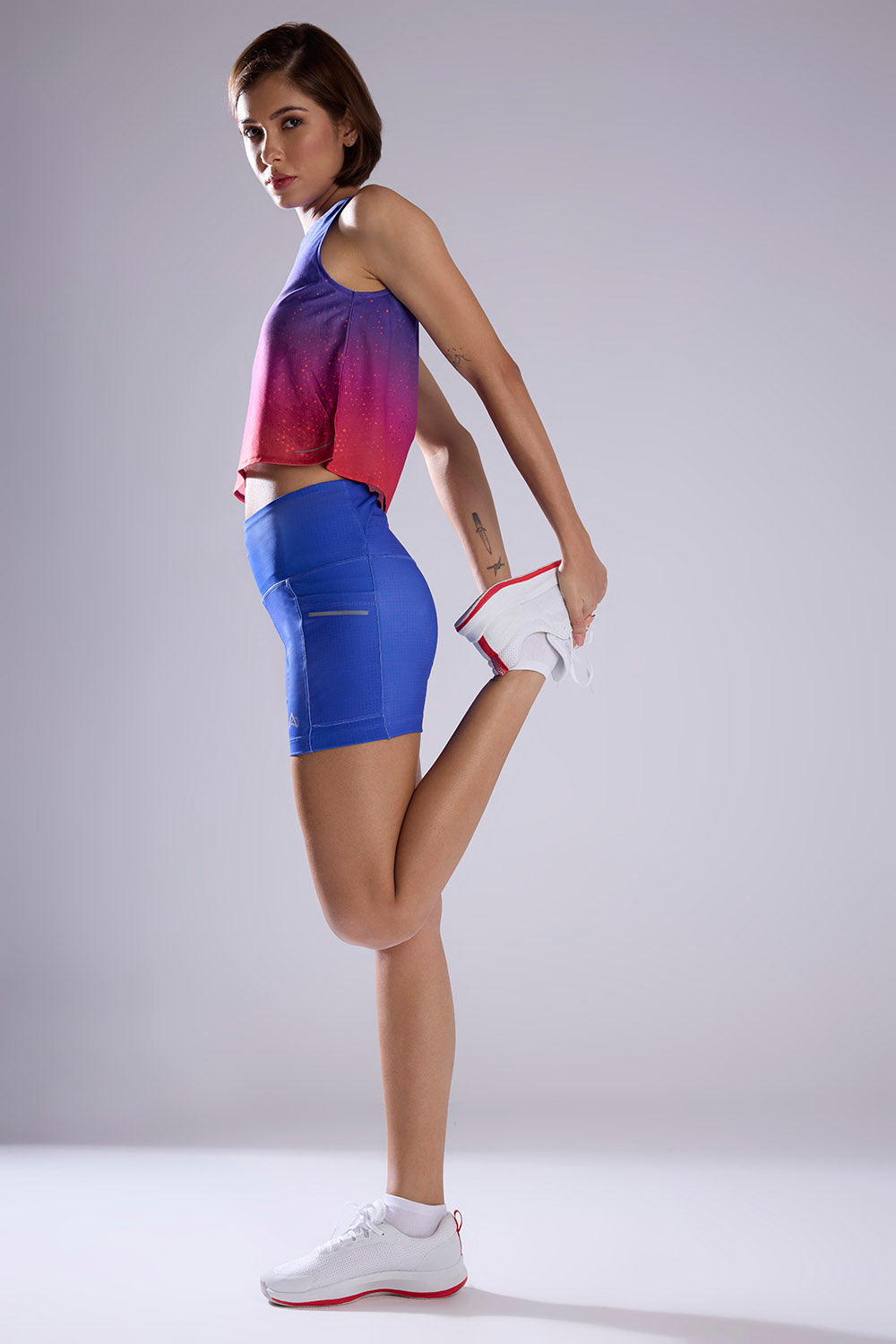
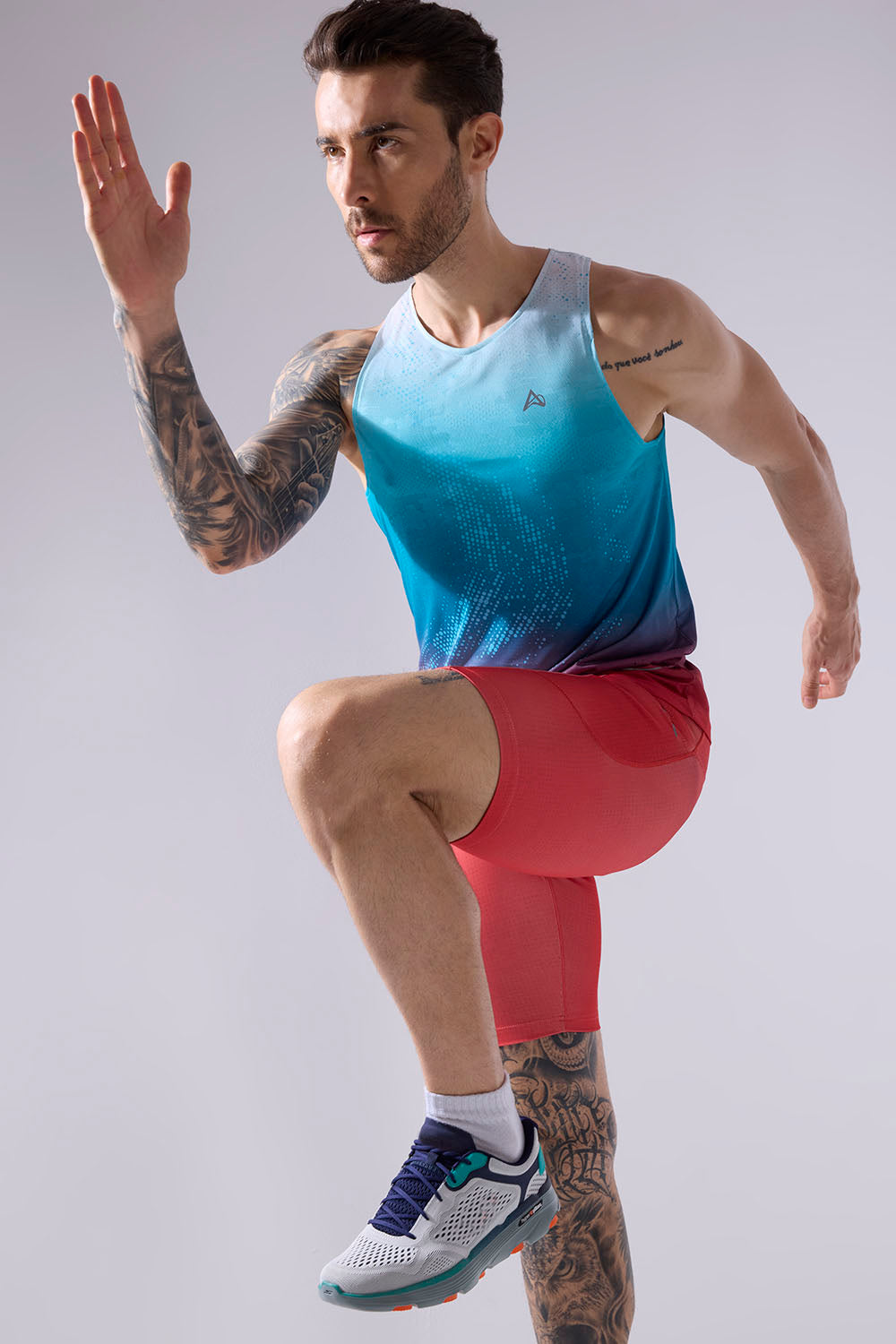
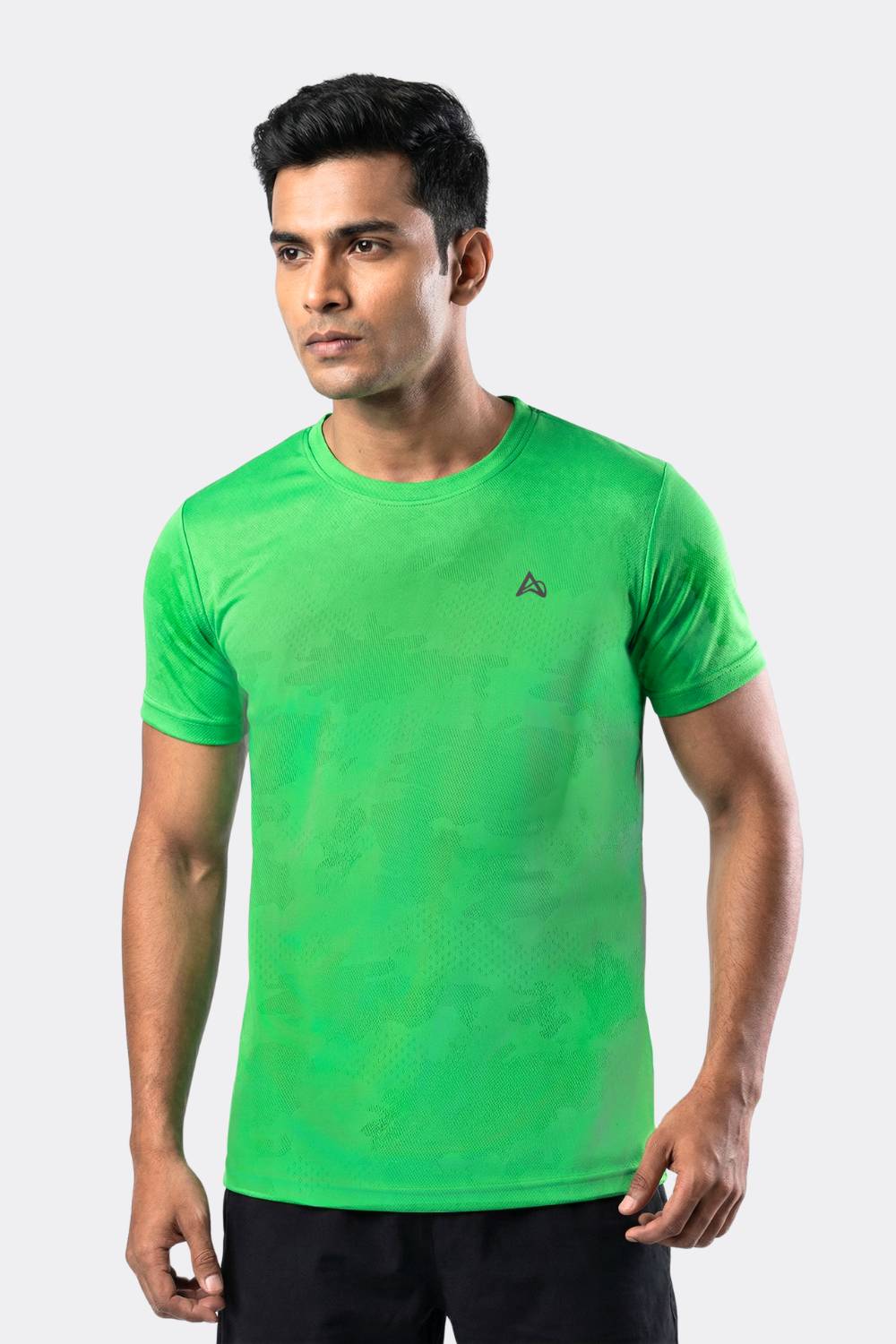
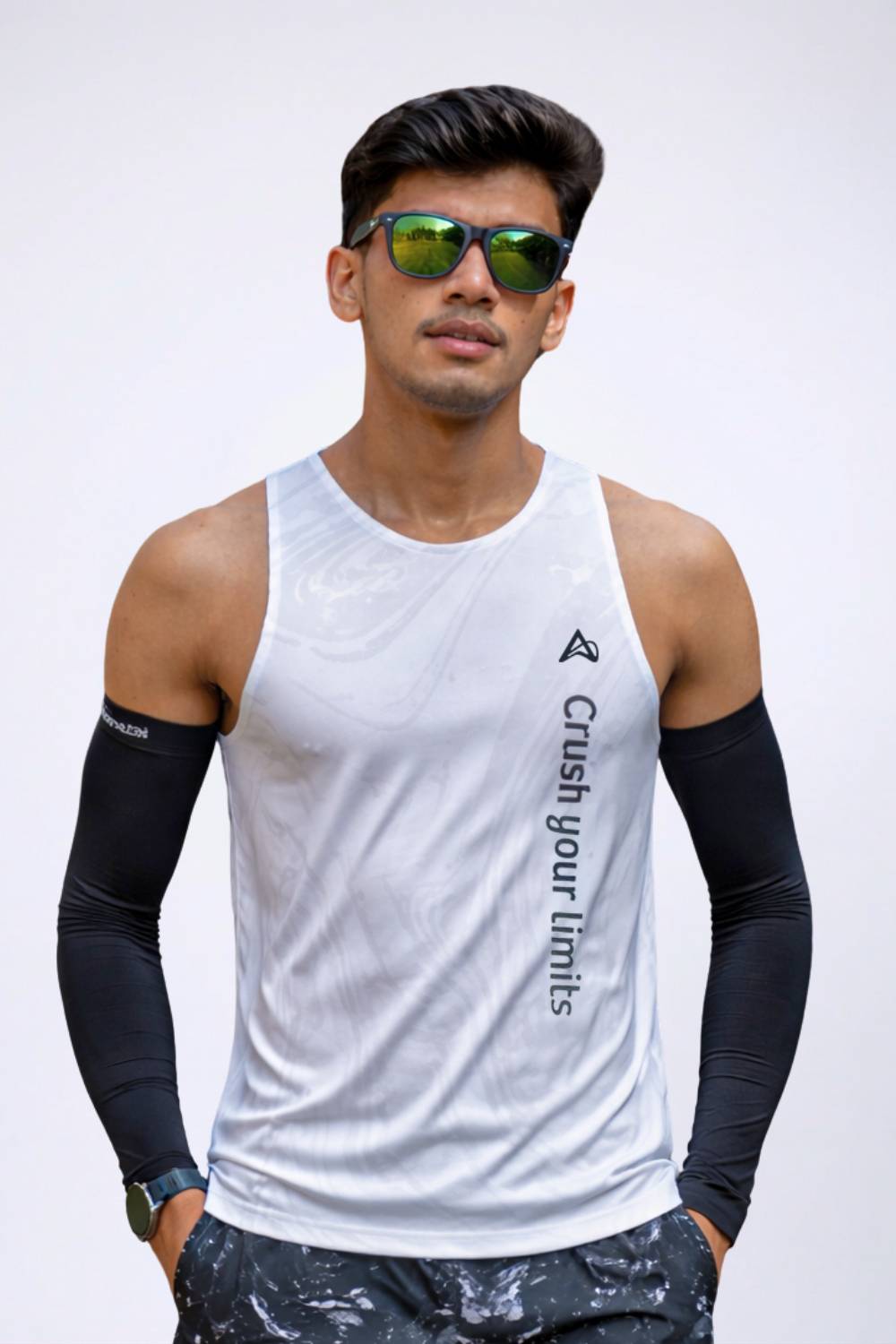
Tired of gear that slows you down? Chafing, soggy fabrics, and missing pockets kill your run's momentum. At Aguante, we're runners who get it. Our high-performance activewear features moisture-wicking fabrics, ergonomic designs, and smart storage to keep you focused. Shop Now!
Why Fabric Matters During a Run
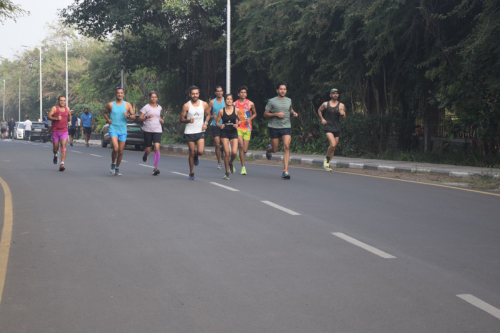
Running creates a unique relationship between the body, the environment, and clothing. As movement continues, the body generates heat and releases sweat as part of its natural cooling process. The role of running apparel is not simply to cover the body but to help manage this interaction.
A fabric that feels comfortable while standing still may perform differently during a workout. A runner's needs change with intensity, weather conditions, and duration. A short morning jog, a long endurance session, and a high-effort interval workout can all place different demands on clothing.
This is why choosing the best fabric for running clothes requires looking beyond softness or appearance. The right material should support movement, allow moisture to move away from the skin, and help maintain comfort throughout the activity.
Performance apparel often focuses on balancing several qualities at once. A fabric needs to feel lightweight while still being durable enough for repeated training. It needs to support ventilation without reducing comfort. These details can make a noticeable difference when clothing is worn for hours rather than minutes.
Moisture Management Is a Key Part of Running Comfort
Sweat management is one of the most important considerations when choosing running apparel. During exercise, clothing that holds moisture close to the skin can create discomfort, increase friction, and make the garment feel heavier over time.
A moisture wicking fabric for running is designed to move perspiration away from the body and spread it across a larger surface area, allowing it to dry more effectively. However, moisture management depends on more than the fibre name. The way a fabric is knitted, its thickness, and its overall construction also influence how it performs.
For example, two garments may both use synthetic fibres but provide very different experiences. A dense material may trap heat and feel less comfortable than a lighter athletic fabric designed for airflow and faster drying.
This distinction is important for runners who train regularly. Fabric technology is not only about the material itself; it is about how the entire garment is engineered to support activity.
Breathability and Heat Management Influence Performance
Temperature can strongly affect how a run feels. When the body produces heat during exercise, clothing that supports airflow can help runners stay more comfortable, especially during warm or humid conditions.
Research into performance clothing highlights that fabric weight, air movement, construction, and moisture behaviour all contribute to cooling. Lightweight materials with better air permeability can support sweat evaporation, helping the body manage heat more effectively. How fabric affects cooling explains why fabric performance depends on more than simply whether a material is natural or synthetic.
This is where breathable fabric for workout clothes becomes especially valuable. Breathability helps reduce the uncomfortable feeling of heat building up inside clothing, allowing runners to maintain focus during training.
Weather conditions also influence fabric decisions. A runner preparing for outdoor sessions in warm climates may prioritise quick drying, ventilation, and lightweight construction. Someone training in cooler conditions may have different priorities, such as layering ability and warmth retention.
The important lesson is that there is no single fabric choice that works for every situation. The best option depends on how, where, and when the clothing will be used.
Natural vs Synthetic Fabrics: Understanding the Difference
Discussions about running clothing often focus on whether natural or synthetic fibres are better. However, the more useful question is whether the fabric is suited to the activity.
Cotton is popular because it feels soft and comfortable in everyday situations. However, during longer exercise sessions, cotton can absorb sweat and remain damp against the body. This can make clothing feel heavier and less comfortable as activity continues.
Synthetic performance fabrics are commonly used in activewear because they can be engineered for specific functions such as moisture movement and faster drying. But a synthetic label alone does not guarantee performance. The design of the fabric structure and garment plays an equally important role.
For runners, this means choosing clothing based on performance needs rather than assumptions about a particular fibre. A well-designed garment considers how the runner moves, how heat is managed, and how moisture behaves during activity.
Understanding these differences helps consumers make more informed decisions when exploring technical fabrics for runners. Instead of focusing only on what a garment is made from, runners can consider what the fabric is designed to achieve.
How to Choose Running Clothes Based on Your Needs
Choosing running apparel becomes easier when runners evaluate their own training habits and conditions. The ideal garment is not necessarily the one with the most features, but the one that matches the runner's requirements.
Consider the Running Environment
Climate, location, and season all influence clothing performance. Runners training outdoors in warm conditions may benefit from lightweight materials that encourage airflow and manage sweat effectively. Those running in changing weather may need versatile pieces that work across different conditions.
Look at Construction, Not Only Material
Fabric choice is important, but garment design matters too. Fit, seams, stretch, ventilation zones, and placement of functional features can influence comfort during movement.
Think About the Purpose of the Session
Different runs have different requirements. A casual recovery run may require simple comfort, while a longer training session may demand better moisture management and reduced irritation. Understanding the purpose of the clothing helps runners choose more effectively.
These considerations answer a common question: how to choose running clothes that actually support performance. The answer is not just selecting a certain material; it is understanding how fabric and design work together.
Why Performance Fabric Technology Is Changing Running Apparel
Runners increasingly expect clothing to solve practical problems. They want apparel that feels comfortable, supports movement, and performs reliably through repeated use. This expectation has encouraged more attention toward fabric engineering and functional design.
The discussion around cooling and performance fabrics reflects a broader shift in how people think about activewear. Clothing is no longer viewed only as something worn during exercise; it is considered part of the training experience. The rise of cooling fabrics highlights how heat and comfort considerations are influencing the development of performance clothing.
For activewear brands, this creates an opportunity to educate runners about the practical benefits of fabric choices. Explaining why certain materials, constructions, and features exist helps customers understand the difference between everyday clothing and purpose-built running apparel.
For runners, better awareness means making choices based on comfort, activity, and performance needs rather than simply selecting clothing based on appearance.
The Future of Smarter Choices in Running Apparel
Fabric choice will continue to be an important part of how runners evaluate clothing. As training habits evolve and more people seek comfortable ways to stay active, the connection between apparel design and performance becomes increasingly clear.
The most useful approach is to view running clothing as equipment. Just as runners consider footwear, training plans, and recovery strategies, they should also consider how their clothing supports their goals.
Understanding fabric behaviour helps runners identify what works best for their routines. Moisture management, breathability, lightweight construction, and comfort are not just technical terms; they are practical factors that influence every run.
For brands focused on performance apparel, educating runners about these choices creates a stronger connection between product design and real-world needs. For runners, choosing the right fabric can mean fewer distractions, greater comfort, and a better experience every time they step outside.
Frequently Asked Questions
What is the best fabric for running clothes?
The best fabric for running clothes is one that supports comfort, moisture management, breathability, and movement during activity. Performance fabrics are designed to help manage sweat, dry efficiently, and keep runners comfortable during different types of workouts.
Why does fabric matter for runners during long-distance or intense workouts?
Fabric choice matters for runners because clothing directly affects heat management, sweat control, and overall comfort during exercise. The right material can reduce discomfort caused by moisture buildup, friction, or heavy-feeling clothing during longer sessions.
How do I choose running clothes based on fabric technology?
When choosing running clothes, consider factors such as moisture-wicking ability, breathability, fabric weight, construction, and the conditions where you usually run. Understanding how technical fabrics for runners are designed can help you select apparel that better matches your training needs.
Disclaimer: The above helpful resources content contains personal opinions and experiences. The information provided is for general knowledge and does not constitute professional advice.
You may also be interested in: Compression Half Tights India: A Complete Guide for Runners
Tired of gear that slows you down? Chafing, soggy fabrics, and missing pockets kill your run's momentum. At Aguante, we're runners who get it. Our high-performance activewear features moisture-wicking fabrics, ergonomic designs, and smart storage to keep you focused. Shop Now!
Powered by flareAI.co