



Quick Listen:
Long runs test more than endurance. They challenge how well a runner's clothing manages heat, sweat, movement, and changing conditions over extended periods. A shirt or pair of shorts that feels comfortable during the first few kilometres may create distractions later if moisture builds up, fabric restricts movement, or seams create friction. Understanding how running clothes influence comfort during long runs helps athletes make better choices when preparing for marathon training sessions, half-marathon workouts, and multi-hour outdoor efforts.
Tired of gear that slows you down? Chafing, soggy fabrics, and missing pockets kill your run's momentum. At Aguante, we're runners who get it. Our high-performance activewear features moisture-wicking fabrics, ergonomic designs, and smart storage to keep you focused. Shop Now!
Why Clothing Matters More During Long-distance Running
During shorter runs, small comfort issues can often be ignored. Over longer distances, those same issues become repeated stress points. Fabric weight, ventilation, fit, and moisture management all influence how a runner experiences an extended effort.
Comfort in running apparel is not created by one feature alone. It comes from how different elements work together. A lightweight material may feel comfortable, but if the construction does not allow airflow or manage sweat effectively, the advantage can disappear as the run continues. Similarly, a close fit may support better movement, while an overly tight garment may become distracting when the body is working for hours.
For runners building a long-distance running outfit comfort strategy, the goal is not simply finding the softest clothing. The focus should be selecting apparel designed around the demands of sustained movement, changing body temperature, and repeated motion.
Moisture Management Helps Maintain Comfort Over Time
Sweat management is one of the most important factors in long run running clothes comfort. Extended activity creates a continuous need for the body to regulate temperature, and clothing plays a role in how quickly moisture can move away from the skin.
Technical running fabrics are designed to support moisture movement by helping perspiration spread and dry more efficiently. This can reduce the heavy feeling that develops when clothing absorbs moisture and remains damp throughout a workout.
Research on performance clothing highlights that comfort depends on more than the fibre name on a garment label. Fabric structure, airflow, garment construction, weight, and fit all contribute to how effectively clothing handles heat and sweat. Fabric and sweat considerations become especially important during long runs because small differences in performance can become more noticeable over time.
For runners choosing moisture wicking clothing for running, it is useful to consider the expected conditions, personal sweat levels, and the duration of the session. The right fabric choice can help maintain a more consistent feeling of comfort from the start of a run to the finish.
The Role of Fit in Runner Apparel Comfort Long Runs
Fit influences both performance and confidence during extended training sessions. Running clothing should allow .
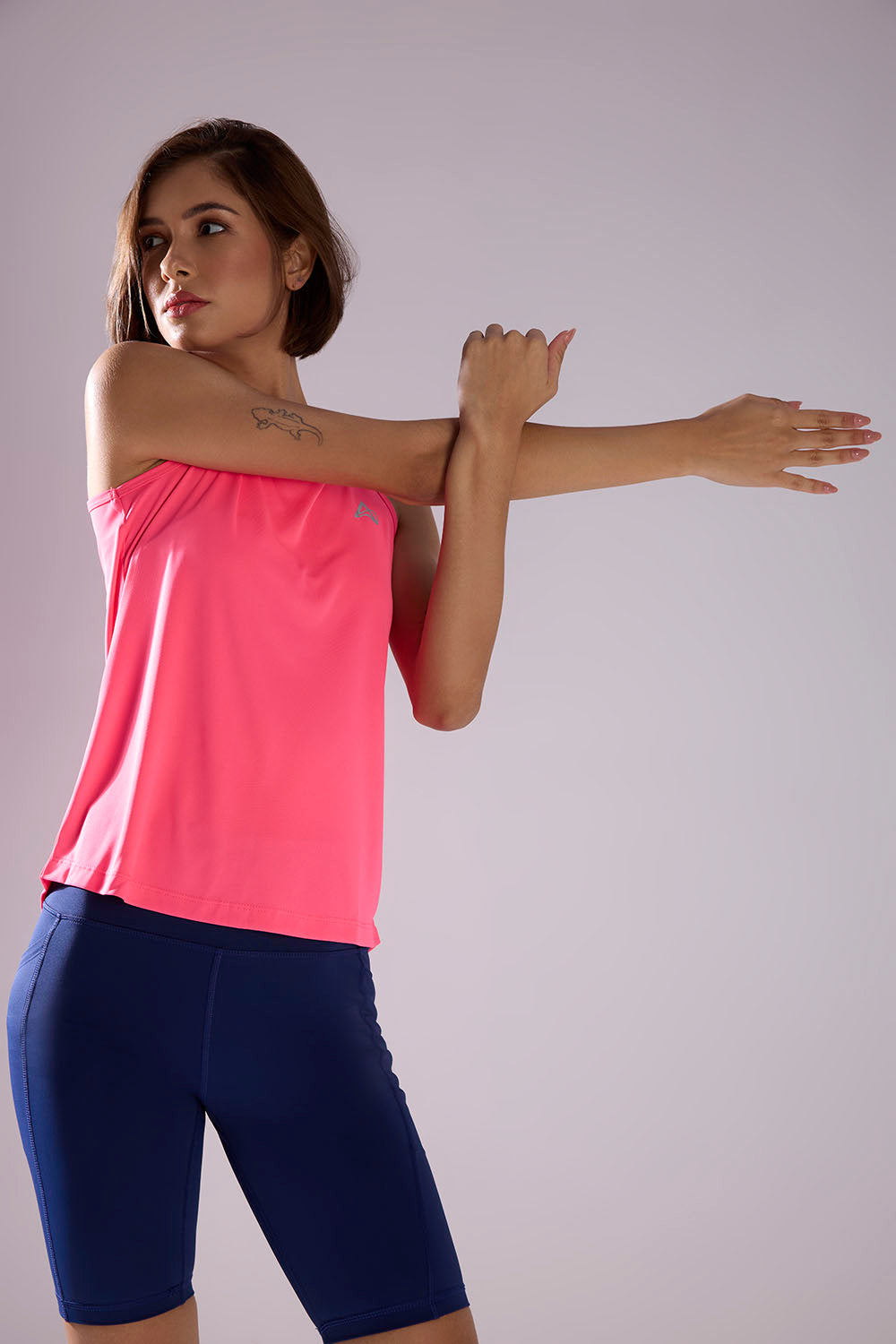
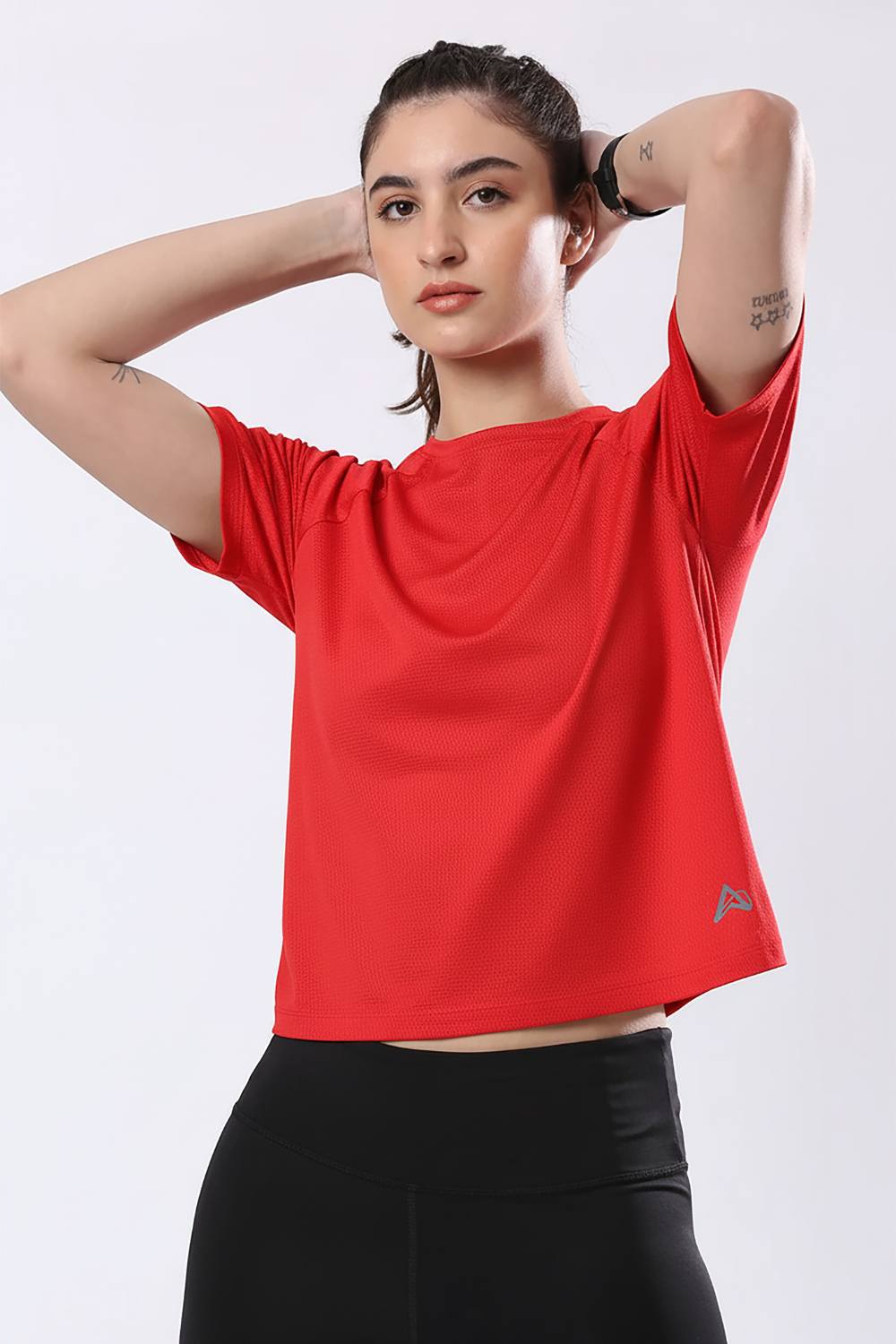
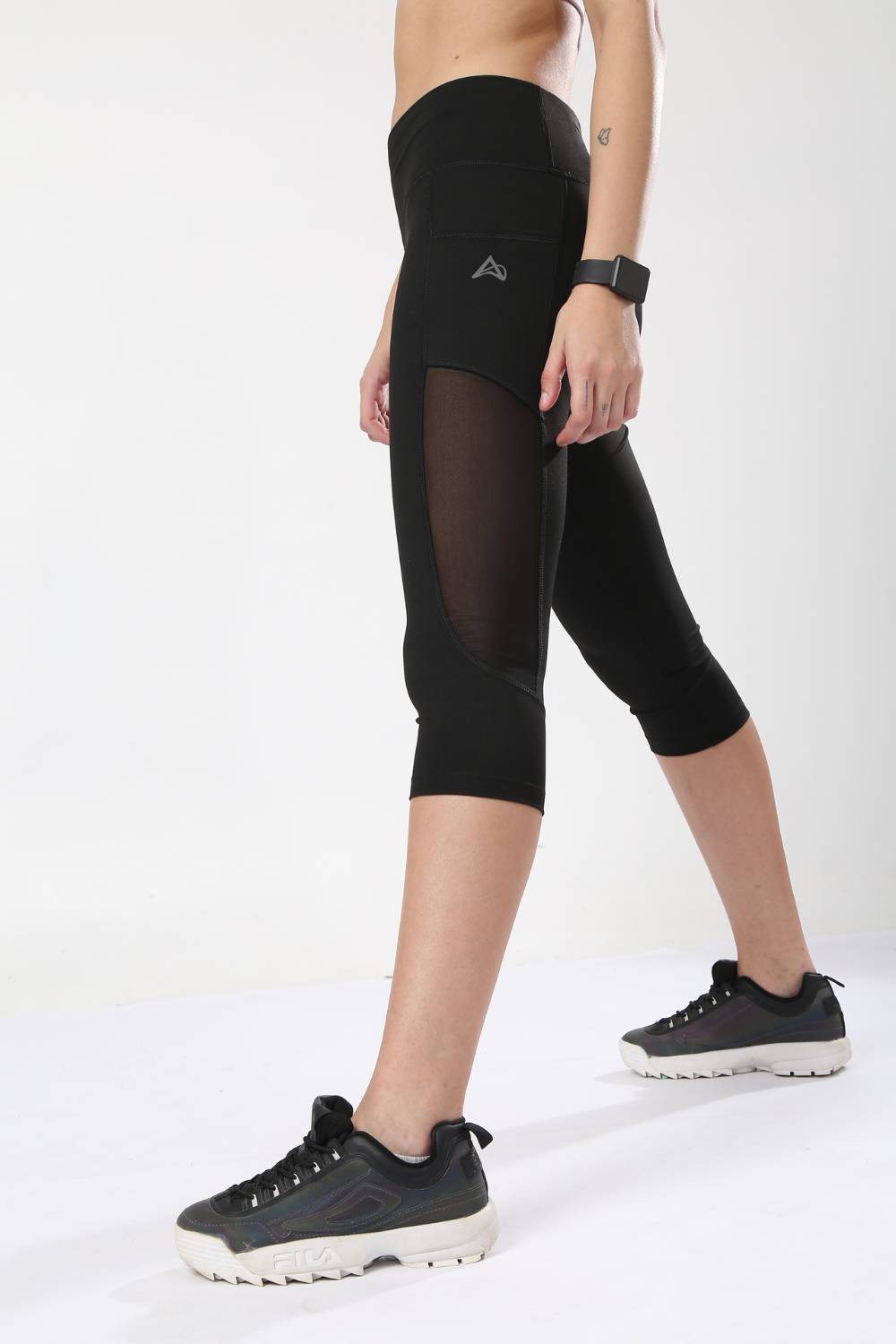
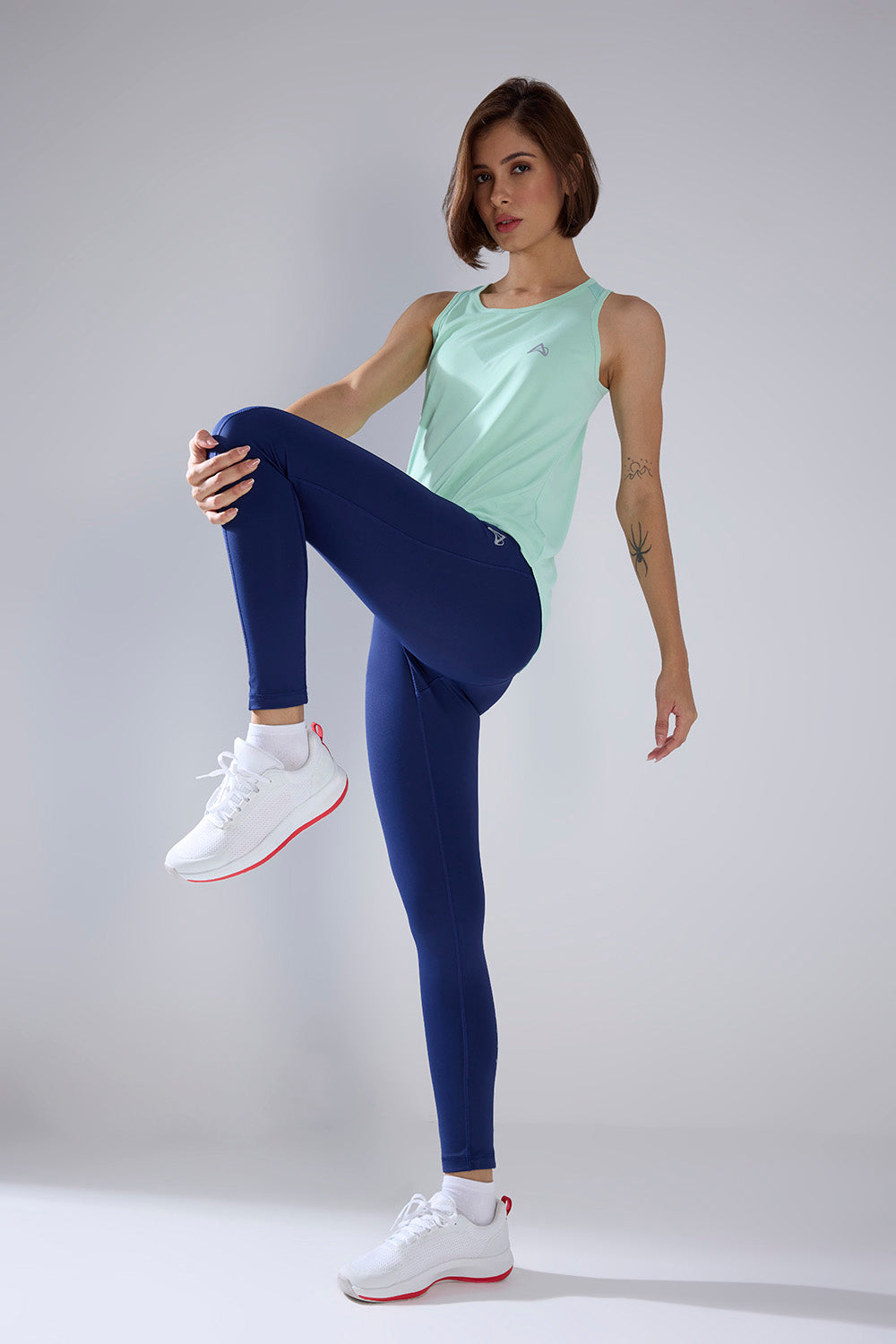
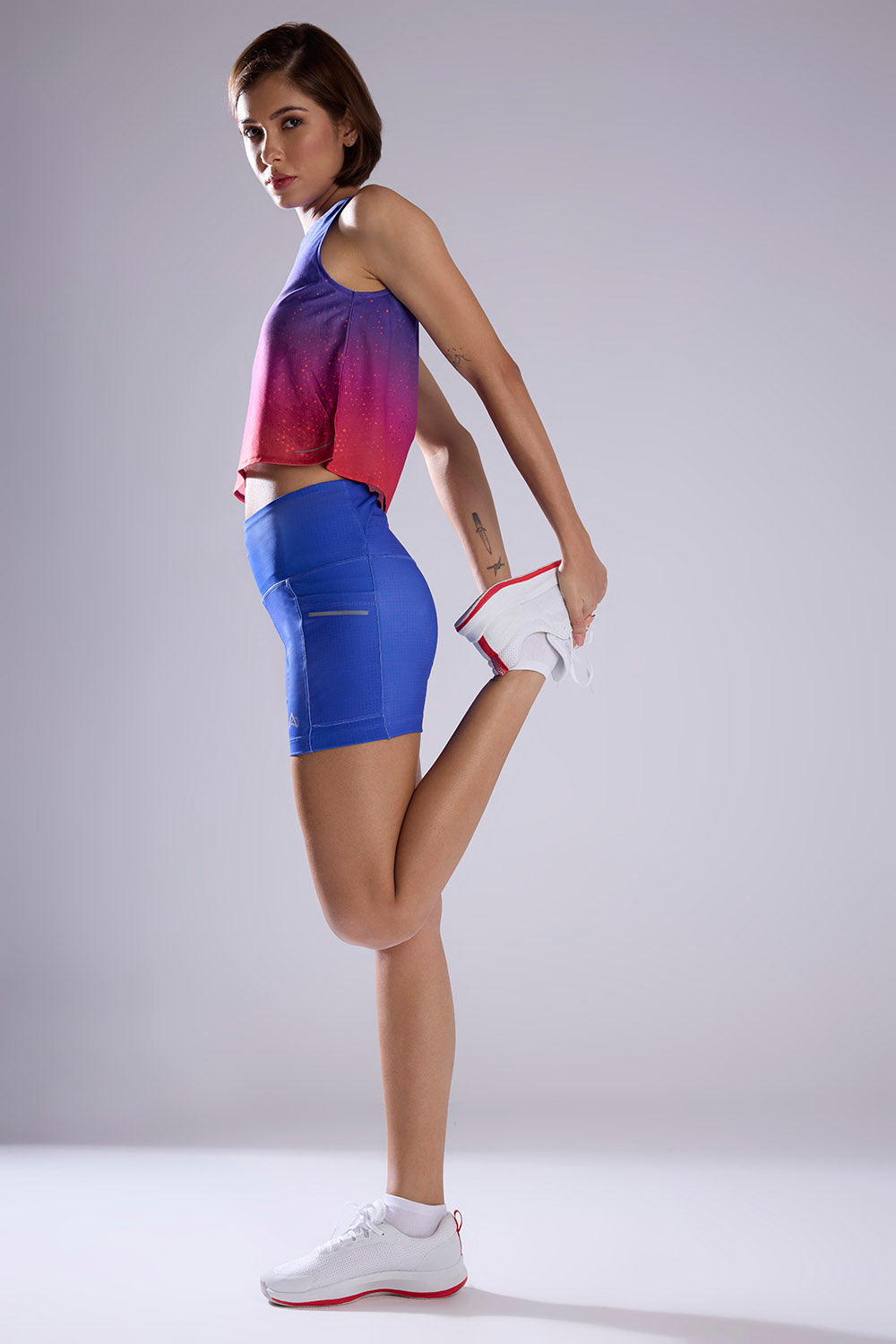
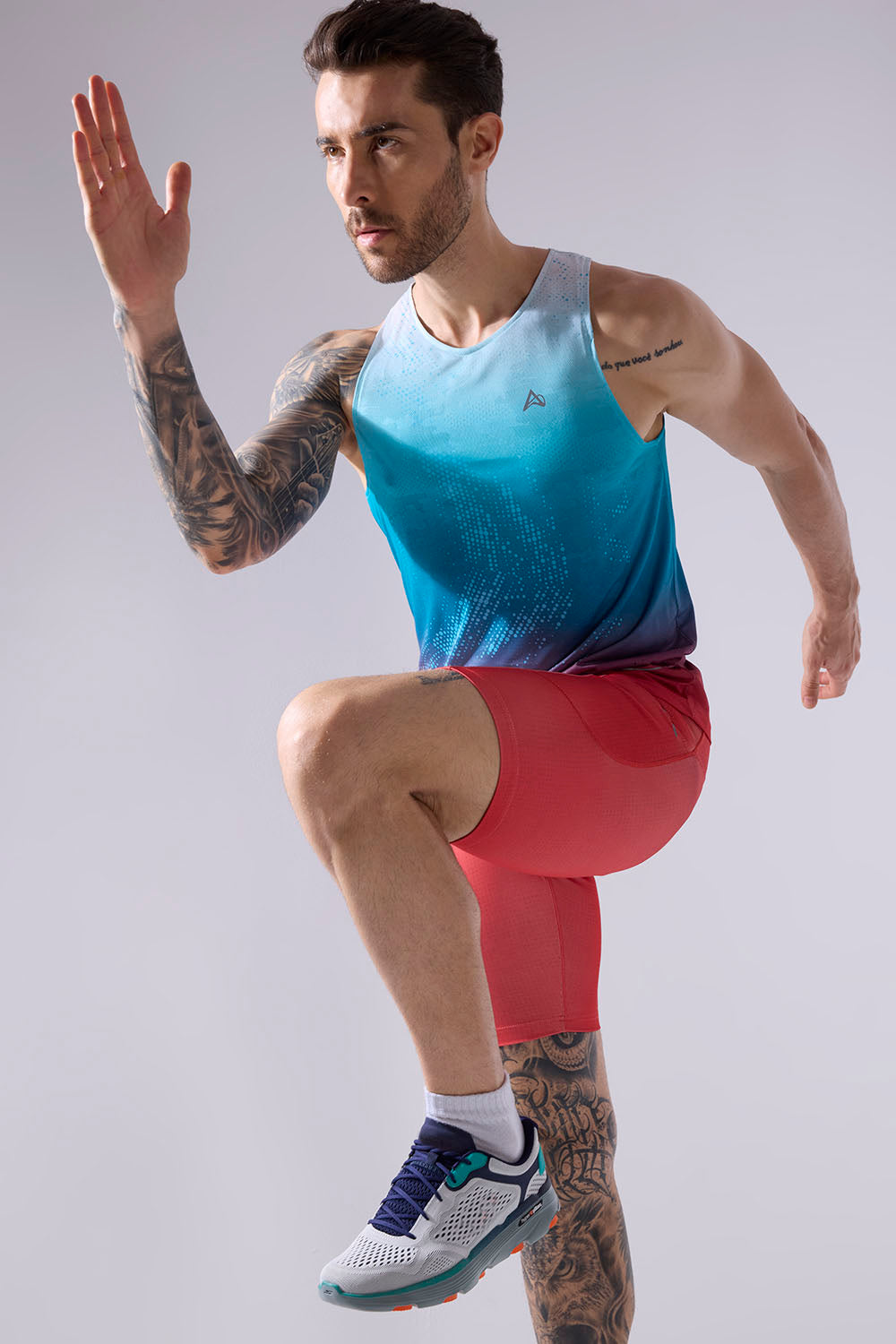
For tops, runners often benefit from designs that allow comfortable arm movement and prevent fabric from becoming restrictive around the shoulders or torso. For bottoms, the focus is usually on mobility, stability, and reducing areas where repeated movement can cause irritation.
Choosing Running Shorts for Extended Efforts
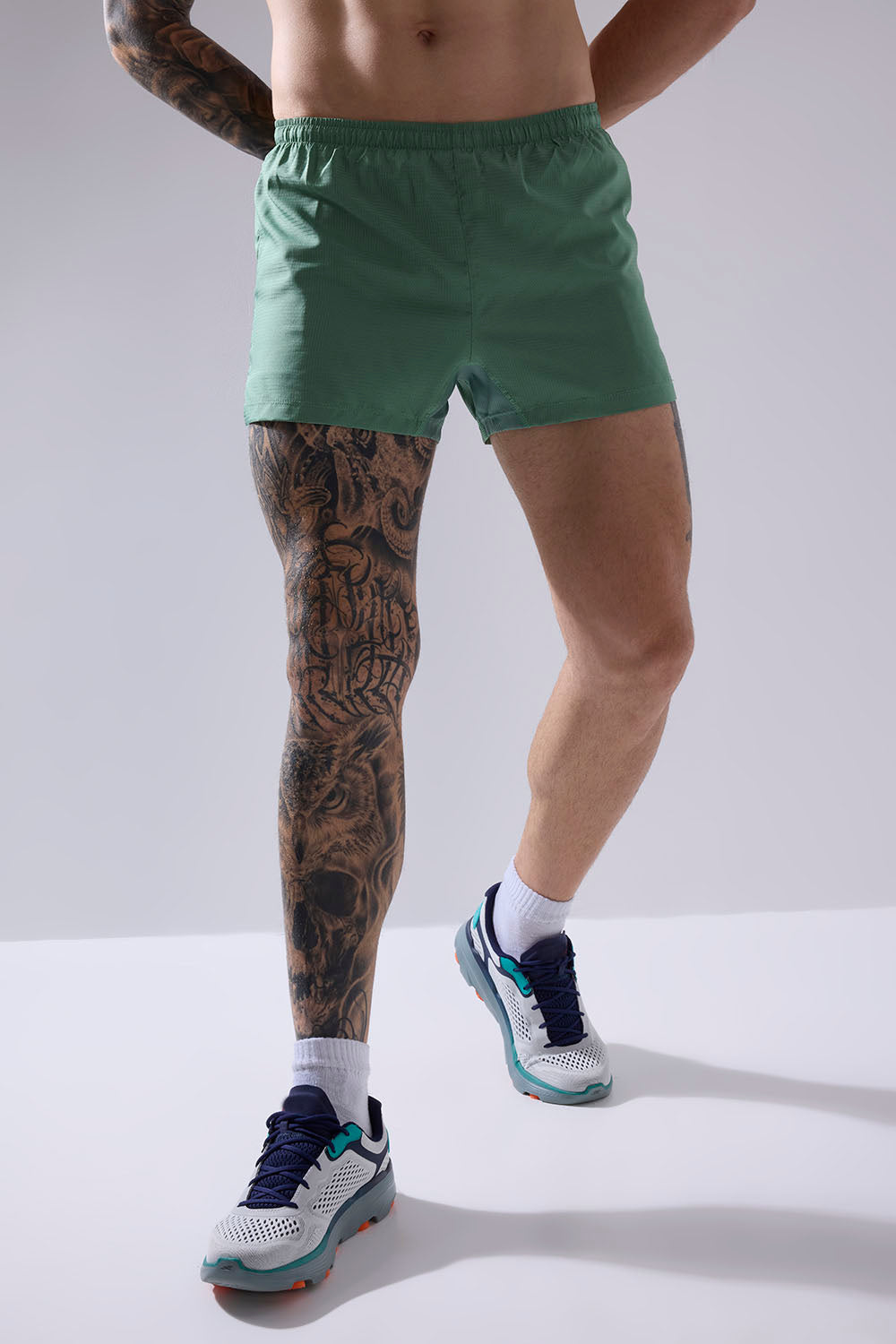
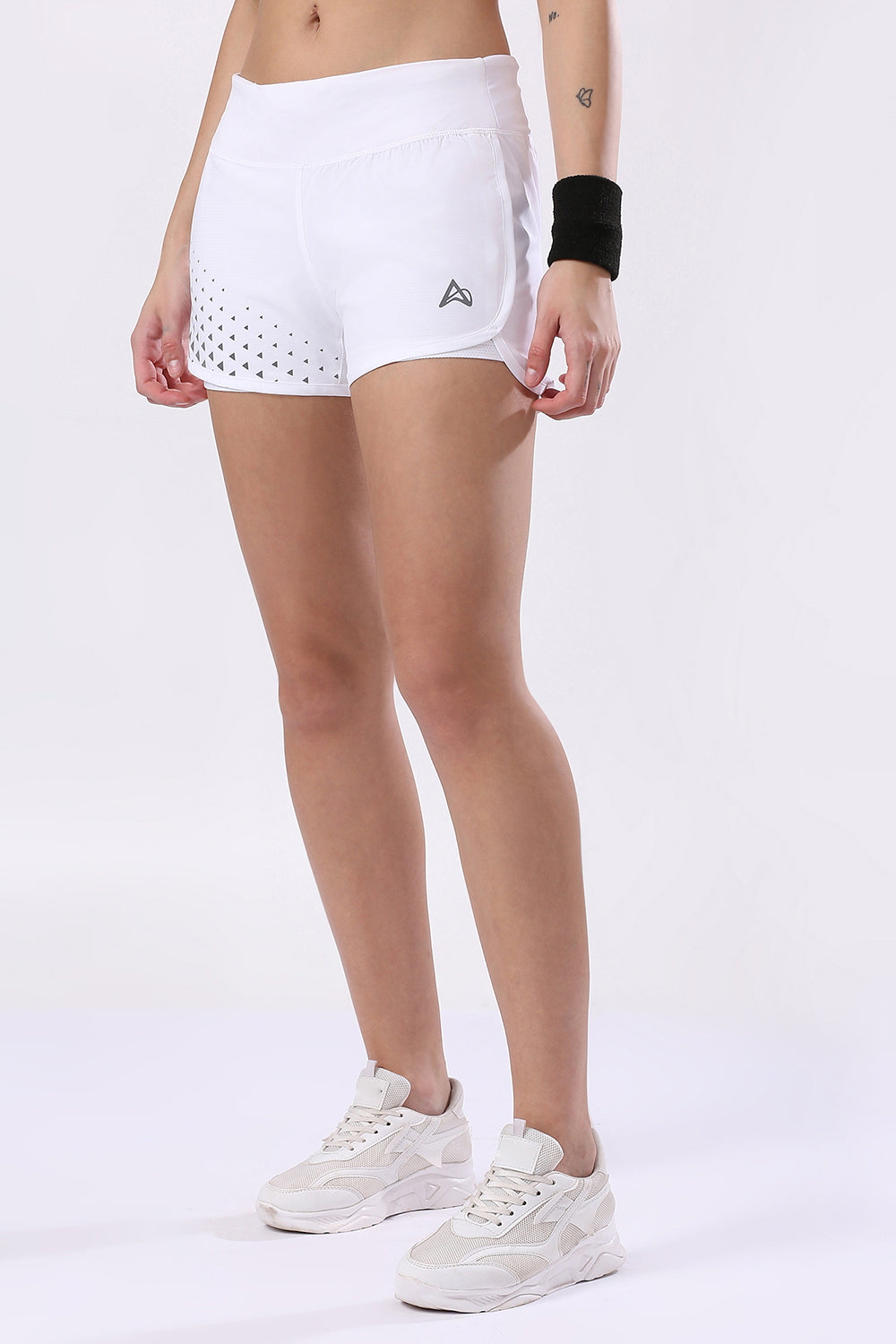
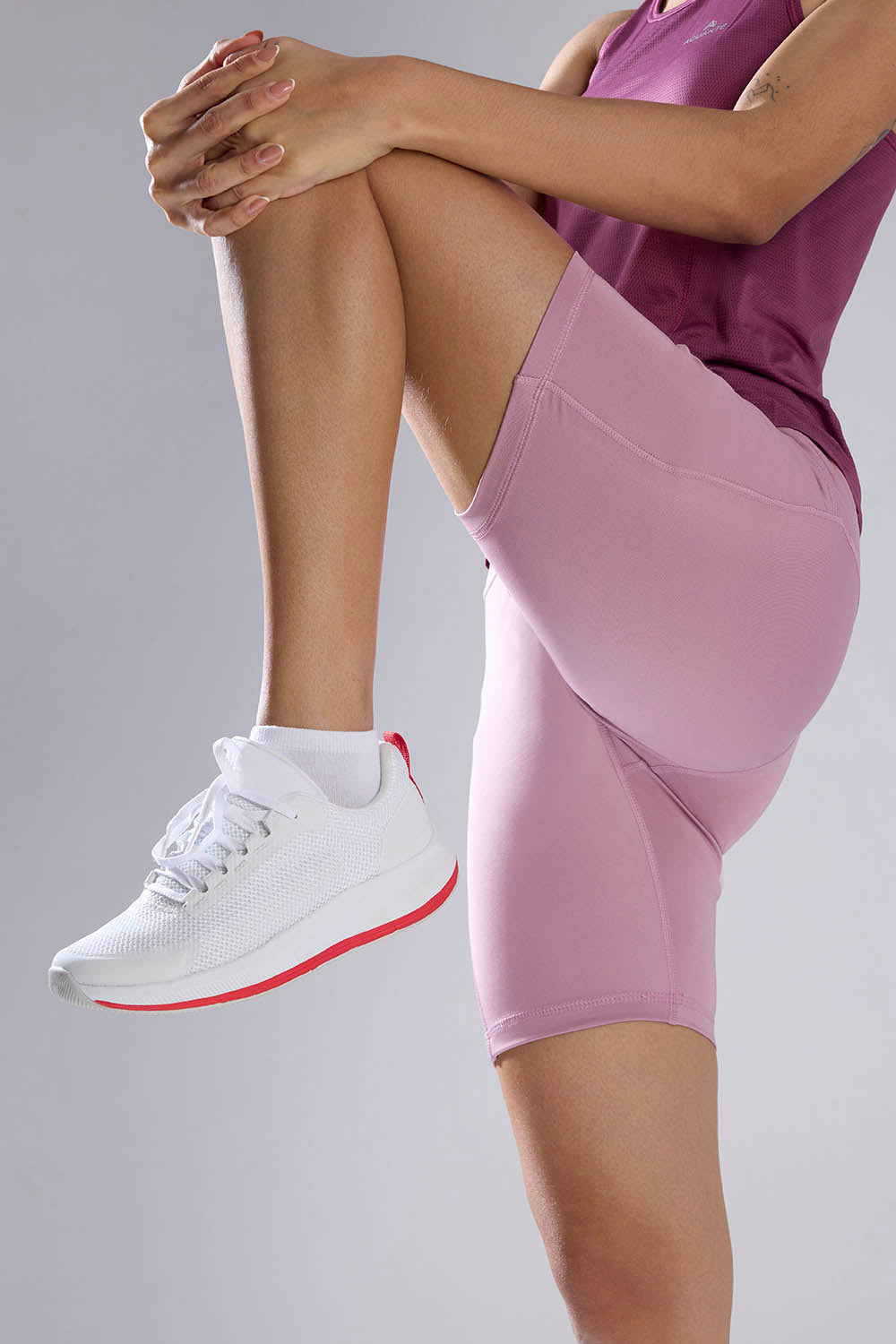
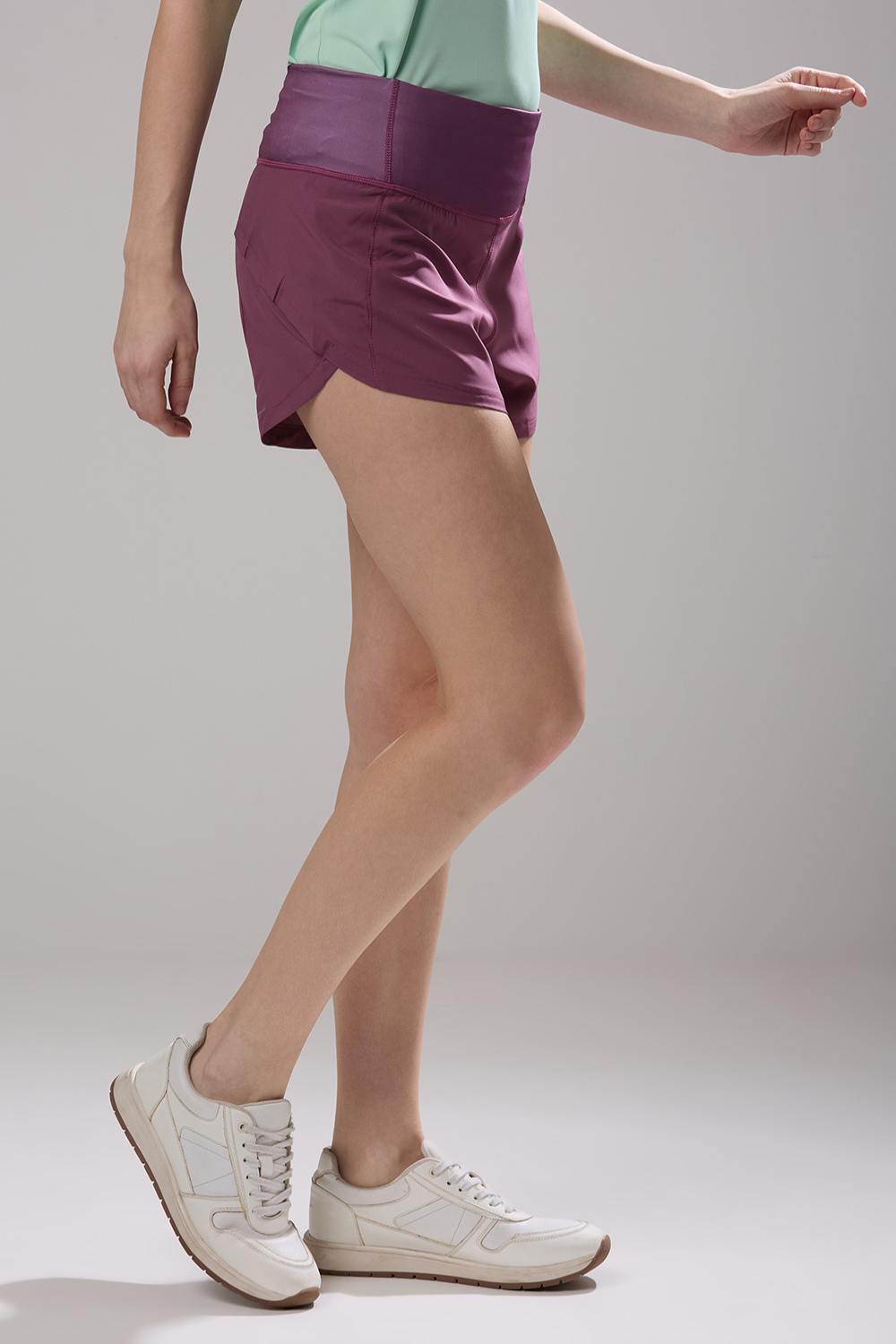
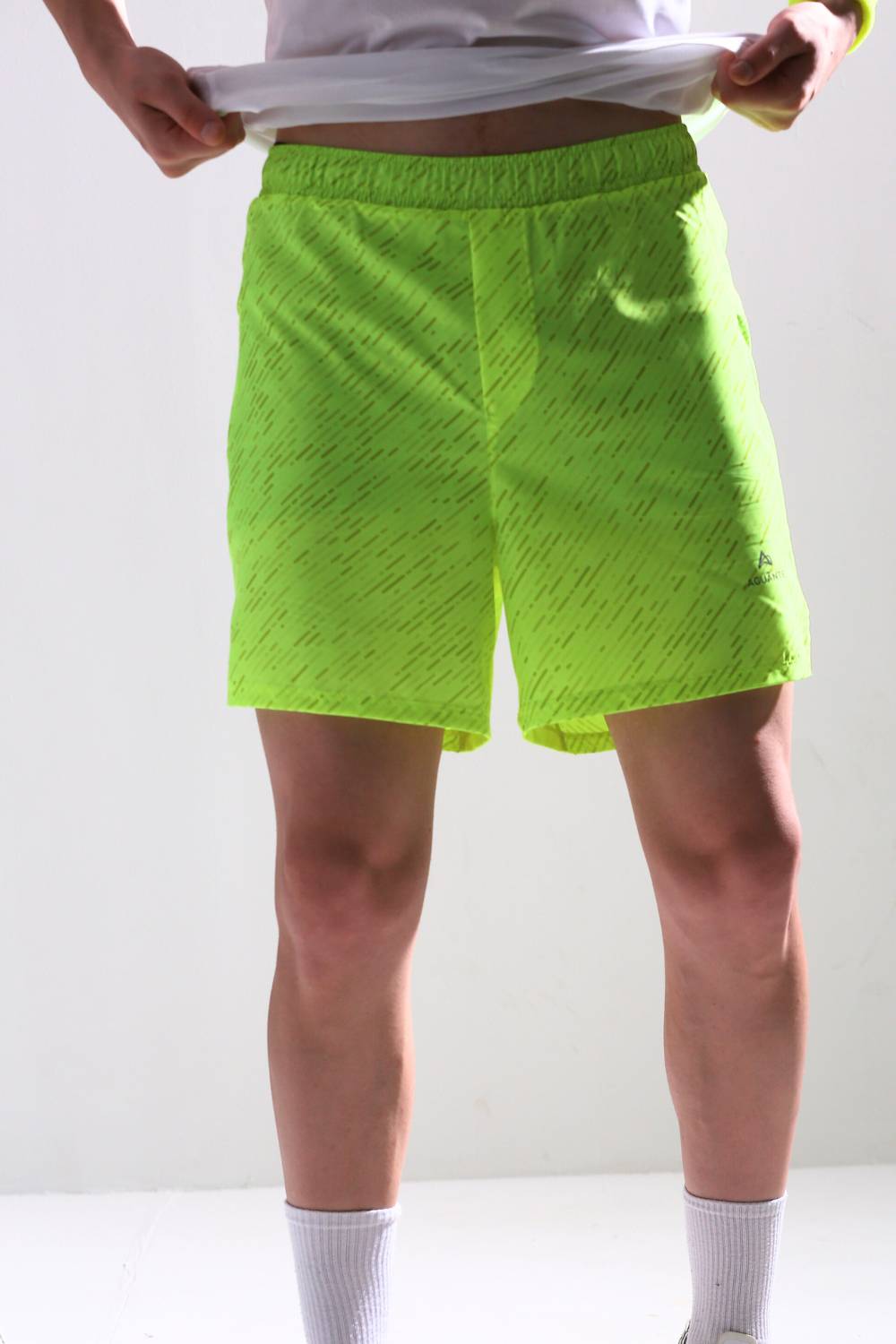
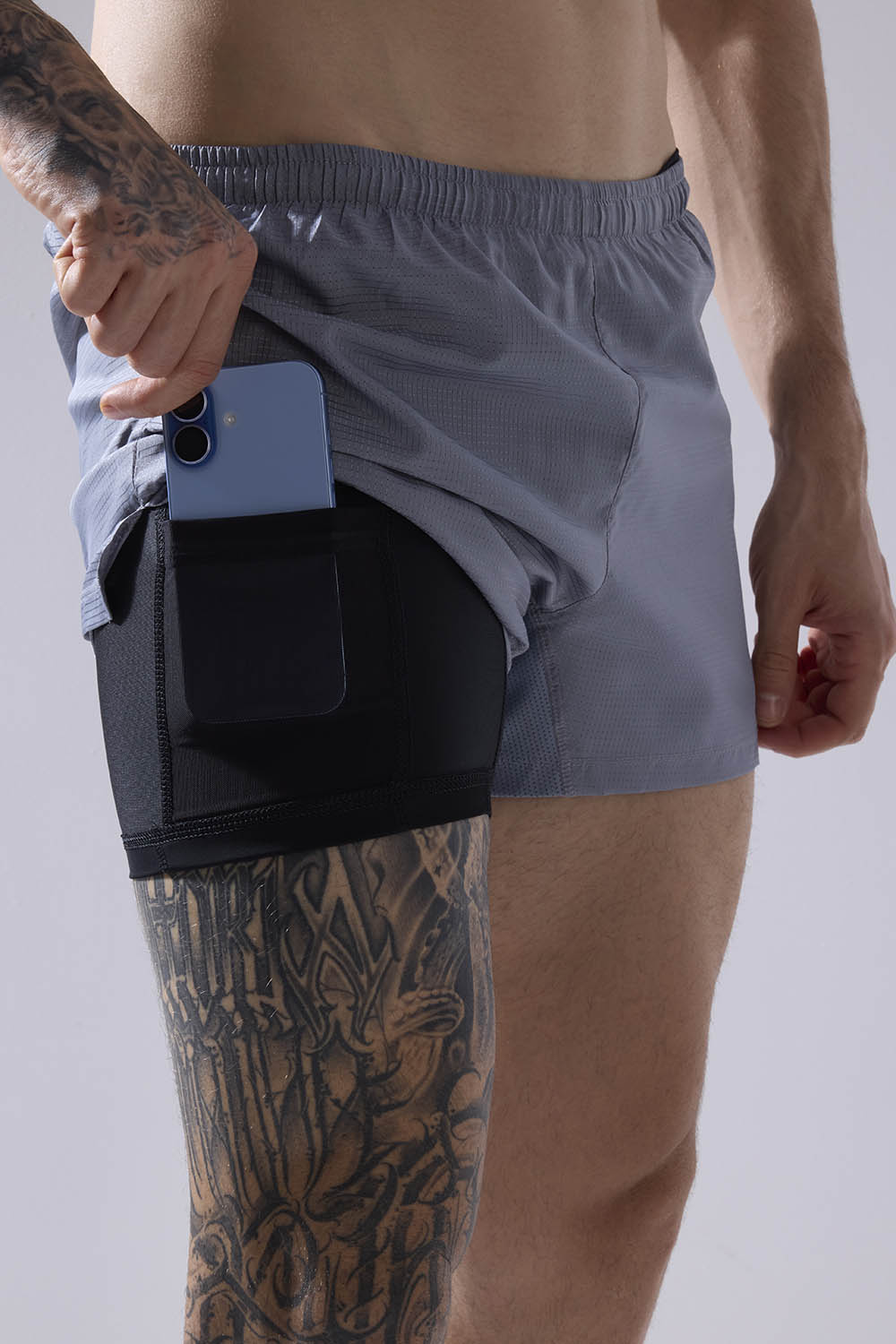
Comfort in running shorts for long runs depends on several design factors, including waistband comfort, liner construction, freedom of movement, and fabric behaviour during activity.
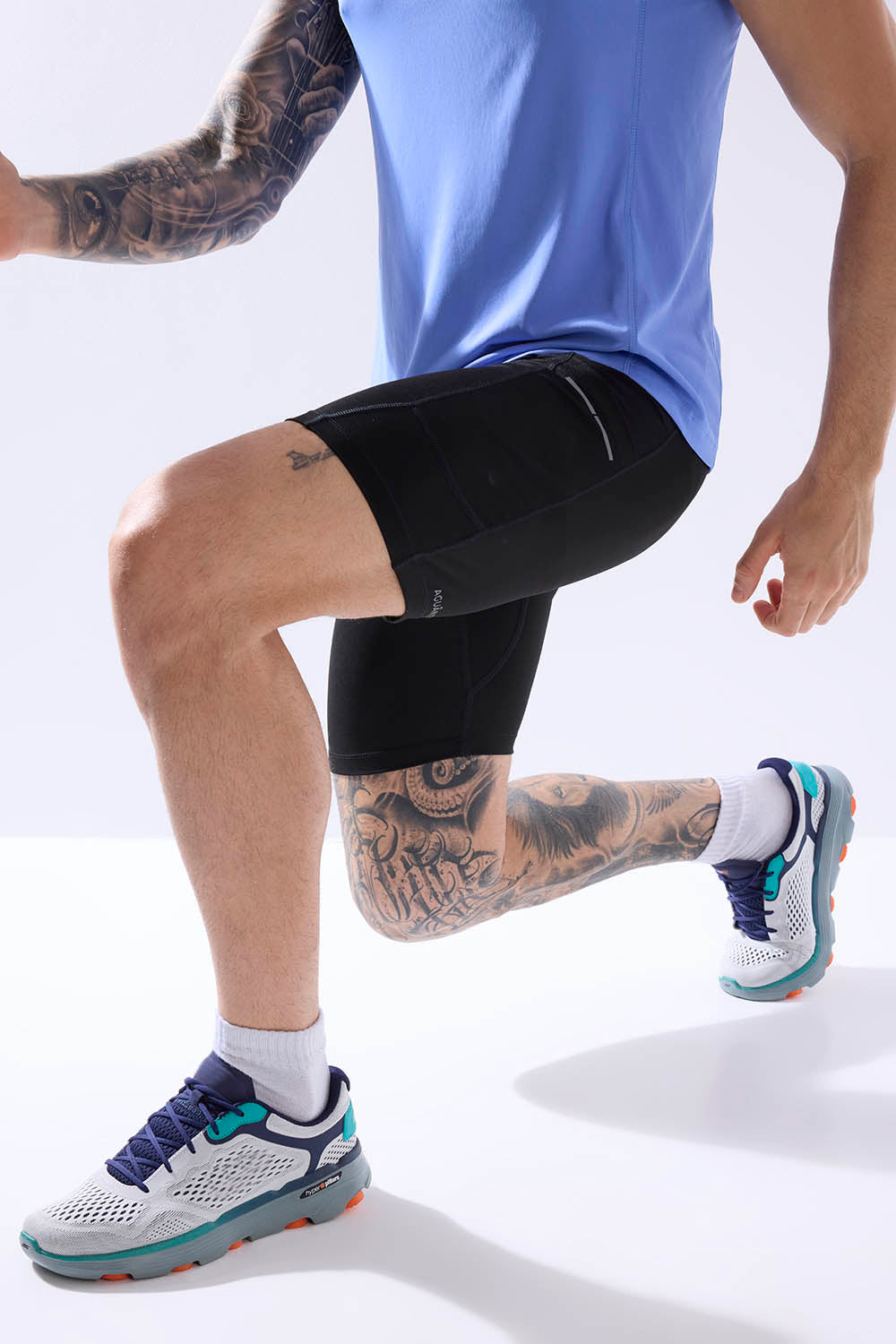
Running shorts chafing prevention starts with choosing apparel that works with the body rather than against it. A good fit reduces unnecessary fabric movement, while suitable materials can help manage moisture and friction during repeated strides.
Runners should also consider personal preferences. Some athletes prefer a closer fit for a secure feel, while others prefer more relaxed designs that provide additional airflow. The best choice depends on the runner's body, training environment, and distance goals.
Breathability and Temperature Control During Long Runs
Long runs often involve changing comfort levels. A runner may begin feeling cool before the body warms up, then experience increasing heat as effort continues. Clothing needs to support this transition rather than create additional discomfort.
Breathable fabrics and thoughtful garment construction can help support airflow and temperature management. Features such as ventilation zones, lightweight materials, and practical layering options allow runners to adapt more easily during longer sessions.
This approach is particularly valuable when training outdoors, where weather conditions may shift during the activity. Clothing decisions should be based on the conditions expected during the run rather than only how the weather feels before starting.
Runner focused apparel comfort comes from creating a system where each garment has a clear purpose. A lightweight base layer can support moisture management, while additional layers can provide protection when conditions require it.
Layering Strategies for Changing Weather Conditions
Weather can influence a runner's comfort as much as distance. A long run may begin with lower temperatures and end with a much warmer feeling as the body generates heat.
Layering provides flexibility because runners can adjust their clothing based on changing conditions. A breathable first layer can help manage moisture close to the skin, while outer layers can provide protection from wind, rain, or cooler temperatures.
Guidance on cold-weather running gear also highlights the value of adaptable clothing systems. Instead of relying on one heavy garment, runners can combine layers that each serve a specific role, including insulation, ventilation, moisture control, and weather protection. Cold weather layers can help runners maintain comfort when conditions change during longer efforts.
This approach applies beyond winter training. Even in warmer climates, runners benefit from thinking about how clothing will perform throughout the entire session rather than only at the beginning.
Practical Features That Improve Long Run Comfort
Small design details can have a major impact during extended workouts. When runners spend hours moving, features that seem minor at first can influence the overall experience.
- Lightweight construction: Reduces the feeling of unnecessary weight during prolonged activity.
- Breathable materials: Support airflow and help manage heat.
- Moisture management: Helps reduce discomfort caused by damp clothing.
- Comfortable seams: Can reduce irritation caused by repeated movement.
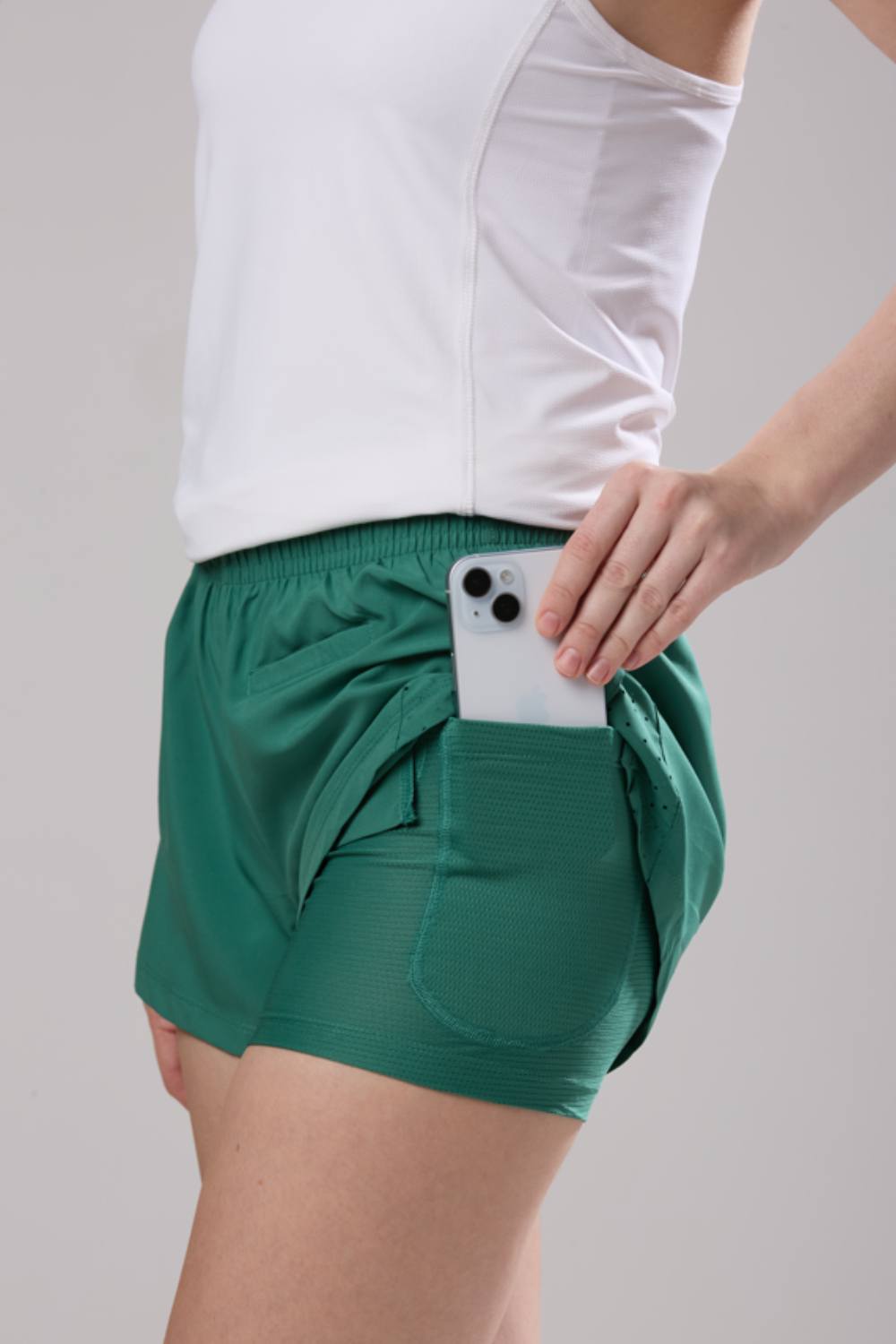
- Secure storage options: Allow runners to carry essentials without affecting movement.
- Weather-aware design: Helps runners prepare for changing outdoor conditions.
These features should be considered together rather than individually. A garment designed for endurance running needs to support the complete experience, from the first step to the final kilometre.
How to Choose the Right Long Run Running Clothes
Selecting long run running clothes features should begin with understanding personal needs. Every runner experiences heat, sweat, movement, and weather differently, so clothing choices should reflect individual training habits.
- The typical length and intensity of their long runs.
- The climate and weather conditions where they train.
- How much they sweat during extended activity.
- Whether they experience friction or irritation in specific areas.
- Which fits and fabrics feel comfortable during repeated use.
Testing clothing during training sessions is also important. A garment that feels comfortable during a short run may behave differently during a longer effort. Endurance training provides the opportunity to understand how apparel performs under realistic conditions before important events.
The best running gear choices are rarely about adding more features. They are about finding the right balance between comfort, functionality, and reliability for the runner's specific routine.
Comfortable Apparel Supports Better Long-term Training Habits
Clothing does not replace training, recovery, or preparation, but it can influence how consistently runners complete their sessions. When apparel reduces distractions, manages moisture effectively, and supports natural movement, athletes can focus more fully on their goals.
Long-distance running requires patience and consistency. The right clothing choices support that process by helping runners stay comfortable through changing conditions and longer efforts. Whether preparing for a race or building endurance through regular training, understanding the relationship between clothing design and comfort allows runners to make more informed decisions.
Running clothes are not simply equipment worn during exercise. They are part of the overall running experience, helping athletes manage the physical demands of distance and stay focused throughout every stage of the journey.
Frequently Asked Questions
How do running clothes influence comfort during long runs?
Running clothes influence comfort during long runs by managing sweat, heat, movement, and friction over extended periods. Features such as breathable fabrics, moisture management, proper fit, and lightweight construction help runners stay comfortable throughout longer training sessions.
What features should I look for in running clothes for long runs?
Long run running clothes should include moisture-wicking materials, comfortable seams, breathable construction, and a fit that allows natural movement. Runners should also consider weather conditions, personal sweat levels, and the type of distance they regularly train for.
How can running shorts prevent discomfort and chafing during long-distance runs?
Running shorts can improve comfort during long runs through suitable fit, supportive construction, flexible materials, and reduced fabric movement. Choosing shorts designed for running helps minimise friction and supports better mobility during repeated strides.
Disclaimer: The above helpful resources content contains personal opinions and experiences. The information provided is for general knowledge and does not constitute professional advice.
You may also be interested in: Bulk & Customised Running Apparel for Running Groups by Aguante
Tired of gear that slows you down? Chafing, soggy fabrics, and missing pockets kill your run's momentum. At Aguante, we're runners who get it. Our high-performance activewear features moisture-wicking fabrics, ergonomic designs, and smart storage to keep you focused. Shop Now!
Powered by flareAI.co