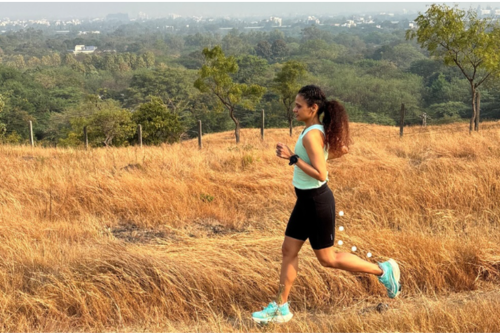
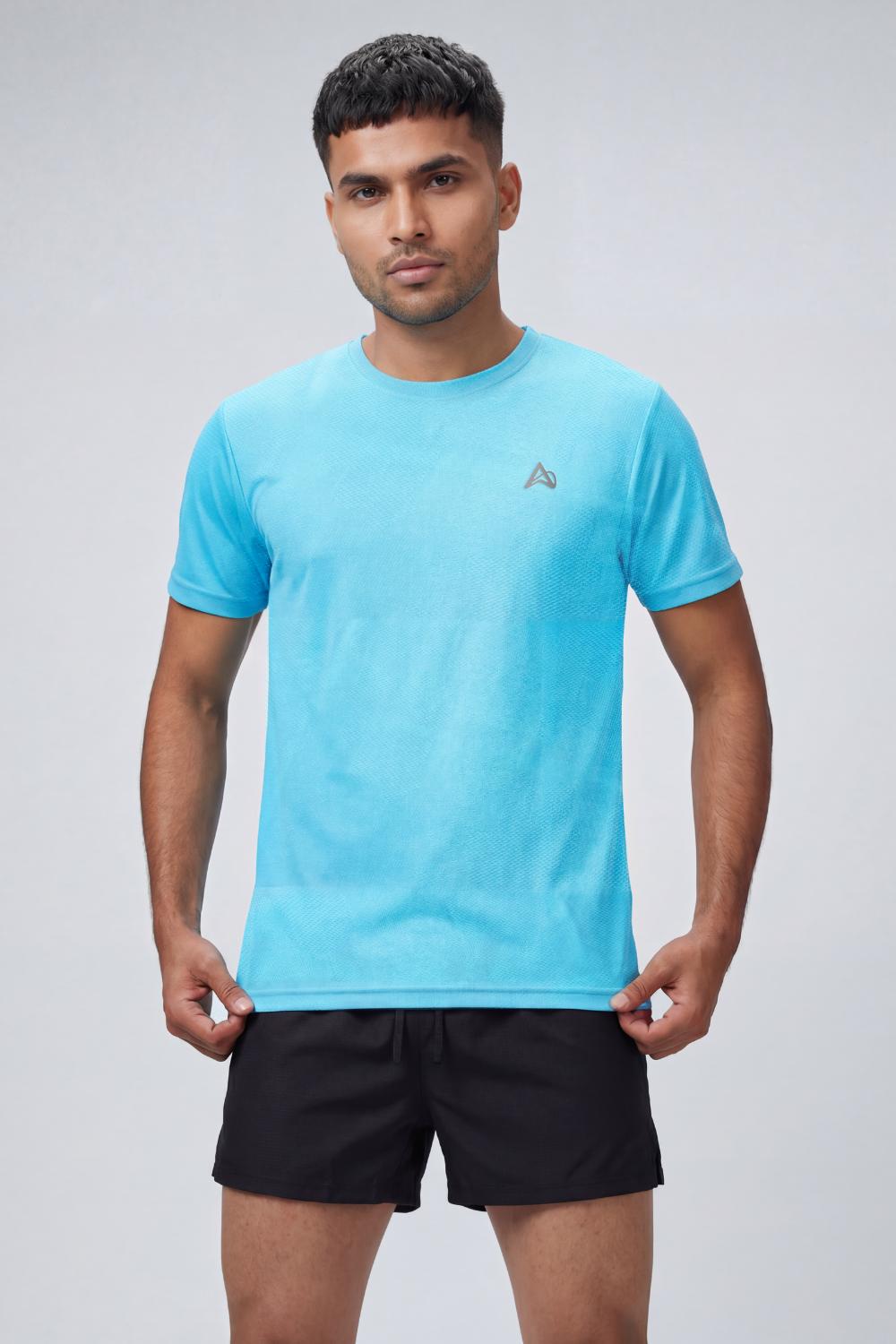
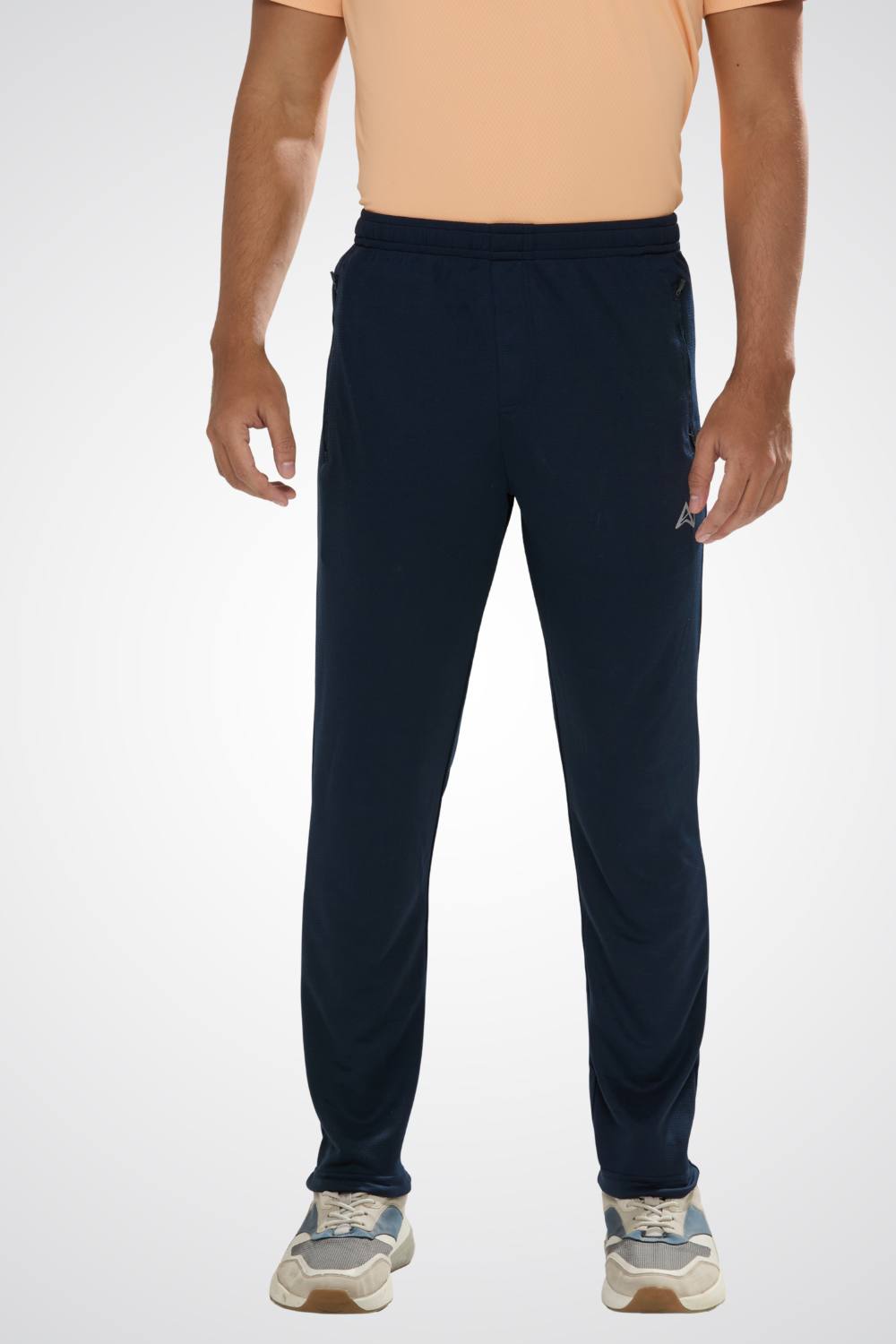
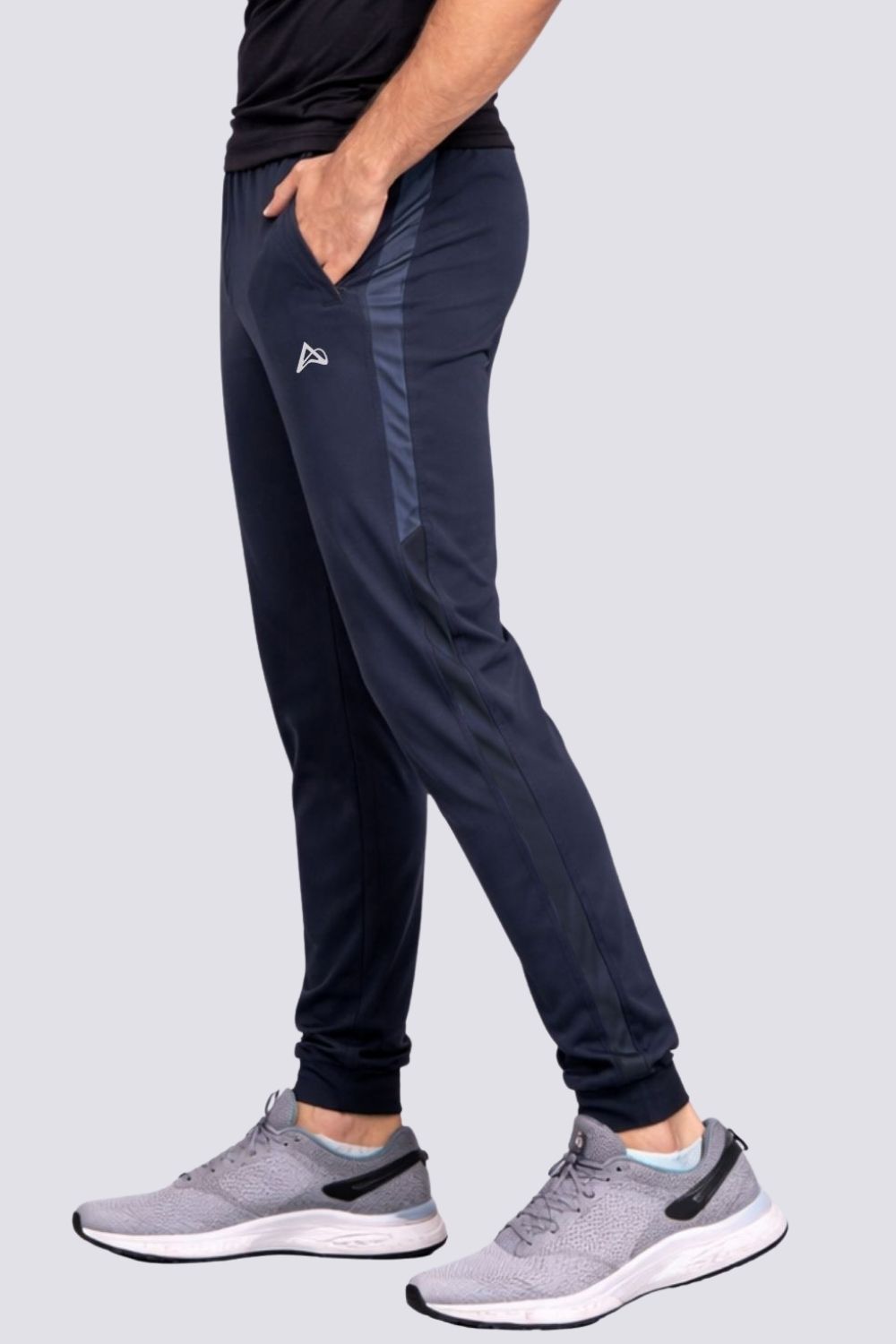
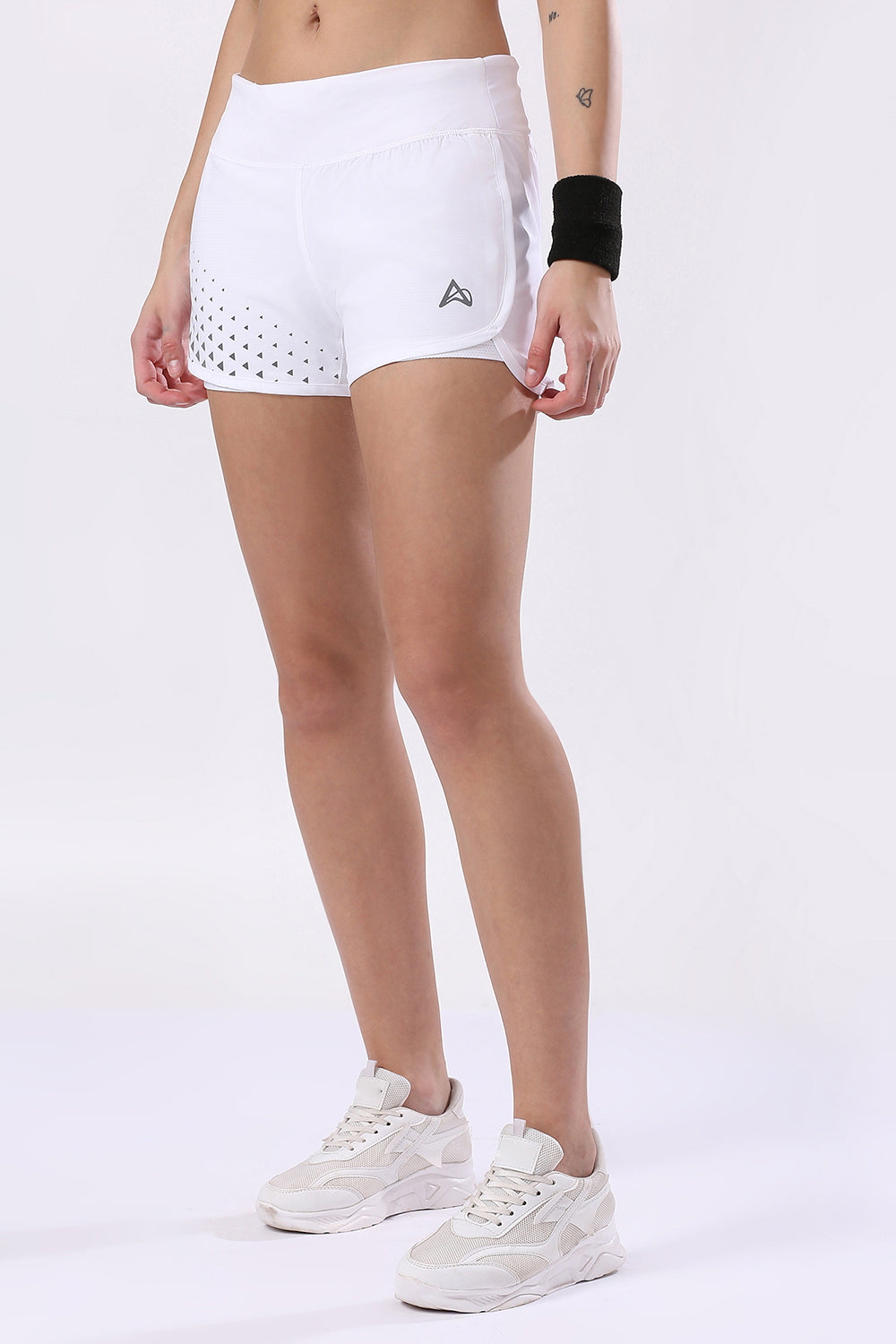
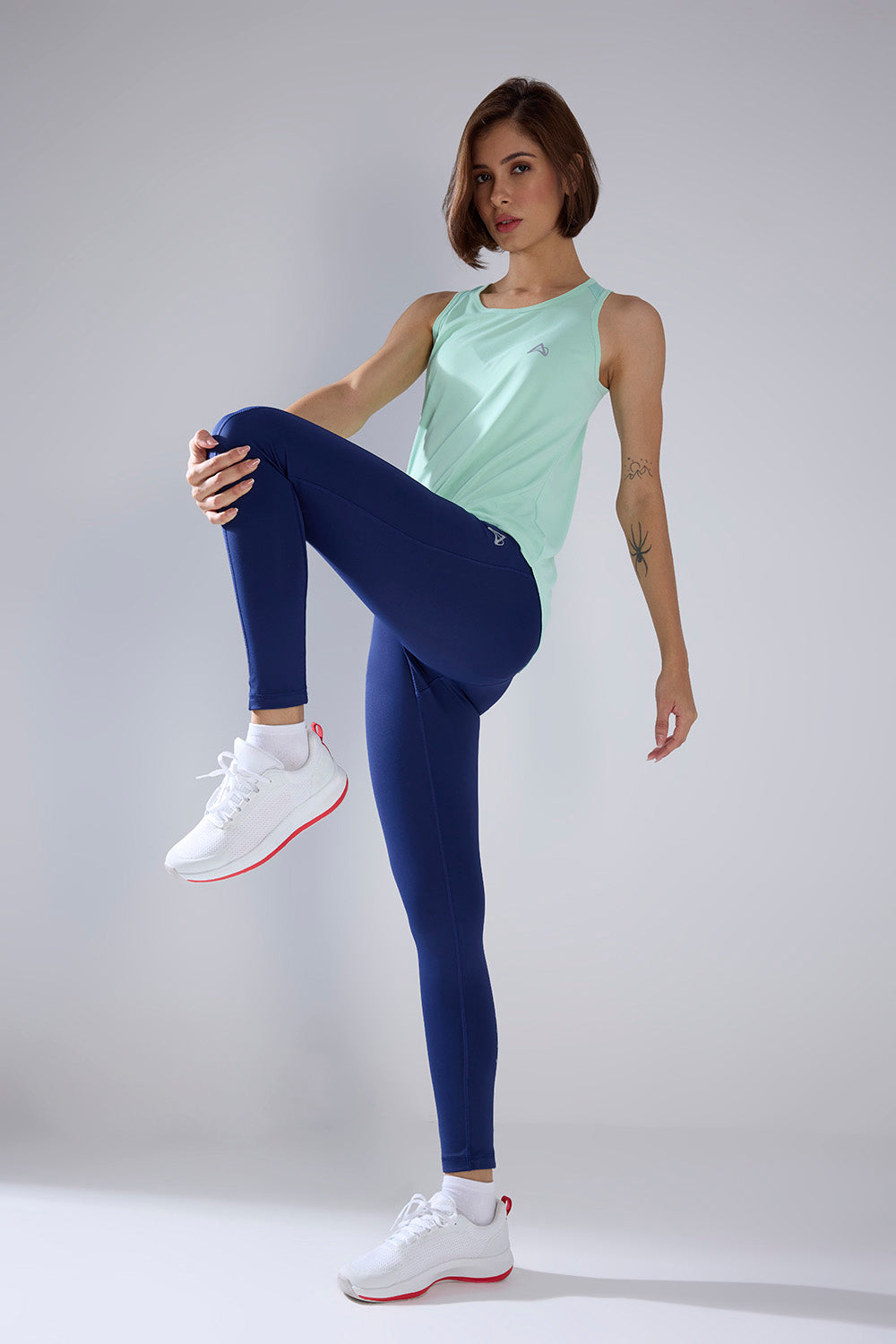

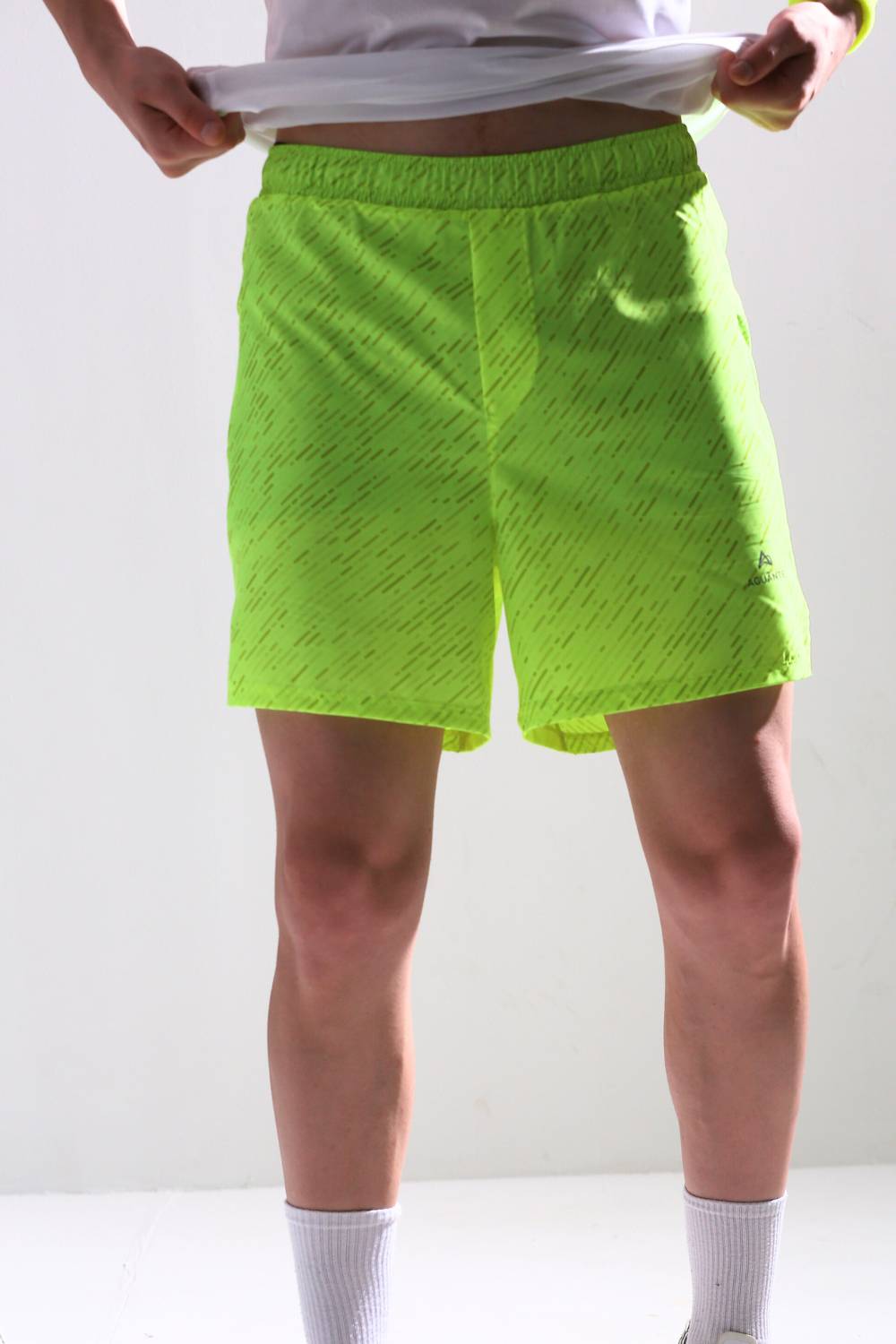
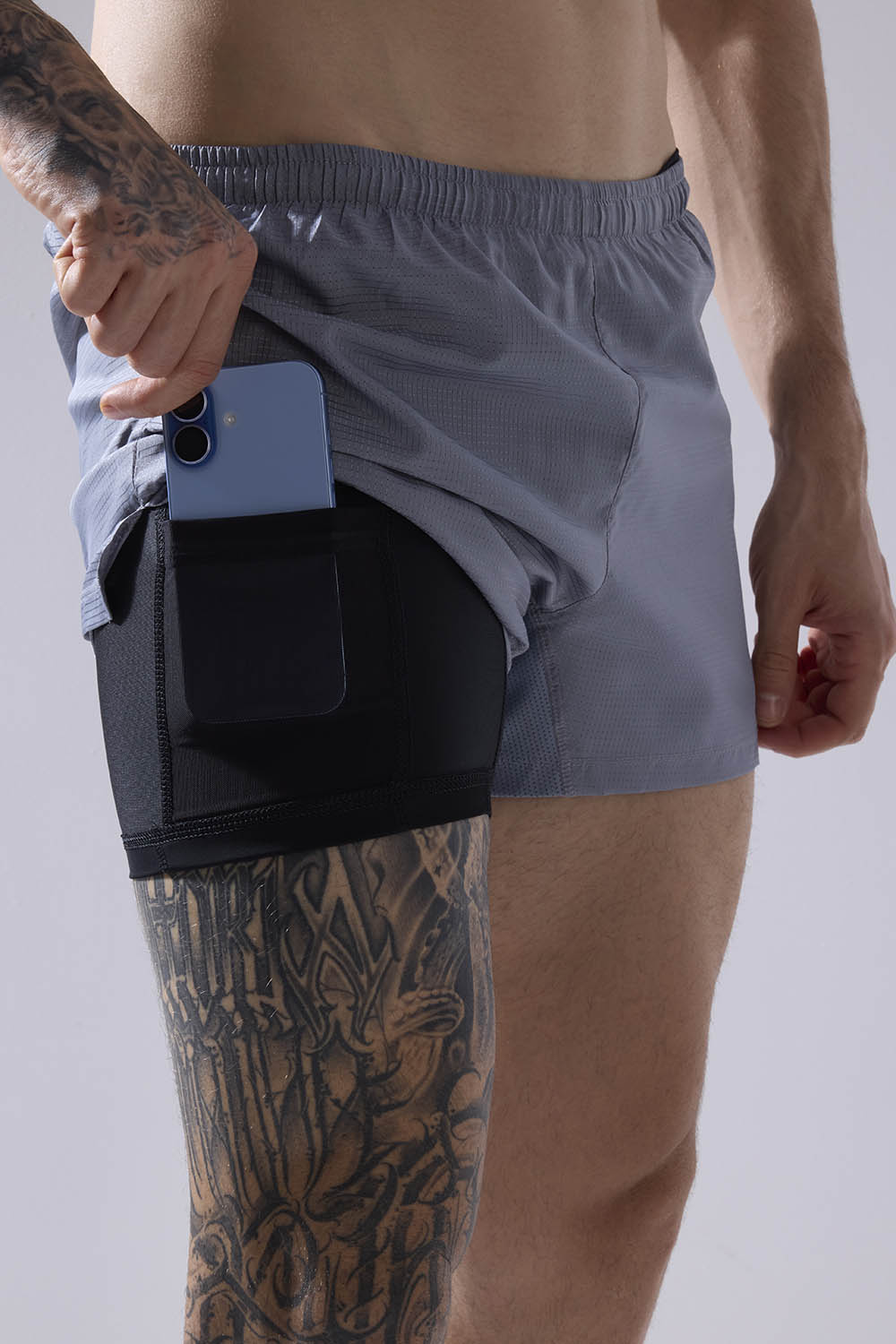

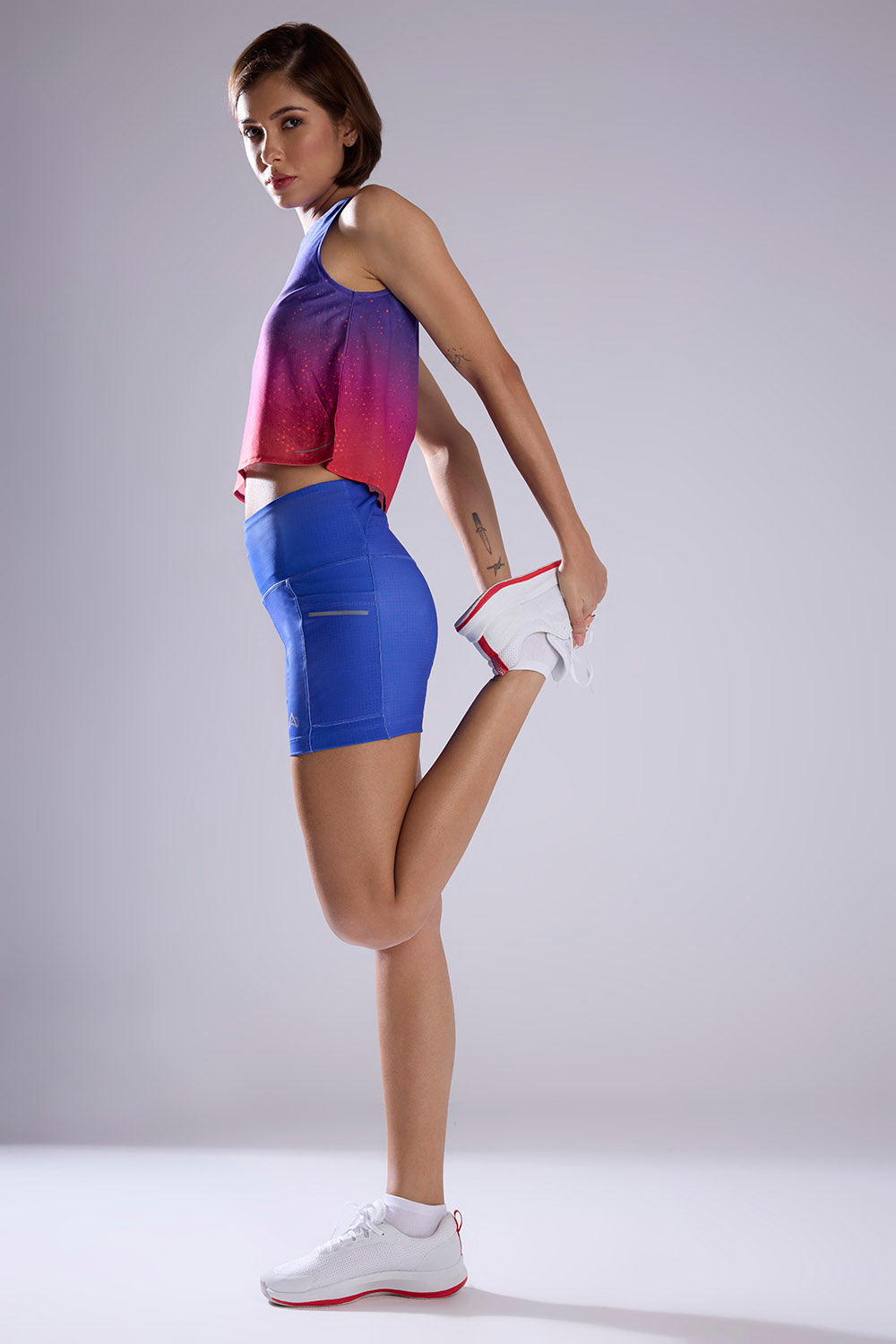
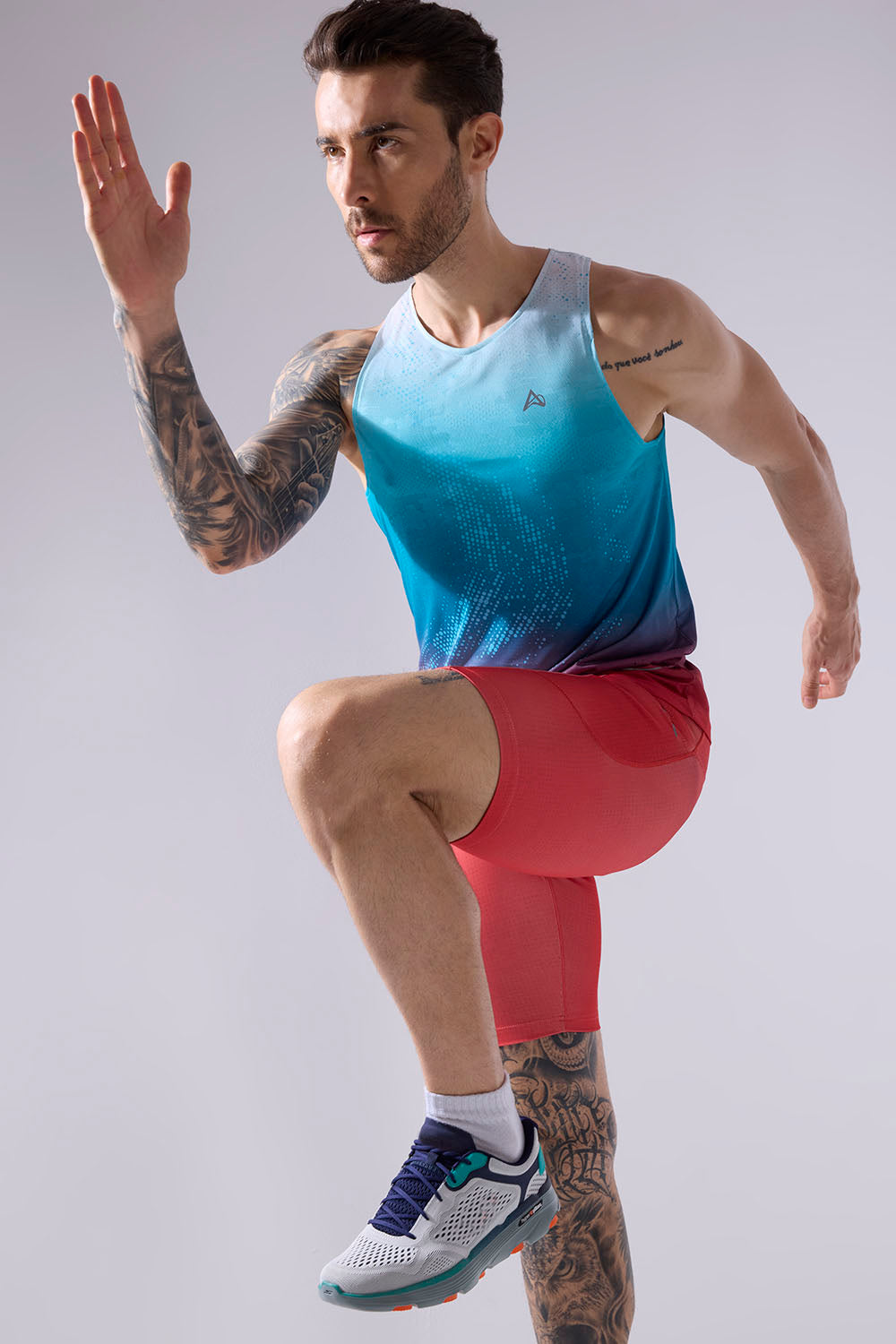

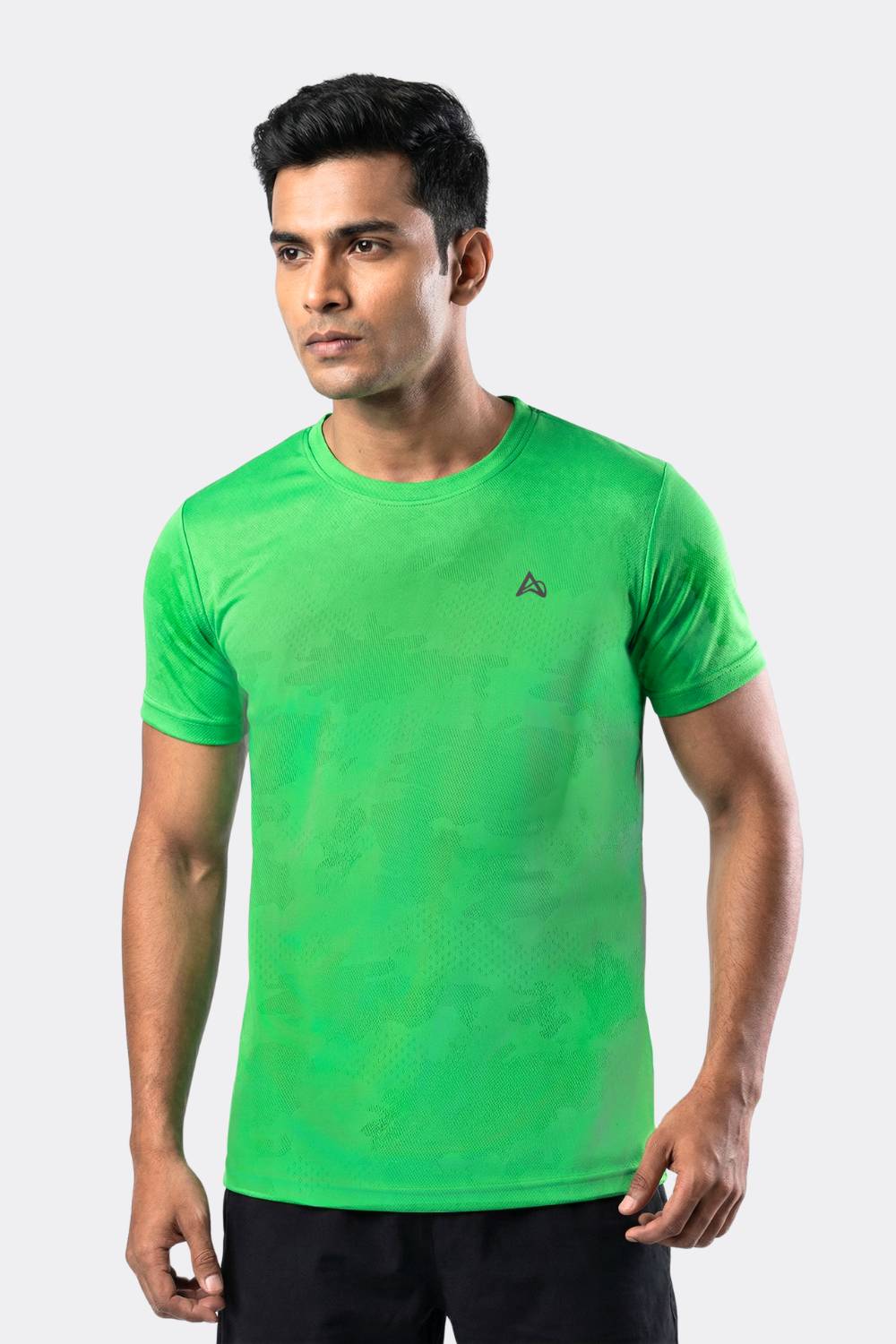
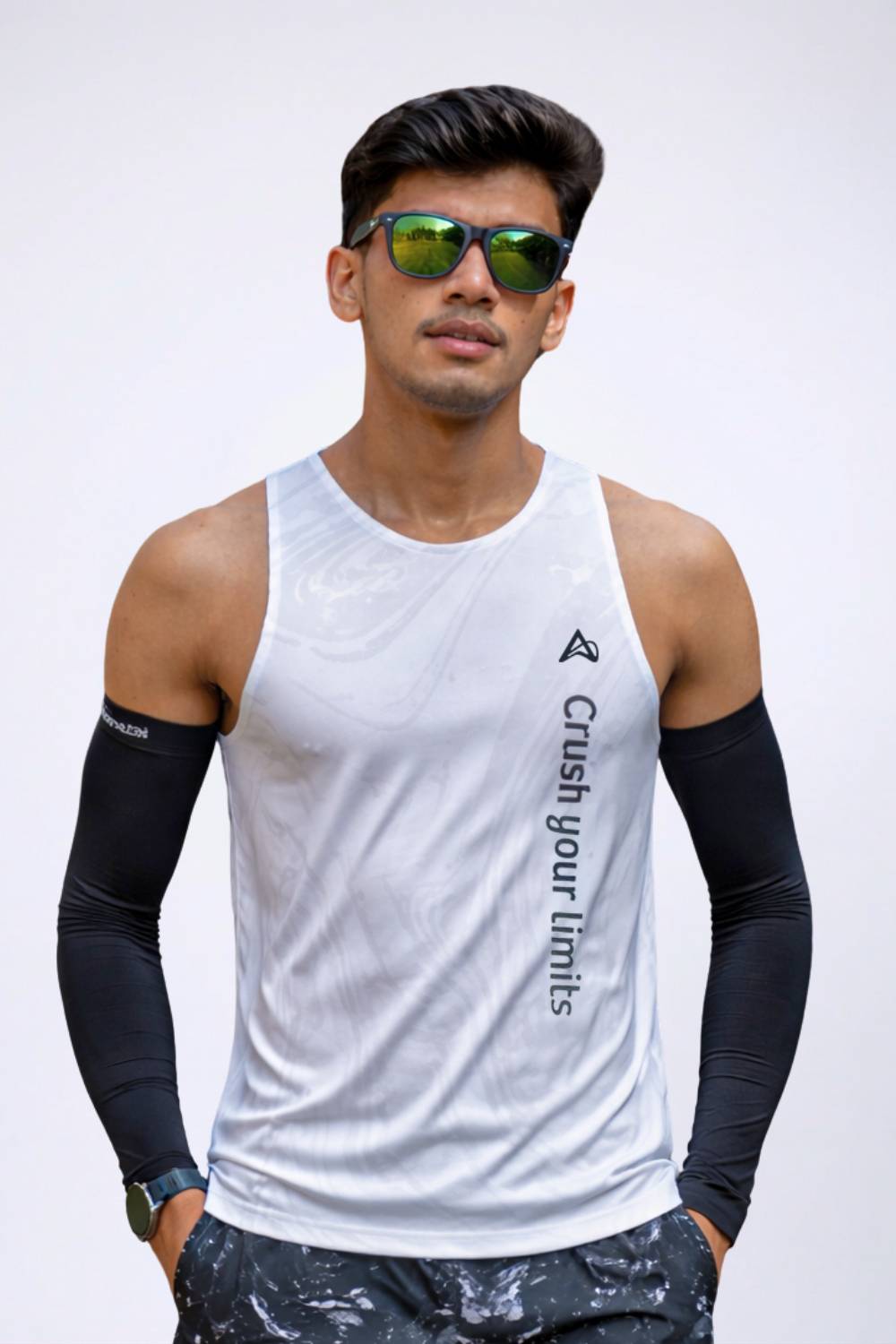

Long-distance running places a unique set of demands on apparel that goes far beyond basic comfort. When training stretches into sustained mileage, clothing becomes part of performance itself shaping how efficiently the body manages heat, moisture, friction, and movement. The best running apparel is not defined by aesthetics alone but by how consistently it supports runners through repetitive motion, changing weather conditions, and extended exertion.
Tired of gear that slows you down? Chafing, soggy fabrics, and missing pockets kill your run's momentum. At Aguante, we're runners who get it. Our high-performance activewear features moisture-wicking fabrics, ergonomic designs, and smart storage to keep you focused. Shop Now!
Understanding What Long-distance Running Apparel Must Deliver
At its core, long-distance training apparel is engineered to reduce distraction. Every seam, fiber, and cut must work toward minimizing friction and maintaining airflow. The most effective pieces support a runner's natural biomechanics rather than restricting them. This becomes especially important when fatigue sets in and small irritations like chafing or overheating can escalate into performance-limiting issues.
Expert evaluations of performance gear highlight that long-distance apparel should prioritize breathability, moisture control, and durability over repeated wear cycles. According to best running apparel recommendations, garments designed for endurance running often incorporate lightweight synthetic fabrics and mobility-focused construction to ensure runners can maintain consistent pacing without unnecessary discomfort. These pieces support consistent training by reducing irritation and chafing that can otherwise derail long workouts, helping athletes stay focused on pacing and recovery rather than gear-related distractions.
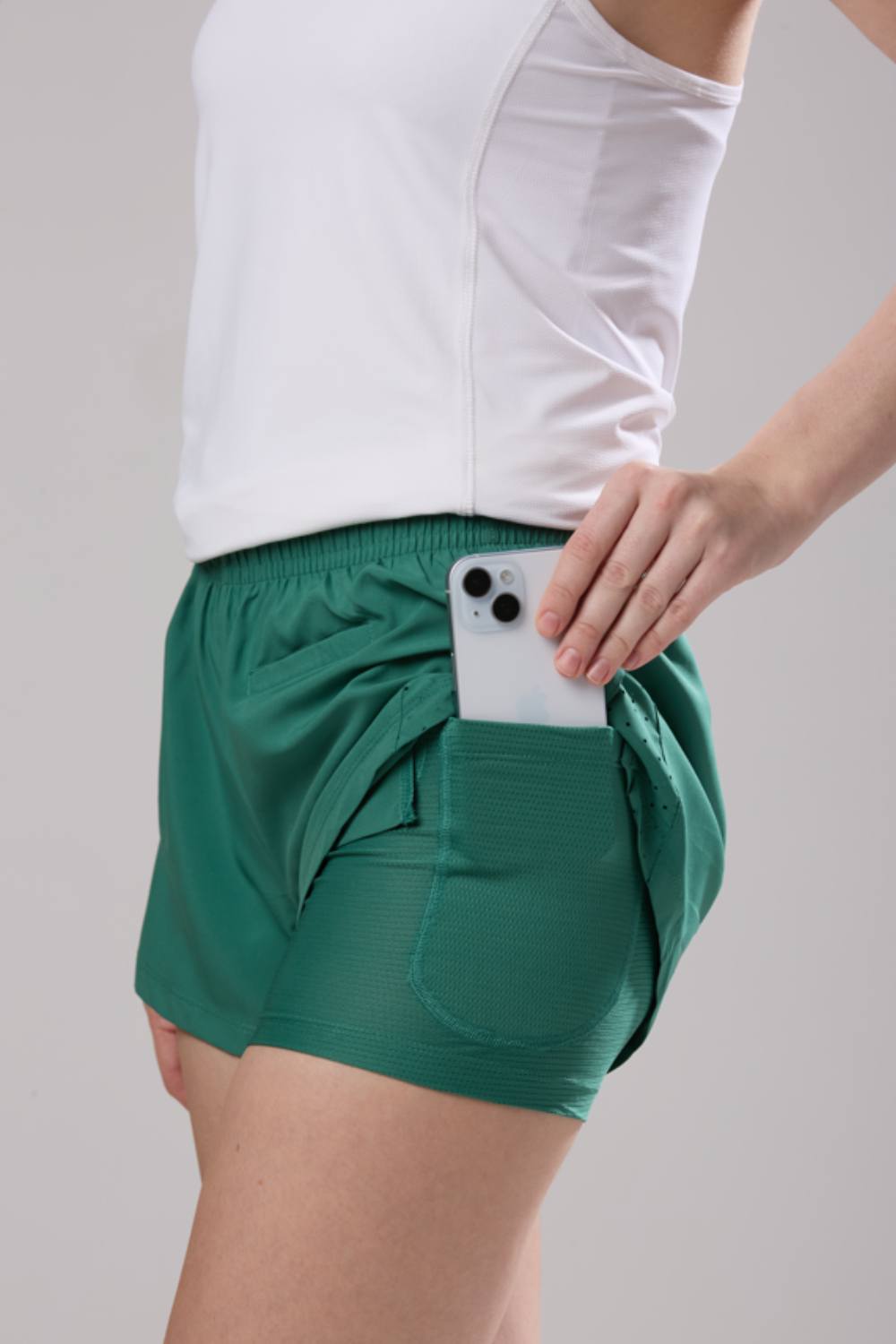
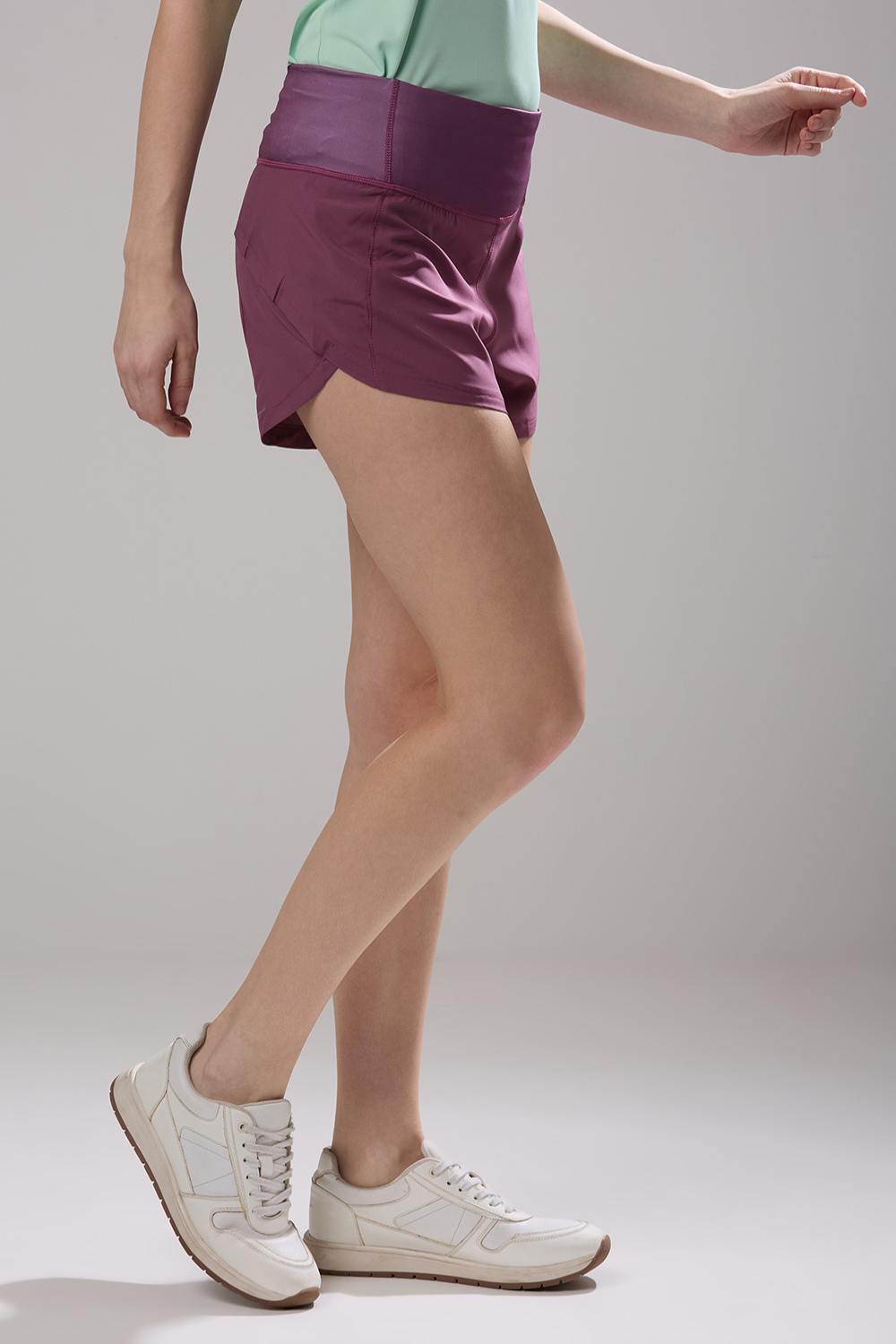
Long-distance training demands more than just endurance; it requires apparel that moves with the runner, manages sweat efficiently, and holds up mile after mile without chafing or overheating. Expert testing across dozens of models reveals that the right running shorts and shirts prioritize breathability, quick-dry fabrics, and thoughtful design features like side slits for mobility and hidden pockets for essential items.
Fabric Innovation and Moisture Management in Endurance Runs
Fabric selection is one of the most critical determinants of long-distance running comfort. When runners accumulate miles, sweat management becomes central to maintaining stable body temperature and preventing irritation. Moisture-wicking textiles help pull sweat away from the skin, allowing it to evaporate more quickly and reducing the risk of chafing or overheating.
High-performance synthetic materials are often engineered for rapid drying and airflow optimization. These fabrics are designed not just to absorb moisture but to actively transport it across the surface of the garment. This becomes particularly important during warm-weather training sessions or high-intensity endurance runs where body heat accumulates quickly.
In addition to moisture control, layering strategies play a crucial role. A breathable base layer paired with a lightweight outer shell can help runners adapt to changing conditions without sacrificing mobility. This adaptable approach ensures that apparel supports performance across different training intensities and environments.
Fit, Mobility, and the Role of Lower-body Apparel
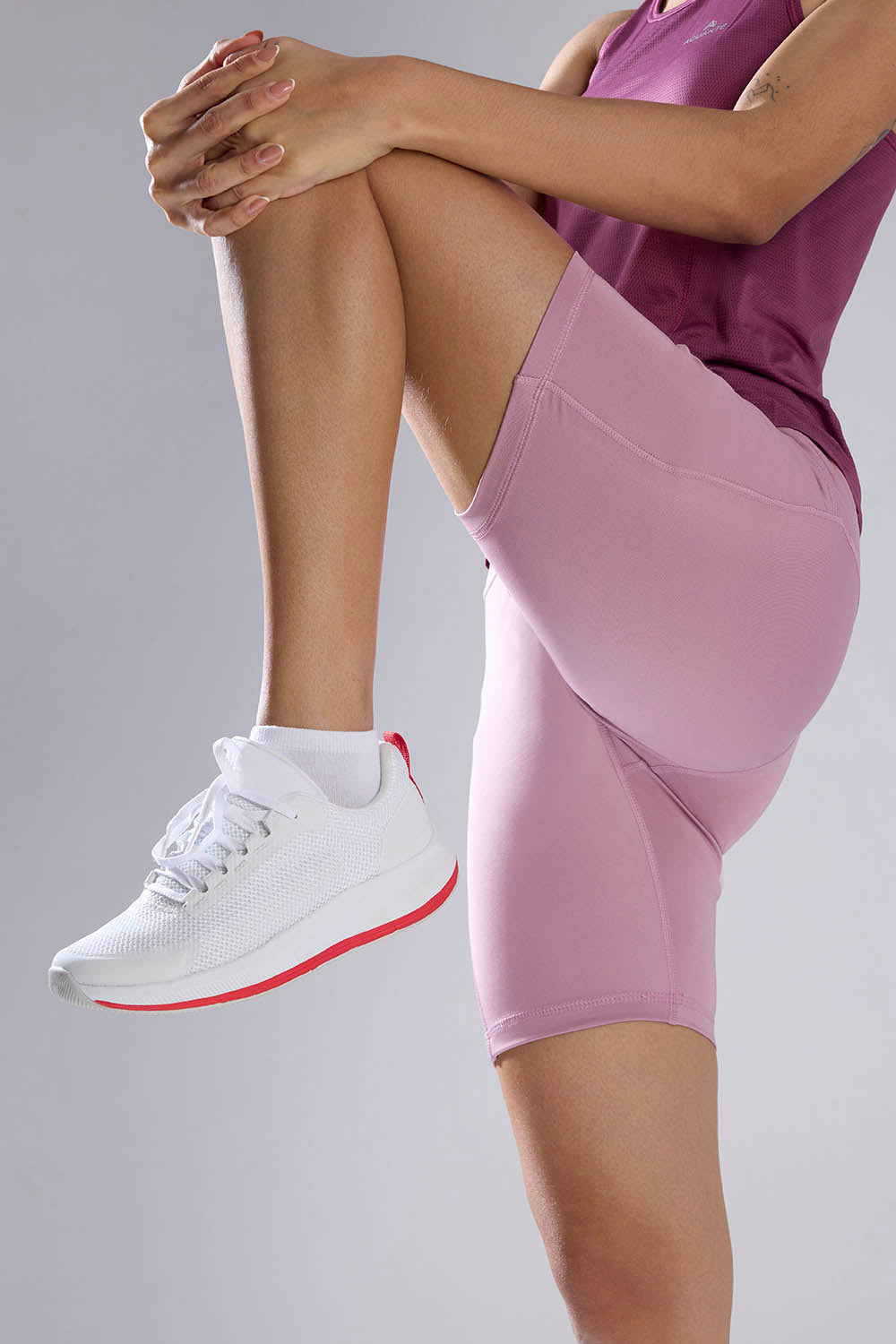
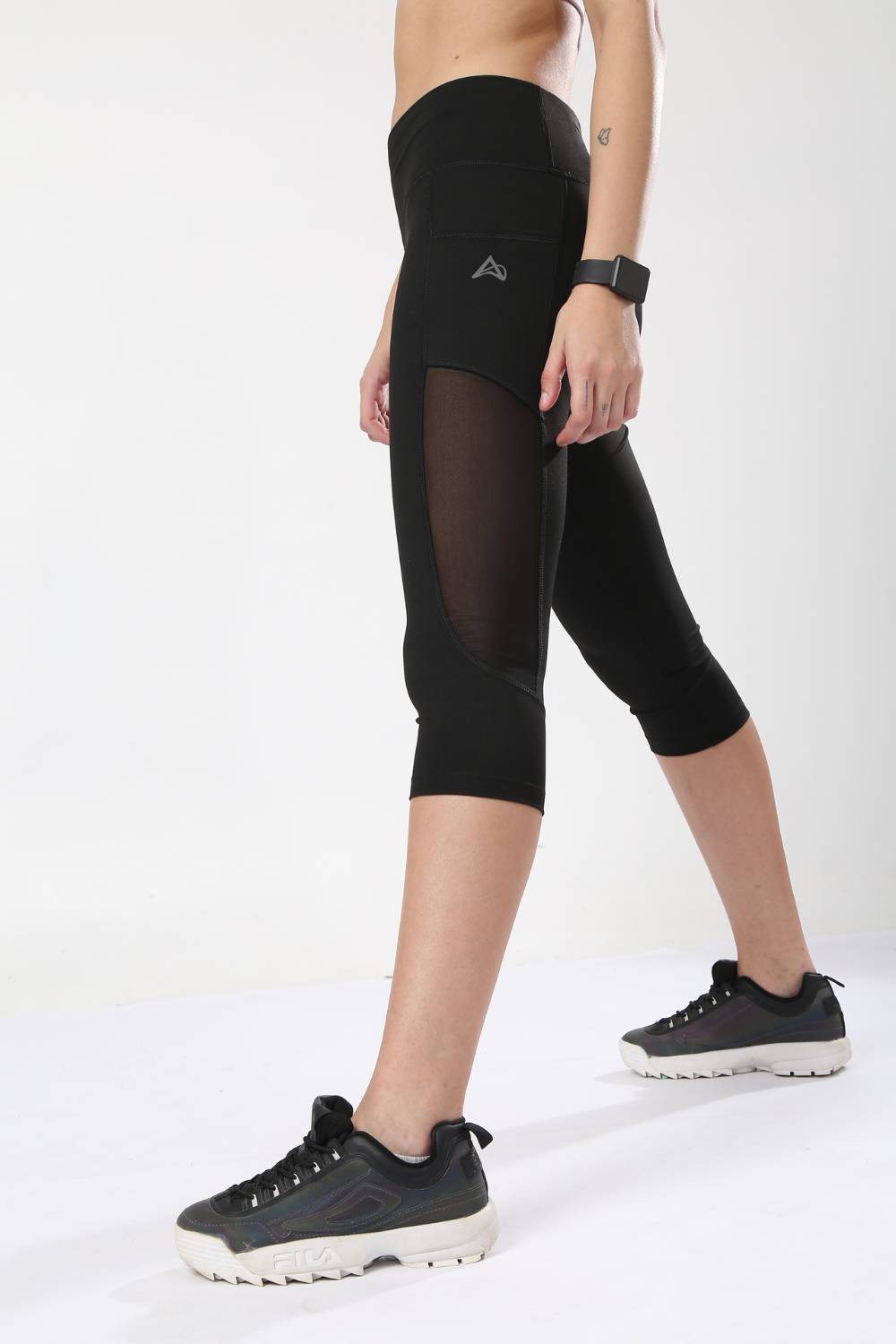
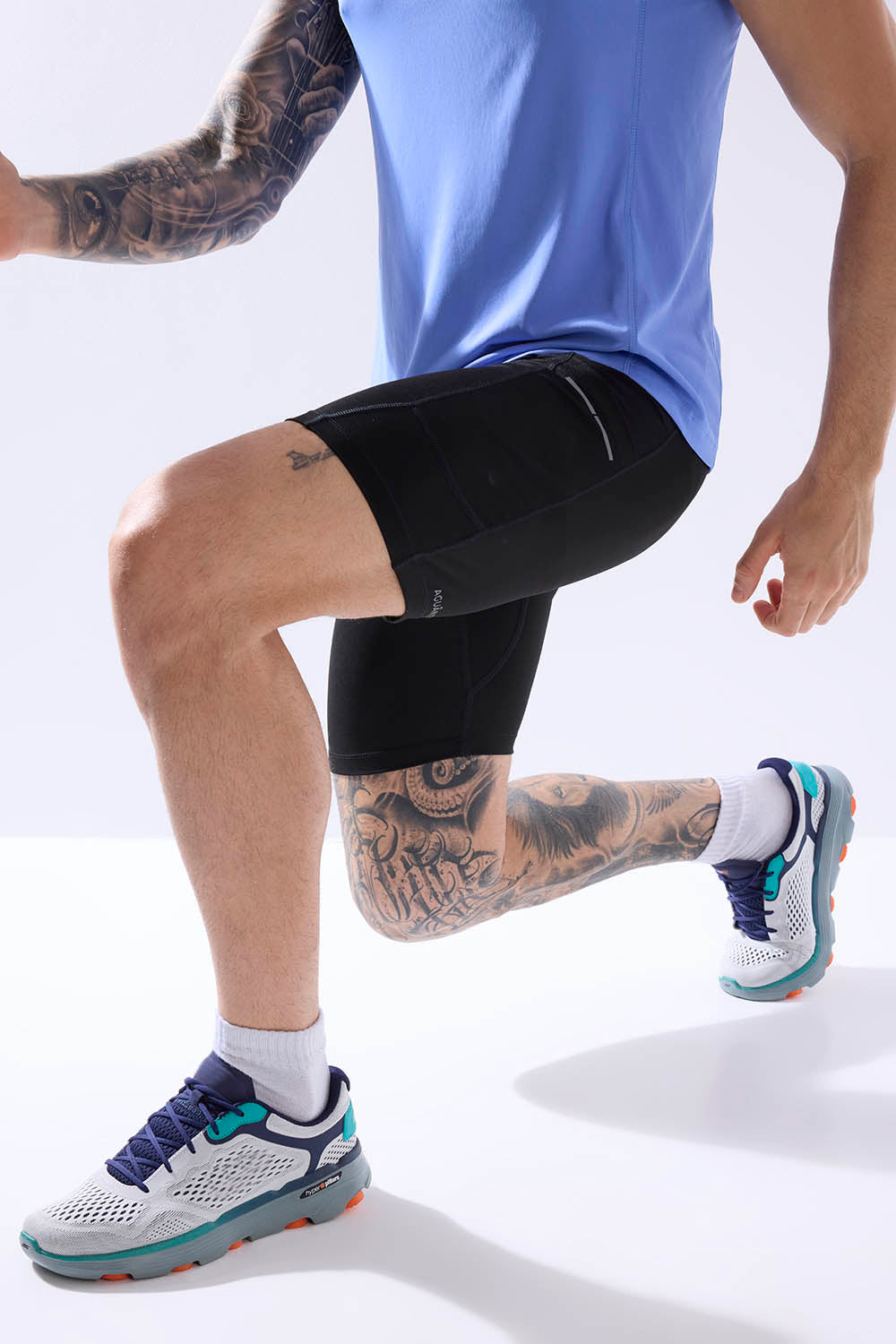
Lower-body apparel, including shorts and leggings, plays a central role in how efficiently runners move over long distances. The right fit reduces friction between the thighs, supports natural stride length, and prevents unnecessary energy loss caused by restrictive clothing.
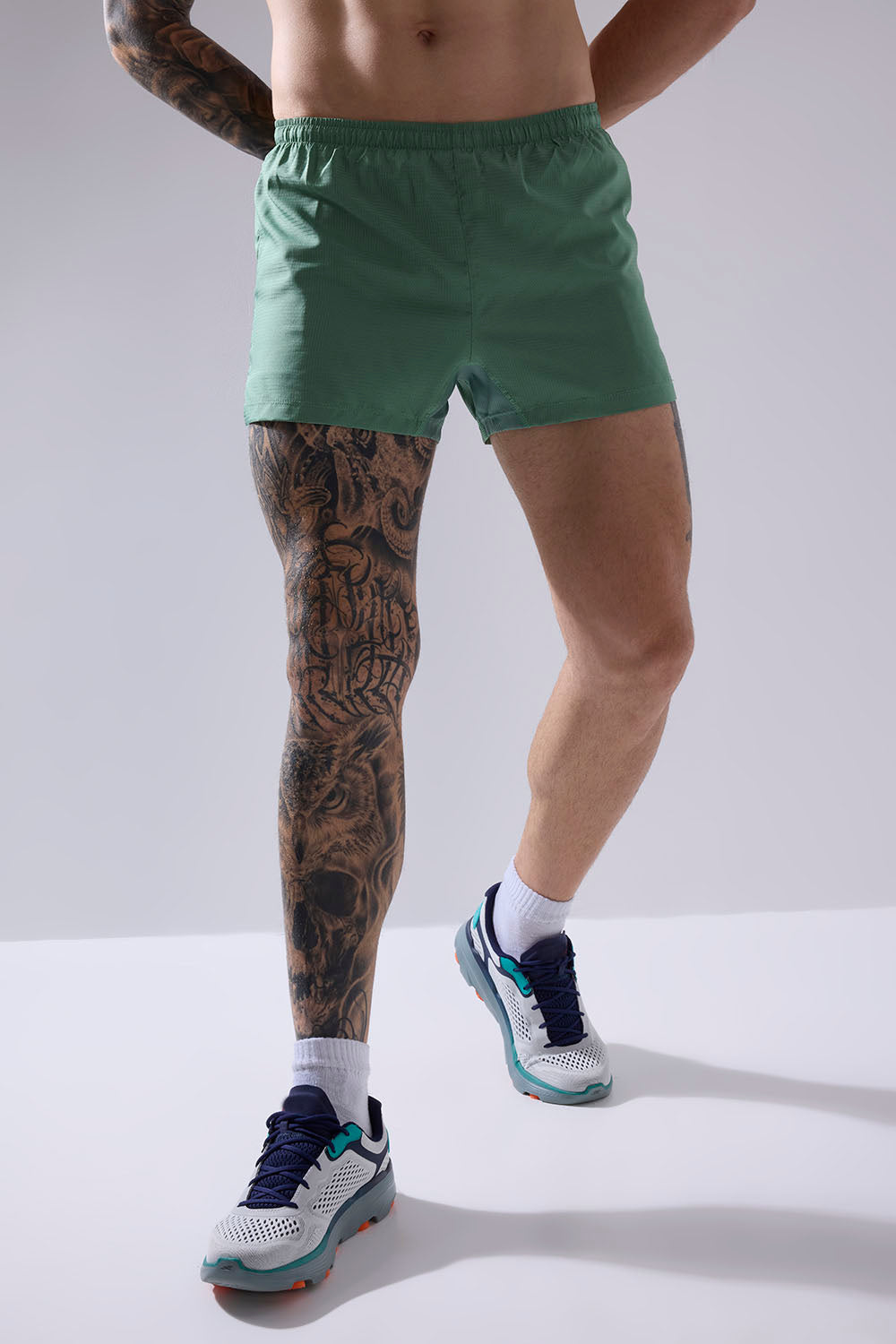
Performance testing shows that well-designed running shorts often use stretchable synthetic fabrics combined with ergonomic cuts that enhance freedom of movement. As highlighted in running apparel testing, features like side slits, lightweight construction, and secure storage pockets significantly improve comfort during extended runs.
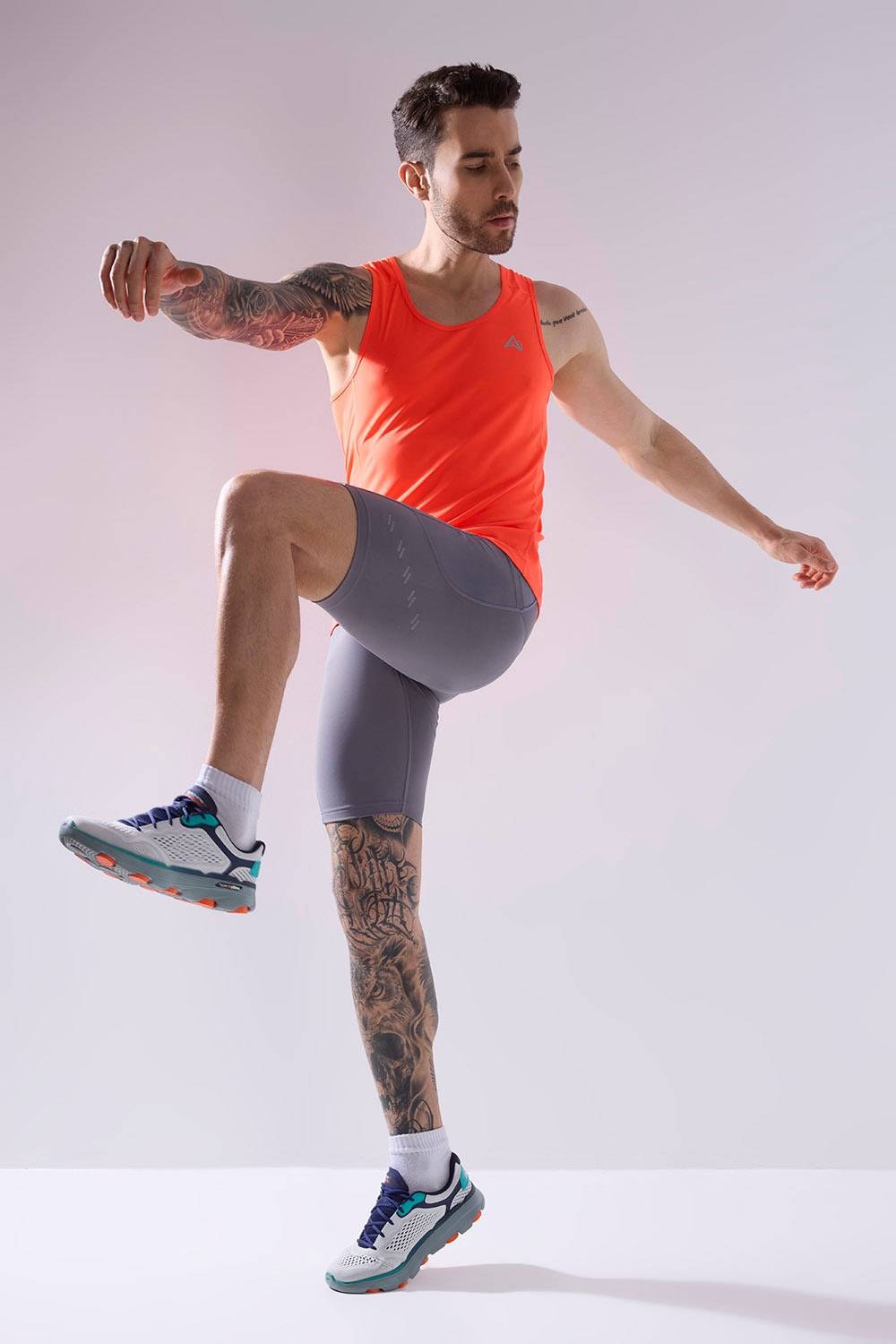
For longer training sessions, leggings offer additional benefits such as muscle support and thermal regulation. Meanwhile, shorter inseams are often preferred in warmer climates to maximize ventilation. The choice between shorts and leggings often depends on training intensity, weather conditions, and personal comfort preferences rather than a one-size-fits-all rule.
Upper-body Apparel and Layering Systems for Endurance
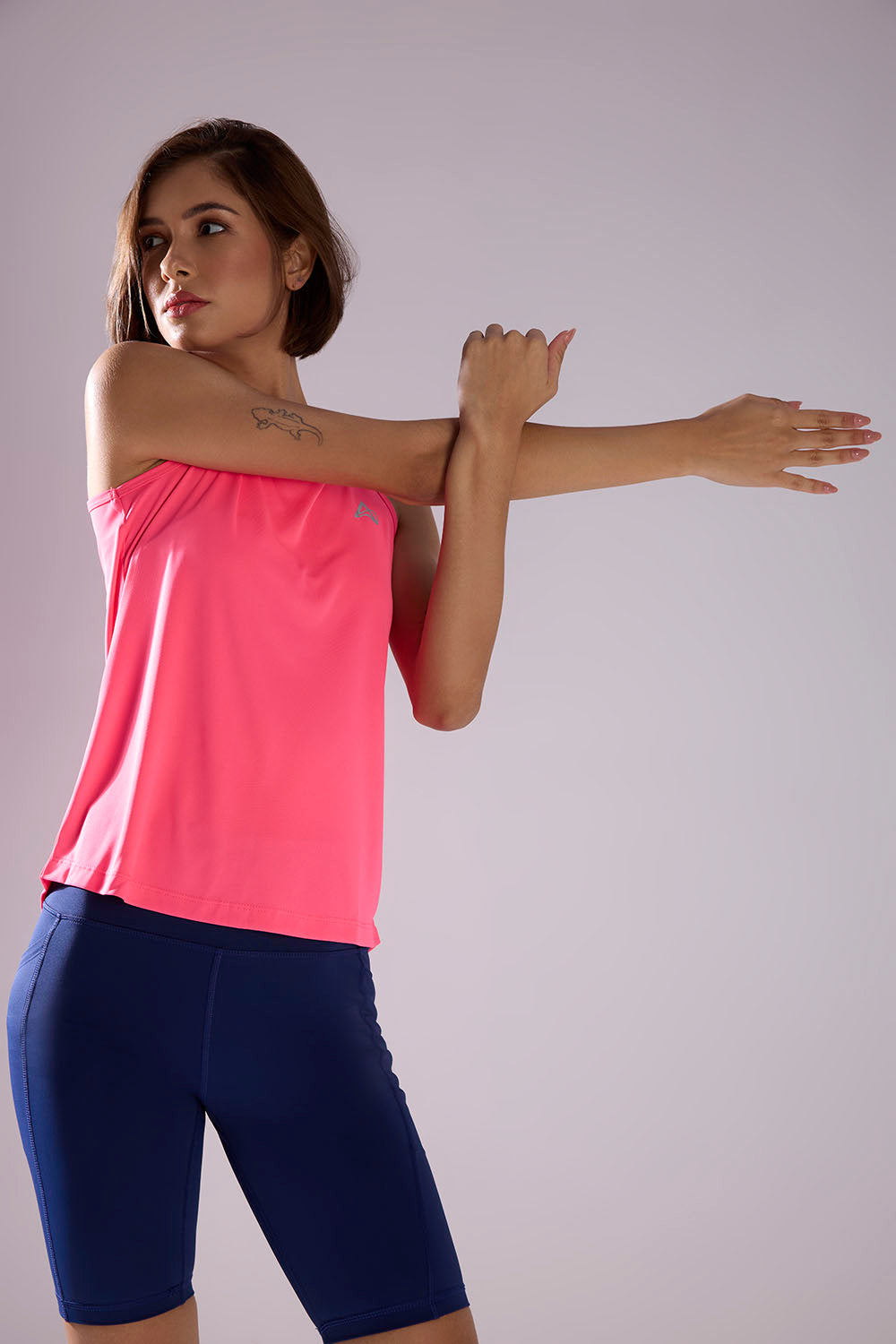
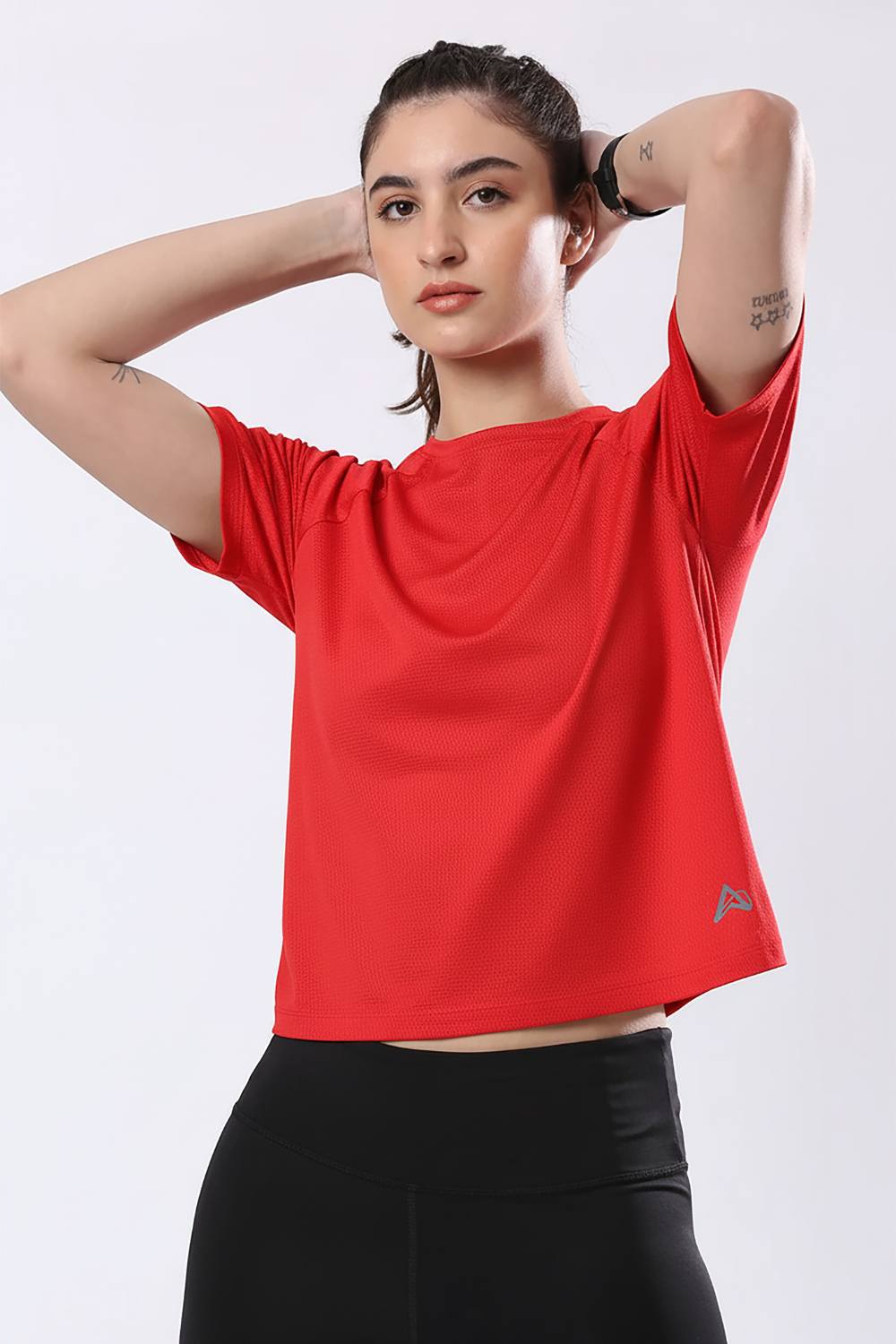
Upper-body apparel must balance breathability with protection. During long-distance runs, runners experience fluctuating body temperatures depending on pace, weather, and fatigue levels. Lightweight tops made from moisture-wicking materials help regulate temperature by allowing airflow while preventing sweat accumulation.
Design details such as gusseted seams, flatlock stitching, and mesh ventilation zones significantly reduce irritation caused by repetitive arm movement. These subtle engineering choices can make a substantial difference during long training sessions where even minor discomfort becomes amplified over time.
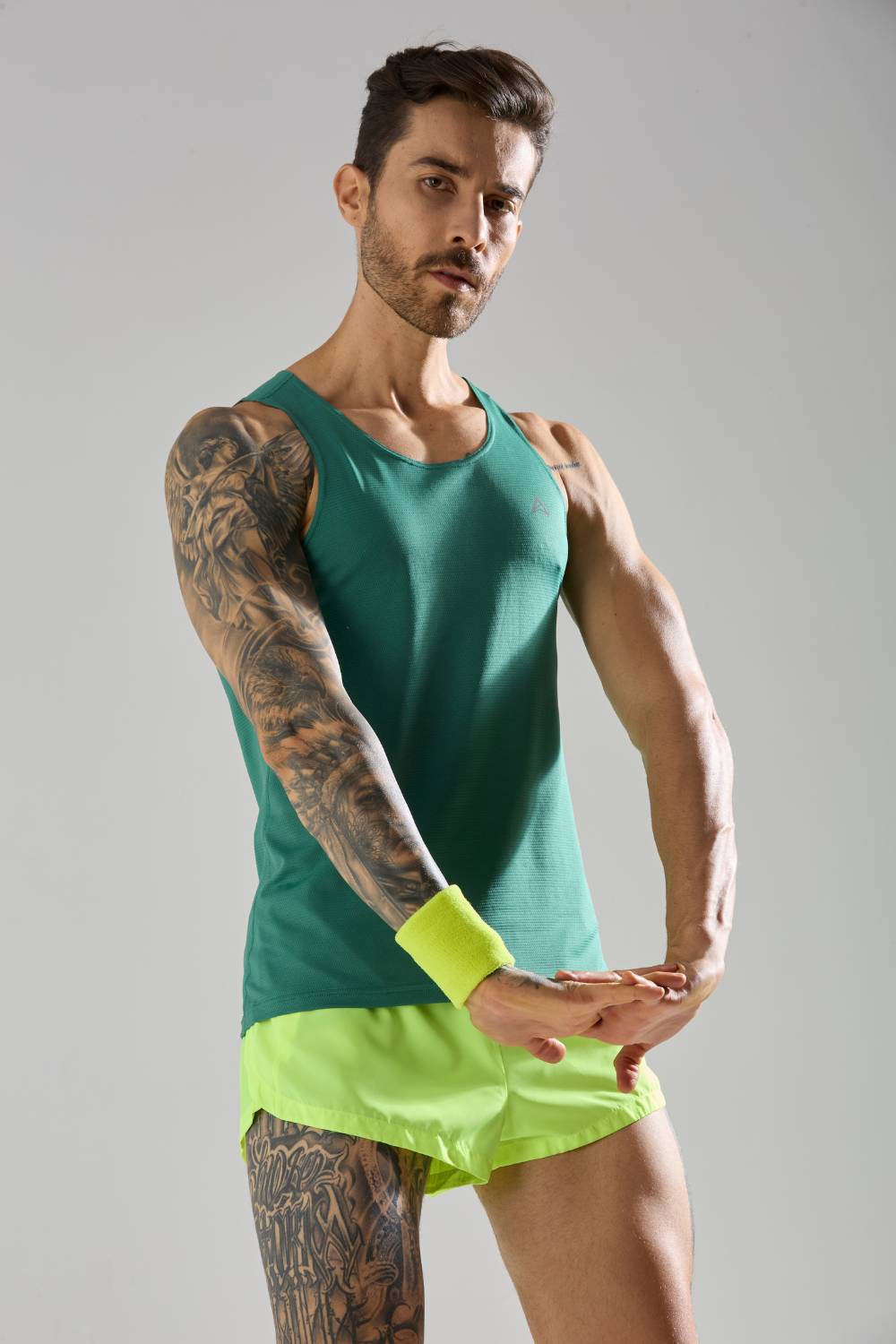
Layering systems further enhance adaptability. A sleeveless top may work well in warm conditions, while a light wind-resistant layer becomes essential during early morning or cooler weather runs. This modular approach allows runners to adjust their apparel strategy without compromising performance continuity.
Evolving Design Trends in Performance Running Apparel
Running apparel has evolved significantly in recent years, moving beyond purely functional design toward a blend of performance, aesthetics, and sustainability. Modern runners increasingly expect apparel that performs under demanding conditions while also reflecting contemporary design sensibilities.
Industry insights highlight that current trends in running apparel for long-distance training emphasize the fusion of technical innovation with style and sustainability. According to performance running apparel trends, designers are incorporating textured fabrics, ergonomic tailoring, and recycled materials to meet the evolving expectations of endurance athletes. These innovations improve comfort and mobility during long runs while also addressing aesthetic preferences and environmental concerns. The result is gear that not only performs under stress but also transitions seamlessly into everyday wear, reflecting the increasingly hybrid nature of modern athletic lifestyles.
These innovations are not purely stylistic. They address functional needs such as reducing friction, improving airflow, and supporting a wider range of body types. As a result, running apparel is increasingly becoming more personalized, reflecting the diverse needs of modern endurance athletes.
How to Choose the Right Apparel for Long-distance Training
Selecting the right running apparel is less about brand preference and more about aligning gear with training conditions and personal biomechanics. Runners benefit most when they evaluate apparel based on key functional criteria such as moisture control, fit stability, fabric durability, and seasonal adaptability.
In warmer climates, lightweight and breathable garments help prevent overheating, while cooler environments demand layered systems that retain warmth without restricting movement. Fit consistency is equally important apparel that shifts or rubs during motion can gradually degrade running efficiency over long distances.
Another important factor is training variation. Interval sessions, steady-state runs, and long endurance runs may each require slightly different apparel configurations. A well-structured running wardrobe typically includes multiple options rather than a single all-purpose outfit.
The Future of Long-distance Running Apparel and Performance Design
The future of running apparel continues to move toward integrated performance systems that combine comfort, adaptability, and sustainability. As runners demand more from their gear, manufacturers are focusing on refining fabric technology and improving ergonomic construction.
Design evolution is also increasingly influenced by real-world athlete feedback. Apparel is being tested under conditions that replicate actual training environments rather than controlled laboratory settings, ensuring that garments perform consistently across varied scenarios.
In parallel, sustainability considerations are shaping material choices, with recycled fabrics and lower-impact production methods becoming more common in performance wear. These developments reflect a broader shift toward responsible innovation without compromising athletic performance.
For brands like Aguante, this shift represents an opportunity to align technical performance with practical usability, ensuring that runners receive apparel that supports endurance goals while adapting to evolving expectations in design and sustainability.
Ultimately, the best running apparel for long-distance training is defined not by a single feature but by how well multiple elements fabric, fit, construction, and adaptability work together to support consistent, distraction-free movement over time. When these factors align, runners are better equipped to focus on endurance, rhythm, and long-term progress rather than the limitations of what they wear.
Frequently Asked Questions
Should I choose running shorts or leggings for long-distance training?
Both running shorts and leggings can be effective for long-distance training depending on conditions and personal preference. Shorts are typically better for warmer climates due to increased ventilation and lighter feel, while leggings offer added muscle support and warmth in cooler weather. The choice ultimately depends on temperature, comfort, and training intensity.
How does moisture-wicking fabric improve long-distance running performance?
Moisture-wicking fabrics pull sweat away from the skin and spread it across the surface of the garment for faster evaporation. This helps regulate body temperature and reduces the risk of overheating during sustained runs. It also minimizes chafing and discomfort, allowing runners to maintain focus on pacing and endurance.
What features should the best running apparel for long-distance training include?
The best running apparel for long-distance training should prioritize breathability, moisture management, and friction reduction. Lightweight synthetic fabrics and ergonomic designs help minimize chafing and support natural movement over long distances. Durability is also important, as gear must withstand repeated wear and extended mileage without losing performance.
Disclaimer: The above helpful resources content contains personal opinions and experiences. The information provided is for general knowledge and does not constitute professional advice.
You may also be interested in: Best Running Shorts Features for Long-distance Training - Aguante
Tired of gear that slows you down? Chafing, soggy fabrics, and missing pockets kill your run's momentum. At Aguante, we're runners who get it. Our high-performance activewear features moisture-wicking fabrics, ergonomic designs, and smart storage to keep you focused. Shop Now!
Powered by flareAI.co