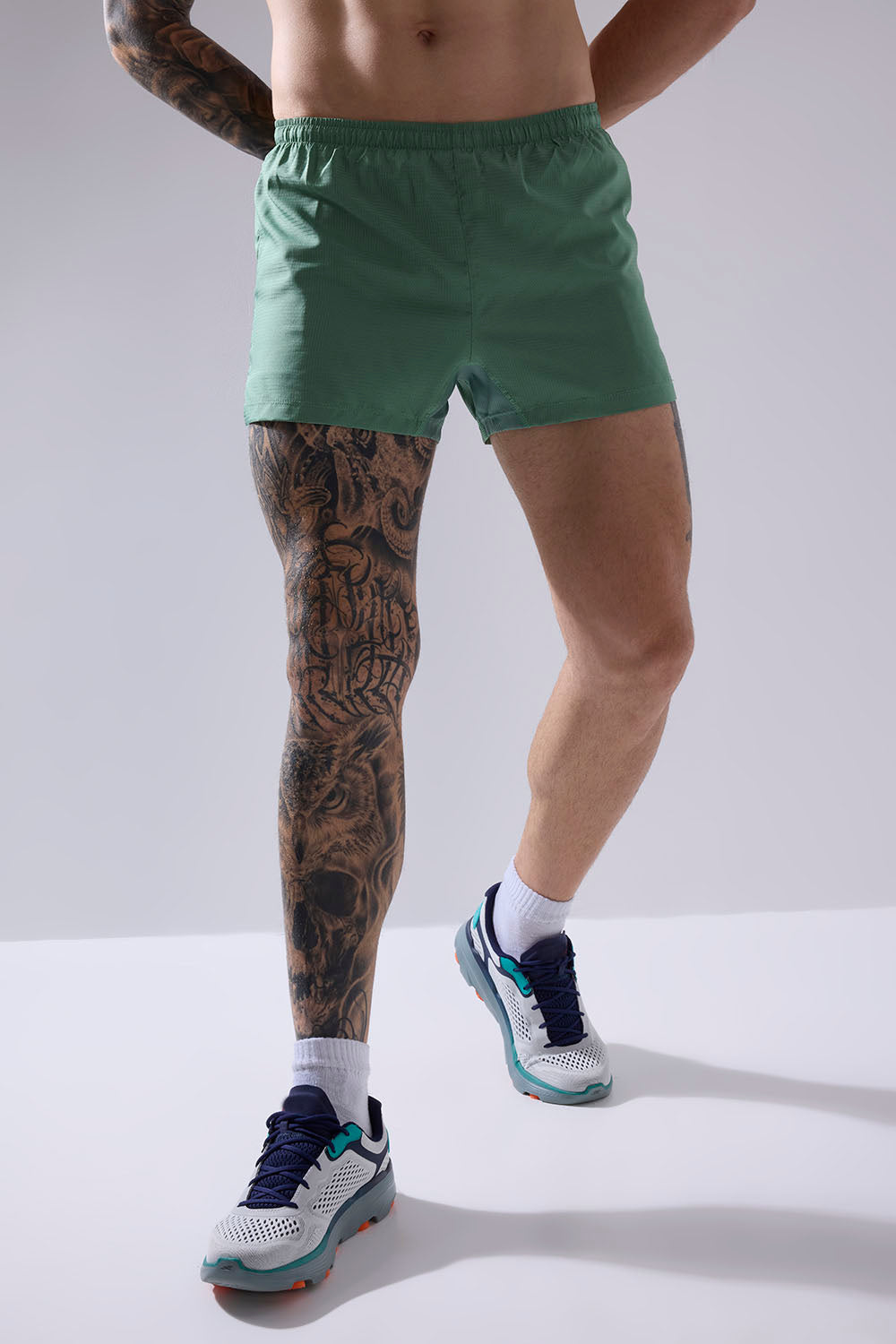
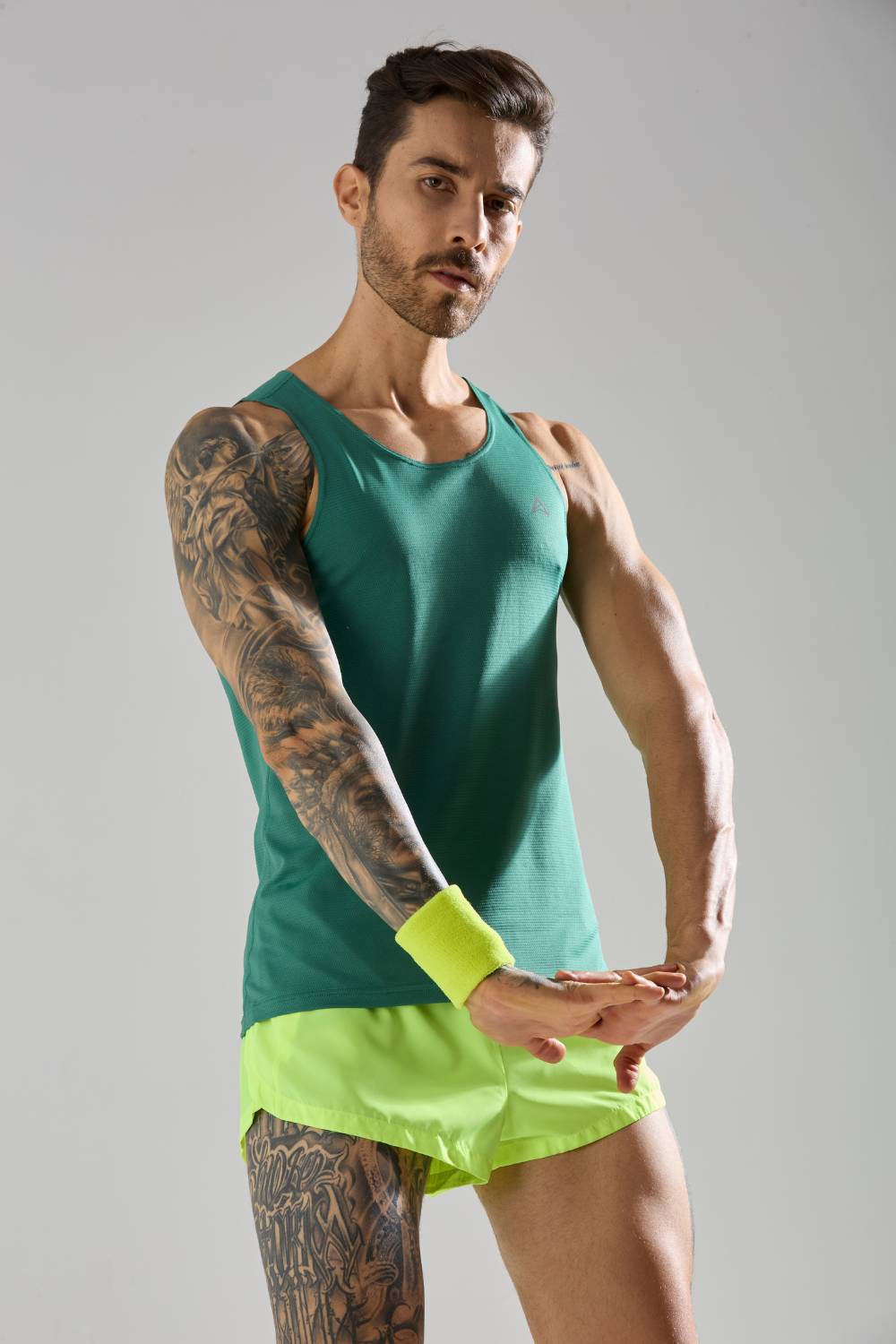
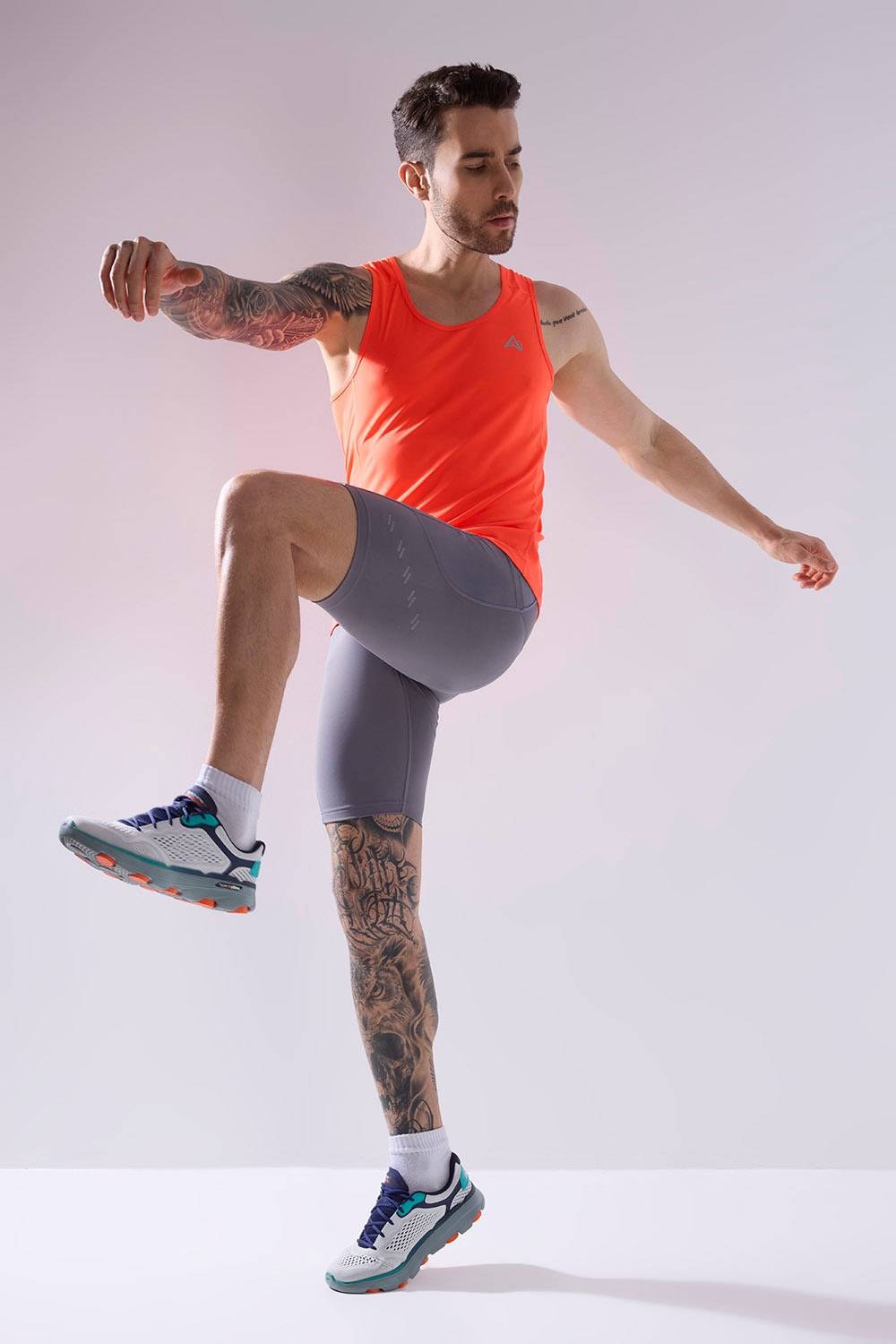
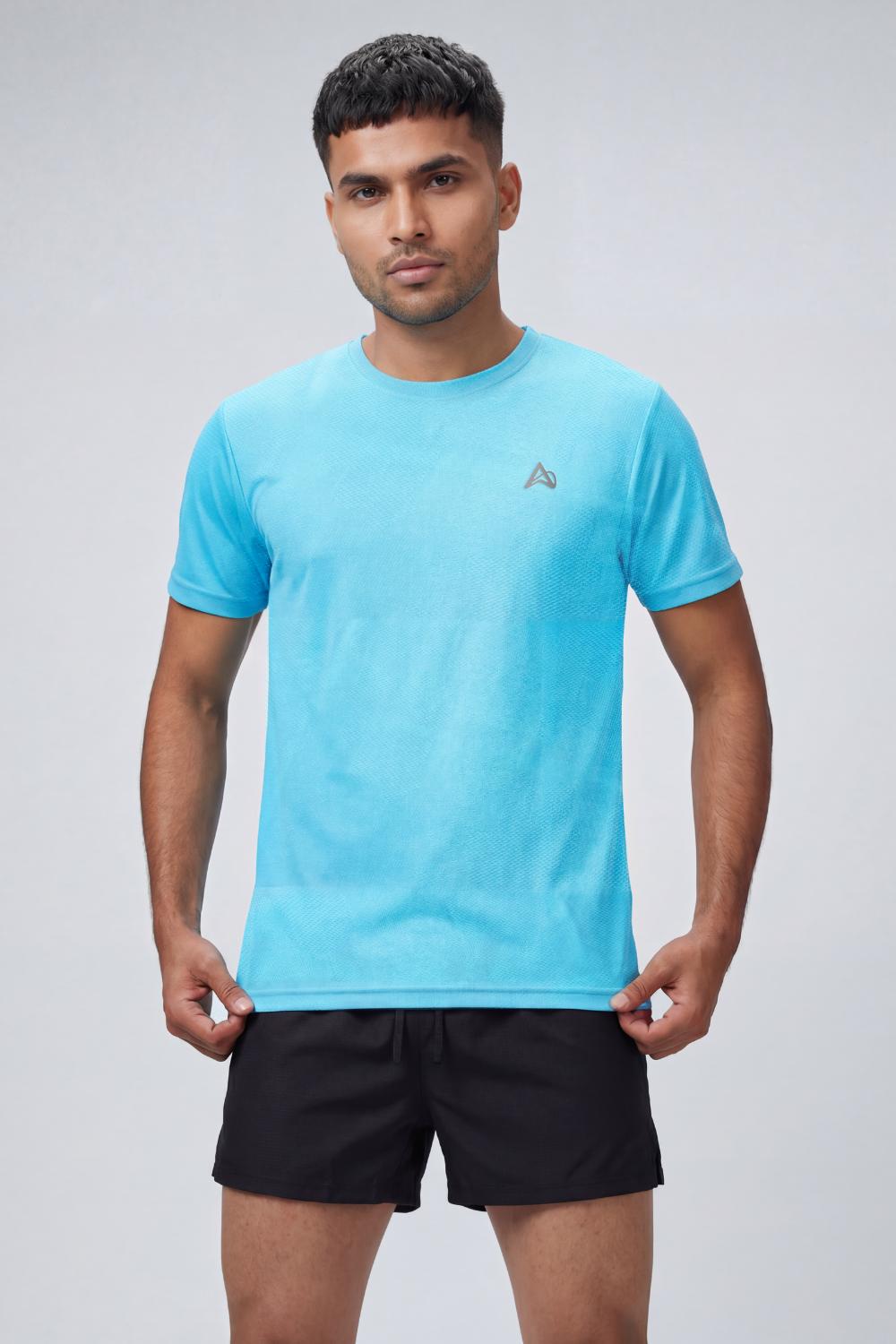
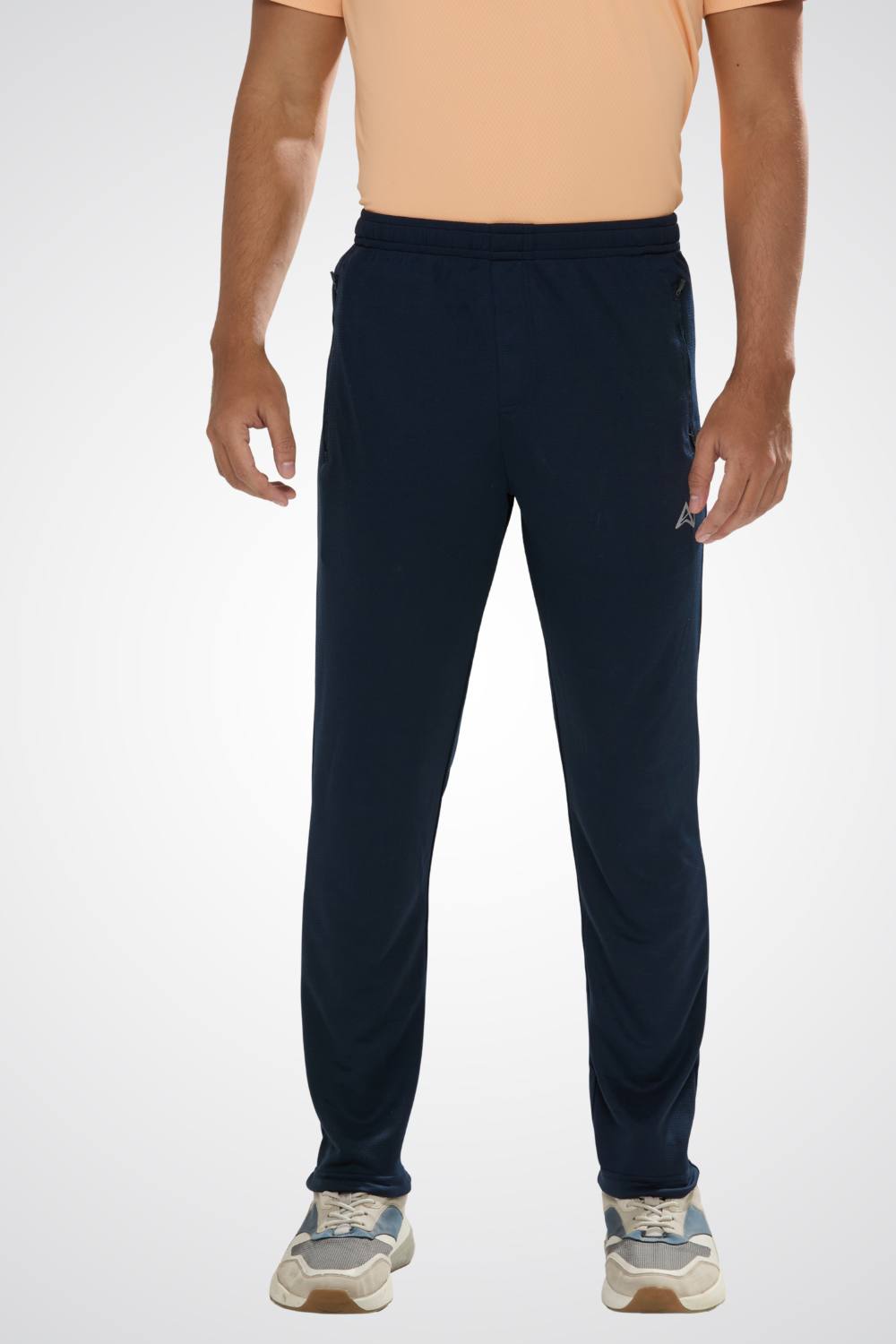
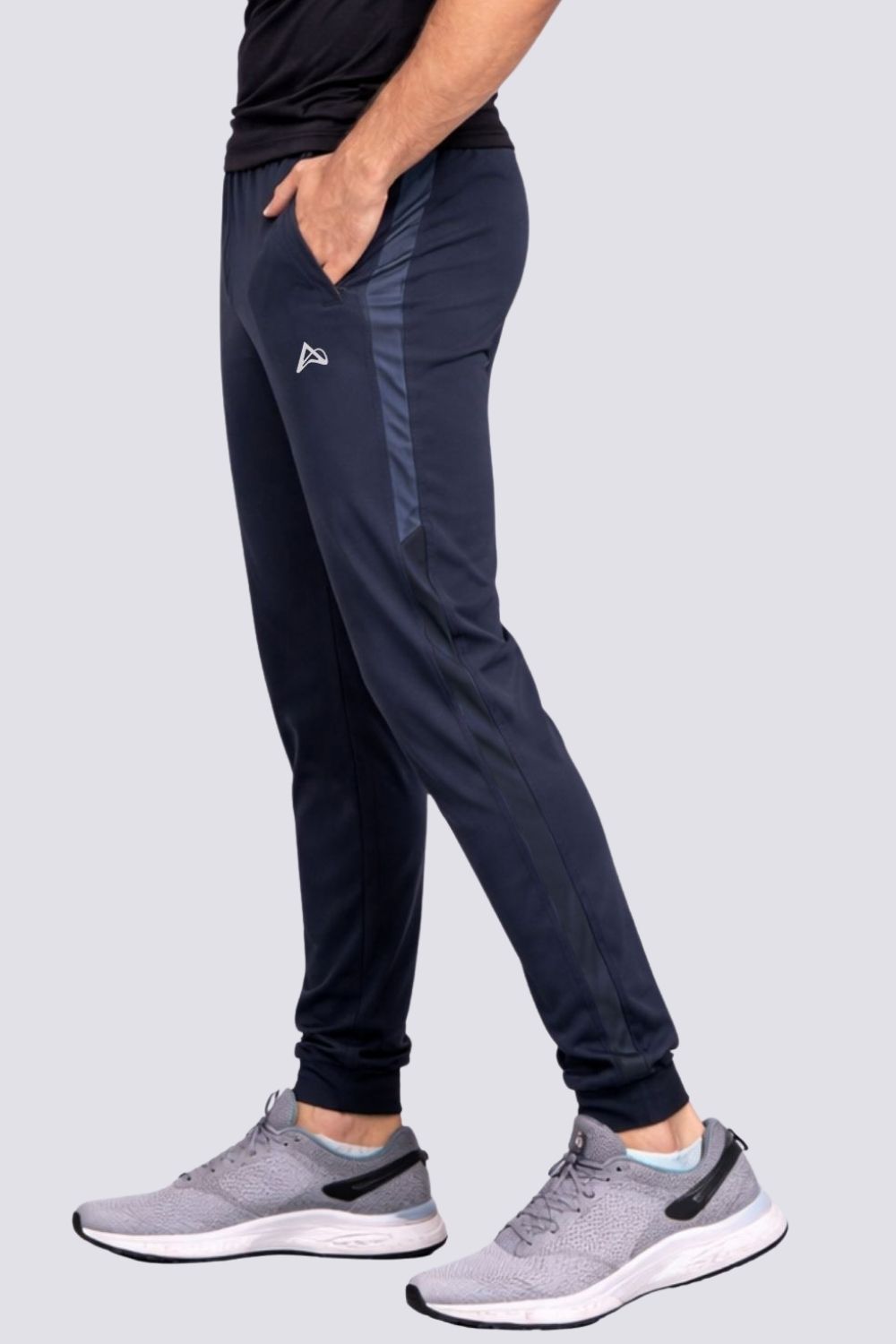
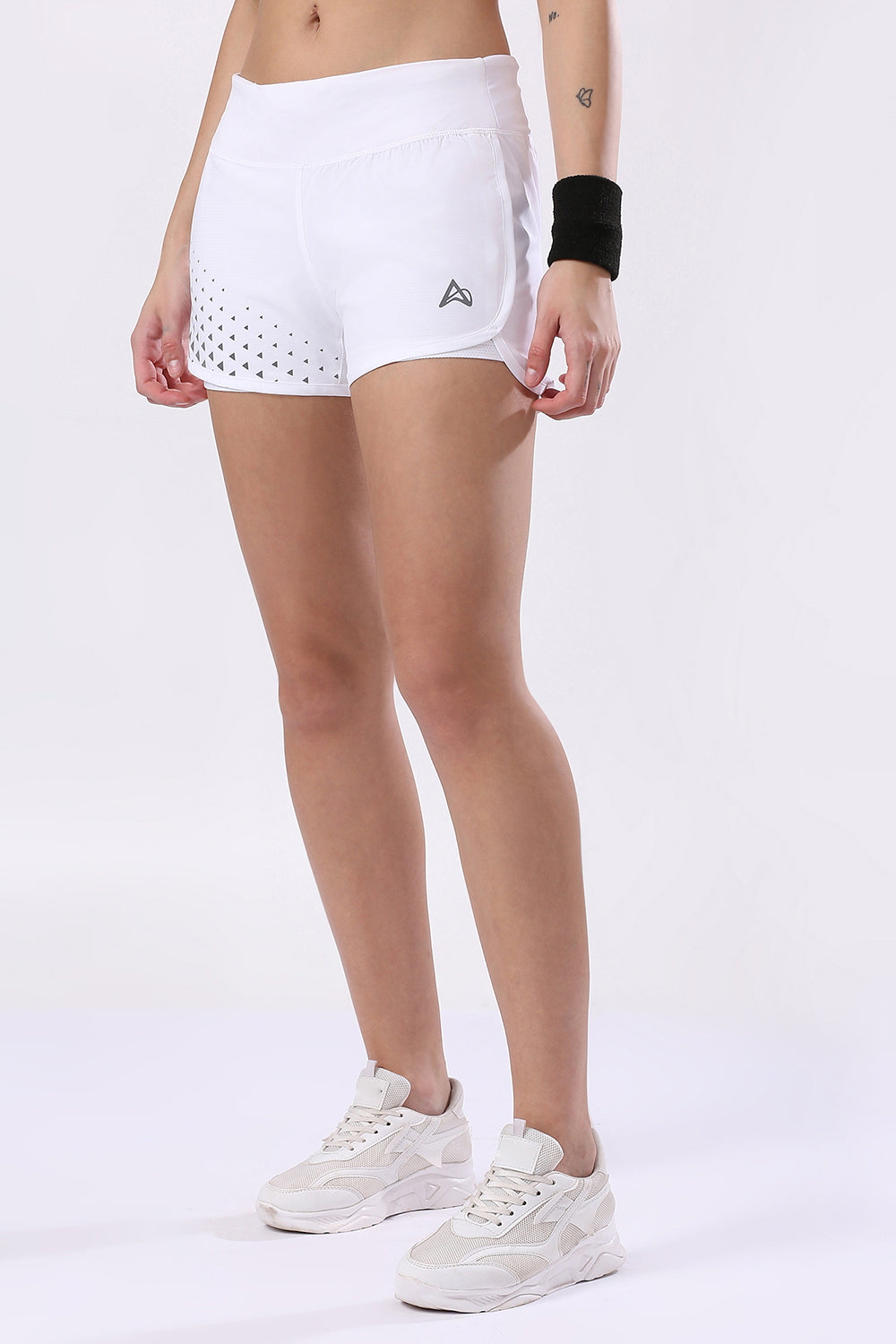
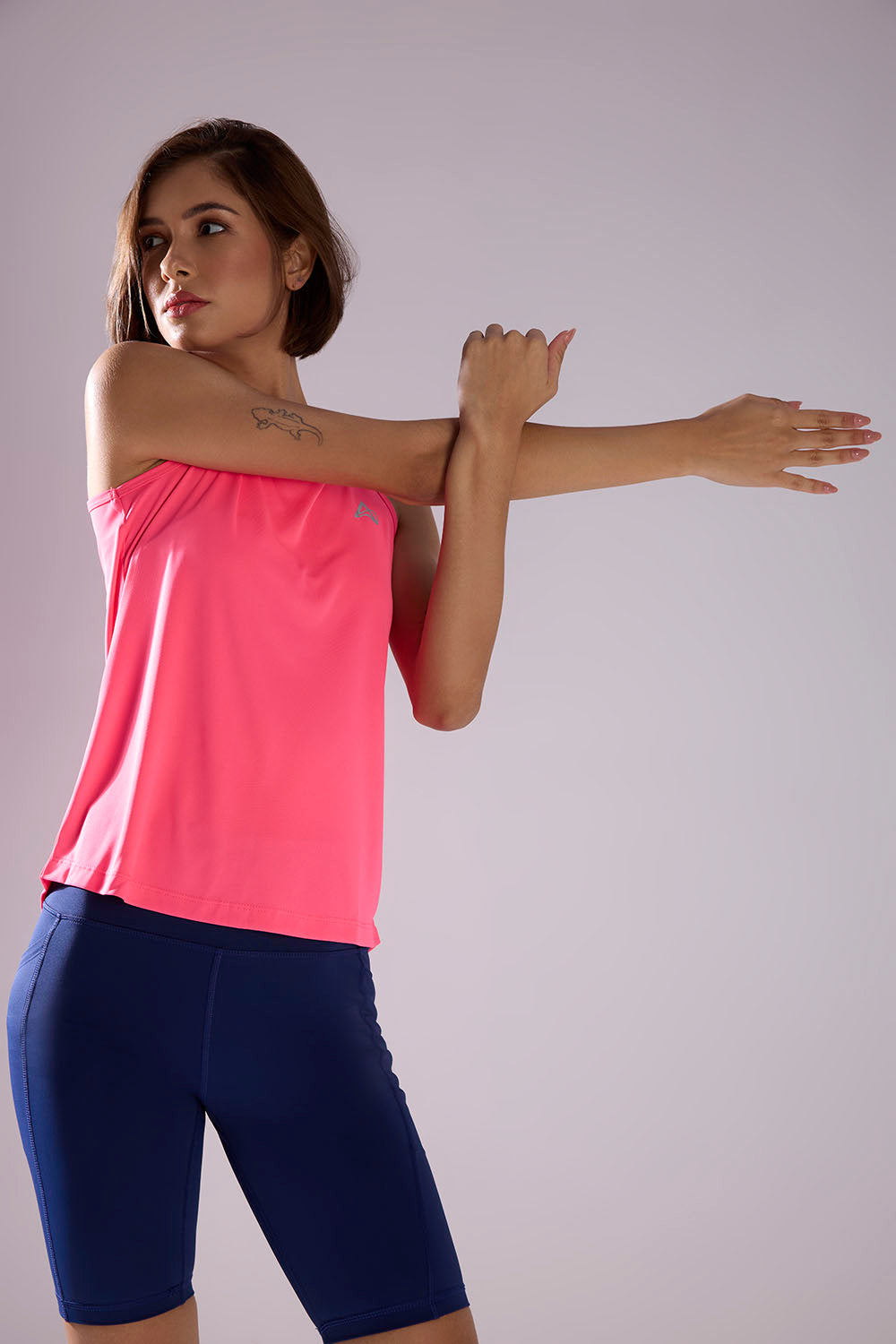
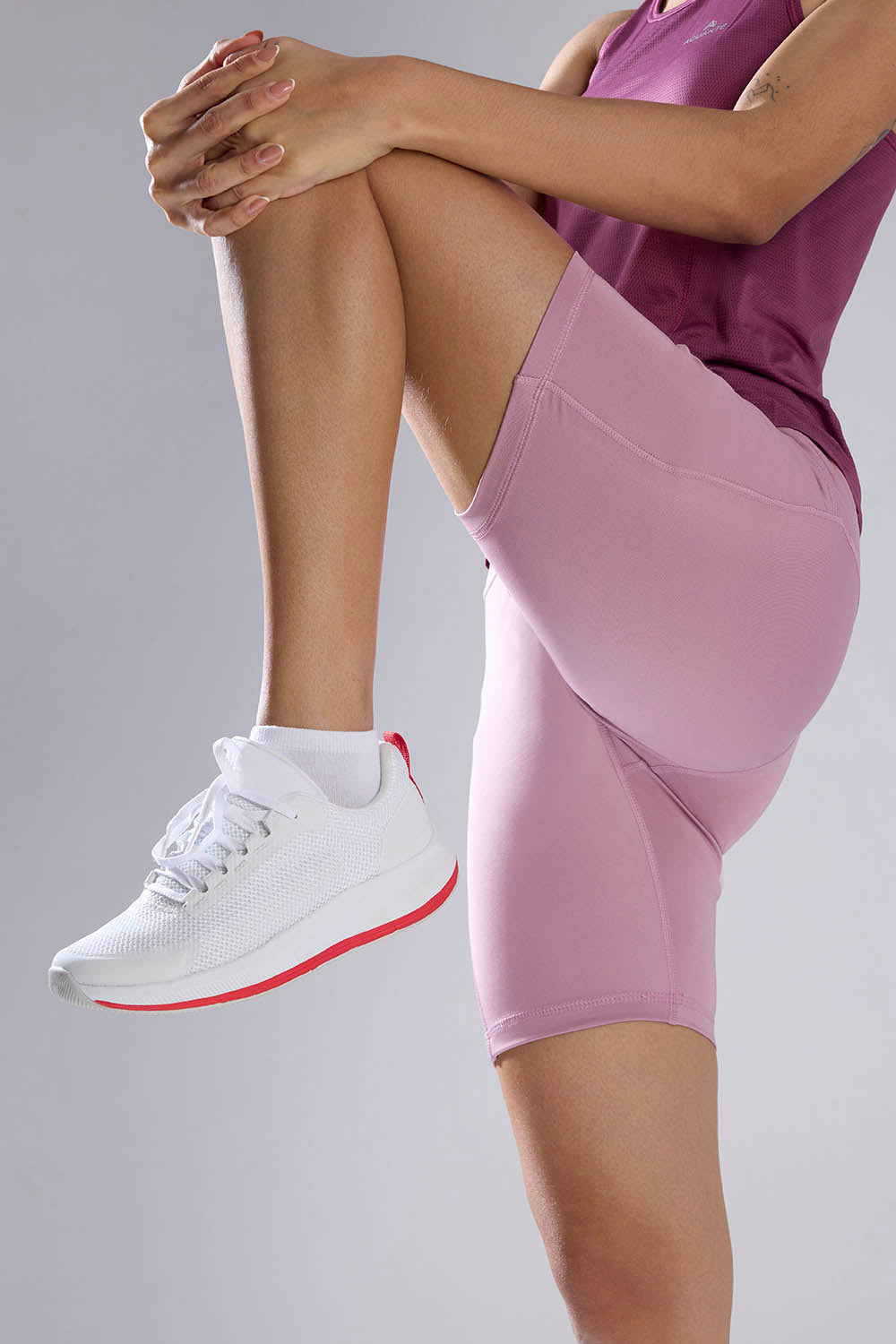
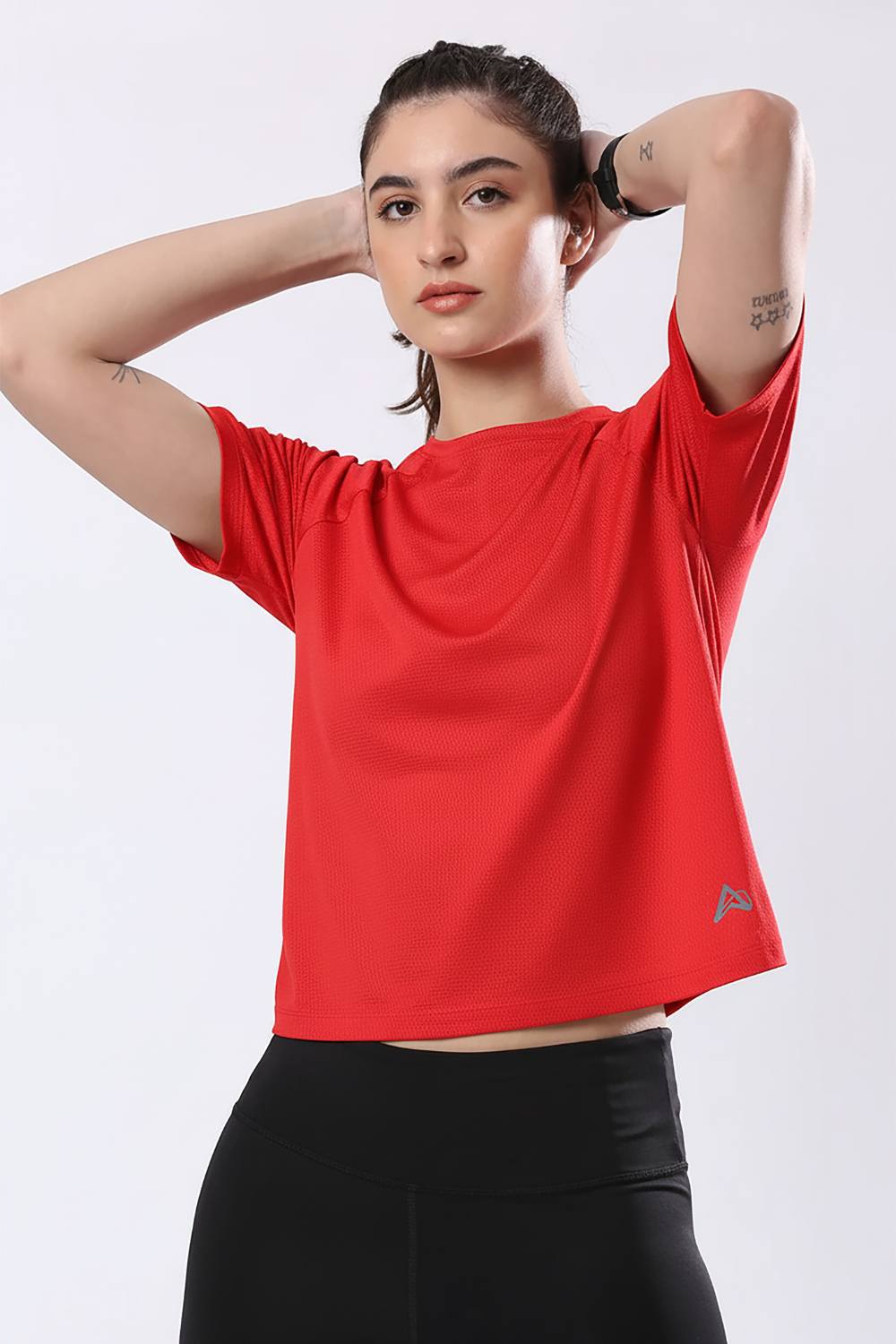
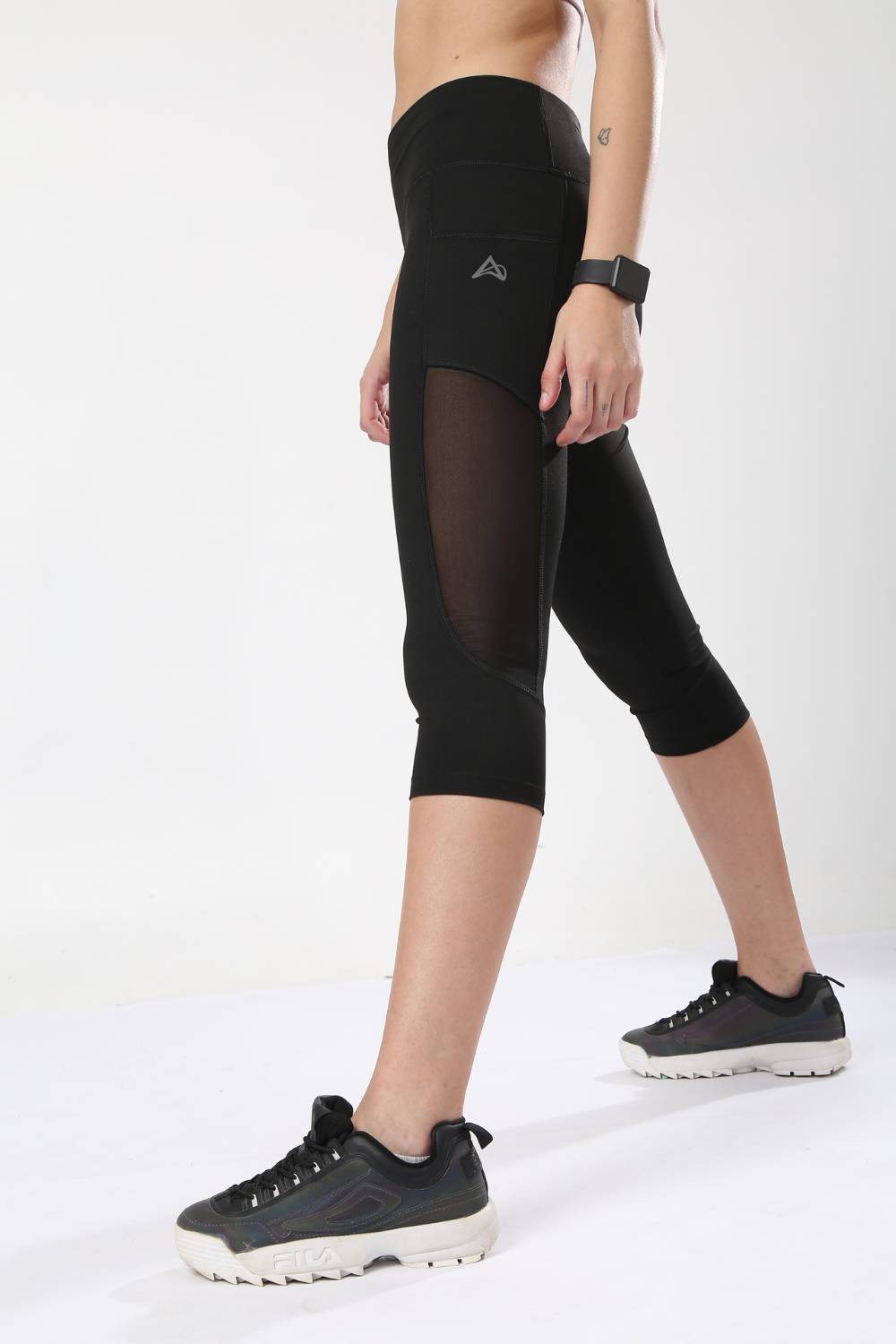
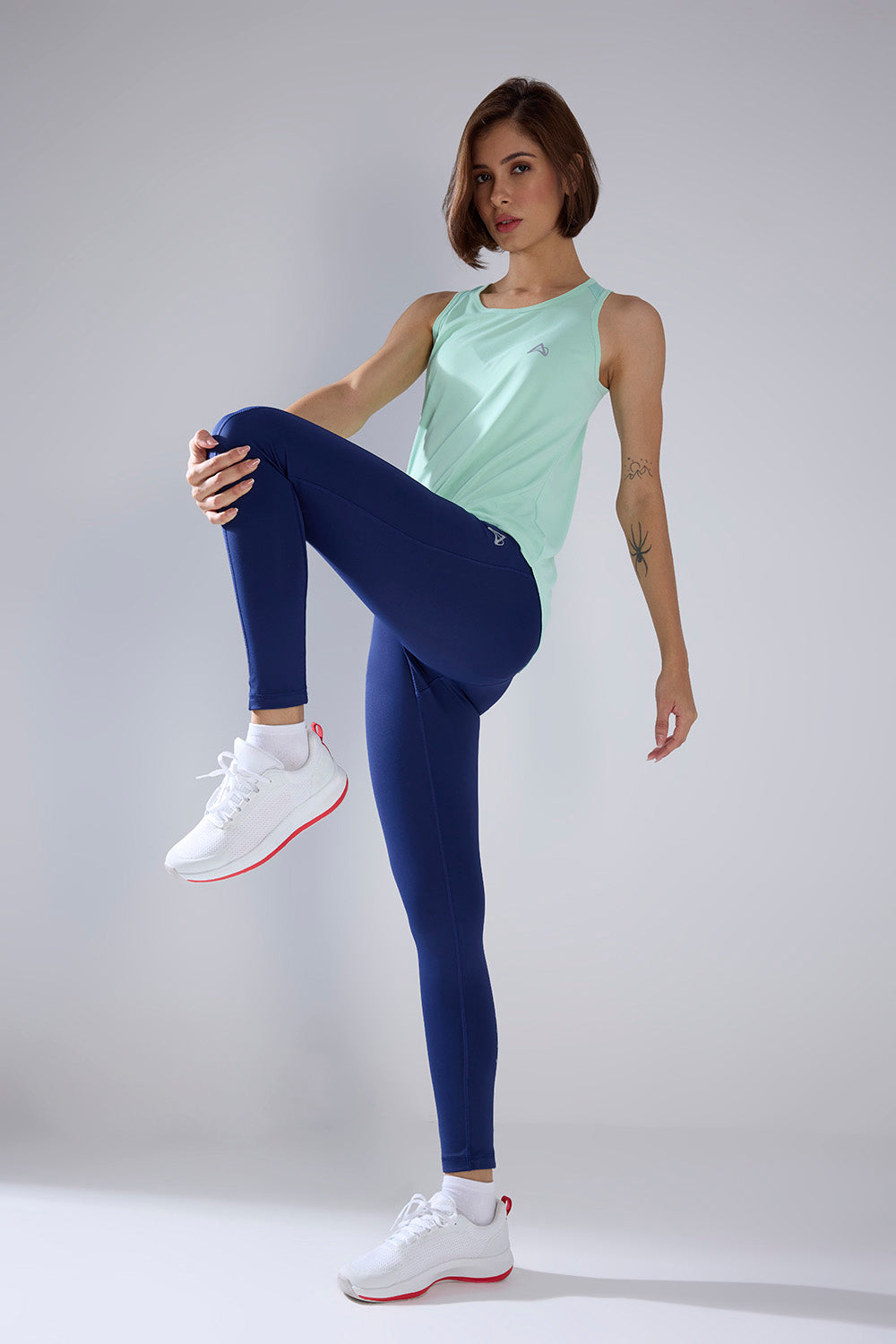

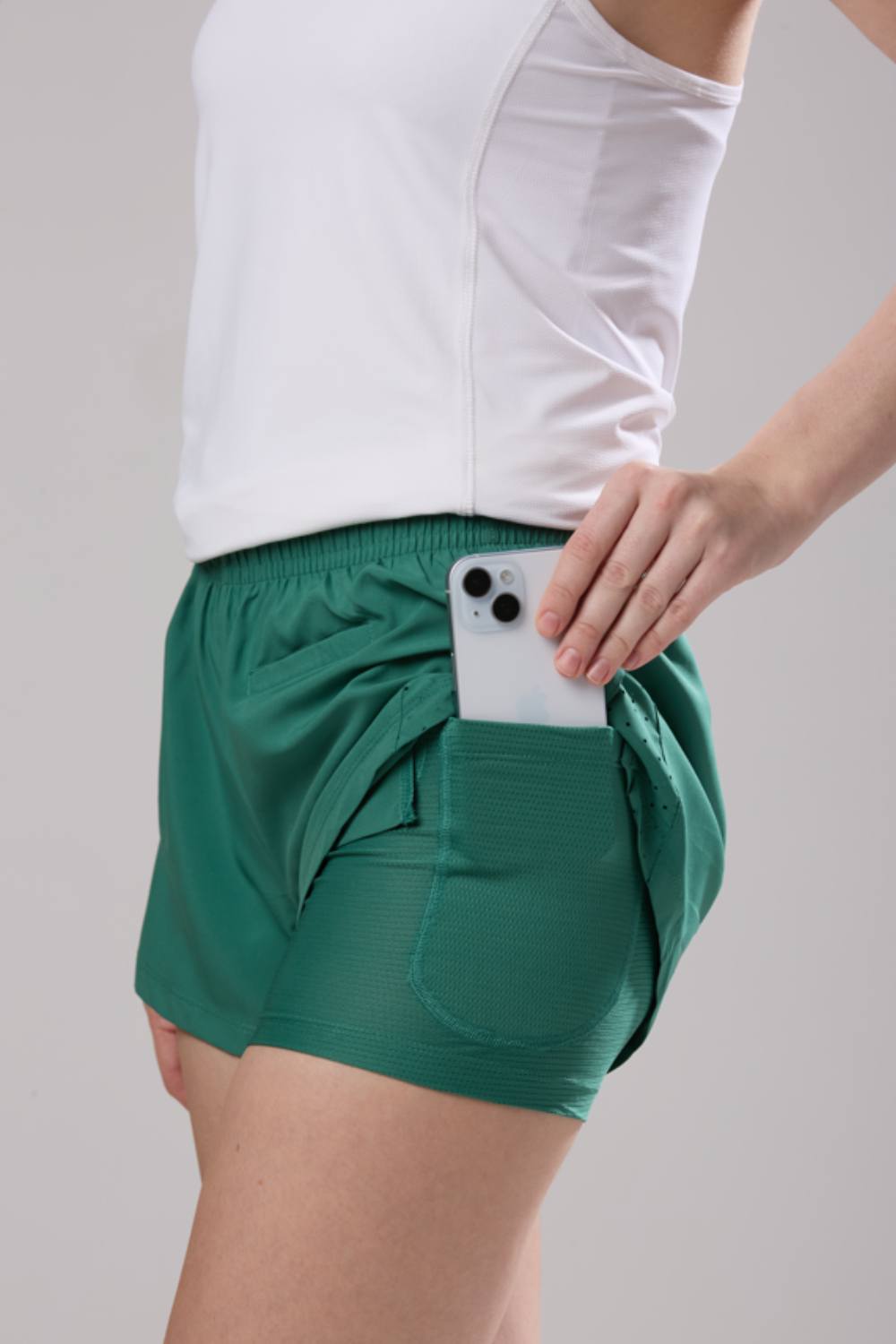
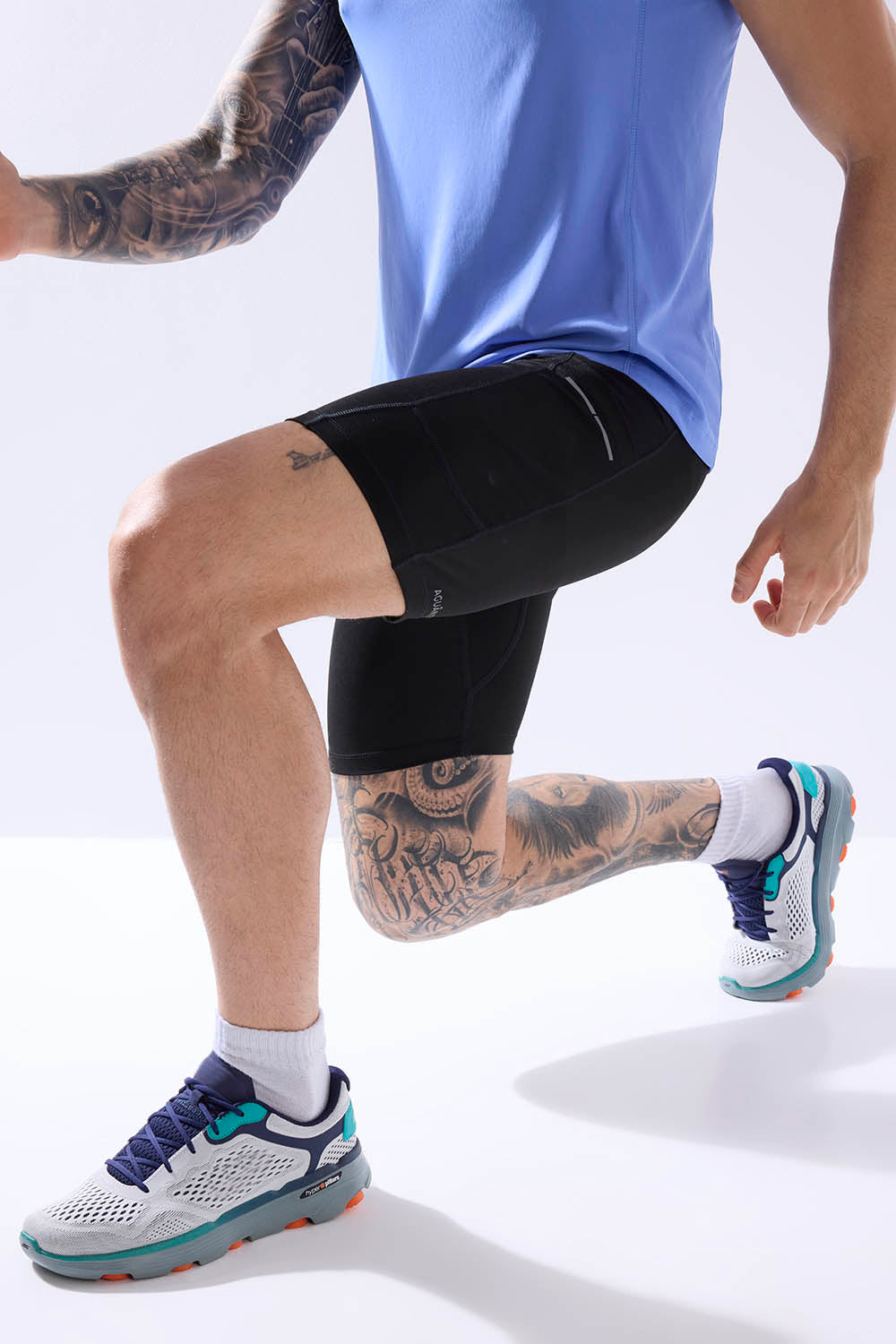
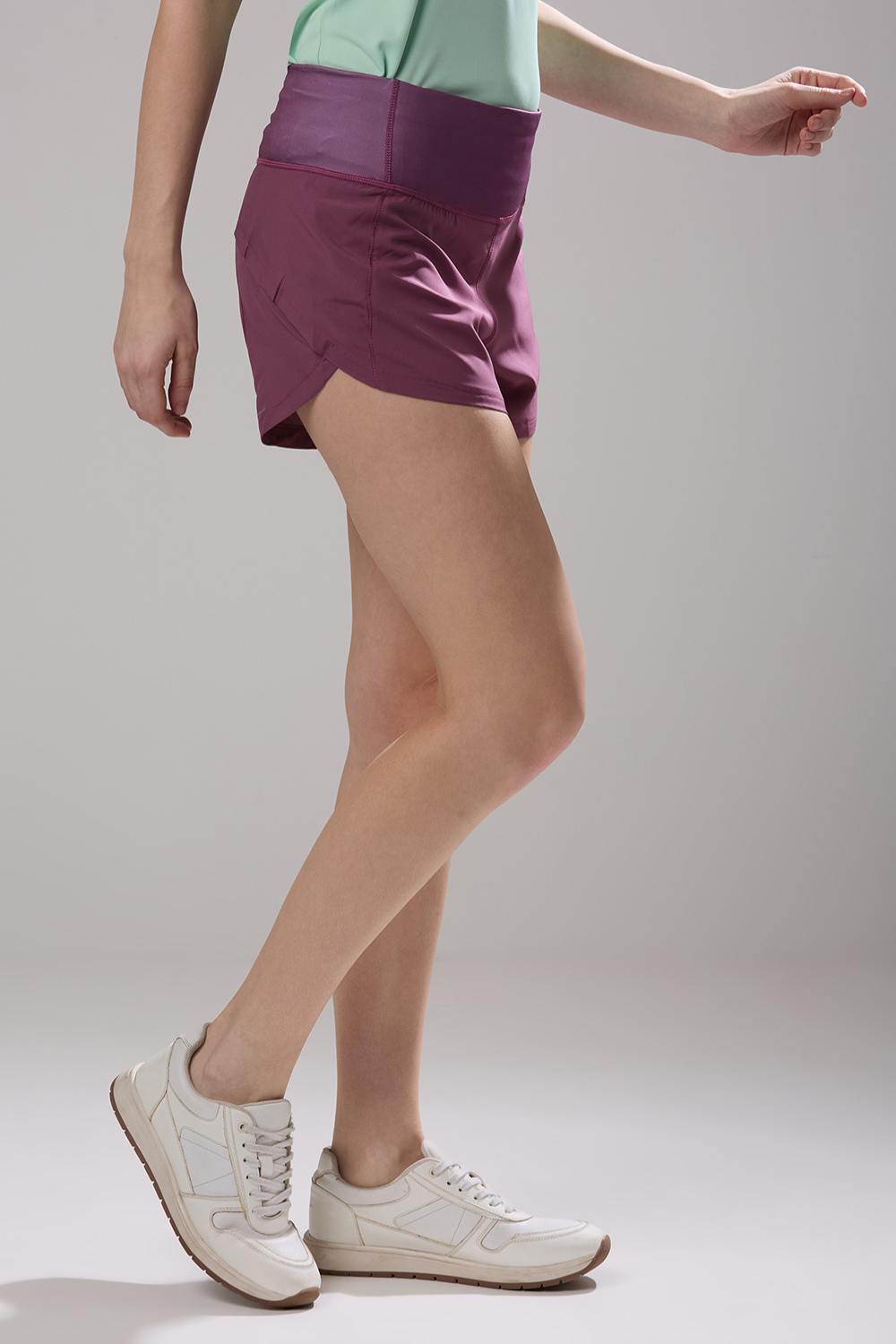
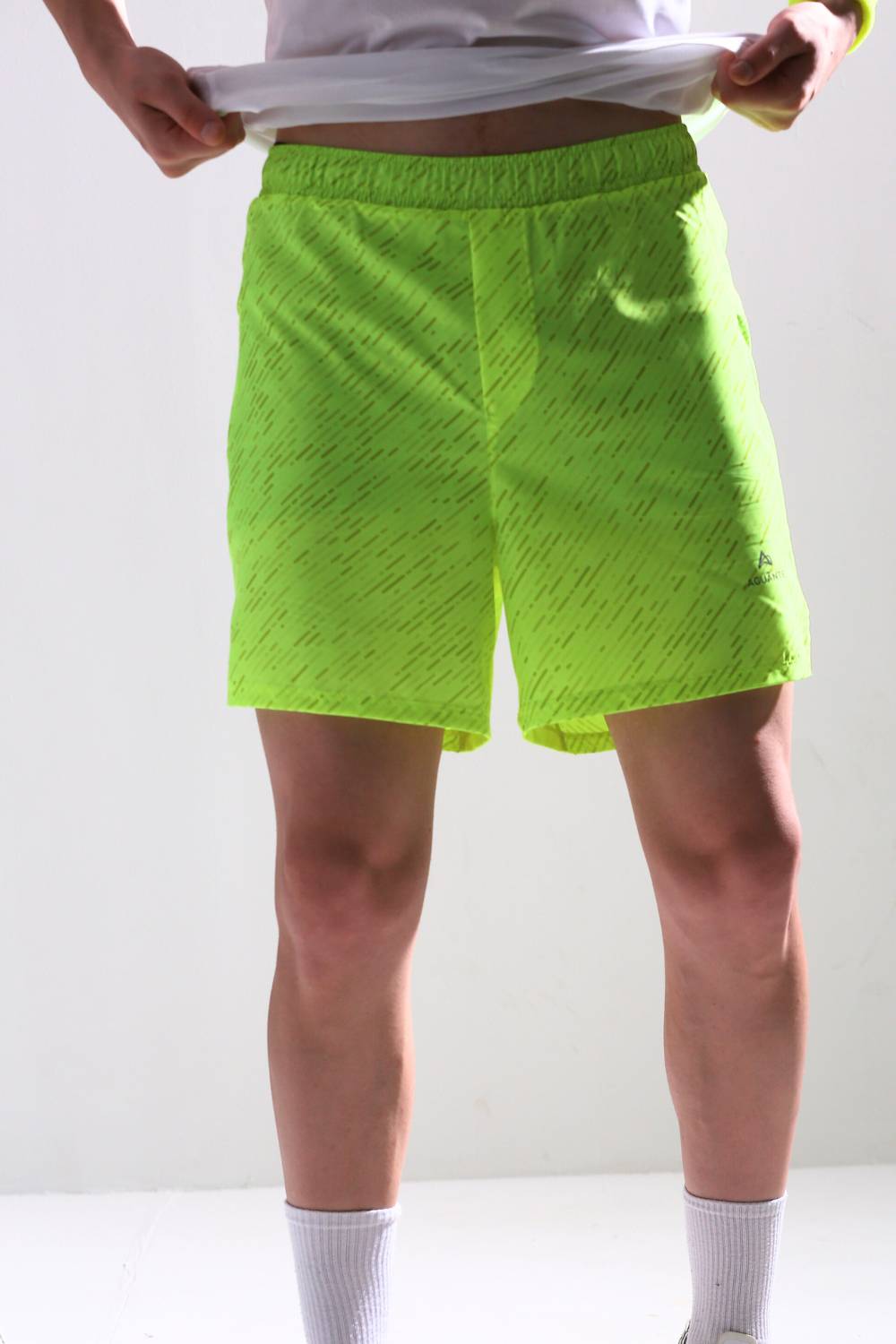


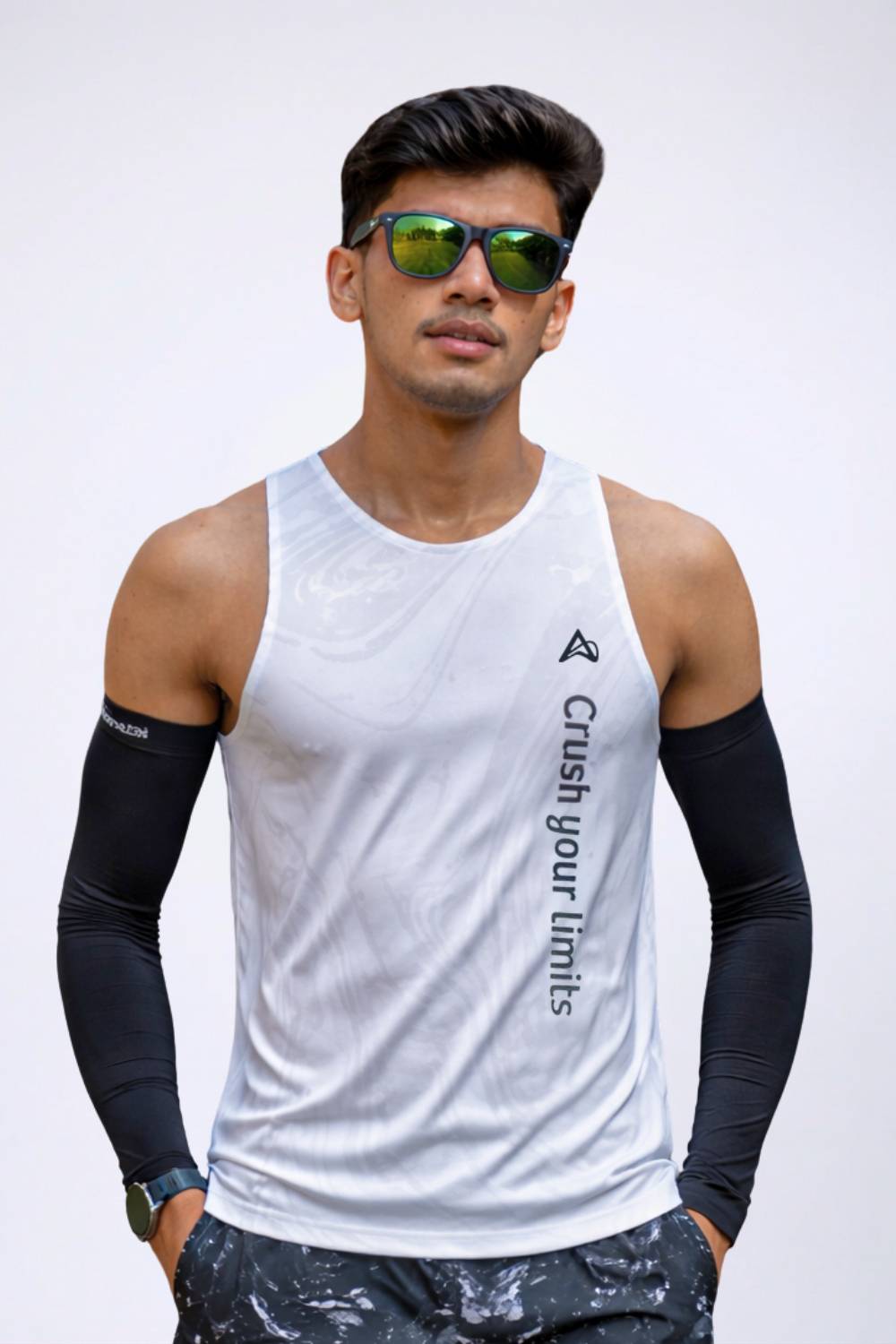

Marathon training demands more than just strong legs and a steady pace. The right running apparel plays a crucial role in keeping your body cool, comfortable, and injury-free from the first long run to the finish line. Runners across major cities in India are turning to performance gear that balances breathability with durability, moisture-wicking technology with all-day wearability.
Selecting the perfect pieces requires a clear comparison process. This guide walks you through the key factors that matter most fit, fabric performance, ventilation zones, and value for marathon training. By the end, you'll know exactly how to evaluate running clothes before you invest.
Tired of gear that slows you down? Chafing, soggy fabrics, and missing pockets kill your run's momentum. At Aguante, we're runners who get it. Our high-performance activewear features moisture-wicking fabrics, ergonomic designs, and smart storage to keep you focused. Shop Now!
Start with Your Body's Needs and Training Schedule
Every marathon is different. Some runners prefer lighter, more breathable shirts for warmer city runs, while others need additional coverage for cooler early-morning sessions or longer efforts. Consider your typical weekly mileage and the climate you'll face. A shirt that feels great during a 10 km tempo run might chafe after 30 km on race day.
Look at how the apparel responds to your specific workout demands. Brands that offer modular options lightweight tees for easy runs and heavier performance layers for long runs give you flexibility. Test the pieces in your actual training environment whenever possible. The right choice reduces distractions and helps you focus on the race itself.
Analyze Fabric Performance and Breathability
Fabric quality separates good running apparel from great. The best materials pull heat away efficiently while resisting sweat-soaked cling that can ruin your stride. Ultra-lightweight recycled polyester fabrics consistently score highest in lab tests for air permeability and fast drying times.
Read the construction details carefully. Look for open-weave designs that allow air to circulate across the torso and arms. Avoid overly dense fabrics that trap moisture near the skin, especially during those long weekend runs that leave you dripping. The right fabric also dries quickly between short runs, so you're not chasing sweaty clothes through the week.
Assess Fit and Comfort for Long Distances
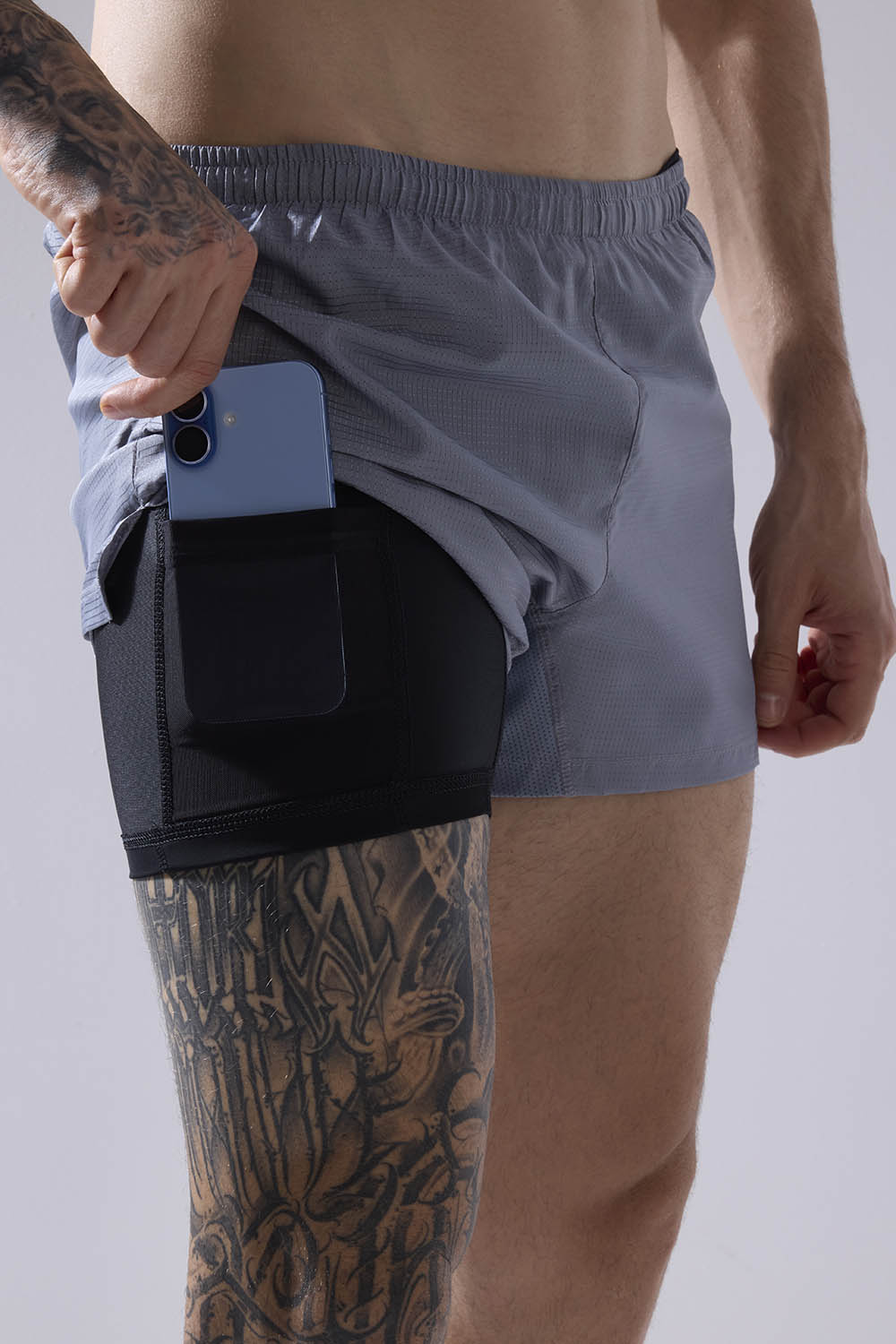
Fit isn't just about style it directly affects how you perform. A running shirt should drape naturally without pulling at the shoulders or waistband. Flat seams eliminate pressure points that cause chafing, especially on the inner thighs during the later miles of a marathon.
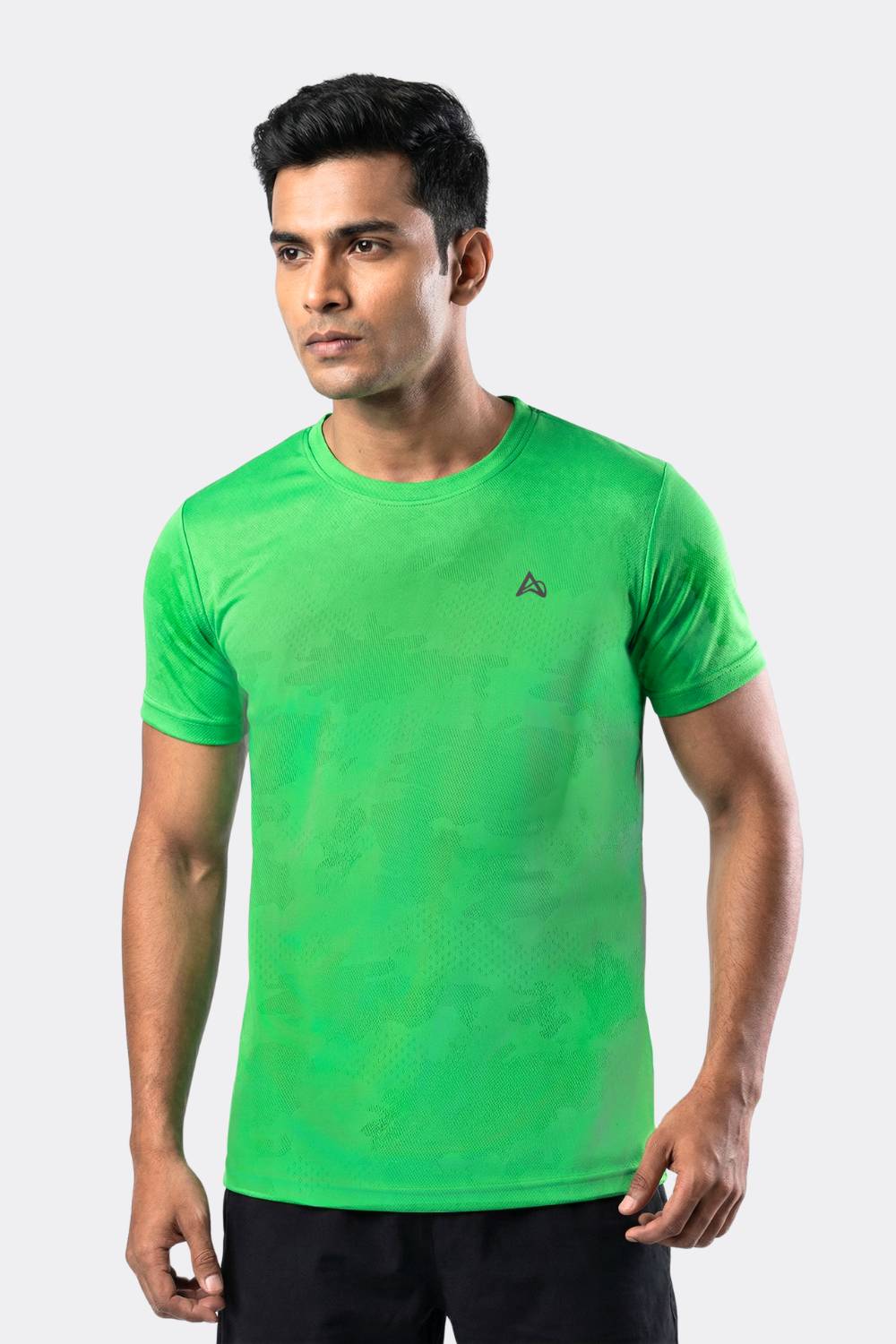
Try the pieces on or order from brands with generous return policies. Runners often note that shirts designed for all-day wear also transition seamlessly to casual use outside of training. This dual-purpose quality extends the value of your investment and reduces wardrobe clutter.
Examine Ventilation Zones and Movement Freedom
Targeted ventilation makes a huge difference once the effort turns serious. Look for strategic mesh panels on the back and underarms that stay open even when wet. This design keeps the core cool during hill repeats or steady long runs without adding unnecessary weight.
Check the range of motion. The fabric should allow unrestricted arm movement during arm swings and shoulder rolls. Subtle antimicrobial treatments built into the weave reduce odor buildup across multiple runs, letting you stay focused rather than fighting fatigue from a dirty shirt.
Compare Features That Matter Most for Marathoners
Three elements consistently separate top-performing gear in real-world tests. First, lightweight construction that feels supportive yet never restrictive. Second, moisture management that keeps you dry when sweat production peaks. Third, durability features like reinforced seams and high-quality zippers that survive repeated washing and rough handling.
Many runners prefer brands that combine these elements into complete systems shorts, tanks, and long sleeves that work together. This approach lets you build a capsule wardrobe tailored to your exact training needs instead of buying separate pieces that don't coordinate.
Evaluate Price, Value, and Long-term Investment
High-performance running apparel carries a higher upfront cost, but the savings in comfort and injury prevention add up quickly. Consider how often you'll wear the pieces and how long they'll last through multiple seasons of training. A slightly more expensive option that feels better and performs better often proves the better choice over time.
Look for brands that offer thoughtful design details subtle details that runners actually notice and appreciate. The right combination of technology, fit, and durability delivers real results on race day without forcing you to compromise on comfort during training.
Choosing the right running shirt for marathon training during warmer months involves balancing breathability with moisture management to keep your body temperature stable over long distances where sweat production increases dramatically. Lab-tested options reveal significant differences in air permeability and dry time, where ultra-lightweight recycled polyester fabrics score highest for pulling heat away while resisting cling when soaked. Brands that embed performance weaves with subtle antimicrobial properties reduce odor buildup across multiple runs, allowing athletes to maintain focus during extended efforts that last well over an hour. Fit plays a critical role too, with relaxed cuts that drape naturally without pulling at the shoulders or waistband, paired with flat seams that eliminate irritation even after repeated training sessions. One standout feature across tested models is the combination of stretch for unrestricted arm movement and targeted ventilation zones that keep the torso cool during hill repeats or steady paces.
Runners have noted that shirts designed for all-day wear also transition seamlessly to casual use, extending their usefulness beyond race preparation. The process of comparison highlights how lighter weight materials dry faster and feel less restrictive, yet they still provide enough structure to support the body's core stability throughout a full marathon distance. Ultimately, investing time in testing during your own training schedule uncovers preferences that prevent race-day surprises like chafing or overheating. This level of detail ensures every layer you select contributes positively to energy conservation, allowing you to push toward personal bests without the added stress of ill-fitting or inadequate apparel.
Make Your Decision with Confidence
Comparing running apparel for marathon training comes down to understanding how each piece supports your specific goals. Focus on breathability, fit, and performance features that match your training intensity. The right gear doesn't just keep you cool; it helps you push harder, recover faster, and cross the finish line stronger.
Take time to test options in real conditions. Your body will tell you which pieces work best when the miles add up. With the right running clothes in your bag, every training session and every marathon becomes a more confident, more enjoyable journey.
Frequently Asked Questions
What is the best way to choose running apparel for marathon training?
The best way to choose running apparel for marathon training is to focus on fit, fabric performance, and comfort during long runs. Look for clothing that supports your weekly mileage and adapts to different weather conditions and training intensities. Testing gear in real training conditions helps ensure it prevents chafing, overheating, and distractions on race day.
Is expensive running apparel for marathon training worth the investment?
Yes, investing in higher-quality running apparel for marathon training is often worth it due to improved comfort, durability, and performance. Premium gear typically offers better moisture management, ventilation, and long-term wear resistance. Over time, this can reduce discomfort and improve training consistency, making it a valuable investment for serious runners.
What features should I look for in breathable running shirts for long-distance running?
When selecting breathable running shirts for long-distance running, prioritize lightweight, moisture-wicking fabrics such as recycled polyester. Key features include mesh ventilation zones, open-weave construction, and flat seams to reduce irritation. These elements work together to keep your body cool, dry, and comfortable during extended marathon training sessions.
Disclaimer: The above helpful resources content contains personal opinions and experiences. The information provided is for general knowledge and does not constitute professional advice.
You may also be interested in: Anti-chafing Gear Highlighted in Runner Social Media Reviews
Tired of gear that slows you down? Chafing, soggy fabrics, and missing pockets kill your run's momentum. At Aguante, we're runners who get it. Our high-performance activewear features moisture-wicking fabrics, ergonomic designs, and smart storage to keep you focused. Shop Now!
Powered by flareAI.co