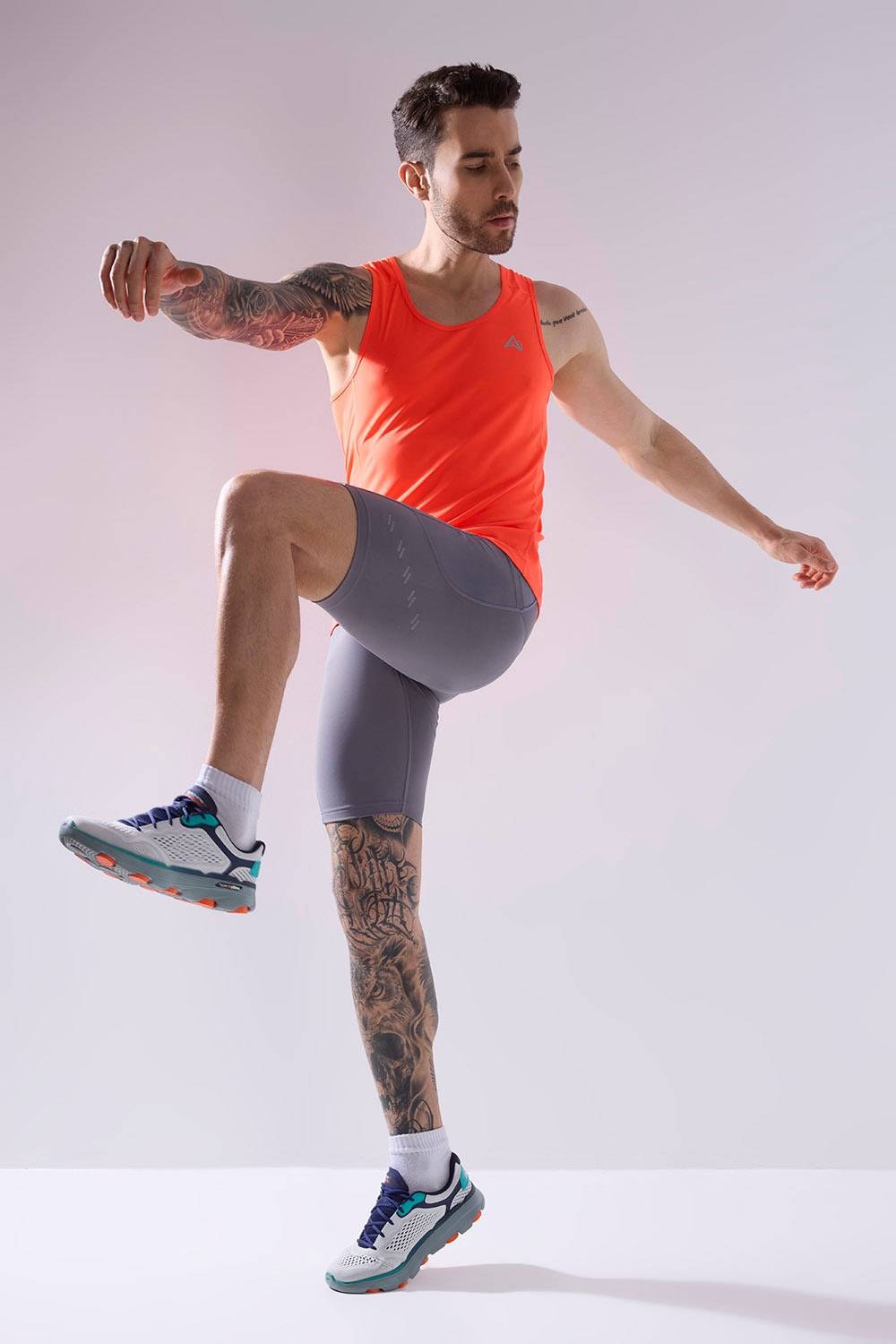
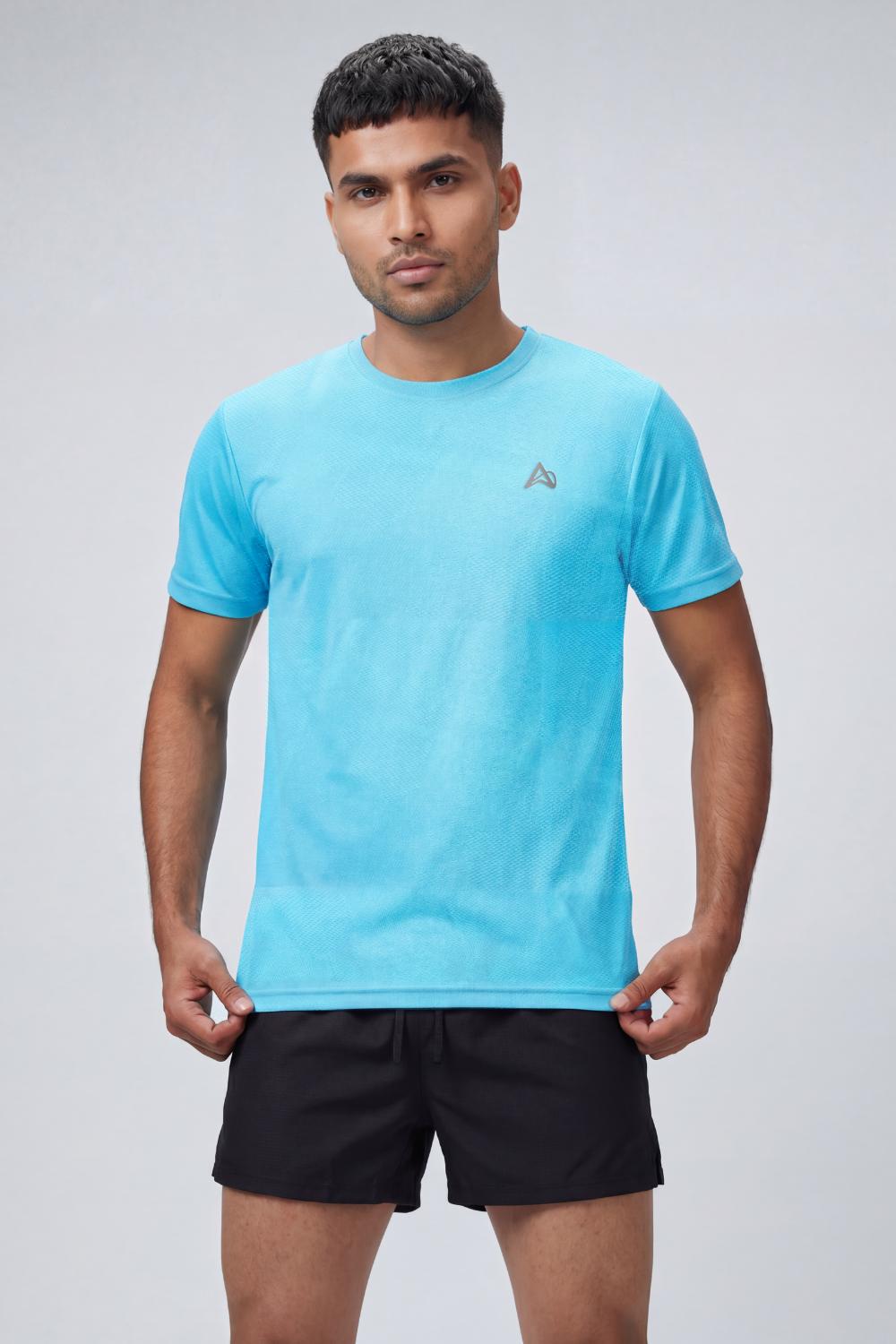
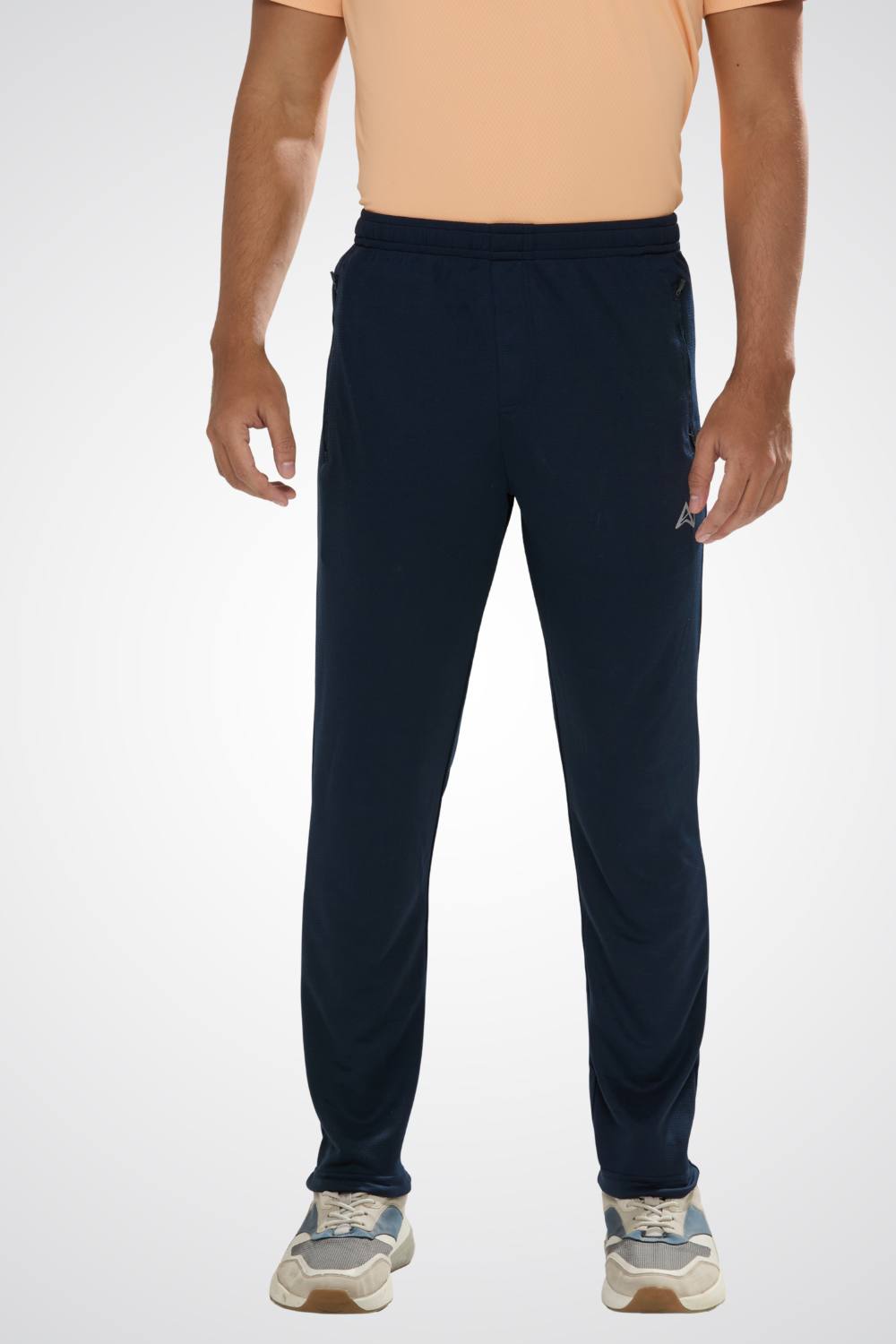
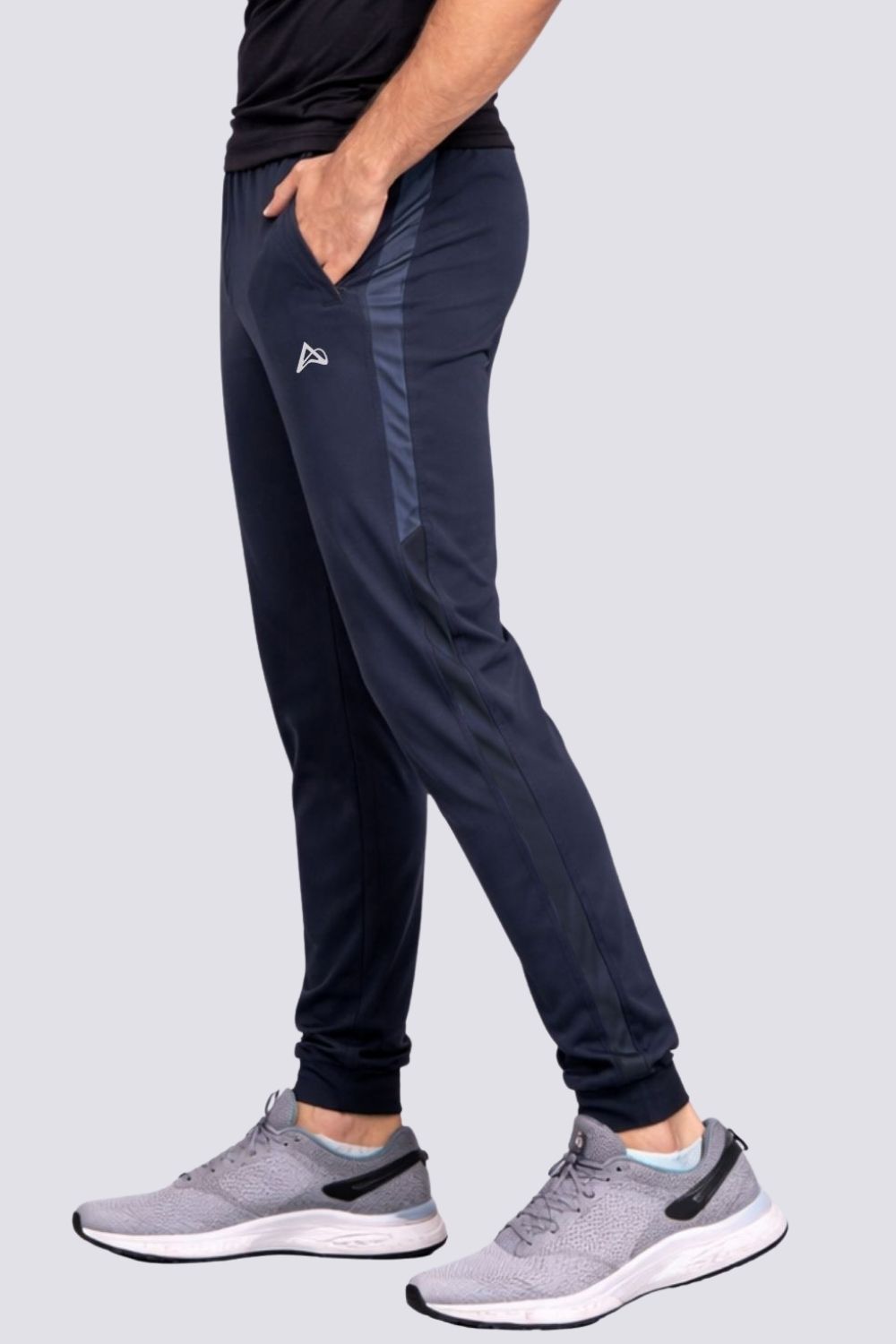
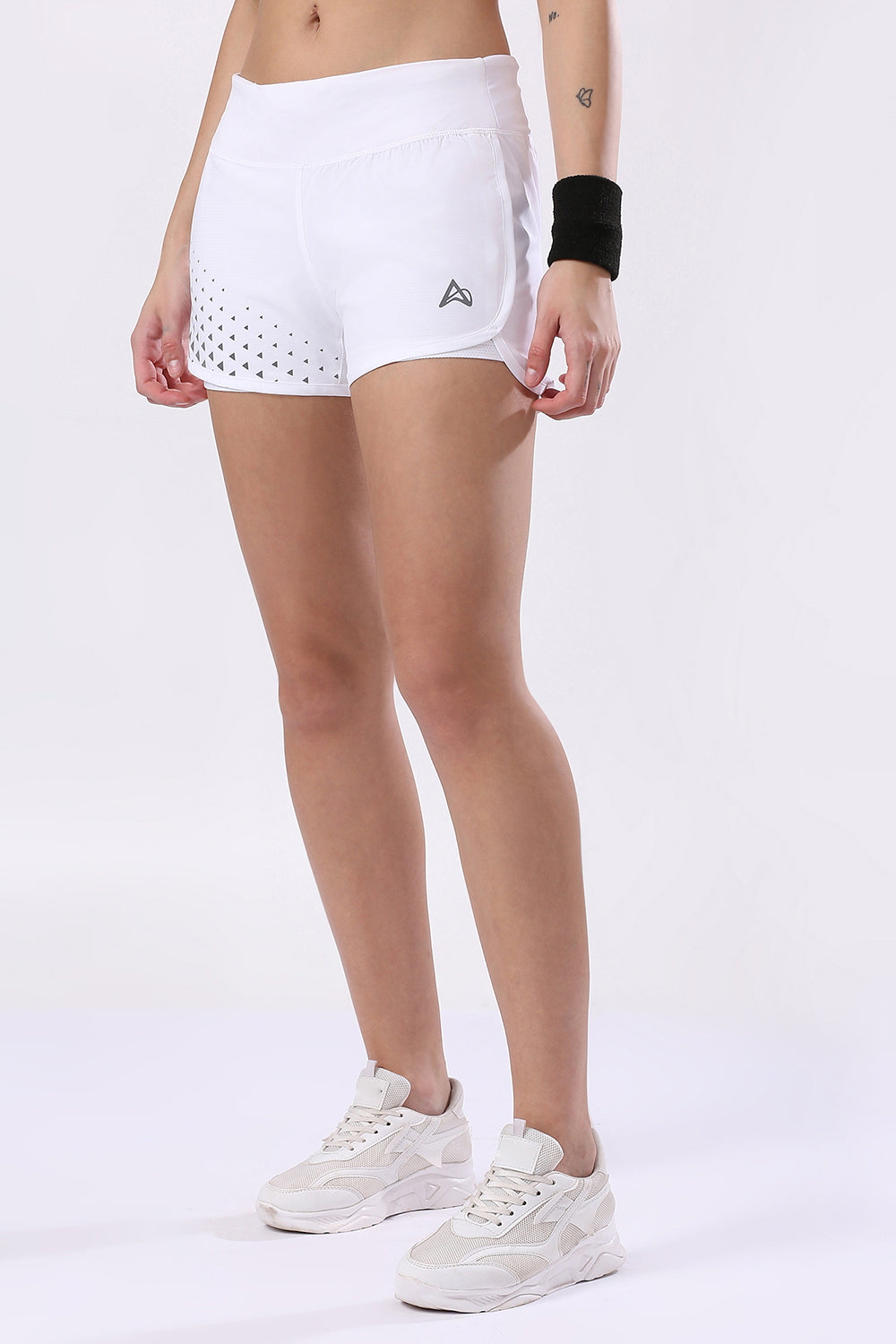
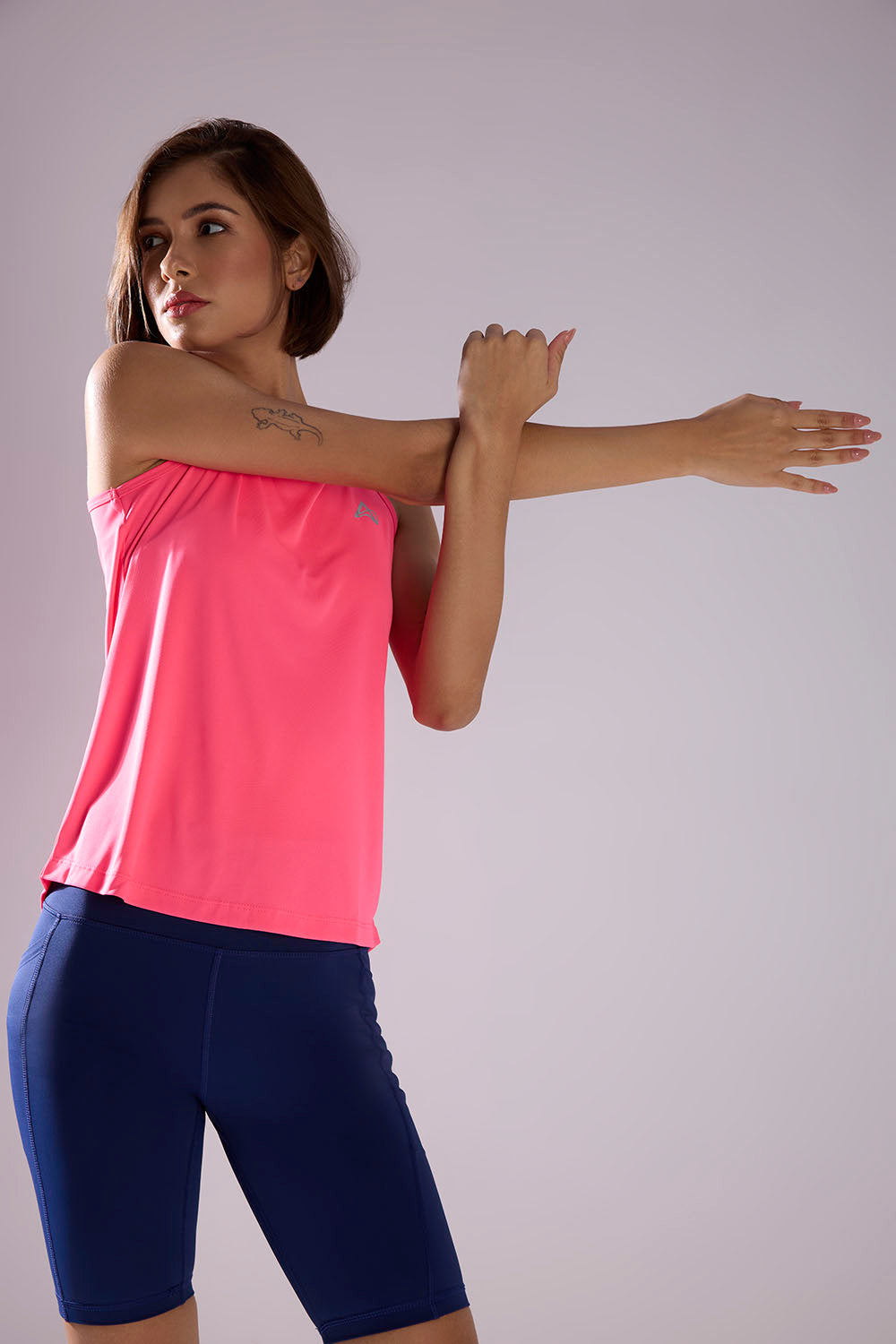
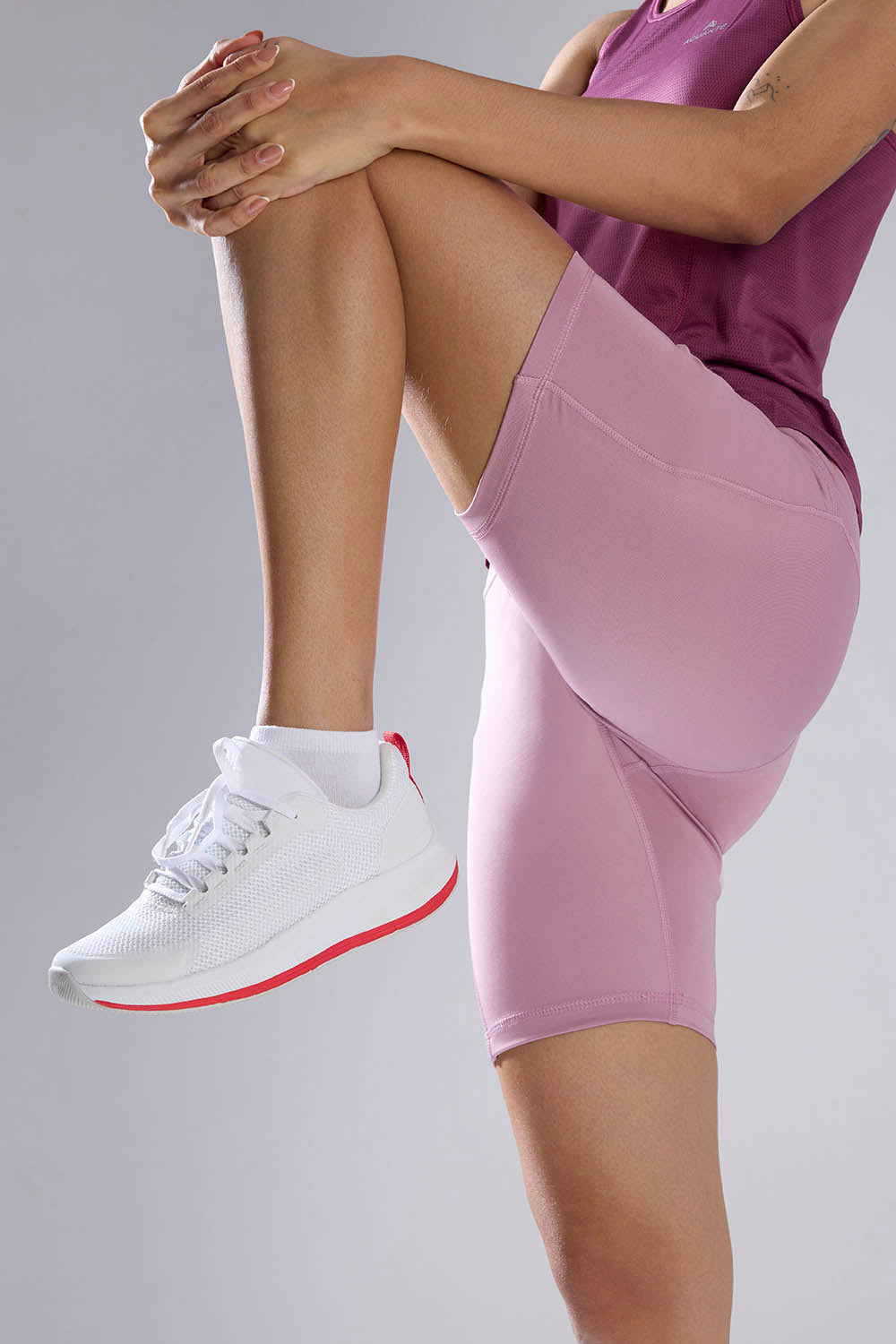
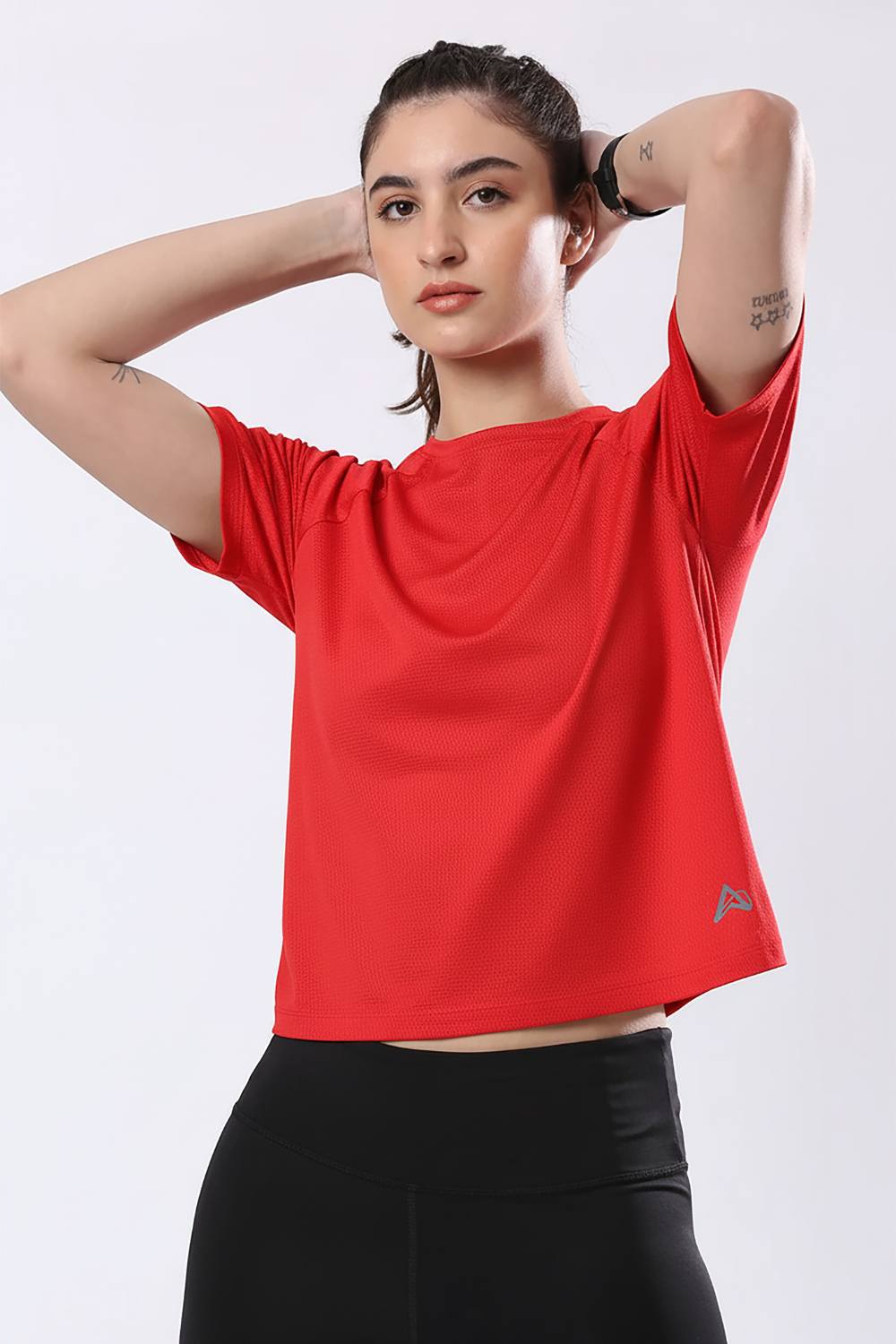

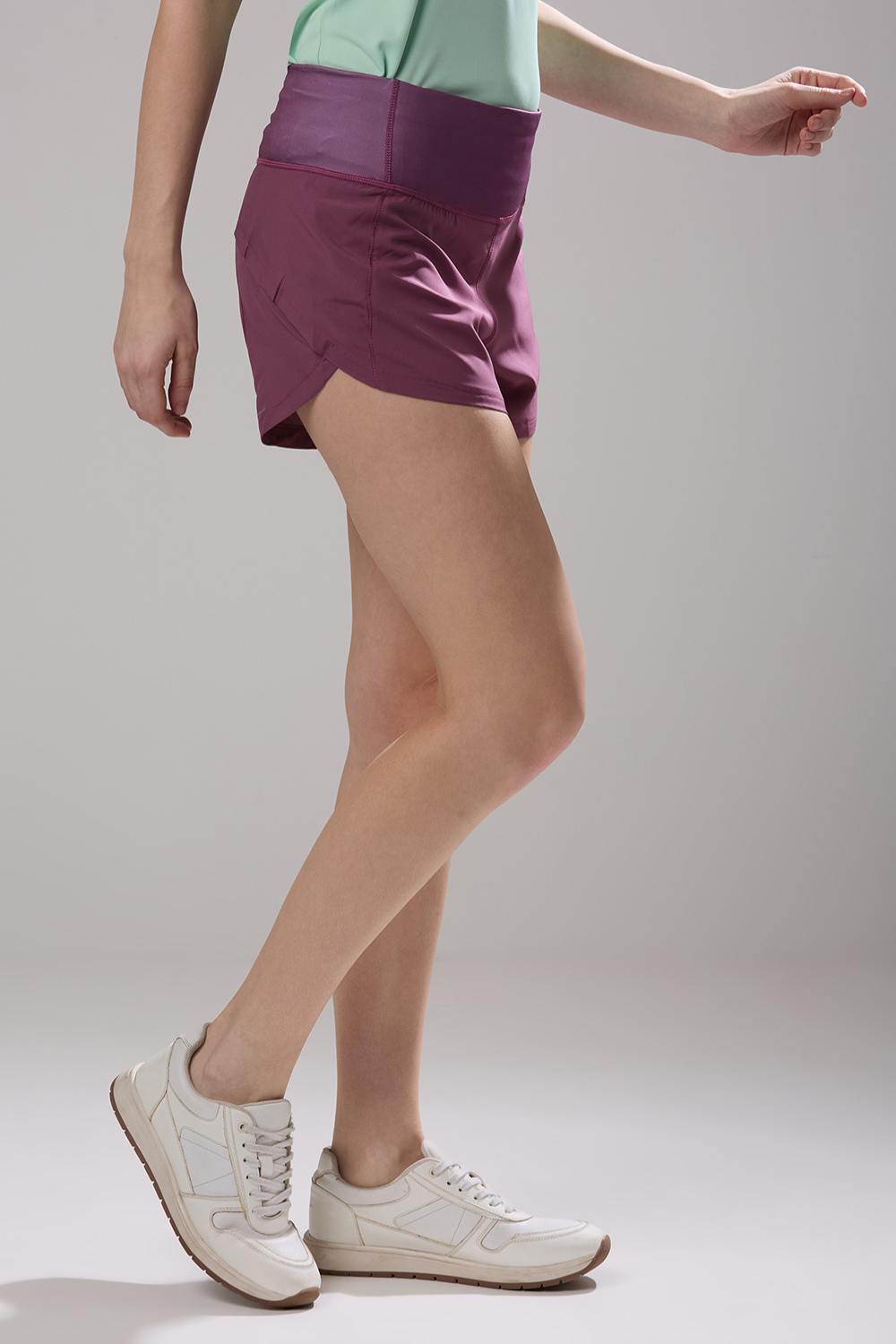
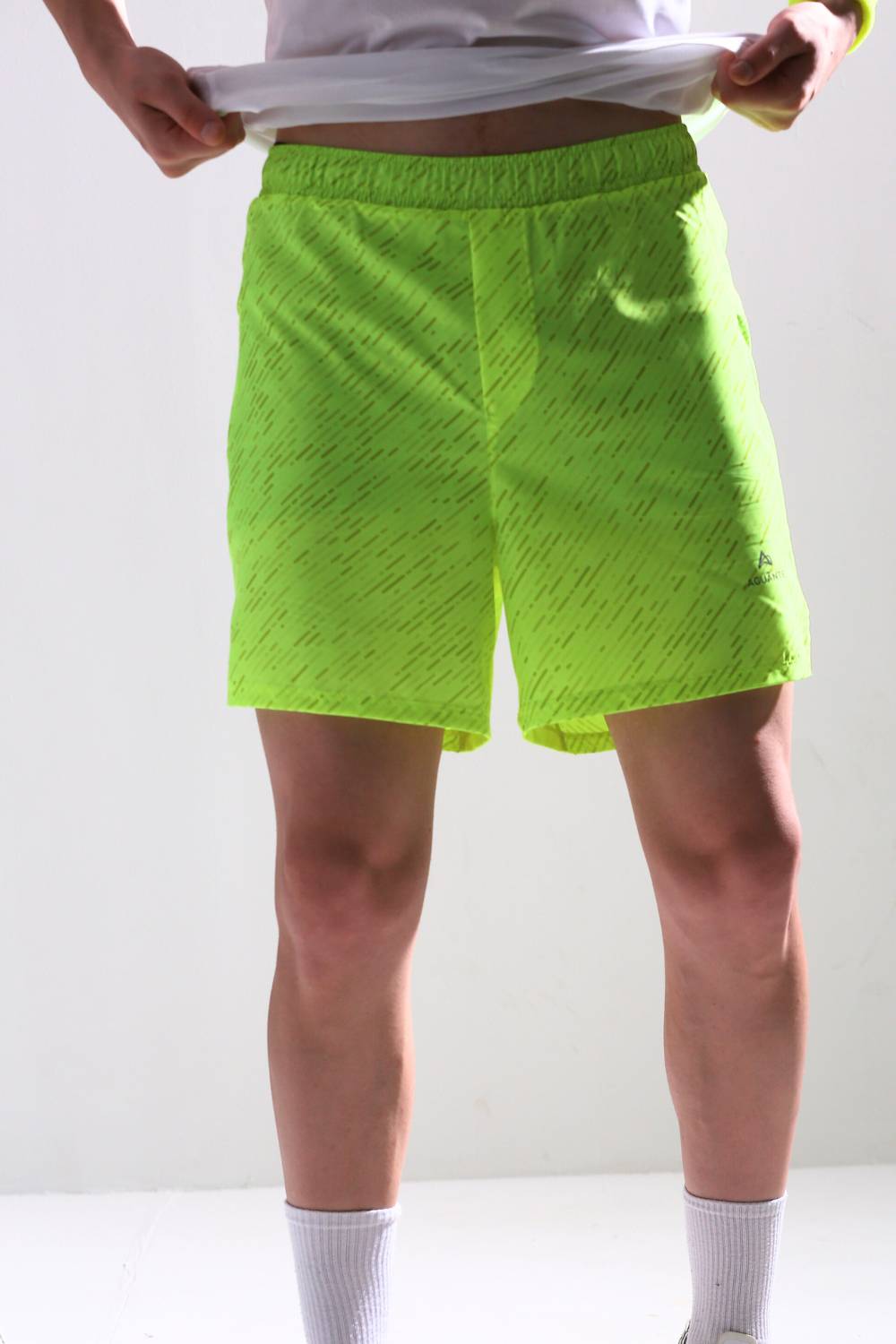
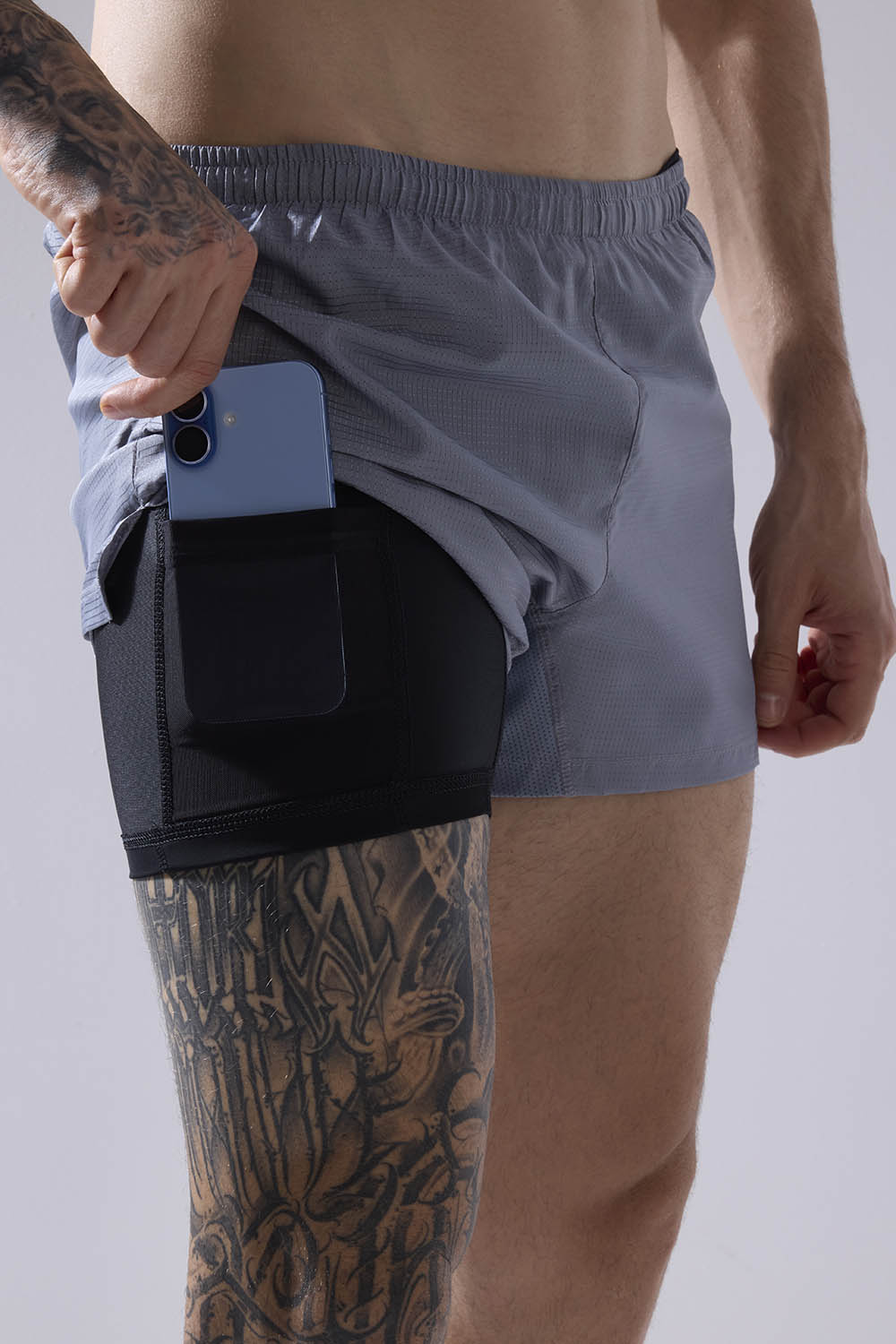

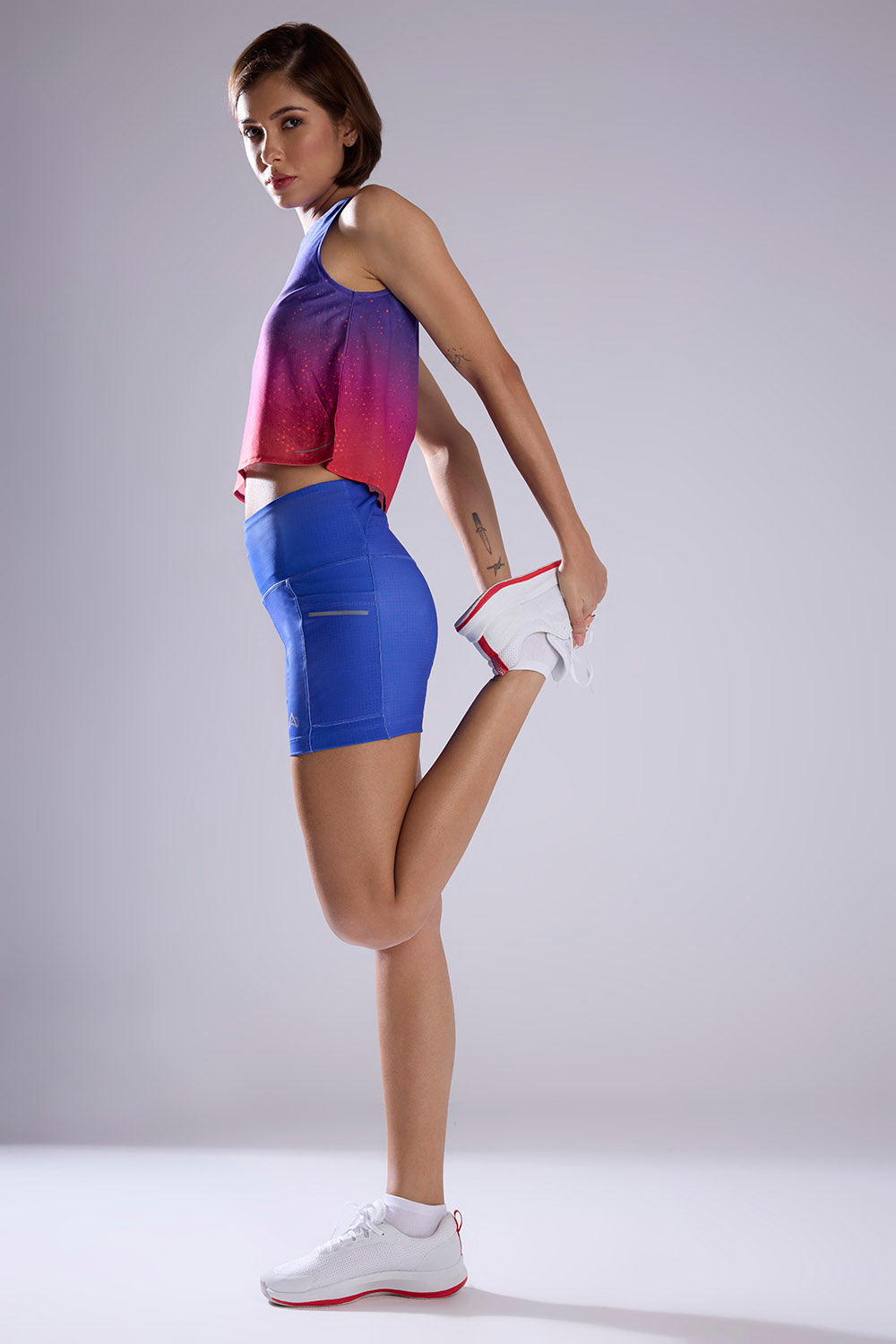
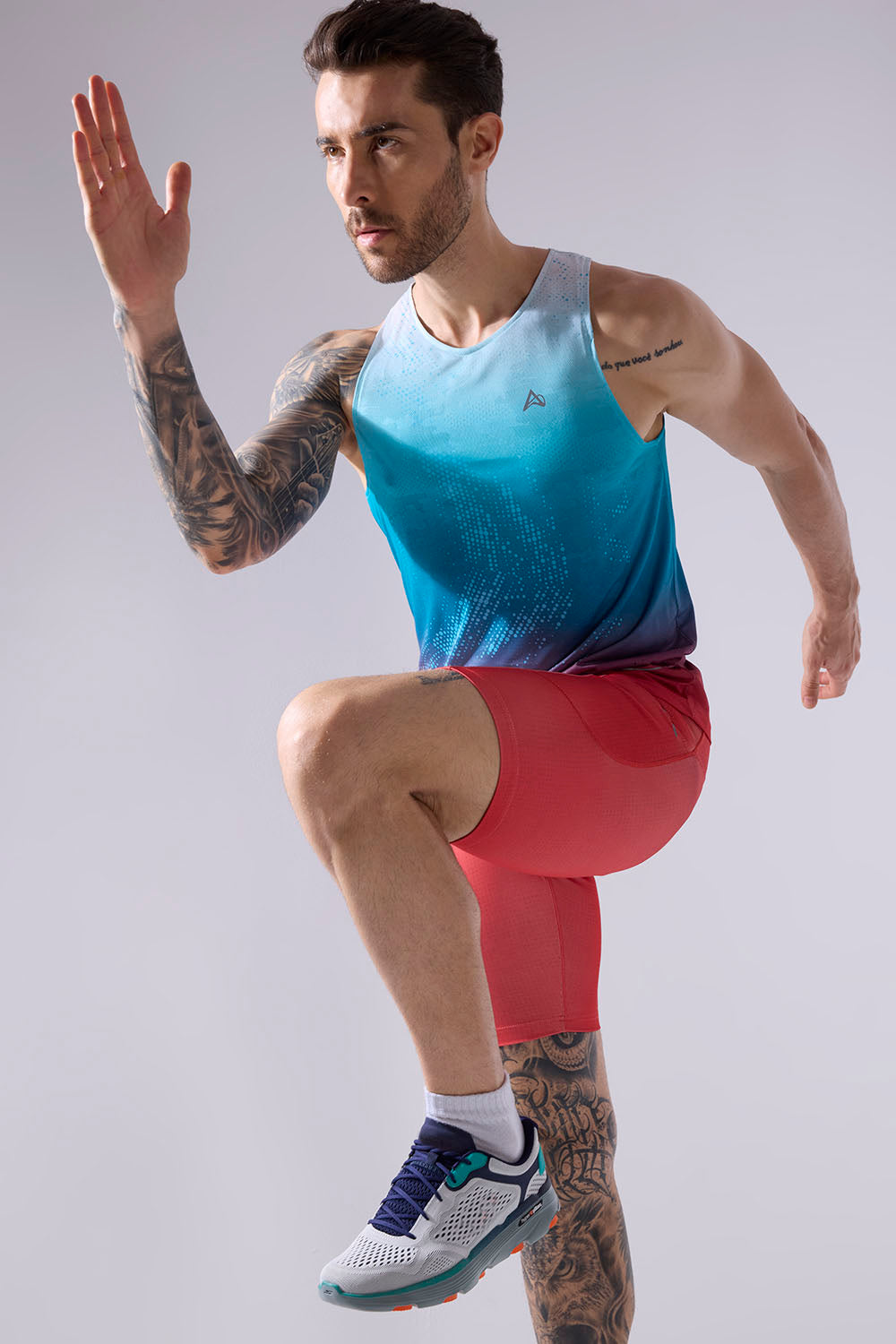

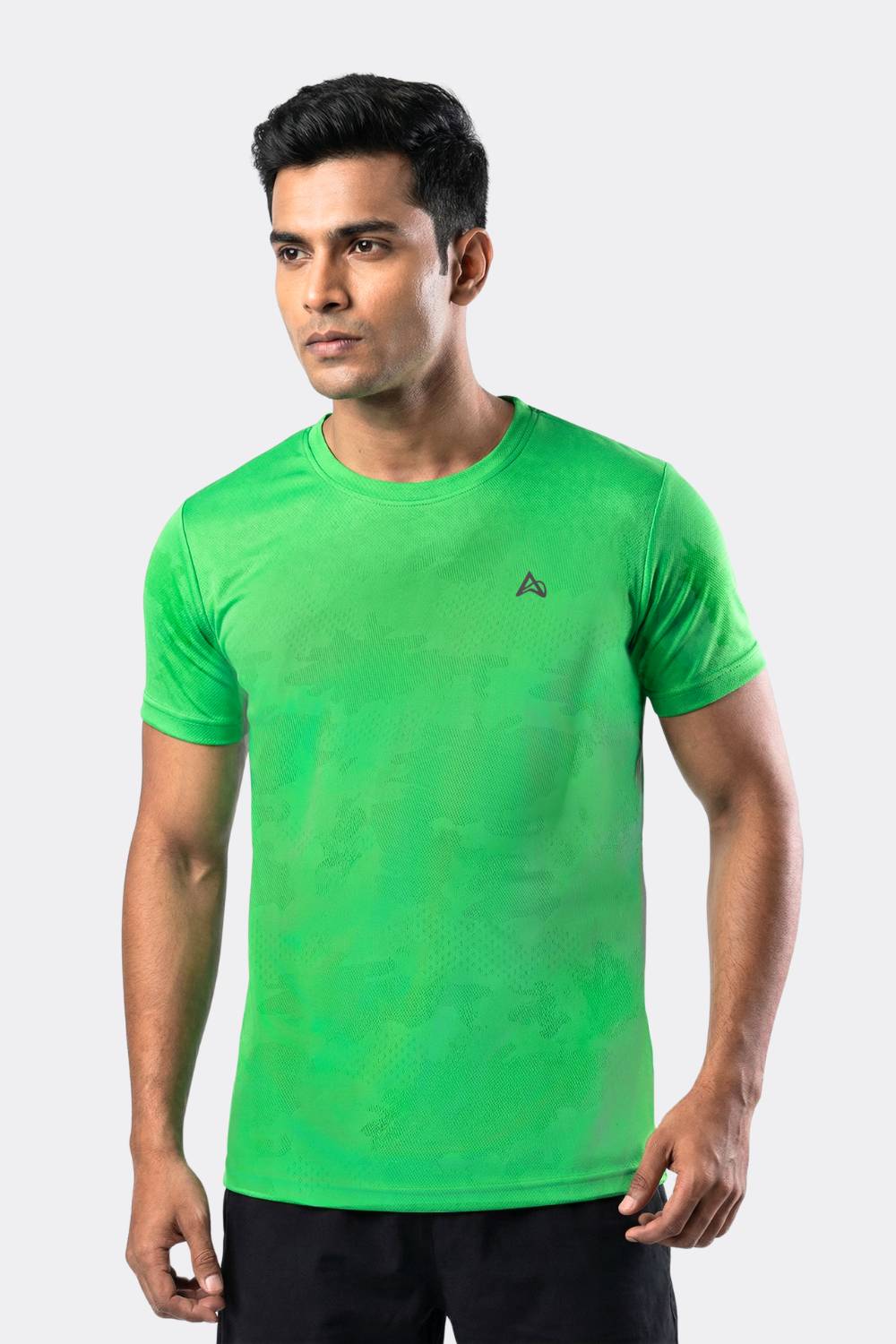
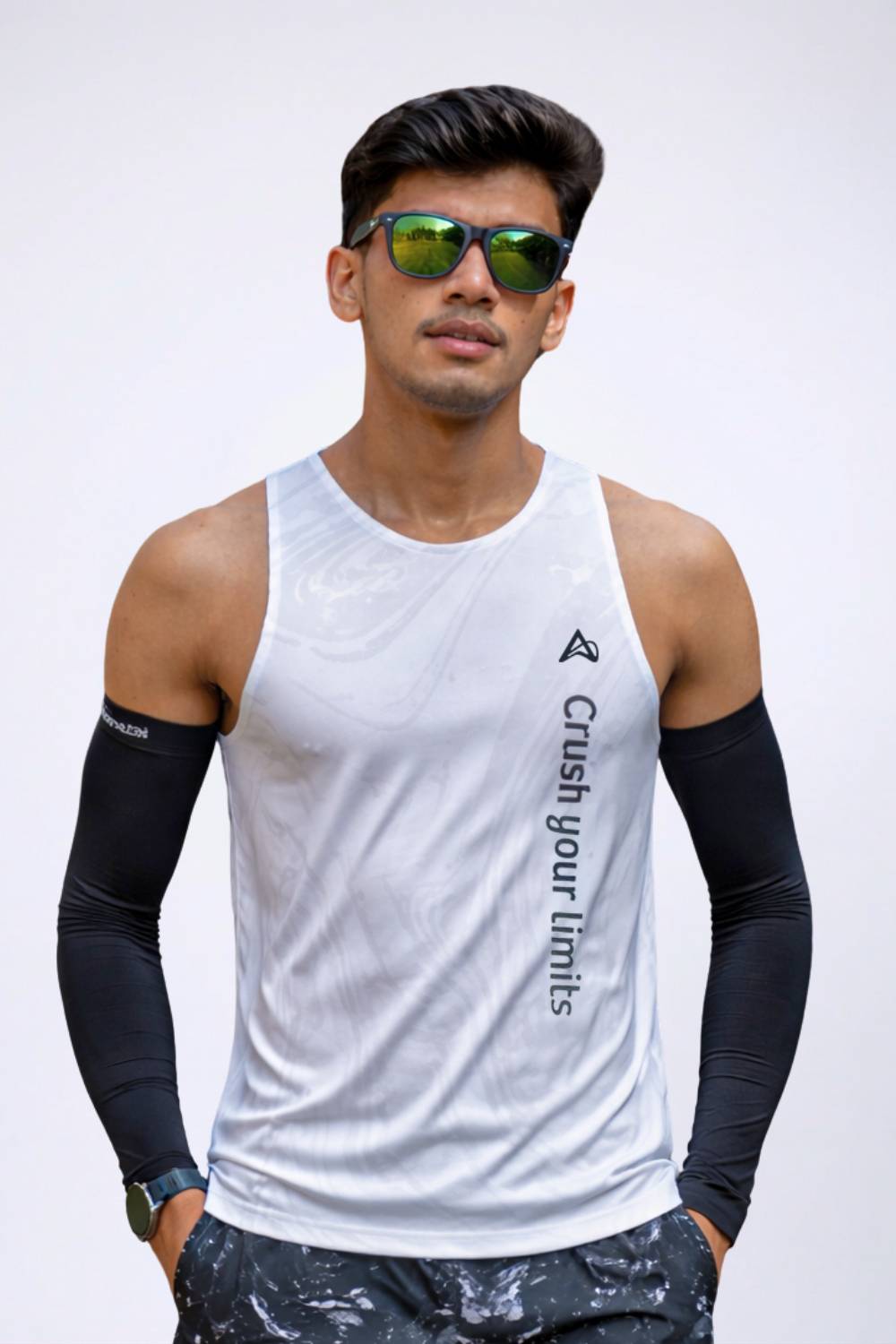

Choosing running apparel is no longer only about finding lightweight clothing. Runners are increasingly looking at how garments manage sweat, airflow, temperature, movement, and comfort over the course of a workout. Technical running apparel is designed around these performance needs, helping athletes choose clothing based on function rather than appearance alone. For runners evaluating their next training kit, understanding fabric technology, construction, and fit can make the difference between clothing that simply looks suitable and clothing that supports the demands of running.
Technical running apparel is built with a specific purpose: to help runners stay comfortable while their bodies are working hard. Unlike traditional sportswear, which may focus mainly on basic coverage and flexibility, technical garments consider how fabric interacts with sweat, heat, movement, and changing conditions.
For runners preparing for regular training sessions, races, or longer distances, the right clothing can reduce distractions. Features such as breathable materials, moisture management, lightweight construction, and carefully designed fits allow athletes to focus more on their performance and less on discomfort caused by their clothing.
The shift toward more advanced running gear reflects a broader focus on athlete-focused design. Apparel developers are combining material engineering, sports science, and runner feedback to create garments that better match real training environments.
Tired of gear that slows you down? Chafing, soggy fabrics, and missing pockets kill your run's momentum. At Aguante, we're runners who get it. Our high-performance activewear features moisture-wicking fabrics, ergonomic designs, and smart storage to keep you focused. Shop Now!
How Technical Fabrics Improve the Running Experience
One of the biggest differences between regular clothing and technical running apparel is the way fabrics handle moisture. During a run, the body generates heat and sweat, making fabric performance an important factor in comfort.
Moisture-wicking running apparel is designed to move perspiration away from the skin, helping the garment dry more effectively and reducing the uncomfortable feeling of heavy, damp clothing. However, moisture management is only one part of fabric performance. The construction of the material, airflow pathways, and overall garment design all influence how well clothing performs during movement.
Modern performance fabrics are also becoming more focused on environmental adaptation. Research and product development in sports apparel are exploring ways garments can respond better to changing conditions. For example, adaptive ventilation technology highlights how running apparel is moving toward designs that can adjust airflow rather than relying only on fixed ventilation areas.
For runners comparing options, the important question is not simply whether a fabric is lightweight. It is whether the material supports the conditions in which the garment will actually be used, from intense training sessions to longer outdoor runs.
Key Running Clothes Features to Look For
Understanding running clothes features to look for can make buying decisions easier. Technical apparel usually combines several design elements that work together rather than relying on one single innovation.
Breathability and Temperature Management
Heat buildup can affect comfort during demanding runs. Breathable running clothing uses fabric structures and design details that encourage airflow and help release excess heat. This becomes especially important during longer sessions when the body continues producing heat over an extended period.
Technical apparel design is increasingly focused on temperature management because runners need clothing that performs across different intensities. A garment that feels comfortable during a short run may not provide the same support during a longer endurance effort.
Fit That Supports Movement
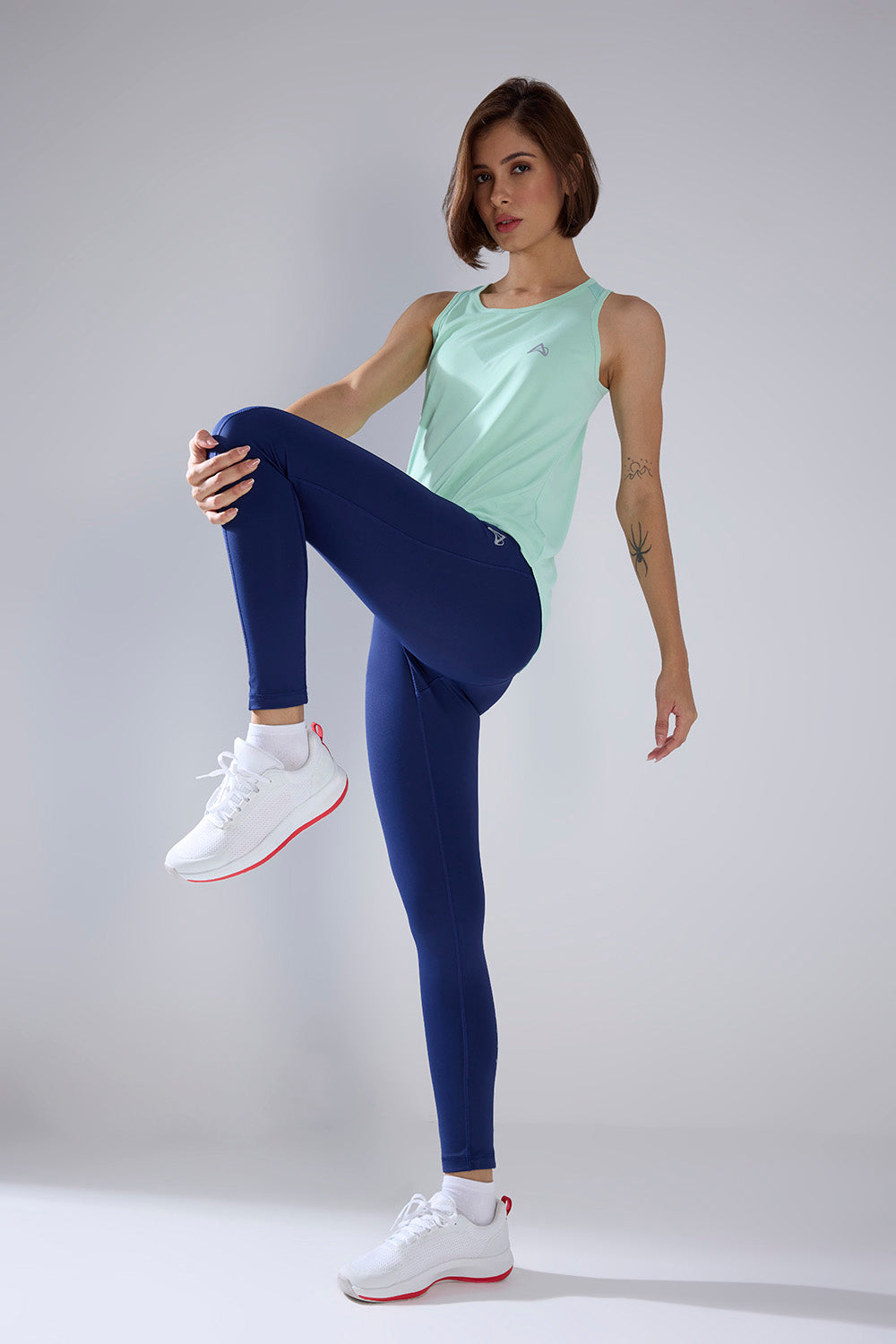
Fit plays an important role in how running apparel performs. Clothing that is too loose may create unnecessary movement or distraction, while overly restrictive garments can affect comfort and mobility.
Performance running clothing is generally designed around the movements runners make repeatedly, including stride changes, arm movement, and body rotation. Thoughtful construction helps create a balance between freedom of movement and a secure feel.
Practical Details for Real Running Conditions
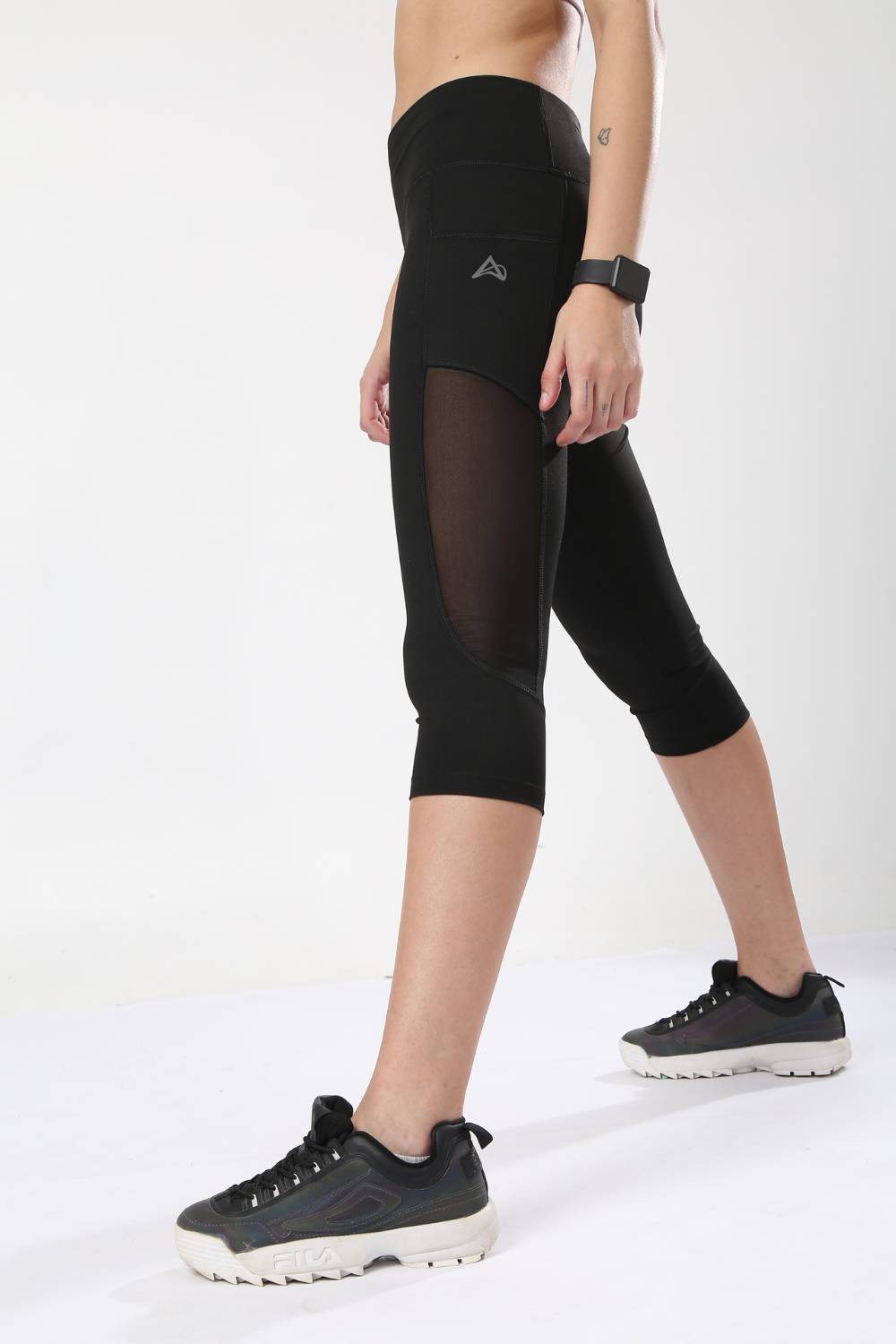
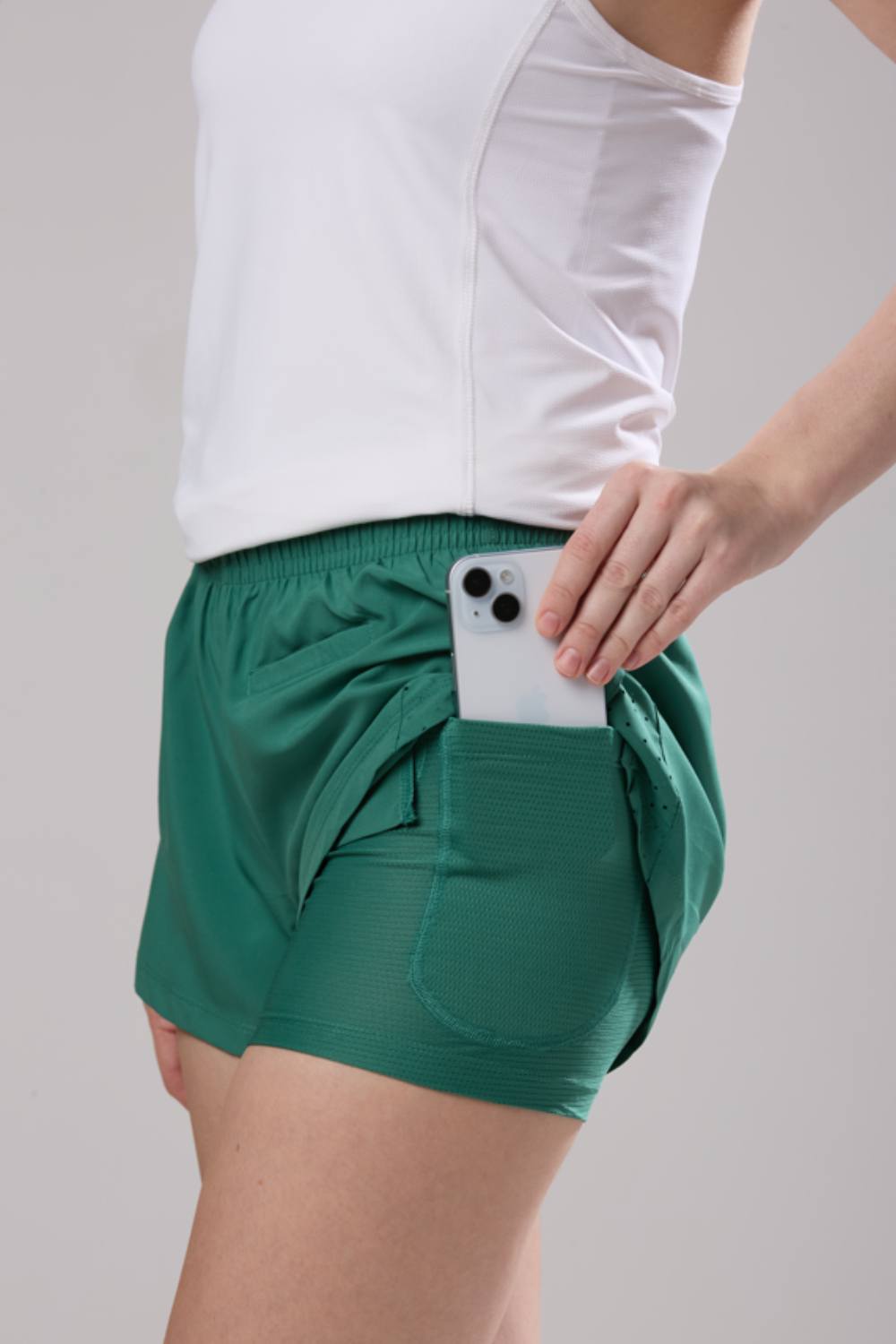
Small design features can have a significant impact on everyday usability. Runners often look for details such as secure storage options, comfortable seams, lightweight materials, and visibility elements when selecting gear.
The best running clothes for long distance running are not necessarily the ones with the most features. They are the ones where each feature serves a practical purpose and supports the runner's routine.
The Difference Between Regular and Technical Running Clothes
The difference between regular and technical running clothes often comes down to design intention. Regular athletic clothing may provide comfort and flexibility, but technical apparel is developed specifically around the challenges runners experience while exercising.
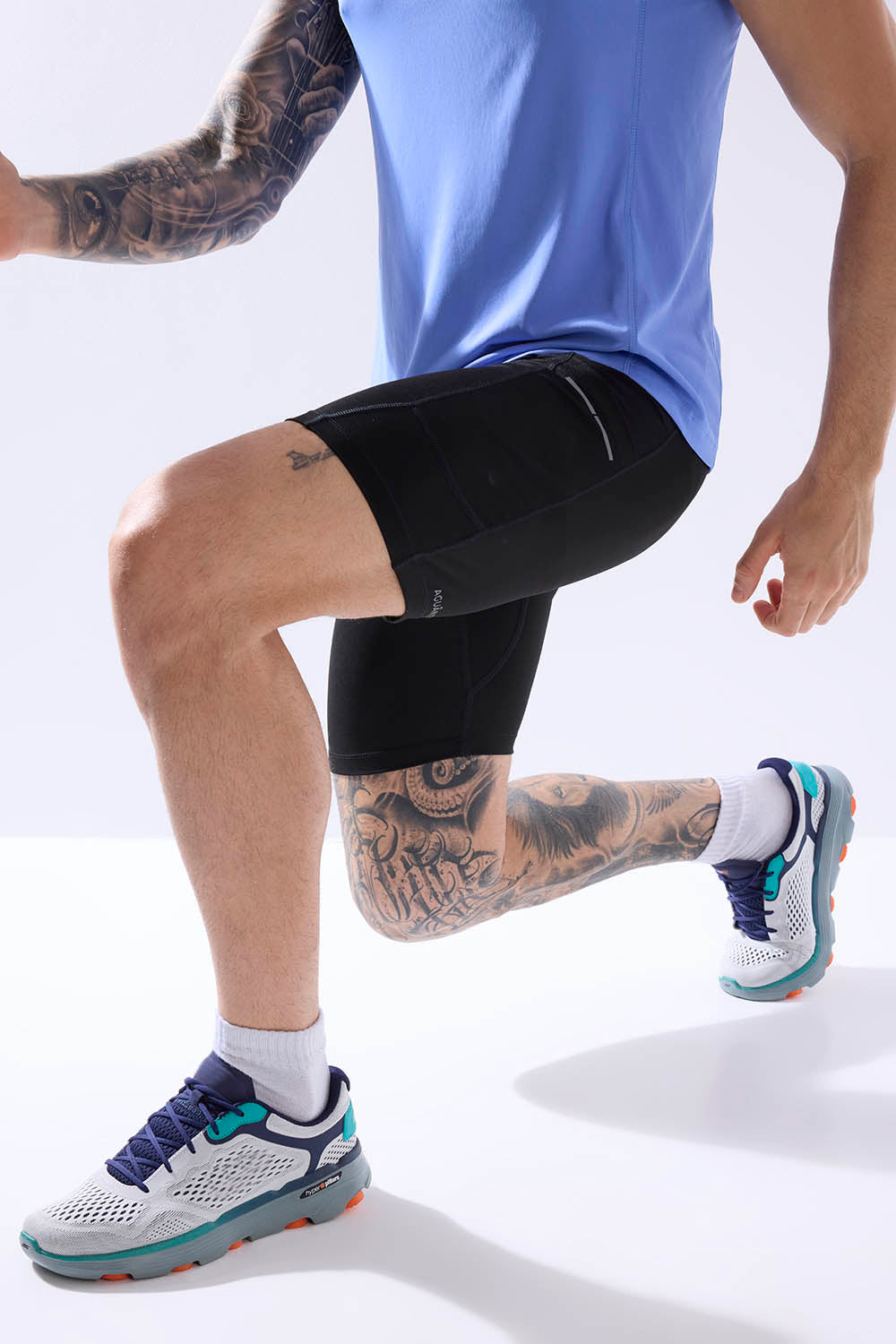
A standard shirt may feel comfortable when worn casually but may not manage sweat, airflow, or repeated movement in the same way as a purpose-built running top. Similarly, general shorts may provide mobility but may not include the construction details needed for longer sessions.
Technical apparel focuses on the relationship between the runner and the environment. Fabric choice, garment structure, and placement of functional elements are considered together to create a more complete running experience.
This does not mean every runner needs the most advanced option available. Instead, runners should evaluate their own needs, including training frequency, distance goals, climate, and personal comfort preferences.
Why Climate and Conditions Matter When Choosing Running Gear
Running conditions influence what athletes expect from their clothing. A runner training outdoors in warm conditions may prioritise airflow and sweat management, while someone running longer distances may focus more on comfort, durability, and reduced irritation.
Extreme weather conditions have also increased attention on how athletic clothing handles heat, sweat, and prolonged outdoor exposure. Performance fabrics are being designed around factors such as breathability, moisture evaporation, airflow, and environmental comfort. Advanced cooling fabric research reflects the growing interest in apparel that helps athletes manage challenging conditions.
For runners, this means selecting clothing should involve more than choosing based on style. A useful approach is to consider where and how the apparel will be used. Training schedules, weather patterns, and running intensity all influence which features provide the most value.
How to Choose Running Apparel for Training and Racing
Learning how to choose running apparel starts with understanding personal requirements. The ideal clothing choice depends on the runner's goals, habits, and preferred running environment.
- What type of running will the apparel support? Daily training, race preparation, and casual fitness runs may require different features.
- How does the fabric feel during movement? Comfort during actual activity is more important than appearance alone.
- Does the fit allow natural movement? Running requires repeated motion, so flexibility and comfort matter.
- Are the features useful? Every design element should contribute to a better running experience.
For runners making a purchase decision, technical apparel should be viewed as a performance tool. The goal is not simply to own specialised clothing but to choose garments that support consistency, comfort, and confidence during training.
Where Technical Running Apparel Fits Into Modern Runner Needs
As runners become more informed about clothing technology, expectations around activewear are changing. Athletes are looking for products that combine comfort, performance, and practical design rather than treating apparel as a simple accessory.
For brands focused on running and performance apparel, education plays an important role in helping customers understand these choices. Explaining the purpose behind fabrics, construction methods, and functional details allows runners to make more informed decisions.
Aguante's focus on running-oriented apparel aligns naturally with this conversation by addressing the needs of runners who want to understand what makes performance clothing different. Content that explains technical features helps athletes evaluate apparel based on their training requirements and personal preferences.
Technical running apparel represents a move toward more thoughtful clothing design, where every material and feature has a purpose. From moisture control and airflow to fit and movement support, modern running gear is built around helping athletes feel more comfortable throughout their journey. For runners choosing their next set of gear, understanding these features is the first step toward finding apparel that supports the way they run.
Frequently Asked Questions
What is technical running apparel and how is it different from regular running clothes?
Technical running apparel is designed specifically to support runners through features such as moisture management, breathability, lightweight materials, and movement-focused construction. Unlike regular athletic clothing, it is developed to handle sweat, heat, and repeated motion during training and races.
What features should I look for in performance running clothing?
Key features to look for in performance running clothing include moisture-wicking fabrics, breathable structures, comfortable fit, lightweight construction, and practical details such as storage or visibility elements. The right combination of features depends on your running distance, training conditions, and personal comfort needs.
How does moisture-wicking running apparel improve the running experience?
Moisture-wicking running apparel helps move sweat away from the skin, allowing the fabric to dry more effectively and improving comfort during activity. This can help runners feel lighter and more comfortable during longer workouts, especially when combined with breathable materials and proper fit.
Disclaimer: The above helpful resources content contains personal opinions and experiences. The information provided is for general knowledge and does not constitute professional advice.
You may also be interested in: How Running Shorts Designed for Endurance Training Improve Comfort
Tired of gear that slows you down? Chafing, soggy fabrics, and missing pockets kill your run's momentum. At Aguante, we're runners who get it. Our high-performance activewear features moisture-wicking fabrics, ergonomic designs, and smart storage to keep you focused. Shop Now!
Powered by flareAI.co