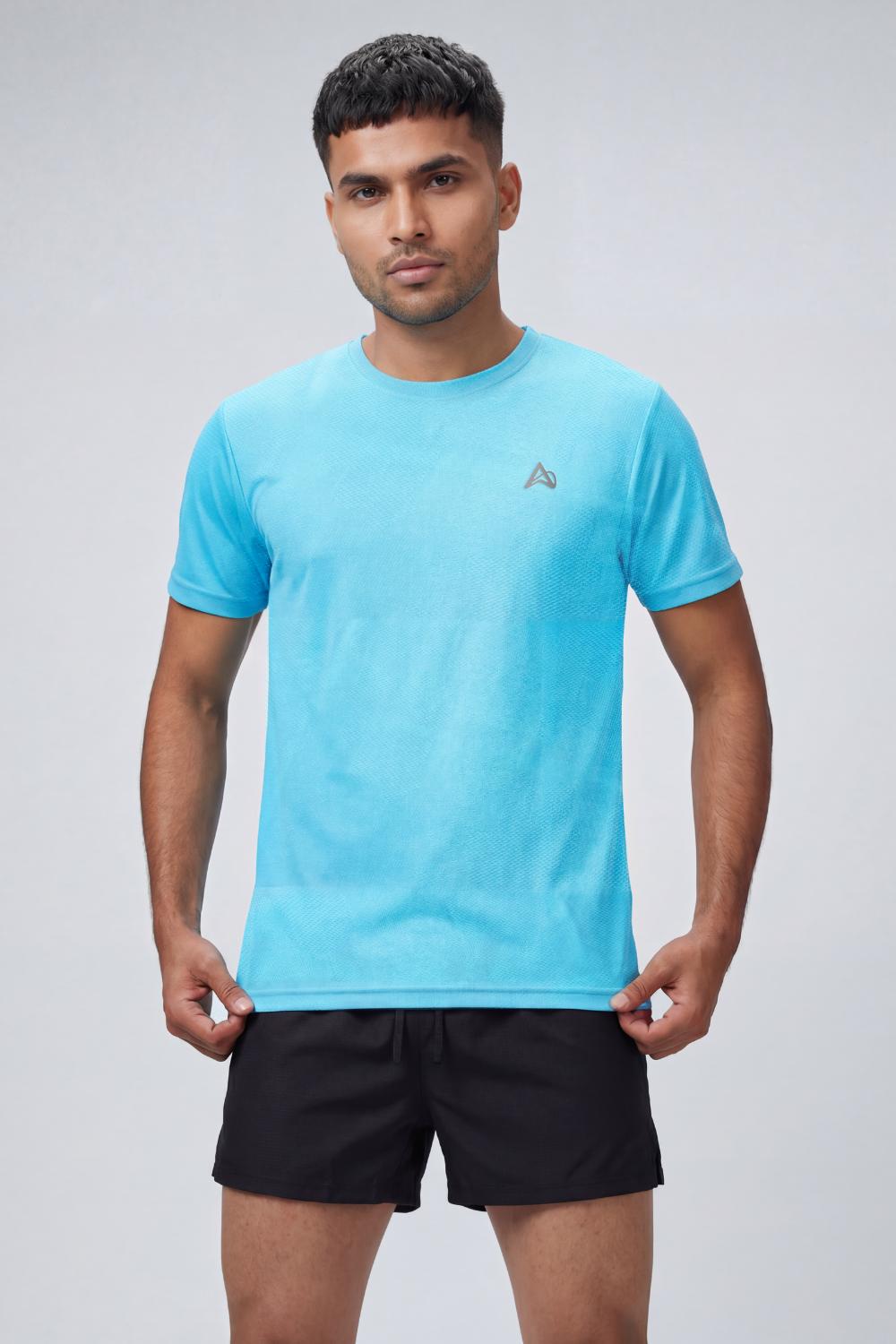
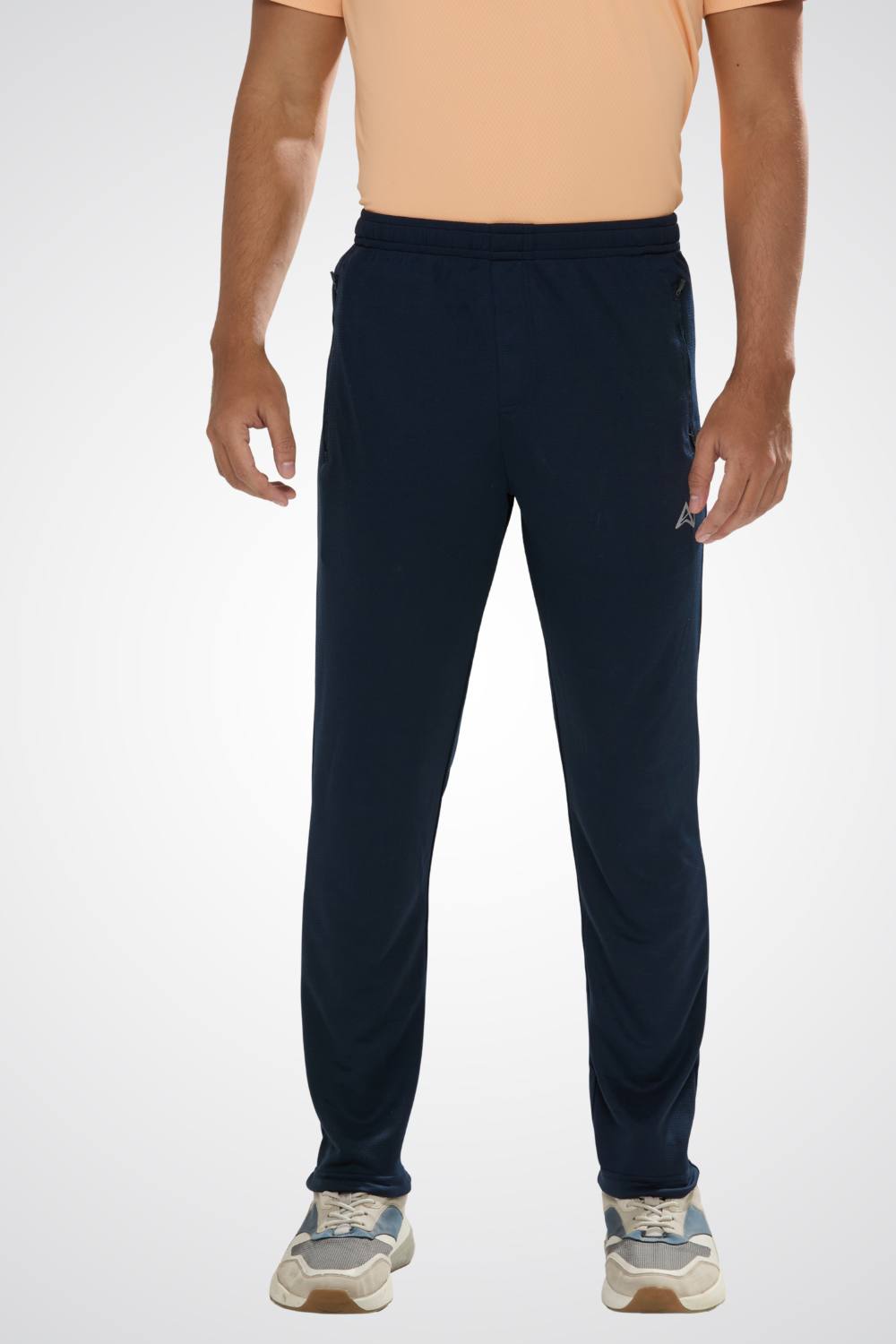
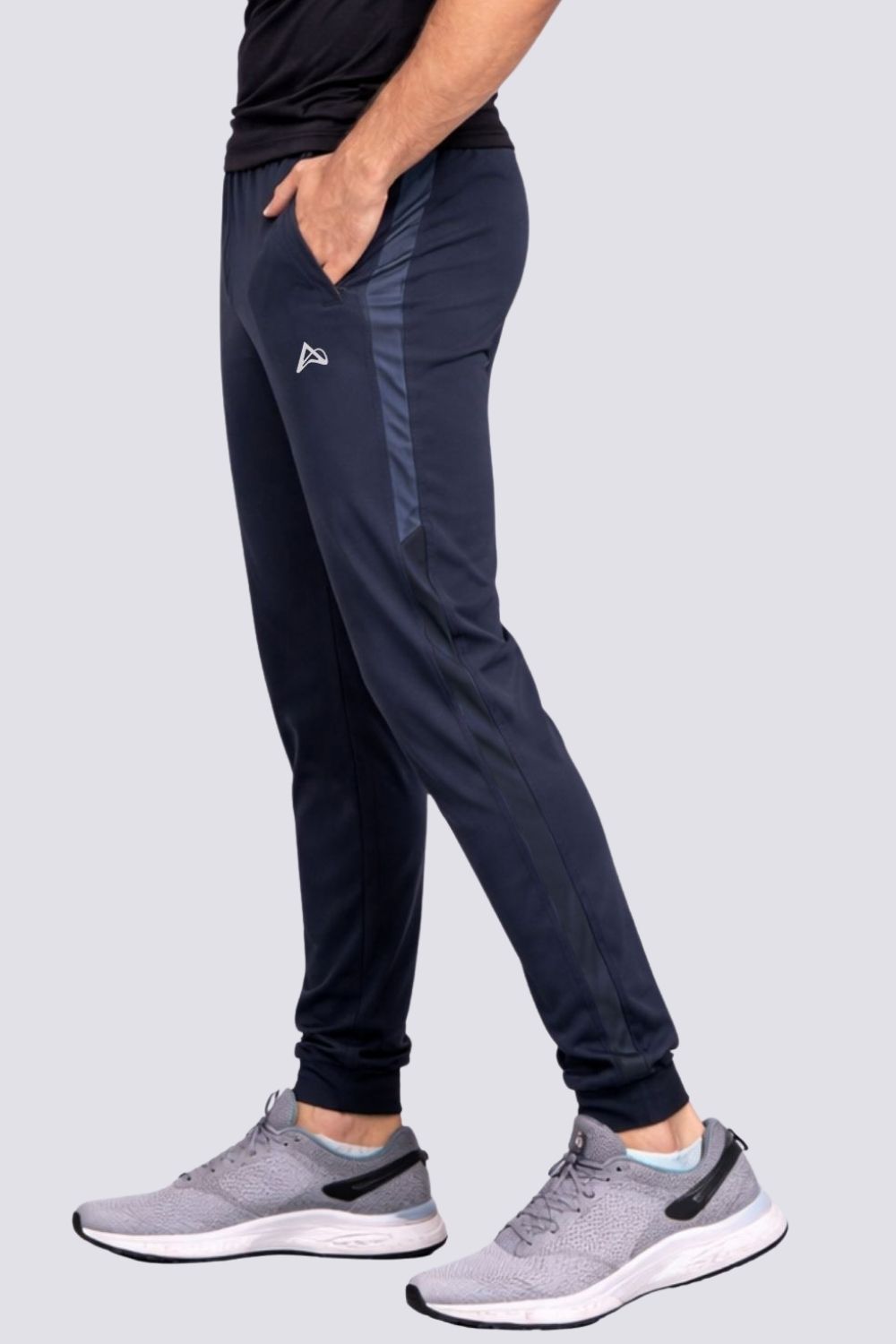
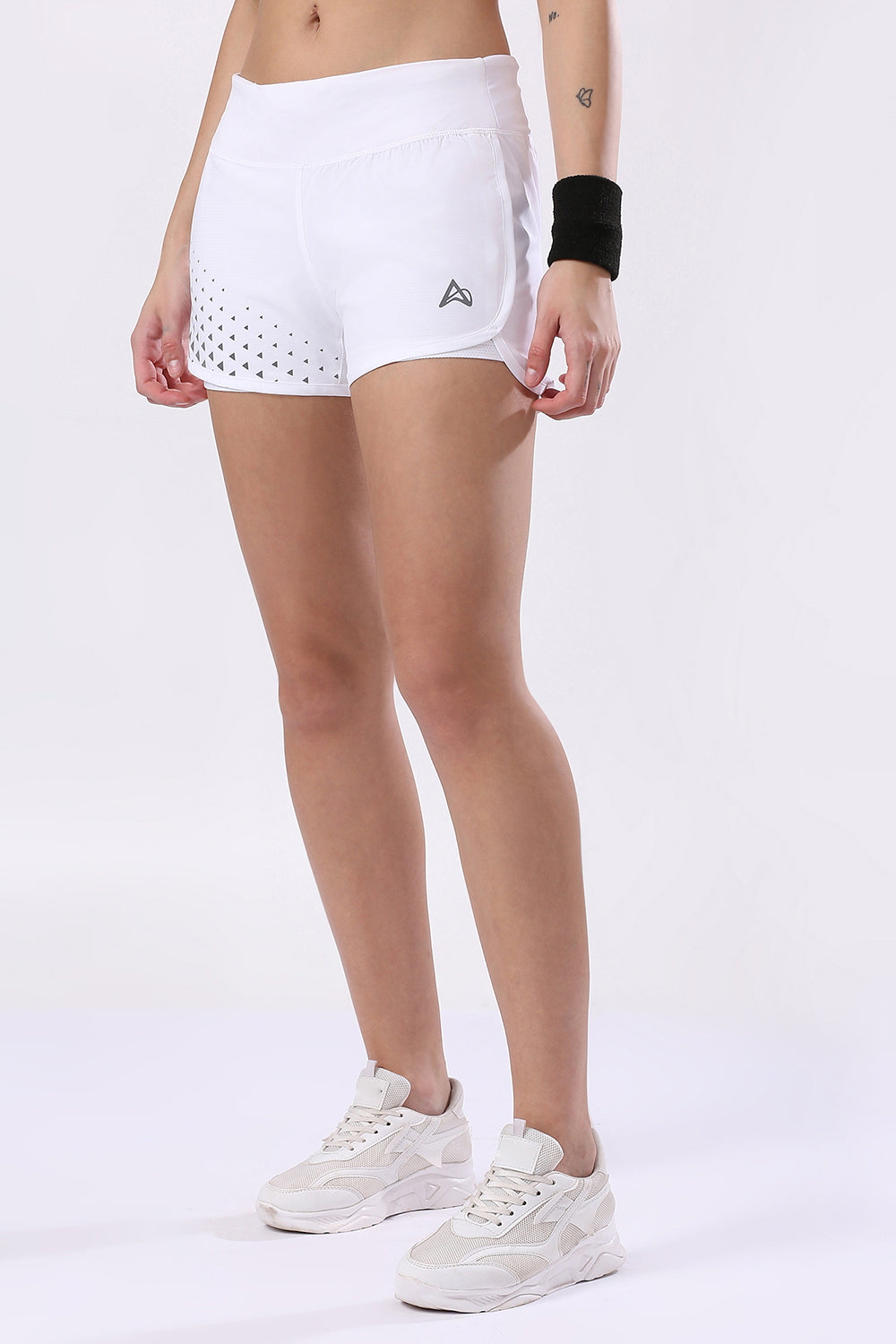
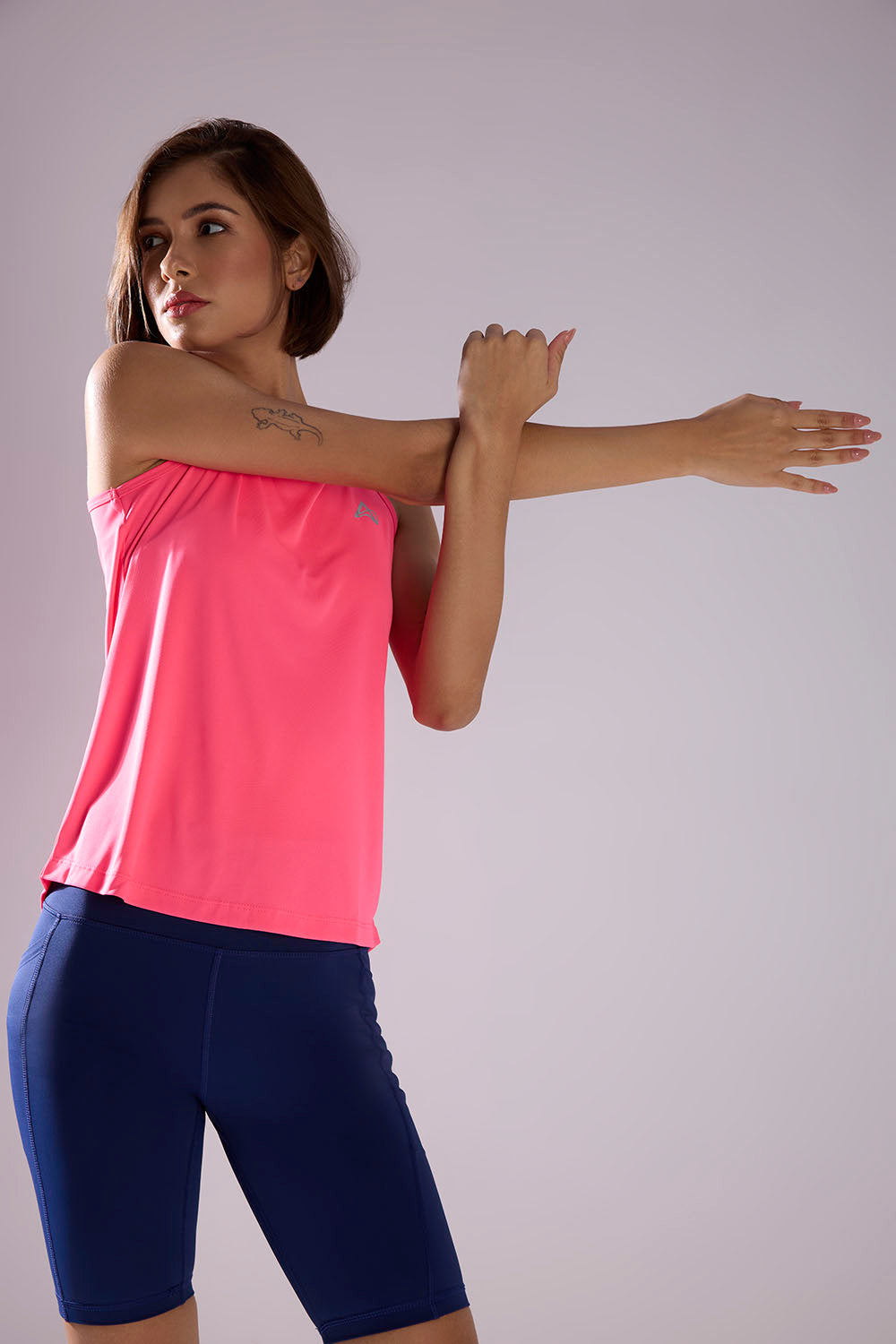
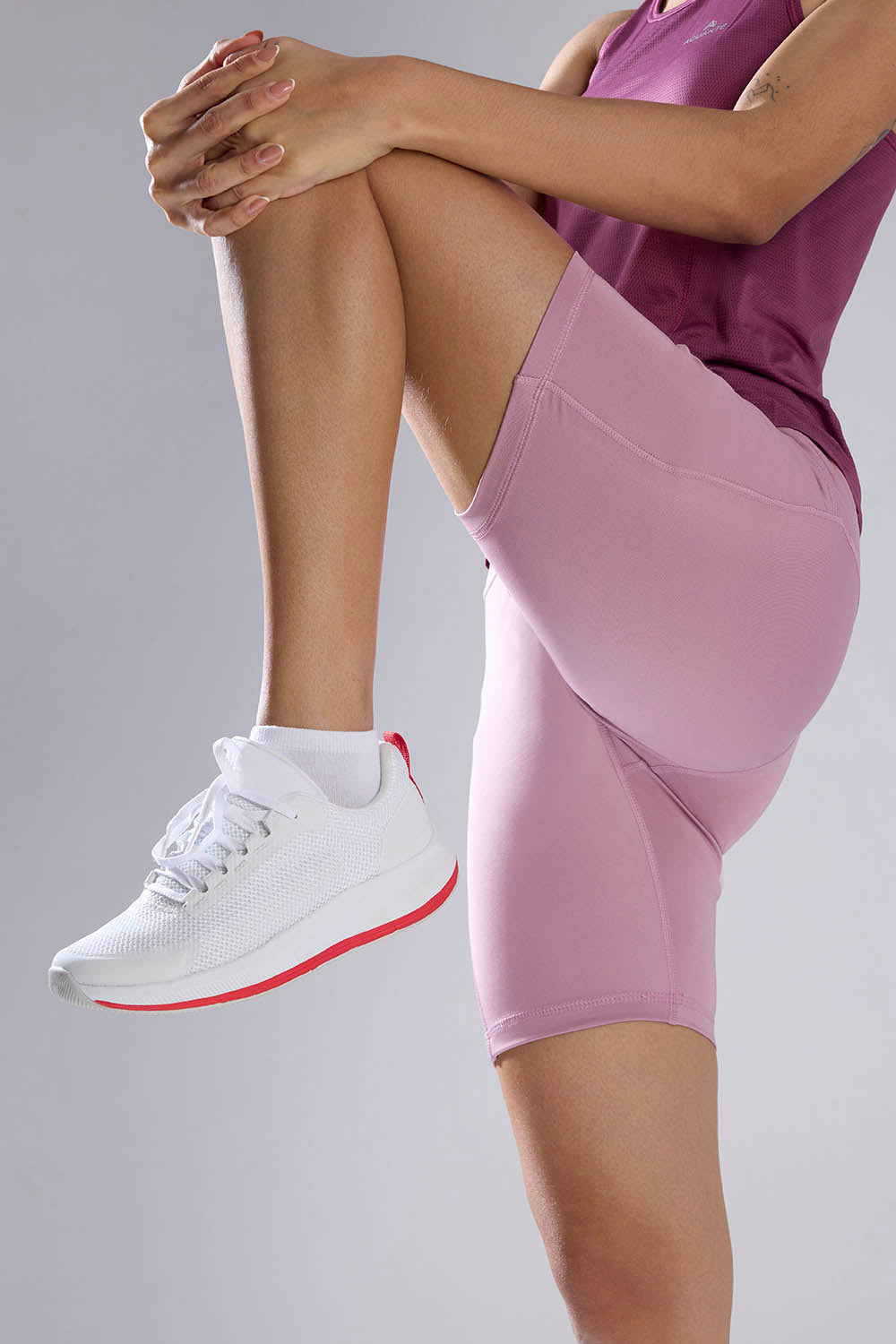
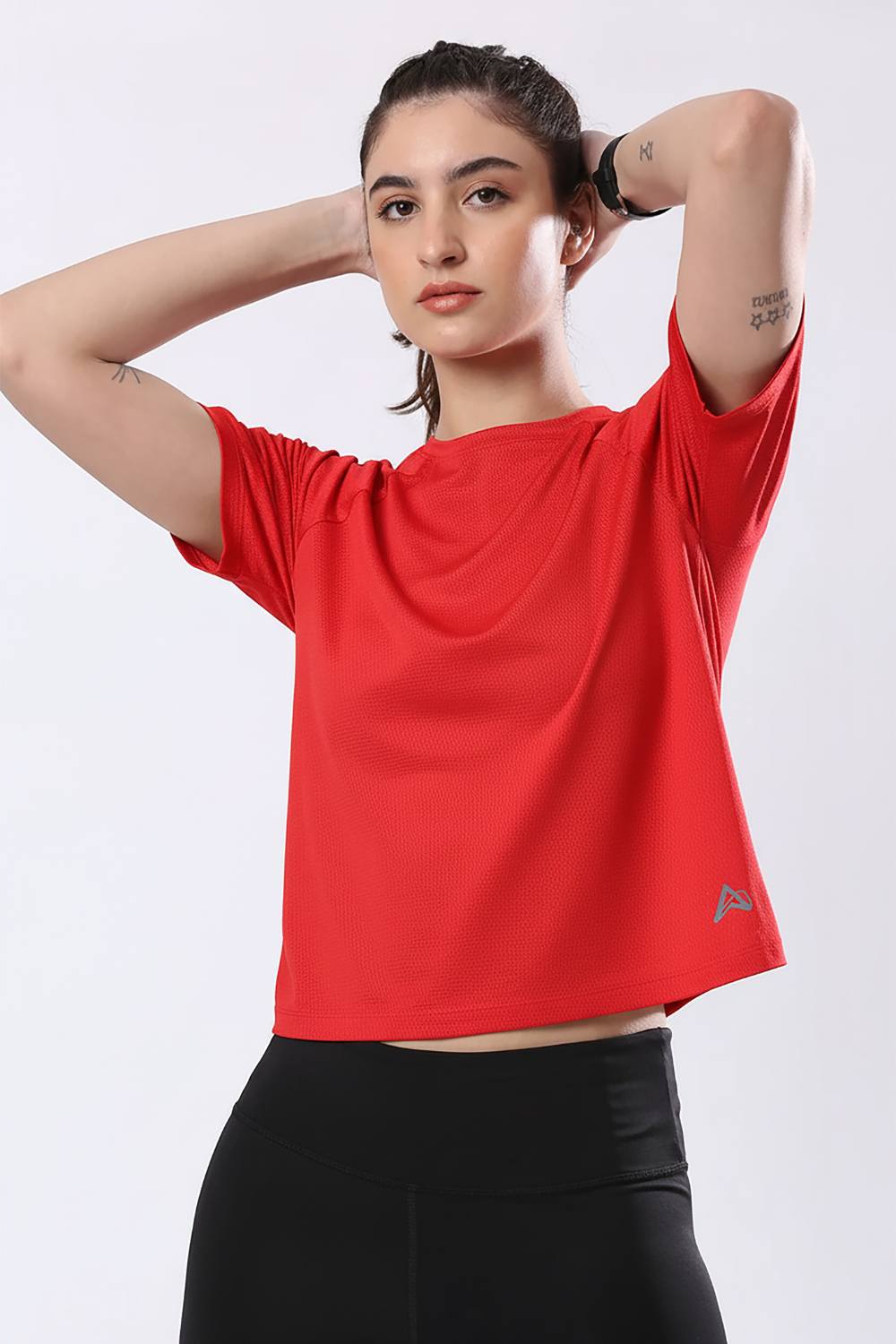
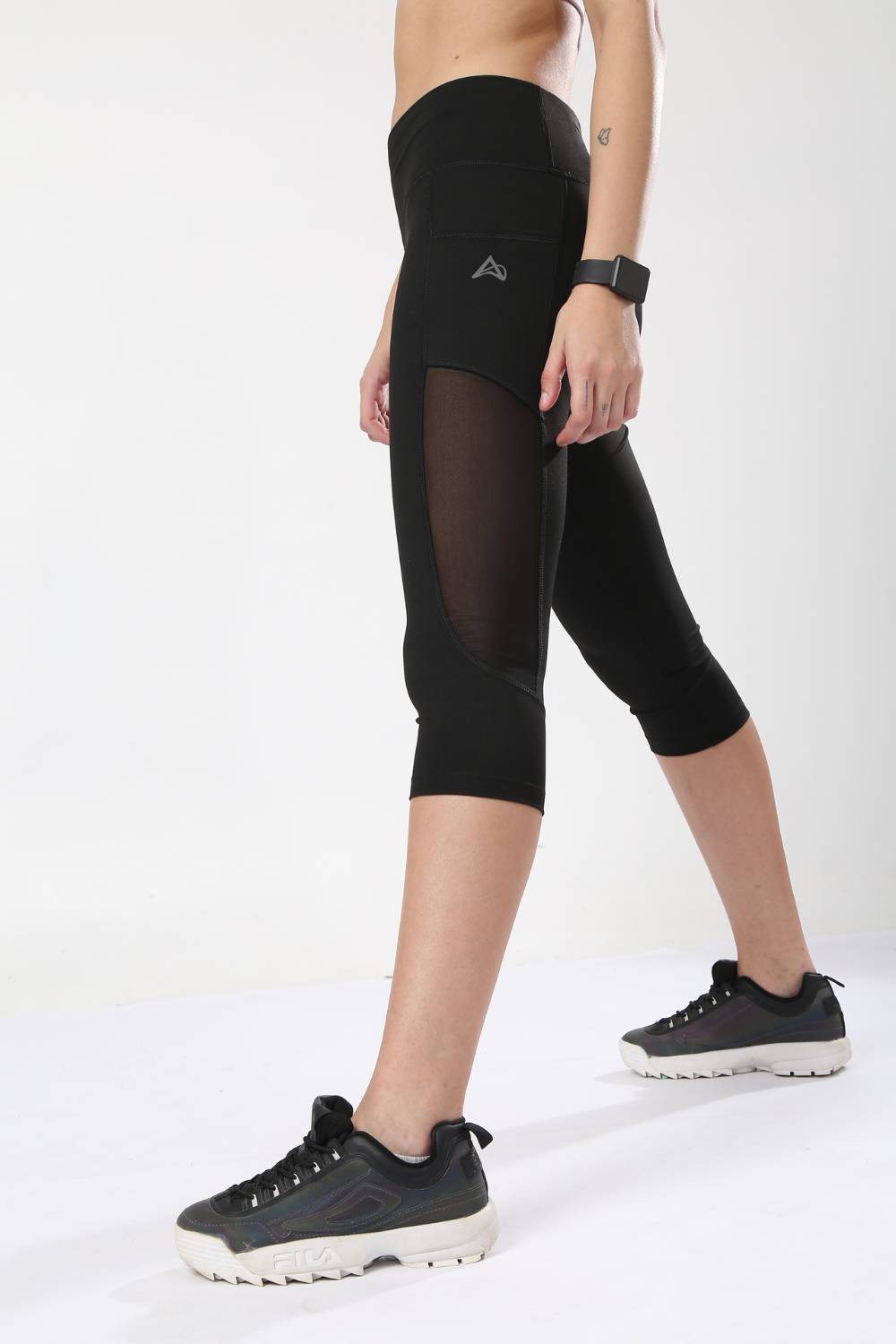
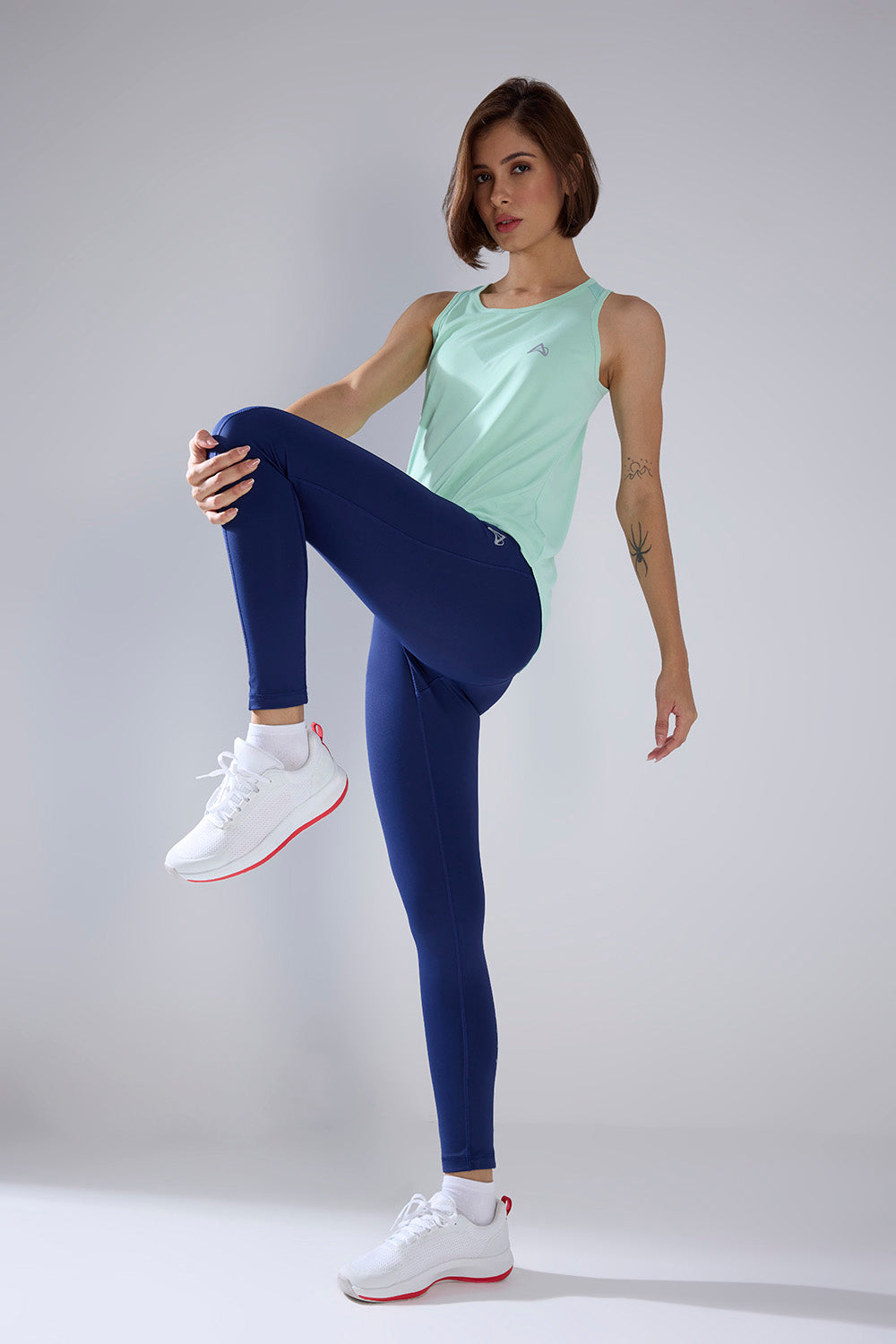

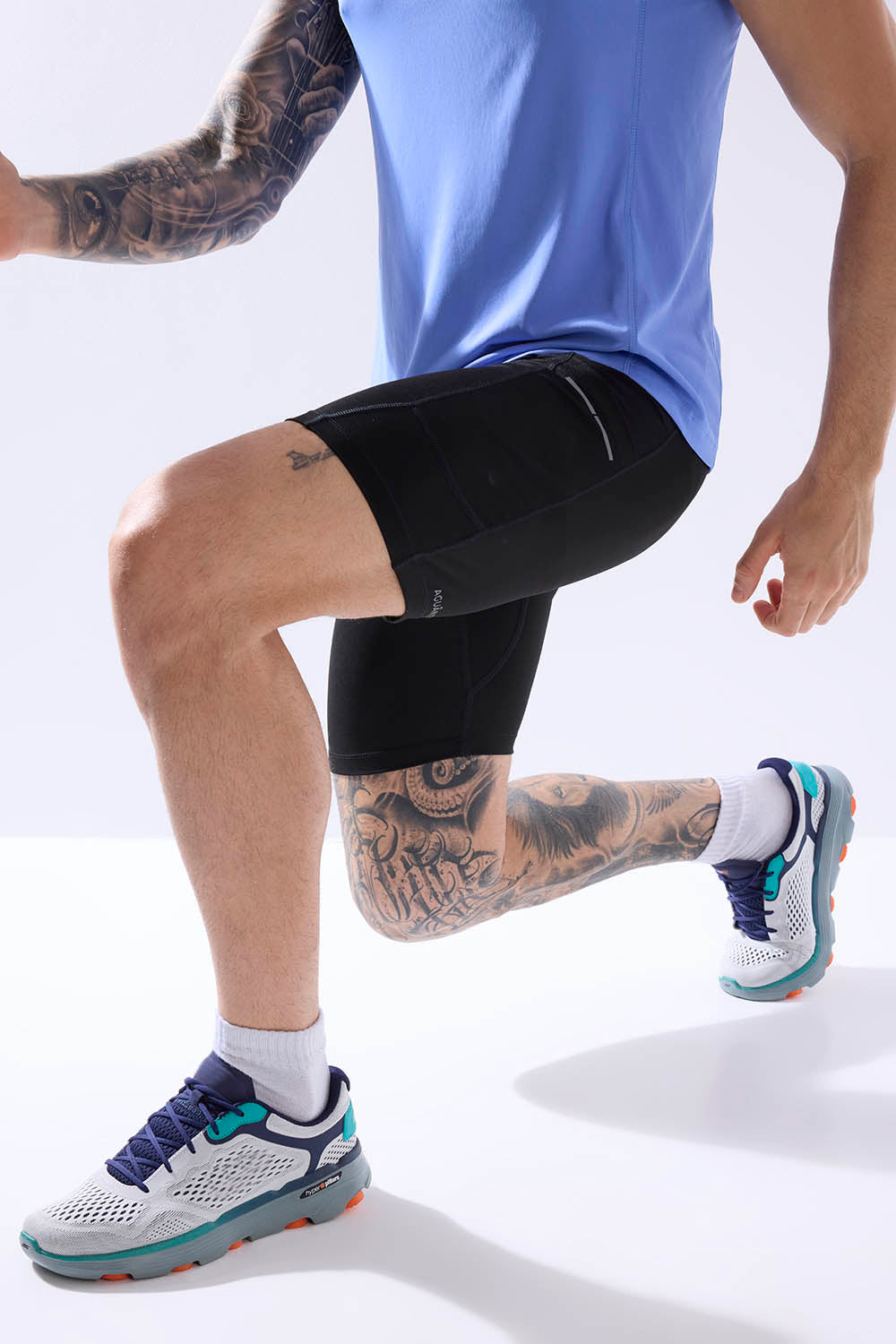
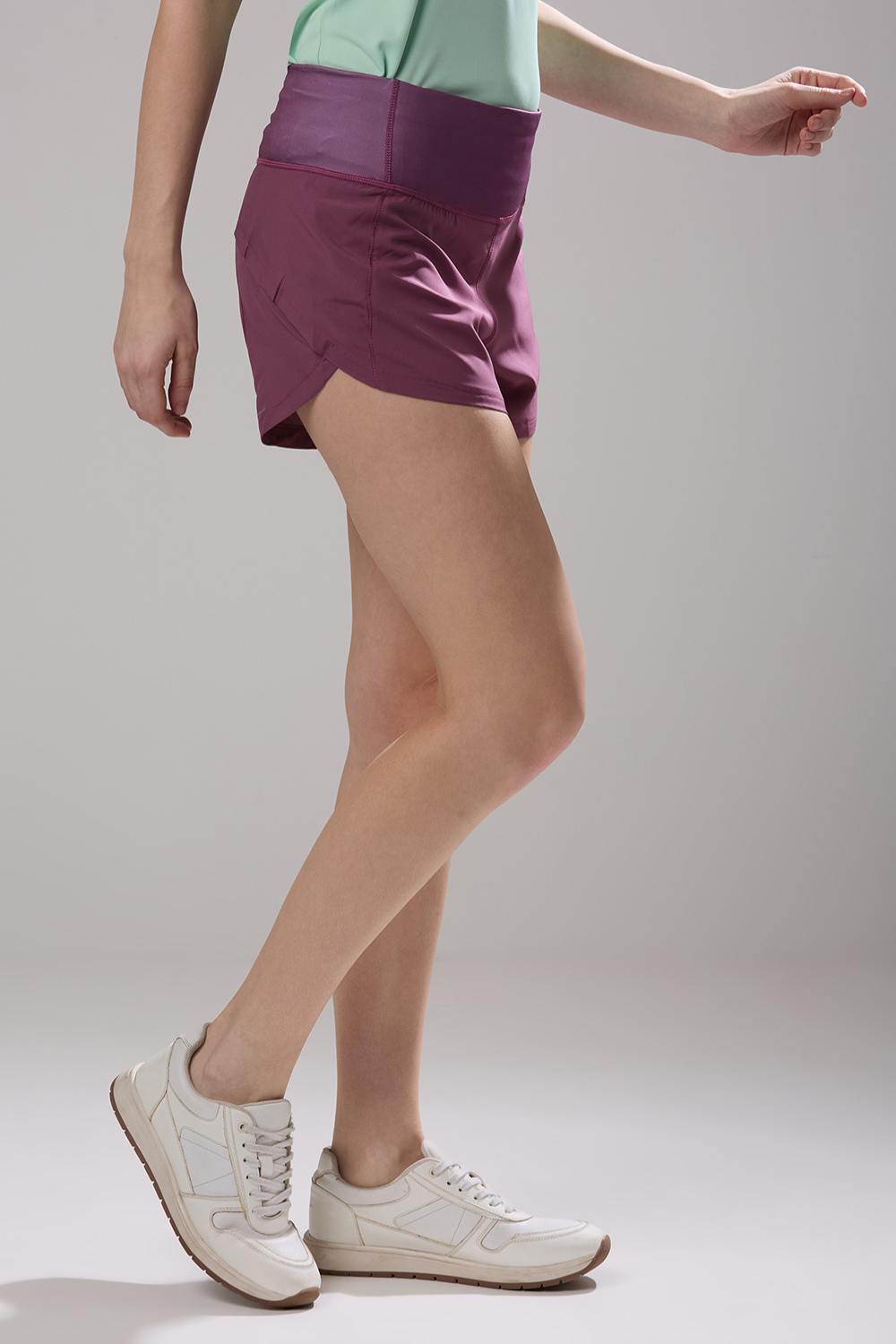


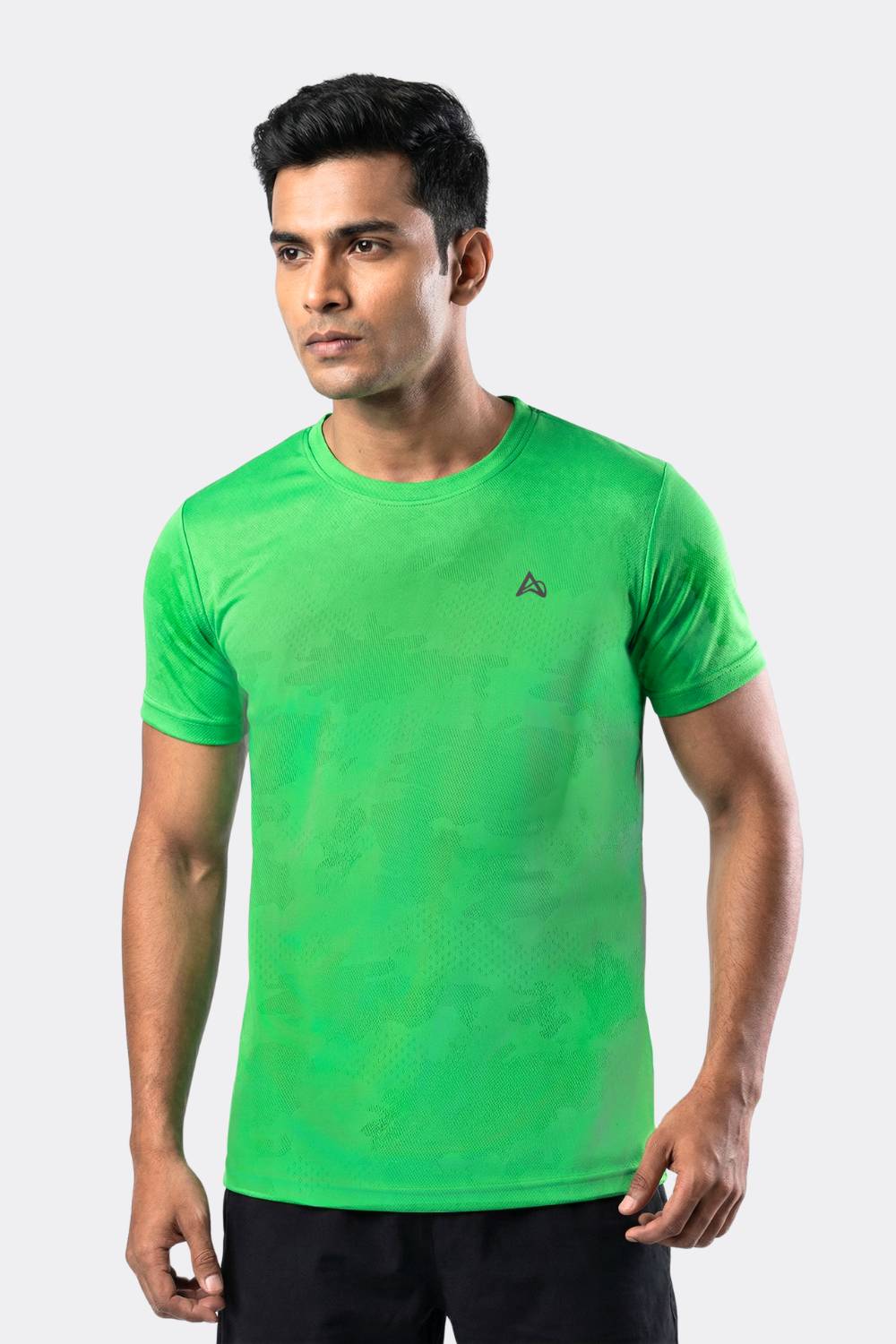
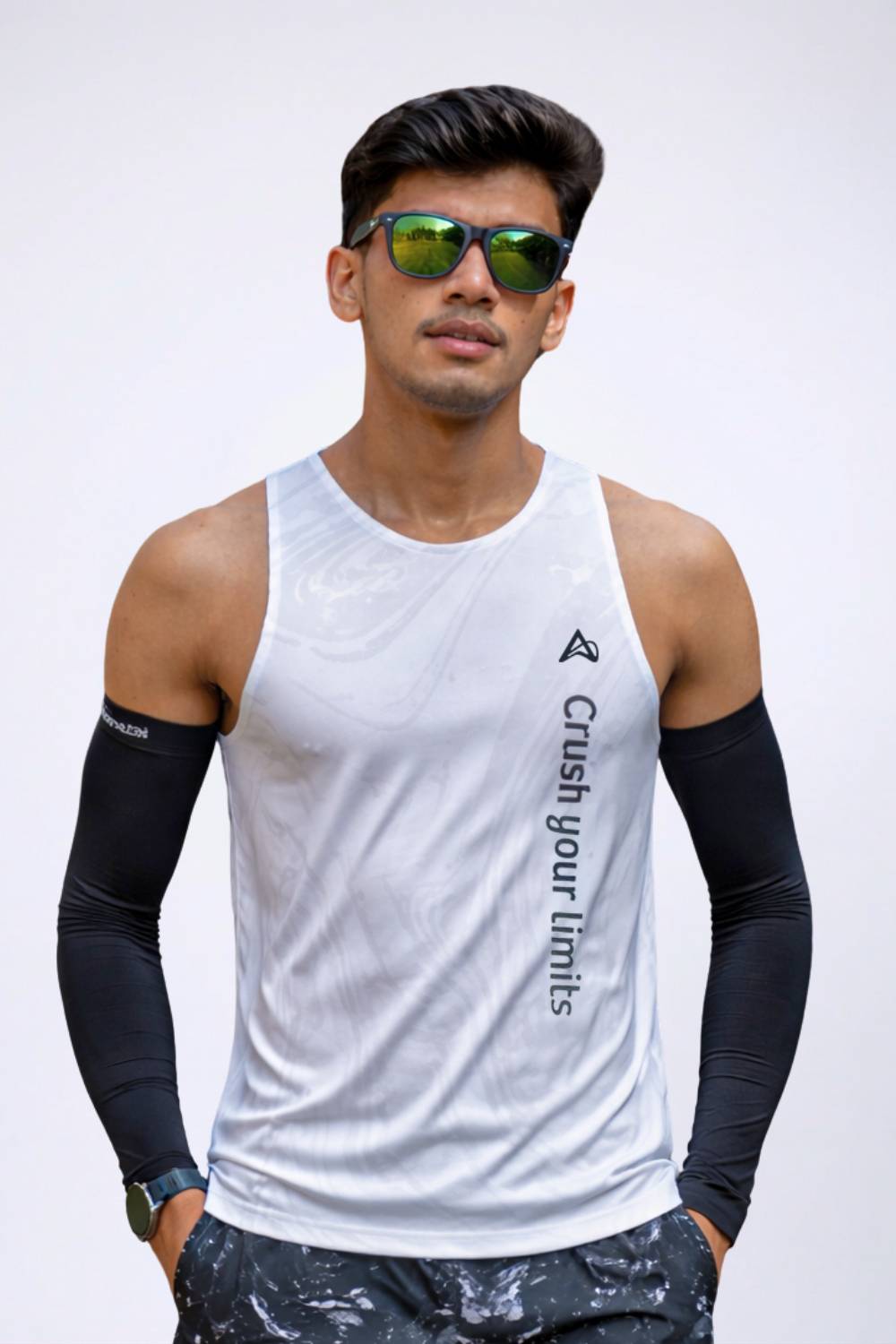

Marathon training tests more than endurance. The hours spent running, recovering, and preparing for race day also test whether your clothing choices support your goals. A shirt that feels comfortable during a short workout may create distractions during a long-distance session, while the wrong shorts or layers can affect comfort over many miles. Choosing the right running clothing for marathon training is about understanding how fabric, fit, ventilation, and functionality work together to support consistent performance.
Tired of gear that slows you down? Chafing, soggy fabrics, and missing pockets kill your run's momentum. At Aguante, we're runners who get it. Our high-performance activewear features moisture-wicking fabrics, ergonomic designs, and smart storage to keep you focused. Shop Now!
Understand What Your Running Clothing Needs to Do During Marathon Training
Marathon preparation involves repeated training sessions where small clothing issues can become noticeable over time. The purpose of running apparel is not simply to feel lightweight or look athletic. It should help manage sweat, allow unrestricted movement, and reduce discomfort during extended activity.
Long training runs create different demands compared with shorter workouts. A runner may spend several hours moving continuously, which means clothing needs to remain comfortable as body temperature changes and sweat levels increase. Fabric choice, garment construction, and fit all influence how well apparel performs during these sessions.
When evaluating running clothing for marathon training, consider the conditions you regularly face. Training in warm and humid environments requires attention to airflow and moisture control, while cooler conditions may require layering strategies. The right choice depends on your training routine, personal comfort preferences, and the demands of your running environment.
Choose Fabrics That Support Comfort and Moisture Management
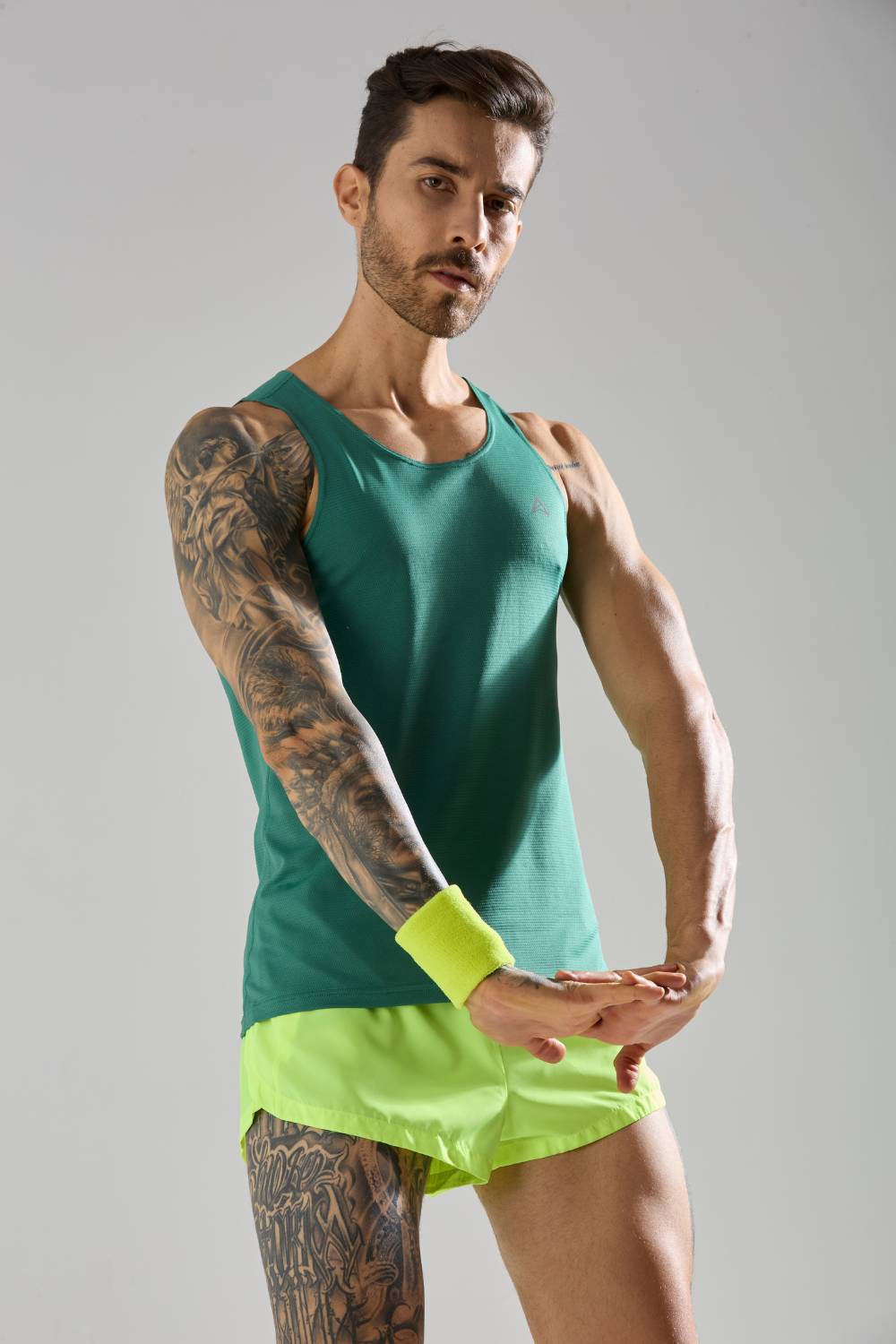
One of the most important factors when learning how to choose running clothes is understanding how fabrics interact with your body during movement. Technical materials are designed to move moisture away from the skin and encourage evaporation, helping runners stay more comfortable during demanding sessions.
However, fabric performance is not determined by material type alone. The way a garment is constructed also matters. Factors such as fabric structure, ventilation areas, and overall design can influence how effectively clothing manages heat and moisture.
For runners building a marathon wardrobe, moisture wicking clothes for runners can be a practical choice because they are designed around the challenges of sweat management during exercise. Instead of focusing only on appearance, consider how the fabric performs after an hour, two hours, or more of continuous running.
Material quality also matters because marathon training involves repeated use, washing, and exposure to sweat. Runners should look for apparel that maintains comfort and performance throughout regular training cycles. Guidance around athletic wear safety highlights why runners are increasingly paying attention to the materials and manufacturing considerations behind clothing worn close to the skin.
Focus on Fit, Mobility, and Reducing Discomfort
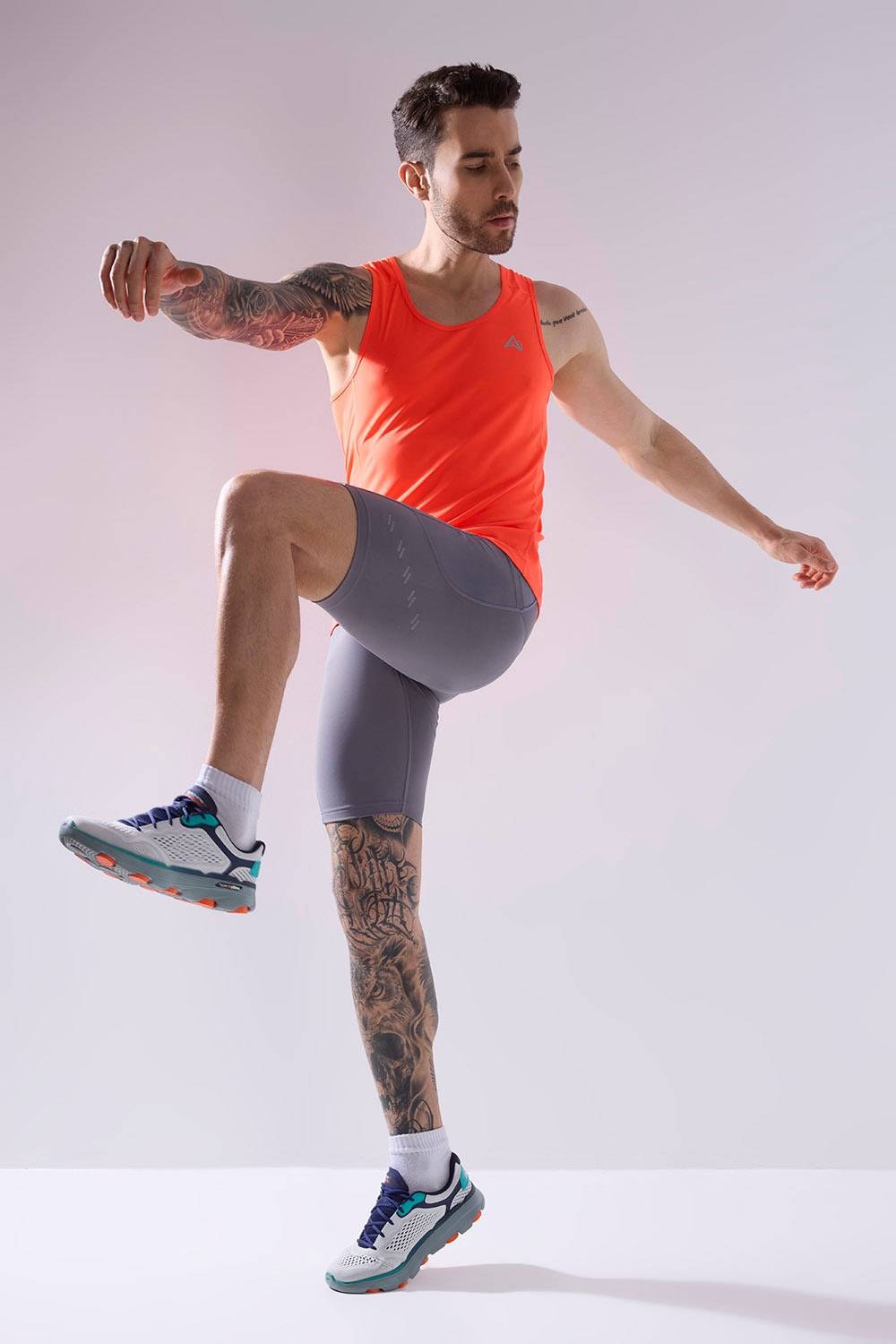
A well-designed running outfit should move with the body rather than restrict movement. Fit plays an important role in preventing distractions during long-distance training because discomfort that seems minor early in a run can become difficult to ignore later.
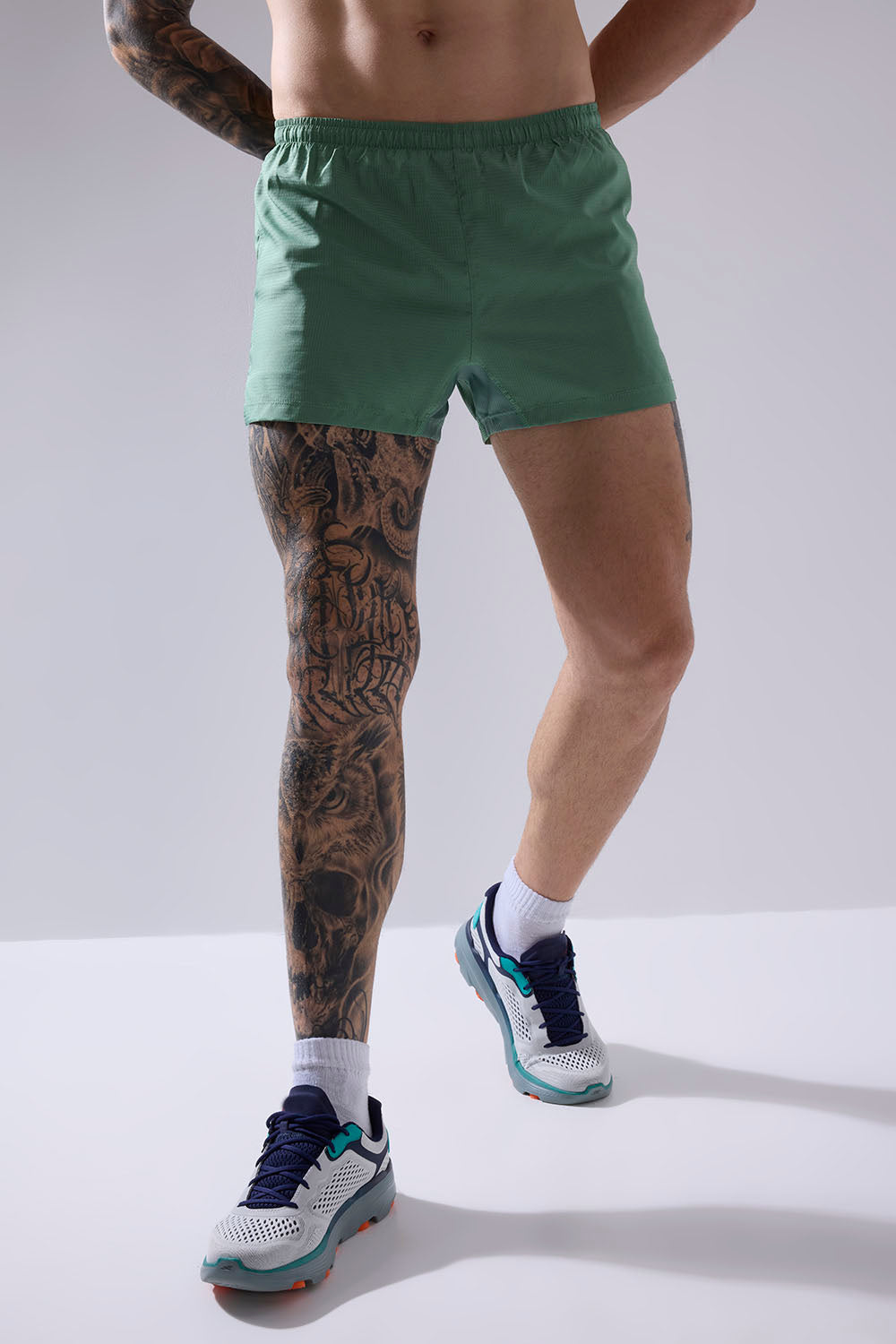
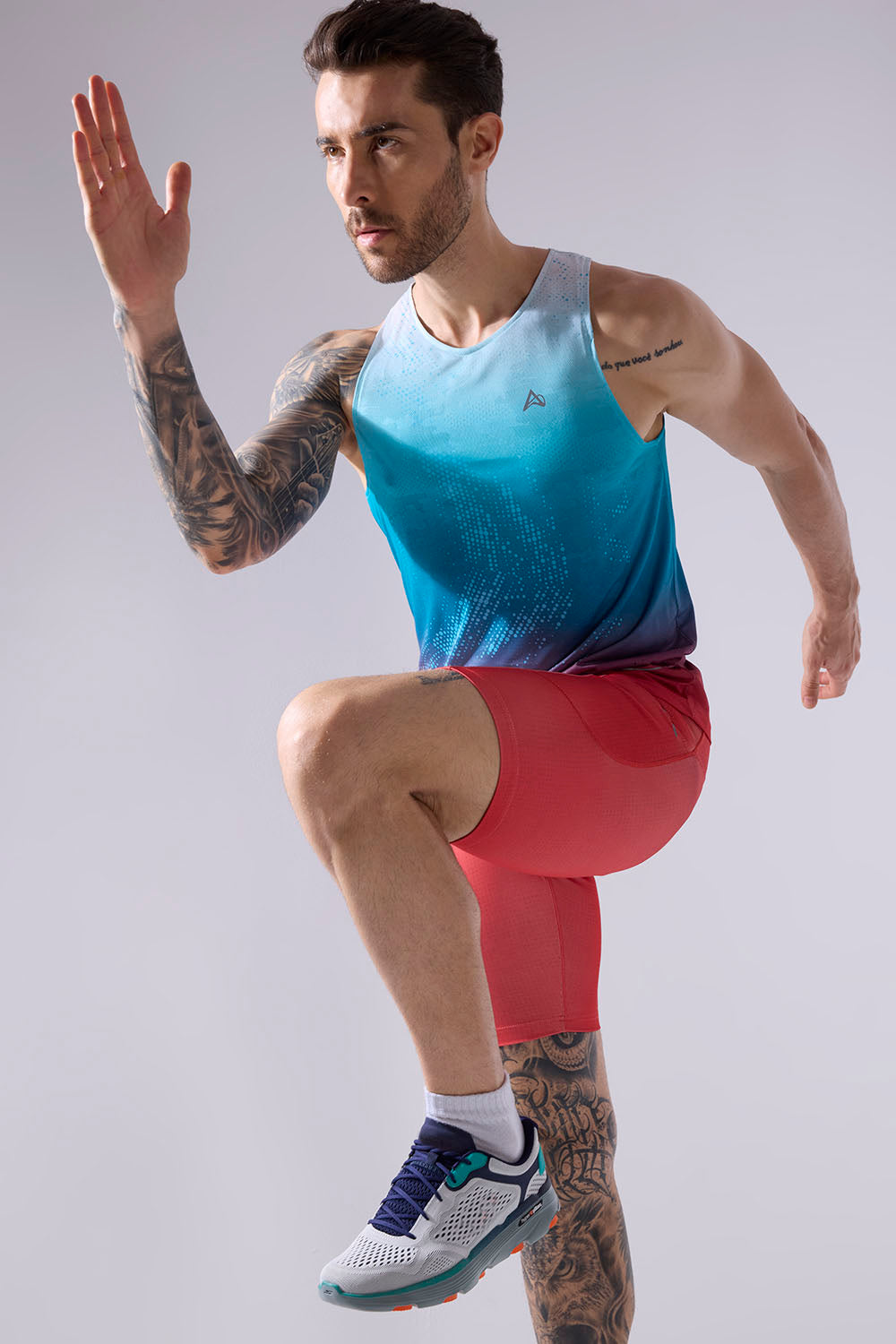
When selecting comfortable marathon running outfits, pay attention to how clothing sits during different movements. Running involves repetitive motion, so areas around the shoulders, waist, thighs, and underarms should allow natural movement without unnecessary pressure or friction.
Runners should also avoid choosing apparel based only on how it feels when standing still. A garment should be tested through actual running movements, including longer sessions that reflect real training conditions. A good fit should provide freedom of movement while remaining secure enough to avoid constant adjustment.
For beginners especially, testing different options during regular training is valuable. Introducing unfamiliar clothing on race day can create unnecessary uncertainty. Training runs provide an opportunity to understand what works best before the marathon arrives.
Consider Practical Features That Improve the Training Experience
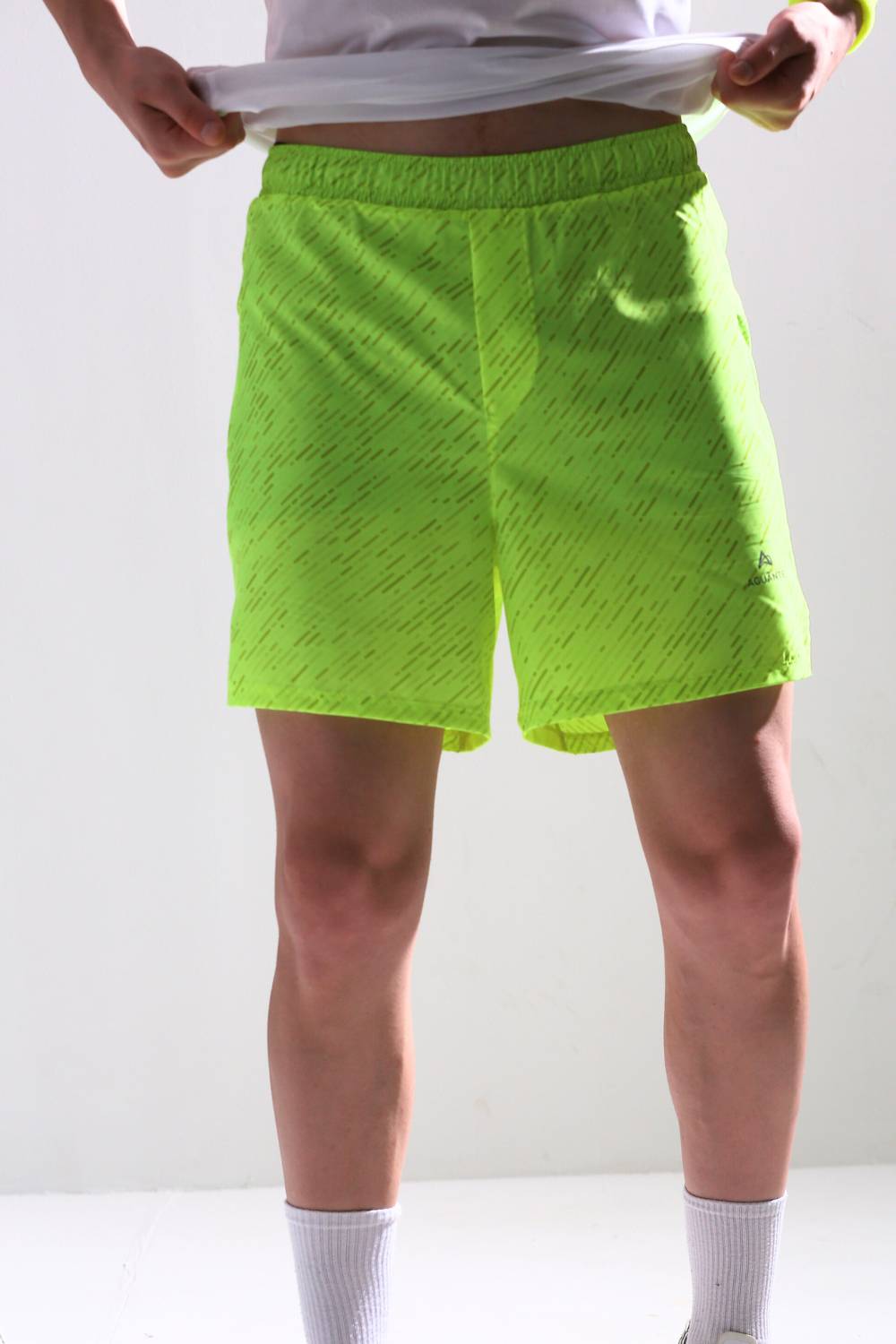
Modern marathon training gear essentials extend beyond basic shirts and shorts. Practical features can make long runs easier by helping runners carry small items, stay visible, and maintain comfort throughout changing conditions.
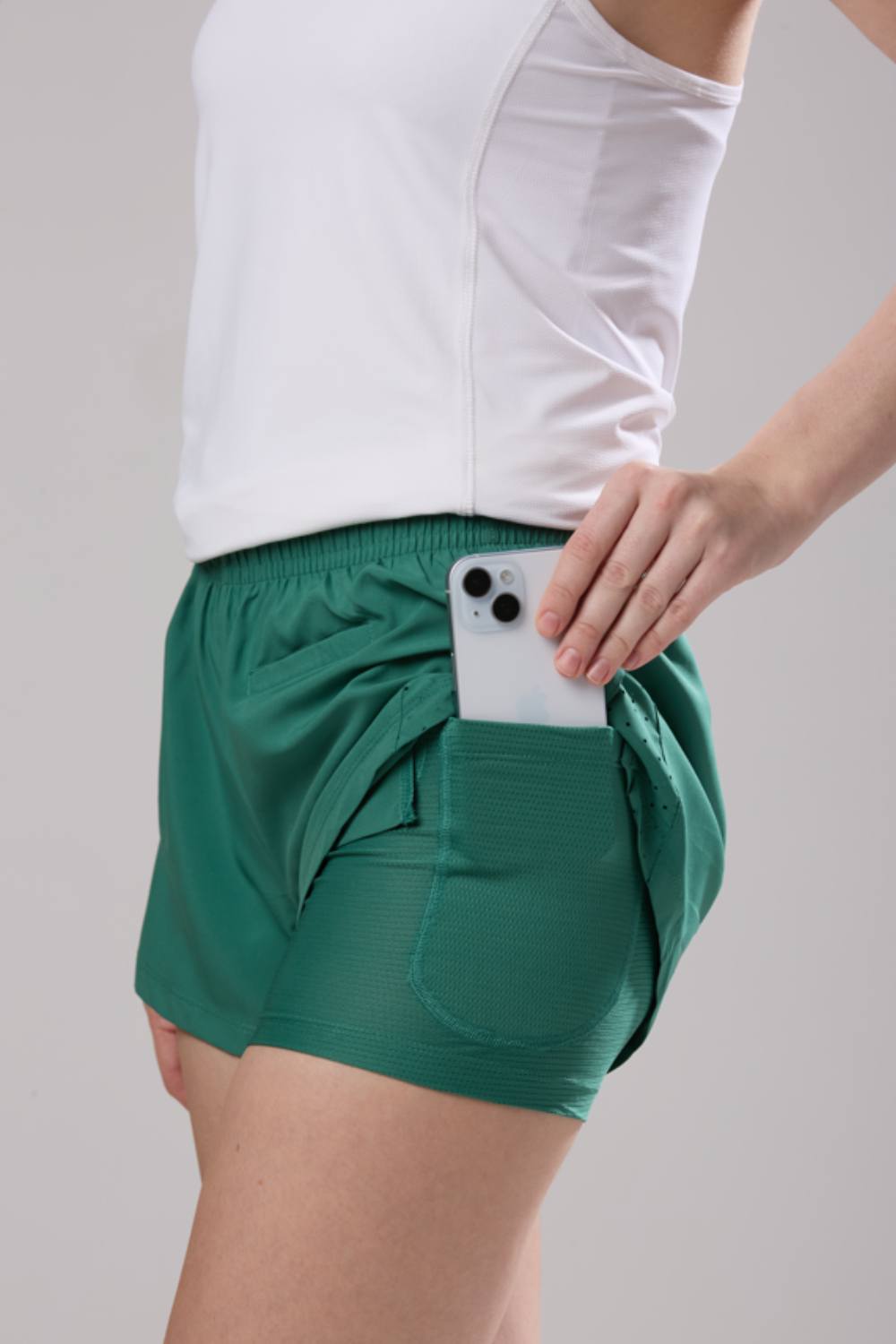
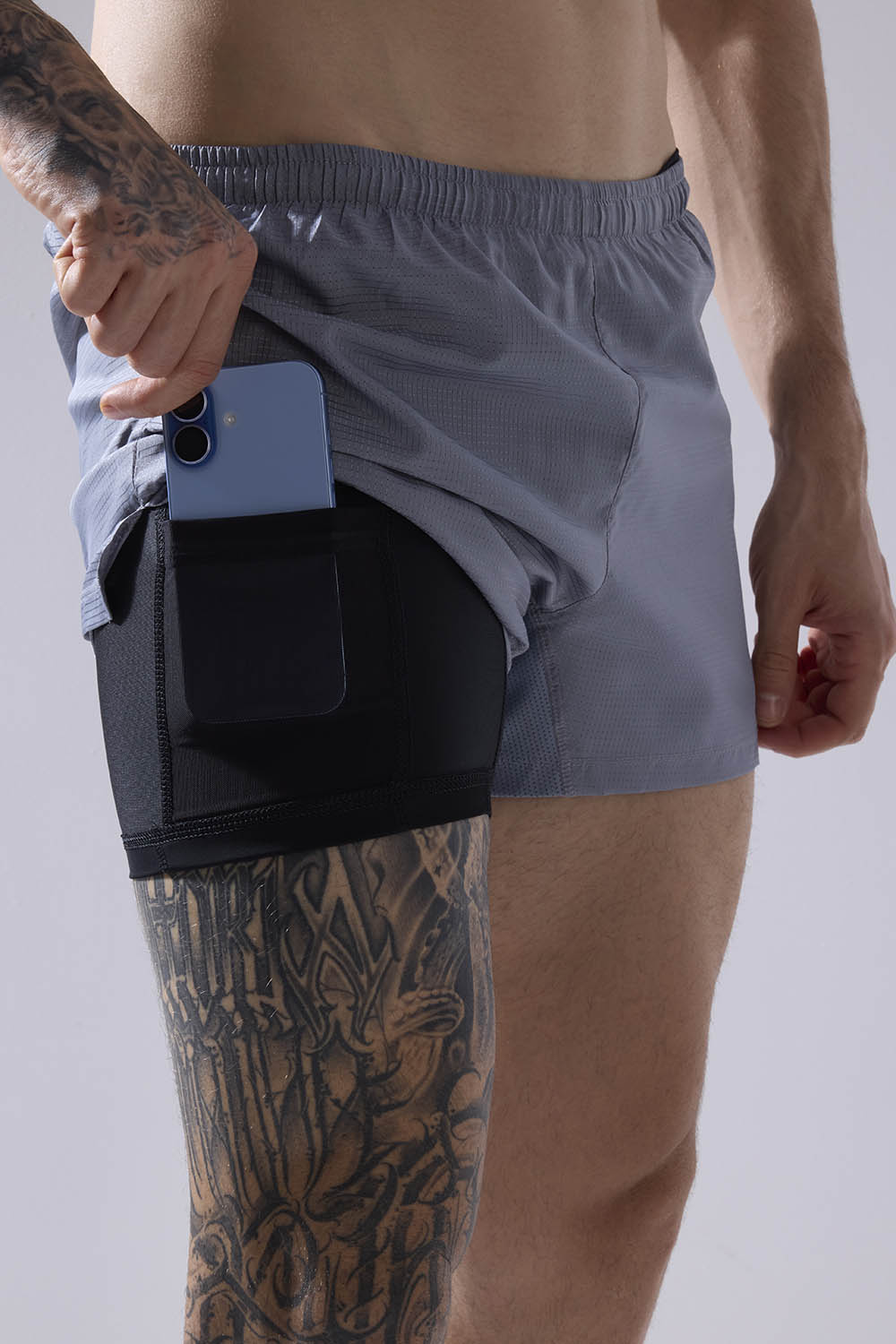
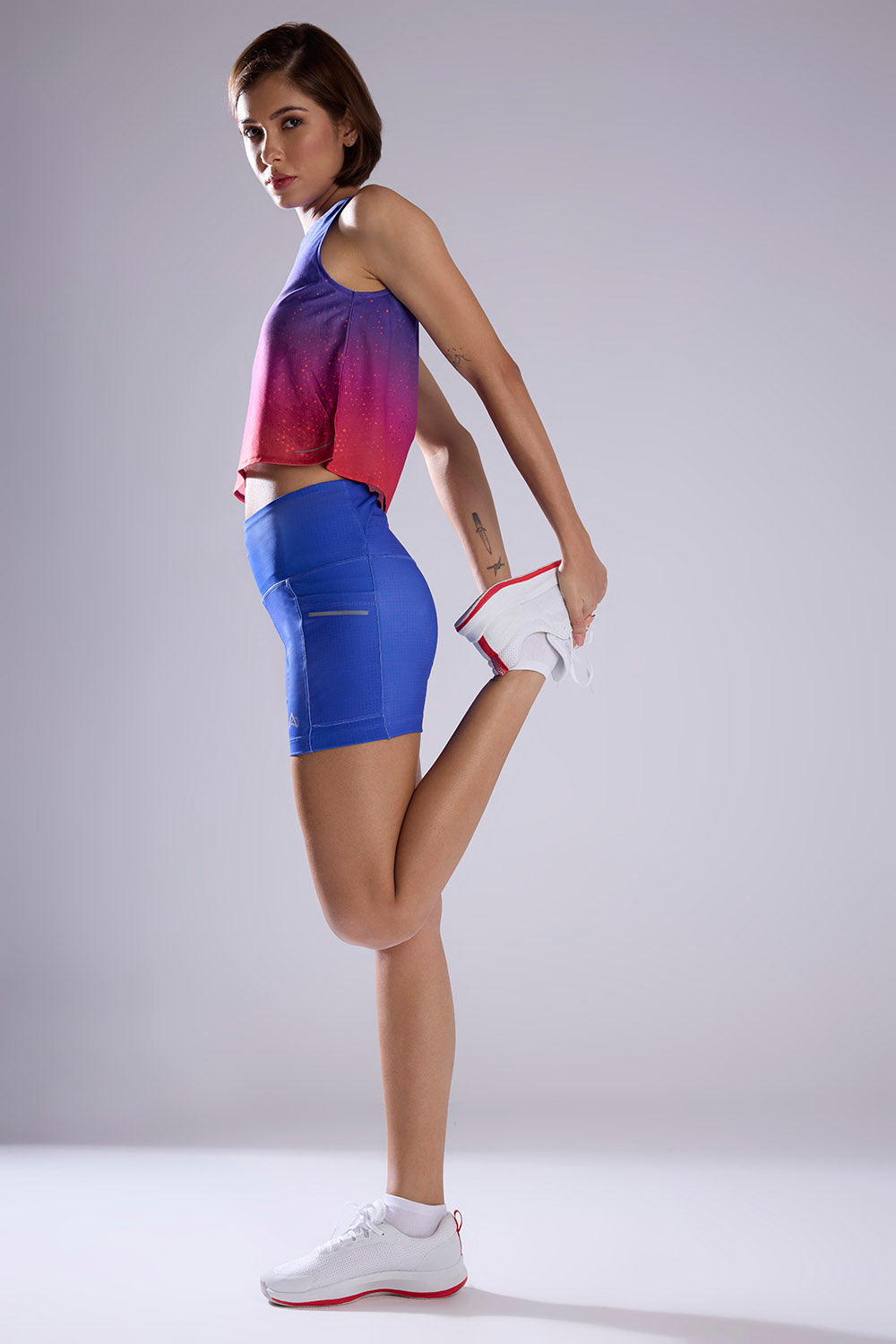
Pockets are one example of a feature that can influence clothing decisions. Runners may need space for essentials such as keys, cards, nutrition products, or personal items during longer sessions. Well-positioned storage can help reduce the need for additional accessories.
Reflective elements are another consideration, especially for runners who train early in the morning or later in the evening. Visibility features can add confidence when running in lower-light conditions.
Other design details, such as ventilation zones and ergonomic construction, can improve the overall experience by supporting movement and temperature regulation. The goal is not to add features for the sake of complexity, but to select clothing that solves real training challenges.
Select Clothing Based on Your Training Environment
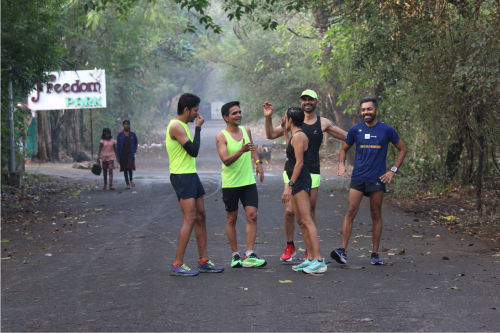
What to wear for long distance running depends heavily on where and when you train. Climate, humidity, seasonal changes, and personal sweat patterns all influence which garments feel most comfortable.
Runners training in warmer conditions often benefit from lightweight clothing that supports airflow and helps manage moisture. In cooler conditions, layering can provide flexibility because body temperature changes throughout a run.
Running apparel for Indian weather requires particular attention to comfort during heat and humidity. A garment that performs well in mild conditions may feel different when temperatures rise or when training sessions become longer. Choosing breathable fabrics and suitable designs can help runners stay focused on their training rather than adjusting their clothing.
The best approach is to build a training wardrobe gradually. Instead of selecting every item at once, runners can identify which pieces they rely on most and invest in clothing that matches their routine.
Build a Marathon Training Wardrobe Through Testing and Experience
The best running clothes for marathon training are not necessarily the ones with the most features. They are the ones that consistently support the runner's needs across weeks of preparation. Personal testing is essential because comfort, fit, and performance preferences vary from one runner to another.
A practical marathon wardrobe usually develops through experience. A runner may discover that one type of top works best for long runs, while another is better suited for shorter workouts or recovery sessions. This process helps create a reliable collection of apparel that supports different stages of training.
Heat management, comfort, and material performance become increasingly important as training demands increase. Research into heat and fabric performance shows that clothing selection involves balancing breathability, moisture management, airflow, protection, and comfort rather than simply choosing lightweight materials.
For runners preparing for endurance events, clothing decisions should be treated as part of the overall training strategy. The right apparel can remove distractions, support consistency, and help runners approach race day with greater confidence.
How Performance Apparel Supports Better Training Decisions
Choosing running clothing for marathon training is ultimately about matching apparel features with real training needs. Runners who understand how fabrics, fit, and design affect performance can make more informed decisions instead of relying only on appearance or trends.
Performance-focused apparel brands that design with runners in mind often consider the practical challenges athletes experience during training, from moisture management to movement and everyday usability. This approach aligns with the needs of runners who want clothing that supports their preparation without adding unnecessary complexity.
For those beginning marathon preparation, the most useful starting point is simple: choose clothing that feels comfortable, test it during training, and pay attention to how it performs over time. A thoughtful approach to apparel selection can make every training session more enjoyable and help runners stay focused on their long-term goals.
Frequently Asked Questions
What should I look for when choosing running clothing for marathon training?
When choosing running clothing for marathon training, focus on fabric, fit, breathability, moisture management, and comfort during long-distance sessions. The right apparel should support movement, help manage sweat, and reduce distractions throughout your training runs.
Why are moisture wicking clothes important for long distance running?
Moisture wicking clothes for runners help move sweat away from the skin and improve comfort during extended workouts. They can make long training sessions more manageable by supporting airflow, evaporation, and temperature control.
How do I choose the best running clothes for marathon training in warm weather?
The best running clothes for marathon training in warm weather should provide lightweight comfort, ventilation, and effective moisture management. Runners should choose breathable fabrics and test their clothing during training runs to ensure it performs well before race day.
Disclaimer: The above helpful resources content contains personal opinions and experiences. The information provided is for general knowledge and does not constitute professional advice.
You may also be interested in: The Benefits of Layering Strategies for Variable Weather During Indian Runs
Tired of gear that slows you down? Chafing, soggy fabrics, and missing pockets kill your run's momentum. At Aguante, we're runners who get it. Our high-performance activewear features moisture-wicking fabrics, ergonomic designs, and smart storage to keep you focused. Shop Now!
Powered by flareAI.co