



Quick Listen:
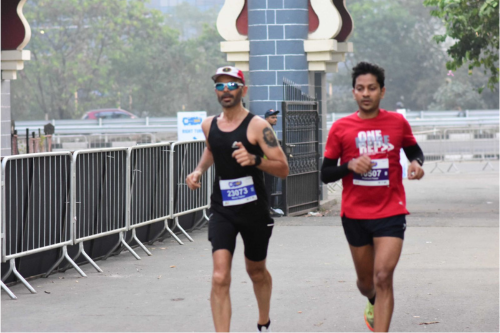
Marathon training exposes every weakness in running apparel. A shirt that feels comfortable during a short workout can become distracting after hours of repeated movement. Shorts that seem flexible at the beginning of a run may create friction later. For runners preparing for long-distance events, choosing apparel is not only about appearance; it is about finding clothing that supports performance, comfort, and consistency through demanding training sessions.
Understanding what to consider when choosing apparel for marathon training helps runners make better decisions before race day. The right gear should manage sweat, support unrestricted movement, reduce irritation, and match the conditions in which training takes place. Instead of selecting clothing based only on new features or trends, runners benefit from evaluating how each piece performs during realistic long runs.
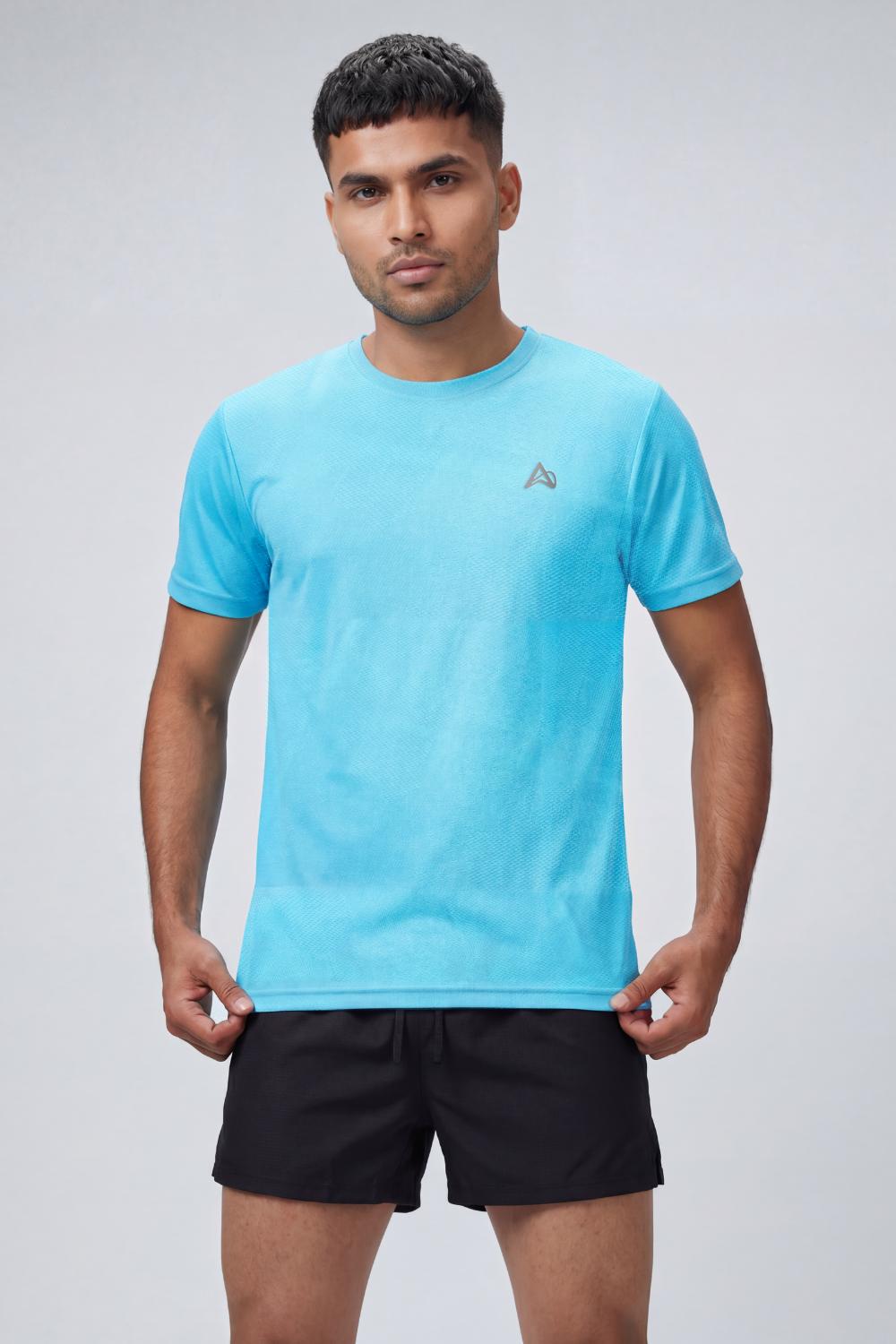
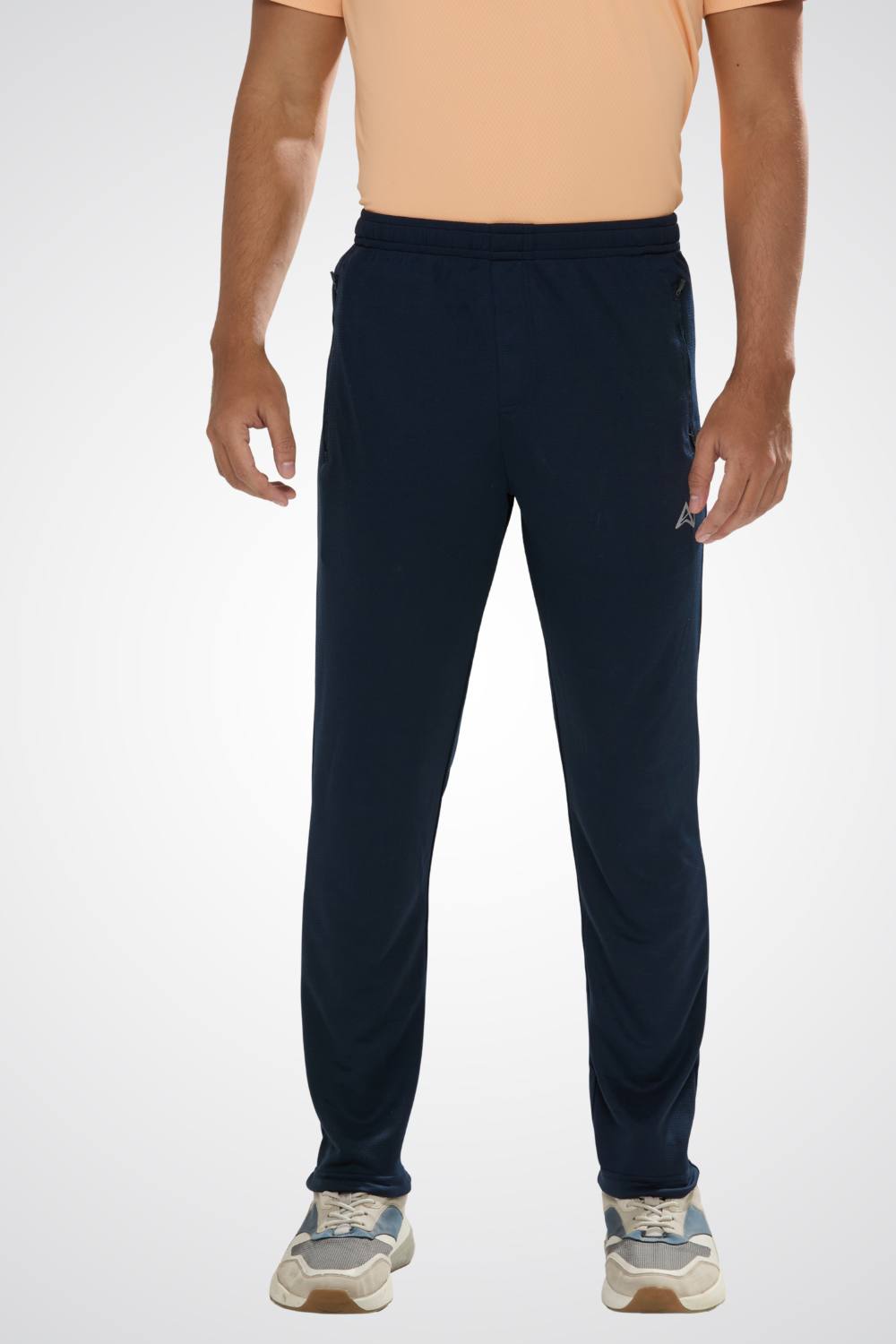
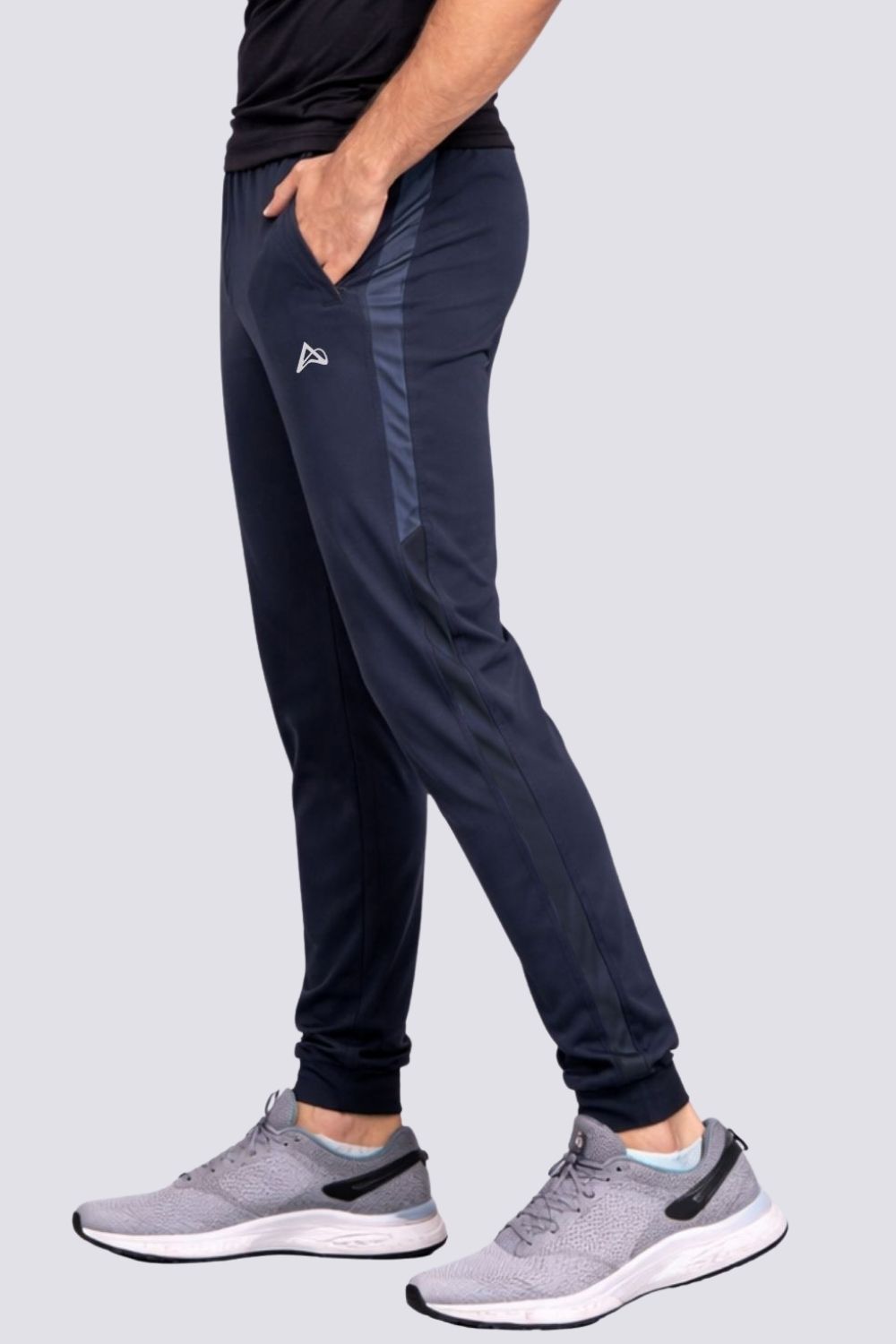
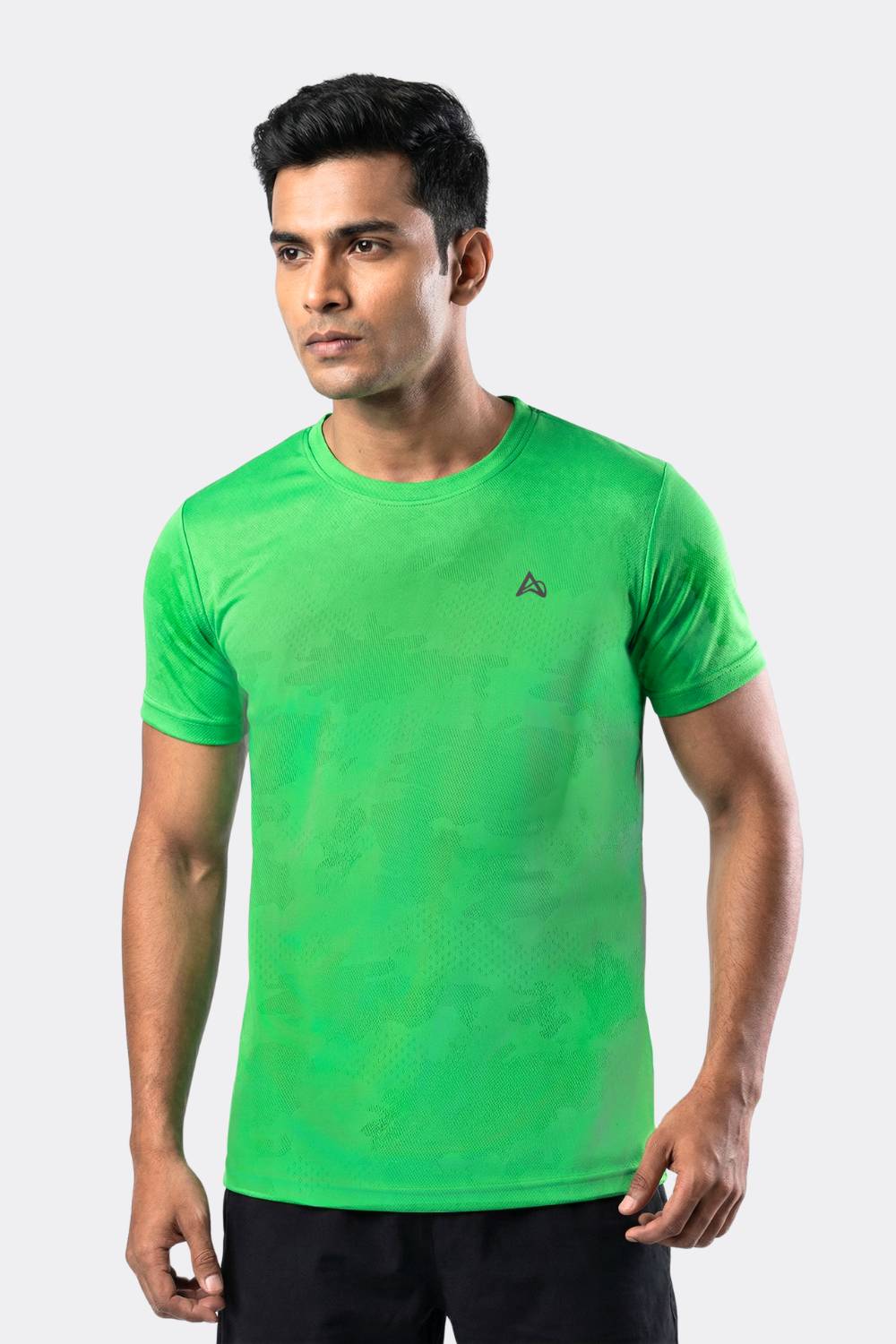
Tired of gear that slows you down? Chafing, soggy fabrics, and missing pockets kill your run's momentum. At Aguante, we're runners who get it. Our high-performance activewear features moisture-wicking fabrics, ergonomic designs, and smart storage to keep you focused. Shop Now!
Start with Comfort and Long-distance Reliability
Marathon training apparel must be judged differently from everyday workout clothing. During shorter sessions, small discomforts can be easy to ignore. Over longer distances, those same issues can become significant distractions. Seams that rub, waistbands that move, or fabrics that hold moisture can affect focus and endurance.
The most reliable approach is to test apparel during training rather than introducing unfamiliar clothing close to race day. Long runs provide the best environment to understand whether a garment continues to perform when sweat, fatigue, and repetitive movement increase.
Experienced marathon runners often keep race-day clothing simple because familiarity reduces uncertainty. Apparel that has already been tested during demanding sessions provides confidence when performance matters most. Marathon kit lessons from experienced runners highlight the importance of .
Choose Fabrics That Support Heat and Moisture Management
One of the most important marathon training apparel considerations is how fabric responds to sweat and changing conditions. During endurance training, the body continuously produces heat, and clothing needs to help maintain comfort rather than trap unnecessary moisture.
Lightweight materials designed for athletic use can help move sweat away from the skin and improve overall comfort. This becomes especially important for runners training in warm or humid environments, where heavy or poorly ventilated clothing may feel uncomfortable over longer distances.
The best fabrics for marathon training are not selected simply because they feel soft when new. They should maintain their performance after repeated washing, movement, and exposure to sweat. Breathability, drying speed, and overall comfort should be evaluated together.
Weather conditions should also influence apparel choices. Hot and humid conditions can make cooling more difficult because sweat does not evaporate as efficiently, increasing the need for lightweight construction, ventilation, and moisture management.
Focus on Fit, Mobility, and Running-specific Design
A proper fit allows runners to move naturally without constant adjustments. Running apparel should support a full range of motion while avoiding unnecessary looseness or restriction.
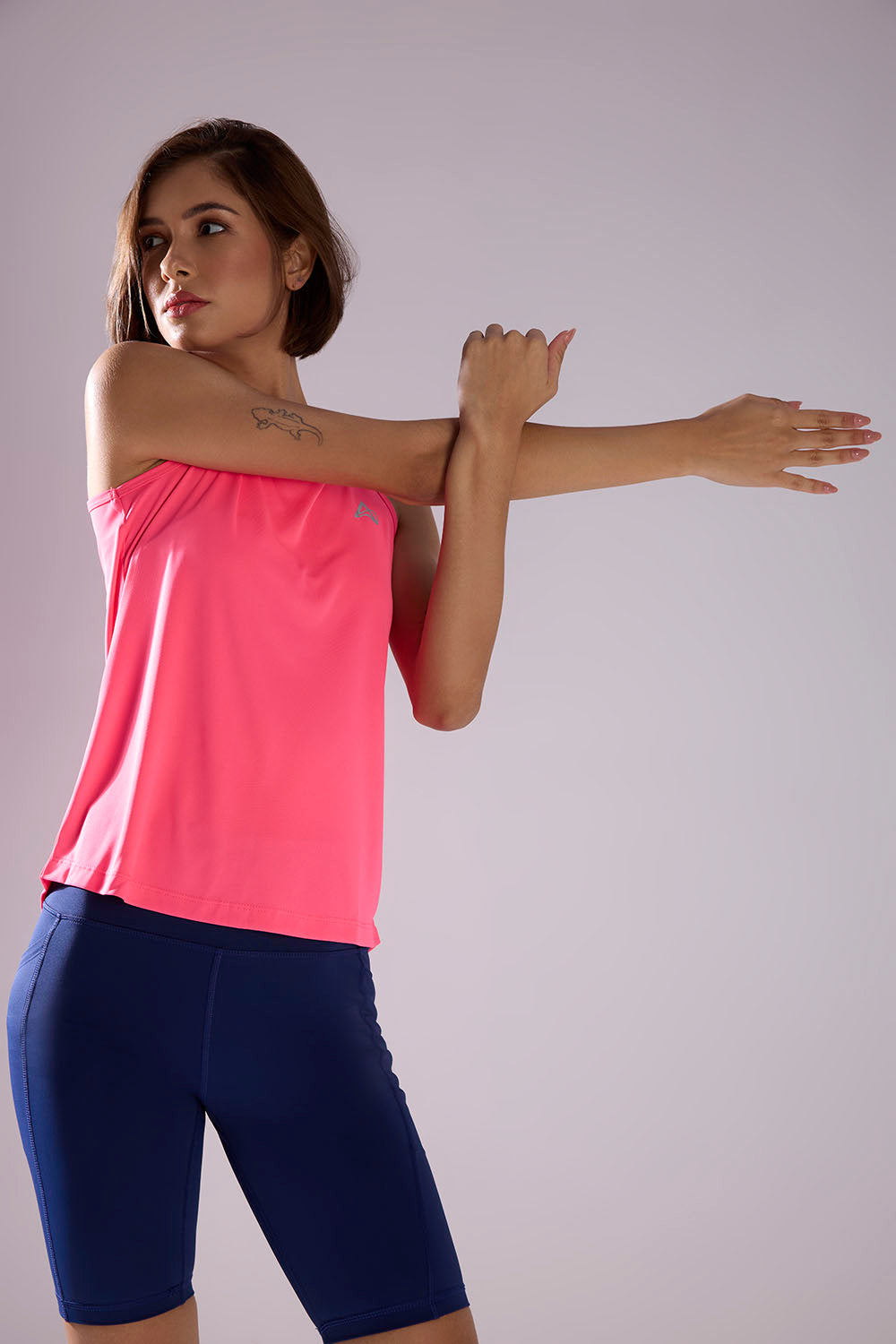
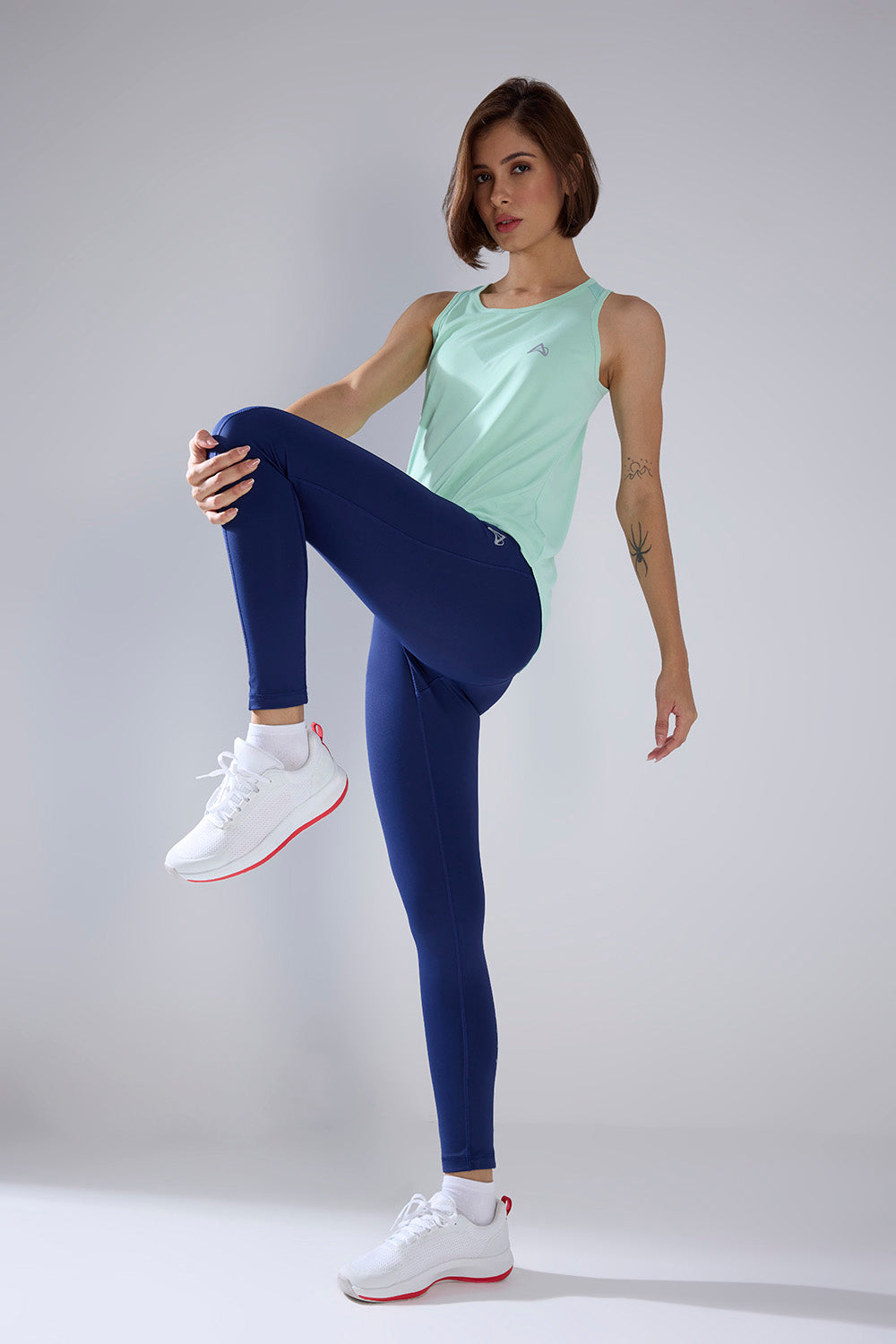
Ergonomic fit running clothing is designed around the repeated movements involved in running. Shirts should allow comfortable arm movement, shorts should stay secure during strides, and layers should sit comfortably without creating pressure points.
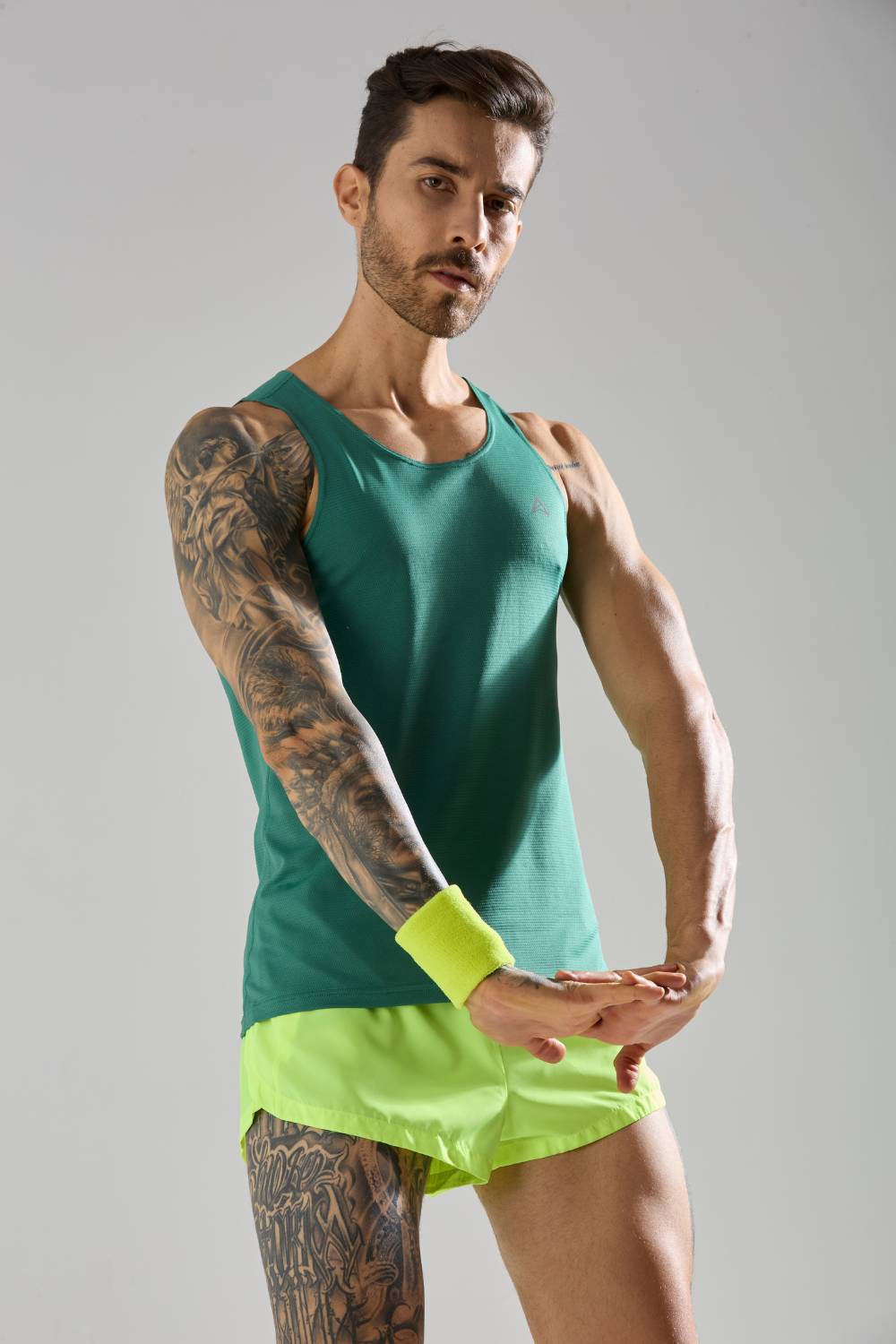
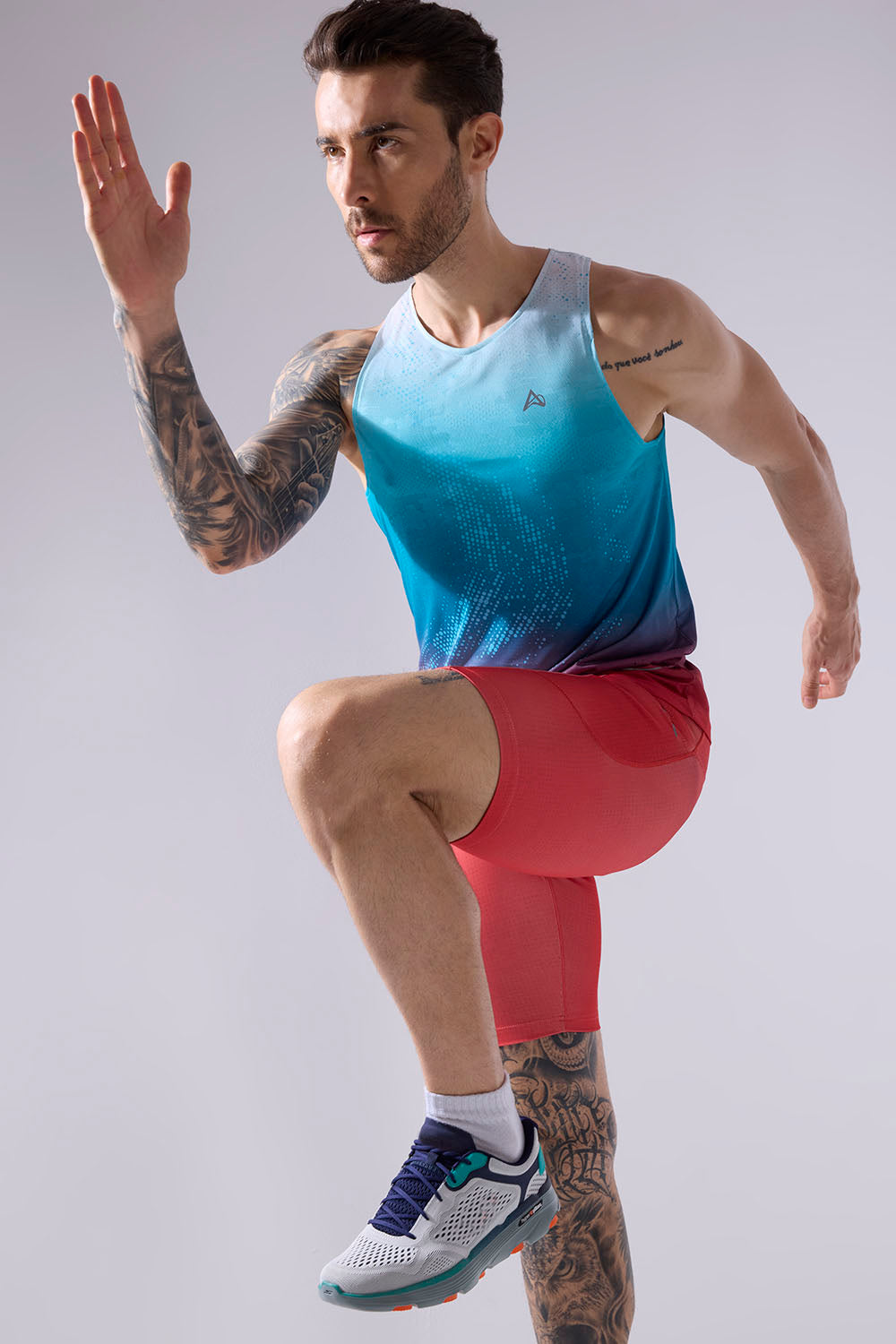
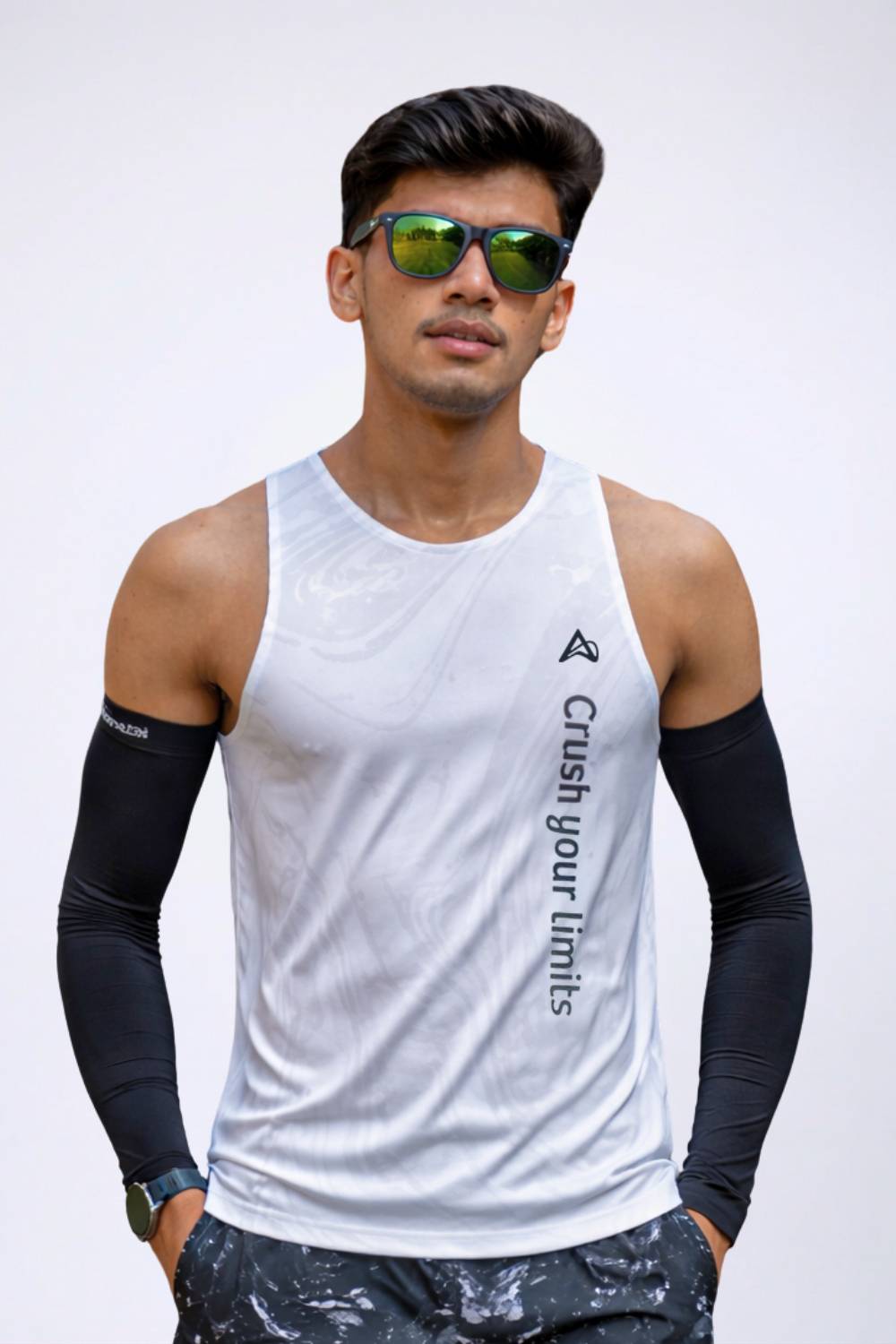
Fit decisions should also consider personal running style. Some runners prefer lightweight singlets for endurance sessions, while others may choose more coverage depending on weather, comfort preferences, and training conditions. The goal is not to follow a universal formula but to identify apparel that works consistently for the individual runner.
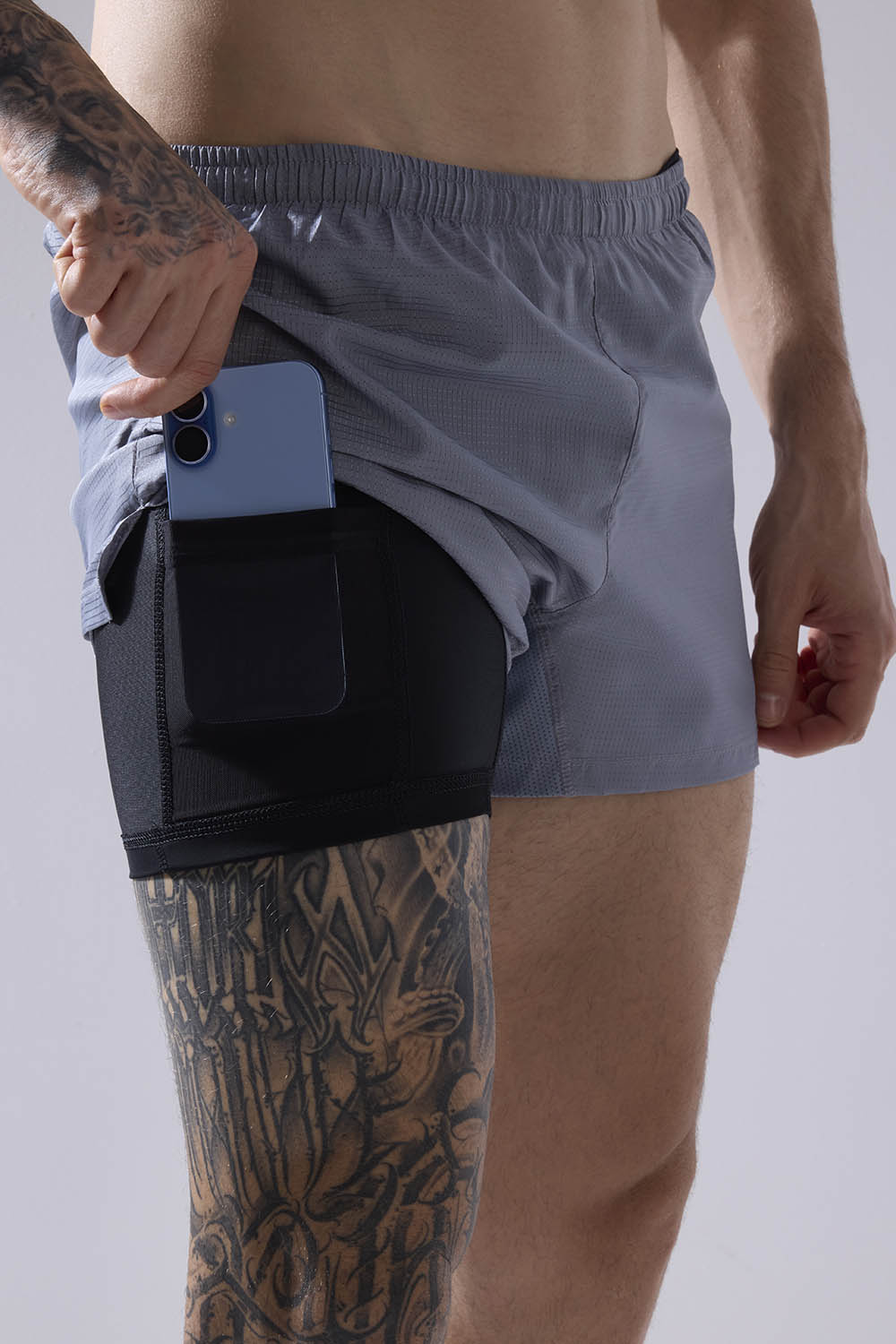
Small design details can have a major impact over marathon distances. Features such as stable waistbands, comfortable seams, practical pockets, and flexible construction can determine whether clothing supports a runner or becomes a distraction.
Select Running Shorts and Half Tights Carefully
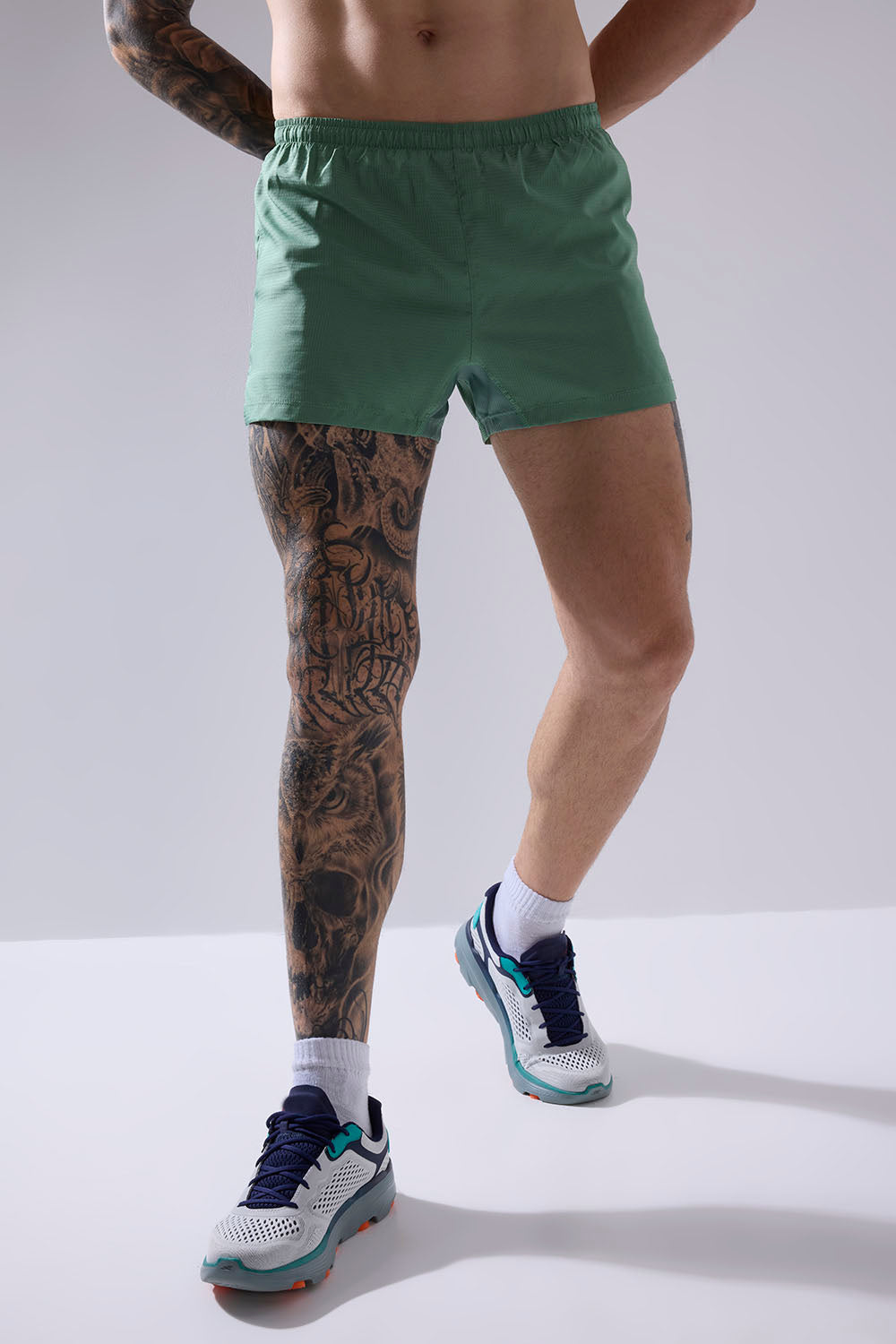
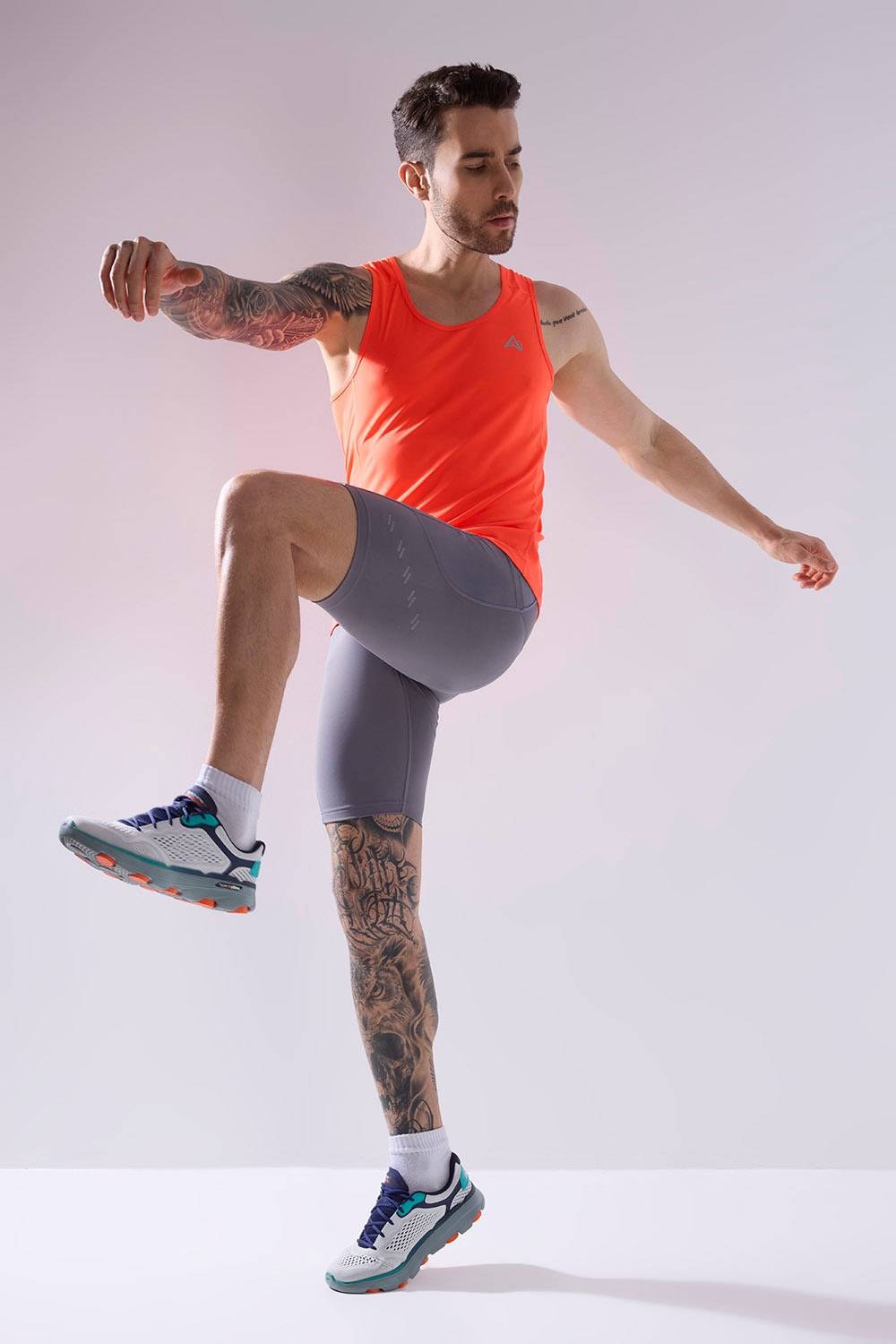
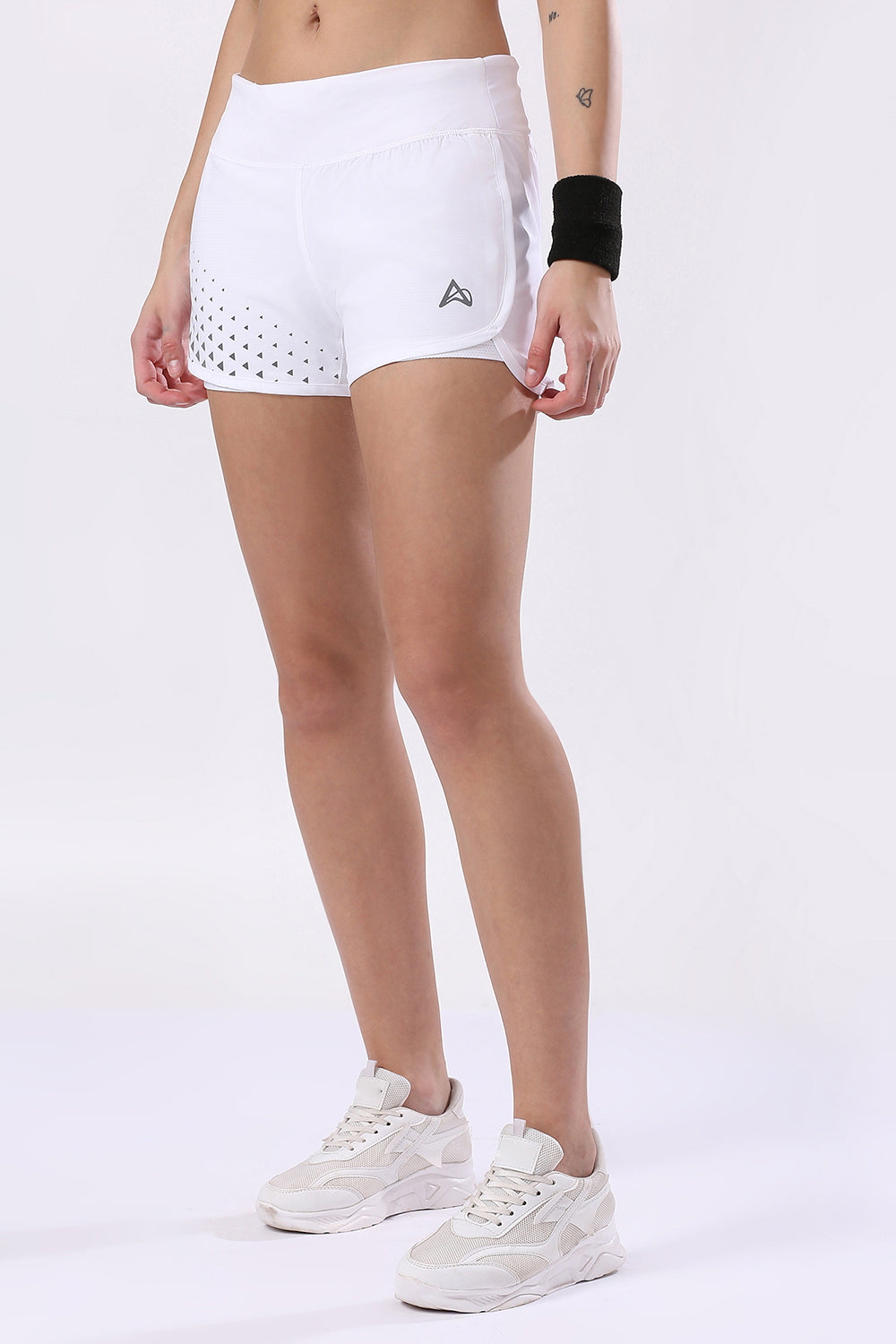
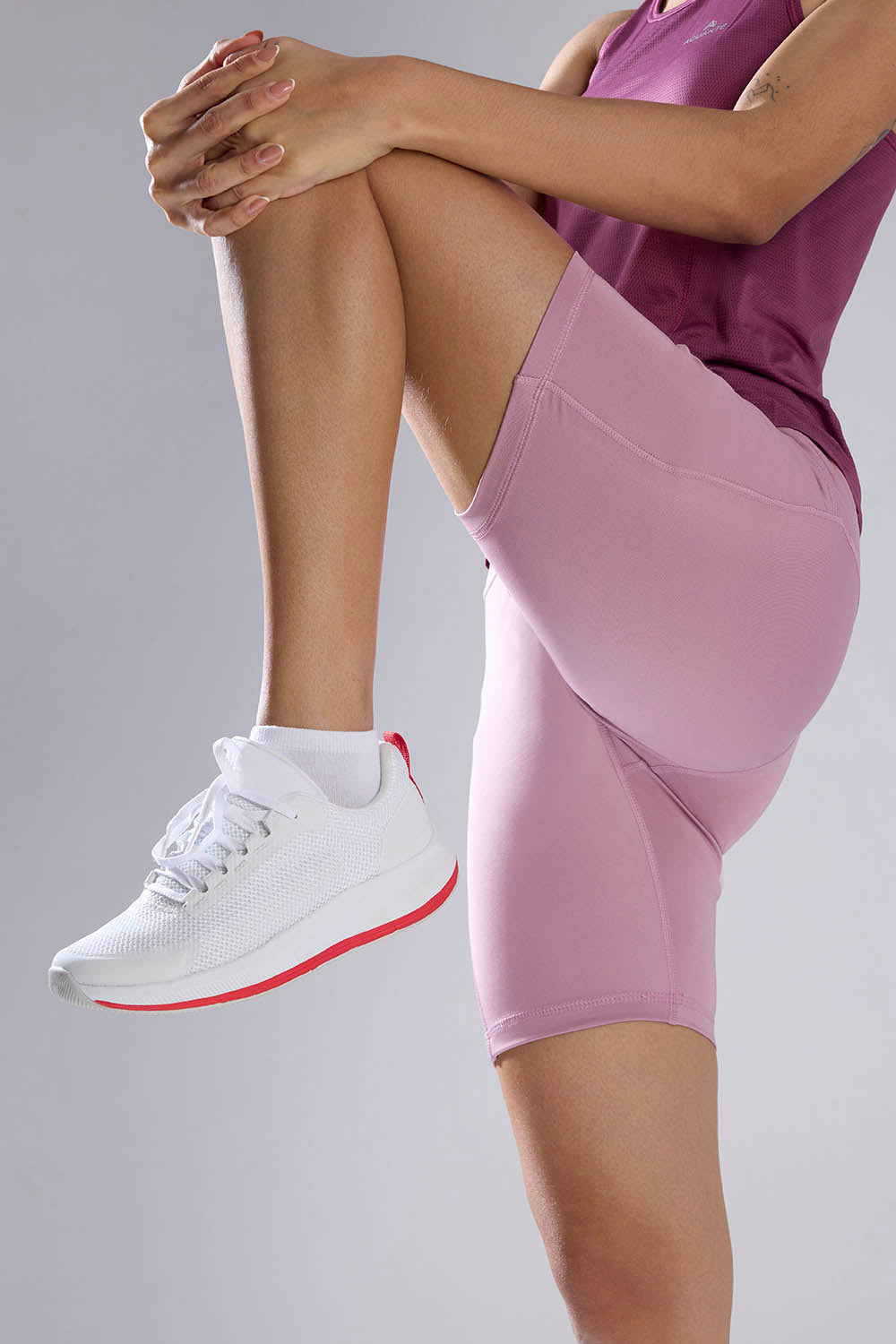
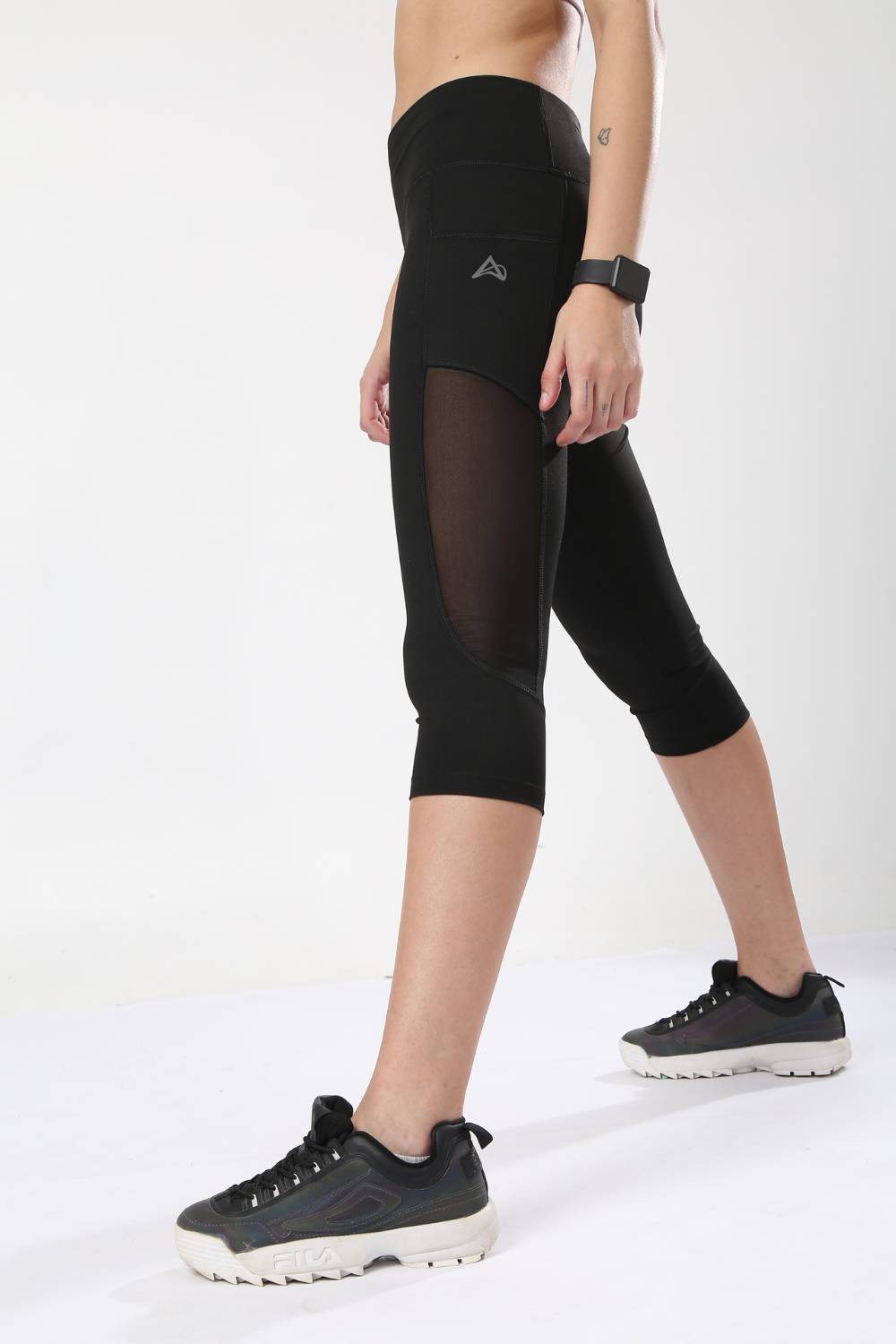
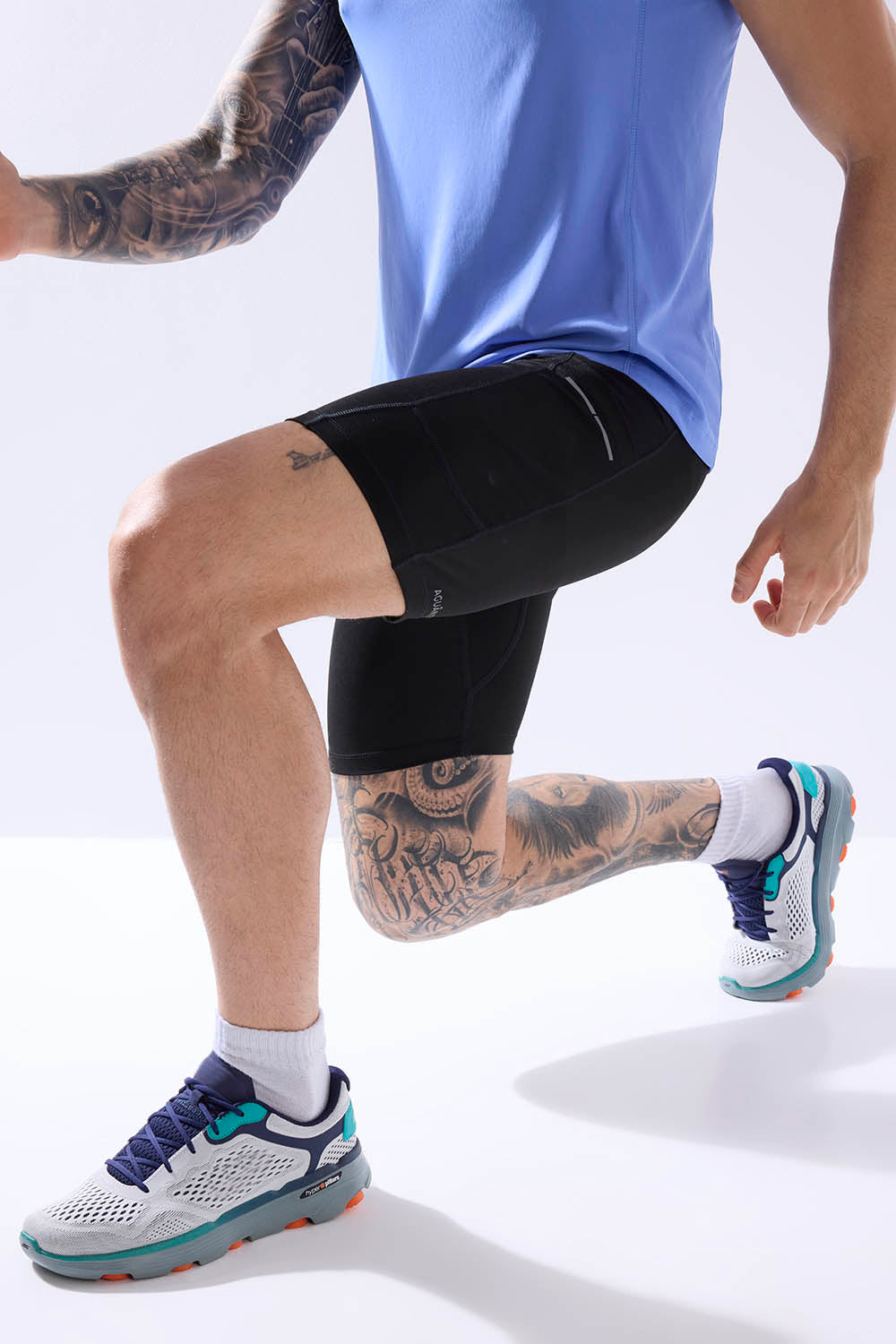
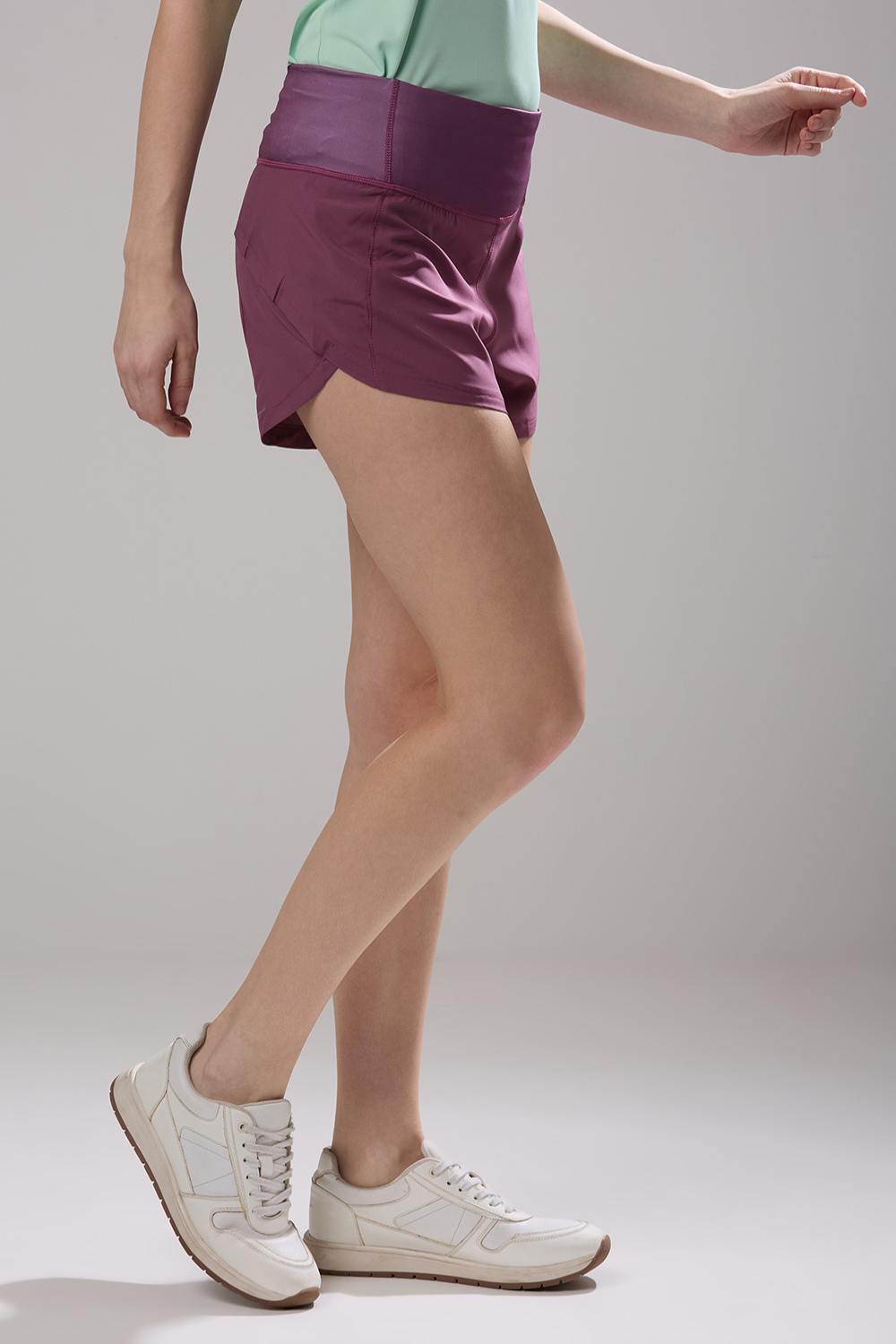
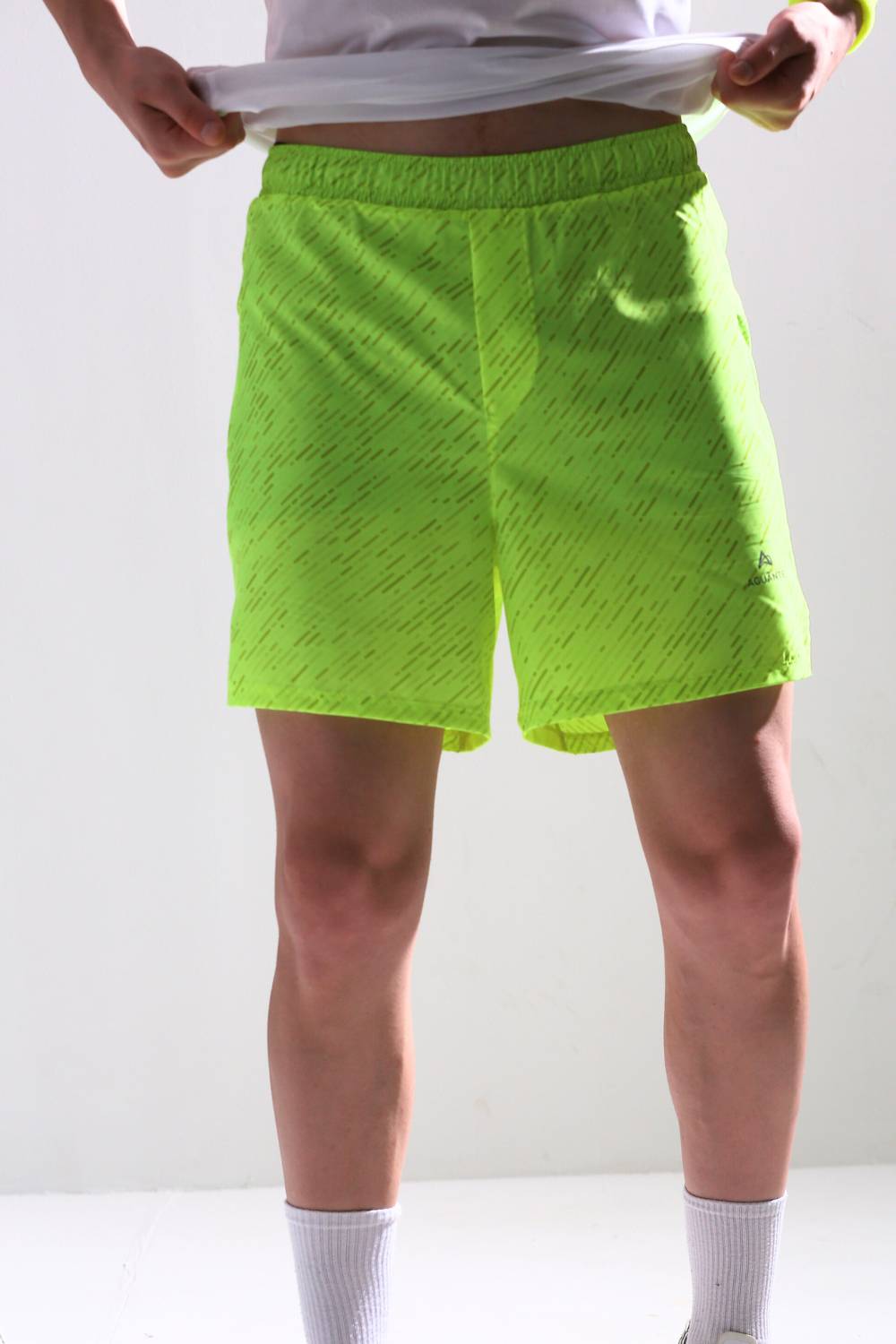
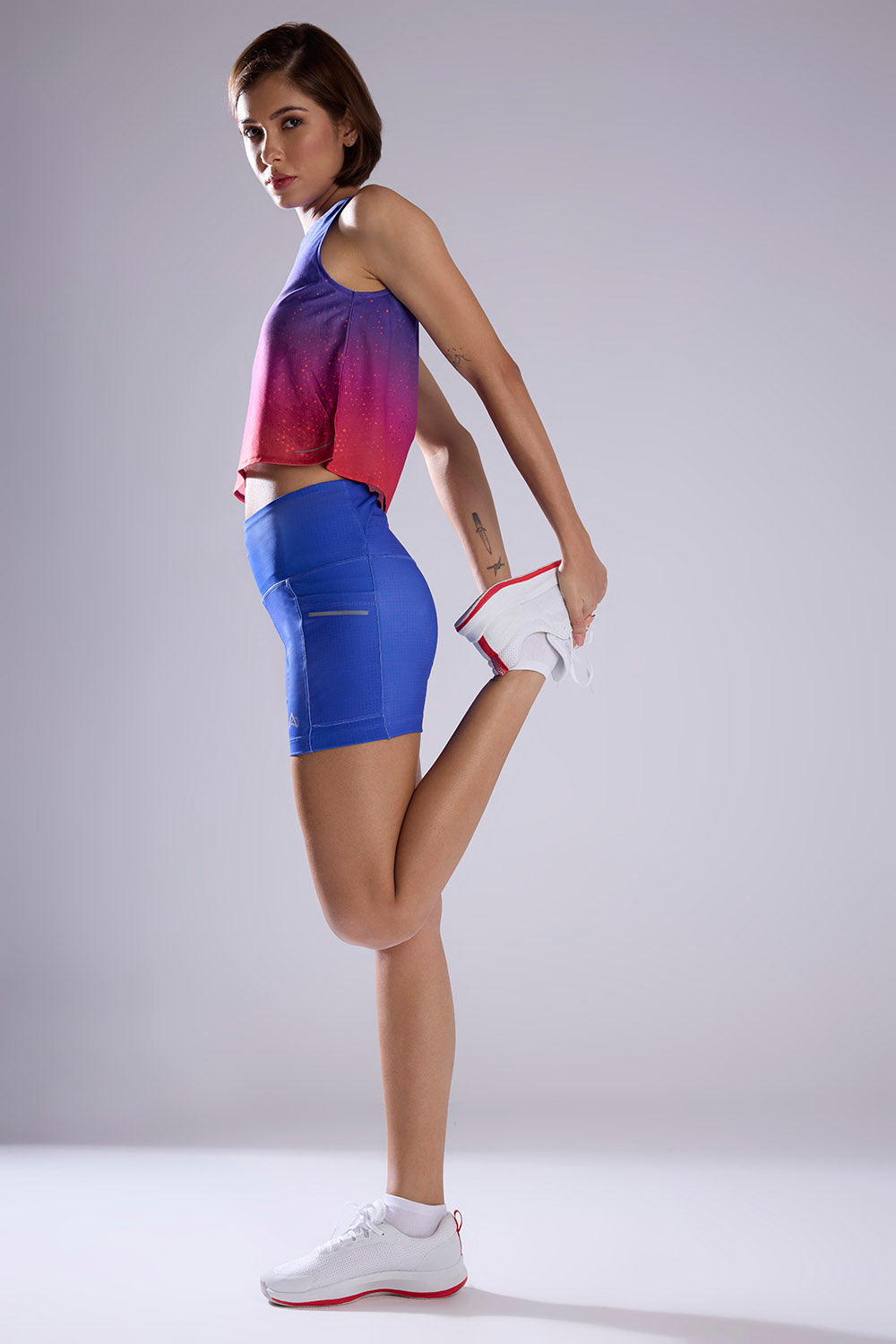
Choosing shorts or half tights for marathon training requires more attention than selecting casual athletic wear. Lower-body apparel experiences constant movement, making stability and comfort essential.
- Anti-chafing protection: Clothing should reduce friction during repetitive movement and long sessions.
- Secure fit: Waistbands and materials should remain stable without frequent adjustment.
- Freedom of movement: The design should support natural stride mechanics.
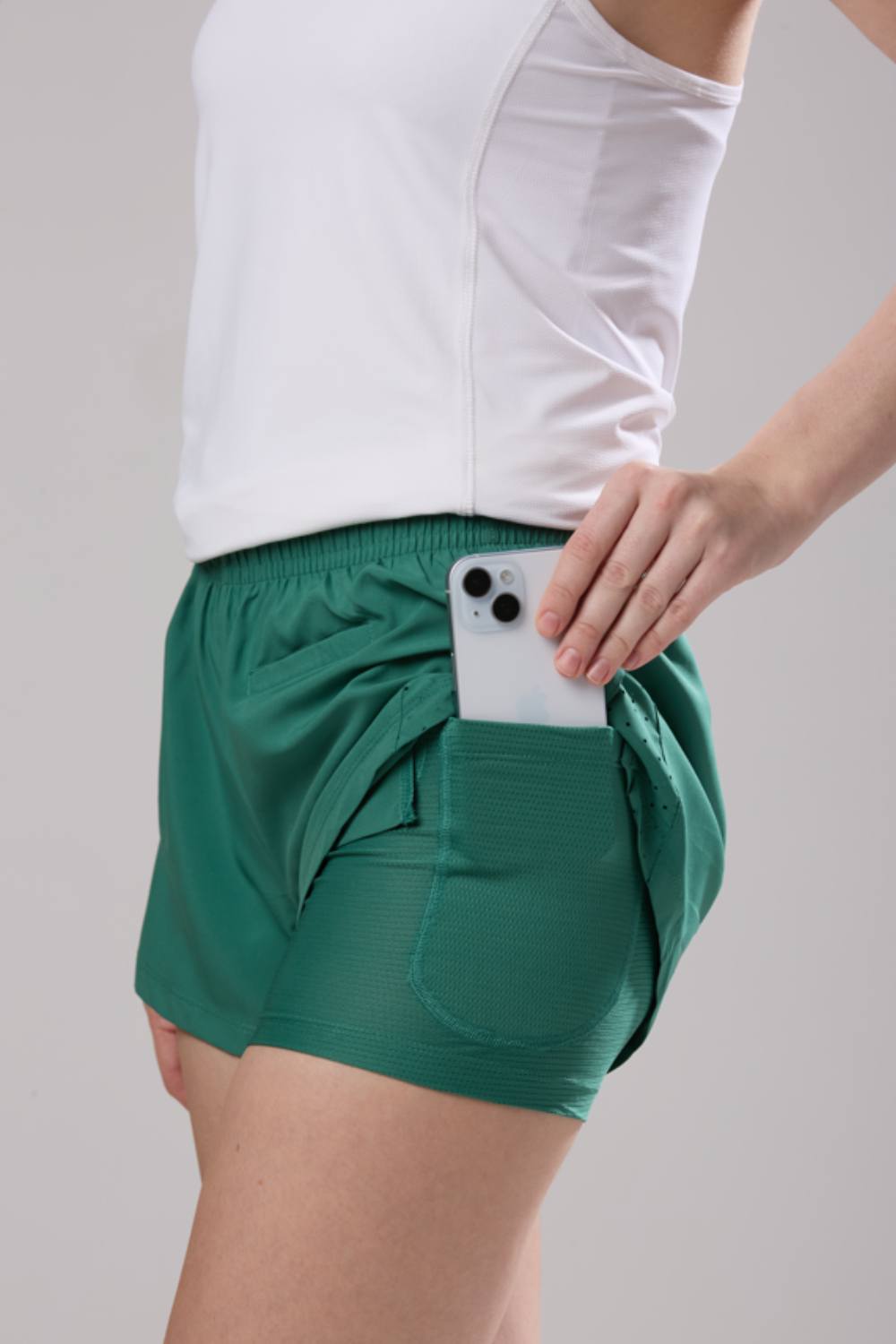
- Storage needs: Pockets should hold essentials without creating excessive bounce or weight.
Anti chafing running shorts for training can be particularly valuable because irritation that seems minor at the beginning of a run can become painful over marathon distances. Testing different designs during progressive training sessions helps runners understand which options remain comfortable as distance increases.
Select Apparel Based on Training Environment
Runners often train across different conditions, from early morning sessions to warmer afternoon workouts. A single outfit may not be ideal for every situation. Building a practical apparel collection allows runners to adapt without compromising comfort.
For warmer conditions, lightweight tops, breathable fabrics, and minimal layering can help improve comfort. For cooler conditions, runners may benefit from flexible layering strategies that allow clothing adjustments as body temperature changes.
Weather awareness should be part of apparel selection because race conditions and training environments can influence performance. Clothing that works well on a cool morning may not provide the same comfort during a hot and humid session.
The objective is not to own the most clothing but to have reliable options that match different training needs.
Test Every Piece Before Race Day
Marathon preparation is a process of refinement. Training runs are opportunities to evaluate everything that contributes to performance, including footwear, nutrition strategies, pacing, and apparel.
Runners should treat longer sessions as apparel testing opportunities. During these runs, they can identify whether:
- Fabric becomes uncomfortable after absorbing sweat.
- Seams create irritation during repeated movement.
- Pockets remain practical while running.
- Shorts, tights, or tops stay in position over distance.
- Layers remain comfortable as conditions change.
This approach reduces surprises during competitions. A race is not the right time to discover that a new shirt causes rubbing or that a different pair of shorts does not perform well after several hours of movement.
Balance Performance Features with Practical Needs
Modern running apparel includes many technical features, but more features do not always create a better experience. The most effective gear choices are those that solve real problems for the runner.
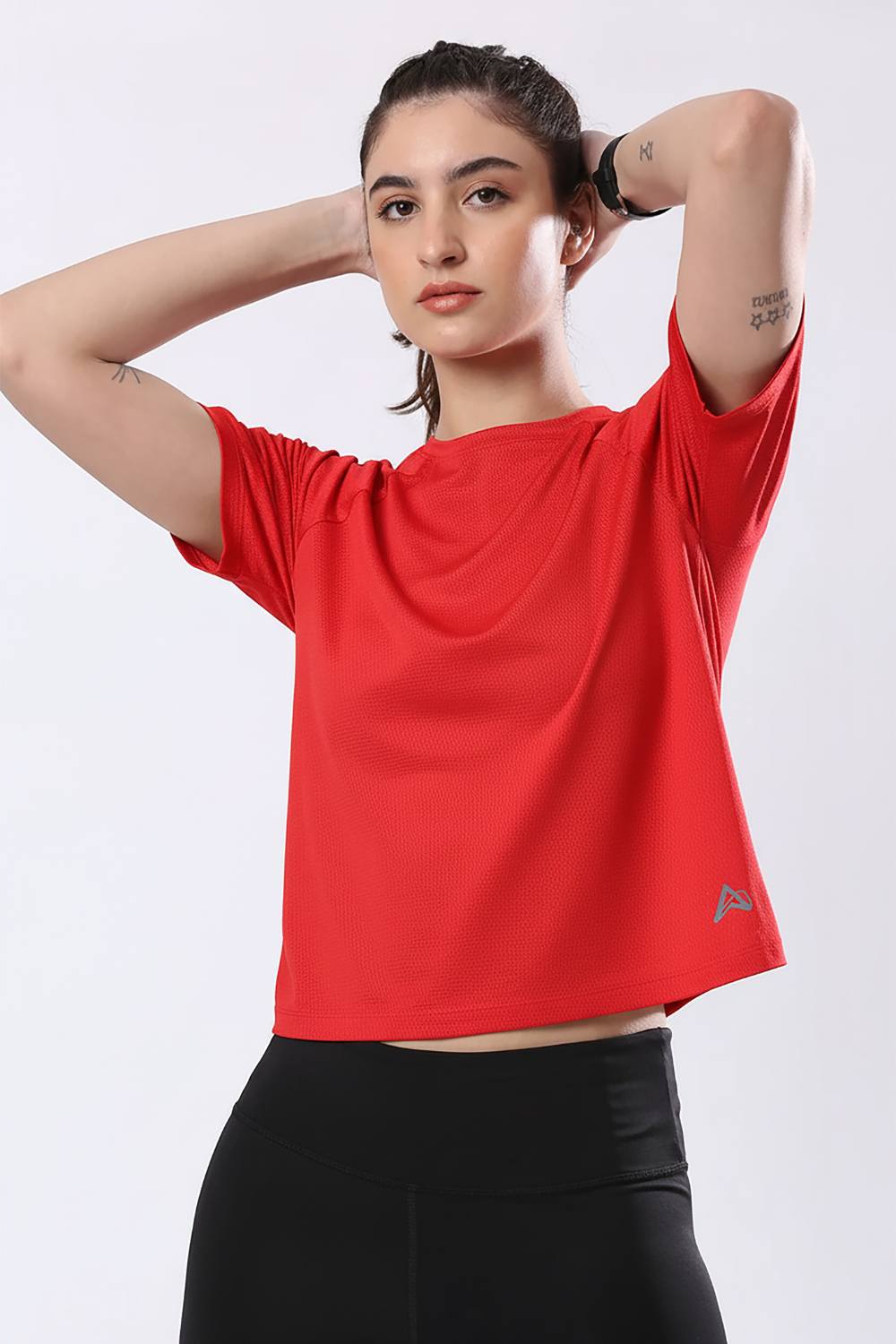
A marathon runner does not need clothing that simply looks advanced. They need apparel that supports training consistency. A lightweight running singlet, comfortable shorts, or moisture-wicking layer can be valuable when each item performs its intended role.
Moisture wicking apparel for long runs is useful because managing sweat can improve comfort during extended sessions. However, the best choice depends on how the garment feels, fits, and performs during actual training conditions.
The decision-making process should combine technical considerations with personal experience. A garment that works well for one athlete may not provide the same results for another. Testing, adjusting, and learning from each training session remain essential parts of finding suitable marathon apparel.
Making the Final Choice for Marathon Training Apparel
Choosing running gear for marathon training is ultimately about reliability. The right apparel supports the runner through hundreds of kilometres of preparation by reducing distractions and helping maintain comfort.
When evaluating marathon clothing, consider fabric performance, fit, movement, weather conditions, durability, and personal comfort. The strongest apparel choices are not always the most complicated; they are the ones that consistently perform during real training.
For runners preparing for endurance events, apparel should become a trusted part of the training system. By selecting clothing carefully and testing it before race day, athletes can approach long runs with greater confidence and fewer avoidable challenges.
Frequently Asked Questions
What should I consider when choosing apparel for marathon training?
When choosing apparel for marathon training, focus on comfort, moisture management, fit, mobility, and durability. The right running gear should support long-distance performance by reducing irritation, managing sweat, and remaining comfortable throughout extended training sessions.
What are the best fabrics for marathon training in hot and humid conditions?
The best fabrics for marathon training help manage sweat, improve breathability, and keep runners comfortable during changing weather conditions. Lightweight, moisture-wicking materials are useful for long runs because they help reduce discomfort caused by heat and retained moisture.
How do I choose running shorts or half tights for marathon training?
Choosing shorts or half tights for marathon training requires considering anti-chafing protection, secure fit, freedom of movement, and practical storage. Runners should test different options during long training runs to find apparel that stays comfortable and performs well over distance.
Disclaimer: The above helpful resources content contains personal opinions and experiences. The information provided is for general knowledge and does not constitute professional advice.
You may also be interested in: Running Compression Shorts India: A Complete Guide for Runners
Tired of gear that slows you down? Chafing, soggy fabrics, and missing pockets kill your run's momentum. At Aguante, we're runners who get it. Our high-performance activewear features moisture-wicking fabrics, ergonomic designs, and smart storage to keep you focused. Shop Now!
Powered by flareAI.co