



Quick Listen:
Long-distance running places sustained demands on the body and on every layer of clothing that moves with it. Friction that feels minor in the first few kilometres can become a persistent distraction as sweat accumulates, fabric shifts, and repetitive motion continues for hours. Anti-chafe running apparel addresses this challenge by combining fabric choice, construction details, and fit principles that keep skin protected and attention focused on the run itself. For endurance athletes evaluating gear that supports consistent training, understanding how these elements work together clarifies what to look for when selecting clothing that remains reliable under prolonged effort.
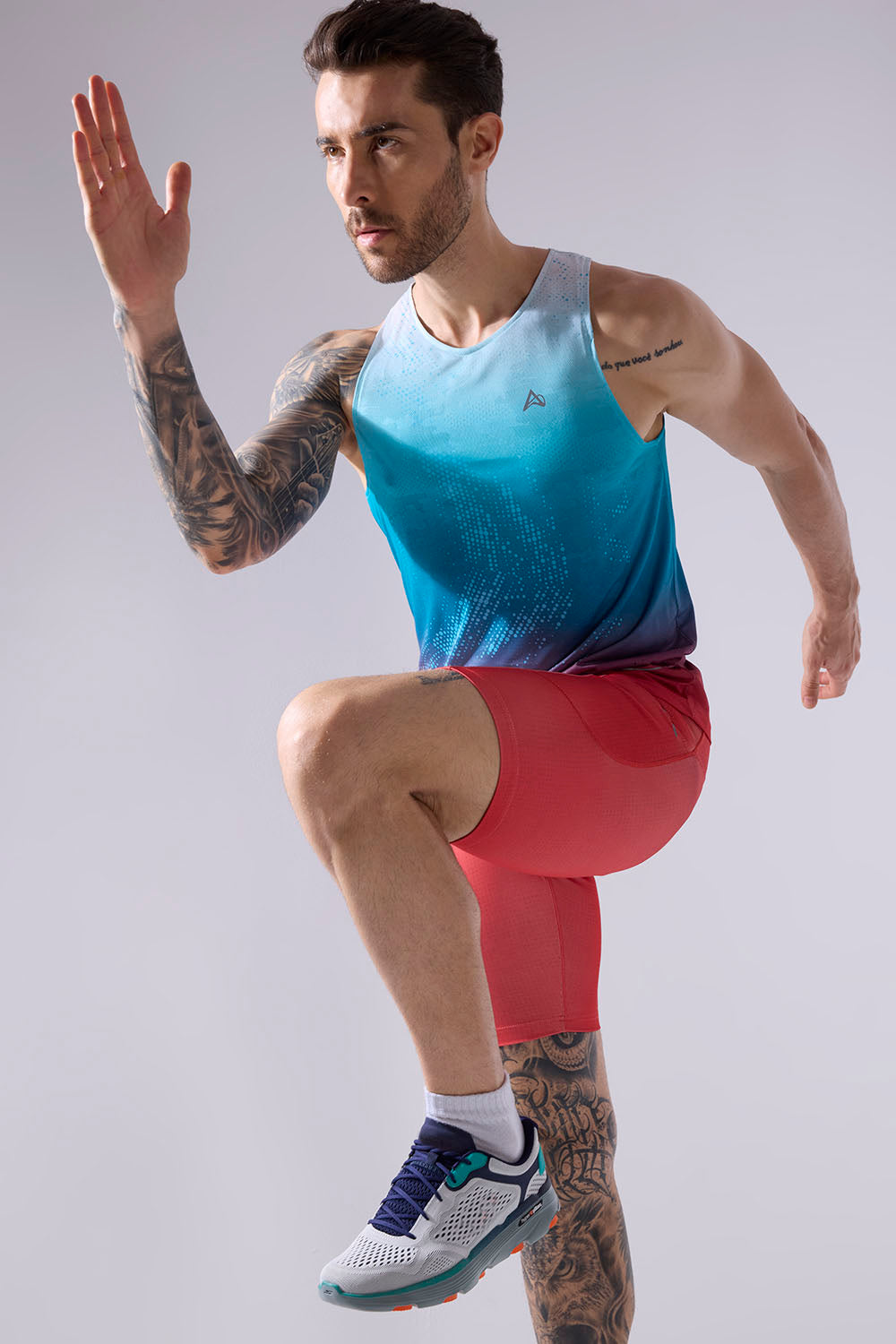
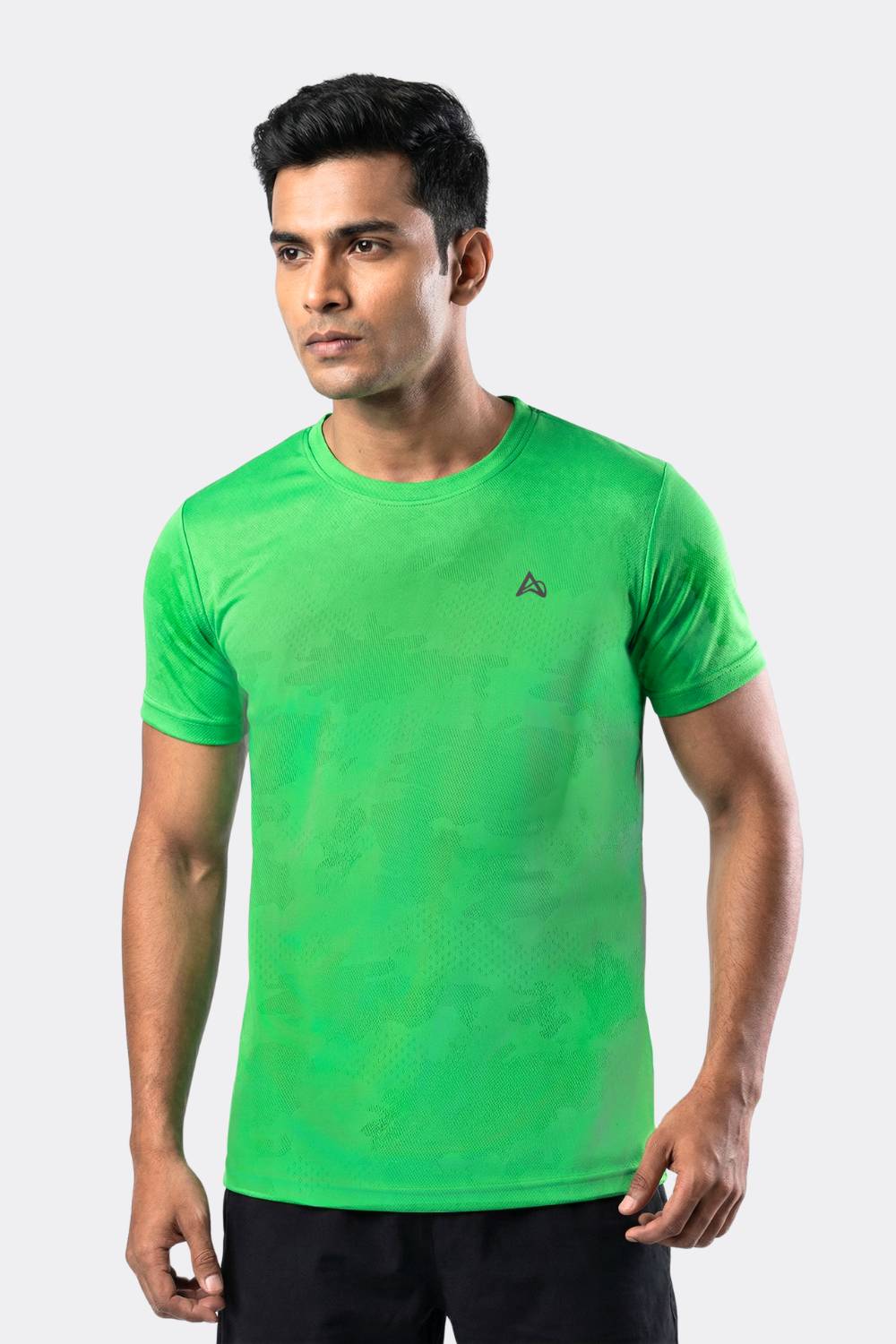
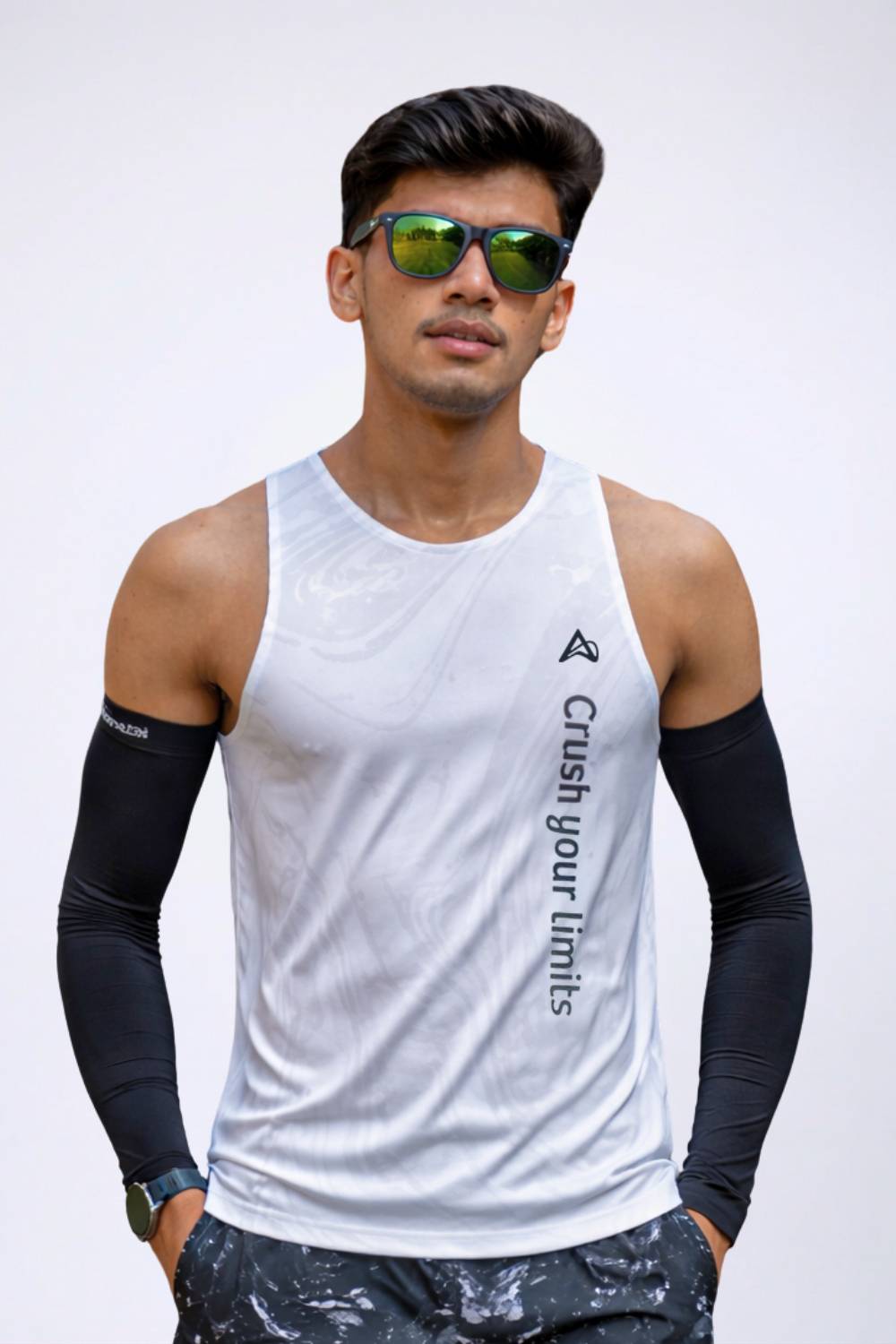
Tired of gear that slows you down? Chafing, soggy fabrics, and missing pockets kill your run's momentum. At Aguante, we're runners who get it. Our high-performance activewear features moisture-wicking fabrics, ergonomic designs, and smart storage to keep you focused. Shop Now!
Why Friction Becomes a Limiting Factor Over Distance
During extended runs, skin and fabric interact continuously. Moisture from perspiration softens the skin surface while repeated stride cycles create shear forces at contact points inner thighs, under arms, waistbands, and areas where seams sit against the body. Once irritation begins, the runner often shortens stride, adjusts posture, or stops to reposition clothing, all of which disrupt rhythm and increase perceived effort. Over time, unresolved chafing can limit training volume or force recovery days that interrupt progression toward longer events.
Anti-chafe design treats the garment as a system rather than a single feature. Coverage length, fabric stability, seam placement, and moisture handling each reduce a different source of irritation. When these elements align, the clothing moves with the body instead of against it, allowing the athlete to maintain form and focus through the later stages of a session.
Essential Construction Features That Limit Irritation
Effective anti-chafe running apparel prioritizes smooth contact surfaces and controlled movement. Seamless or low-seam panels remove potential rub points in high-motion zones. Where seams are necessary, they are positioned away from areas of continuous friction and finished so that edges remain flat against the skin. Interior grippers or strategically placed elastic can keep hems and waistbands from migrating upward, eliminating the need for frequent adjustment.
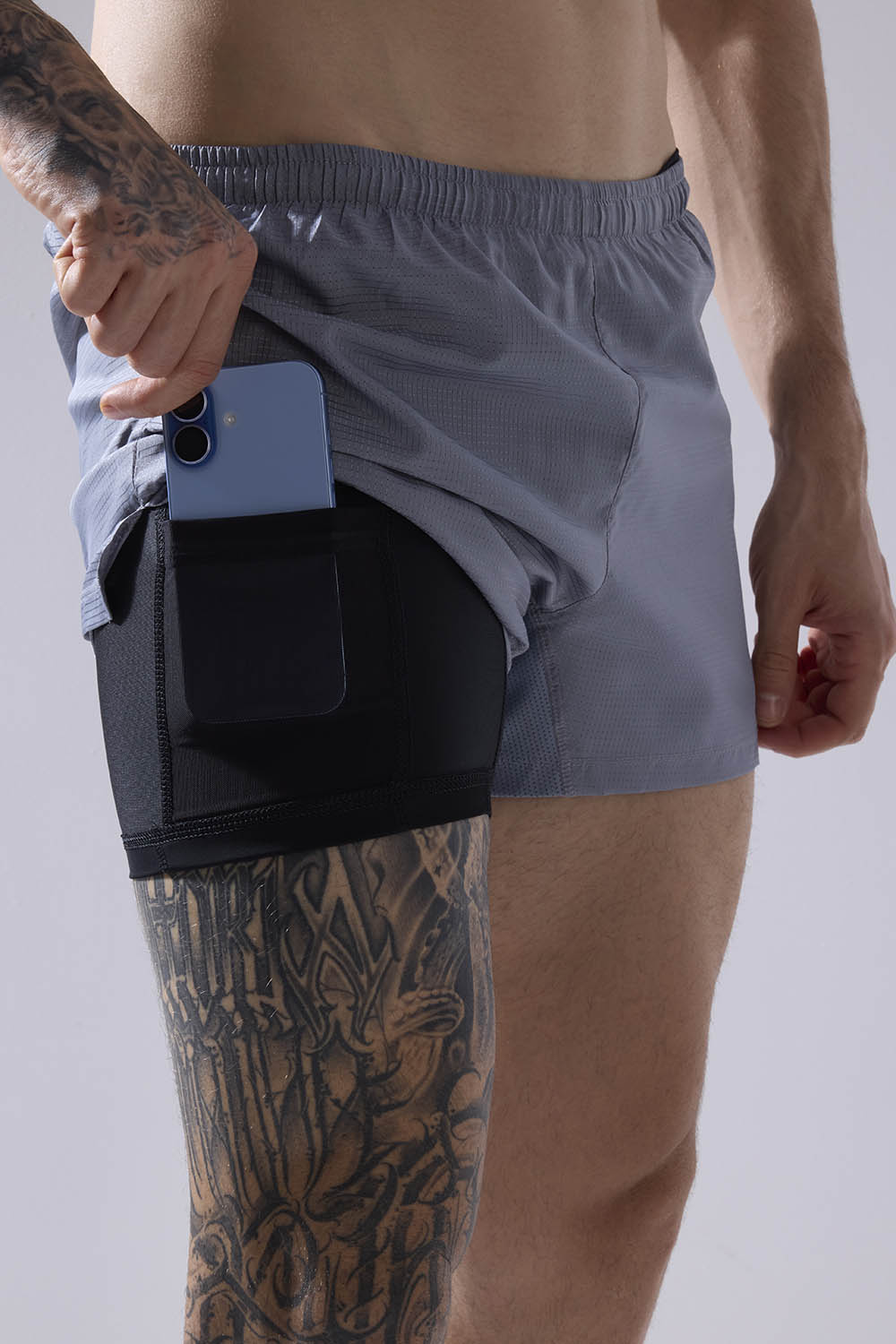
Liner design also matters. A close-fitting yet flexible liner reduces independent fabric movement between the outer short and the skin. Materials chosen for these layers stretch in multiple directions so the garment accommodates natural stride mechanics without binding or bunching. Together, these details create a stable interface that continues to perform as the run lengthens and sweat levels rise.
Moisture Management as a Core Comfort Mechanism
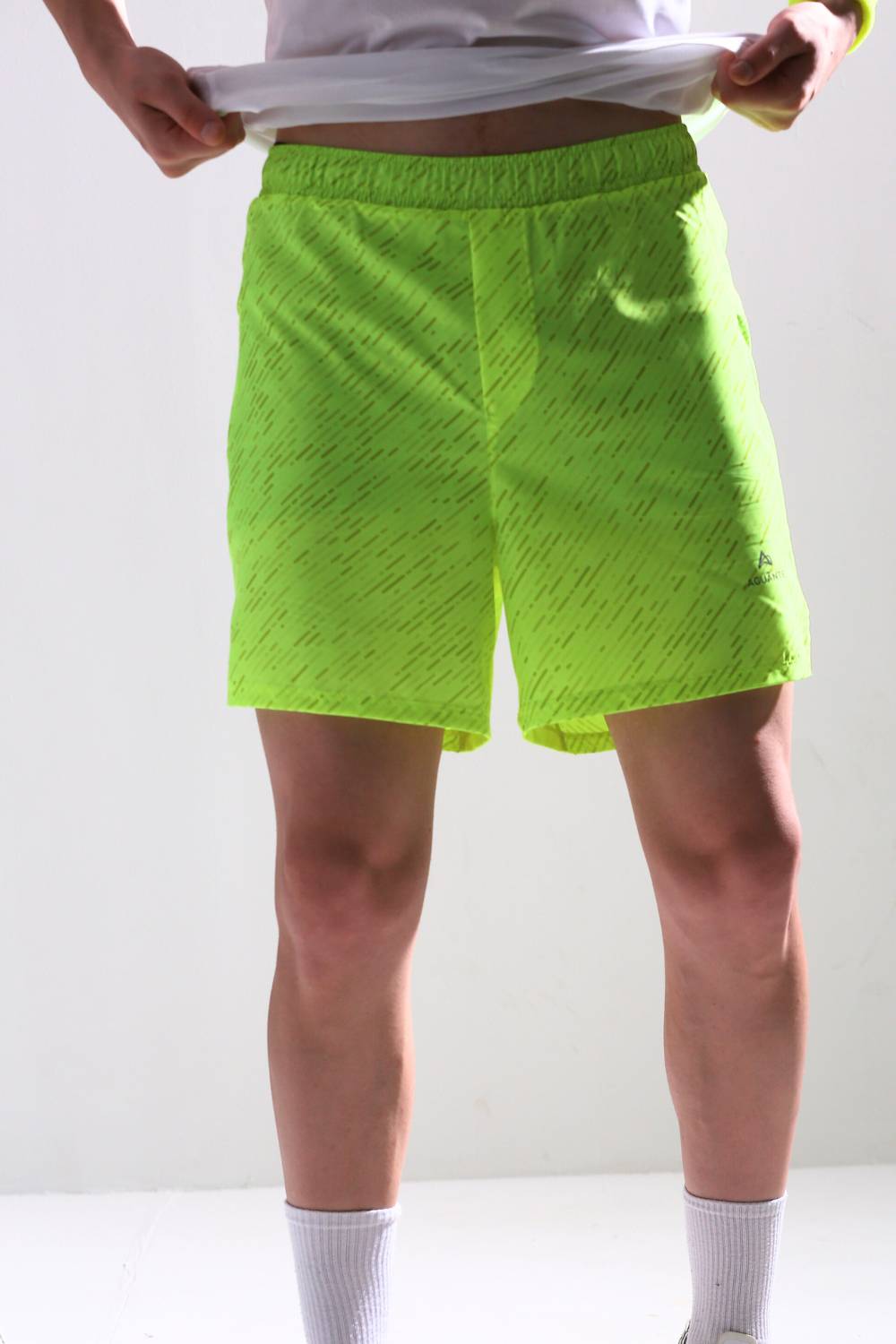
Fabric that retains moisture increases the likelihood of rubbing because damp material adheres more readily to skin and generates higher friction. Performance synthetics such as nylon, polyester, and spandex blends are engineered to move moisture away from the body and promote faster drying. This characteristic becomes especially relevant during long efforts when cumulative sweat would otherwise leave cotton or less technical fabrics saturated.
A well-designed moisture-wicking system works in combination with fit. Clothing that stays close enough to the body limits excess fabric movement while still allowing air circulation. The result is a drier contact surface that reduces the conditions under which chafing typically develops. Runners who select garments built around these principles often report fewer mid-run distractions related to wet, shifting material.
Testing of performance underwear and related layers highlights how moisture control, smooth construction, stretch, and reduced movement interact to prevent irritation. These same principles extend across shorts, half tights, and other pieces of the running wardrobe, forming a coherent approach to long-distance comfort through moisture-wicking and seamless apparel choices.
Inseam Length, Coverage, and Targeted Protection
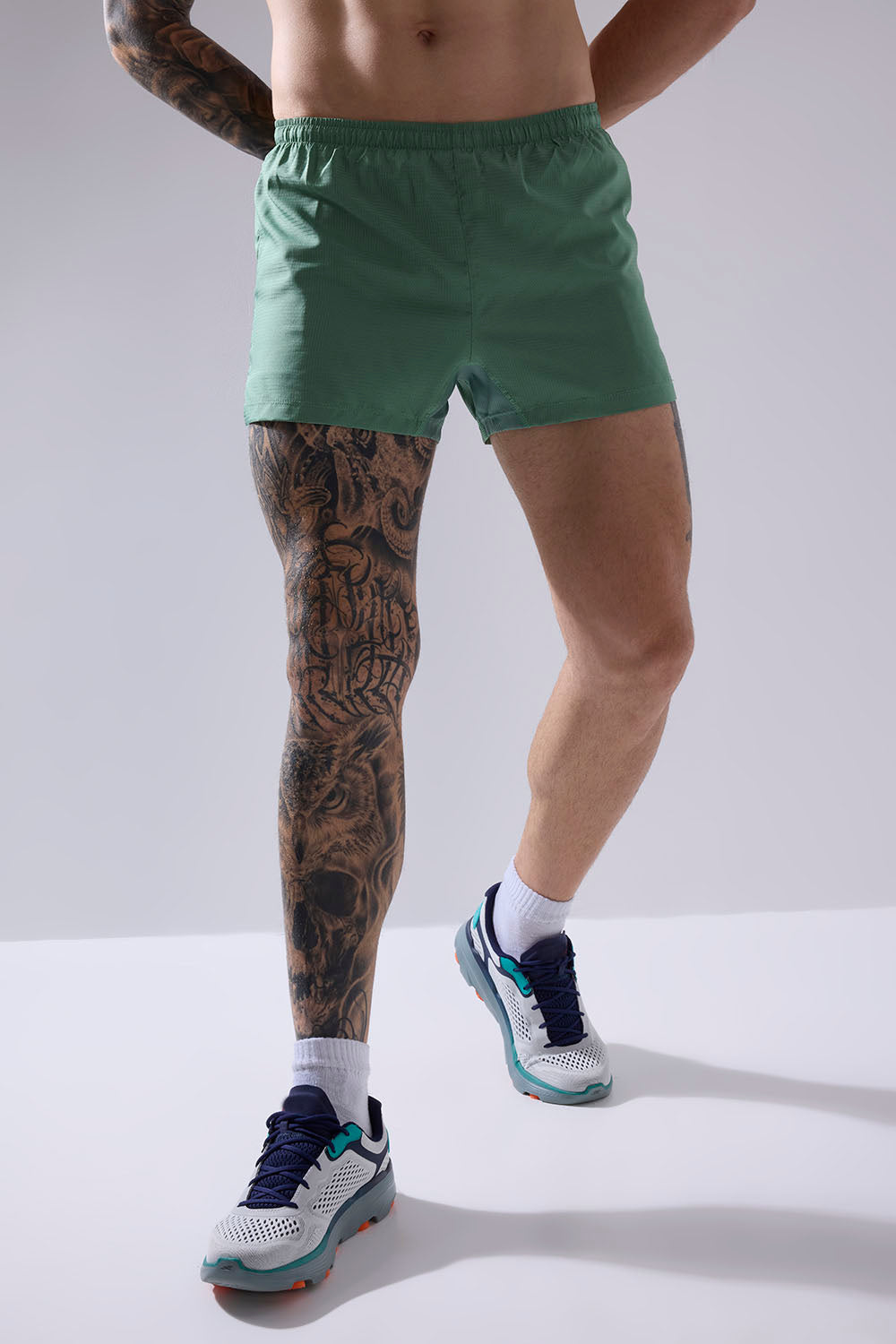
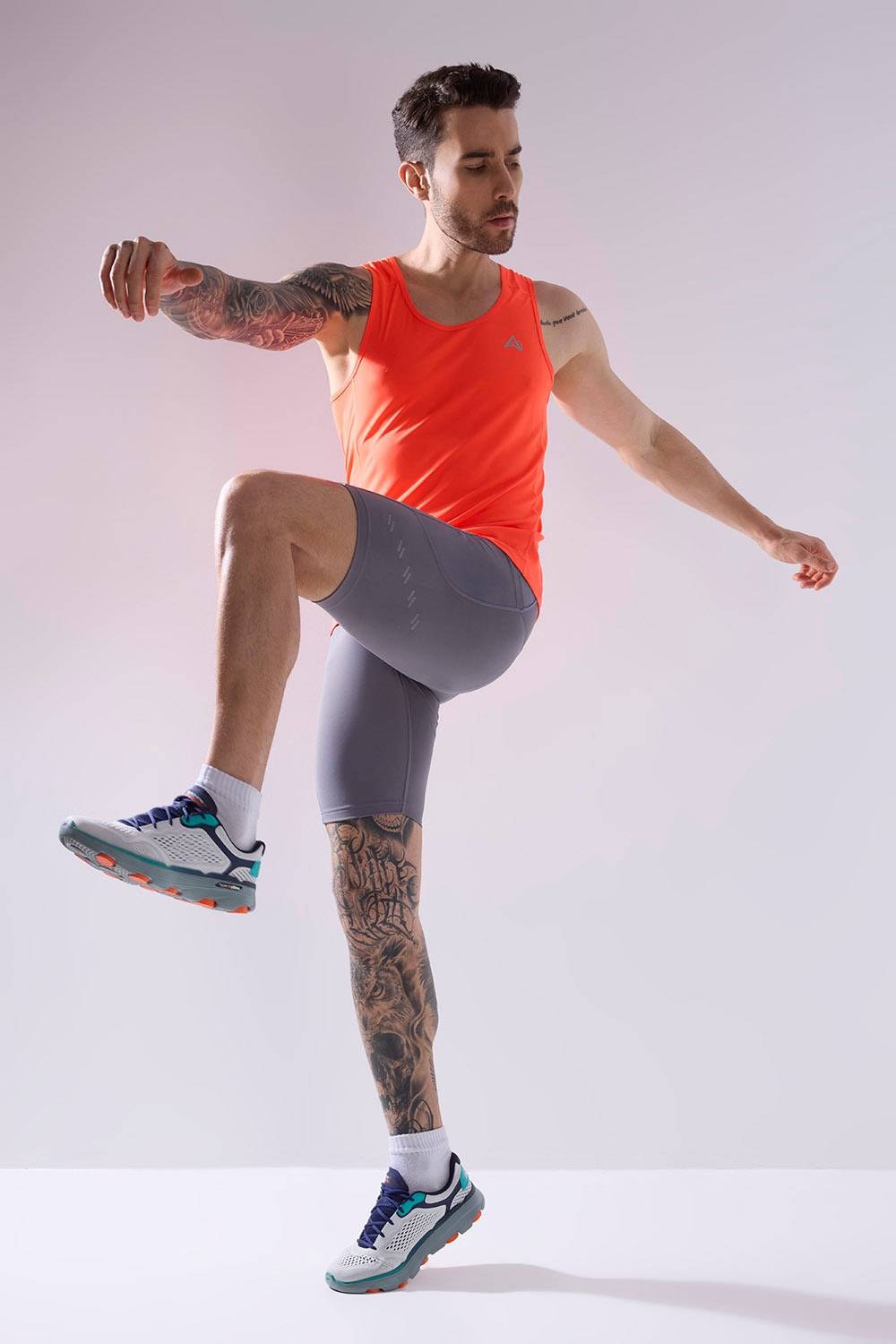
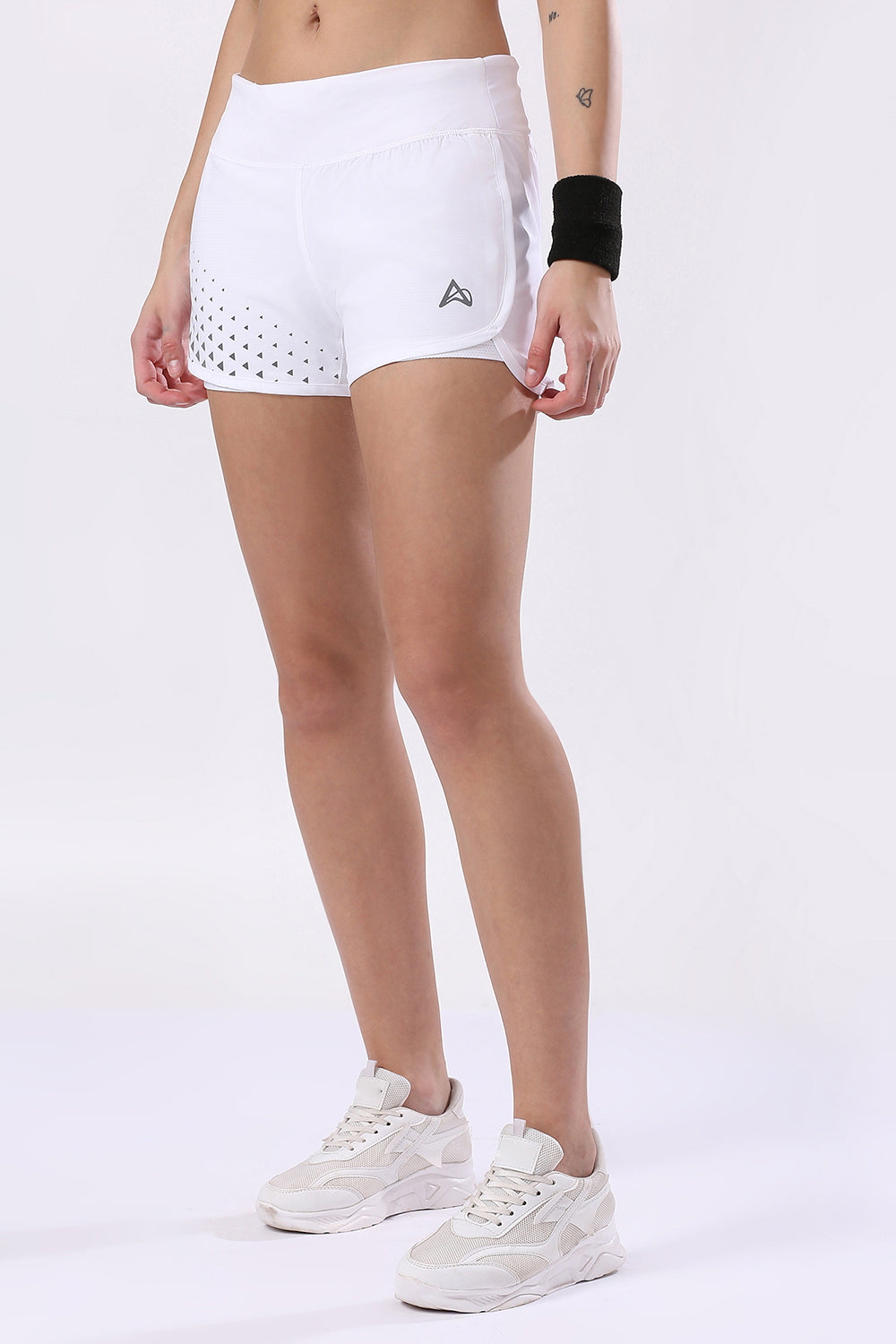
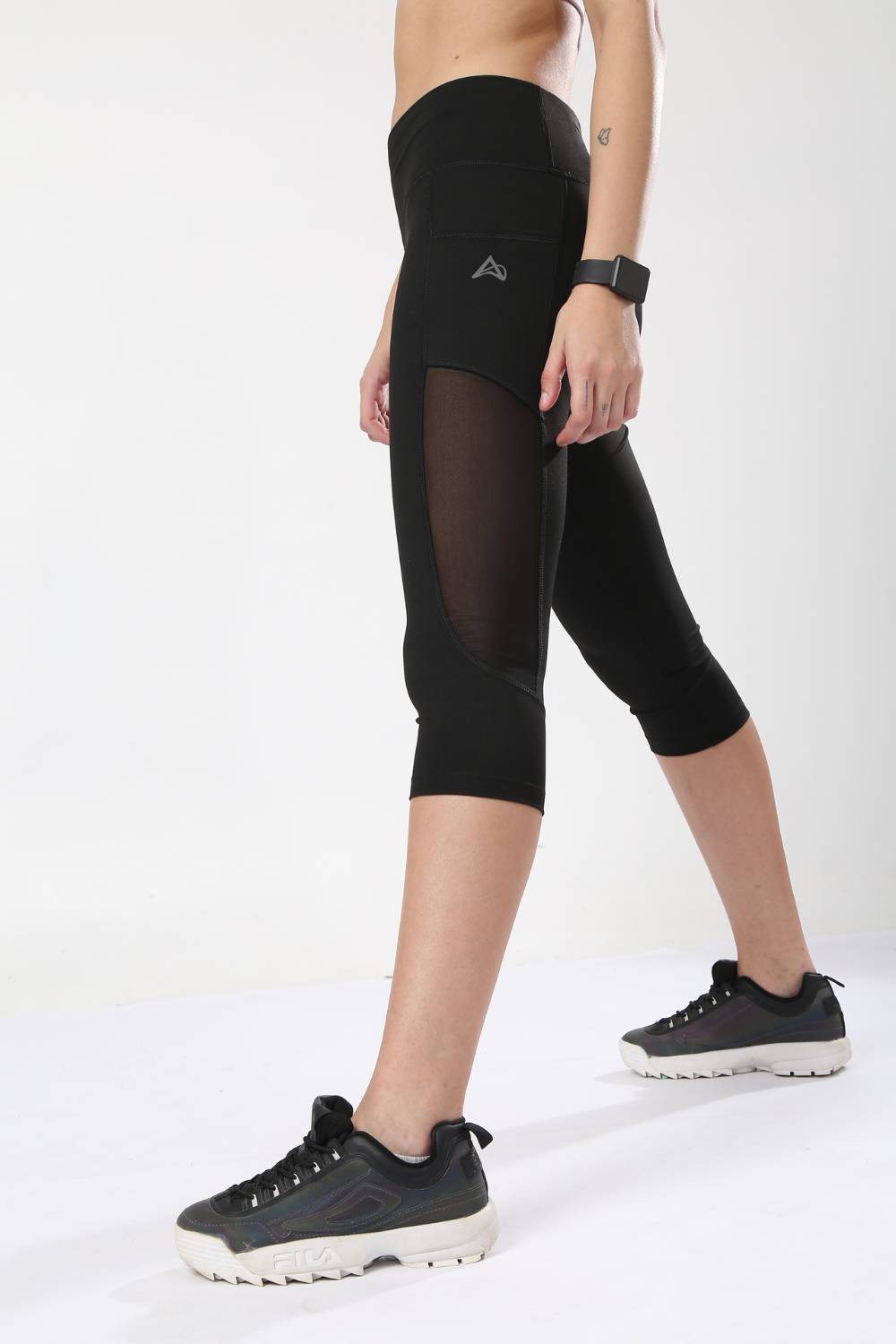
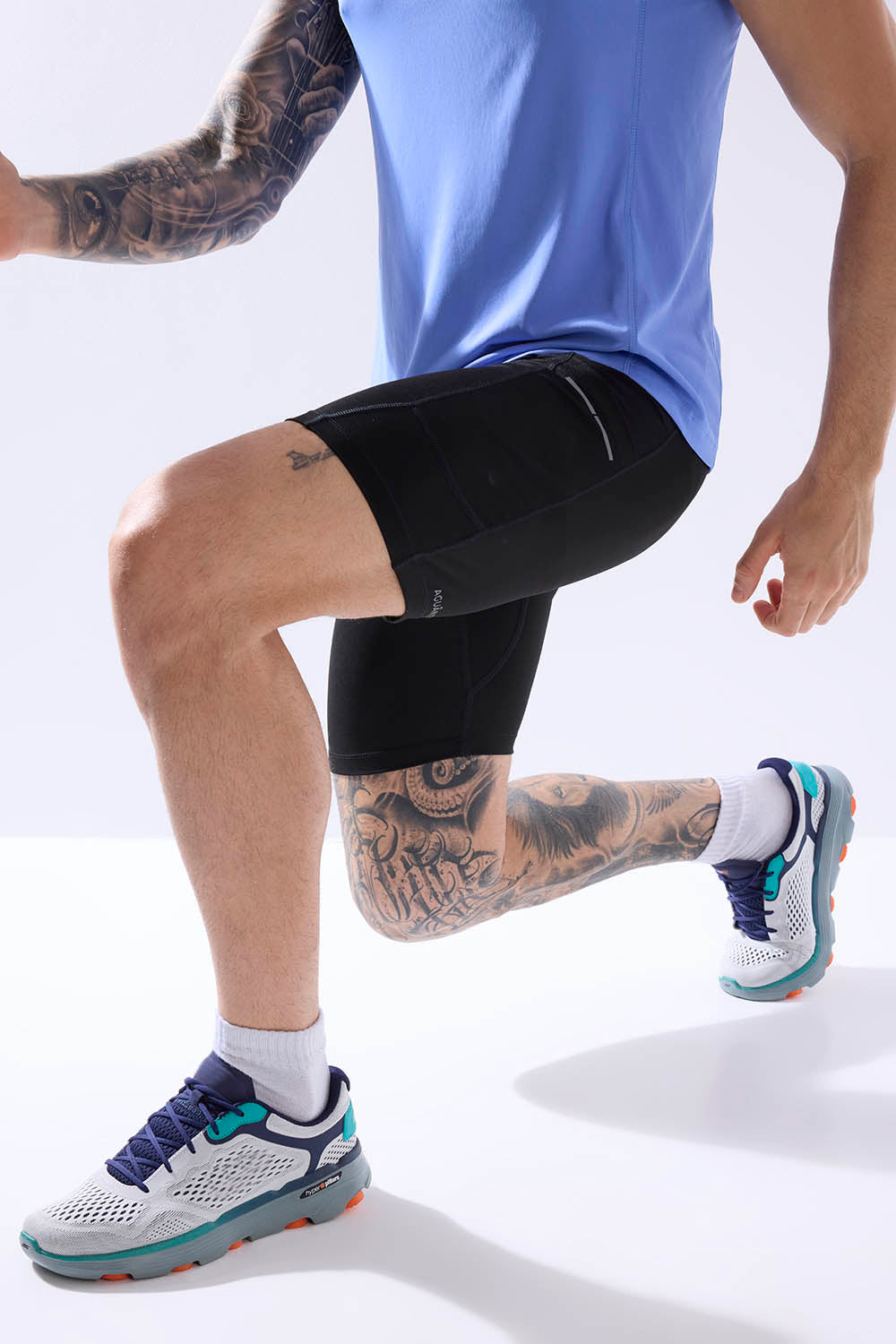
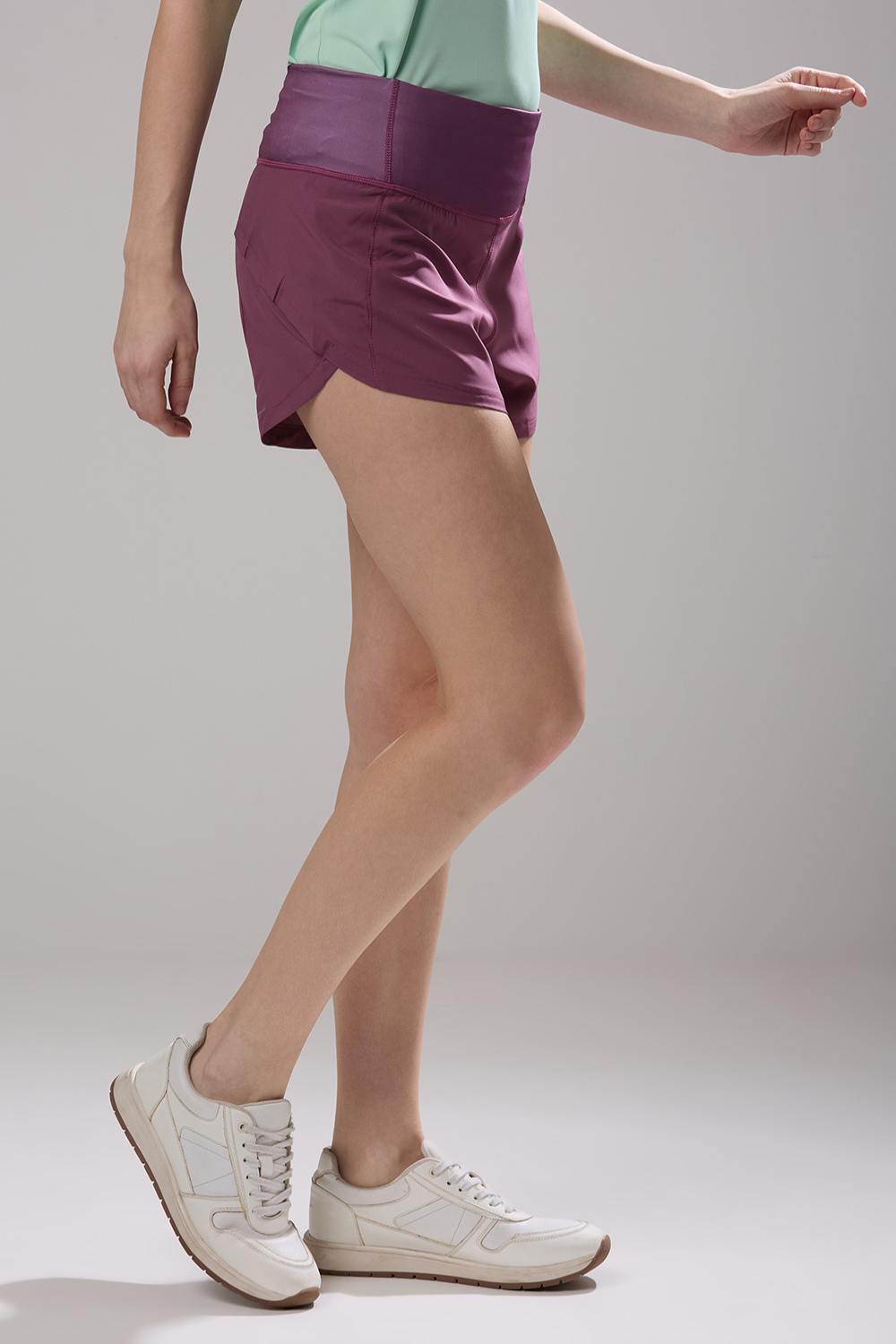
Thigh friction is one of the most common sources of discomfort on longer runs. Longer inseams provide additional fabric coverage that can shield skin from direct contact during repetitive motion. The appropriate length depends on individual anatomy, stride pattern, and environmental conditions, yet the underlying principle remains consistent: sufficient coverage in high-friction zones lowers the chance of irritation developing.
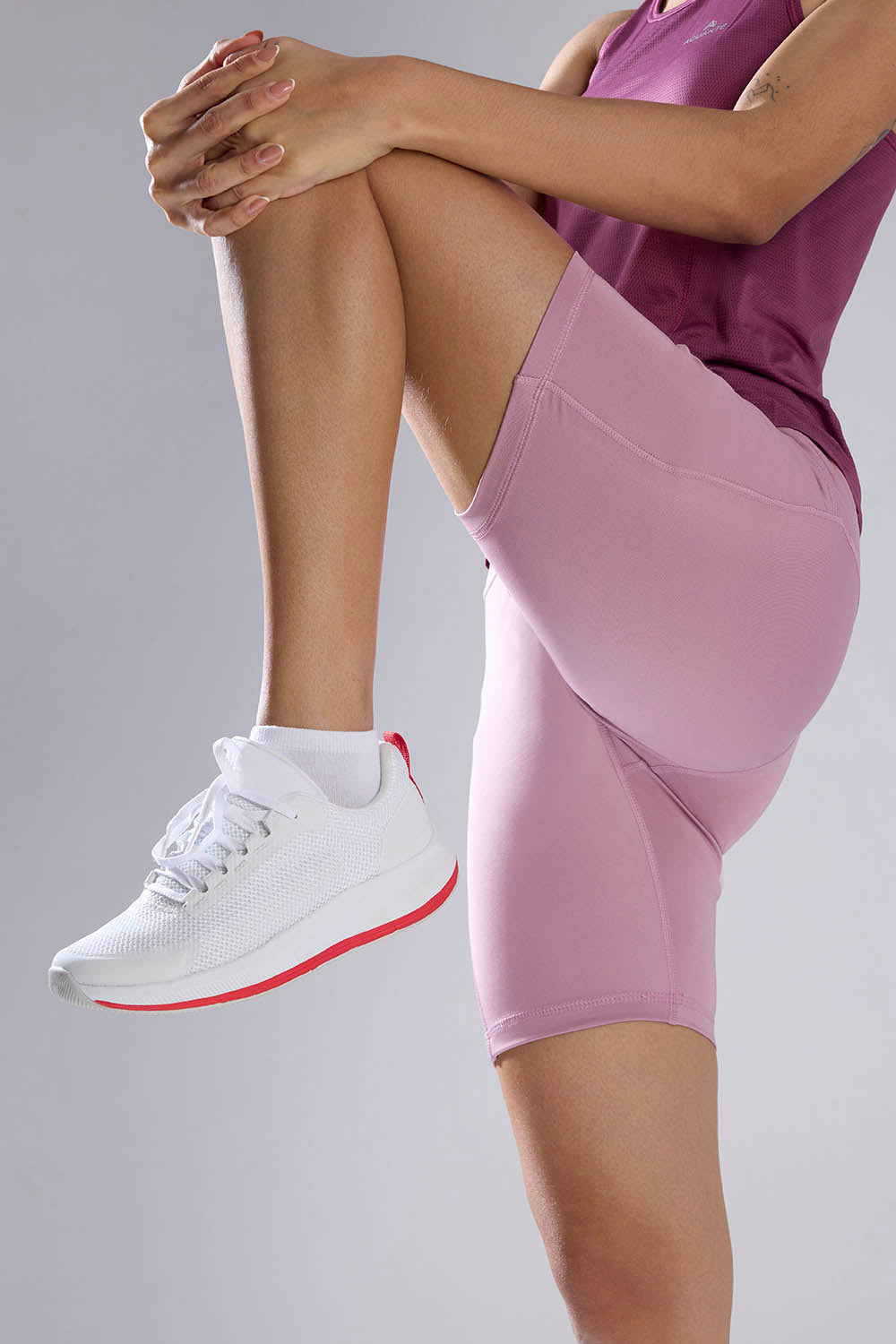
Fit must balance protection with freedom of movement. Garments that are too loose introduce excess fabric that can bunch or shift; those that are overly restrictive may create pressure points of their own. Anti-chafe running apparel typically aims for a close but non-constricting silhouette that stays in place without relying on constant readjustment. When coverage and stability are both present, the runner experiences fewer interruptions related to skin discomfort.
Secure Storage That Supports Uninterrupted Effort
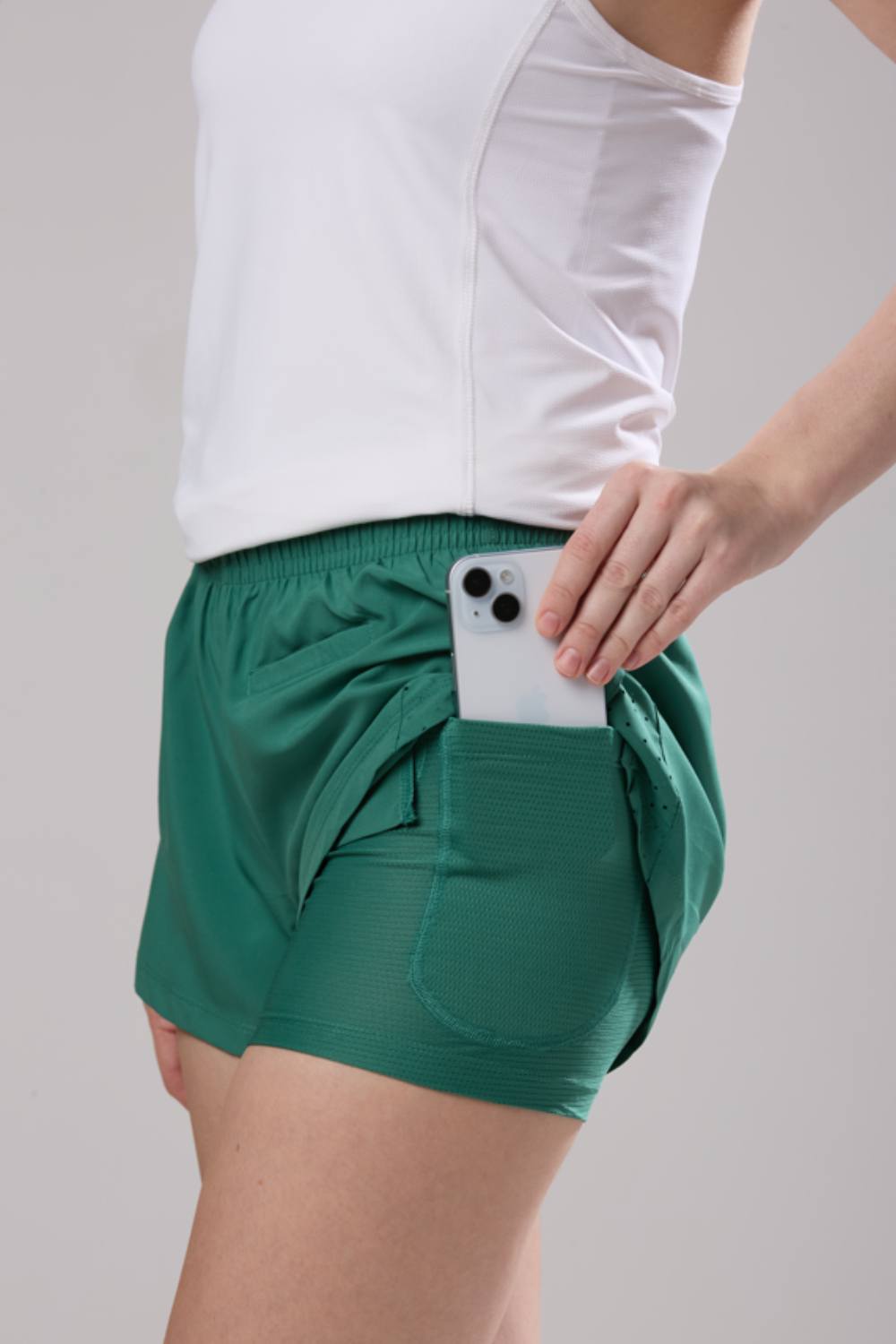
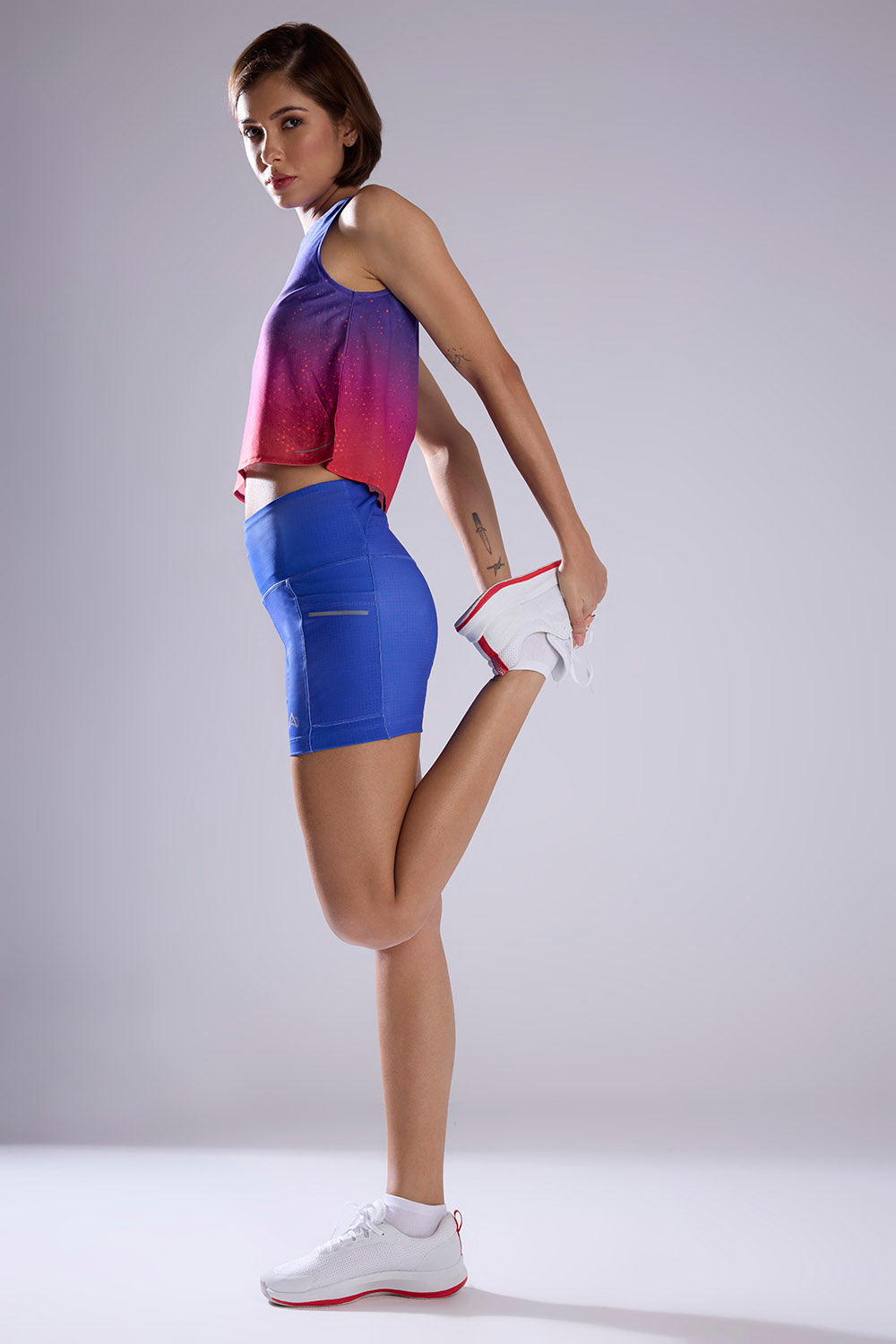
Many endurance runners carry nutrition, keys, or a phone during longer sessions. Poorly placed or loosely constructed pockets can introduce bouncing and secondary friction that compounds existing irritation. Storage designed to sit close to the body and remain stable reduces this additional movement. The goal is to keep carried items from becoming a separate source of distraction or abrasion.
Thoughtful pocket placement integrates with the overall garment architecture rather than being added as an afterthought. When storage remains secure and low-profile, the clothing system continues to support focus on pacing, fueling, and form instead of requiring mid-run management of shifting gear. This practical consideration becomes more significant as run duration increases and the cumulative effect of small disturbances grows.
Evaluating Apparel as an Integrated System
Selecting anti-chafe running clothes for long-distance comfort involves assessing how multiple design elements work together rather than relying on any single claim. Coverage length, seam strategy, moisture handling, liner construction, and storage stability each address a distinct aspect of the friction problem. A garment that excels in one area yet neglects another may still leave the runner exposed to irritation under sustained effort.
Practical evaluation starts with the demands of the individual training plan. Runners who routinely cover longer distances, train in humid conditions, or carry equipment benefit from prioritizing stability and moisture control. Those who experience specific friction points can focus on coverage and seam placement in those zones. Reviewing how a piece of apparel performs across an entire long session rather than only in the early kilometres provides clearer insight into its suitability.
Guidance on choosing running shorts for extended efforts underscores that comfort emerges from the combination of appropriate coverage, stable construction, thoughtful seam placement, moisture management, and secure storage. Viewing apparel through this systemic lens helps athletes move beyond surface-level features and identify clothing that continues to support them when ordinary garments begin to shift, retain moisture, or irritate the skin.
Practical Steps for Building Reliable Long-distance Comfort
Athletes preparing for marathon training or other endurance goals can apply several decision criteria when reviewing options. First, examine seam placement and finish quality in areas of high movement. Second, confirm that the fabric and any liner prioritize moisture transport and quick drying. Third, assess whether the fit remains secure without constriction and whether coverage matches personal friction patterns. Fourth, evaluate storage for stability if gear will be carried.
Layering decisions also influence outcomes. Base layers and shorts that share compatible moisture and friction characteristics reduce the chance of opposing materials creating new rub points. Consistency across the clothing system supports the same goal as individual garment quality: minimizing sources of distraction so that mental and physical resources remain available for the demands of the distance.
Environmental factors such as heat and humidity increase the value of effective moisture management, while cooler conditions may shift emphasis toward coverage and warmth without sacrificing movement. In all cases, the underlying requirement stays the same clothing that stays in place, manages sweat, and presents a smooth surface to the skin over many kilometres.
Anti-chafe running apparel supports long-distance comfort by treating clothing as an engineered interface between the body and sustained motion. When fabric choice, construction, fit, and practical details align, friction ceases to be a limiting factor and the runner can maintain attention on effort, pacing, and form. Selecting pieces according to these interconnected principles equips endurance athletes with gear that remains dependable as training volume and session length increase, turning apparel from a potential source of interruption into a reliable foundation for consistent performance.
Frequently Asked Questions
How do anti-chafe running apparel features help with long distance comfort?
Anti-chafe running apparel minimizes skin irritation from friction by using smooth, low-seam construction, interior grippers for stable fit, and moisture-wicking synthetics that keep the surface dry. This allows runners to maintain stride and focus without constant adjustments or repositioning, especially over extended distances where sweat and repetitive motion intensify issues.
Which fabric and design elements in running shorts reduce thigh chafing during long runs?
Longer inseams, close-fitting liners, and performance fabrics like polyester blends with spandex provide additional coverage and quick-drying moisture management while preventing fabric bunching or migration. These elements create a stable, smooth interface that stays in place, reducing the shear forces that commonly cause discomfort in high-friction zones like inner thighs.
What should I consider when selecting anti-chafe running apparel for endurance training?
Prioritize a system with appropriate coverage length, secure storage for gear, and moisture management that works with your fit and activity level, such as humid conditions or long-distance runs. Reviewing how the entire garment performs across a full session, rather than just the start, ensures it supports uninterrupted comfort and training progression without introducing new irritation points.
Disclaimer: The above helpful resources content contains personal opinions and experiences. The information provided is for general knowledge and does not constitute professional advice.
You may also be interested in: Women's Running Shorts India: The Complete Guide for Comfort & Performance
Tired of gear that slows you down? Chafing, soggy fabrics, and missing pockets kill your run's momentum. At Aguante, we're runners who get it. Our high-performance activewear features moisture-wicking fabrics, ergonomic designs, and smart storage to keep you focused. Shop Now!
Powered by flareAI.co