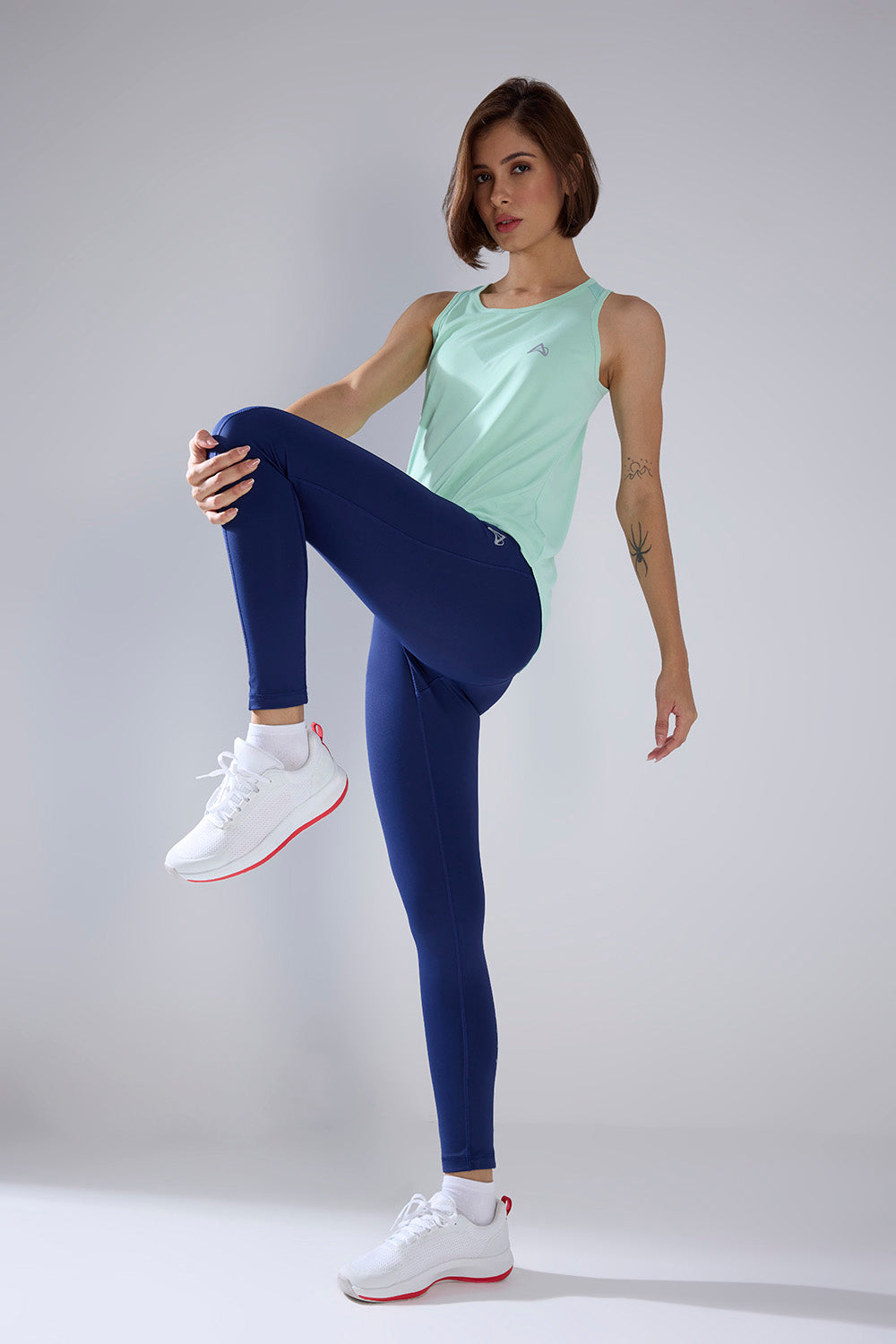



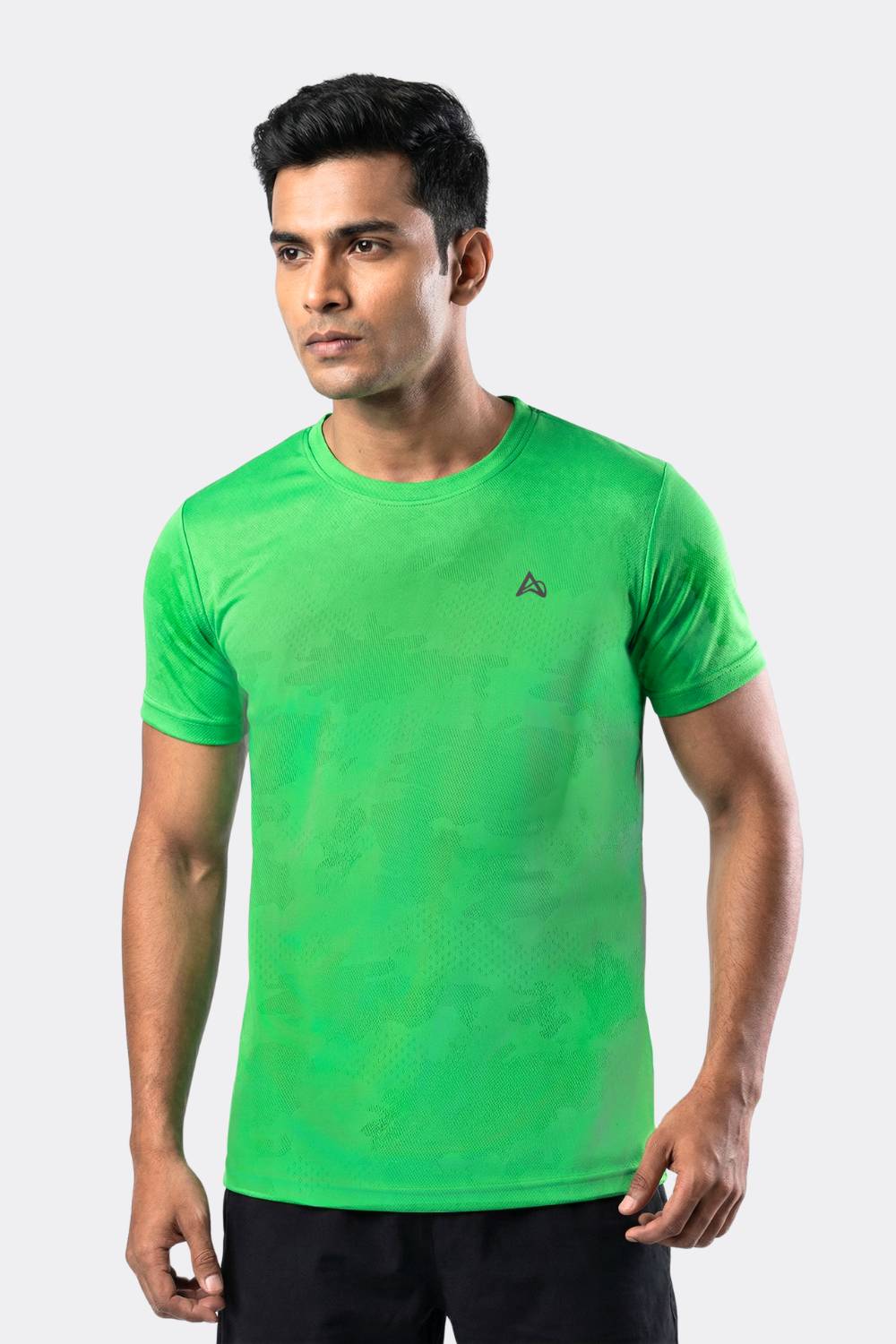
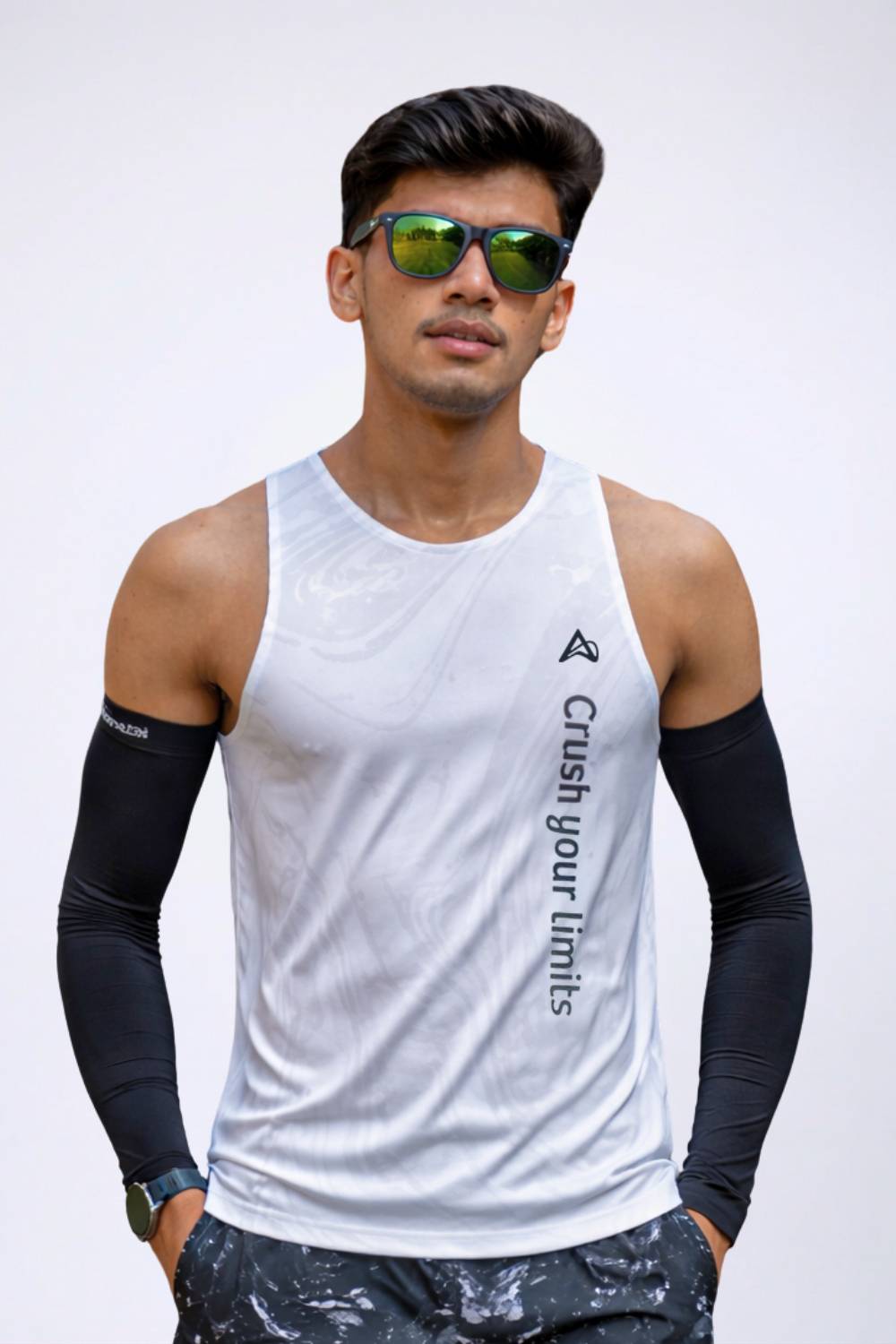

What should you wear for an early morning race in India? The ideal race-day outfit should be lightweight, breathable, moisture-wicking and comfortable enough to handle changing temperatures from the starting line to the finish.
Early morning races can be tricky because conditions may change quickly. You might feel cool or even cold while waiting at the start, but after several kilometres your body temperature rises and sweat becomes a bigger concern. In warmer and more humid Indian cities, moisture management becomes especially important.
The most important rule is simple: wear clothing and shoes that you have already tested during training. Race morning is not the time to experiment with a new singlet, shorts, socks or shoes.
What Should You Wear for an Early Morning Race?
A practical race outfit can include:
- Lightweight running singlet or T-shirt
- Running shorts or half tights
- Technical running socks
- Tested running shoes
- Sports bra for women
- Lightweight cap or visor if needed
- GPS watch
- Anti-chafing product if you normally use one
- Race bib and timing accessories
For a cooler morning, you can add a lightweight outer layer before the start and remove it once you warm up.
The exact outfit depends on the race distance, temperature, humidity, wind, location and your personal preference.
1. Choose a Lightweight Running Top
Your top is one of the first things to consider for an early morning race.
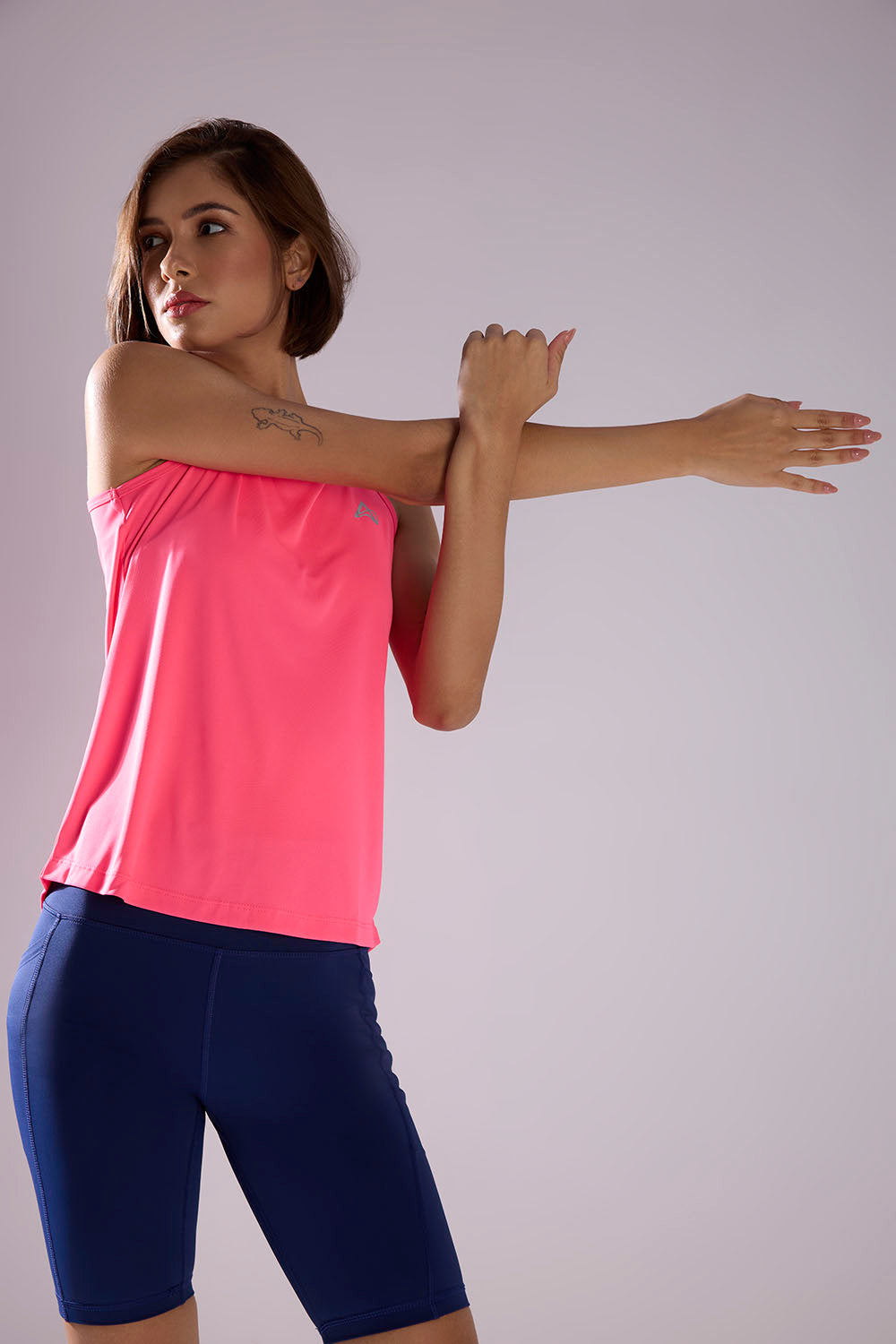
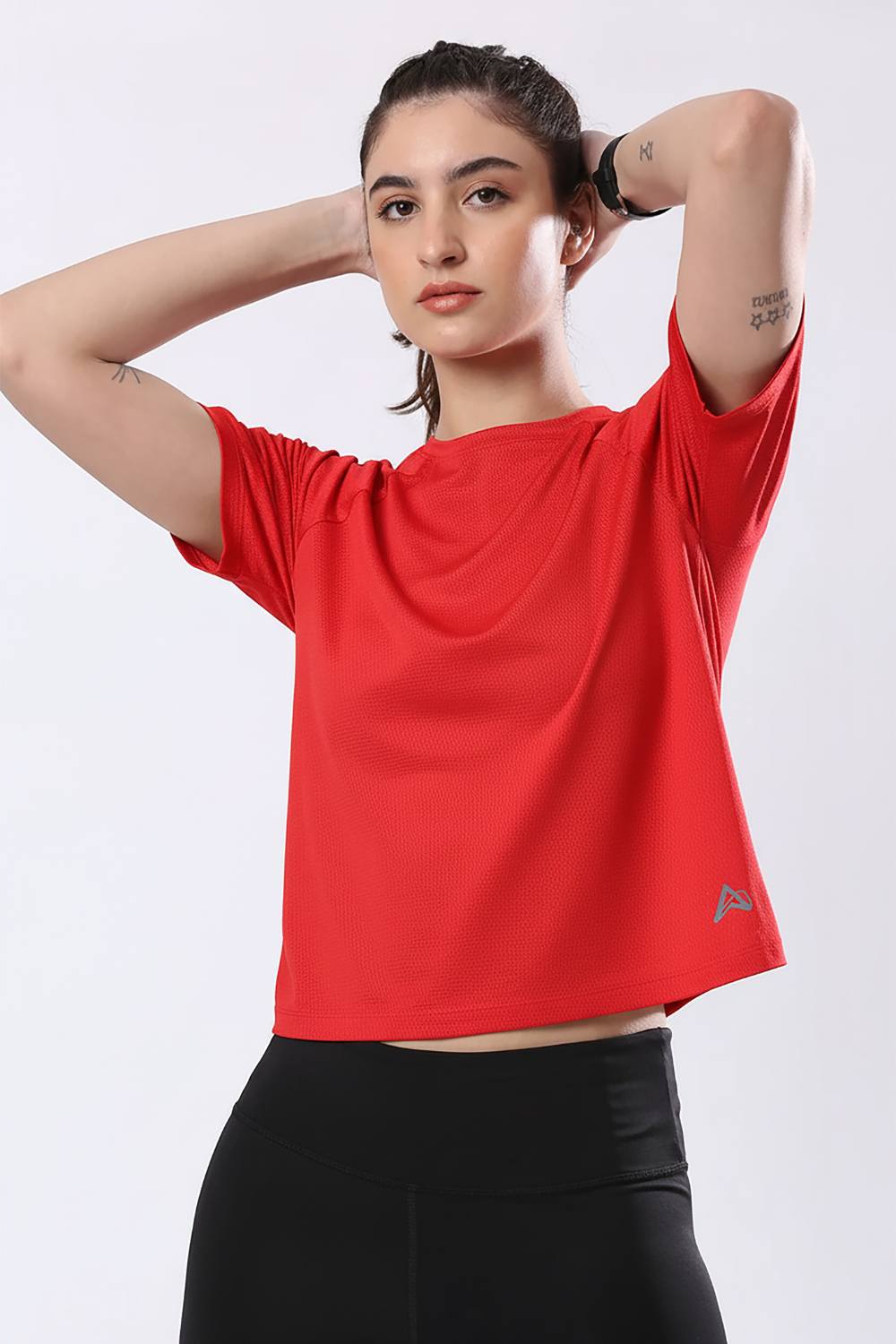
A lightweight technical singlet or T-shirt can help manage sweat as your body heats up.
Look for:
- Moisture-wicking fabric
- Quick-drying construction
- Lightweight material
- Breathability
- Comfortable seams
- Freedom of movement
- Reflective details when visibility is low
A singlet can be particularly useful when temperatures are already warm or humidity is high. If you prefer more coverage, choose a lightweight performance T-shirt rather than a heavy cotton shirt.
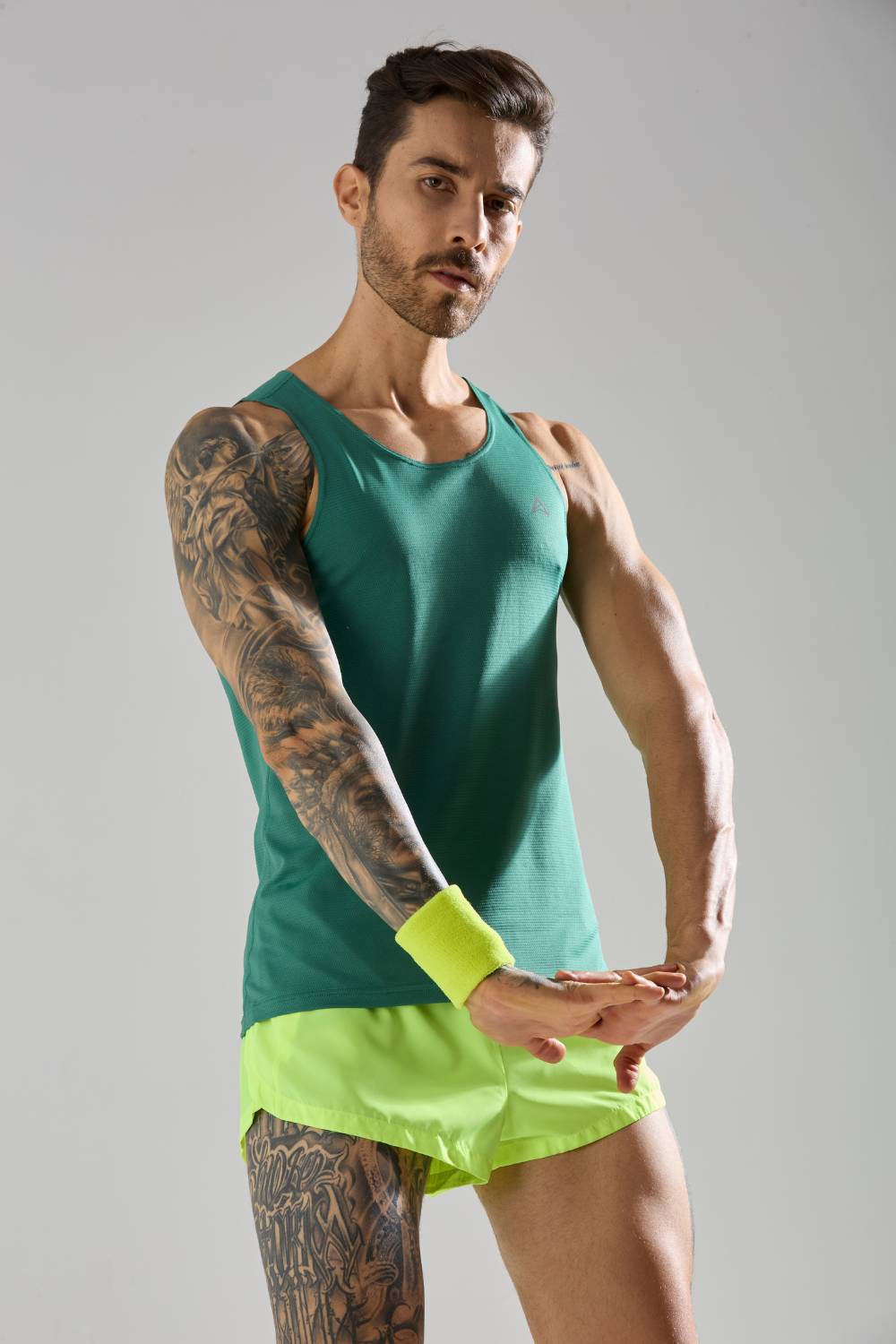
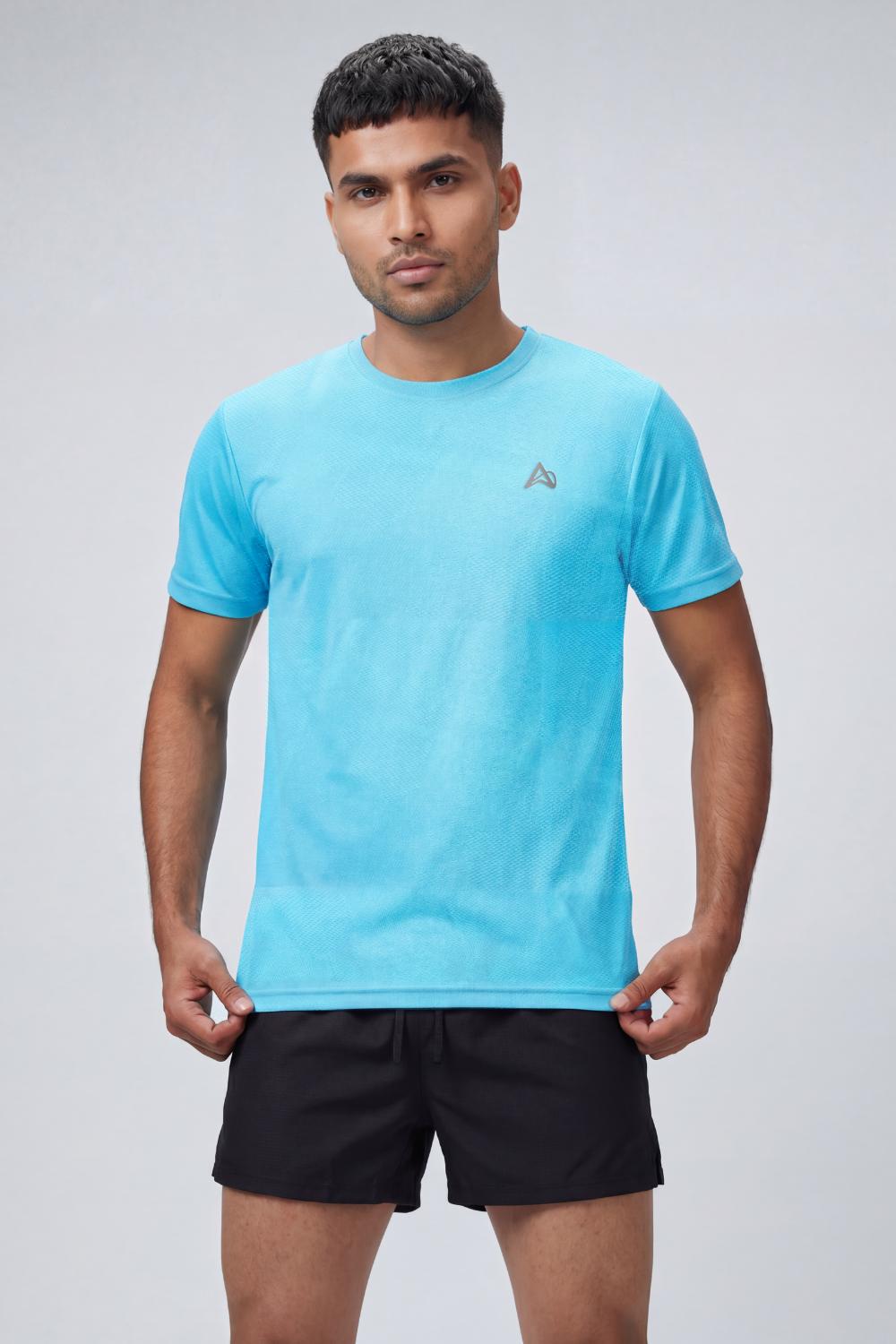
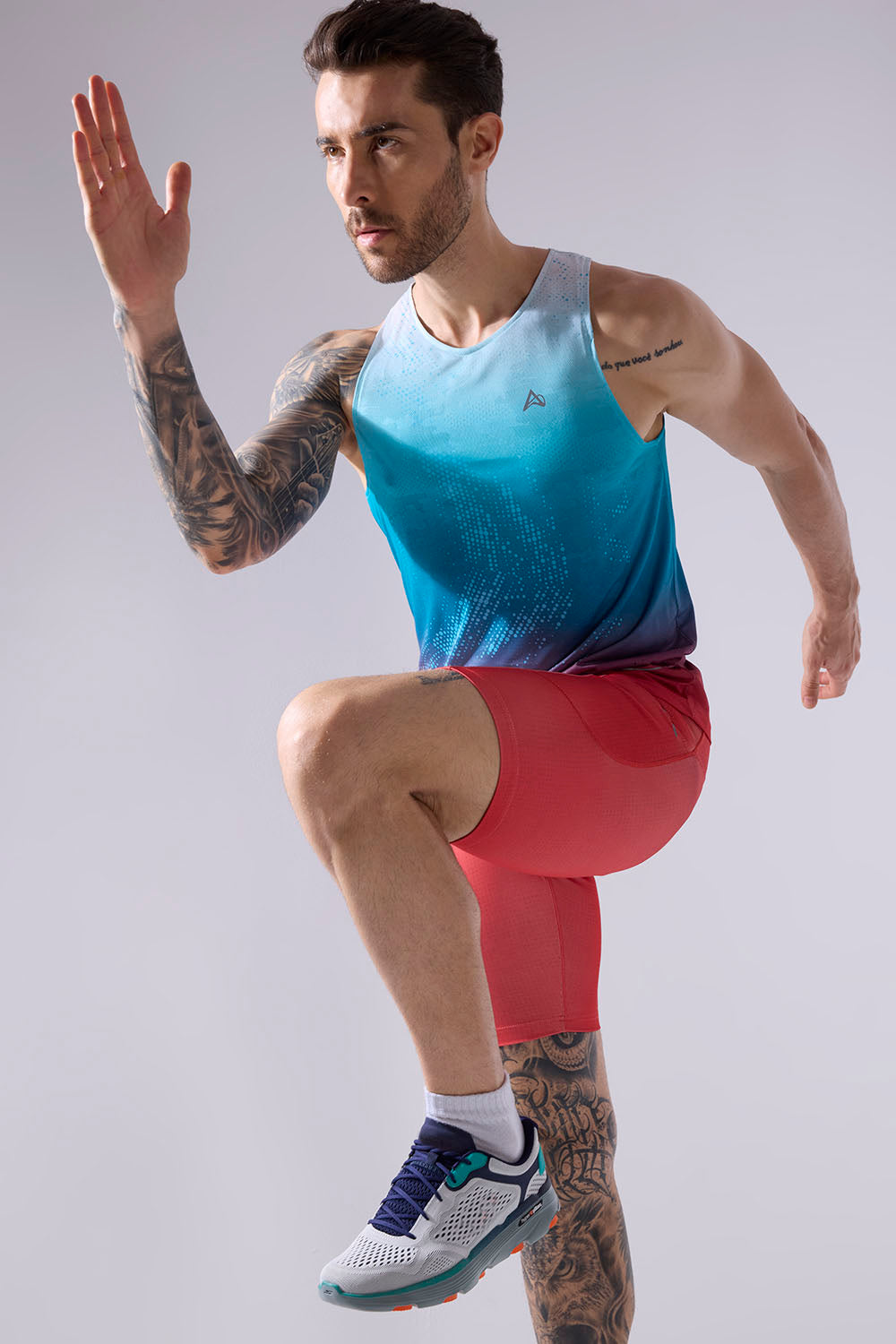
Aguante's Men's Race Singlet, for example, is listed at approximately 82g in size S and features moisture-wicking and quick-dry fabric, a perforated back and reflective details for visibility during early-morning and evening runs.
Explore Aguante Men's Race Singlet
For women, Aguante's Race Singlet is another race-focused option, while the Pro Race Singlet – India Edition uses lightweight mesh, a perforated back, moisture-wicking fabric and reflective detailing.
Explore Aguante Women's Race Singlet
2. Running Shorts or Half Tights?
Your bottom layer should allow unrestricted movement while managing sweat and friction.
You generally have two main choices:
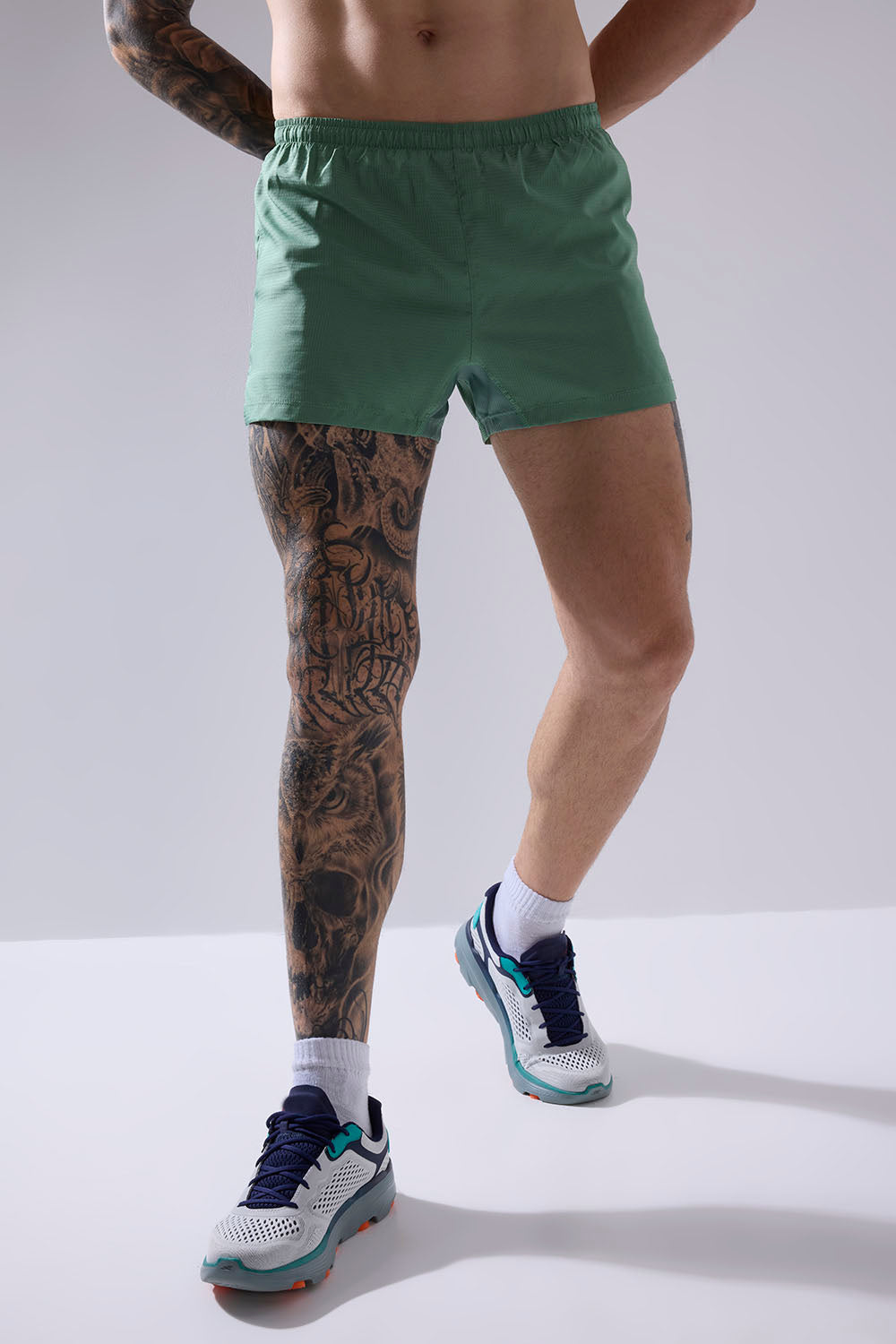
Running Shorts
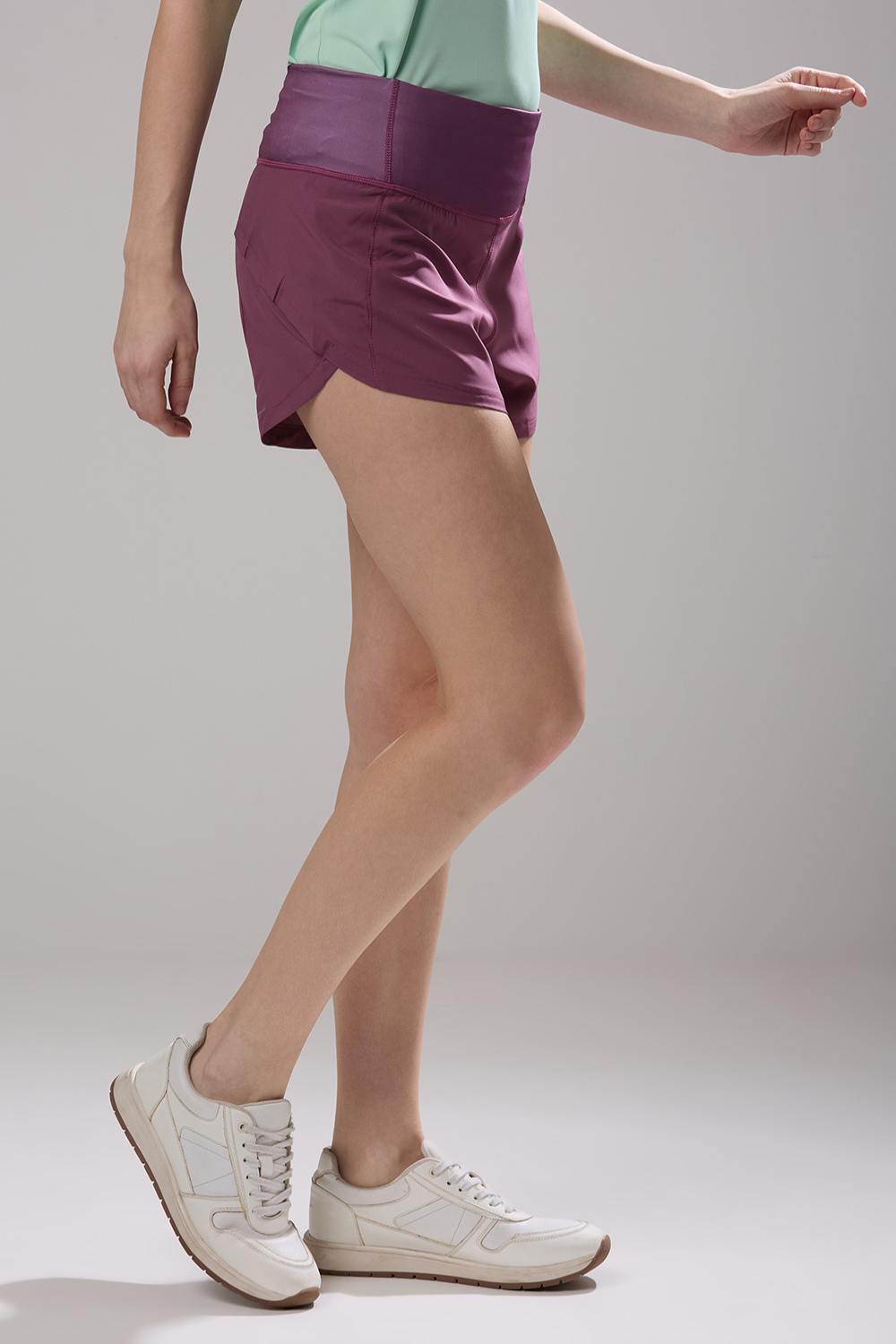
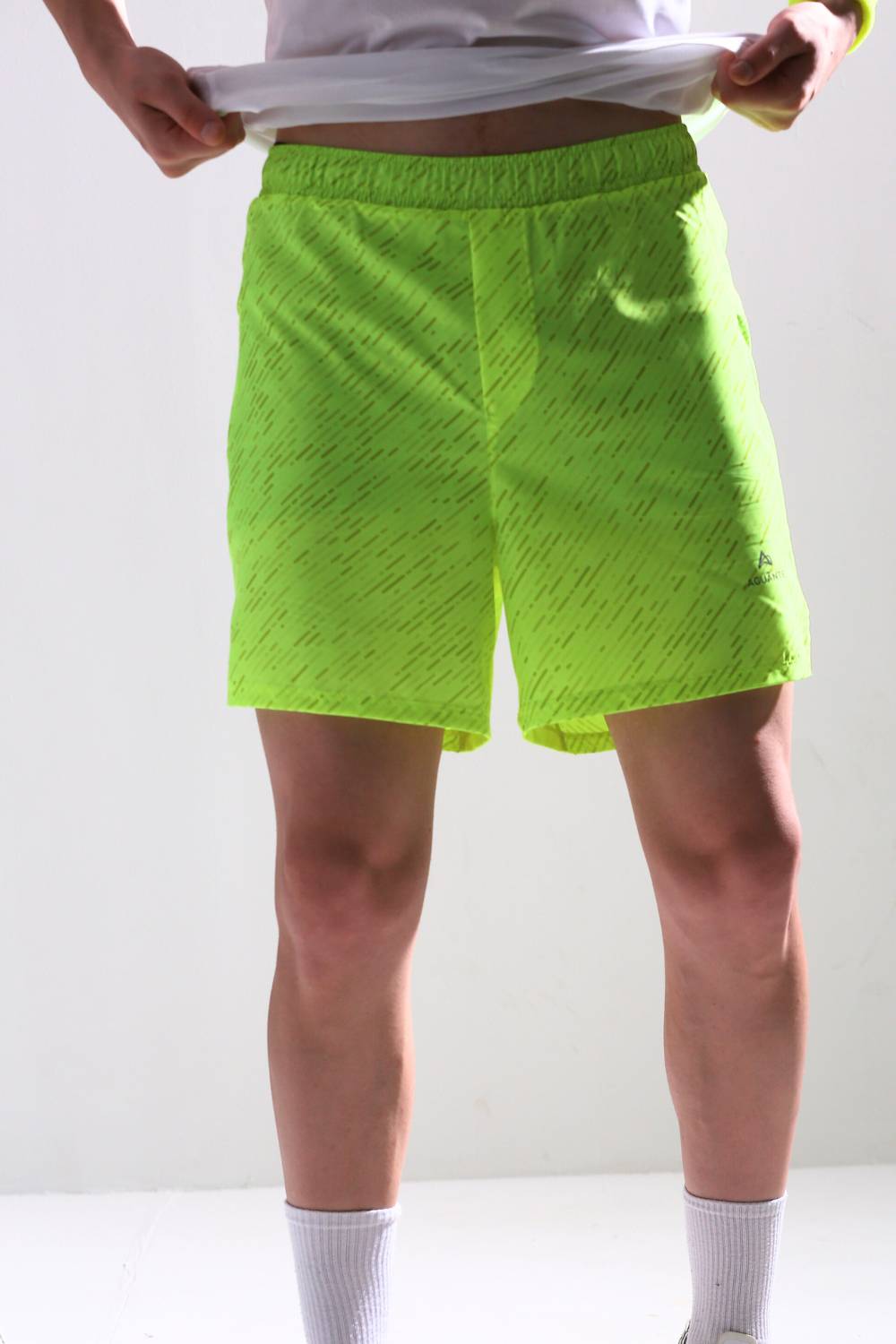
Running shorts can provide:
- Greater airflow
- Lightweight feel
- Freedom around the thighs
- Good ventilation in warm weather
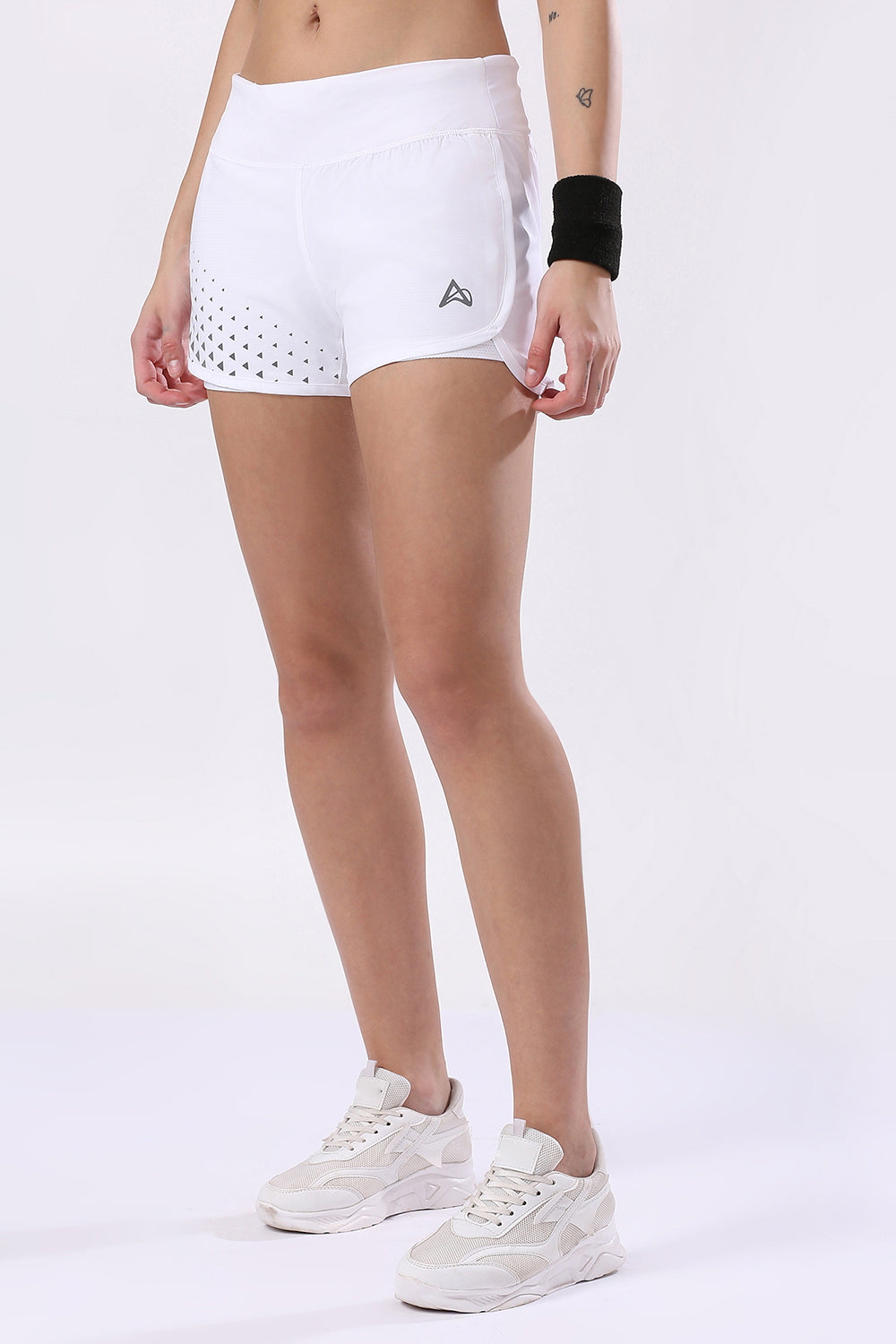
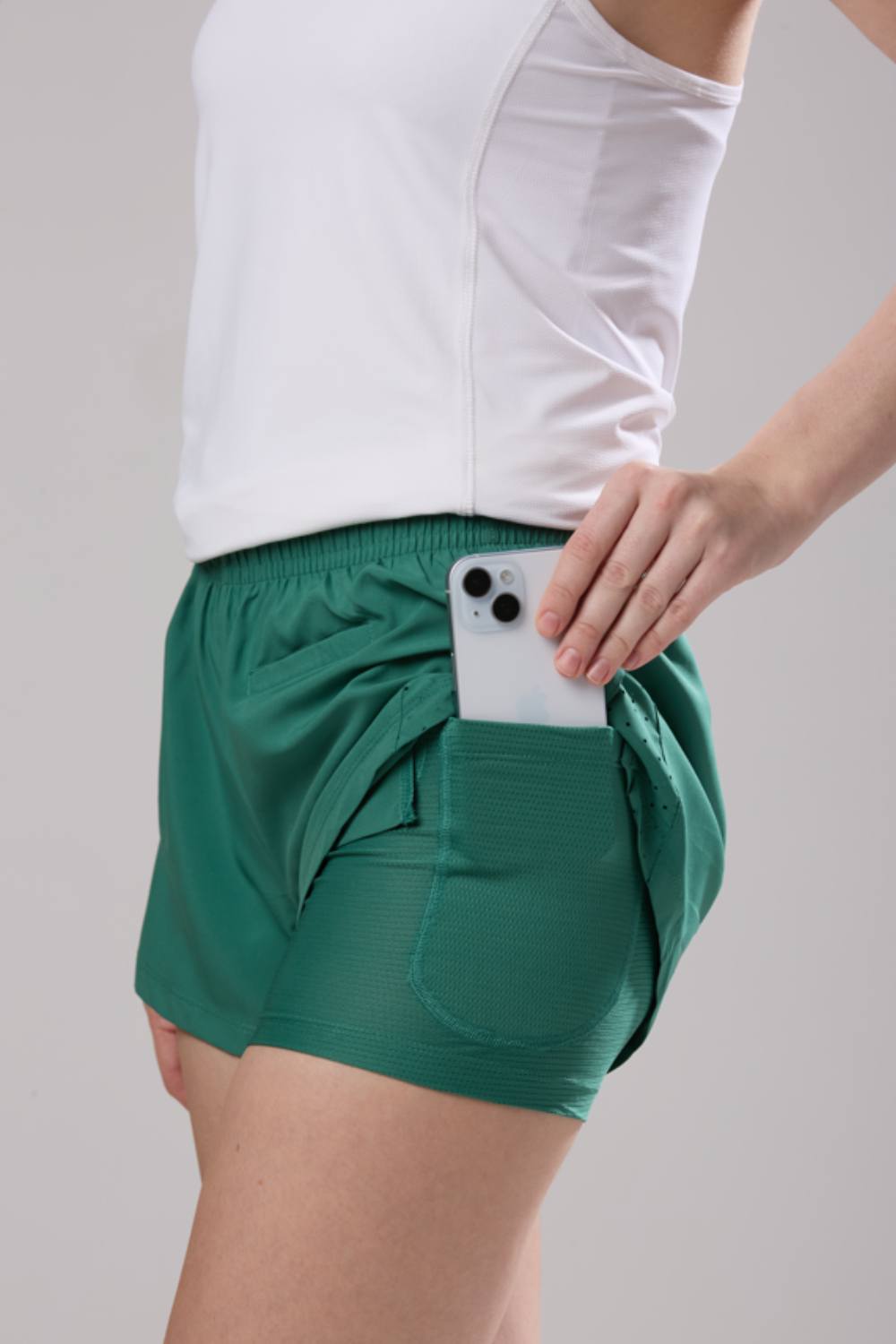
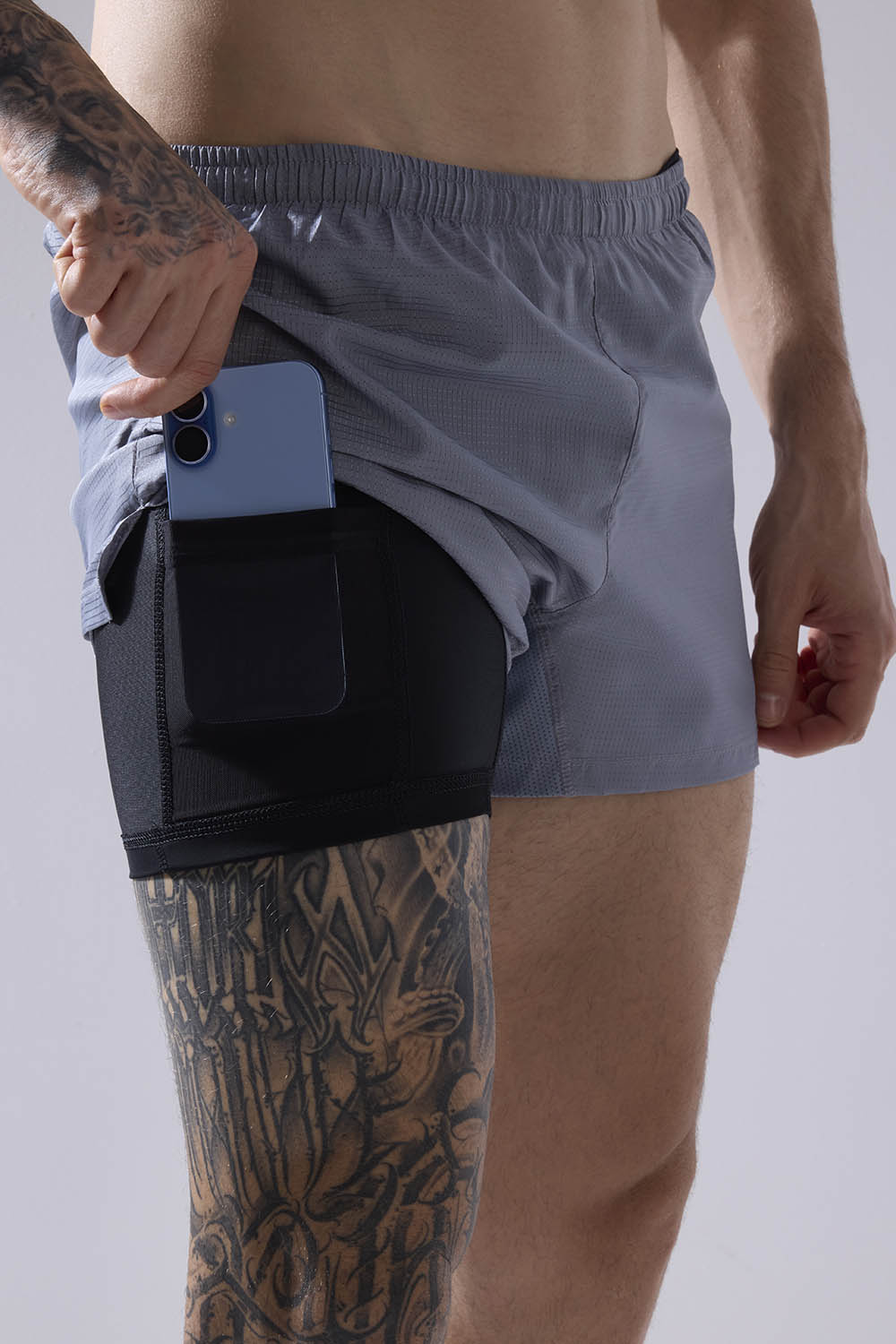
Shorts with an inner liner can also provide additional coverage and help reduce friction.
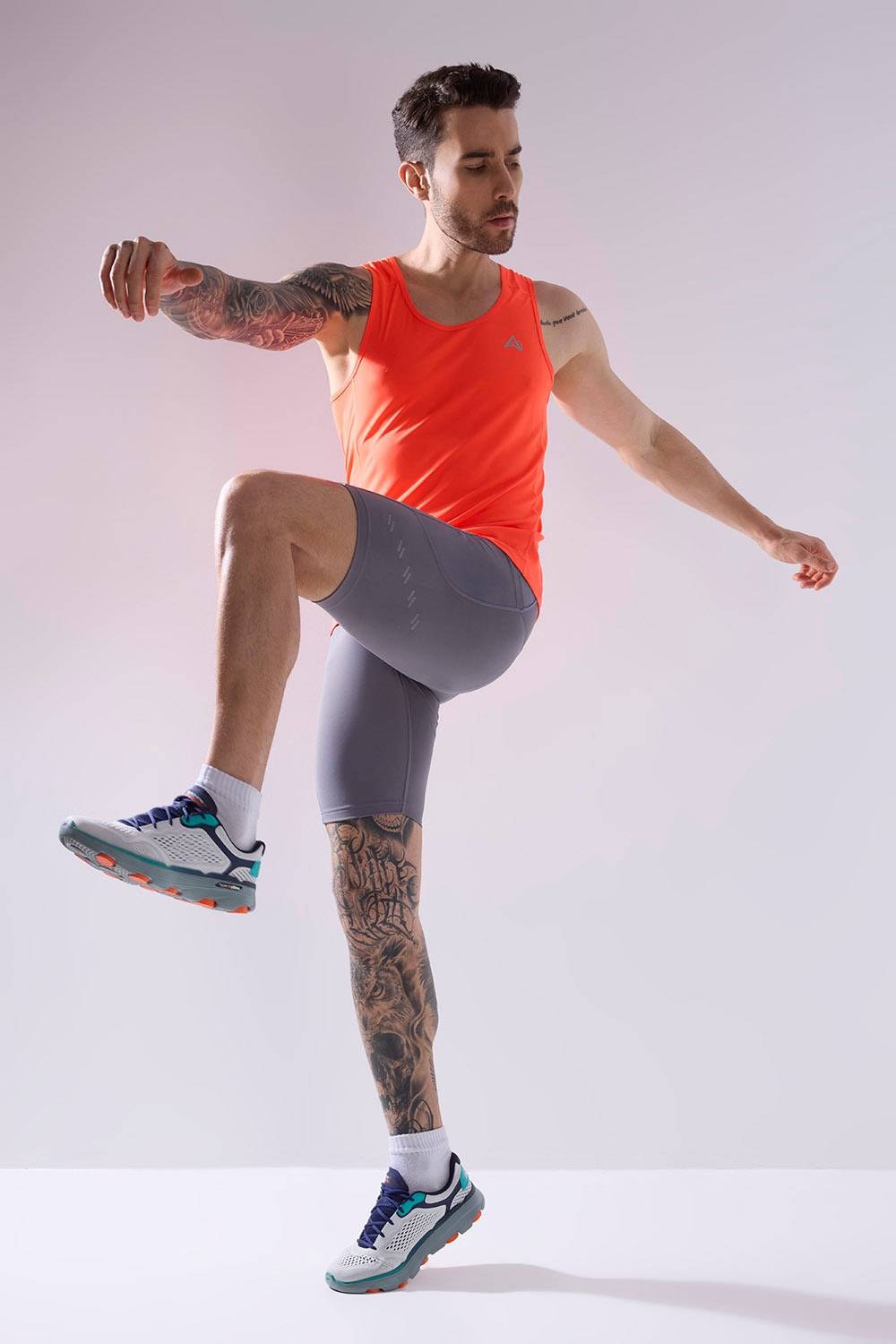
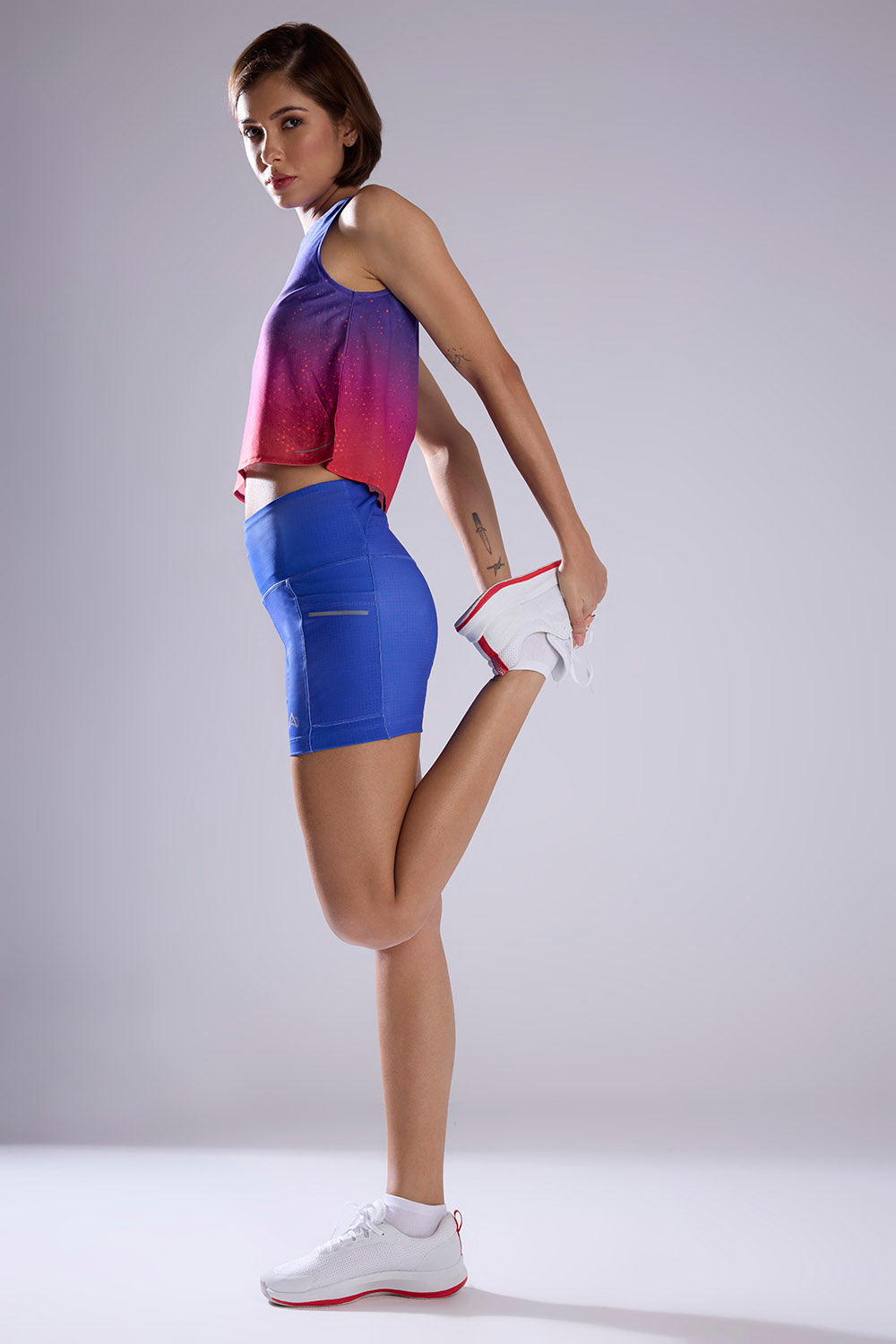
Half Tights
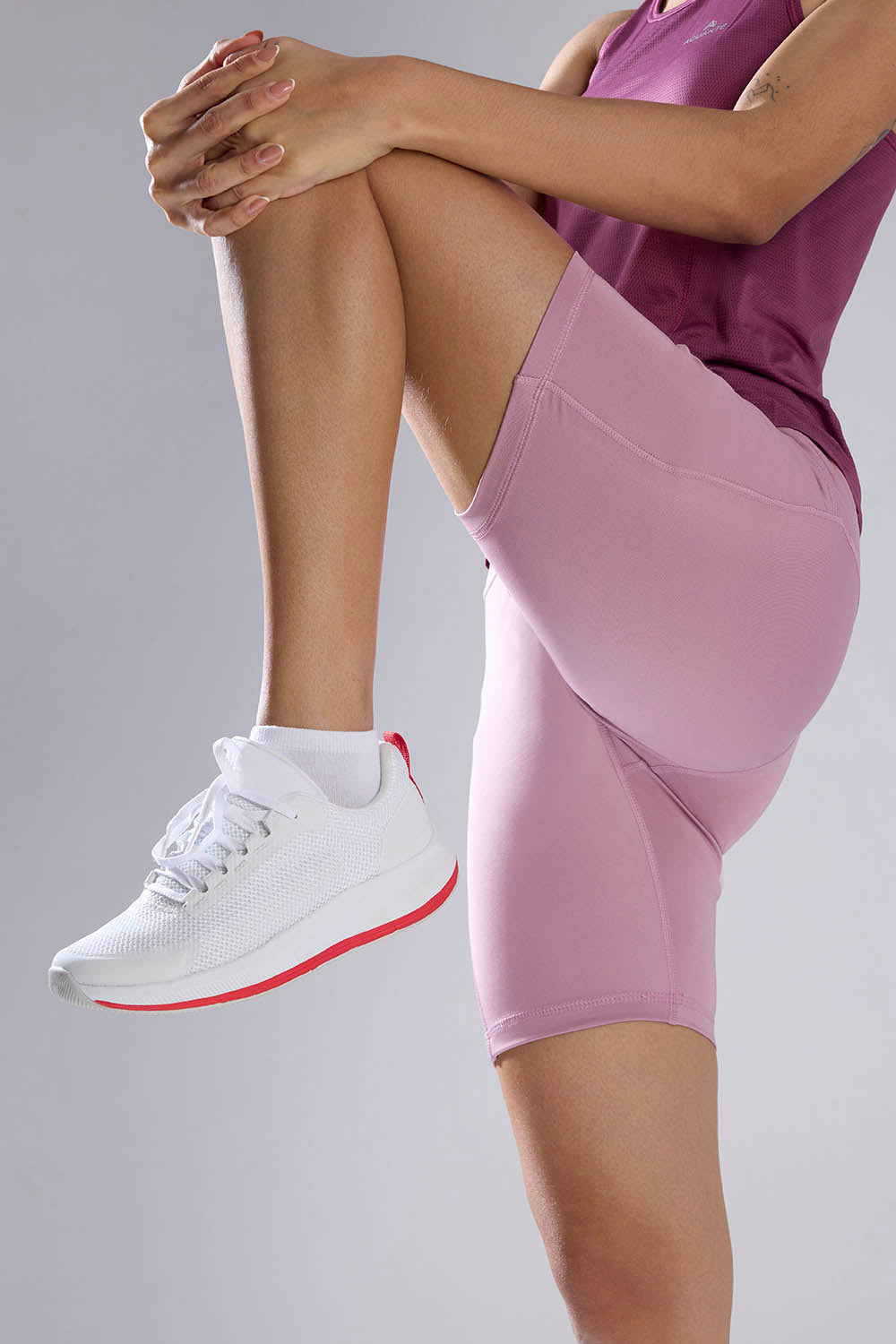
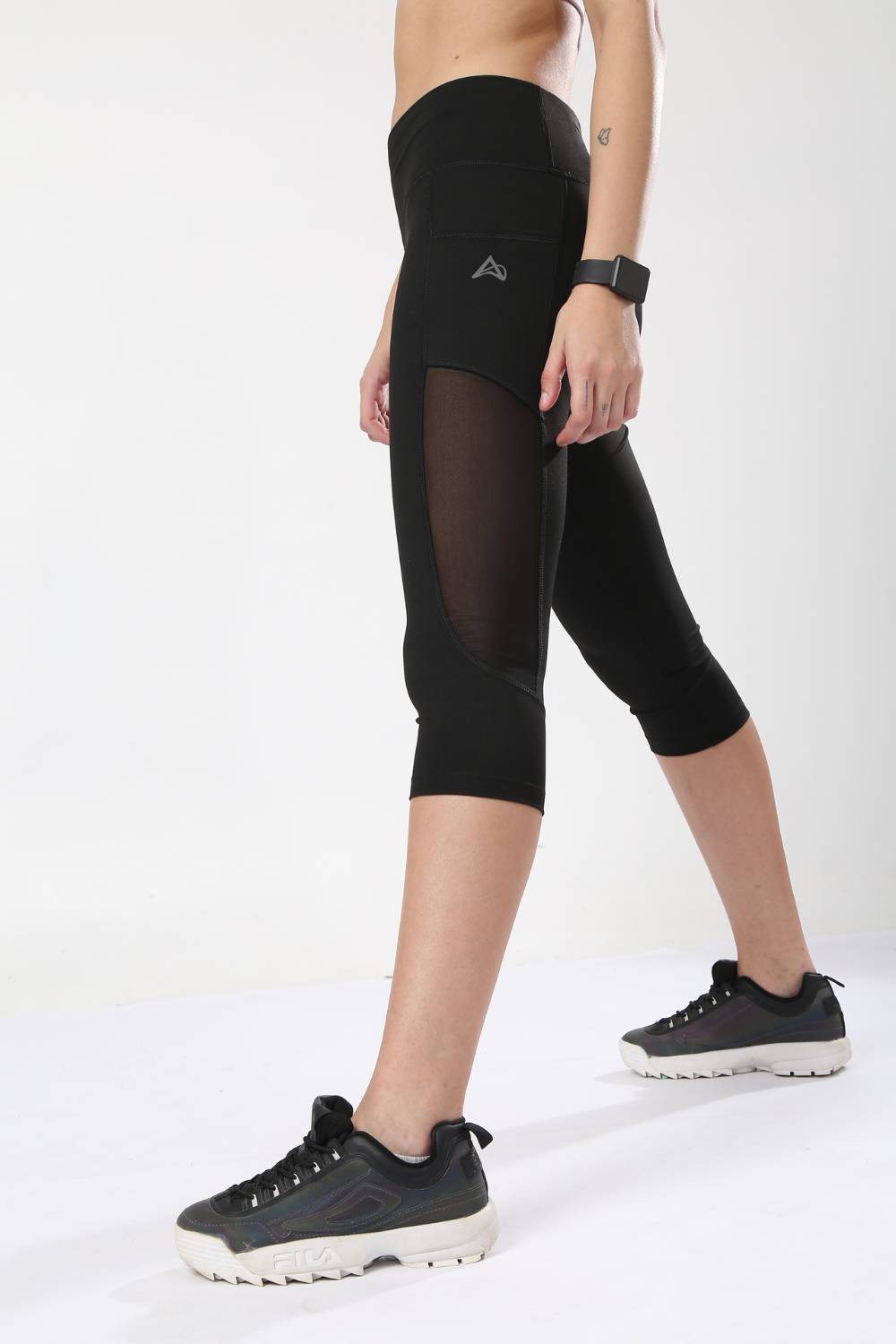
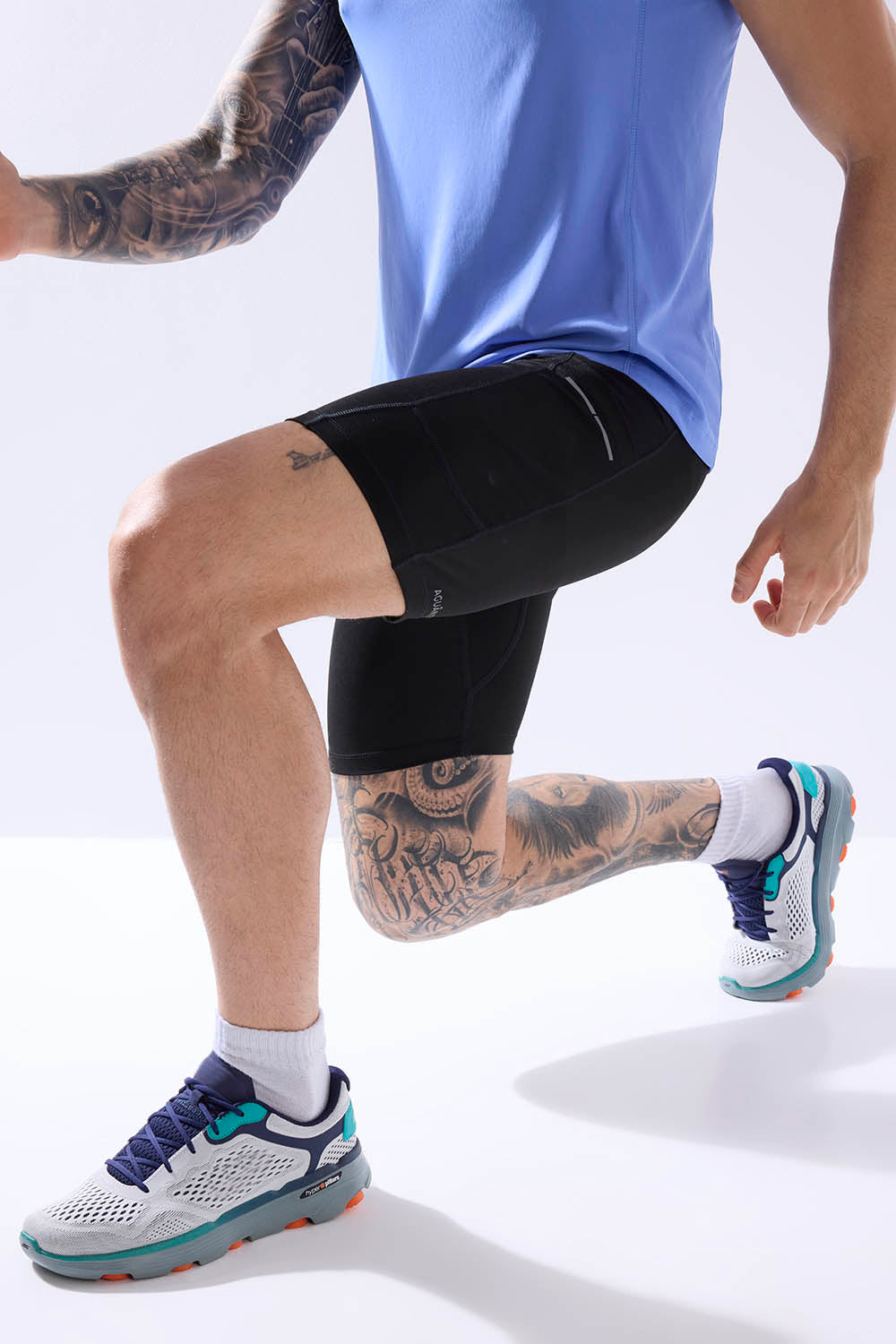
Half tights provide closer-fitting coverage around the thighs.
They can be useful if you:
- Experience thigh chafing
- Prefer a secure fit
- Want less fabric movement
- Are running a half or full marathon
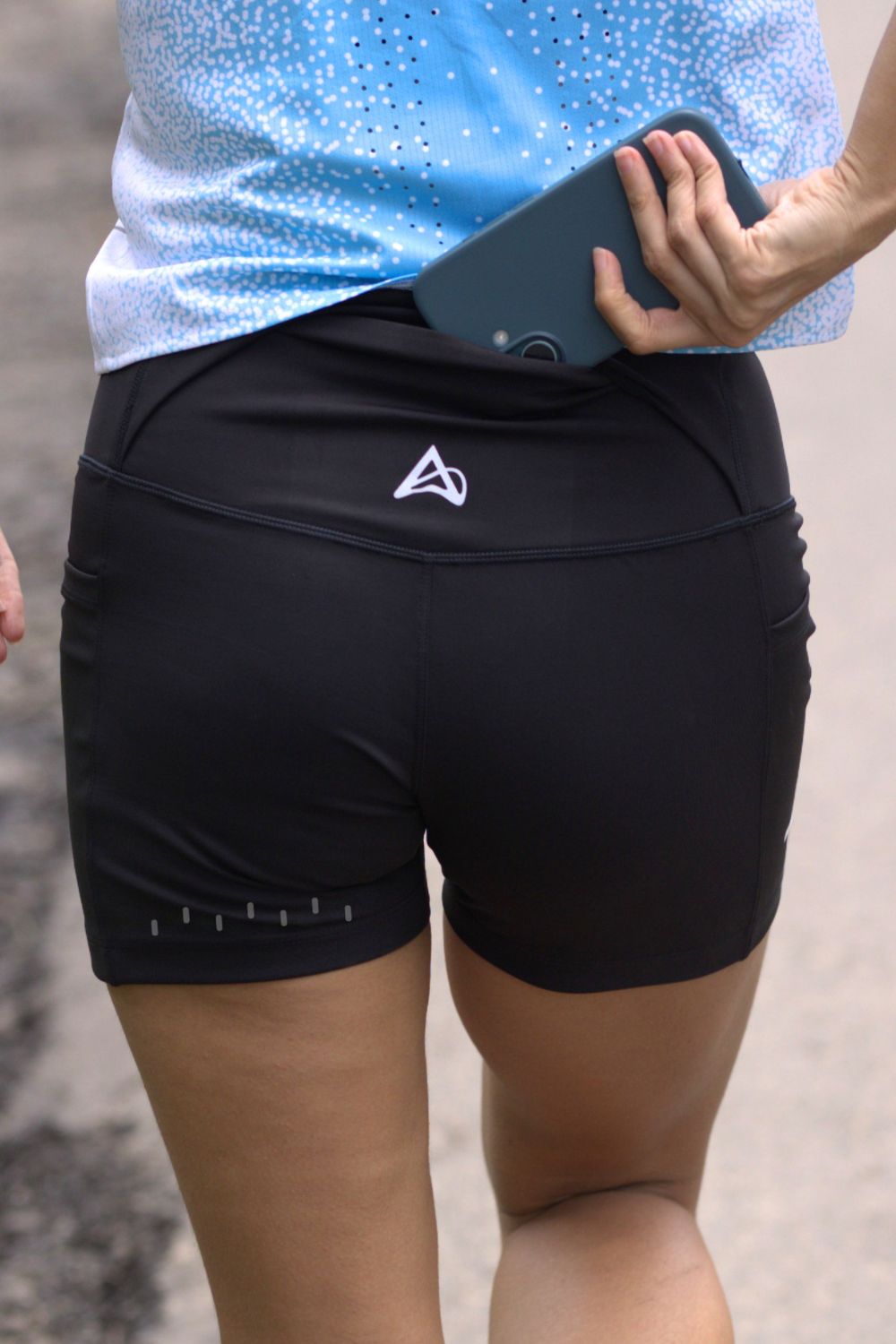
- Need secure pockets
Aguante offers men's and women's half tights in several lengths and designs.
The choice between shorts and half tights ultimately comes down to comfort and what you have already tested in training.
3. Should You Wear Shorts With an Inner Liner?
For many runners, lined shorts are a convenient option for race day.
An inner liner can provide:
- Additional coverage
- Moisture management
- Light support
- Reduced friction
- A built-in alternative to separate running underwear
However, a liner isn't mandatory.
If you already use technical running underwear or compression shorts comfortably, unlined shorts can also work.
The key is to avoid wearing an unfamiliar combination on race day.
If you're running a half marathon or marathon, test your shorts during a long training run before the event.
4. Choose the Right Inseam
Running shorts are available in different lengths, including 3.5", 5" and 7".
3.5" Shorts
Suitable for runners who prefer:
- Maximum airflow
- Minimal coverage
- Lightweight construction
- Greater freedom around the thighs
5" Shorts
A versatile middle option for:
- Daily running
- Long runs
- Racing
- Gym training
- Mixed workouts
7" Shorts
Useful if you prefer:
- More thigh coverage
- A longer silhouette
- Running plus strength training
- Functional fitness
For a warm early morning race, shorter shorts can provide more airflow, but personal comfort matters more than the number on the inseam.
5. Don't Forget Your Sports Bra
For women runners, the sports bra is just as important as the outer race outfit.
Choose one that provides the level of support you need without causing:
- Chafing
- Pressure
- Restricted breathing
- Uncomfortable movement
Avoid wearing a brand-new sports bra for a long race.
Test it during training sessions, including at least one longer run.
Aguante's women's running range includes race-focused tops and other performance apparel designed for running.
Aguante Women's Running Collection
6. Wear Technical Running Socks
Socks may look like a small detail, but they can become extremely important over 10K, half marathon and marathon distances.
Choose socks that:
- Manage moisture
- Fit securely
- Don't bunch up
- Have comfortable seams
- Work with your running shoes
Avoid trying brand-new socks on race morning.
Even a small wrinkle can become an irritating hotspot after thousands of steps.
7. Wear Your Tested Running Shoes
Your running shoes should be one of the most thoroughly tested pieces of your race outfit.
Don't buy a new pair immediately before race day and assume they'll work.
Your race shoes should already have been used during training so you know:
- How they fit
- How they feel over distance
- Whether they cause hotspots
- How your feet respond to them
- Whether your socks work comfortably with them
For a marathon, familiarity is especially important.
8. What If the Morning Is Cold?
Some Indian races start very early, and temperatures can be noticeably cooler before sunrise.
If you are uncomfortable standing at the start, consider a lightweight:
- Running jacket
- Long-sleeve layer
- Arm sleeves
- Warm-up layer
But think about what you'll do with the layer once the race begins.
Avoid wearing a heavy jacket simply because you're cold while waiting. Your body will generate considerably more heat once you start running.
For example, Pune's winter race mornings can be substantially cooler before sunrise than later in the morning, so the start-line temperature may not represent the conditions you'll experience throughout the race.
9. What If the Race Is in a Hot or Humid City?
For races in places such as Mumbai, Chennai, Hyderabad or other warm-weather locations, focus on:
- Lightweight fabrics
- Moisture-wicking construction
- Breathability
- Quick drying
- Minimal unnecessary layers
Humidity can make sweat evaporation less efficient, which means clothing can remain wet and cling to the body.
A lightweight singlet and running shorts can therefore be a practical combination if you're comfortable racing in them.
10. What Should You Wear for a Monsoon Race?
If rain is possible, avoid clothing that becomes heavy when wet.
Consider:
- Quick-drying running top
- Quick-drying shorts or half tights
- Technical socks
- Shoes suitable for the course
- Anti-chafing product if you normally use one
Cotton can absorb water and become heavier, while technical synthetic fabrics are generally designed to manage moisture and dry more quickly.
Don't automatically assume you need a waterproof jacket. In warm, humid rain, a heavy waterproof layer can trap heat and sweat.
11. Don't Ignore Chafing
Chafing can turn a good race into an uncomfortable experience.
Common problem areas include:
- Inner thighs
- Groin
- Underarms
- Nipples
- Waistband
- Sports-bra edges
Your race clothing should fit securely without excessive rubbing.
If you normally use an anti-chafing balm, test it during training and follow the same routine on race day.
Running shorts with a suitable liner or close-fitting half tights can also help reduce thigh friction.
12. Think About Pockets and Race Nutrition
For longer races, storage can be important.
Depending on the race and your fueling strategy, you may need to carry:
- Energy gels
- Phone
- Keys
- ID
- Cards
- Electrolytes
However, don't choose clothing simply because it has the largest number of pockets.
The pockets should hold your essentials securely without excessive bouncing.
Aguante's StrideMax Ultimate Shorts, for example, are listed with five pockets, while its half tights offer additional storage options.
Explore Aguante StrideMax Ultimate Shorts
13. What Should You Wear for a 5K Race?
A 5K generally doesn't require a complicated outfit.
A simple setup can be:
Men:
- Lightweight singlet or T-shirt
- Running shorts
- Technical socks
- Tested running shoes
Women:
- Lightweight singlet or T-shirt
- Sports bra
- Running shorts or half tights
- Technical socks
- Tested running shoes
Add a cap or other accessories only if you've already used them during training.
14. What Should You Wear for a 10K Race?
For a 10K, the same basic outfit works.
Pay more attention to:
- Chafing
- Sweat management
- Secure pockets
- Waistband comfort
- Shoe familiarity
A lightweight top and comfortable running shorts or half tights should be sufficient for most conditions.
15. What Should You Wear for a Half Marathon?
As distance increases, small clothing problems become more significant.
For a half marathon, consider:
Top: Lightweight moisture-wicking singlet or T-shirt
Bottom: Running shorts with liner or half tights
Socks: Technical running socks
Shoes: Well-tested running shoes
Accessories: GPS watch, race bib and tested anti-chafing product if required
Storage: Secure pockets for gels and other essentials
The entire combination should be tested during long training runs.
16. What Should You Wear for a Full Marathon?
For a full marathon, comfort and familiarity become even more important.
Your race outfit should ideally be something you've already worn during several long runs.
Test:
- Top
- Sports bra
- Shorts or half tights
- Socks
- Shoes
- Anti-chafing routine
- Nutrition storage
- Watch
- Any additional accessories
Your clothing should not be an experiment.
Early Morning Race Outfit for Men
A practical men's race-day outfit could look like:
Hot morning:
Lightweight singlet + running shorts + technical socks + running shoes
Cool morning:
Lightweight T-shirt or singlet + shorts + optional arm sleeves or light warm-up layer
Humid morning:
Breathable moisture-wicking singlet + lightweight shorts or half tights + technical socks
Aguante's Race Singlet is specifically designed for races, speed sessions and long runs and includes reflective details for lower-light conditions.
Explore Aguante Men's Race Apparel
Early Morning Race Outfit for Women
A practical women's race outfit could include:
Top: Sports bra + lightweight singlet or T-shirt
Bottom: Running shorts or half tights
Socks: Technical running socks
Shoes: Tested running shoes
Optional: Cap, watch and anti-chafing product
For cooler mornings, add a lightweight layer before the start.
Aguante's women's race-day collection includes running tops, shorts and half tights designed around features such as moisture management, breathability and secure storage.
Explore Aguante Women's Race-Day Apparel
The Most Important Rule: Don't Wear Anything New
This deserves repeating.
Never make race morning your first test of your race outfit.
Use training to discover whether:
- Your shorts ride up
- Your liner causes irritation
- Your waistband moves
- Your shirt chafes
- Your socks bunch
- Your shoes create hotspots
- Your pockets bounce
- Your sports bra feels comfortable
Race-day guidance from Indian running resources similarly recommends laying out and using the exact clothing and equipment you've already tested in training.
Early Morning Race-Day Checklist
Clothing
☐ Lightweight running top
☐ Running shorts or half tights
☐ Sports bra, if required
☐ Technical running socks
☐ Lightweight warm-up layer if needed
Footwear
☐ Tested running shoes
☐ Tested socks
☐ Race-day shoes used during training
Accessories
☐ GPS watch
☐ Race bib
☐ Safety pins or bib attachment
☐ Cap or visor if required
☐ Anti-chafing product
☐ Sunglasses if appropriate
Race Nutrition
☐ Energy gels
☐ Electrolytes if required
☐ Hydration plan
☐ Secure storage
Before Leaving Home
☐ Check race organiser instructions
☐ Check weather forecast
☐ Confirm start time
☐ Prepare your complete outfit
☐ Charge your watch
☐ Pack post-race clothing
Final Thoughts
So, what should you wear for an early morning race in India?
Start with a lightweight moisture-wicking top, comfortable running shorts or half tights, technical socks and well-tested running shoes. If the morning is cool, use a lightweight additional layer before the start. If the weather is warm or humid, prioritise airflow, sweat management and minimal layers.
Most importantly, race in clothing you've already tested during training. The perfect race outfit isn't necessarily the most expensive or most technical one—it's the combination that fits comfortably, manages moisture, doesn't chafe and lets you concentrate on running.
For Indian runners, Aguante offers race-focused singlets, running shorts, half tights and other performance apparel designed around running in varied Indian conditions.
Shop Aguante Long Run & Race Day Collection
FAQs
What should I wear for an early morning marathon in India?
A lightweight moisture-wicking singlet or T-shirt, comfortable running shorts or half tights, technical socks and well-tested running shoes are a practical starting point. Add a lightweight layer if the start is cold.
Should I wear a T-shirt or singlet for an early morning race?
It depends on temperature, humidity and personal preference. A singlet provides less coverage and can feel more breathable, while a lightweight T-shirt provides additional coverage.
Should I wear running shorts or half tights?
Both can work. Choose running shorts if you prefer airflow and freedom around the thighs. Choose half tights if you prefer close-fitting coverage or experience thigh friction.
Should I wear an inner liner?
Lined shorts can provide additional coverage, moisture management and friction control. However, unlined shorts can also work with suitable running underwear.
Should I wear a jacket for an early morning race?
Only if the conditions require it. A lightweight layer can be useful while waiting at the start in cooler weather, but avoid heavy layers that you'll quickly overheat in once the race begins.
Can I wear new running shoes on race day?
It's better to race in shoes you've already tested during training. New shoes can introduce unexpected fit, rubbing or comfort problems.
What should I wear for a humid morning race in India?
Choose lightweight, breathable and moisture-wicking clothing. Avoid unnecessary layers and use shorts or half tights that you've already tested for chafing and comfort.