



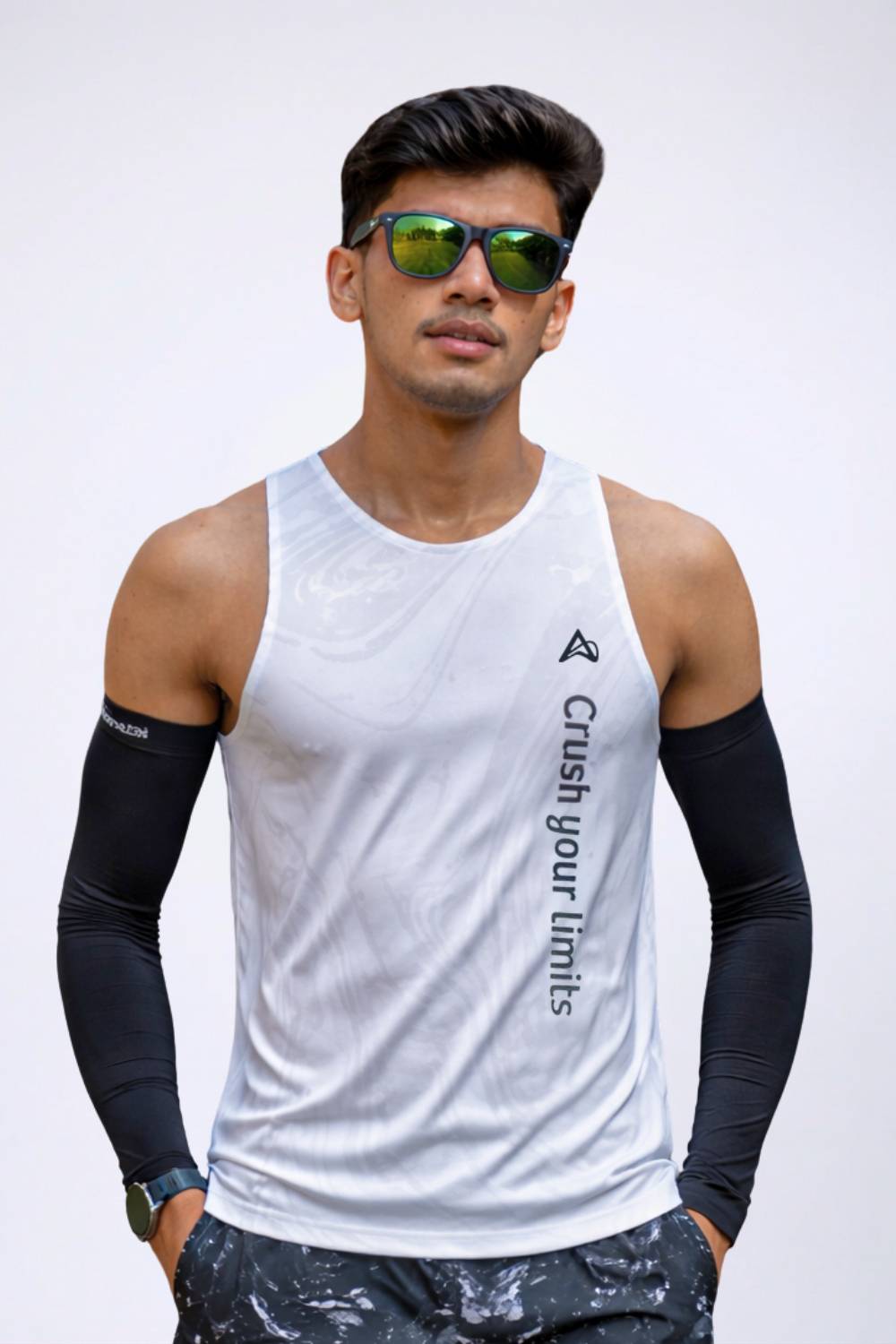

How do you carry your phone, gels and keys while running a marathon? The simplest answer is to use running shorts, half tights, a running belt or a hydration vest with secure, bounce-free storage.
During a marathon, even small items can become annoying if they move around, bounce or create pressure. Your phone can feel heavy in a loose pocket, gels need to be easy to reach, and keys should be secured so they don't fall out or constantly jingle.
The right storage system depends on how much you need to carry, your marathon's aid stations, your fueling strategy and what feels comfortable during your training runs. REI recommends choosing storage based on the length of the run and the amount of food, water and gear you need to carry.
Why Storage Matters During a Marathon
A marathon can take several hours, which means your storage system needs to work for the entire distance.
You may need to carry:
- Smartphone
- Energy gels
- Car or house key
- ID
- Credit/debit card
- Electrolytes
- Headphones
- Small personal items
The problem isn't simply finding somewhere to put these items.
The storage needs to be:
- Secure
- Accessible
- Comfortable
- Bounce-resistant
- Easy to use while running
REI similarly recommends pockets that hold essentials snugly so they don't bounce throughout the run.
1. Running Shorts With Secure Pockets
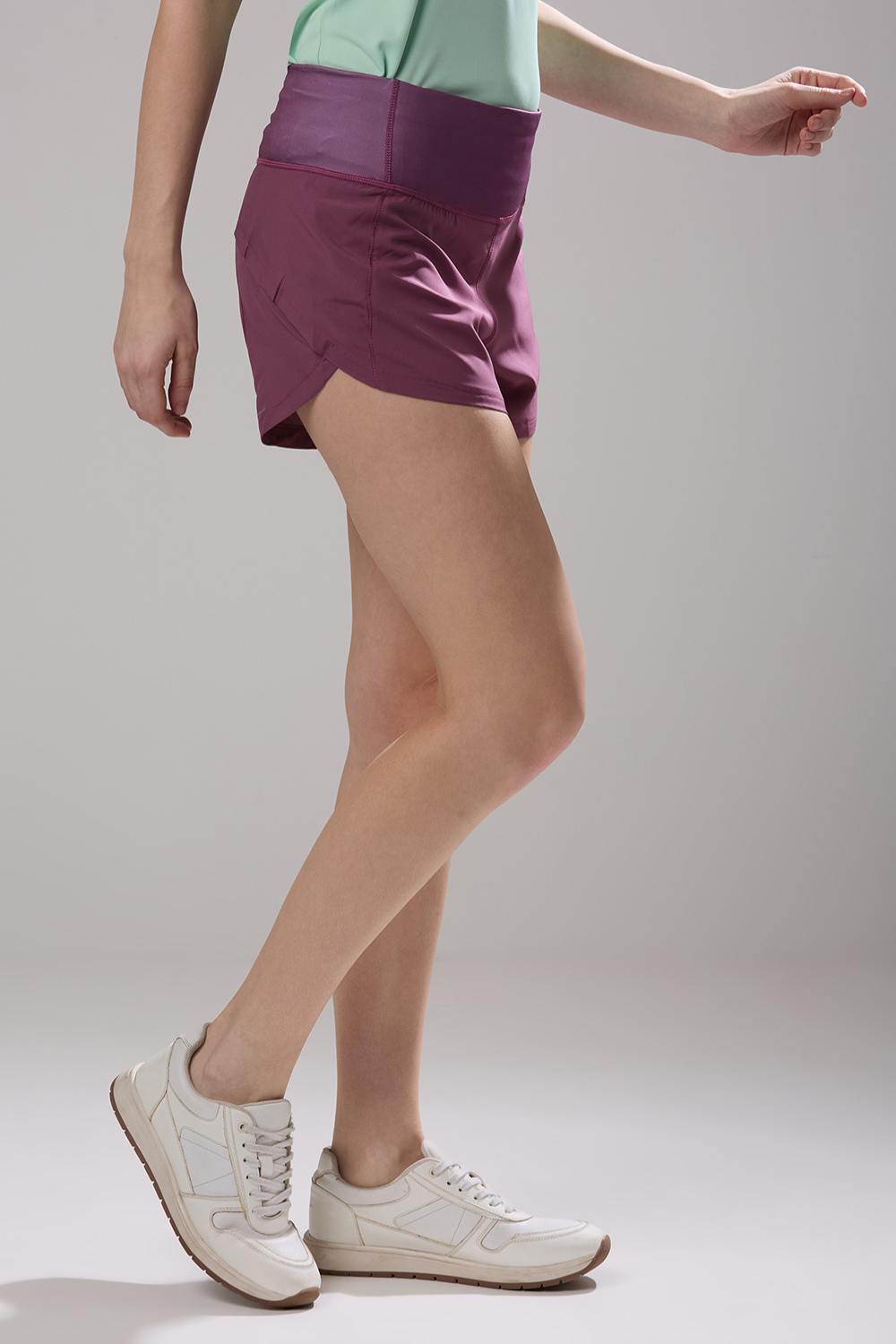
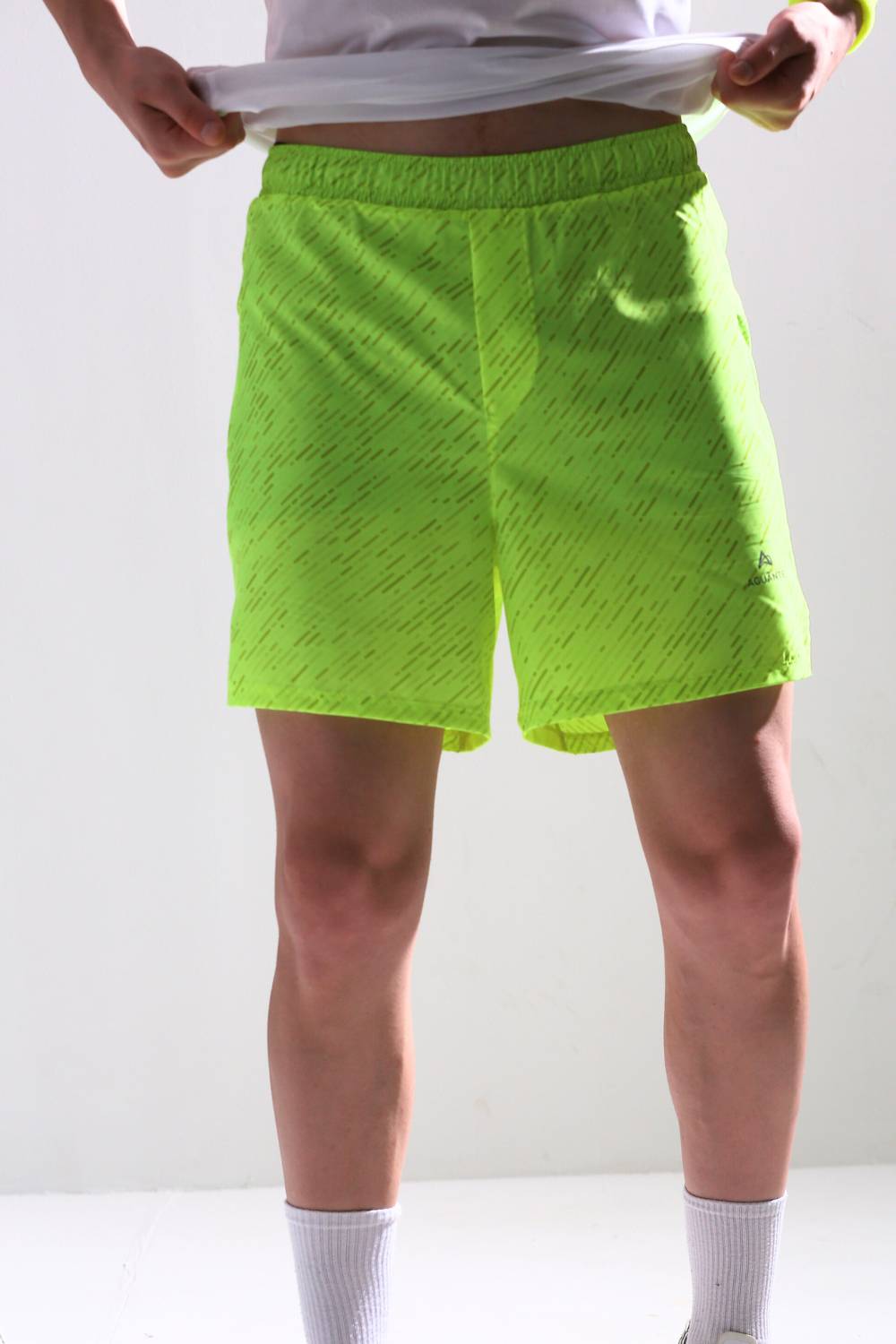
For many marathon runners, running shorts with multiple secure pockets are the simplest solution.
Instead of adding another piece of equipment such as a belt or vest, you can carry your essentials directly in your shorts.
Look for:
- Zippered pockets
- Deep pockets
- Stretch pockets
- Secure waistband pockets
- Rear phone pockets
- Gel-specific storage
- A stable waistband
The important thing is not the number of pockets alone. Pocket placement and stability matter.
A phone bouncing against your leg for 42.2 km can become uncomfortable even if the pocket technically fits it.
What Should Go Where?
A useful arrangement is:
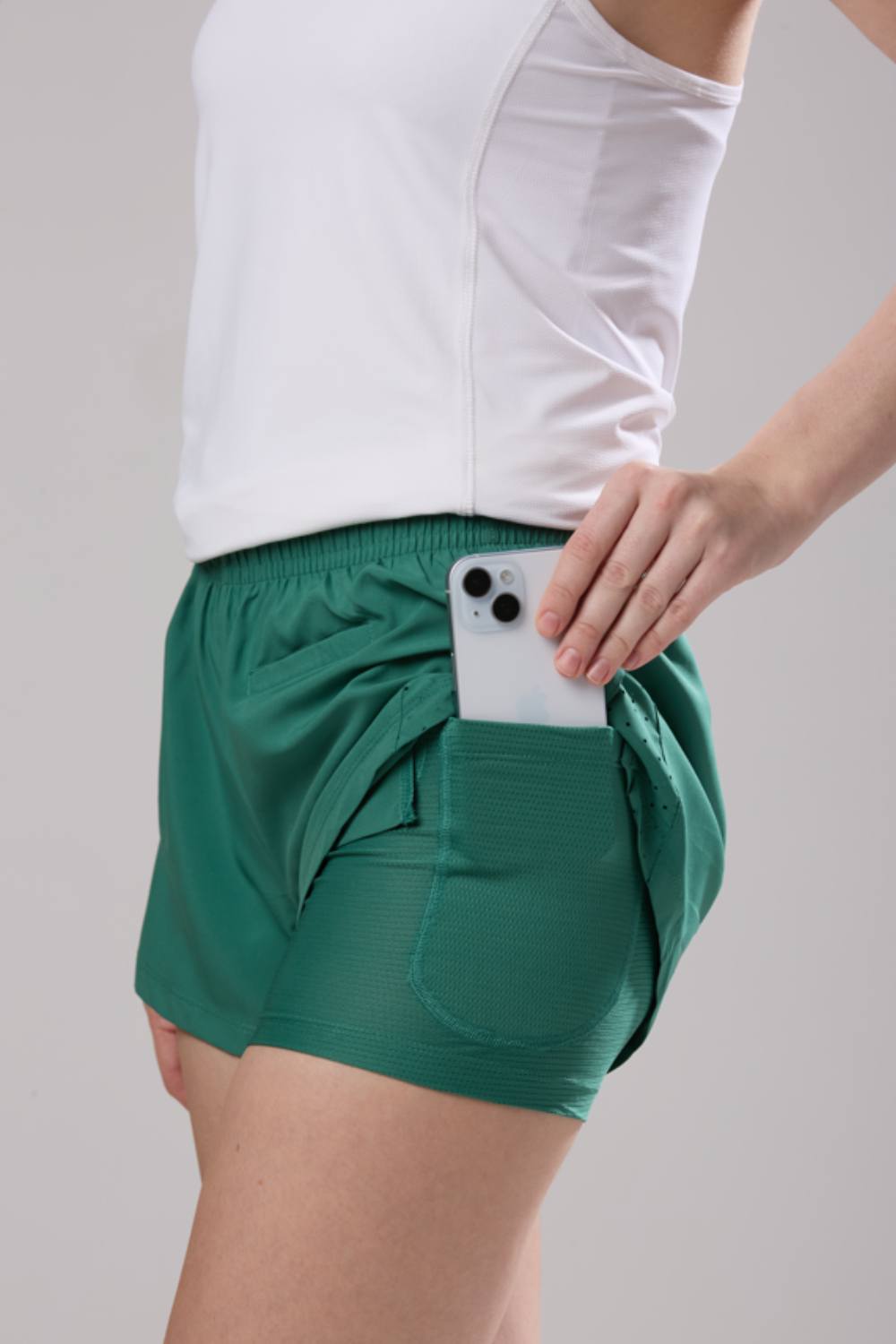
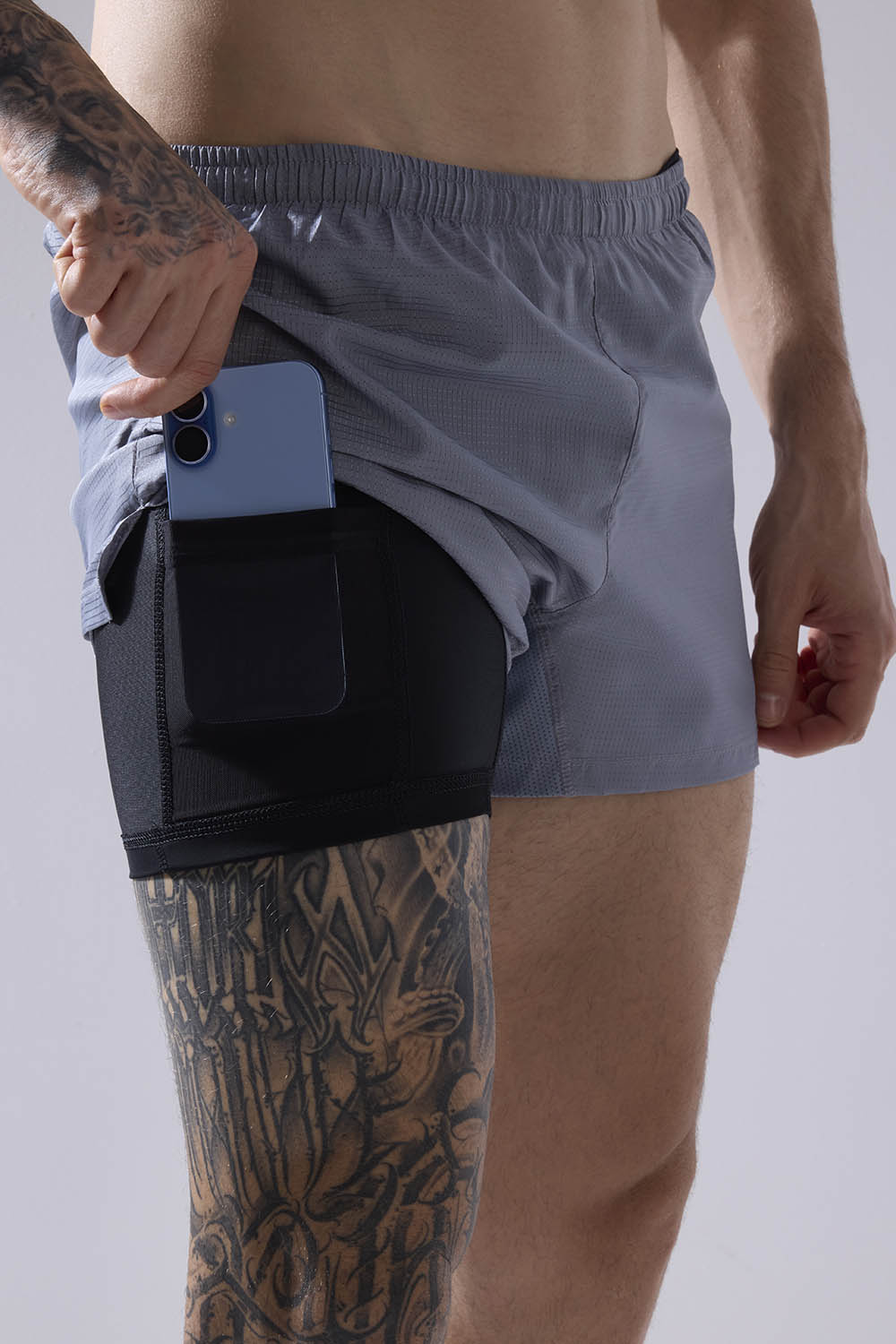
Phone: Secure rear or side pocket
Keys: Small zippered pocket or internal key loop
Energy gels: Front, side or waistband pockets that are easy to access
Cards/ID: Small secure zippered pocket
Keeping each item in the same location every time also makes it easier to find what you need without stopping.
REI recommends keeping keys in a dedicated secure location and placing food in easily accessible shorts or pack pockets.
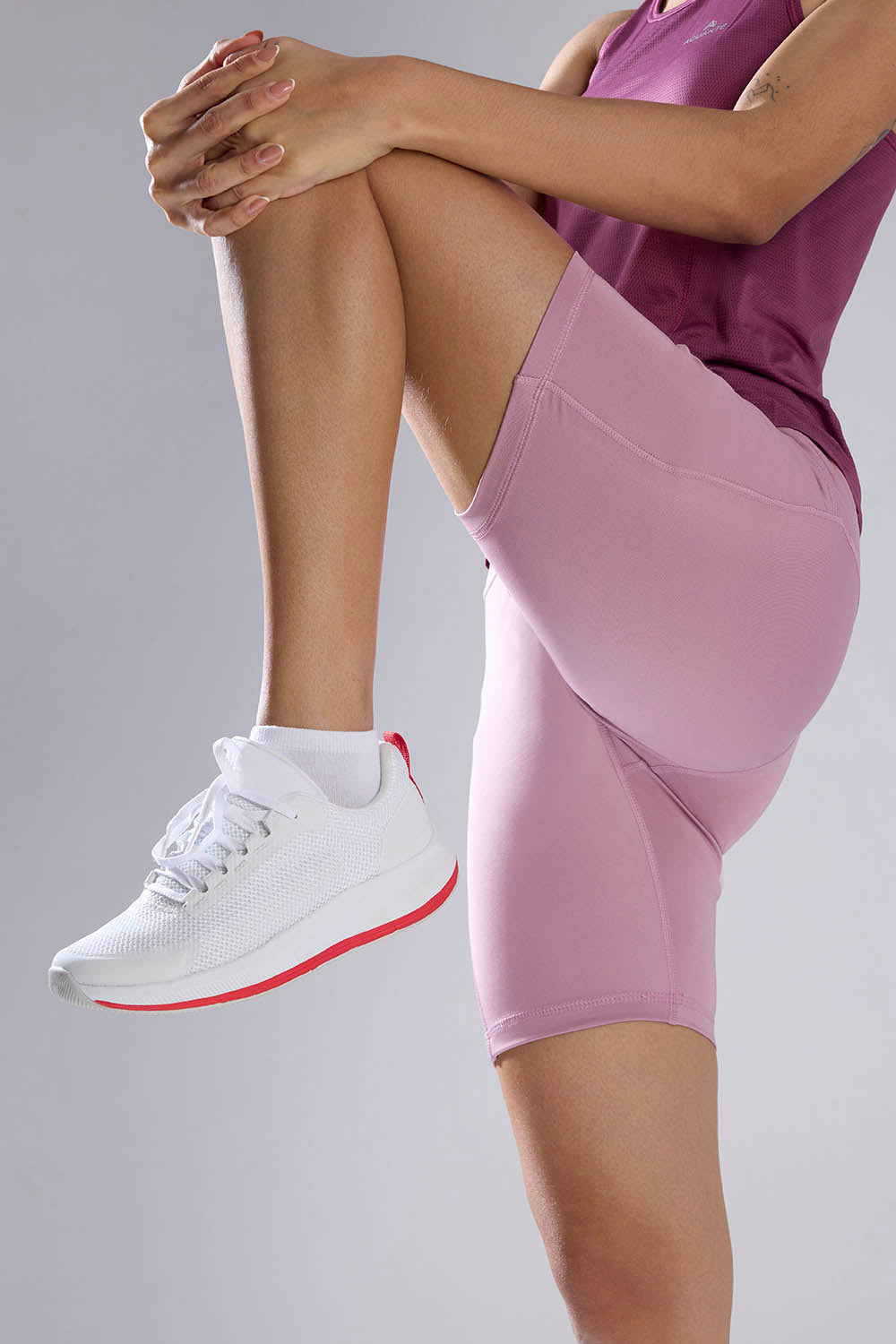
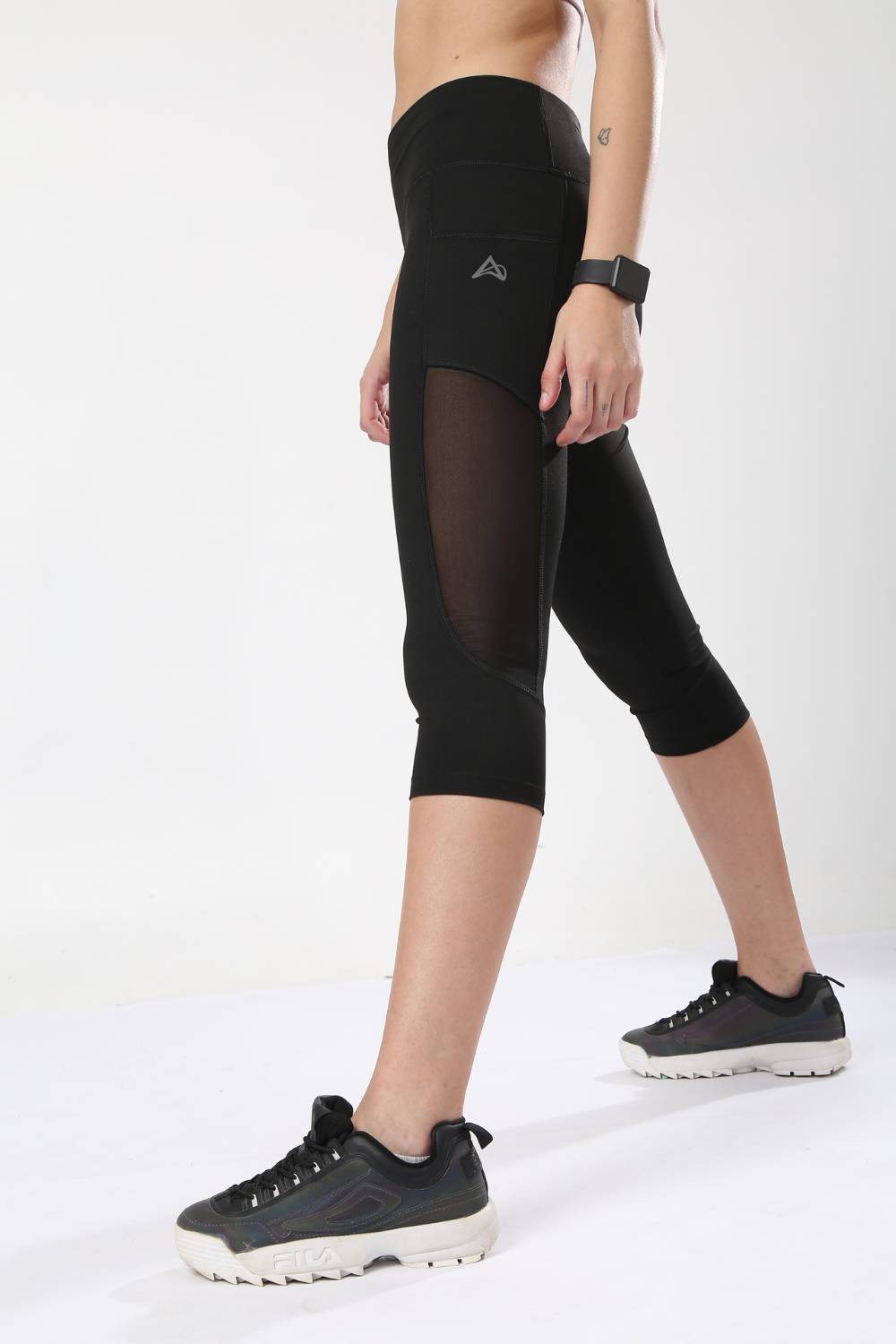
2. Running Half Tights
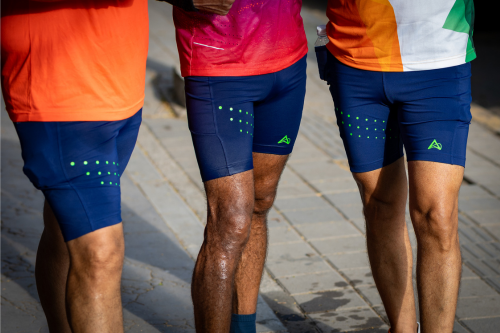
If you need to carry several gels along with your phone and keys, running half tights can provide more stable storage than conventional loose shorts.
The close-fitting construction keeps pockets closer to your body and can reduce movement of the contents.
This can be especially useful for:
- Half marathons
- Full marathons
- Long training runs
- Ultra-distance training
- Runners carrying multiple gels
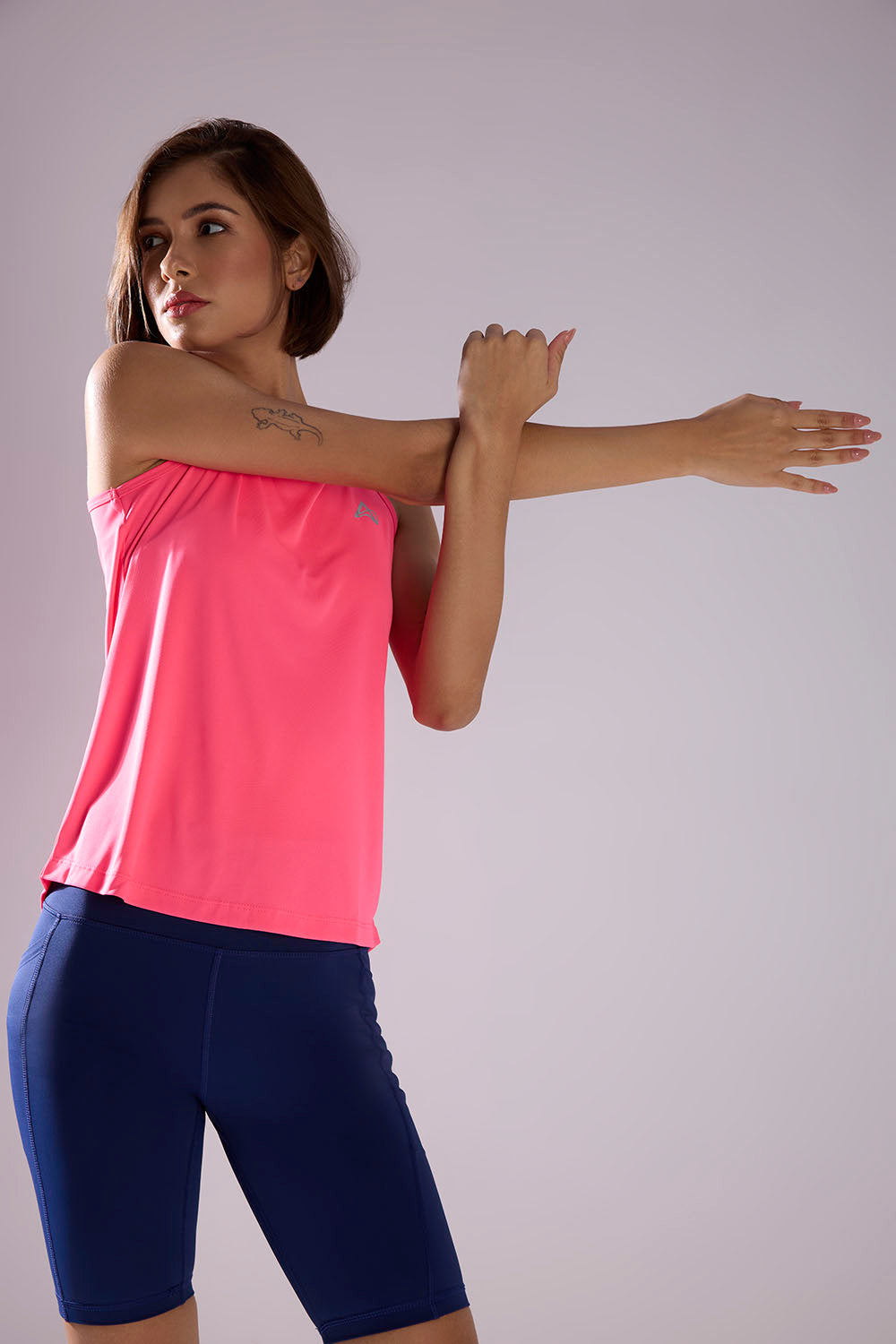
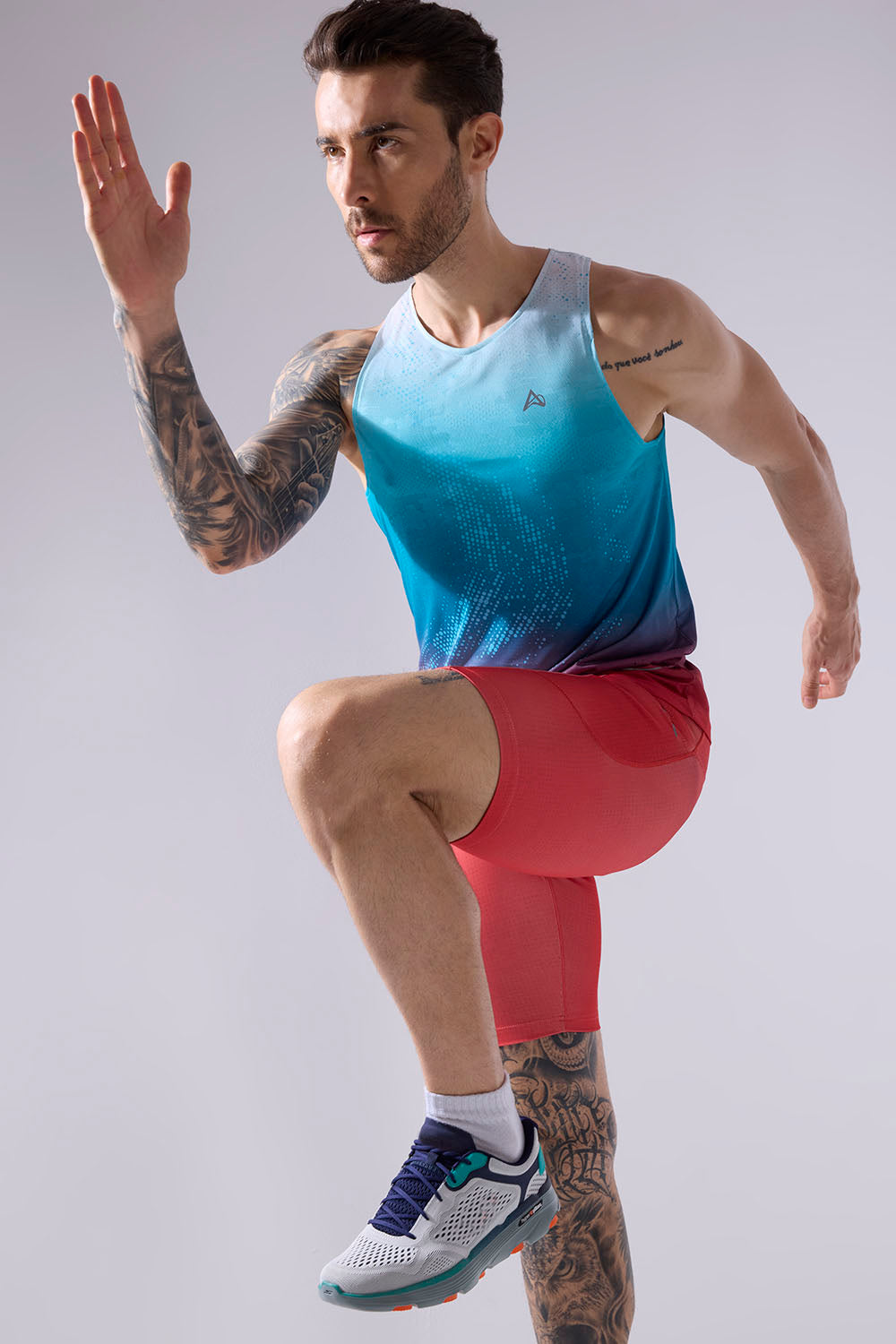
Aguante offers men's and women's half tights with multiple storage pockets.
Explore Aguante Men's Half Tights
Explore Aguante Women's Half Tights
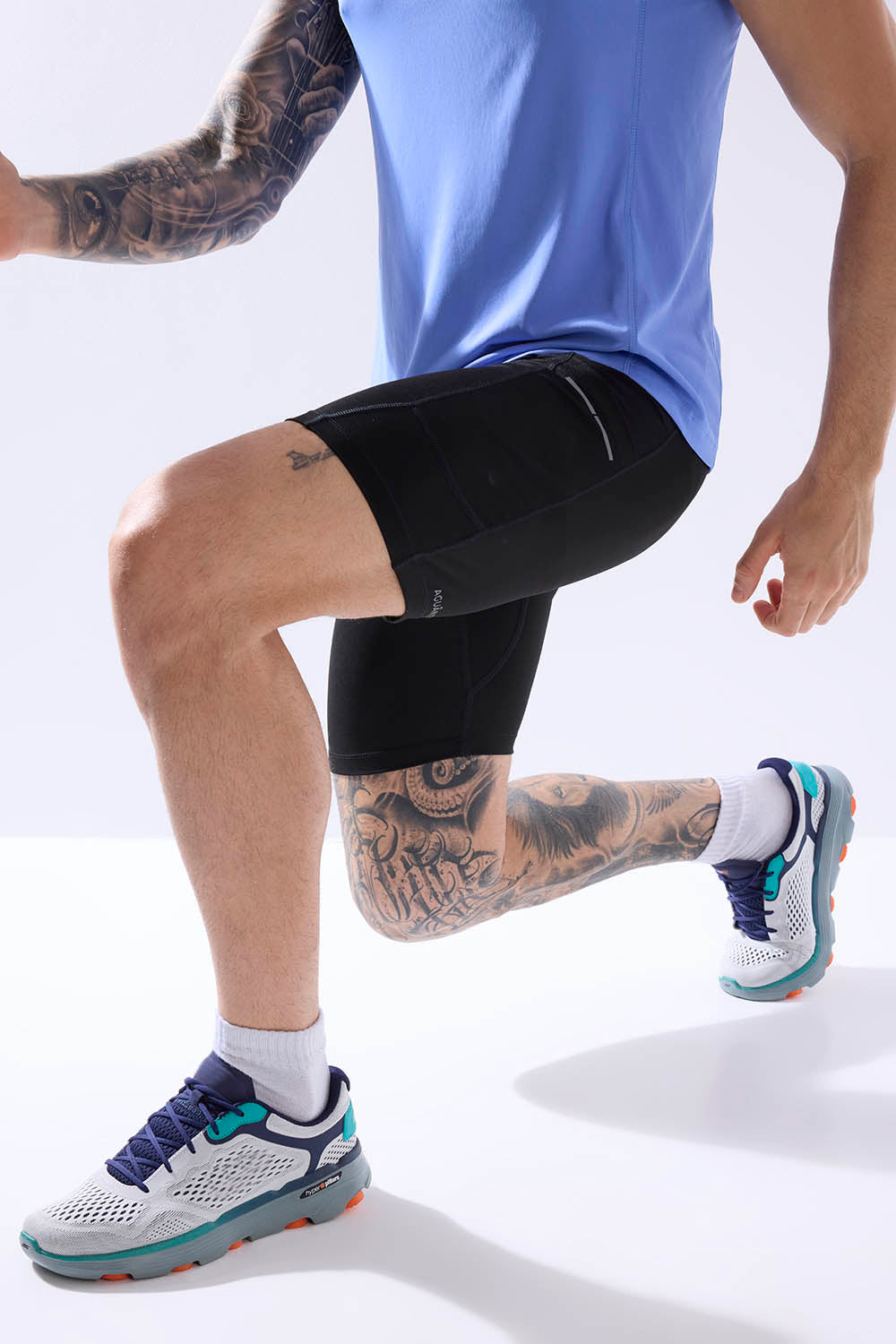
Men's Half Tights With Multiple Pockets
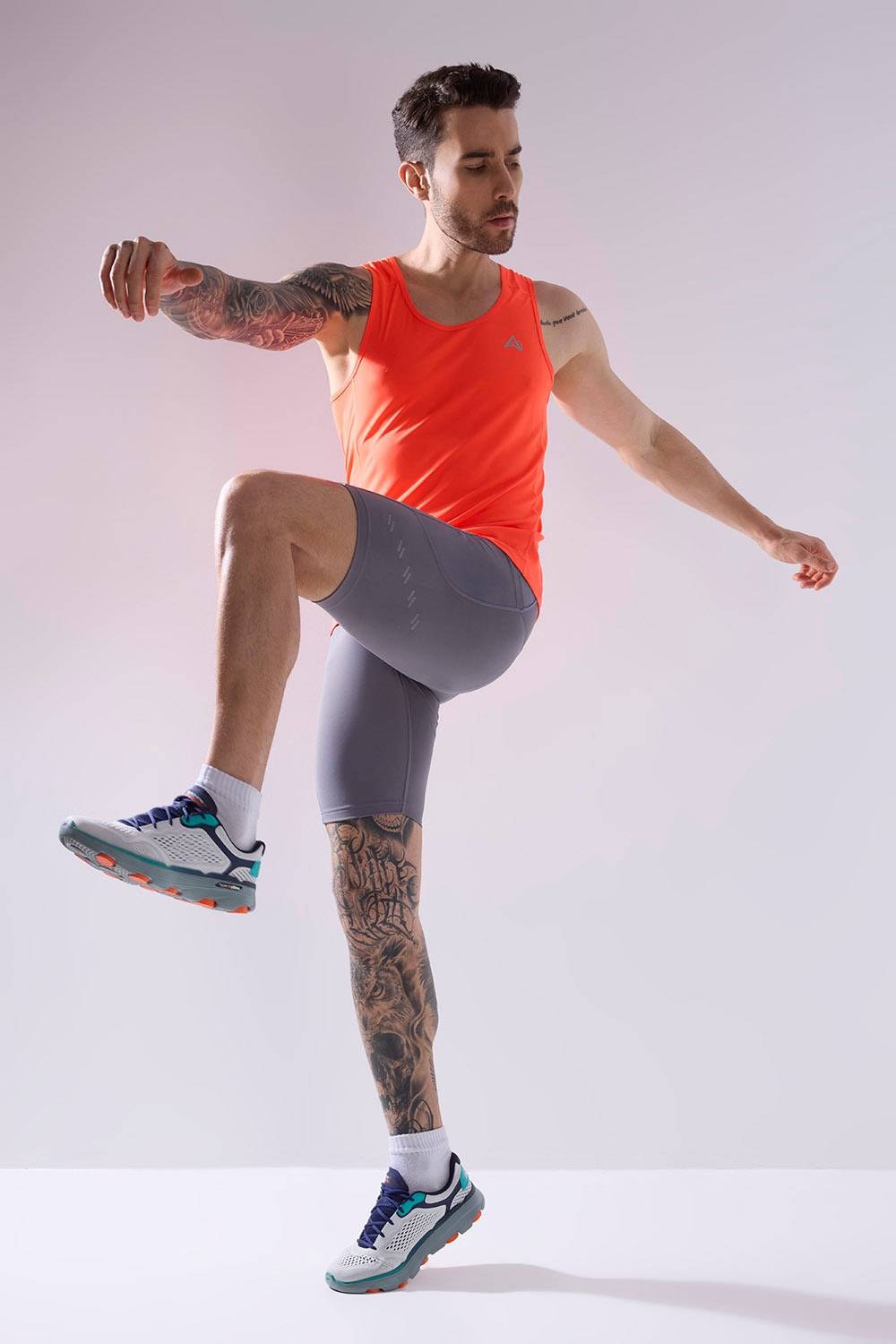
Aguante's 8" CoreRun Half Tights feature eight pockets, moisture-wicking construction and a fitted design with an adjustable waistband. This type of pocket configuration can be useful for runners who want to distribute gels and personal items across multiple storage areas.
Explore Aguante CoreRun Half Tights
The 7" Volt Training Half Tights and 7" Distance Running Half Tights offer nine secure storage pockets and are designed for long runs and endurance activities.
Explore Aguante Volt Training Half Tights
Explore Aguante Distance Running Half Tights
Women's Half Tights With Storage
Women runners can also use half tights to distribute their race essentials.
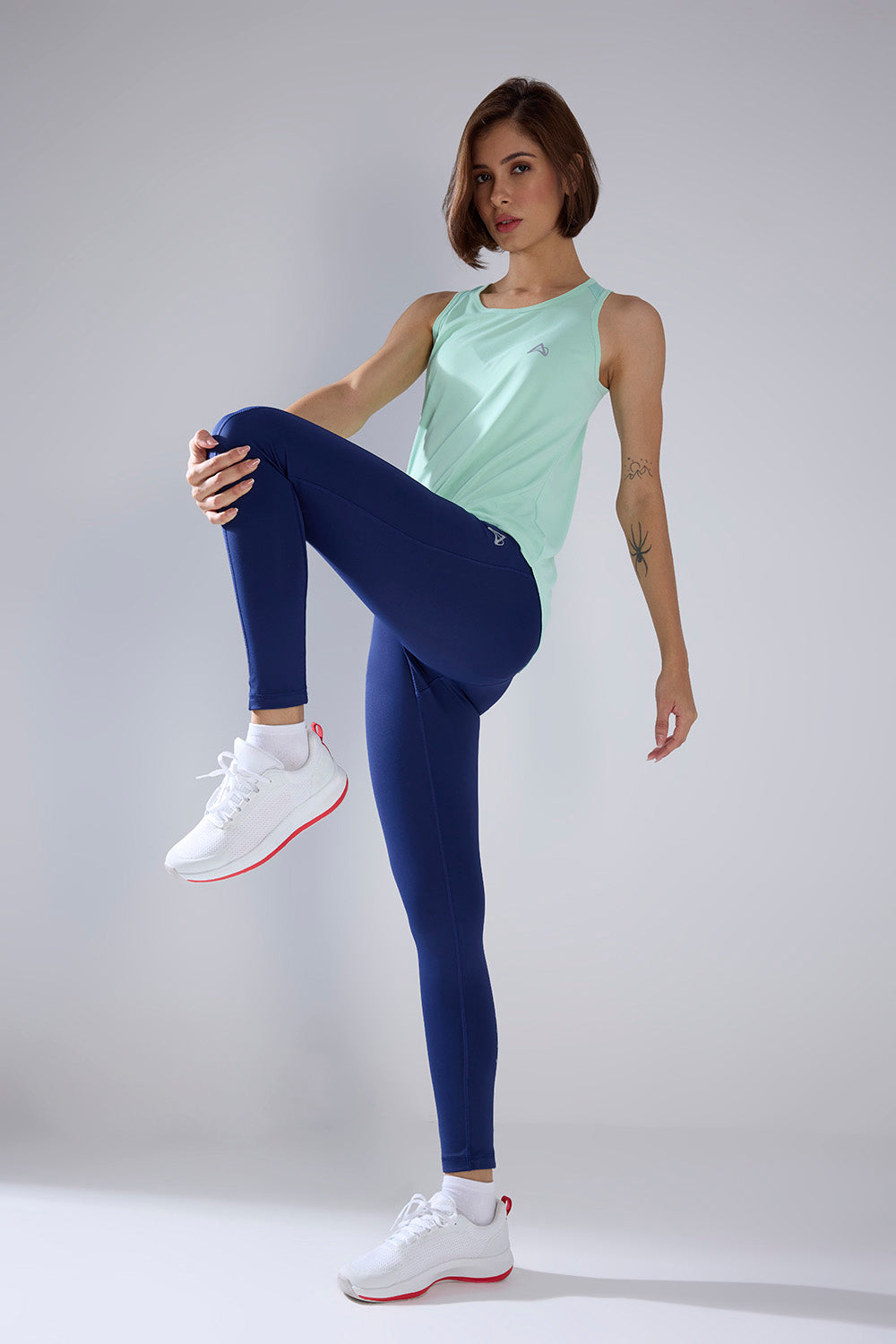
For example, Aguante's 6" Fierce Running Half Tights feature five deep secure pockets, while the Volt Performance Half Tights feature three pockets.
Explore Aguante Fierce Running Half Tights
Explore Aguante Women's Volt Performance Half Tights
The advantage of multiple pockets is that you don't have to put your phone, keys and all your gels into one overloaded compartment.
3. Running Belt
A running belt is another common solution for marathon storage.
A race belt or waist pack can be particularly useful when your running shorts don't have enough storage.
A compact running belt can typically carry:
- Phone
- Keys
- ID
- Cards
- Several energy gels
REI describes race belts as compact storage solutions suitable for phones, keys, identification and energy food.
For a marathon, look for a belt that:
- Fits securely around your waist
- Doesn't bounce
- Has a zippered compartment
- Has separate sections for small items
- Keeps your phone stable
- Allows easy access to gels
Running Belt vs Shorts Pockets
| Feature | Running Shorts | Running Belt |
|---|---|---|
| Convenience | High | High |
| Extra equipment | No | Yes |
| Phone storage | Depends on pockets | Usually good |
| Gel storage | Depends on pockets | Usually good |
| Key security | Depends on design | Often secure |
| Storage capacity | Low to high | Low to moderate |
| Adjustability | Limited | Usually adjustable |
If your existing race shorts already provide enough secure storage, you may not need a belt.
If they don't, a belt can add storage without requiring a completely different race outfit.
4. Hydration Vest
If you're carrying significantly more equipment, a running or hydration vest can provide substantially more storage.
A vest can be useful for:
- Long unsupported training runs
- Trail marathons
- Hot-weather training
- Additional hydration
- Larger nutrition requirements
- Extra clothing
However, for a road marathon with frequent aid stations, you may not need the capacity of a full running vest.
The amount of gear you need should determine the storage system rather than simply choosing the largest option. REI notes that longer runs generally require more storage capacity, with vests becoming more useful as gear and hydration requirements increase.
5. Handheld Bottle With a Pocket
Another option is a handheld running bottle with an integrated pocket.
Some handheld bottles include a small zippered compartment for items such as:
- Phone
- Key
- Credit card
- One or two gels
This can work for shorter training runs or races where you don't need much nutrition.
For a full marathon, however, the storage capacity may be limited.
REI notes that handheld bottles can carry a few small essentials but have limited capacity compared with belts and vests.
How Many Gels Should You Carry?
This depends on your individual fueling strategy, the type of gel you use and what the race provides.
Don't decide your marathon-day storage first and your fueling plan second.
Instead:
Plan your fueling → calculate what you need to carry → choose storage accordingly.
For example, if your plan requires several gels during the race, make sure your shorts, belt or vest can hold that quantity comfortably.
Most importantly, practice your fueling and storage system during long training runs.
Don't discover at kilometre 30 that your gel pockets are difficult to access.
Where Should You Keep Your Phone?
Your phone should ideally be in a secure pocket that prevents excessive movement.
Good options include:
- Rear zippered pocket
- Secure waistband pocket
- Close-fitting half-tights pocket
- Running belt
- Vest pocket
Avoid placing your phone in a loose pocket where it can repeatedly bounce against your body.
REI also recommends protecting phones from sweat and rain, particularly when they're stored close to the body.
If you're running in heavy rain or very humid conditions, consider additional protection appropriate for your phone.
Where Should You Keep Your Keys?
Keys are small, but losing them during a marathon can create a major problem.
Ideally, use:
- A zippered pocket
- Internal key clip
- Dedicated key loop
- Secure belt compartment
Don't carry your entire keyring.
REI specifically recommends carrying only the keys you actually need and securing them to a clip or loop where available.
If you're driving to the race, consider whether you actually need the physical car key or whether the event provides another secure option.
Where Should You Keep Your Energy Gels?
Energy gels should be easy to reach while running.
Good storage locations include:
- Front waistband pockets
- Side pockets
- Rear pockets
- Half-tights pockets
- Running-belt compartments
- Vest pockets
Avoid putting every gel in one deep pocket if you need to stop and dig through several items to find one.
Organise your gels in the order you expect to use them.
For example:
Early-race gels → front/most accessible pocket
Later-race gels → secondary pockets
This can make your fueling routine simpler.
Should Your Phone Go in the Same Pocket as Your Gels?
Usually, it's better to separate them if you have enough storage.
A practical setup might be:
Phone: Rear secure pocket
Keys: Small zipped compartment
Gels: Waistband or side pockets
This makes each item easier to access and prevents your phone from getting buried under several gel packets.
Modern running shorts and 2-in-1 designs increasingly separate phone and nutrition storage. REI's current examples include running shorts with dedicated phone pockets, waistband nutrition pockets and key loops.
What About Running Shorts With 5–9 Pockets?
More pockets can be useful, but more pockets doesn't automatically mean better storage.
The key questions are:
- Can the pocket securely hold the item?
- Does the item bounce?
- Can you access it while running?
- Does the pocket stretch without becoming loose?
- Is the phone separated from smaller items?
- Is there a secure location for your keys?
For marathon runners, a well-designed five-pocket short can potentially be more practical than a nine-pocket short with poor pocket placement.
Storage Options for Different Marathon Needs
| Your Needs | Storage Option |
|---|---|
| Phone + key | Secure shorts pocket |
| Phone + 2–3 gels + key | Multi-pocket running shorts |
| Phone + several gels | Half tights or running belt |
| Phone + many gels + hydration | Hydration belt or vest |
| Large nutrition + hydration + extra gear | Running vest |
| Minimal essentials | Race belt |
The right choice depends on how much you need to carry and how much hydration the race course provides.
What Should You Use for a Marathon in India?
For an Indian road marathon with regular aid stations, many runners can keep their setup relatively simple.
A practical combination could be:
Option 1: Multi-Pocket Running Shorts
Running shorts + phone pocket + gel pockets + secure key pocket
This keeps your setup lightweight.
Option 2: Half Tights
Half tights + multiple pockets + phone + gels + keys
This can be useful if you prefer close-fitting storage.
Option 3: Shorts + Running Belt
Running shorts + compact belt + phone + gels + keys
This is useful if your preferred running shorts don't provide sufficient storage.
Option 4: Hydration Vest
Running outfit + hydration vest + phone + nutrition + hydration
This is more suitable when you need significantly more equipment, particularly during unsupported training runs.
Test Your Storage Before Race Day
This is arguably the most important step.
Don't test your storage system for the first time during the marathon.
Use it during:
- 10K runs
- Long runs
- Tempo runs
- Half-marathon training
- Marathon simulation runs
Check whether:
- Your phone bounces
- Gels move around
- Keys make noise
- Pockets stretch
- The waistband slips
- The phone gets sweaty
- You can access gels easily
- The shorts remain comfortable after several hours
A storage system that works perfectly for 5 km isn't automatically suitable for 42.2 km.
Don't Overload Your Pockets
It's tempting to use every available pocket.
But remember that every item adds weight.
Instead of carrying:
- Full wallet
- Entire keyring
- Large power bank
- Multiple unnecessary accessories
carry only what you actually need.
For keys, REI specifically recommends limiting yourself to the necessary key or keys rather than carrying a full keyring.
What About Bounce?
Bounce is one of the most important factors when choosing running storage.
A phone moving around inside a loose pocket can become distracting.
To minimise movement:
- Choose close-fitting pockets
- Use zippered compartments for valuables
- Put heavier items close to your body
- Avoid overfilling one pocket
- Distribute gels across multiple pockets
- Test the setup at marathon pace
Close-fitting half tights can be particularly useful because their pockets remain close to the body.
A Simple Marathon Storage Setup
If you want to keep things simple, try:
Phone → secure rear/side pocket
Keys → small zipped pocket or key loop
Gels → waistband or side pockets
Water → race aid stations or your chosen hydration system
ID/card → separate secure pocket
This arrangement keeps the essentials organised and easy to reach.
Final Thoughts
So, how do you carry your phone, gels and keys while running a marathon?
The best approach is to choose a storage system based on how much you need to carry and how securely it stays in place.
For minimal essentials, multi-pocket running shorts may be enough.
For several gels and a phone, half tights or a running belt can provide additional storage.
For longer unsupported runs requiring hydration and more equipment, a running vest or hydration pack may be more appropriate.
For Indian marathon runners, the most important thing is to test your entire storage setup during training. Your phone, gels and keys should be secure enough that you can forget about them and concentrate on running.
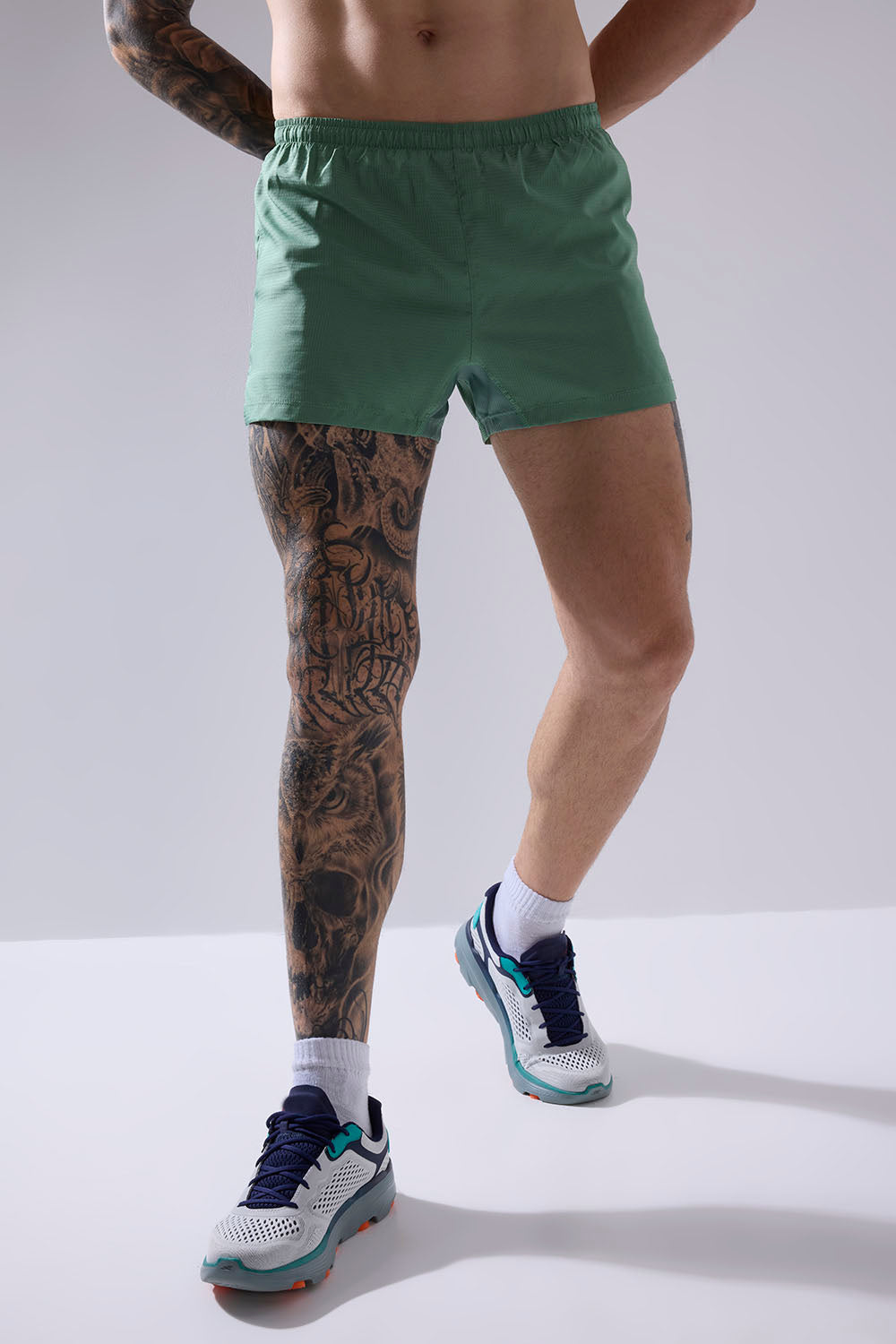
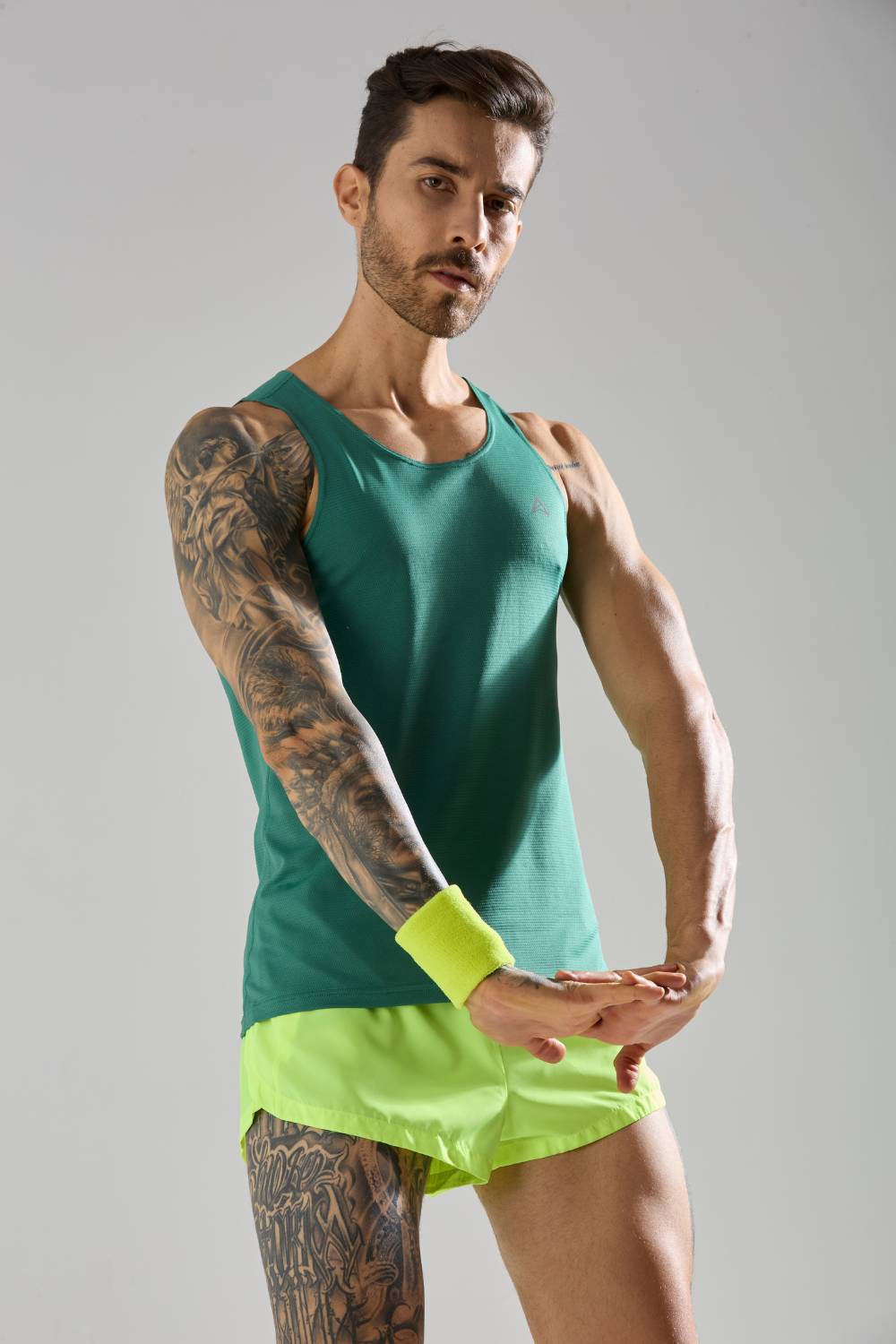
Aguante offers running shorts and half tights with multiple pockets designed around carrying essentials during long runs and races.
Explore Aguante Long Run & Race Day Collection
Explore Aguante Running Shorts
FAQs
Can I carry my phone in running shorts during a marathon?
Yes. Choose a secure, close-fitting pocket that prevents excessive bouncing. A zippered rear or side pocket can be useful.
How do I carry multiple gels during a marathon?
Use multi-pocket running shorts, half tights, a running belt or a vest. Distributing gels across several secure pockets can make them easier to access.
Where should I keep my car key while running?
Use a dedicated zippered pocket or key clip/loop. Carry only the key you actually need rather than a full keyring.
Are half tights good for carrying a phone and gels?
They can be useful because their close-fitting construction can keep pockets close to the body. Look for designs with secure, appropriately sized pockets.
Do I need a running belt for a marathon?
Not necessarily. If your running shorts or half tights can securely carry everything you need, an additional belt may not be necessary.
Is a hydration vest necessary for a marathon?
Not always. For supported road marathons with regular aid stations, some runners may prefer a lighter storage solution. A vest becomes more useful when you need to carry more hydration, nutrition or equipment.