



Quick Listen:
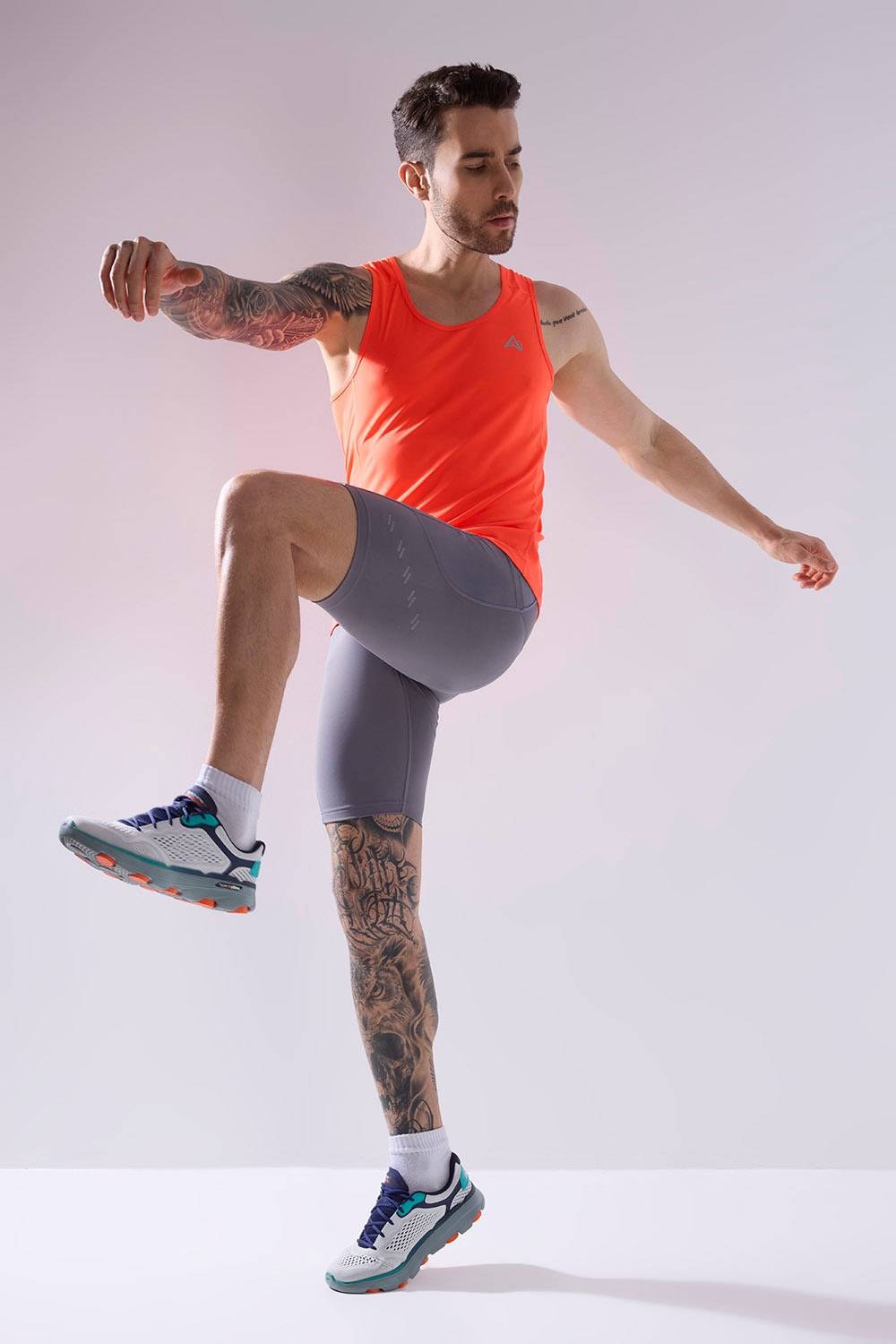
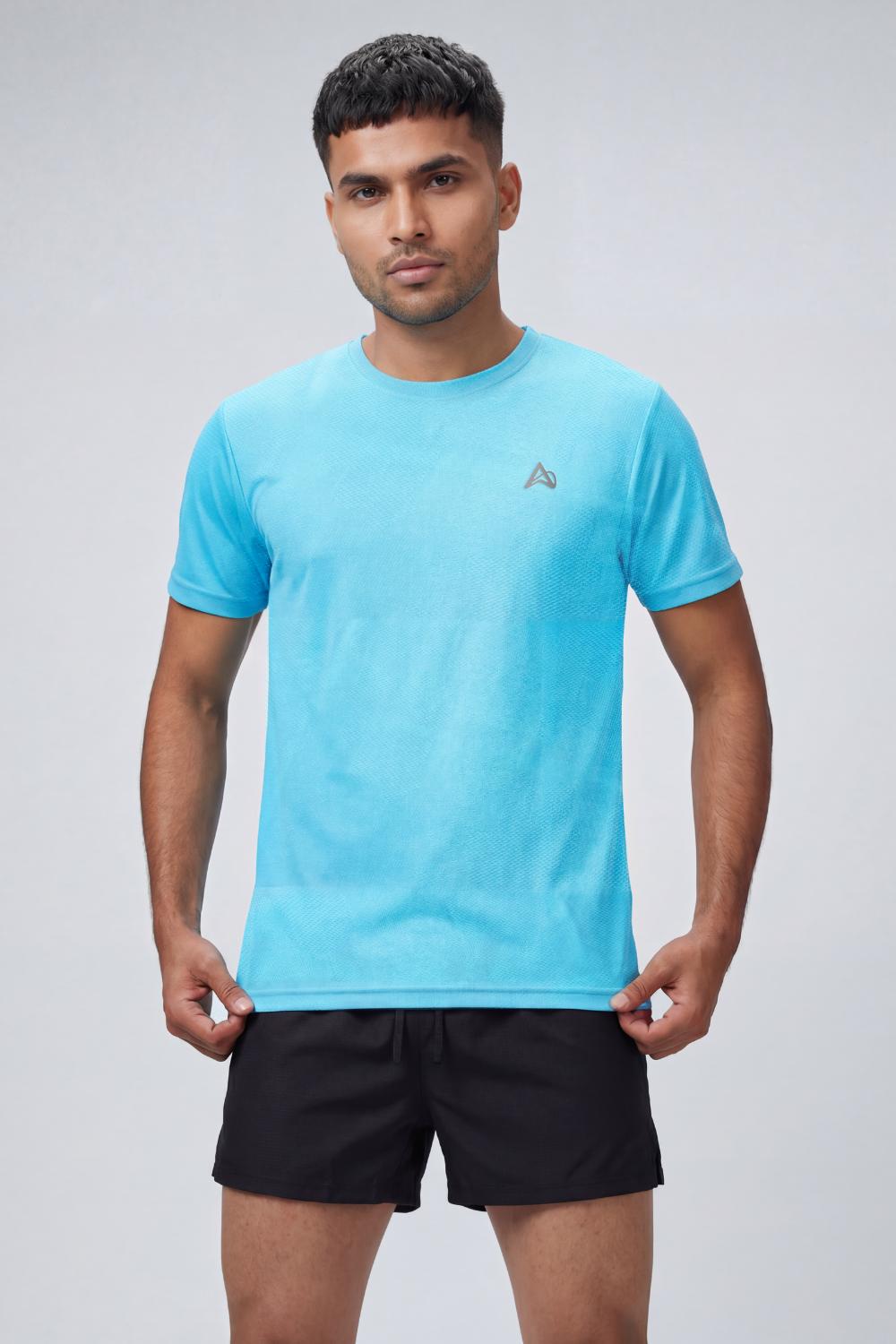
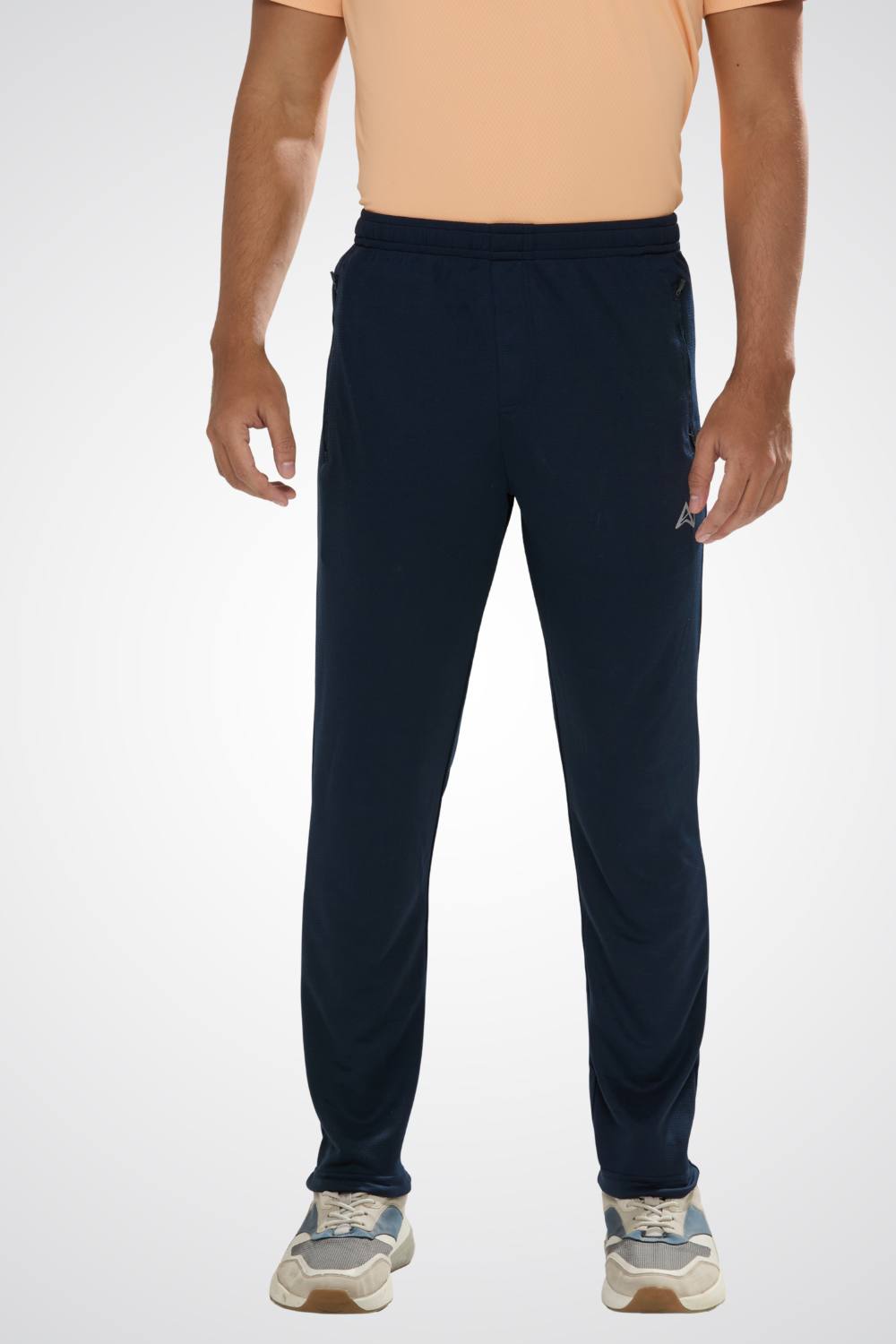
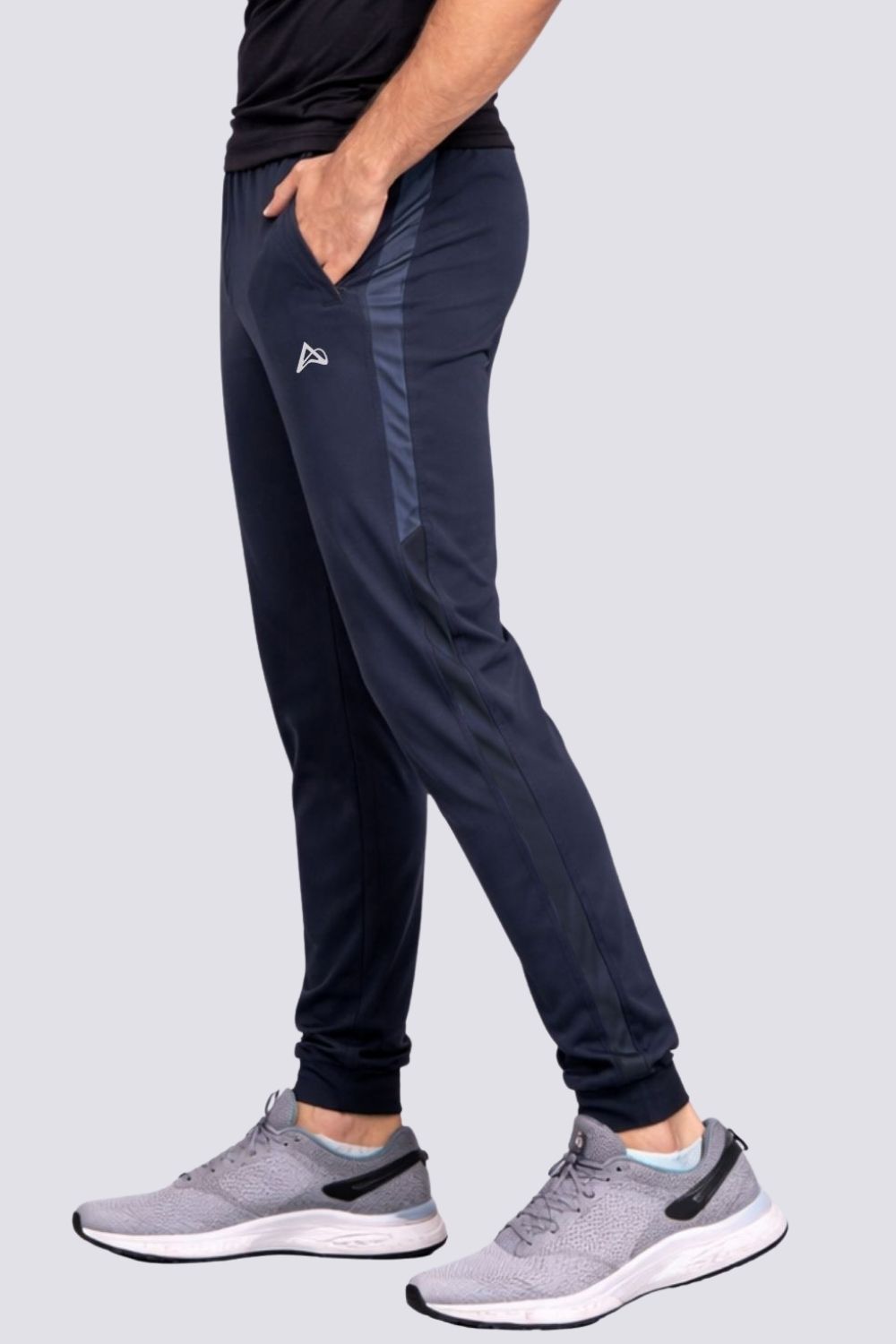
What Makes Running Apparel Designed for Indian Conditions Suitable for Local Runners is a question that matters as running becomes a more regular part of active lifestyles. Choosing the right clothing is not only about appearance or brand preference; it is about how well apparel responds to the realities of outdoor training. Heat, humidity, sweat, long-distance sessions, and changing running environments all influence what runners need from their gear. For runners looking for dependable performance apparel, understanding the role of climate-specific design can make it easier to choose clothing that supports comfort, consistency, and confidence during every run.
Tired of gear that slows you down? Chafing, soggy fabrics, and missing pockets kill your run's momentum. At Aguante, we're runners who get it. Our high-performance activewear features moisture-wicking fabrics, ergonomic designs, and smart storage to keep you focused. Shop Now!
Why Local Climate Conditions Influence Running Apparel Design
Running creates unique demands on the body, and environmental conditions can make those demands more noticeable. In warm and humid climates, the body works harder to regulate temperature while managing increased sweat production. Clothing that does not support ventilation or moisture control can quickly become uncomfortable, distracting runners from their training goals.
The importance of climate-aware apparel design is becoming more visible across the clothing industry. Rising temperatures and increasing humidity are influencing how garments are developed, with greater attention being given to ventilation, cooling approaches, and material choices. Climate challenges in Indian textile production highlight why apparel systems increasingly need to consider real-world environmental conditions rather than relying only on general product standards.
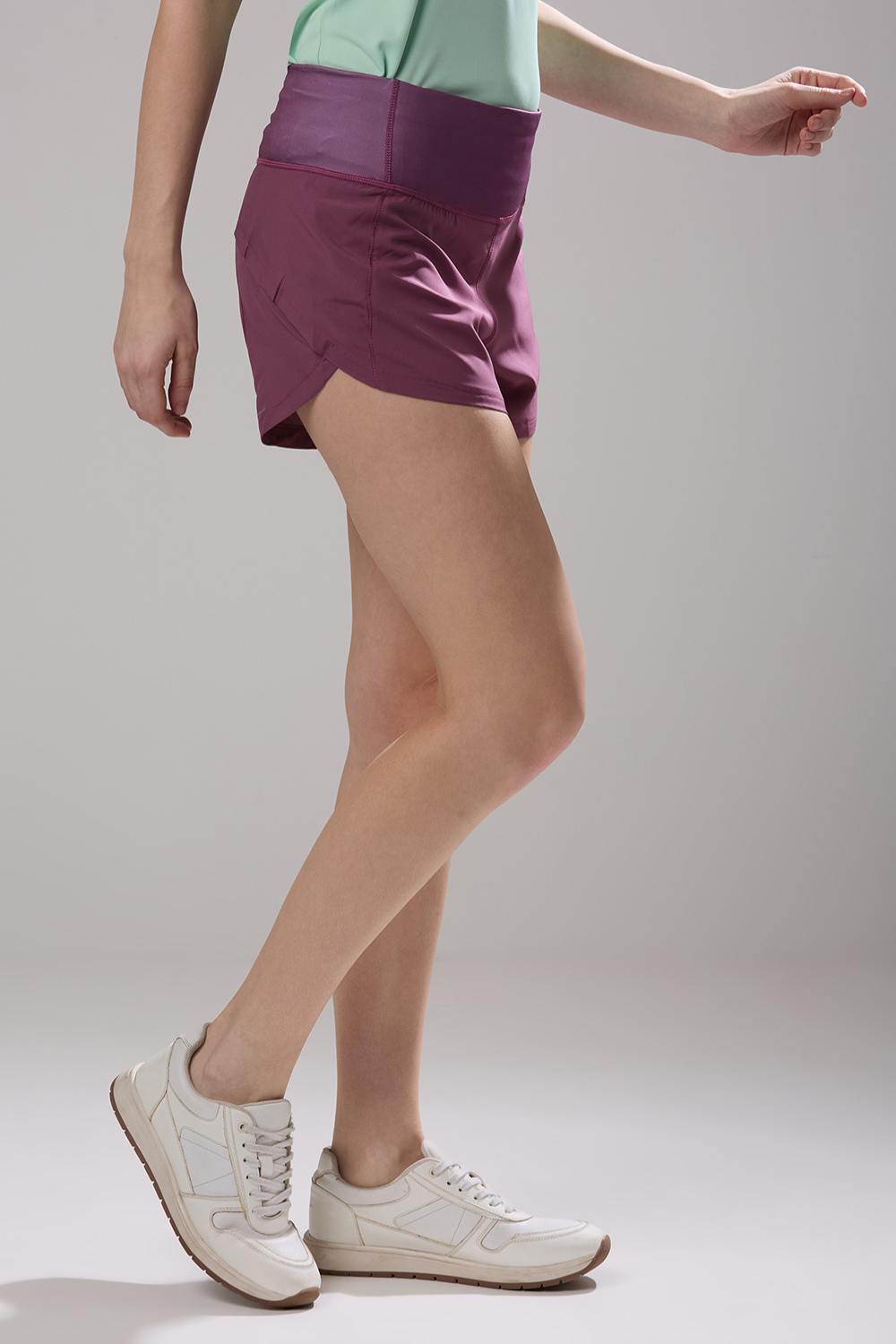
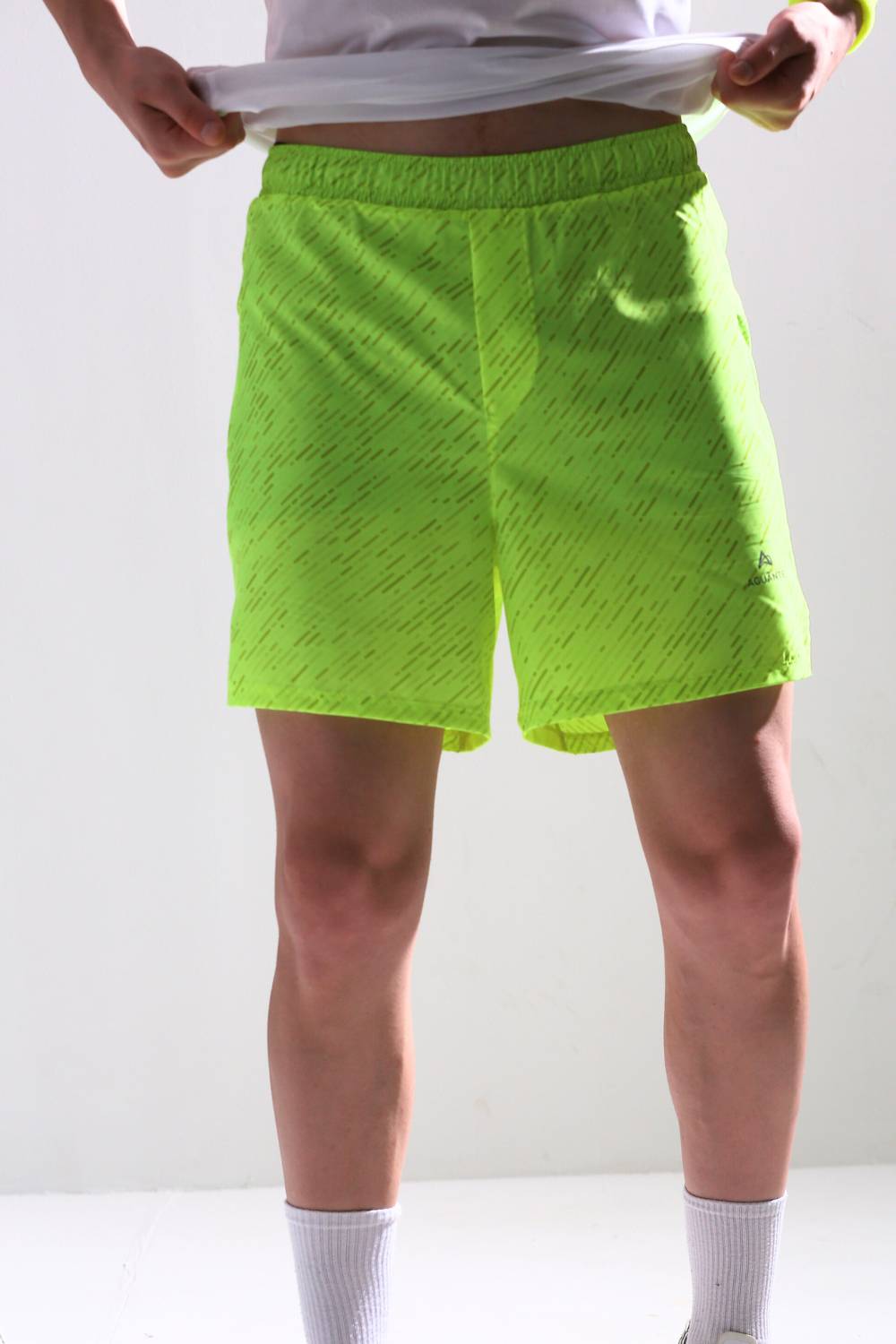
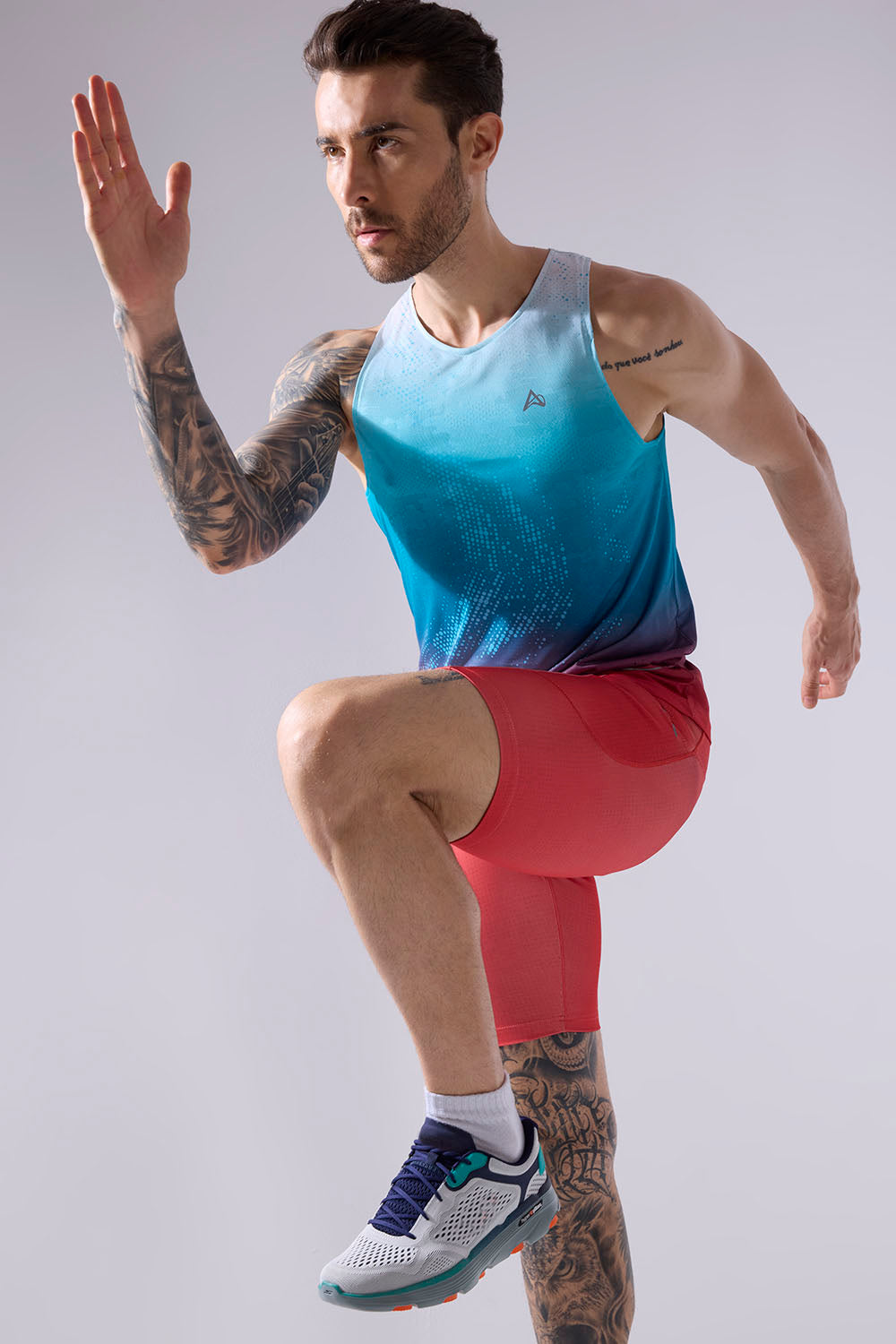
For runners, this means clothing designed around local conditions can provide practical advantages. Lightweight construction, breathable materials, quick-drying fabrics, and designs that allow movement can help runners manage discomfort during demanding outdoor sessions. The goal is not simply to create lighter clothing but to create apparel that works with the runner's environment.
The Role of Moisture Management in Hot Weather Running
Sweat management is one of the most important considerations when selecting running clothing. During outdoor training, moisture can build up quickly, especially during longer sessions or runs conducted in humid conditions. Apparel that helps move sweat away from the skin can improve comfort and reduce the distraction caused by heavy, damp fabric.
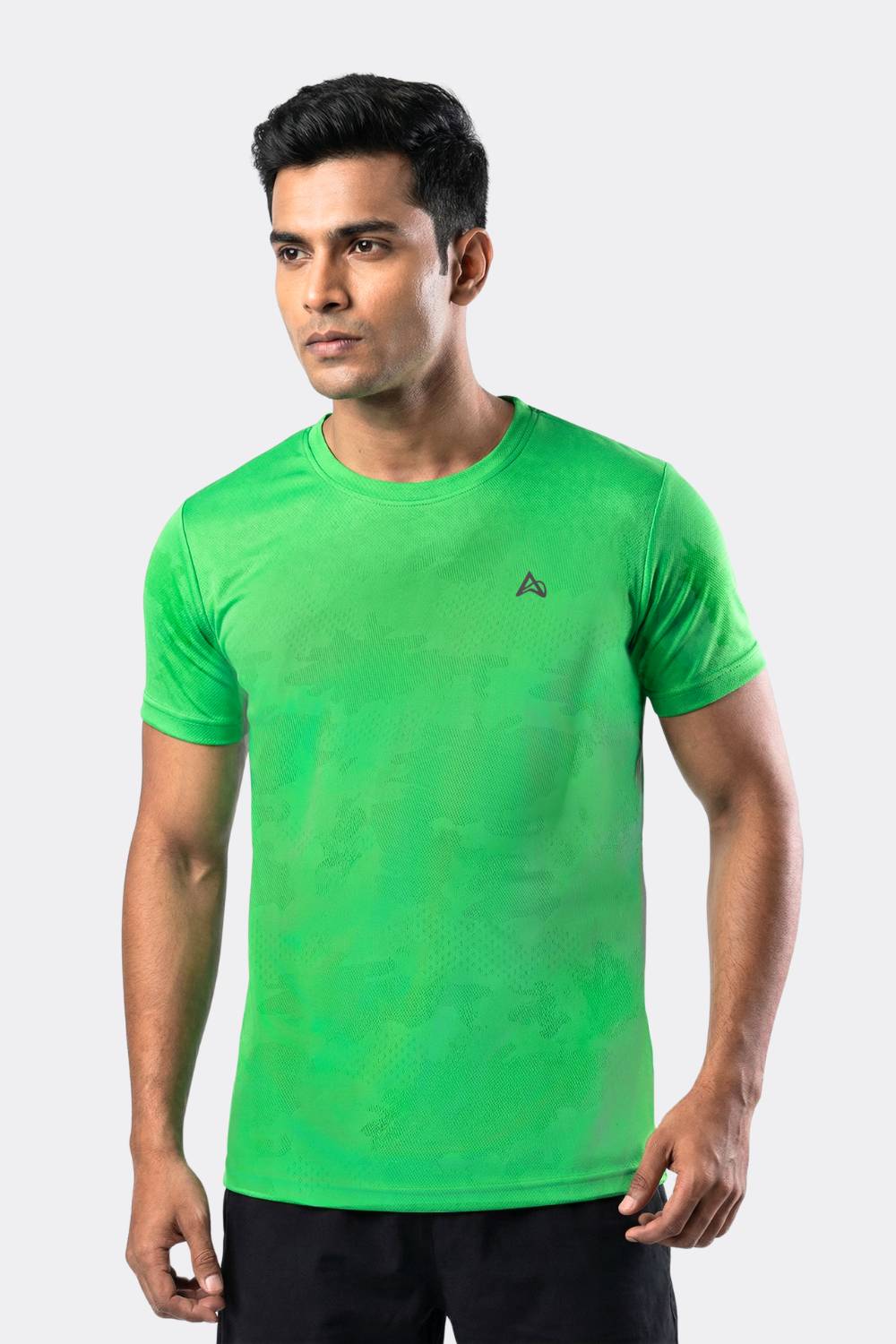
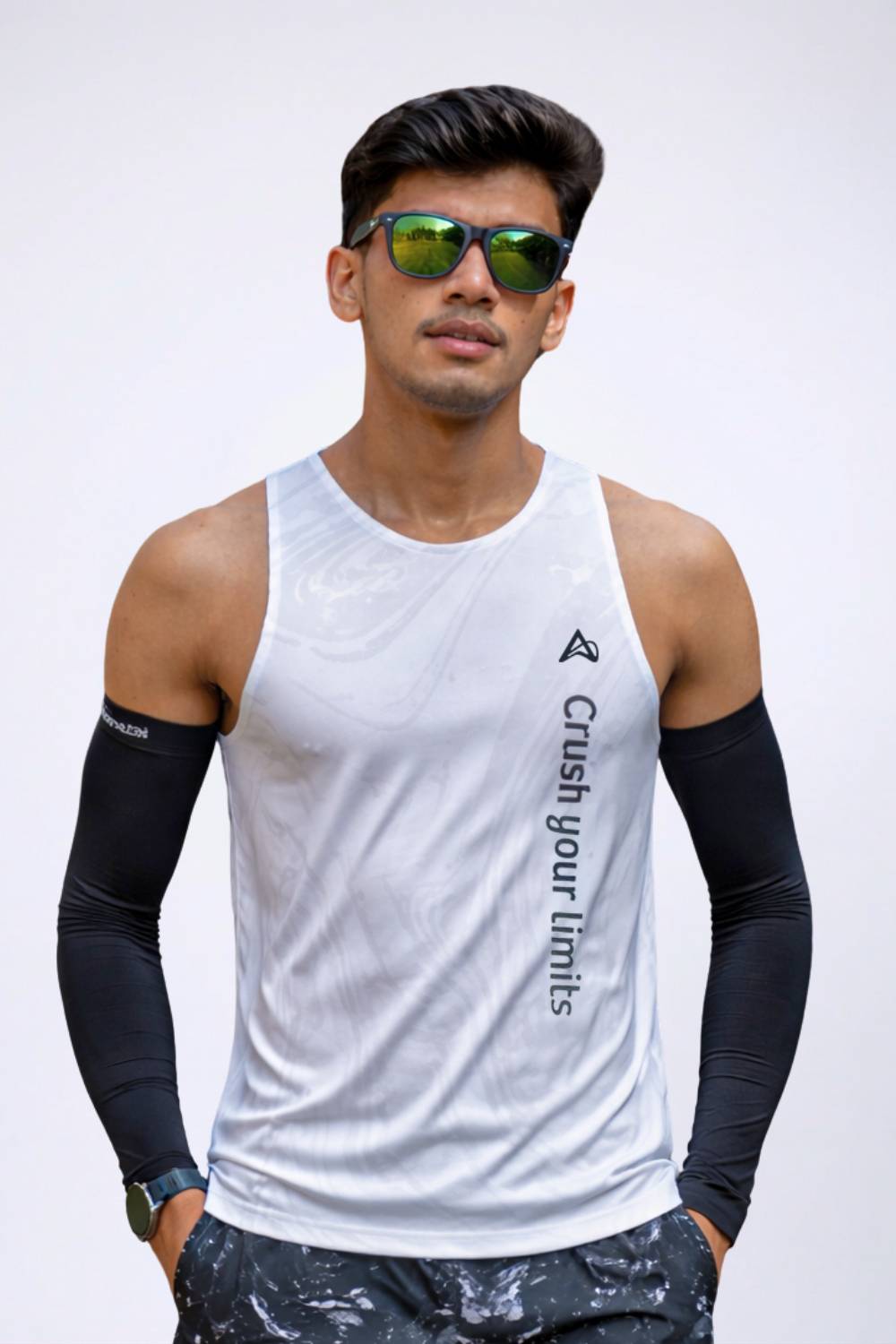
Moisture wicking running clothes for hot weather are designed around this specific challenge. Instead of treating sweat as an unavoidable inconvenience, performance apparel focuses on how fabric construction, weight, and airflow can help runners maintain a more comfortable experience.
For recreational runners, this can make the difference between completing a planned session and cutting a run short because of discomfort. For endurance athletes, small improvements in comfort can support better focus during longer training periods.
When evaluating running apparel for Indian conditions, runners should consider more than whether a garment feels comfortable when first worn. The more important question is whether it continues to perform after extended movement, repeated washing, and exposure to outdoor conditions.
How Performance Features Support Everyday Runners
Modern runners often expect more from their clothing than basic coverage. Running apparel has become a functional tool that supports different training styles, from early morning fitness routines to structured endurance preparation.
Fit and Freedom of Movement
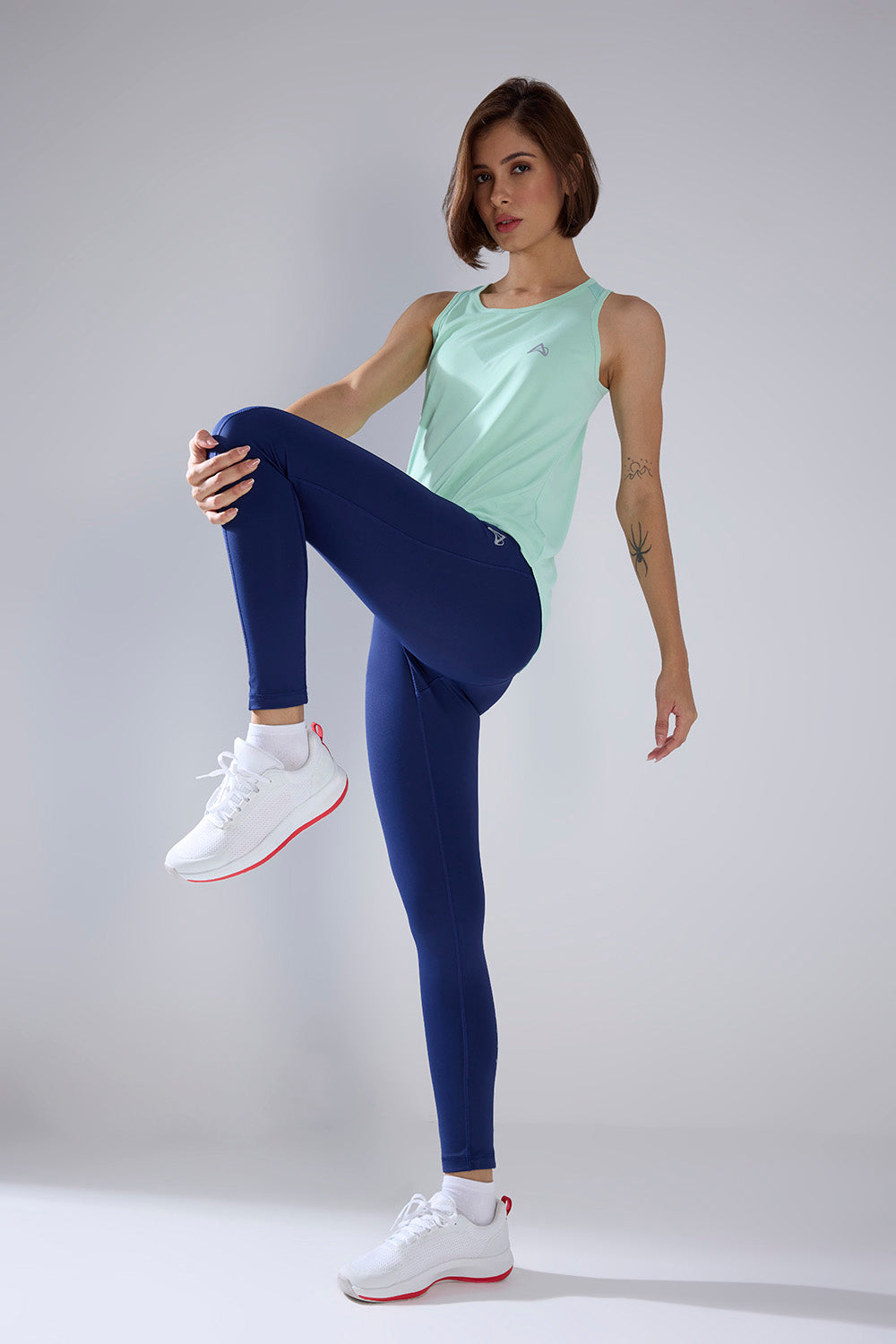
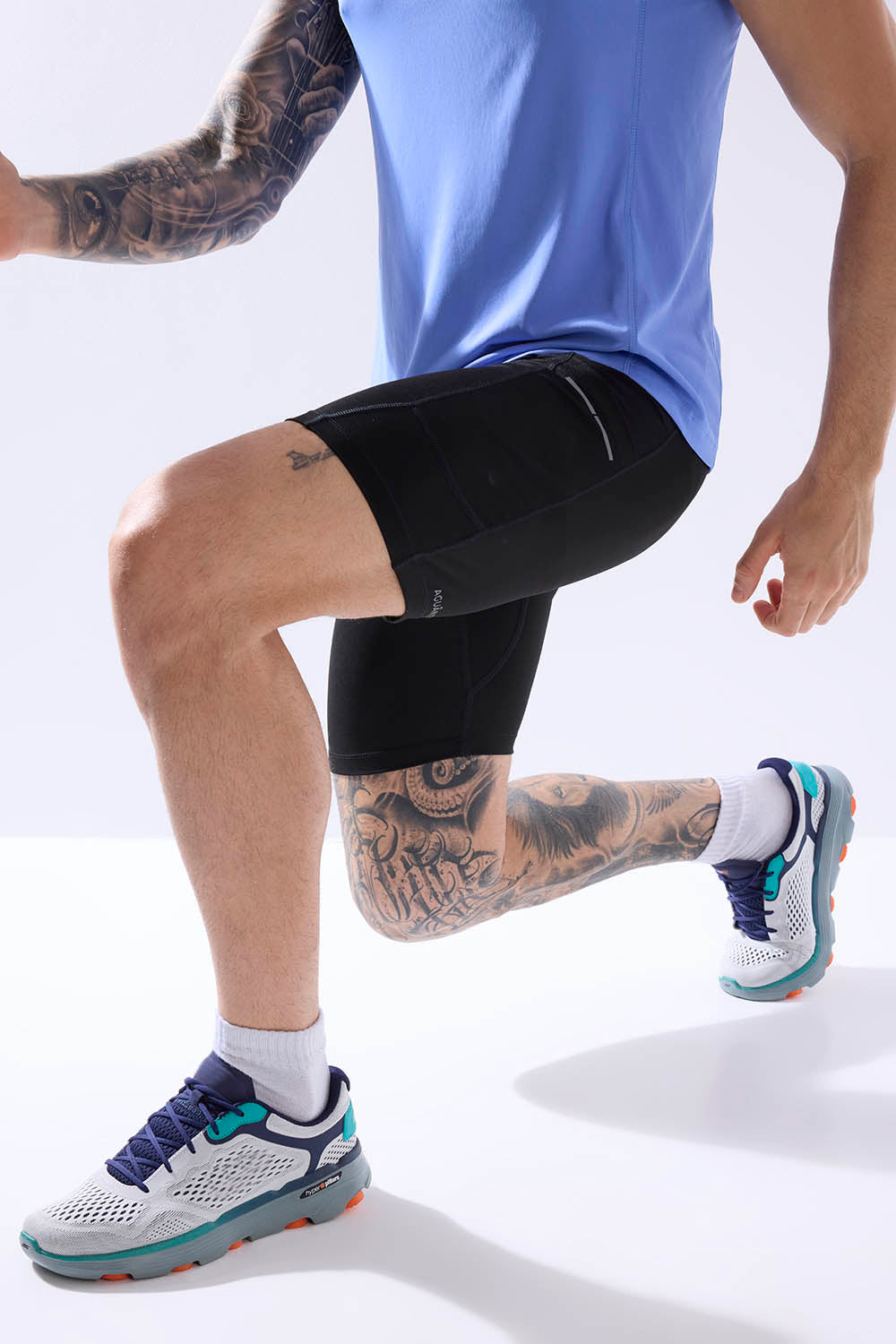
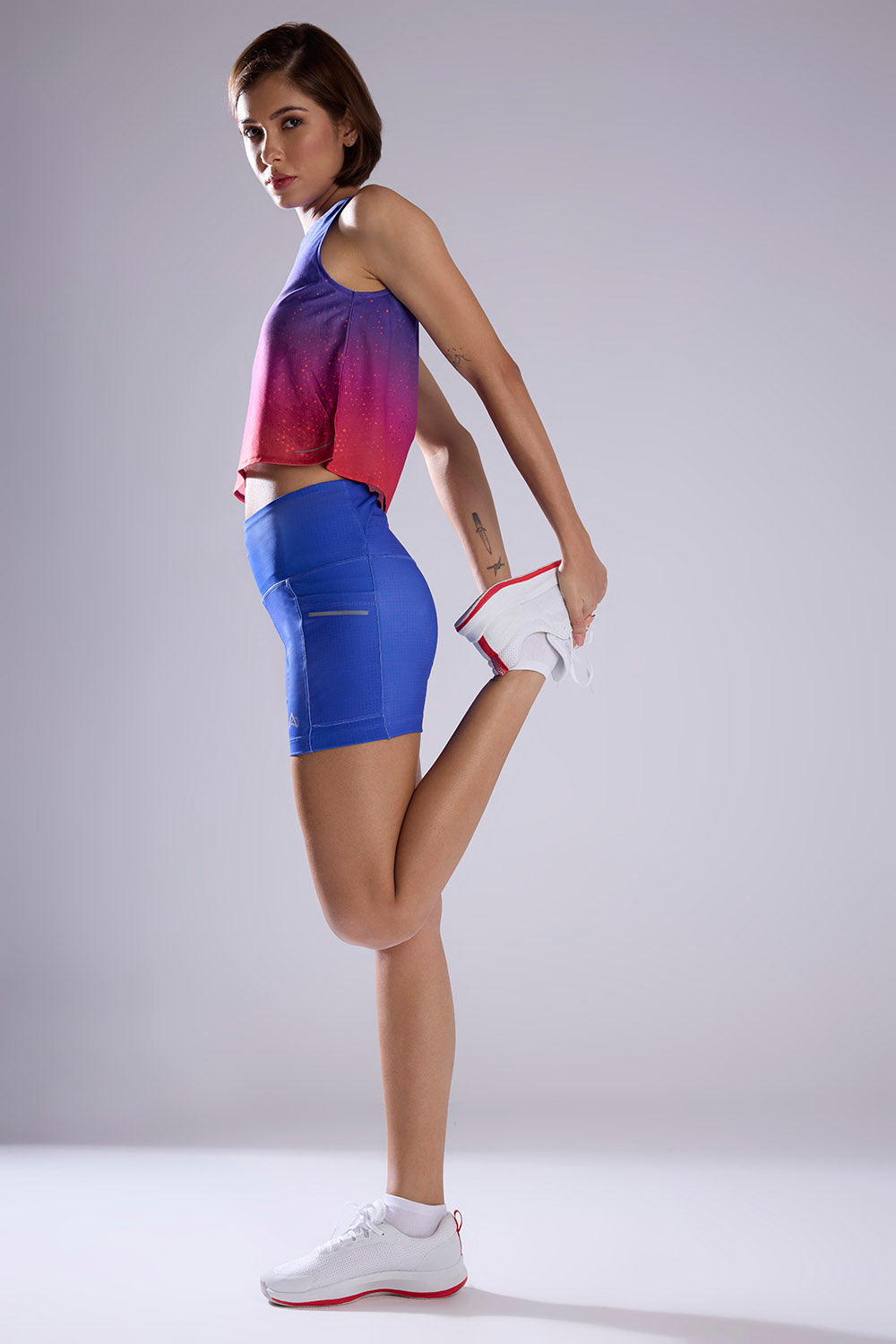
A suitable running outfit should allow natural movement without creating restrictions. Ergonomic design, comfortable cuts, and fabrics that move with the body help runners maintain their stride without constantly adjusting their clothing.
This is especially important for runners who spend several hours each week training. Apparel that supports movement can reduce unnecessary distractions and help athletes focus on pace, distance, and personal goals.
Practical Storage and Visibility
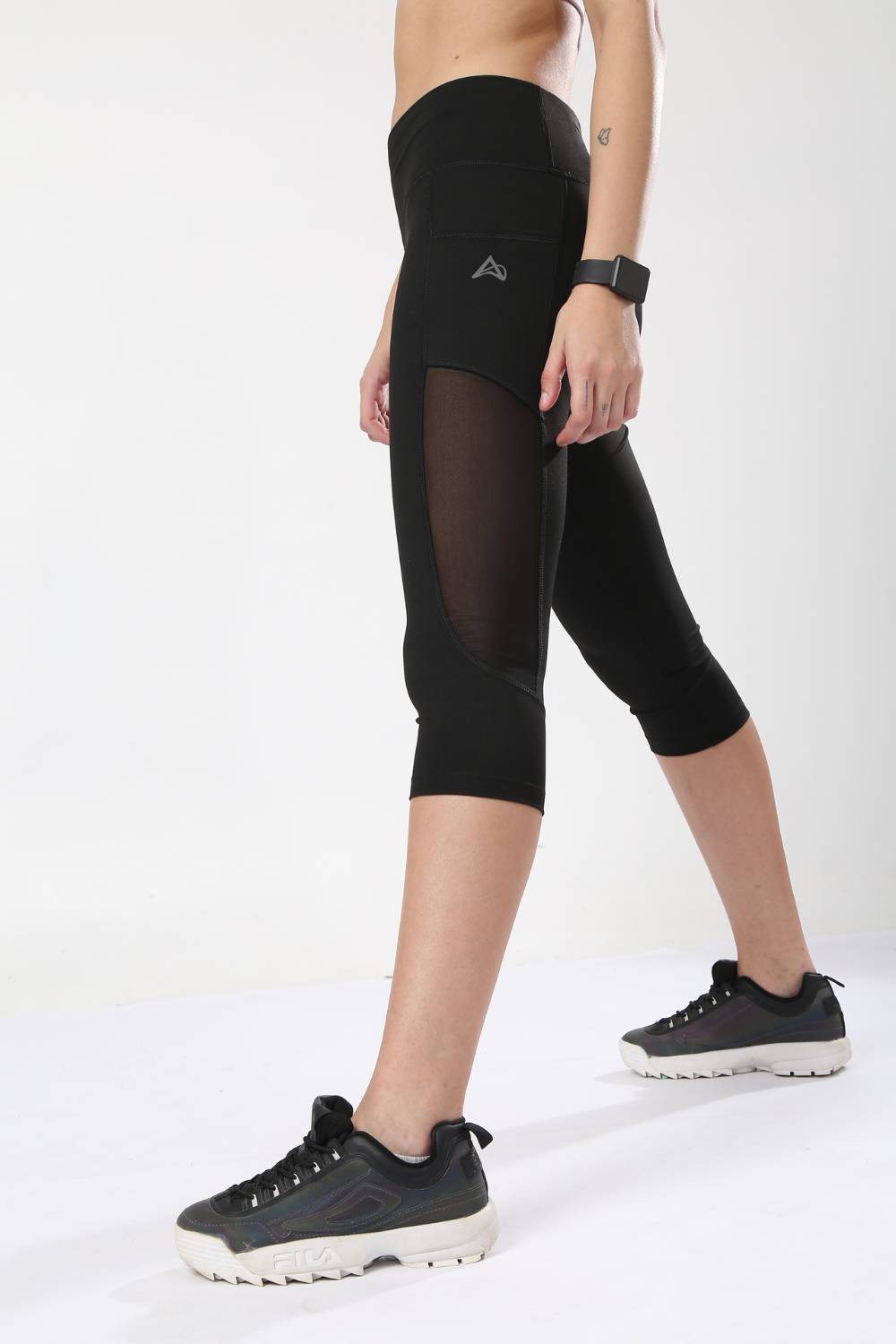
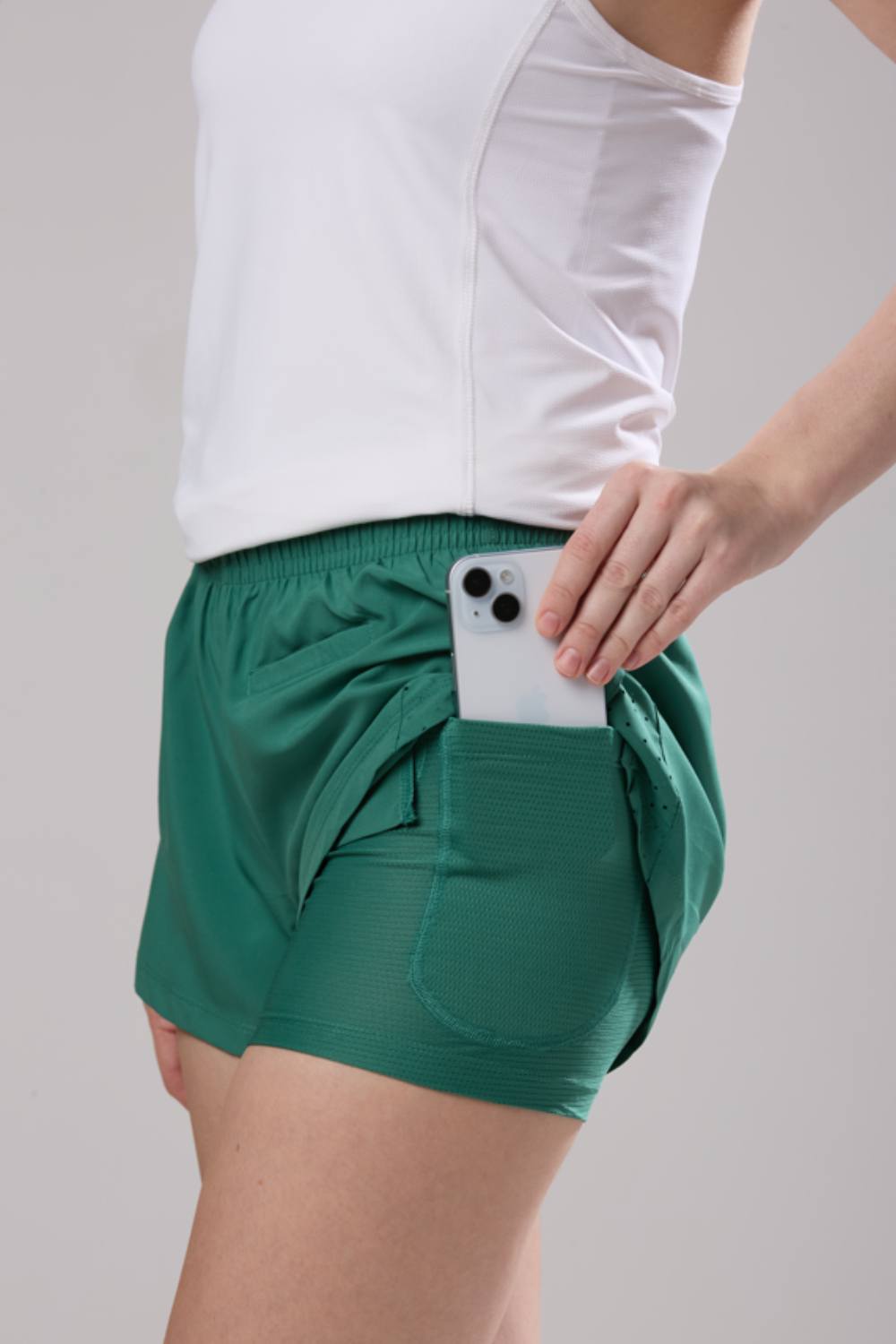
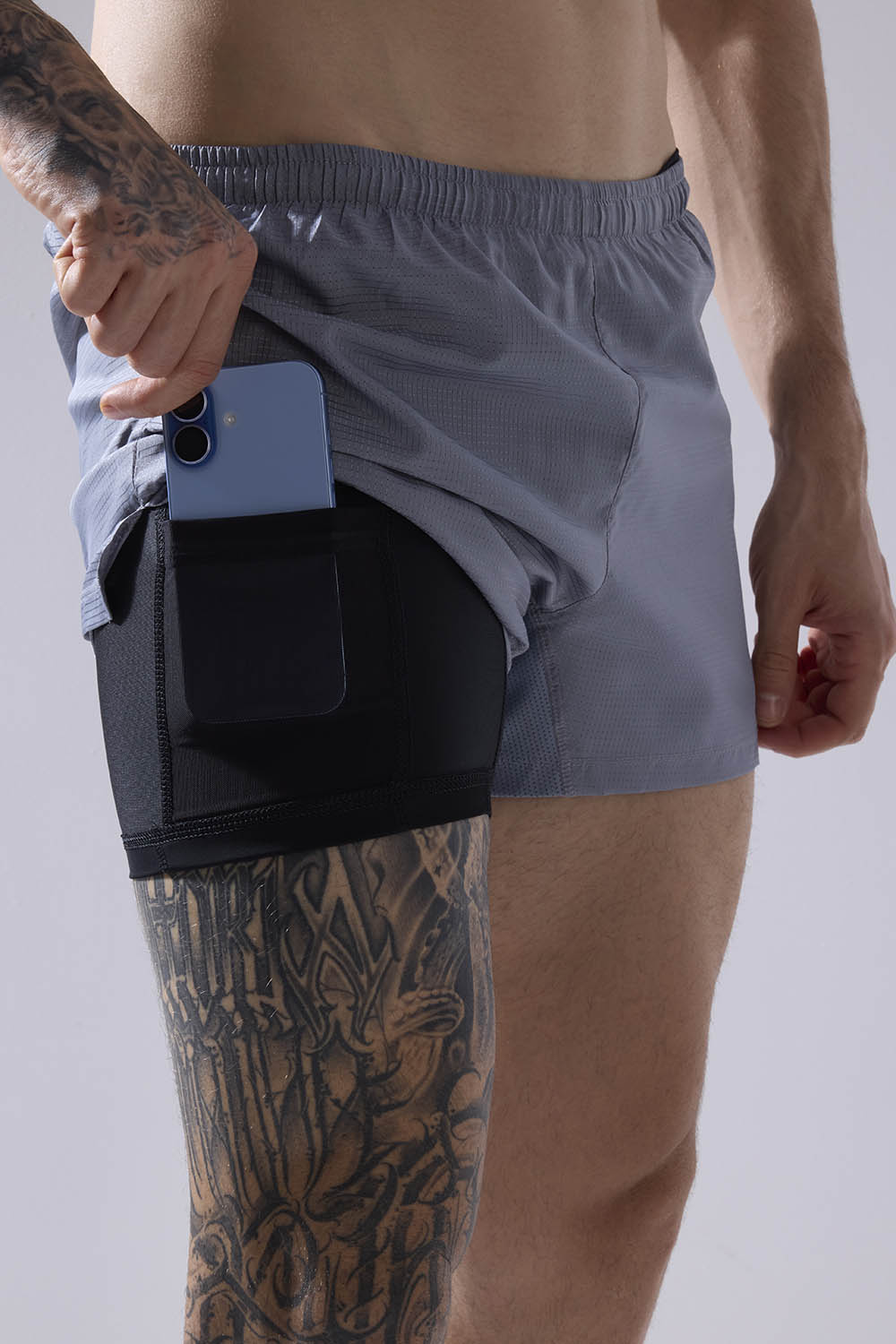
Small functional details can have a significant impact on everyday usability. Features such as secure pockets allow runners to carry essentials during training without relying on additional accessories. Reflective elements can also improve visibility during low-light runs, which is useful for people who train early in the morning or later in the evening.
These details demonstrate why performance apparel is often built around the complete running experience rather than a single feature. The best designs consider what runners actually do before, during, and after a workout.
Why Indian Runners Need Apparel Built Around Their Running Environment
Running habits are shaped by local environments. A runner preparing for a city road race, a daily fitness runner training in neighbourhood parks, and an endurance athlete completing long-distance sessions may all require apparel that performs reliably under different conditions.
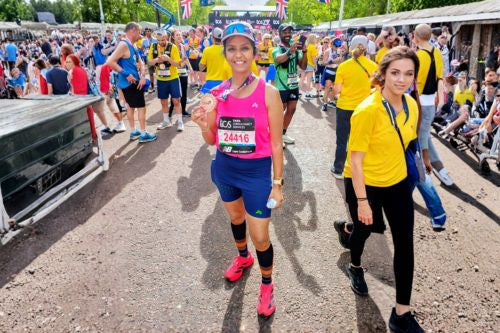
India's expanding running culture reflects this shift in expectations. More people are participating in organised runs, building consistent training routines, and looking for equipment that supports their fitness journeys. India's growing running culture shows how the rise of recreational running is creating greater interest in products that match local training realities.
Running gear for Indian climate conditions needs to account for factors that influence everyday comfort. A runner training in a warm city environment may prioritise breathable construction and sweat control, while someone preparing for longer distances may focus on durability, storage, and consistent performance.
This is why locally relevant apparel design matters. Clothing developed with an understanding of regional running experiences can address practical challenges that generic sportswear may overlook.
What to Look for When Choosing Running Apparel for Indian Conditions
Selecting the right running clothing requires looking beyond appearance. Runners should evaluate how apparel performs during actual training situations and whether it supports their specific needs.
- Breathable fabric: Materials should encourage airflow and help maintain comfort during warm-weather runs.
- Sweat management: Moisture control is important for runners who train in humid environments or complete longer sessions.
- Comfortable fit: Clothing should support unrestricted movement without feeling distracting.
- Lightweight construction: Reduced bulk can help runners feel more comfortable during outdoor activity.
- Useful features: Elements such as pockets and reflective details can improve everyday practicality.
Understanding what to wear for running in India is ultimately about matching apparel choices with personal routines. A casual runner may prioritise comfort and versatility, while a committed athlete may look for technical running wear for tropical climates that supports demanding training schedules.
How Aguante Connects Performance Apparel with Local Runner Needs
For brands focused on runners, designing apparel around actual user experiences creates a stronger connection between product development and athlete needs.Aguante's approach is centred on performance-focused running clothing designed with runner requirements in mind.
The connection between climate, comfort, and performance is especially relevant for runners who train outdoors throughout the year. Apparel choices influence how easily runners manage heat, sweat, movement, and everyday training demands.
Running apparel for Indian conditions is not about creating a separate category of clothing simply based on geography. It is about recognising that runners perform differently depending on their environment and that thoughtful design can help address those challenges.
For people evaluating Indian running apparel, the most valuable features are often the ones that improve every training session: dependable comfort, practical construction, and materials suited to real running conditions. These considerations help runners choose clothing that supports their goals rather than simply following general sportswear trends.
The Future of Running Clothing Will Be More Environment-aware
As running communities continue to develop, apparel design will increasingly focus on the relationship between athletes and their surroundings. The next generation of performance clothing will likely be shaped by a deeper understanding of how climate, activity level, and user expectations influence comfort.
For runners, this shift means better options that reflect how they actually train. Instead of choosing clothing designed for a different environment and adapting to its limitations, athletes can look for apparel created around their own conditions.
Choosing suitable running apparel is ultimately an investment in the quality of the running experience. When clothing supports temperature management, movement, and practical needs, runners can spend less energy managing discomfort and more energy enjoying their training.
Running apparel designed for Indian conditions represents a practical approach to performance wear. By focusing on breathable materials, functional features, and the realities of local outdoor running, it helps create a better connection between clothing and the athletes who depend on it.
Frequently Asked Questions
Why is running apparel designed for Indian conditions better for local runners?
Running apparel designed for Indian conditions considers challenges such as heat, humidity, sweat, and outdoor training environments. Features like breathable fabrics, lightweight construction, and moisture management can help runners stay more comfortable during regular workouts.
What are the best running clothes for Indian weather and humid conditions?
The best running clothes for Indian weather are those made with moisture-wicking materials, good airflow, and comfortable fits that support movement. Performance apparel with quick-drying fabrics and lightweight designs can help manage sweat during warm and humid runs.
What features should runners look for in Indian running apparel?
Runners should look for features such as breathable fabric, sweat control, ergonomic fit, practical storage, and reflective details. These elements help improve comfort, convenience, and performance during different types of outdoor training sessions.
Disclaimer: The above helpful resources content contains personal opinions and experiences. The information provided is for general knowledge and does not constitute professional advice.
You may also be interested in: Lightweight Running Tank Tops Suit High-intensity Sessions in
Tired of gear that slows you down? Chafing, soggy fabrics, and missing pockets kill your run's momentum. At Aguante, we're runners who get it. Our high-performance activewear features moisture-wicking fabrics, ergonomic designs, and smart storage to keep you focused. Shop Now!
Powered by flareAI.co