



Quick Listen:
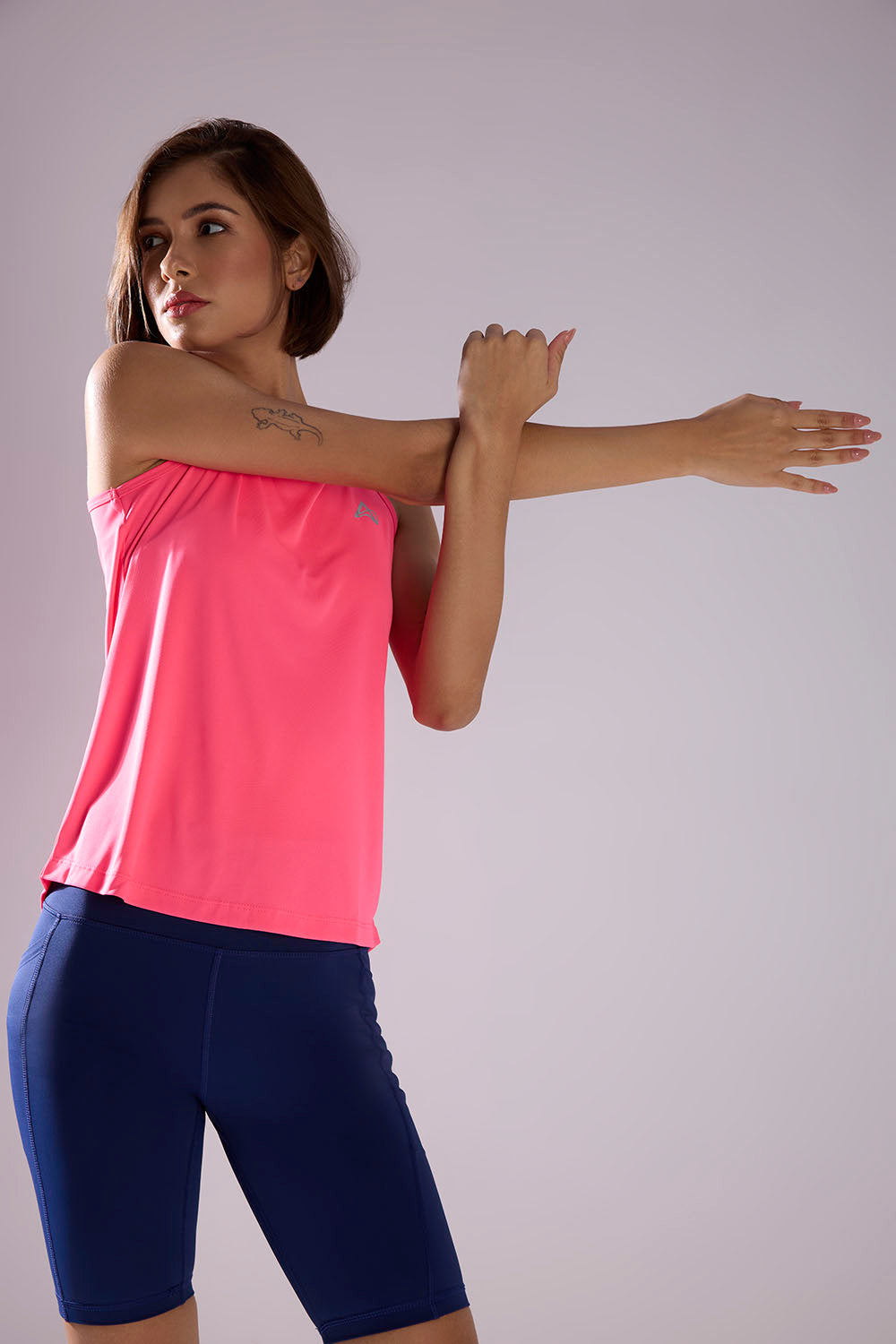
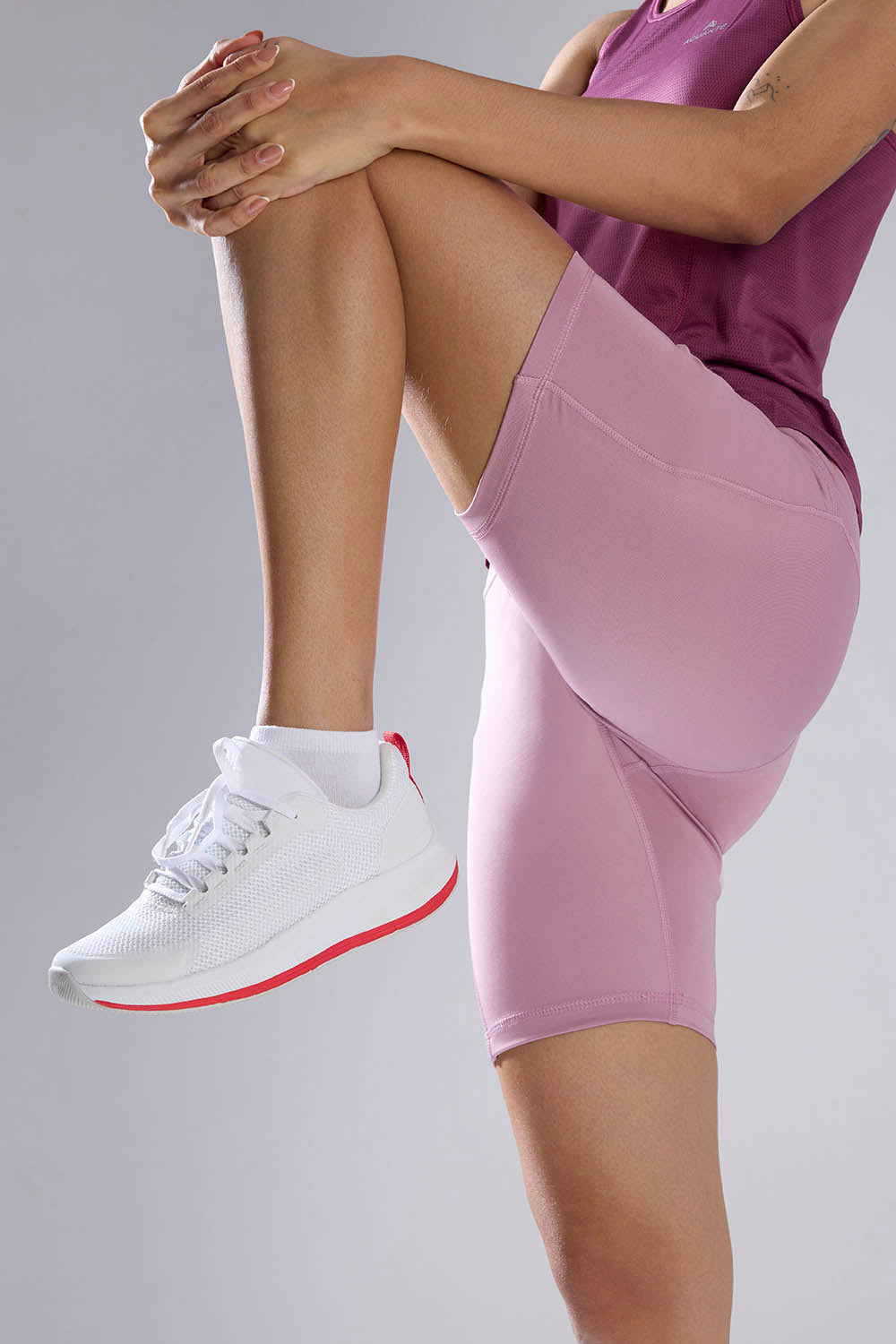
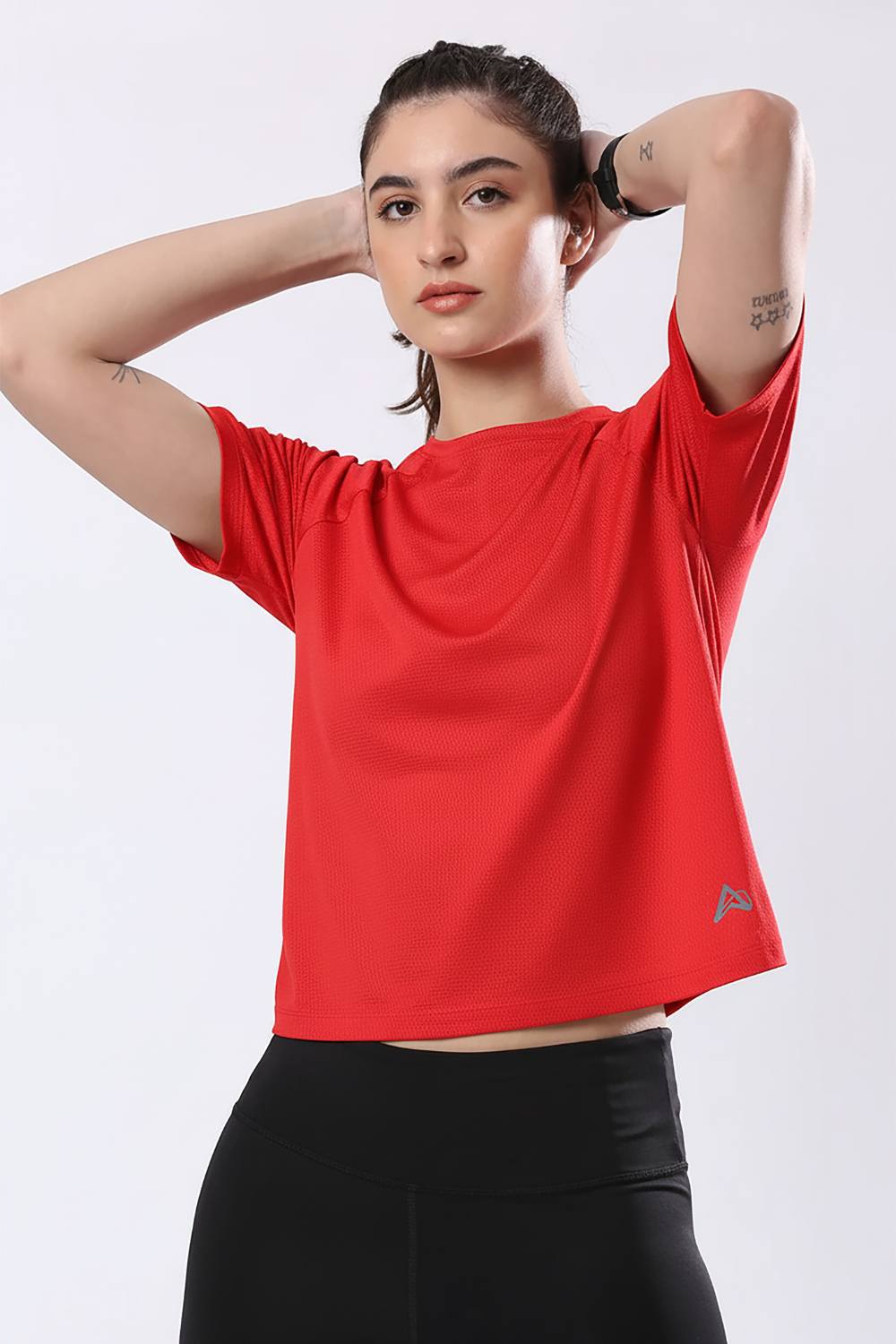
Running in hot weather places extra demands on the body. As temperatures rise, runners need clothing that helps them manage sweat, maintain comfort, and stay focused throughout a session. The fabric used in running apparel plays an important role because clothing sits between the body and the environment, influencing airflow, moisture movement, and overall feel during movement.
For runners choosing performance apparel, breathable construction is not simply about wearing lighter clothing. The right materials and garment design work together to support the body's natural cooling process. Understanding how breathable fabrics function can help runners make better decisions when selecting hot weather running clothes for training, races, or everyday workouts.
Tired of gear that slows you down? Chafing, soggy fabrics, and missing pockets kill your run's momentum. At Aguante, we're runners who get it. Our high-performance activewear features moisture-wicking fabrics, ergonomic designs, and smart storage to keep you focused. Shop Now!
Why Fabric Choice Matters When Running in Hot Weather
During exercise, the body generates heat and relies on sweat evaporation to help regulate temperature. When clothing traps moisture close to the skin, runners may experience discomfort, heaviness, and distraction during their workout. Breathable fabrics are designed to support moisture movement by helping sweat travel away from the body and allowing it to evaporate more efficiently.
Research into athletic clothing has explored how materials, garment construction, and fabric treatments influence comfort and temperature management during exercise. Studies on sports clothing and heat highlight that breathable materials, moisture management, and garment design are essential for runners, this means the best fabric for running in summer is not necessarily defined by one material alone. The overall design matters, including how well the fabric allows air movement, handles moisture, and supports freedom of movement over longer distances.
How Breathable Fabrics Help the Body Manage Heat
Breathability refers to a fabric's ability to allow air exchange and support moisture evaporation. During a run, airflow through clothing can help reduce the feeling of heat buildup, while moisture management features can prevent sweat from remaining against the skin for extended periods.
A breathable running outfit works with the body's cooling system rather than creating another barrier against it. When sweat can move away from the skin, evaporation becomes easier, which can improve comfort during warm and humid conditions.
Technical athletic fabrics are often developed with structures that support drying speed, ventilation, and moisture transport. Fabric choices for heat are influenced by factors such as construction, airflow, moisture movement, and fit, showing why runners should consider the complete garment rather than only the fabric label.
The Role of Moisture-wicking Fabric for Runners
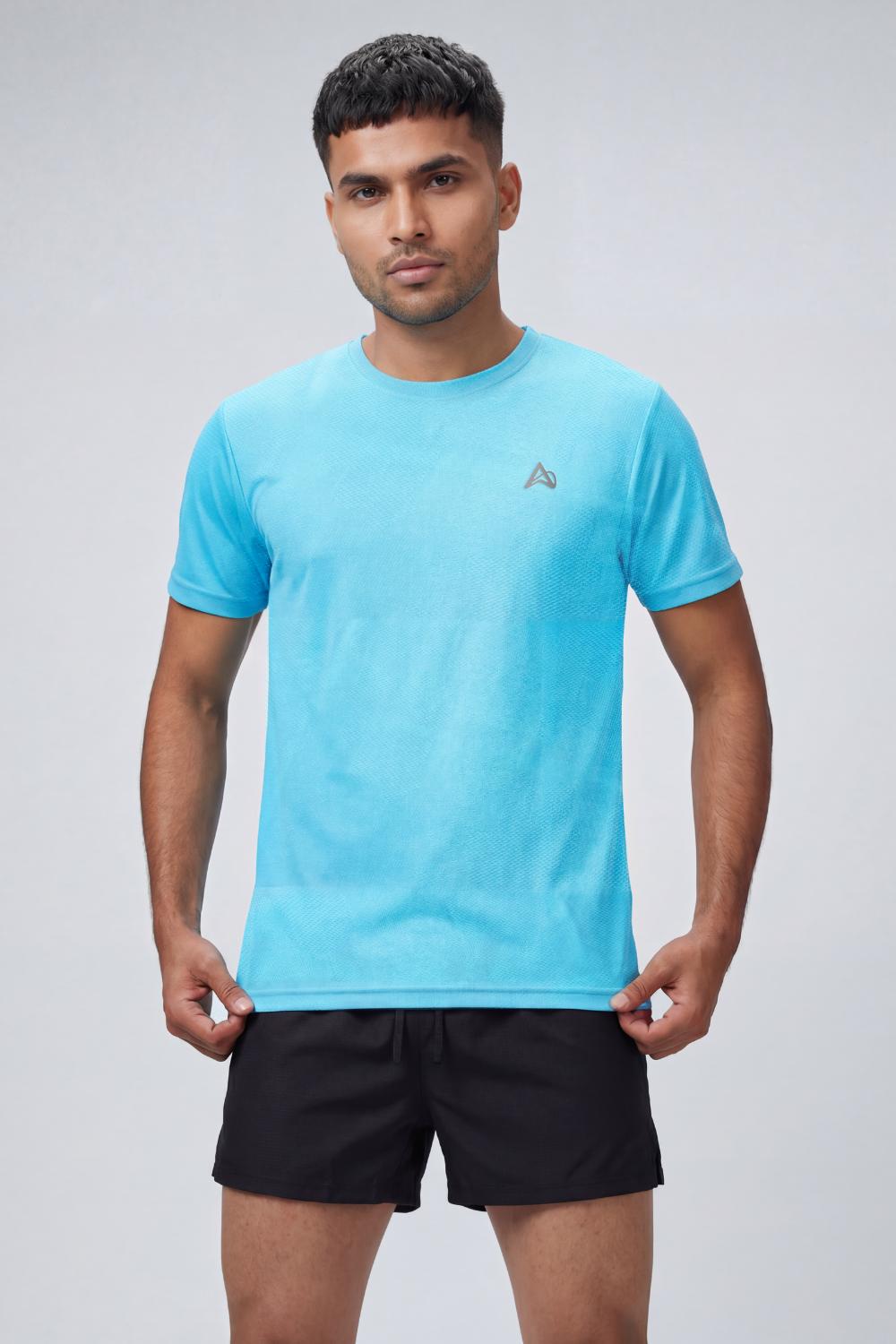
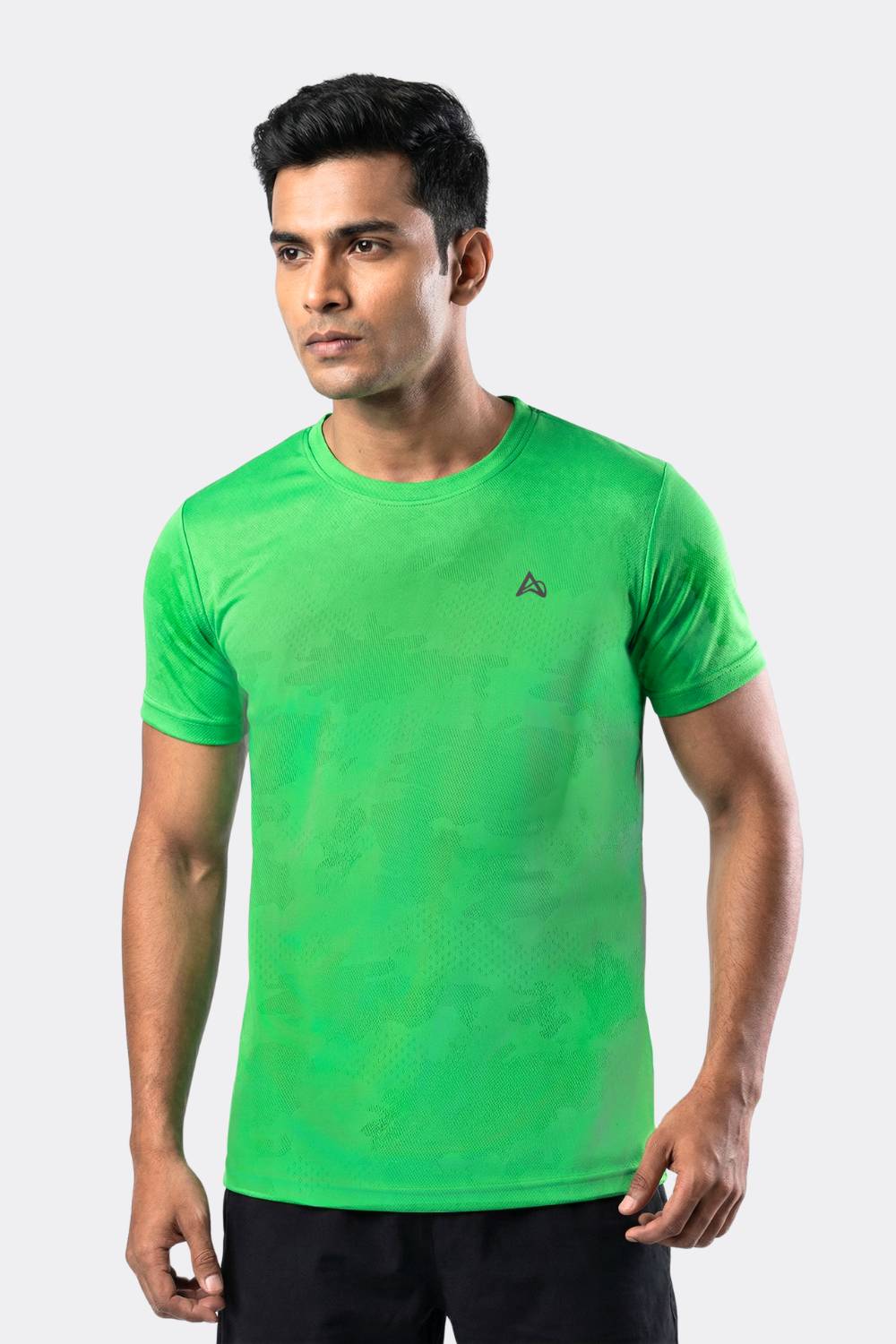
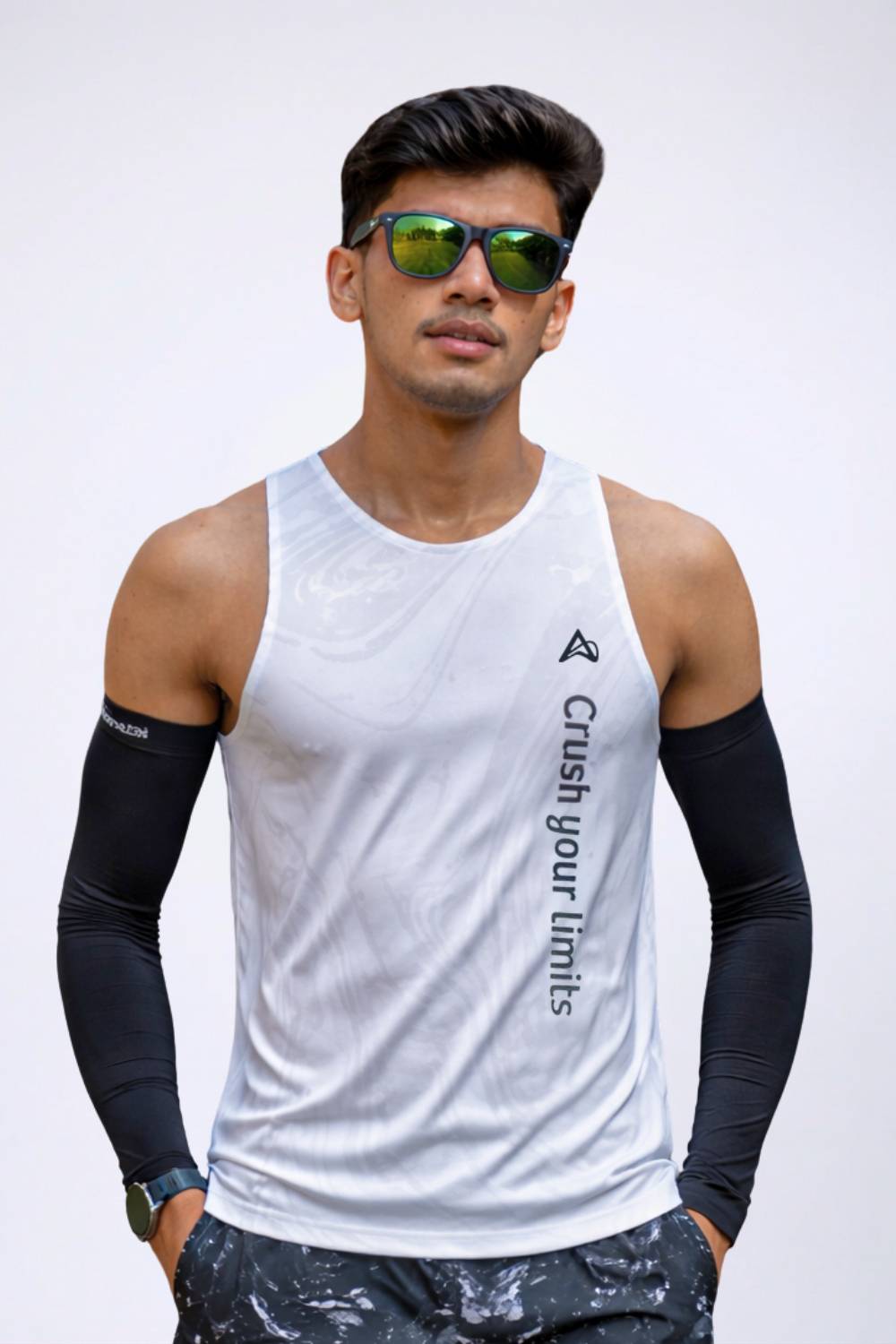
Moisture-wicking fabric for runners is designed to move sweat away from the skin and distribute it through the fabric surface, where it can dry more effectively. This function is especially valuable during longer runs, intense training sessions, or outdoor workouts where heat and humidity can increase discomfort.
A moisture-wicking layer can help runners avoid the heavy feeling that comes when clothing absorbs sweat and stays damp. Instead of focusing on discomfort from saturated fabric, runners can concentrate on maintaining pace, technique, and training goals.
However, moisture management is only one part of performance apparel. A well-designed running garment also needs an appropriate fit, practical construction, and enough flexibility to support natural movement. Breathability, sweat control, and comfort work together rather than functioning as separate features.
What Runners Should Look for in Hot Weather Running Clothes
Selecting hot weather running clothes requires looking beyond appearance. Runners should evaluate how apparel performs during actual movement and changing conditions. A garment that feels comfortable before a run should continue to support comfort when body temperature rises and sweat production increases.
Lightweight Construction
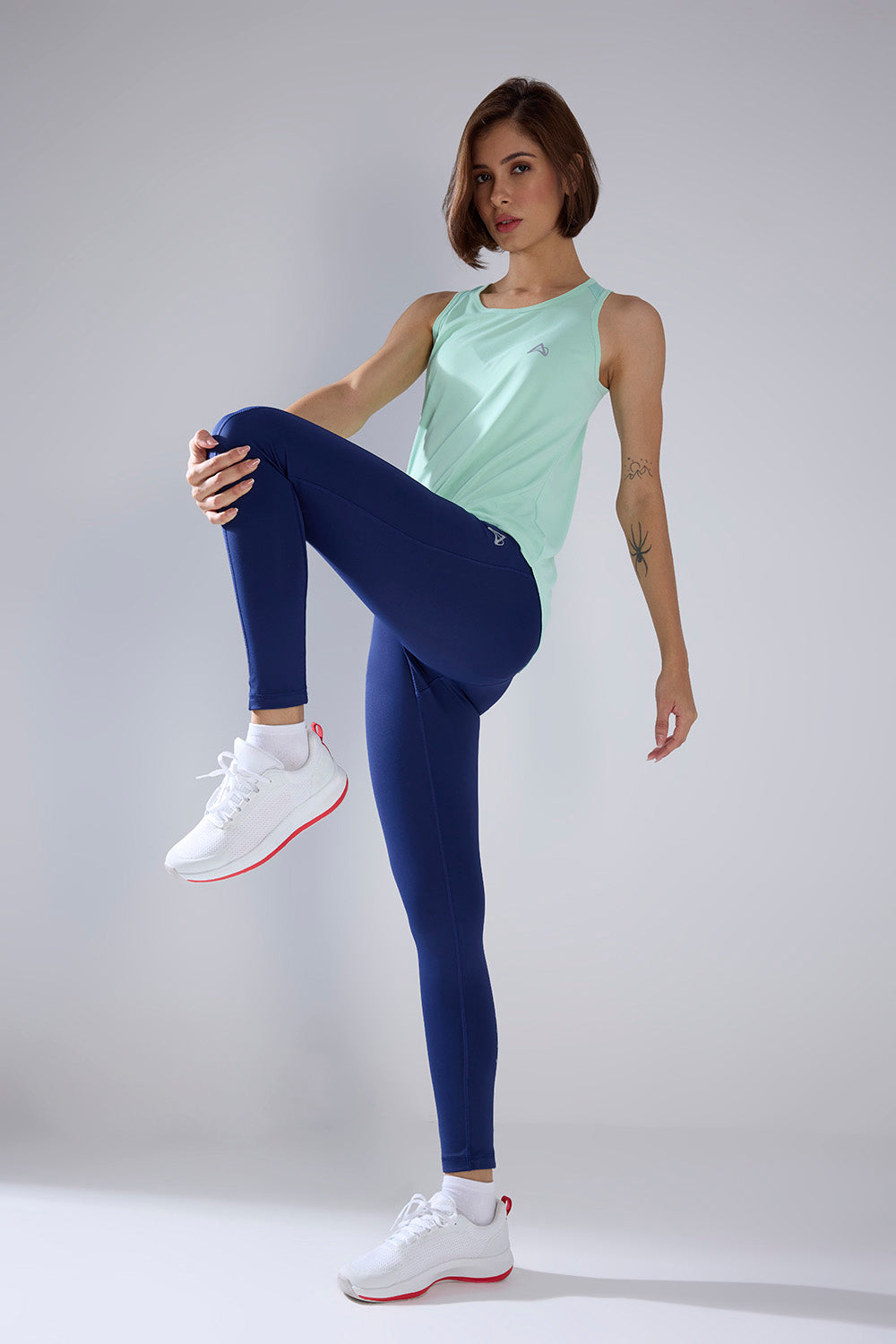
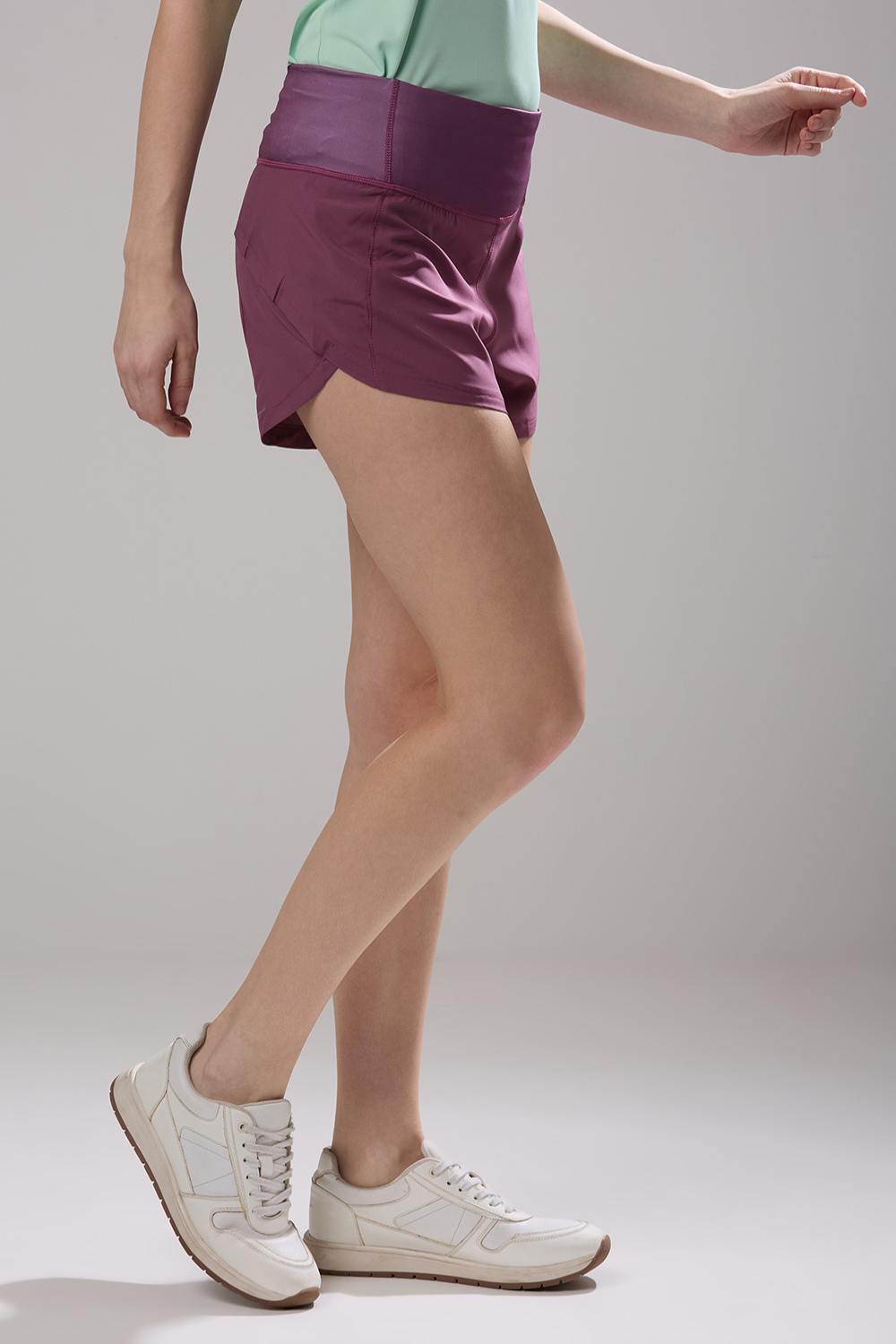
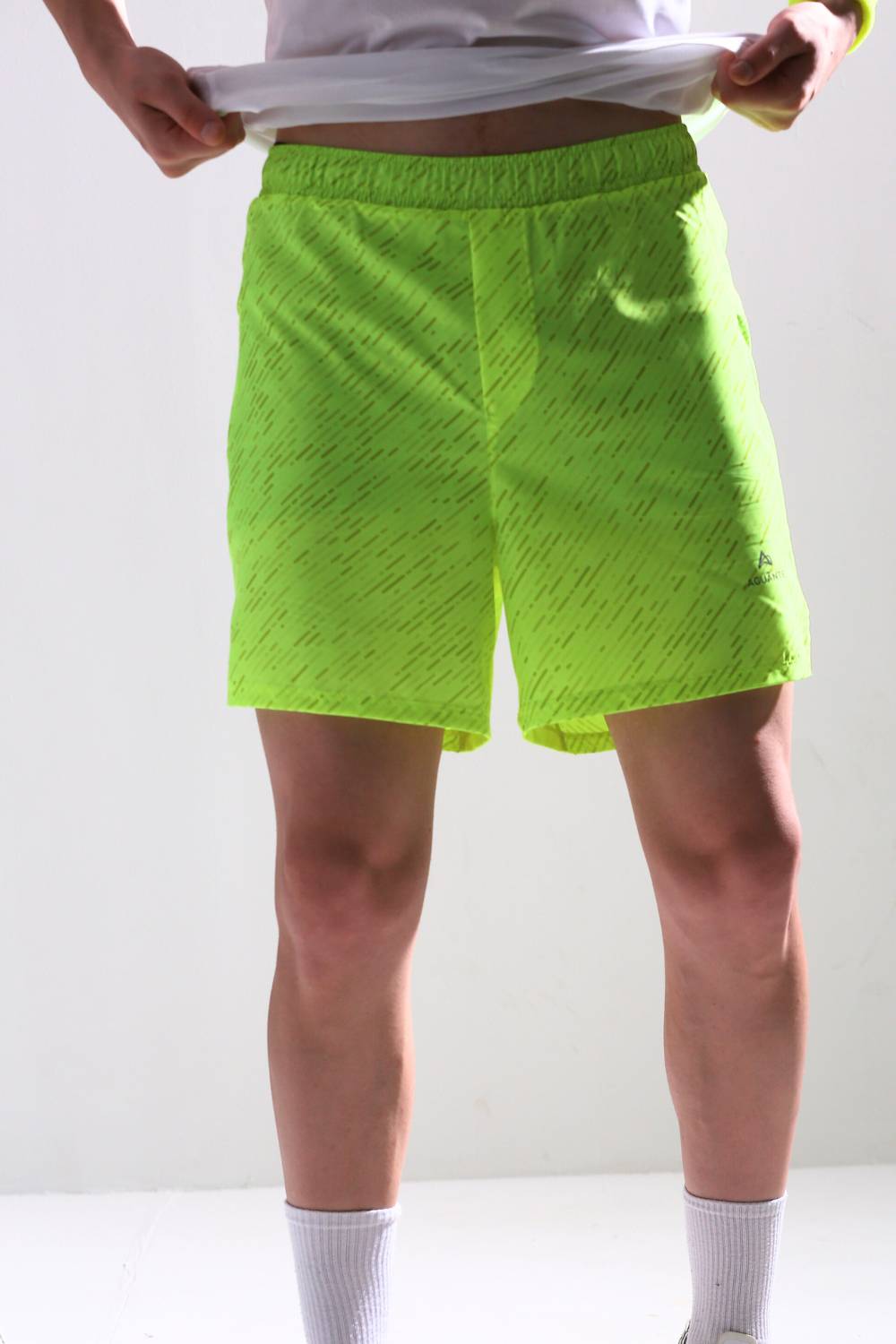
Lightweight running apparel can reduce the feeling of bulk during warm-weather sessions. Fabrics that feel light while maintaining durability allow runners to move freely without unnecessary weight or restriction.
Airflow and Ventilation
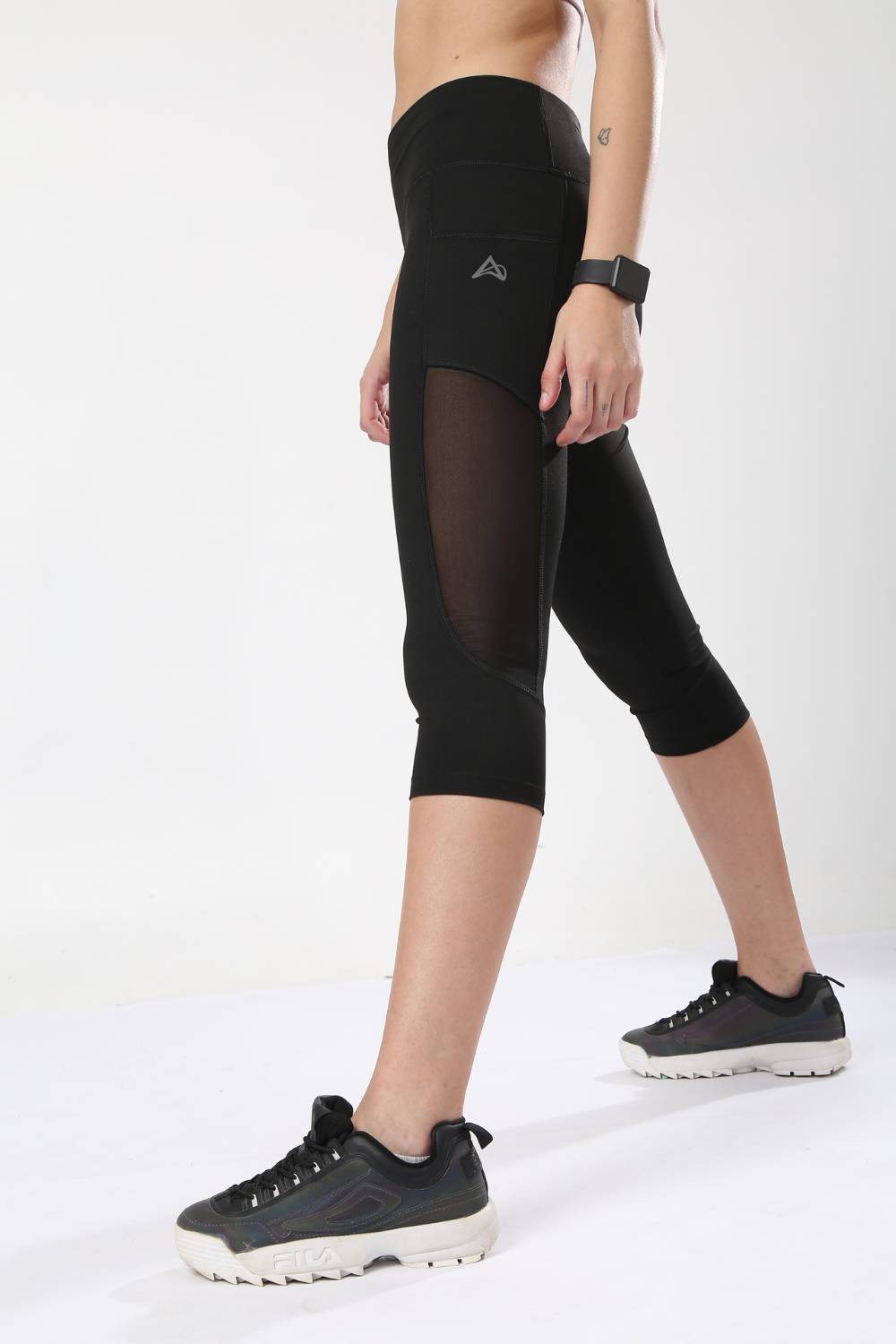
Good ventilation helps improve the interaction between the body, clothing, and surrounding air. Fabric structure, panel placement, and garment design can all influence how easily heat and moisture move away from the body.
Comfortable Fit
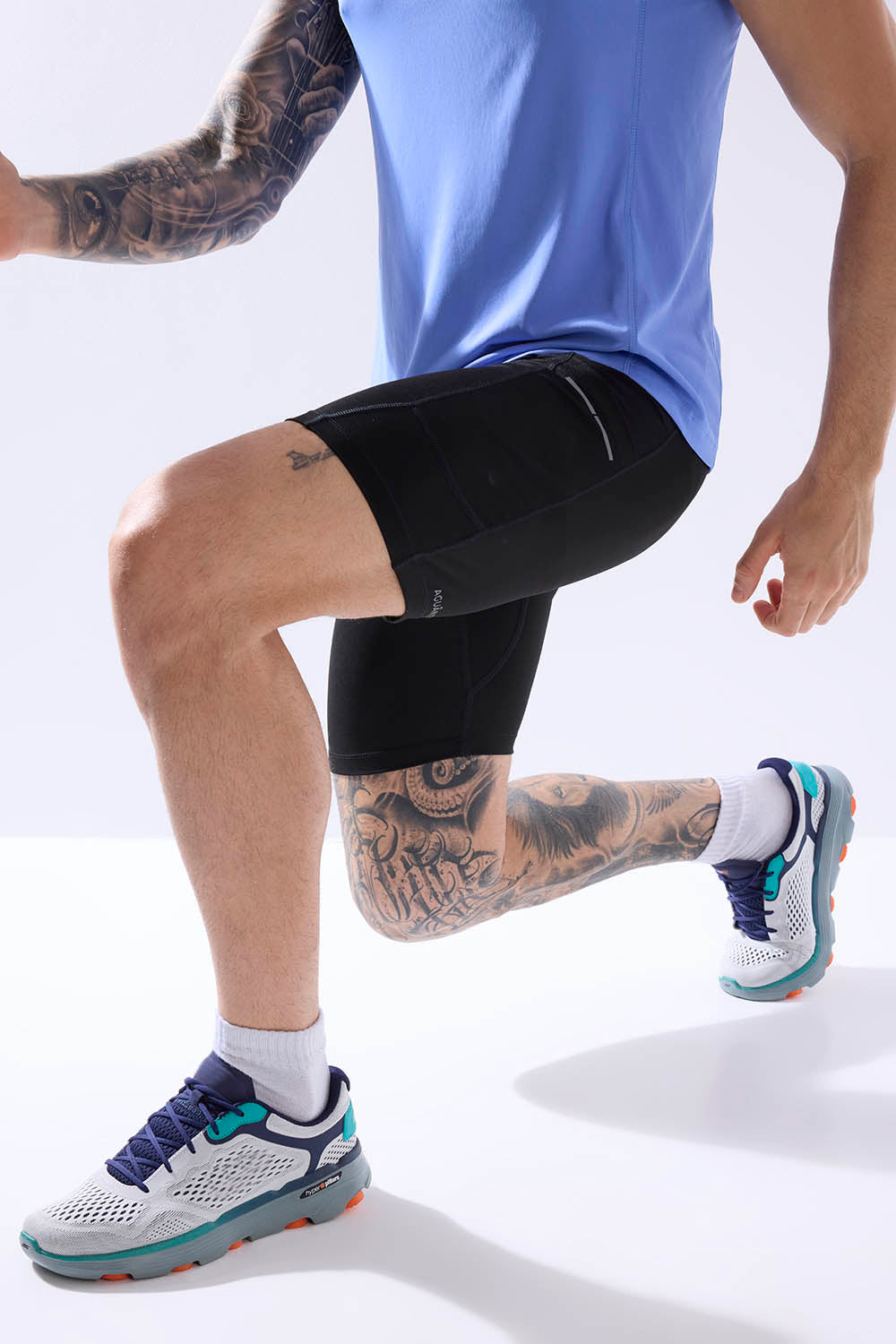
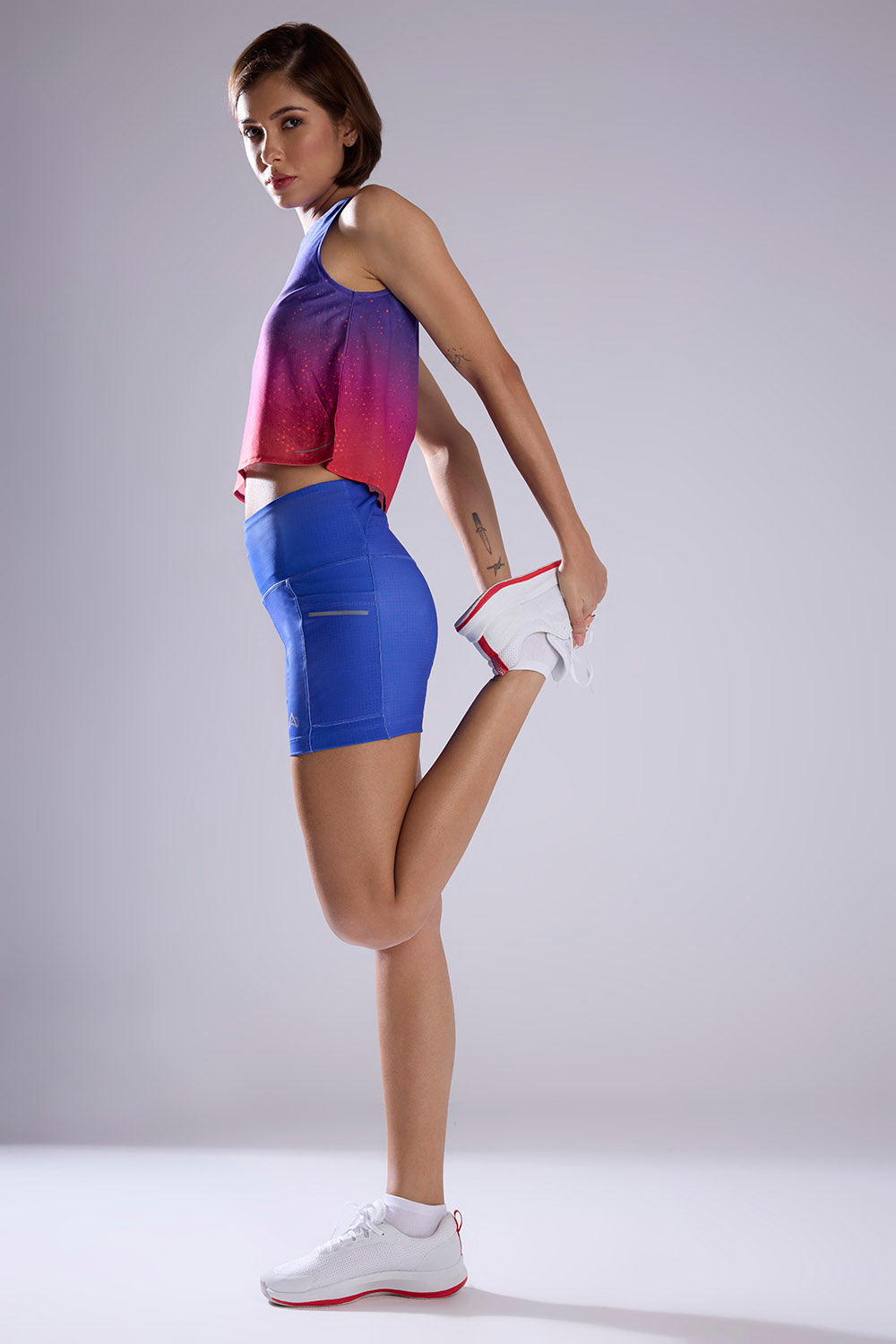
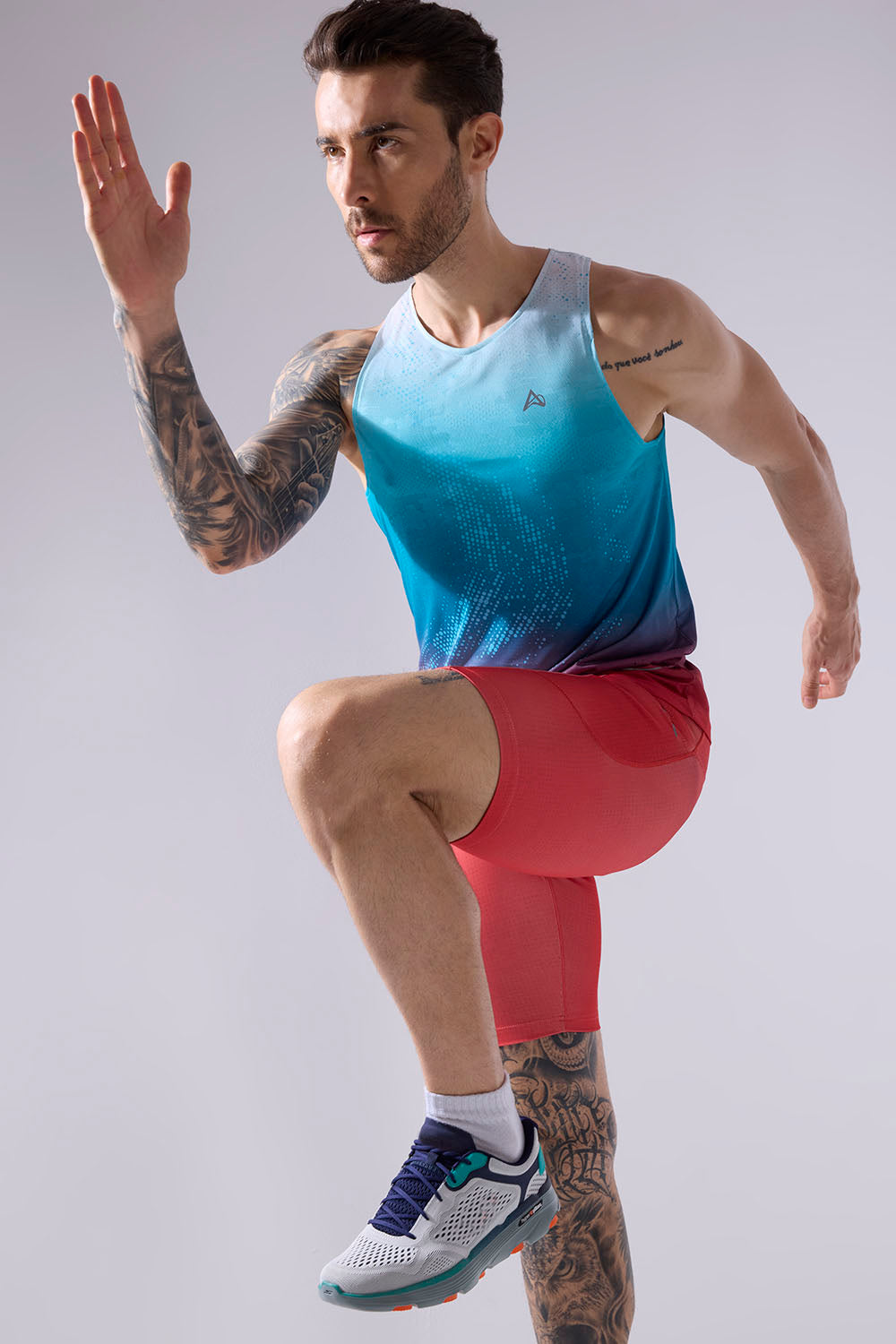
Fit affects how effectively a garment performs. Clothing that is too tight may restrict movement or reduce airflow, while overly loose designs may create unnecessary movement during running. The goal is a balance that supports mobility and comfort.
Practical Running Features
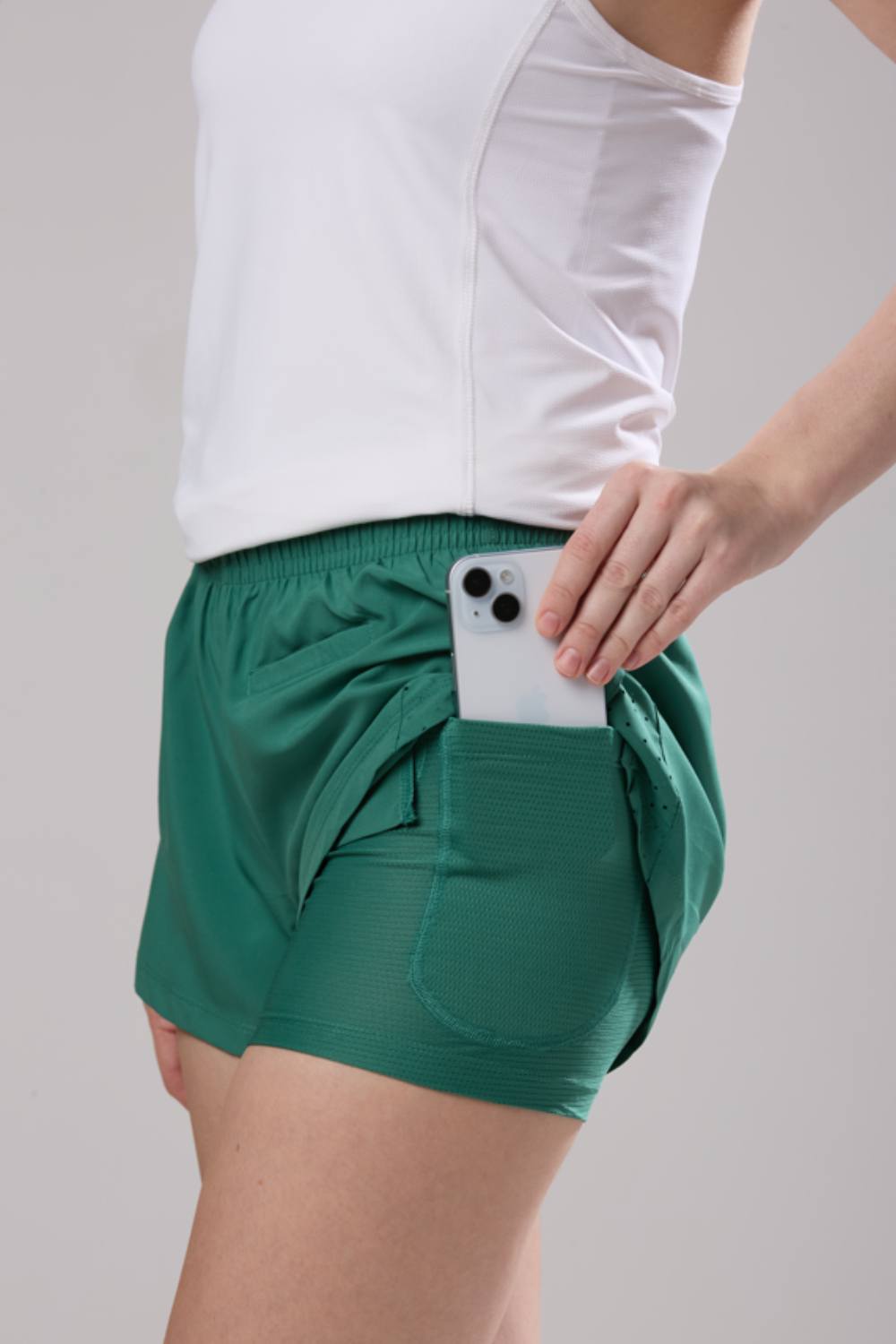
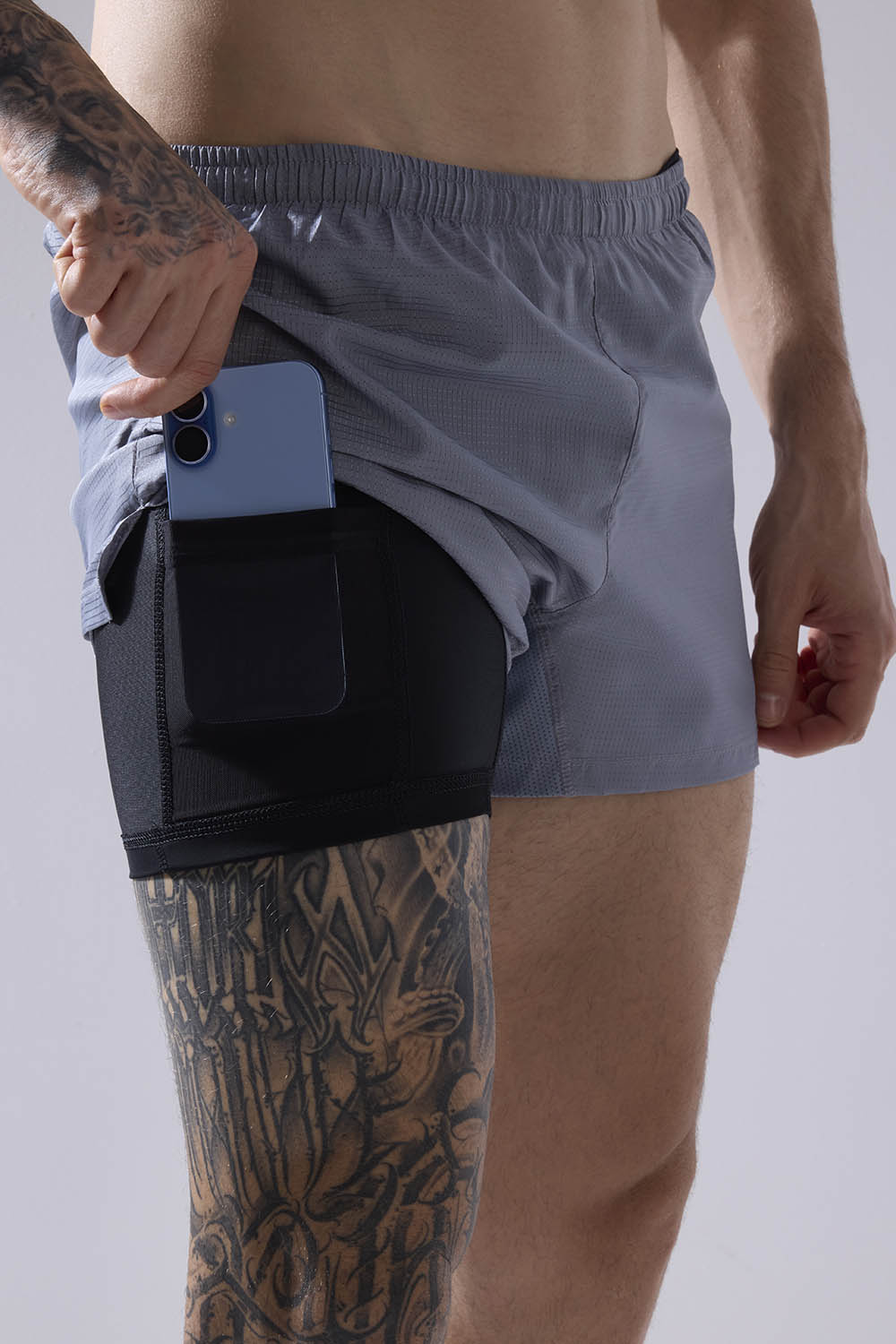
Performance apparel decisions are often influenced by everyday needs. Runners may consider features that support regular training routines, such as comfortable construction, functional storage, and designs suited to different types of workouts.
Why Breathable Apparel Supports Better Running Experiences
Comfort has a direct influence on how runners approach training. When clothing helps manage heat and sweat, runners can spend less energy adjusting to discomfort and more energy focusing on their activity.
This is particularly important for people who train outdoors regularly. Warm conditions can make familiar routes feel more challenging, and clothing choices can influence whether a session feels manageable or unnecessarily difficult.
Breathable apparel is not designed to remove the challenges of hot weather running. Instead, it helps runners work with the conditions by supporting natural cooling processes and reducing avoidable distractions caused by uncomfortable clothing.
For athletes building consistent routines, selecting apparel based on fabric performance can become part of a broader approach to training. Small improvements in comfort can help create a more positive and sustainable running experience.
How to Choose Running Apparel for Warm-weather Training
When evaluating running clothing, runners should think about their personal training environment, workout intensity, and comfort preferences. A runner completing short morning sessions may have different priorities from someone preparing for longer endurance events in warmer conditions.
- Does the fabric help manage sweat during longer workouts?
- Does the clothing allow comfortable movement while running?
- Does the material feel breathable in warm conditions?
- Does the design support regular training needs?
Choosing apparel with these factors in mind helps runners identify clothing that matches their lifestyle rather than selecting products based only on appearance or marketing descriptions.
How Aguante Connects Performance Apparel with Runner Needs
For runners looking for performance-focused clothing, understanding fabric technology is an important part of making an informed choice. Apparel designed around running needs considers the relationship between comfort, movement, moisture management, and the demands of outdoor training.
Aguante's focus on running apparel aligns with the needs of athletes who want clothing designed around the realities of running. By considering features such as breathable materials, comfortable construction, and runner-focused design, performance apparel can support better experiences during everyday training.
The right running clothing does not replace preparation, hydration, or smart training practices. Instead, it provides another tool that can help runners stay comfortable, manage moisture, and move more freely throughout their training.
Breathability Is a Key Part of Hot Weather Running Gear
Running in warm conditions requires thoughtful choices, and clothing is one factor that can influence comfort throughout a workout. Breathable fabrics help support sweat evaporation, airflow, and temperature management, making them an important consideration for runners who train in heat.
When choosing running apparel, focus on how the fabric, fit, and construction work together. The most effective clothing choices are those that support your running routine, reduce discomfort, and allow you to focus on the experience of moving well in every session.
Frequently Asked Questions
Why are breathable fabrics important for running in hot weather?
Breathable fabrics help runners manage heat by improving airflow and supporting sweat evaporation during outdoor workouts. They allow moisture to move away from the skin, which can improve comfort during warm and humid running conditions.
What is the best fabric for running in summer?
The best fabric for running in summer is one that supports breathability, moisture management, lightweight comfort, and freedom of movement. Runners should consider how the material handles sweat, airflow, and overall garment construction rather than focusing on a single fabric type.
How does moisture-wicking fabric help runners during hot weather runs?
Moisture-wicking fabric for runners helps move sweat away from the skin and spreads it across the fabric surface for faster drying. This can reduce the heavy, damp feeling of sweaty clothing and help runners stay more comfortable during longer training sessions.
Disclaimer: The above helpful resources content contains personal opinions and experiences. The information provided is for general knowledge and does not constitute professional advice.
You may also be interested in: Breathable Fabrics Help Urban Runners Beat the Heat - Aguante
Tired of gear that slows you down? Chafing, soggy fabrics, and missing pockets kill your run's momentum. At Aguante, we're runners who get it. Our high-performance activewear features moisture-wicking fabrics, ergonomic designs, and smart storage to keep you focused. Shop Now!
Powered by flareAI.co