



Quick Listen:
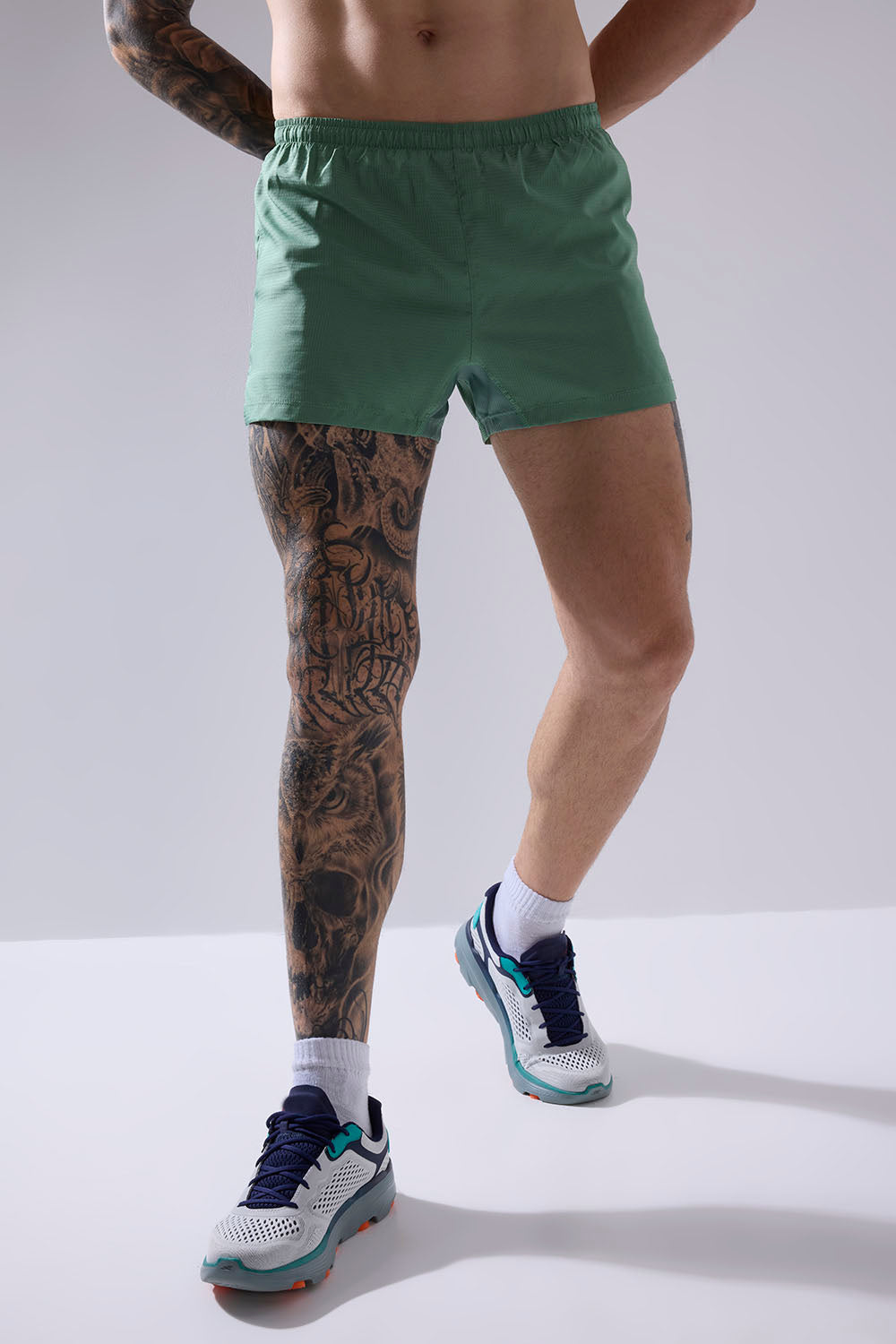
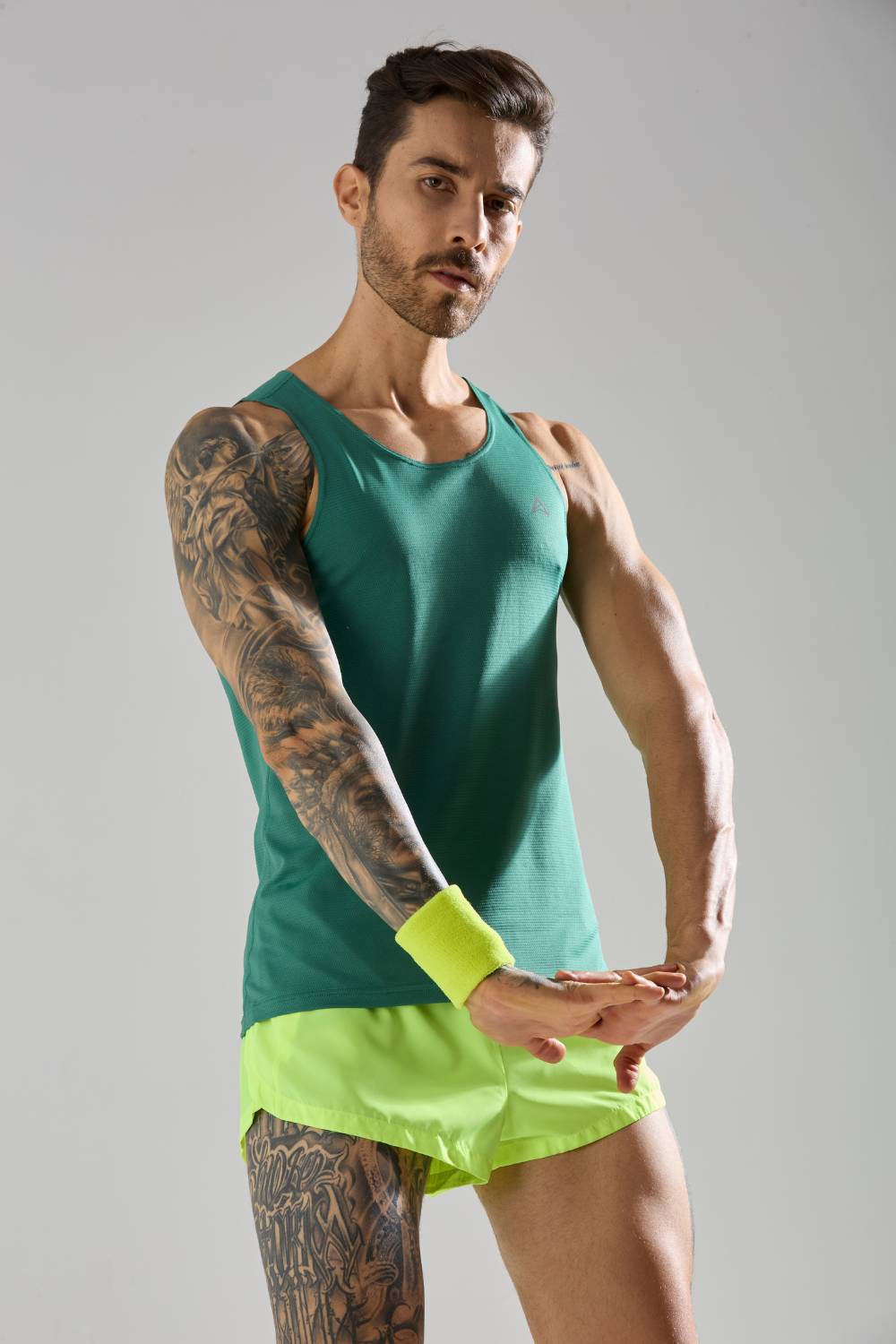
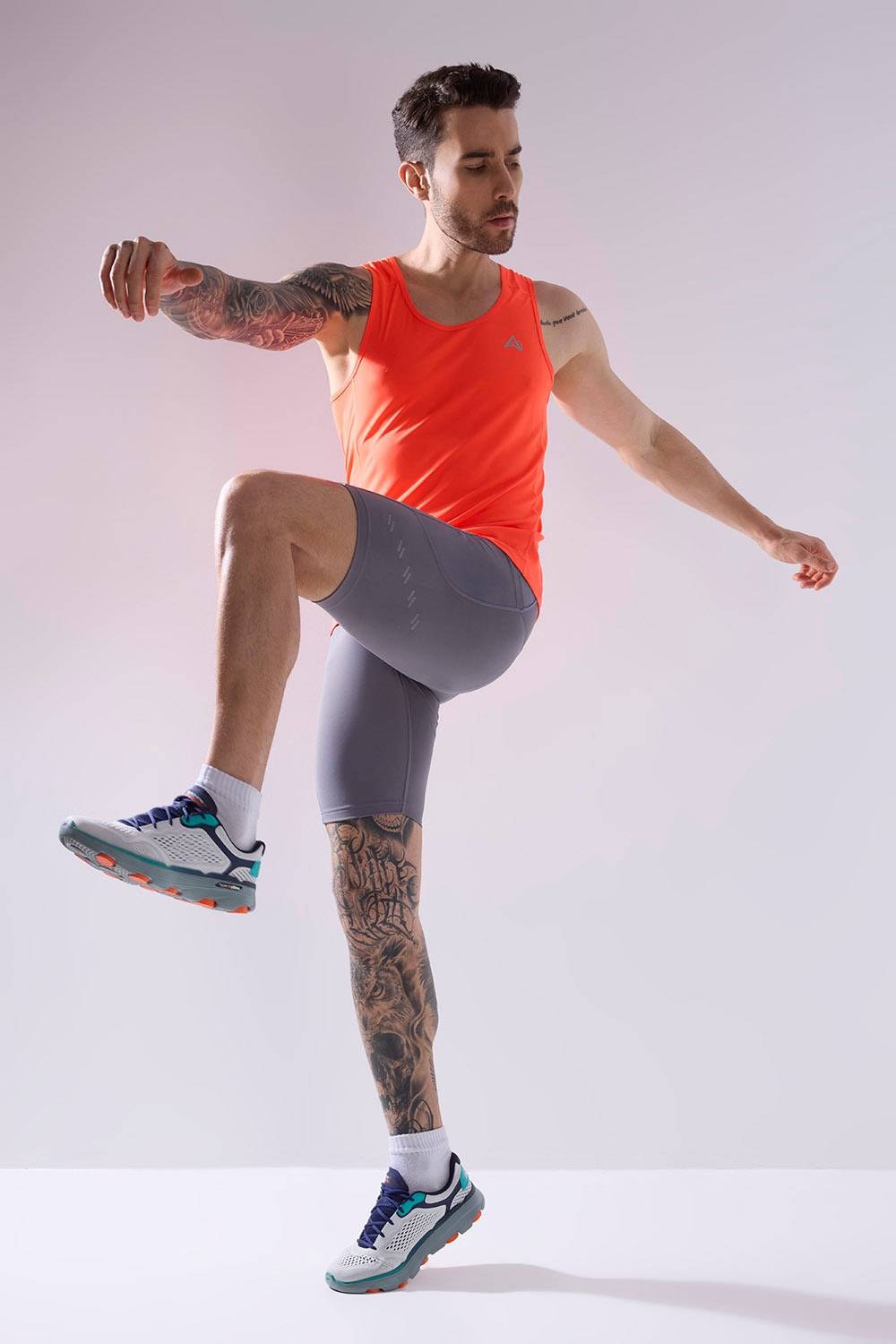
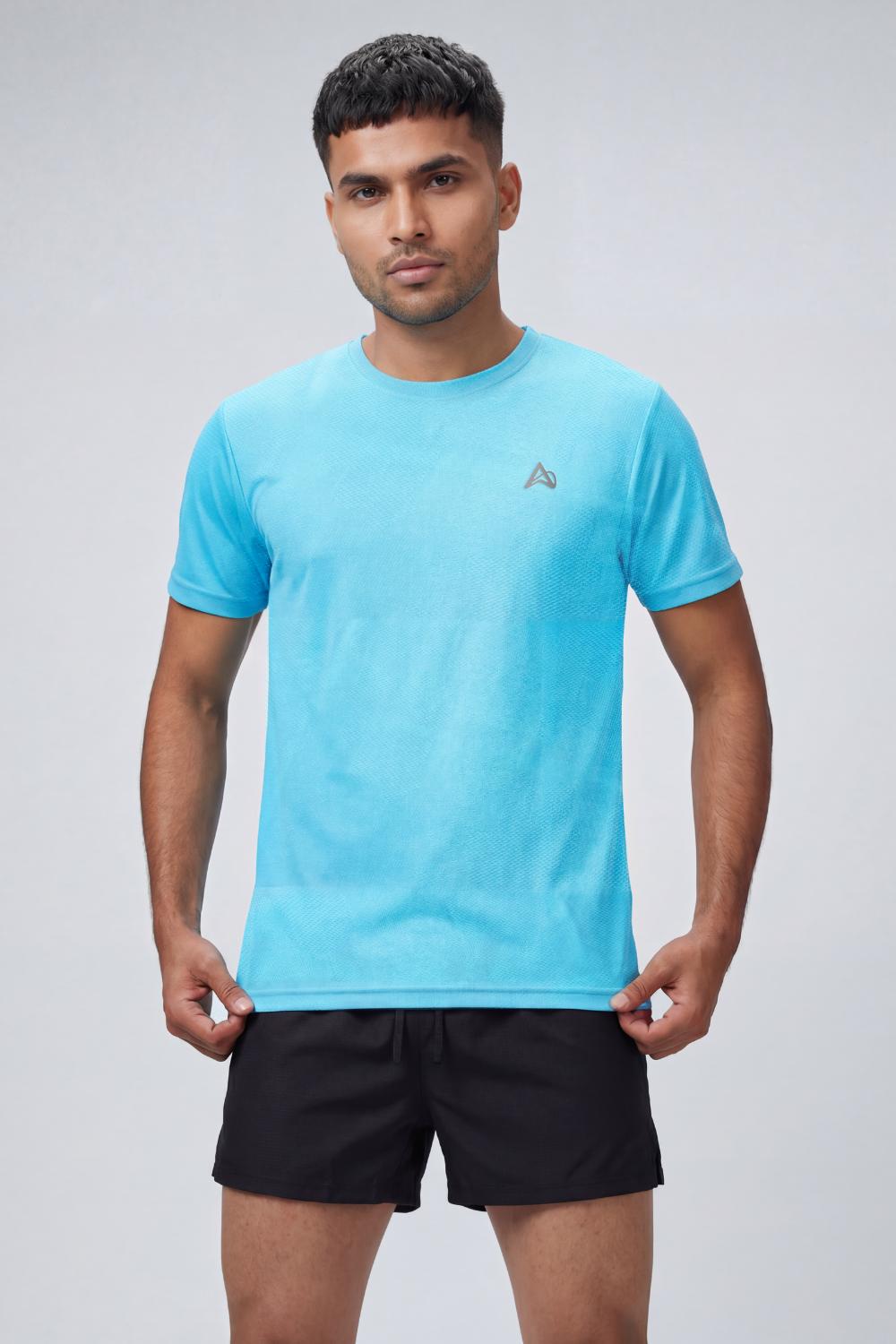
Running places demands on clothing that everyday sportswear is not always designed to handle. A T-shirt that feels comfortable during a casual workout or daily activity may become heavy, restrictive, or uncomfortable during a longer run. The difference comes down to purpose: performance running gear is engineered around the repeated movement, heat, sweat, and friction created by running, while everyday sportswear is generally designed for broader athletic and lifestyle use.
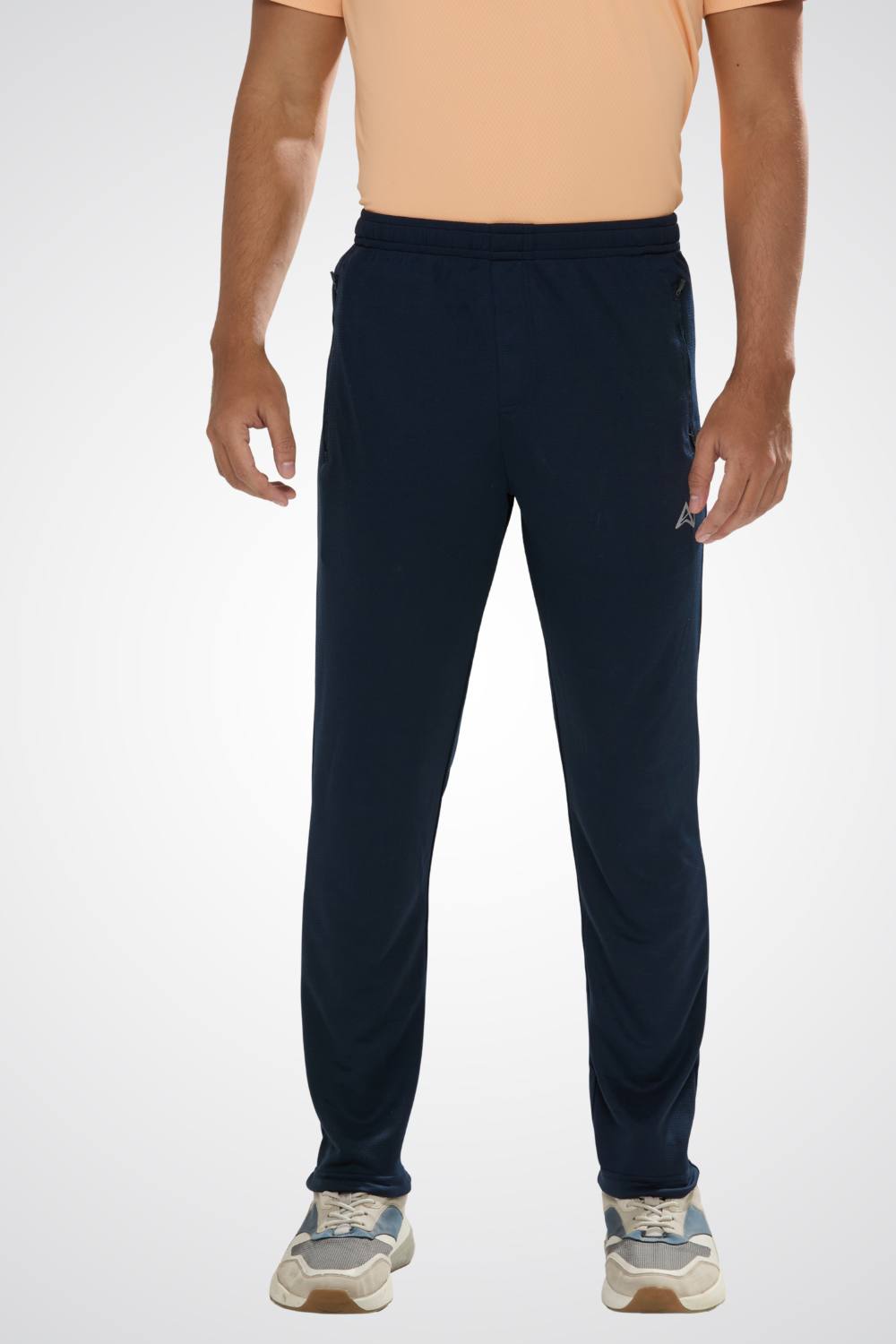
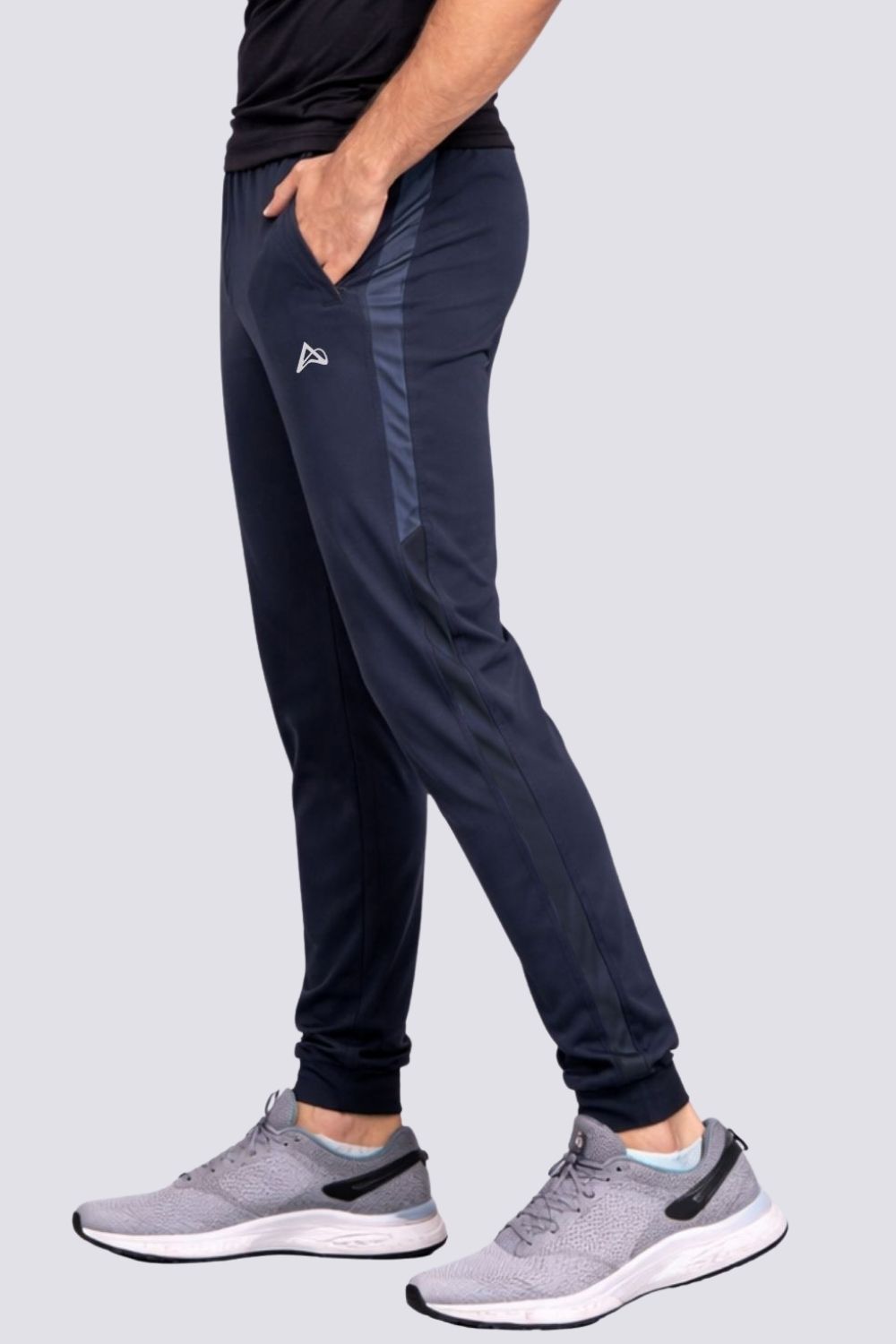
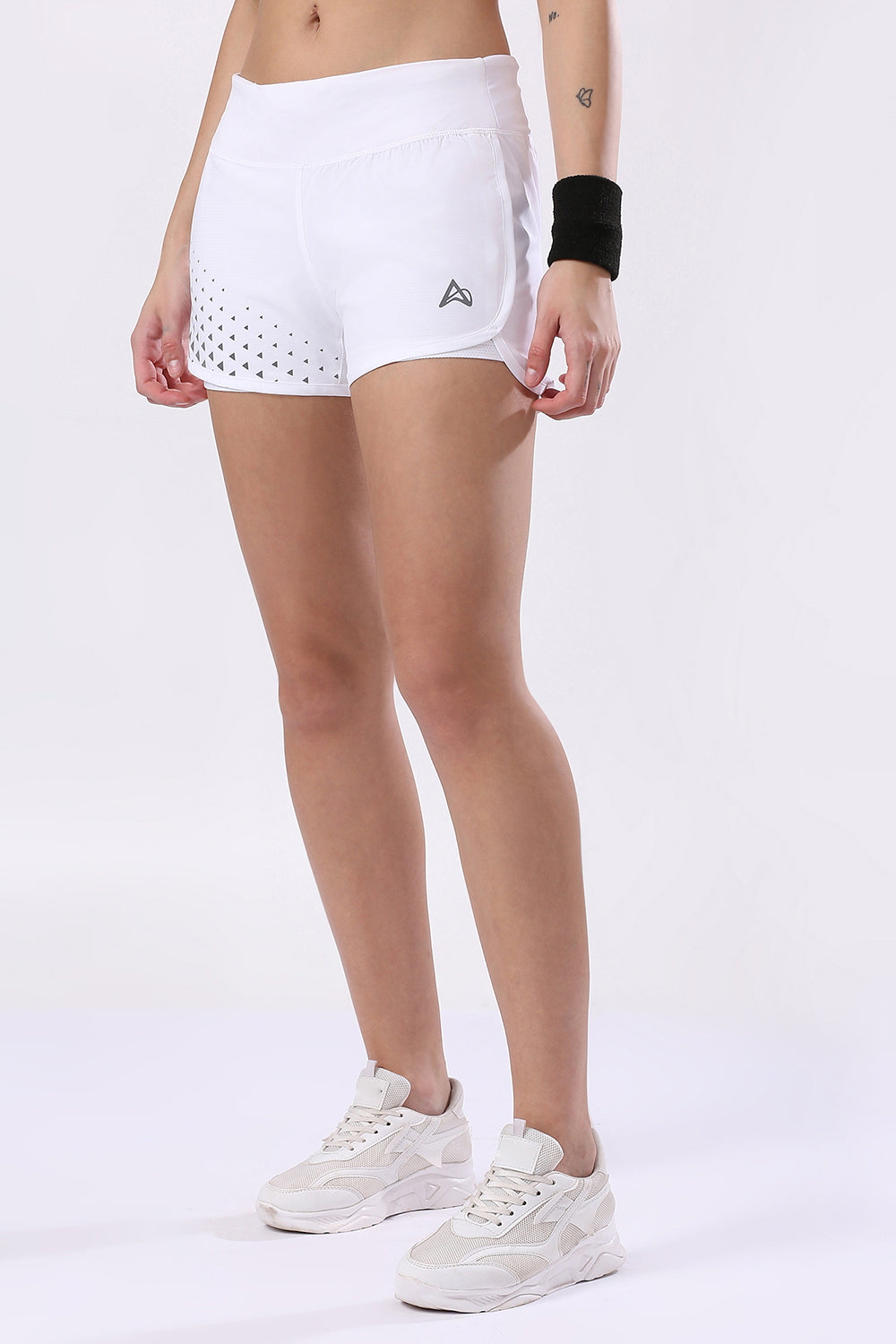
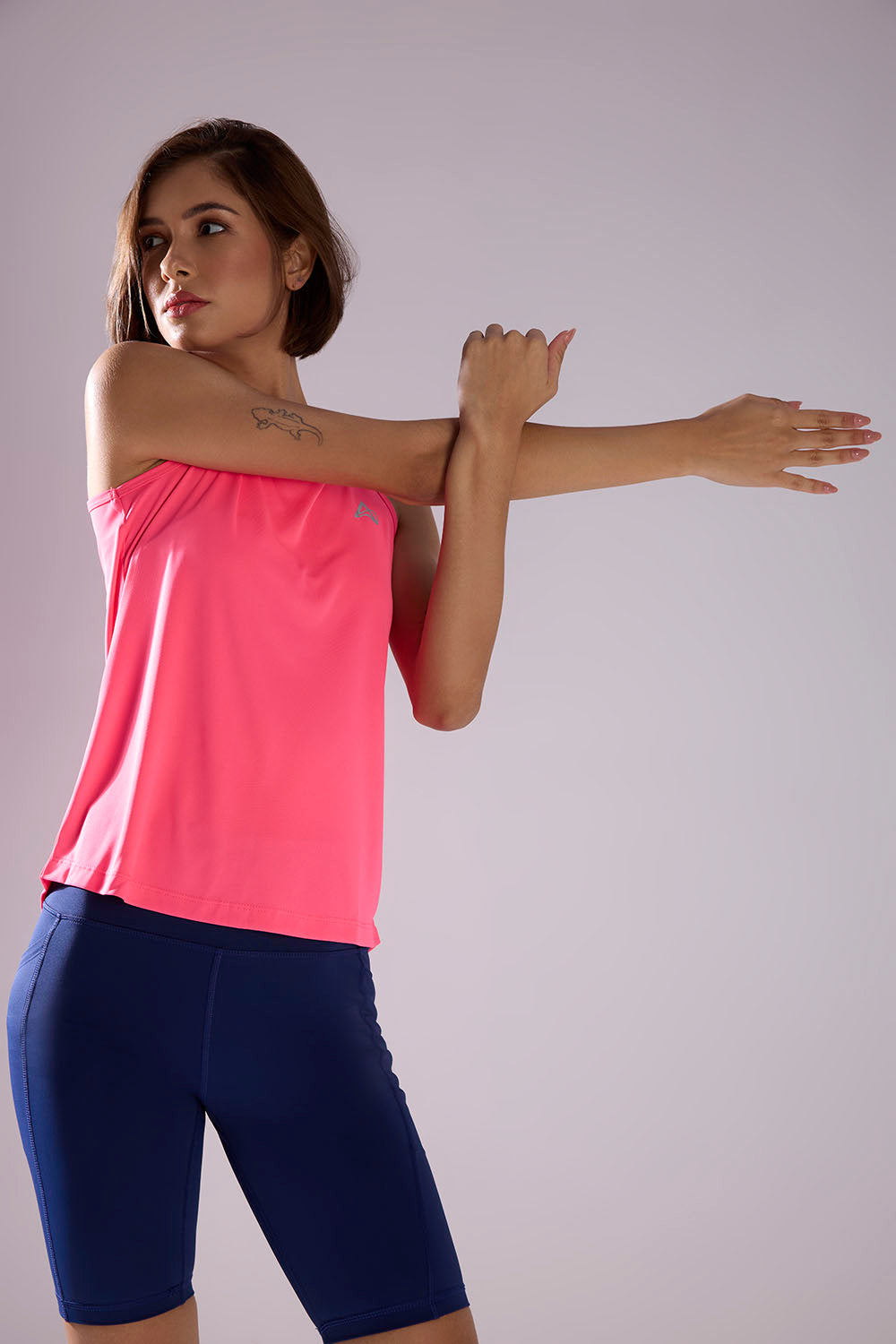
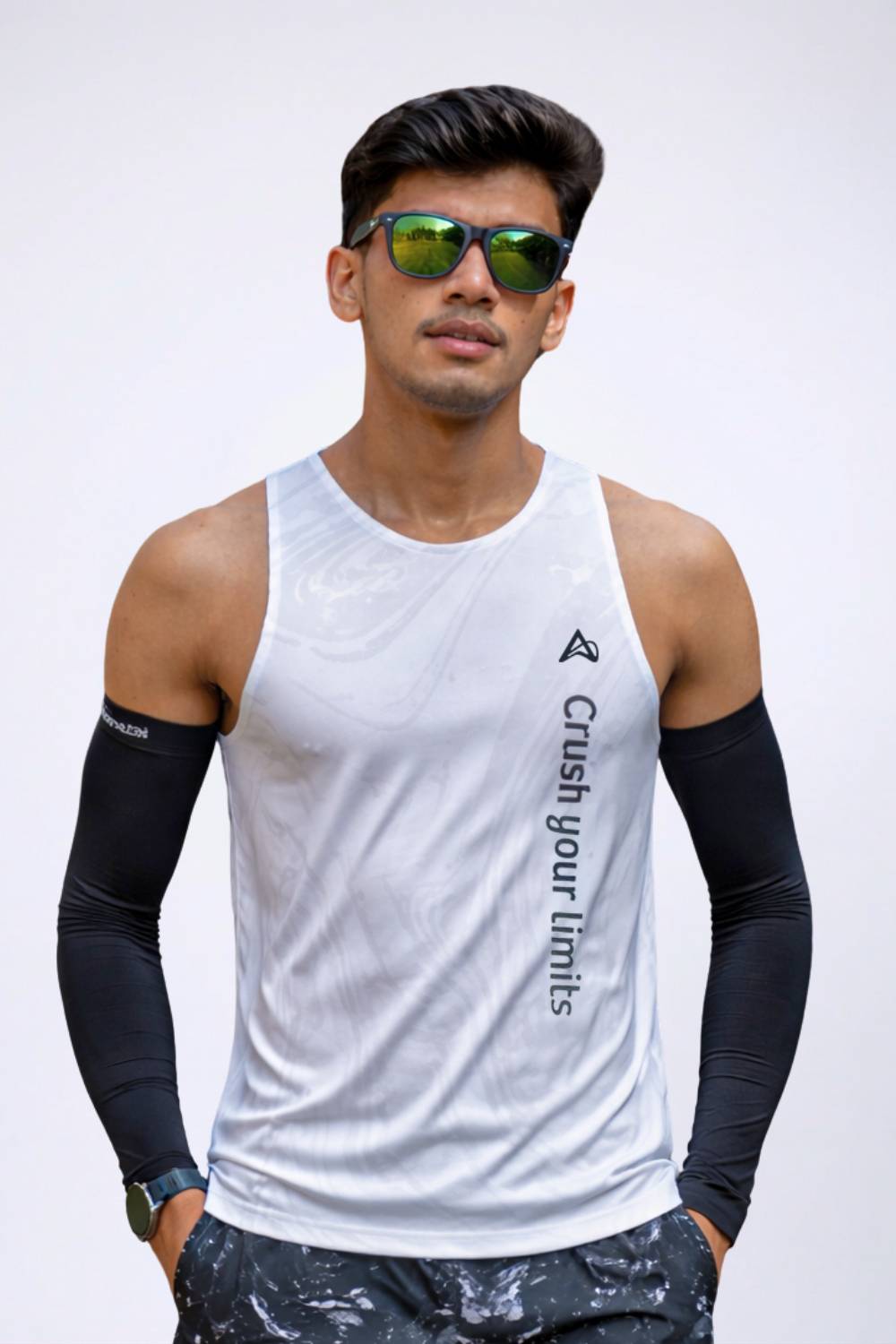
Tired of gear that slows you down? Chafing, soggy fabrics, and missing pockets kill your run's momentum. At Aguante, we're runners who get it. Our high-performance activewear features moisture-wicking fabrics, ergonomic designs, and smart storage to keep you focused. Shop Now!
Performance Running Gear Is Designed Around the Demands of Movement
The biggest difference between running apparel and regular sportswear is the level of attention given to the runner's specific needs. Running involves thousands of repeated movements, sustained effort, and changing body conditions. Clothing designed for this activity must help manage these challenges without becoming a distraction.
Performance running gear focuses on how fabric and construction work together. Lightweight materials, stretch, ventilation, and carefully positioned seams all contribute to a more comfortable running experience. These features are not added simply for appearance; they are intended to support movement efficiency and reduce common discomforts associated with longer training sessions.
Everyday sportswear often prioritizes versatility. It may work well for gym sessions, casual exercise, or daily wear, but it does not always address the specific requirements of distance running. The difference becomes more noticeable when runners spend more time outdoors, train in warm conditions, or increase their weekly mileage.
Fabric Technology Plays a Key Role in Running Comfort
One of the most important differences between performance apparel and general sports clothing is how the fabric manages moisture. During a run, sweat and body heat can quickly affect comfort. Technical running apparel uses materials designed to move moisture away from the skin and support faster drying.
Technical running fabrics are developed with features such as moisture management, breathability, and lightweight construction. These qualities help runners stay more comfortable by supporting airflow and reducing the heavy feeling that can happen when fabric absorbs moisture.
This is why moisture wicking running clothes are different from standard cotton-based or casual athletic garments. The goal is not only to create a lighter garment but to help maintain a better relationship between the body, the environment, and the clothing during exercise.
Fit and Construction Help Runners Move Naturally
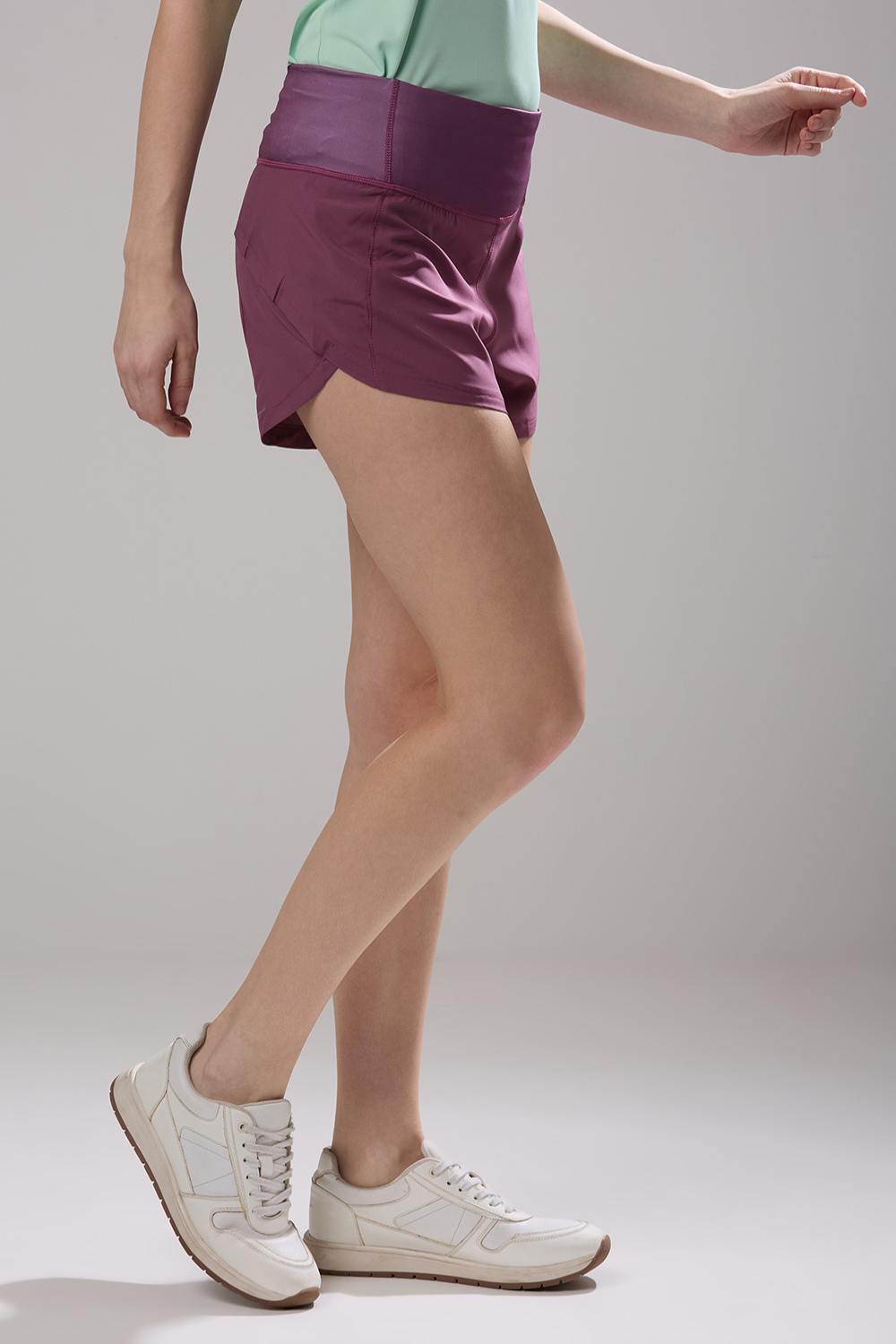
The difference between running clothes and regular sportswear is also visible in garment design. Running apparel is typically created around a runner's range of motion, considering how the body moves during repeated strides.
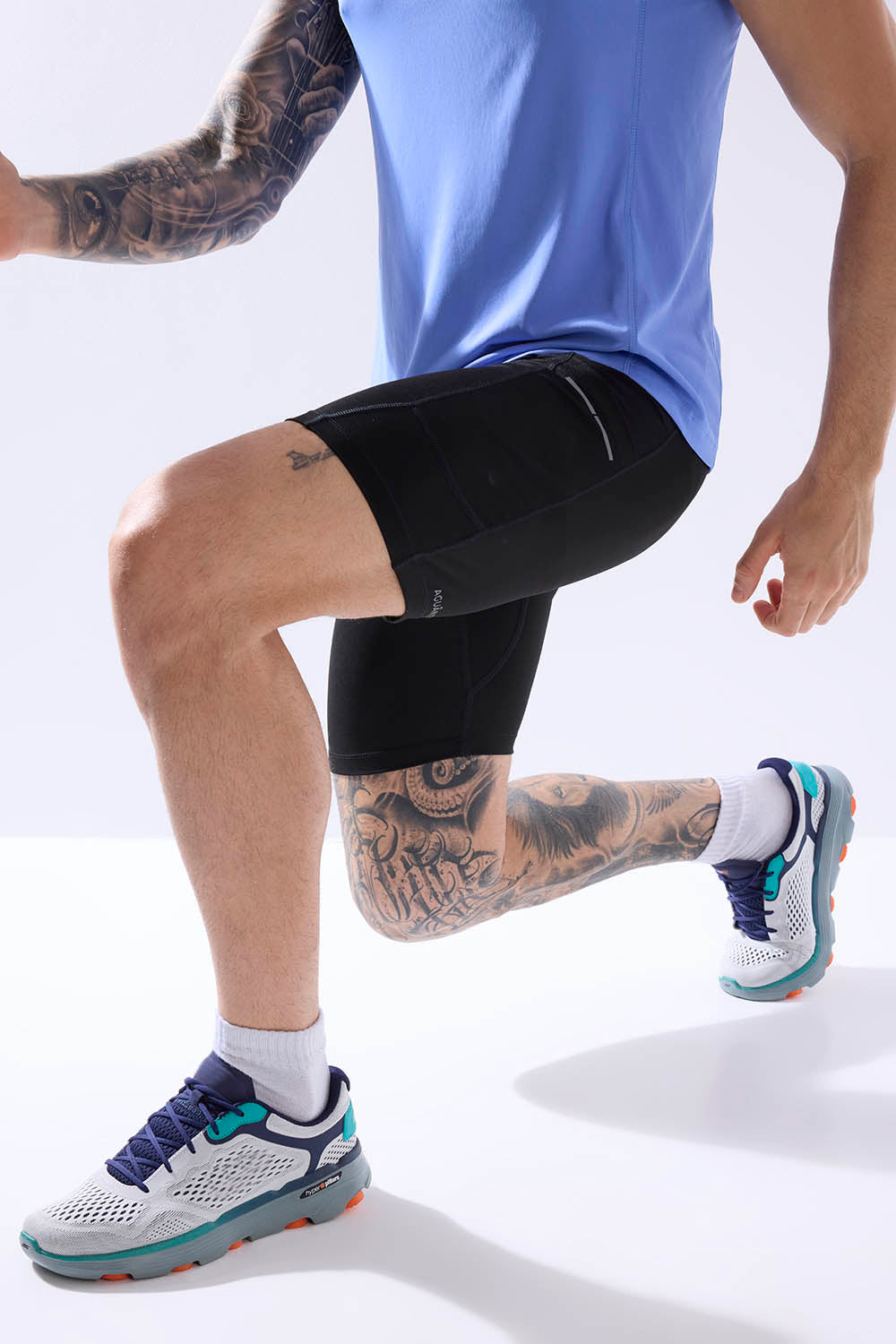
An ergonomic fit can help clothing move with the body rather than against it. Stretch materials allow greater freedom of movement, while thoughtful seam placement can help reduce irritation caused by repeated friction.
These details matter because small discomforts can become more noticeable over time. A garment that feels acceptable for a short activity may not provide the same experience during endurance training, where comfort and consistency become more important.
Why Small Design Details Matter
Performance apparel often includes practical elements that reflect real running conditions. Lightweight construction, ventilation zones, supportive structures, and secure storage options are examples of design choices that address everyday runner challenges.
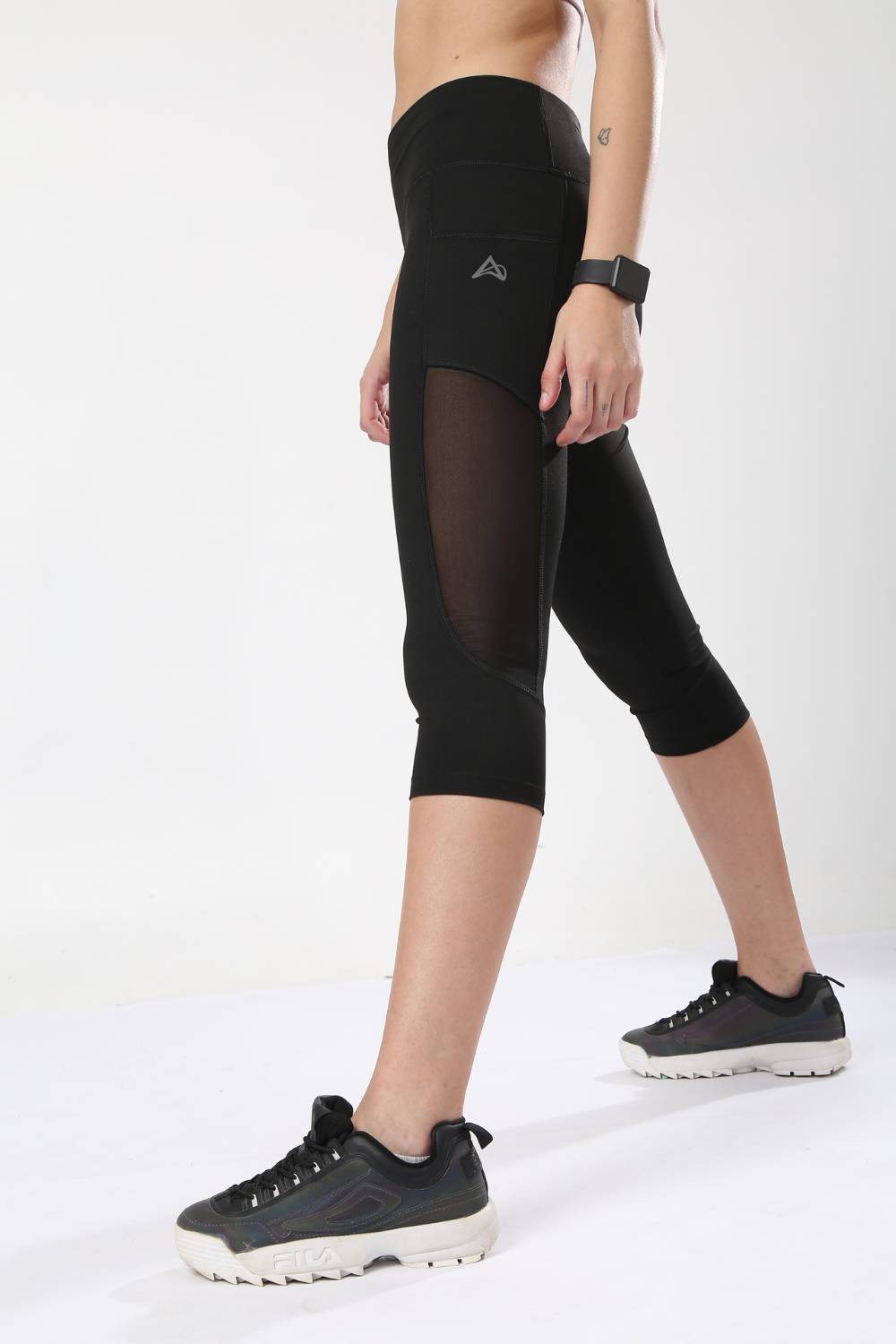
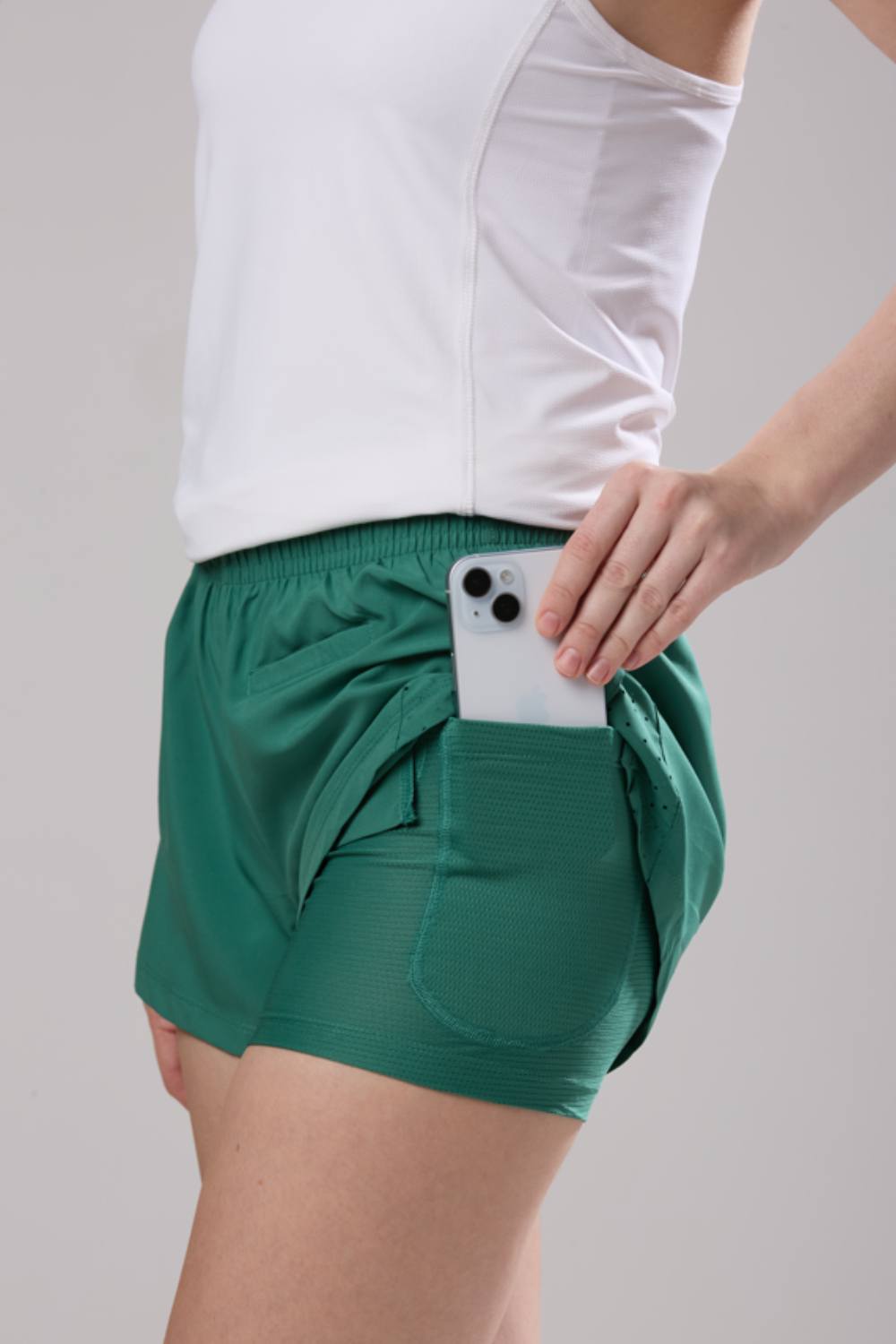
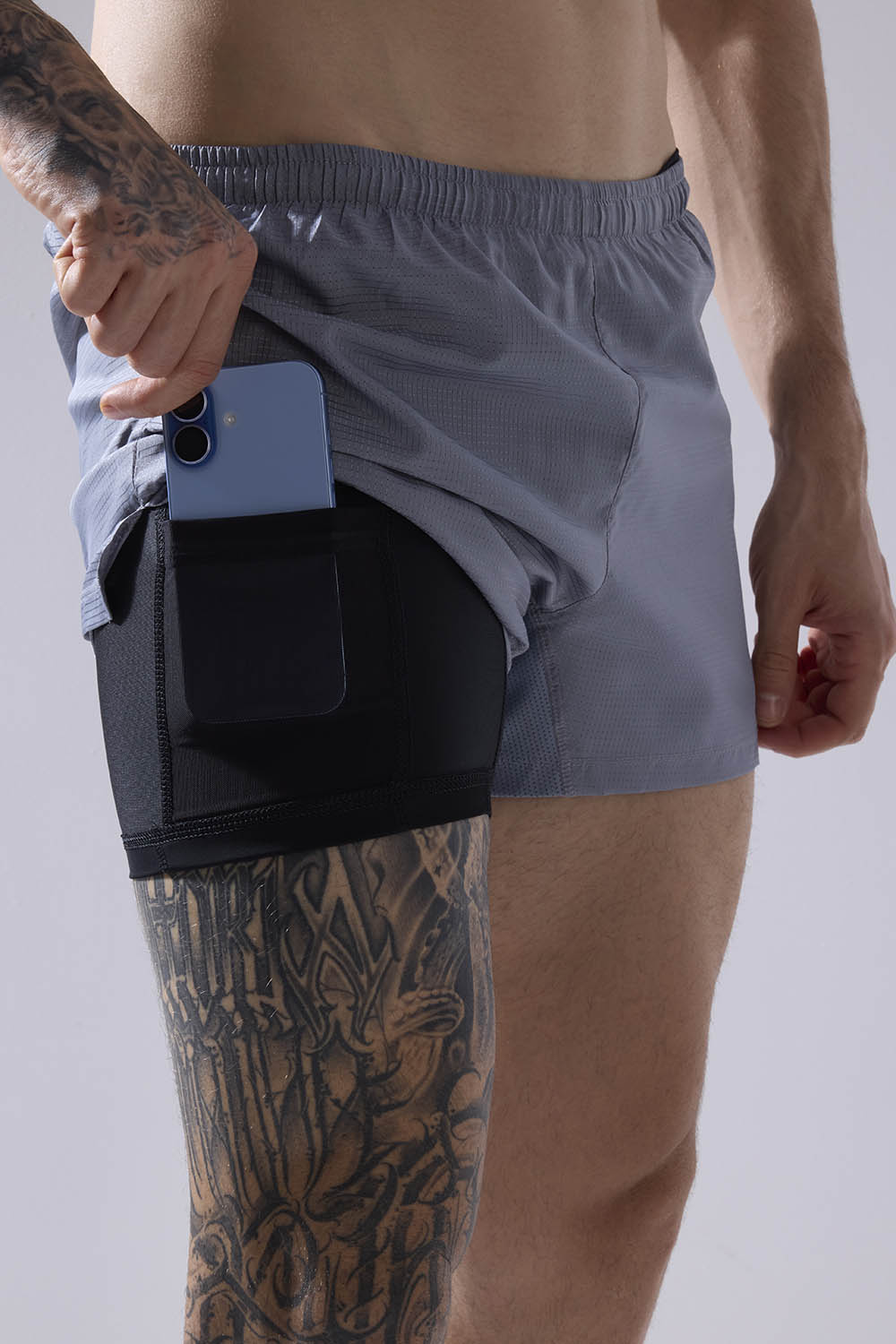
For example, runners may need convenient storage for essentials such as keys, phones, or energy products. Features like well-positioned pockets can make a difference because they allow runners to carry important items without interrupting movement.
These functional choices explain why the value of technical running apparel features goes beyond appearance. The purpose is to make the running experience smoother by reducing unnecessary distractions.
Running Gear Supports Different Environmental Conditions
Weather and training environments can change the way clothing performs. Heat, humidity, and longer outdoor sessions place additional demands on apparel compared with short indoor workouts.
Performance running gear is created to respond to these conditions through a combination of fabric selection and garment structure. Breathable materials and ventilation features can help encourage airflow, while lightweight designs can improve comfort during extended activity.
This consideration is especially relevant for runners who train regularly in warm or humid environments. A garment that performs well during a short activity may not provide the same support when used for longer runs in challenging conditions.
The development of sport-specific textiles has also become an important focus within the broader apparel industry. India's technical textile sector has highlighted the importance of innovation in areas such as product design, smart textiles, quality, and performance-focused materials. Sports textile innovation reflects a shift toward clothing designed around specific performance requirements rather than general-purpose use.
Everyday Sportswear and Running Apparel Serve Different Purposes
Choosing between everyday sportswear and dedicated running gear depends on the activity. General sportswear can be a practical choice for casual movement, relaxed workouts, and activities where technical performance is less important.
However, runners who train consistently often benefit from clothing designed specifically for their activity. The difference is not about whether one type of clothing is suitable and the other is not. Instead, it is about matching the garment to the demands placed on it.
A casual athletic top may provide comfort during everyday use, but performance running gear considers factors such as moisture control, repeated movement, friction management, and long-duration wear. This distinction helps explain why specialised apparel has become an important part of many runner's training routines.
What Runners Should Consider When Choosing Performance Apparel
Selecting the right running clothing involves looking beyond style. The most useful features depend on personal preferences, training habits, and running conditions.
- Fabric performance: Look for materials that support breathability, moisture management, and comfort during activity.
- Freedom of movement: Choose designs that allow natural motion without unnecessary restriction.
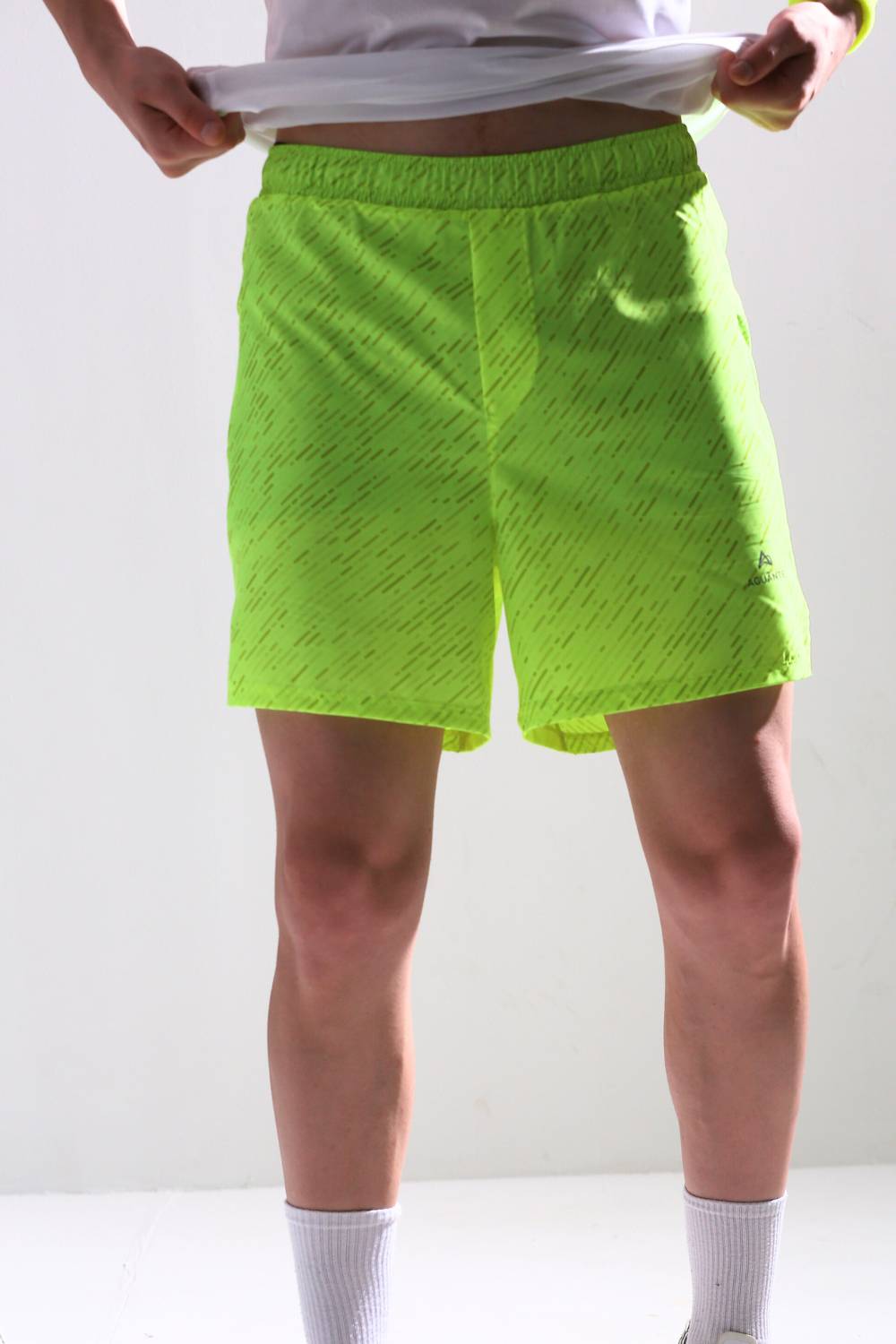
- Practical features: Consider elements such as pockets, reflective details, and construction choices that support real running needs.
- Training requirements: Match clothing choices with the type of running you do, whether it involves short workouts, regular training, or endurance sessions.
The right apparel should support the runner rather than become something they have to think about during a run. Good design works quietly in the background, allowing athletes to focus on their pace, goals, and experience.
The Growing Importance of Purpose-built Running Apparel
The difference between performance running gear and everyday sportswear reflects a wider change in how athletes think about clothing. Activewear is no longer only about appearance; it is increasingly about solving practical problems through thoughtful design.
For runners, clothing choices can influence comfort, confidence, and consistency. Purpose-built apparel brings together fabric engineering, functional design, and an understanding of how people actually move.
Brands focused on running-specific clothing continue to explore ways to create apparel that responds to athlete needs. For runners evaluating their options, understanding these differences makes it easier to choose clothing that aligns with their training goals and everyday running experience.
Frequently Asked Questions
What makes performance running gear different from everyday sportswear?
Performance running gear is designed specifically for the demands of running, including repeated movement, sweat management, friction reduction, and long-duration comfort. Unlike everyday sportswear, it uses technical fabrics and functional design features that support runners during training and endurance activities.
Why are moisture wicking running clothes important for runners?
Moisture wicking running clothes help move sweat away from the skin and support faster drying during exercise. This helps runners stay more comfortable by reducing the heavy, wet feeling that can occur with regular fabrics during longer runs.
What features should runners look for in technical running apparel?
Technical running apparel should include features such as breathable fabrics, ergonomic fit, stretch materials, lightweight construction, secure pockets, and reflective details. These elements help improve comfort, mobility, and practicality for different running conditions.
Disclaimer: The above helpful resources content contains personal opinions and experiences. The information provided is for general knowledge and does not constitute professional advice.
You may also be interested in: Why More Indians Are Turning to Running as a Sustainable Fitness Option
Tired of gear that slows you down? Chafing, soggy fabrics, and missing pockets kill your run's momentum. At Aguante, we're runners who get it. Our high-performance activewear features moisture-wicking fabrics, ergonomic designs, and smart storage to keep you focused. Shop Now!
Powered by flareAI.co