



Quick Listen:
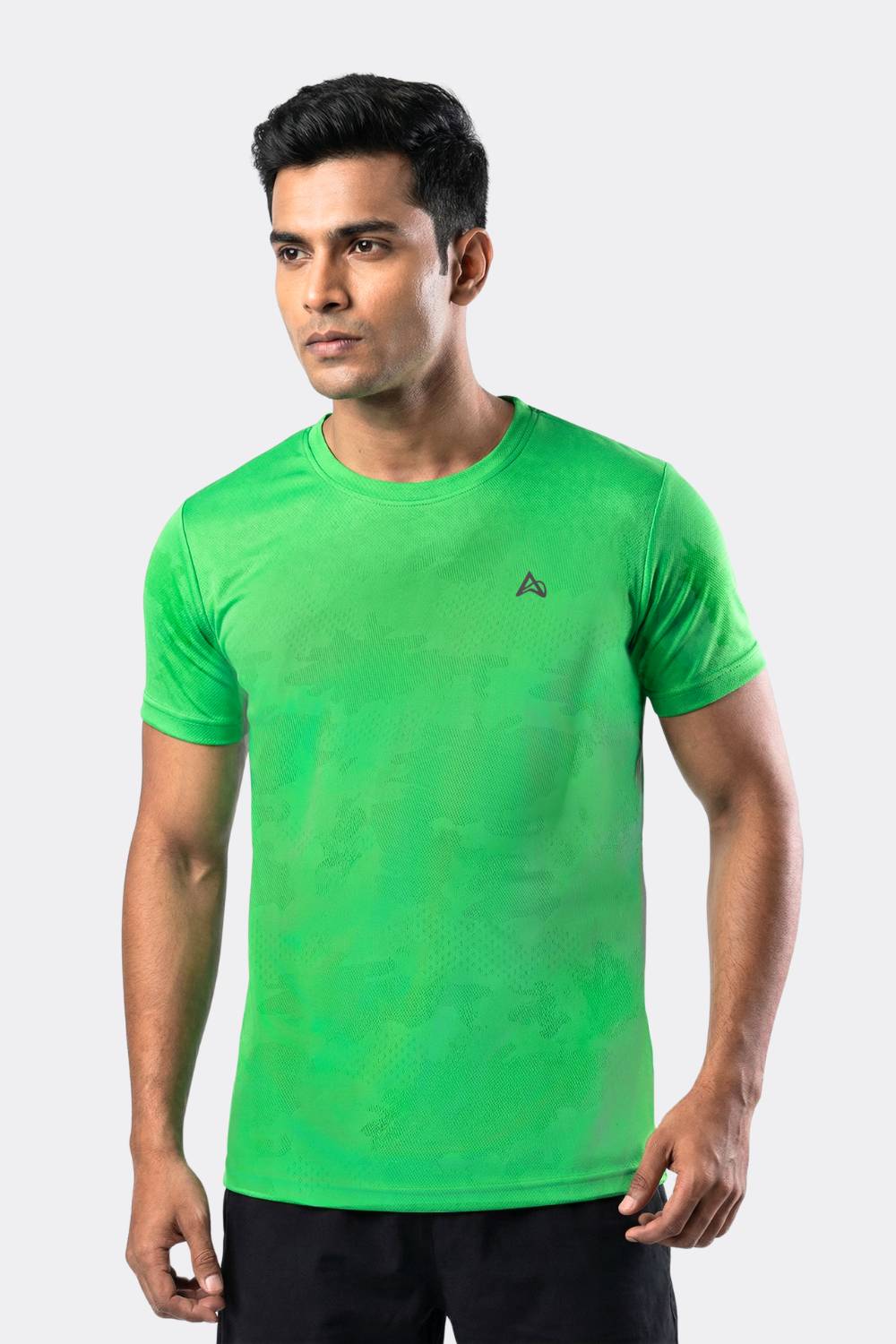
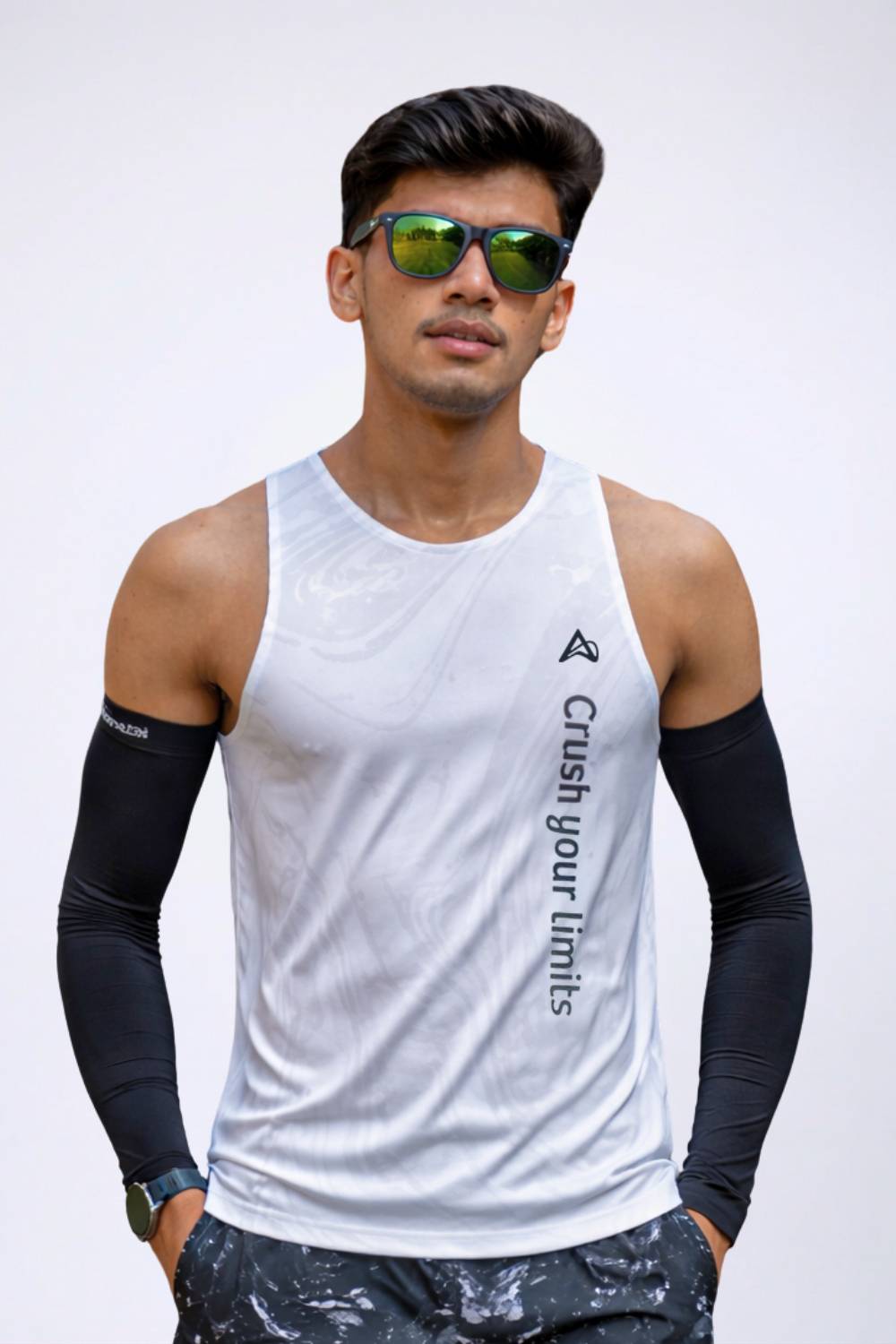
Running comfort is shaped by more than training plans and footwear choices. The clothing worn during a run plays an important role in how the body manages sweat, heat, and movement. When a runner is wearing a garment that holds moisture against the skin, even a familiar route can feel more difficult. This is where moisture-wicking fabrics for running become important, helping manage perspiration and creating a more comfortable experience during exercise.
Technical running apparel is designed around the relationship between the body, fabric, and environment. Instead of simply absorbing sweat, performance materials are engineered to move moisture away from the skin and support faster drying. Understanding how these fabrics work helps runners make better decisions when choosing clothing for regular training, long-distance sessions, or workouts in warm and humid conditions.
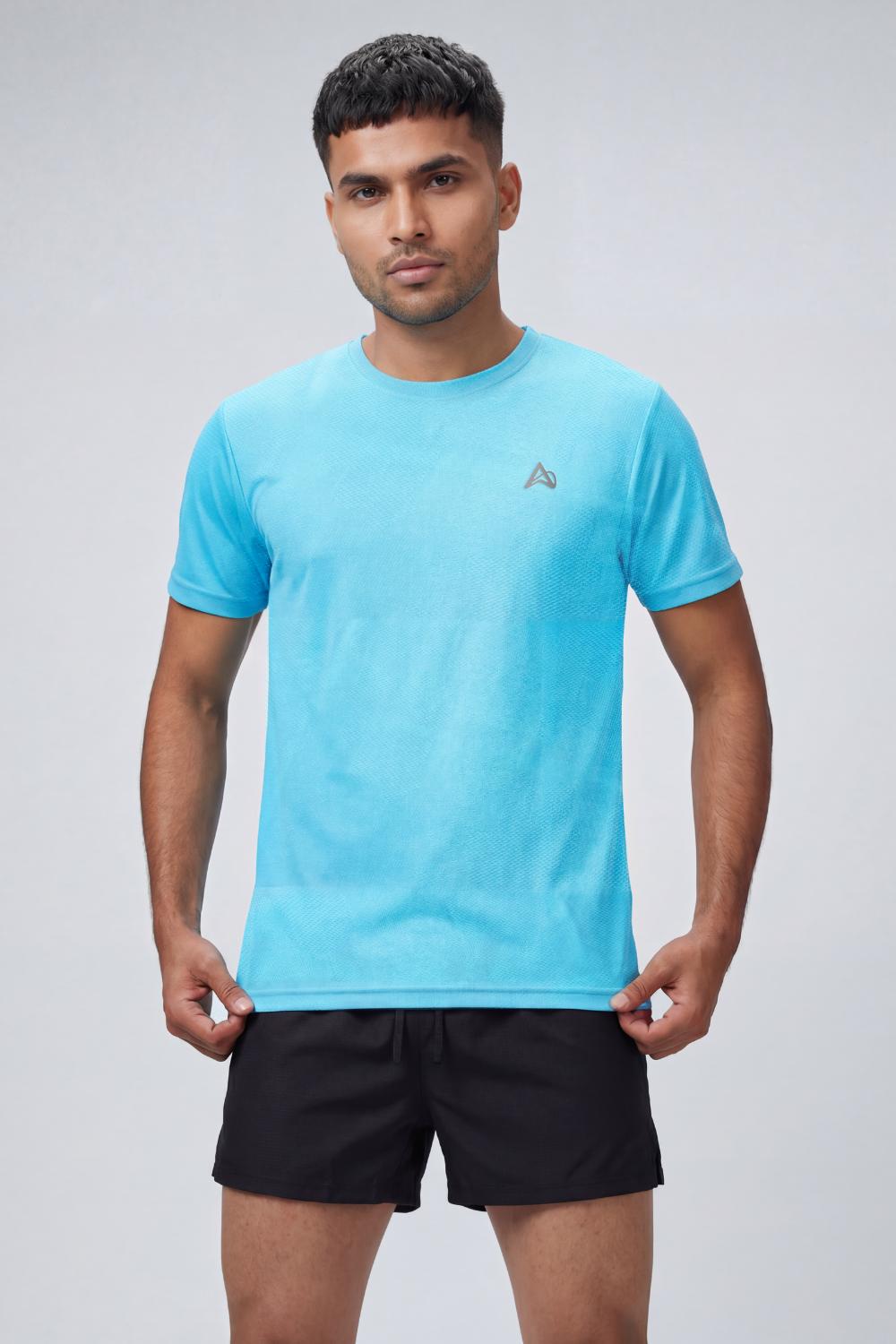
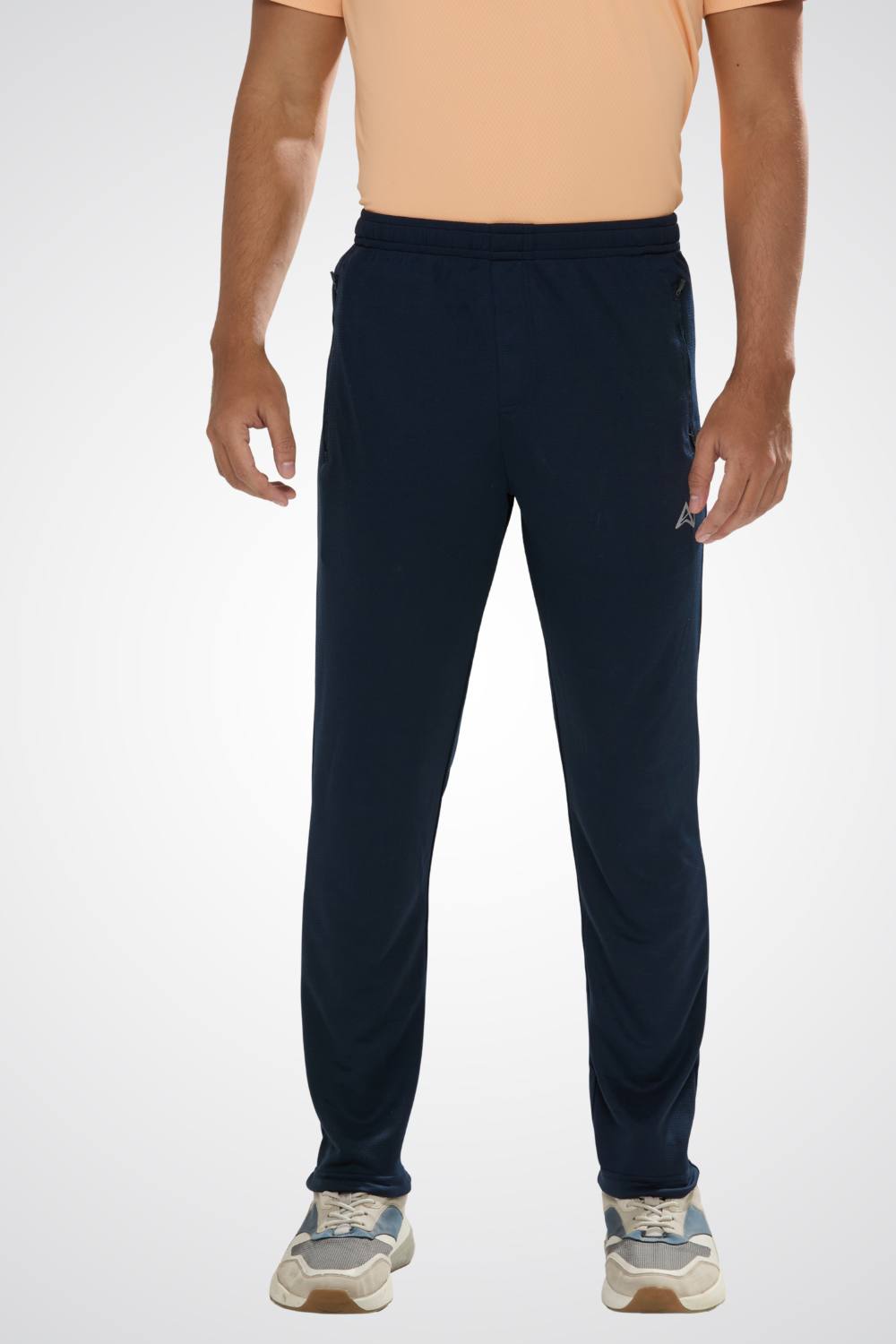
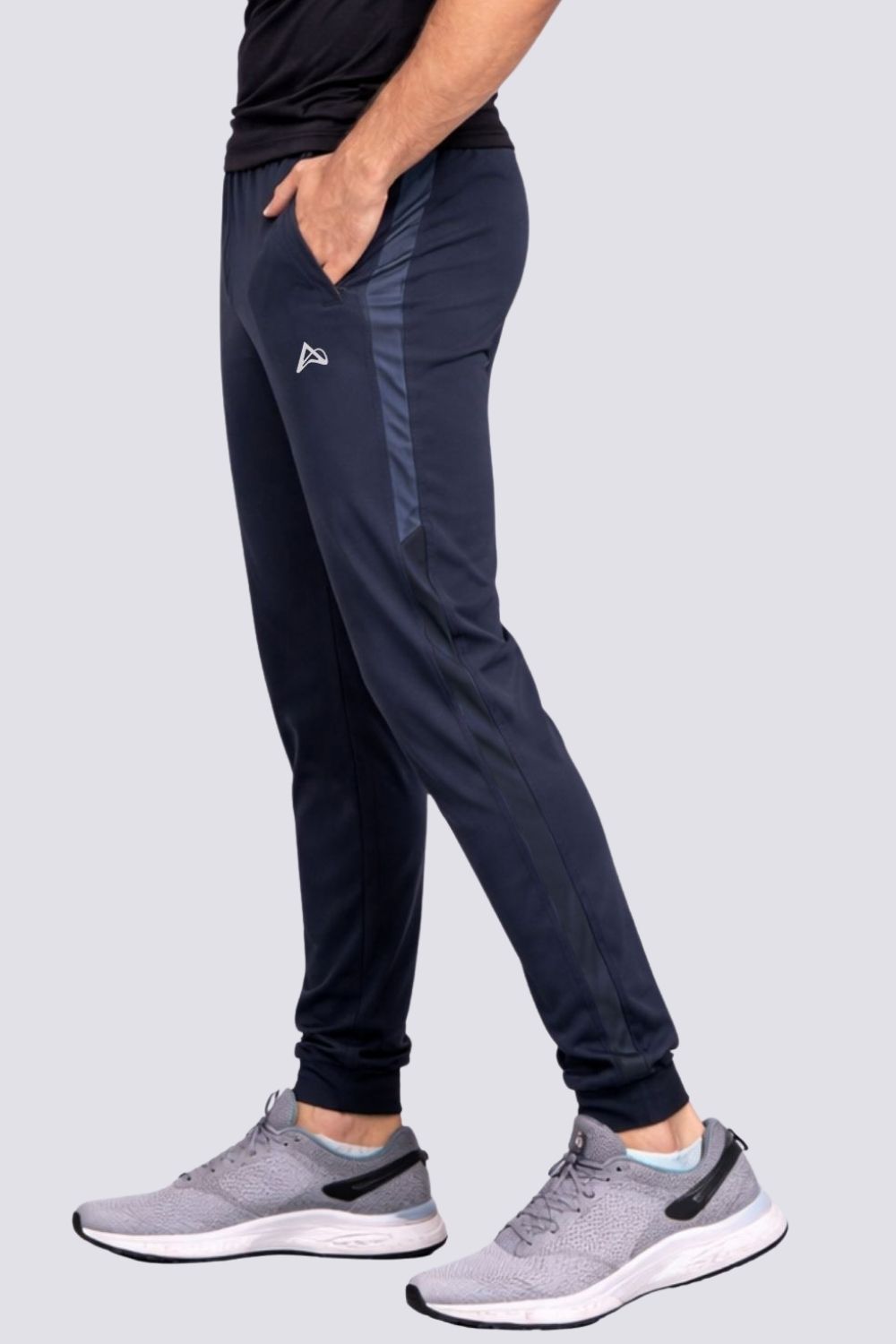
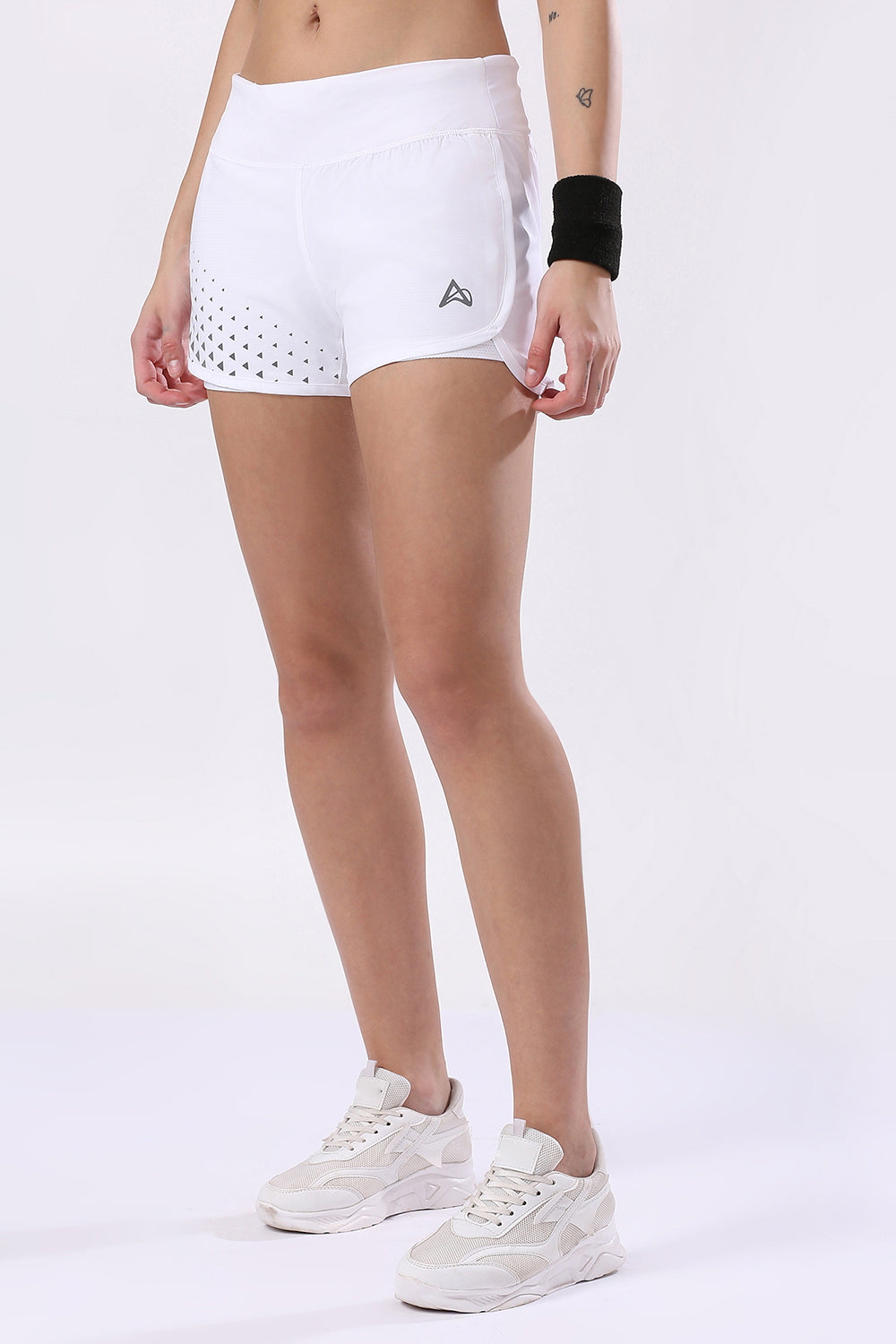
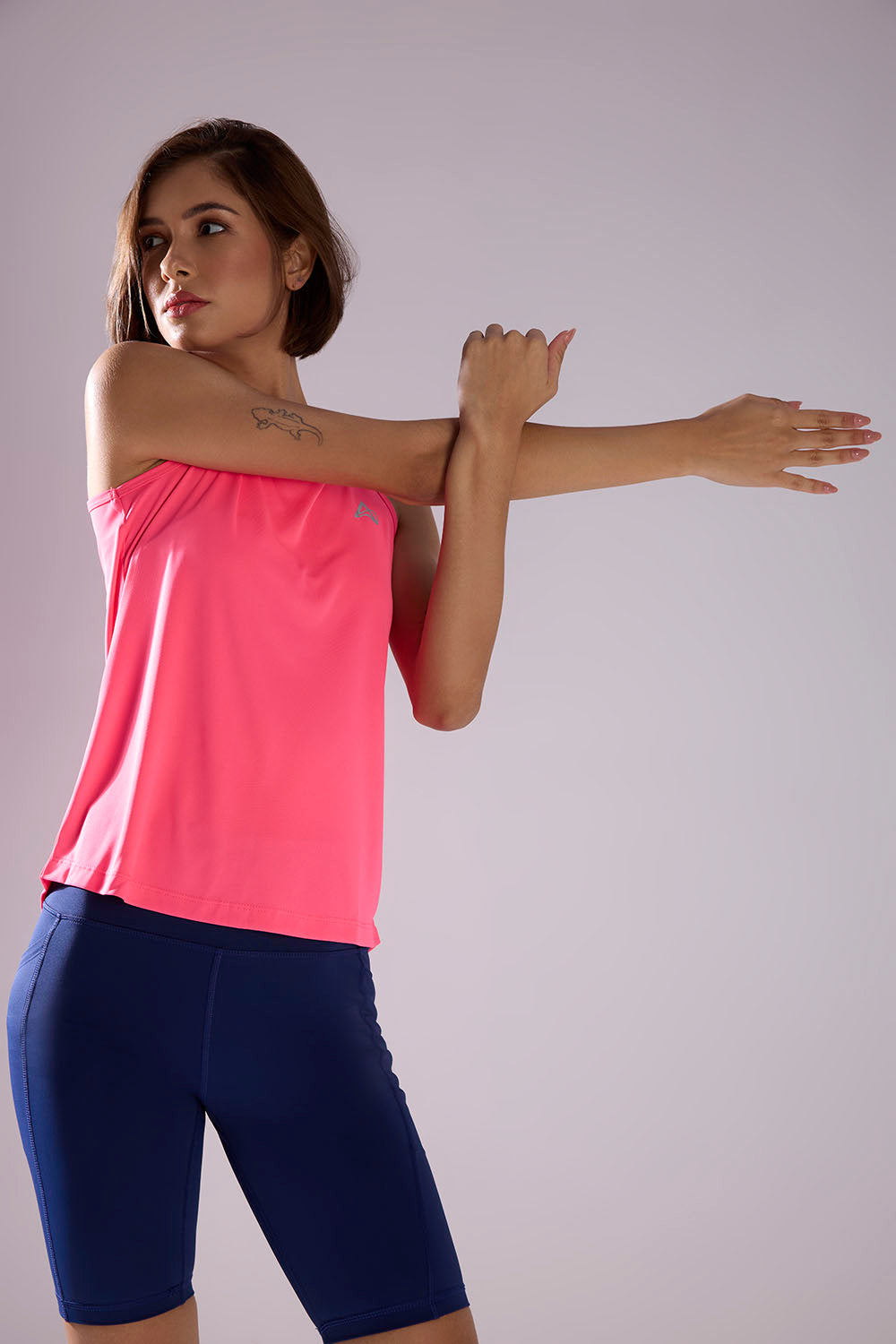
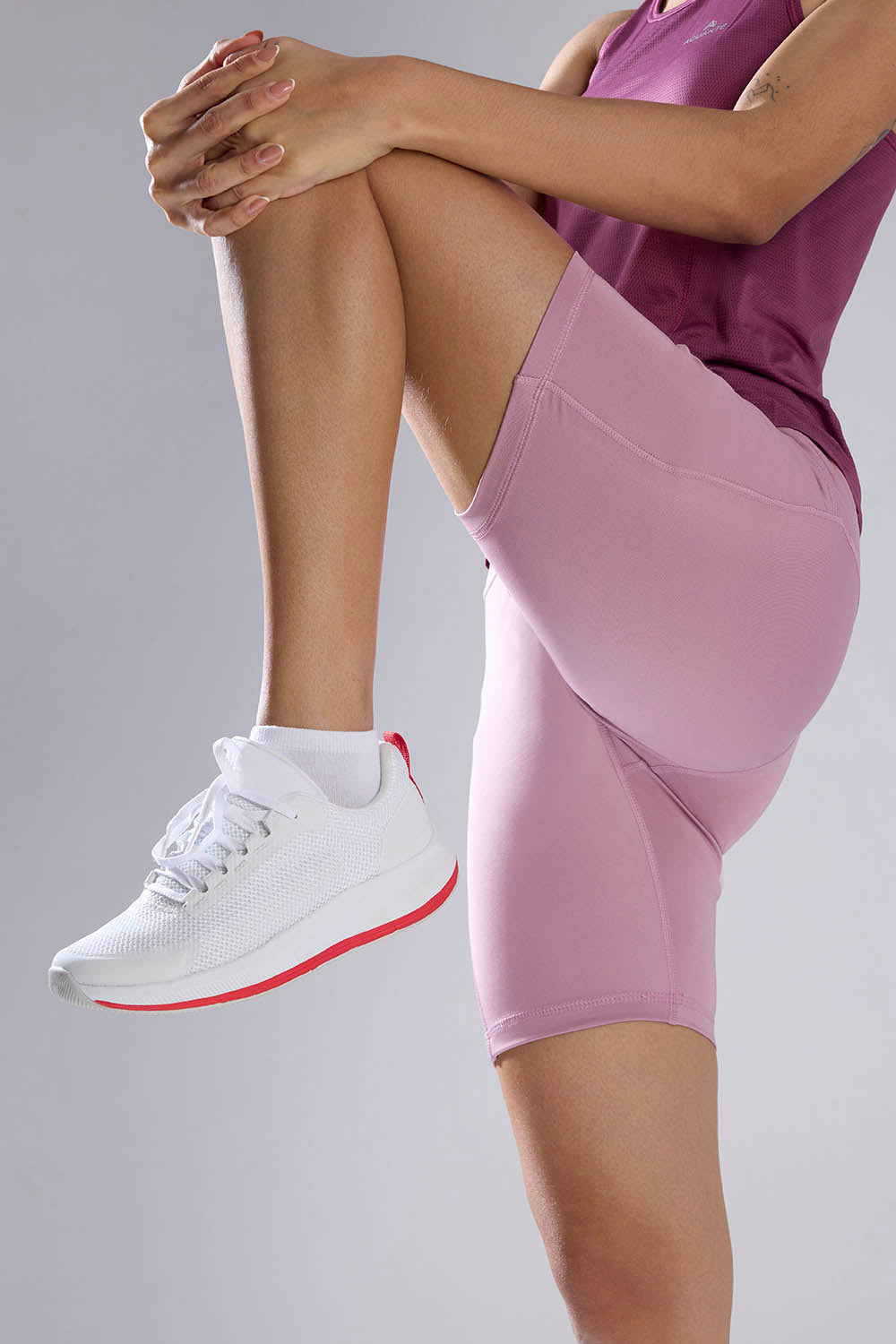
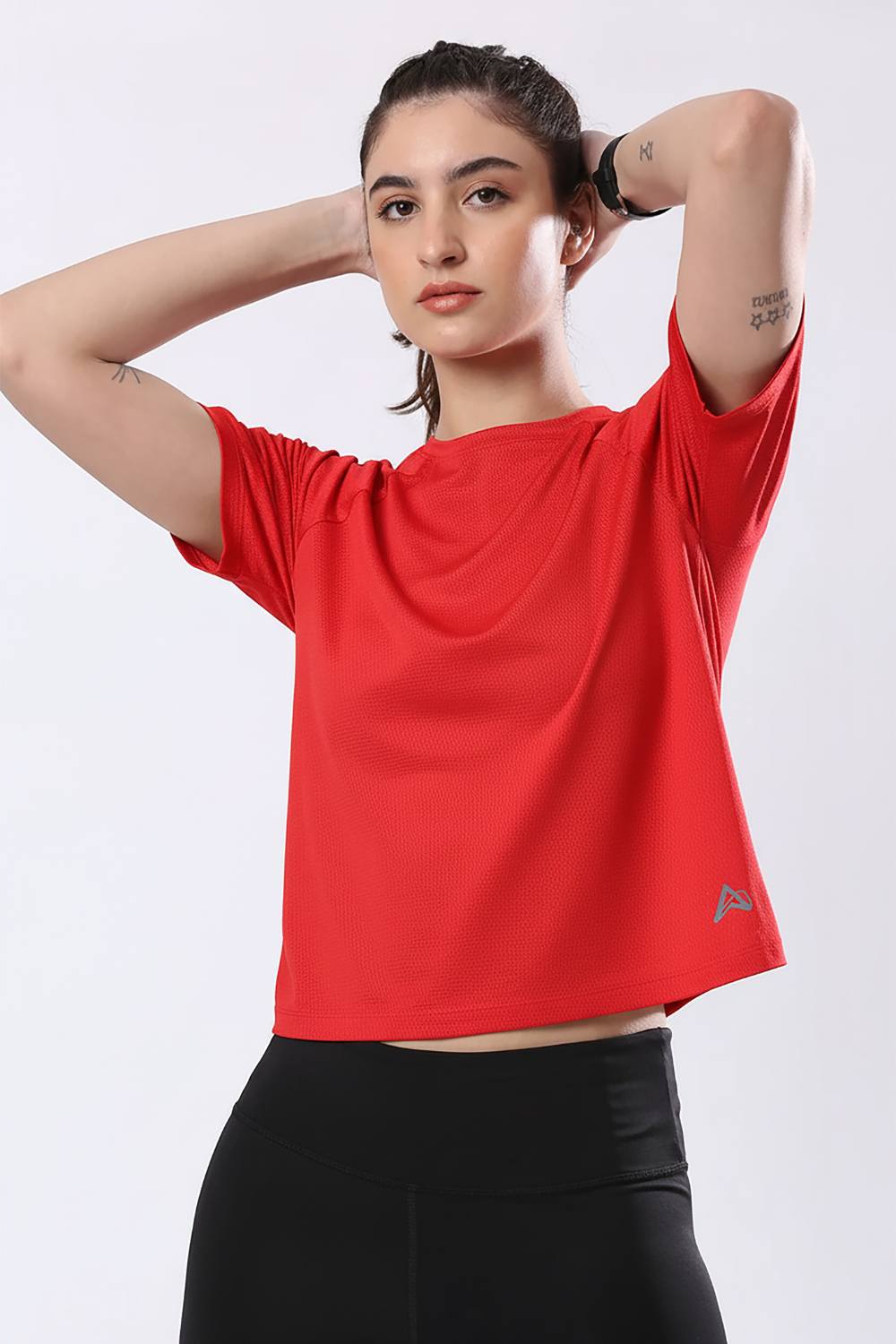
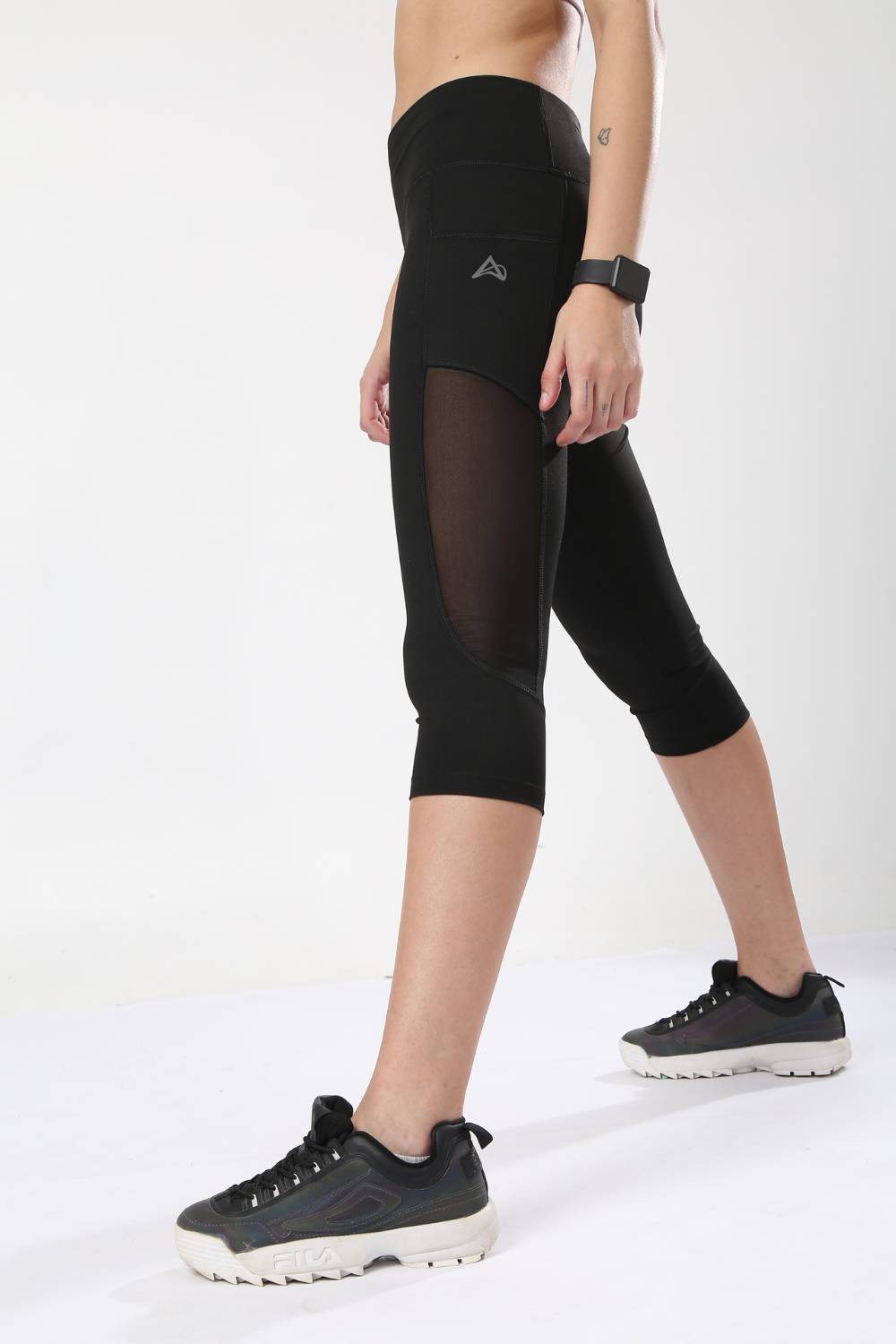
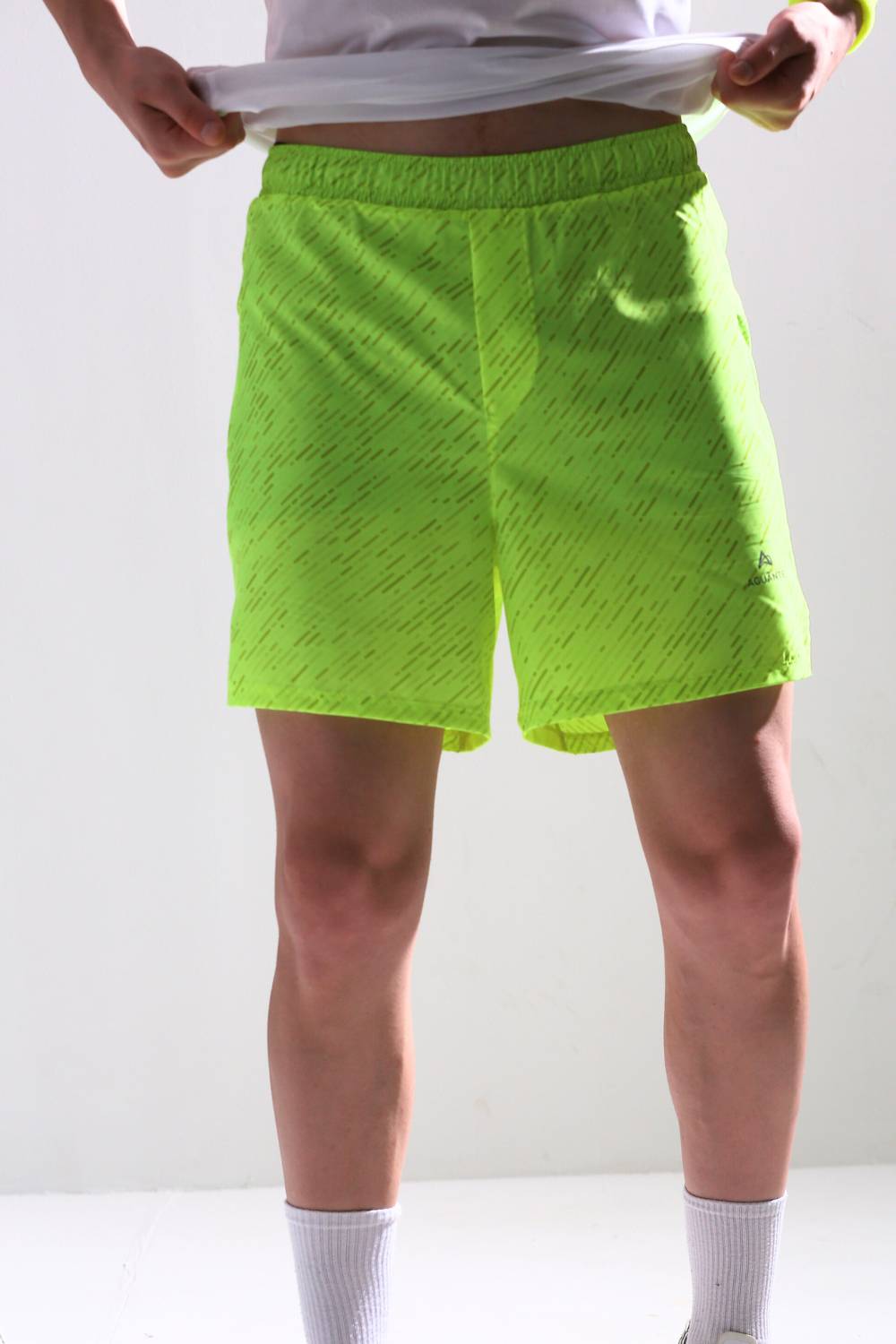
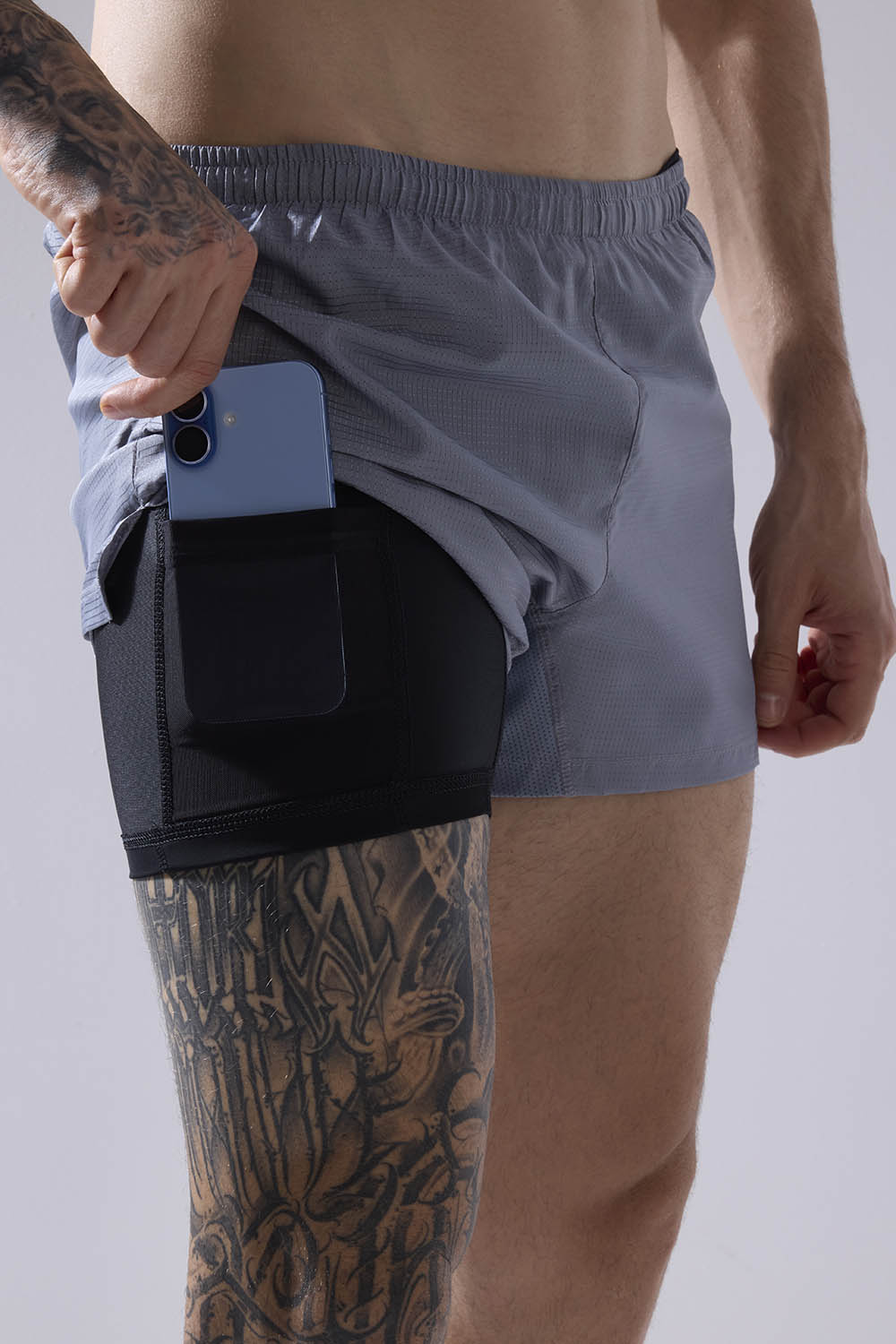
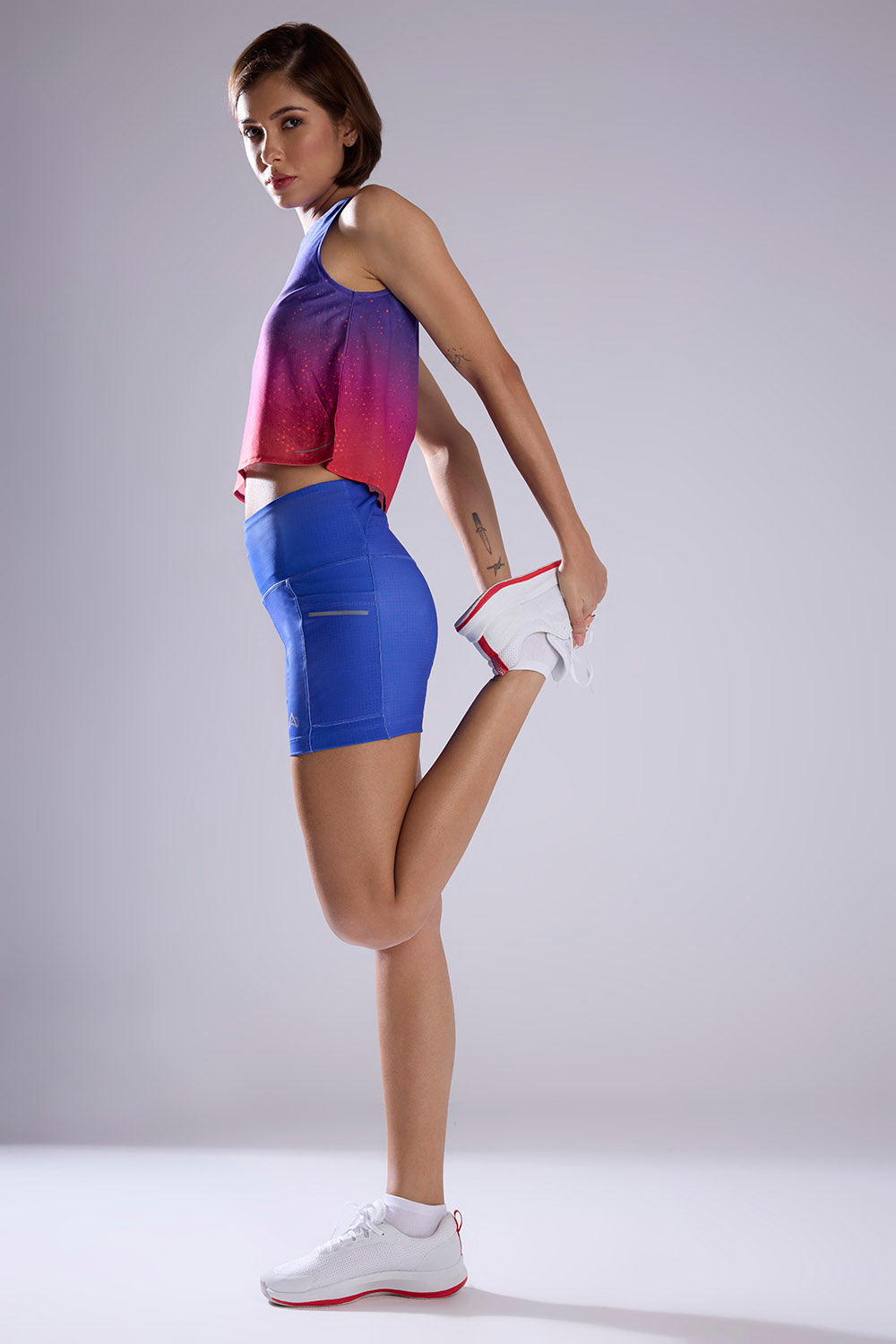
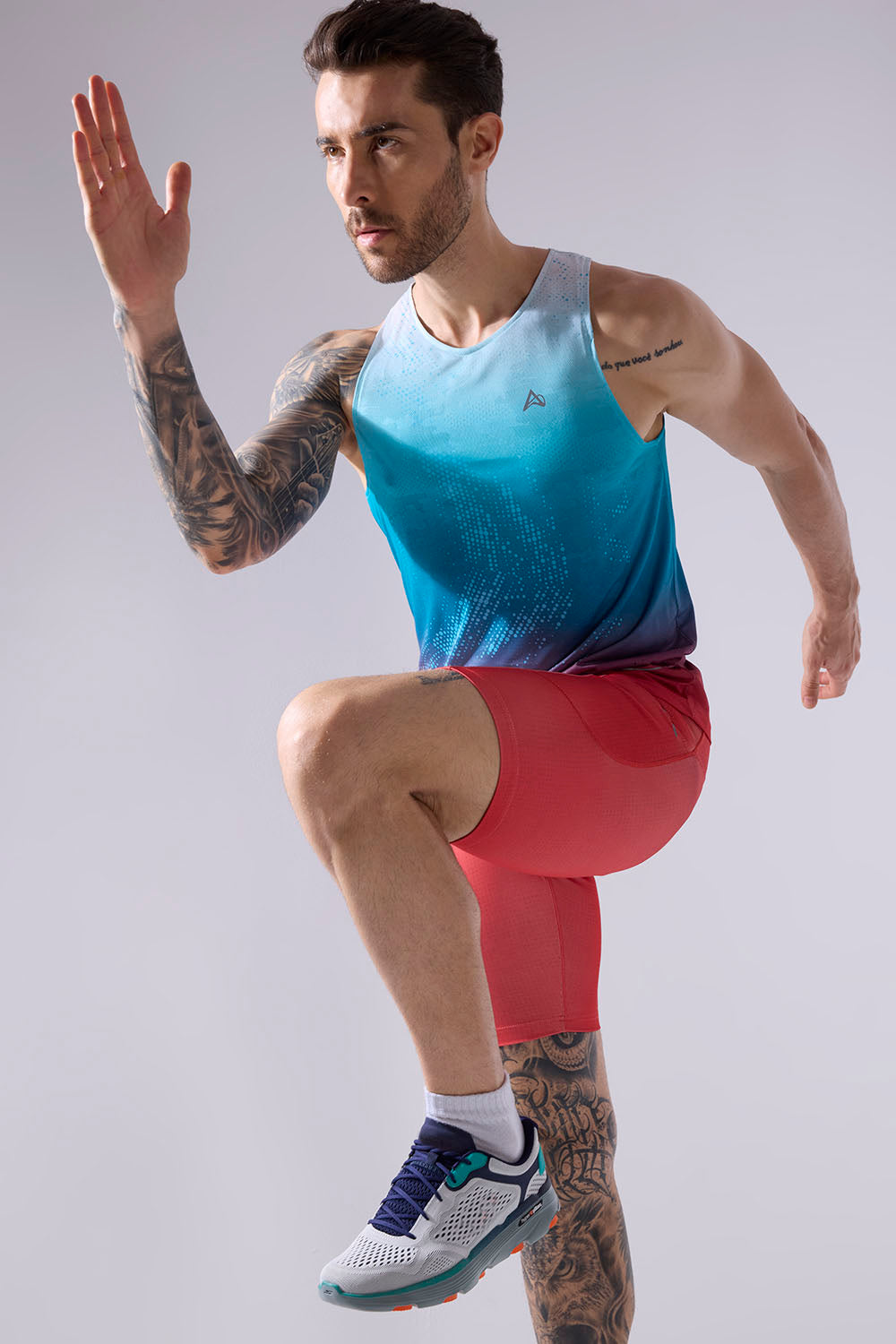
Tired of gear that slows you down? Chafing, soggy fabrics, and missing pockets kill your run's momentum. At Aguante, we're runners who get it. Our high-performance activewear features moisture-wicking fabrics, ergonomic designs, and smart storage to keep you focused. Shop Now!
Why Sweat Management Matters During Running
During physical activity, the body naturally produces sweat as part of its cooling process. While sweating is essential, excess moisture trapped close to the skin can create discomfort. A wet garment may feel heavier, restrict movement, and cause irritation during longer runs.
The purpose of moisture management in running apparel is not to stop sweating. Instead, it is to help control what happens after sweat reaches the fabric. A well-designed garment can move perspiration away from the skin, distribute it through the material, and allow it to evaporate more efficiently.
This difference is especially noticeable during endurance activities. A short workout may not expose fabric limitations, but longer runs require clothing that can continue performing as sweat levels increase. Runners often notice the impact through simple experiences: a shirt that stays damp for too long, fabric that feels heavy after repeated movement, or clothing that becomes uncomfortable halfway through a session.
The right fabric choice supports a more consistent running experience by reducing the sensation of being covered in wet clothing. This makes sweat management one of the key considerations when evaluating the best fabric for running clothes.
How Moisture-wicking Fabric Works
Many runners hear the term moisture-wicking but may not know exactly what it means. The concept is based on how fibres and fabric structures interact with moisture. Instead of allowing sweat to remain concentrated in one area, moisture-wicking materials help transport it across the fabric surface where it can dry more effectively.
Fabric and sweat evaporation research discussed in a news context highlights that engineered synthetic materials such as polyester can move sweat away from the skin and spread moisture across a larger surface area. This can support faster evaporation during sustained activity compared with materials that retain more moisture.
Cotton, for example, can absorb a significant amount of sweat and may become heavier and wetter as exercise continues. That quality can make it less suitable for situations where a runner needs clothing to dry quickly throughout a workout.
However, moisture management depends on more than the fibre alone. Fabric construction, airflow, fit, and overall garment design influence how effectively moisture moves. Two garments made from similar materials can feel different because their structures affect breathability and drying performance.
Moisture-wicking Is About Comfort, Not Just Cooling
A common misunderstanding is that moisture-wicking clothing automatically lowers body temperature. In reality, wicking and cooling are connected but different concepts. Moving sweat away from the skin can help a runner feel drier, but cooling depends on whether that moisture can evaporate effectively.
Performance fabric development has increased attention on materials designed to manage heat and moisture, particularly for athletic clothing. These technologies focus on improving moisture movement and drying behaviour rather than creating a guaranteed reduction in body temperature.
For runners, this distinction matters because comfort comes from multiple factors working together. A breathable garment with effective moisture transport can help reduce the uncomfortable feeling of a saturated shirt, but weather conditions, running intensity, and personal sweat levels also influence the experience.
This is why technical fabric for athletes should be evaluated as part of a complete clothing system. The best-performing apparel combines suitable material choices with practical design features that support movement and comfort.
The Role of Breathability and Fabric Design
Moisture-wicking performance does not exist in isolation. Breathability determines how easily heat and moisture move through a garment, while fabric weight and construction affect how the clothing feels during motion.
For runners, breathable running clothes for hot weather are particularly valuable because warm conditions can increase sweat production. A fabric that moves moisture efficiently can help maintain a more comfortable layer between the skin and the garment, especially during longer training sessions.
- Fabric structure: The way fibres are arranged affects airflow and moisture movement.
- Drying speed: Faster moisture evaporation can reduce the feeling of wearing damp clothing.
- Fit: Proper fit allows freedom of movement while supporting airflow.
- Activity purpose: Clothing designed for endurance running may require different performance characteristics than casual fitness wear.
These factors explain why choosing running apparel should involve more than looking at a fabric label. The interaction between material, construction, and activity determines how the garment performs in real conditions.
Choosing Running Apparel for Indian Weather Conditions
Runners training in warm or humid environments often face additional challenges because sweat can accumulate quickly. In these conditions, clothing that supports moisture movement can make training sessions feel more manageable.
Rather than focusing only on whether a garment feels lightweight in a store, runners can consider how it performs after continuous movement. A useful evaluation includes questions such as: Does the fabric dry quickly? Does it remain comfortable after sweating? Does it allow natural movement during different running speeds?
The benefits of moisture-wicking clothing become clearer when apparel is used regularly. A runner who trains several times a week needs garments that can support repeated sessions without creating unnecessary discomfort. Practical features such as breathable construction, flexible materials, and sweat management can contribute to a better overall experience.
For active runners, performance clothing is not only about appearance. It is about creating a comfortable environment that allows them to focus on training rather than distractions caused by unsuitable apparel.
What Runners Should Look for in Performance Fabrics
Understanding fabric technology helps runners make more informed choices. The goal is not to find a material that removes every challenge of running, but to select clothing that works with the body's natural processes.
- Moisture movement: Does the fabric help move sweat away from the skin?
- Breathability: Does the garment allow airflow during activity?
- Comfort over time: Does the material remain comfortable during longer runs?
- Movement support: Does the design allow unrestricted running motion?
- Purpose: Is the garment suited for training, endurance running, or general fitness?
These considerations help shift the focus from simple fabric names to actual performance outcomes. A runner does not just need clothing that looks athletic; they need clothing that supports the demands of movement, sweat, and changing conditions.
Why Fabric Technology Continues to Matter for Runners
Running apparel continues to evolve because runners expect clothing to solve practical problems. Better moisture management, improved comfort, and functional designs reflect a broader shift toward performance-focused sportswear.
For activewear brands, the challenge is creating garments that balance technology with everyday usability. Runners do not experience fabrics in a laboratory environment; they experience them on roads, tracks, trails, and during changing weather conditions.
The growing focus on performance materials shows that fabric innovation is not simply about adding technical features. It is about understanding what runners need during real activities and designing apparel around those needs.
Moisture-wicking fabrics for running represent one important part of this approach. By helping manage sweat and improving comfort, these materials support runners in maintaining focus, consistency, and confidence throughout their training.
The Key to Dry, Comfortable Runs
Choosing the right running clothing can influence how comfortable every kilometre feels. Moisture-wicking fabrics help manage sweat by moving moisture away from the skin and supporting faster evaporation, reducing the discomfort associated with damp and heavy garments. While fabric technology is only one part of running performance, it plays an important role in creating apparel that supports movement and endurance. For runners looking to improve their experience, understanding how moisture-wicking fabric works is a practical step toward making better clothing choices.
Frequently Asked Questions
How do moisture-wicking fabrics improve running comfort?
Moisture-wicking fabrics improve running comfort by moving sweat away from the skin and spreading moisture across the fabric surface to support faster evaporation. This helps reduce the uncomfortable feeling of damp, heavy clothing during longer runs and workouts.
How does moisture-wicking fabric work for running clothes?
Moisture-wicking fabric works by using specialised fibres and fabric structures that transport perspiration away from the body. Materials such as engineered synthetic fabrics can help manage sweat, improve drying performance, and maintain a more comfortable feel during physical activity.
What is the best fabric for running clothes in hot weather?
The best fabric for running clothes in hot weather is one that supports moisture management, breathability, and quick drying. Breathable technical fabrics designed for athletes can help runners stay more comfortable by reducing moisture buildup during warm and humid conditions.
Disclaimer: The above helpful resources content contains personal opinions and experiences. The information provided is for general knowledge and does not constitute professional advice.
You may also be interested in: The Impact of Consistent Running on Mental Health in Fast-paced Indian Cities
Tired of gear that slows you down? Chafing, soggy fabrics, and missing pockets kill your run's momentum. At Aguante, we're runners who get it. Our high-performance activewear features moisture-wicking fabrics, ergonomic designs, and smart storage to keep you focused. Shop Now!
Powered by flareAI.co