



Quick Listen:
Running performance is influenced by more than training plans and fitness levels. The clothing worn during a run can affect comfort, movement, and how consistently an athlete can train. For runners dealing with heat, humidity, sweat, and long outdoor sessions, choosing the right apparel becomes part of preparing for the activity itself. Performance activewear is designed around these practical needs, helping runners focus on their pace, distance, and goals without being distracted by avoidable discomfort.
For Indian runners, this consideration is especially relevant because outdoor training often takes place in demanding weather conditions. Lightweight fabrics, moisture management, functional storage, and an ergonomic fit are not simply design features; they address everyday challenges faced during running. Understanding these benefits can help runners make more informed decisions when selecting clothing for regular workouts, race preparation, or endurance training.
Tired of gear that slows you down? Chafing, soggy fabrics, and missing pockets kill your run's momentum. At Aguante, we're runners who get it. Our high-performance activewear features moisture-wicking fabrics, ergonomic designs, and smart storage to keep you focused. Shop Now!
Why Running Apparel Needs to Match Local Conditions
Running creates physical heat, and outdoor conditions can add another layer of stress. When temperature and humidity rise, the body relies on sweat evaporation to regulate heat. However, high humidity can reduce how effectively sweat evaporates, making it harder for runners to stay comfortable during endurance activities. Heat and endurance running can therefore become closely connected, particularly when training continues through warmer months.
This is why running clothing should be selected with the environment in mind. Apparel that feels comfortable at the beginning of a run should continue to support movement as sweat levels increase and the workout becomes more demanding. Heavy materials that retain moisture can become distracting, while breathable construction can help runners maintain a more comfortable experience.
Performance activewear does not remove the effects of heat or replace responsible training habits. Hydration, route planning, appropriate timing, recovery, and gradual adaptation remain essential parts of safe running. However, suitable clothing can complement these practices by helping runners manage the physical demands of outdoor exercise.
The Role of Moisture Management in Running Comfort
Sweat management is one of the most important considerations when choosing running apparel. During a short easy run, many types of clothing may feel acceptable. The difference becomes more noticeable during longer distances, faster sessions, or .
Moisture wicking running clothes are designed to move sweat away from the skin and help the fabric dry more efficiently. This can reduce the uncomfortable feeling of clothing becoming heavy during training. For runners preparing for longer events, maintaining comfort over extended periods can make a meaningful difference in focus and consistency.
Good running apparel should work with the body's natural cooling process. Lightweight materials and breathable structures allow runners to move freely while reducing unnecessary distractions. This is particularly valuable for people who train regularly and need clothing that performs reliably across different types of workouts.
For runners comparing everyday gym wear with specialised running clothing, the key difference is often in the details. Performance apparel is created around repeated movement, sweat exposure, and endurance requirements rather than occasional activity.
How Fit and Design Features Support Better Runs
A runner's clothing needs to support continuous movement. Poor fit can create friction, restrict motion, or become uncomfortable over longer distances. Performance running apparel focuses on design choices that help garments move naturally with the body.
Movement-focused Construction
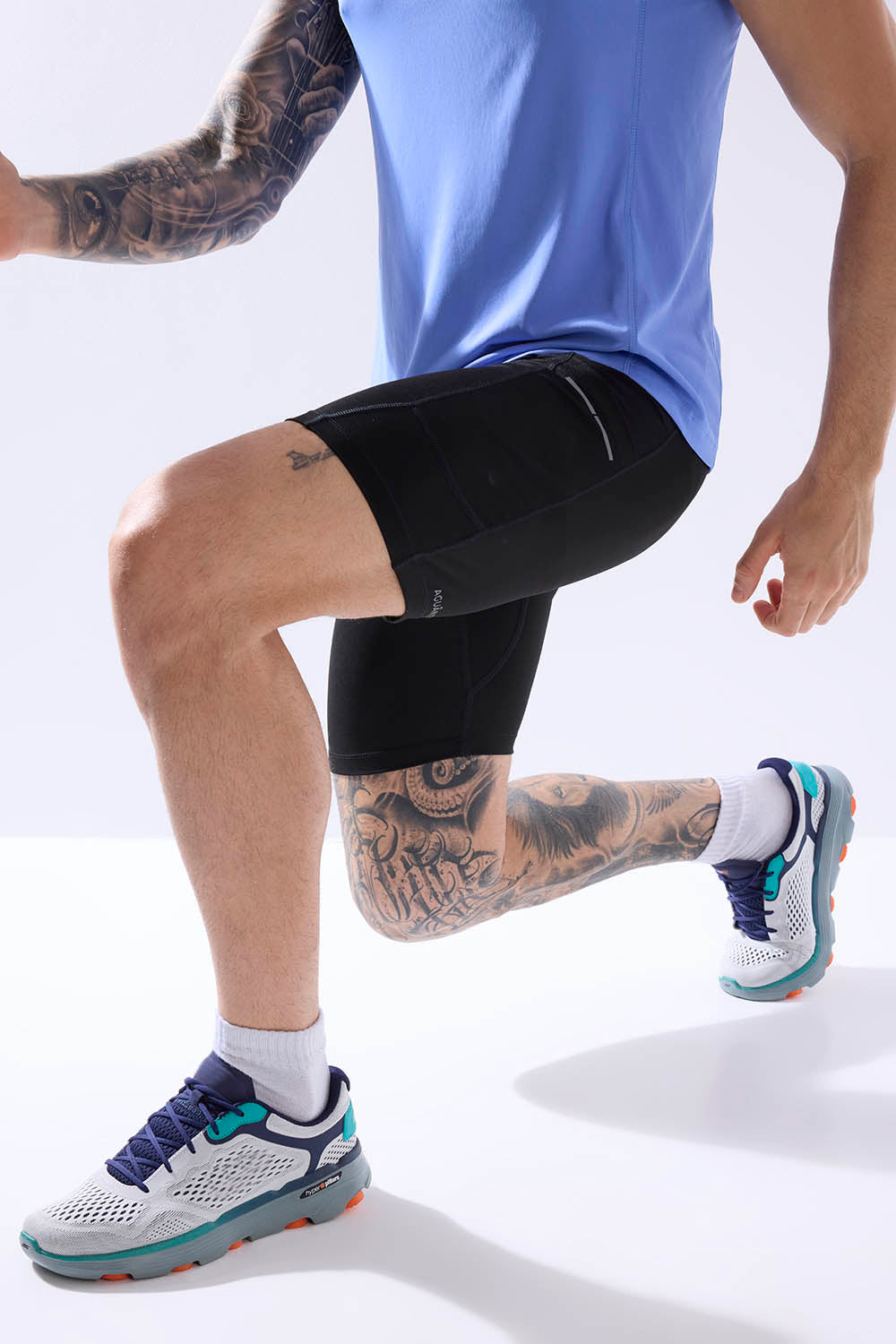
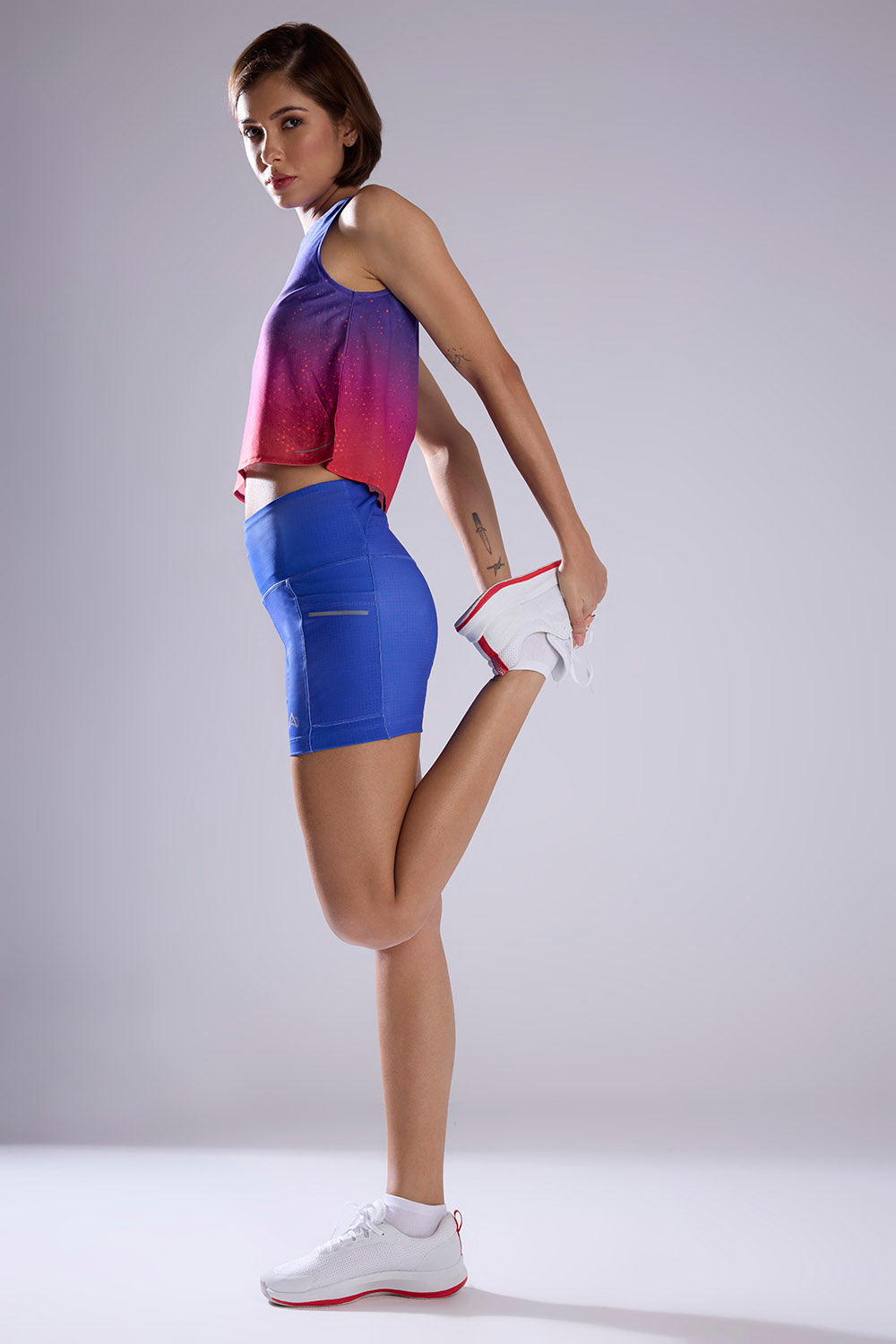
An ergonomic fit allows runners to maintain their stride without feeling restricted. Features such as appropriate stretch, carefully considered seams, and comfortable silhouettes can improve the overall running experience. These elements become increasingly important during marathon preparation, where small discomforts can become significant over many kilometres.
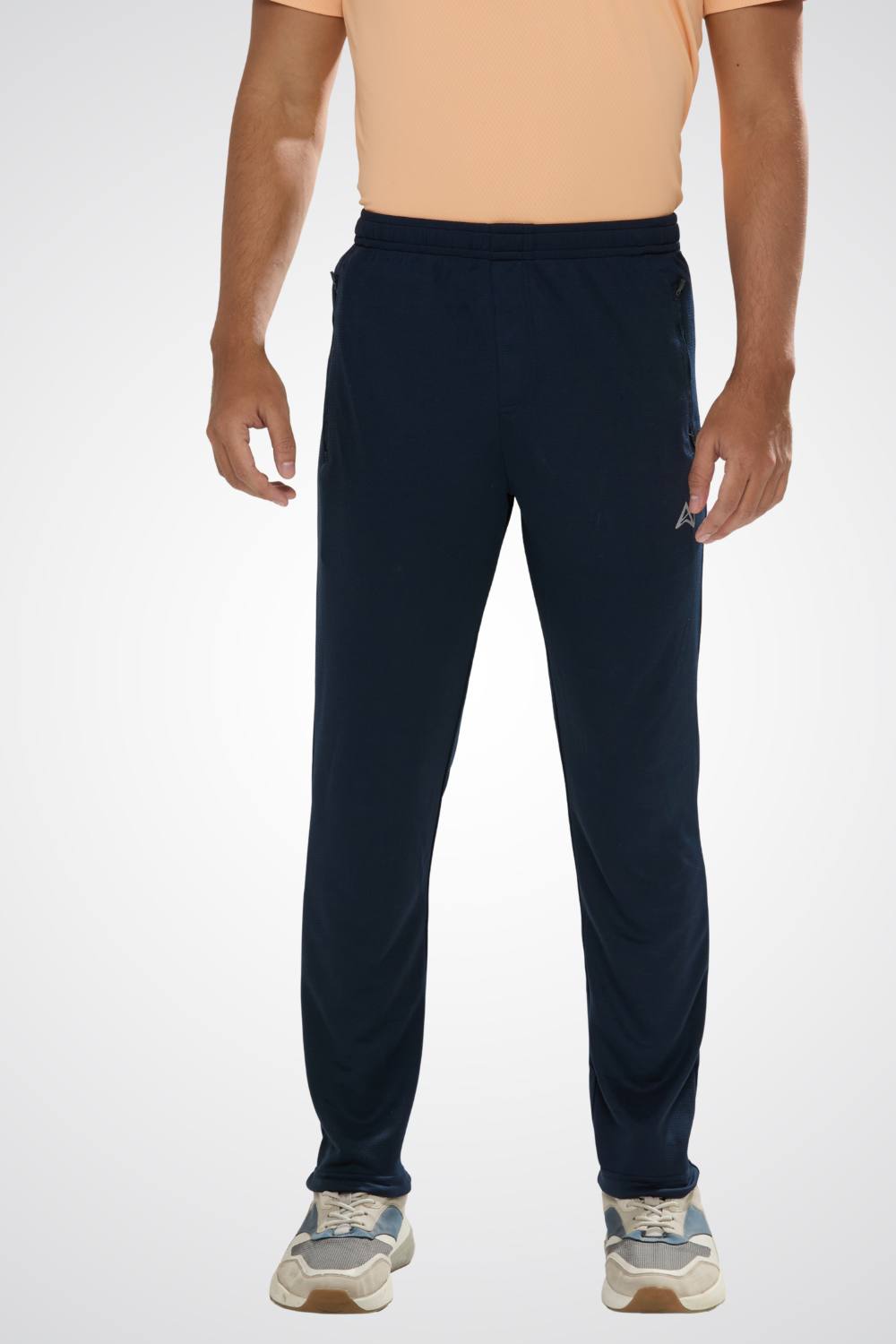
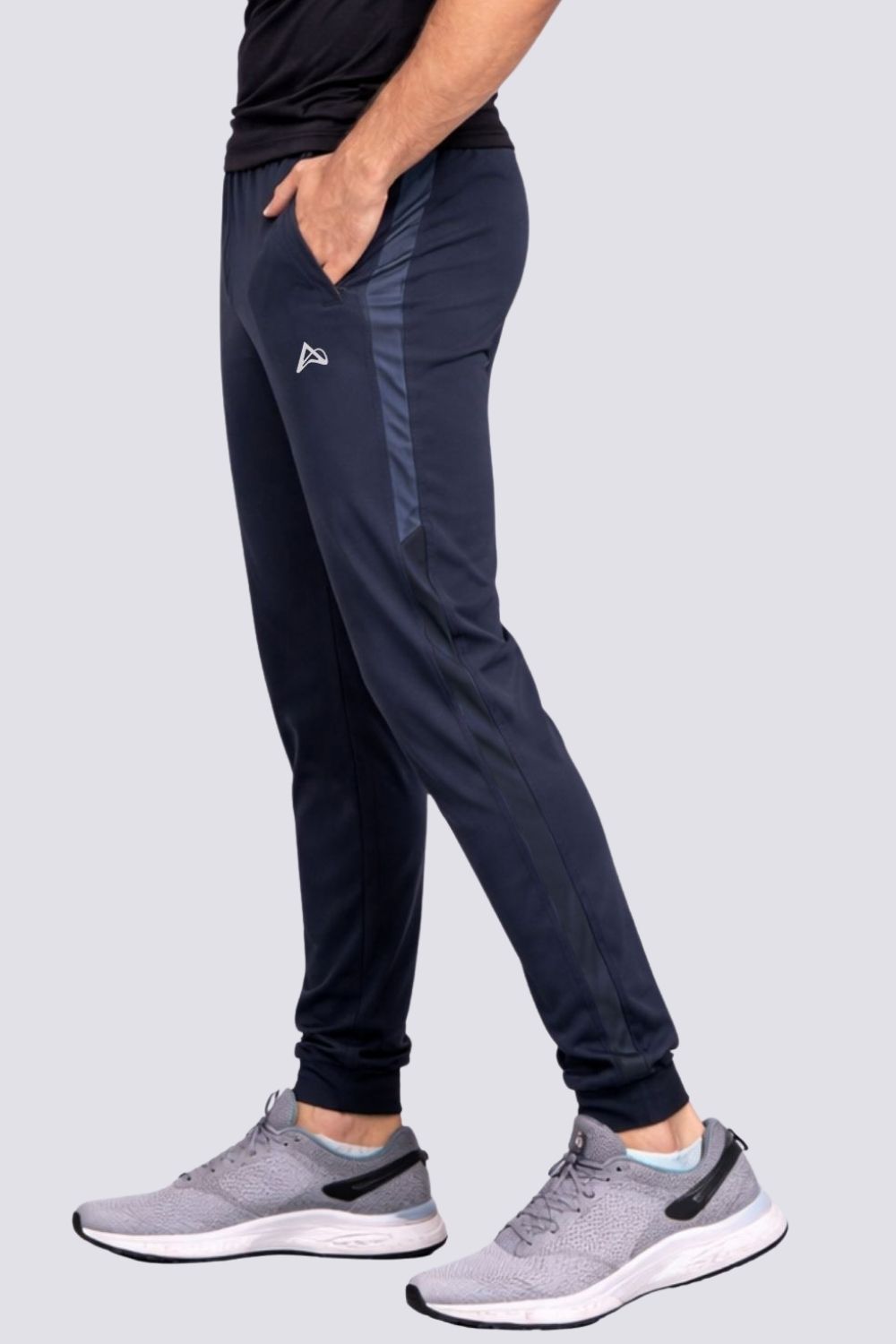
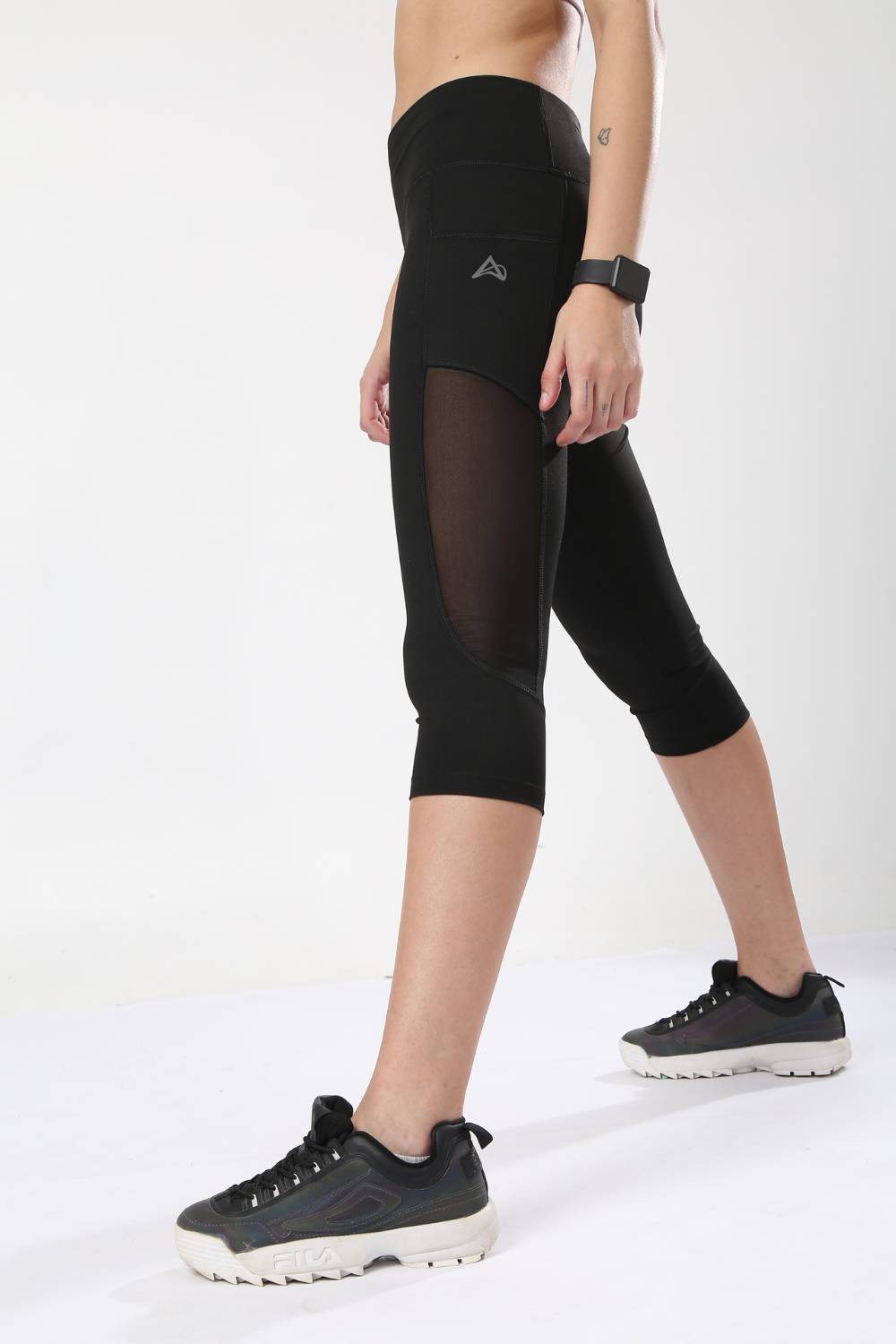
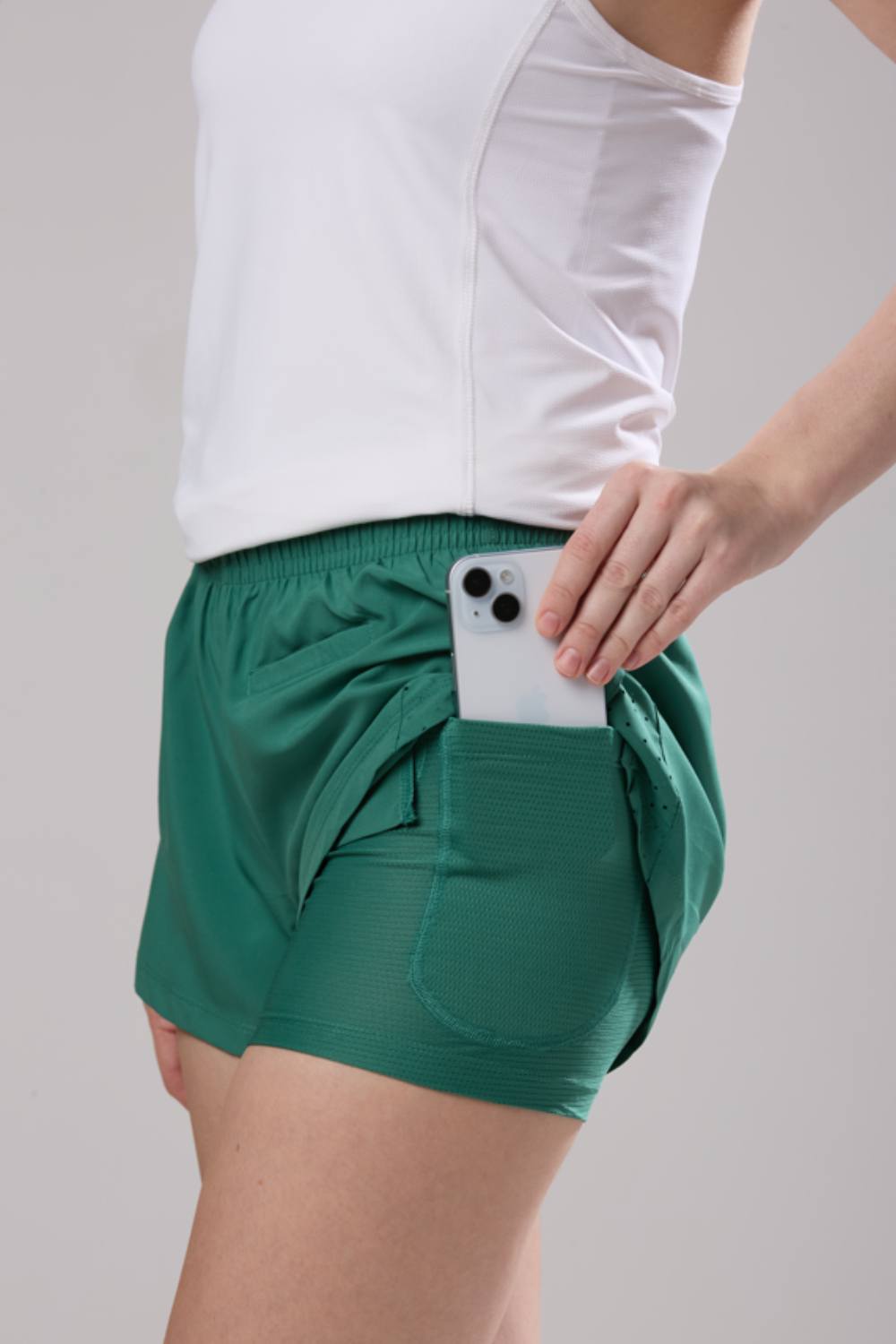
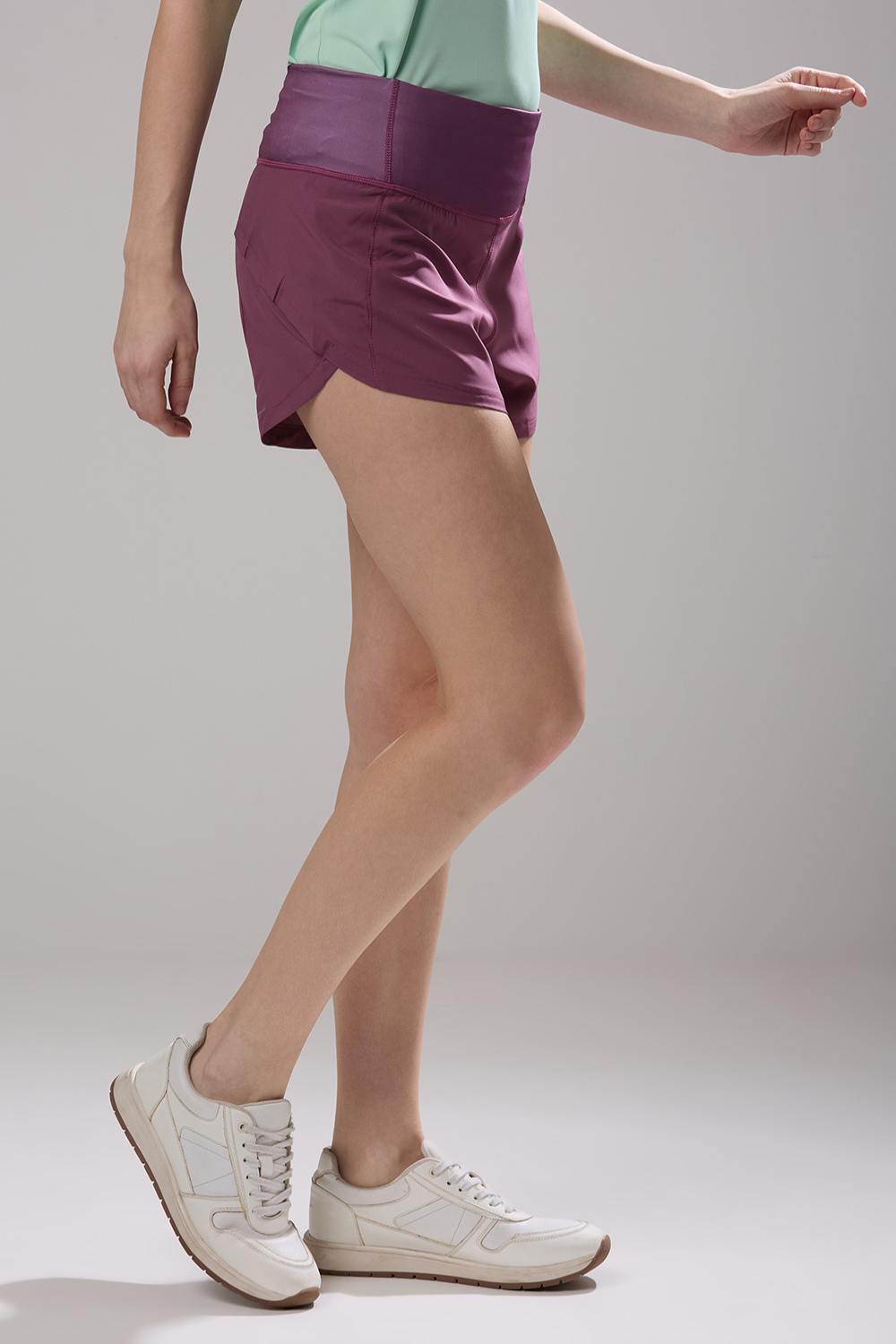
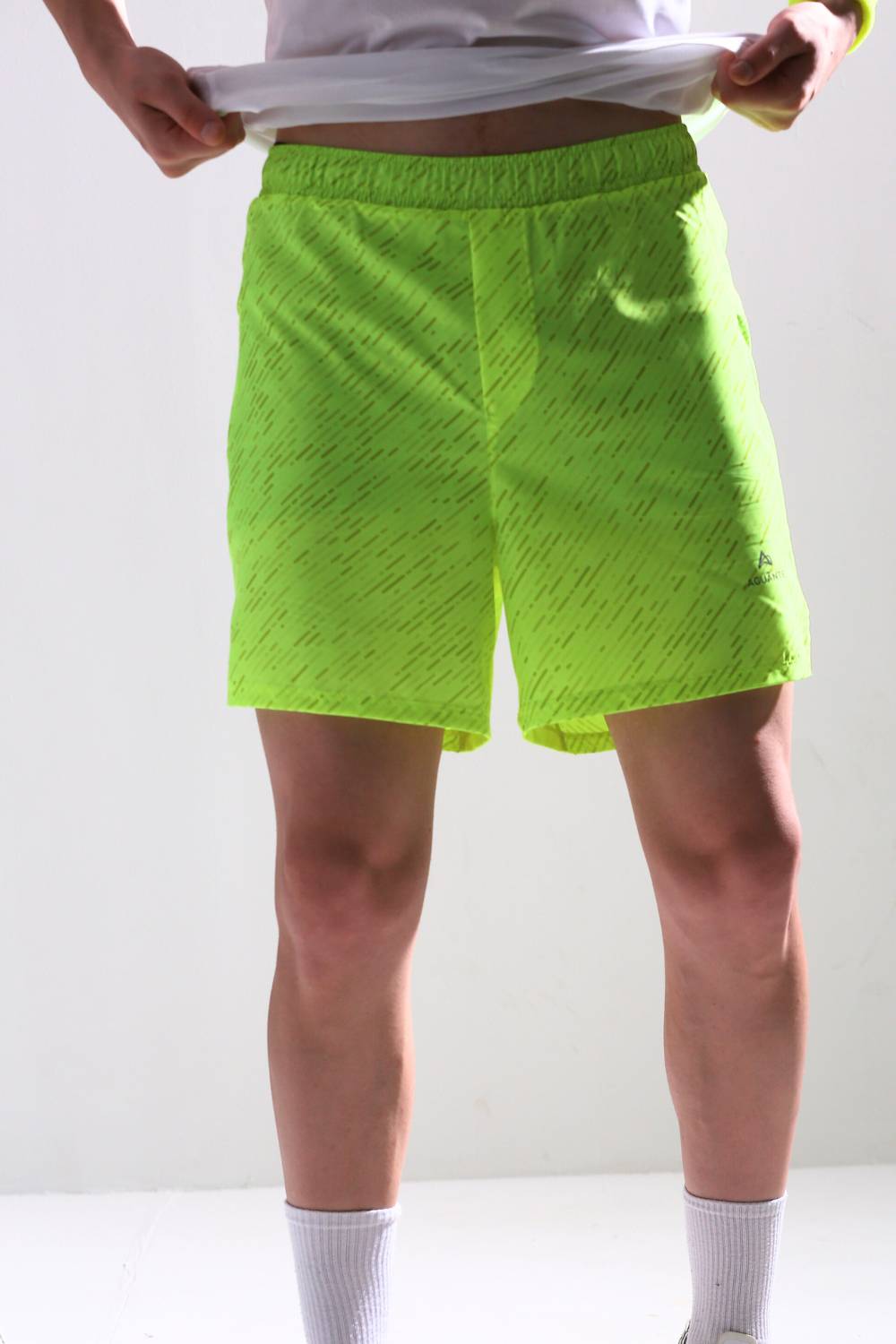
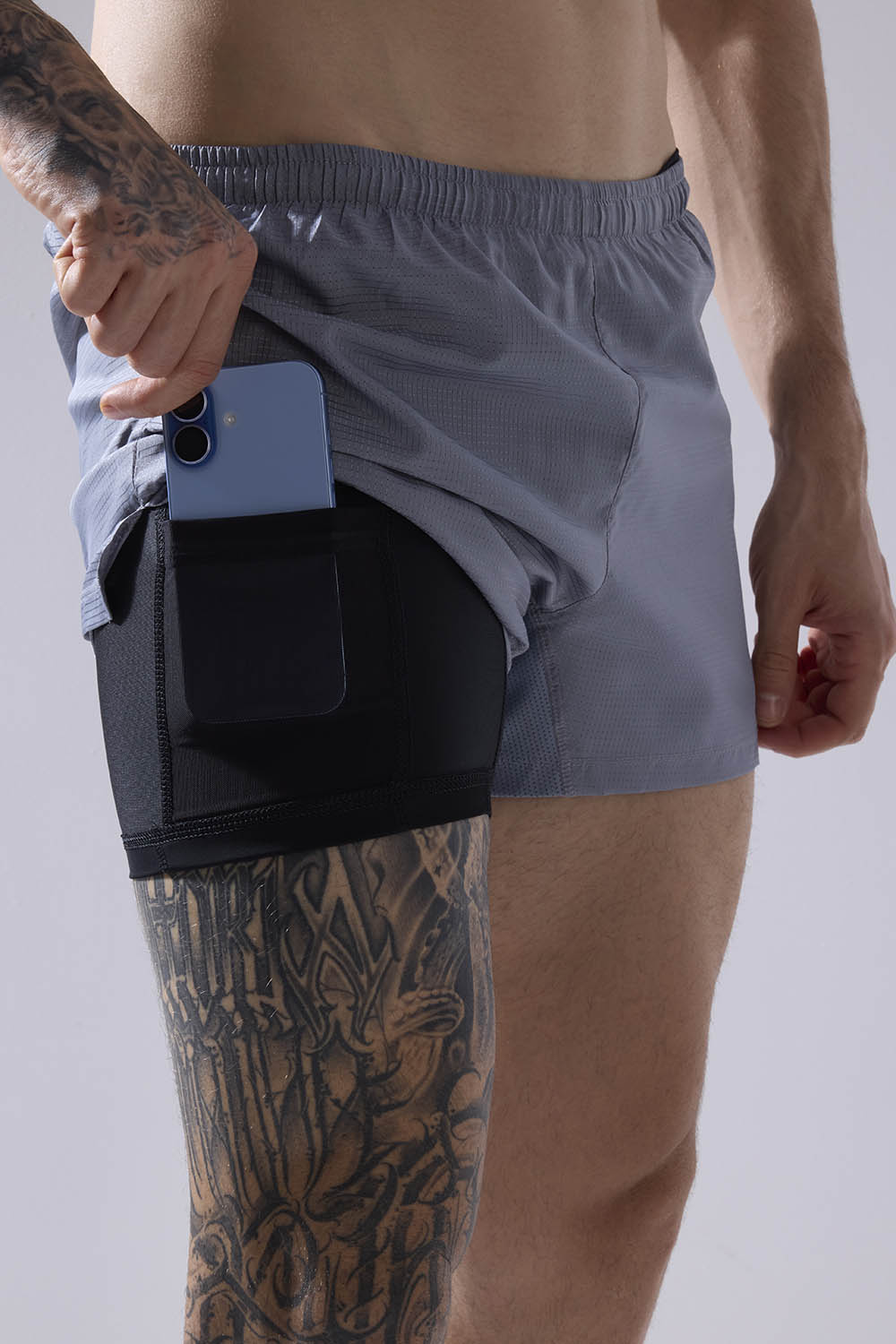
Runners also benefit from practical design features that match how they train. Storage options, reflective details for visibility, and lightweight construction are examples of features that solve everyday problems. A runner heading out for an early morning session may need visibility support, while someone completing a longer route may value convenient storage for essentials.
Function Beyond Appearance
Modern activewear is increasingly evaluated by how well it supports the activity rather than only how it looks. For runners, clothing becomes part of their equipment. The right choices can help create a smoother experience from warm-up to cooldown.
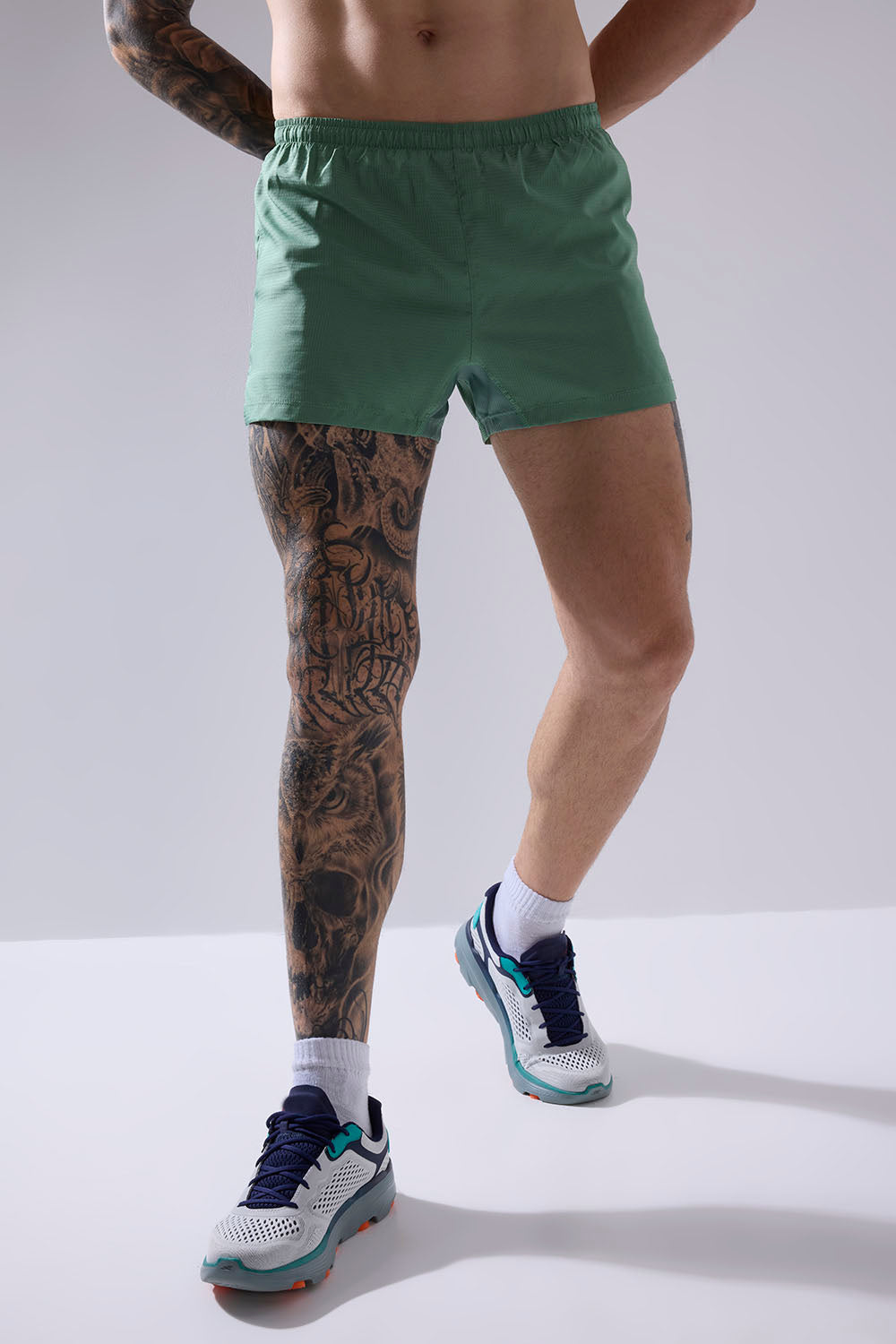
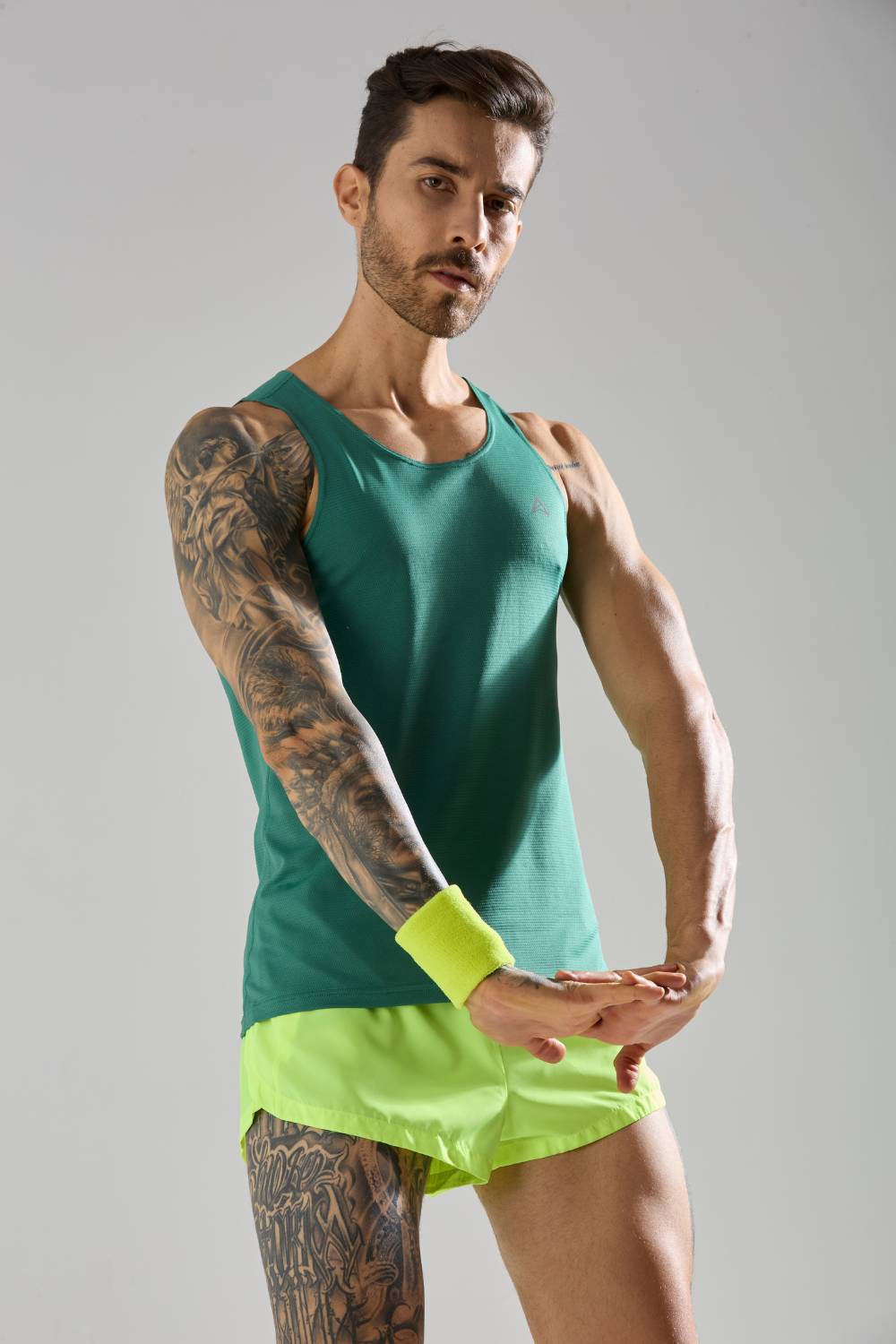
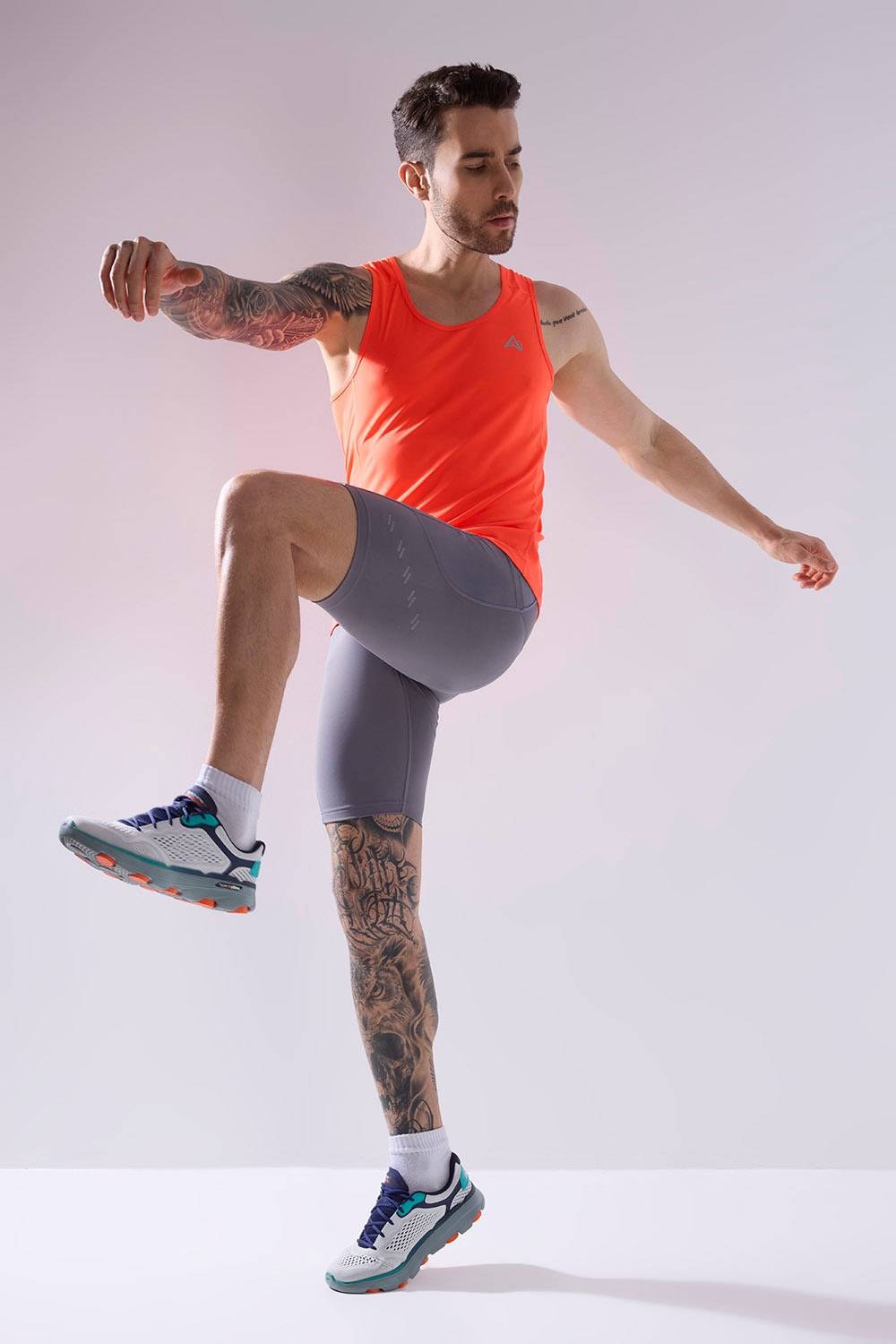
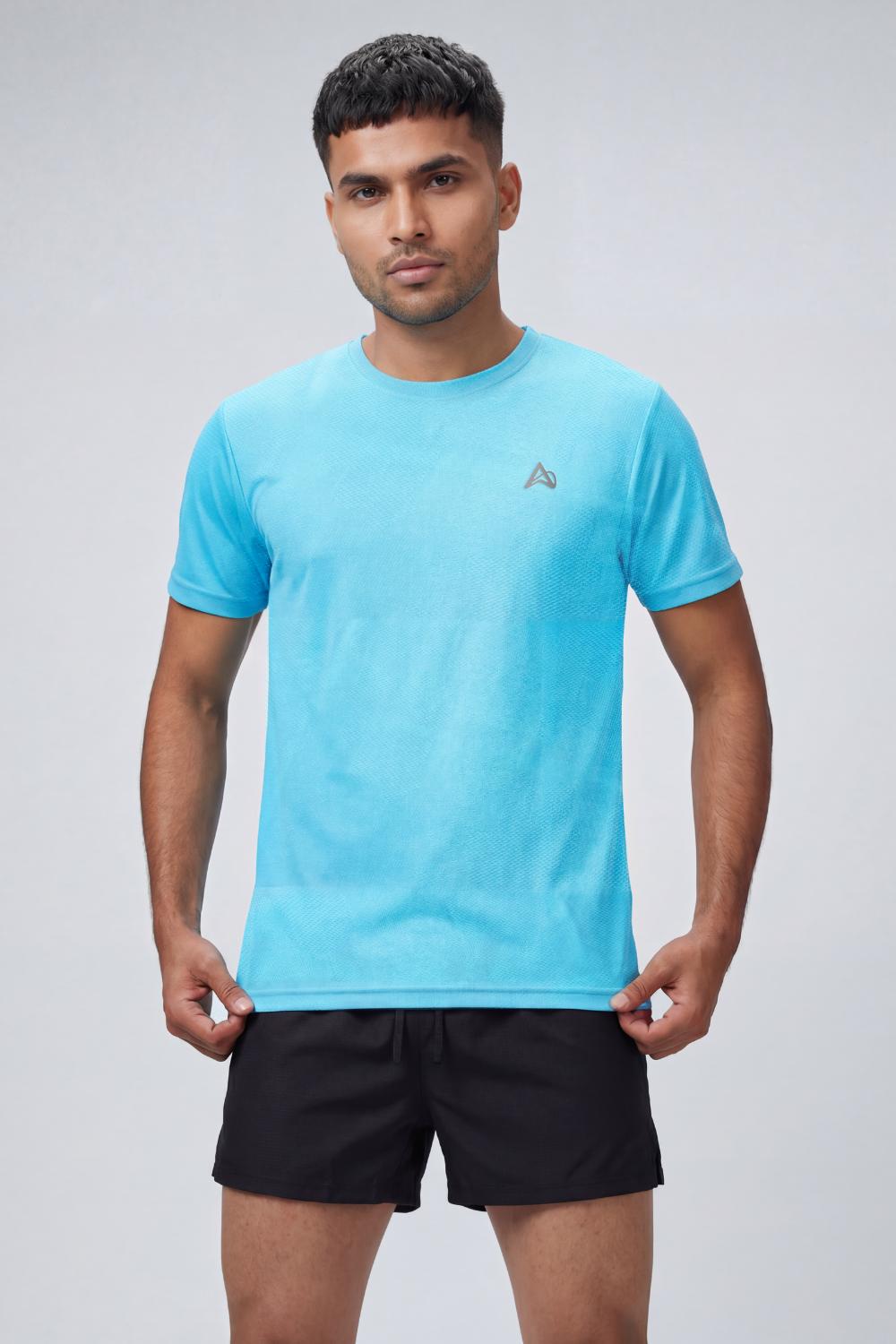
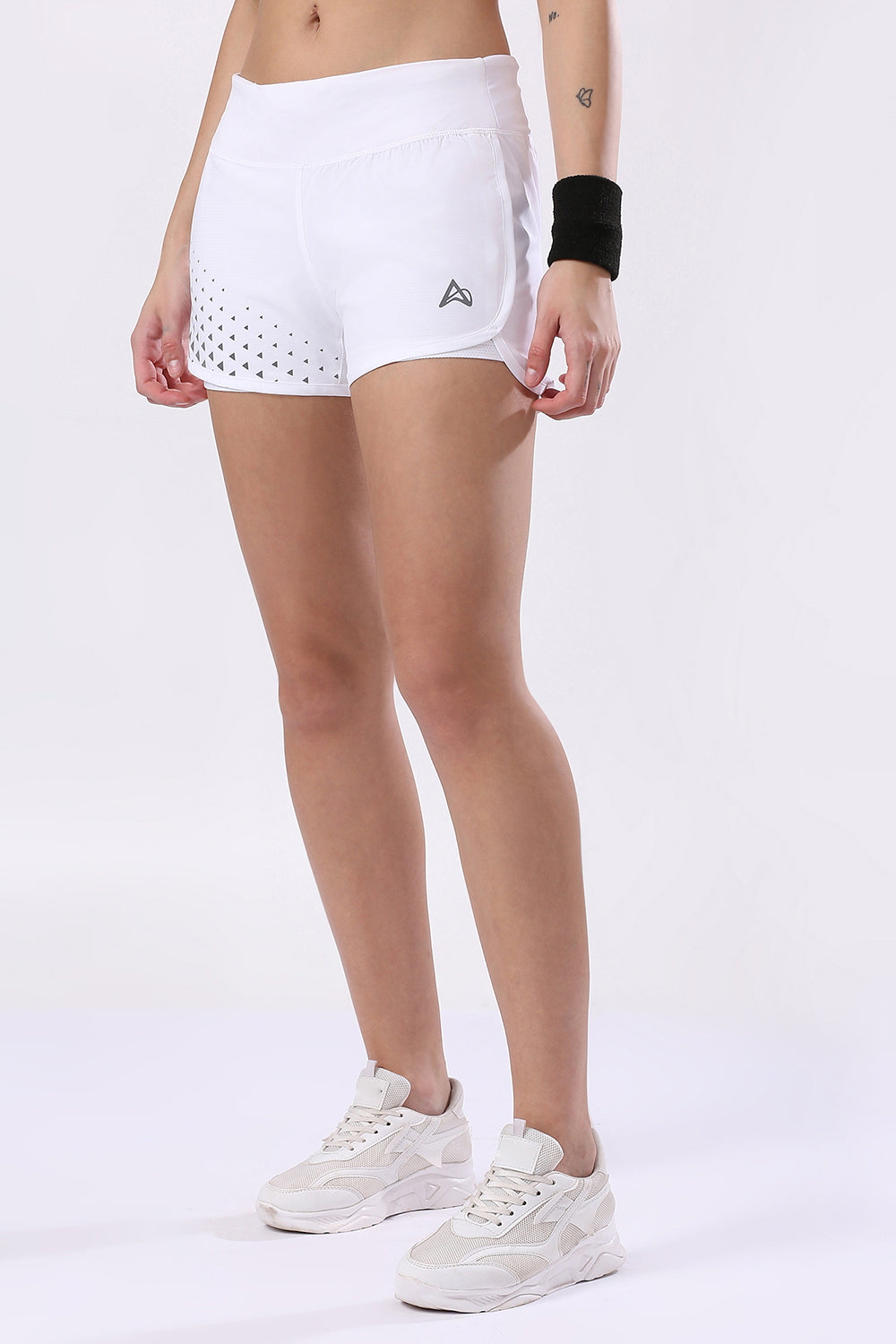
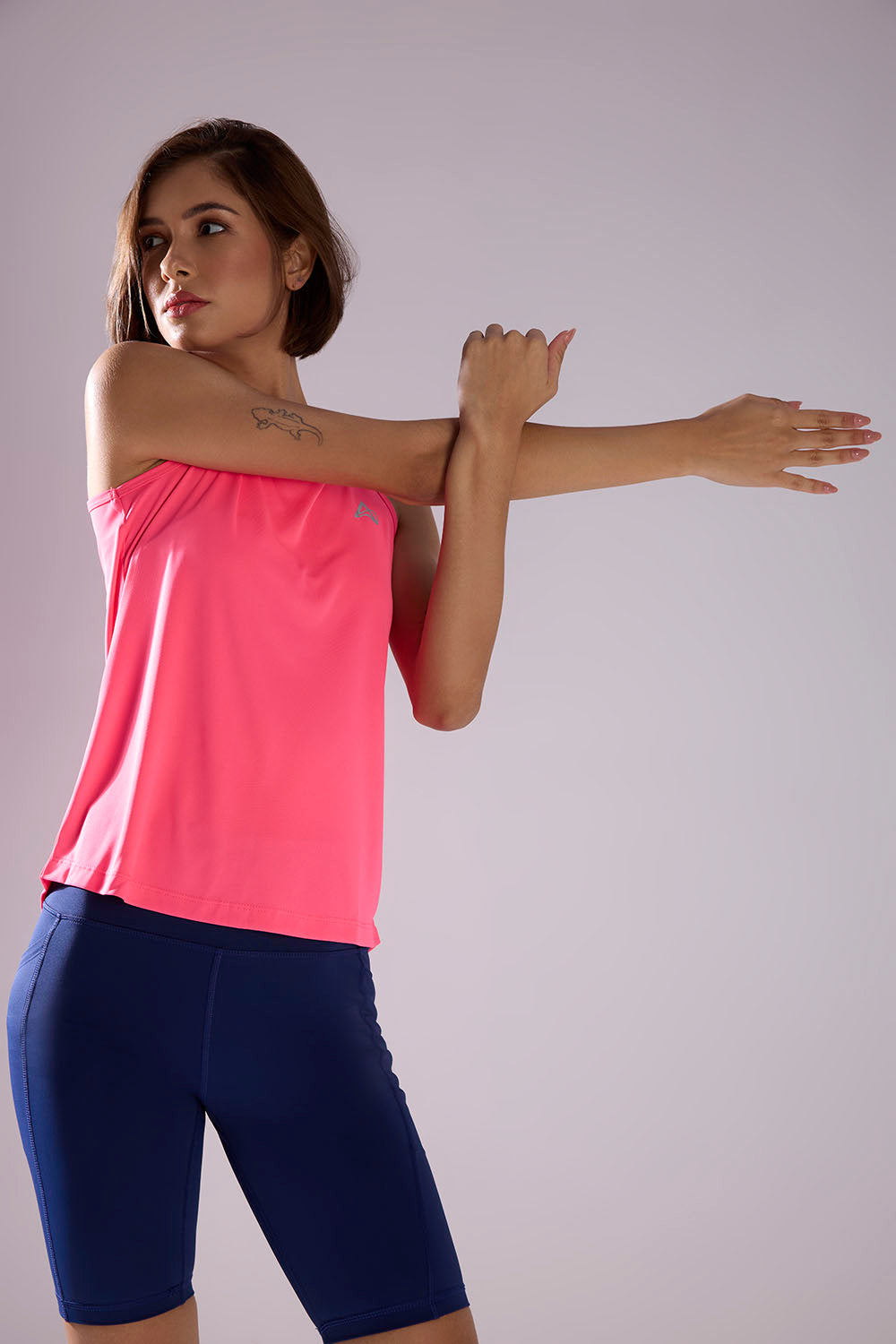
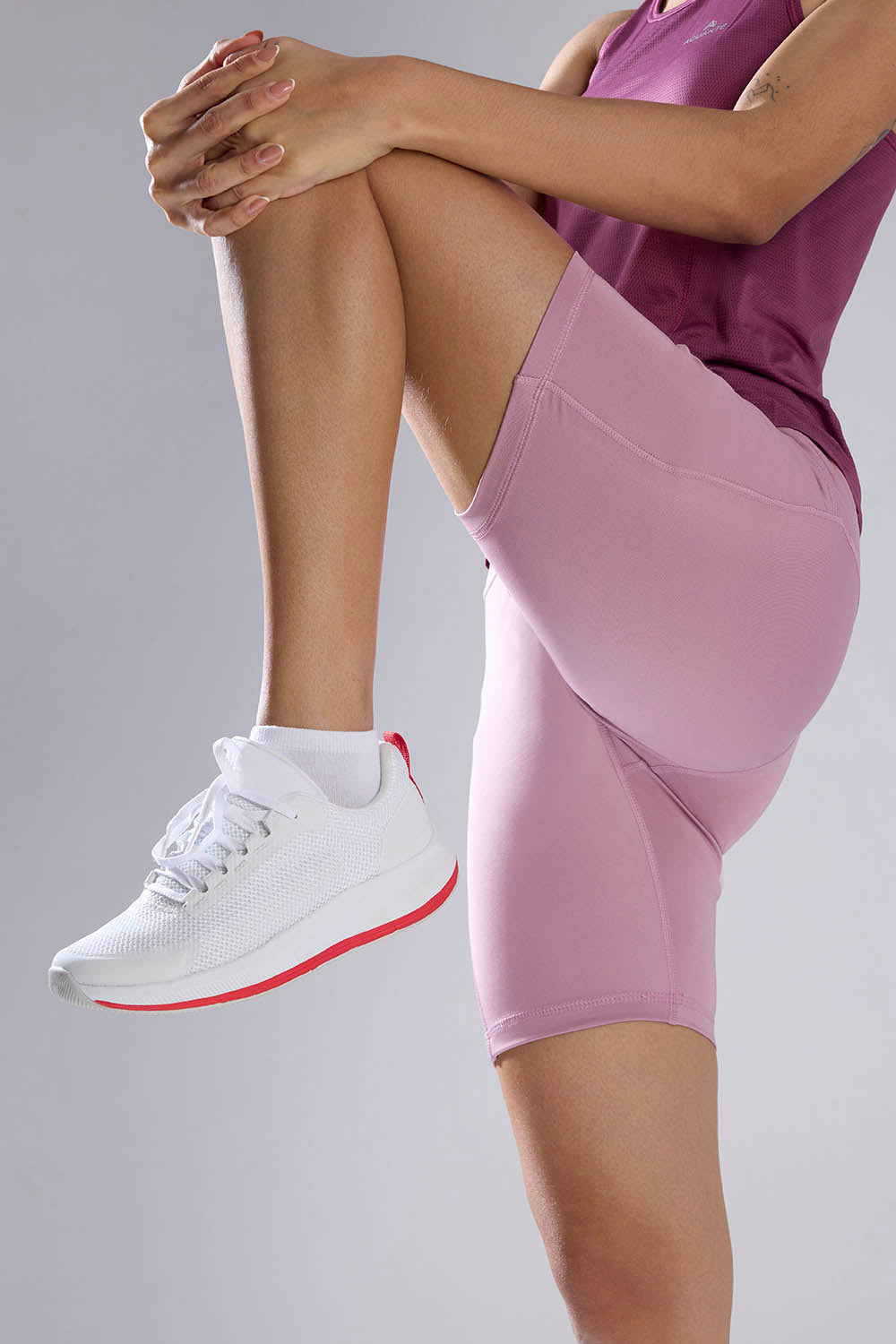
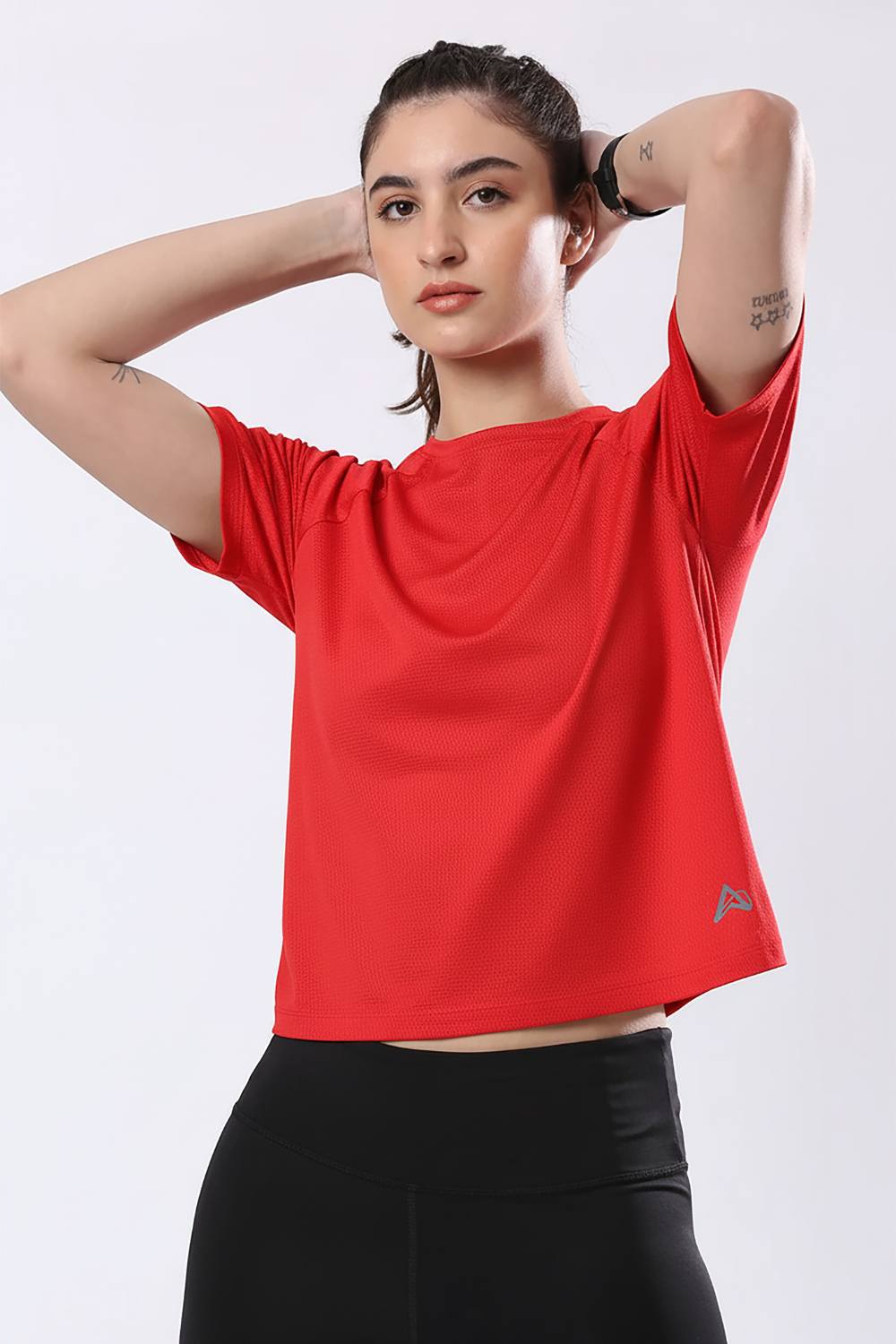
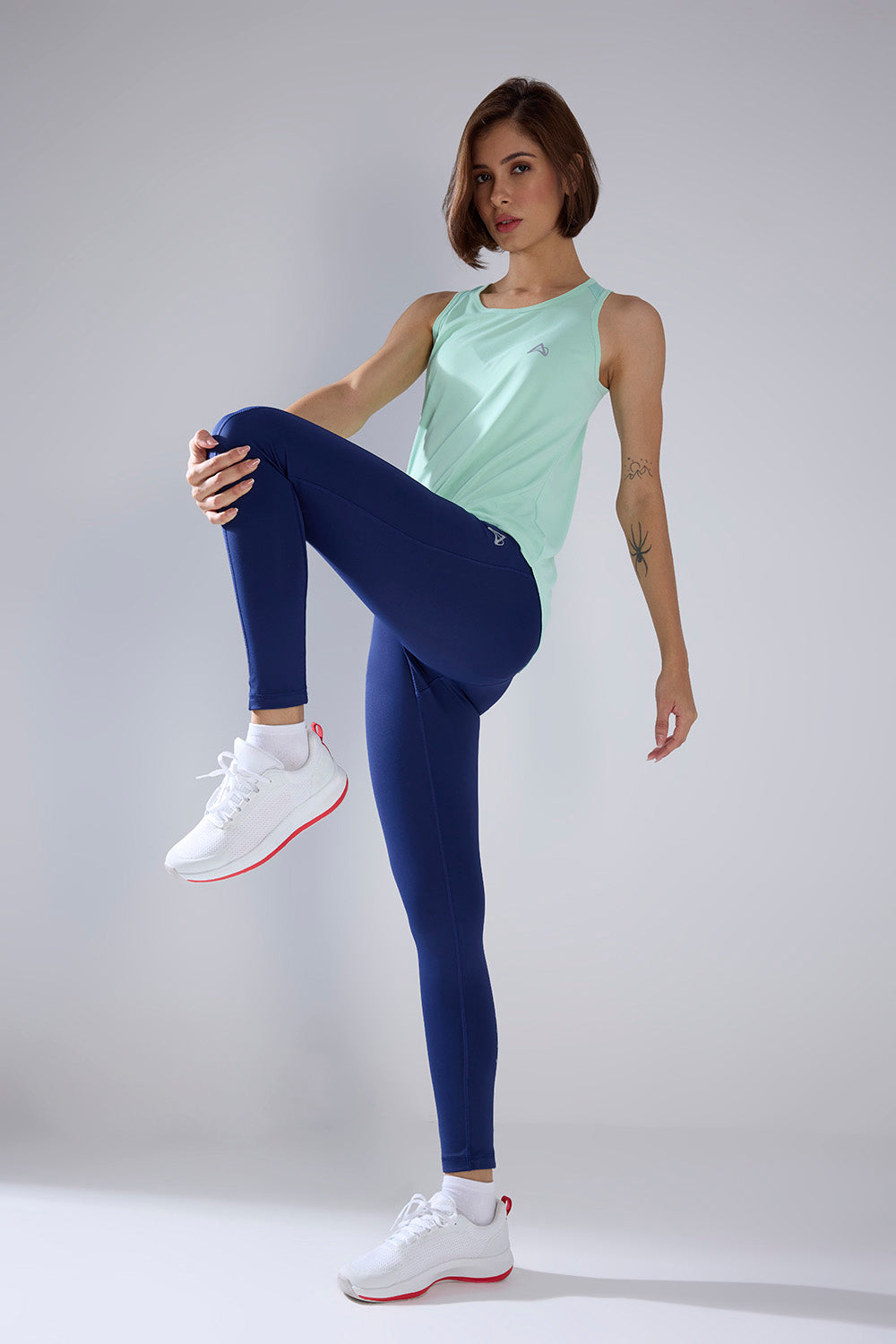
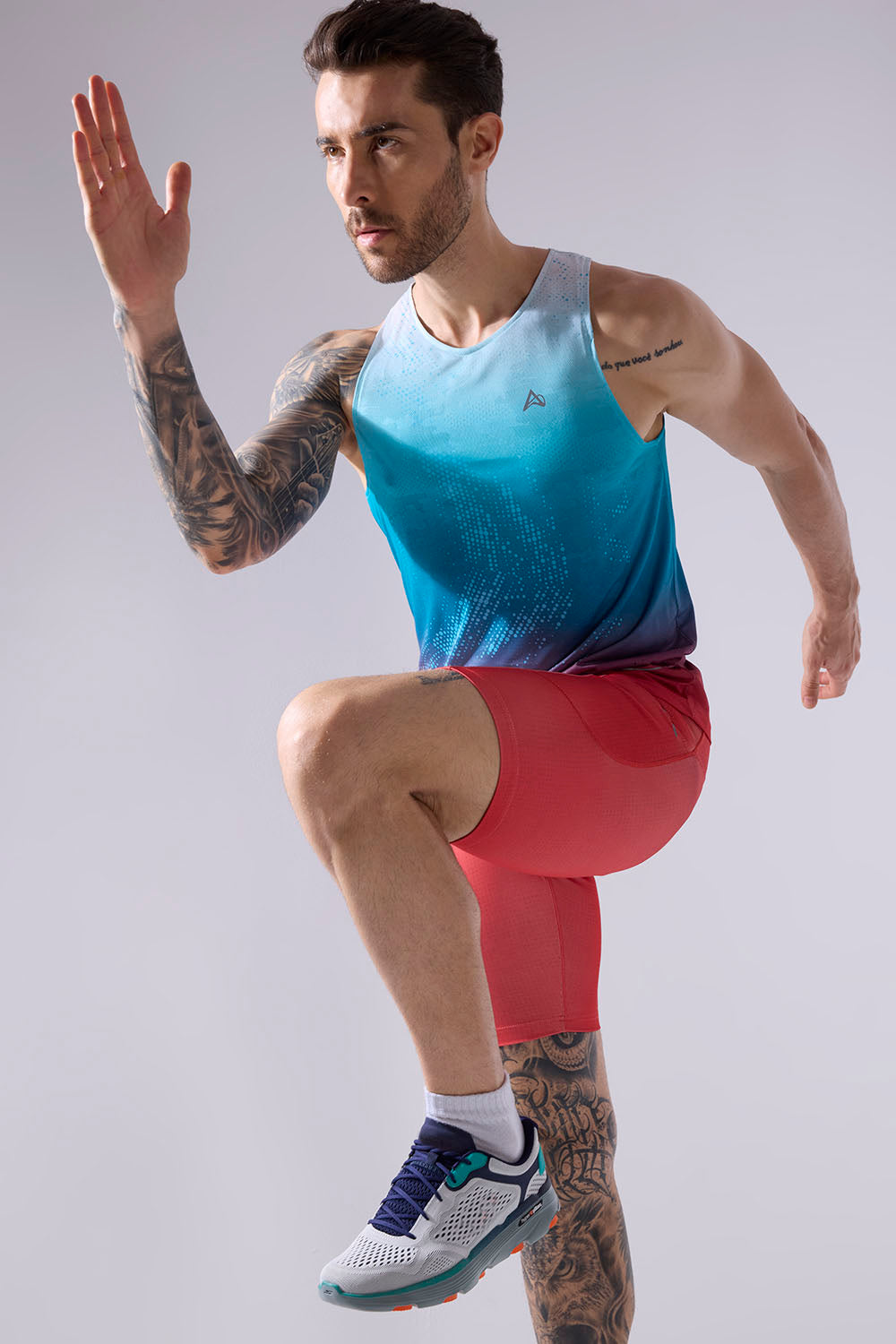
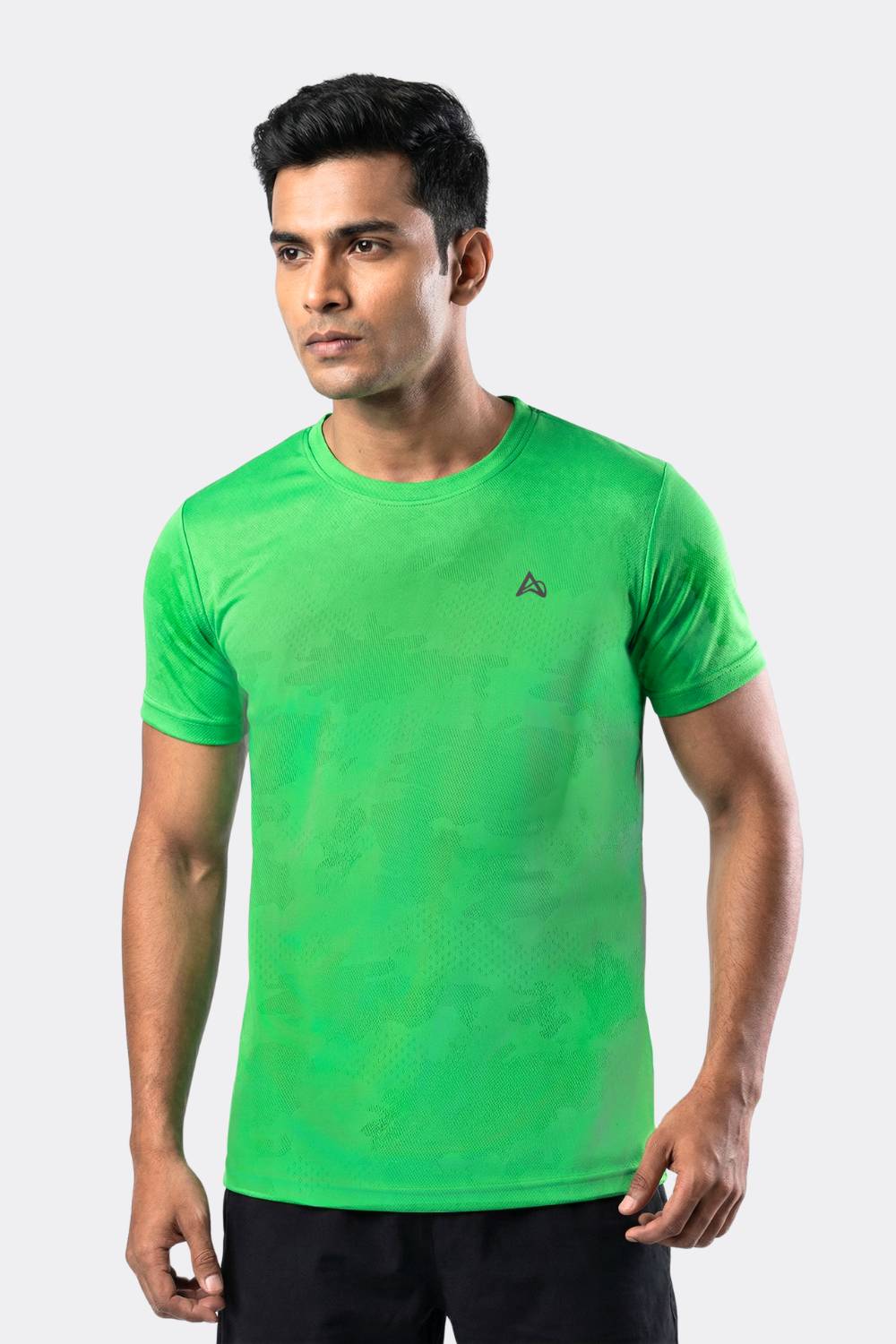
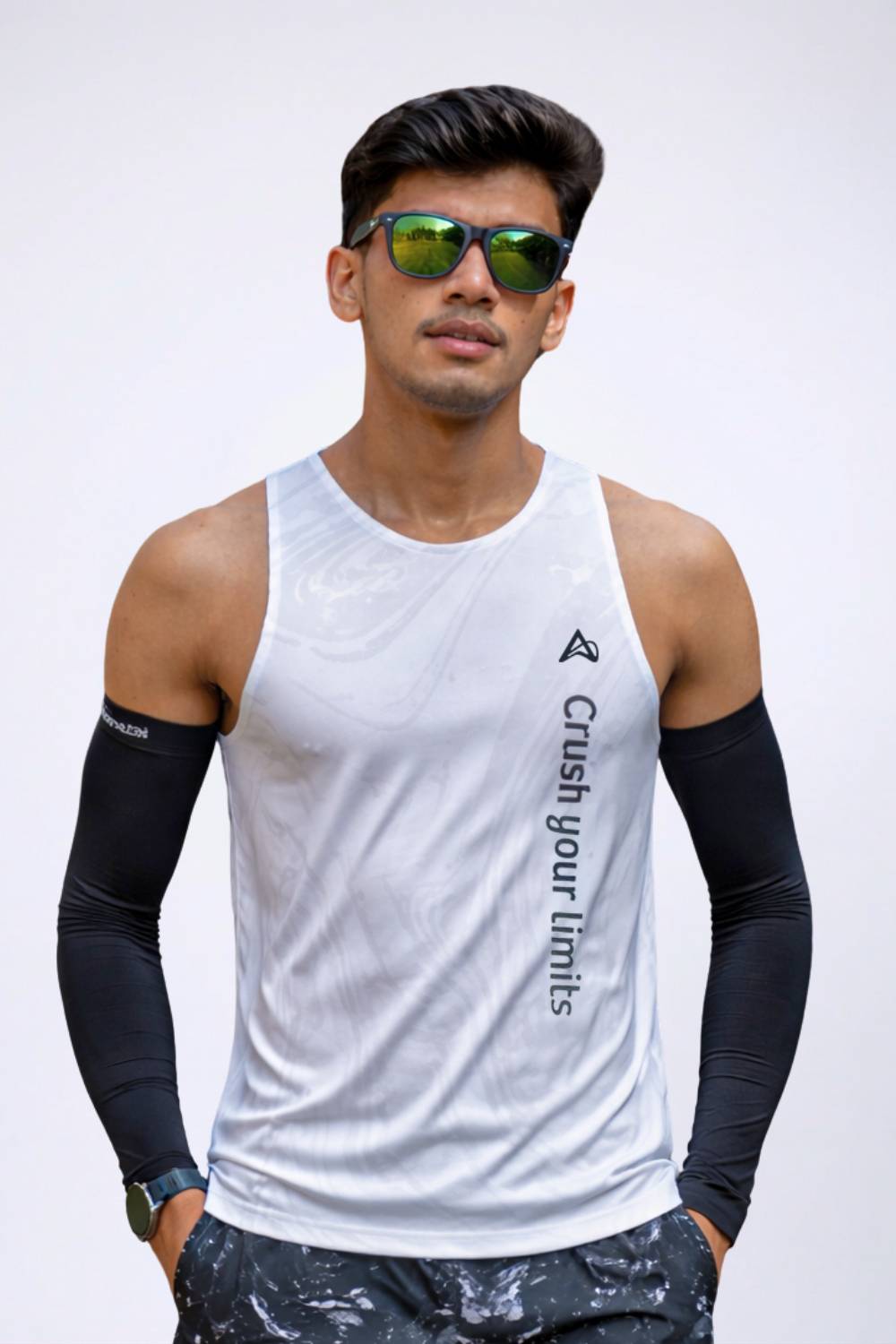
Brands that focus specifically on runners, such as Aguante, approach apparel design around these practical requirements. Its range of running-focused clothing is positioned around features such as moisture management, functional pockets, fit considerations, and reflective elements that address common needs during training.
Choosing Running Gear for Indian Climate Challenges
Climate plays an important role in selecting running clothing. A runner training in a warm and humid environment may have different priorities from someone exercising in cooler conditions. The ability of clothing to remain breathable and comfortable during sweating becomes a key consideration.
Breathable running apparel for hot weather can help runners feel more comfortable when outdoor conditions become challenging. Lightweight construction, airflow, and fabrics designed for active movement can support training sessions where heat management is important.
Reports on athlete preparation in intense summer conditions highlight how heat can affect endurance training. In India, extreme summer conditions can force athletes to adjust schedules, seek cooler environments, or modify training approaches. India's summer running challenges demonstrate why runners need to consider environmental conditions alongside their fitness goals.
The same principle applies to recreational runners. Someone building a running habit may find that comfortable clothing encourages consistency, while unsuitable apparel can make regular training feel unnecessarily difficult. Selecting clothing designed for active use allows runners to focus more on their routine and less on managing discomfort.
What Runners Should Look for Before Buying Performance Apparel
When evaluating performance activewear, runners should consider how each feature supports their individual training needs. A product should not simply look suitable; it should solve practical challenges that appear during actual runs.
- Fabric performance: Look for materials that support sweat management and comfort during extended activity.
- Fit and mobility: Choose designs that allow natural movement throughout different running styles and distances.
- Storage: Consider whether pockets or carrying options suit personal training requirements.
- Visibility features: Reflective elements can be useful for runners who train in low-light conditions.
- Climate suitability: Select apparel that matches the temperature, humidity, and environment where most runs take place.
These considerations help runners move beyond choosing clothing based only on appearance. Performance apparel is ultimately about improving the relationship between the athlete and their equipment.
Why Performance Activewear Matters for Consistent Training
Consistency is one of the biggest factors in improving as a runner. Training plans only work when athletes can maintain regular practice, and comfort plays an important role in that process. Clothing that supports movement and manages common running challenges can make workouts feel more manageable.
For beginners, comfortable apparel can help create confidence during early training sessions. For experienced runners, reliable clothing can support preparation for longer distances and more demanding goals. In both cases, the purpose of performance activewear is to remove unnecessary barriers between the runner and the activity.
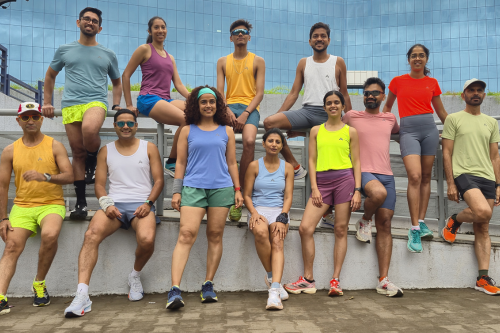
The growth of running communities and endurance events has also increased awareness around specialised gear. Runners are becoming more informed about the difference between general sportswear and clothing created specifically for running demands. This shift encourages more thoughtful purchasing decisions based on function, durability, and personal requirements.
Aguante's focus on runner-oriented apparel aligns with this approach by addressing the practical needs runners consider when selecting training clothing. For athletes looking for comfortable sportswear for marathon training or regular running sessions, understanding apparel features can make the buying decision more effective.
The Connection Between Better Apparel and Better Running Experiences
Performance activewear is not about replacing training discipline, preparation, or smart running habits. Instead, it provides support by helping runners manage the physical realities of their activity. The right clothing can improve comfort, reduce distractions, and allow athletes to concentrate on their performance.
For Indian runners, factors such as heat, humidity, sweat, and long outdoor sessions make apparel selection an important part of preparation. Features such as moisture management, breathability, fit, storage, and visibility all contribute to a more practical running experience.
Choosing the right running clothing is ultimately about matching equipment with personal goals and environmental needs. Whether preparing for a race, building a fitness routine, or simply enjoying regular runs, performance apparel can become a valuable part of the runner's journey.
Frequently Asked Questions
Why is performance activewear suitable for Indian runners?
Performance activewear is suitable for Indian runners because it is designed to handle challenges such as heat, humidity, sweat, and long outdoor training sessions. Features like breathable fabrics, moisture management, and lightweight construction can help improve comfort and support consistent running.
What are the benefits of moisture wicking running clothes for endurance training?
Moisture wicking running clothes help move sweat away from the skin and reduce the discomfort caused by heavy, damp fabric during workouts. They are especially useful for runners who train for longer distances and need apparel that remains comfortable throughout extended activity.
What features should runners look for in performance running apparel?
Runners should look for features such as an ergonomic fit, breathable materials, functional pockets, reflective details, and climate suitability when choosing performance running apparel. These features help support movement, convenience, and comfort during regular runs or marathon training.
Disclaimer: The above helpful resources content contains personal opinions and experiences. The information provided is for general knowledge and does not constitute professional advice.
You may also be interested in: How India's Growing Running Community Is Reshaping Urban Fitness Habits
Tired of gear that slows you down? Chafing, soggy fabrics, and missing pockets kill your run's momentum. At Aguante, we're runners who get it. Our high-performance activewear features moisture-wicking fabrics, ergonomic designs, and smart storage to keep you focused. Shop Now!
Powered by flareAI.co