



Quick Listen:
How runners feel during a training session is often influenced by the clothing they choose before they even begin moving. A comfortable run is not only about lightweight materials; it depends on how apparel manages sweat, supports movement, reduces distractions, and adapts to the demands of different workouts. For runners evaluating performance clothing, understanding running apparel features can make it easier to choose gear that supports consistent training.
Modern running apparel is designed around practical challenges athletes experience every day. Heat, moisture, friction, restricted movement, and carrying essentials can all affect focus during a session. The right combination of fabric technology, fit, ventilation, and functional details helps create a more comfortable experience from warm-up to final stride.
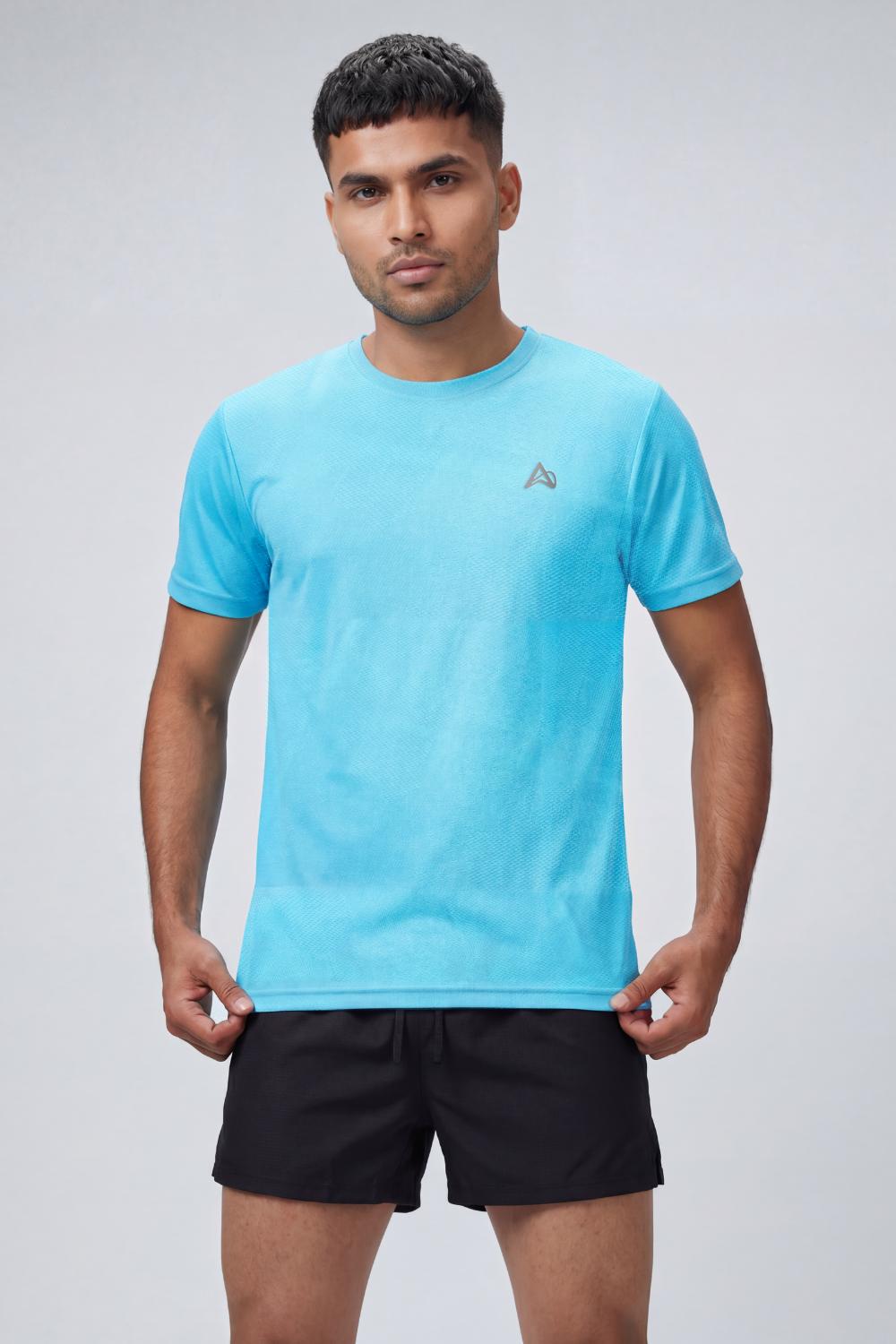
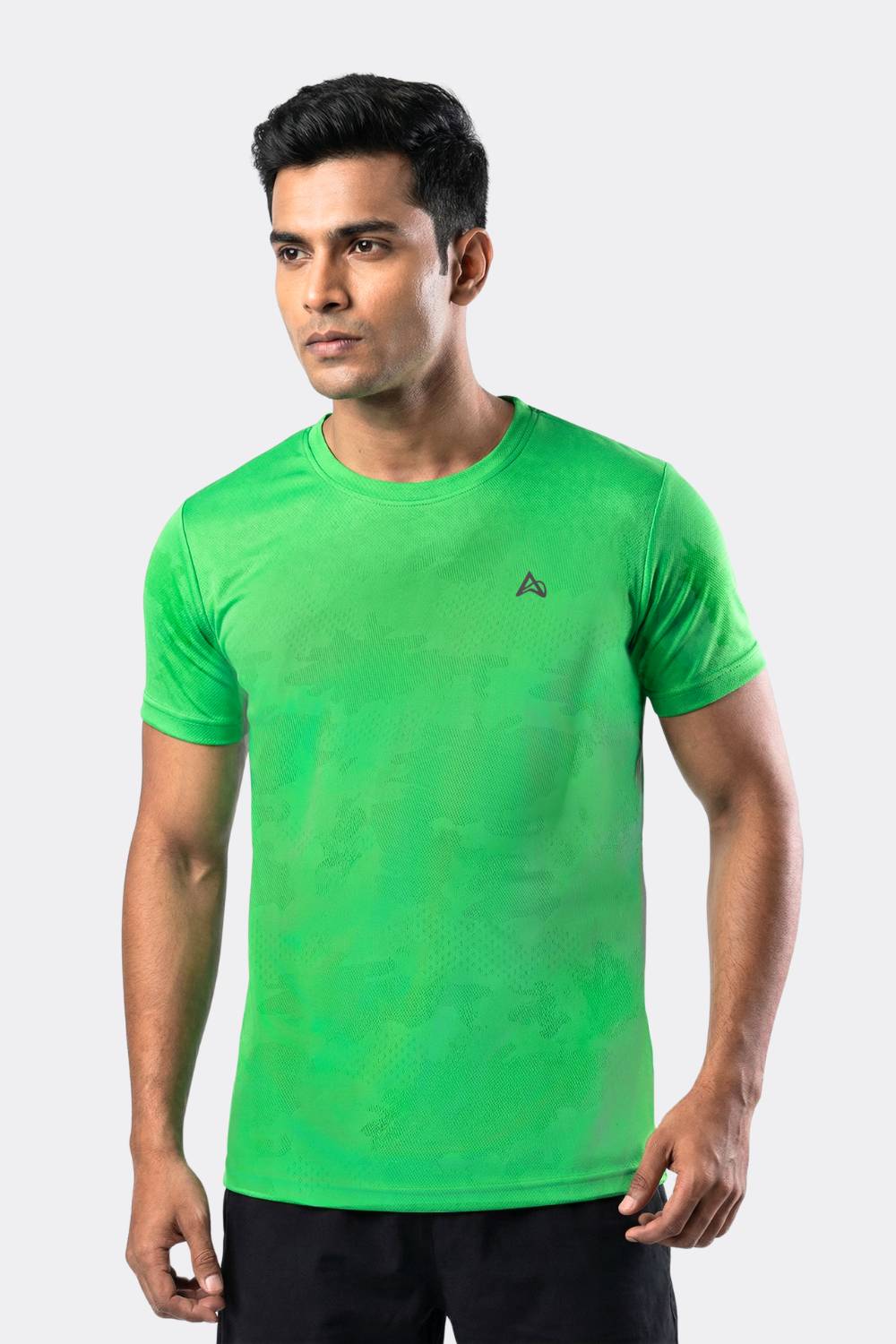
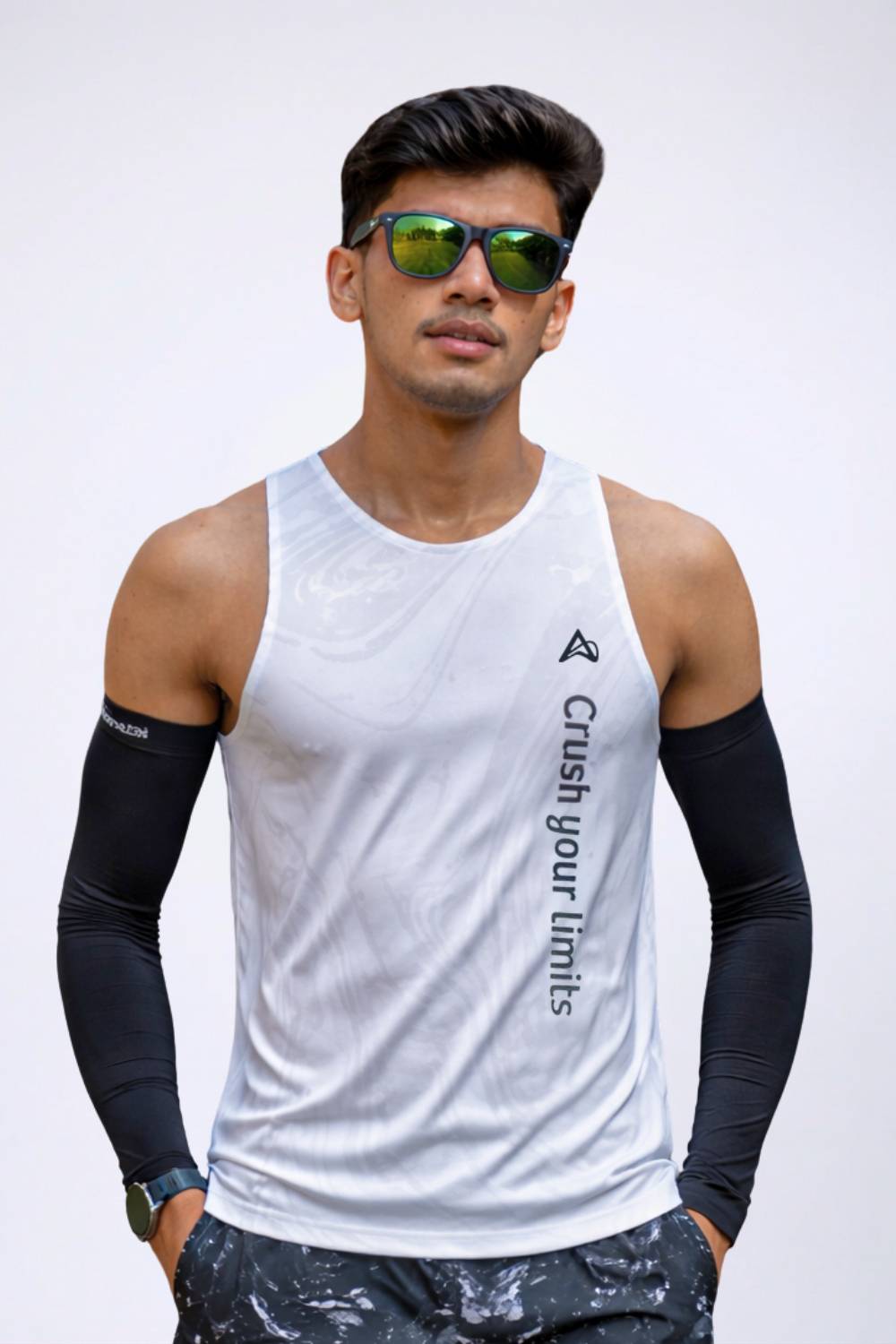
Tired of gear that slows you down? Chafing, soggy fabrics, and missing pockets kill your run's momentum. At Aguante, we're runners who get it. Our high-performance activewear features moisture-wicking fabrics, ergonomic designs, and smart storage to keep you focused. Shop Now!
Why Running Apparel Features Matter During Training
Training comfort is shaped by several small details working together. A runner may notice discomfort from a shirt that holds sweat, shorts that restrict movement, or a pocket design that causes unnecessary bouncing. These issues can become more noticeable during longer sessions when the body is under greater physical demand.
Purpose-built running clothing focuses on solving these everyday challenges. Unlike general casual wear, performance apparel is designed around repeated movement, changing body temperature, and the practical needs of runners. Features such as moisture management, breathable construction, flexible fabrics, and secure storage are intended to reduce distractions and help athletes stay focused on their training goals.
For runners selecting clothing, the question is not simply whether a garment looks athletic. The more important consideration is whether its design supports the specific conditions of the workout, whether that is an easy morning run, interval training, or a longer endurance session.
Fabric Technology Helps Manage Sweat and Heat
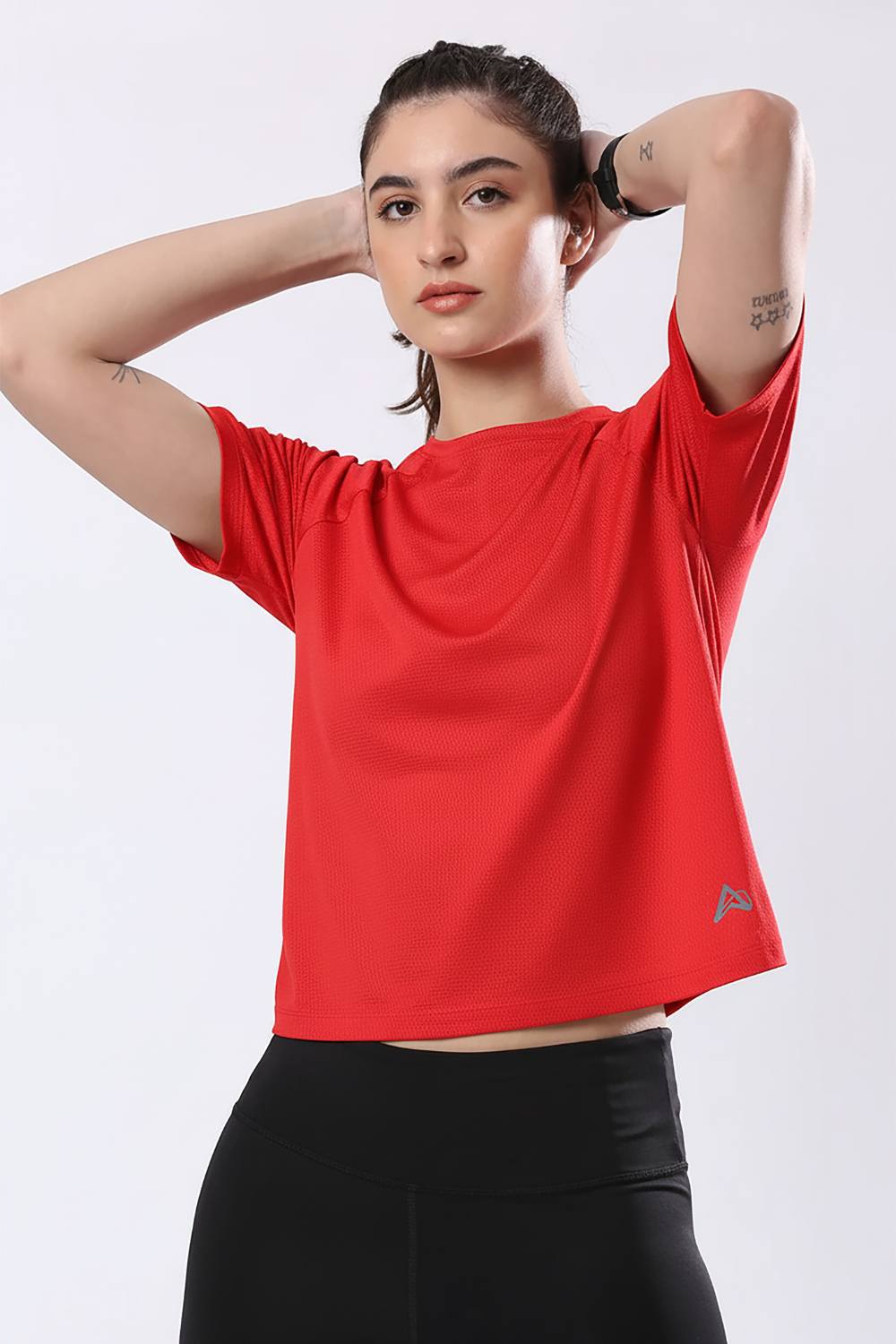
One of the most important aspects of comfortable running apparel is how the fabric handles moisture. During training, the body naturally produces sweat to regulate temperature. Clothing that manages moisture effectively can help runners feel more comfortable by reducing the sensation of wet fabric against the skin.
Moisture-wicking running apparel is designed to move sweat away from the body and spread it across a wider surface area, allowing it to dry more efficiently. However, moisture movement and cooling are not exactly the same. Effective cooling also depends on airflow and evaporation, which means fabric construction plays an important role alongside the material itself.
Fabric and sweat-evaporation insights highlight that factors such as air permeability, weave, fabric density, and garment design all influence how clothing performs in warm conditions. This is why choosing the best fabric for running clothes involves looking beyond the fibre label and considering how the complete garment is engineered.
For runners, this means performance clothing should support the body's natural cooling process rather than simply focus on being lightweight. A well-designed running top or bottom layer can help reduce the .
Breathability Supports Better Training Comfort
Breathability is another important feature when evaluating running clothes for training. When airflow moves through a garment, it can help reduce the feeling of heat and trapped moisture, especially during outdoor runs or high-intensity workouts.
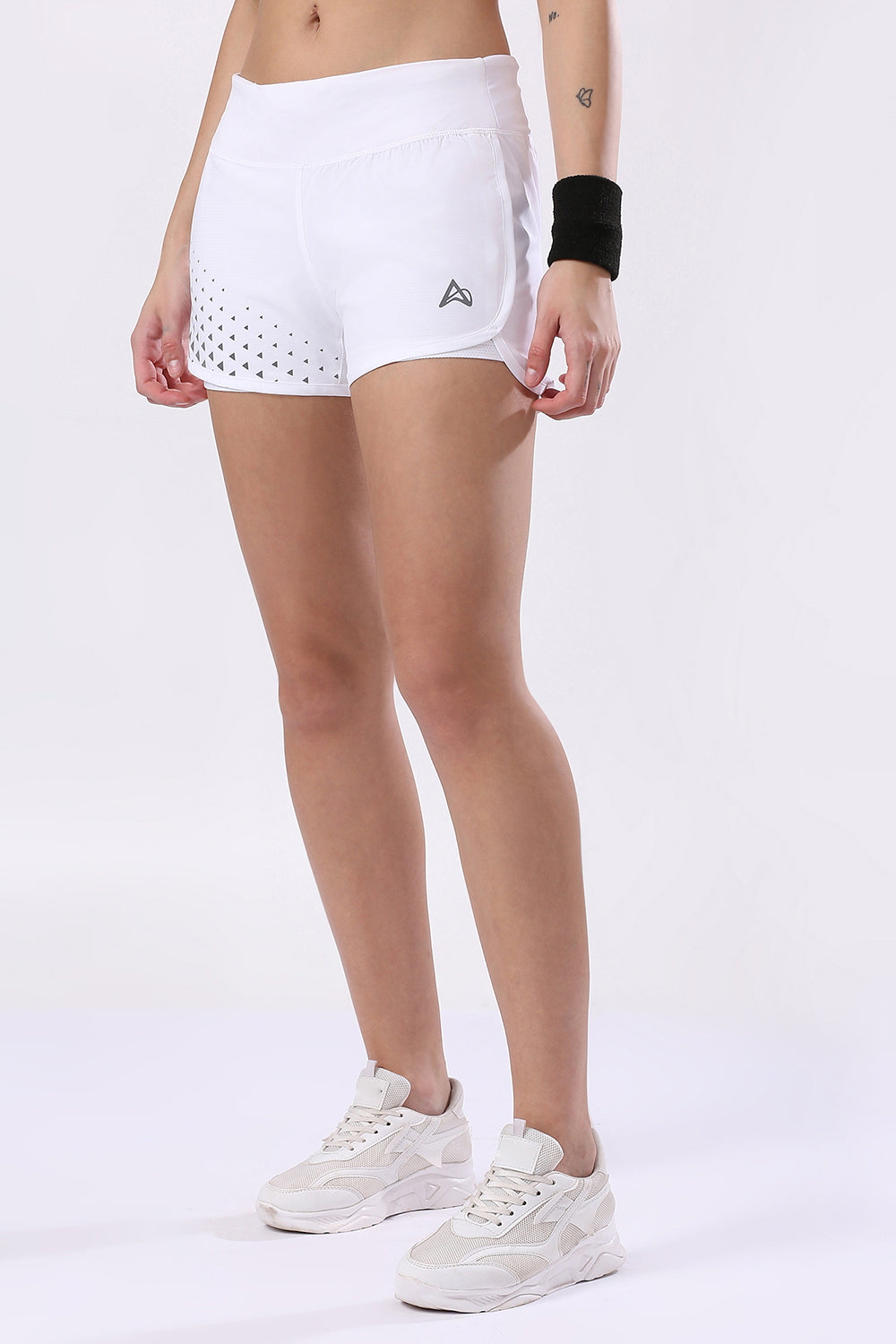
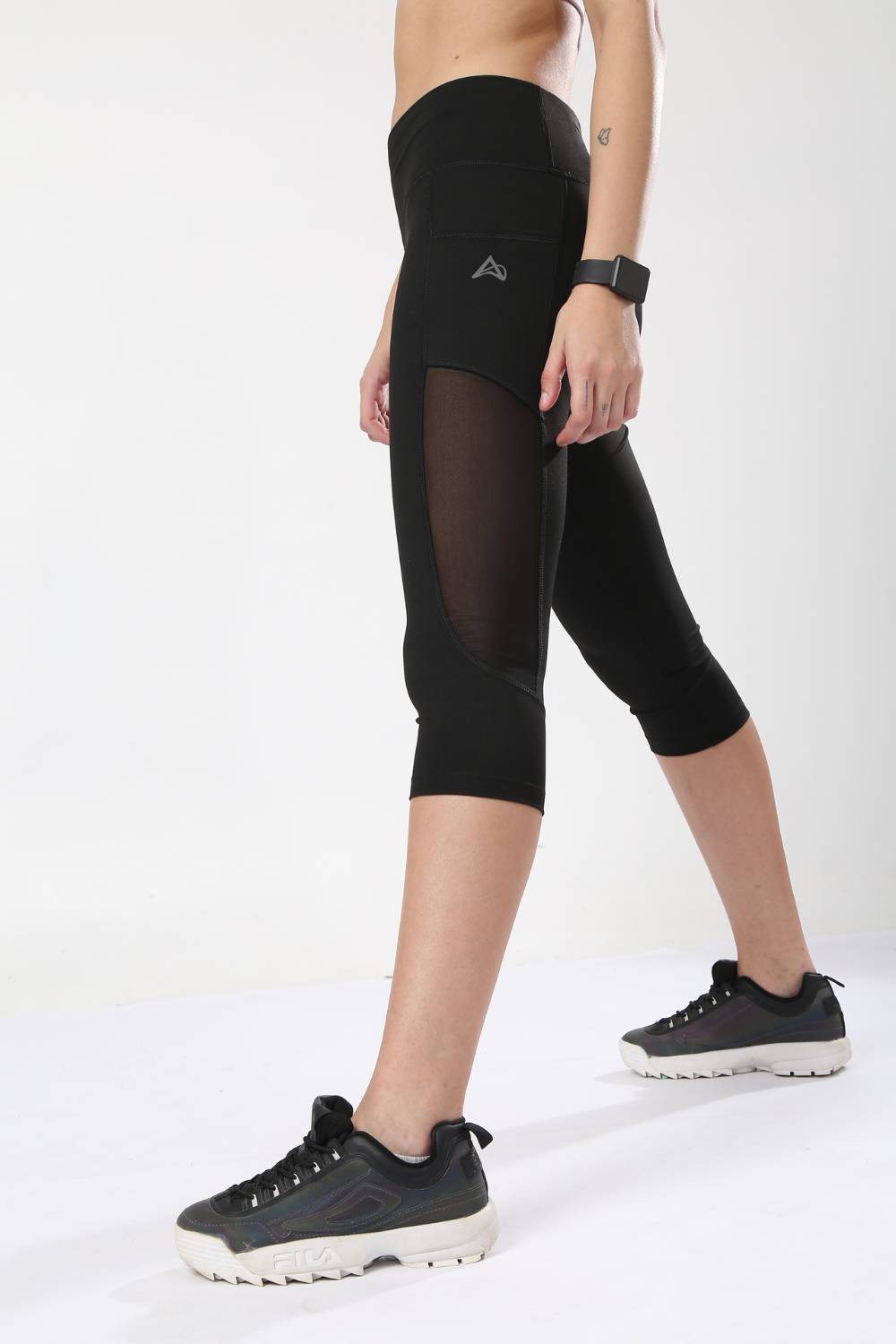
Ventilation features such as breathable panels or mesh sections are commonly used in performance running wear because they improve airflow in areas where heat and moisture often build up. The goal is not just to make clothing feel lighter but to create a better balance between protection, comfort, and movement.
Runners training in warm or humid environments may benefit from apparel designed with ventilation in mind. A garment that allows better airflow can reduce irritation caused by excessive moisture and help maintain comfort over longer distances.
The right level of breathability also depends on the activity. A short recovery run may have different requirements compared with a long-distance training session. Understanding workout demands helps runners select clothing features that match their personal training routine.
Fit and Flexibility Improve Freedom of Movement
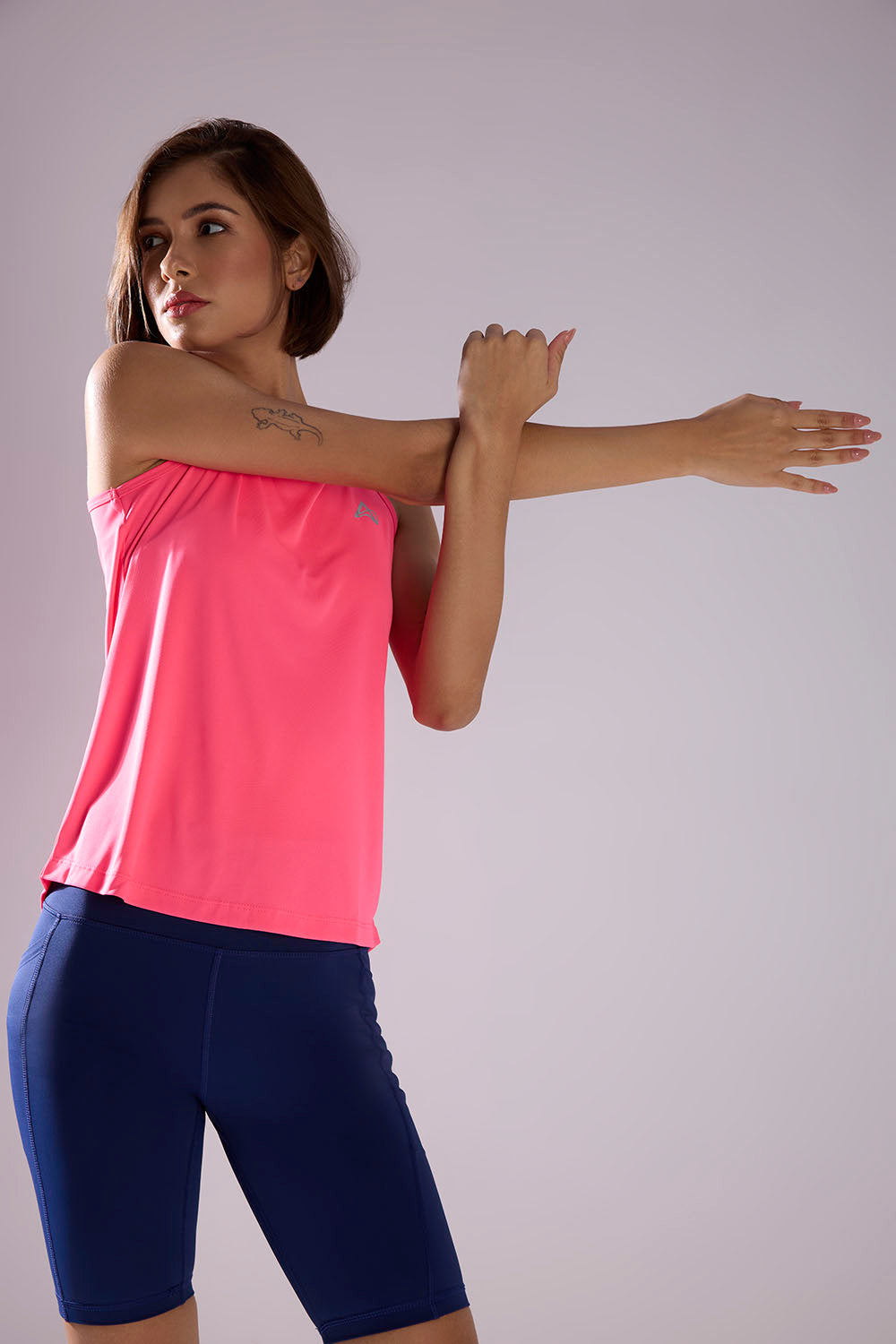
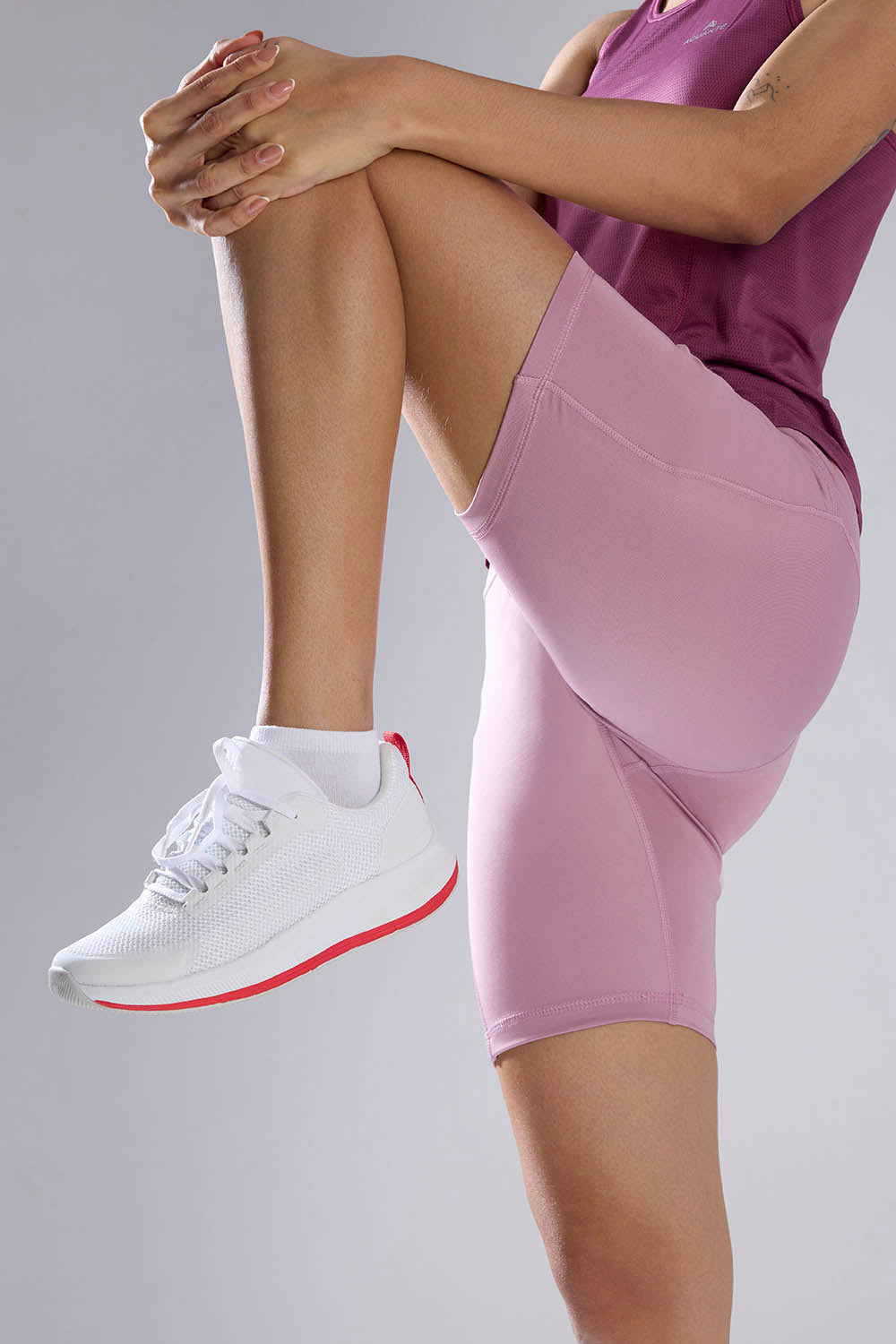
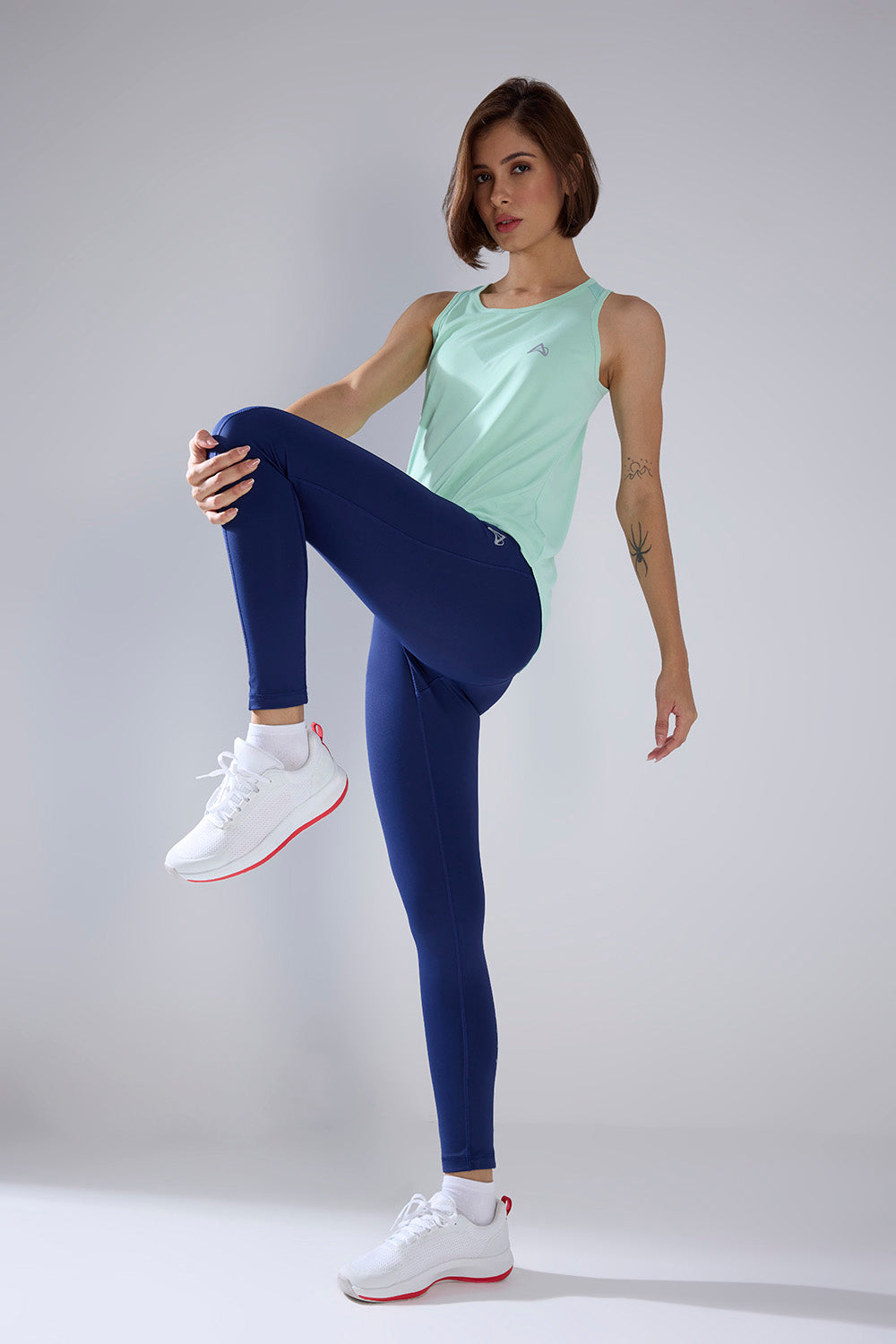
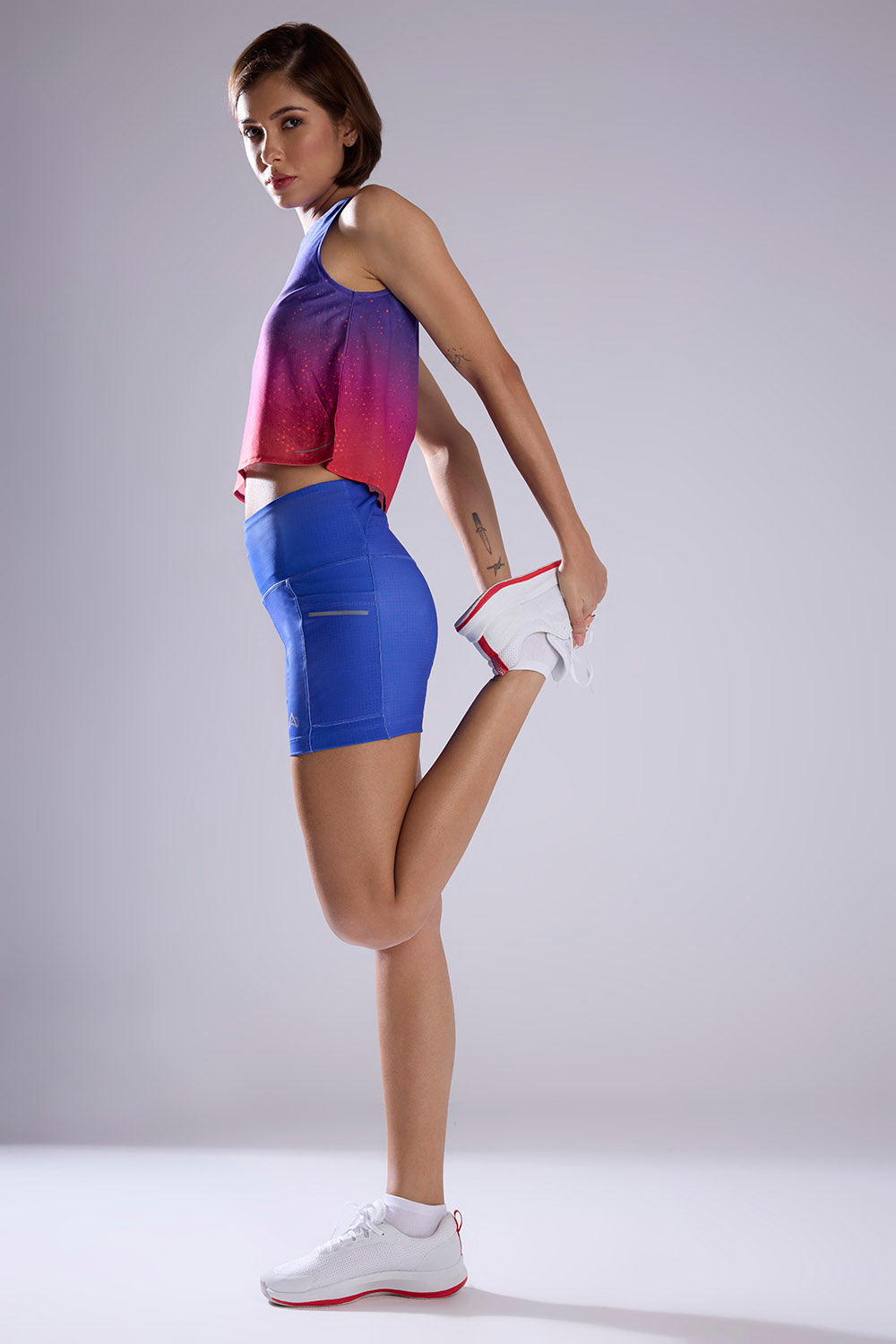
Comfortable running apparel should move with the body rather than work against it. Running involves repeated motion, and even small restrictions can become noticeable over time. A well-considered fit allows natural movement while reducing the likelihood of discomfort caused by excess fabric or limited flexibility.
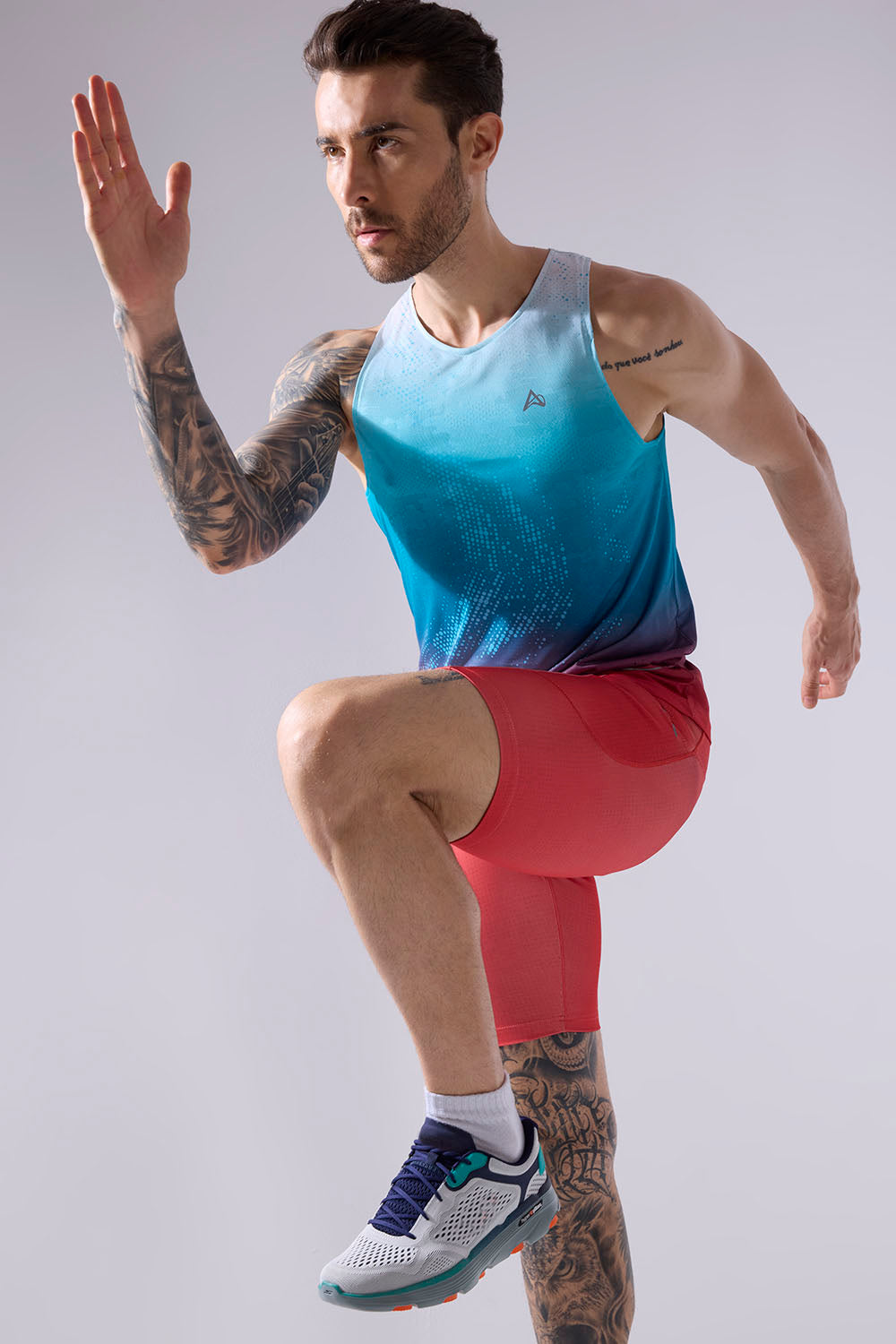
Performance-focused designs often consider how garments interact with common running movements, including stride extension, arm motion, and changes in pace. The objective is to provide enough support and structure while allowing runners to move freely.
Fit is also connected to confidence during training. When clothing stays in place and feels comfortable, runners can focus more fully on their workout instead of adjusting their gear repeatedly.
For athletes comparing features of performance running wear, fit should be considered alongside fabric and ventilation. A technically advanced material will not deliver its full benefit if the garment design does not match the demands of running.
Functional Details Make Everyday Runs Easier
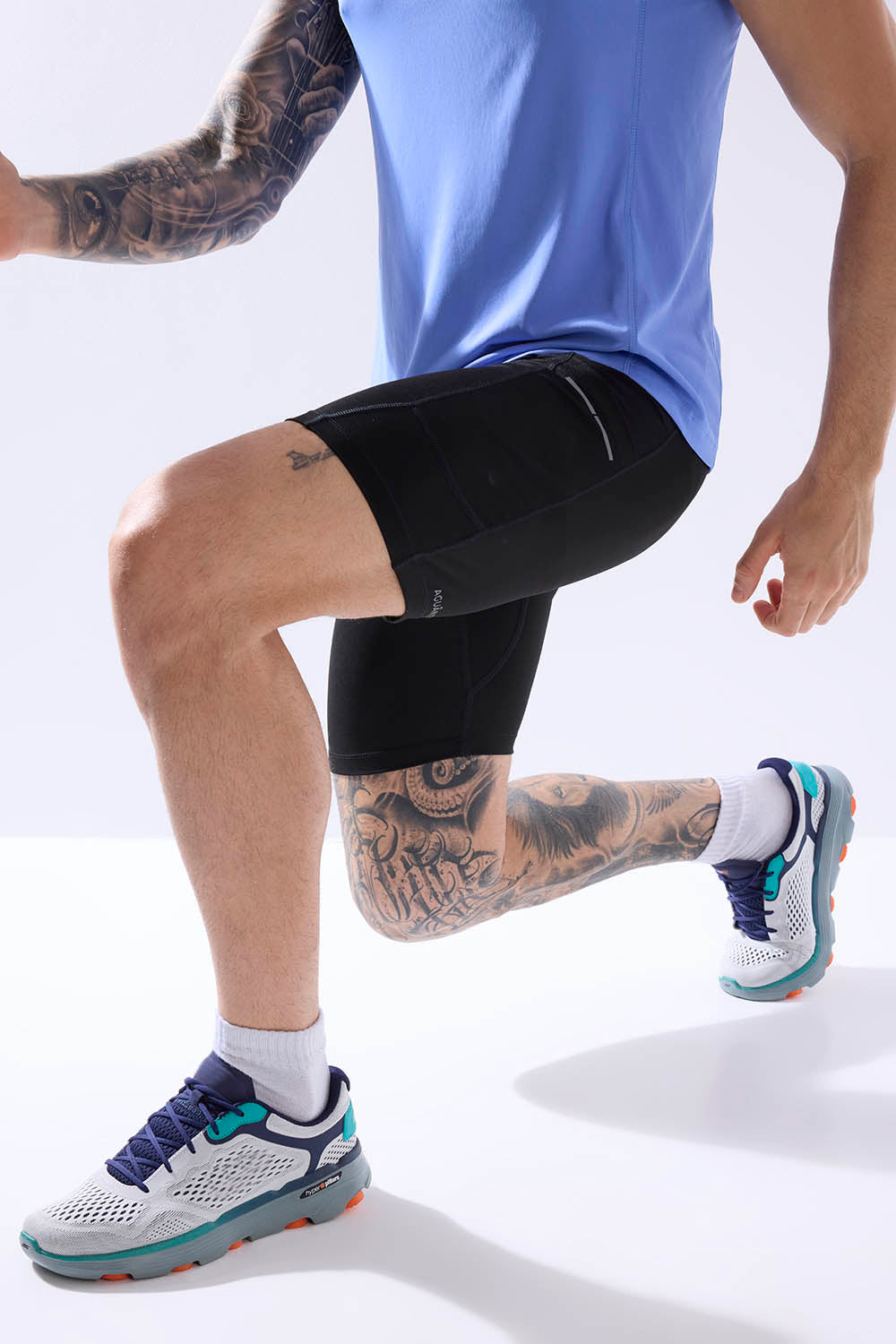
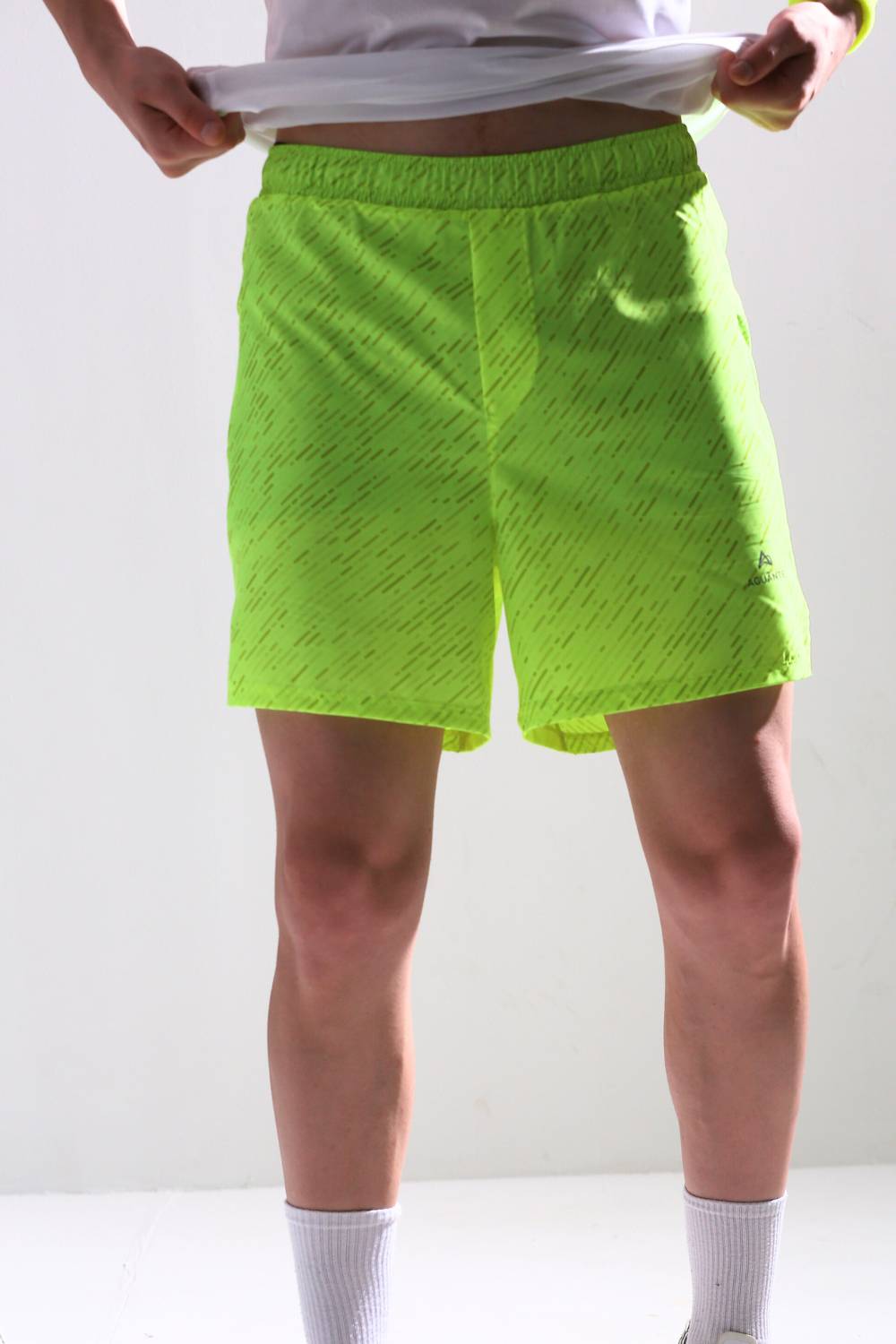
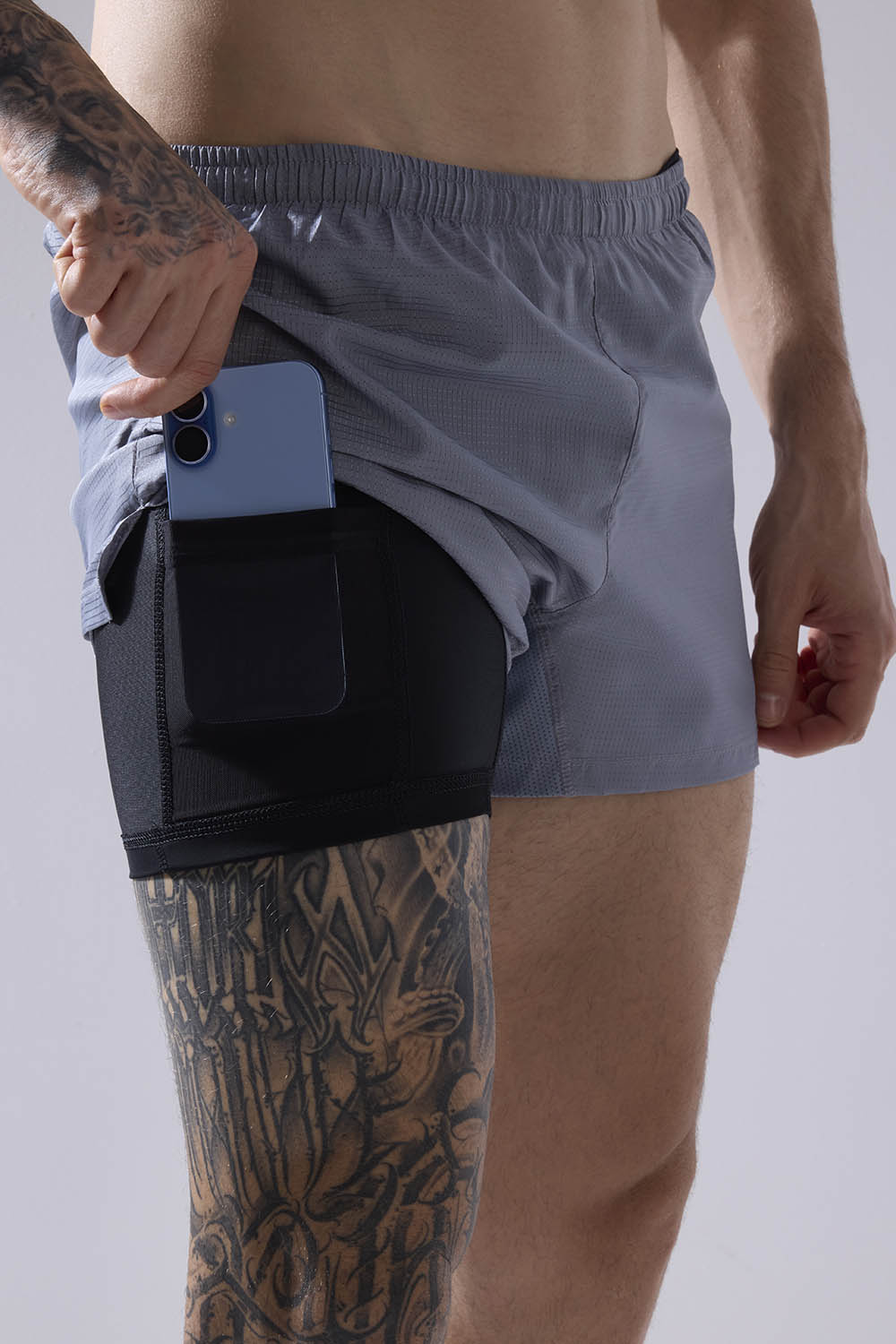
Small design elements can have a significant impact on training comfort. Features such as secure pockets, reflective details, and lightweight construction are examples of how running apparel is built around real runner needs.
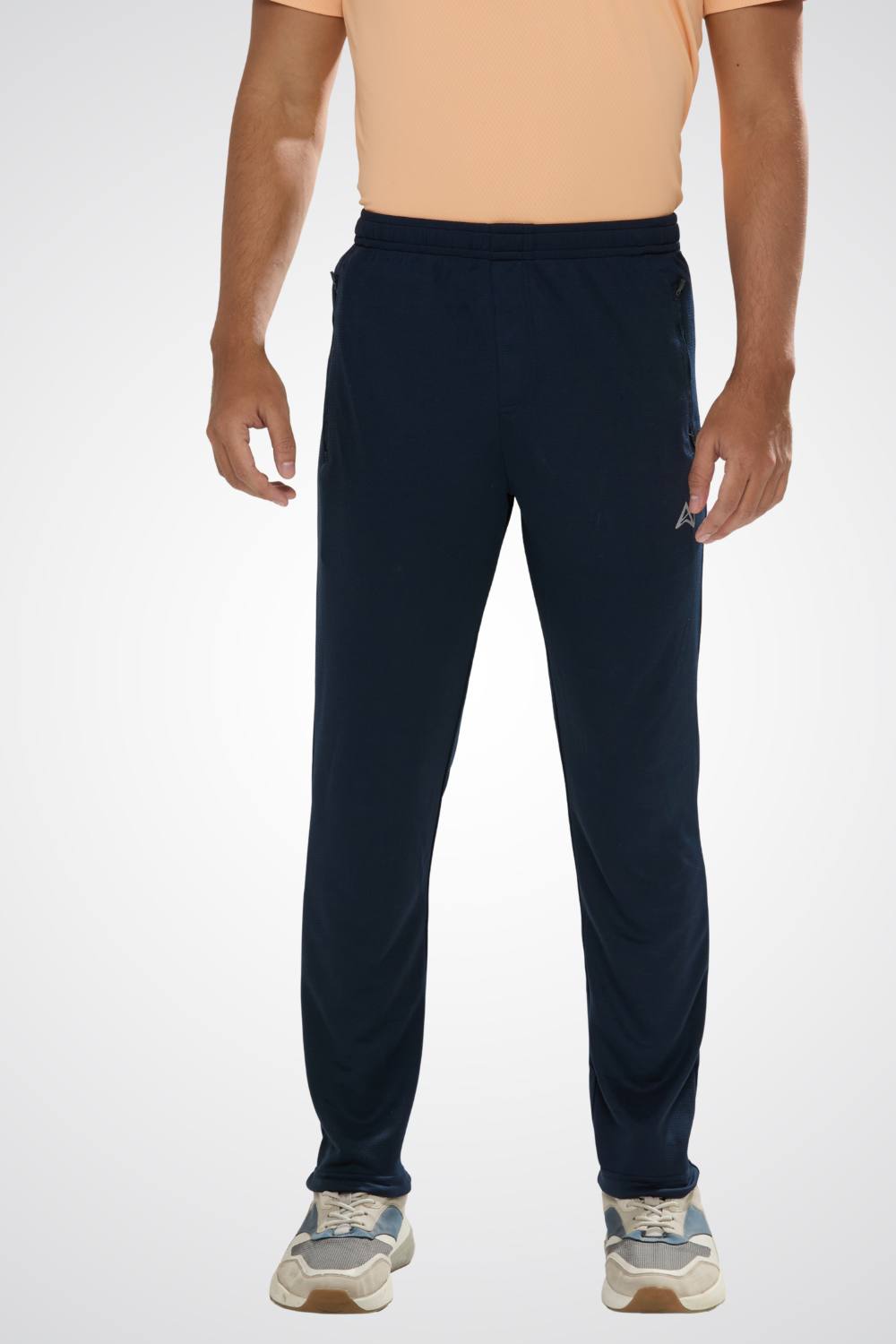
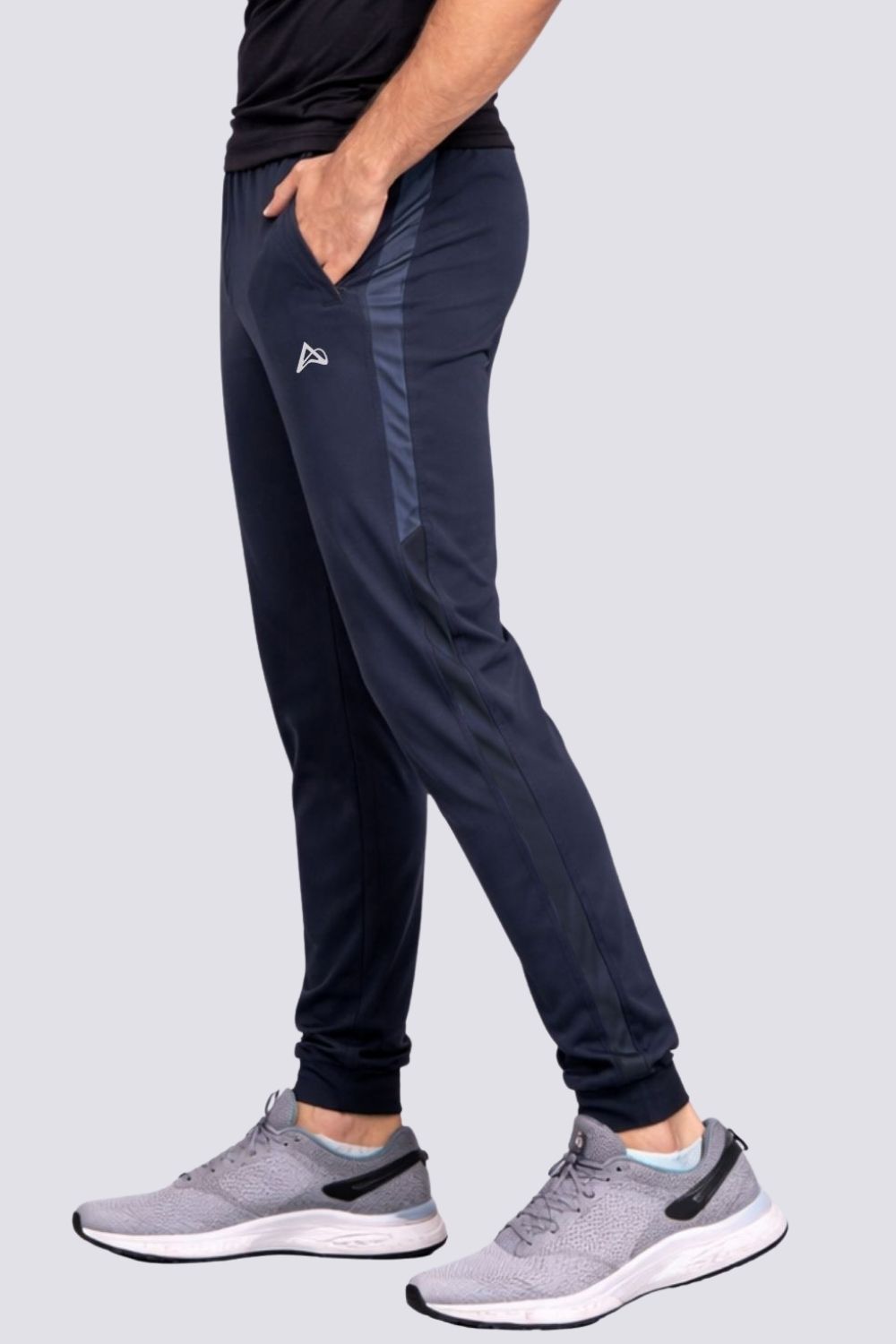
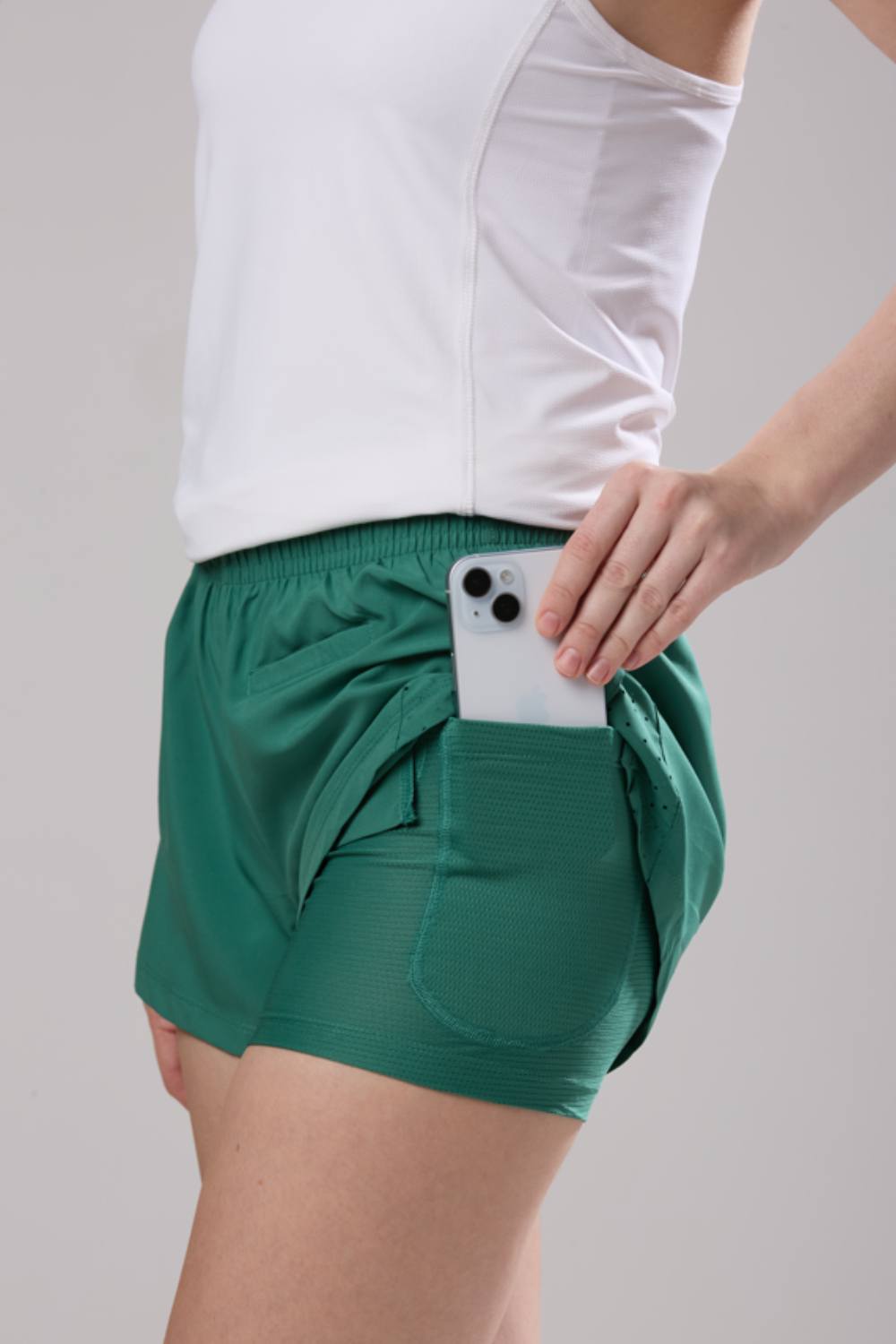
Storage is particularly important for runners who carry essentials such as keys, cards, or small personal items. A secure pocket integrated into running clothing can remove the need for additional accessories that may create movement or comfort issues.
Summer running gear essentials explains that practical features such as sweat-wicking materials, quick-drying construction, breathable mesh, and functional storage can help runners manage common challenges during training. These details become especially valuable when workouts become longer and small discomforts become more noticeable.
Reflective elements can also support visibility considerations when runners train in lower-light conditions. While apparel features cannot replace personal safety practices, thoughtful design can make clothing more suitable for different training environments.
Choosing Running Apparel Based on Your Training Needs
The best running clothing choice depends on the type of training, personal preferences, and environmental conditions. Instead of selecting apparel based only on appearance, runners can evaluate features based on how they support their routine.
- Fabric performance: Look for materials designed to manage moisture and support comfort during movement.
- Ventilation: Consider airflow features that suit warmer training conditions.
- Fit: Choose designs that allow natural movement without unnecessary restriction.
- Storage: Evaluate whether pockets can securely carry essential items.
- Workout purpose: Match apparel features with the intensity and duration of training sessions.
A runner preparing for endurance training may prioritise moisture management and storage, while someone focused on speed sessions may value lightweight construction and unrestricted movement. The right choice depends on how the apparel supports the athlete's individual goals.
How Performance Apparel Supports Better Training Experiences
Running apparel features are ultimately about reducing barriers between athletes and their training. When clothing manages sweat, supports movement, and provides practical functionality, runners can spend less time thinking about discomfort and more time focusing on performance.
For active individuals investing in running gear, understanding these features helps create more informed purchasing decisions. Performance apparel is not only about technical materials; it is about how thoughtful design responds to real training challenges.
Aguante's focus on runner-oriented apparel aligns naturally with this approach by addressing the practical needs that influence comfort during training. By understanding how features such as fabric choice, fit, and functional details affect the running experience, athletes can make choices that better support their everyday sessions.
Comfort during training is created through a combination of design decisions rather than a single feature. From moisture management and breathability to movement-friendly fits and useful details, running apparel can play an important role in helping athletes train with greater confidence and consistency.
Frequently Asked Questions
What running apparel features help improve comfort during training?
Running apparel features such as moisture-wicking fabrics, breathable construction, flexible fits, and secure storage can improve comfort during workouts. These design elements help manage sweat, support movement, and reduce distractions so runners can focus on their training sessions.
How do moisture-wicking running clothes improve the running experience?
Moisture-wicking running apparel helps move sweat away from the skin and spreads it across the fabric surface so it can dry more efficiently. This can reduce the uncomfortable feeling of wet clothing during longer or more intense training sessions.
What should runners look for when choosing comfortable running apparel?
Runners should consider fabric performance, ventilation, fit, flexibility, and practical details such as pockets when choosing comfortable running apparel. The best choice depends on workout type, training duration, and the conditions in which the clothing will be used.
Disclaimer: The above helpful resources content contains personal opinions and experiences. The information provided is for general knowledge and does not constitute professional advice.
You may also be interested in: The Challenges of Training in India's Heat and Humidity for Endurance Runners
Tired of gear that slows you down? Chafing, soggy fabrics, and missing pockets kill your run's momentum. At Aguante, we're runners who get it. Our high-performance activewear features moisture-wicking fabrics, ergonomic designs, and smart storage to keep you focused. Shop Now!
Powered by flareAI.co