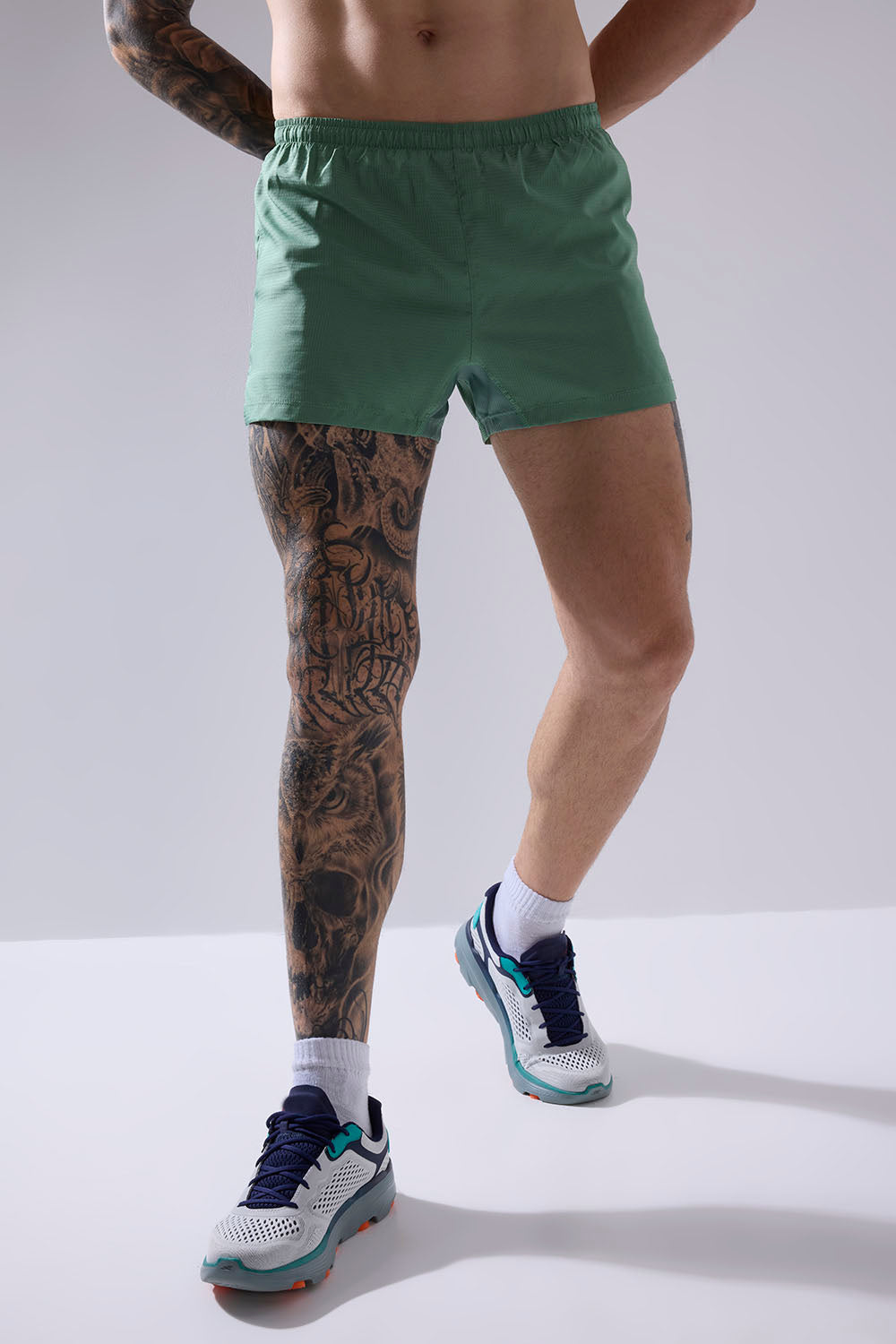
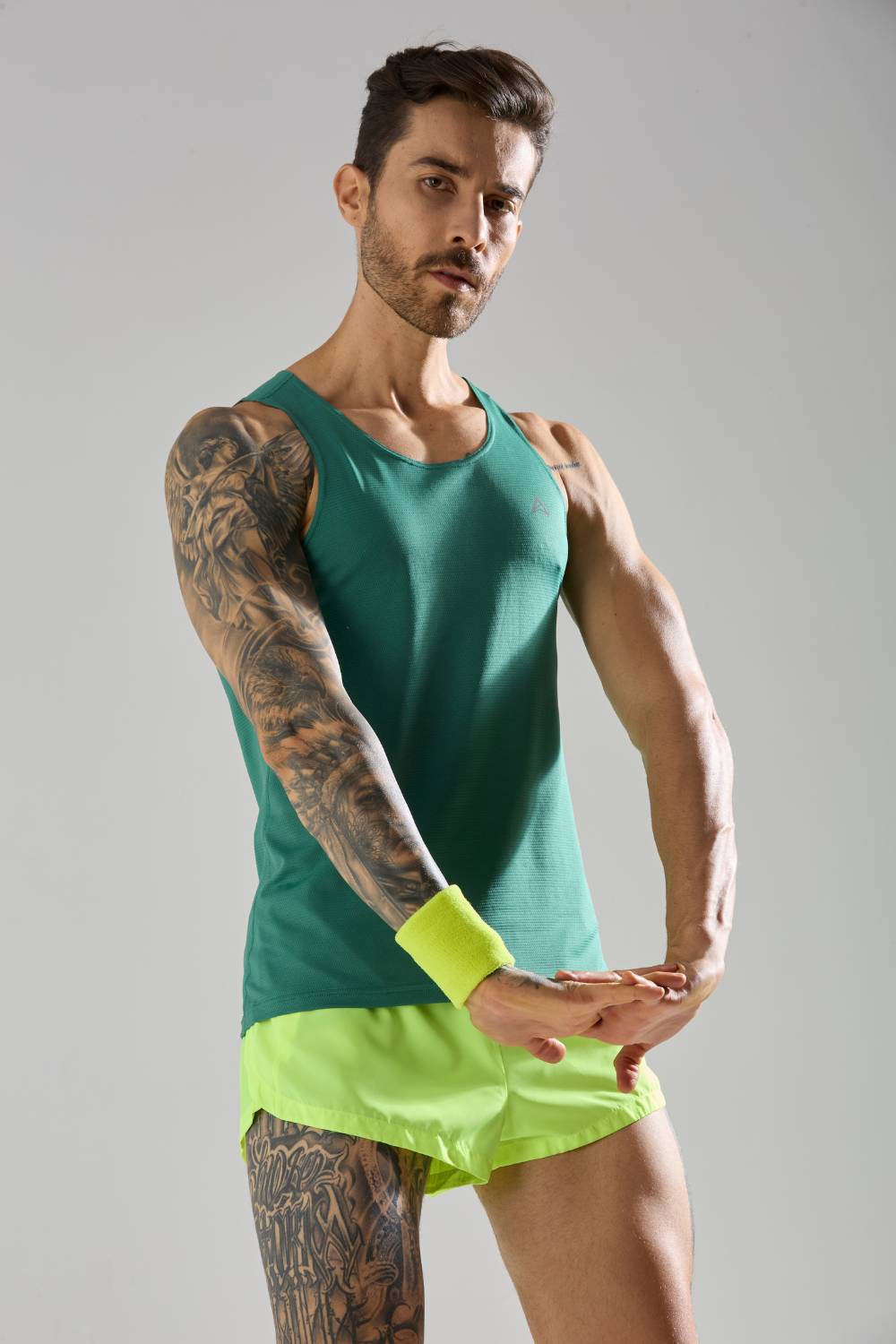
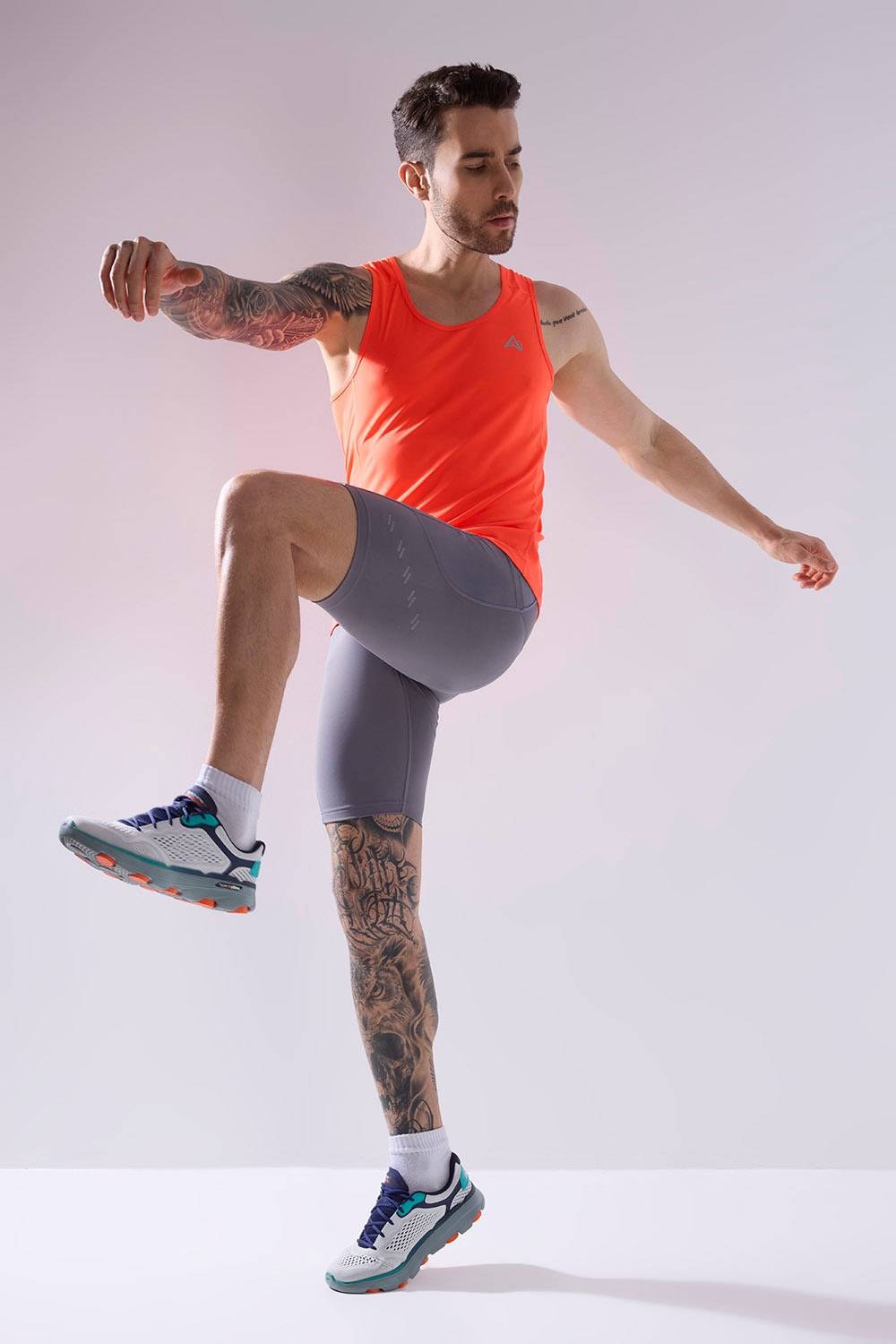
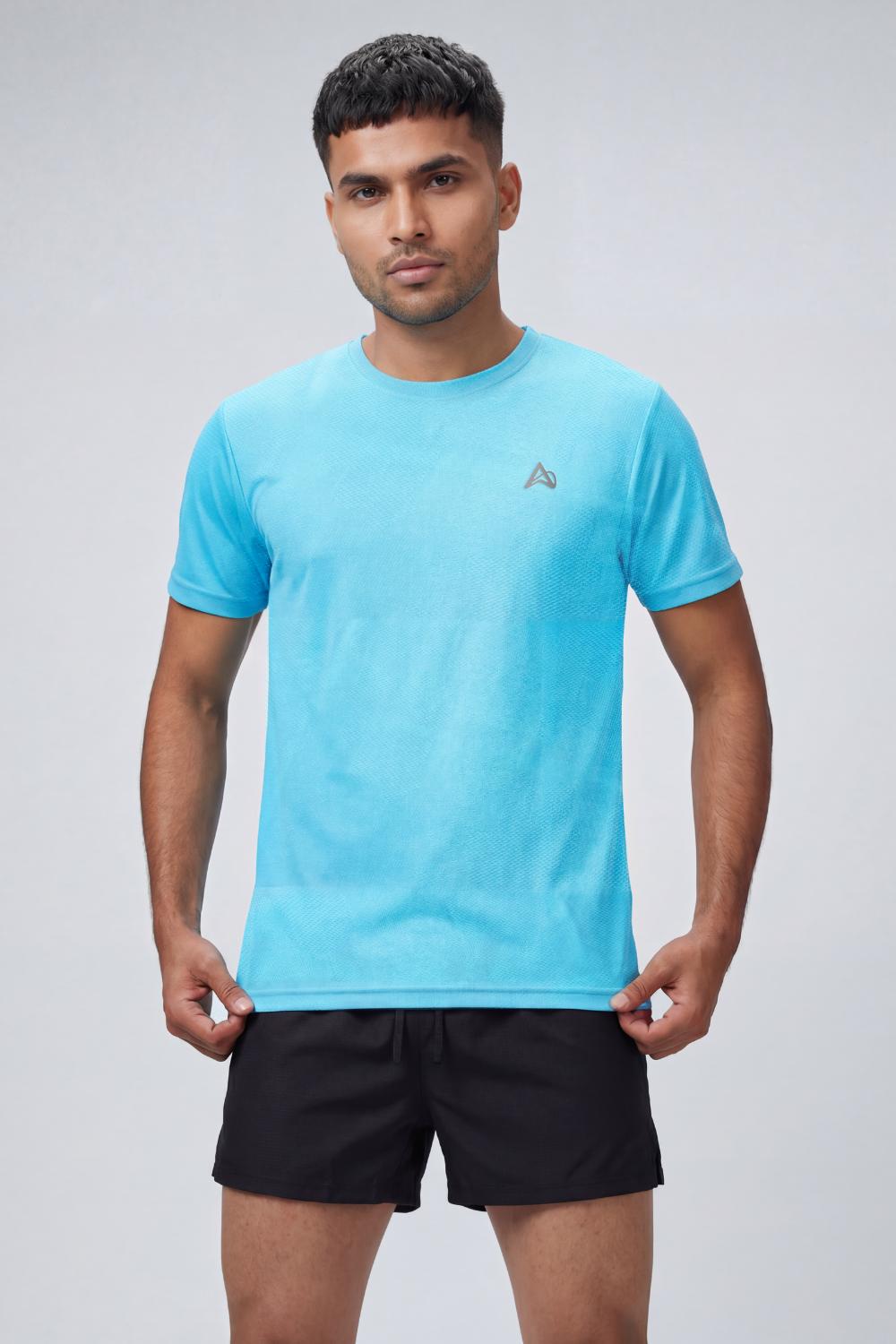
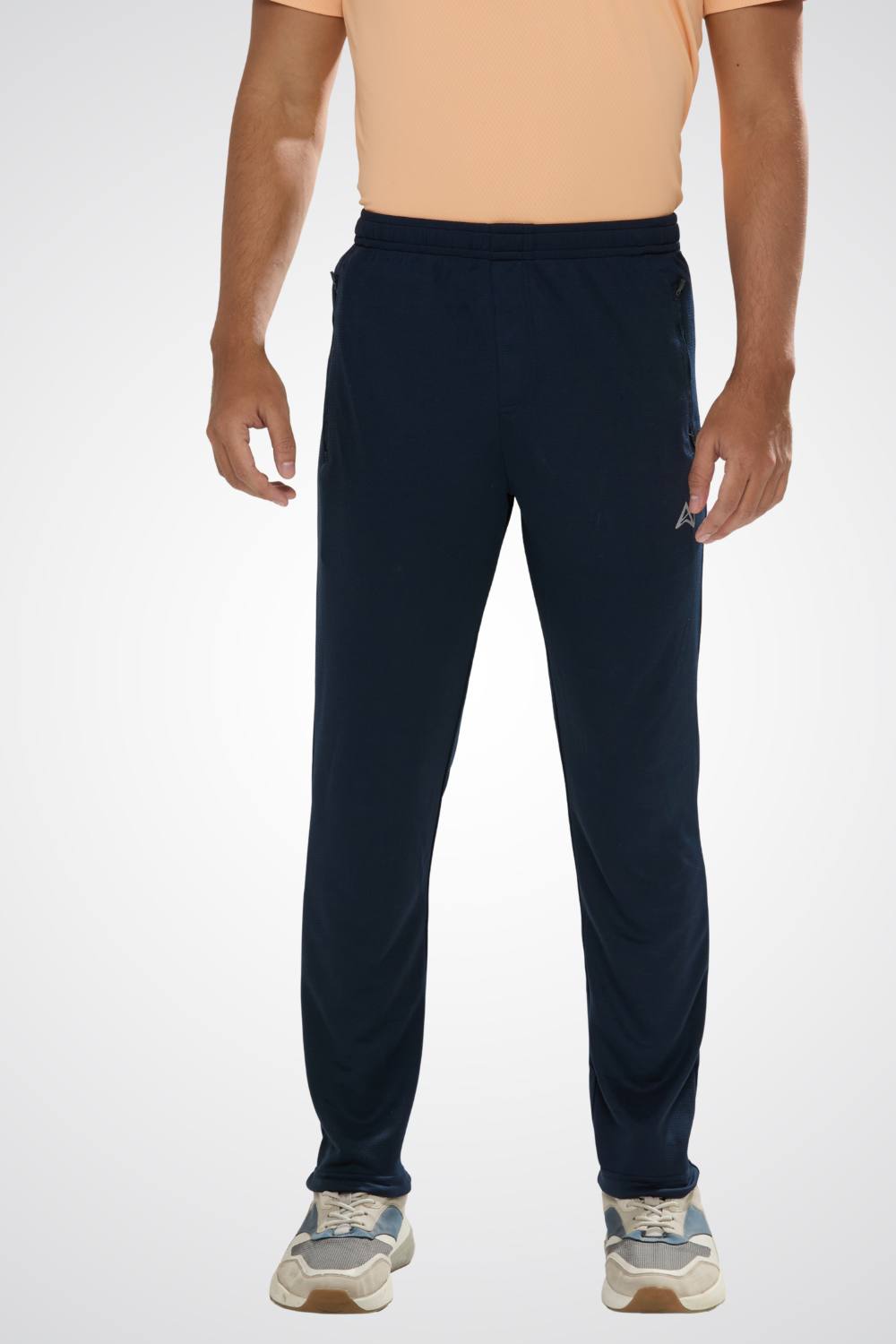
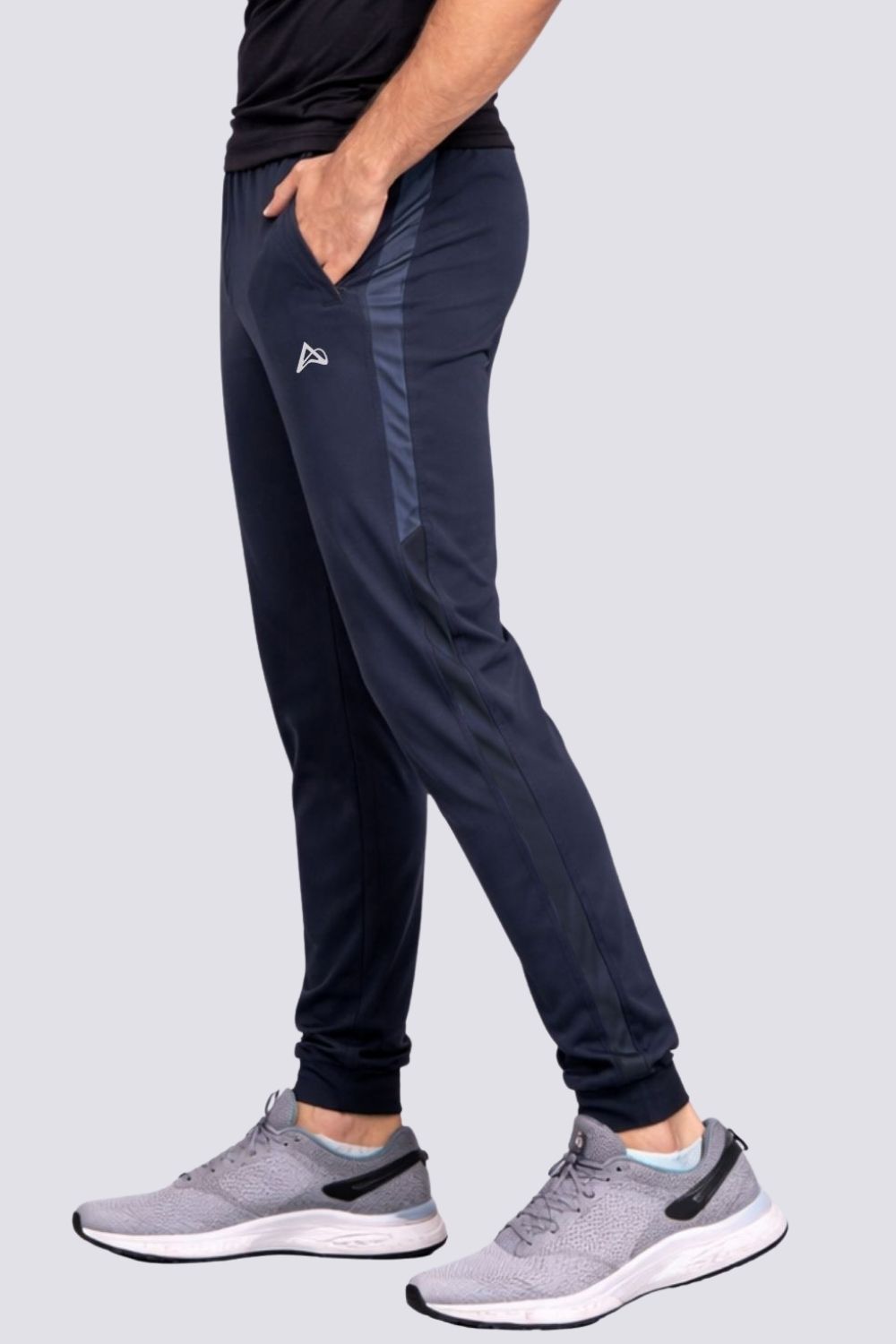
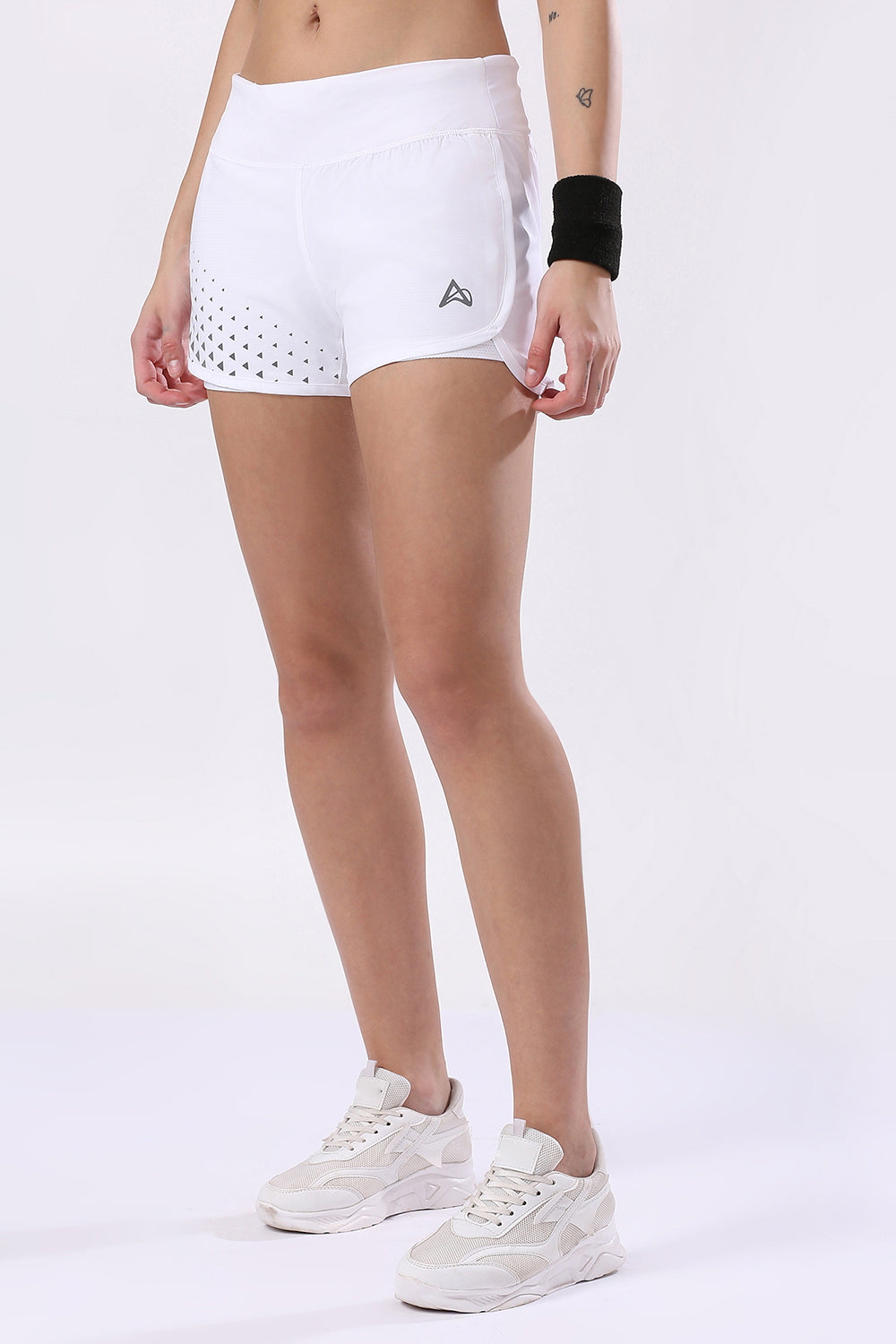
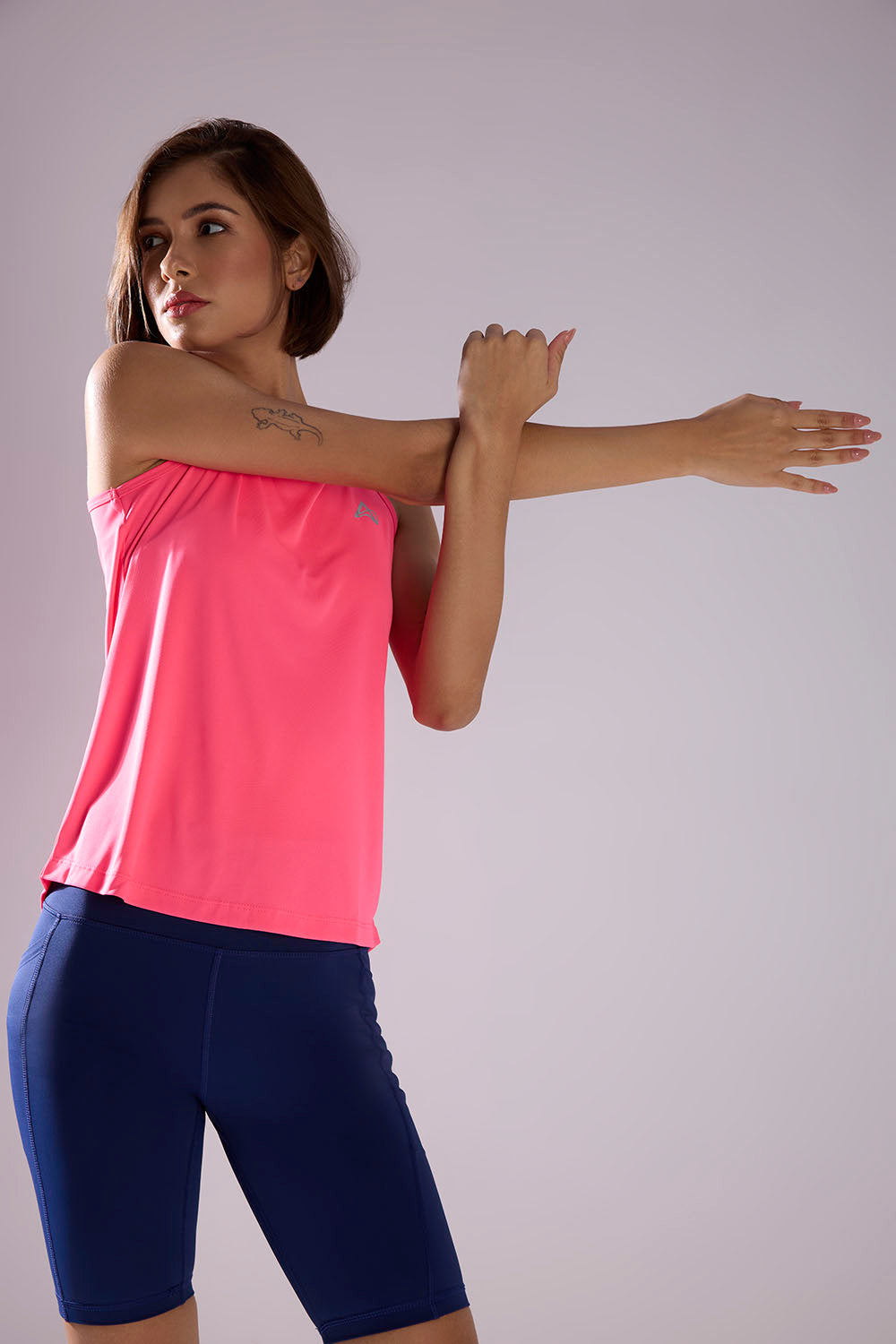
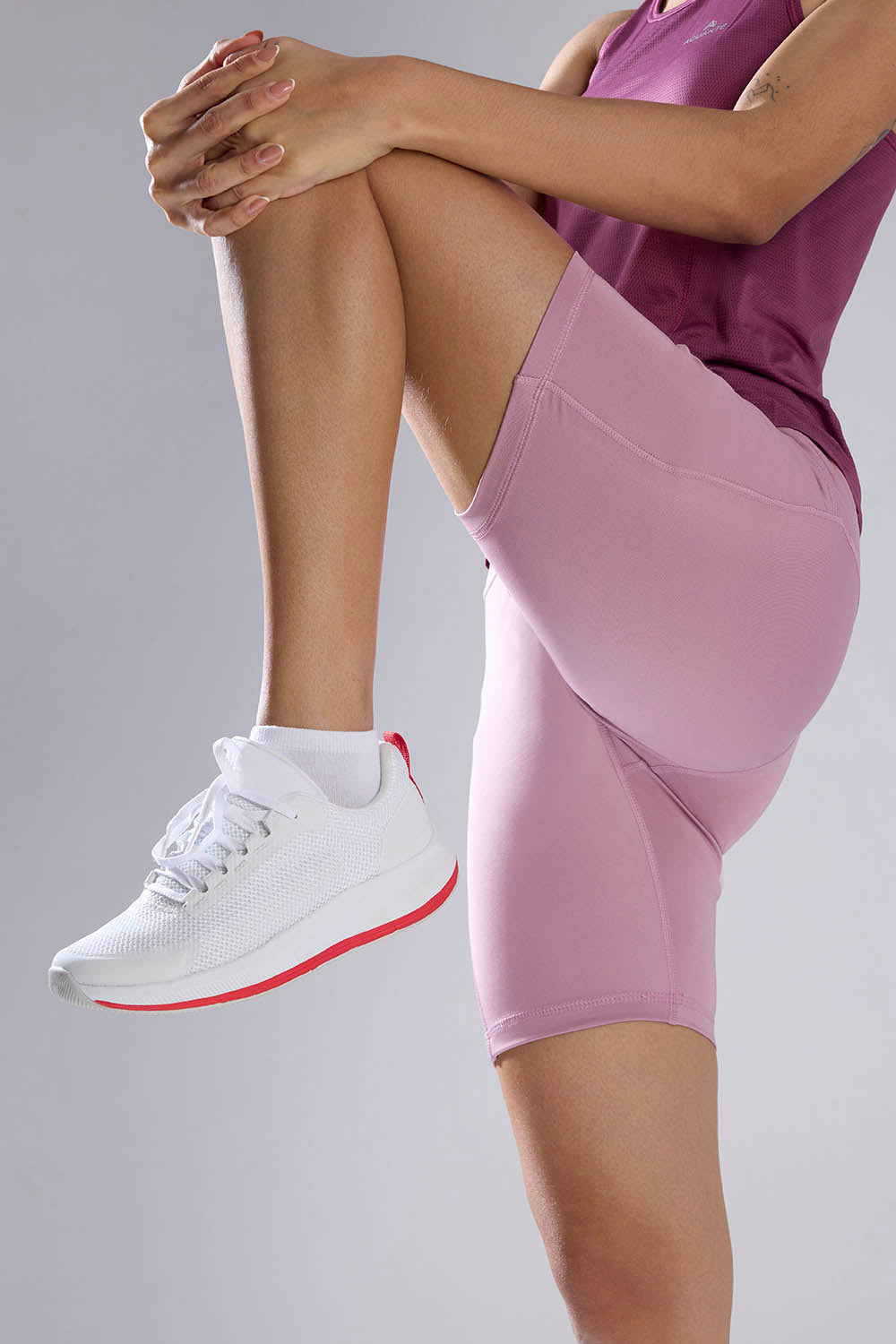
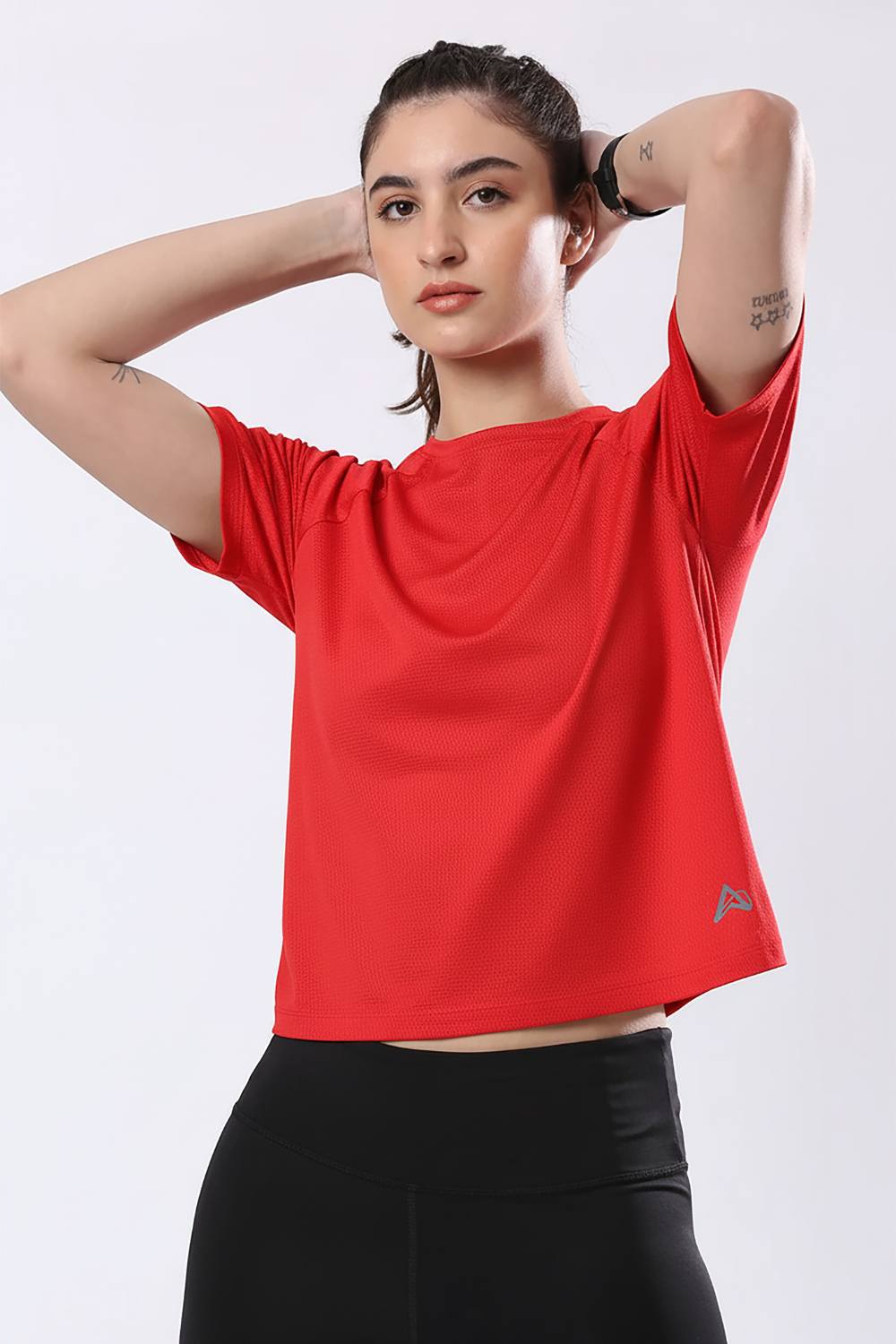
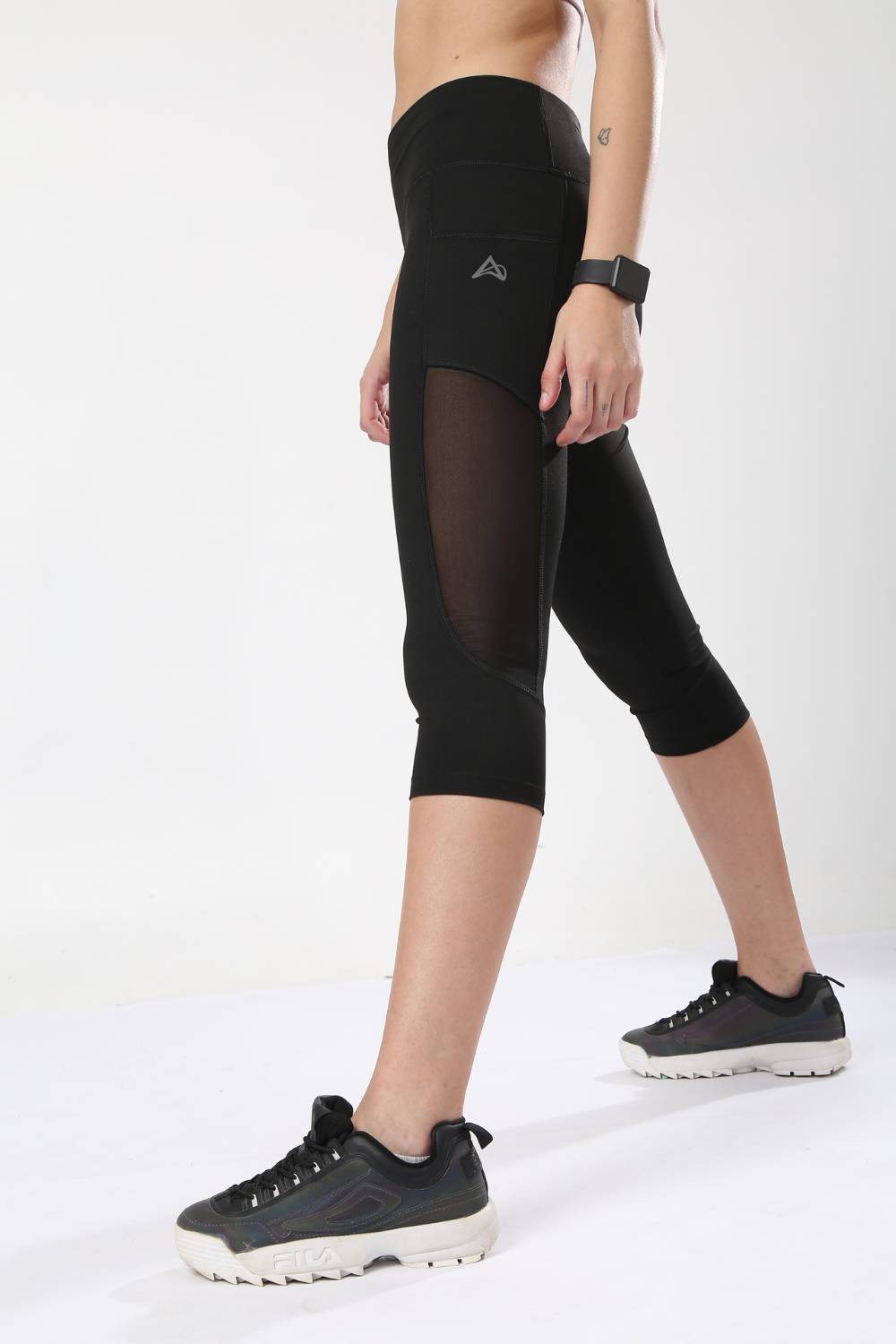
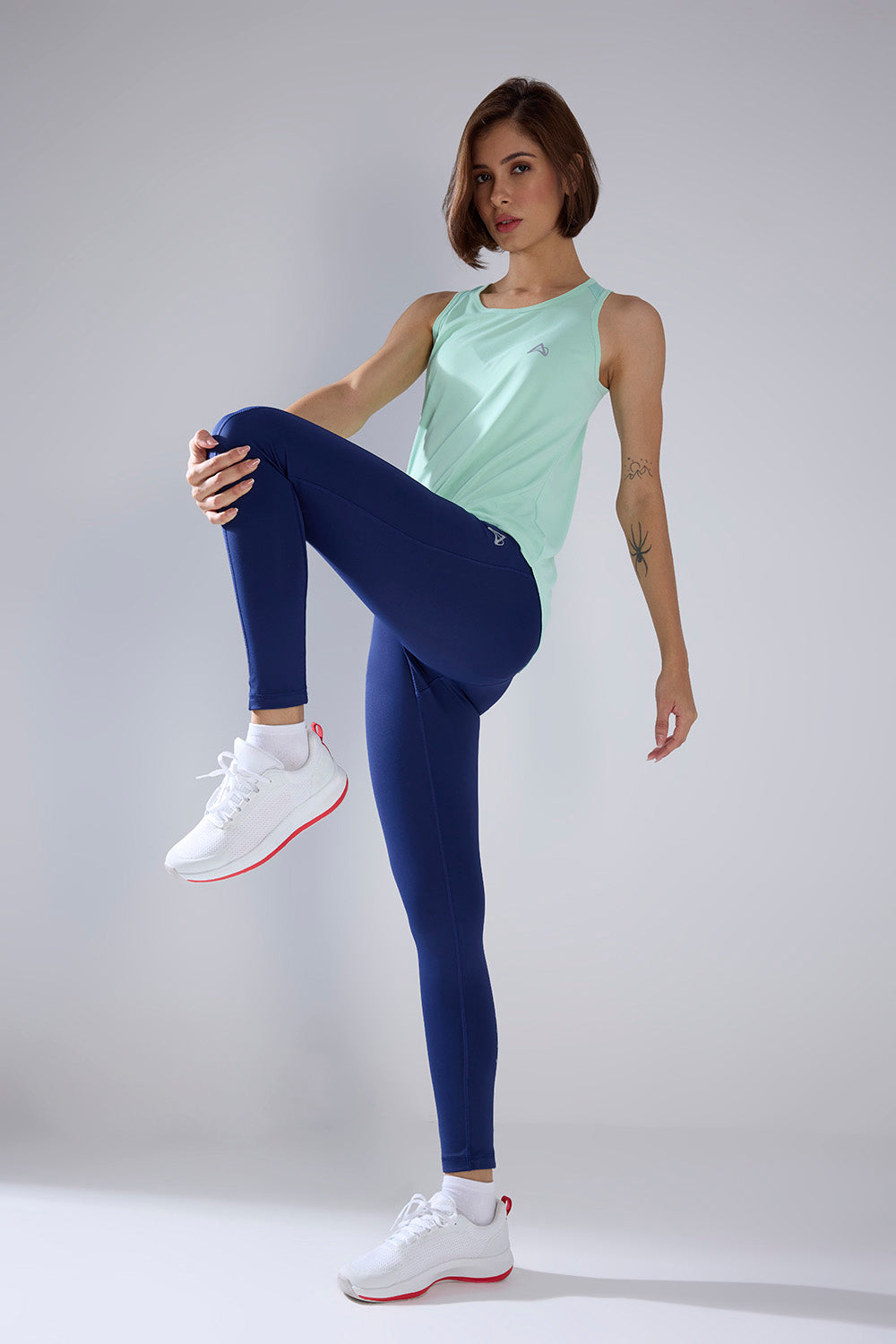



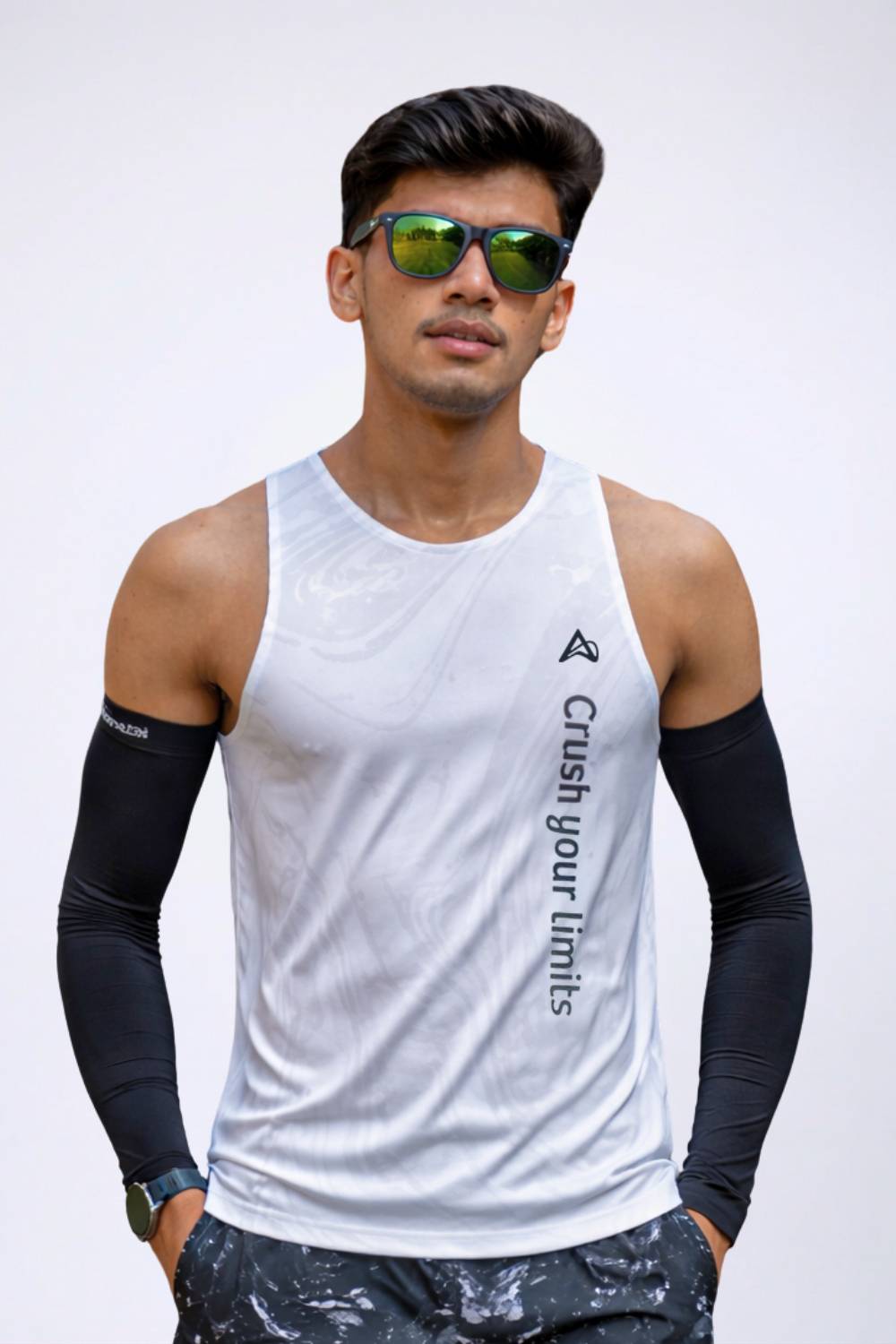

High-performance running shorts have evolved into precision-engineered apparel that transforms basic athletic wear into gear tailored for modern runners. The materials and construction now prioritize rapid moisture transfer, breathability, and durability, directly enhancing comfort and efficiency during runs. Runners no longer settle for generic shorts that slip or chafe; instead, they choose options where every feature works in harmony to support consistent performance mile after mile.
Tired of gear that slows you down? Chafing, soggy fabrics, and missing pockets kill your run's momentum. At Aguante, we're runners who get it. Our high-performance activewear features moisture-wicking fabrics, ergonomic designs, and smart storage to keep you focused. Shop Now!
Fabric Technologies That Drive Performance
The foundation of any high-performance running short starts with the fabric itself. Nylon and polyester dominate because they excel at wicking moisture away from the skin, keeping athletes dry and cool even during intense sessions that push the limits of endurance. These fabrics often include anti-microbial treatments to combat odor, reducing the need for frequent washing and preserving freshness throughout long training days.
Runners in humid conditions, such as those common during summer runs in Bangalore and Hyderabad, appreciate how these synthetics pull heat and sweat away from the body. Proprietary nylon blends incorporate polymers that increase surface area, effectively drawing heat and sweat away from the skin to prevent overheating and discomfort during extended activity. They dry quickly, resist pilling after repeated washing, and maintain shape even after heavy use, making them ideal for serious runners who demand gear that performs consistently.
In practice, this means fewer interruptions for hydration stops or equipment adjustments, allowing athletes to focus on pace and terrain. The lightweight construction reduces added weight on the legs, contributing to less fatigue while still providing enough stretch to accommodate natural stride variations without slipping or riding up.
The materials used in high-performance running shorts have evolved to prioritize rapid moisture transfer, breathability, and durability in ways that directly enhance running economy and comfort. Proprietary nylon blends incorporate polymers that increase surface area, effectively drawing heat and sweat away from the skin to prevent overheating and discomfort during extended activity. These fabrics dry quickly, resist pilling after repeated washing, and maintain shape even after heavy use, making them ideal for serious runners who demand gear that performs consistently mile after mile. The lightweight construction reduces added weight on the legs, contributing to less fatigue while still providing enough stretch to accommodate natural stride variations without slipping or riding up. In practice, this means fewer interruptions for hydration stops or equipment adjustments, allowing athletes to focus on pace and terrain.
Runners report that such technical fabrics also offer better UV protection and odor resistance, extending the time between washes and reducing laundry burden. When selecting shorts, the balance of these properties becomes critical: overly heavy synthetics can hinder speed, while insufficient wicking leads to chafing and distractions. High-performance options succeed by combining these elements into a cohesive system that supports prolonged efforts, whether racing a half marathon or logging weekend training miles. The result is gear that feels invisible during runs, empowering runners to train harder and recover faster with the confidence that the shorts will keep pace with their efforts.
Moisture-wicking and Breathable Design for All-day Comfort
Breathability and moisture-wicking form the core of effective running shorts. Mesh side panels and open-weave liners allow maximum airflow, preventing the buildup of sweat that leads to discomfort and distraction. These features ensure the shorts stay cool and dry, even after hours of continuous effort on trails or city roads.
Advanced wicking fabrics transfer sweat away from the skin at a molecular level, keeping the runner comfortable from the start of a run to the finish. This technology is especially valuable in the Indian climate, where humidity can turn a simple workout into a challenge. Runners report that such technical fabrics also offer better UV protection and odor resistance, extending the time between washes and reducing laundry burden.
When selecting shorts, the balance of these properties becomes critical: overly heavy synthetics can hinder speed, while insufficient wicking leads to chafing and distractions. High-performance options succeed by combining these elements into a cohesive system that supports prolonged efforts, whether racing a half marathon or logging weekend training miles.
Customized Fit Through Strategic Inseam Lengths
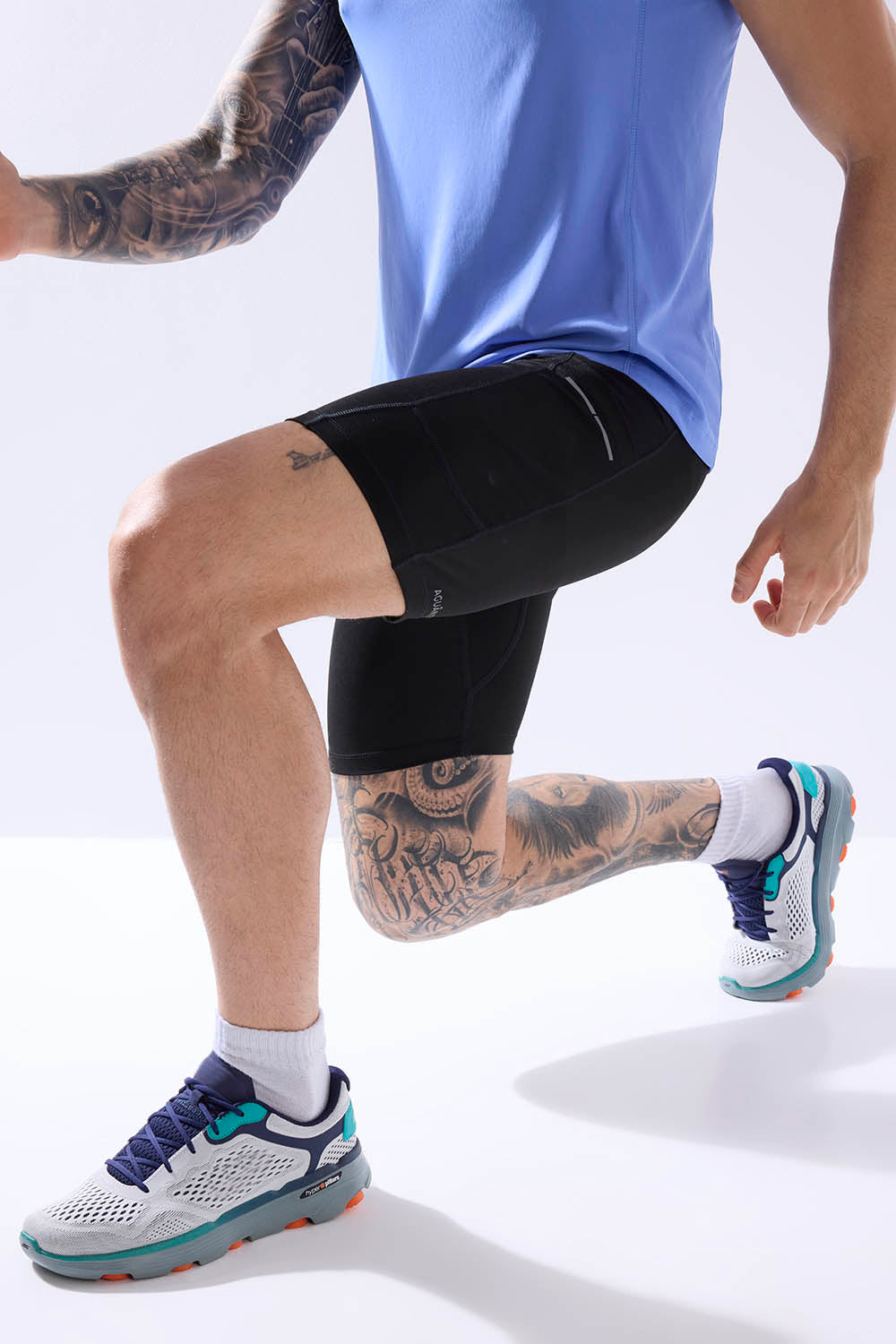
Inseam length is not arbitrary; it is engineered for specific activities and personal preferences. Standard options range from four to ten inches, allowing runners to choose the amount of leg coverage that feels most comfortable during strides. Shorter inseams reduce fabric bulk that can cause tripping or added drag, while longer styles provide modesty without compromising mobility.
Many premium running shorts now feature adjustable or modular designs, including convertible options that let users transition seamlessly between running and casual wear. This versatility appeals to athletes who train across multiple disciplines and need one reliable pair of shorts to handle everything from early-morning sprints to evening recovery runs.
Liners and Support Systems for Secure, Chafe-free Runs
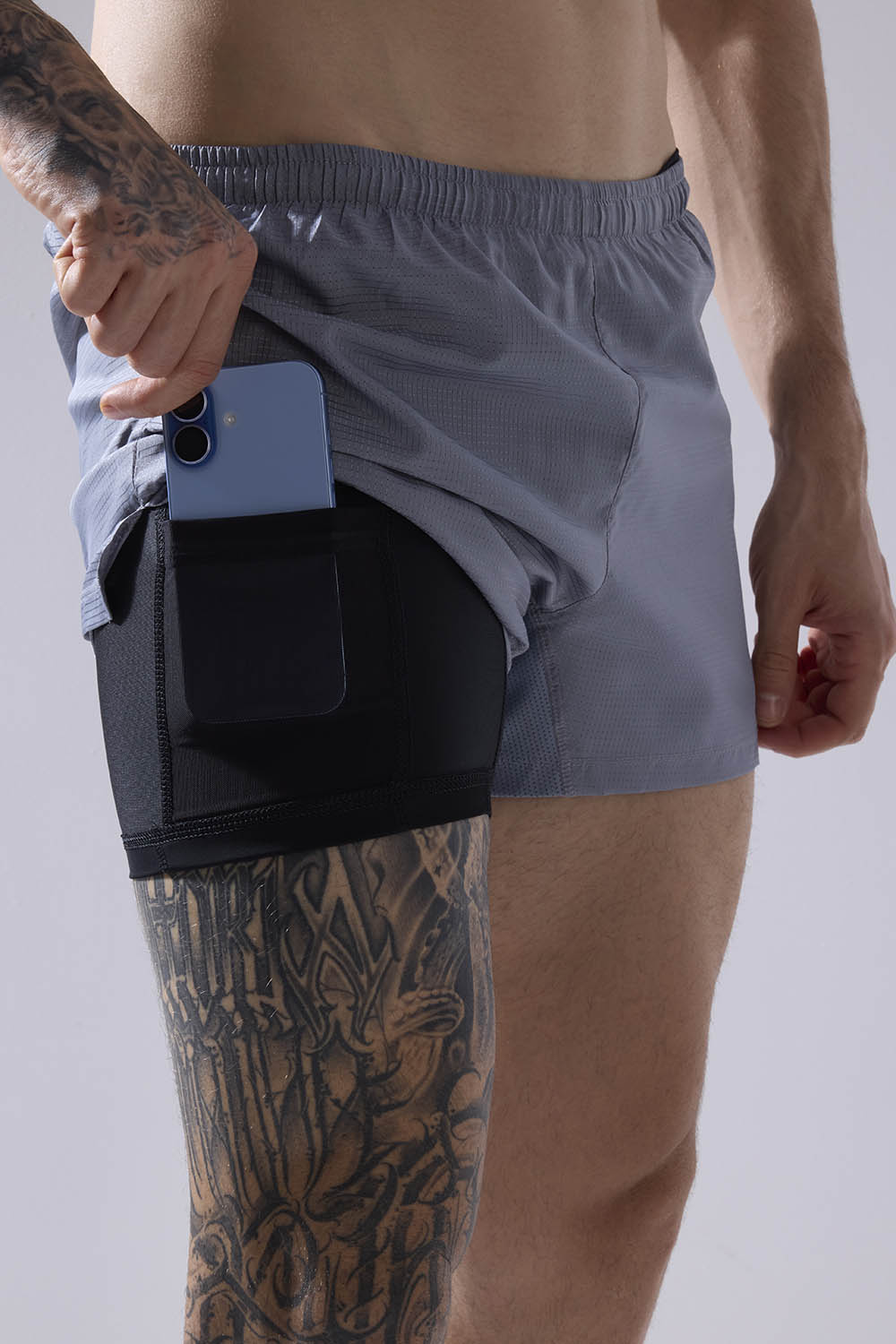
Built-in liners have become a standard feature in high-performance running shorts, delivering support and security while decreasing the chances of chafing and irritation. The fabric in these liners mirrors the outer shell, using mesh or open-weave materials for maximum breathability. When a liner is present, it provides an extra layer of protection that keeps everything in place, even during high-impact strides.
Zippers in the liner pockets add another layer of security, ensuring essentials stay secure without bouncing or shifting. Runners appreciate how this combination eliminates the need for separate underwear or external pockets that can become unreliable mid-run. The result is gear that feels invisible during runs, empowering athletes to train harder and recover faster with the confidence that the shorts will keep pace with their efforts.
The latest experiential marketing trends emphasize interactive and immersive experiences. Brands are now focusing on running shorts technical features to engage audiences, providing detailed strategies for creating memorable activations and boosting brand loyalty. The approach includes leveraging technology, interactivity, and multi-sensory engagement to elevate attendee experiences beyond traditional events.
Intelligent Pockets Built for Real Running Needs
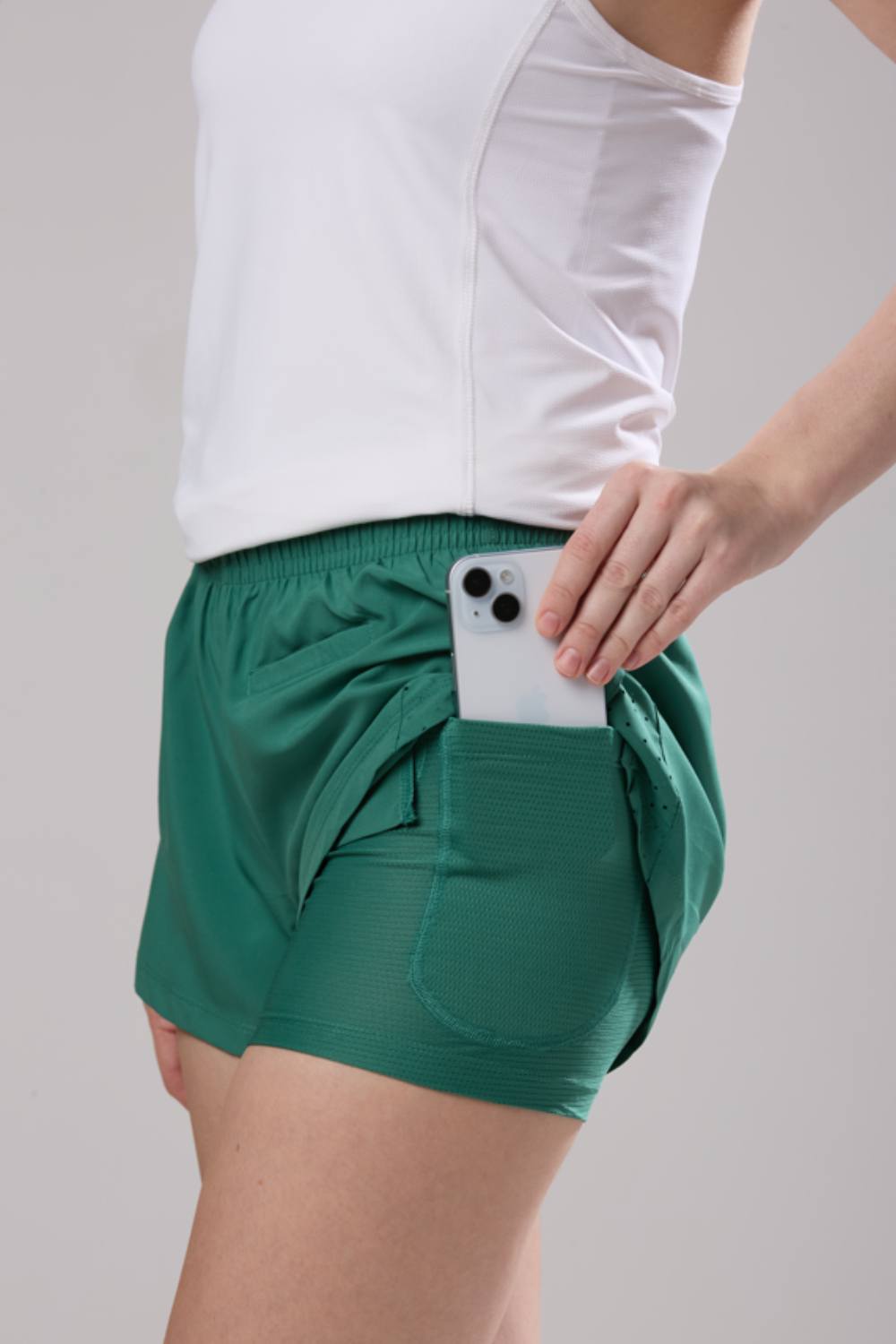
Storage solutions have reached new levels of practicality. Pockets are strategically positioned for easy access and often zippered to keep contents in place during runs. Mesh media pockets and dedicated stash pockets accommodate phones, keys, and small items without adding bulk, while also offering a secure, zippered closure to prevent items from escaping.
These features address a common frustration in urban running environments, where runners frequently need quick access to their devices or essentials while maintaining focus on the path ahead. The pockets themselves are engineered to minimize bounce and provide just enough room for essentials without compromising the short's lightweight profile.
Reflective Details and Visibility Enhancements
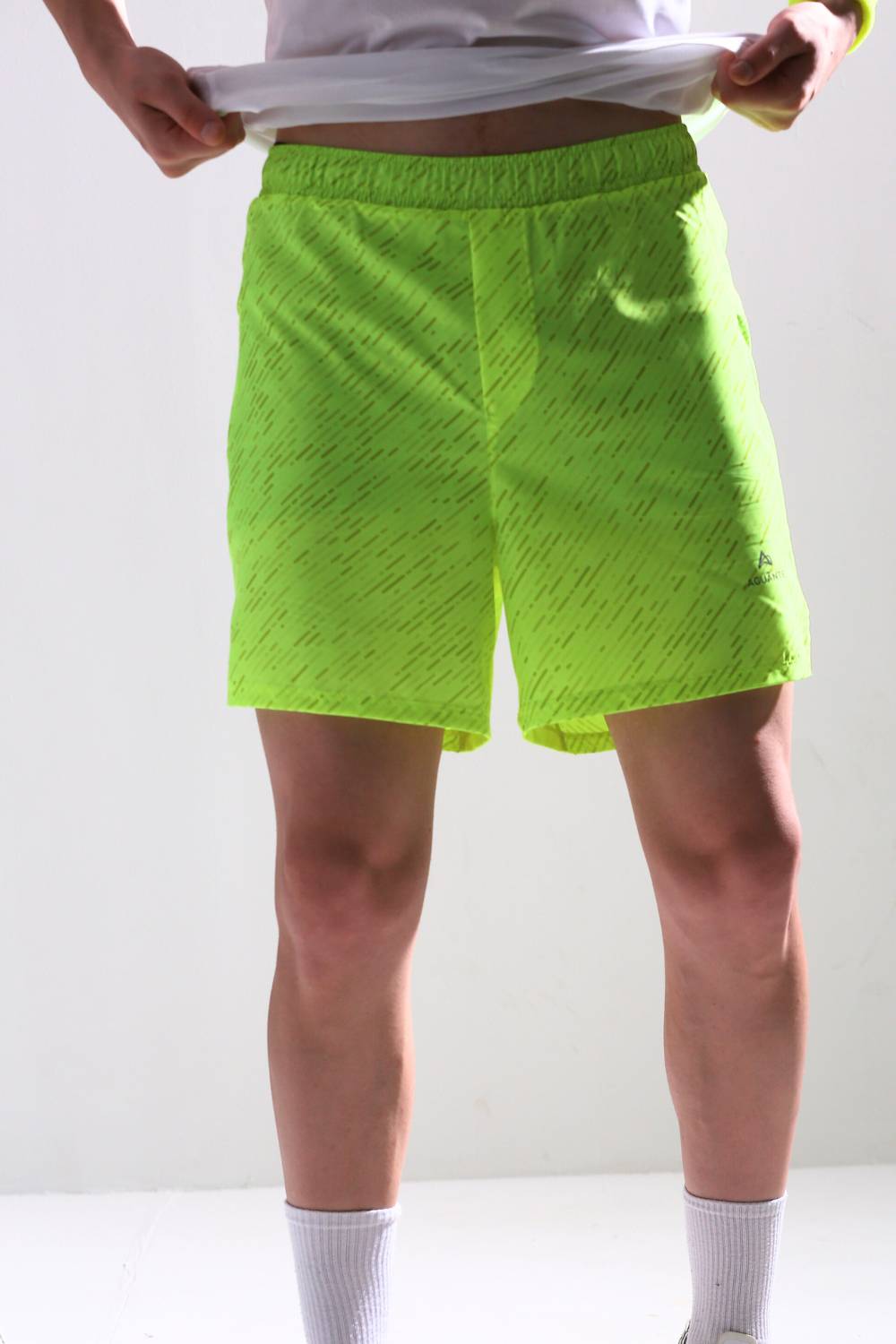
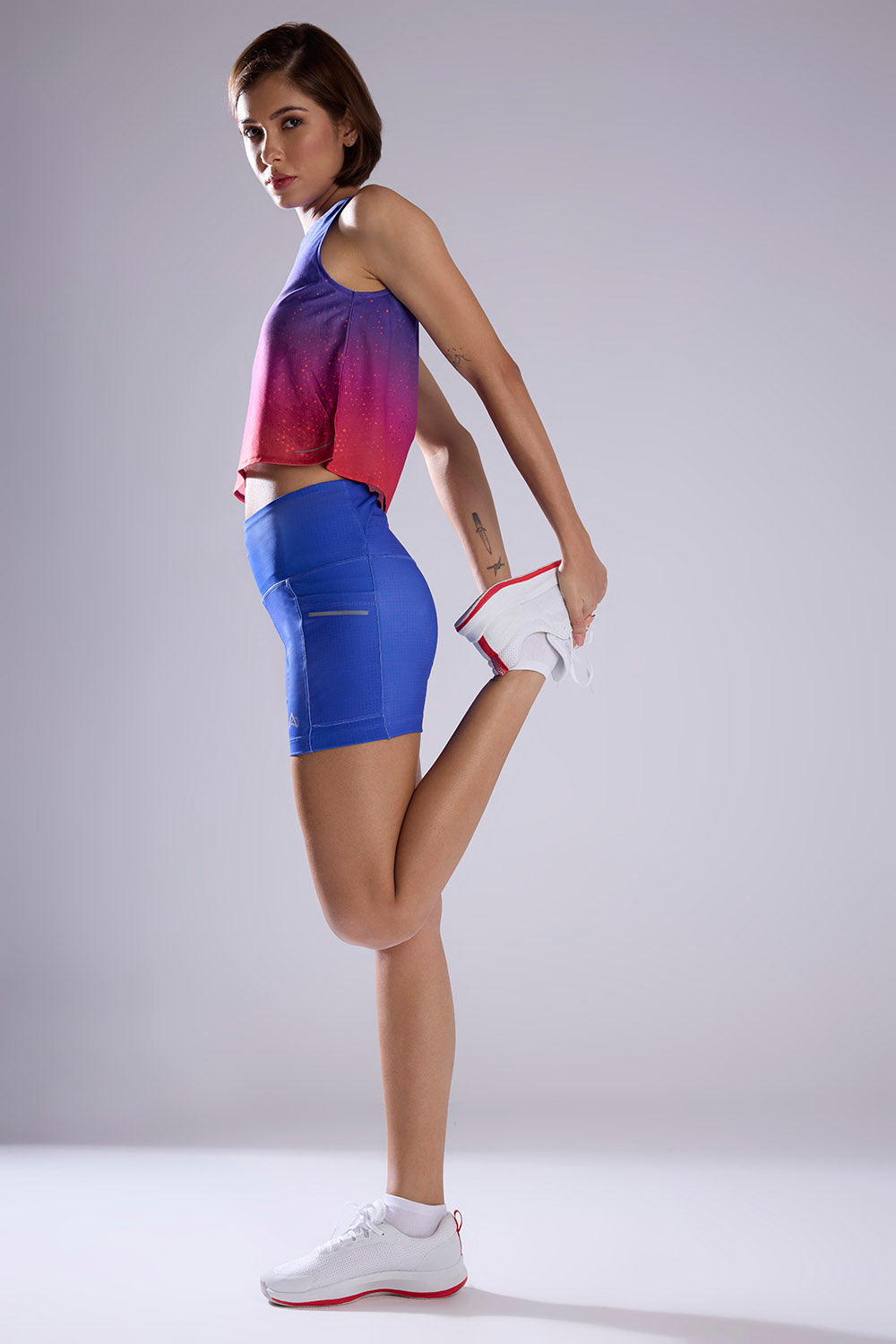
Visibility has become a critical consideration for evening and early-morning runs. Many high-performance shorts now incorporate reflective details that improve safety in low-light conditions, helping runners stay visible to drivers and cyclists. These elements add minimal weight and do not compromise the fabric's breathability or stretch properties.
Brands that integrate reflective technology understand that safety features must remain invisible to the wearer yet highly effective when others need to see. This thoughtful design ensures the shorts perform reliably across varying weather and terrains, from cool morning runs to hot afternoon races.
Choosing the Right Running Shorts for Your Training
Selecting the ideal pair begins with understanding how each feature addresses real-world demands. Whether you prioritize maximum breathability for humid conditions, secure storage for urban routes, or reflective elements for safety, the right shorts can significantly elevate both comfort and performance. Investing in technical details pays dividends in reduced distractions, improved endurance, and greater overall satisfaction during runs.
As athletes refine their routines, the evolution of running shorts continues to deliver gear that anticipates every complaint and addresses it in kind. The result is equipment that enhances efficiency by minimizing distractions, allowing runners to concentrate on improving form and pace. For those investing in quality running shorts, these technical advancements represent a meaningful step toward peak performance, where every feature works in harmony to support consistent progress and enjoyment of the sport.
Frequently Asked Questions
Why is moisture-wicking fabric better than cotton for long-distance running?
Moisture-wicking fabrics are better than cotton because they actively pull sweat away from the skin and promote faster evaporation. Cotton tends to absorb moisture, becoming heavy and clingy, which can increase heat buildup and discomfort. In contrast, synthetic materials help reduce chafing and support more efficient cooling during long runs.
What is technical running apparel and how does it improve running performance?
Technical running apparel refers to performance-engineered clothing made from synthetic fabrics designed to manage sweat, heat, and airflow. It improves running performance by enhancing thermoregulation and keeping the body cooler and drier during intense training. This helps reduce fatigue and allows runners to maintain a steadier pace for longer periods.
How does technical running apparel support thermoregulation and recovery in serious training?
Technical running apparel supports thermoregulation by helping the body stay cooler through improved sweat evaporation and airflow management. This reduces the risk of overheating and helps athletes maintain consistent performance across hard training sessions. Over time, reduced irritation and better moisture control can also contribute to improved recovery and training consistency.
Disclaimer: The above helpful resources content contains personal opinions and experiences. The information provided is for general knowledge and does not constitute professional advice.
You may also be interested in: Best Running Shorts Features for Long-distance Training - Aguante
Tired of gear that slows you down? Chafing, soggy fabrics, and missing pockets kill your run's momentum. At Aguante, we're runners who get it. Our high-performance activewear features moisture-wicking fabrics, ergonomic designs, and smart storage to keep you focused. Shop Now!
Powered by flareAI.co