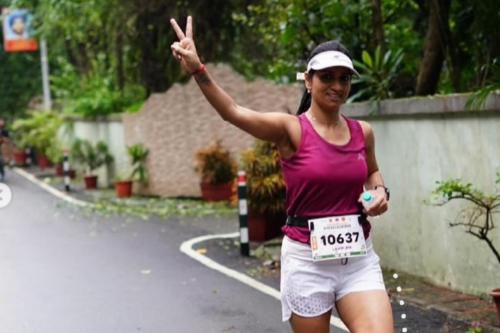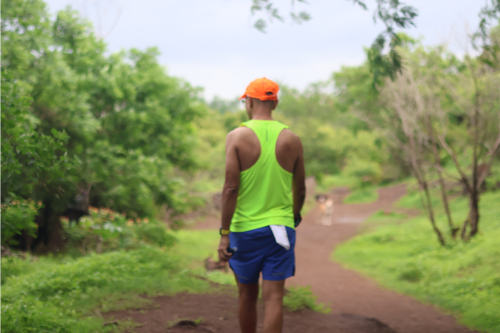




Outdoor workouts are a fantastic way to stay active, but in the warm and humid conditions that many cities experience, they can quickly turn into a real challenge. Your body works overtime to cool itself down, and without the right preparation, the results can be fatigue, cramps, or even more serious health concerns. For anyone who enjoys running, cycling, or other outdoor activities in these environments, understanding exactly how to prevent overheating is essential.
By following practical steps grounded in established health guidelines, you can train safely, enjoy the benefits of being outdoors, and perform at your best without compromising your well-being.
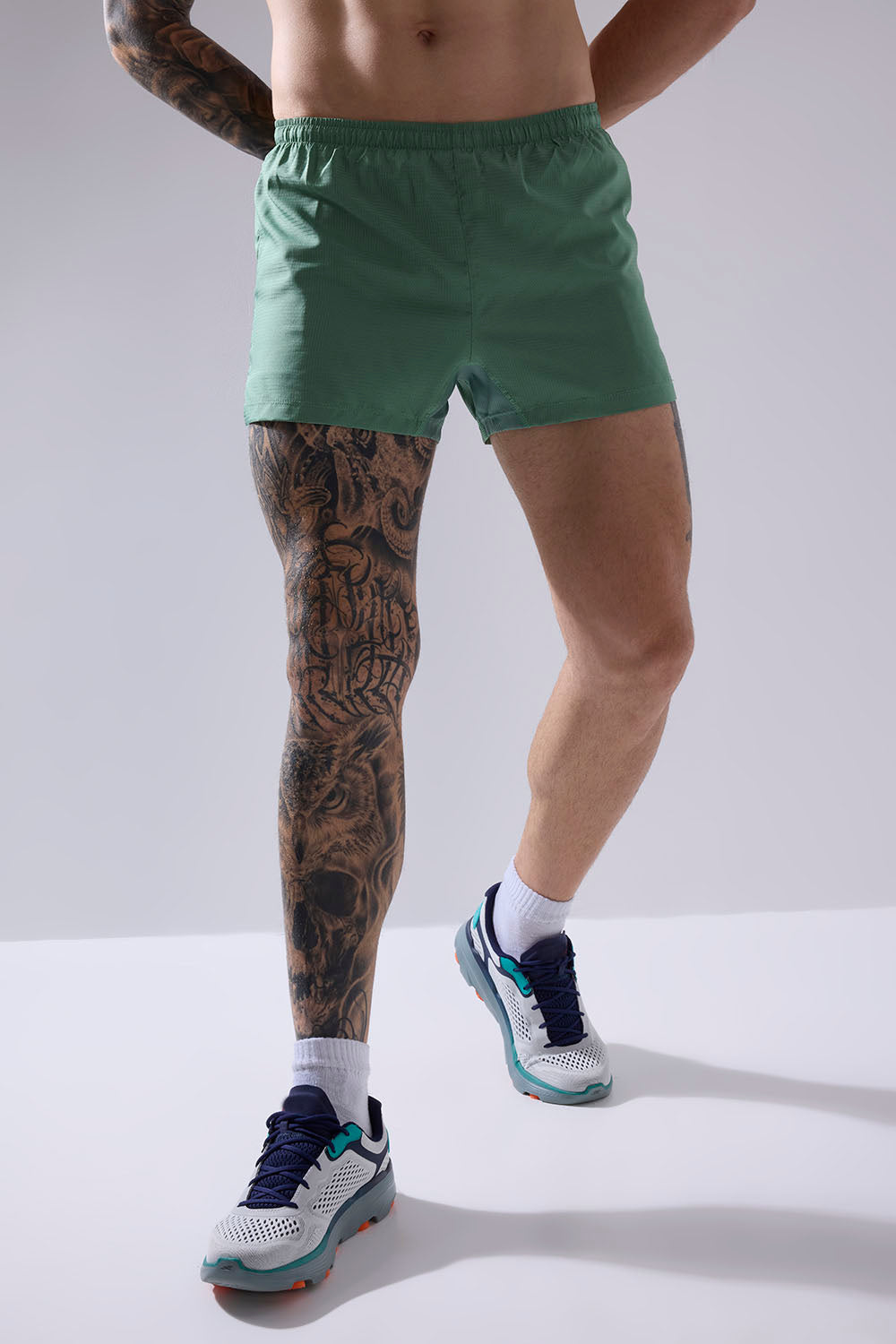
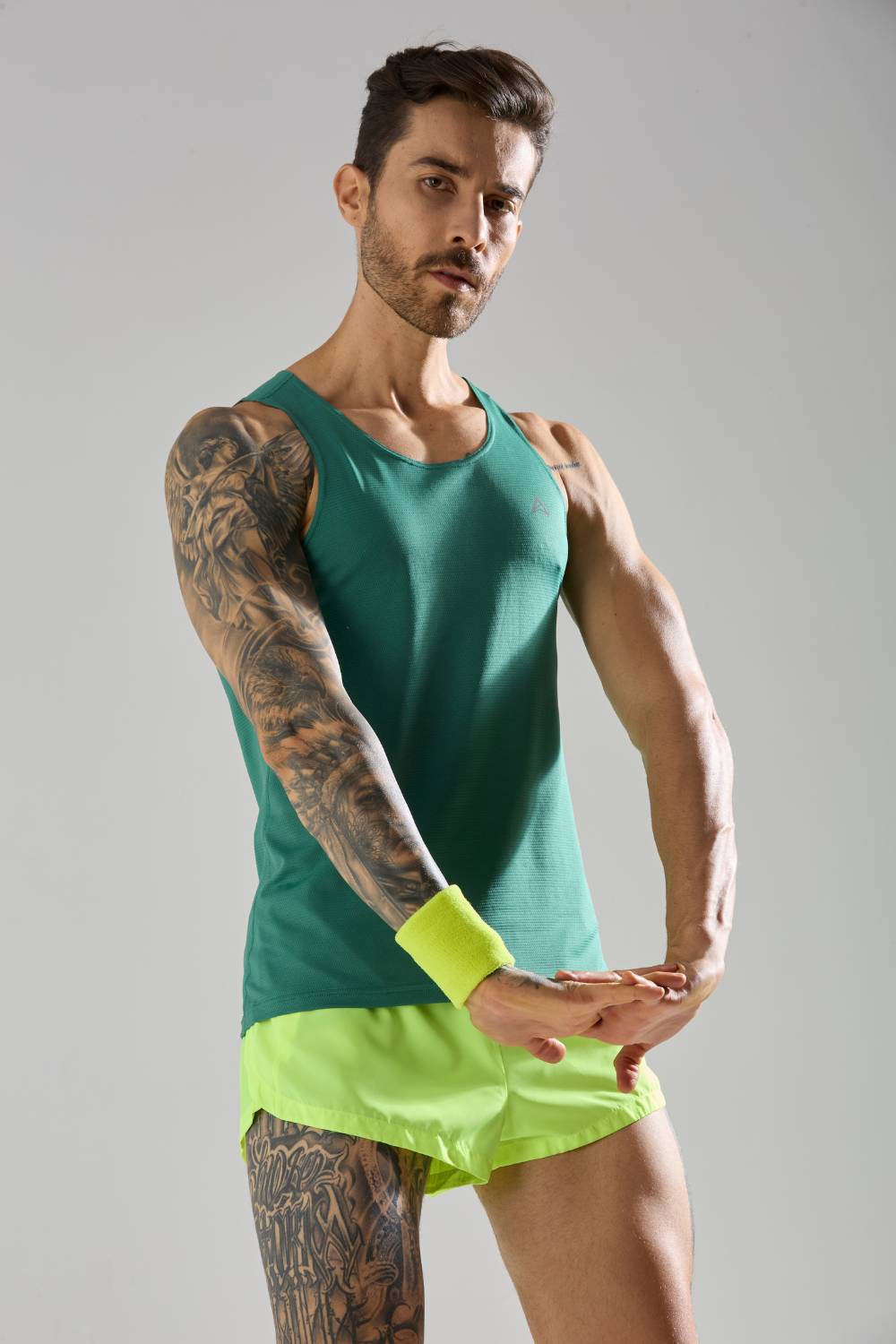
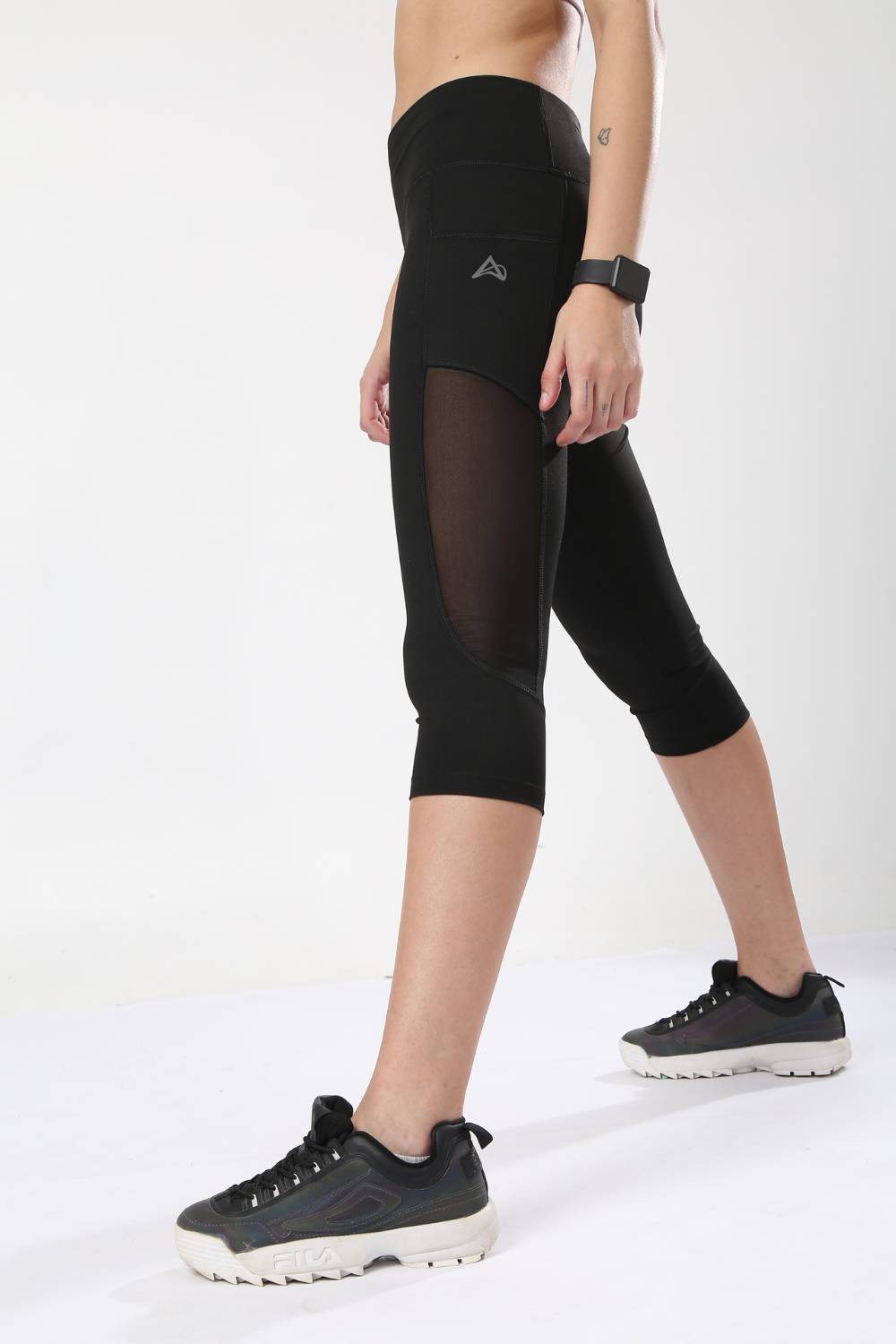
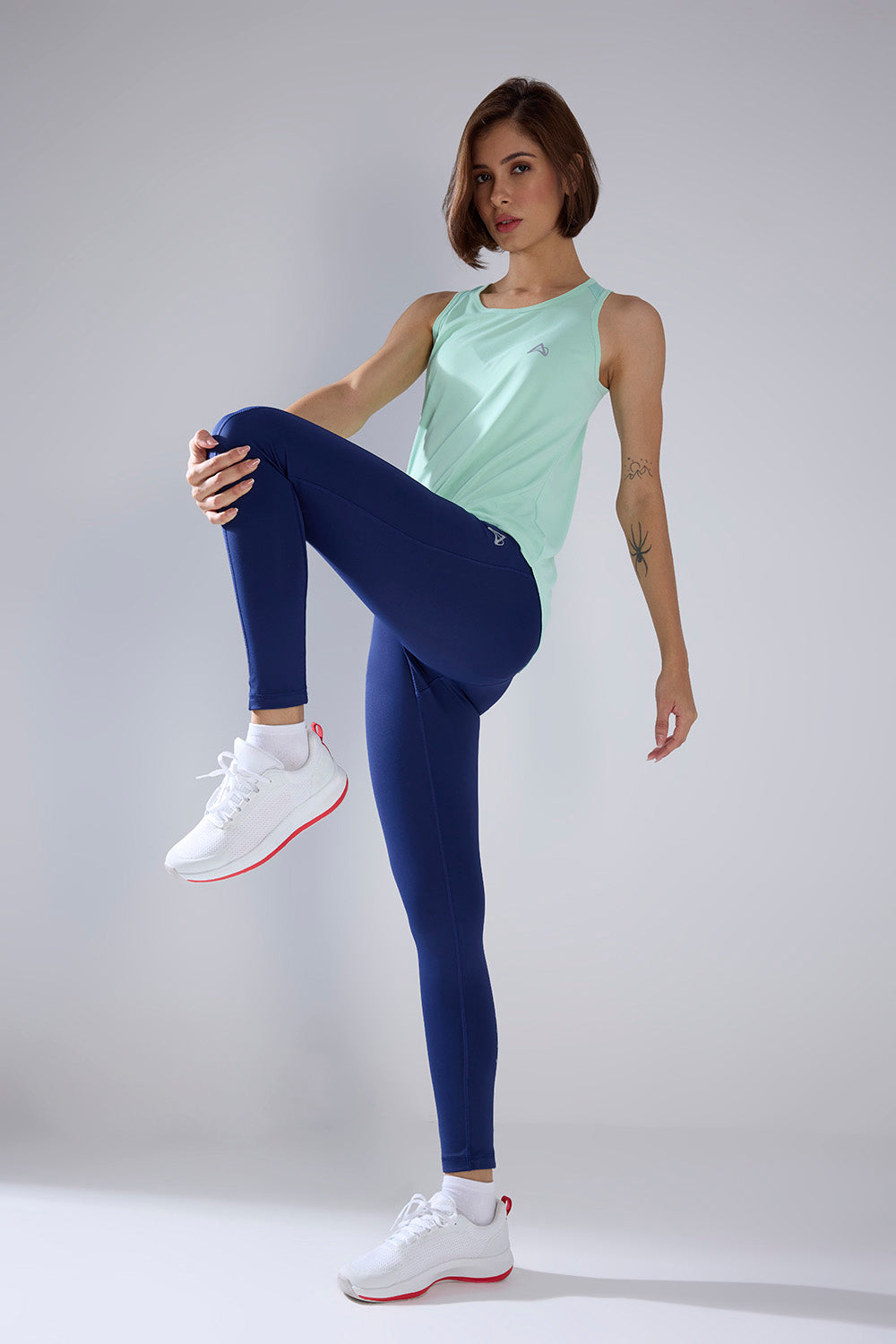
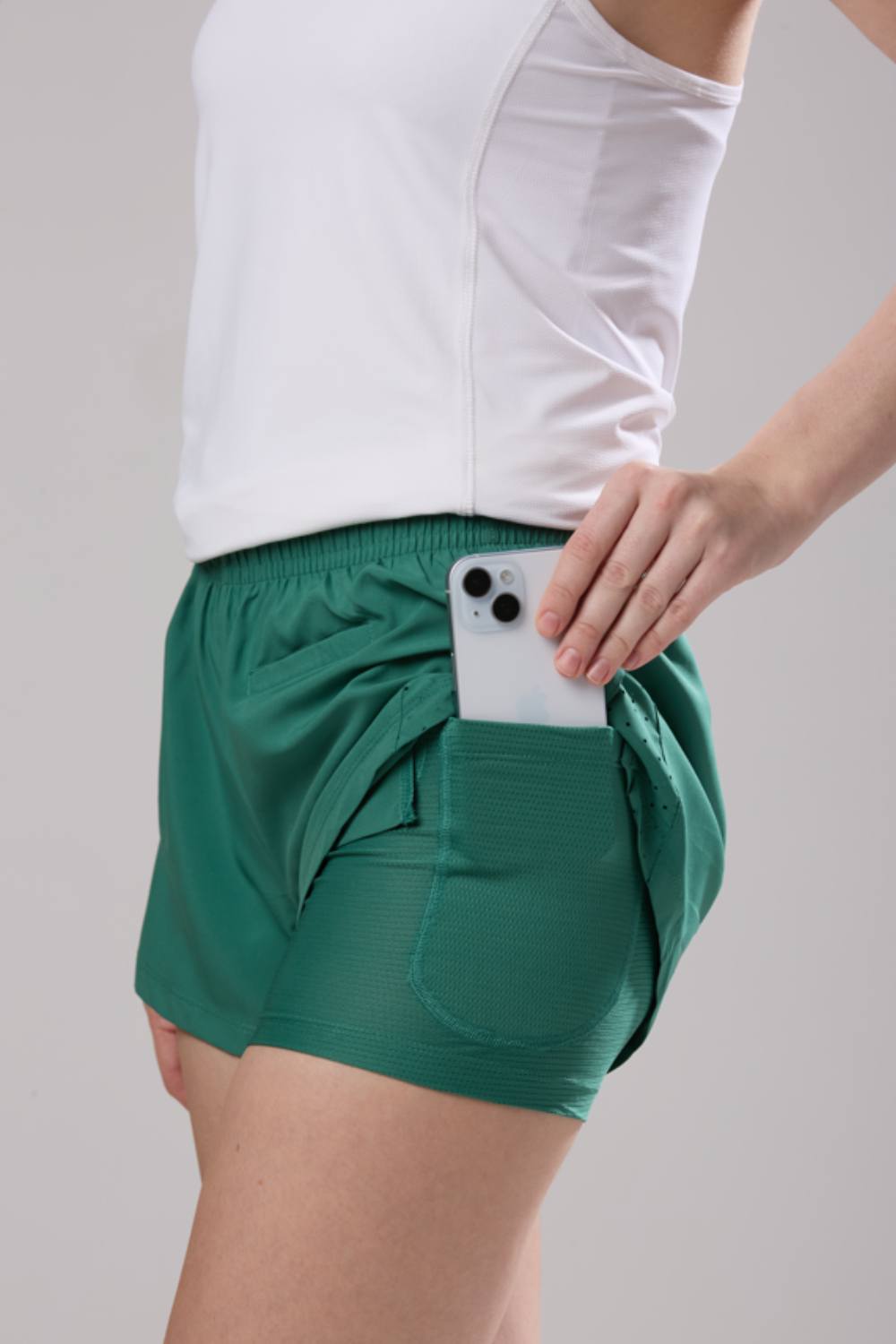
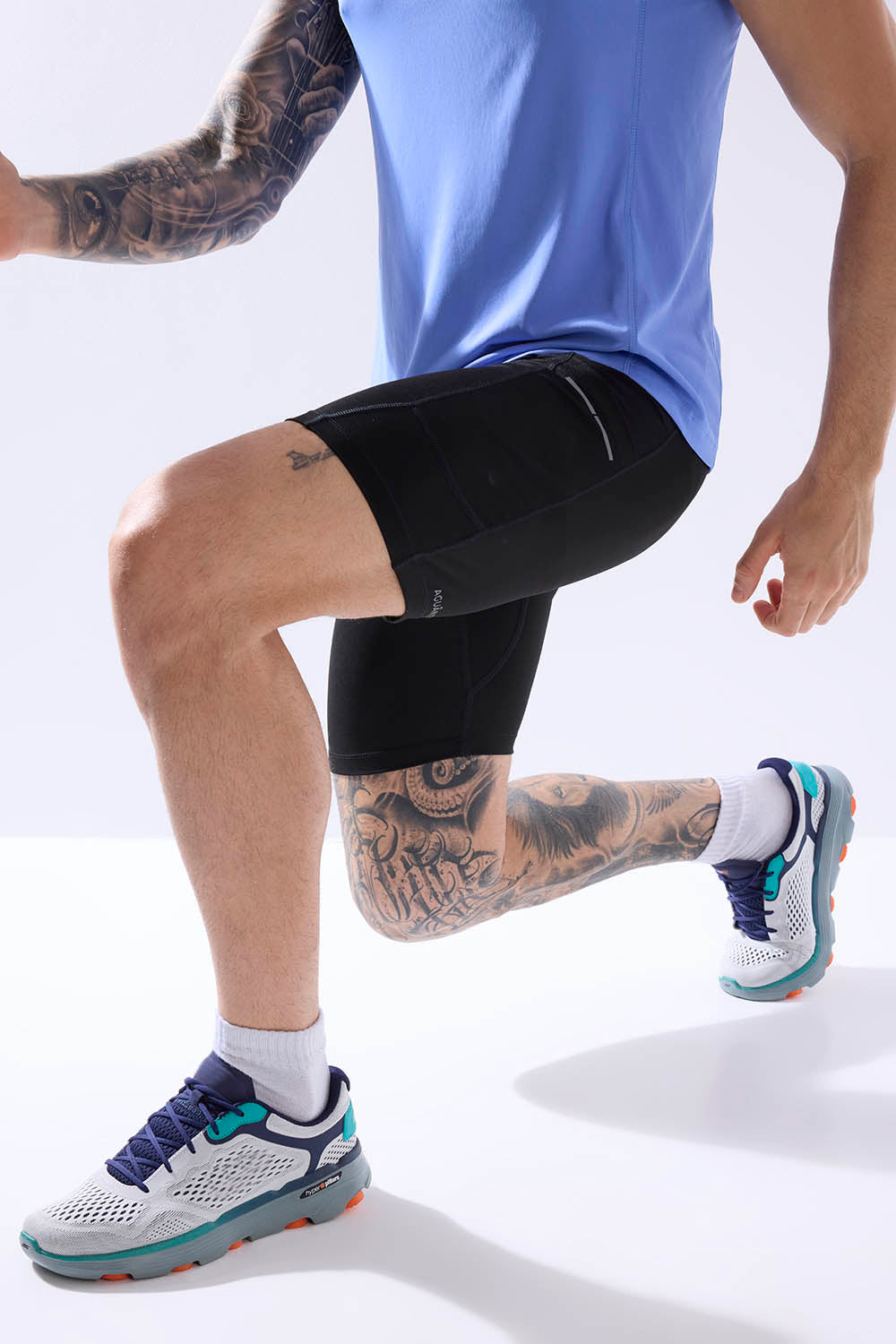
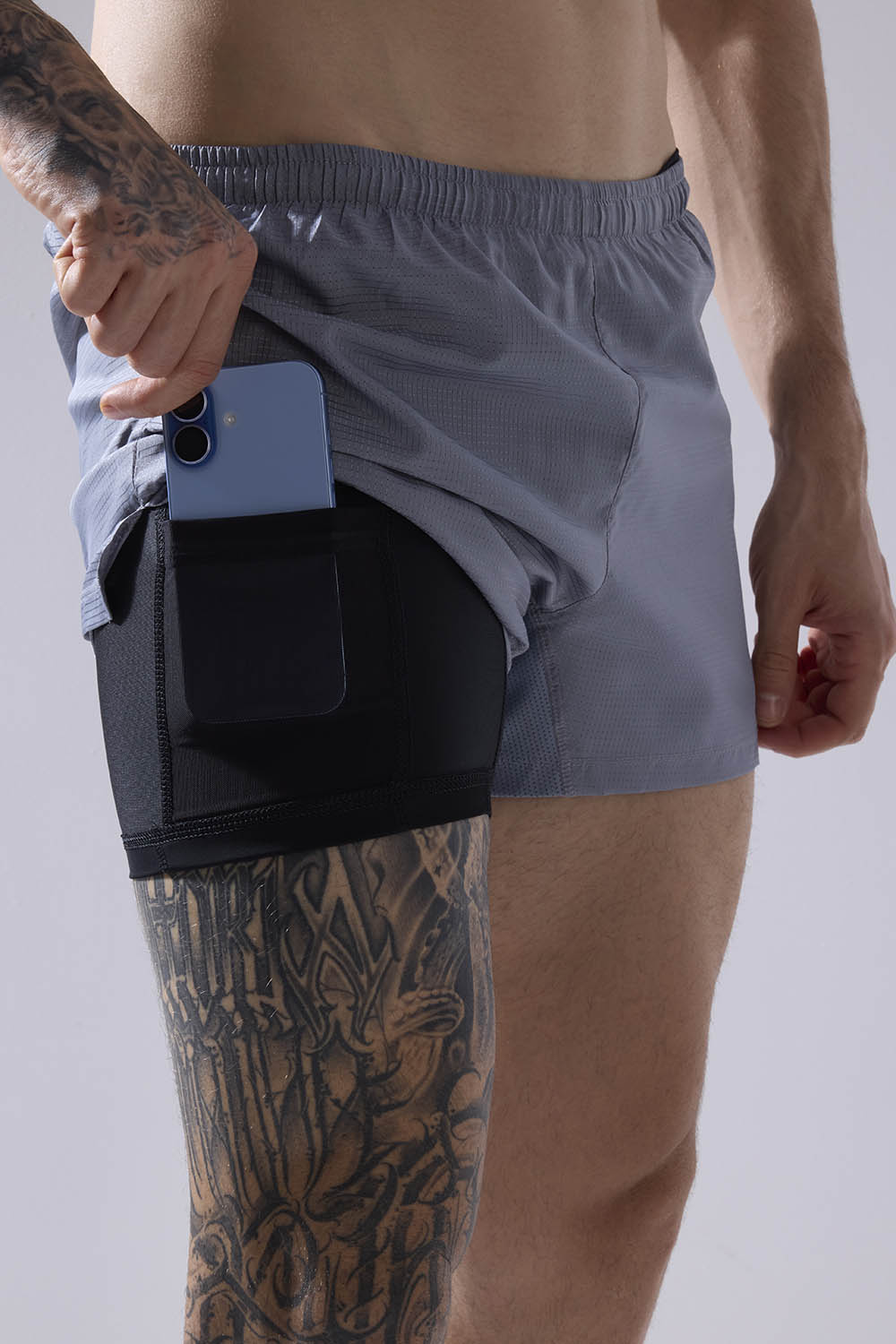
Tired of gear that slows you down? Chafing, soggy fabrics, and missing pockets kill your run's momentum. At Aguante, we're runners who get it. Our high-performance activewear features moisture-wicking fabrics, ergonomic designs, and smart storage to keep you focused. Shop Now!
The Science Behind Overheating During Outdoor Workouts
Your body generates a lot of heat when you move. Even moderate exercise can raise your core temperature significantly, and the air you breathe adds to the load. In hot, humid weather the problem compounds because sweat evaporation becomes less effective. This is why sudden heat exposure often leads to rapid dehydration and symptoms like muscle cramps, dizziness, nausea, and fatigue.
The body must work harder to cool itself when temperatures rise and humidity is high. Many people who exercise regularly in cooler conditions discover that sudden heat exposure creates these challenges quickly. Limiting outdoor activity, especially during midday when the sun is strongest, helps prevent these issues from escalating.
Outdoor workouts during hot weather carry significant risks of heat-related illness because your body must work harder to cool itself when temperatures rise and humidity is high. Many people who exercise regularly in cooler conditions discover that sudden heat exposure leads to rapid dehydration, excessive sweating that stops cooling the body effectively, and symptoms like muscle cramps, dizziness, nausea, and fatigue. The
Best Time of Day for Outdoor Workouts
Scheduling sessions for early morning or evening when it is cooler allows your body to maintain a safer core temperature and reduces the overall stress on your cardiovascular and thermoregulatory systems. Outdoor workouts in summer heat demand careful attention because high temperatures combined with physical exertion increase the risk of heat illness as the body struggles to maintain safe core temperature through limited sweat evaporation and heightened dehydration.
Monitoring weather forecasts and heat alerts helps you time activities to avoid peak hours. Planning indoor or water-based alternatives when warnings are issued ensures your training remains effective without unnecessary risk.
Outdoor workouts in summer heat demand careful attention because high temperatures combined with physical exertion increase the risk of heat illness as the body struggles to maintain safe core temperature through limited sweat evaporation and heightened dehydration. Monitoring weather forecasts and heat alerts helps you time activities to avoid peak hours and plan indoor or water-based alternatives when warnings are issued, ensuring your training remains effective without unnecessary risk. Lightweight, loose-fitting clothing in light colors promotes ventilation and reflects heat, while a wide-brimmed hat and sunglasses shield sensitive areas like the head and eyes that contribute significantly to overall cooling.
Sunscreen application and reapplication every two hours is non-negotiable because sunburn reduces the skin's efficiency in dissipating heat. Pacing yourself and incorporating rest periods in cooler spots prevents overexertion, allowing your body to recover between efforts and avoid cumulative stress that leads to cramps or exhaustion. Checking the heat index provides a more accurate picture of conditions than temperature alone, guiding decisions on whether to exercise or scale back intensity. These practical, Mayo Clinic-backed recommendations support consistent outdoor activity by prioritizing safety, hydration awareness, and environmental awareness, helping active individuals stay healthy and perform better even as summer heat intensifies.
Hydration Strategies That Actually Work
Drinking water before, during, and after workouts without waiting until you feel thirsty maintains hydration and electrolyte balance. This directly counters the fluid loss caused by intense physical effort in warm conditions. Pre-hydrating and sipping steadily throughout the session helps keep you at peak performance.
Paying attention to the heat index gives a more accurate picture of conditions than temperature alone. These practical recommendations support consistent outdoor activity by prioritizing safety, hydration awareness, and environmental awareness.
Choosing the Right Clothing and Gear
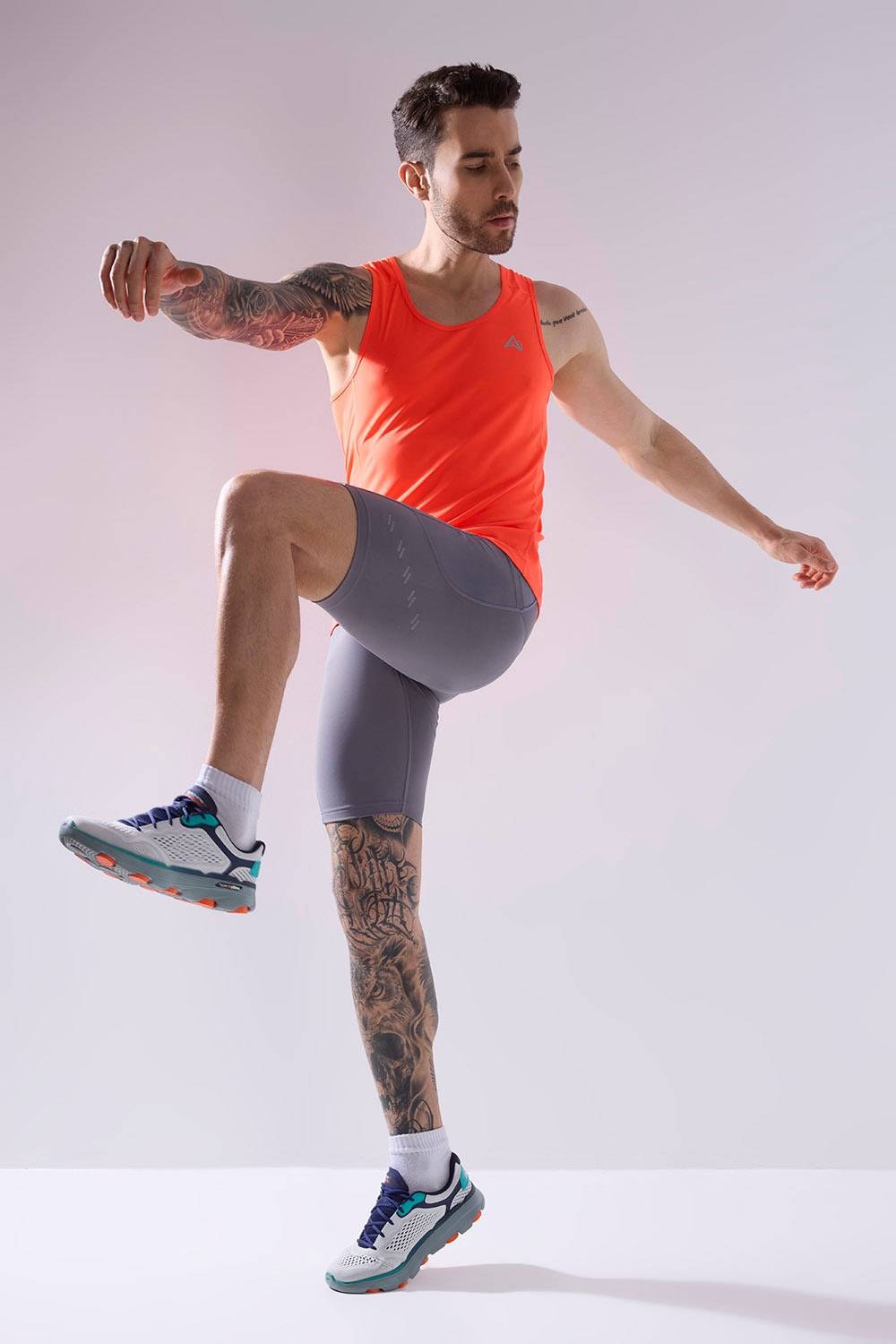
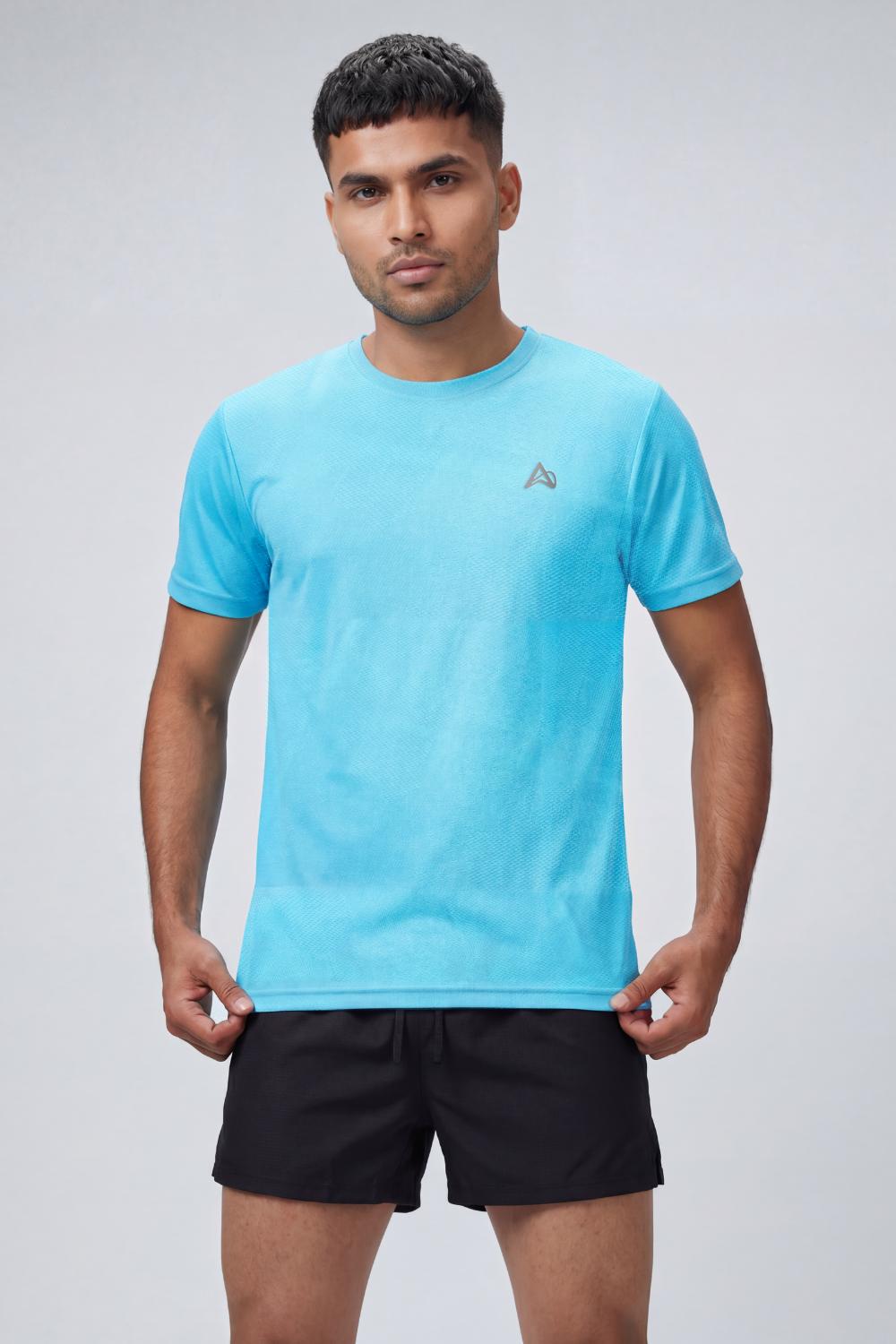
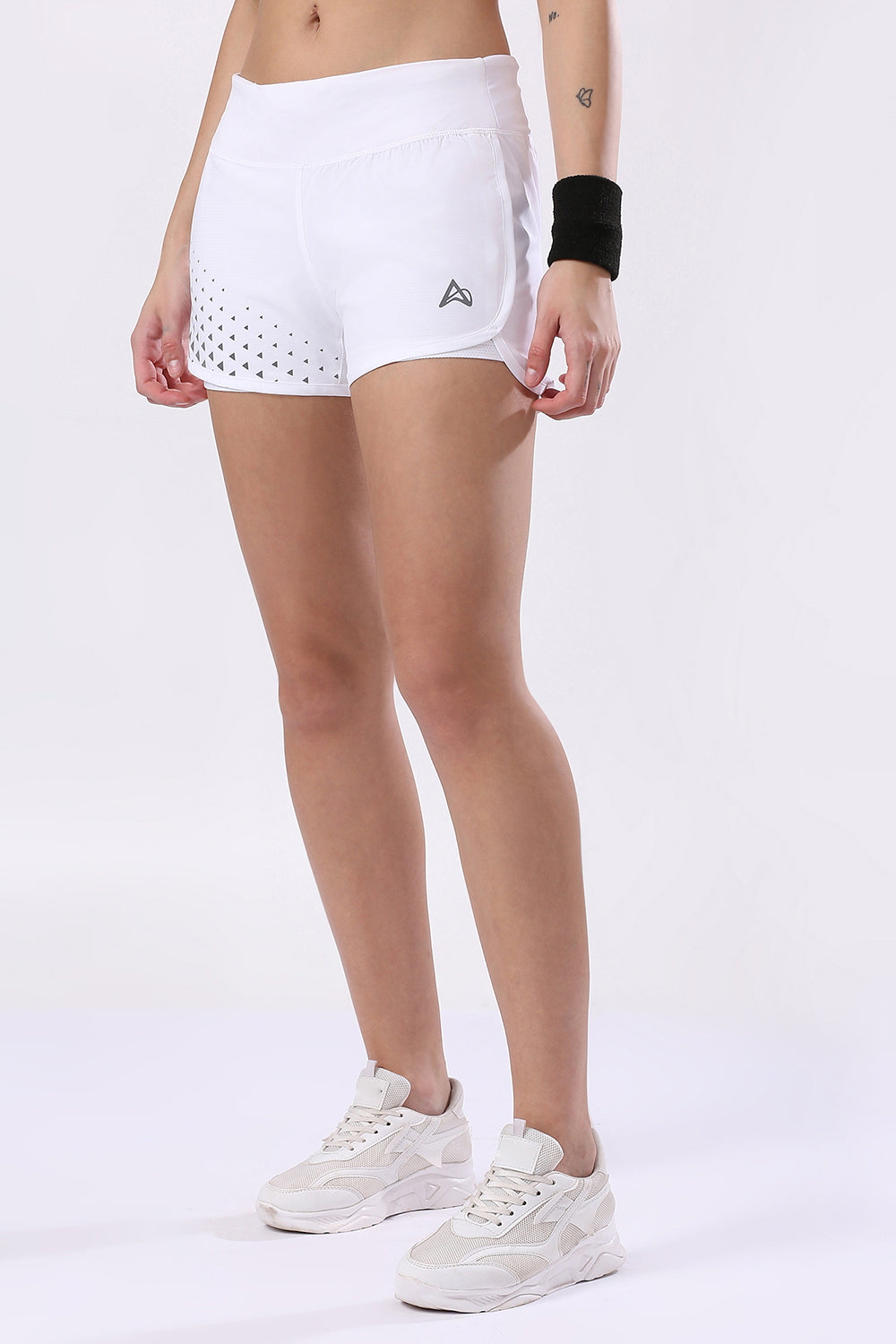
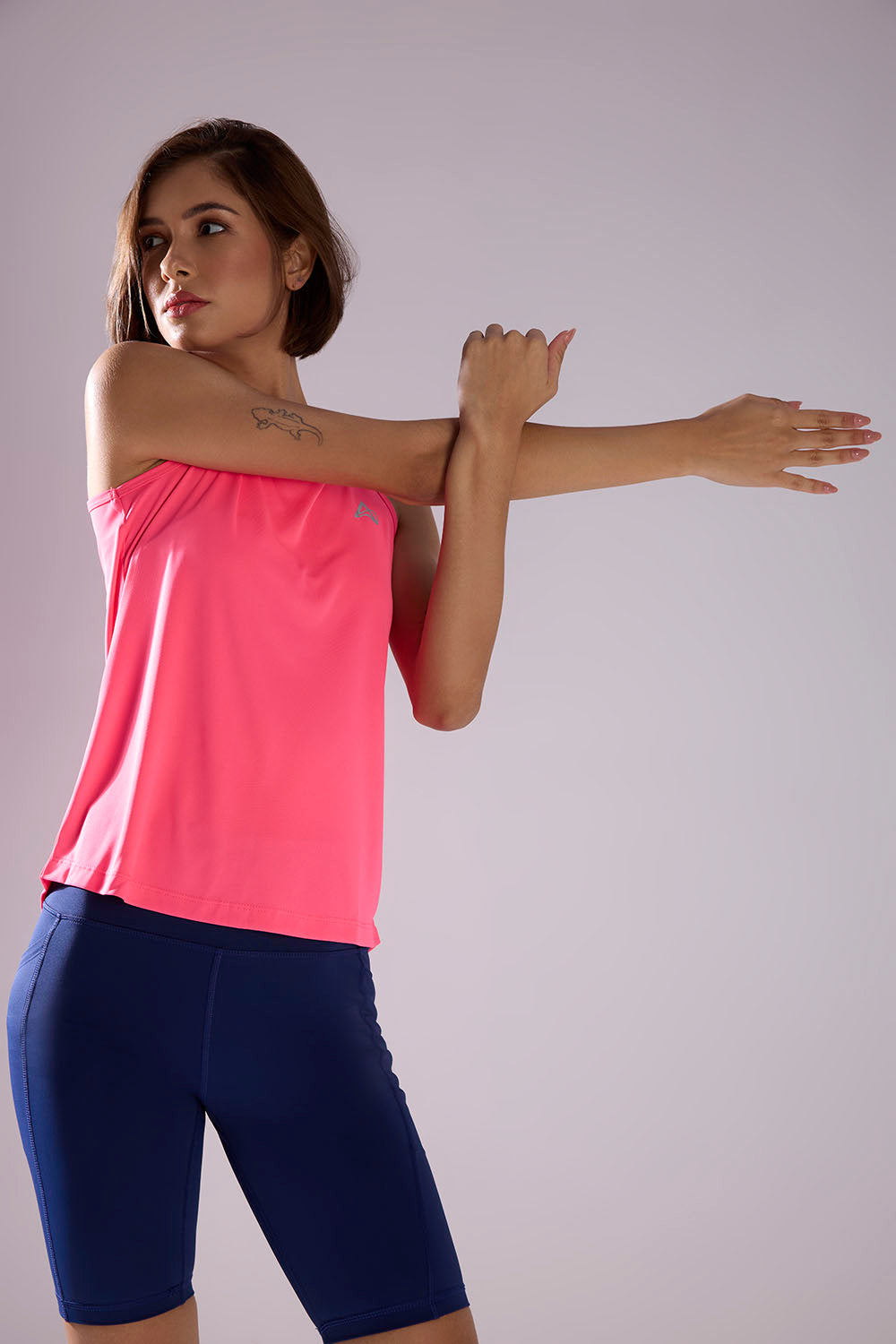
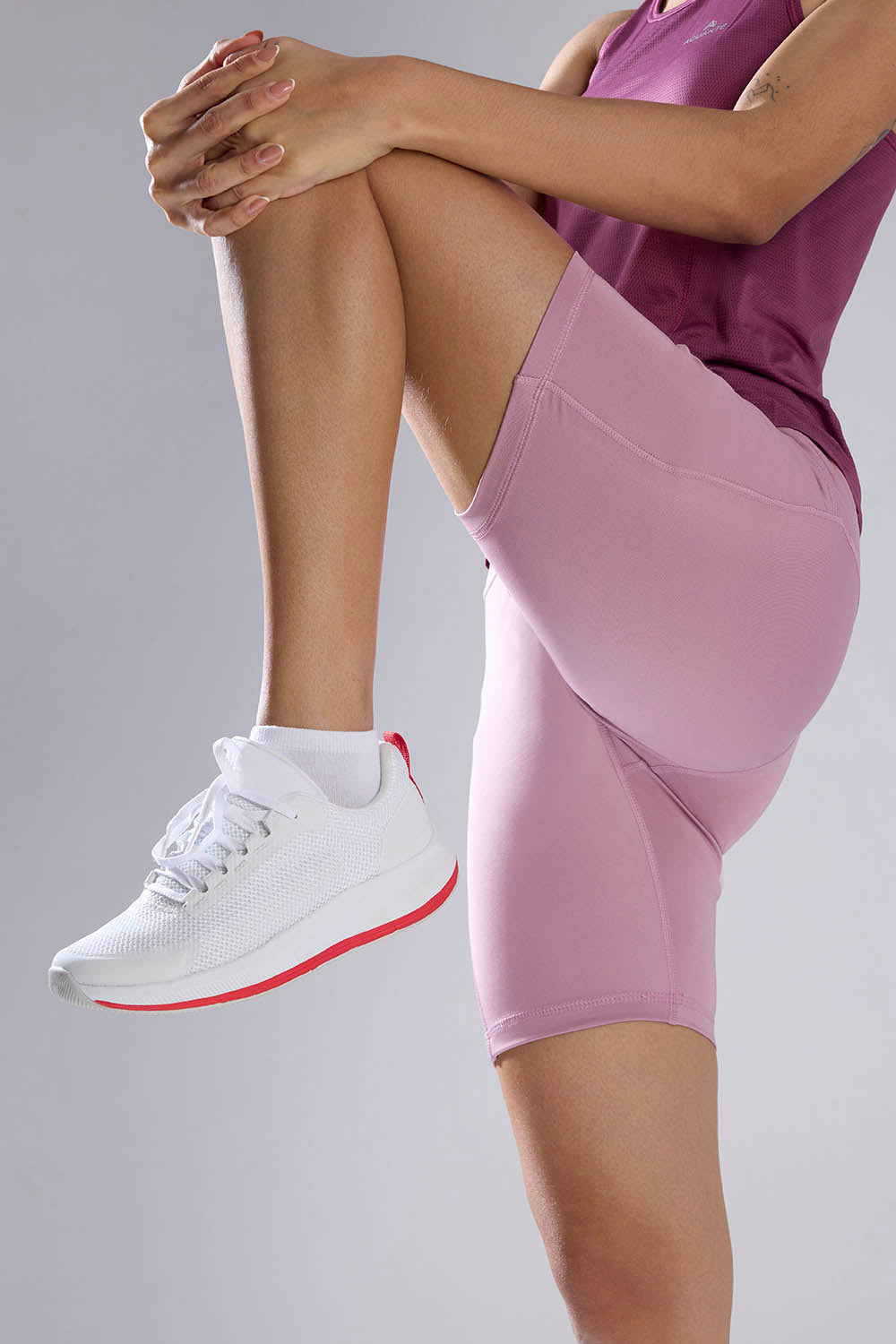
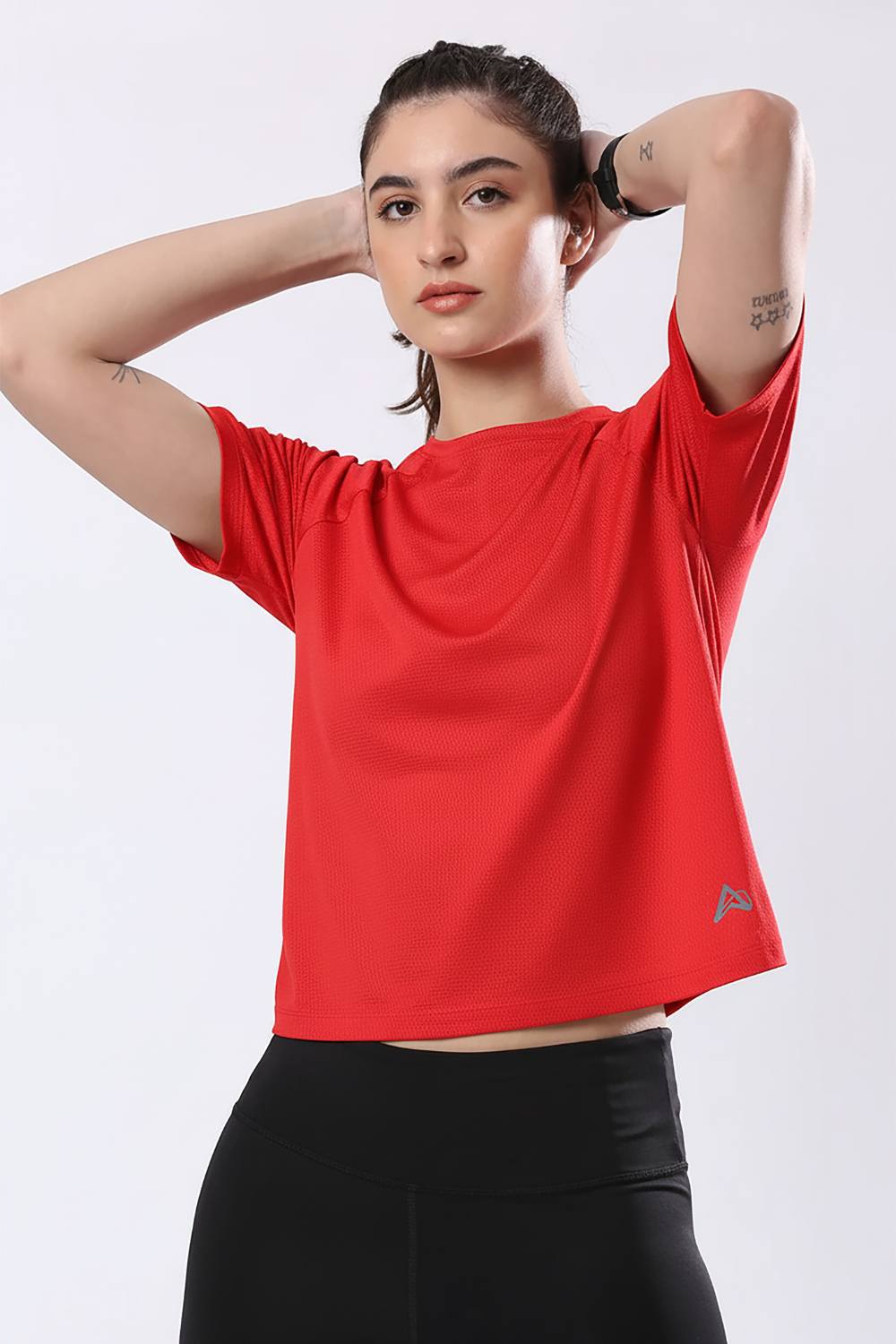
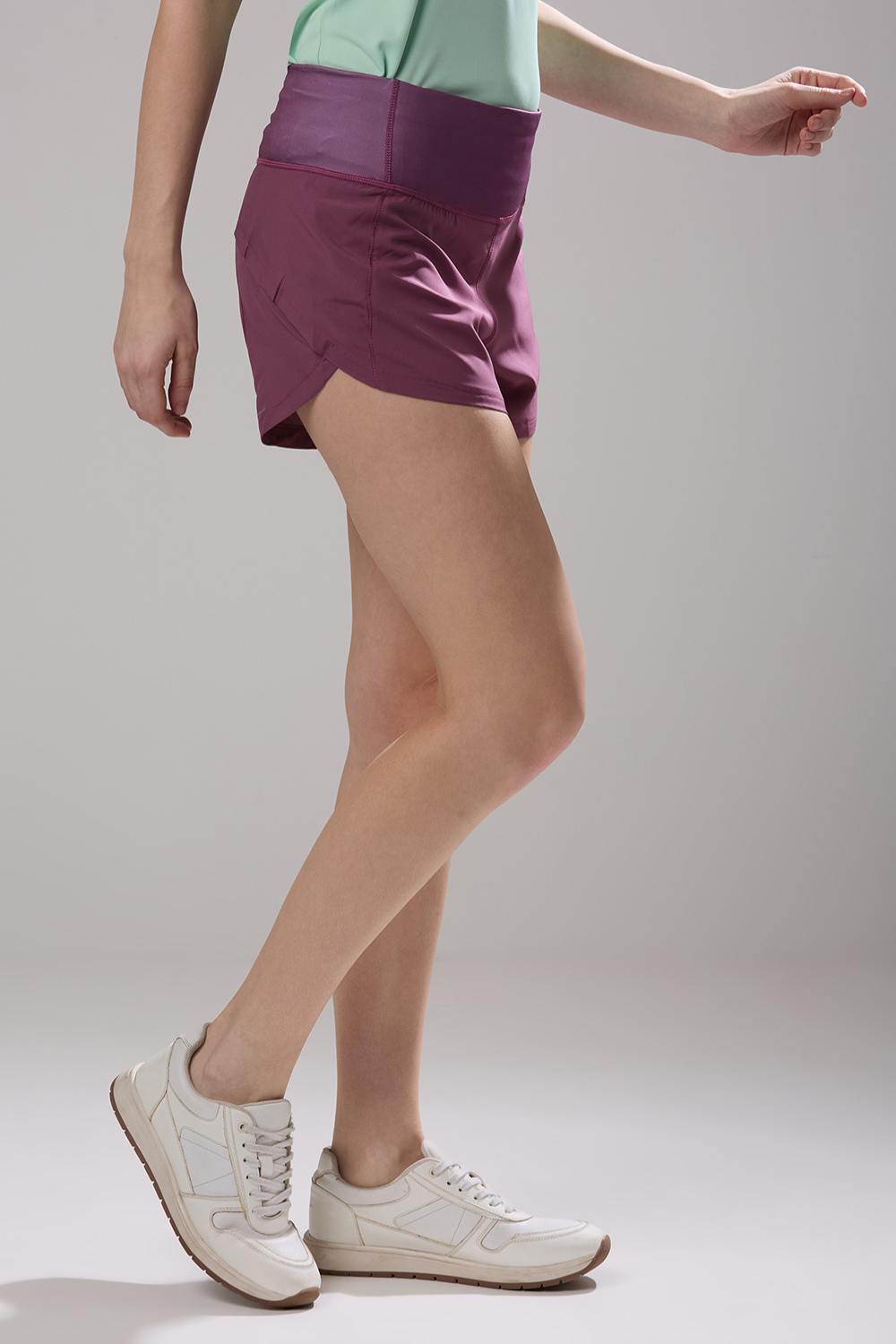
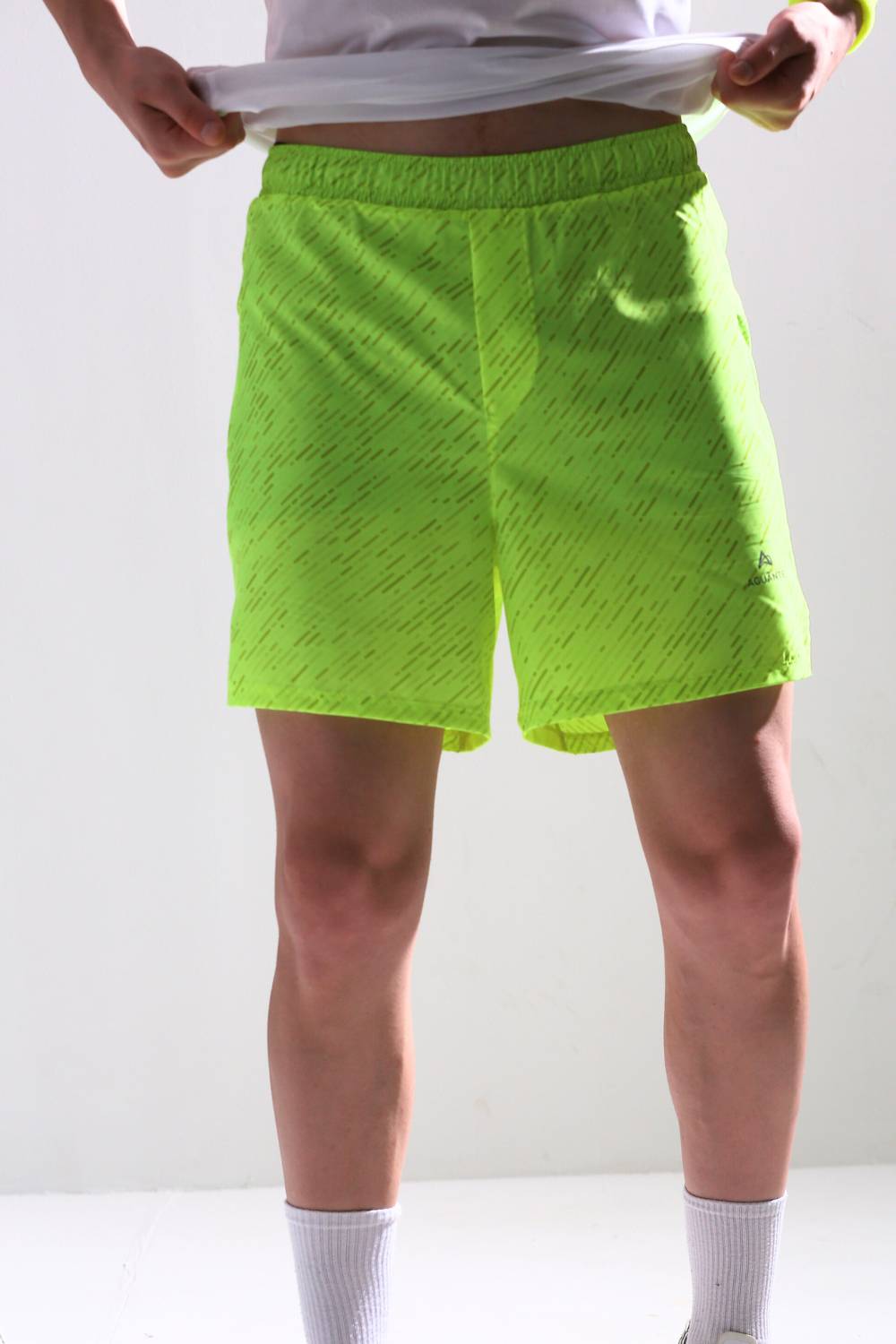
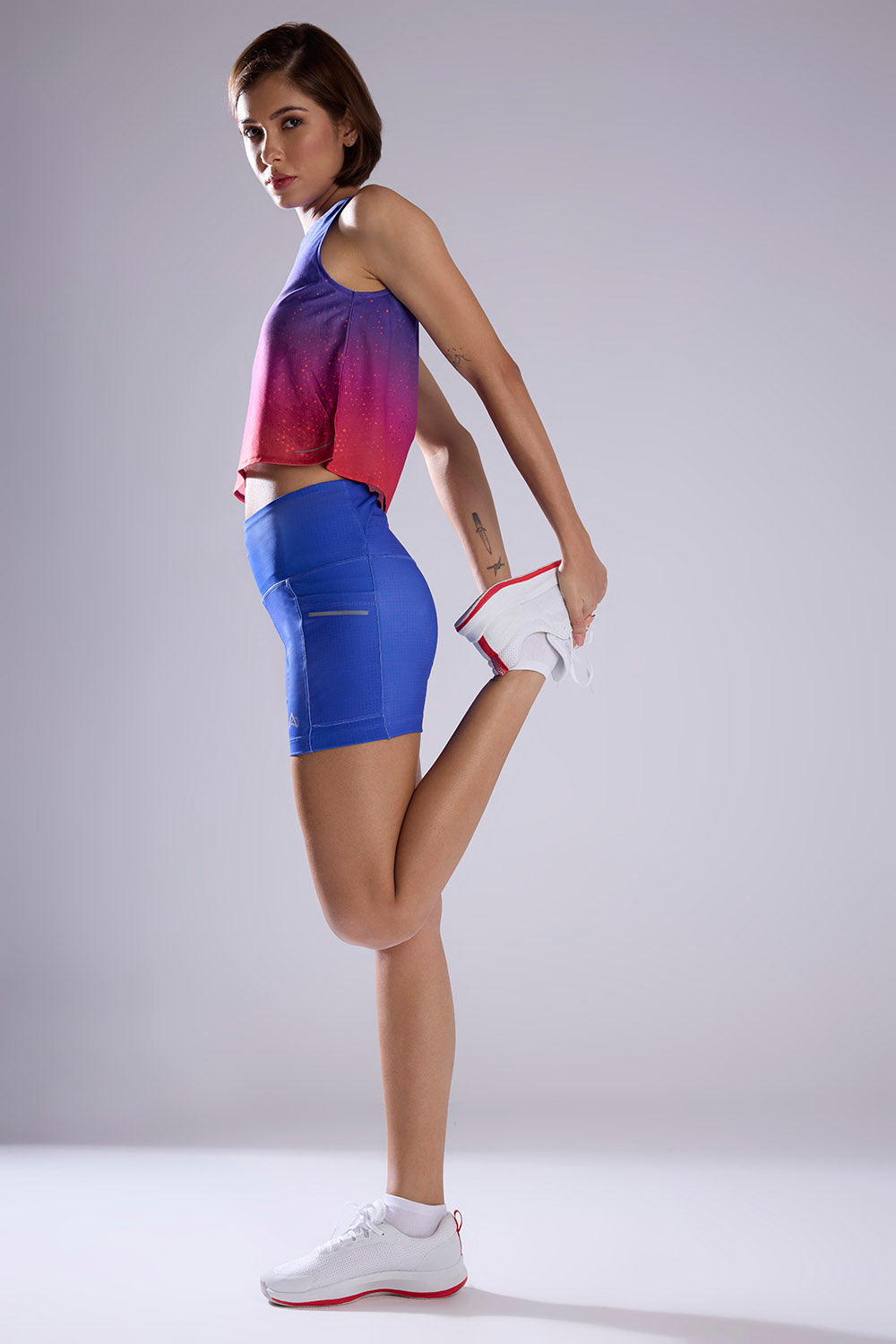
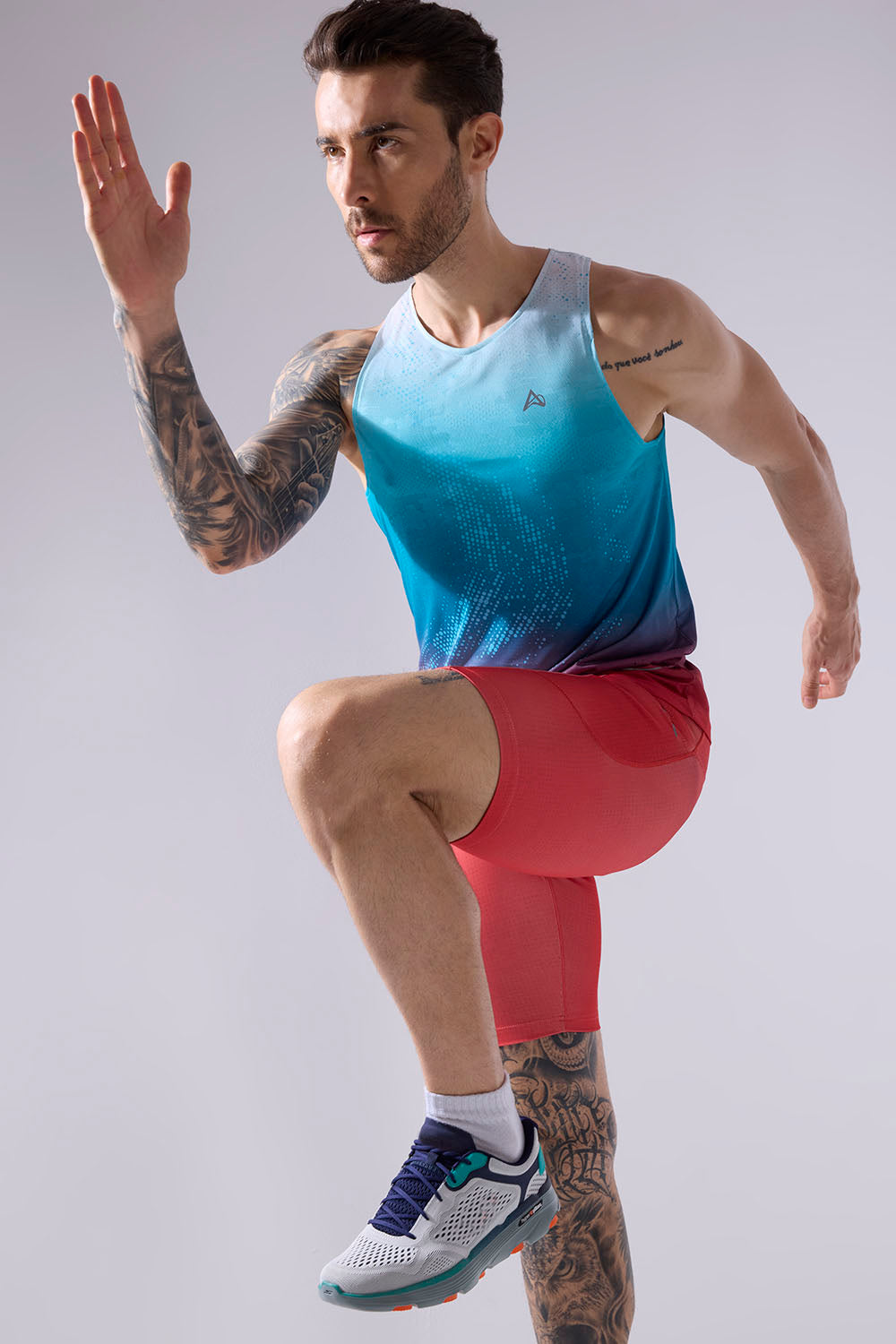
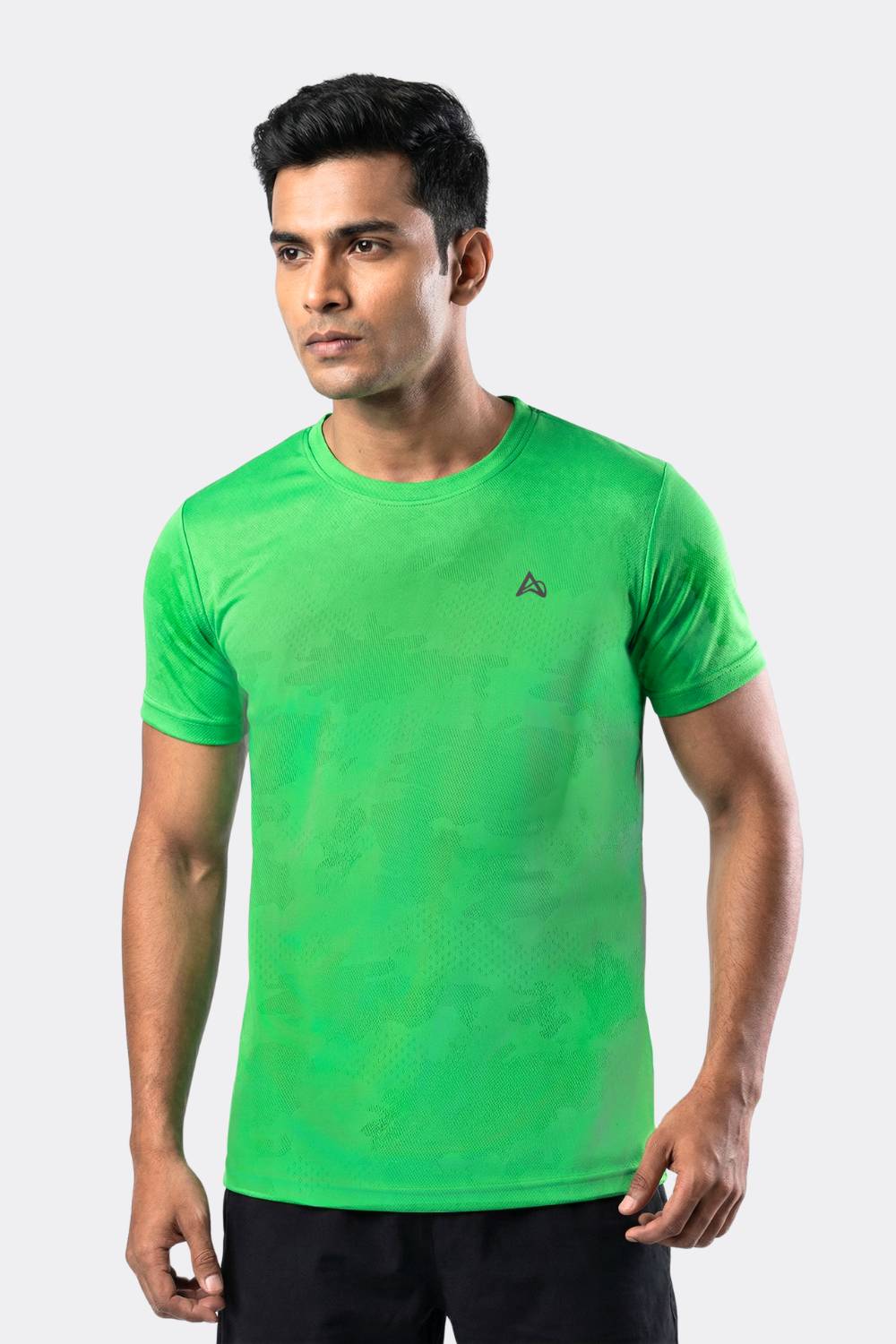
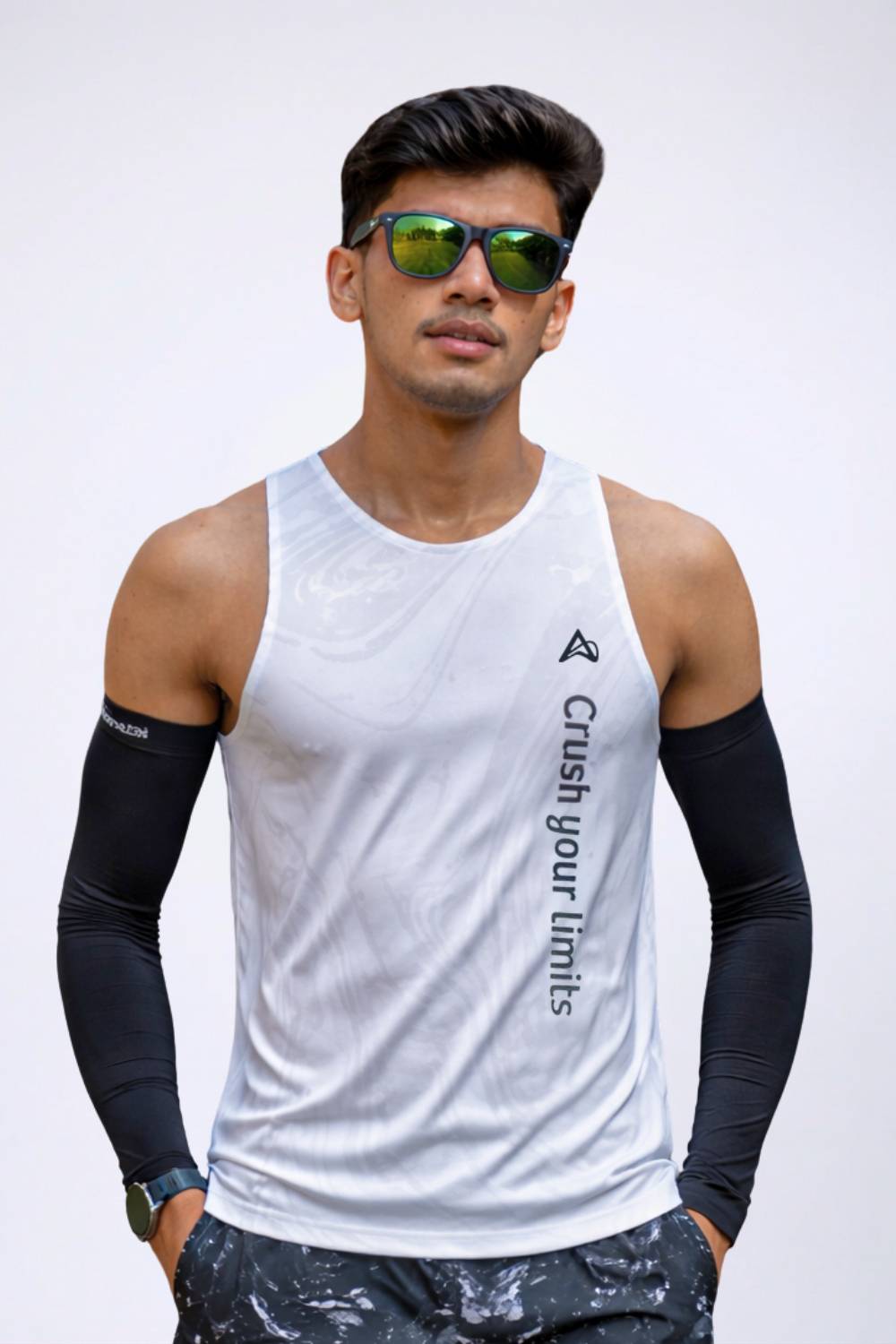
Wearing loose, lightweight, light-colored clothing made of moisture-wicking fabrics promotes better airflow and evaporative cooling while protecting against sunburn. A wide-brimmed hat and sunglasses shield sensitive areas like the head and eyes that contribute significantly to overall cooling.
Reapplying sunscreen every two hours is essential because a sunburned surface blocks the body's ability to release heat. Starting activities gradually and pacing yourself prevents overheating by allowing your body time to adjust and avoid sudden spikes in internal temperature.
Monitoring Your Body Signals
Monitoring a workout partner or teammate for signs of weakness or faintness provides an extra layer of safety and encourages mutual accountability. Checking how you feel during the session allows you to adjust intensity on the fly. Pacing yourself and incorporating rest periods in cooler spots prevents overexertion, allowing your body to recover between efforts and avoid cumulative stress that leads to cramps or exhaustion.
Building a Smart Outdoor Workout Routine
Putting these elements together creates a reliable system. Many people find that combining early-morning timing, proper hydration, suitable gear, and regular partner checks turns potential risks into manageable activities. The result is safer training that supports long-term consistency and performance.
Outdoor workouts in warm conditions require thoughtful preparation. These practical steps, drawn from established public health guidance, enable safe outdoor exercise even in challenging conditions and demonstrate that thoughtful preparation turns potential risks into manageable activities.
Frequently Asked Questions
When is the best time of day to exercise outdoors to avoid heat exhaustion?
The best time for outdoor workouts is early morning or late evening when temperatures are cooler and the sun is less intense. Exercising during these times reduces stress on your cardiovascular system and helps your body regulate its core temperature more effectively. Checking weather forecasts and heat index alerts can further help you avoid dangerous conditions.
What are the common signs of overheating during exercise and how should you respond?
Common signs of overheating include dizziness, nausea, muscle cramps, excessive sweating, fatigue, and weakness. If you notice these symptoms, stop exercising immediately, move to a cooler shaded area, and rehydrate with water or electrolytes. Resting and cooling the body quickly can help prevent more serious heat-related illness.
What are the best ways to prevent overheating during outdoor workouts in hot weather?
To prevent overheating during outdoor workouts, focus on hydration, proper clothing, and smart scheduling. Drink water before, during, and after exercise to maintain fluid and electrolyte balance. Wear lightweight, light-colored, moisture-wicking clothing and avoid peak sun hours when temperatures are highest.
Disclaimer: The above helpful resources content contains personal opinions and experiences. The information provided is for general knowledge and does not constitute professional advice.
You may also be interested in: Canadian Runners Embrace Aguantes Cold-weather Track Pants
Tired of gear that slows you down? Chafing, soggy fabrics, and missing pockets kill your run's momentum. At Aguante, we're runners who get it. Our high-performance activewear features moisture-wicking fabrics, ergonomic designs, and smart storage to keep you focused. Shop Now!
Powered by flareAI.co