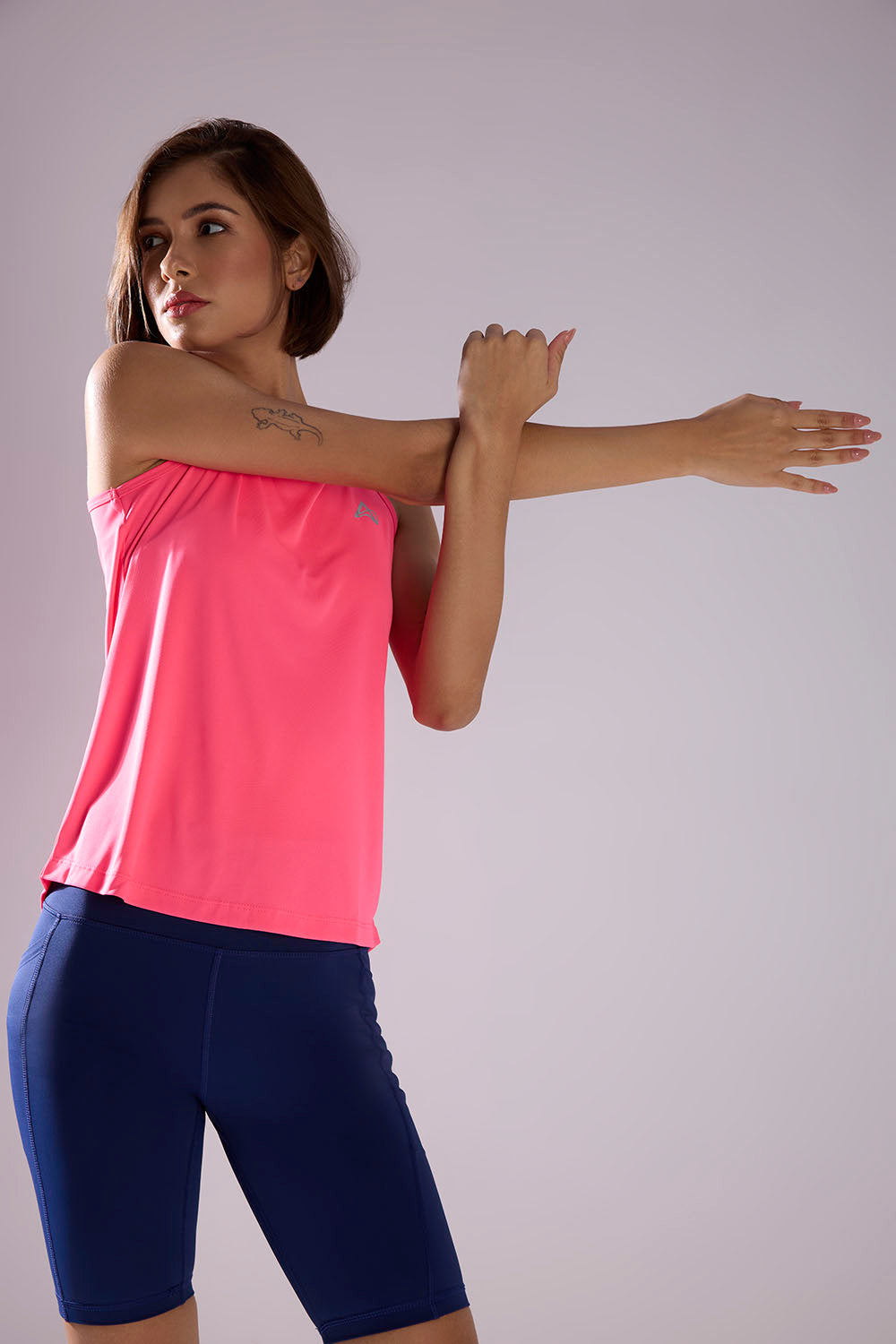
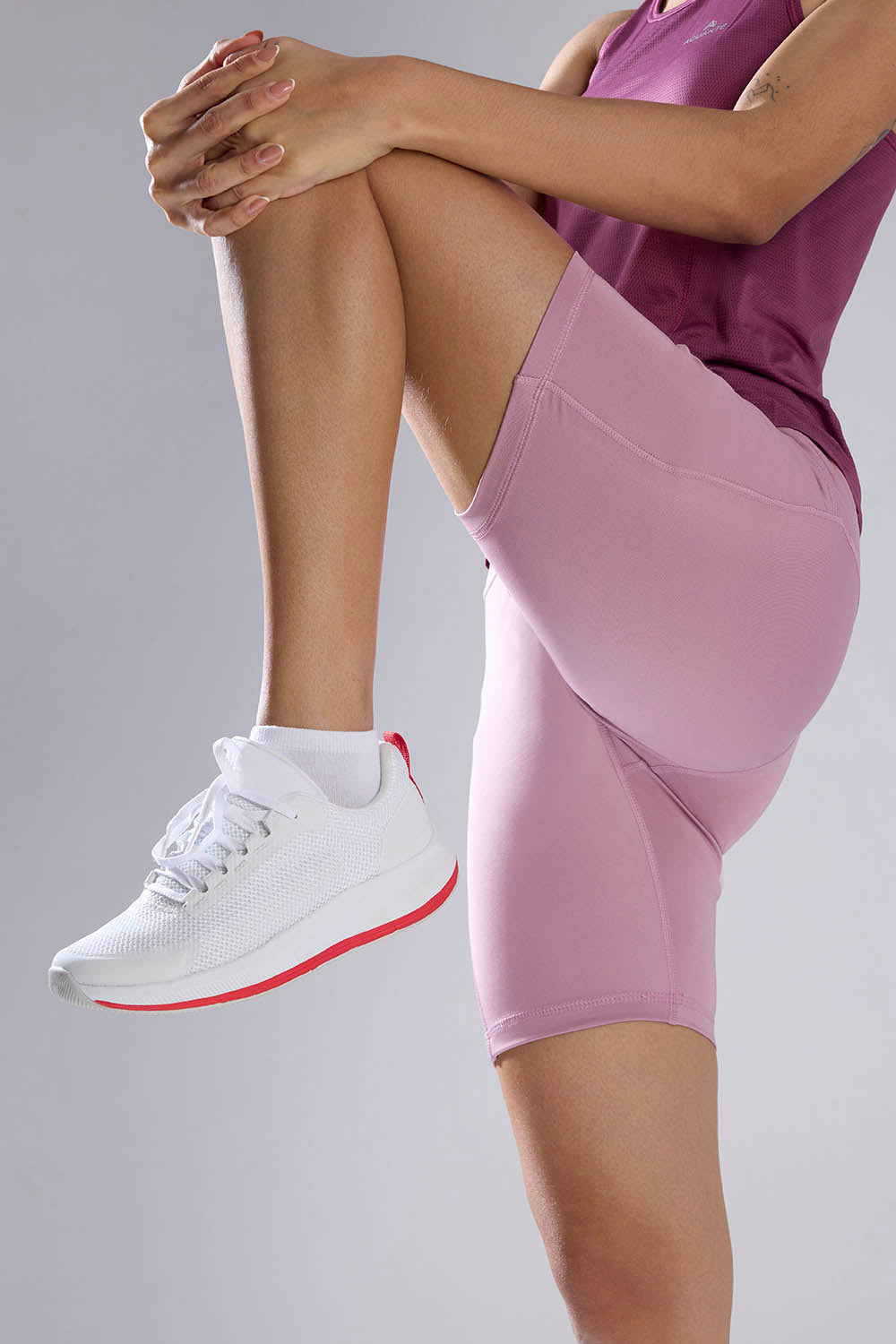
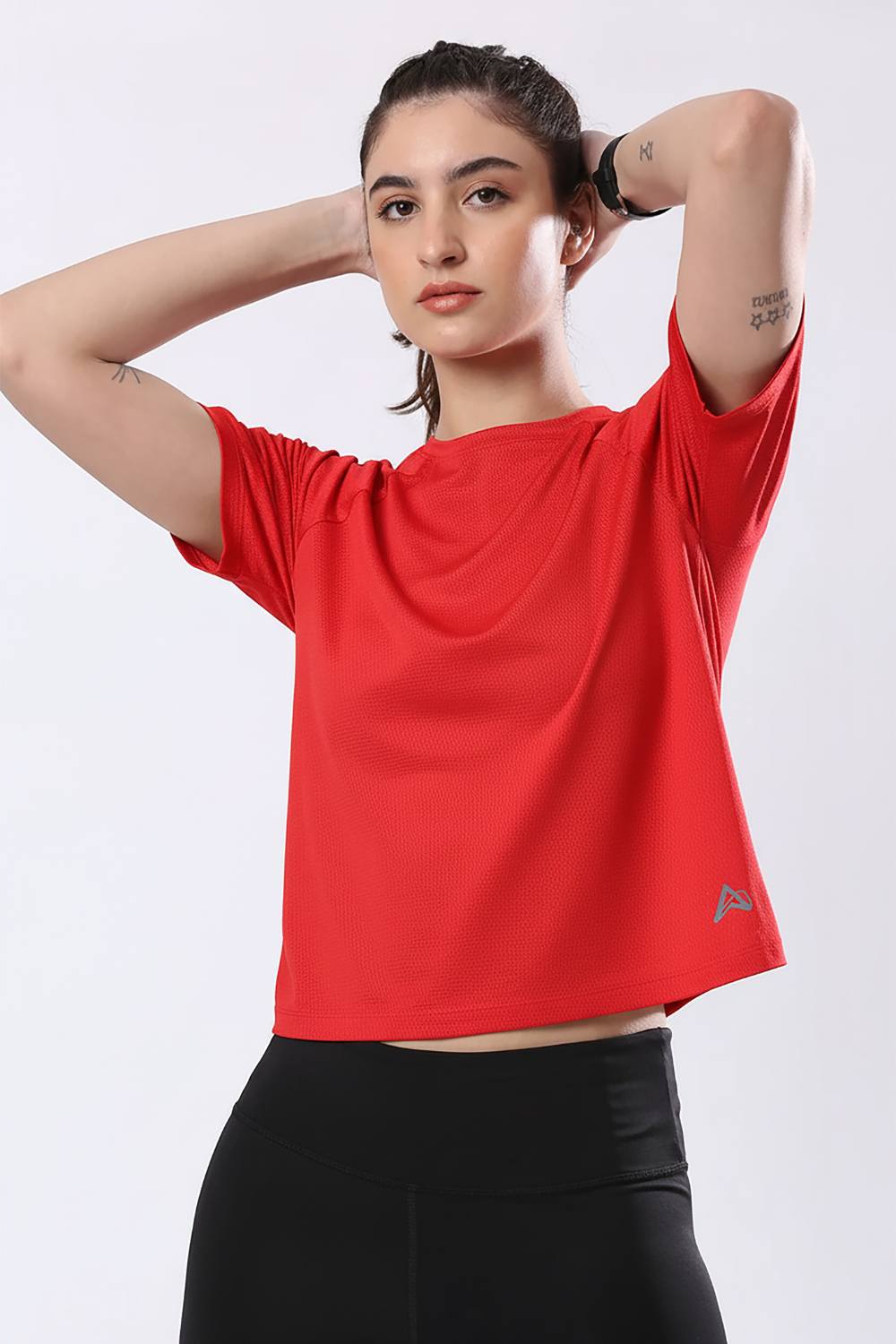
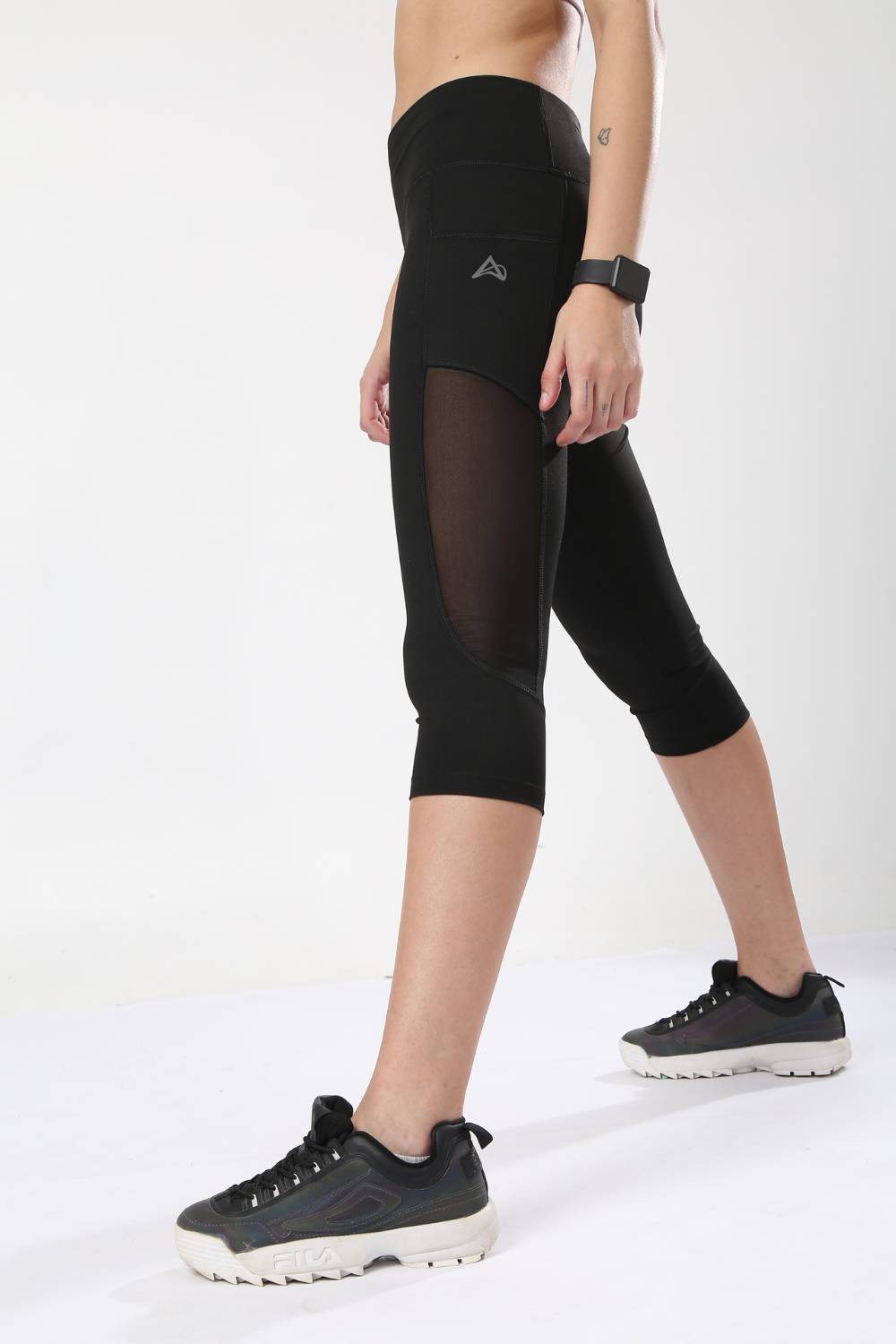

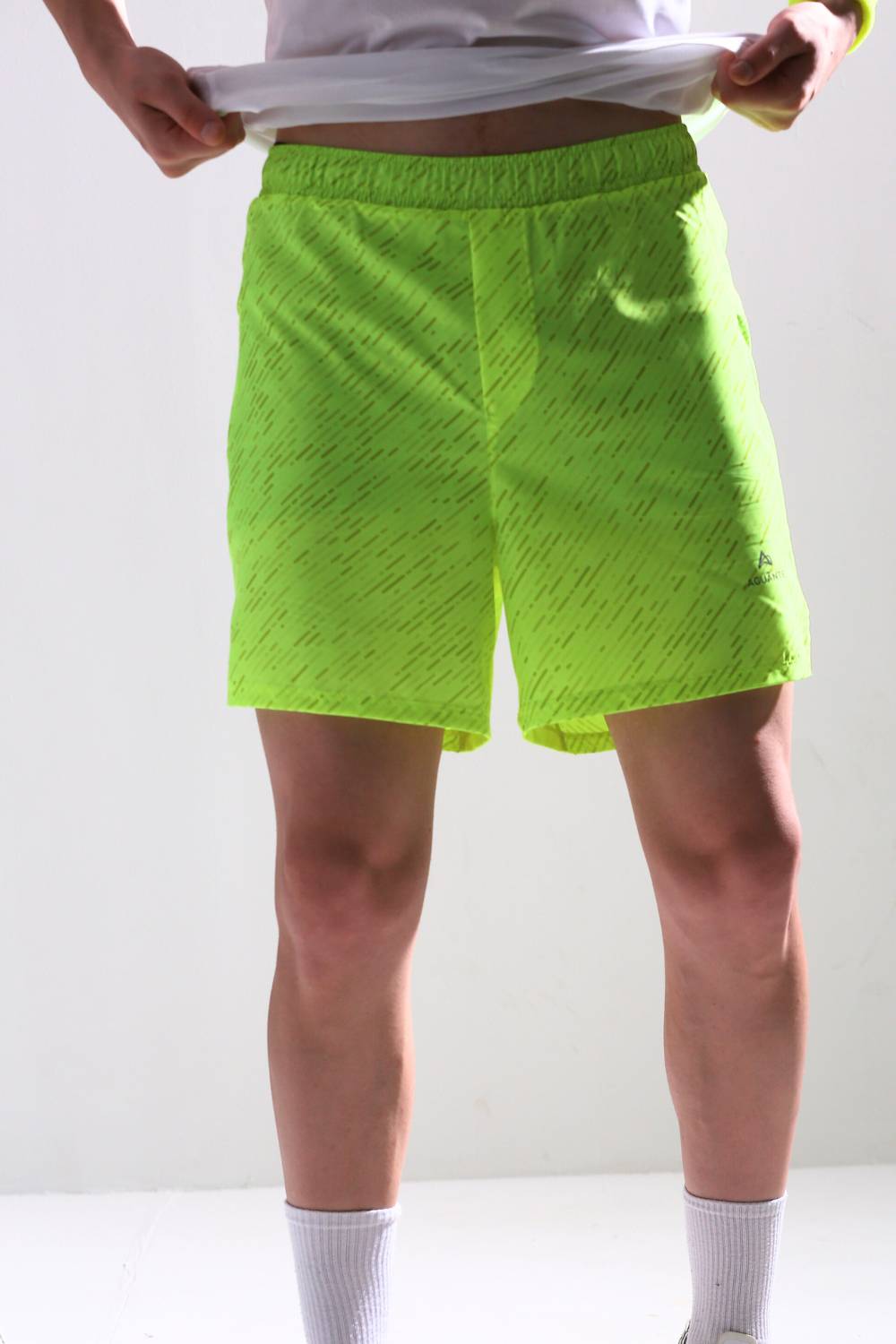
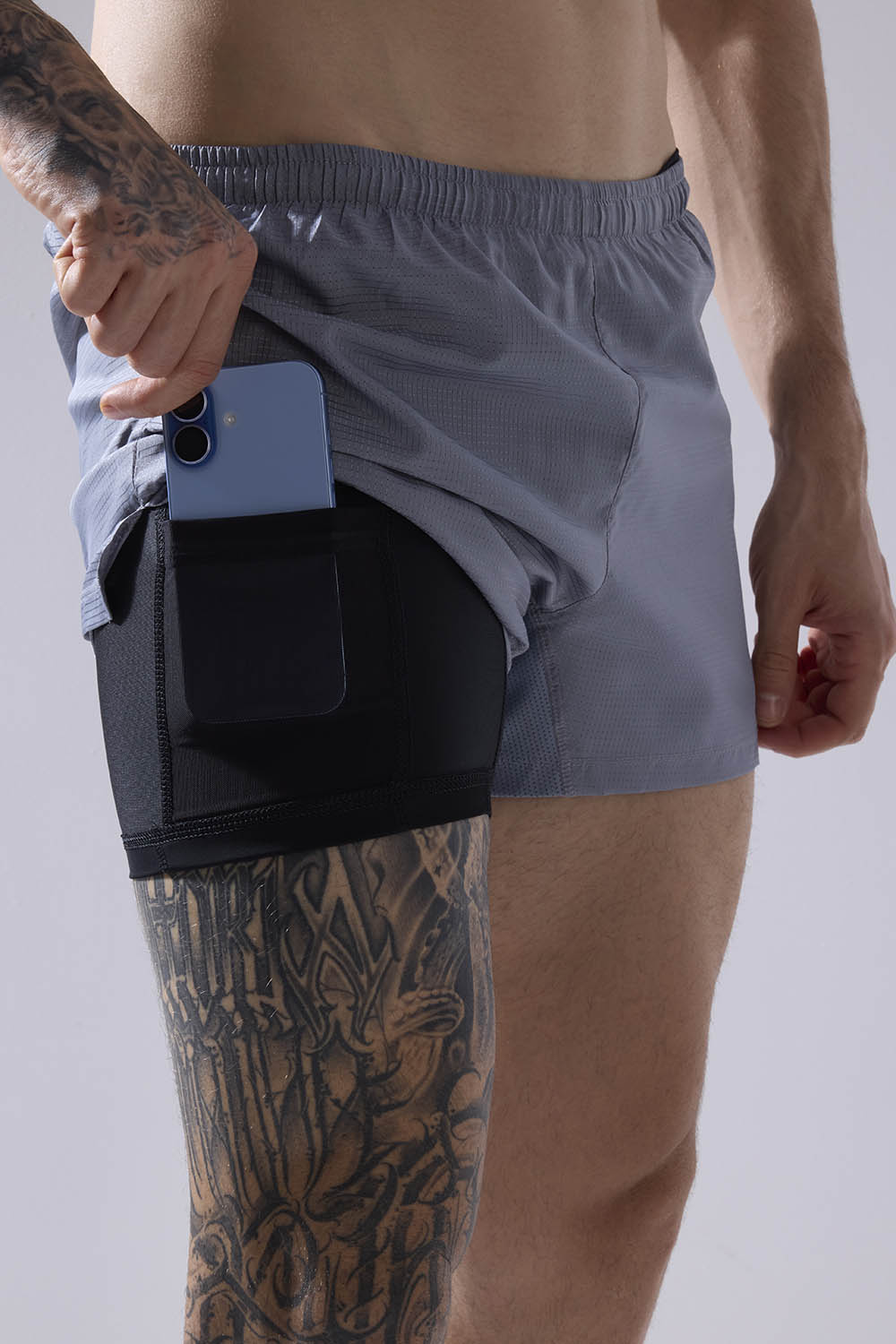

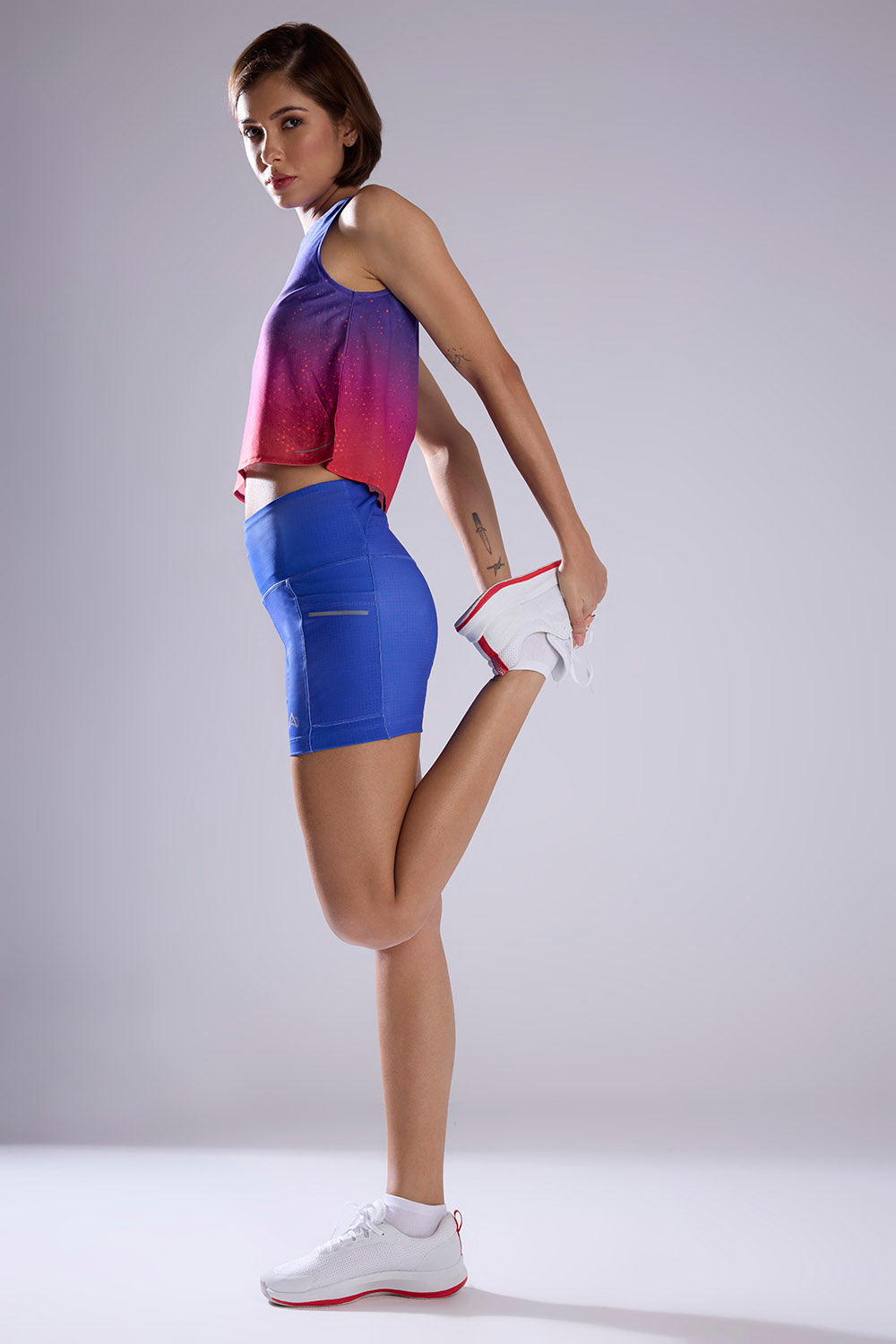
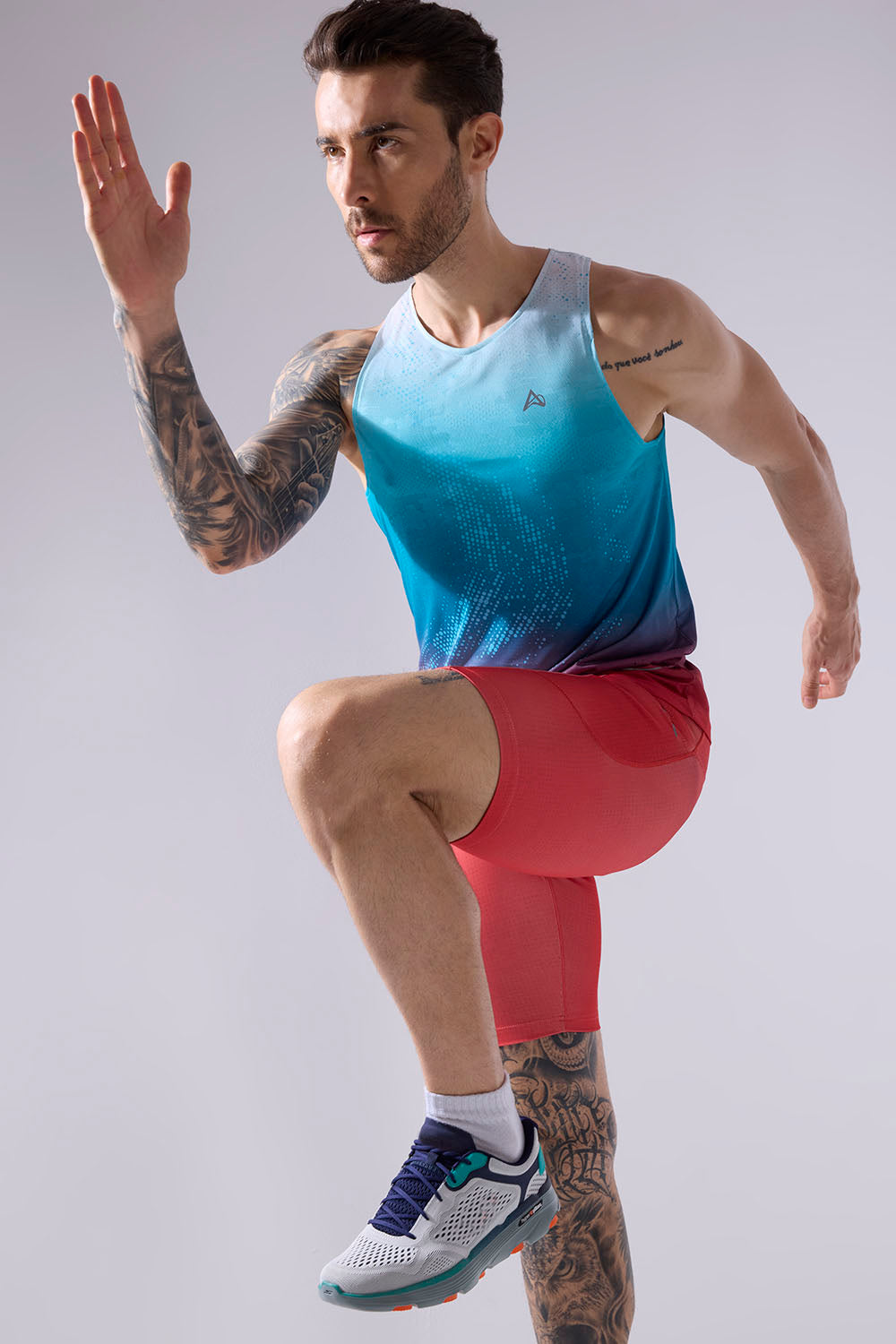

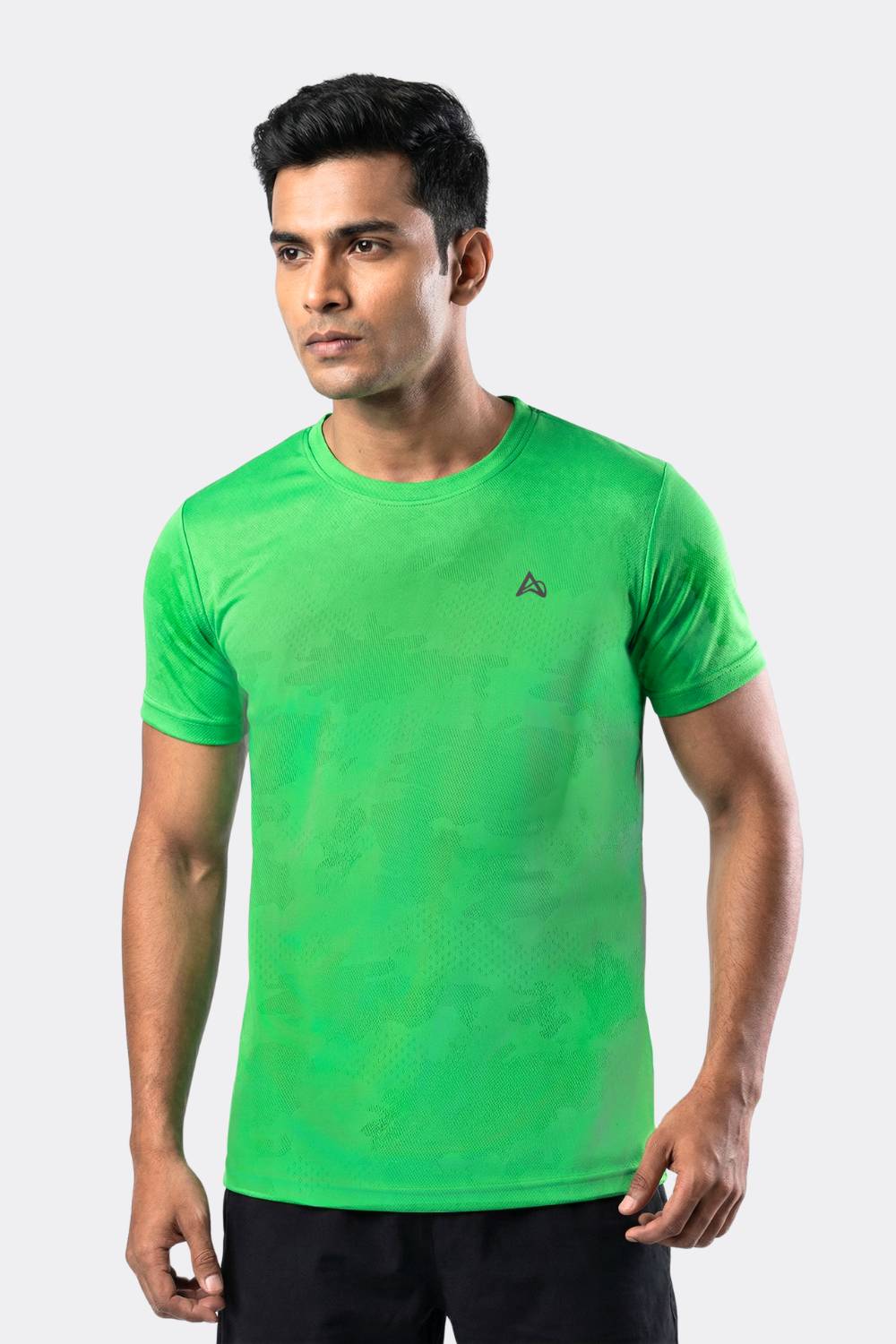
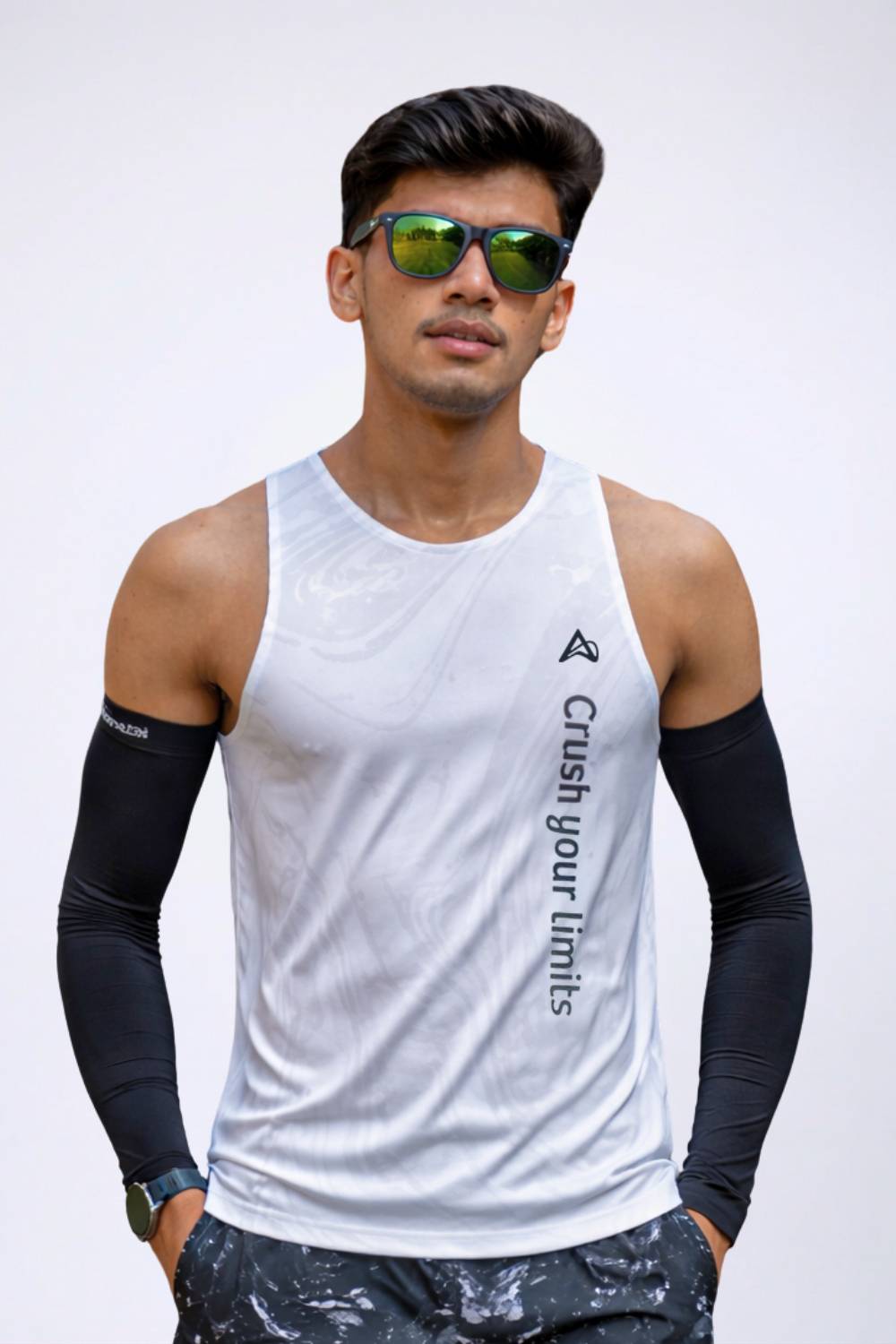

Runners who push their limits on the trails or city roads quickly learn that raw performance is only half the equation. The real edge comes from how efficiently the body recovers afterward. Recovery clothing has evolved from a simple afterthought into a strategic tool that helps reduce soreness, supports circulation, and keeps training consistent. For serious runners in bustling cities like Bangalore, Hyderabad, and Mumbai, where daily runs often follow intense workdays or back-to-back sessions, the right gear can make all the difference between pushing through fatigue and hitting the next PR.
Tired of gear that slows you down? Chafing, soggy fabrics, and missing pockets kill your run's momentum. At Aguante, we're runners who get it. Our high-performance activewear features moisture-wicking fabrics, ergonomic designs, and smart storage to keep you focused. Shop Now!
The Science Behind Effective Recovery Clothing
Compression clothing for recovery works by applying gentle pressure to muscles and veins, which improves blood flow and helps clear metabolic waste faster after a hard effort. Runners often turn to compression socks as part of their recovery clothing arsenal, seeking relief from the physical demands of pounding pavement and the aftermath of strenuous sessions. Compression socks for runners evaluates seven top pairs, noting that while they aren't a magic fix, they provide a pleasant squeeze that feels fabulous and supports circulation. Expert dermatologist Bruce Katz emphasizes no downside for most users when cleared by a doctor, especially for post-workout or flight use. Evidence remains mixed on performance benefits during runs, with a small unpublished study from Ohio State showing no clear fatigue reduction after a hard 30-minute session. However, compression aids non-medical purposes like comfort after tough workouts, making it relevant for runners focusing on recovery. These socks maintain elasticity through dozens of washes, come in ample sizes including wide calves, and prioritize ease of use without bunching.
Key Benefits of Recovery Clothing for Runners
Proper recovery wear delivers measurable improvements in how runners feel the next day. The ritual of putting on compression socks and supportive apparel promotes blood flow to remove waste and reduce perceived soreness. In a market where recovery clothing thrives, proper fit and quality fabric matter more than hype. Runners who invest in reliable gear enhance the recovery process, allowing better sleep, reduced stiffness, and consistent training without the drag of lingering fatigue.
Compression pieces also help athletes maintain peak condition without over-relying on unproven methods. Studies referenced in expert commentary indicate that proper compression can reduce inflammation markers like creatine kinase after strenuous runs. Whether used between heats or after a marathon, these tools help minimize downtime and maximize long-term gains.
Compression Clothing: the Game-changer for Muscle Recovery
Compression clothing for recovery stands out as one of the most practical additions to any runner's post-run routine. Brands like Sockwell's merino blend offer a luxury feel with firm 20-30 mm Hg options that support circulation without over-tightening. Budget-friendly alternatives from Go2Socks and Comrad provide versatile medium-firm styles that maintain elasticity through repeated washes.
These garments are especially useful for runners in humid conditions common across India, where sweat and heat can prolong muscle fatigue. The gentle squeeze improves venous return, helping clear lactic acid more effectively than simple stretching alone. Runners who prioritize firm compression for optimal circulation during recovery often notice less stiffness the following morning.
Moisture-wicking and Performance Fabrics for Post-workout Comfort
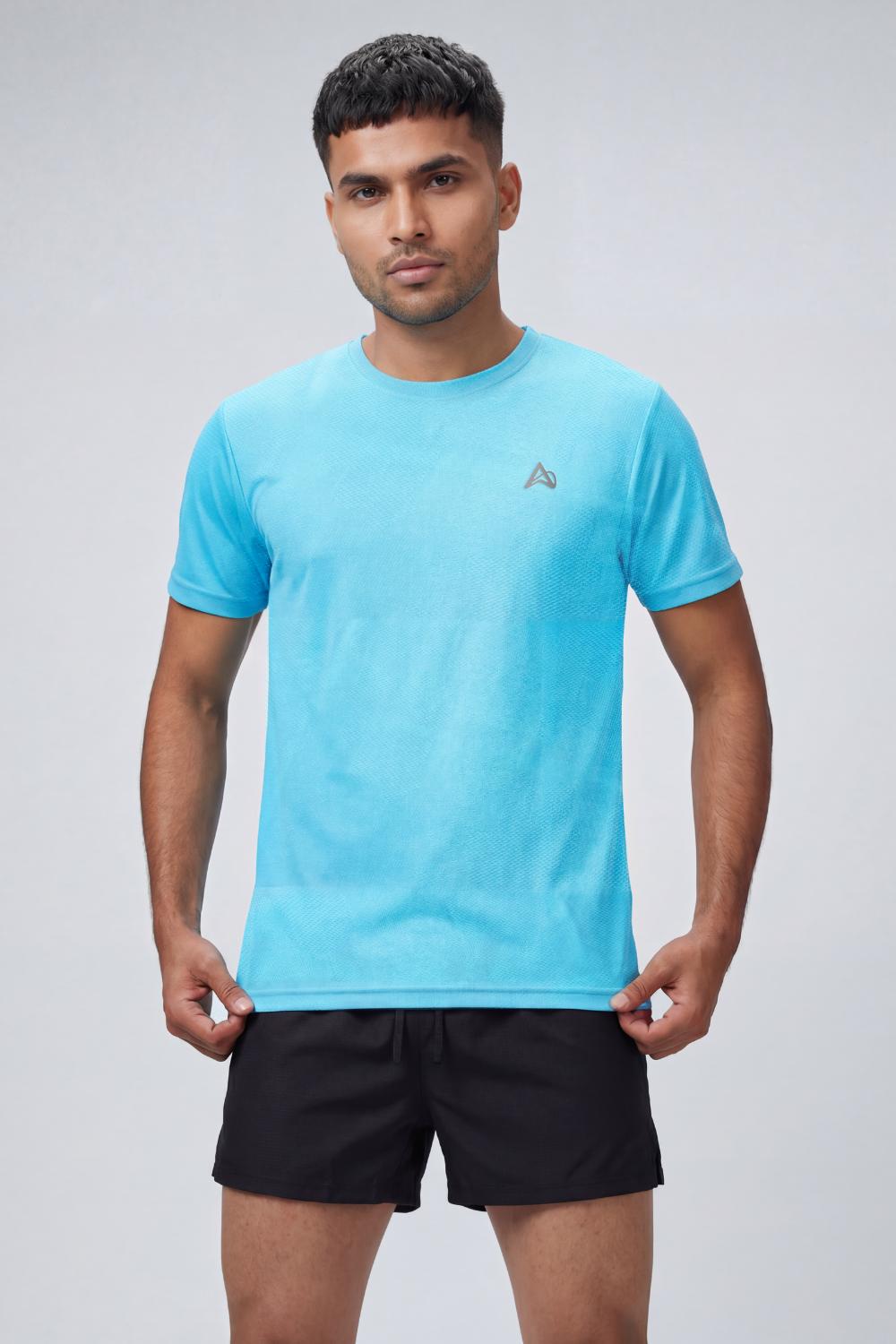
After a long run, the last thing a runner needs is to spend the evening in damp, clinging fabric. Moisture-wicking layers that regulate temperature and draw sweat away from the skin help prevent chafing and keep the body cooler during cooldown periods. These fabrics complement compression pieces by focusing on comfort rather than pressure.
Many runners pair moisture-wicking bases with lightweight outer layers for warmth during cooler evenings or early-morning sessions. The combination creates a system that supports both thermoregulation and circulation. In practice, this means fewer distractions from sticky clothes during the transition from run to rest, allowing more time to focus on true recovery.
How to Choose the Right Recovery Clothes for Your Routine
Selecting recovery clothing isn't about one-size-fits-all. Start by assessing your specific needs: do you run long distances where soreness builds quickly, or shorter sessions where quick recovery is the priority? Look for compression levels that feel supportive but not restrictive typically firm 20-30 mm Hg for most users. Wide-calf options become essential once you reach half-marathon distances.
- Check washability and durability items that hold up through dozens of cycles without losing elasticity are worth the investment.
- Consider fabric blends that combine compression with moisture management for year-round use.
- Try on styles in-store or read detailed reviews to confirm fit across different body types.
Remember, recovery clothing is most effective when it fits well and feels good. The right pair promotes a positive recovery ritual rather than feeling like another chore.
Integrating Recovery Clothing Into Your Daily Routine
The best recovery clothing doesn't sit unused on a shelf. Successful runners build it into their post-run workflow as a natural next step. Within minutes of finishing, put on compression socks and a moisture-wicking top while the body is still warm. This quick ritual accelerates the transition into rest mode.
Many runners also incorporate foam rolling alongside compression wear. Foam rolling receives stronger support for decreasing perceived soreness, fatigue, and tightness in the short term. World Cup athletes and everyday runners alike rely on a mix of techniques to bounce back from intense efforts, with recovery clothing playing a key role in that equation. Recovery techniques for runners highlighted a spectrum of approaches, some science-backed and others more anecdotal. Cryotherapy chambers cooled to minus 160 degrees Celsius appear in many recovery protocols, yet researchers caution that evidence for reducing muscle soreness after exercise is insufficient. In contrast, foam rolling and compression garments fit seamlessly into a balanced system that includes rest, nutrition, and light stretching.
When to Consult a Professional About Recovery Clothing
Not every runner benefits equally from compression wear. Individuals with certain medical conditions or those recovering from specific injuries should consult a healthcare provider before adopting these garments. A dermatologist or sports medicine specialist can assess whether compression is appropriate for your unique physiology.
While no single technique dominates, a balanced approach yields the best results. Recovery clothing such as compression pieces or moisture-wicking layers that promote circulation and comfort fits seamlessly into this ecosystem. Athletes who prioritize sleep, stress management, and targeted gear recover faster and train more consistently.
Building a Recovery Clothing System That Works for You
Recovery clothing doesn't need to be expensive or complicated to deliver results. The combination of compression socks, moisture-wicking layers, and supportive outer garments creates a practical system that helps runners maintain consistency. Start simple focus on one essential piece like quality compression socks and gradually add layers that match your training demands.
Runners who treat recovery clothing as part of a holistic strategy often see the biggest improvements in performance and well-being. Whether you're chasing a new PR, training for your first marathon, or simply looking to train smarter, the right recovery wear helps turn post-run downtime into an advantage rather than a limitation.
In the end, the most effective recovery clothing is the one that fits your body, supports your routine, and makes the recovery process feel as good as the run itself. By understanding these fundamentals, every runner can unlock more consistent training and longer-lasting performance.
Frequently Asked Questions
Do compression socks really improve running recovery and reduce soreness?
Compression socks are commonly used in running recovery to support circulation and provide a feeling of reduced fatigue. Research on performance benefits during runs is mixed, but many athletes report improved comfort and less soreness after workouts. They are not a guaranteed fix, but they can be helpful as part of a broader recovery routine. Their main value lies in post-run support rather than direct performance enhancement.
How do I choose the best recovery clothing or compression socks for running?
Choosing recovery clothing depends on fit, comfort, and your training intensity. Most runners benefit from moderate to firm compression levels, often around 20–30 mmHg, along with moisture-wicking fabrics for comfort. Durability is also important, as quality garments should maintain elasticity after repeated washes. Trying different styles and ensuring a proper fit can help you find the most effective option for your needs.
What is recovery clothing for runners and how does it help with muscle recovery?
Recovery clothing for runners includes compression garments and moisture-wicking layers designed to support the body after intense workouts. Compression wear works by applying gentle pressure that can improve blood circulation and help the body clear metabolic waste more efficiently. This may reduce feelings of soreness and support faster post-run recovery. It is especially useful for runners who train frequently or over long distances.
Disclaimer: The above helpful resources content contains personal opinions and experiences. The information provided is for general knowledge and does not constitute professional advice.
You may also be interested in: Track Pants vs. Tights: Which is Best for Your Run? - Aguante
Tired of gear that slows you down? Chafing, soggy fabrics, and missing pockets kill your run's momentum. At Aguante, we're runners who get it. Our high-performance activewear features moisture-wicking fabrics, ergonomic designs, and smart storage to keep you focused. Shop Now!
Powered by flareAI.co