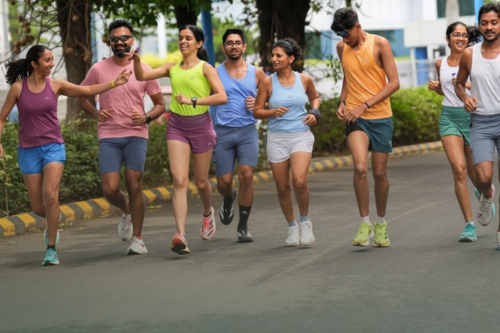
























In the bustling streets of Indian cities, where the morning jogs to the office and evening runs wind through parks, maintaining consistent motivation for running can feel like a daily challenge. Urban professionals and fitness enthusiasts often start with enthusiasm but struggle to sustain the habit amid demanding schedules, heat, and the pressure of daily life. Running communities emerge as a powerful solution, transforming solitary runs into shared experiences that build accountability, foster social connections, and keep runners engaged over the long term.
Tired of gear that slows you down? Chafing, soggy fabrics, and missing pockets kill your run's momentum. At Aguante, we're runners who get it. Our high-performance activewear features moisture-wicking fabrics, ergonomic designs, and smart storage to keep you focused. Shop Now!
The Rise of Running Clubs in India
The surge in running clubs reflects broader global shifts in how people discover and sustain motivation for running, especially after the post-pandemic boom that saw recreational participation exceed 50 million runners in the United States alone. According to reporting on the rise of running clubs, these communities are increasingly seen as inclusive spaces that welcome newcomers, including people who do not traditionally identify as athletes, while also offering experienced runners structured environments for growth. With only a small percentage of runners formally belonging to clubs but rapidly increasing participation rates and a significant rise in organized groups driven largely by younger generations, running communities are expanding quickly across regions and demographics. These clubs are not uniform in structure. Some are performance-focused, helping athletes prepare for races, while others prioritize social connection, friendship, and post-run gatherings. Many combine both elements, creating hybrid spaces where fitness goals and community identity reinforce each other.
The same trend is visible in Indian cities such as Bangalore, Mumbai, Delhi, Pune, and Hyderabad, where running groups have become central to sustaining participation despite challenges like climate, traffic, and demanding work schedules. While etiquette and pace management can sometimes create friction, successful clubs emphasize inclusivity, clear communication, and shared values, making them powerful tools for long-term engagement. Participation in these communities often leads to more than improved fitness. Runners frequently develop strong social bonds, and in some cases, lifelong friendships or partnerships, all rooted in the shared experience of training together. This blend of accountability, identity, and enjoyment is a key reason running clubs continue to grow globally and locally.
Why Motivation Evolves in Running Communities
Research into endurance sports shows that motivation in running communities is not static but evolves significantly over time. A synthesis of findings across 61 studies, summarized in research on motivation in running communities, highlights how marathon and ultramarathon runners are driven by different but overlapping psychological and social factors. Marathon runners often begin with goals tied to fitness and performance but gradually expand their motivation to include social connection and community identity as they become more embedded in running groups. In contrast, ultramarathon runners tend to rely more heavily on internal drivers such as self-esteem, personal exploration, and achievement, though they are still influenced by the broader community around them. The research also shows that factors such as age, gender, and experience shape how motivation develops.
Women and older runners are more likely to emphasize well-being and social support, while younger runners may prioritize challenge and status. Across all groups, however, community support consistently plays a critical role in sustaining long-term participation. Running communities enhance self-efficacy by allowing members to share progress, observe other's achievements, and receive encouragement during setbacks, making goals feel more achievable and tangible. This evolving motivational structure explains why many runners are able to move past early dropout phases. As individuals transition from personal ambition to shared identity within a group, running becomes less about isolated effort and more about collective progress, reinforcing consistency and long-term engagement.
The Psychological Benefits of Social Running
Running with others delivers psychological advantages that extend far beyond the finish line. Social bonds reduce feelings of isolation, boost self-esteem, and create a sense of belonging that sustains long-term engagement. Participants often report new friendships forming, even marriage-like connections in some cases, all rooted in the shared purpose of running. These interactions address barriers like lack of structure or support. Clubs emphasize respect, clear communication, and codes of conduct, creating environments where runners feel accountable without judgment. This accountability helps overcome challenges such as injury or burnout by providing encouragement that keeps momentum alive.
Building Discipline Through Group Accountability
One of the most practical benefits of running clubs is the discipline they instill. Without the pressure of showing up for yourself alone, group runs create natural accountability. Runners set goals together, track progress collectively, and hold each other responsible during tough sessions. This structured environment helps urban professionals balance hectic careers with fitness goals, turning running into a reliable part of their routine. Groups come in different flavors to suit every runner. Performance-focused clubs prepare members for events, while socially oriented ones prioritize friendships and post-run connections. Some even blend both, making them ideal for those seeking motivation that combines structure with enjoyment.
Community Support in the Indian Running Scene
Local running communities play a pivotal role in sustaining participation. In cities like Mumbai and Delhi, where traffic and heat can test endurance, groups offer tailored training advice and shared experiences that build resilience. Whether it's a small meetup in Pune or a larger crew in Hyderabad, these networks turn individual miles into collective journeys full of inspiration and support. Runners who engage with these communities experience motivation as a dynamic process rooted in health, connection, and growth. The emphasis on communal aspects especially as participation increases helps experienced runners prioritize personal goals and health while newcomers gain confidence through collective identity.
Practical Tips for Starting and Maintaining Running Groups
- Choose group sizes that allow meaningful interaction without overwhelming logistics.
- Plan sessions that balance fun with purpose, such as challenges or social post-run gatherings.
- Stay flexible to accommodate diverse schedules and fitness levels.
- Foster a culture of encouragement, where everyone supports one another through plateaus and setbacks.
By following these practices, communities become sustainable forces that keep runners motivated season after season.
Transforming Running Into a Lifelong Habit
The true power of running communities lies in their ability to make endurance sports not just accessible but enjoyable and enduring. As runners align their personal aspirations with the collective identity of the group, motivation deepens and participation becomes self-reinforcing. This dynamic process helps overcome barriers that derail solo efforts and creates a sense of belonging that extends beyond the track. In the end, running communities prove that lasting commitment comes from connection, not competition. Whether you're chasing your first milestone or pushing toward a full marathon, the right group can turn running into a sustainable passion that enriches both mind and body. In today's fast-paced world, the ability to stay motivated while pursuing fitness is more important than ever. Running communities offer the accountability, inspiration, and social support that help urban runners in Indian cities build lasting habits.
By embracing these groups, individuals not only improve their performance but also find joy and purpose in the miles they cover. For those ready to elevate their running experience, exploring local clubs provides the perfect starting point. The journey ahead becomes far more rewarding when shared with others who understand the passion.
Why This Matters for Runners Today
In today's fast-paced world, the ability to stay motivated while pursuing fitness is more important than ever. Running communities offer the accountability, inspiration, and social support that help urban runners in Indian cities build lasting habits. By embracing these groups, individuals not only improve their performance but also find joy and purpose in the miles they cover.
For those ready to elevate their running experience, exploring local clubs provides the perfect starting point. The journey ahead becomes far more rewarding when shared with others who understand the passion.
Frequently Asked Questions
What are the benefits of joining a running club in India?
Joining a running club in India offers benefits such as improved fitness, structured training, and stronger social connections. In cities like Mumbai, Delhi, and Bangalore, these groups also help runners overcome challenges like heat, traffic, and demanding work schedules. They provide an inclusive environment where both beginners and experienced runners can grow together.
How do running communities help you stay motivated to run regularly?
Running communities boost motivation by turning solo workouts into shared experiences that encourage consistency. Group runs create accountability, making it easier to stick to a routine even on busy or low-energy days. Social support and shared goals also help runners push through challenges and maintain long-term commitment.
How do running clubs improve discipline and accountability for runners?
Running clubs improve discipline by creating a consistent schedule of group runs that members are expected to attend. This shared commitment encourages runners to show up even when motivation is low, reinforcing routine and structure. Tracking progress together and supporting each other through setbacks also helps reduce dropout rates and build lasting habits.
Disclaimer: The above helpful resources content contains personal opinions and experiences. The information provided is for general knowledge and does not constitute professional advice.
You may also be interested in: How Runners Are Preparing for India's Expanding Marathon Calendar
Tired of gear that slows you down? Chafing, soggy fabrics, and missing pockets kill your run's momentum. At Aguante, we're runners who get it. Our high-performance activewear features moisture-wicking fabrics, ergonomic designs, and smart storage to keep you focused. Shop Now!
Powered by flareAI.co