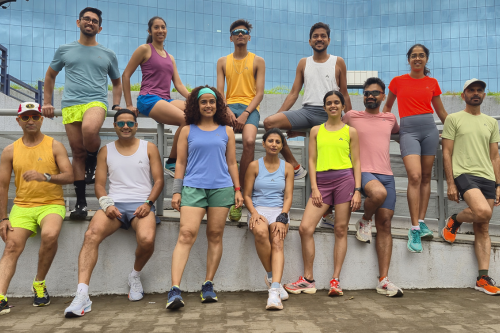
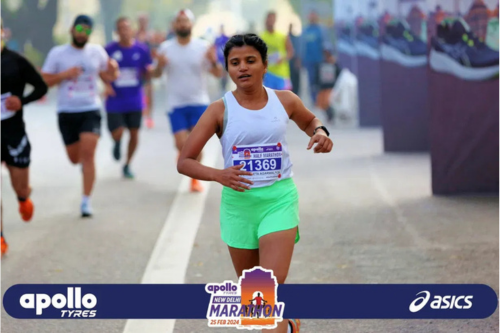
What Every Marathon Runner Should Know About Clothing starts with a simple reality: the right running outfit is not just about appearance. For marathon runners, clothing becomes part of the preparation strategy. A race can last for hours, and small issues such as trapped heat, uncomfortable seams, poor moisture management, or restricted movement can become major distractions over long distances.
Choosing marathon running clothing requires understanding how fabrics, fit, weather conditions, and personal comfort work together. The best race-day choices are usually the ones that have already been tested during training. A garment that feels comfortable during a short run may respond differently after repeated movement, heavy sweating, and extended effort.
For runners preparing for events or building endurance routines, clothing decisions should focus on supporting performance rather than following trends. The goal is to create a reliable system that helps the body manage effort, movement, and changing conditions from the first kilometre to the finish line.
Tired of gear that slows you down? Chafing, soggy fabrics, and missing pockets kill your run's momentum. At Aguante, we're runners who get it. Our high-performance activewear features moisture-wicking fabrics, ergonomic designs, and smart storage to keep you focused. Shop Now!
Why Clothing Matters During Long-distance Running
Long-distance running places unique demands on clothing. Unlike shorter workouts, a marathon exposes runners to repeated friction, changing body temperature, accumulated sweat, and hours of continuous movement. The clothing that works well for a quick training session may not provide the same comfort during a full-distance event.
A well-designed running outfit should support three essential needs: moisture management, freedom of movement, and long-lasting comfort. When clothing works effectively, runners can focus more on pacing, hydration, and race strategy instead of adjusting their gear throughout the run.
Fabric selection plays an important role because the body relies on sweat evaporation as part of its natural cooling process. Fabric construction can influence airflow and moisture movement, which is why runners should look beyond simple labels and consider how the complete garment performs.
This is especially important for marathon runners who train and compete in varied environments. Weather, humidity, sun exposure, and race timing can all influence how clothing feels during a long effort.
How to Choose the Right Fabric for Marathon Clothing
When runners search for the best clothes for marathon running, fabric is often the first consideration. However, the ideal material is not determined by one feature alone. A successful running garment balances breathability, moisture control, durability, and comfort.
Moisture Management and Sweat Control
During endurance activities, sweat management becomes a practical concern. Moisture-wicking clothes for runners are designed to move sweat away from the skin, helping support evaporation and reducing the uncomfortable feeling of wet fabric against the body.
Synthetic performance fabrics are commonly used in running apparel because they can be engineered to support active movement and moisture transfer. However, the specific construction of the fabric matters. Two materials may both be described as lightweight or technical while performing differently depending on their weave and design.
Cotton can feel comfortable in everyday situations, but it may hold moisture once saturated. During a marathon, fabric that remains wet for extended periods may contribute to discomfort and increased friction. This is why many distance runners prefer clothing created specifically for endurance activity.
Breathability and Temperature Control
Temperature management is another important factor when selecting marathon running clothing. Clothing should allow heat and moisture to escape rather than creating unnecessary insulation around the body.
Research into endurance athletes highlights that clothing choices can affect how effectively runners manage heat. During demanding conditions, heat management strategies include approaches that support the body's ability to regulate temperature, making breathable and appropriate clothing an important part of race preparation.
Runners should consider the expected conditions before selecting their race-day outfit. A lightweight top may be suitable for warm weather, while additional layers may be useful during cooler starts or changing conditions. The key is choosing clothing based on the actual environment rather than assumptions.
Fit, Movement, and Comfort Over 42 Kilometres
Comfort becomes increasingly important as distance increases. A marathon race day outfit must allow natural movement while avoiding distractions caused by poor fit. Clothing that feels acceptable at the beginning of a run can create problems later if it causes rubbing, restriction, or repeated adjustments.
Fit does not always mean choosing the loosest option available. Some runners prefer closer-fitting garments that reduce unnecessary movement, while others prefer more relaxed designs that encourage airflow. The right choice depends on individual preference, body movement, and the conditions of the run.
Running apparel should allow unrestricted motion through the hips, legs, and upper body. Shorts, tights, tops, and layers should support the runner's stride without creating pressure points.
Preventing Discomfort Before Race Day
One of the most important lessons for marathon preparation is to avoid experimenting with untested clothing on race day. New garments may feel promising before a run but behave differently after hours of repeated movement.
Long training sessions provide an opportunity to evaluate clothing performance. Runners can identify whether a fabric handles sweat effectively, whether seams create irritation, and whether pockets or storage options remain practical while moving.
Comfortable running gear for endurance training should become part of the training process itself. Clothing is not simply an accessory added before a race; it is equipment that runners should understand through regular use.
What to Wear for a Marathon Based on Conditions
There is no single marathon outfit that works for every runner or every event. The right clothing depends on factors such as temperature, humidity, wind, sunlight, and personal comfort preferences.
Warm and humid conditions require extra attention to ventilation and sweat evaporation. In these situations, runners often benefit from lightweight garments that reduce heat retention and allow moisture to escape. Clothing that restricts evaporation may make temperature management more challenging during prolonged activity.
Cooler conditions create different considerations. Runners may need layers that provide warmth before the start while allowing easy adjustment once the body heats up. Removable layers, breathable materials, and practical designs can help runners adapt without carrying unnecessary weight.
Sun exposure is another factor worth considering. Clothing colour, fabric design, and reflective elements may influence comfort and visibility, particularly during early morning, evening, or outdoor training sessions.
The most effective approach is preparation. Runners should evaluate their expected conditions and practise their complete outfit during training runs before race day.
Essential Features to Look for in Running Apparel
Modern running clothing includes features designed around the practical challenges runners experience. While not every feature is necessary for every athlete, certain design elements can improve the overall running experience.
- Breathable construction: Helps support airflow and comfort during extended activity.
- Moisture management: Helps move sweat away from the body during intense effort.
- Comfort-focused fit: Supports natural movement without unnecessary restriction.
- Functional storage: Provides convenient space for essentials during longer runs.
- Visibility features: Helps improve awareness during low-light training conditions.
For runners building their kit, every feature should serve a purpose. Extra details are valuable when they solve real problems, but unnecessary complexity can distract from the fundamentals of comfort and performance.
Performance apparel designed for runners often focuses on these practical requirements. The most useful clothing choices are those that match the runner's training habits, distance goals, and environmental conditions.
Building a Reliable Marathon Race-day Outfit
A successful marathon race-day outfit is usually the result of preparation rather than last-minute decisions. Runners who understand their clothing preferences can approach race day with greater confidence because they know how their gear performs.
A complete outfit should be considered as a system. The top, bottoms, socks, and any additional layers should work together. A comfortable shirt paired with unsuitable shorts or poor sock choices can still create problems over a long distance.
Runners should test their full combination during longer training sessions. This includes checking pocket placement, movement, sweat response, and overall comfort after extended effort.
For athletes searching for how to choose running apparel, the most useful question is not simply whether a product looks suitable. Instead, consider whether it has been proven comfortable during the type of running you plan to do.
Aguante's focus on runner-oriented activewear connects naturally with these considerations. The brand's apparel approach is centred around practical needs that runners commonly evaluate when selecting training and race clothing, including comfort, functionality, and performance-focused design.
Clothing Is Part of Marathon Preparation
Marathon success is built through many small decisions, and clothing is one of them. The right apparel does not replace training, pacing, recovery, or preparation, but it can support the runner by reducing avoidable distractions during a demanding event.
Understanding fabric, fit, weather conditions, and personal preferences allows runners to make smarter choices. Instead of searching for a perfect outfit based only on appearance, athletes can focus on finding clothing that performs consistently throughout their training journey.
For every marathon runner, the best clothing choice is ultimately the one that has been tested, trusted, and proven comfortable over distance. A thoughtful approach to running apparel can help make each kilometre feel more manageable and allow runners to focus on the experience of completing the challenge.
Frequently Asked Questions
What should I wear for a marathon race day?
A marathon race day outfit should focus on comfort, moisture management, breathability, and freedom of movement. Runners should choose clothing they have already tested during long training runs to avoid discomfort from unfamiliar fabrics or fits.
What are the best clothes for marathon running?
The best clothes for marathon running are garments that support sweat management, airflow, and comfortable movement over long distances. Lightweight performance fabrics, a suitable fit, and practical features such as storage and visibility details can help improve the running experience.
How do I choose running apparel for long-distance training?
To choose running apparel for long-distance training, consider factors such as fabric construction, weather conditions, fit, and personal comfort preferences. Good running clothes for long distance runners should reduce distractions like friction, trapped moisture, and restricted movement during extended sessions.
Disclaimer: The above helpful resources content contains personal opinions and experiences. The information provided is for general knowledge and does not constitute professional advice.
You may also be interested in: Women's Marathon Shorts India: A Complete Guide for Long-distance Runners
Tired of gear that slows you down? Chafing, soggy fabrics, and missing pockets kill your run's momentum. At Aguante, we're runners who get it. Our high-performance activewear features moisture-wicking fabrics, ergonomic designs, and smart storage to keep you focused. Shop Now!
Powered by flareAI.co