























Heat and humidity can change the experience of a run within minutes. A pace that feels comfortable in mild weather may suddenly demand more effort when temperatures rise and moisture in the air slows the body's ability to cool itself. For runners, this means performance is influenced not only by training plans and fitness levels but also by the conditions surrounding each session.
Understanding how heat affects running performance helps runners make better decisions about pace, hydration, recovery, and preparation. Hot and humid conditions create additional stress on the body, making it important to adjust expectations and approach training with awareness rather than simply trying to maintain the same speed in every environment.
Tired of gear that slows you down? Chafing, soggy fabrics, and missing pockets kill your run's momentum. At Aguante, we're runners who get it. Our high-performance activewear features moisture-wicking fabrics, ergonomic designs, and smart storage to keep you focused. Shop Now!
Why Heat Changes the Way Your Body Runs
During a run, the body produces heat as muscles work. In cooler conditions, the body can manage this extra heat more efficiently. When temperatures rise, however, maintaining a stable internal temperature requires more effort. Blood flow is shared between working muscles and the skin, where the body attempts to release heat.
This additional demand can affect running comfort and endurance. A runner may notice that their usual pace feels harder, breathing becomes more challenging, and fatigue appears earlier than expected. The effort required to maintain performance increases because the body is working not only to move forward but also to regulate temperature.
The practical takeaway is that weather conditions become part of the training environment. A slower pace during a hot session does not necessarily indicate reduced fitness. It can simply reflect the extra physiological work required to perform under greater environmental stress.
How Humidity Affects Running Performance
Humidity creates a unique challenge because it reduces the effectiveness of one of the body's most important cooling systems: sweat evaporation. When the air already contains a high level of moisture, sweat does not evaporate as easily from the skin. This means a runner may continue sweating without receiving the same cooling benefit.
This explains why running in hot and humid weather can feel significantly more demanding than running in dry heat. The temperature reading alone does not always represent the full difficulty of the conditions. Humid air can make a moderate run feel unexpectedly exhausting because the body has fewer opportunities to release heat efficiently.
According to running in humid weather, runners often need to adapt their approach by reducing intensity, adjusting timing, and focusing on effort rather than forcing a predetermined pace. These changes allow the body to manage heat stress more effectively while maintaining consistency in training.
The Impact of Hot Weather on Pace, Endurance, and Recovery
One of the most noticeable effects of heat is a change in perceived effort. A familiar pace may require more concentration and energy when temperatures rise. Runners may experience higher fatigue levels, increased thirst, and a greater need for recovery after a session.
The effects of heat on runners are especially important during longer runs. Endurance activities require the body to maintain performance over extended periods, and heat adds another challenge to that process. Instead of treating weather as an inconvenience, runners can consider it another training variable that needs to be managed.
- Reducing pace: Focus on maintaining a sustainable effort instead of matching cooler-weather speeds.
- Choosing better timing: Running during cooler parts of the day can reduce exposure to intense heat.
- Allowing recovery: Hot-weather sessions may require more attention to rest and hydration.
- Monitoring effort: Use breathing, comfort, and overall exertion as guides rather than relying only on pace.
Race organizers have also had to consider environmental conditions more carefully. Extreme heat has influenced decisions around race timing and formats, with some events adapting schedules to reduce risks associated with challenging weather conditions. Marathons adapting to extreme heat reflects a broader recognition that environmental conditions play an important role in endurance performance.
Building Better Habits for Running in Hot Conditions
Adapting to warmer conditions takes time. Runners who gradually expose themselves to heat can allow their bodies to become more comfortable with the additional demands. Sudden changes from cool-weather training to intense heat can make workouts feel much harder than expected.
Adjust Training Expectations
A common mistake is trying to maintain the same pace regardless of weather. Training goals should consider the conditions on the day of the run. A comfortable effort in moderate temperatures may require a slower pace during a humid workout.
For runners following structured plans, effort-based training can be useful during warmer periods. Instead of focusing only on speed, paying attention to how the body responds can help maintain consistency and reduce unnecessary strain.
Plan Hydration Around Conditions
Hydration for runners in hot weather is an important part of managing performance. Sweating helps cool the body, but significant fluid loss can affect comfort and endurance. Runners should consider the length of their session, weather conditions, and personal hydration needs when preparing for outdoor training.
Carrying water when appropriate, planning routes with access to fluids, and paying attention to signs of excessive fatigue can make hot-weather runs more manageable. Hydration is not only about replacing fluids after a workout; it is part of preparing for the demands of the session itself.
Choosing Running Gear That Supports Comfort in Heat
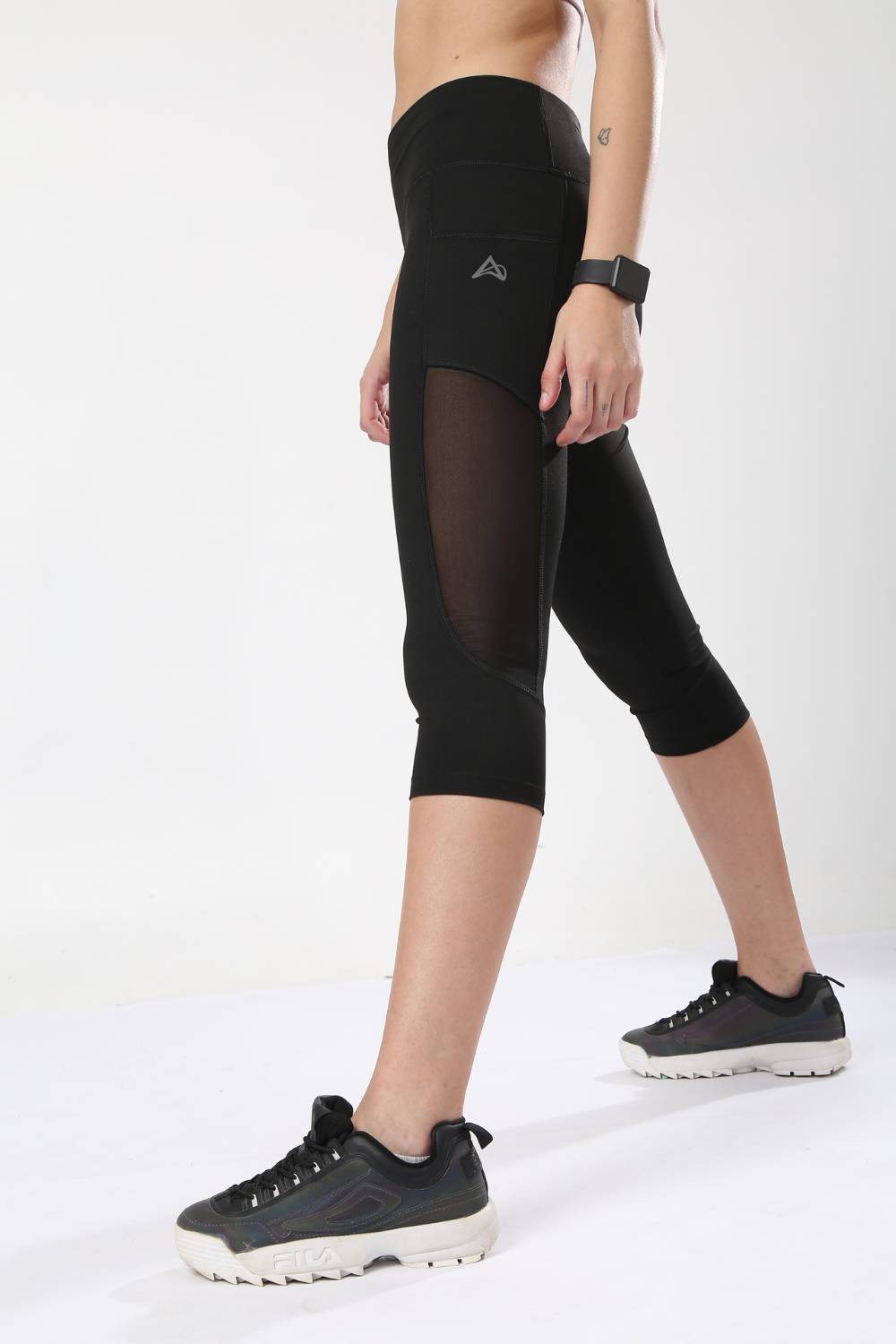
Clothing choices can influence how comfortable a runner feels during warm-weather sessions. Lightweight, breathable running apparel can help manage moisture and reduce distractions caused by discomfort during movement.
For runners training in challenging climates, practical features such as moisture management, comfortable fits, and designs that support unrestricted movement can make a difference. The goal is not to eliminate the effects of heat but to create conditions that allow runners to focus on their training.
Performance apparel designed around the needs of runners connects naturally with the challenges created by warmer weather. When athletes understand how environmental conditions affect their bodies, they can make more informed choices about preparation, training habits, and the gear they use.
Adapting to Indian Weather Conditions as a Runner
Many runners train in environments where warm temperatures and humidity are part of everyday conditions. Instead of viewing heat as an obstacle that prevents progress, runners can approach it as a factor that requires planning and adjustment.
Tips for running in summer heat include selecting suitable training times, allowing the body to gradually adapt, staying aware of hydration needs, and adjusting goals based on the weather. These habits help runners build consistency while reducing the risk of pushing beyond what conditions allow.
Weather awareness can also improve race preparation. A training session completed in difficult conditions can provide valuable experience, helping runners understand how their bodies respond and how to manage effort when the environment becomes demanding.
Making Heat Management Part of Your Running Strategy
Heat and humidity are not simply external factors; they directly influence how the body performs. Understanding how to improve running performance in humidity starts with recognising that successful training is not always about maintaining the fastest pace. It is about adapting intelligently to the conditions.
Runners who learn to adjust intensity, prepare for hydration needs, and choose supportive equipment can approach hot-weather training with greater confidence. The ability to adapt is an essential part of long-term running progress, especially when environmental conditions challenge the body in new ways.
By understanding the relationship between temperature, humidity, and performance, runners can make smarter decisions about every session. The result is a more sustainable approach to training one that respects the demands of the environment while keeping the focus on consistent improvement.
Frequently Asked Questions
How does heat affect running performance?
Heat increases the physical effort required during a run because the body works harder to regulate temperature. Runners may experience higher fatigue, a slower pace, and increased recovery needs when training in hot conditions.
How does humidity affect running performance?
Humidity makes running more difficult because it reduces the effectiveness of sweat evaporation, which is the body's natural cooling process. Running in hot and humid weather can make a familiar pace feel harder and may require adjustments to intensity and hydration.
What are the best tips for running in summer heat?
Runners can manage summer heat by adjusting their pace, choosing cooler times of day, staying hydrated, and allowing gradual adaptation to warmer conditions. Focusing on effort rather than speed can help maintain consistent training while reducing heat-related strain.
Disclaimer: The above helpful resources content contains personal opinions and experiences. The information provided is for general knowledge and does not constitute professional advice.
You may also be interested in: Women's Running Tights with Pockets: The Complete Guide for Indian Runners
Tired of gear that slows you down? Chafing, soggy fabrics, and missing pockets kill your run's momentum. At Aguante, we're runners who get it. Our high-performance activewear features moisture-wicking fabrics, ergonomic designs, and smart storage to keep you focused. Shop Now!
Powered by flareAI.co