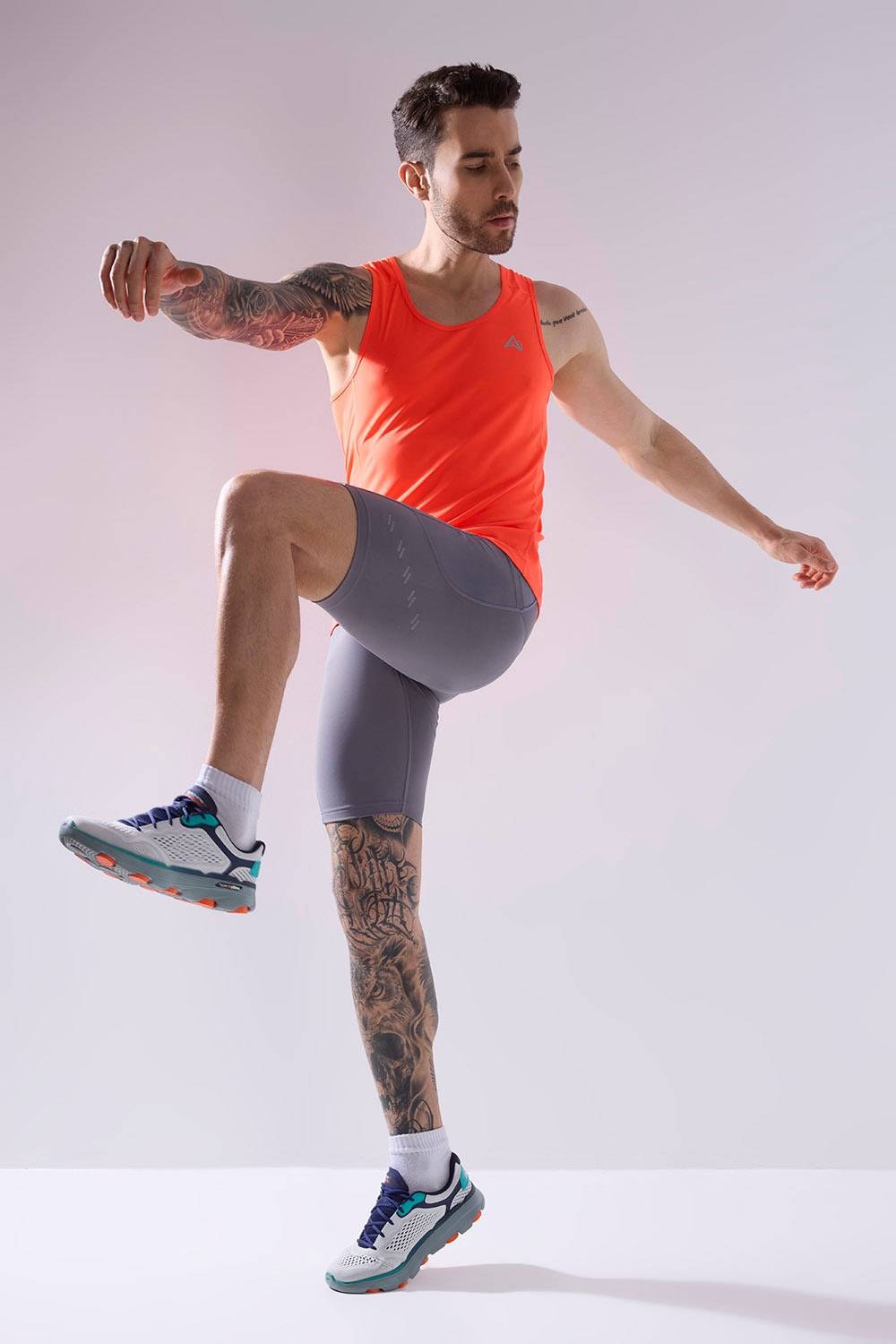
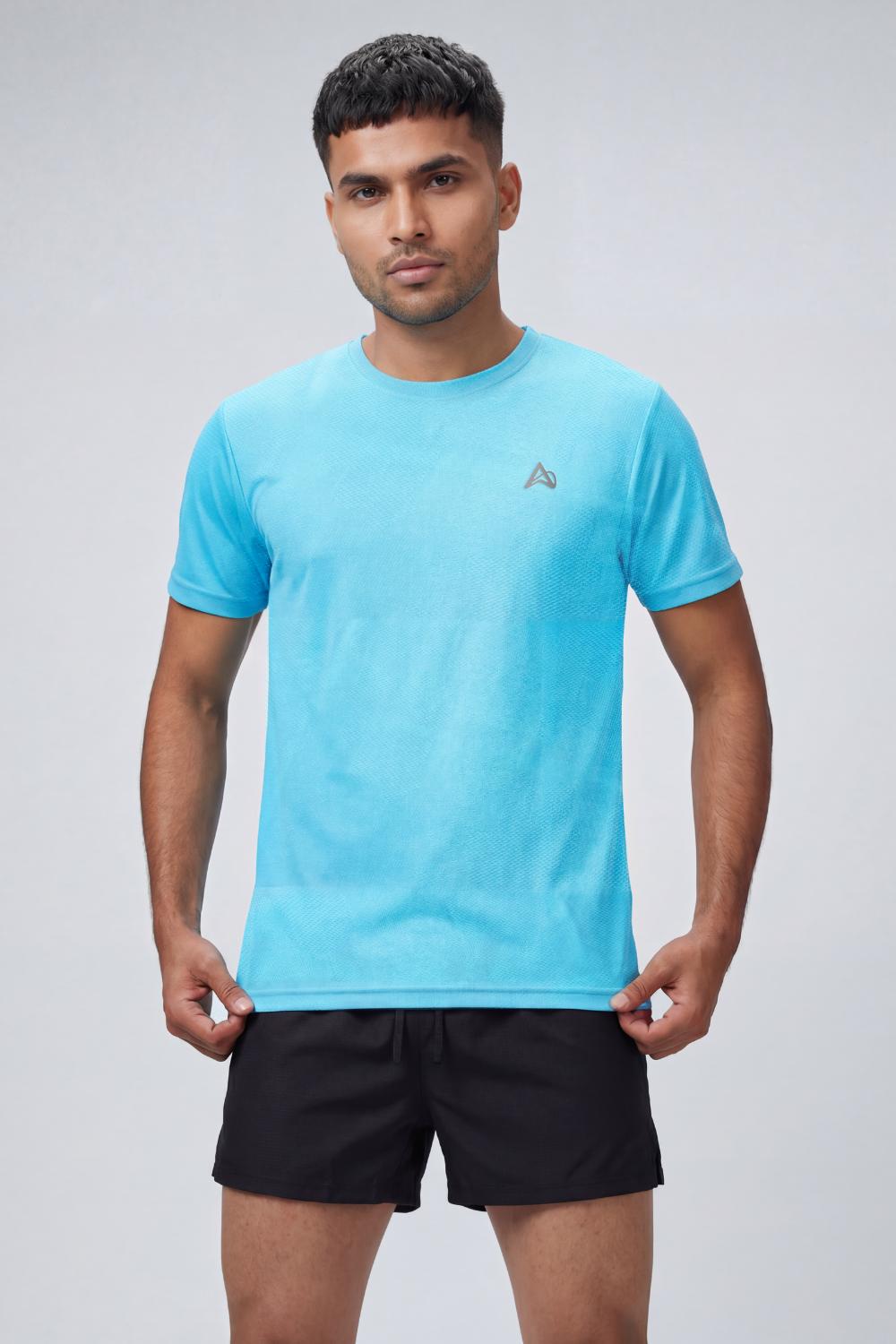
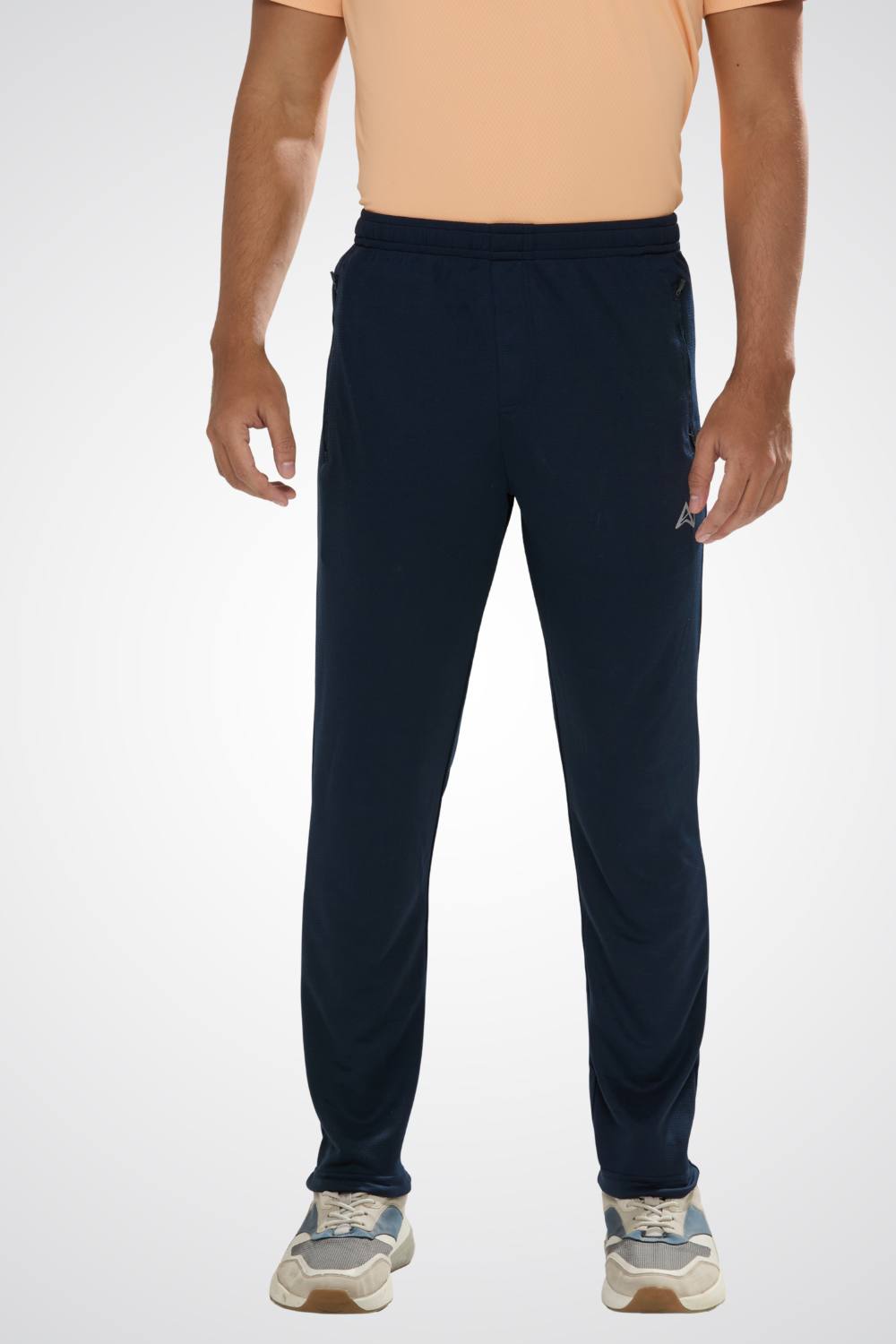
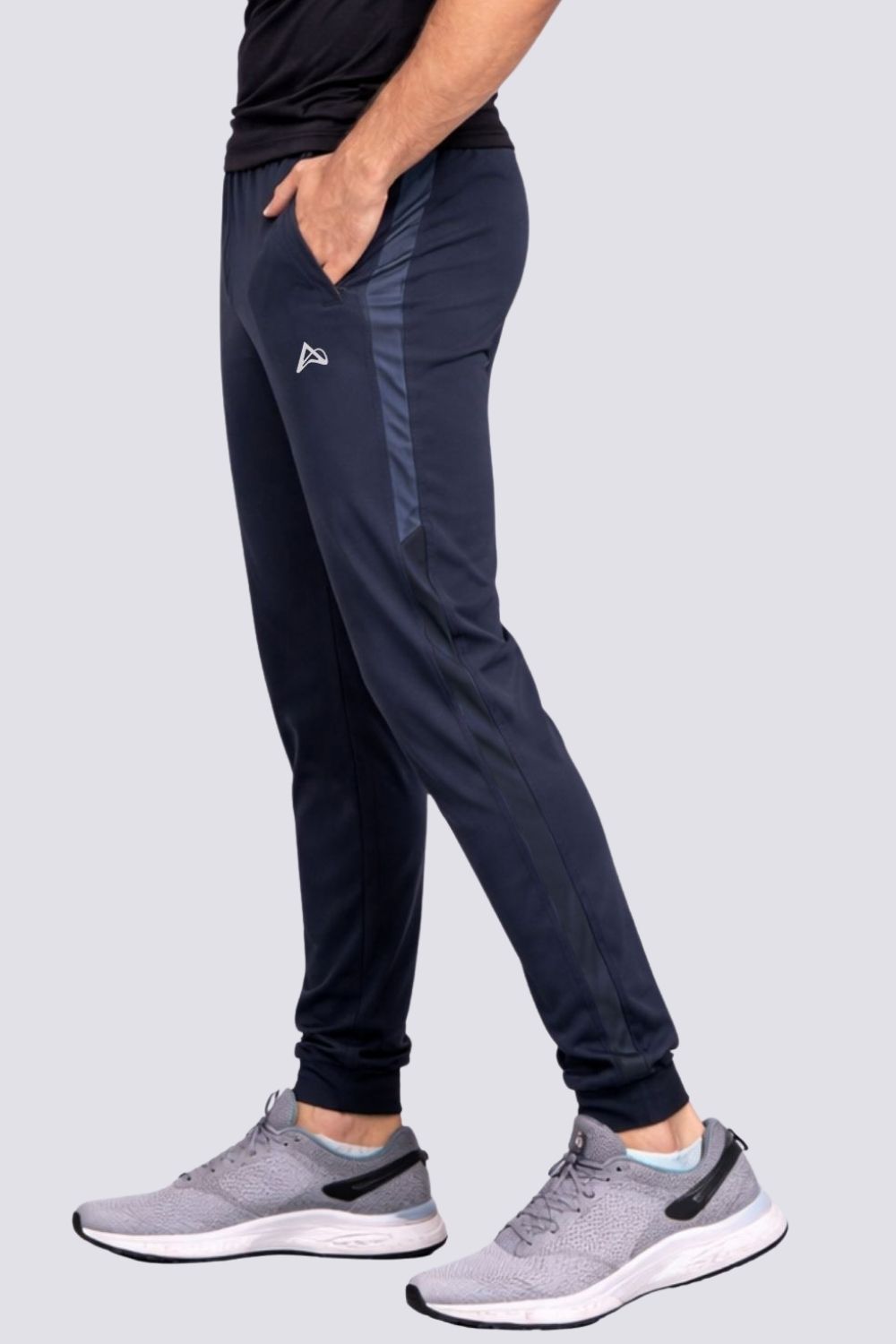
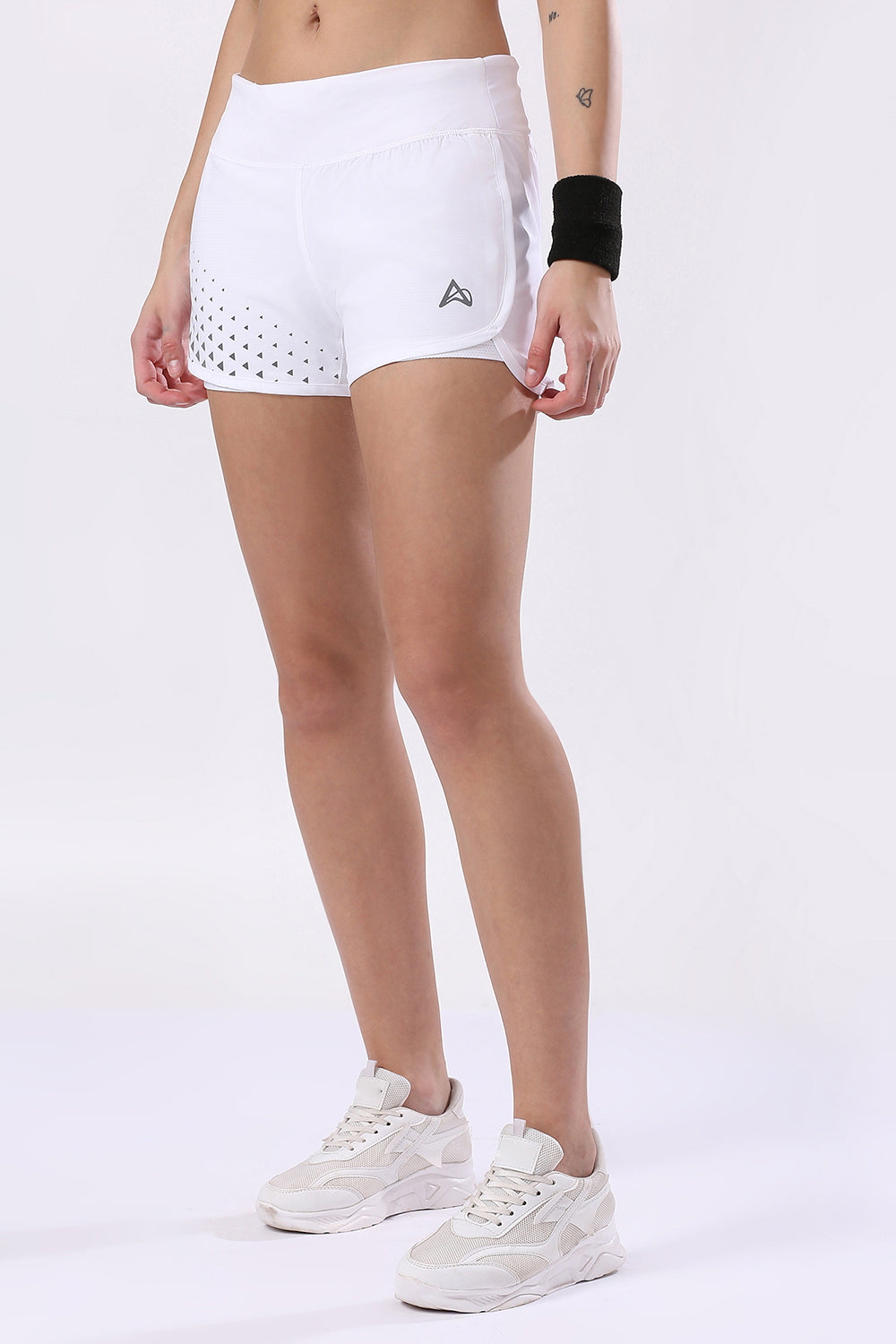
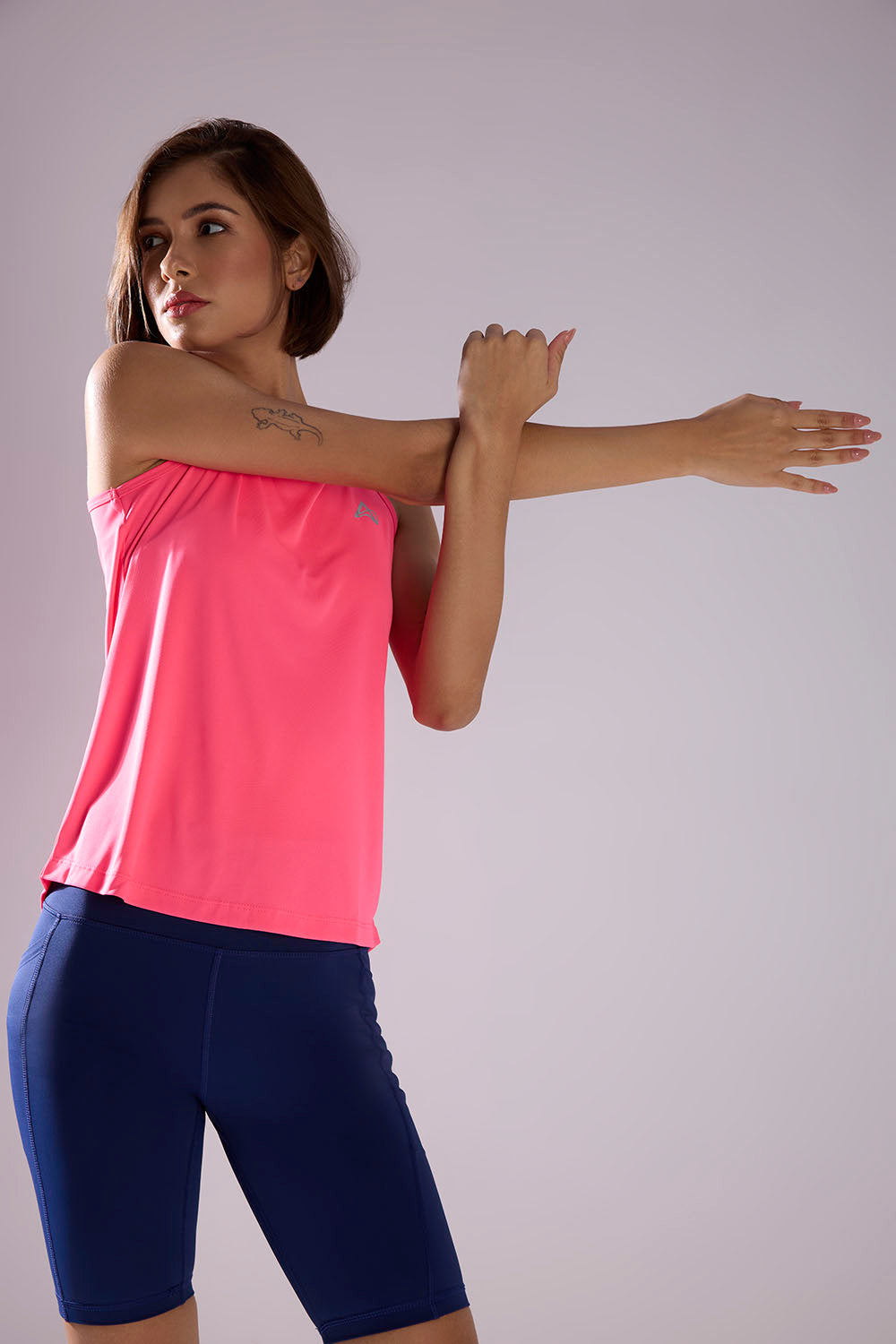
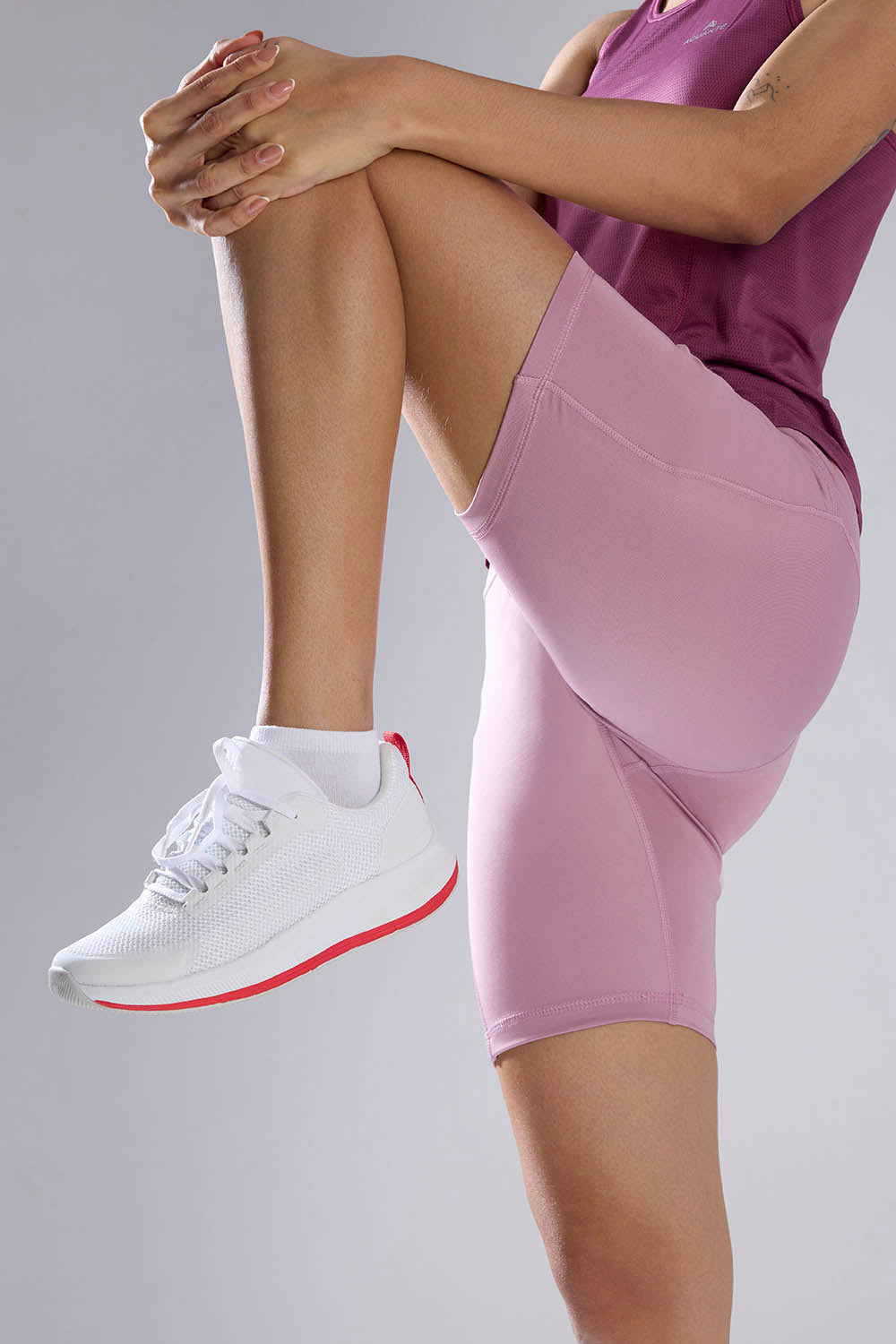
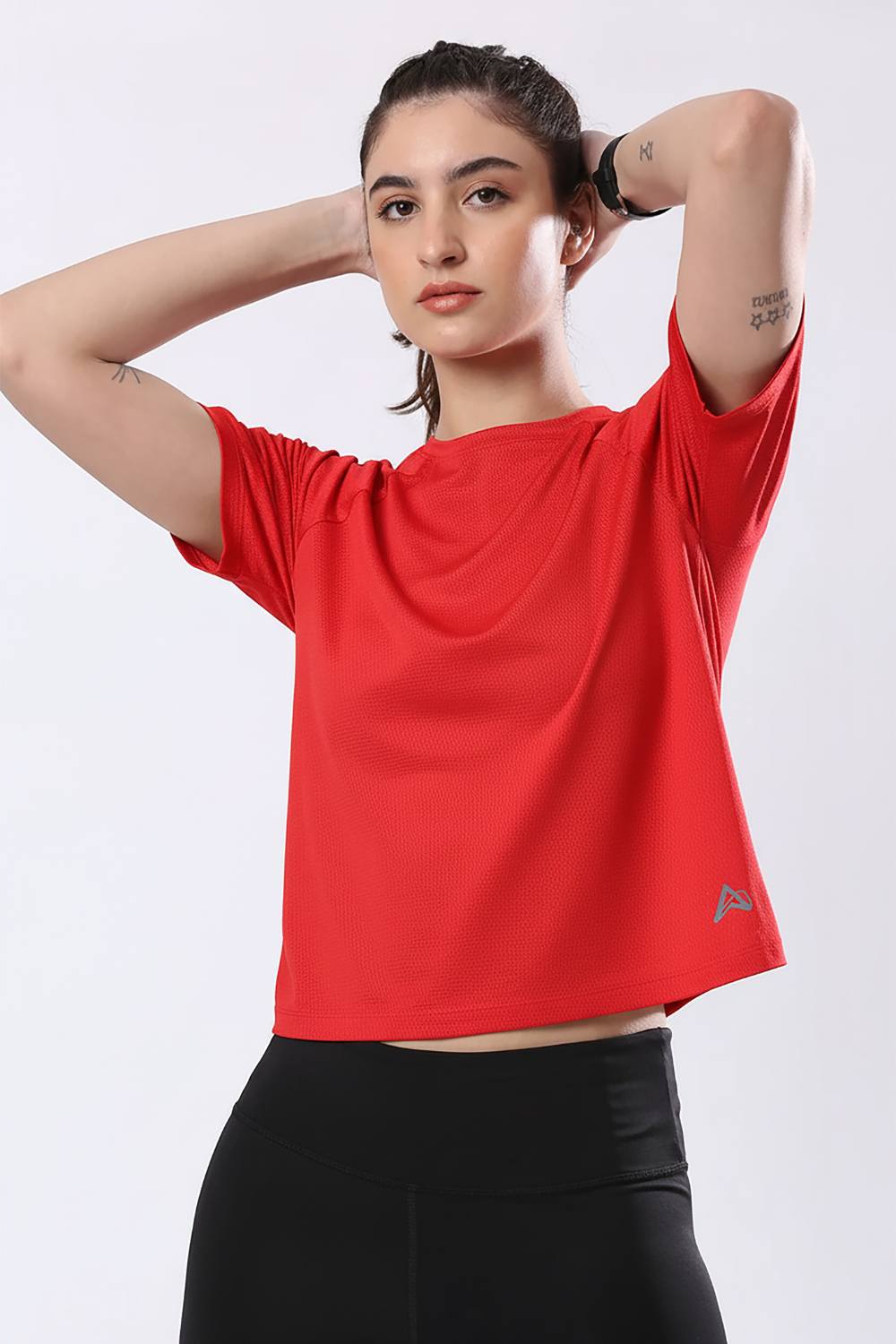

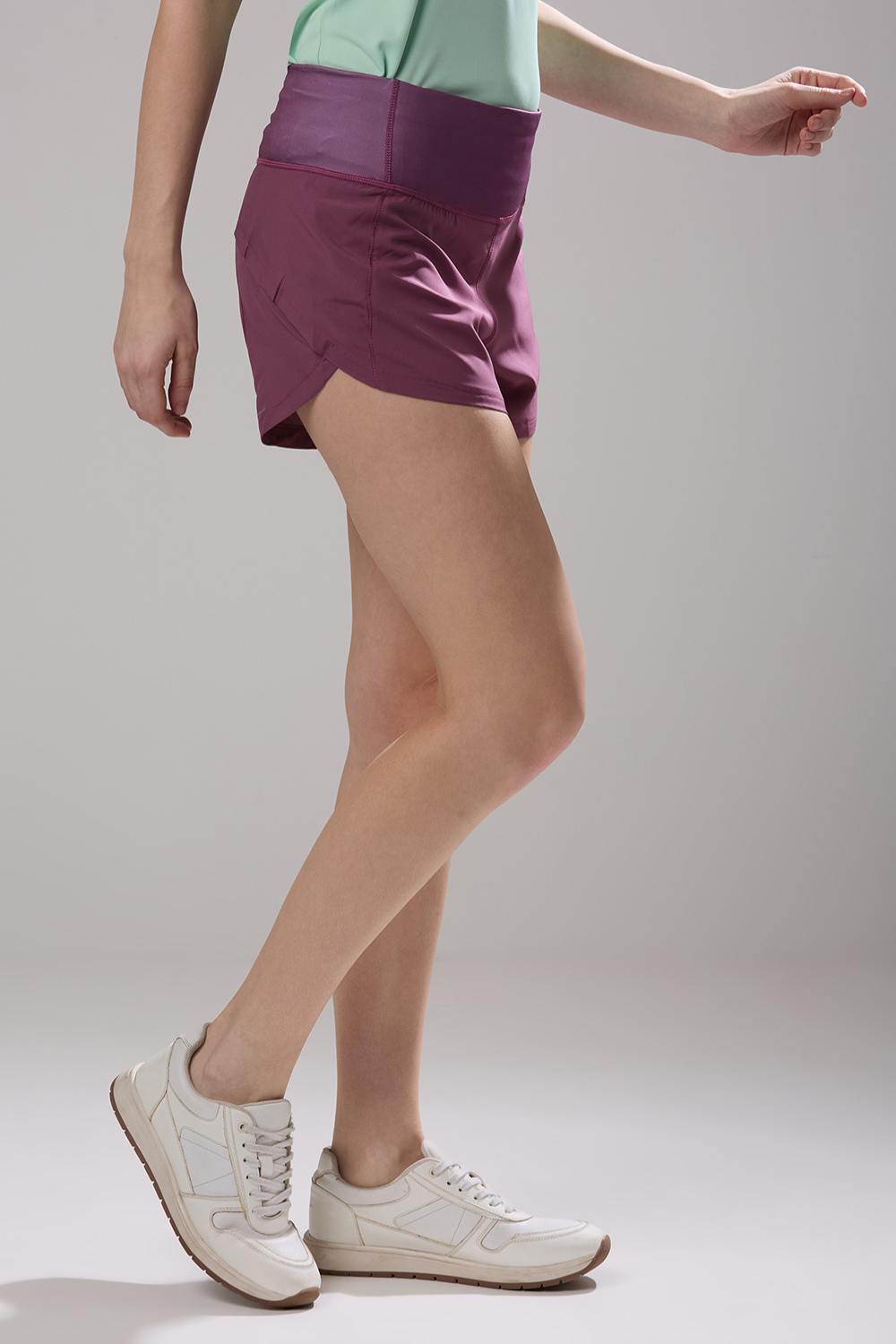
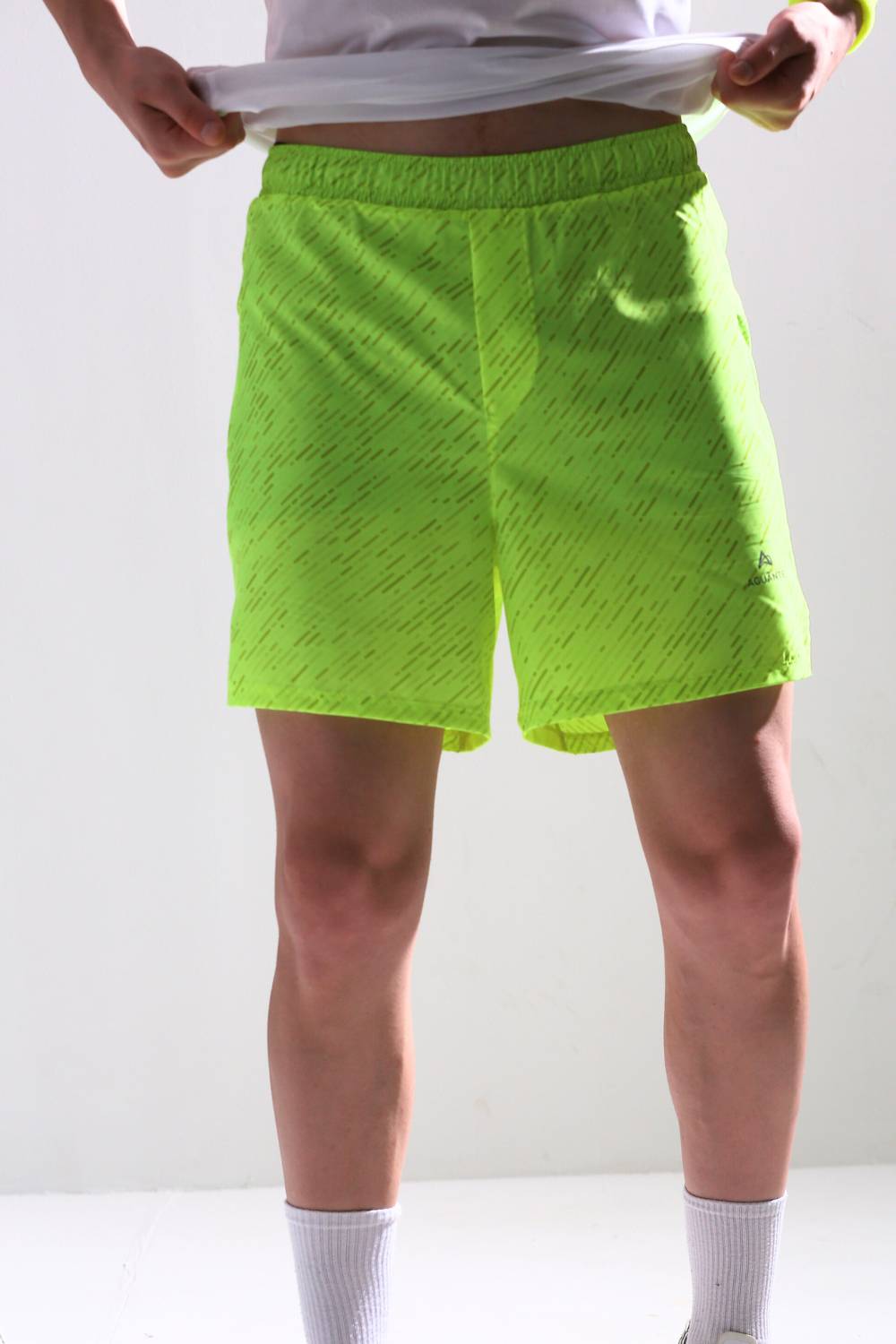

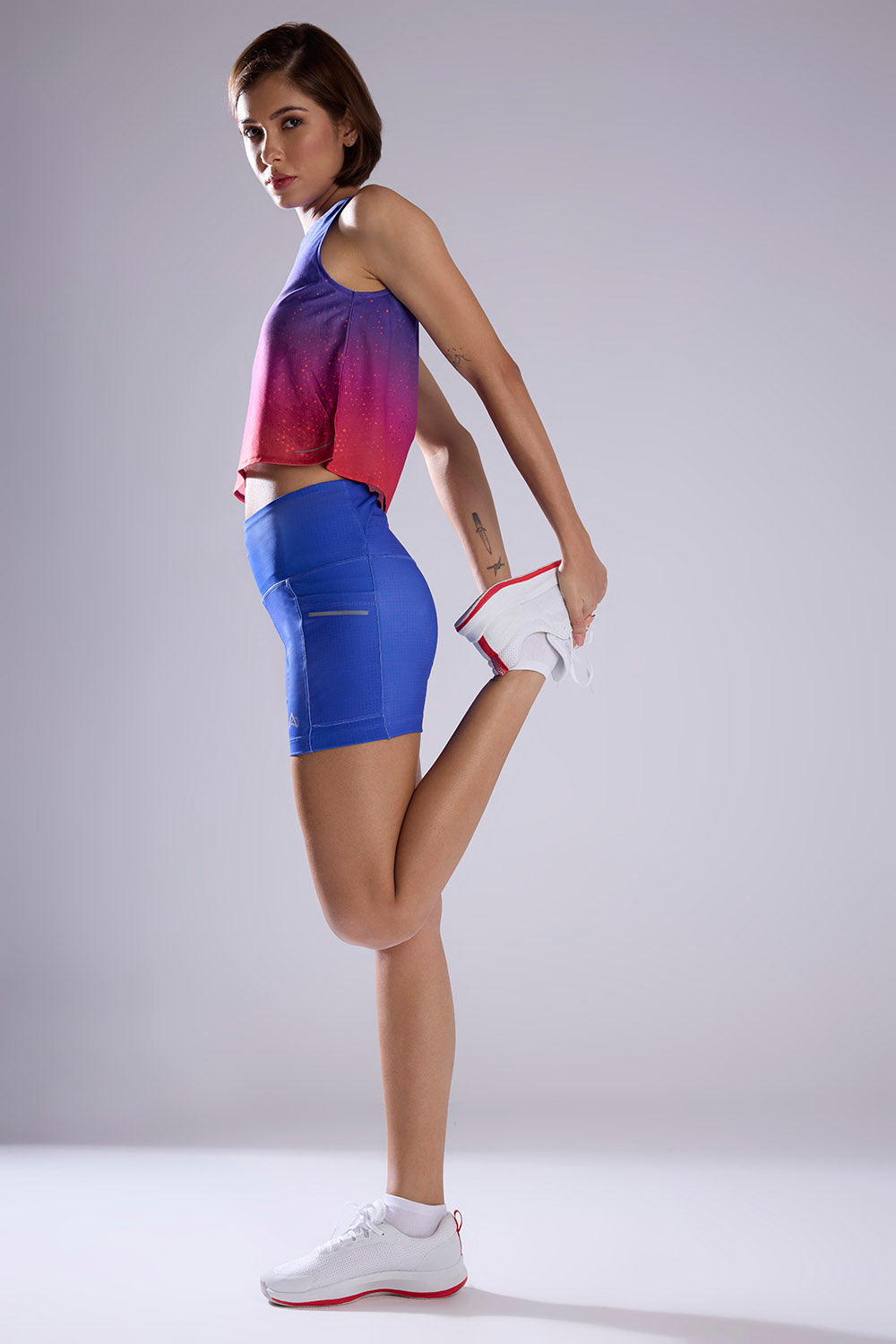
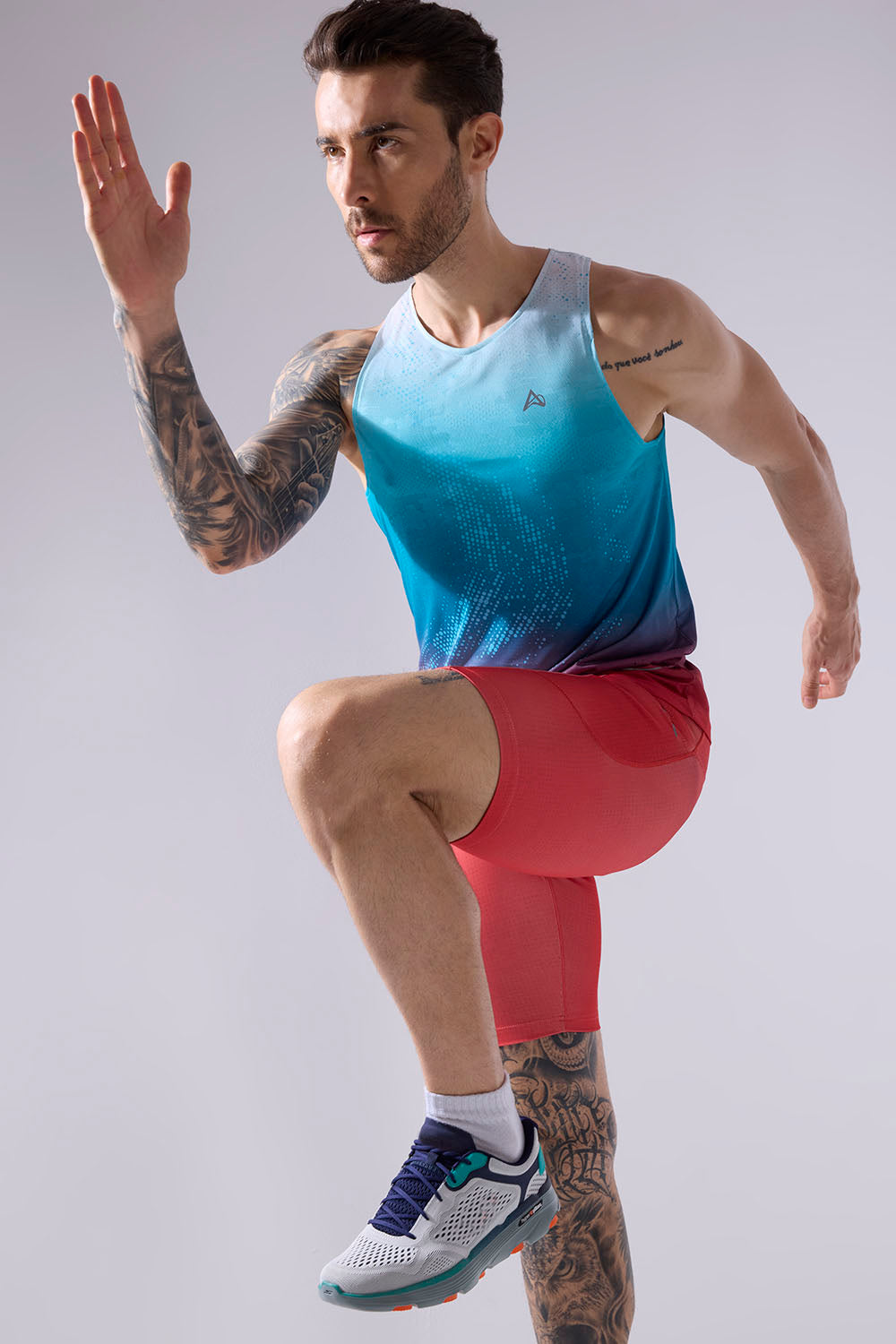

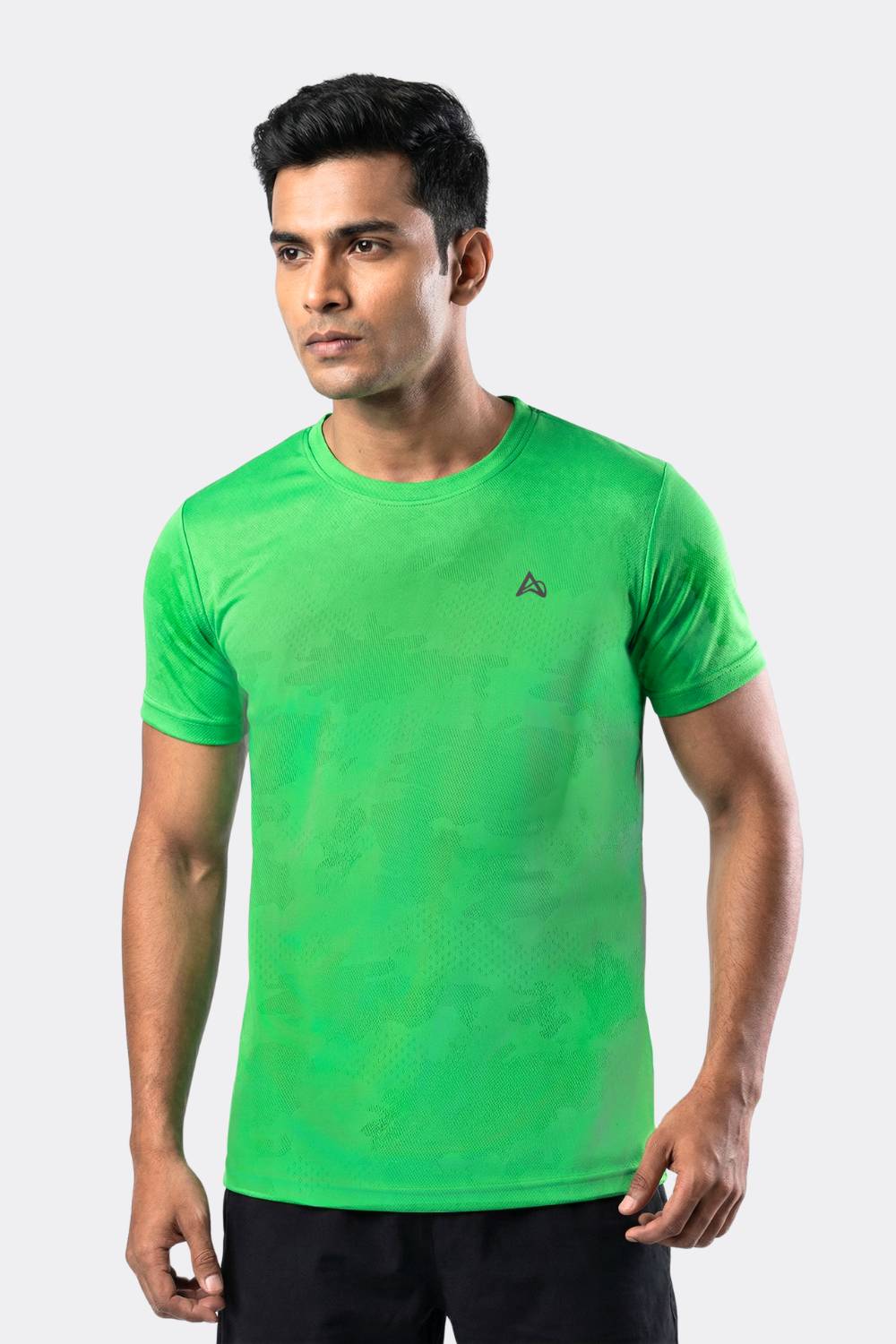
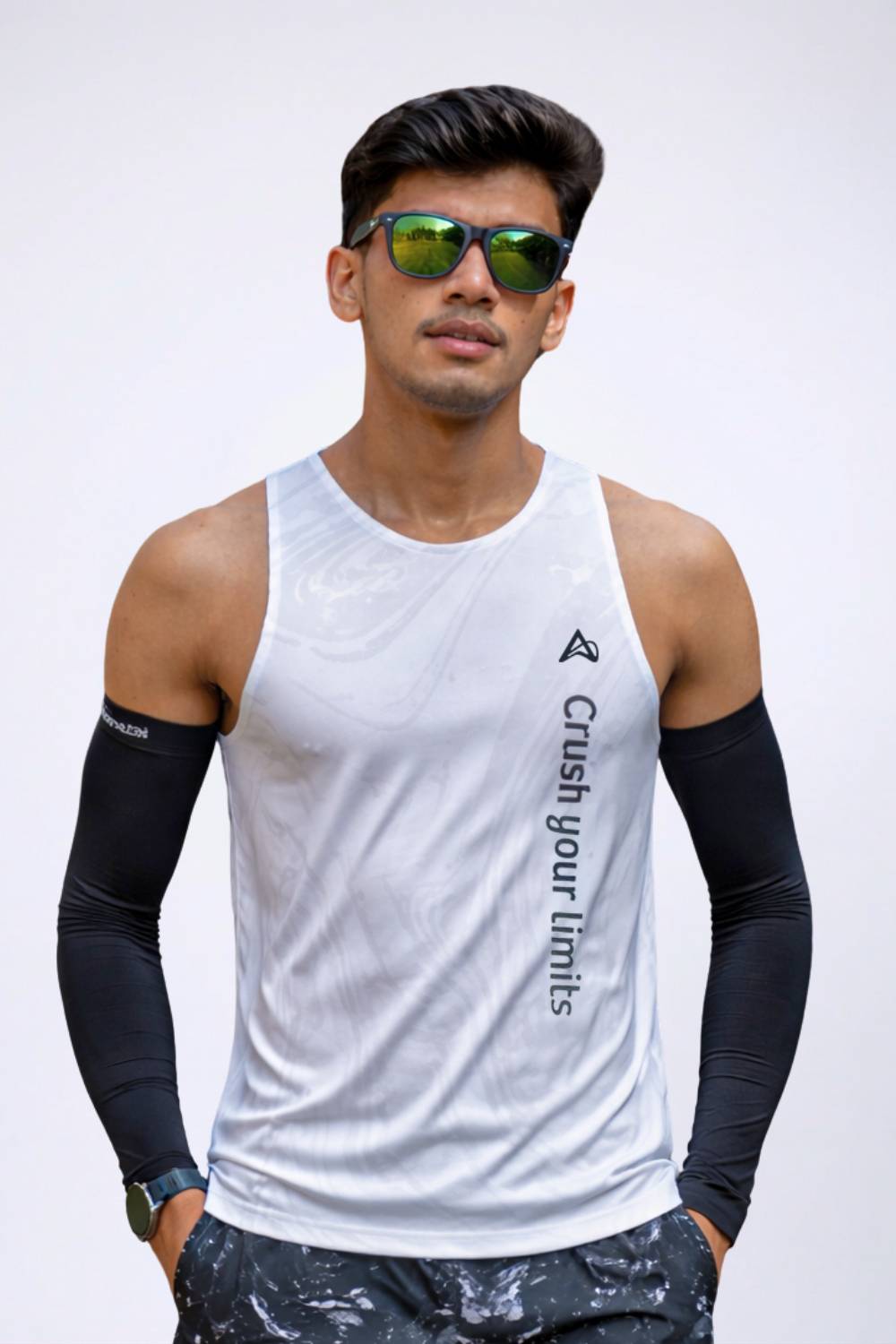

Quality performance running apparel is not defined by appearance alone. For runners choosing what to wear for training sessions, races, or regular workouts, the difference between ordinary sports clothing and purpose-built gear comes down to how well the apparel supports movement, comfort, and endurance. Understanding what makes good running clothes helps athletes evaluate fabric, fit, construction, and functional details before making a purchase decision. The right apparel should work with the body, manage changing conditions, and reduce distractions throughout a run.
Tired of gear that slows you down? Chafing, soggy fabrics, and missing pockets kill your run's momentum. At Aguante, we're runners who get it. Our high-performance activewear features moisture-wicking fabrics, ergonomic designs, and smart storage to keep you focused. Shop Now!
Quality Starts with Performance-focused Fabric Selection
The foundation of high-quality running apparel is the fabric. A garment may look lightweight and athletic, but its real value is determined by how effectively the material performs during physical activity. Runners need fabrics that help manage sweat, support airflow, and remain comfortable during extended movement.
Fabric performance is especially important in challenging running conditions where heat, humidity, and prolonged activity can affect comfort. Effective materials are designed to support cooling, moisture control, and sweat evaporation rather than simply creating a lightweight feel.
The best fabric for running clothes is not necessarily the softest material or the one with the most technical-sounding description. It is the material that performs consistently when the runner needs it most. Breathability, moisture management, and the ability to maintain comfort over distance are key considerations when evaluating performance apparel.
For athletes, this means looking beyond surface-level features. A high-quality running top, short, or bottom should help create a better experience by reducing discomfort caused by trapped moisture, excessive heat, or restricted movement.
Technical Running Apparel Features That Improve the Running Experience
Modern running apparel combines multiple design elements to support athletes during different stages of activity. Technical running apparel features are not limited to fabric technology; they include the way a garment is shaped, assembled, and adapted to the demands of running.
- Moisture management: Materials and construction approaches that help move sweat away from the skin.
- Breathability: Design choices that encourage airflow and improve comfort during demanding sessions.
- Freedom of movement: Fits that allow natural body motion without unnecessary restriction.
- Practical functionality: Details that make apparel more useful during real training situations.
Quality comes from how these features work together. A garment with advanced fabric but poor construction may not provide the expected experience. Likewise, a well-designed fit cannot compensate for material that performs poorly in heat or during longer runs.
Runner-focused apparel design requires attention to the complete experience. Product development insights from the performance apparel industry highlight that effective running gear is created by understanding real challenges athletes face, including movement demands, climate conditions, and repeated use. Runner-focused design emphasizes combining technical materials with practical details that support comfort and consistency.
Fit and Construction Matter as Much as Material
When runners consider how to choose running apparel, fit is one of the most important factors. A garment that feels comfortable while standing still may behave differently during a long run. Movement, body temperature changes, and repeated motion can reveal whether the design truly supports athletic activity.
An effective running fit should allow natural movement without creating unnecessary friction or distraction. This is where construction details become important. Seams, garment shape, and placement of design elements can influence whether clothing feels supportive or becomes a source of discomfort.
Ergonomic design is not about making apparel feel restrictive or overly structured. Instead, it focuses on creating clothing that follows the runner's movement patterns. Well-designed pieces should allow athletes to focus on their pace, training goals, and personal performance rather than adjusting their clothing throughout a session.
For runners investing in performance apparel, evaluating construction quality can be just as important as reviewing fabric specifications. Small design decisions often determine whether a garment remains comfortable after repeated use.
Comfort Features That Support Different Types of Runners
Comfortable running clothes for athletes should work for different running styles, experience levels, and training routines. A beginner preparing for regular fitness runs may have different needs from an experienced athlete completing longer sessions, but both groups benefit from apparel that supports movement and reduces distractions.
Comfort is created through a combination of factors rather than a single feature. Fabric feel, fit, ventilation, flexibility, and practical design choices all contribute to how apparel performs during activity.
For example, runners may value clothing that stays comfortable through changing intensity levels. A training session can include warm-up periods, faster intervals, and recovery phases, each creating different demands on apparel. Clothing designed around these realities can provide a more consistent experience.
This is why performance apparel decisions should focus on the relationship between the athlete and the garment. Quality is not simply measured by how clothing looks when purchased; it is measured by how reliably it supports the runner over time.
Why Practical Design Details Define High-quality Running Gear
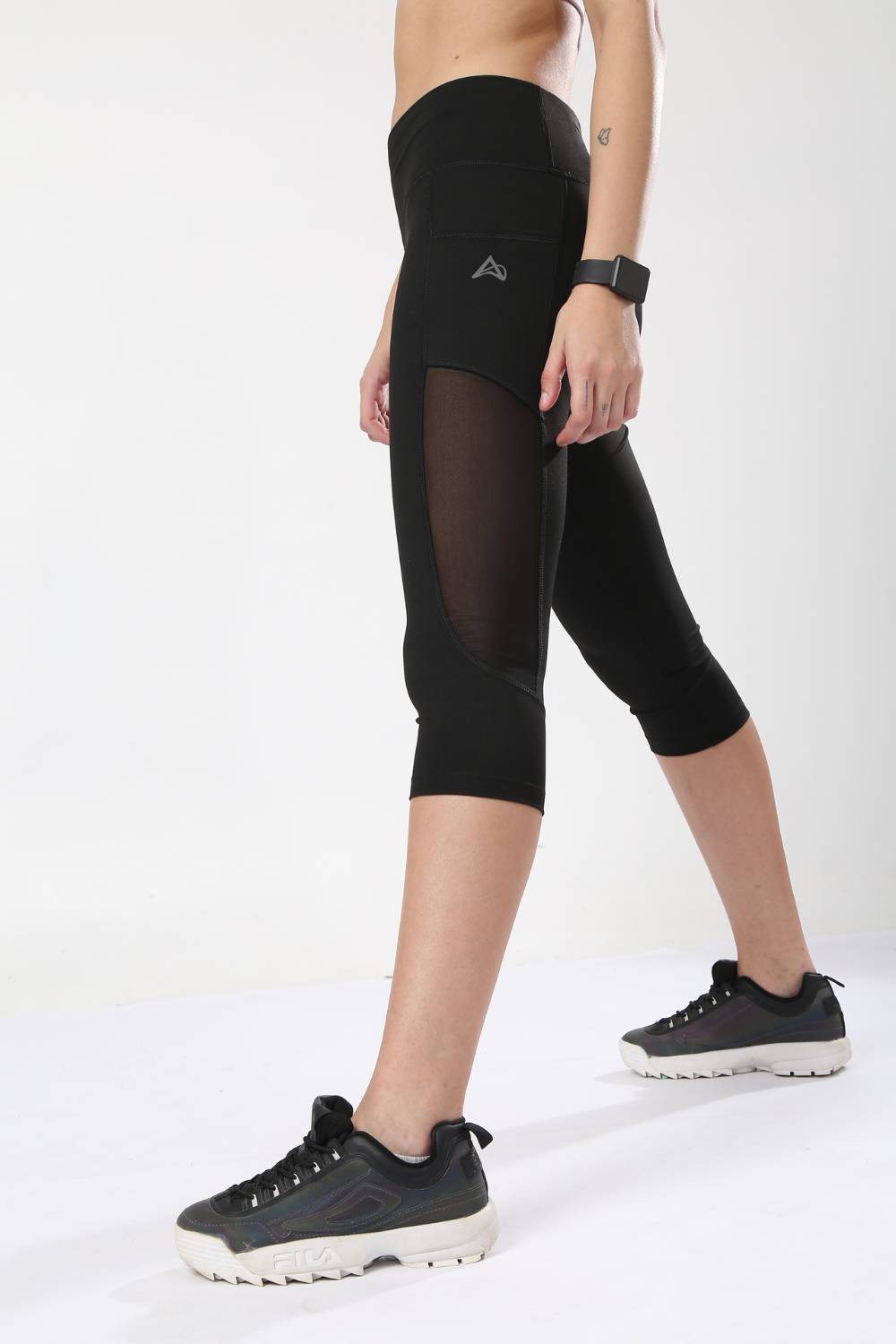
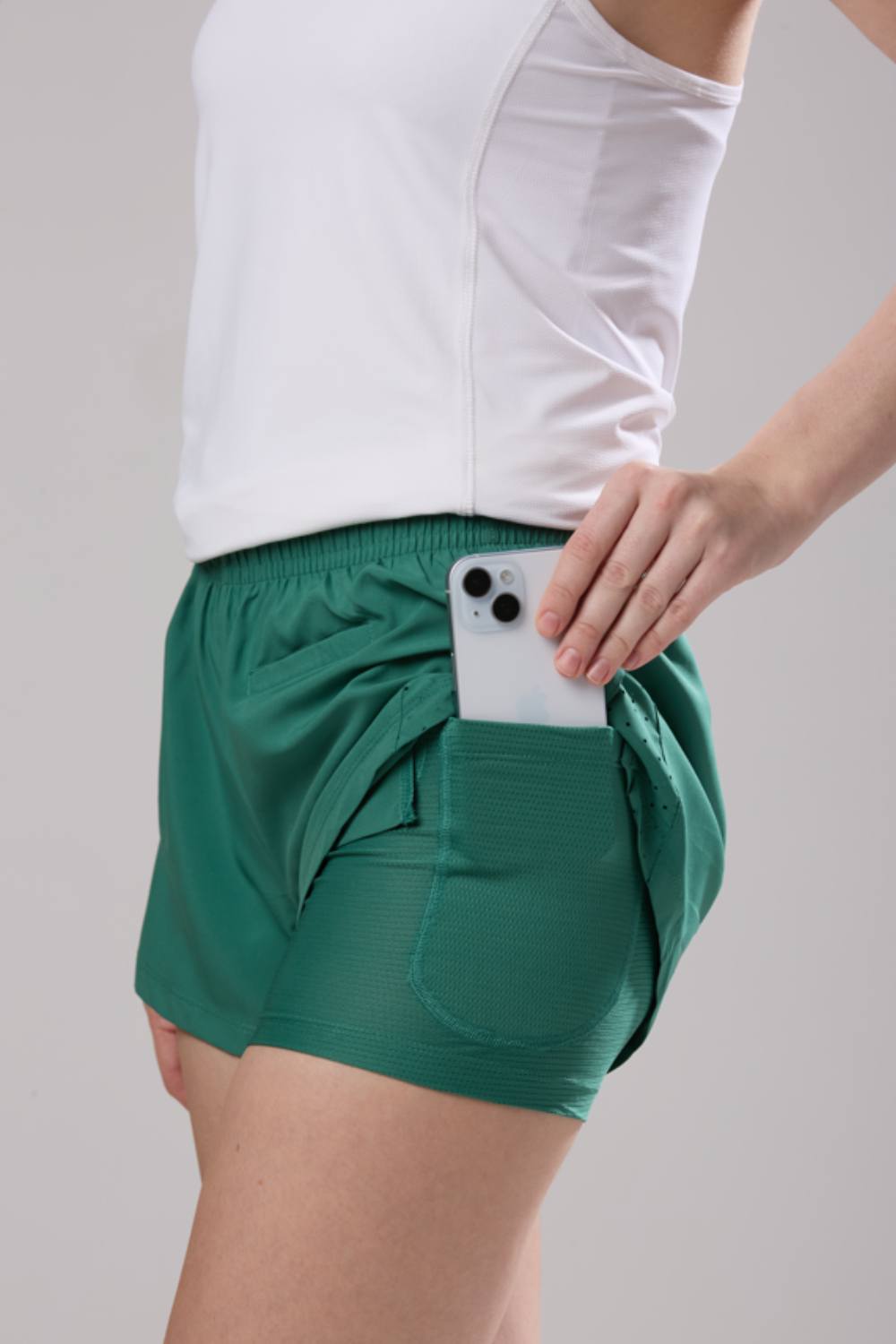
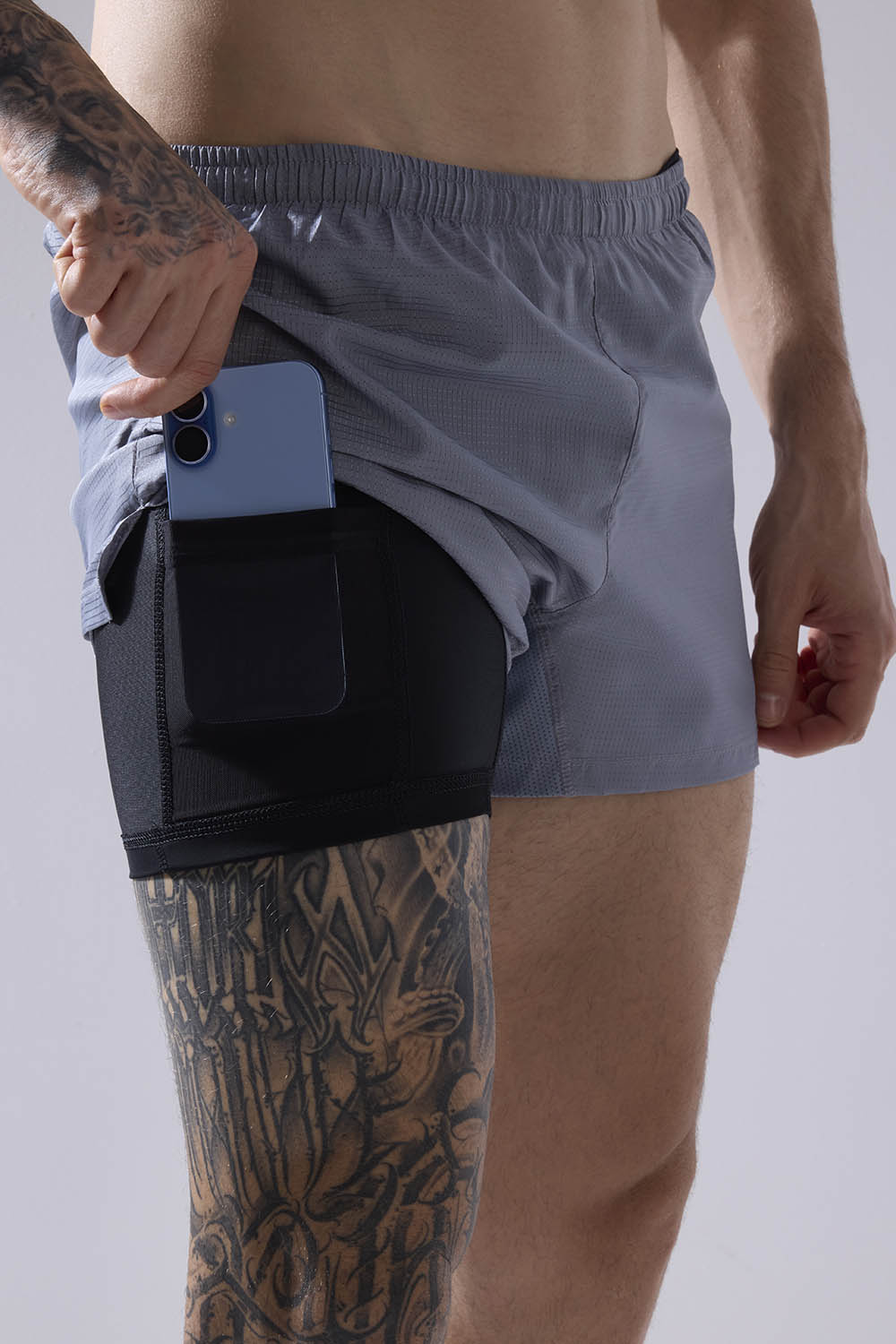
Small details often separate functional running apparel from basic workout clothing. Features such as storage options, reflective elements, and thoughtful placement of design components can influence how useful a garment becomes during everyday training.
Runners often need apparel that fits into their routine. Whether preparing for an early morning session, an evening run, or a longer endurance workout, practical features can make clothing easier to use and more adaptable to real-world conditions.
Good design starts with understanding what runners actually experience. Performance apparel development is not only about selecting advanced materials; it involves testing how garments behave during movement, repeated training cycles, and different conditions. Insights from athlete-driven design approaches show that evaluating apparel in realistic situations helps identify issues related to comfort, durability, and usability. Athlete-driven apparel development demonstrates why practical design choices are central to creating better running experiences.
For buyers comparing options, these details can help identify whether a product has been designed with running in mind or simply adapted from general sportswear categories.
How to Evaluate Performance Running Apparel Before Buying
Choosing quality performance running apparel requires looking at the complete product experience rather than focusing on one feature. A useful evaluation process considers how the apparel will be used, what conditions it needs to handle, and which features matter most to the individual runner.
- Does the fabric feel suitable for the expected training environment?
- Does the fit allow comfortable movement during running?
- Are the design features practical for regular use?
- Will the apparel remain comfortable during longer sessions?
- Does the construction support durability and repeated wear?
These questions help shift the decision-making process from appearance-based buying to performance-based evaluation. The most suitable apparel is the clothing that aligns with the runner's needs, habits, and training goals.
For athletes exploring running apparel options, understanding these quality indicators also makes it easier to compare products across different brands. Instead of relying only on marketing descriptions, runners can assess whether the garment delivers meaningful functional benefits.
The Role of Thoughtful Design in Modern Running Apparel
The best running apparel reflects a deeper understanding of the athlete's experience. Quality comes from combining material choices, construction methods, and practical features into one cohesive design approach.
For brands focused on performance clothing, this means creating products around real runner requirements rather than treating apparel as simple athletic fashion. Every element, from fabric selection to garment structure, contributes to how confidently a runner can train.
Aguante's focus within the activewear and performance apparel category aligns with this broader approach to evaluating running clothing. By helping runners understand what defines quality, educational content can support better purchasing decisions and highlight the importance of functional design considerations when selecting apparel.
Ultimately, quality running apparel is defined by performance that can be felt during every movement. The strongest products are those that combine comfort, technical capability, and practical design to support runners through their everyday training journey.
Frequently Asked Questions
What makes good running clothes different from regular sportswear?
Good running clothes are designed around the specific needs of runners, including moisture management, breathability, comfort, and freedom of movement. Unlike general sportswear, quality performance running apparel focuses on supporting the body during repeated movement and longer training sessions.
What features should I look for in quality performance running apparel?
Key features of performance running apparel include moisture-wicking fabrics, breathable materials, ergonomic fit, practical storage, and durable construction. These elements work together to improve comfort and help runners stay focused during their workouts.
How do I choose the best fabric for running clothes?
The best fabric for running clothes should help manage sweat, support airflow, and remain comfortable during physical activity. Runners should consider materials that provide moisture control, breathability, and reliable performance in their typical training conditions.
Disclaimer: The above helpful resources content contains personal opinions and experiences. The information provided is for general knowledge and does not constitute professional advice.
You may also be interested in: Sustainability Concerns Drive Changes in Material Choices for Performance Apparel
Tired of gear that slows you down? Chafing, soggy fabrics, and missing pockets kill your run's momentum. At Aguante, we're runners who get it. Our high-performance activewear features moisture-wicking fabrics, ergonomic designs, and smart storage to keep you focused. Shop Now!
Powered by flareAI.co