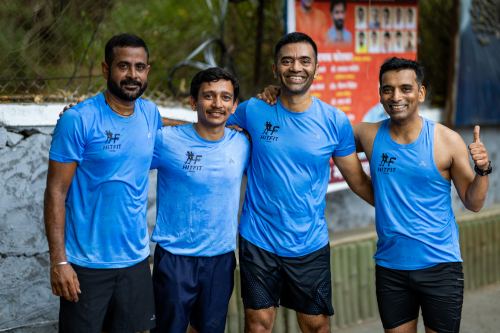
Long-distance running places unique demands on the body, and clothing choices can influence how comfortable a runner feels from the first kilometre to the final stretch. A shirt that feels suitable for a short workout may not provide the same experience during longer training sessions, endurance events, or marathon preparation. Lightweight running shirts are designed around the practical needs of runners who want less distraction, better movement, and more consistent comfort throughout their effort.
For runners evaluating performance apparel, the right shirt is not only about reducing weight. Fabric behaviour, ventilation, fit, sweat management, and freedom of movement all contribute to a more enjoyable running experience. Understanding these factors helps athletes choose running gear that supports their training goals and complements their individual running style.
Tired of gear that slows you down? Chafing, soggy fabrics, and missing pockets kill your run's momentum. At Aguante, we're runners who get it. Our high-performance activewear features moisture-wicking fabrics, ergonomic designs, and smart storage to keep you focused. Shop Now!
Why Lightweight Running Shirts Matter for Distance Runners
During long runs, small discomforts can become significant challenges. A shirt that holds moisture, restricts movement, or creates friction may affect concentration and reduce enjoyment over time. Lightweight designs focus on reducing these common issues by using materials and construction approaches that support endurance activities.
The benefits of lightweight running shirts come from how they interact with the runner's body during extended activity. A lighter garment can feel less restrictive, allowing runners to focus more on pacing, breathing, and maintaining their rhythm rather than adjusting their clothing throughout a session.
This is particularly relevant for runners who regularly train for longer distances. Whether preparing for a road race, building endurance, or maintaining a consistent fitness routine, apparel that supports comfort can become an important part of the overall running experience.
The Role of Fabric in Long-distance Running Comfort
Fabric selection is one of the most important considerations when choosing running apparel. Long-distance runners need materials that can handle sweat, changing temperatures, and continuous movement without creating unnecessary discomfort.
Many runners look for moisture wicking running shirts because managing sweat effectively can help maintain comfort during longer efforts. Instead of allowing moisture to remain against the skin, performance-focused fabrics are designed to help move sweat away and improve the feeling of dryness while running.
The best fabric for long distance running shirts is not defined by one feature alone. Runners should consider a combination of breathability, softness, stretch, durability, and how the material feels after extended use. A fabric that performs well during a short run may still need to prove its comfort during longer distances.
How Breathability Helps Runners Maintain Comfort
Body temperature management becomes increasingly important as running duration increases. Breathable clothing allows better airflow, which can help runners feel more comfortable during demanding sessions, especially when training outdoors.
Breathable running shirts for runners are designed to support airflow through fabric choices, ventilation features, and lightweight construction. These details can make a difference when runners spend extended periods in motion and need apparel that feels comfortable throughout their session.
Comfort is also influenced by environmental conditions. A runner training in warm weather may prioritise ventilation and sweat management, while someone running in cooler conditions may focus more on layering and flexibility. Understanding personal requirements helps runners select apparel that matches their training environment.
Fit and Movement: Supporting Natural Running Form
A running shirt should support movement without becoming a distraction. During long-distance runs, repetitive motion means that fit becomes increasingly important. A shirt that pulls, shifts, or feels restrictive can affect the overall experience over time.
Performance-oriented running apparel typically considers how runners move through different stages of activity. Features such as an ergonomic fit and flexible construction can help create a more natural feel, allowing runners to maintain their stride comfortably.
For runners comparing comfortable running clothes for marathon training, fit should be evaluated alongside fabric performance. A lightweight shirt with the right structure can provide support without adding unnecessary bulk, making it easier to focus on training rather than clothing adjustments.
Choosing the Right Lightweight Running Shirt for Your Training Needs
Selecting the right shirt involves more than choosing the lightest option available. Runners should consider how the apparel fits into their routine, the distances they typically run, and the conditions in which they train.
Important factors to evaluate include fabric performance, fit, durability, running environment, and functional design that supports practical running needs during longer sessions.
For runners exploring technical running apparel, these considerations help separate everyday sports clothing from apparel specifically designed around endurance movement. The goal is not simply wearing lighter clothing, but choosing gear that supports a better running experience.
How Aguante Connects Performance Apparel with Runner Needs
Aguante focuses on creating activewear designed around the needs of runners and endurance athletes. The brand's approach centres on practical performance features that support comfort, movement, and functionality during training and running activities.
For runners considering lightweight running shirts and other performance clothing, the connection between apparel design and real running experiences is important. Clothing choices can influence how runners feel during preparation, training sessions, and long-distance efforts.
Understanding the relationship between fabric, fit, and endurance needs allows runners to make more informed decisions when selecting performance apparel. Lightweight running shirts are one example of how thoughtful design can support comfort without distracting from the activity itself.
Beyond apparel selection, understanding customer needs and maintaining consistent engagement are important parts of building stronger experiences. Businesses increasingly focus on improving customer interactions, reducing friction points, and creating ongoing relationships through approaches highlighted in customer retention trends. These principles reflect the importance of understanding user expectations and delivering value over time.
Long-distance comfort is built through many small decisions, and running apparel plays an important role in that process. Lightweight running shirts help address common challenges faced during extended runs by supporting breathability, movement, and moisture management. For runners looking to improve their training experience, choosing apparel that matches their needs can make every run feel more consistent and comfortable.
Frequently Asked Questions
Why are lightweight running shirts better for long-distance running?
Lightweight running shirts help improve long-distance comfort by reducing unnecessary weight, supporting freedom of movement, and helping runners stay focused during extended sessions. They are designed with performance features such as breathable fabrics and sweat management to create a more comfortable running experience.
What features should I look for in the best fabric for long distance running shirts?
The best fabric for long distance running shirts should offer a balance of breathability, softness, stretch, durability, and moisture management. Runners often prefer materials that help move sweat away from the skin while maintaining comfort throughout longer training runs or endurance events.
How do breathable running shirts for runners improve marathon training comfort?
Breathable running shirts for runners support airflow and help manage body temperature during longer workouts and marathon training sessions. By improving ventilation and reducing discomfort caused by heat or moisture, they allow runners to maintain a more consistent and enjoyable training experience.
Disclaimer: The above helpful resources content contains personal opinions and experiences. The information provided is for general knowledge and does not constitute professional advice.
You may also be interested in: Women's Race Day Apparel India: What to Wear for Your Next Running Race
Tired of gear that slows you down? Chafing, soggy fabrics, and missing pockets kill your run's momentum. At Aguante, we're runners who get it. Our high-performance activewear features moisture-wicking fabrics, ergonomic designs, and smart storage to keep you focused. Shop Now!
Powered by flareAI.co