




Quick Listen:
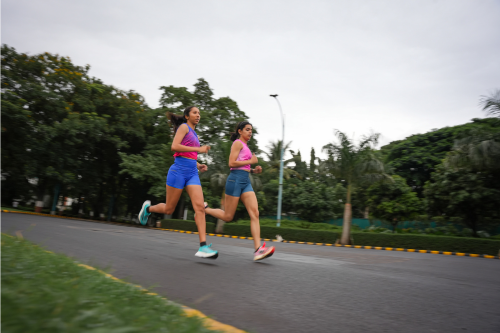
As dawn breaks over Bangalore's sprawling tech campuses or along Mumbai's shimmering coastline, thousands of runners hit the pavement, claiming urban streets as their daily proving ground. From the sticky, salt-laced mornings in Navi Mumbai to the smog-heavy corridors of Delhi and Gurugram, India's running scene has surged into something far bigger than a passing fitness trend. Each city presents its own distinct challenges oppressive humidity, dangerous air quality, chaotic traffic and smart gear choices have become essential for staying safe, comfortable, and consistent. This guide shows how runners in Bangalore, Hyderabad, Mumbai, Pune, Navi Mumbai, Delhi, Gurugram, Surat, and Ahmedabad are adapting their equipment to the precise conditions they face every morning.
The momentum is unmistakable. Major city marathons draw record crowds year after year, community run groups multiply almost monthly, and iconic routes such as Marine Drive in Mumbai and the Sabarmati Riverfront in Ahmedabad now host regular weekend packs. The central question for every urban runner in India has become practical and urgent: which gear actually performs on these roads, in this climate?
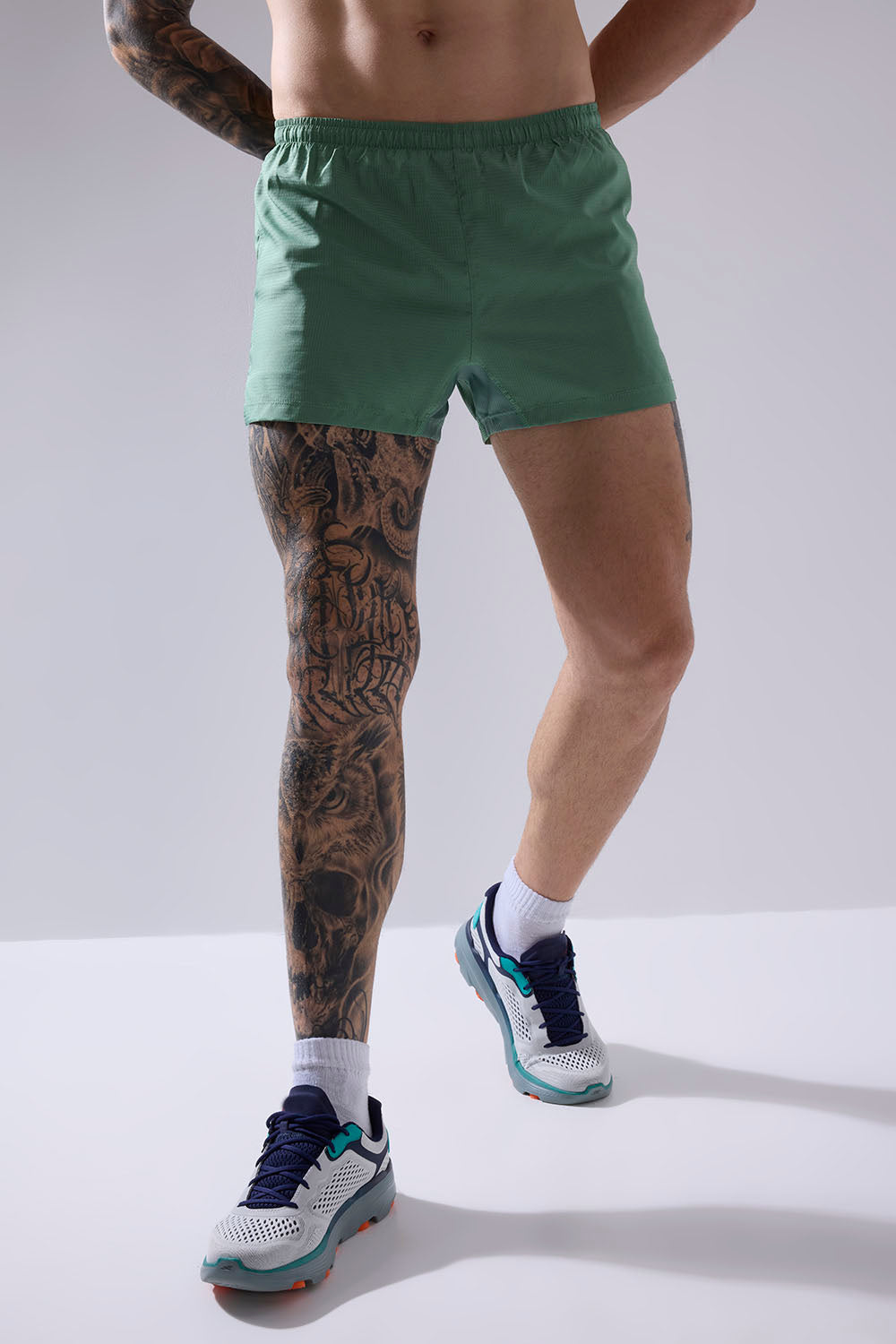
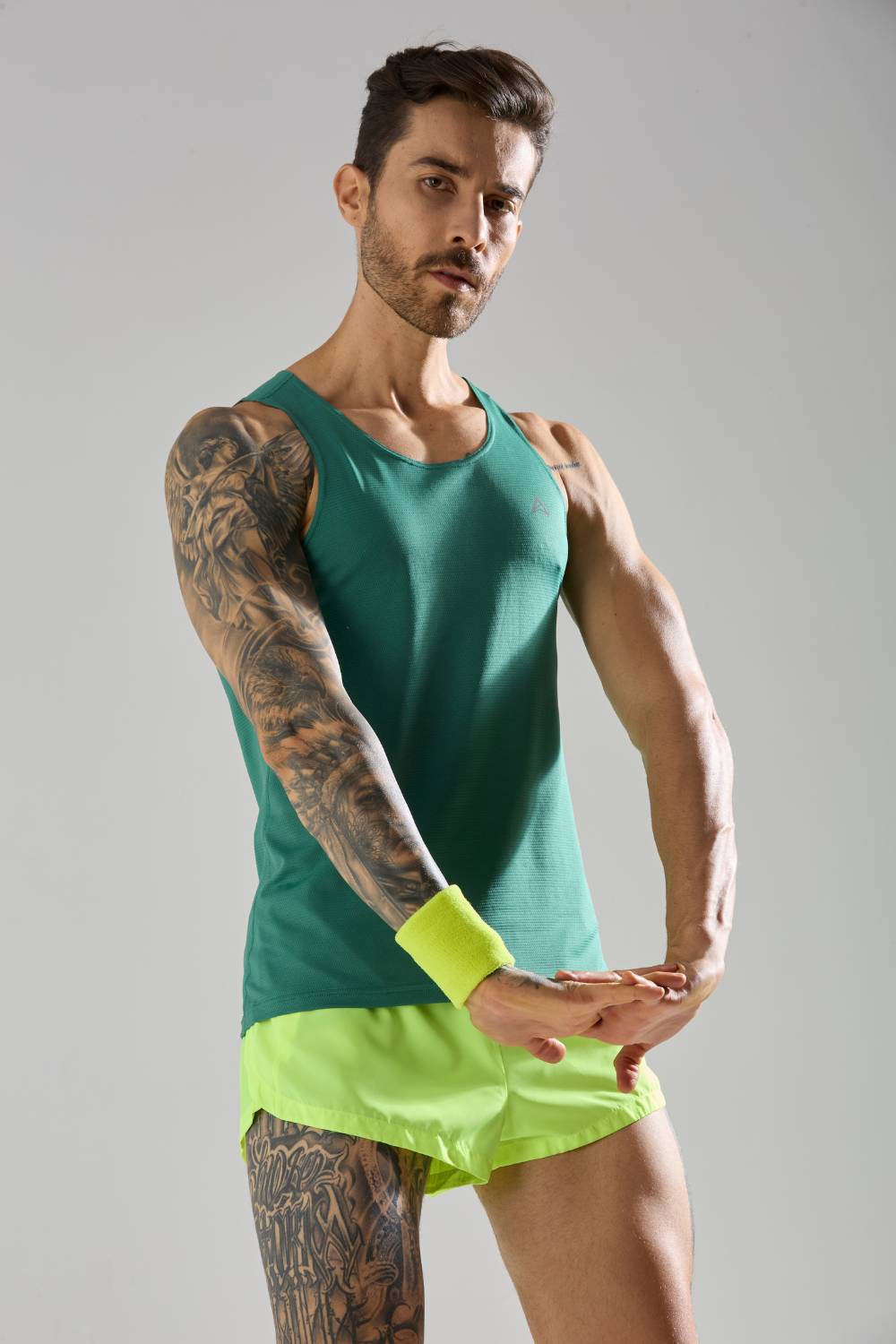
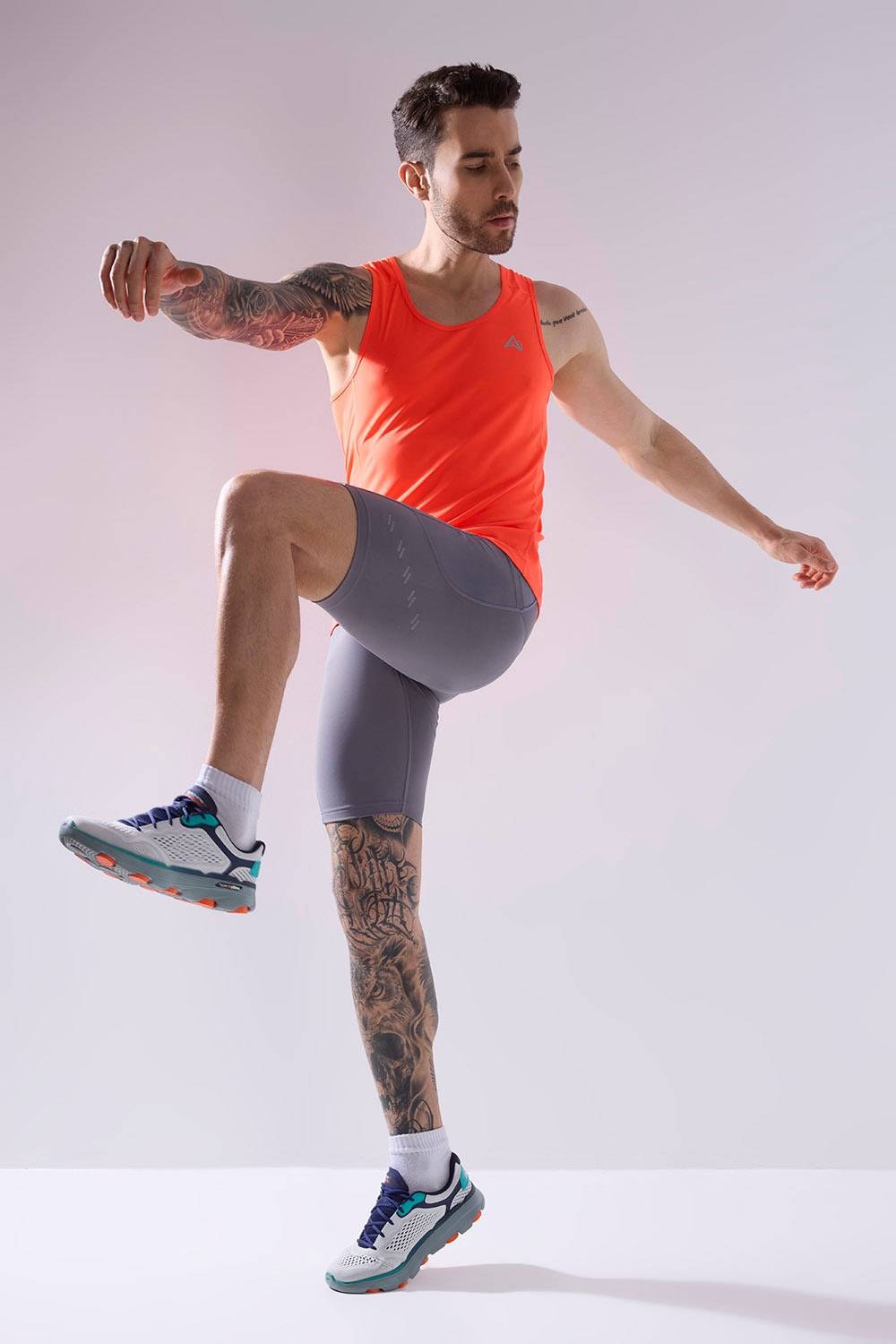
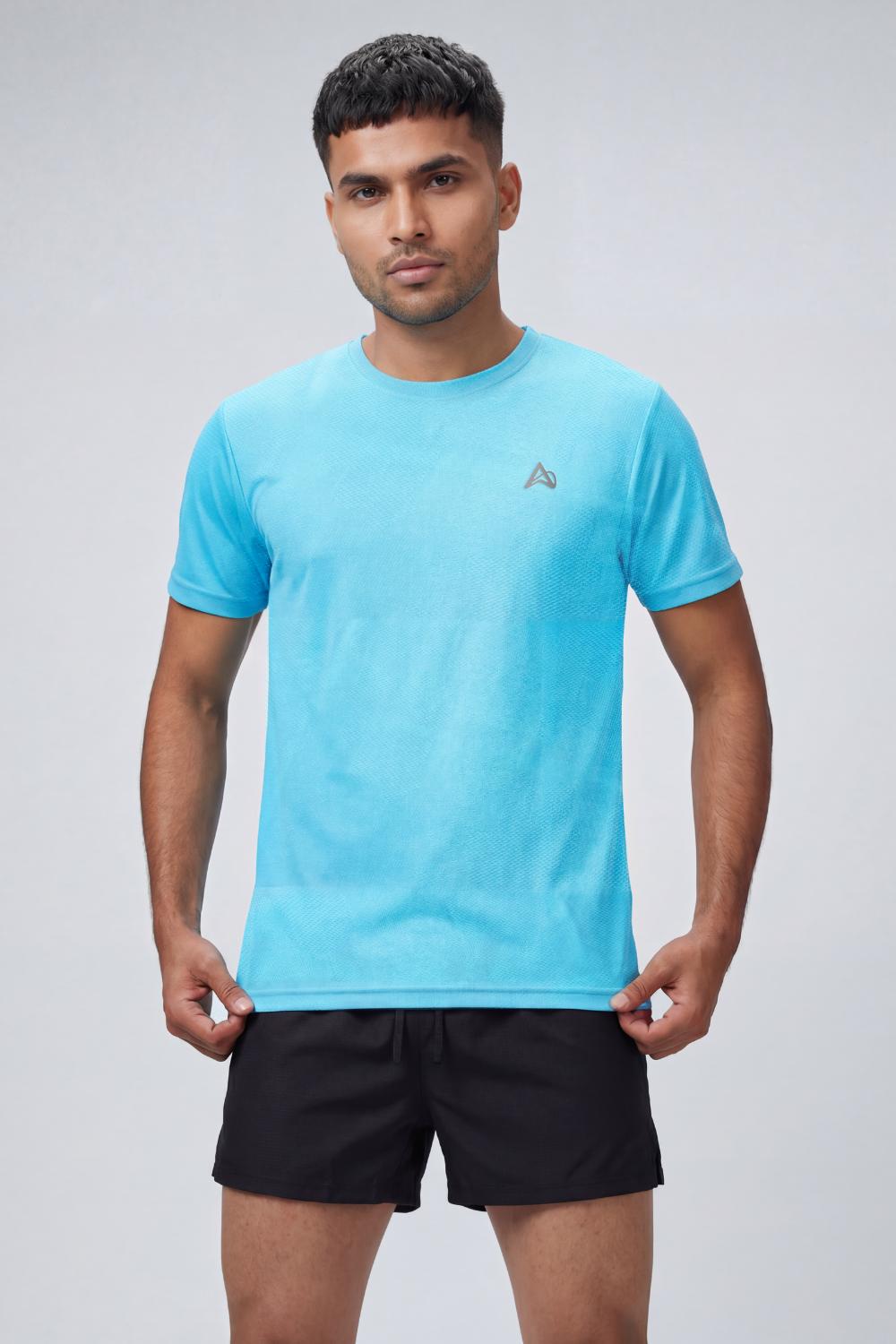
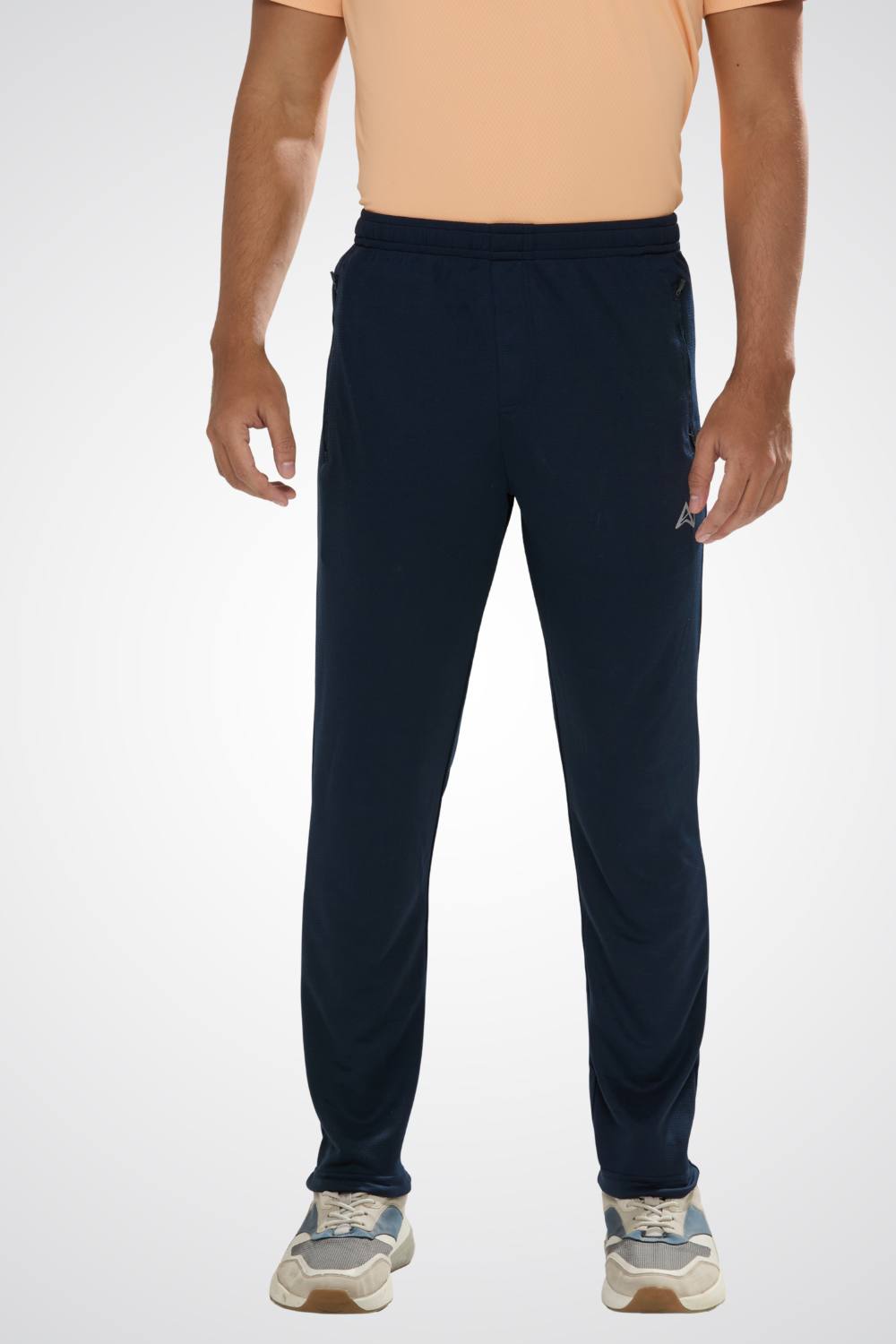
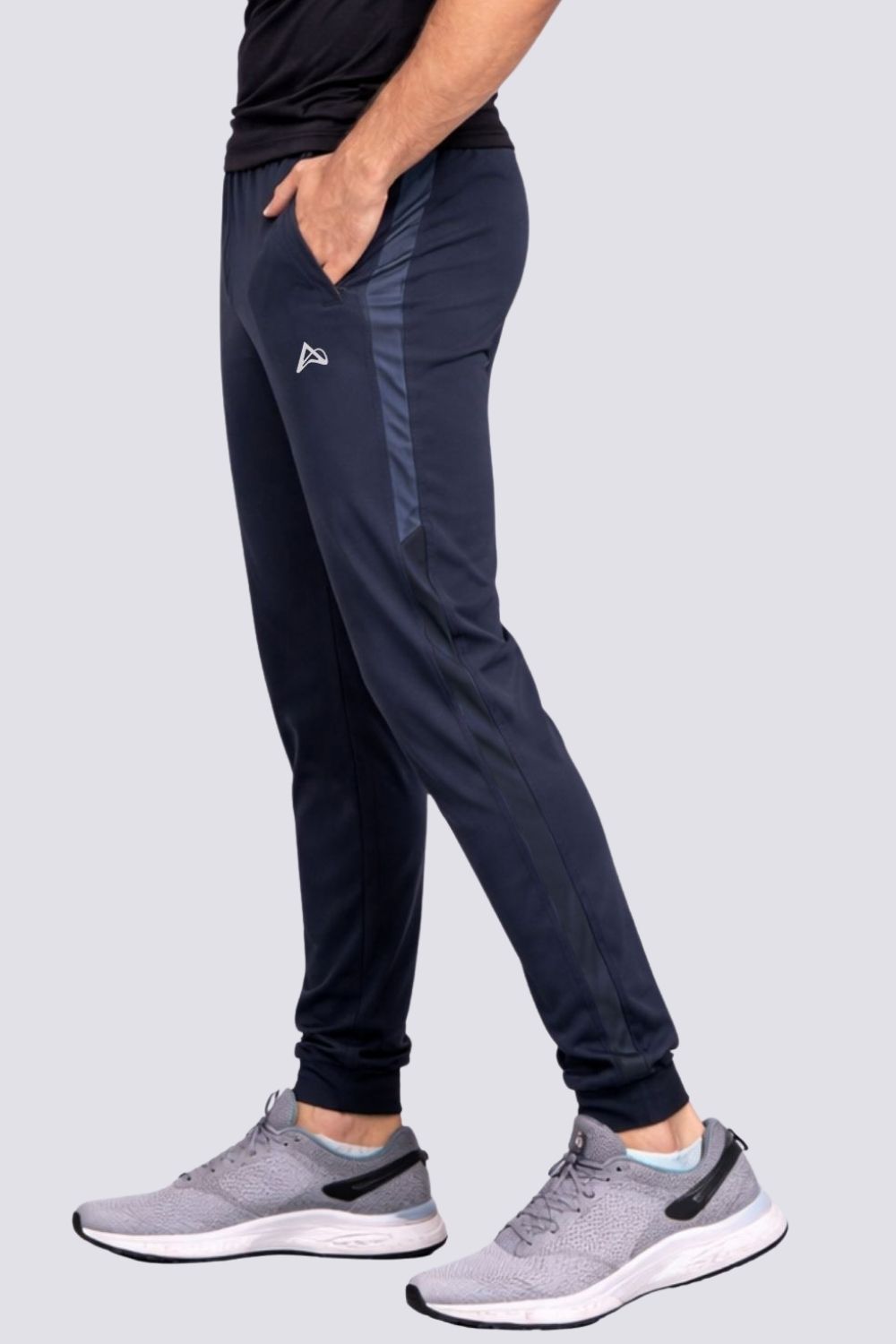
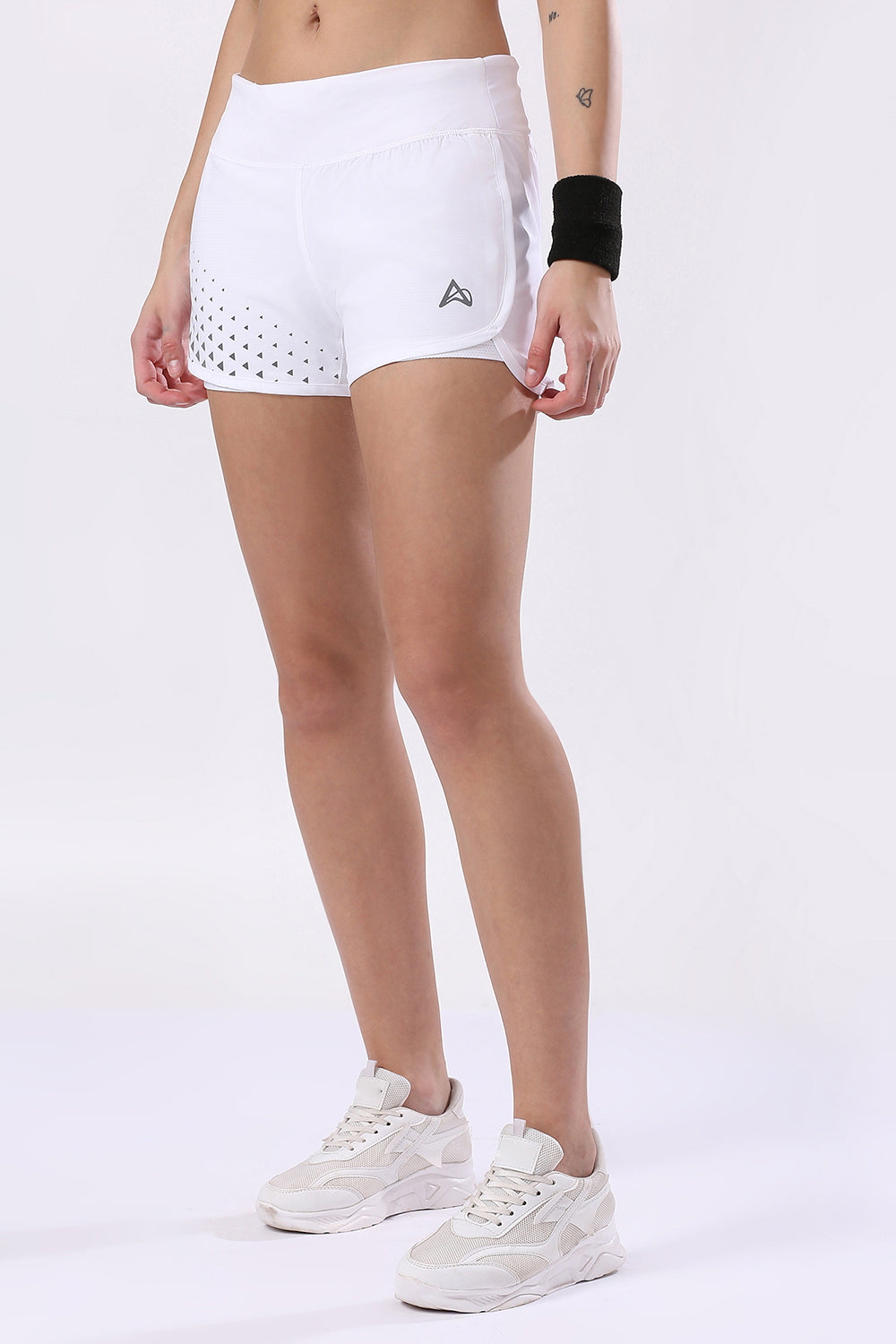
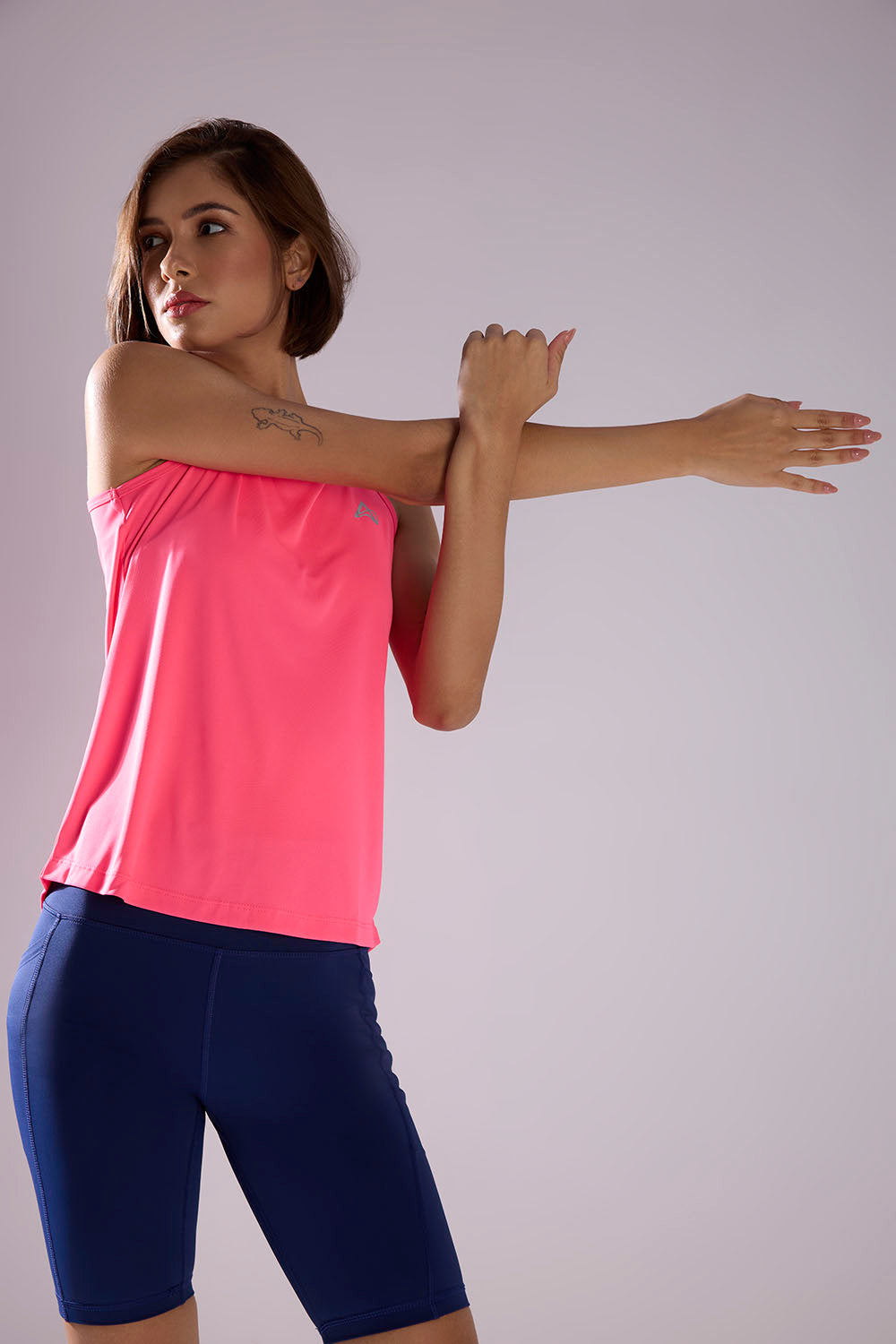
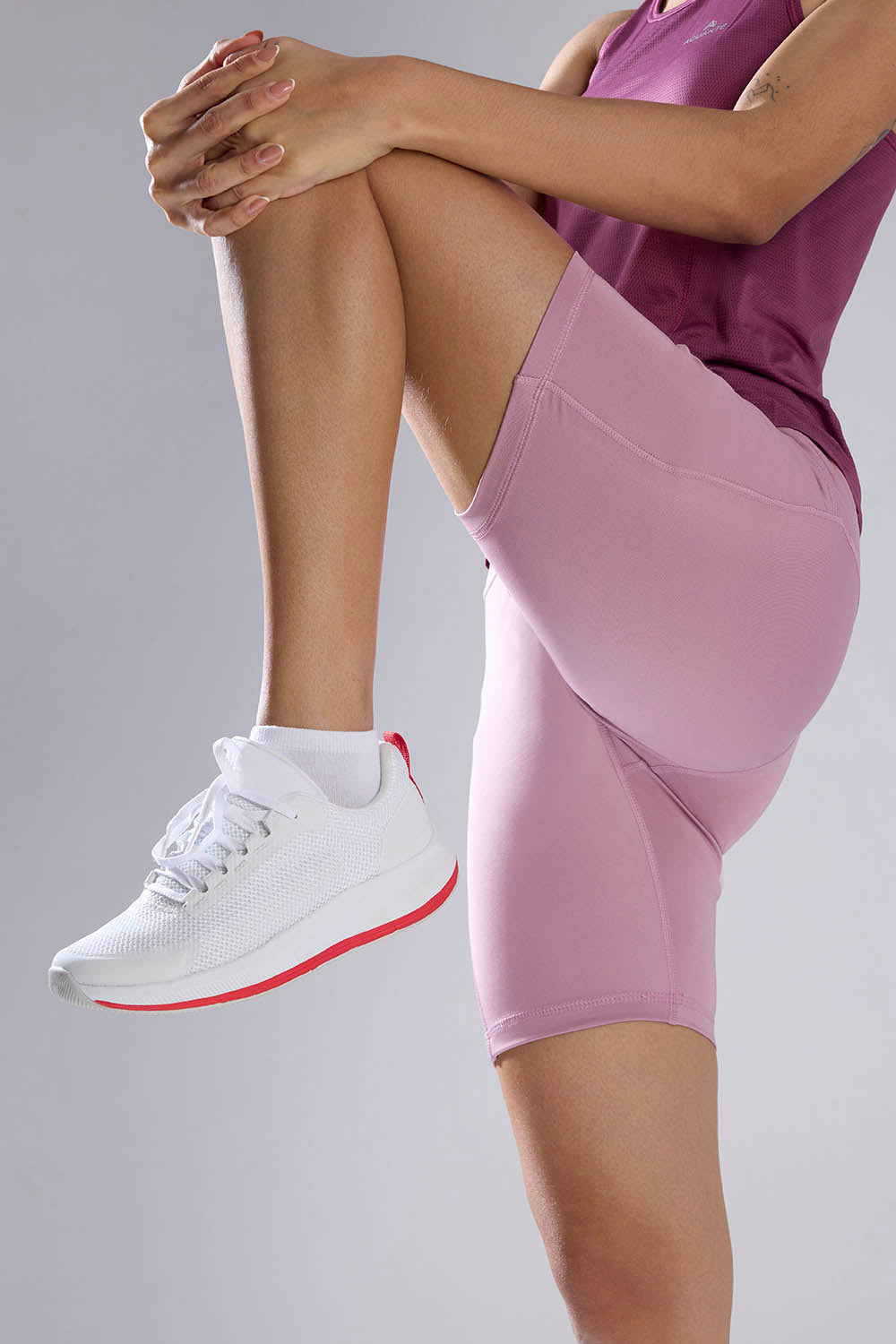
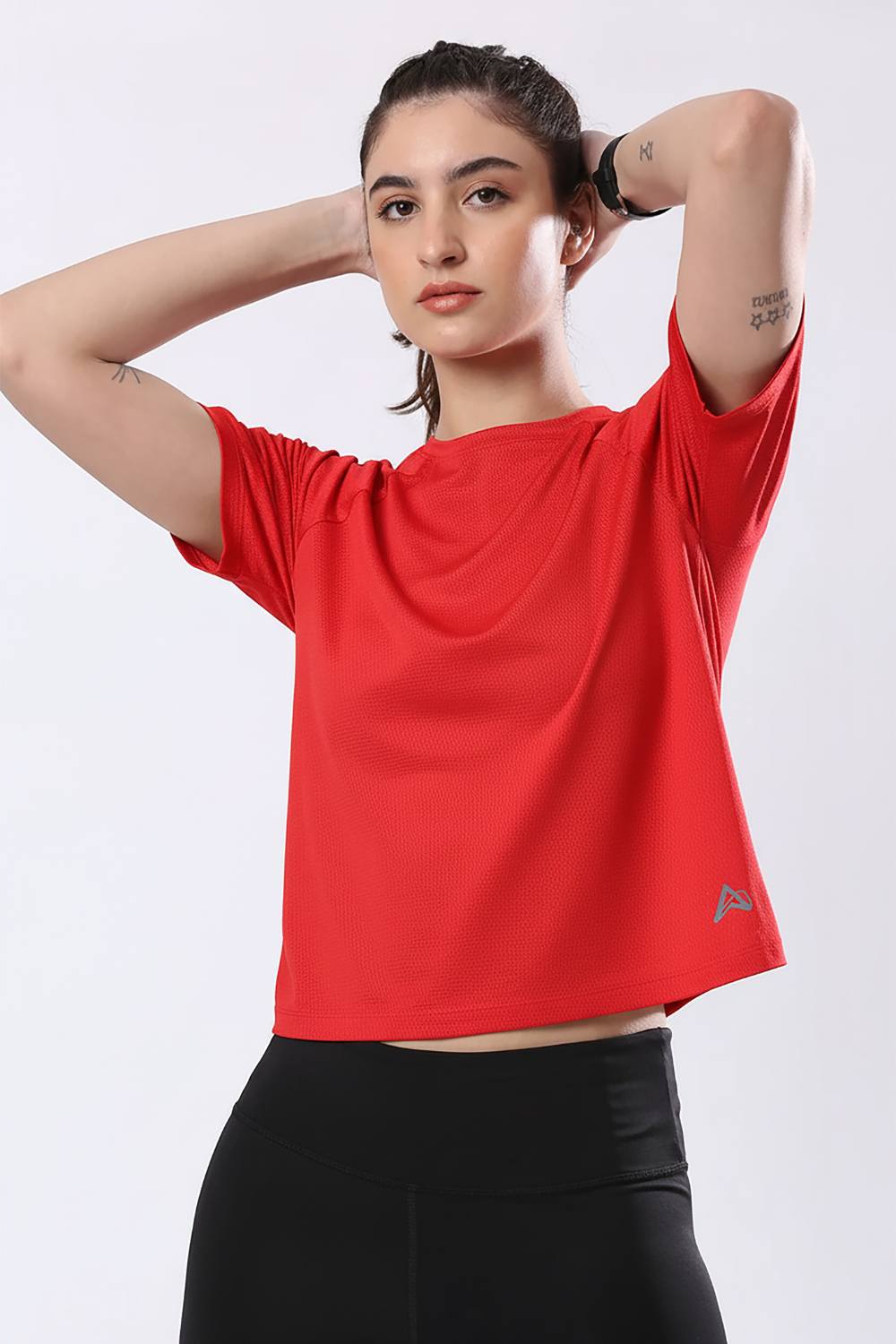
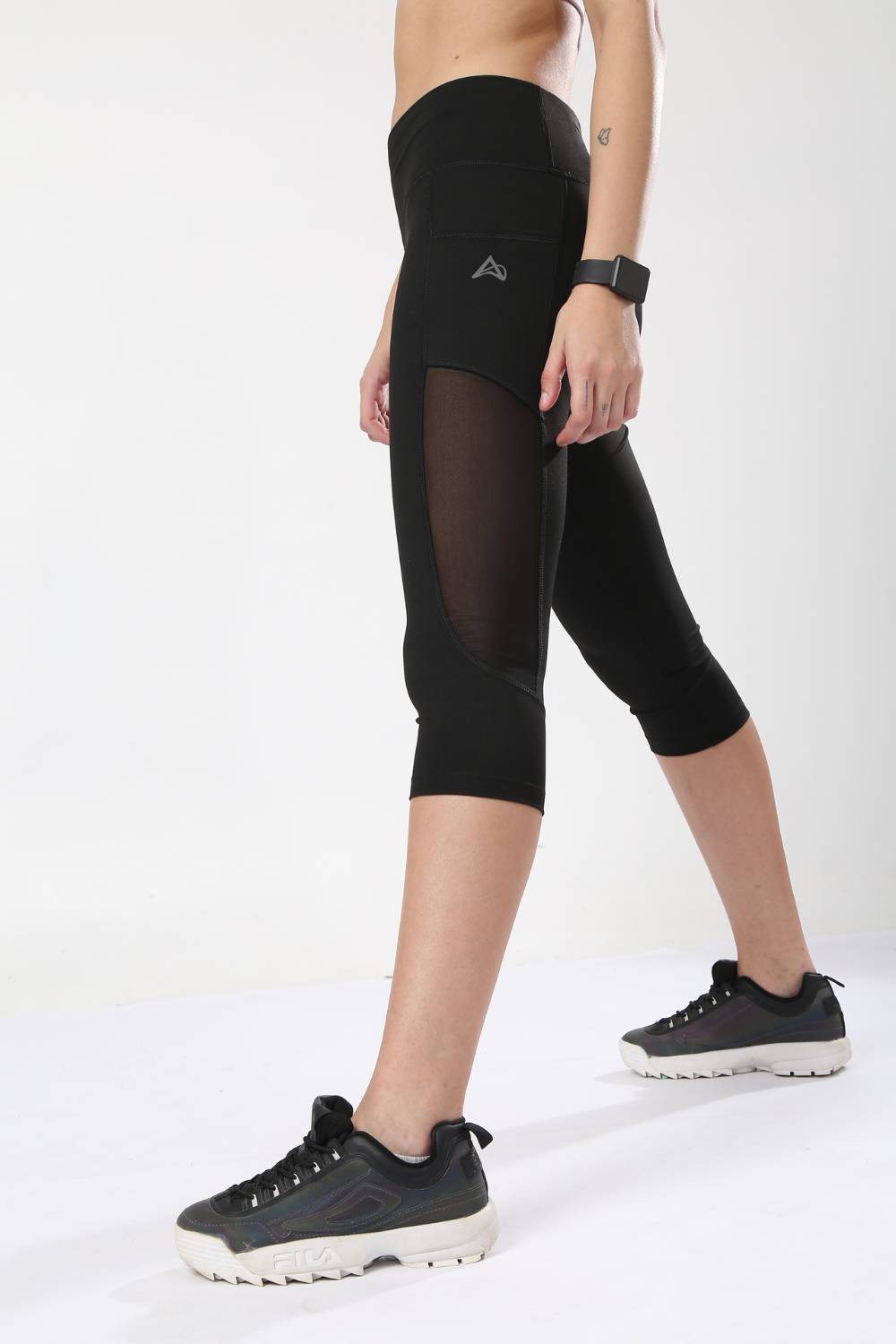
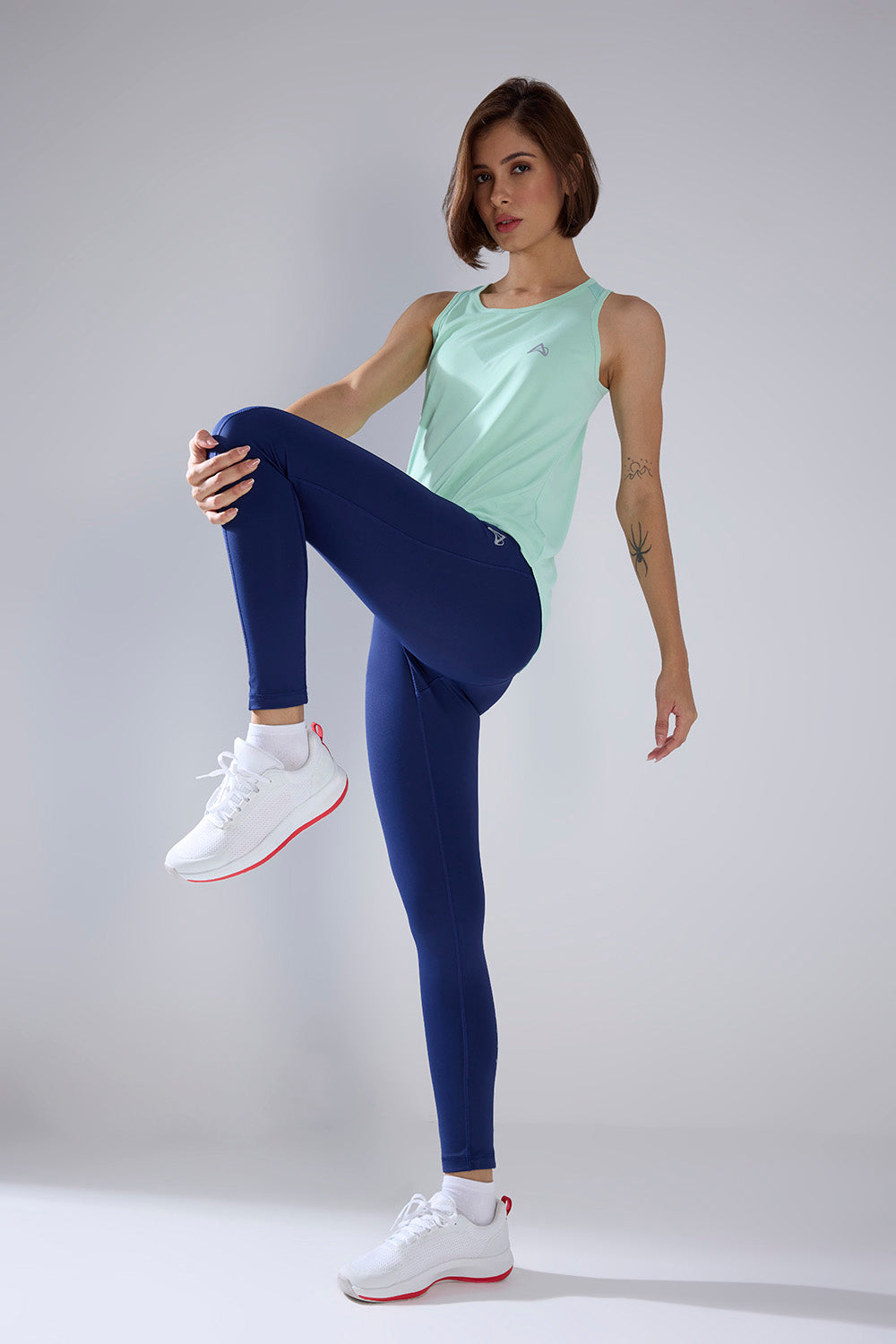
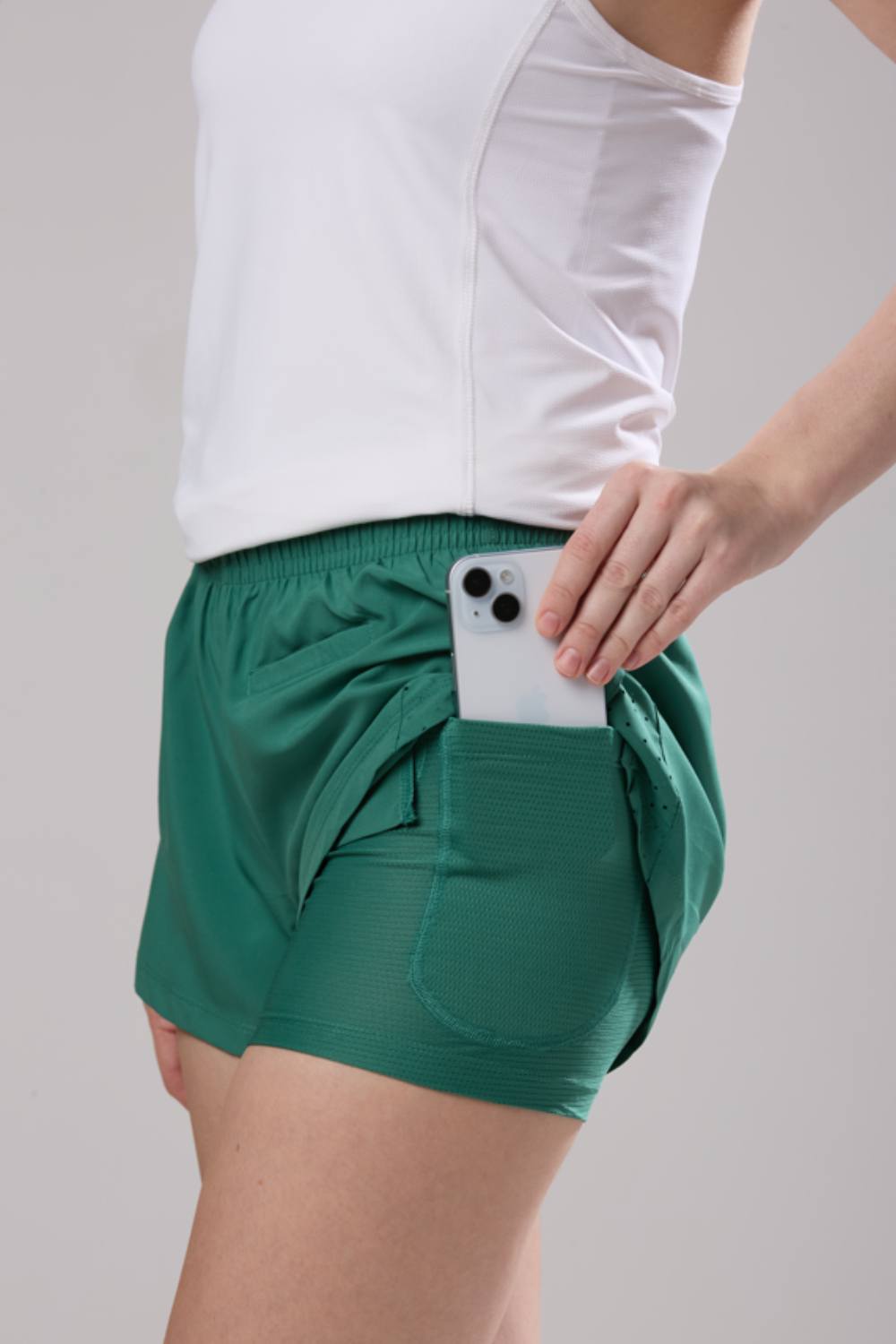
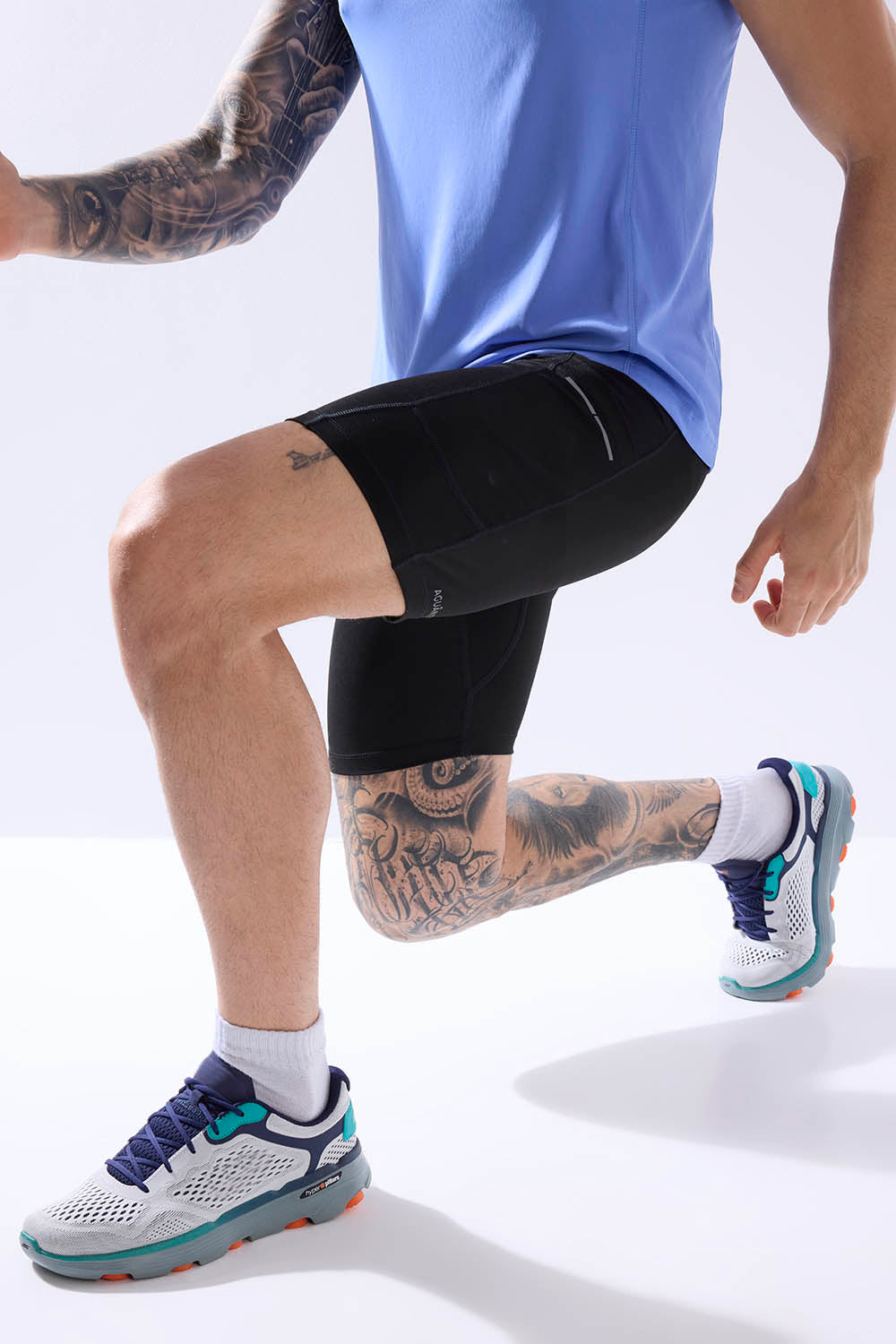
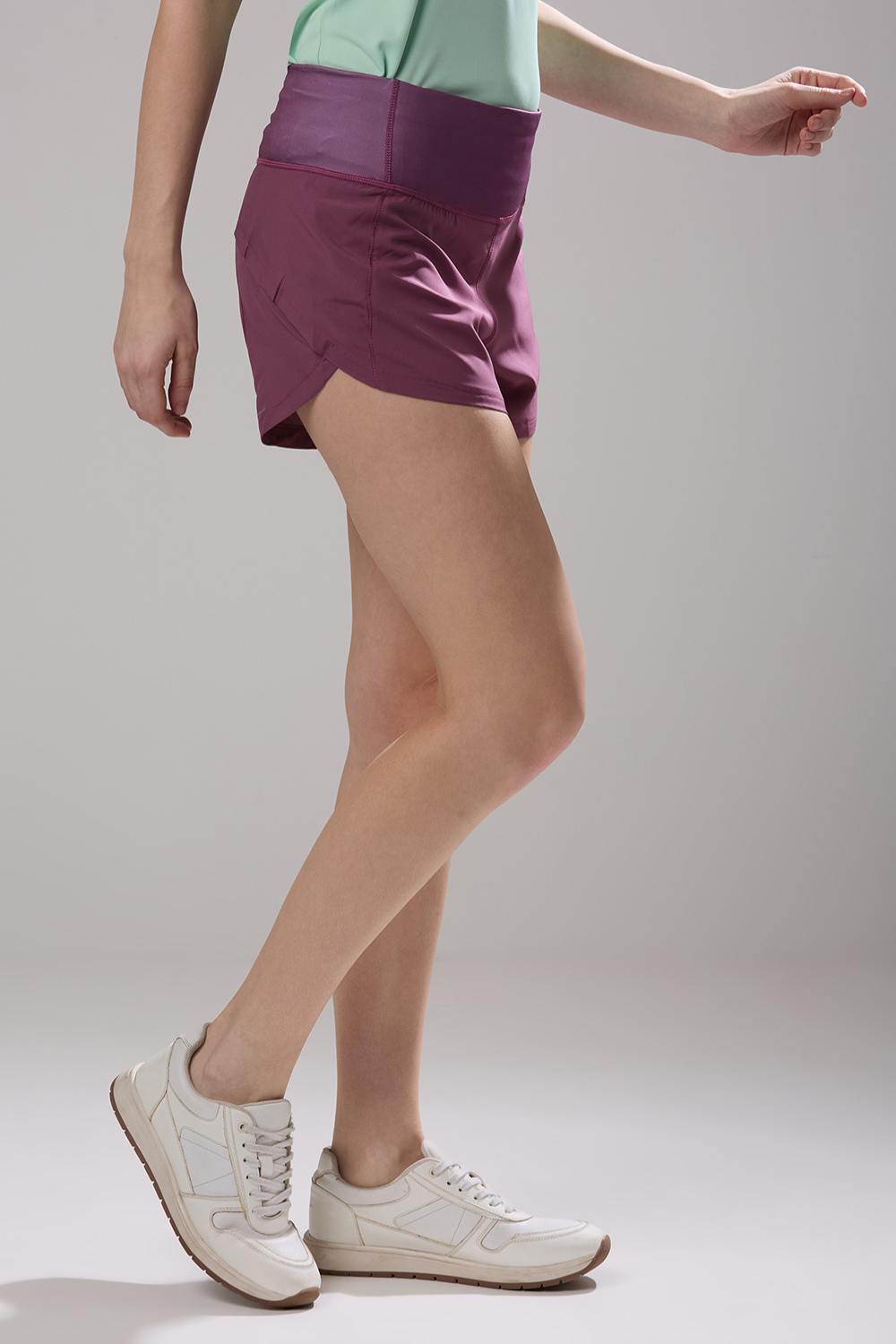
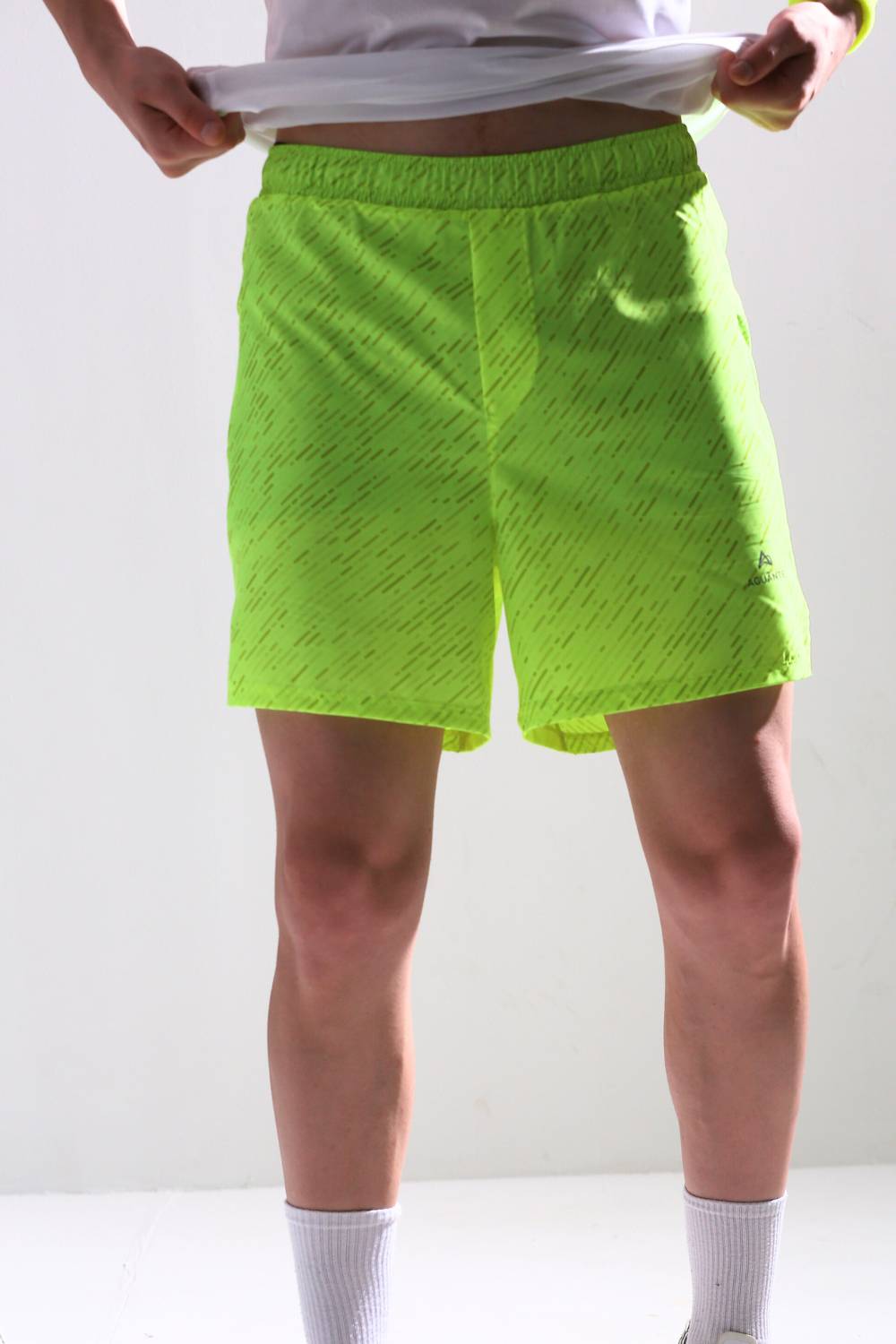
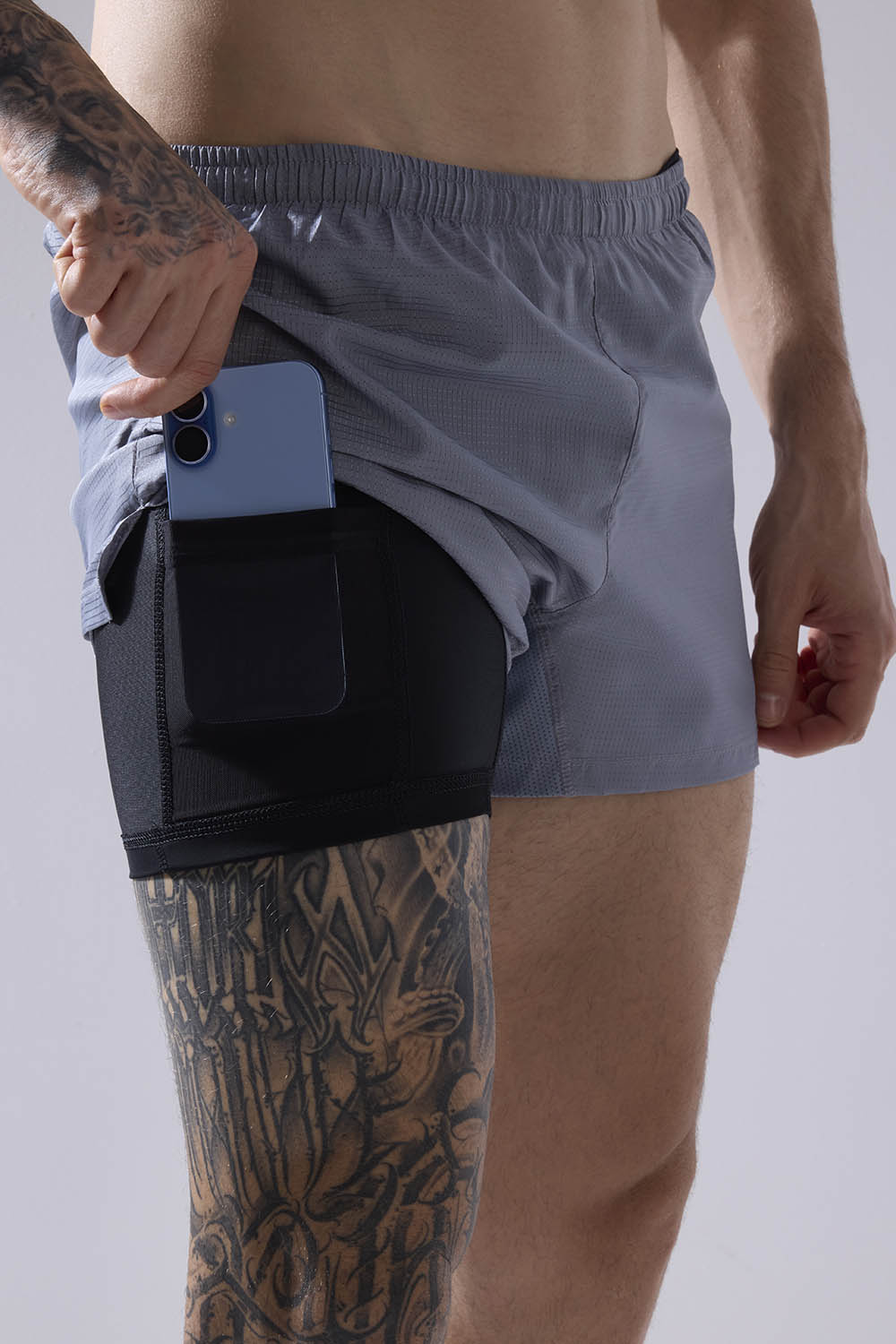
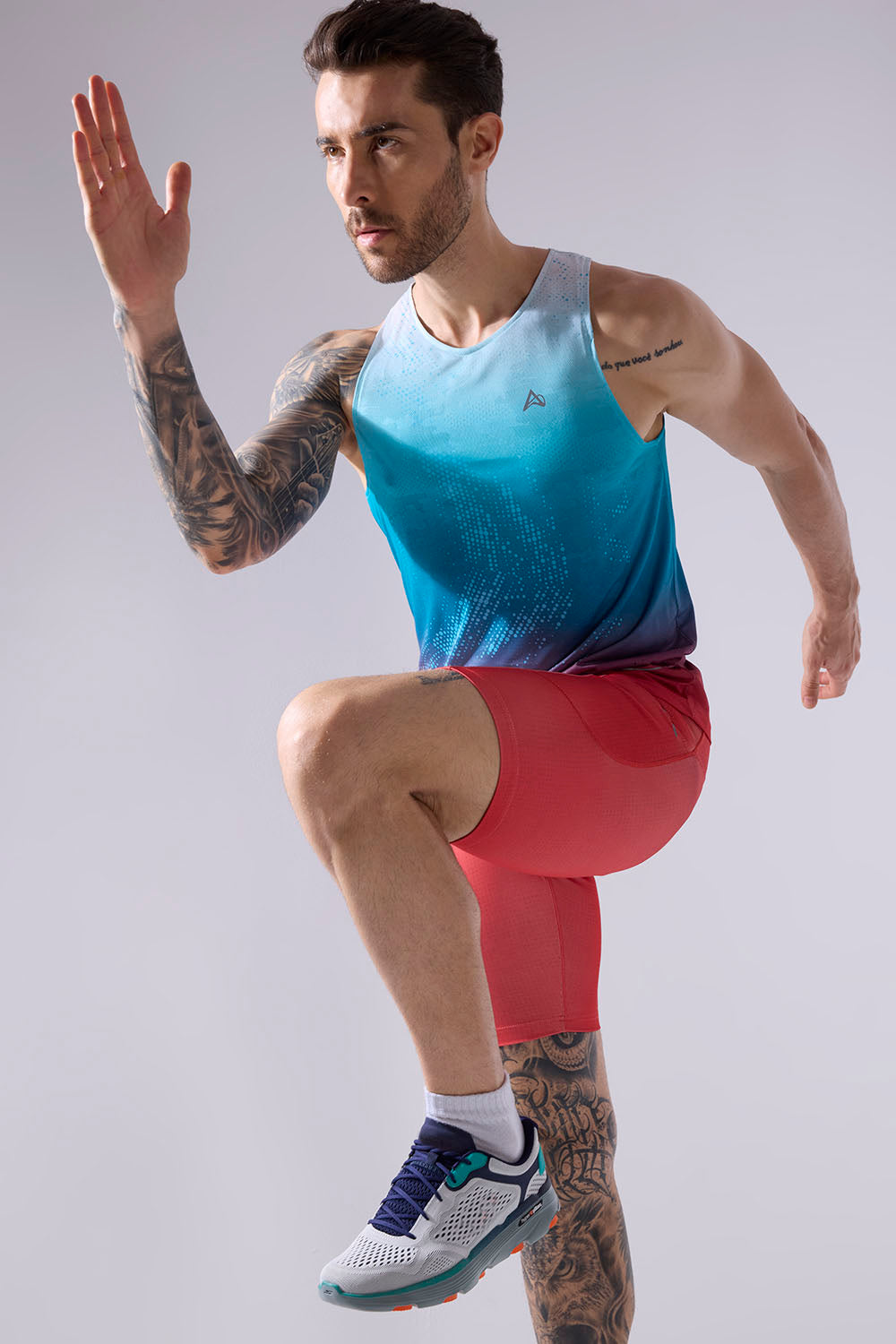
Tired of gear that slows you down? Chafing, soggy fabrics, and missing pockets kill your run's momentum. At Aguante, we're runners who get it. Our high-performance activewear features moisture-wicking fabrics, ergonomic designs, and smart storage to keep you focused. Shop Now!
The Rise of Urban Running Communities Across Indian Cities
In Bangalore, tech professionals in Whitefield and along the Outer Ring Road have quietly transformed 5 a.m. runs into a blend of training and informal networking. Participation continues to climb, with runners sharing Strava segments and post-run coffee spots. Mumbai and Navi Mumbai draw large weekend crowds to the Bandra Worli Sea Link promenade and Marine Drive, where coastal humidity shapes both the experience and the apparel choices. Pune benefits from strong university-led fitness initiatives that funnel students into city streets, while Delhi and Gurugram see growing corporate running clubs supported by public-health messaging around heart fitness. In western India, Ahmedabad's revitalized Sabarmati Riverfront and Surat's Tapi River pathways have become popular linear venues for community runs, encouraged by municipal efforts to improve public fitness spaces.
The India activewear market size reached USD 10.20 Million in 2024. Looking forward, IMARC Group expects the market to reach USD 16.60 Million by 2033, exhibiting a growth rate(CAGR) of 5.10% during 2025-2033. The rising health consciousness, e-commerce growth, and the athleisure trend are driving India activewear market share. Celebrity and influencer endorsements also further catalyzes the demand by shaping customer preferences and increasing brand visibility, making activewear a preferred choice for both fitness and everyday wear.
Environmental Factors That Shape Gear Selection
Heat and Humidity
Mumbai and Navi Mumbai runners face humidity levels that frequently exceed 70 percent, according to regional data from the India Meteorological Department. Moisture-trapping fabrics quickly become uncomfortable, making breathability a non-negotiable priority.
Extreme Heat and Urban Heat Islands
Ahmedabad and Surat regularly see summer temperatures climb above 40°C. Concrete-heavy urban layouts trap and amplify heat, forcing runners to adjust start times and carry more water than they would in milder climates.
Air Pollution
Delhi and Gurugram experience sharp spikes in PM2.5 concentrations, tracked daily by the Central Pollution Control Board. Many runners now consult AQI readings the evening before a planned workout and adjust routes or add protective layers accordingly.
Traffic and Visibility
Bangalore and Hyderabad consistently rank among India's most congested cities. Narrow roads shared with heavy two-wheeler and auto-rickshaw traffic make high-visibility clothing and reflective accents essential, especially during low-light hours.
Key Running Gear Urban Athletes Should Prioritize
Footwear Built for Indian Roads
Uneven, hard-paved surfaces in Bangalore, Pune, and Gurugram demand shoes with reliable cushioning and tough outsoles. Experts from the Sports Authority of India emphasize footwear that can absorb repeated impact while maintaining grip during sudden monsoon downpours.
Breathable, Moisture-Wicking Clothing
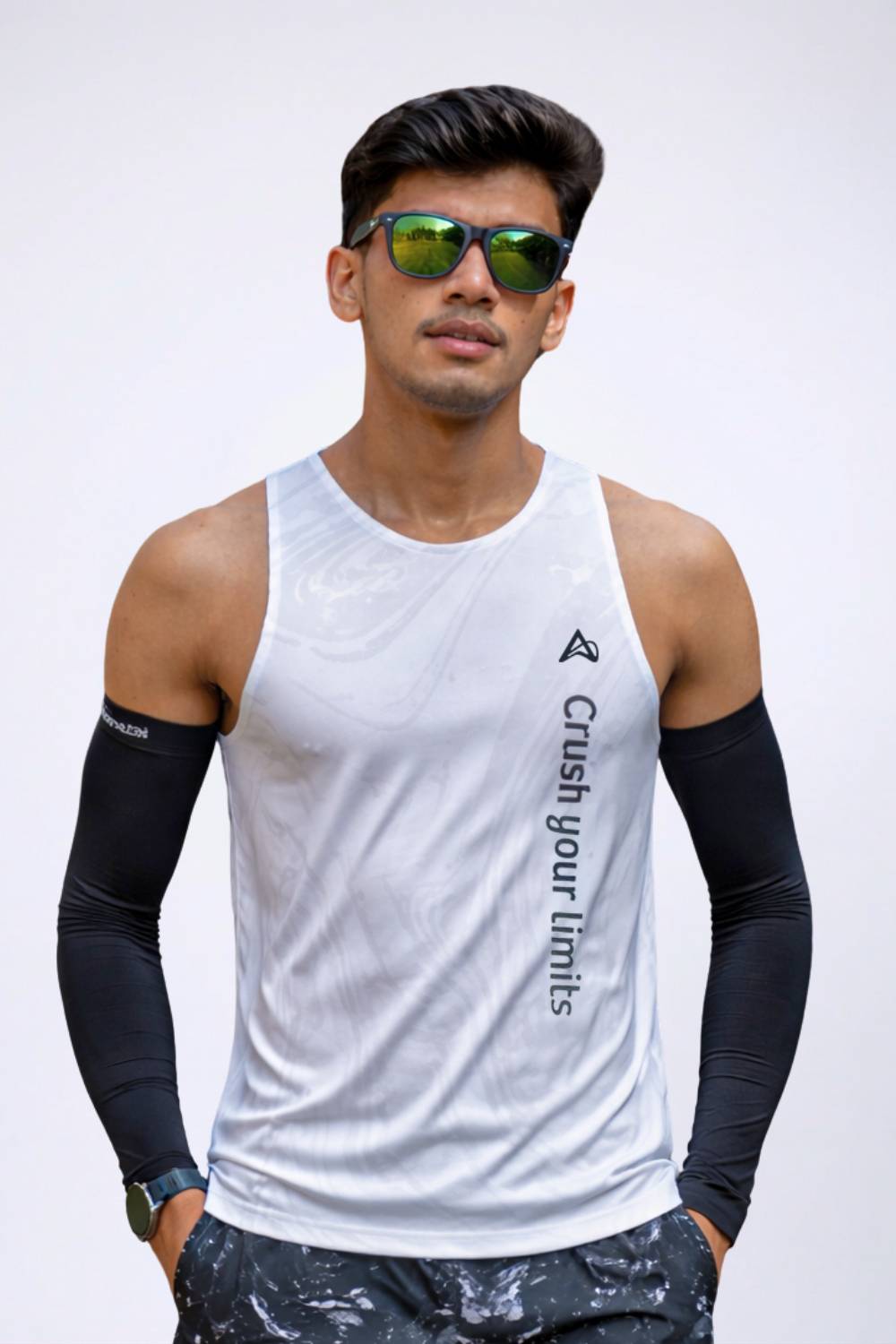
Lightweight, fast-drying performance fabrics outperform cotton in both Mumbai's saturated air and Ahmedabad's dry scorch. Research on advanced textiles underscores how these materials help regulate body temperature over long efforts.
Hydration Solutions
Portable hydration vests and handheld bottles are practically mandatory for extended runs in Surat and Ahmedabad, where public water points are limited and high temperatures accelerate fluid loss.
Air-Quality and Visibility Protection
- Lightweight buffs or specialized running masks for high-pollution days in Delhi and Gurugram
- Reflective armbands, ankle straps, and small LED lights for safer pre-dawn and evening runs in Bangalore and Hyderabad
- UV-blocking sunglasses and caps for protection across southern and western cities
Emerging Trends in Running Gear Adoption
Fitness trackers and smartwatches have become standard among runners in Bangalore and Gurugram, allowing real-time monitoring of pace, heart rate, heat stress, and even local air-quality conditions. Sustainable apparel lines made with recycled materials and lower-impact dyes are gaining steady traction in Mumbai and Pune. Local running communities in Ahmedabad and Surat actively exchange gear feedback through WhatsApp groups, quickly identifying which items hold up under extreme summer conditions and which fall short.
Real-World Examples and Case Studies
Marine Drive Runners – Mumbai
Members of established Mumbai running clubs rely on ultra-breathable singlets and waist-mounted hydration belts. Starting runs at 5 a.m. helps them avoid peak heat, but the gear still has to perform when humidity thickens and the sea breeze fades.
Tech Professional Run Clubs – Bangalore
Early-morning groups in Whitefield depend heavily on GPS-enabled watches to track elevation changes and sudden weather shifts. Shared data after runs helps the entire pack fine-tune pace and route choices for the city's hilly terrain.
Pollution-Aware Running – Delhi & Gurugram
Runners here routinely check official pollution readings before heading out. On cleaner days they use lightweight face coverings; on severe days many opt for shorter loops or shift workouts indoors, treating scheduling itself as an important piece of “gear.”
Challenges Urban Runners Face When Choosing Gear
Relentless heat in Ahmedabad and Surat pushes even high-end fabrics to their limits. Persistent air-quality concerns in Delhi and Gurugram create ongoing tension between training volume and respiratory health. Narrow or missing sidewalks in Hyderabad and Bangalore increase collision risks after dark. For many amateur runners in Pune and Navi Mumbai, the cost of imported premium shoes and wearables remains a significant hurdle.
Opportunities and Market Growth for Running Gear in Indian Cities
Specialized running retail is expanding rapidly in Bangalore, Mumbai, and Delhi, while growing participation in marathons across Pune, Ahmedabad, and Surat sustains strong demand. Domestic brands are responding by developing apparel and footwear designed specifically for Indian urban conditions. The activewear sector is experiencing robust expansion, fueled by greater health awareness, wider e-commerce access, and the continuing rise of athleisure styles. Women remain the dominant and fastest-growing segment within this market.
Expert Insights and Recommendations
Specialists from the Sports Authority of India stress the importance of footwear matched to the mixed road surfaces found throughout Indian cities. Researchers at the Indian Institute of Science in Bangalore recommend loose, highly breathable tops for extended exposure to heat. Public-health experts in Gandhinagar advise tailored hydration plans for runners in western India, particularly during the hottest months in Ahmedabad and Surat. The shared advice is straightforward: always test new gear on shorter local runs before trusting it for longer efforts.
The Future of Urban Running in India
With continued investment in pedestrian-friendly infrastructure, shaded corridors, and public fitness zones, running communities in Bangalore, Mumbai, Delhi, Pune, and Hyderabad are poised for further growth. Gear will keep evolving lighter, dual-purpose fabrics that manage heat and pollution, smarter wearables that deliver real-time environmental alerts, and more accessible local options that deliver performance without premium pricing. The most successful urban runners will continue to view their cities not as obstacles but as the ultimate testing ground. By selecting equipment that respects Mumbai's humidity, Delhi's dust, Ahmedabad's heat, and Bangalore's traffic, they turn every kilometer into both training and quiet victory over the daily urban challenge.
Frequently Asked Questions
What is the best running gear for hot and humid cities like Mumbai and Navi Mumbai?
For cities like Mumbai and Navi Mumbai, where humidity frequently exceeds 70%, lightweight moisture-wicking and fast-drying performance fabrics are essential cotton should be avoided entirely. Runners should also prioritize breathable singlets, waist-mounted hydration belts, and UV-blocking caps to manage both heat and sun exposure. Starting runs early (around 5 a.m.) helps beat peak humidity, but your gear still needs to perform as conditions thicken throughout the morning.
How should Delhi and Gurugram runners protect themselves from air pollution while running outdoors?
Runners in Delhi and Gurugram should check the Air Quality Index (AQI) tracked by the Central Pollution Control Board the night before any planned run and adjust routes or distances accordingly. On moderate-pollution days, lightweight buffs or specialized running masks provide effective respiratory protection. On severe days, many experienced runners opt for shorter loops or shift workouts indoors, treating smart scheduling itself as a critical piece of safety gear.
What running shoes are best suited for urban Indian roads?
Indian city roads particularly in Bangalore, Pune, and Gurugram feature uneven, hard-paved surfaces that demand shoes with strong cushioning and durable, grippy outsoles. The Sports Authority of India recommends footwear capable of absorbing repeated impact while maintaining traction during sudden monsoon downpours. Experts advise testing any new shoe on shorter local runs before using it for longer distances, as performance can vary significantly across different urban terrain and weather conditions.
Disclaimer: The above helpful resources content contains personal opinions and experiences. The information provided is for general knowledge and does not constitute professional advice.
You may also be interested in: Breathable Running Gear Tailored for Indian Humidity - Aguante
Tired of gear that slows you down? Chafing, soggy fabrics, and missing pockets kill your run's momentum. At Aguante, we're runners who get it. Our high-performance activewear features moisture-wicking fabrics, ergonomic designs, and smart storage to keep you focused. Shop Now!
Powered by flareAI.co