



Quick Listen:
Imagine hitting the pavement on a humid summer morning: sweat starts early, but instead of your shirt turning into a heavy, clinging mess by mile three, it stays surprisingly light and comfortable against your skin. That difference comes down to moisture-wicking technology a quiet revolution in running gear that has become essential for anyone serious about logging miles without unnecessary discomfort.
As more people embrace running for fitness and mental clarity, the demand for apparel that actually performs has surged. The global running gear market reflects this shift, with strong growth fueled by heightened health awareness and participation in events like marathons and trail races. Technological advancements in fabrics, including sophisticated moisture management, play a central role in meeting those expectations.
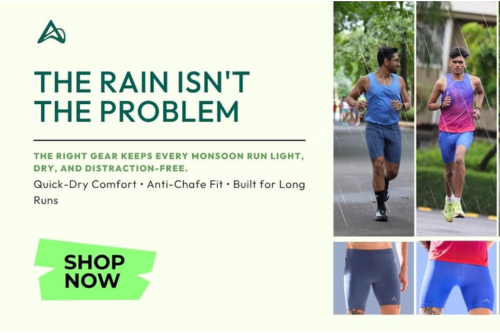
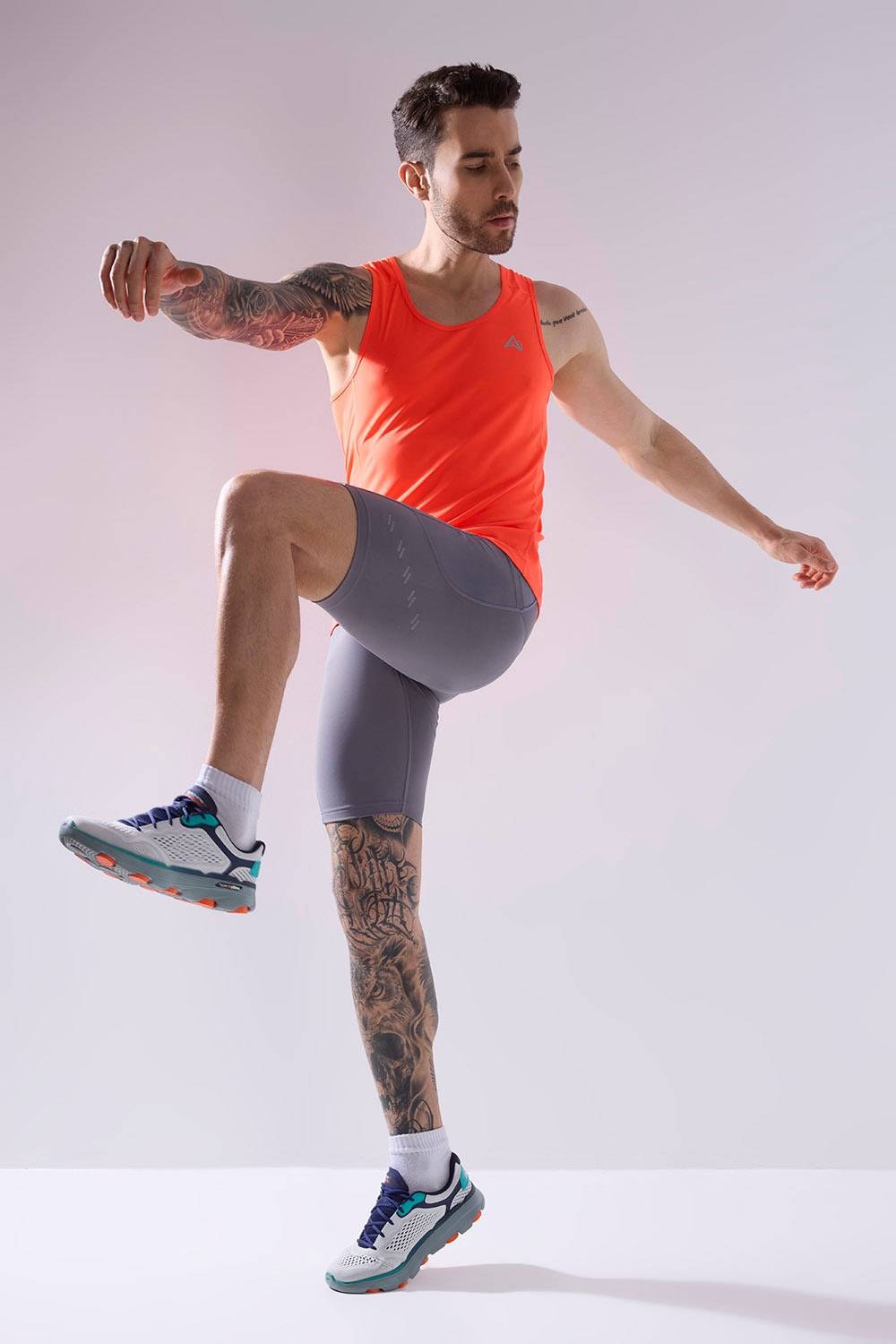
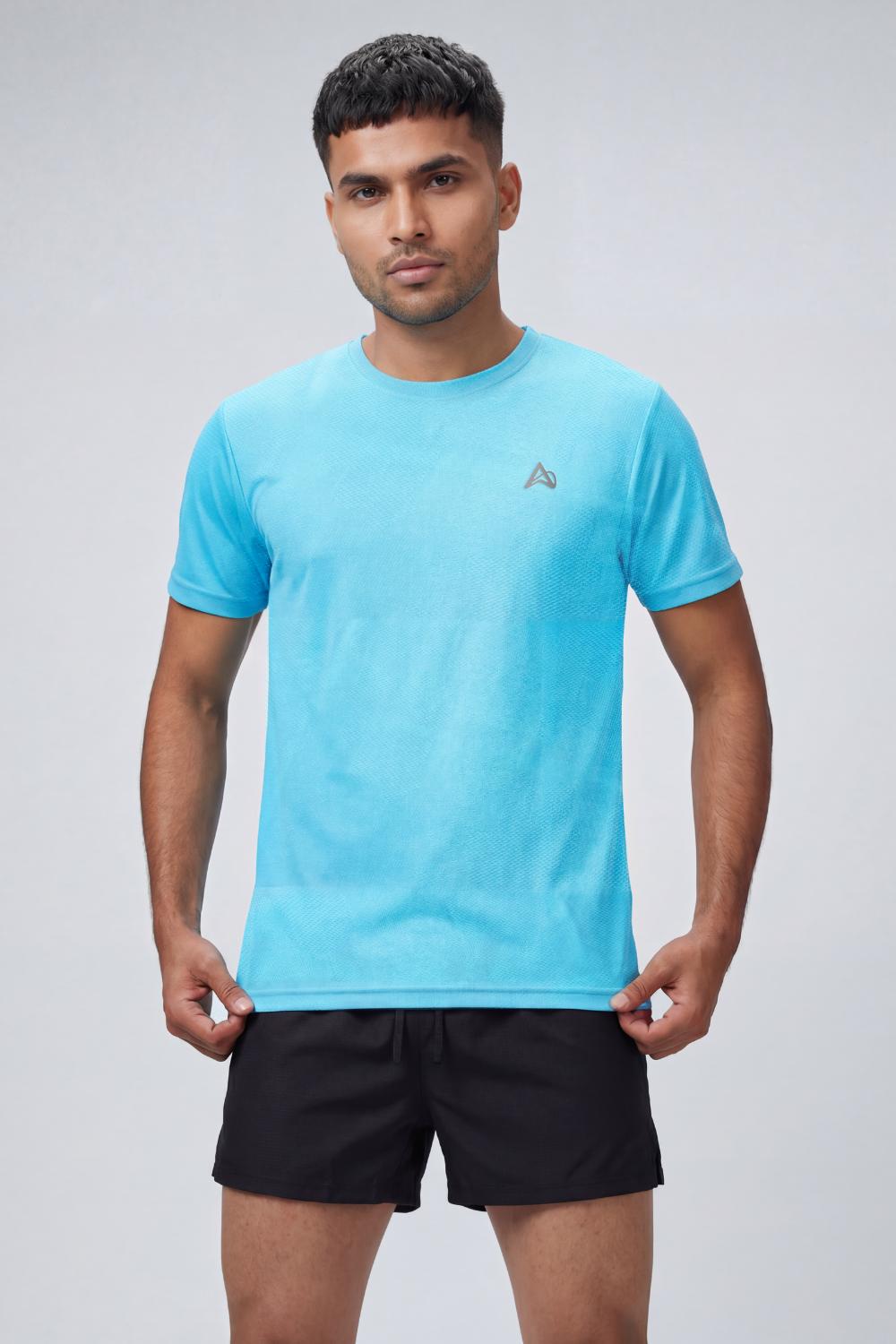
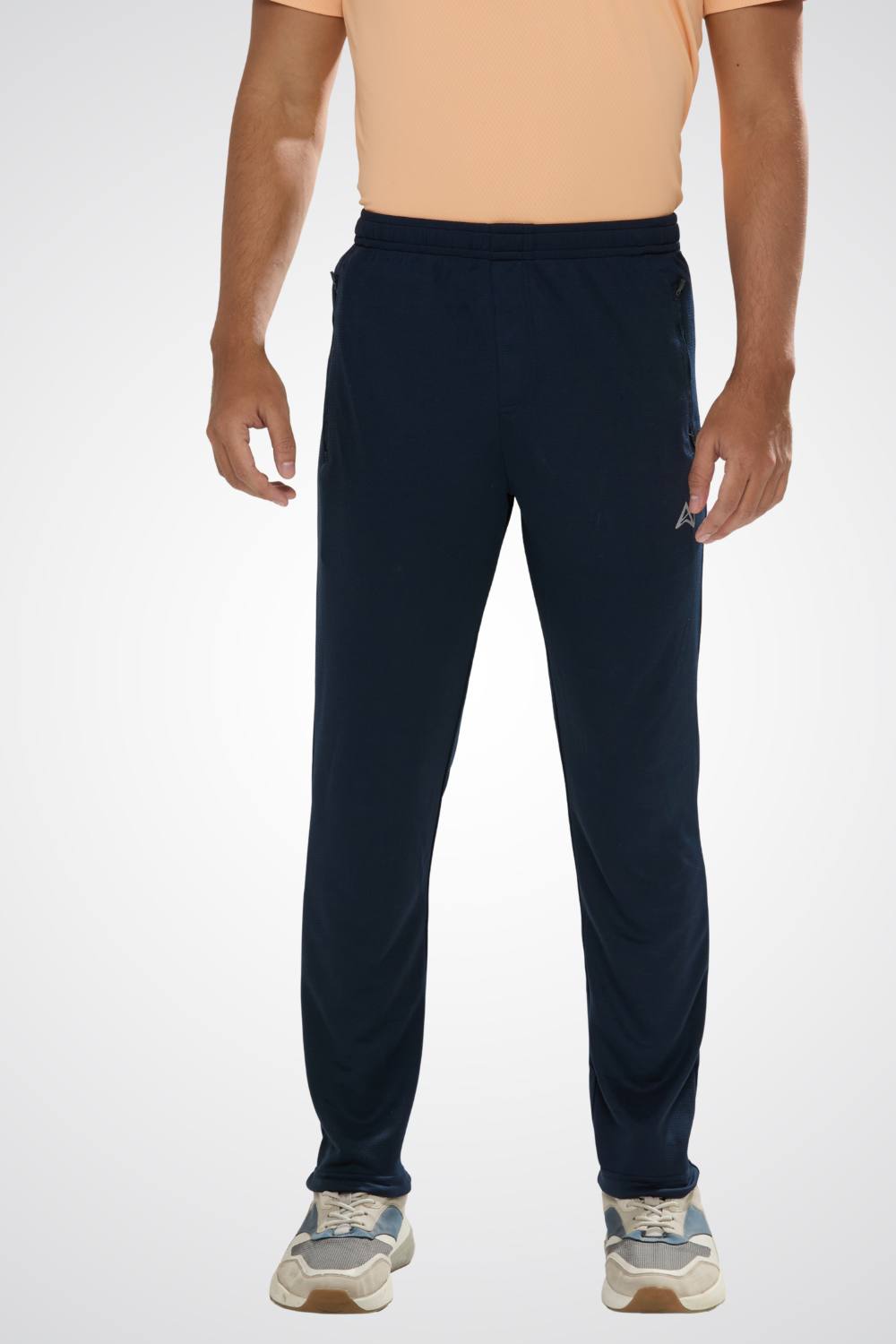
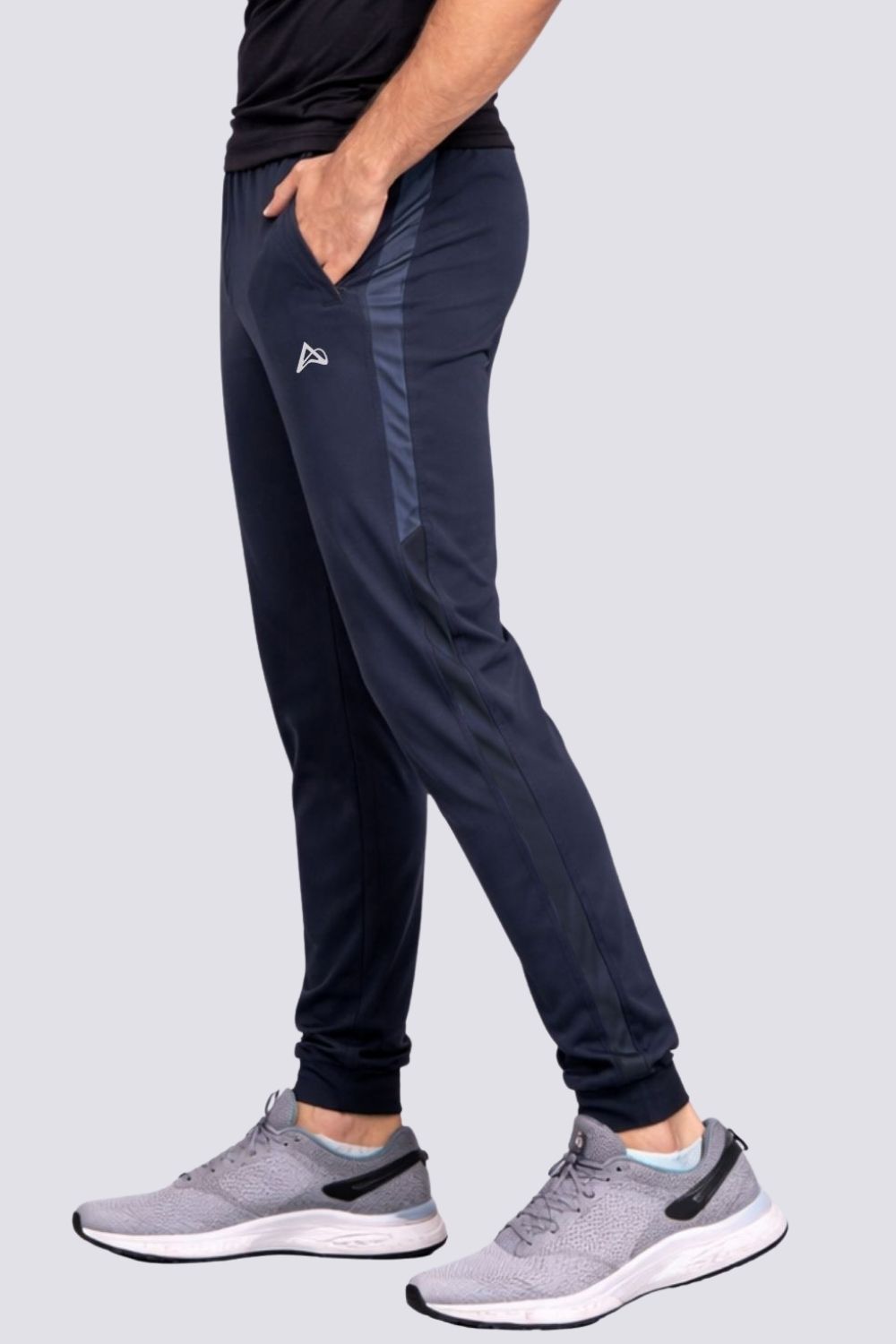
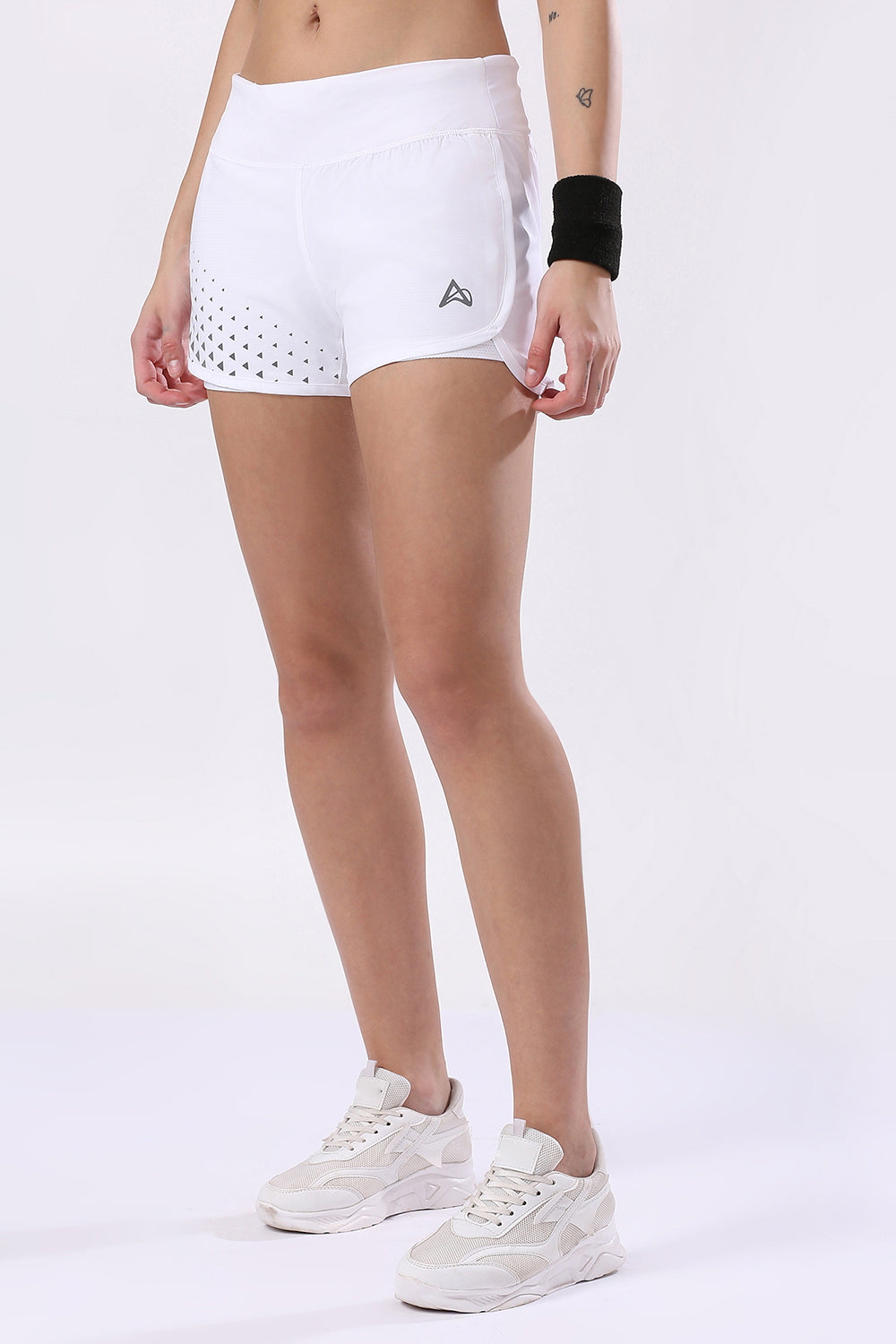
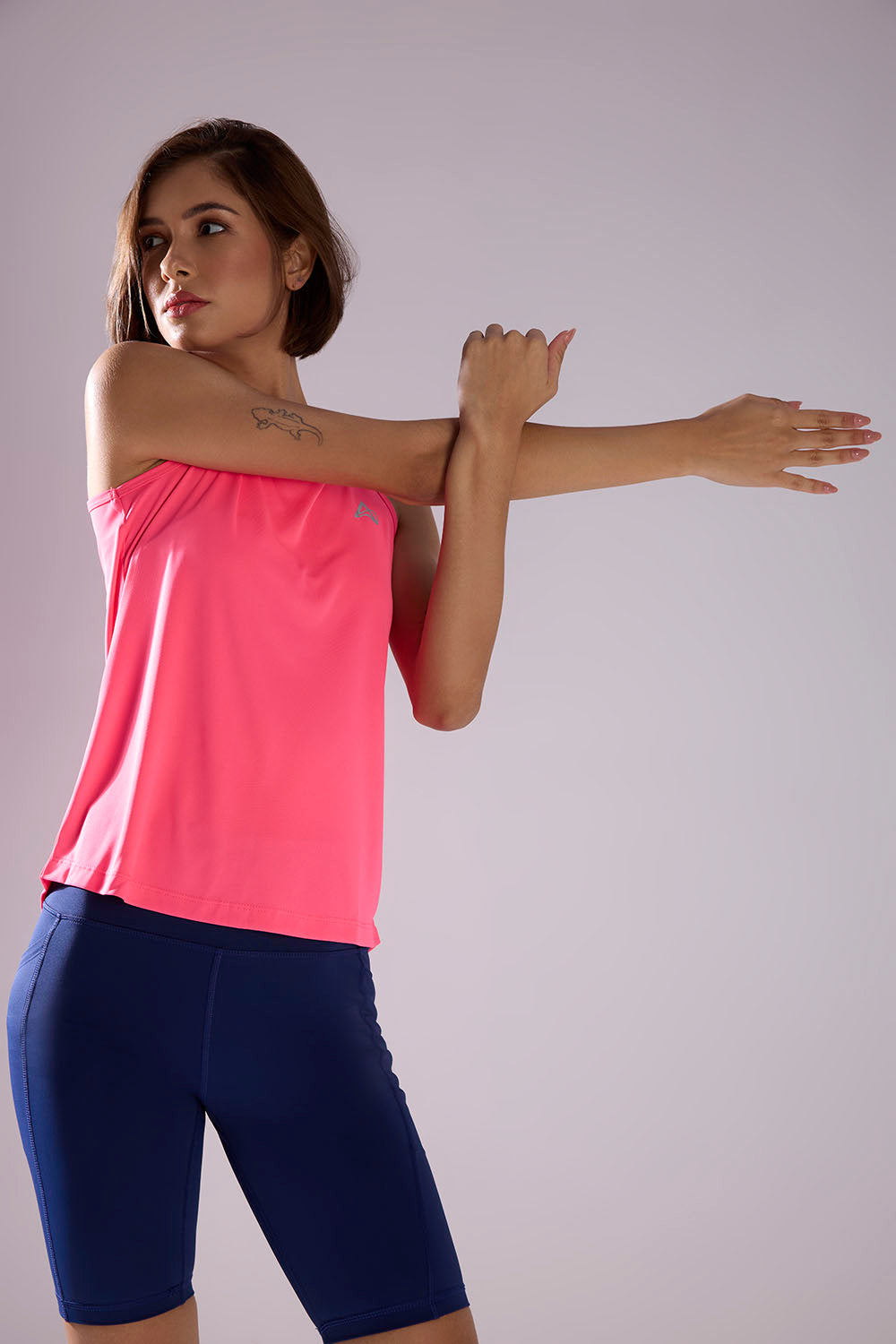
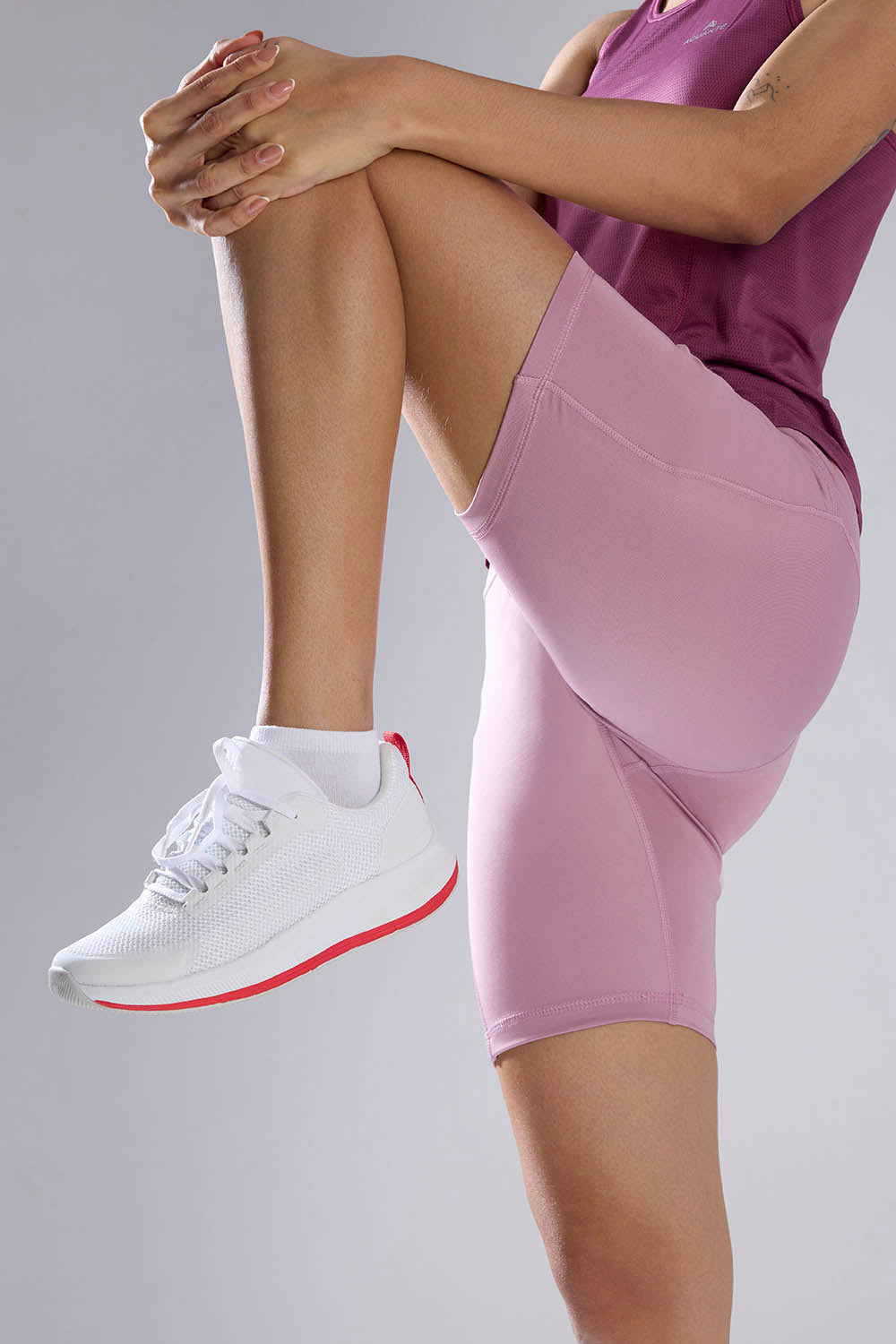
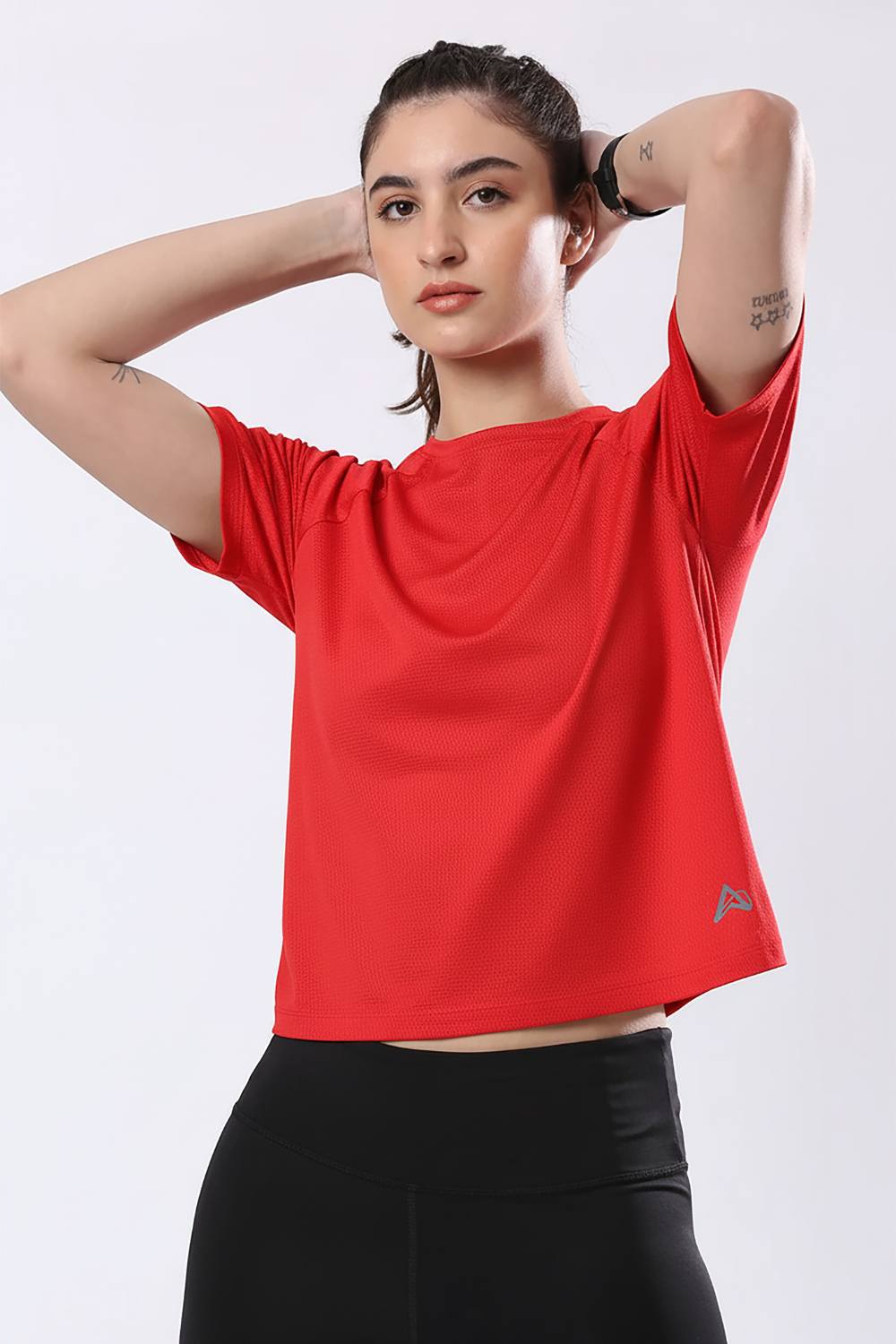
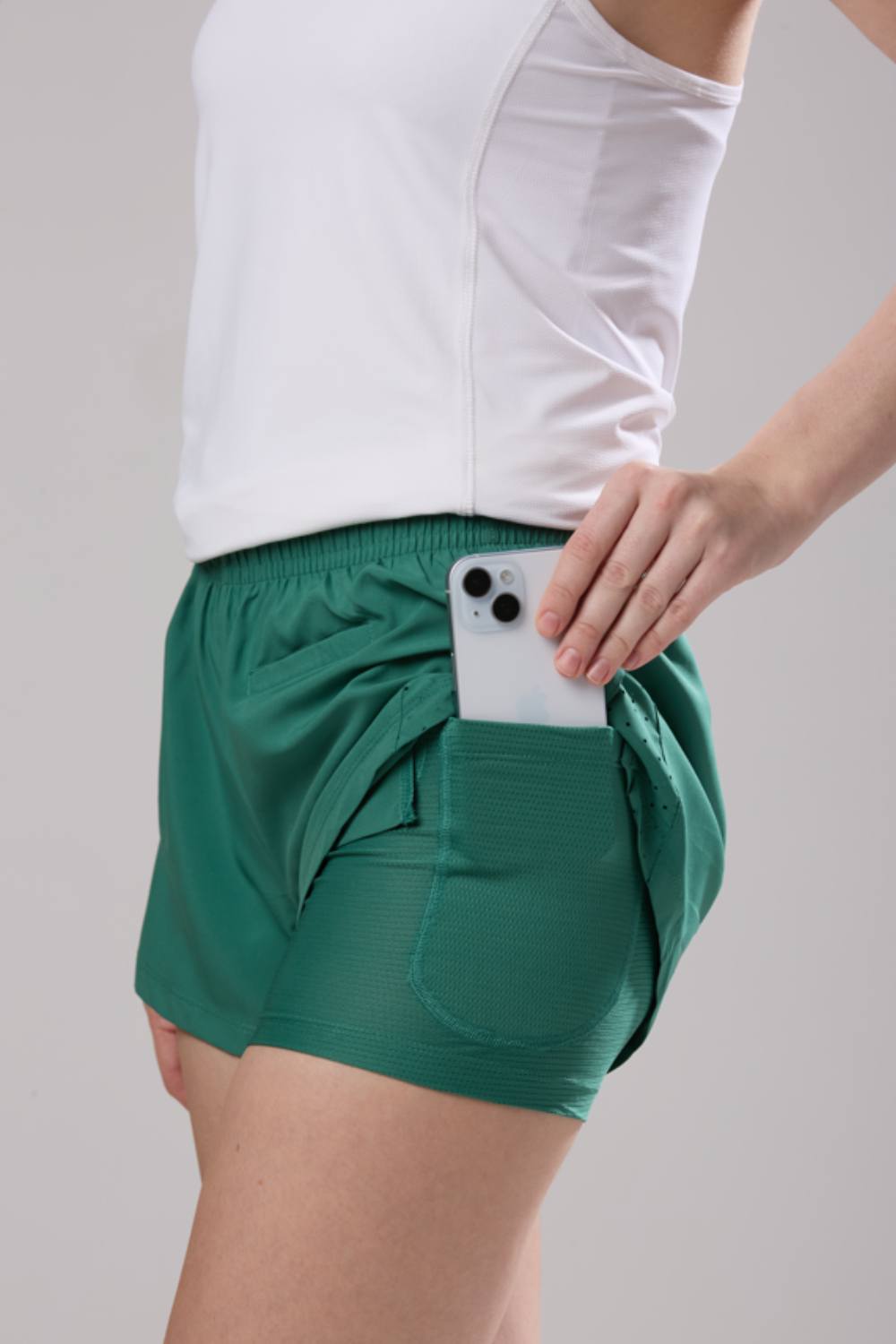
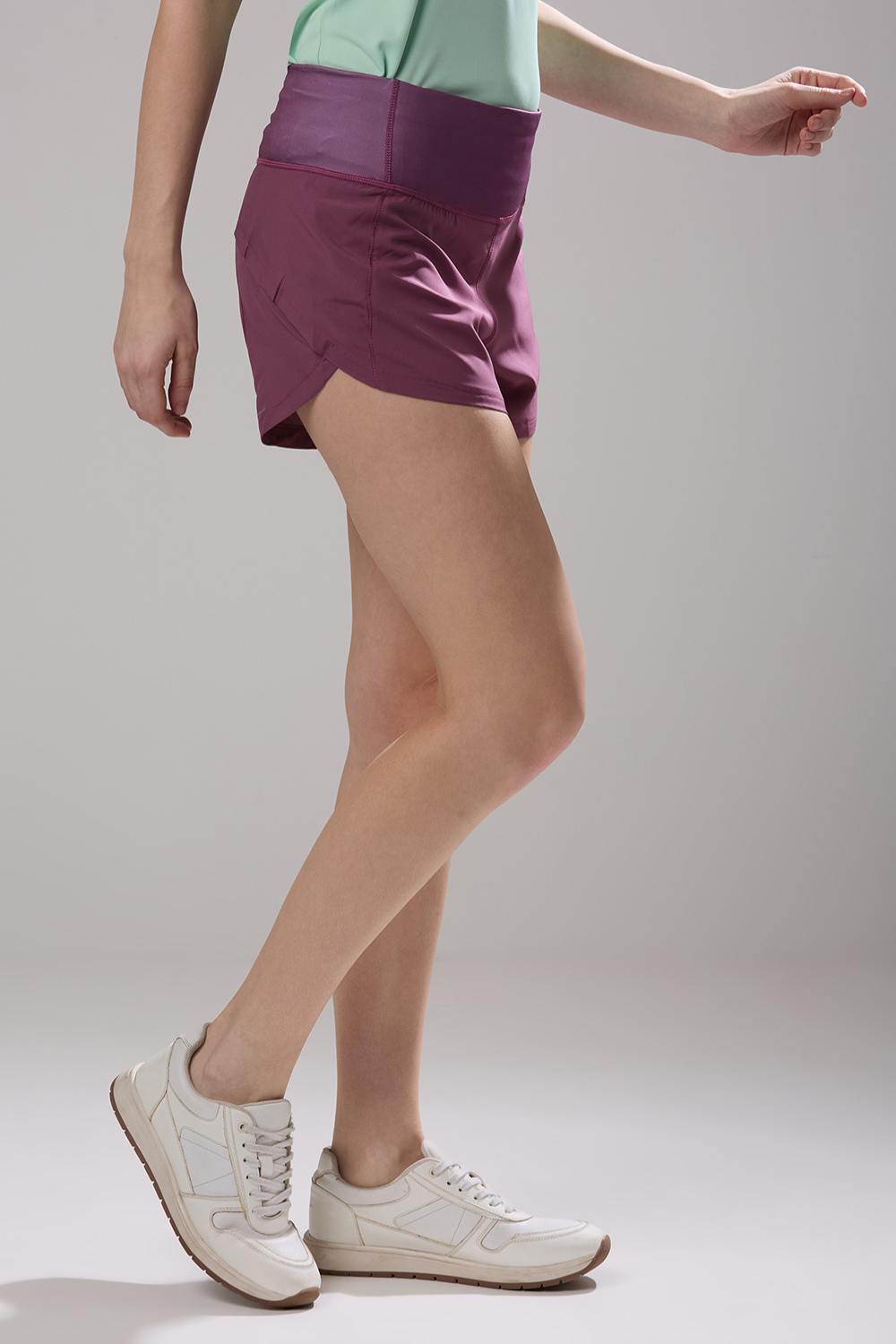
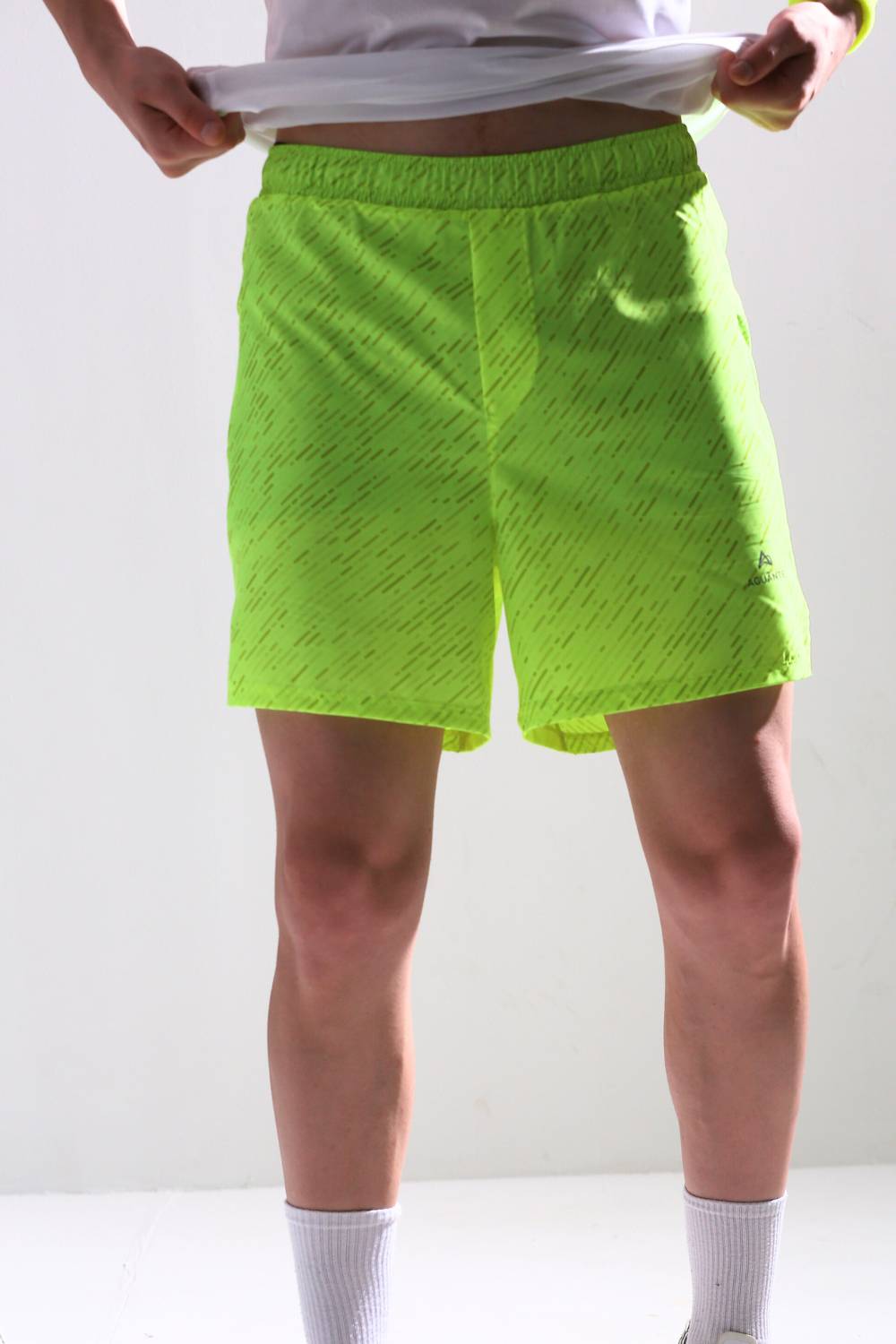
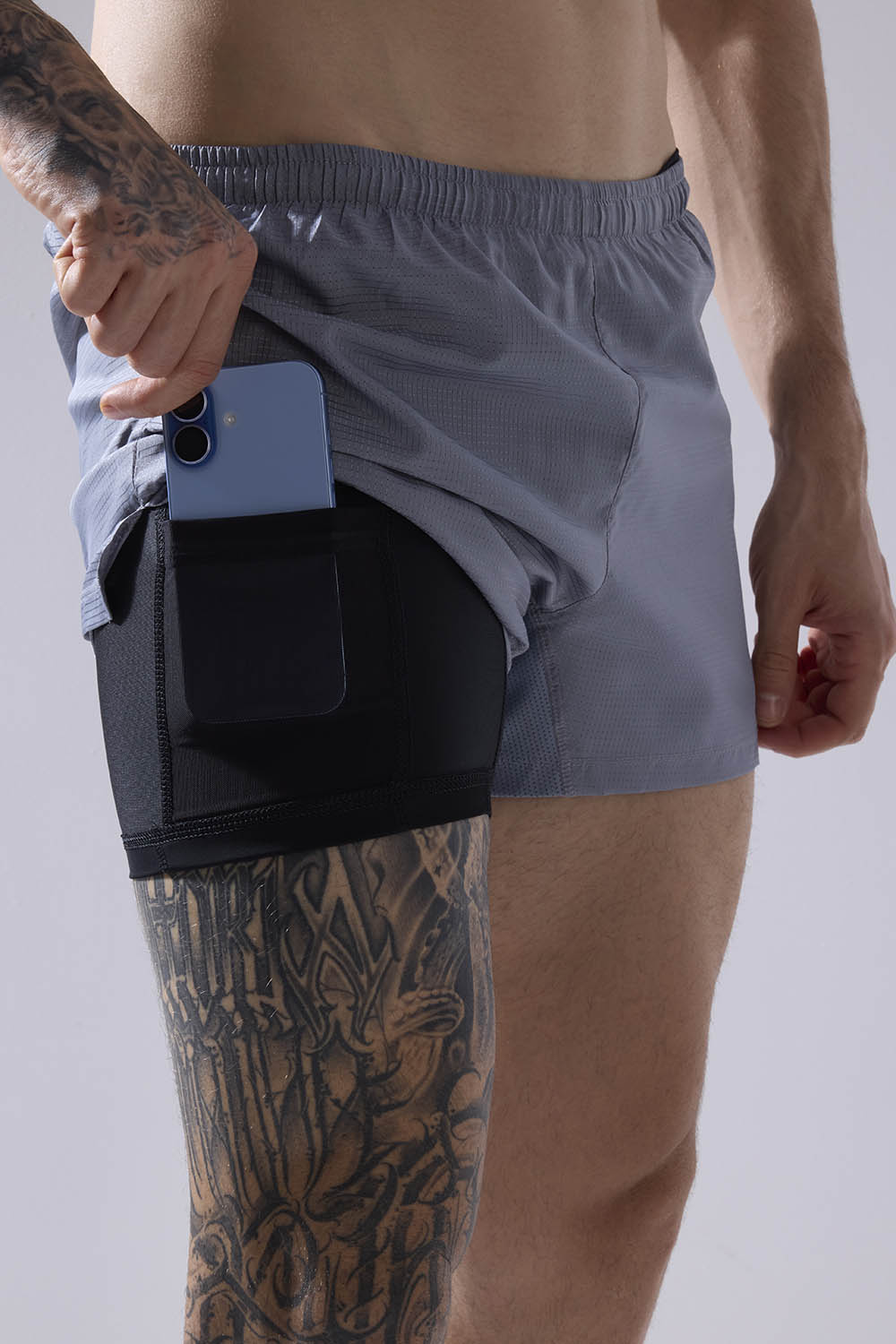
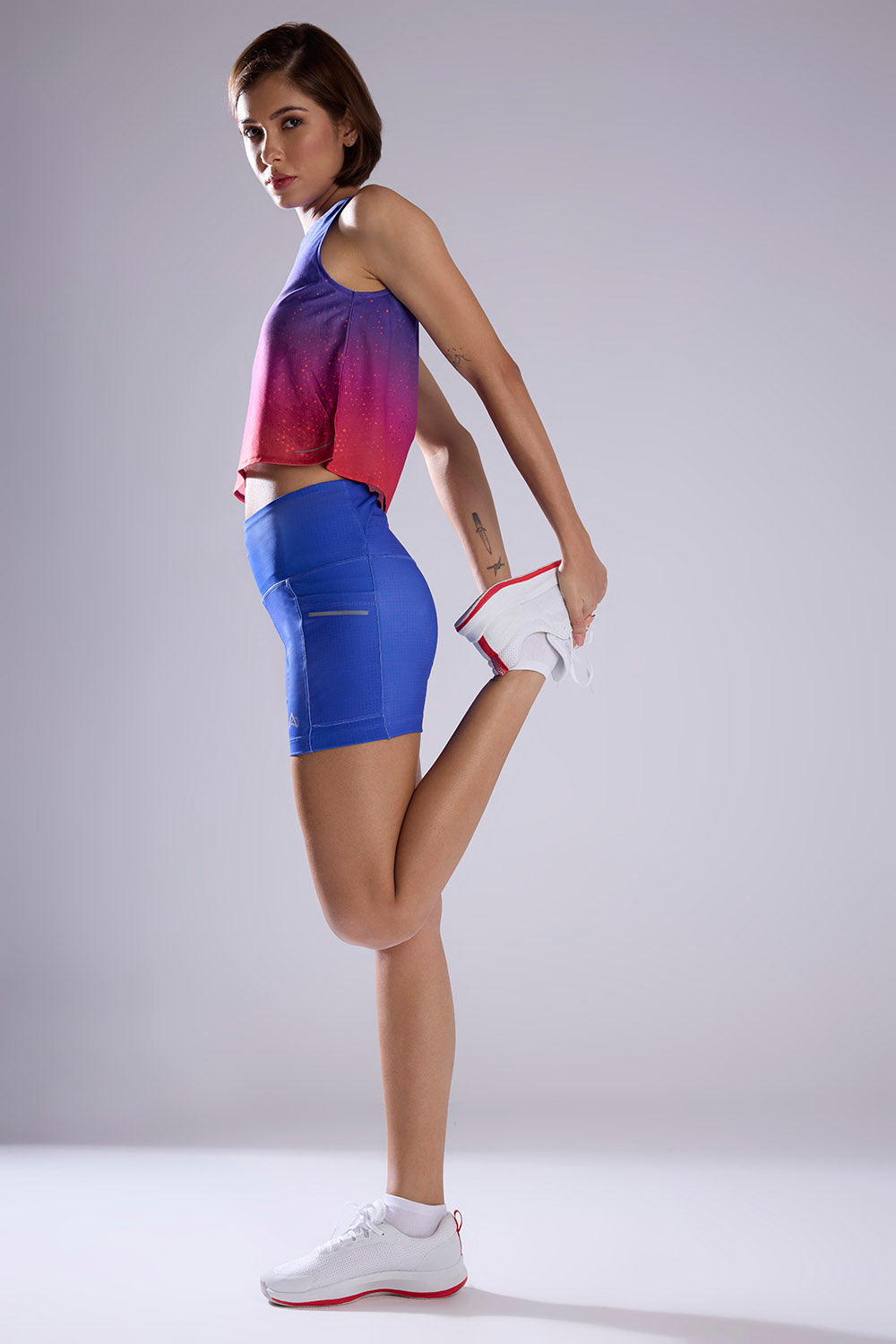
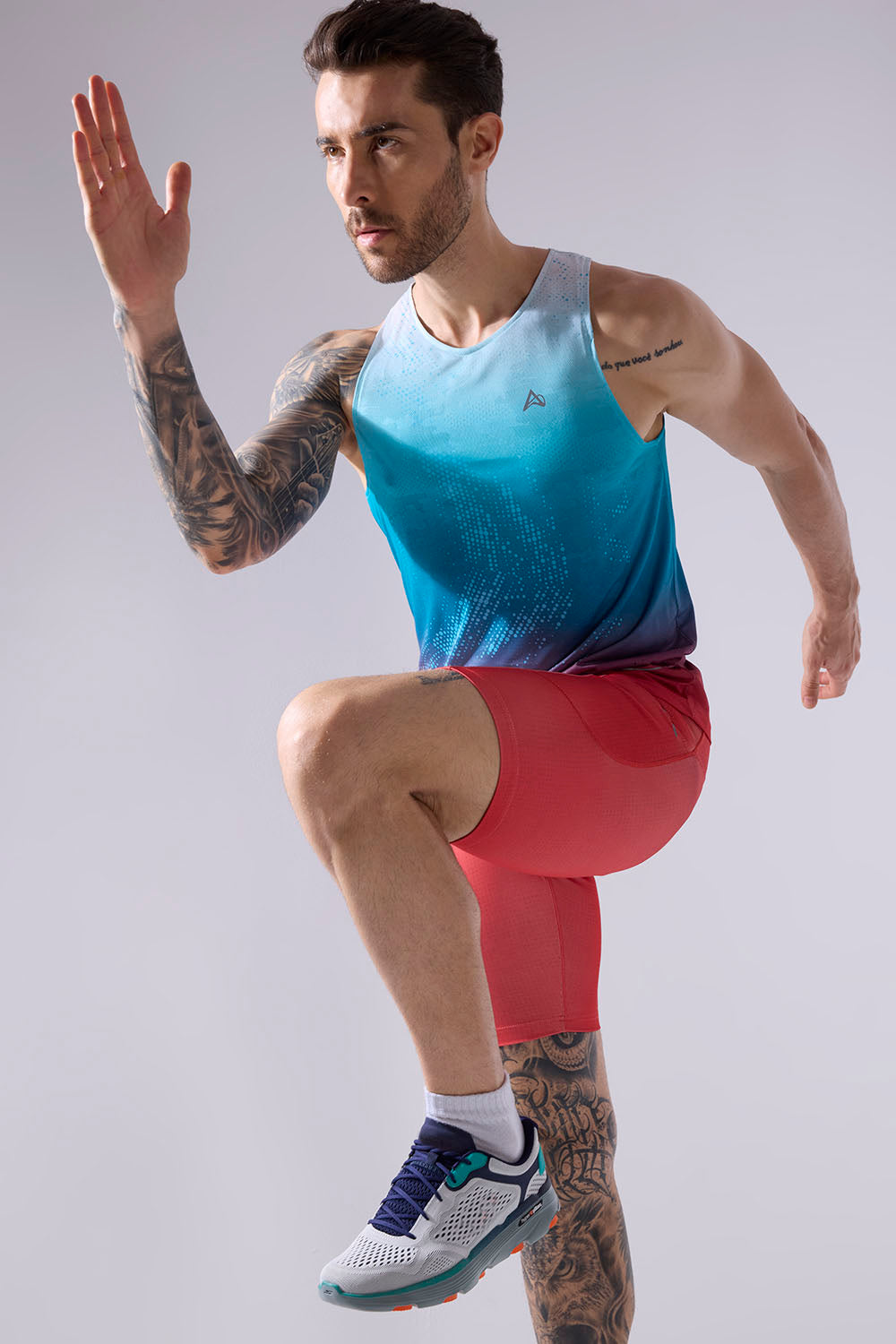
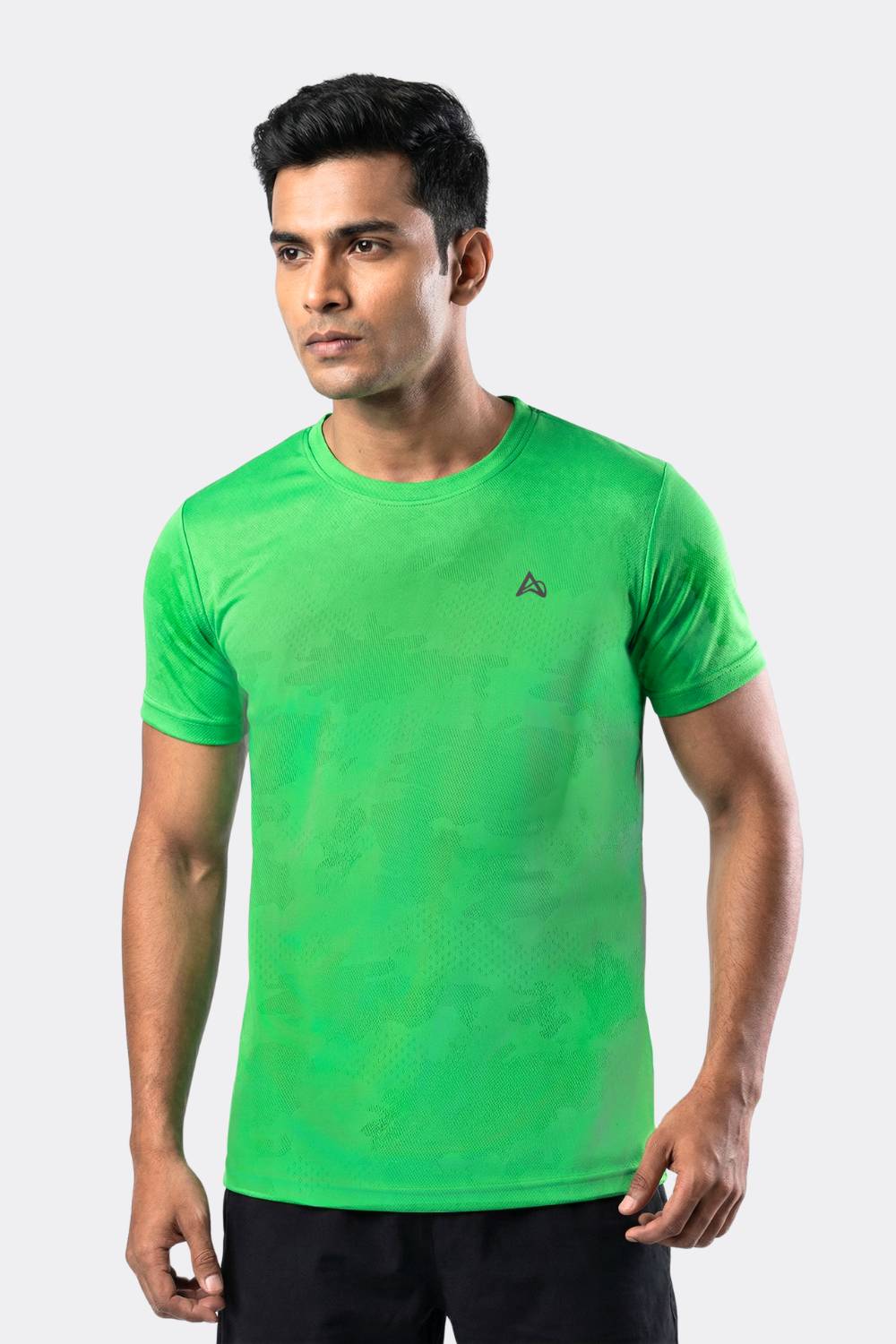
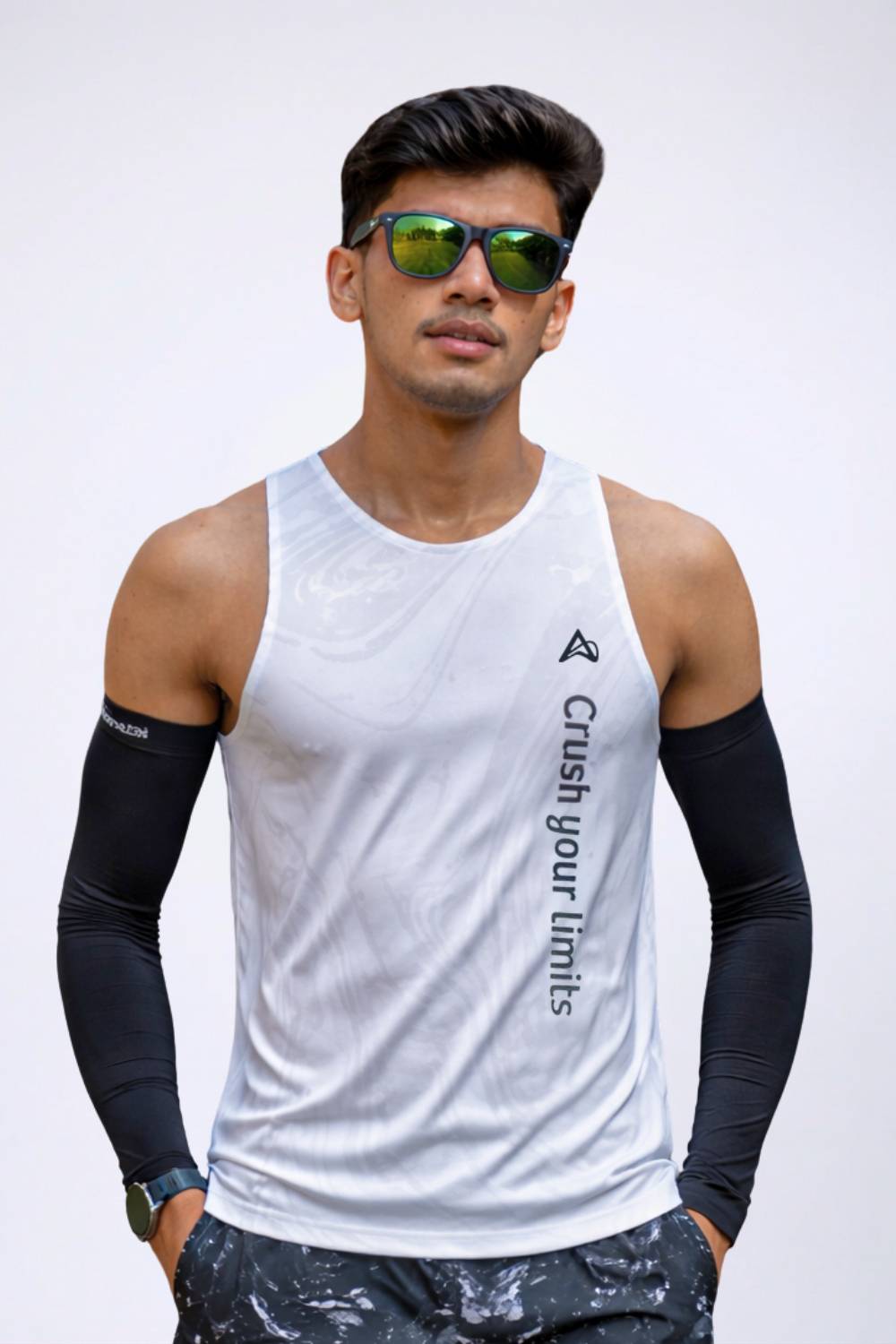
Tired of gear that slows you down? Chafing, soggy fabrics, and missing pockets kill your run's momentum. At Aguante, we're runners who get it. Our high-performance activewear features moisture-wicking fabrics, ergonomic designs, and smart storage to keep you focused. Shop Now!
Why Sweat Management Is Essential for Runners
Every run generates heat, and sweating is your body's natural cooling system. Evaporation pulls heat away, but when sweat pools on your skin or soaks into absorbent fabric, that process stalls. You end up clammy, weighed down, prone to chafing, and fighting rising core temperature. Moisture-wicking fabrics change the equation by actively pulling sweat away from your body, spreading it out, and allowing faster evaporation helping maintain comfort and efficiency even as effort intensifies.
This isn't just about feeling better; it's practical physiology. Better moisture handling supports temperature regulation, reduces unnecessary energy drain from overheating, and lets you sustain pace longer without the distraction of soggy layers.
The global running gear market size was valued at USD 44.18 Billion in 2024. Looking forward, IMARC Group estimates the market to reach USD 69.86 Billion by 2033, exhibiting a CAGR of 5.18% from 2025-2033. North America currently dominates the market, holding a market share of over 31.1% in 2024. The running gear market share is driven by moderate growth driven by ongoing technological advancements, increasing health and fitness consciousness among consumers, and rising participation in marathons, trail running, and other organized running events.
The Science: Capillary Action and Hydrophobic Fibers
Moisture wicking relies on capillary action, the natural tendency of liquid to move through narrow spaces due to surface tension and molecular attraction. In engineered fabrics, microscopic channels between fibers draw sweat outward like tiny conduits, away from the skin toward the outer surface where air can carry it away.
Synthetic fibers dominate here primarily polyester, often blended with nylon or polypropylene. These materials are hydrophobic, repelling water at the surface so sweat doesn't soak in deeply. Unlike cotton, which readily absorbs and retains moisture (making it feel heavy and slow to dry), synthetics transport liquid along fiber surfaces instead of trapping it. The inner layer stays relatively dry, while the exterior facilitates quick evaporation.
Engineered Fibers and Design Details
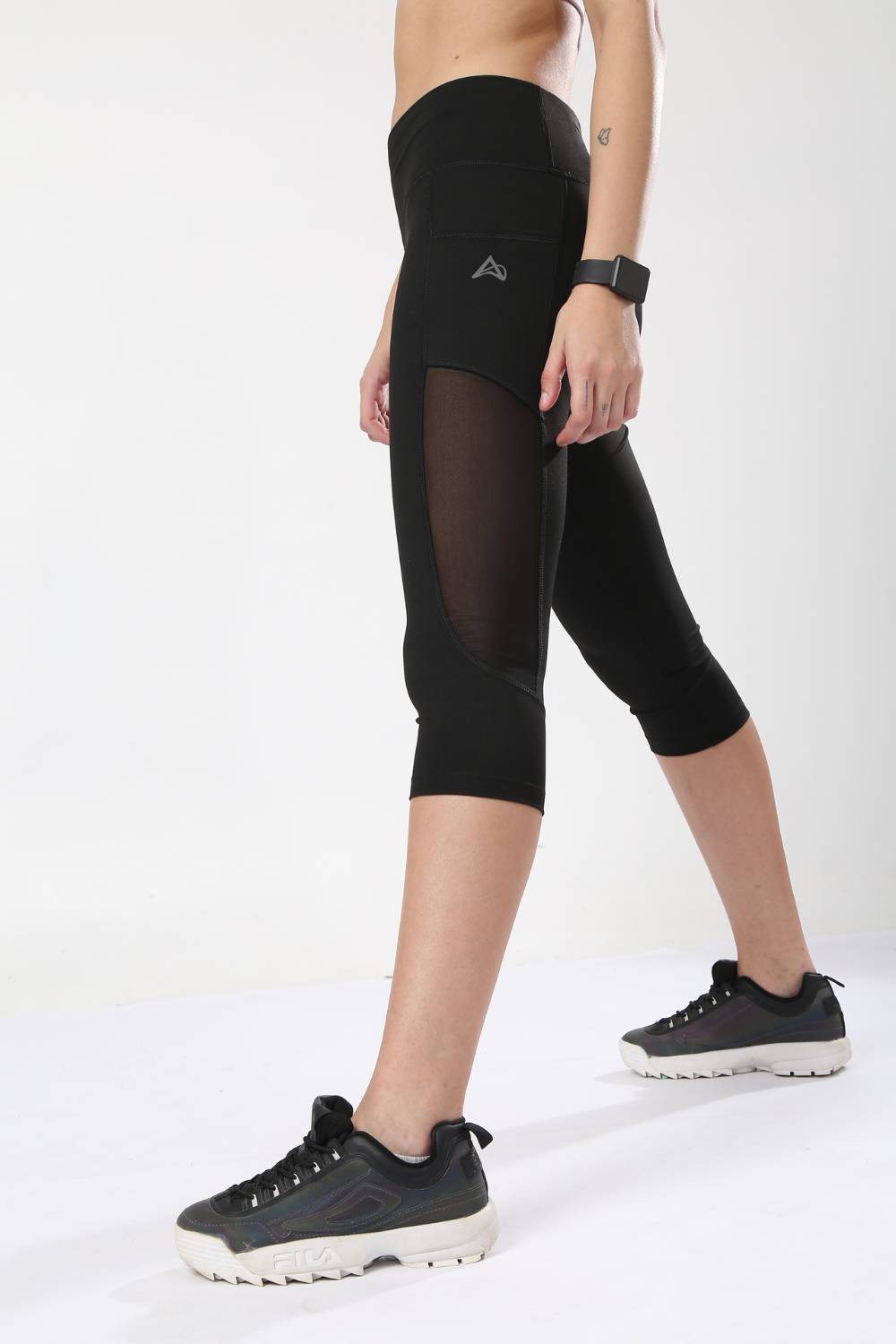
Advanced fabrics go further with specially shaped fibers trilobal, cross-section, or grooved to maximize surface area and create more efficient pathways. Finer filaments increase channel density for faster transport. Many designs incorporate mesh zones in high-sweat areas for added ventilation, ensuring the wicking process pairs with breathability to speed drying.
Practical Advantages on the Run
The benefits extend well beyond "staying dry." When moisture moves efficiently, your body expends less effort fighting trapped heat and dampness. Research on moisture-wicking apparel in hot conditions has shown advantages like lower perceived exertion, reduced skin temperature in some cases, and better overall comfort during prolonged exercise.
- Minimized chafing: Dry fabric reduces friction against skin, cutting down on irritation during long efforts.
- Reduced garment weight and cling: Saturated cotton adds drag; wicking keeps clothes light and non-restrictive.
- Improved hygiene and odor control: Faster sweat removal limits bacterial growth that causes smells (many pieces now layer in anti-odor tech too).
- Sharper mental focus: Without constant readjusting of wet layers or battling post-sweat chills, you stay locked into rhythm and breathing.
For trail runners navigating variable conditions or marathoners grinding through humid miles, these edges accumulate meaningfully. Even everyday joggers feel the upgrade on sticky days runs become smoother, recovery feels easier.
Choosing Wisely: What to Seek and Myths to Avoid
When shopping, prioritize material makeup over vague "performance" claims. High polyester content or specialized wicking blends (branded examples include Dri-FIT, Climalite, or similar) deliver reliably. Look for terms like "hydrophobic," "quick-dry," or explicit capillary wicking references.
Common misconceptions linger:
"Cotton works fine it's breathable and natural." Once saturated, cotton clings, chills you during slowdowns, and slows cooling. Reserve it for casual wear or cool-downs.
"Higher price guarantees superior wicking." Cost often ties to fit, durability, UV protection, or extras not always better moisture handling. Try affordable pieces side-by-side; the feel tells the story.
Important clarification: wicking manages sweat, not eliminates it. Sweating remains vital for cooling; the fabric simply handles it intelligently.
The Broader Context: Growth and Ongoing Innovation
Moisture-wicking emerged as running apparel matured in recent decades, driven by brands investing in textile science. Today, sustainability influences direction recycled polyester performs comparably, and explorations into bio-based fibers with engineered wicking continue. In the wider sports apparel landscape, priorities like comfort, breathability, flexibility, and moisture-wicking remain central to enhancing performance and endurance.
Future developments may include adaptive materials that adjust based on conditions or integrated sensors for hydration monitoring. For now, the technology is accessible and effective enough to elevate everyday runs for dedicated enthusiasts.
Why It Matters: Comfort as a Performance Ally
Moisture-wicking won't hand you a personal best without the underlying training. But by stripping away avoidable discomfort clammy skin, chafing, distraction it clears space for focus on form, pace, and the simple joy of movement. On demanding runs where heat and humidity test resolve, that reliable dryness becomes an understated advantage. Choose gear that works with your body rather than against it, and those miles feel less like labor and more like flow.
Frequently Asked Questions
How does moisture-wicking fabric work to keep runners dry?
Moisture-wicking fabrics use capillary action the natural movement of liquid through narrow spaces to pull sweat away from your skin toward the outer surface of the fabric, where it can evaporate quickly. They're made primarily from hydrophobic synthetic fibers like polyester, nylon, or polypropylene, which repel water rather than absorbing it the way cotton does. Advanced versions feature specially shaped fibers (trilobal or grooved) to maximize surface area and speed up the wicking process.
Is moisture-wicking clothing actually better than cotton for running?
Yes cotton absorbs and retains sweat, leaving it feeling heavy, clingy, and slow to dry, which can cause chafing and make it harder for your body to regulate temperature. Moisture-wicking synthetics, by contrast, transport sweat along fiber surfaces instead of trapping it, keeping the layer closest to your skin relatively dry. For humid runs or longer distances, this difference in comfort and performance is significant.
What should I look for when buying moisture-wicking running gear?
Focus on material composition rather than broad "performance" marketing claims high polyester content or labeled wicking blends (such as Dri-FIT or Climalite) are reliable indicators. Look for terms like "hydrophobic," "quick-dry," or "capillary wicking" on the label. Keep in mind that a higher price doesn't always mean better moisture management; it often reflects extras like UV protection or durability, so it's worth trying affordable options to find what feels best on your runs.
Disclaimer: The above helpful resources content contains personal opinions and experiences. The information provided is for general knowledge and does not constitute professional advice.
You may also be interested in: The Importance of Moisture-Wicking Fabric for Runners: Why It Matters
Tired of gear that slows you down? Chafing, soggy fabrics, and missing pockets kill your run's momentum. At Aguante, we're runners who get it. Our high-performance activewear features moisture-wicking fabrics, ergonomic designs, and smart storage to keep you focused. Shop Now!
Powered by flareAI.co